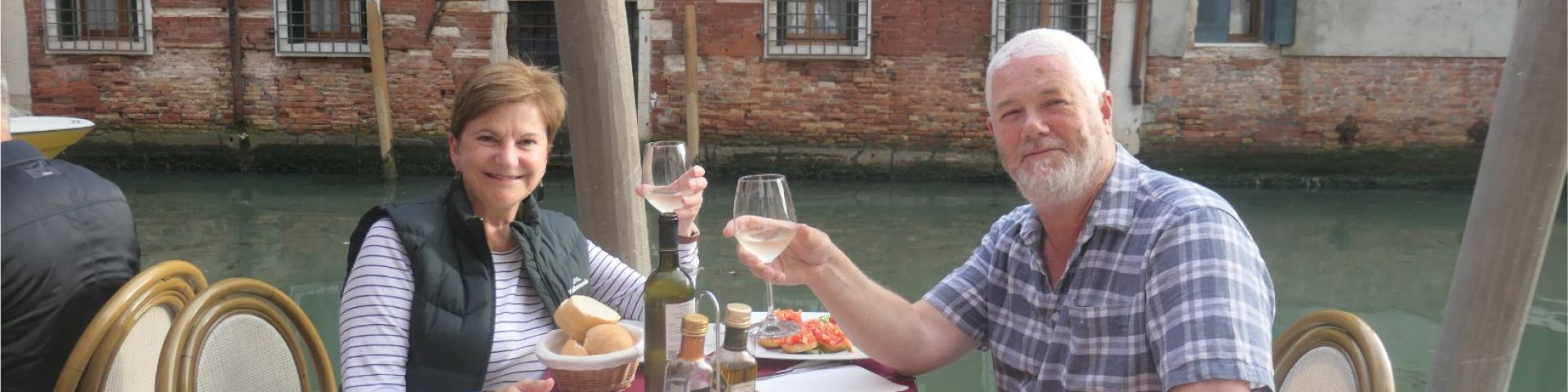
Marg is having a milestone birthday later this month. She decided she’d like to celebrate it with a Darwin to Broome cruise around the Kimberley coastline in northern Australia. When my brother Rod and sister-in-law Cornelia agreed to join us on this trip, we added a few extra days in the Northern Territory to our itinerary before we have to board the cruise boat.
We all flew up to Darwin from Melbourne yesterday. A group of school kids boarded the same plane. We spotted the name of the school on one of the teachers’ polo shirts. Of all the schools in Melbourne, it happened to be Laurimar Primary School, where Marg had been an Assistant Principal until just a few years ago. So when I went off to the baggage check with Rod and Cornelia, Marg headed back the other way to the school group where she was soon hugging her former colleagues and laughingly knocking back their invitations to join their tour as an extra member of staff!
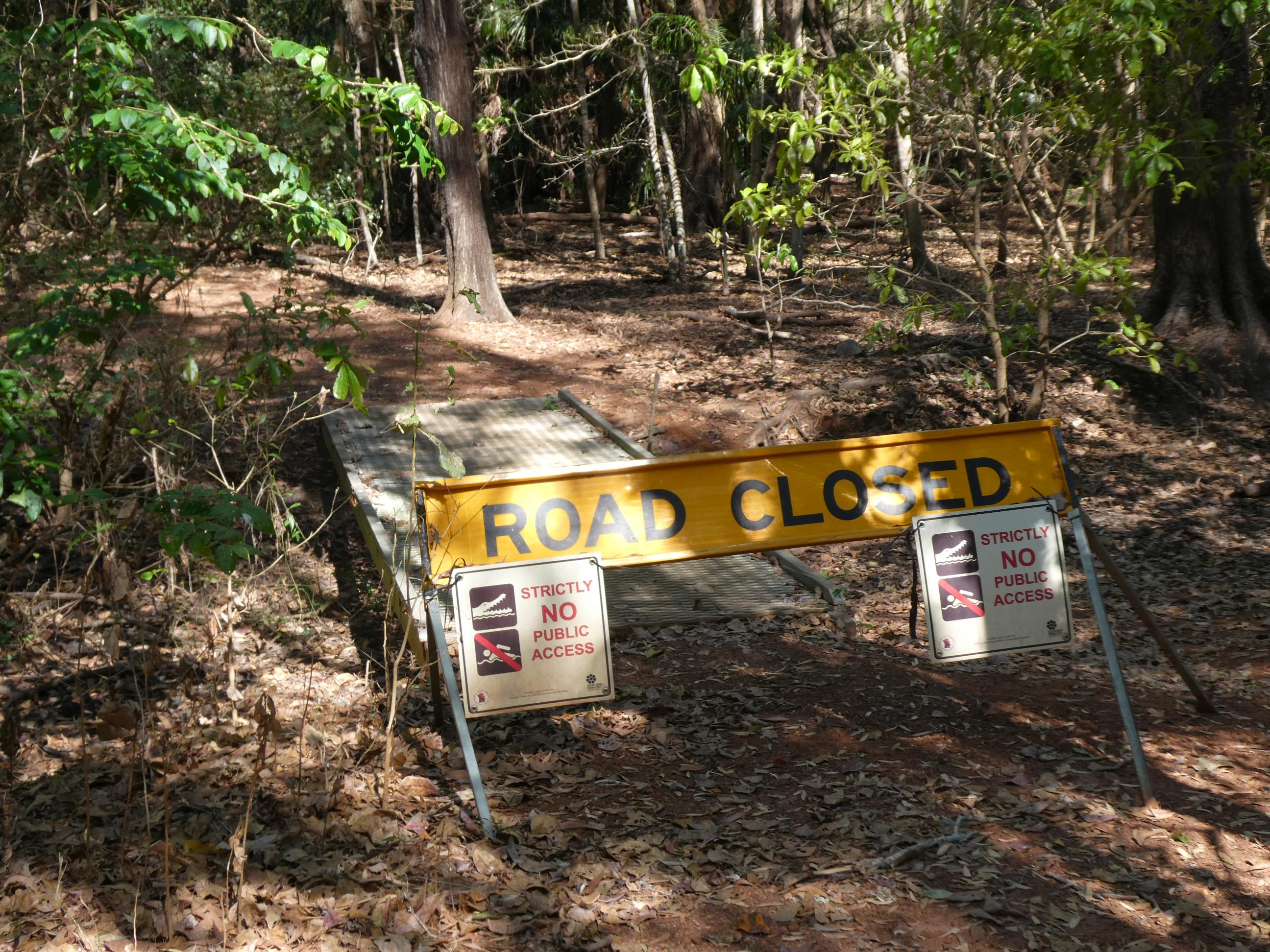
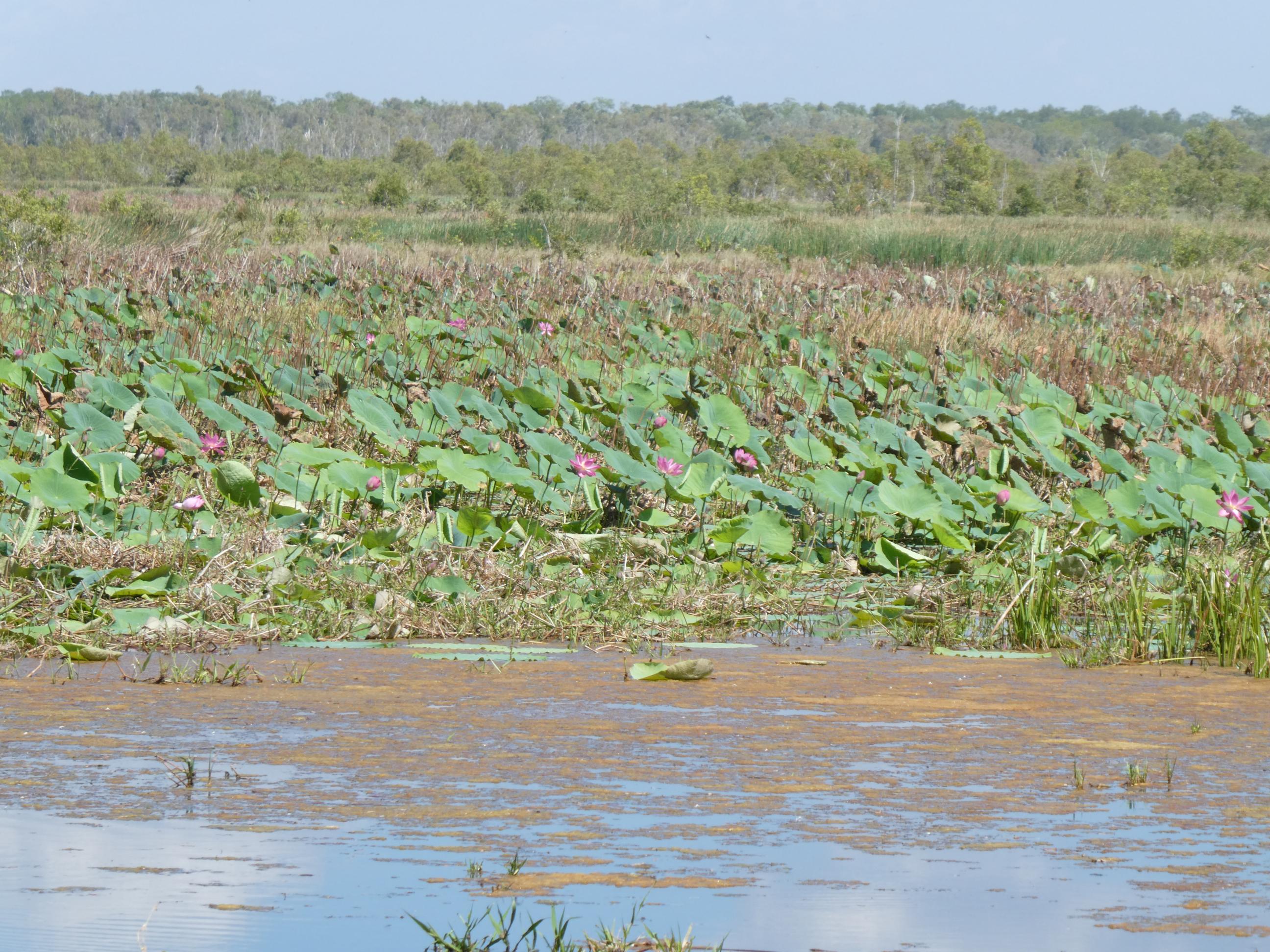
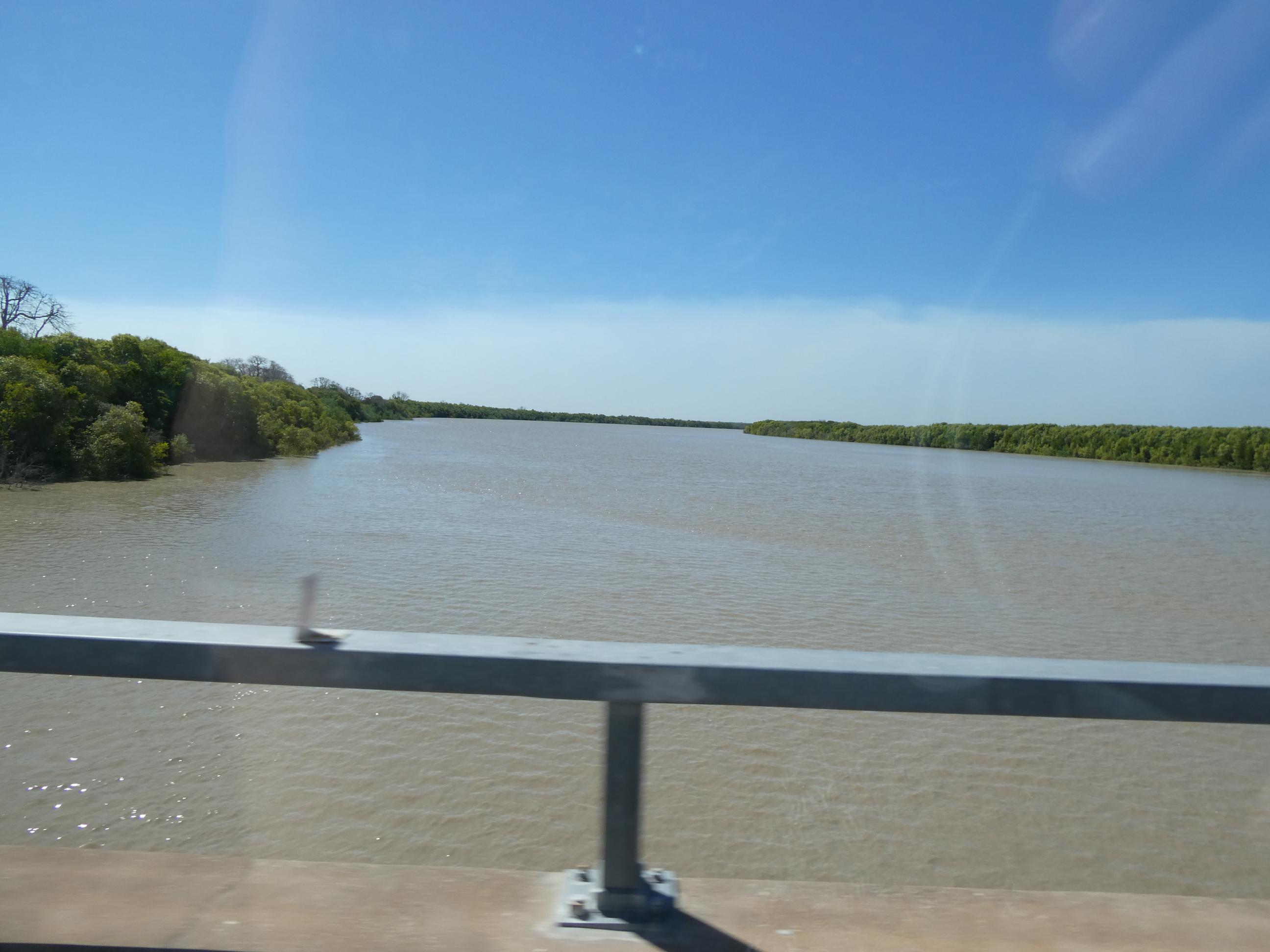
We left Darwin early this morning in our hire car and headed for Jabiru. En route, we made a short detour to Fogg Dam, which is a natural wetlands area on the floodplain of the Adelaide River. When Marg and I were last in this area 26 years ago with our girls, we went on a boat cruise on the Adelaide River. Large saltwater crocodiles slithered down the muddy banks of the river as our boat approached and swam out to join us. A tour guide on the boat dangled a large slab of meat on a long pole out over the water and we watched as huge crocs leapt out of the water and grabbed the meat in their snapping jaws. We’re not doing a cruise like that this time around, but we are travelling in croc country once again, and it didn’t take long before we were made aware of their presence. Almost as soon as we pulled into the Fogg Dam carpark and headed off to begin the Lilies Trail along the waterfront, a large ROAD CLOSED sign prevented us from going any further. Somewhere on the other side of that sign, the big crocs were on the prowl. That’s one warning none of us were prepared to argue with, so we turned and headed out of the train that ran in the other direction, away from the water – the Monsoon Forest Trail.
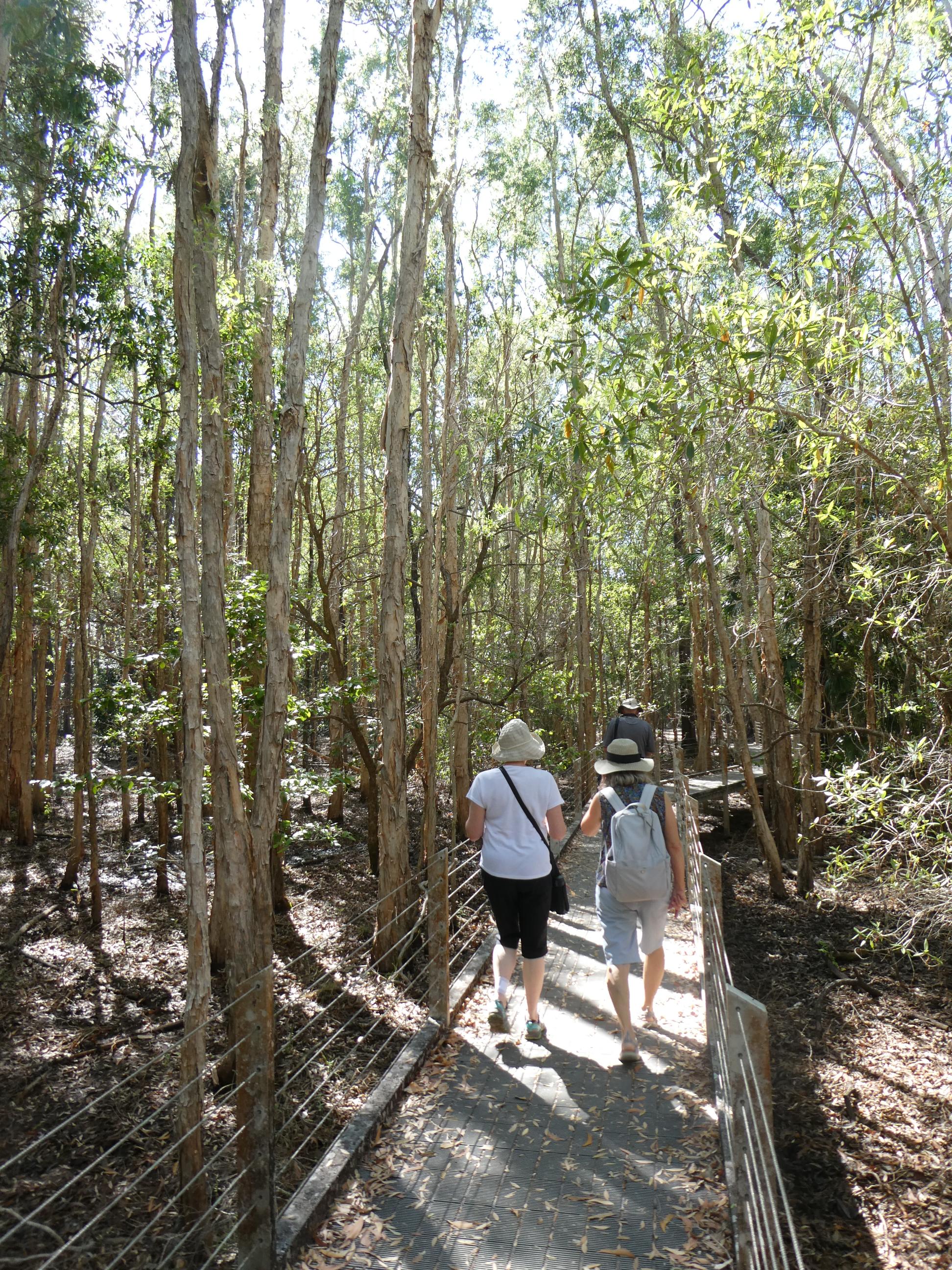
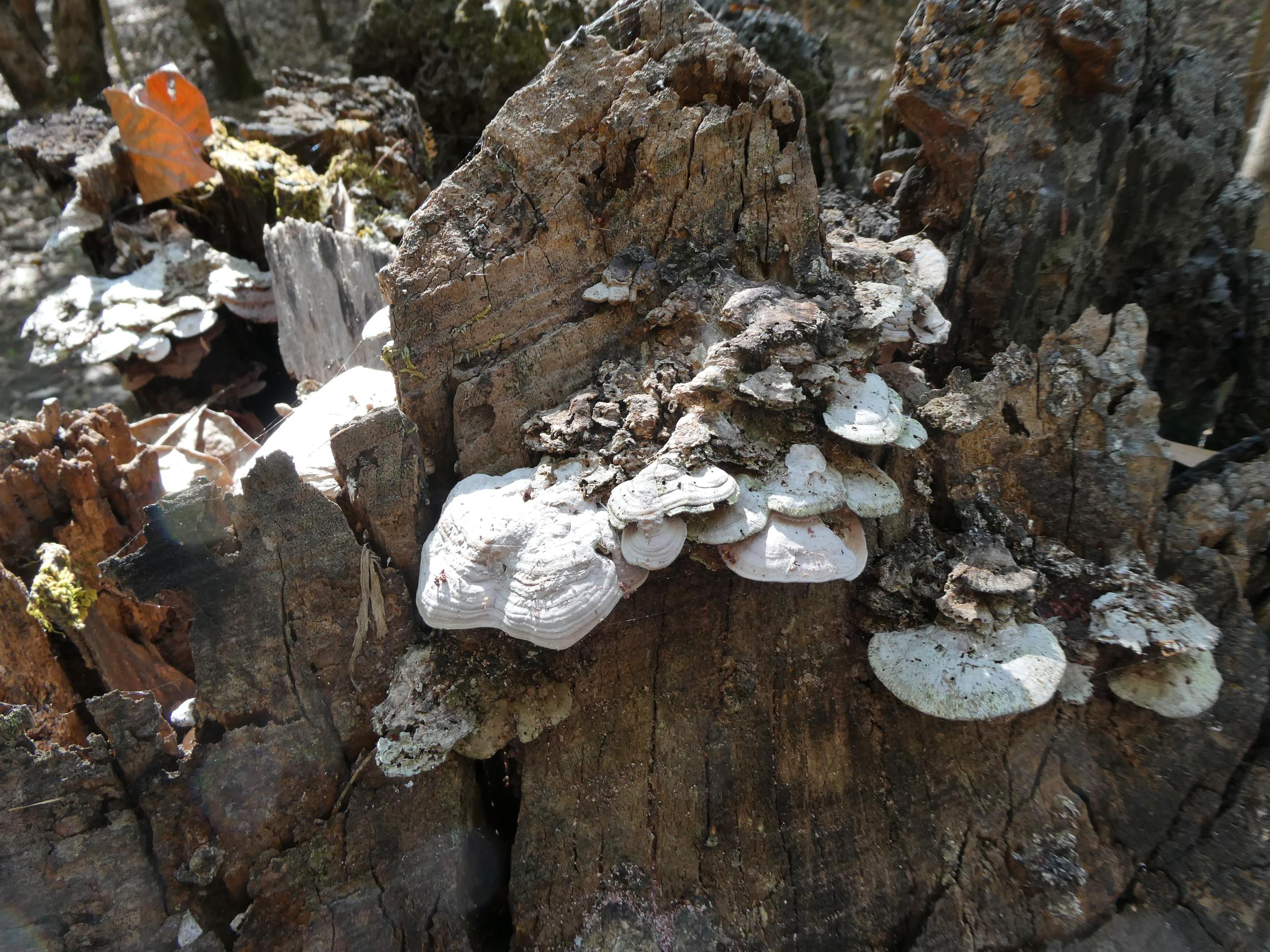
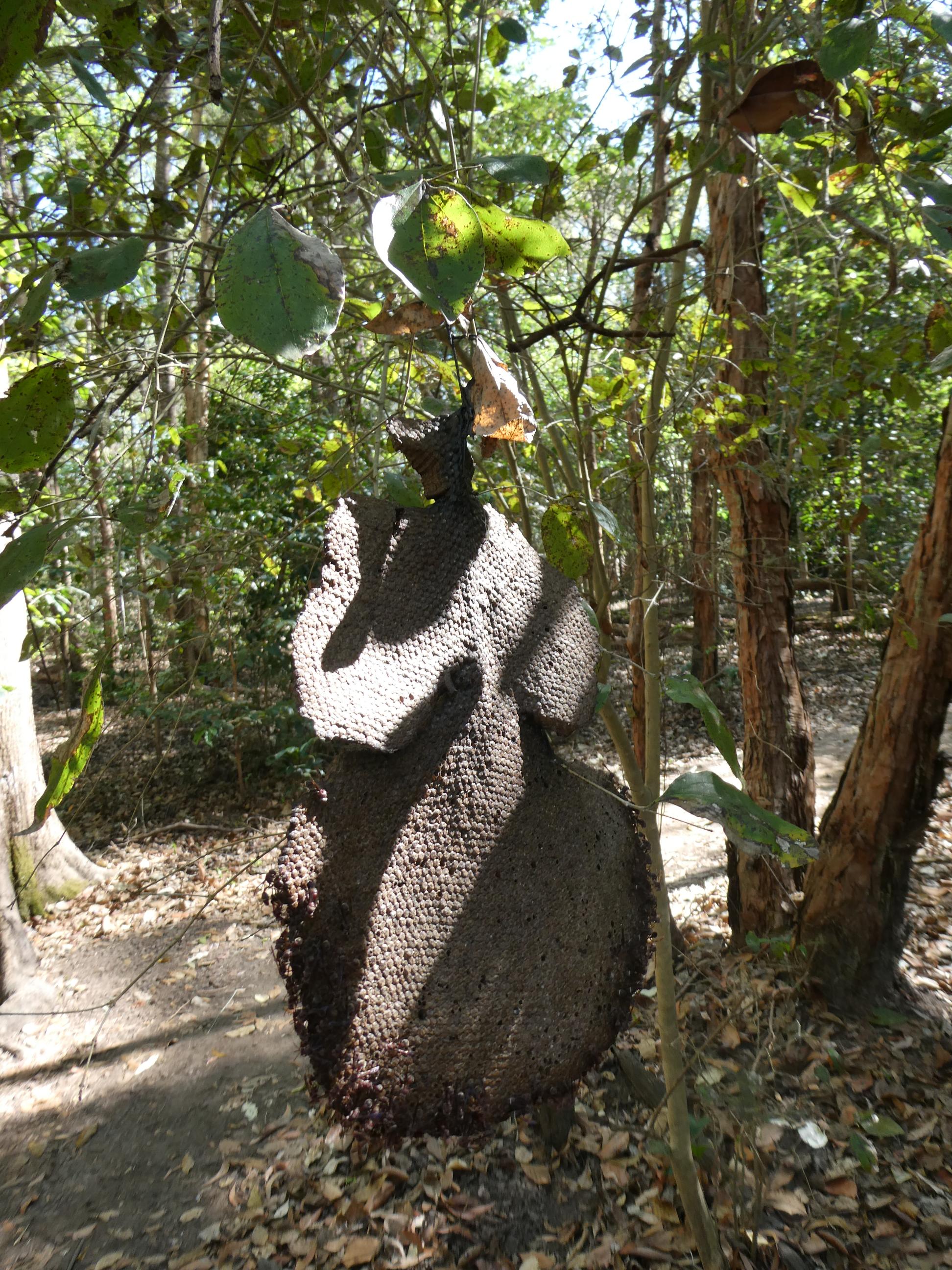
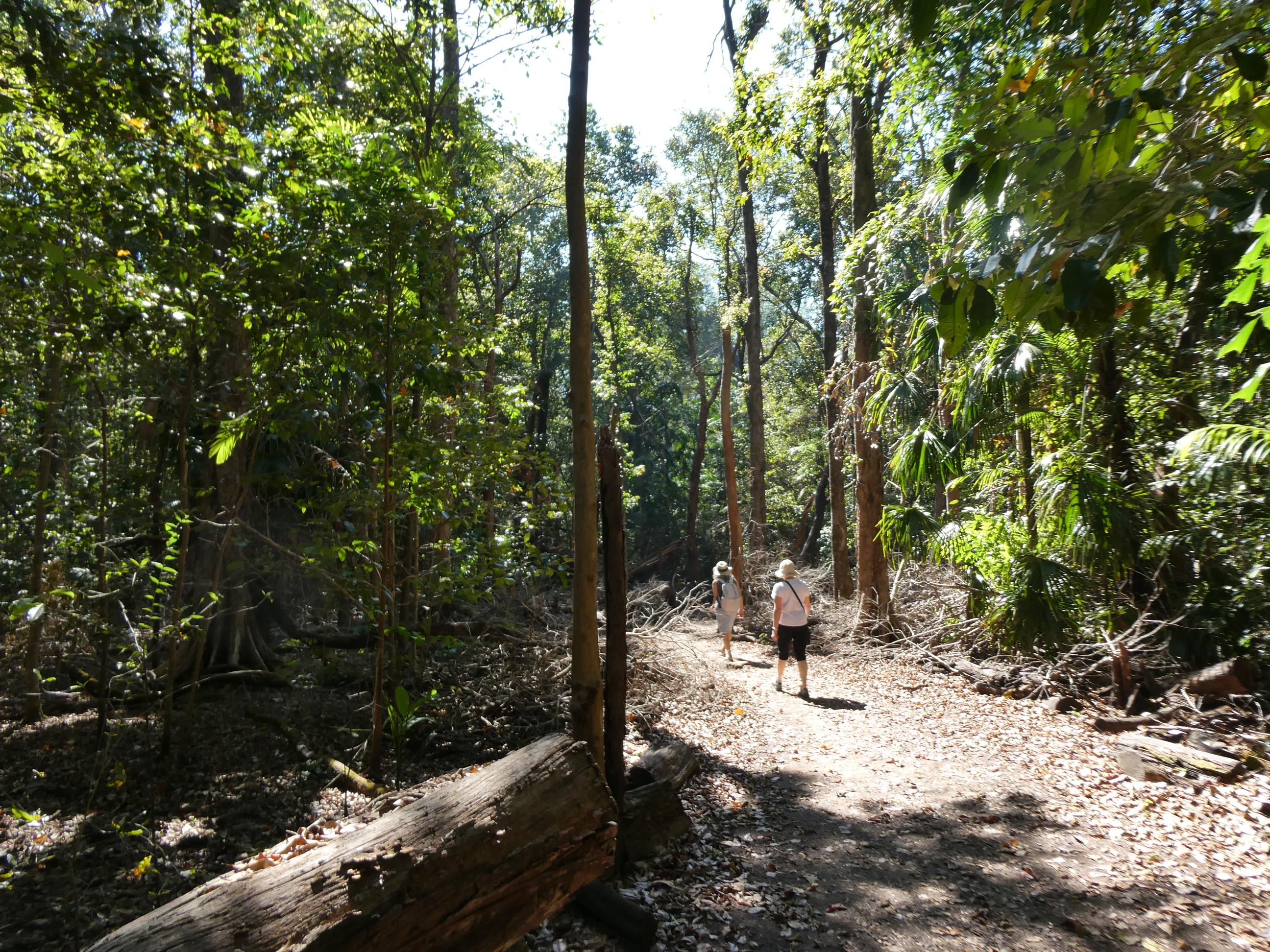
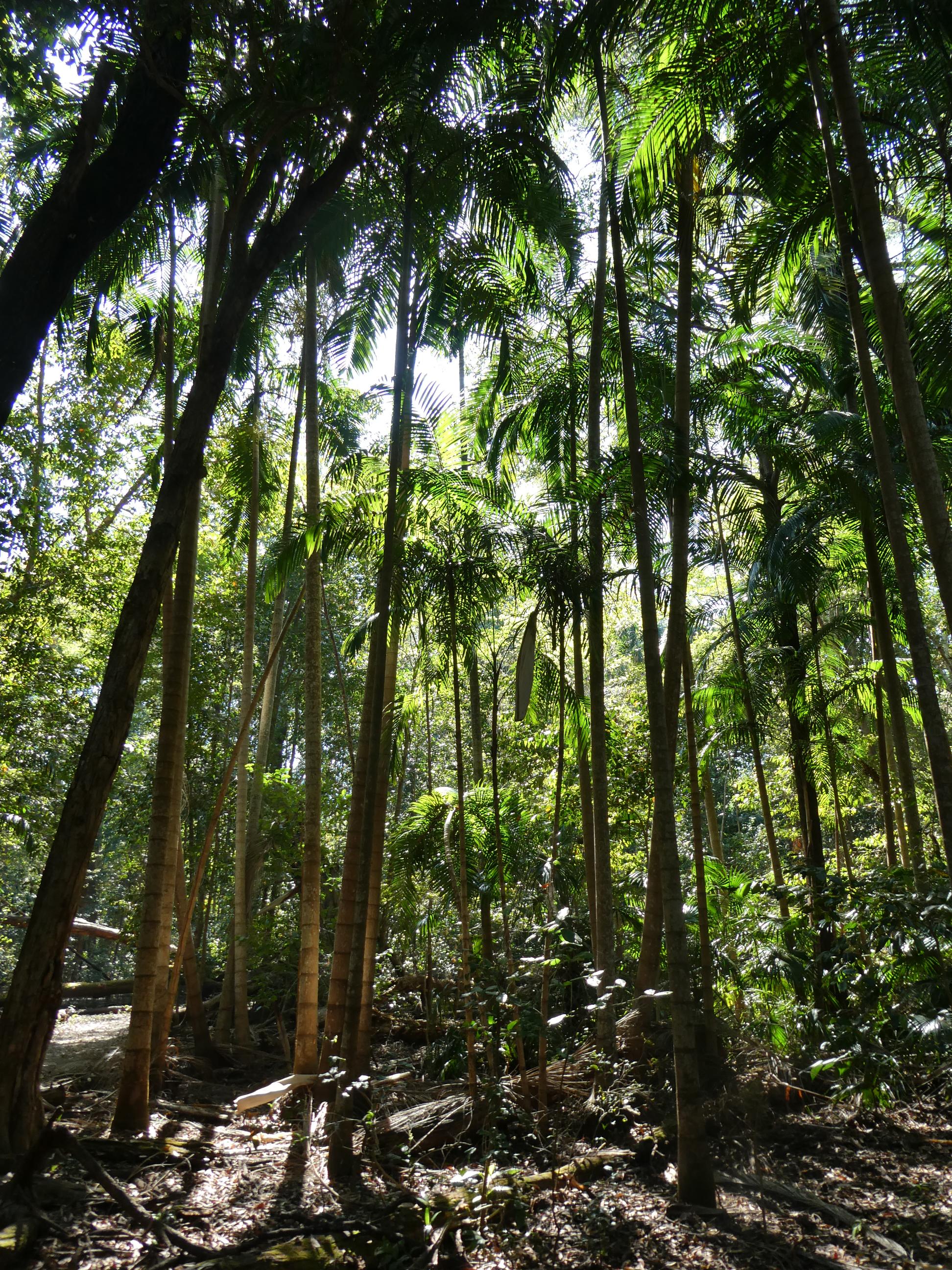
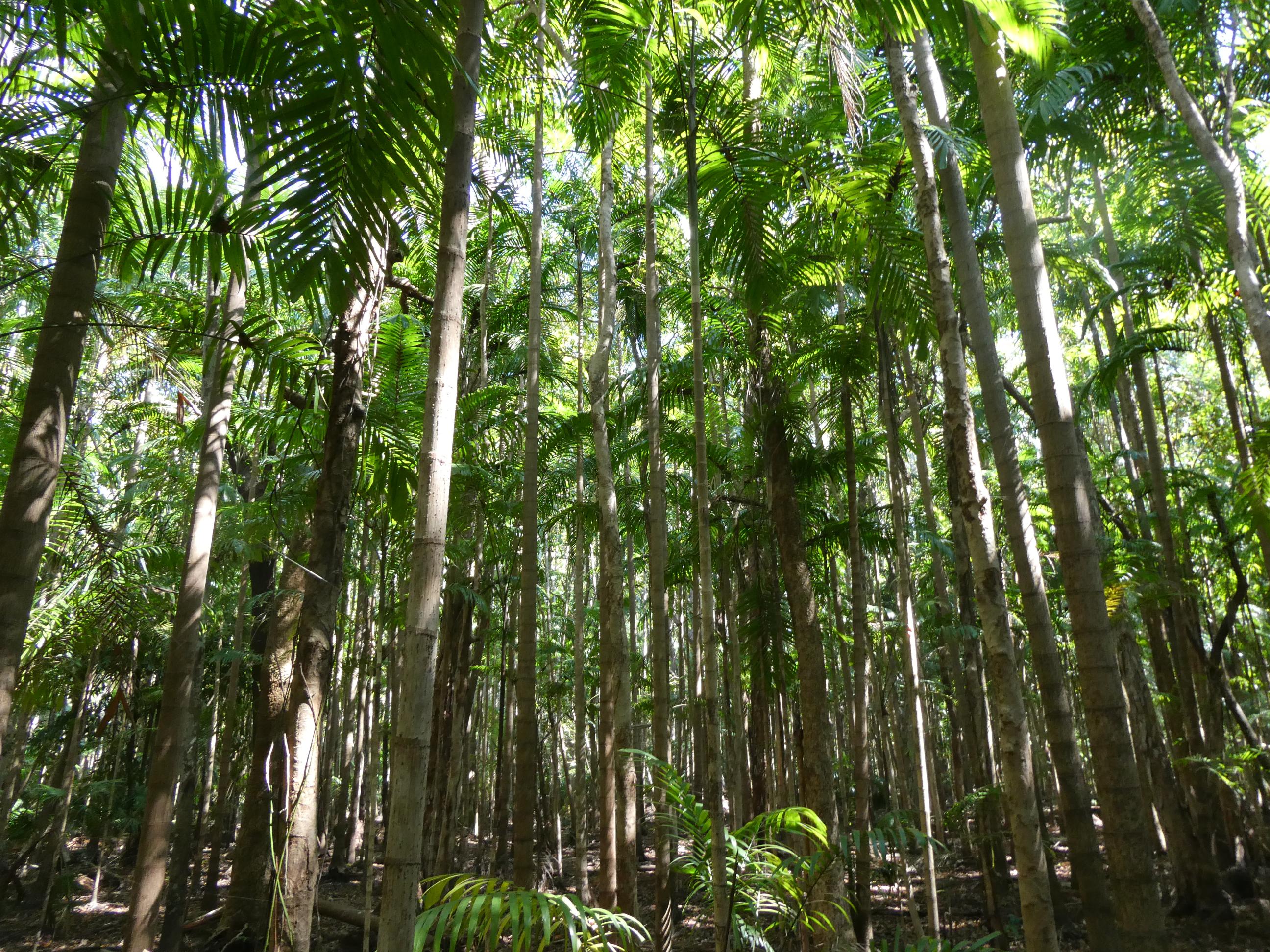
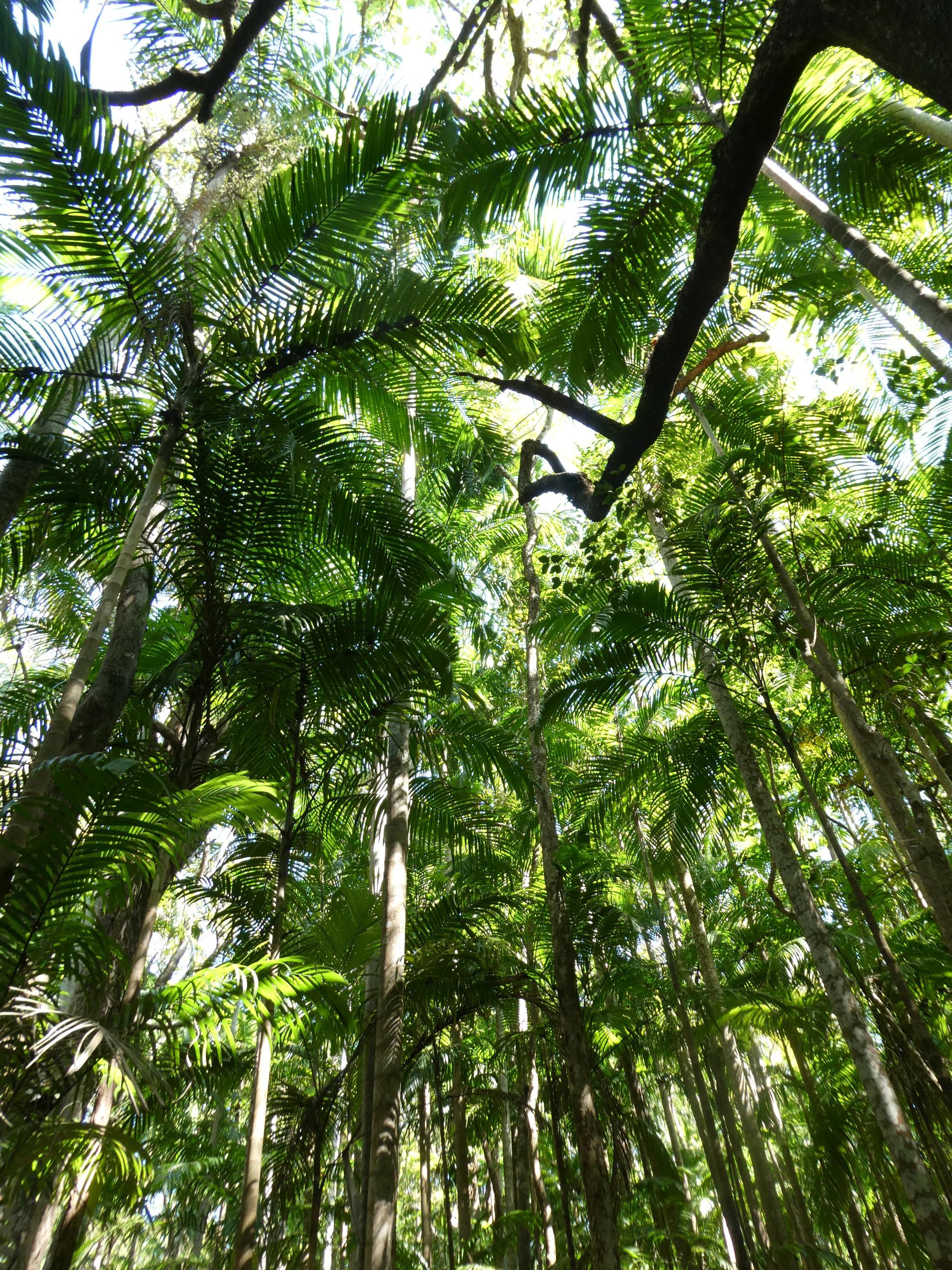
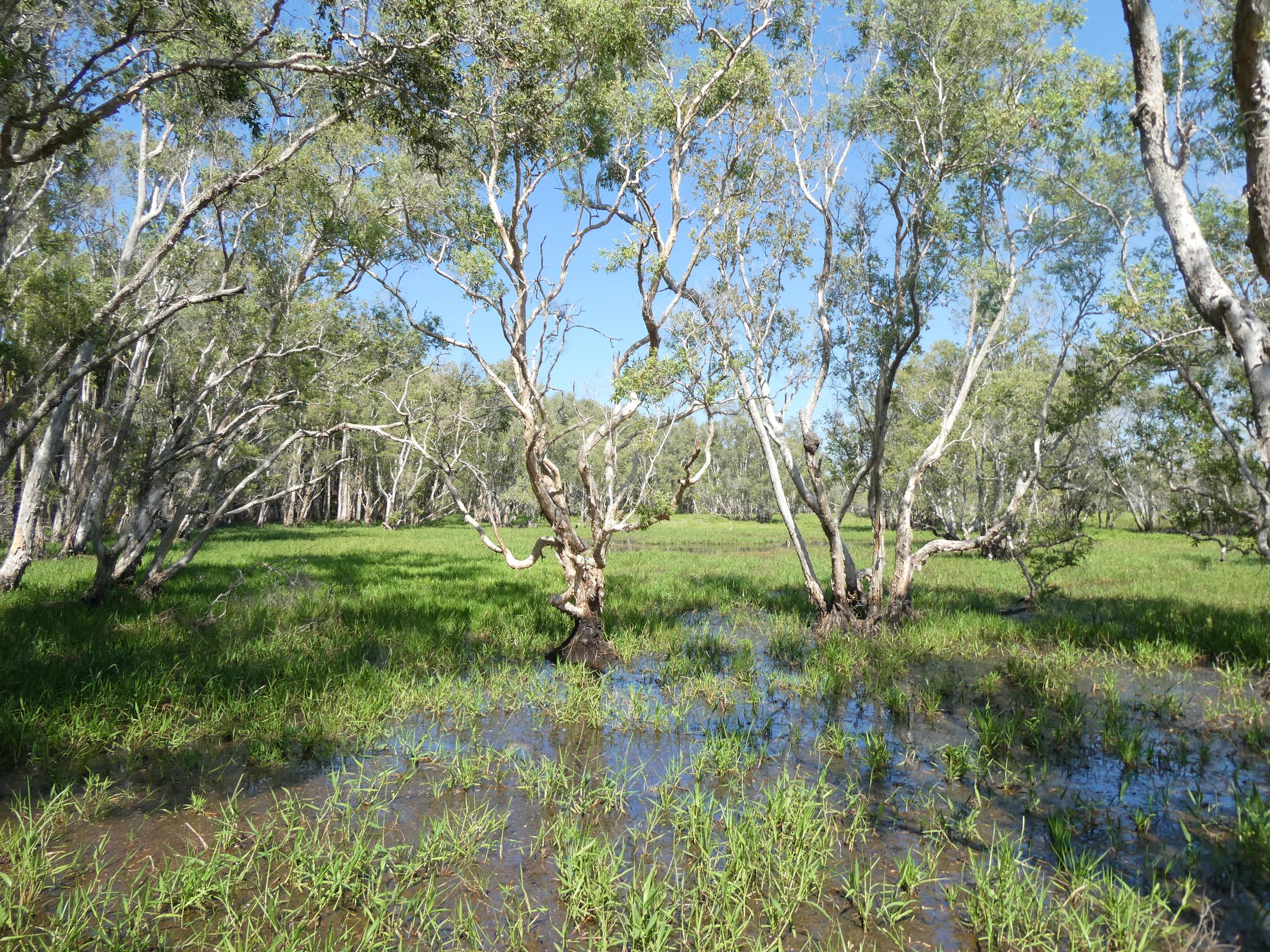
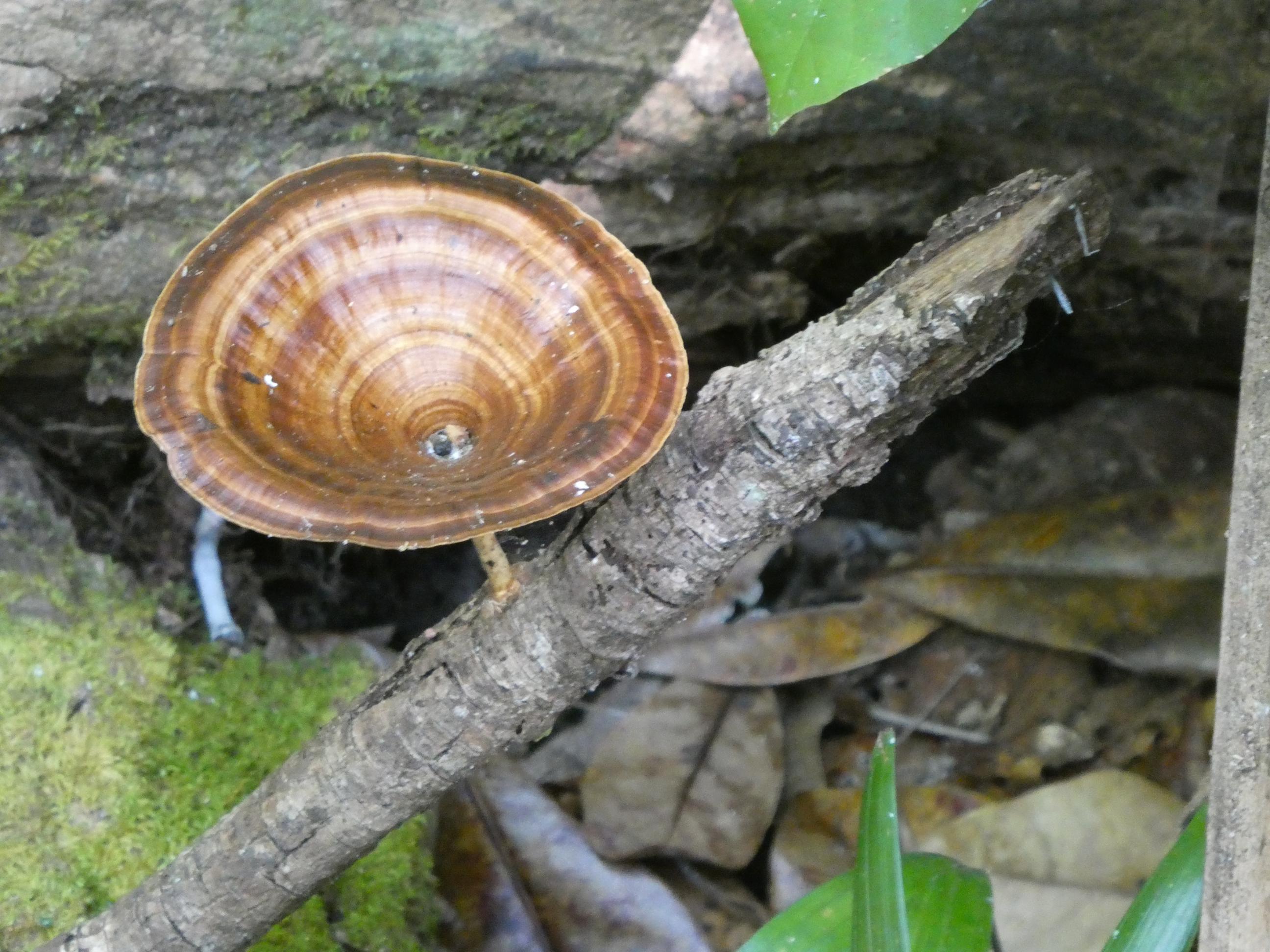
This was a walk I really enjoyed. We’re here during the Top End’s dry season, and some of the trail is suitable for foot traffic. In places where it is boggy underfoot, elevated boardwalks have been erected. In the wet season, which will begin in a few short months from now, much of the area surrounding the trail will be under water. The vegetation reflects this. Many of the plants are similar to those I have seen in Far North Queensland, but the forest is not as dense. Large palms, tall skinny eucalypts and melaleucas were common. The canopy was thinner than you would see in FNQ and plenty of sunlight reached the forest floor.
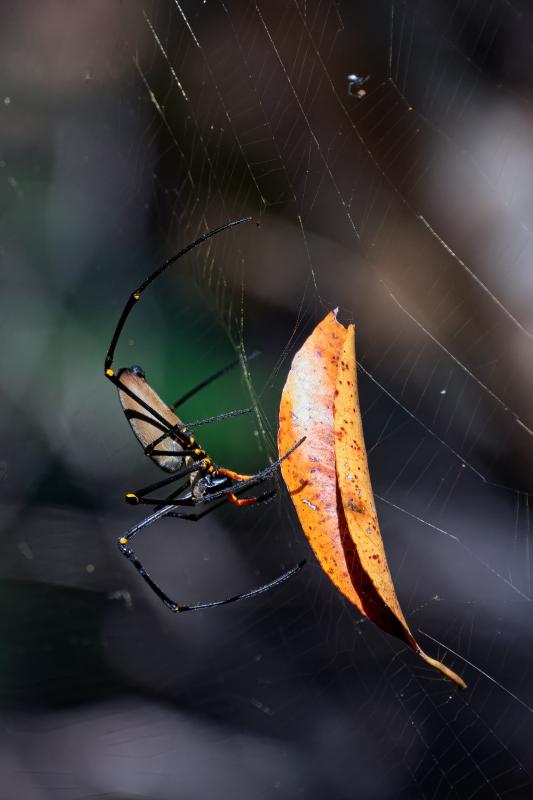
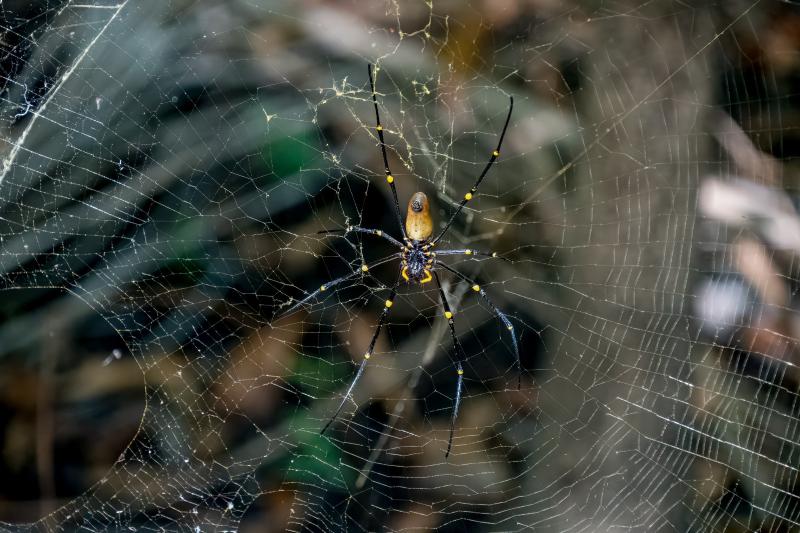
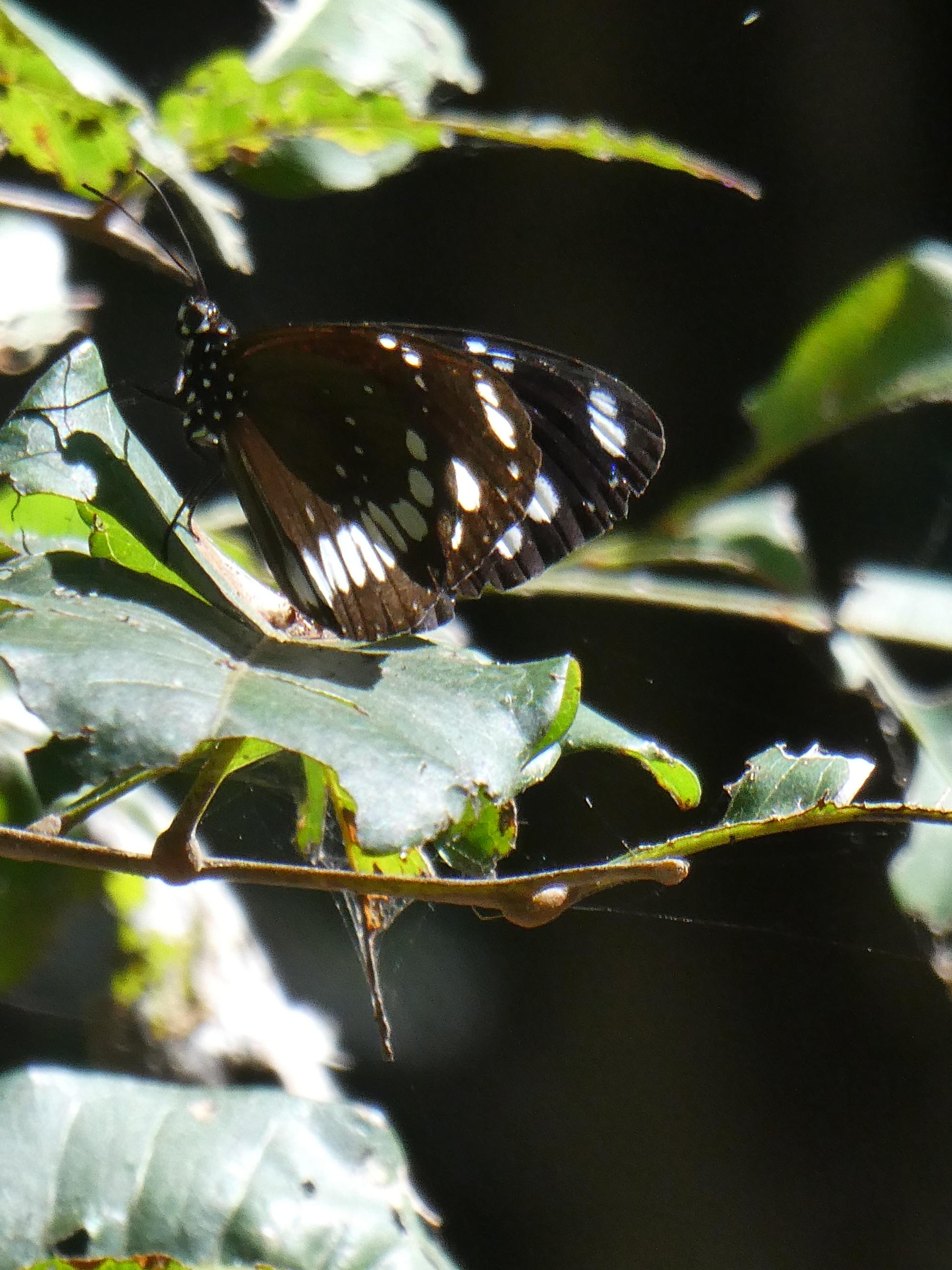
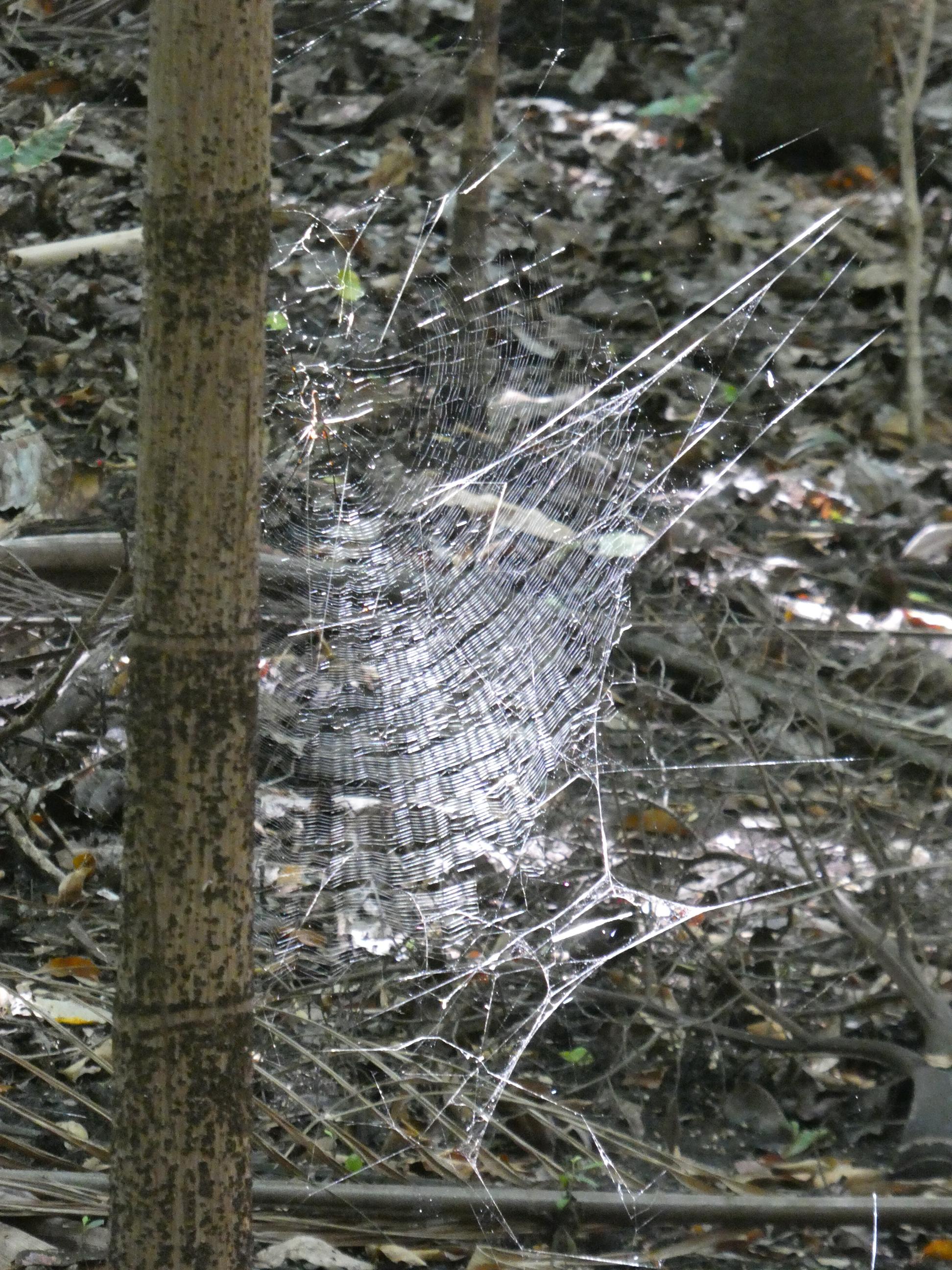
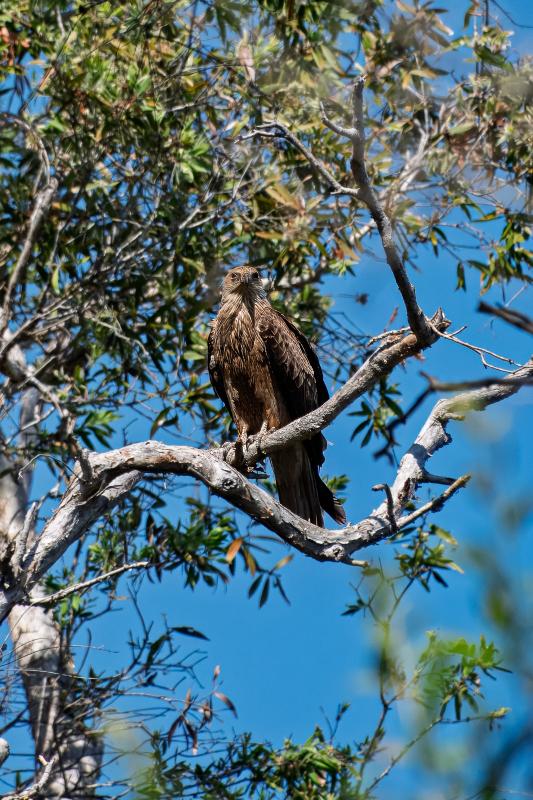
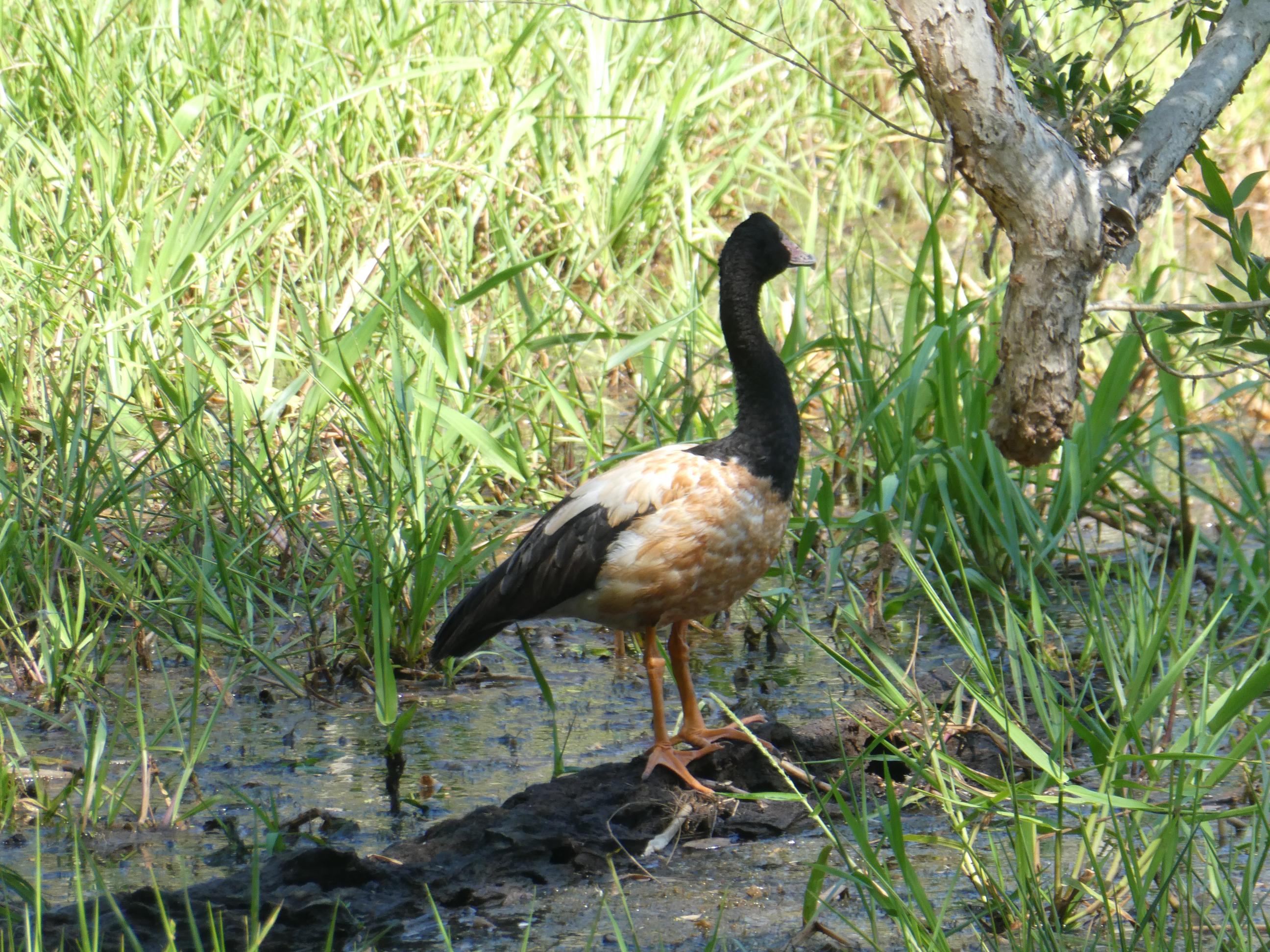
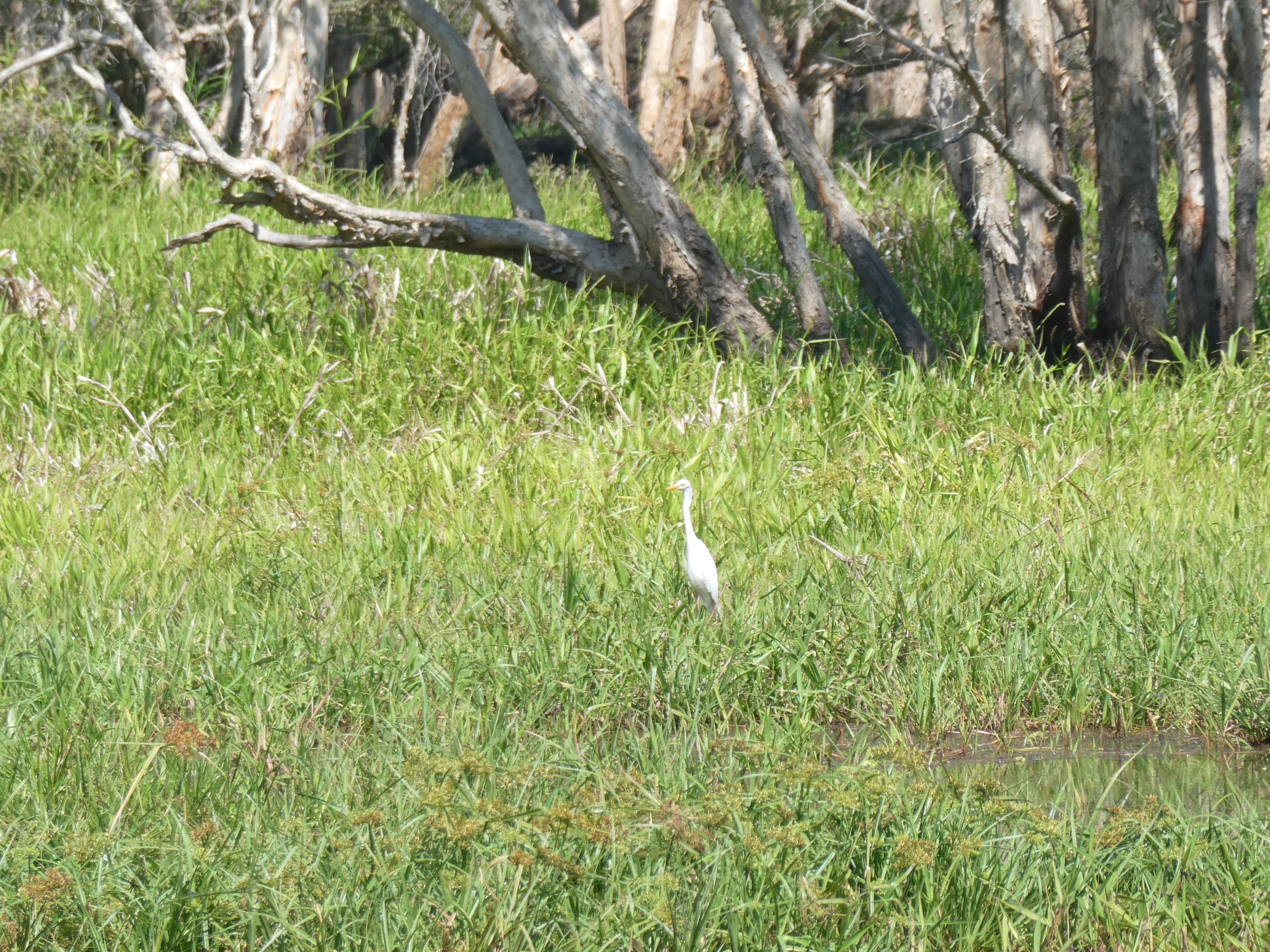
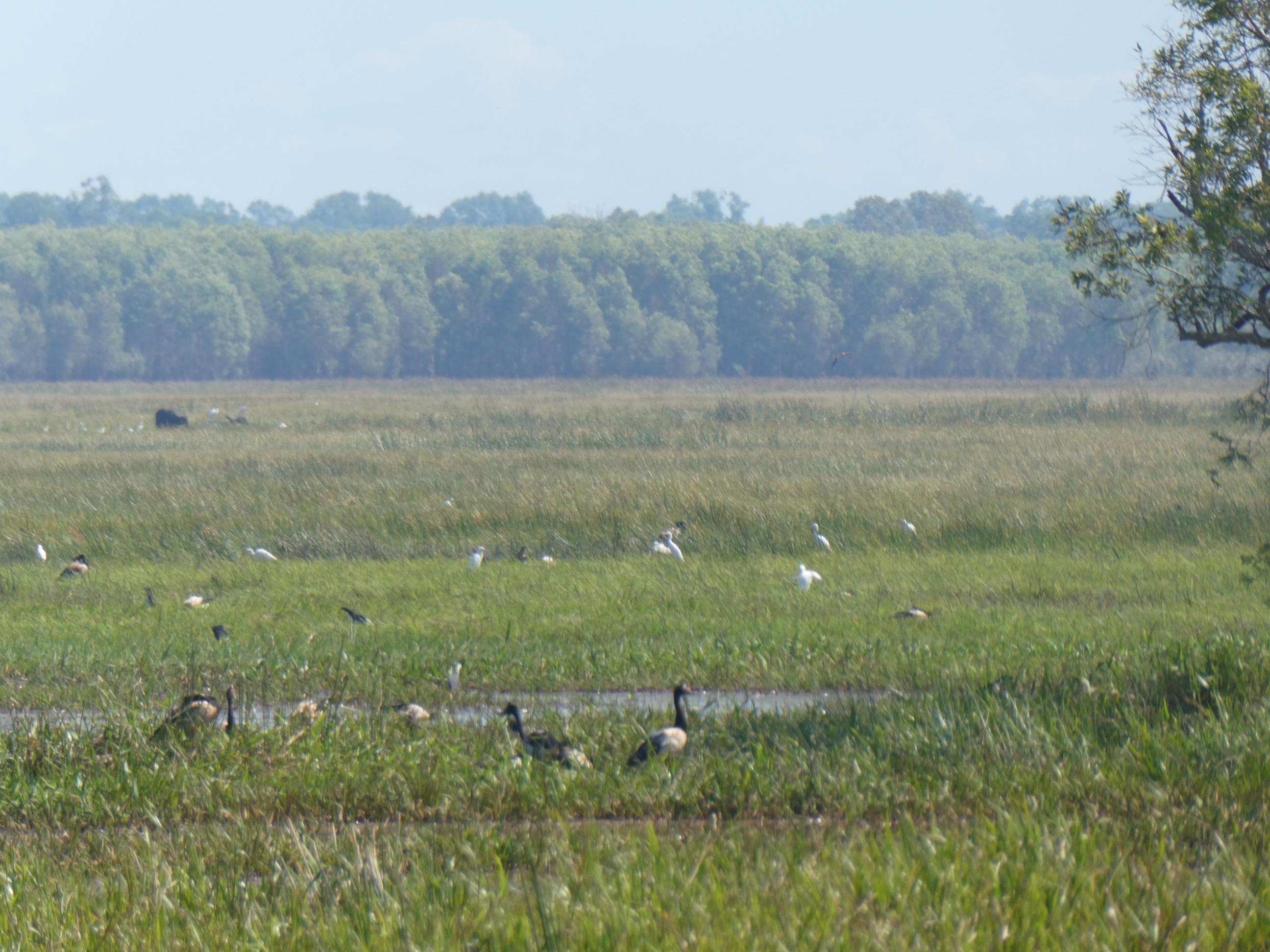
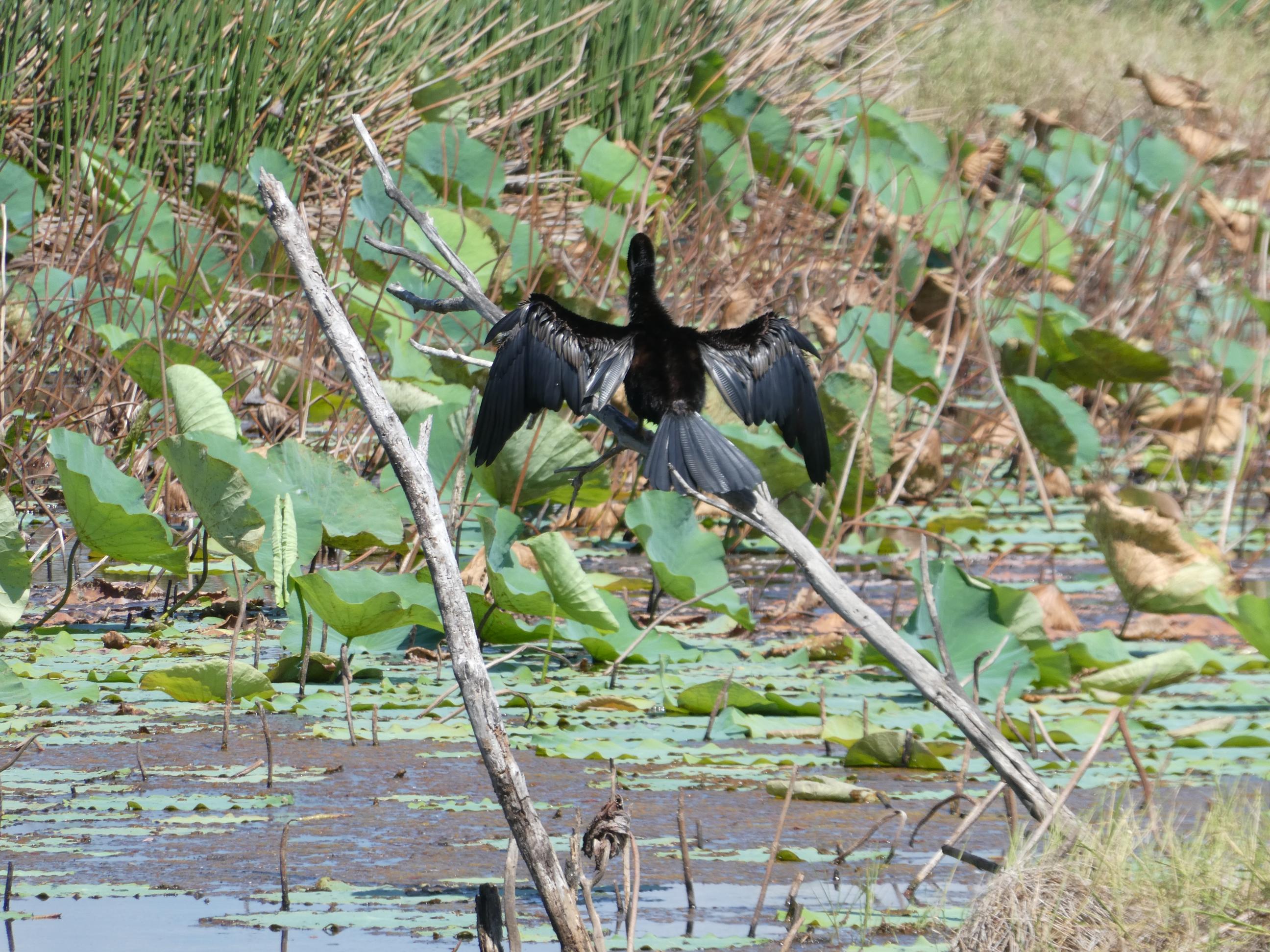
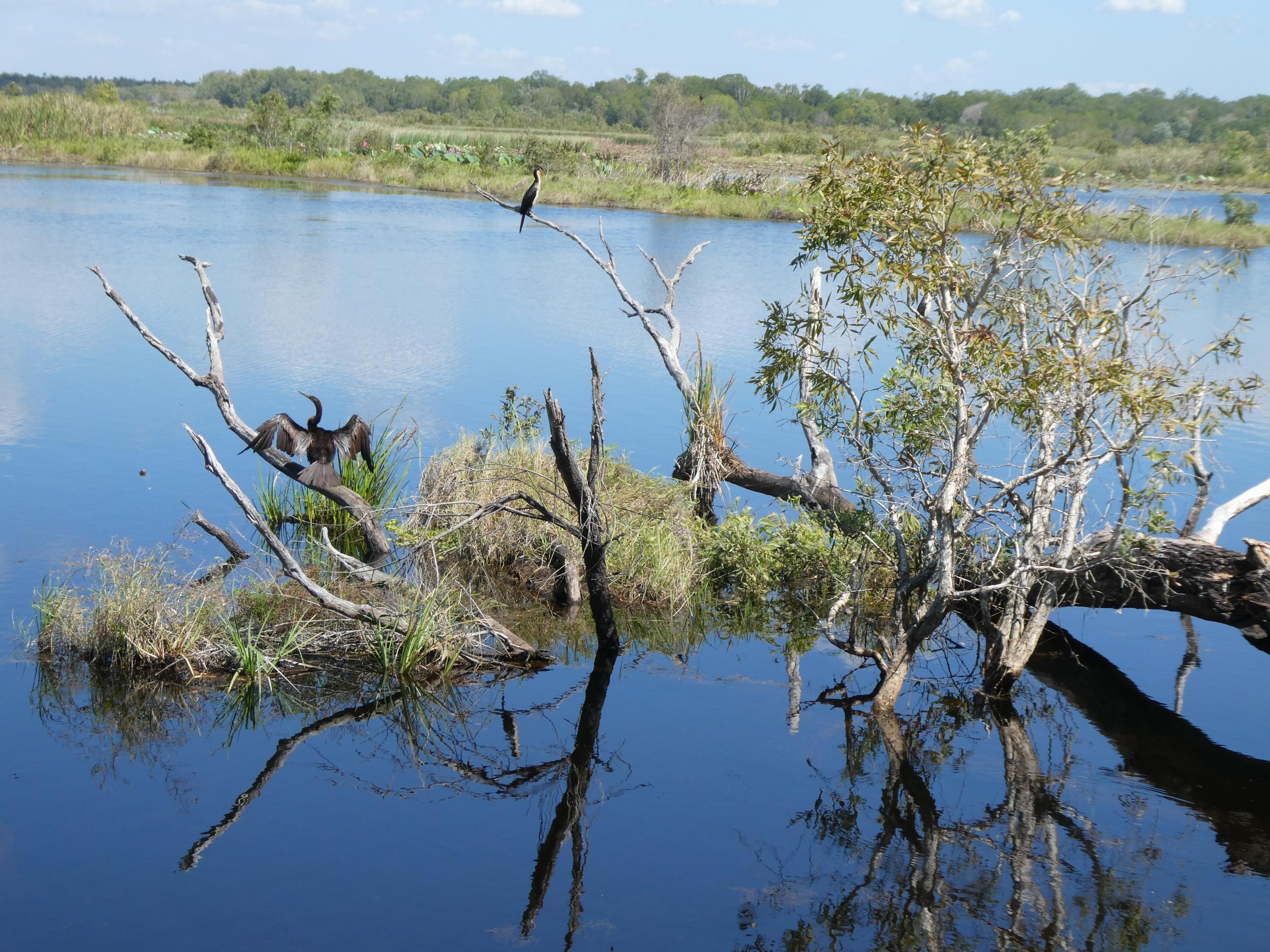
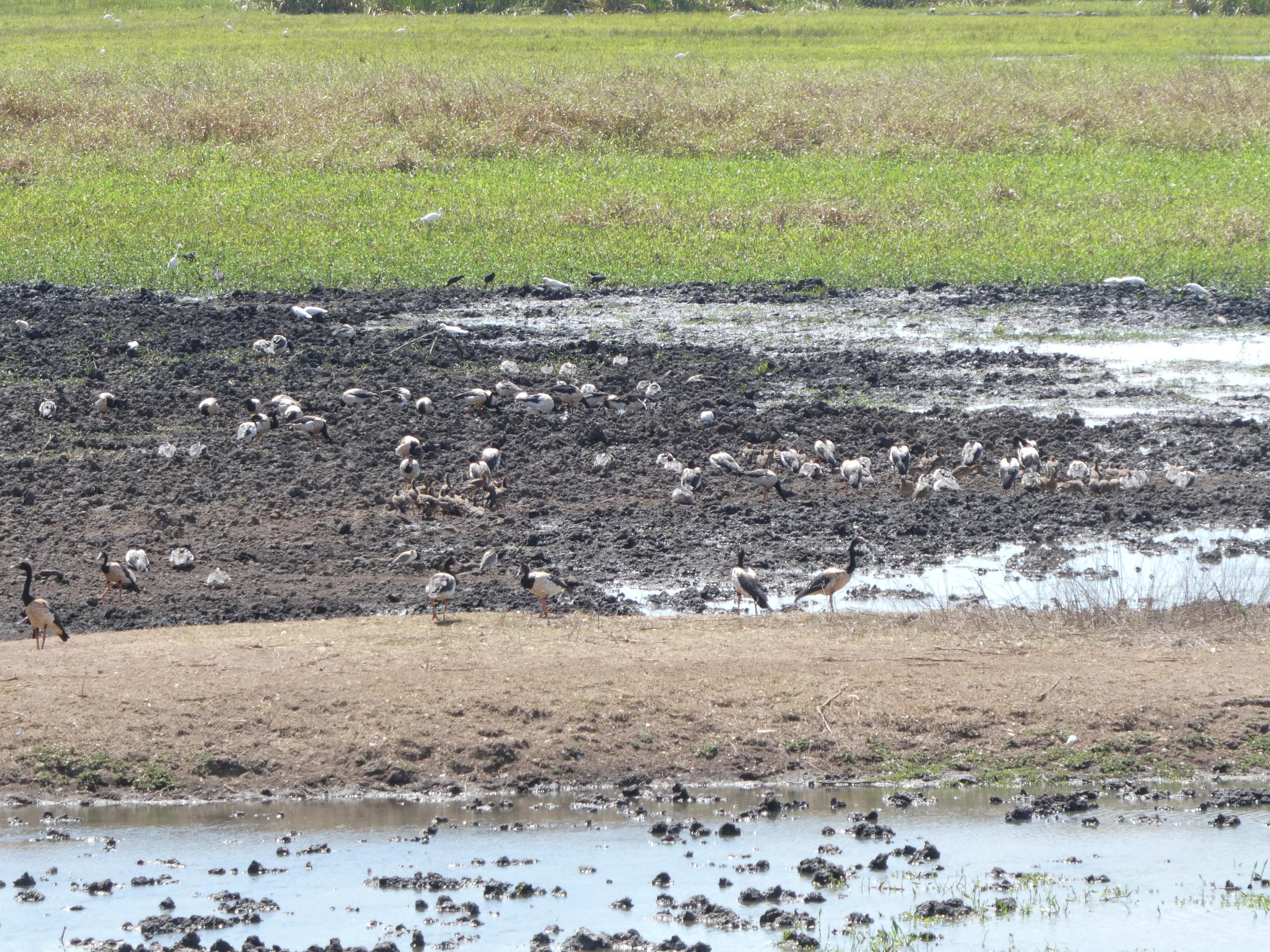
Almost immediately we began our walk we had butterflies fluttering all around us. There was quite a range of colours, but they never sat still on a leaf long enough for me to focus my camera and shoot. I didn’t have a lot of luck photographing the many large golden orb spiders we encountered along the path either, as the auto focus on my little camera kept playing tricks on me and refusing to give me sharp images of the spiders. Thankfully my brother generously offered me his wonderful spider photos, as well as the bird of prey pic that appears later in this set. At the far end of the Monsoon Forest Trail, we arrived at a viewing platform that provided views out over the floodplain. There were many birds in the distance – magpie geese, herons, egrets, cormorants and other water birds were visible. A large bird of prey watched everything from a high branch. Tiny finches flitted from branch to branch. It was serene. We didn’t spot any crocs, though I’m sure they would have been in the area.
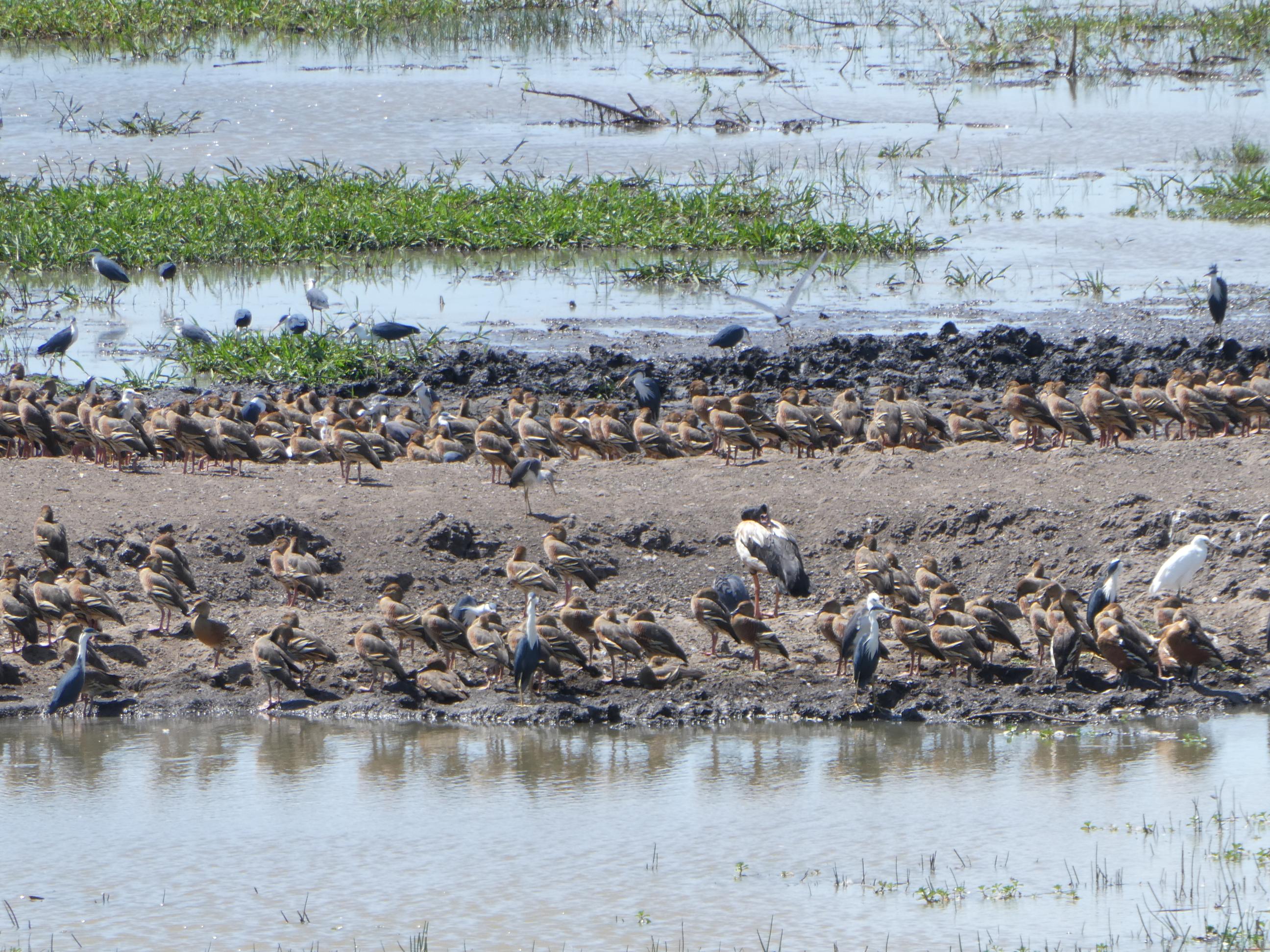
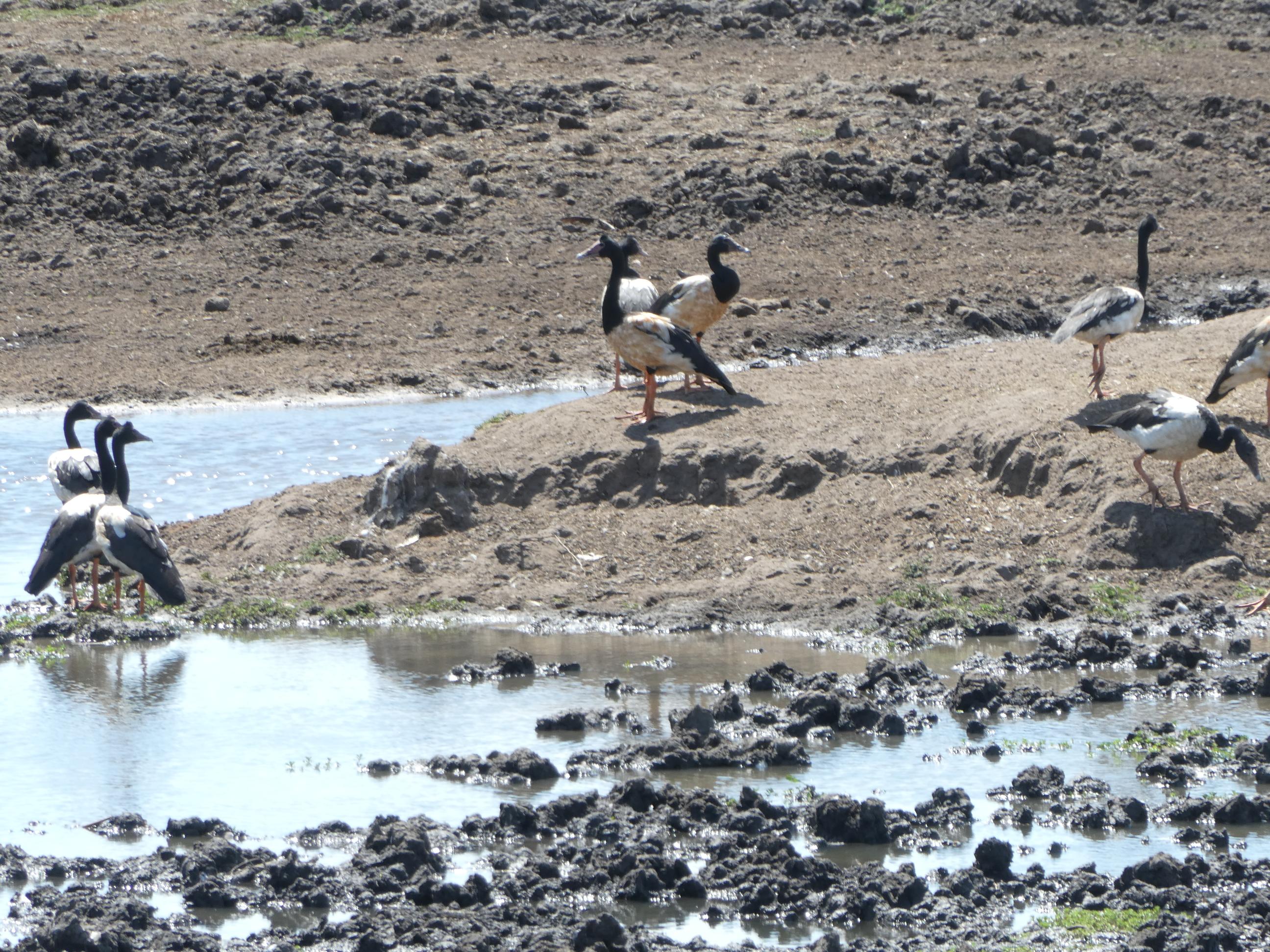
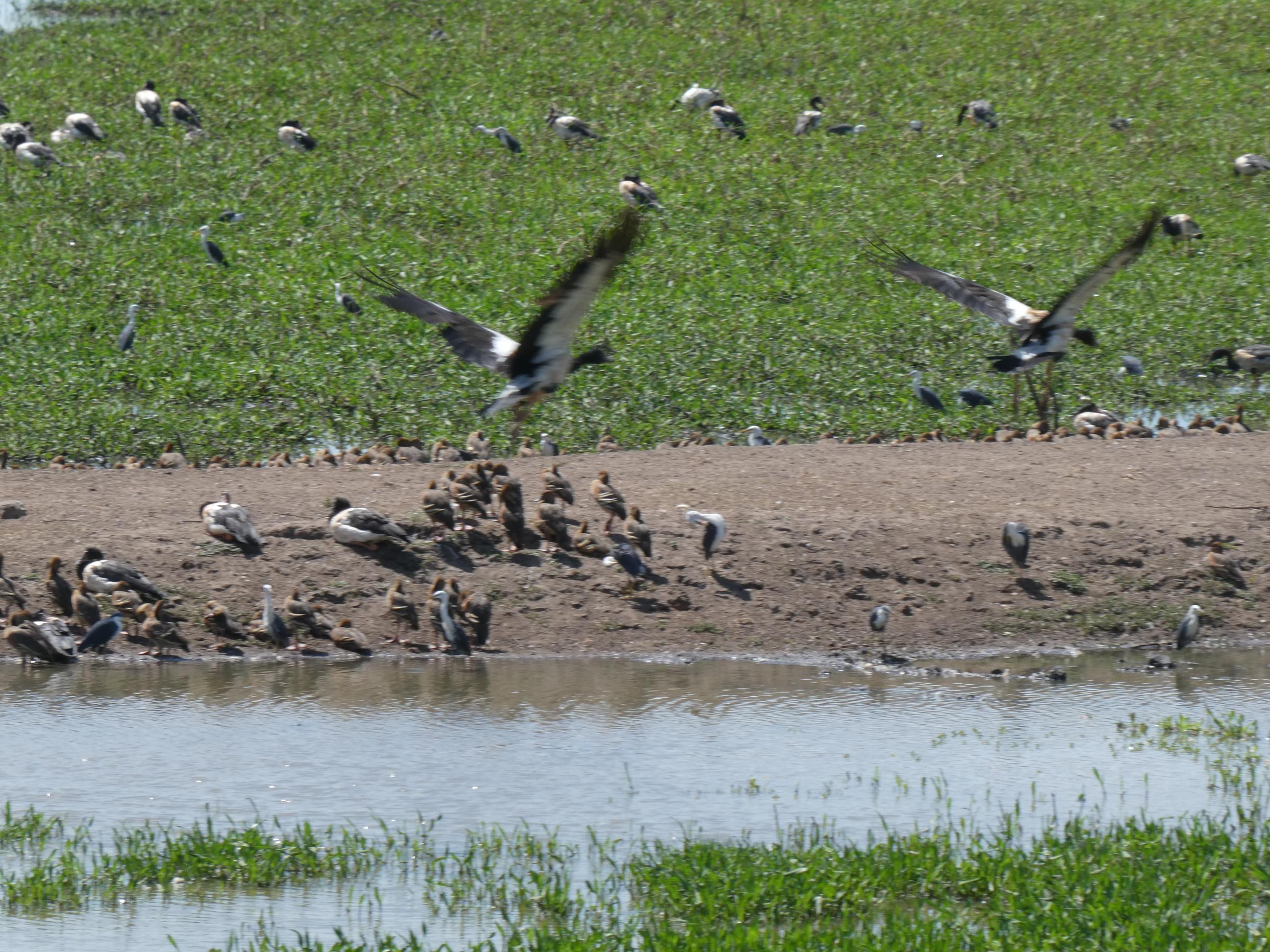
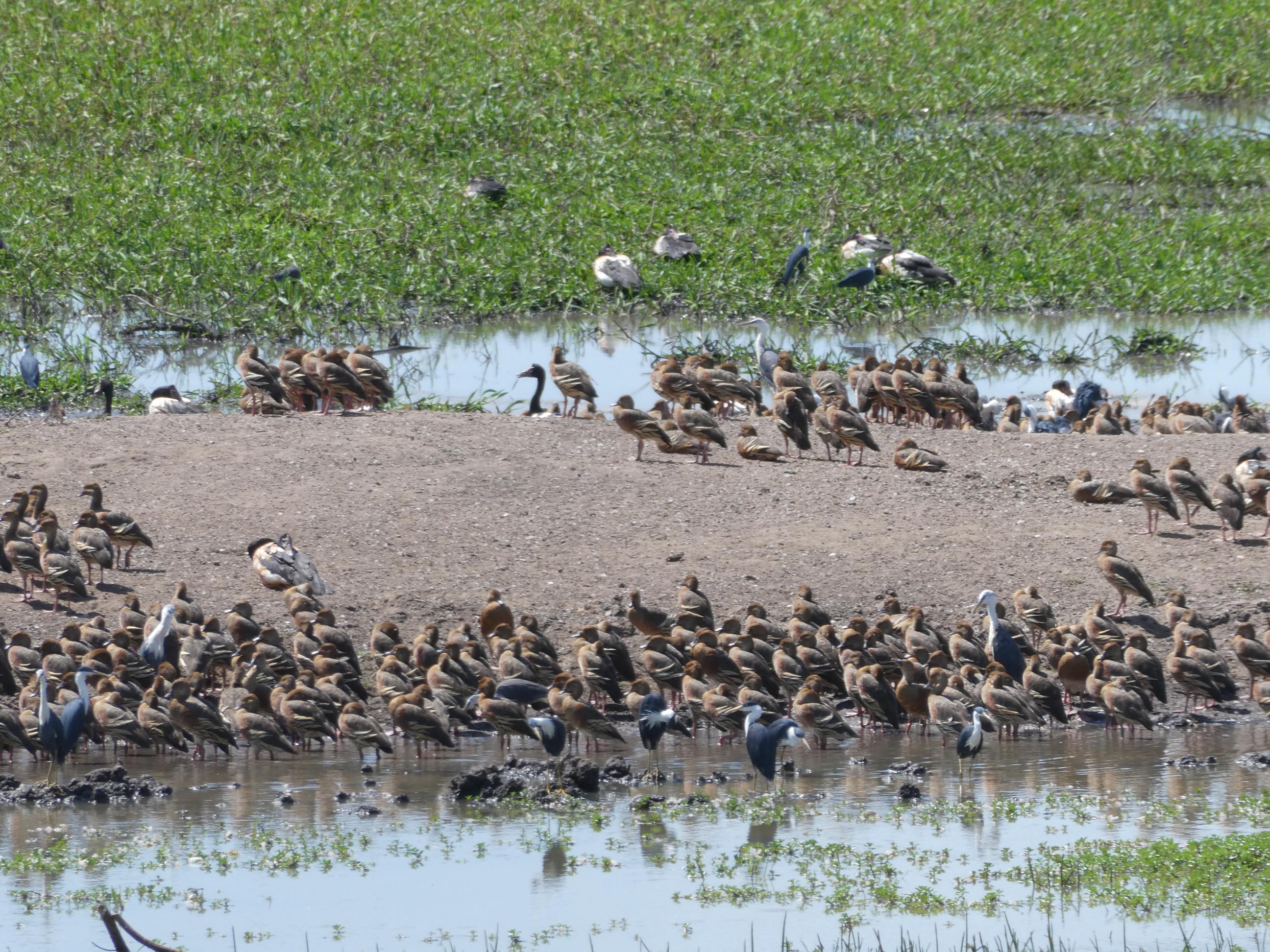
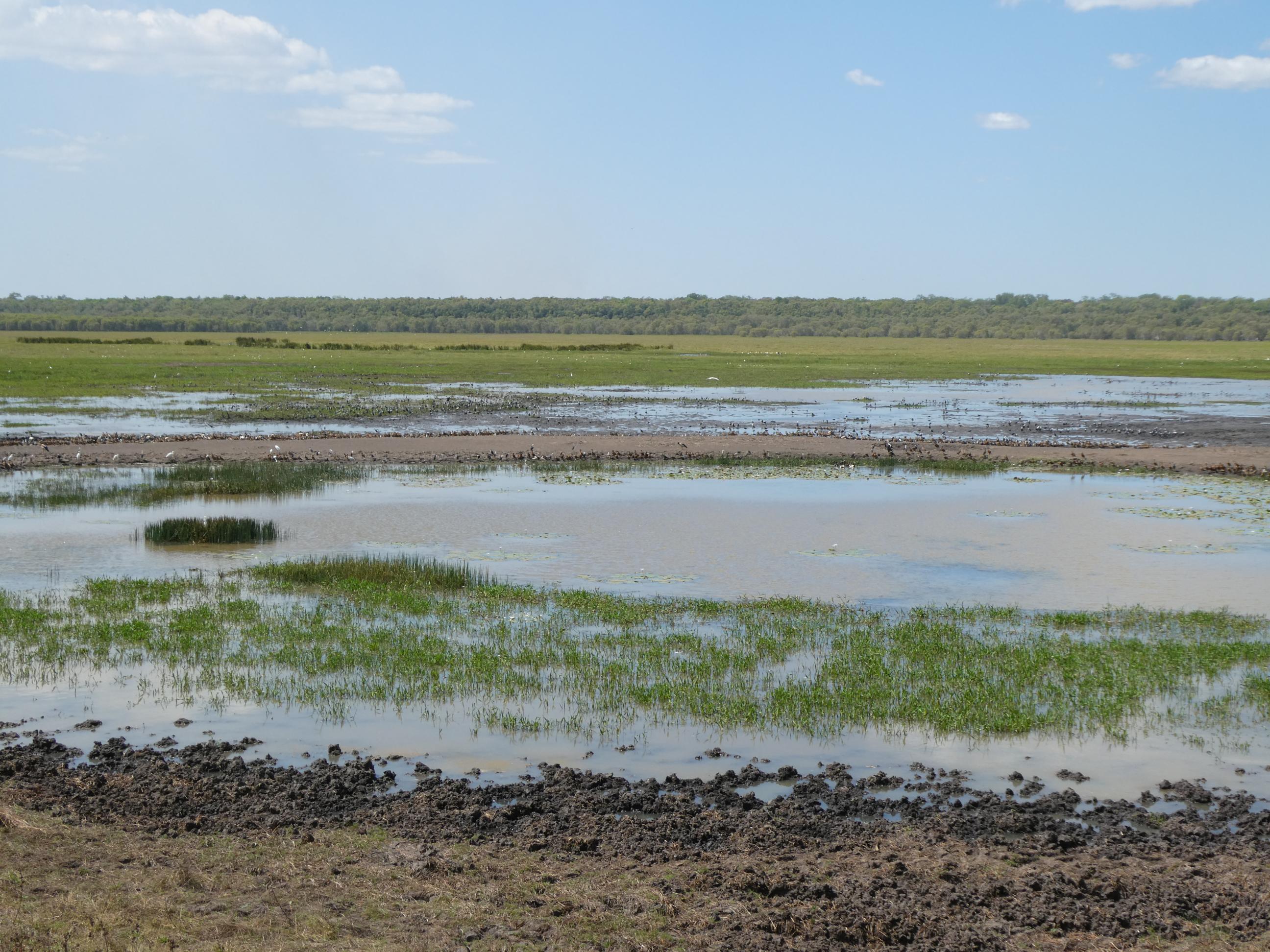
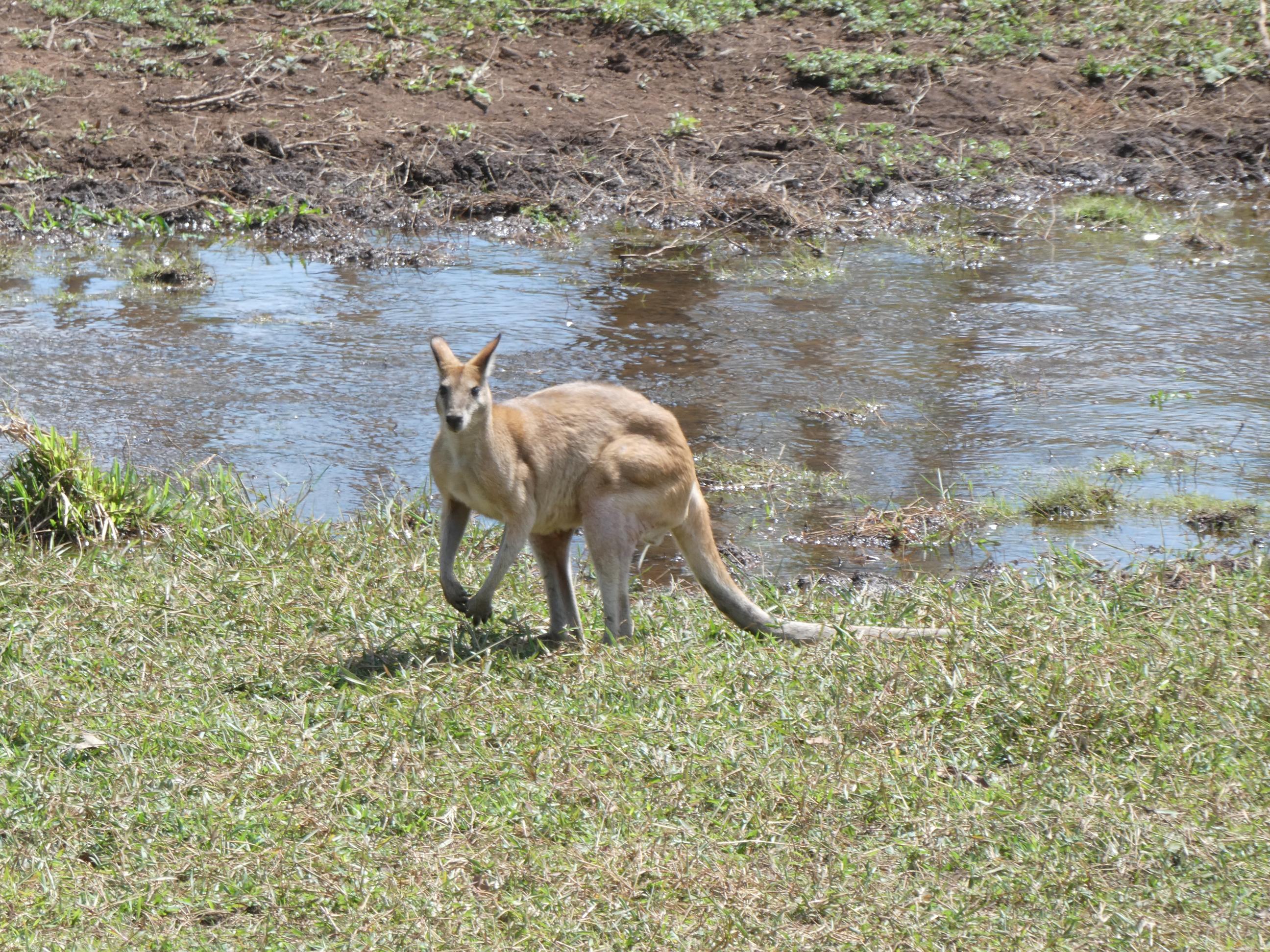
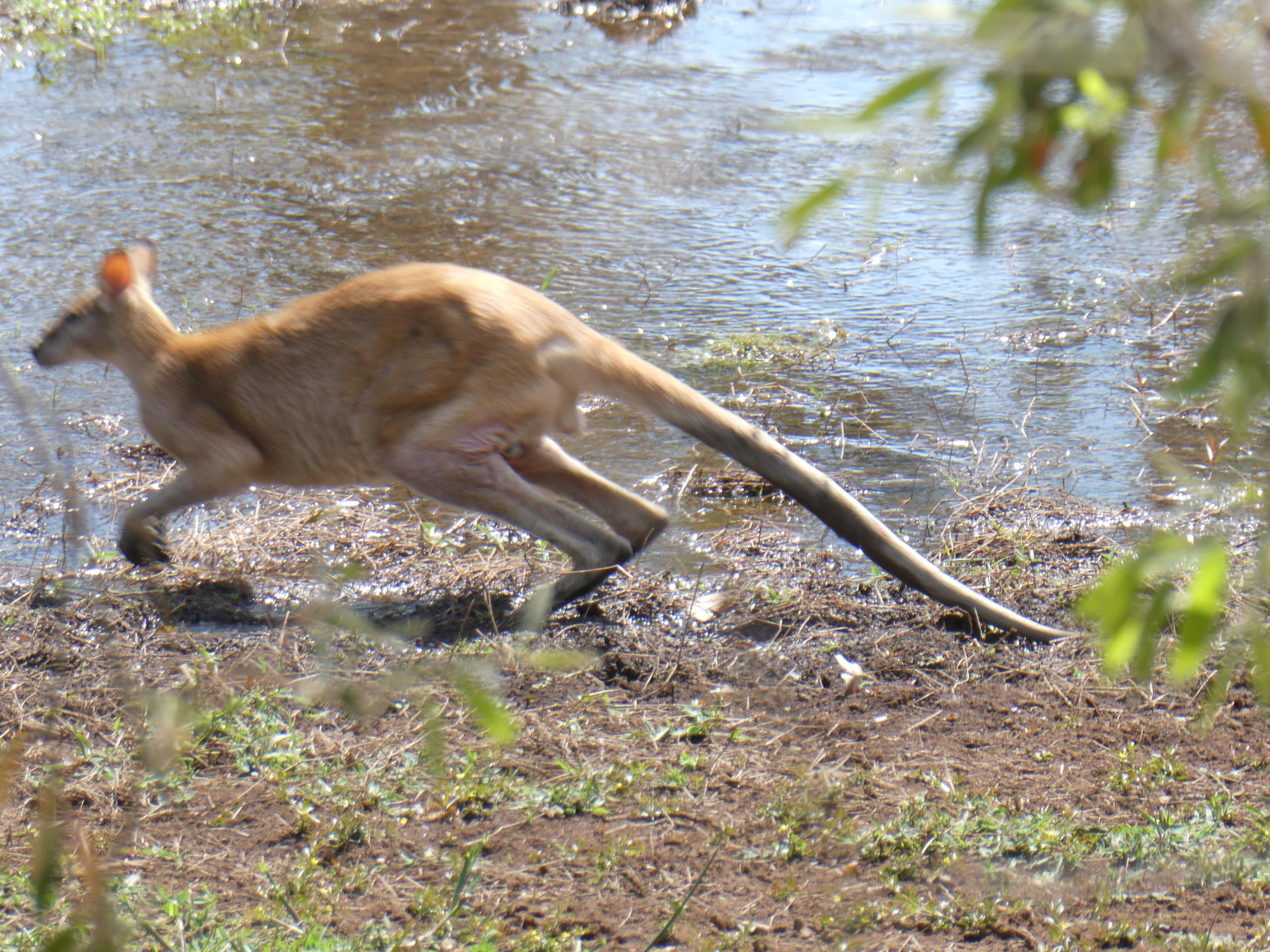
We returned to the carpark along the same trail and drove along the narrow causeway to another viewing platform at the far end of Fogg Dam. From here we looked out upon more wetlands. Hundreds, perhaps thousands, of ducks could be seen, as well as magpie geese and a number of different species of waterbirds were gathered. A few lone wallabies were grazing nearby. I think they are known as agile wallabies. I don’t recall seeing these before. They have a distinctive rust-coloured coat. We got back in the car and headed back over the causeway. Although it is tempting, as there are beautiful birds to be seen along the way, no one is permitted to get out of cars and walk here. The danger from crocs is too real.
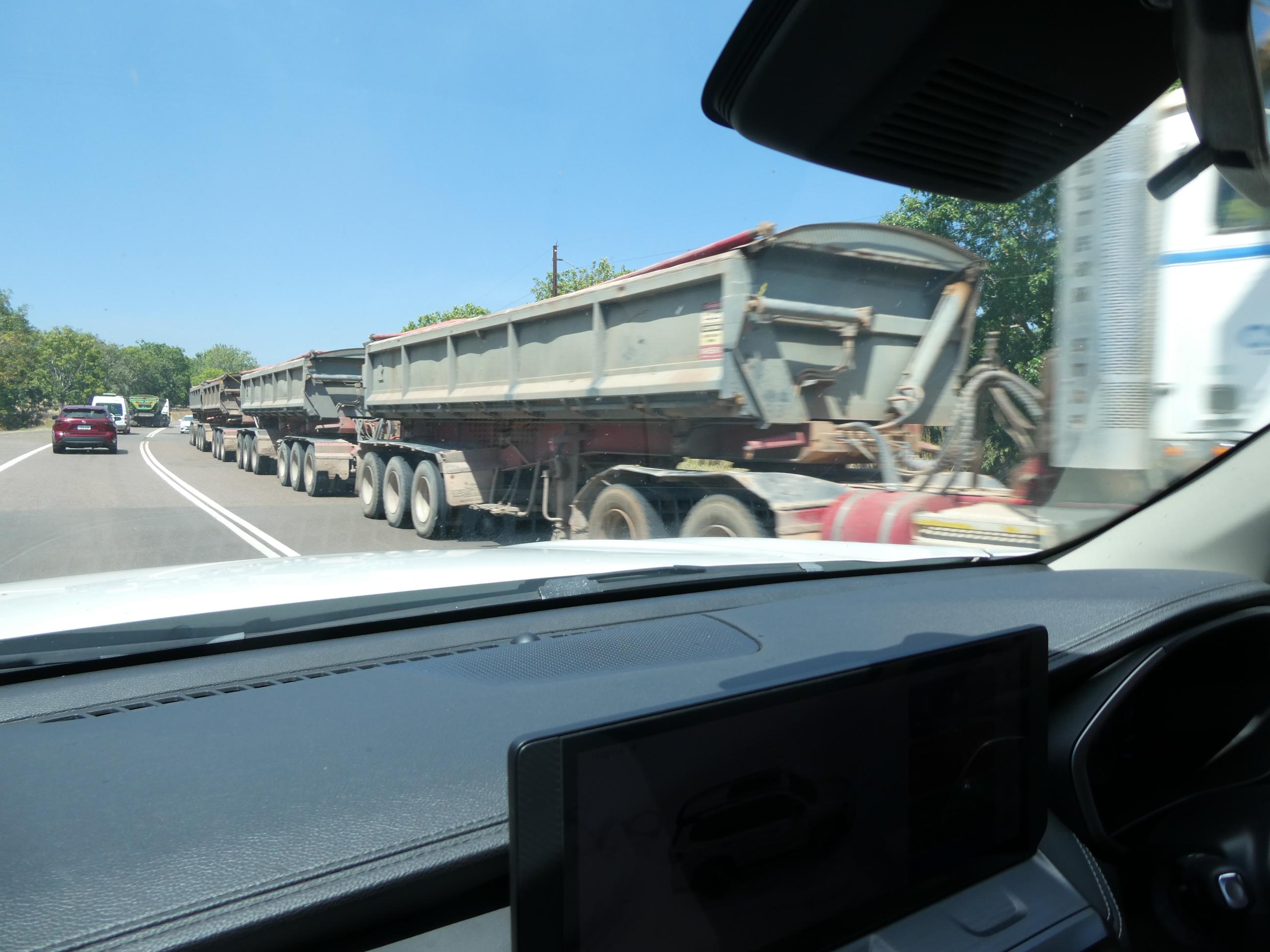
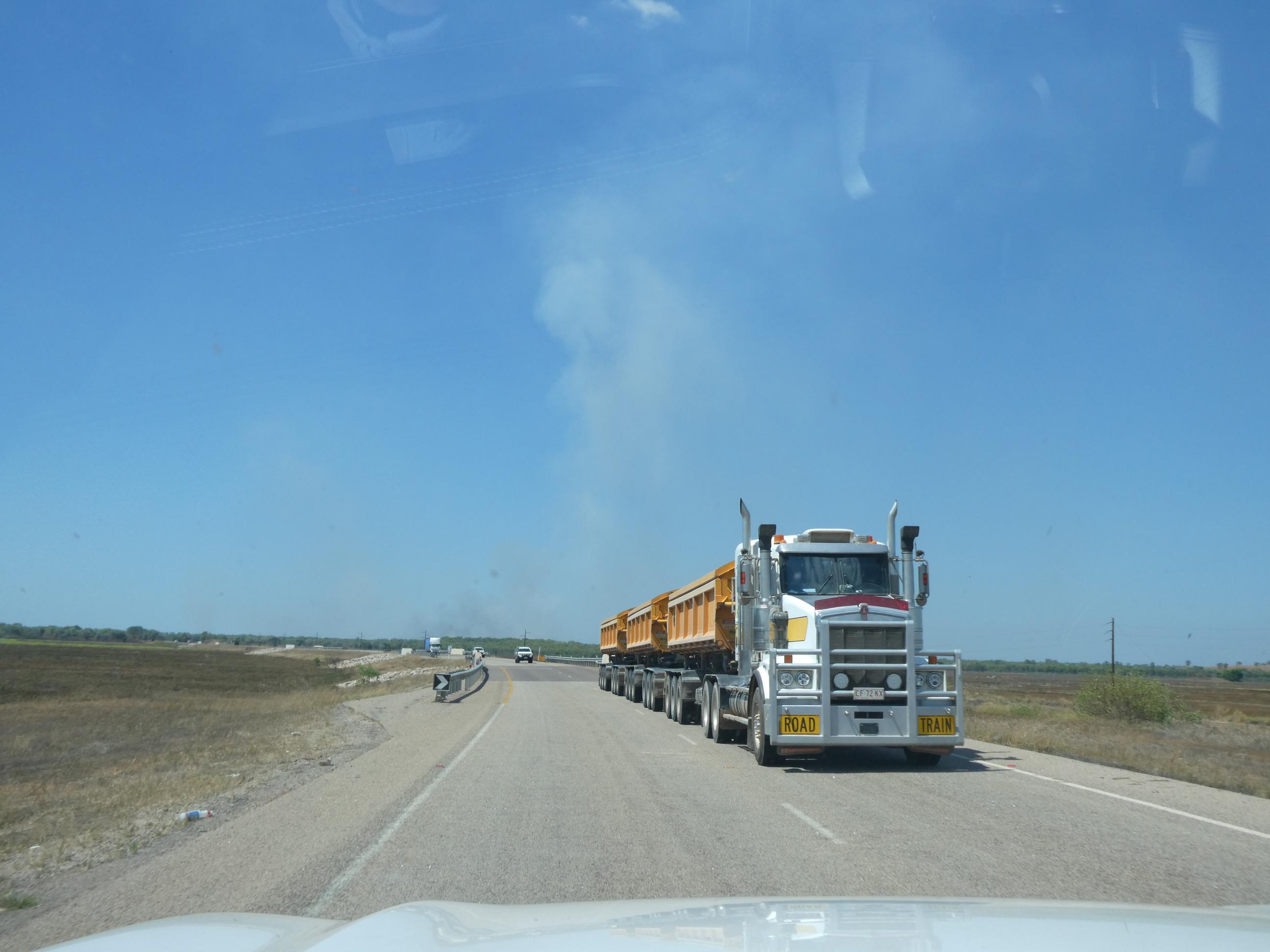
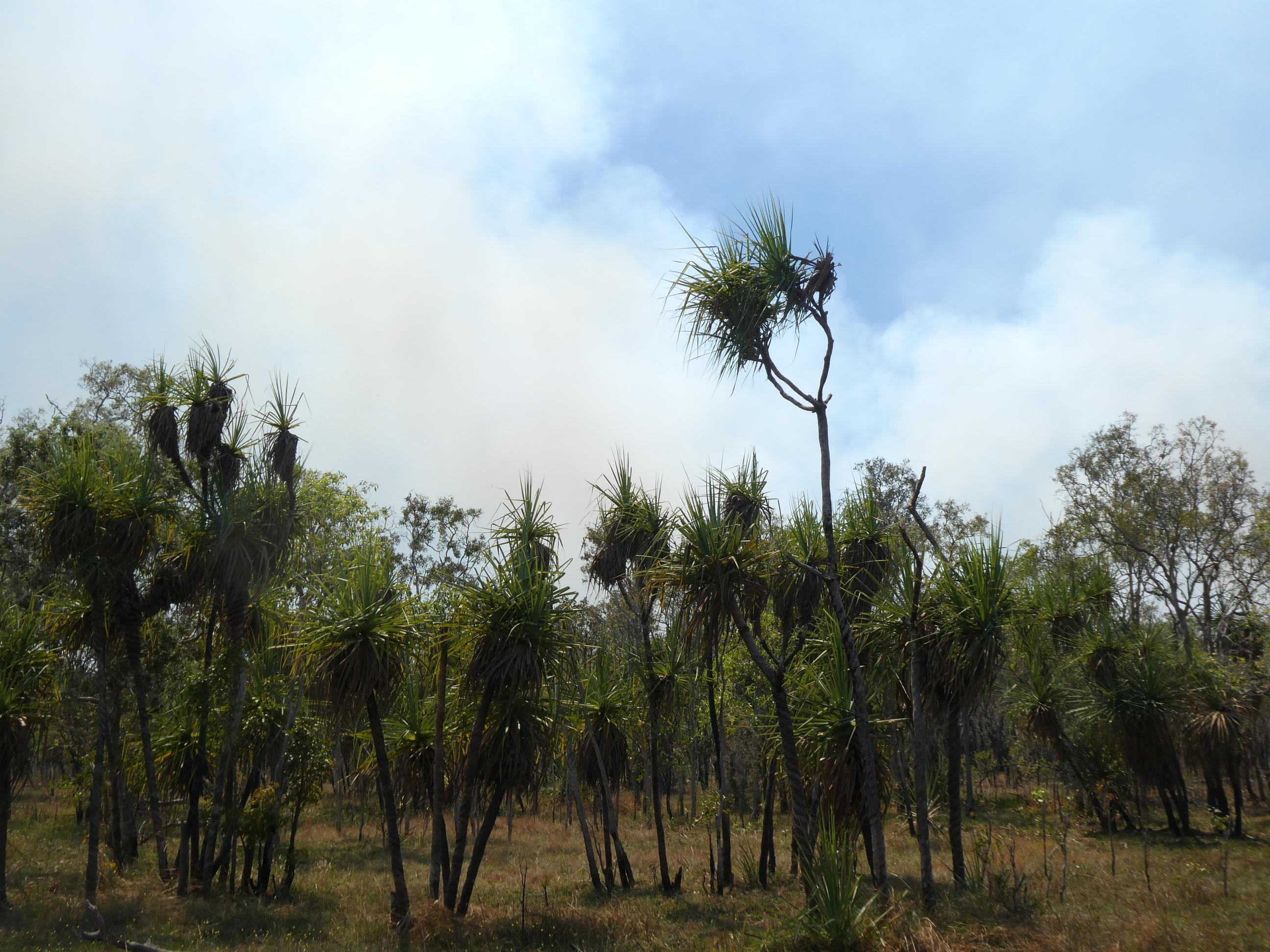
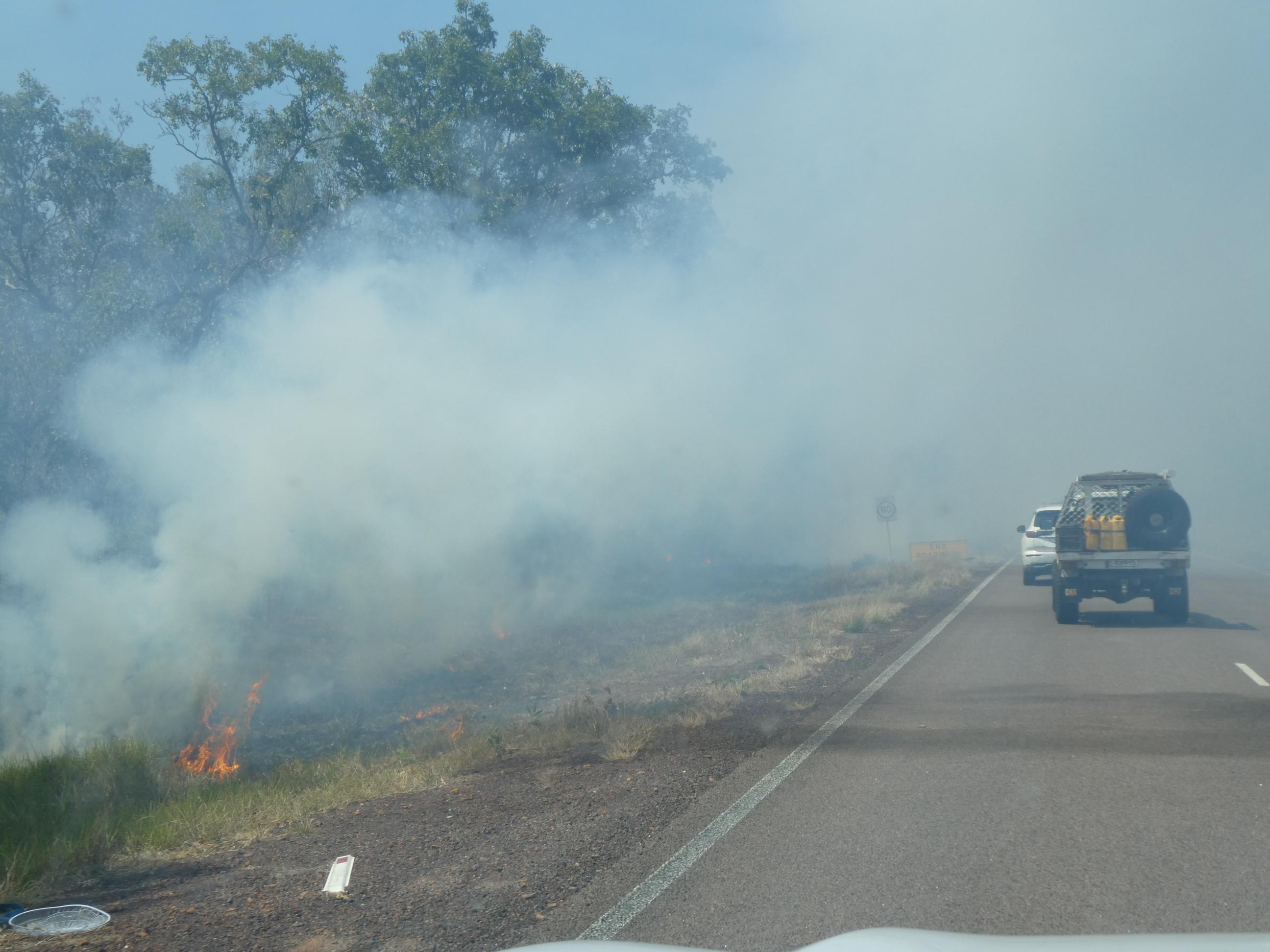
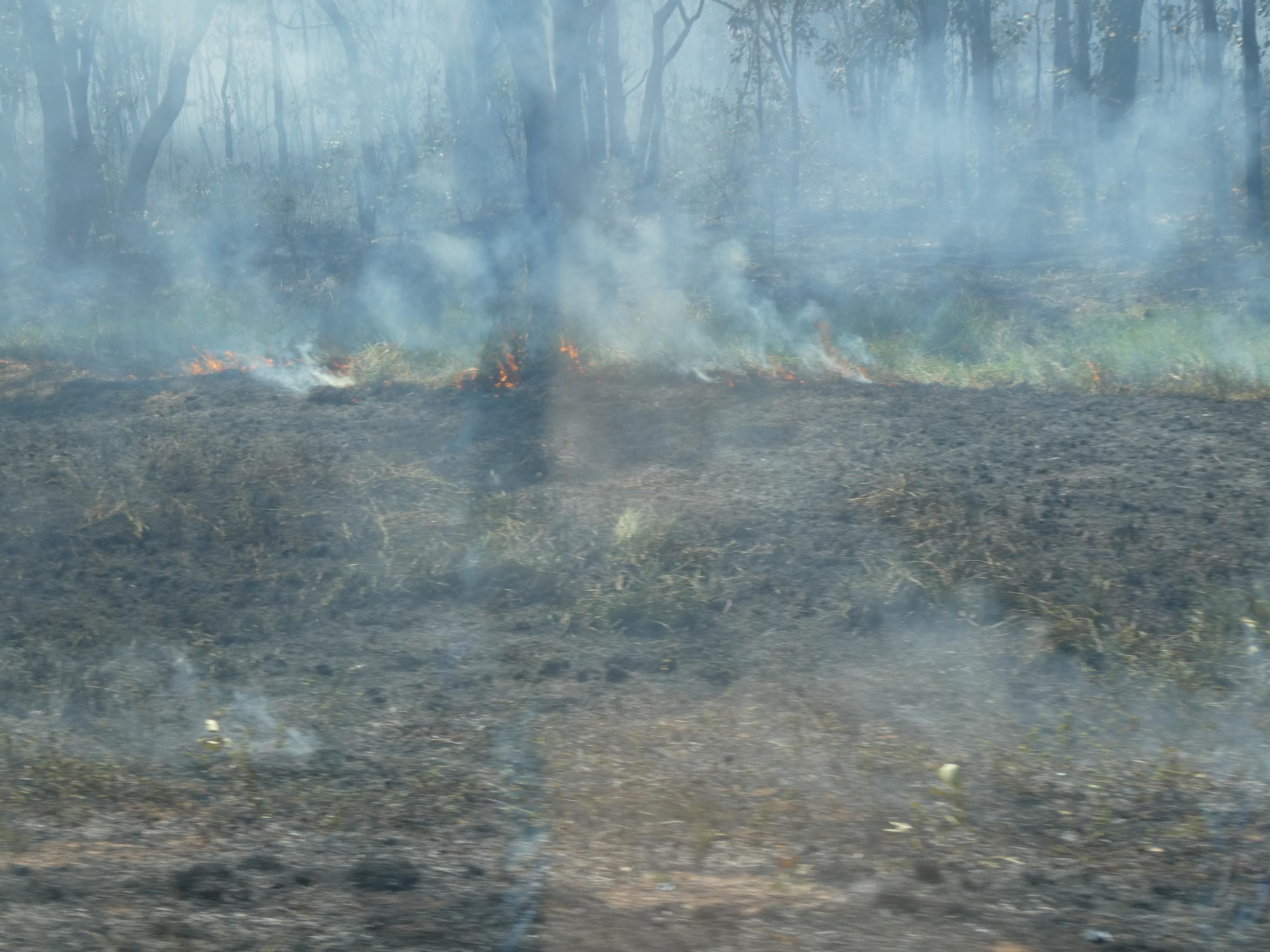
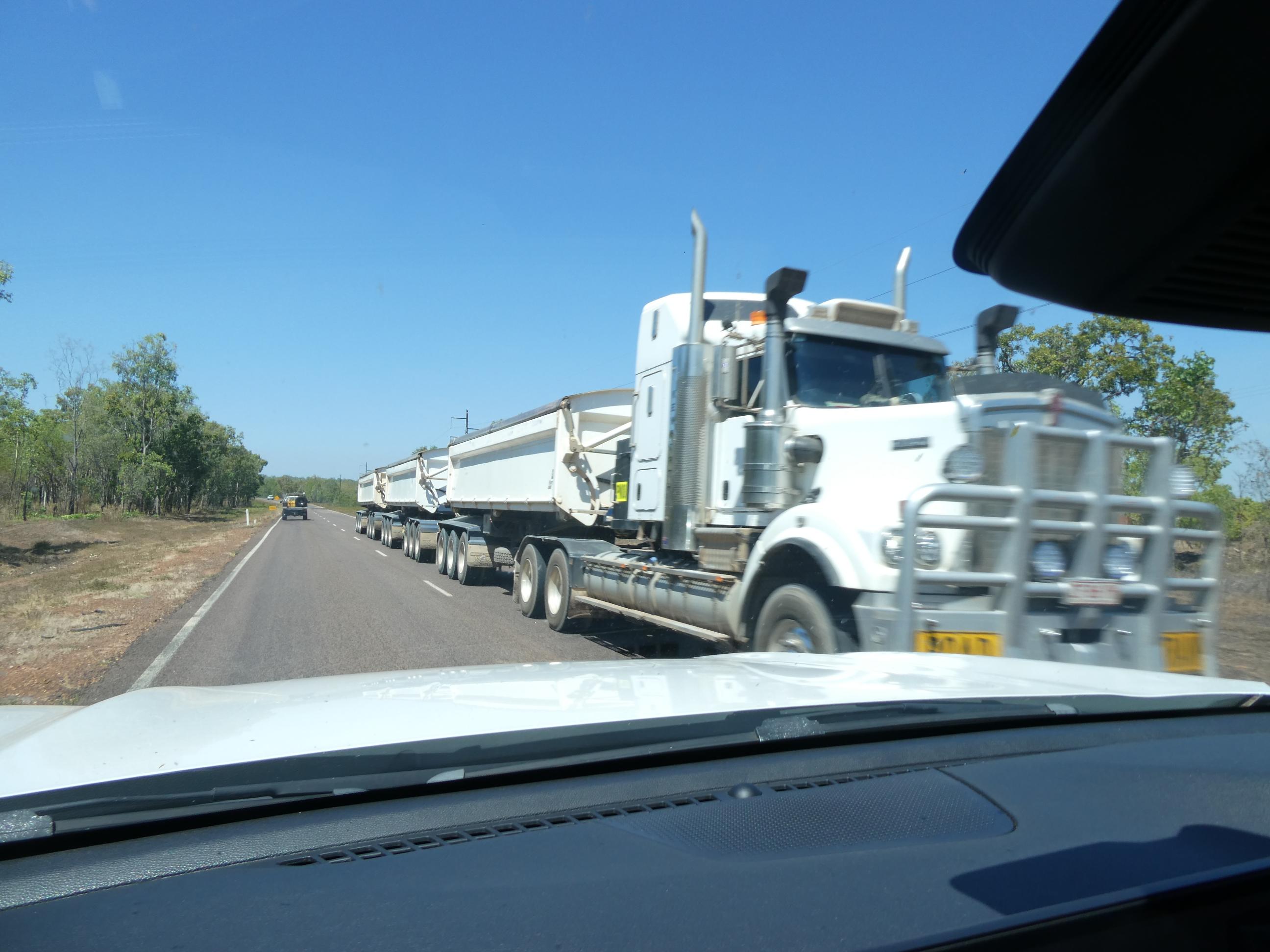
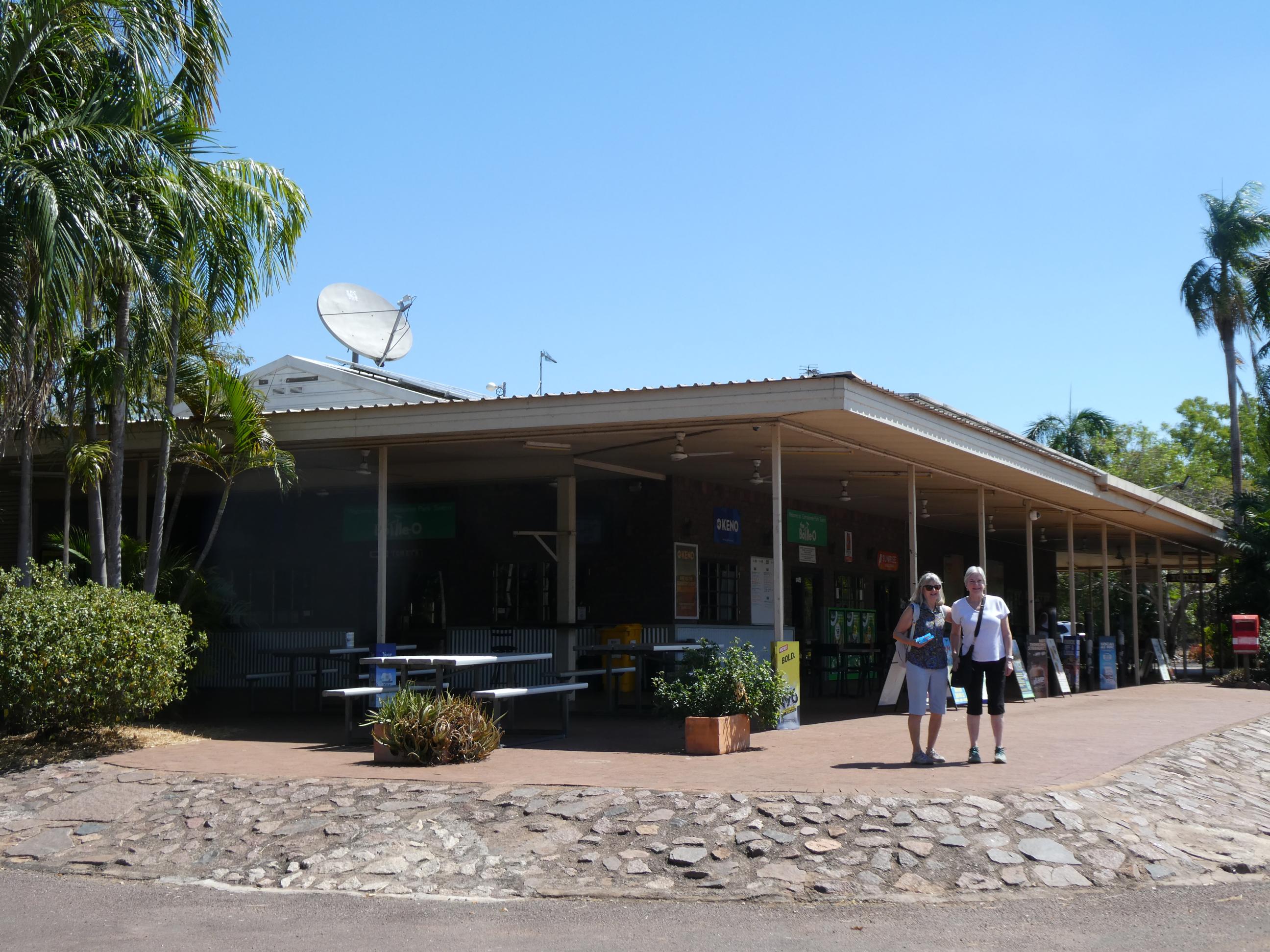
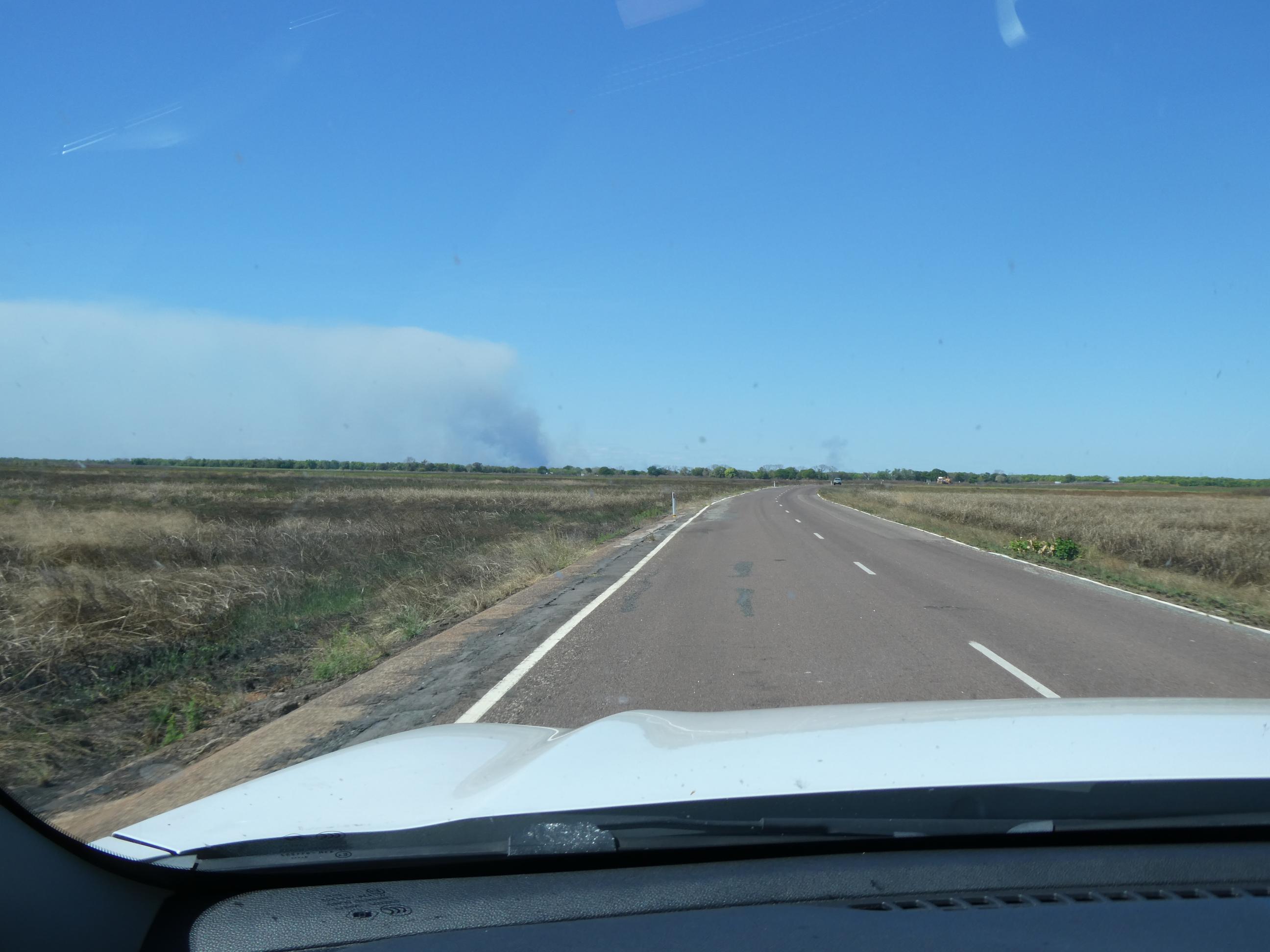
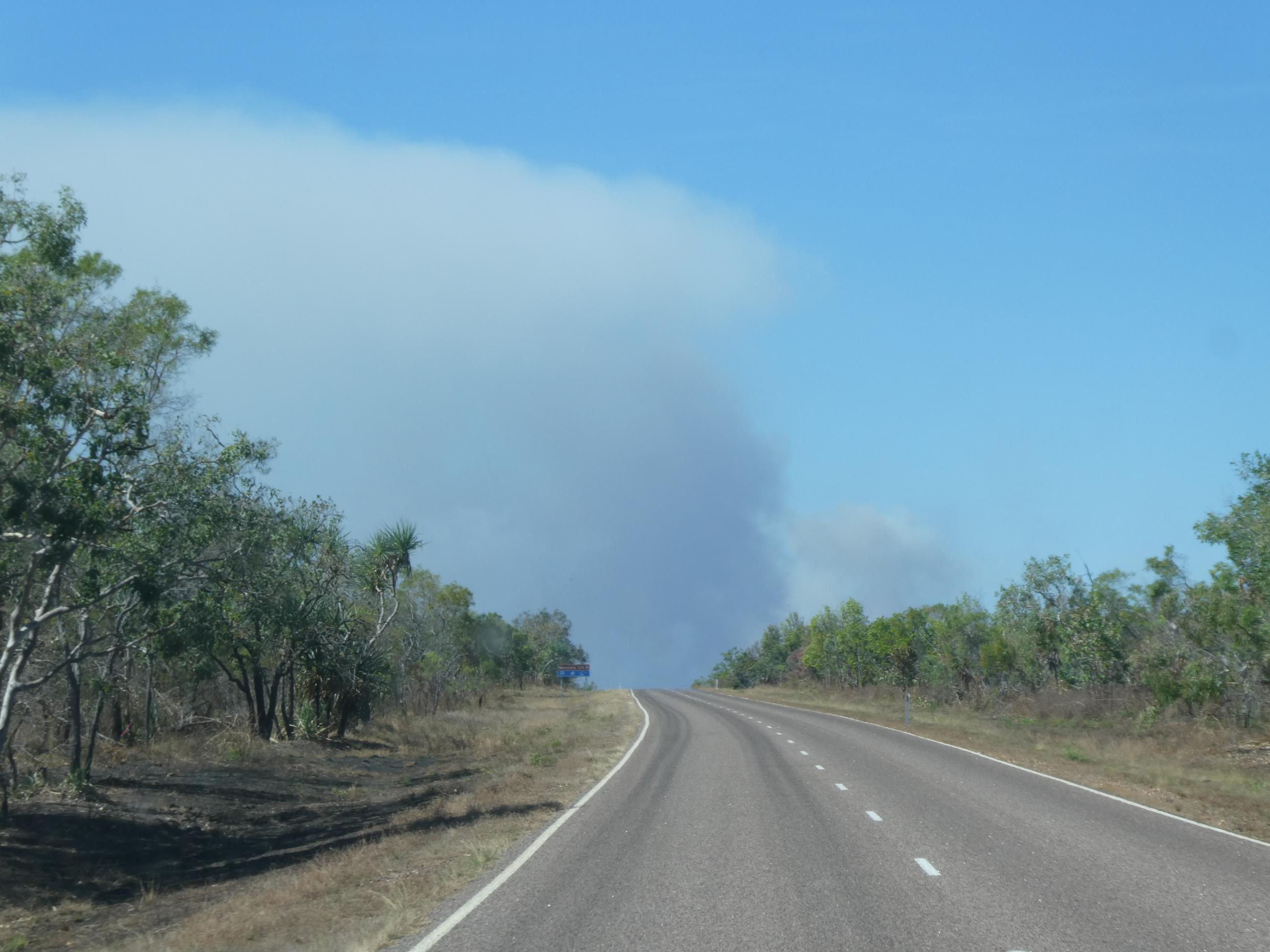
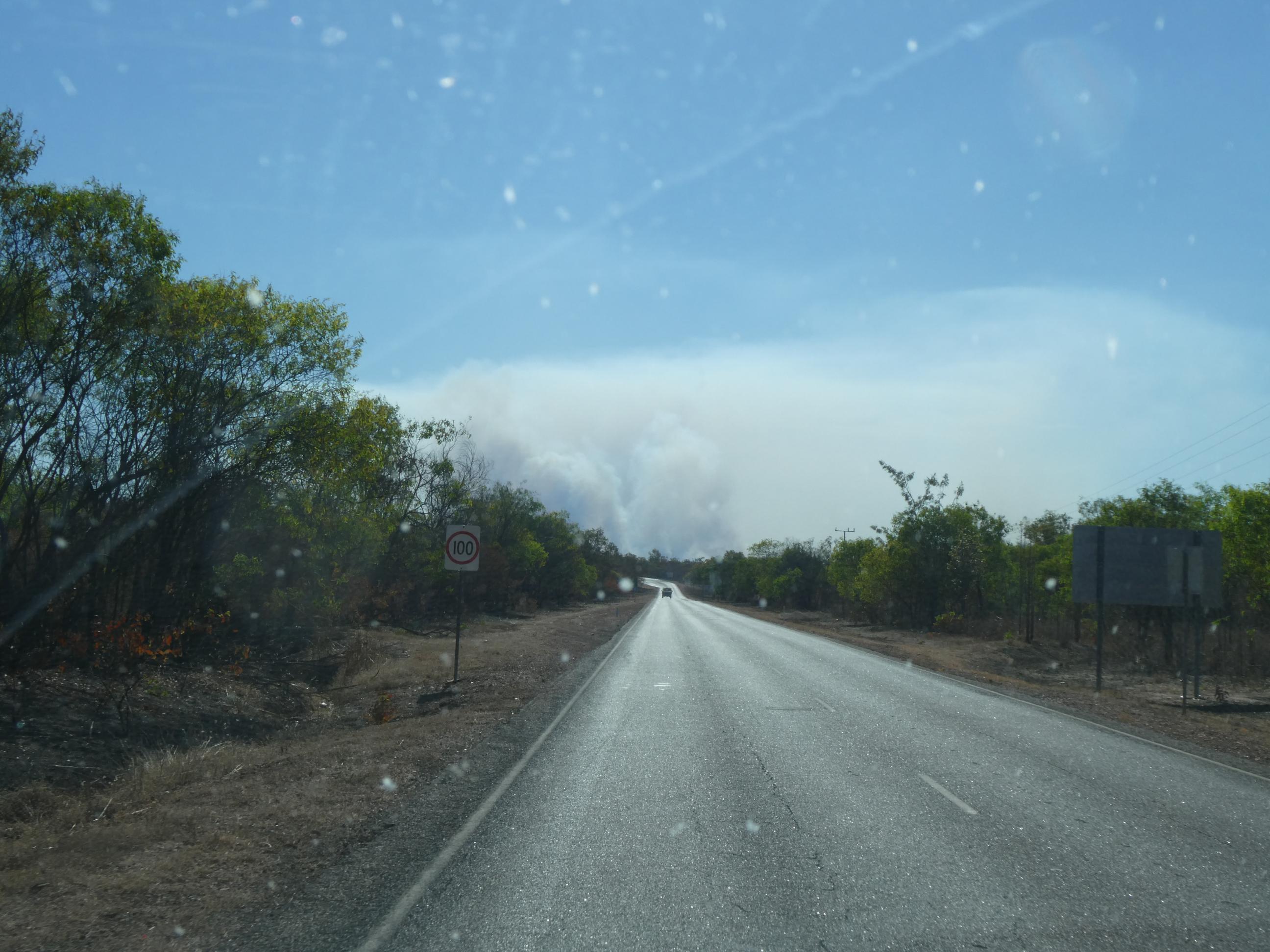
Back on the road, we still had a couple of hours to drive to Jabiru. The road was good and there wasn’t a great deal of traffic. We encountered many of the road trains the Northern Territory is famous for. In most instances, they move at the same speed as cars, so they didn’t hold us up at all. At times, the allowable speed limit increased to 130. We often saw large plumes of smoke rising above the trees in the distance. Sometimes we drove through thick, choking clouds of it. Fires like this are a common sight at this time of year in northern Australia. Rangers start small fires in the undergrowth as a form of forest management. They burn the undergrowth and generate new growth. They are often unattended, and do not get out of hand and develop into devastating bushfires like we sometimes experience down south. It’s a form of land management that was practised by the indigenous inhabitants long before European settlers arrived. We stopped for lunch at Corroboree Park, one of the very few roadhouses between Darwin and Jabiru.
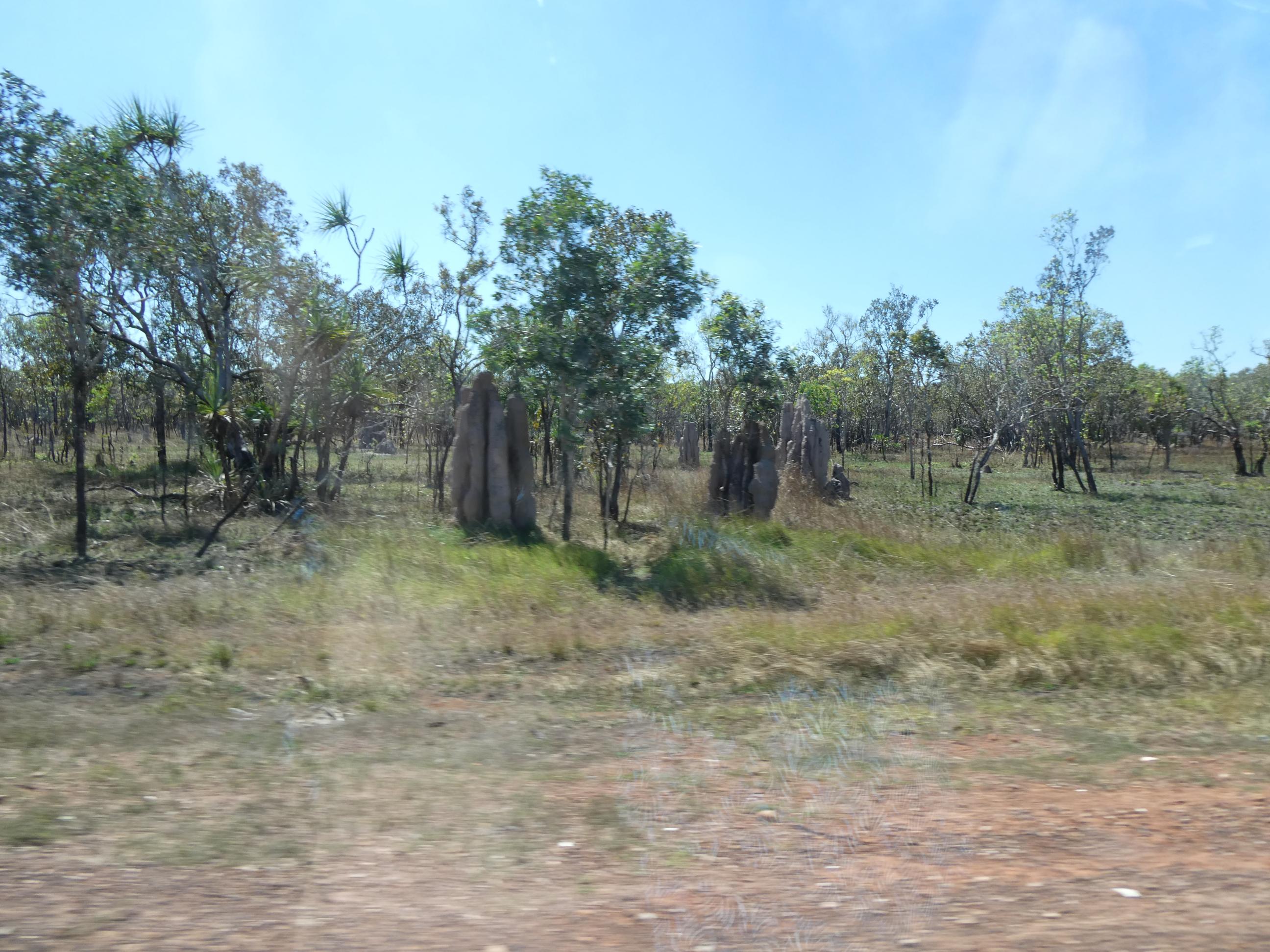
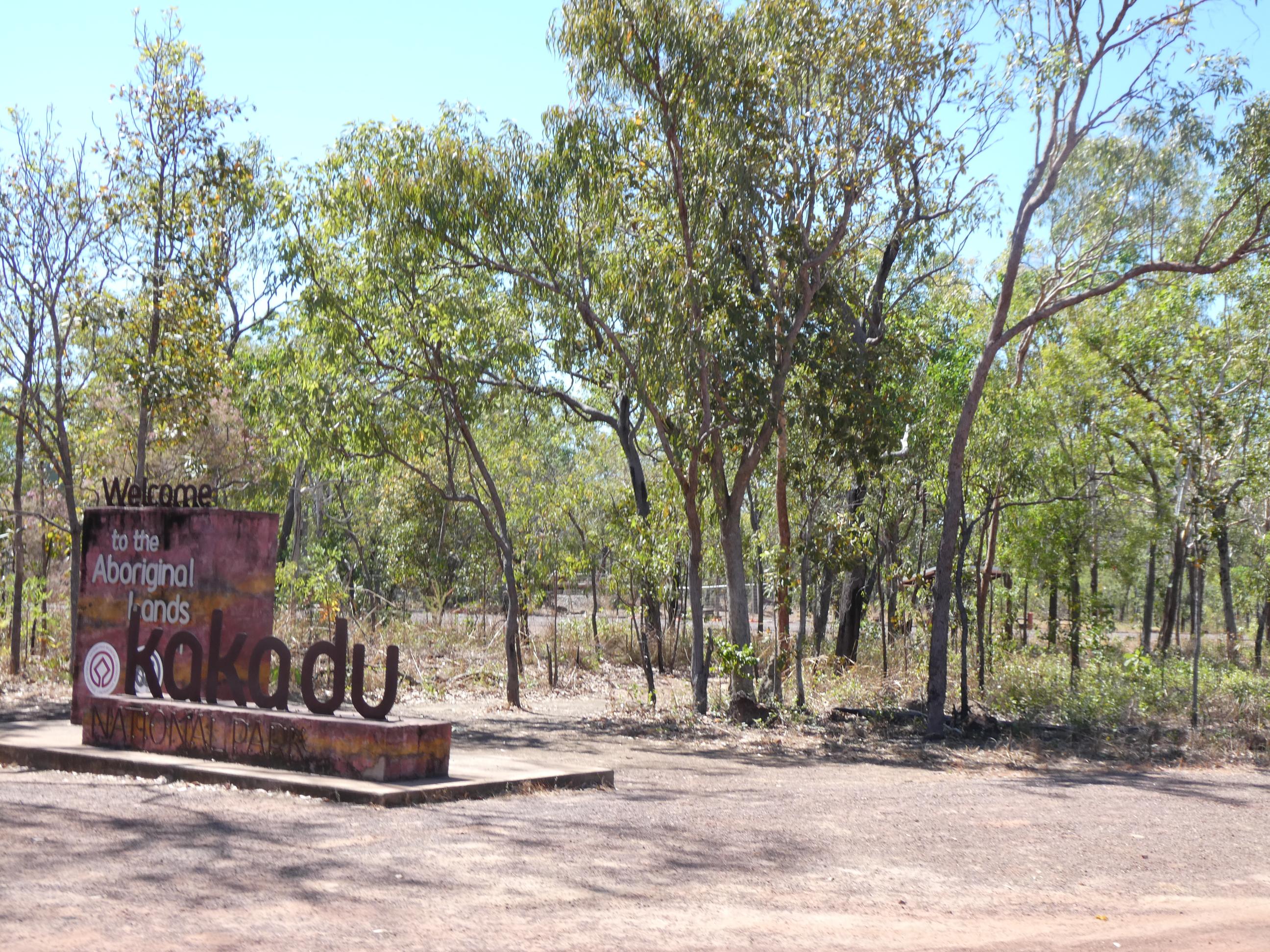
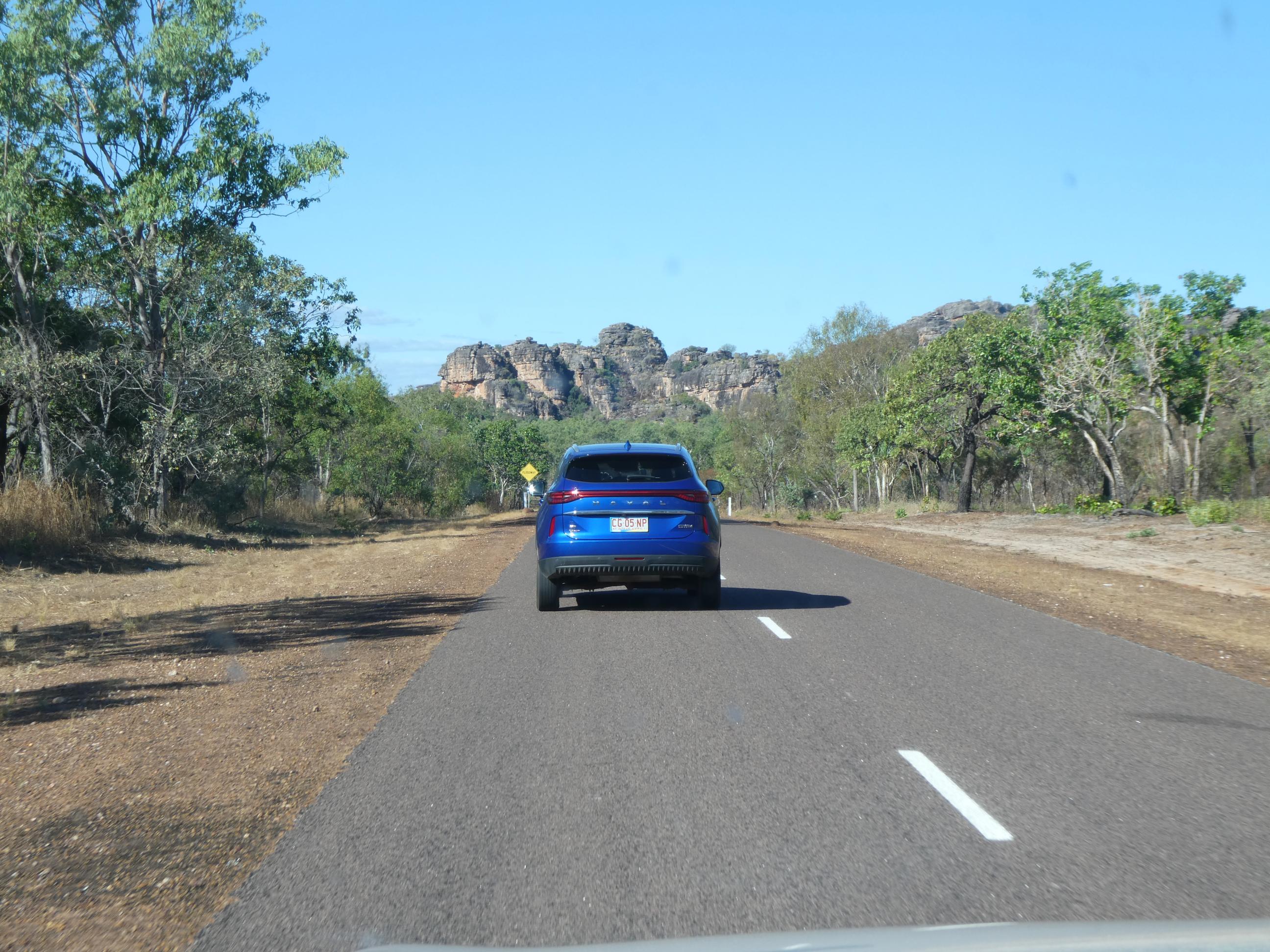
After checking into our rooms at Jabiru’s Crocodile Hotel, which, not surprisingly was constructed in the shape of the area’s most famous reptile inhabitant, we headed out on the road to Ubirr near the edge of the National Park. We were enjoying the drive, as the vegetation was quite lush and the rocky outcrops provided an appealing scenic backdrop. Suddenly, we came to a halt. Traffic was backed up ahead of us and soon backed up in a long line behind us too. But we weren’t moving. We figured it must have been roadworks ahead. Suddenly a vehicle, about ten cars ahead of us, slowly moved over into a depression just off the road and came to a halt. Once it was off the road, traffic began flowing again. I glanced down at the vehicle that had held us up as we passed. It had no wheel nuts on its front driver side wheel and it was tilted at an angle, just about to fall off! I can’t imagine a tourist would drive a vehicle in that condition, so I guess it was a local crossing his fingers and hoping his vehicle would make it all the way home. It didn’t!
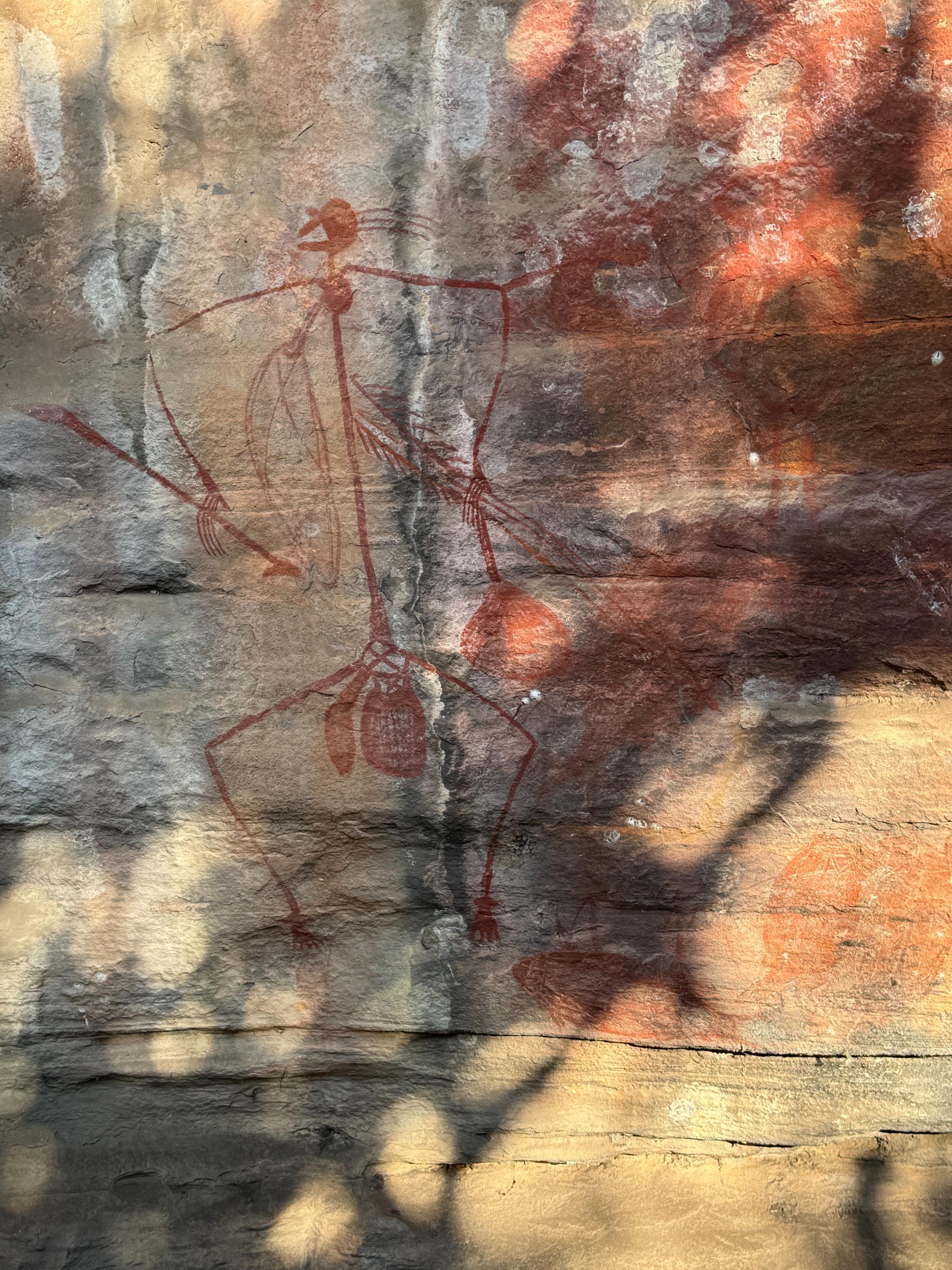
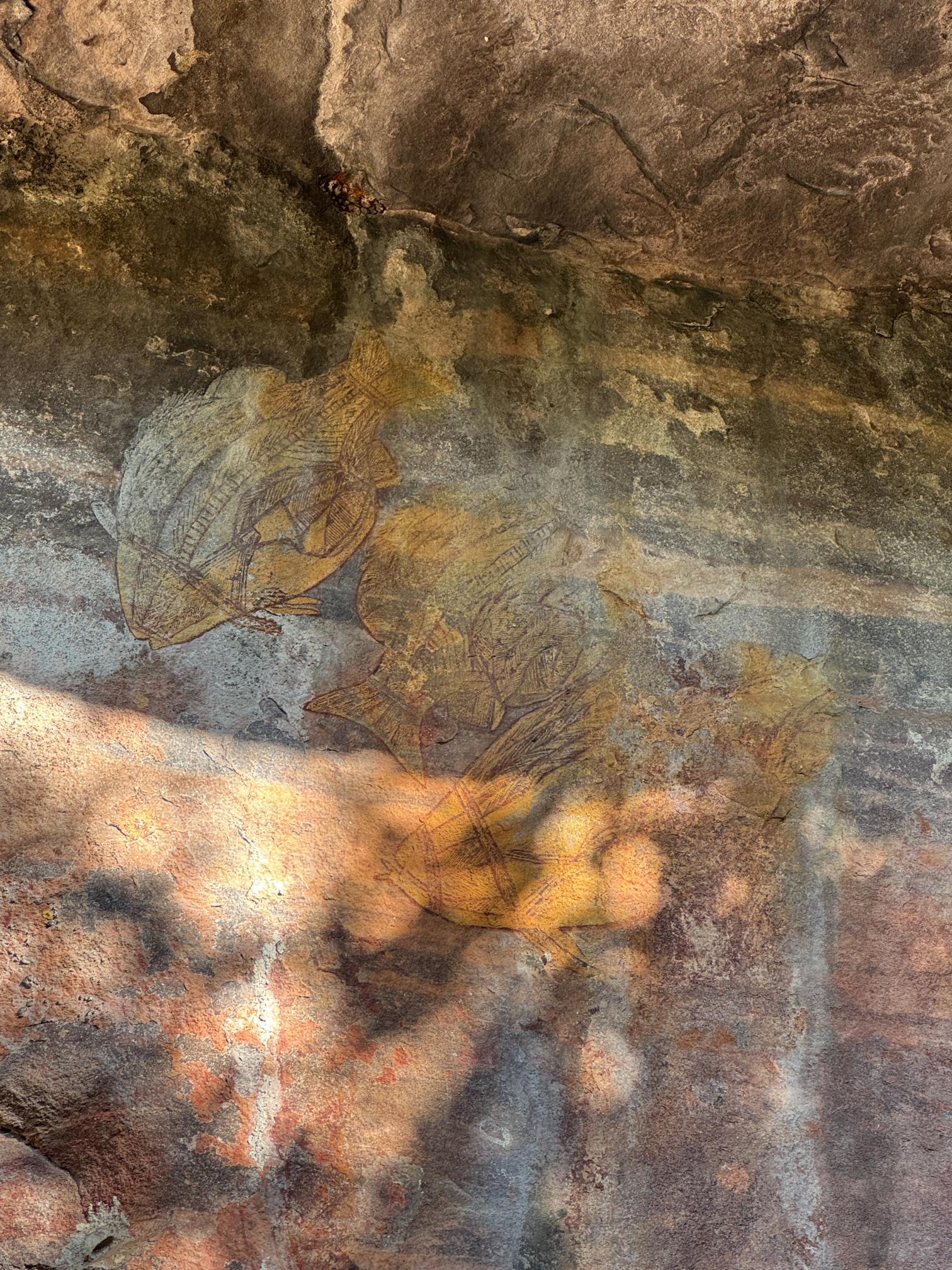
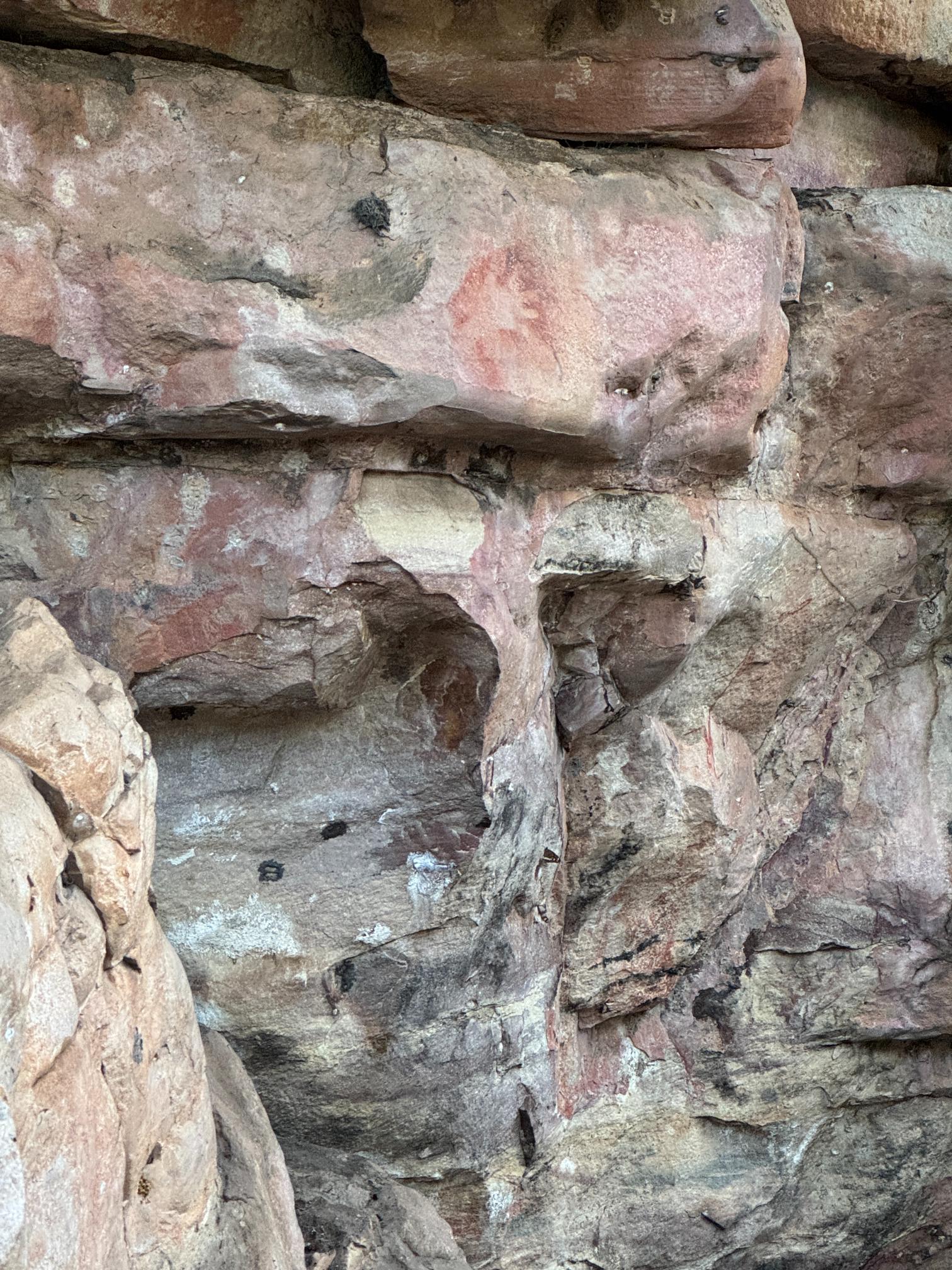
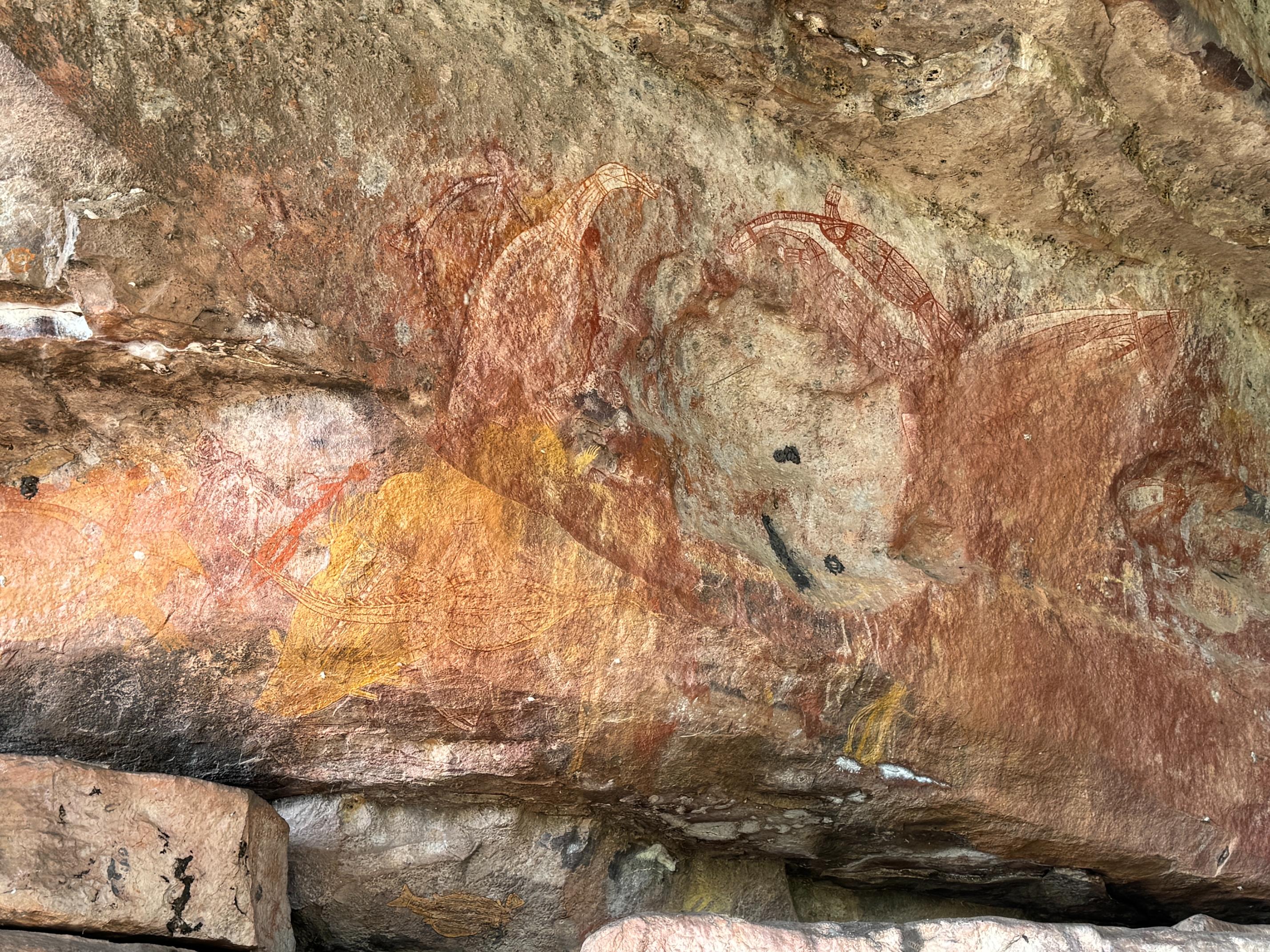
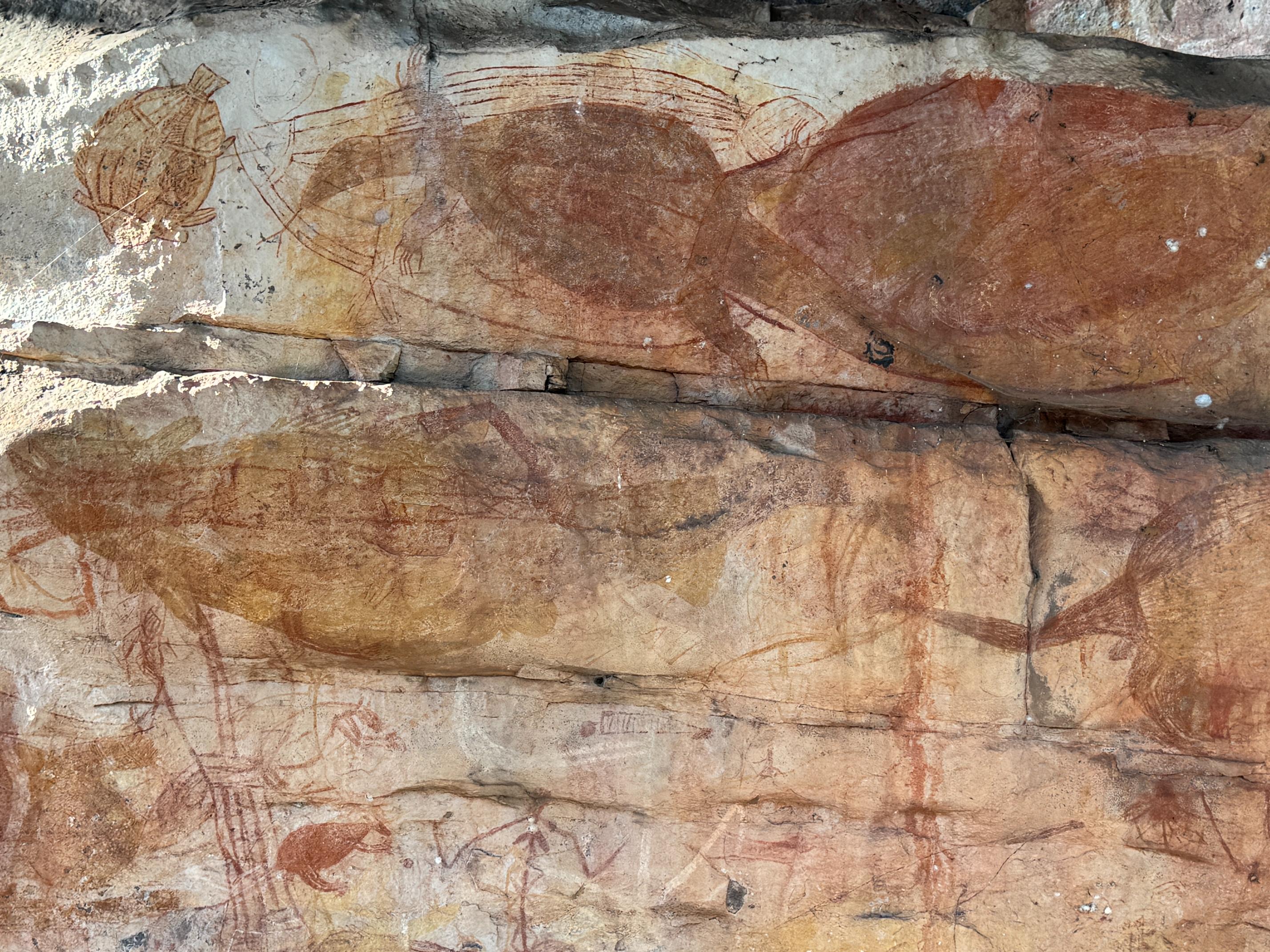
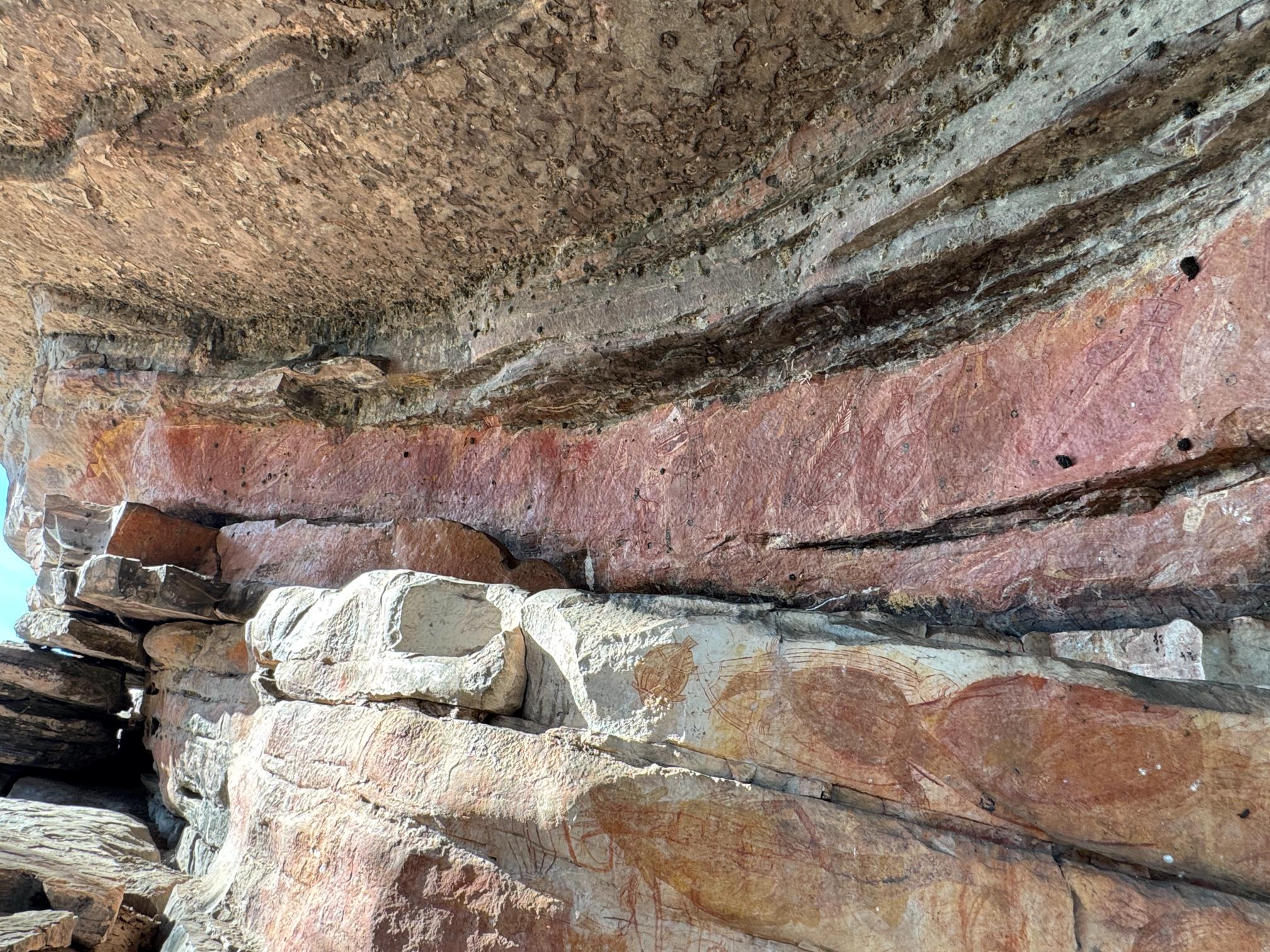
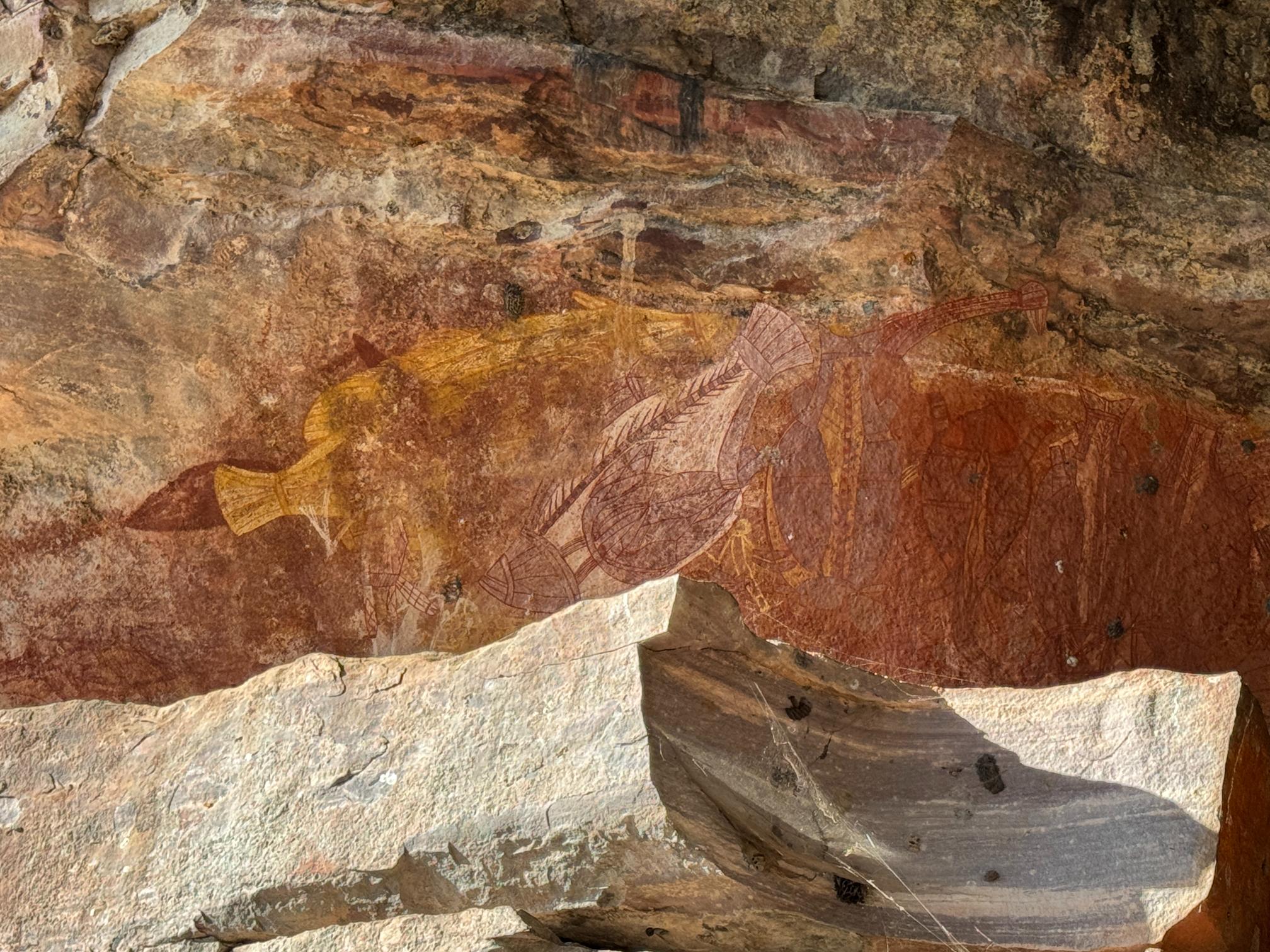
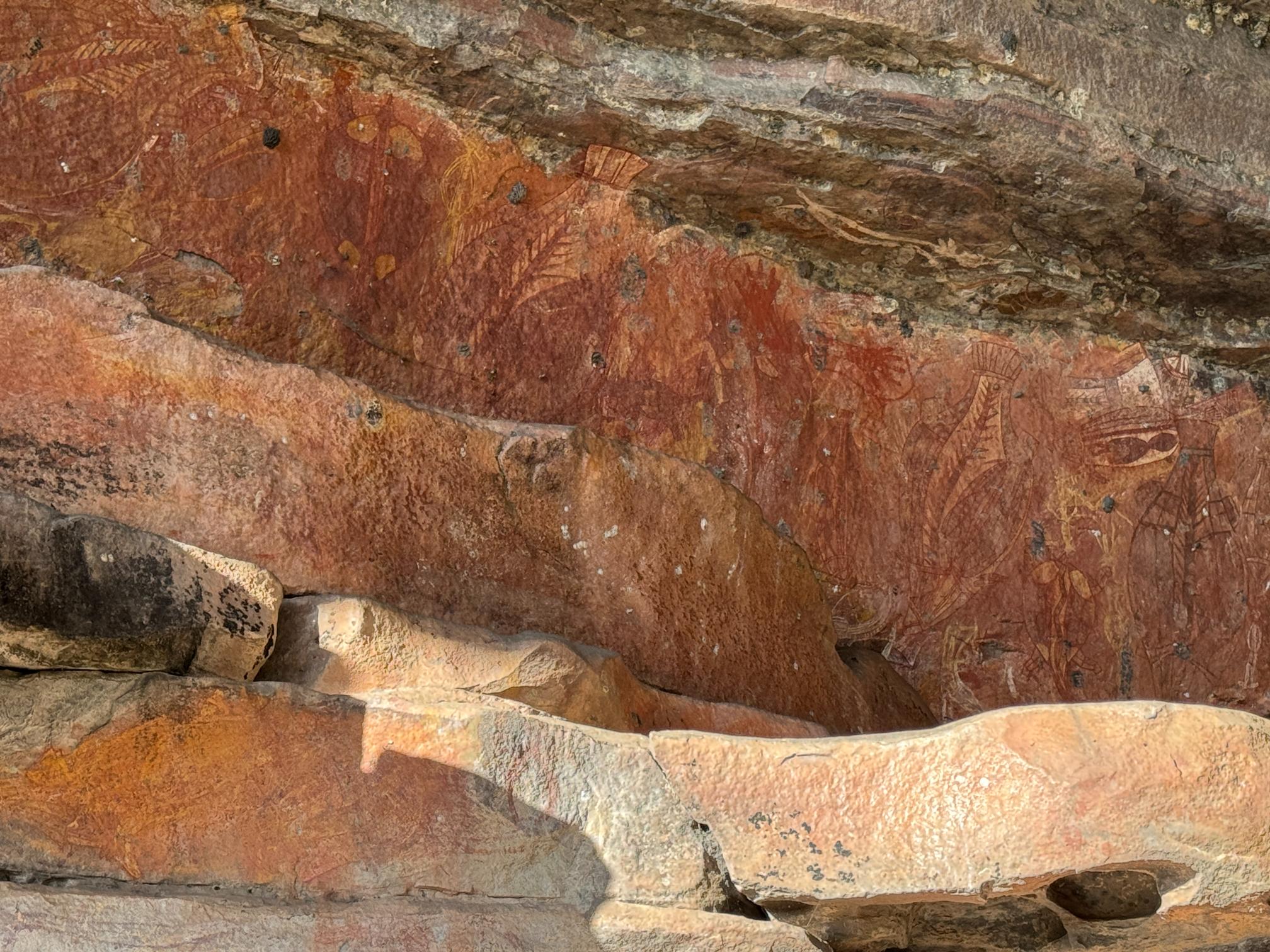
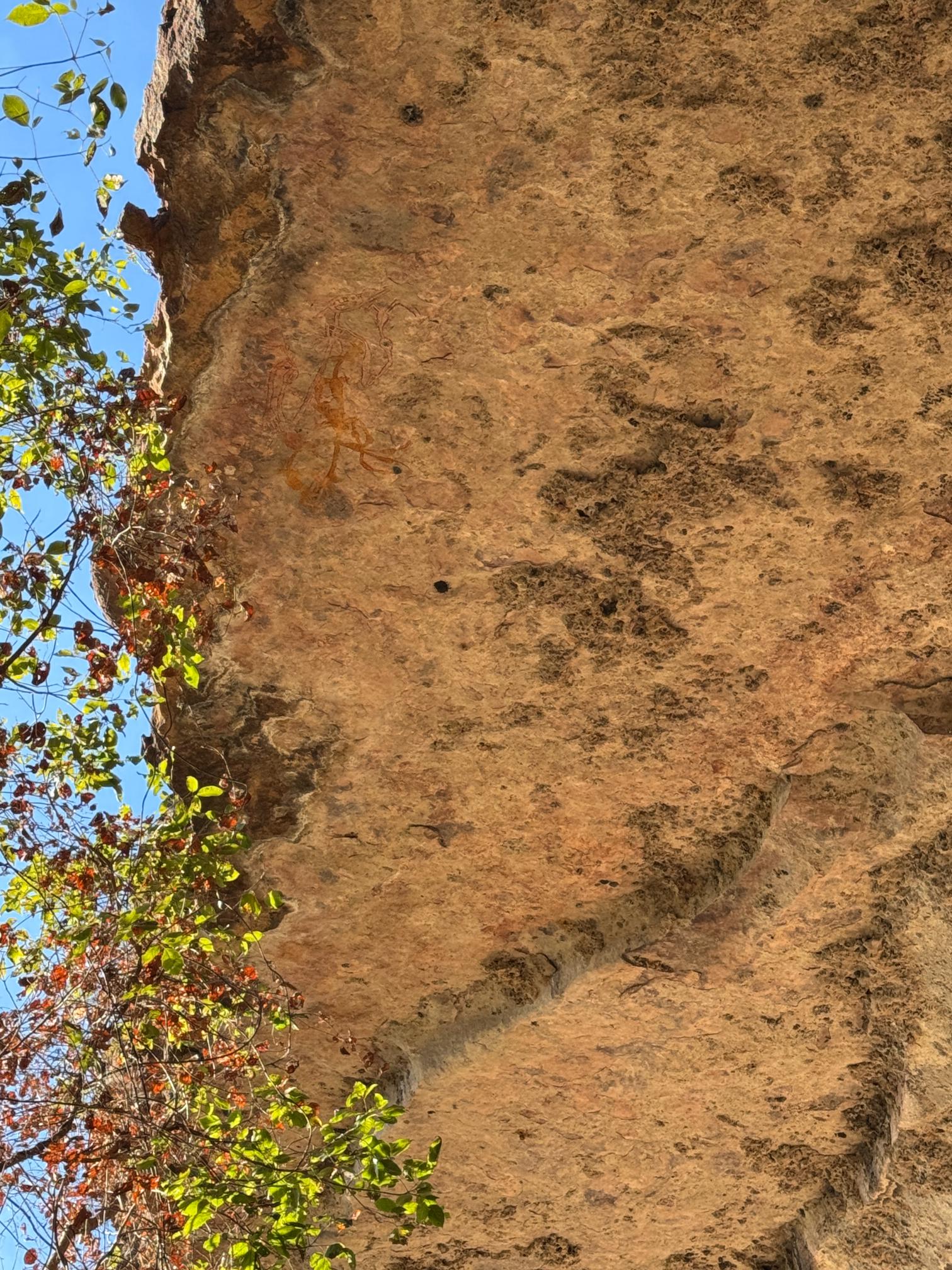
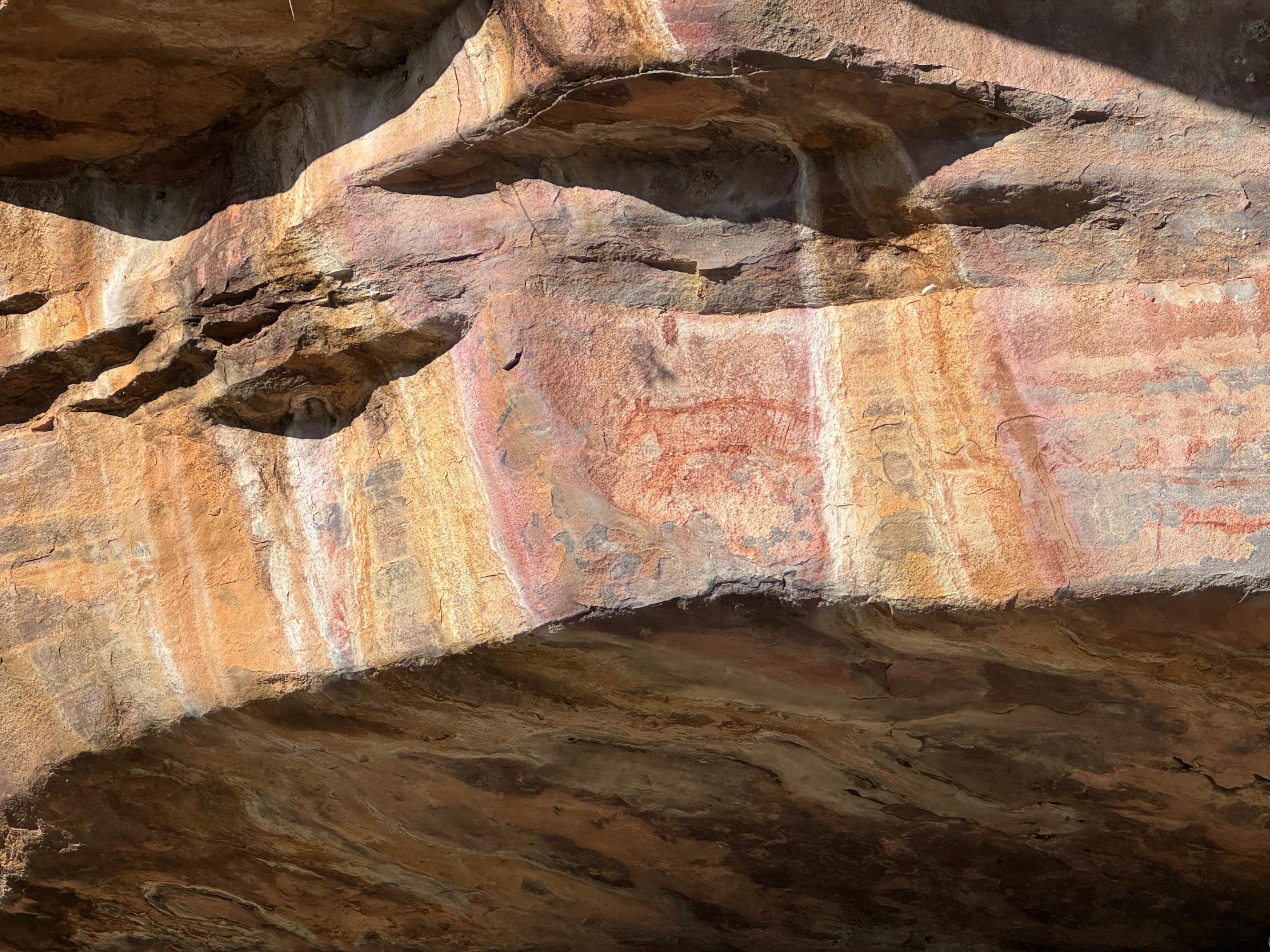
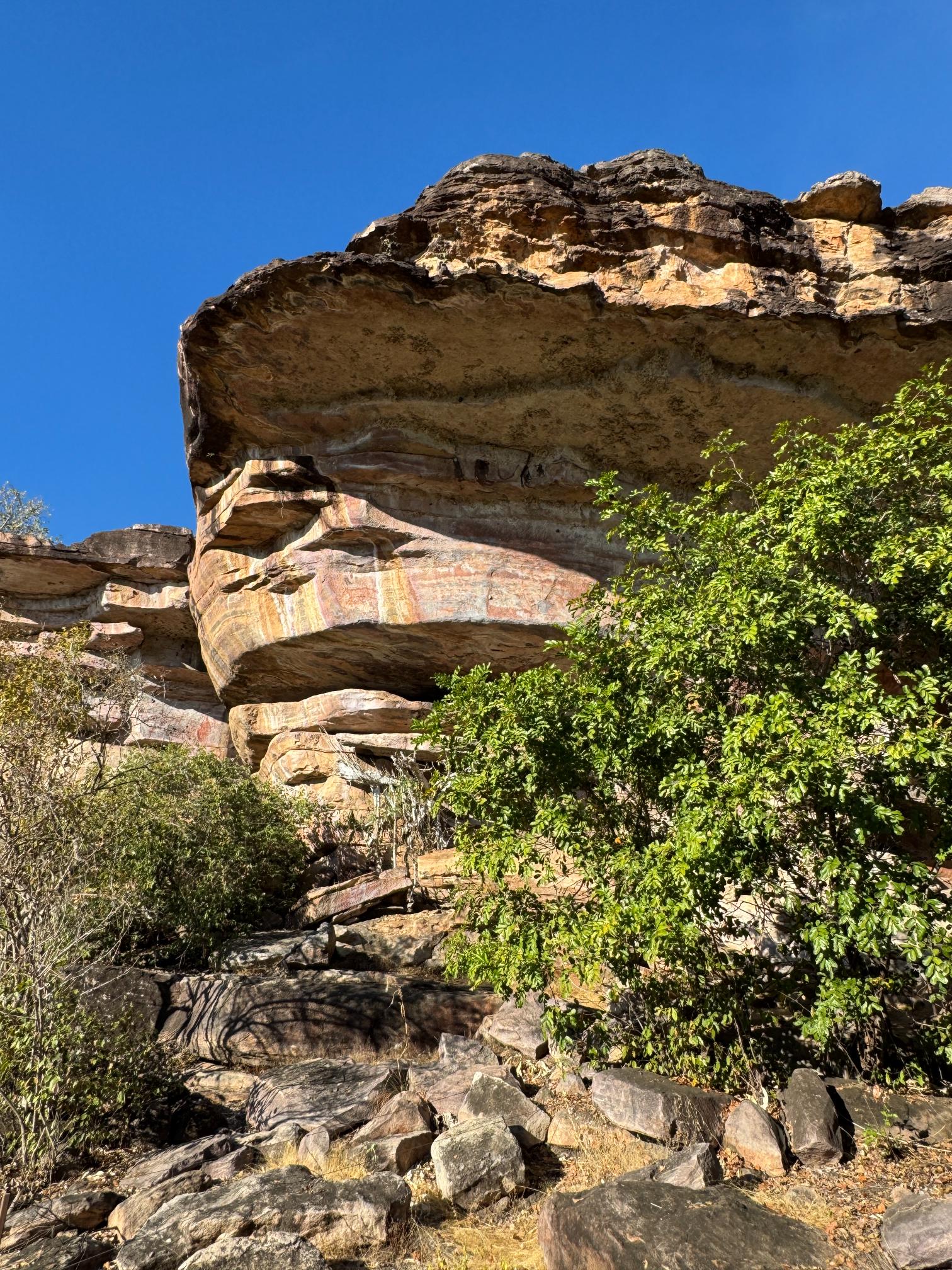
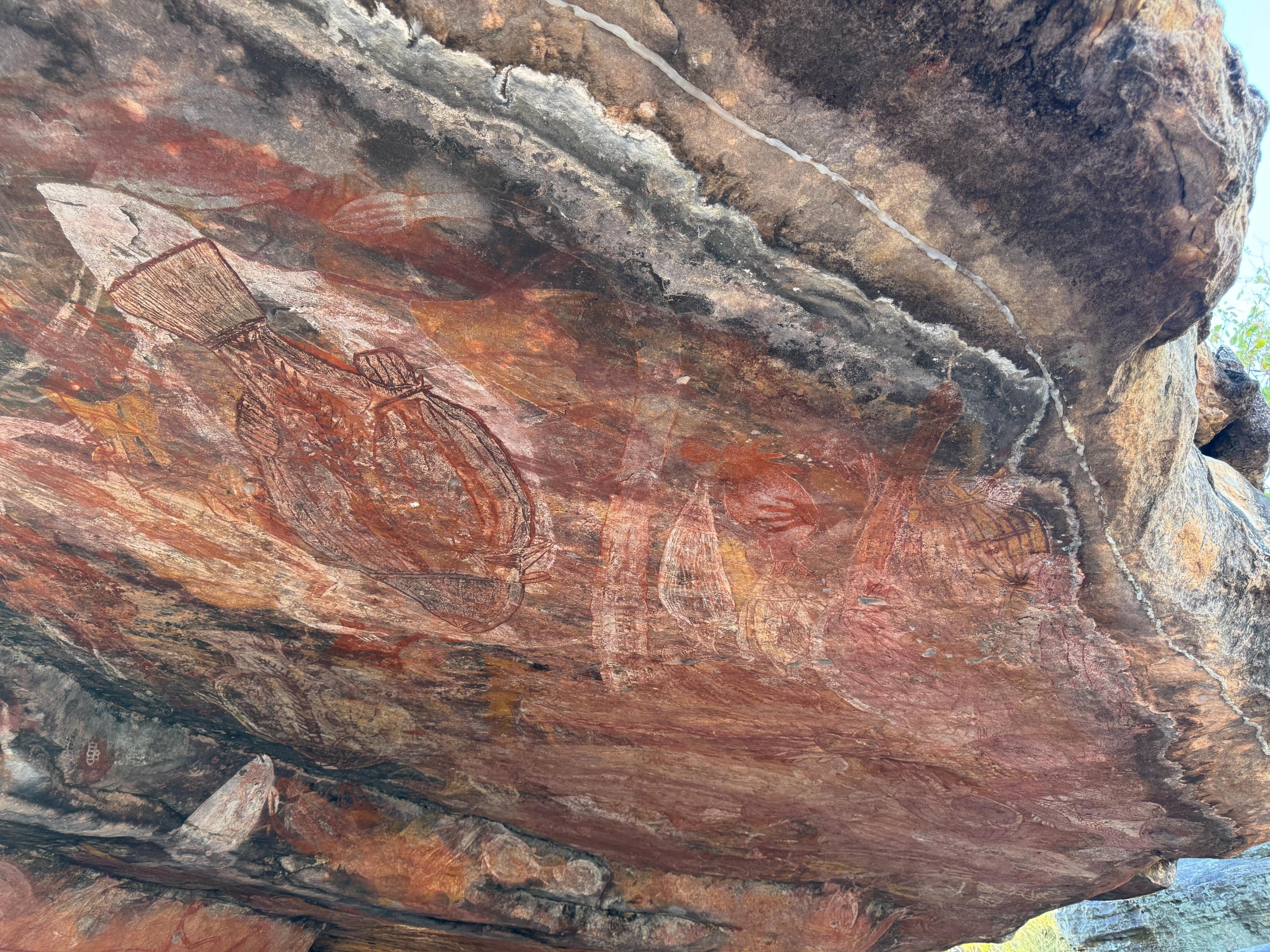
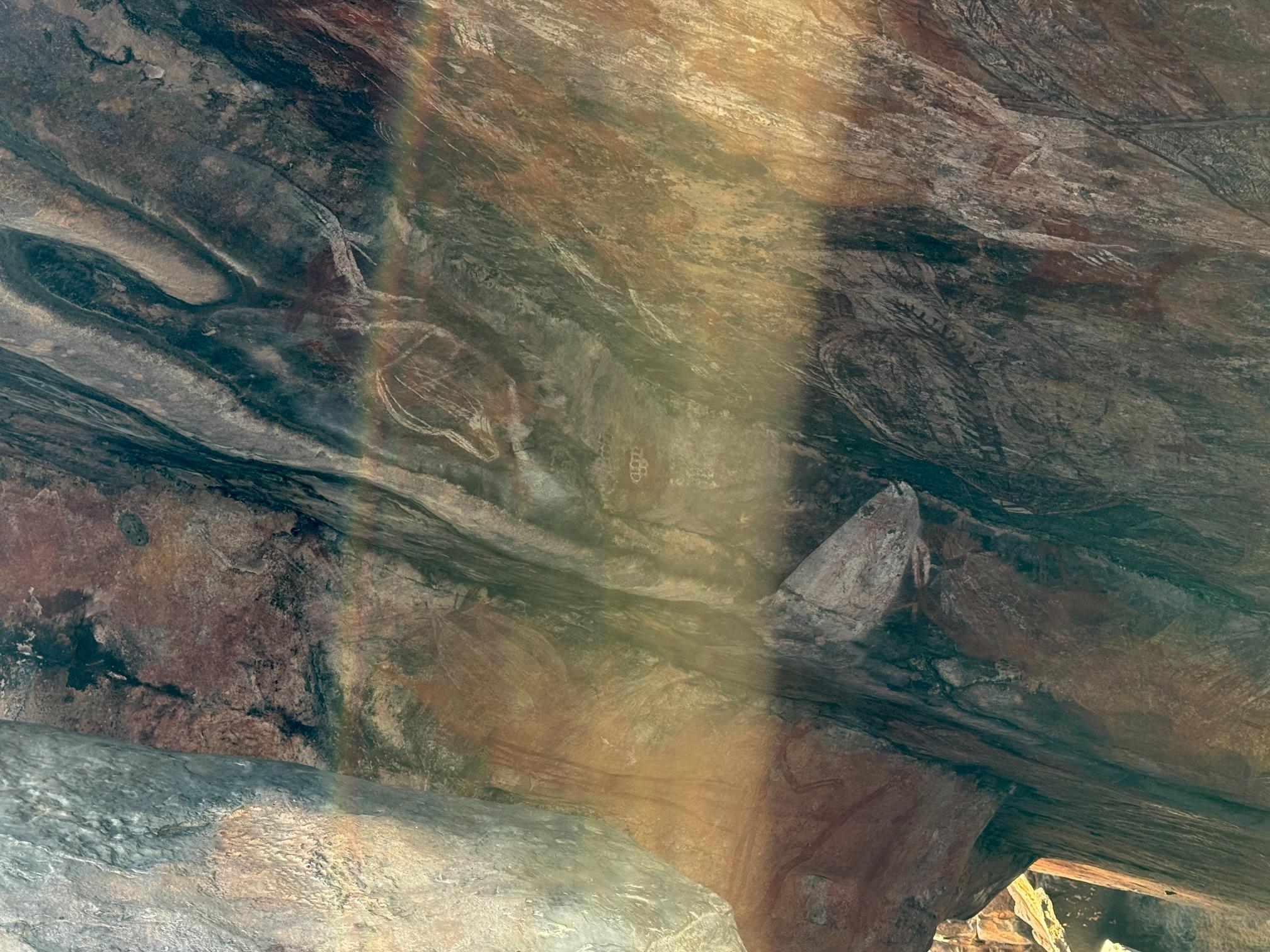
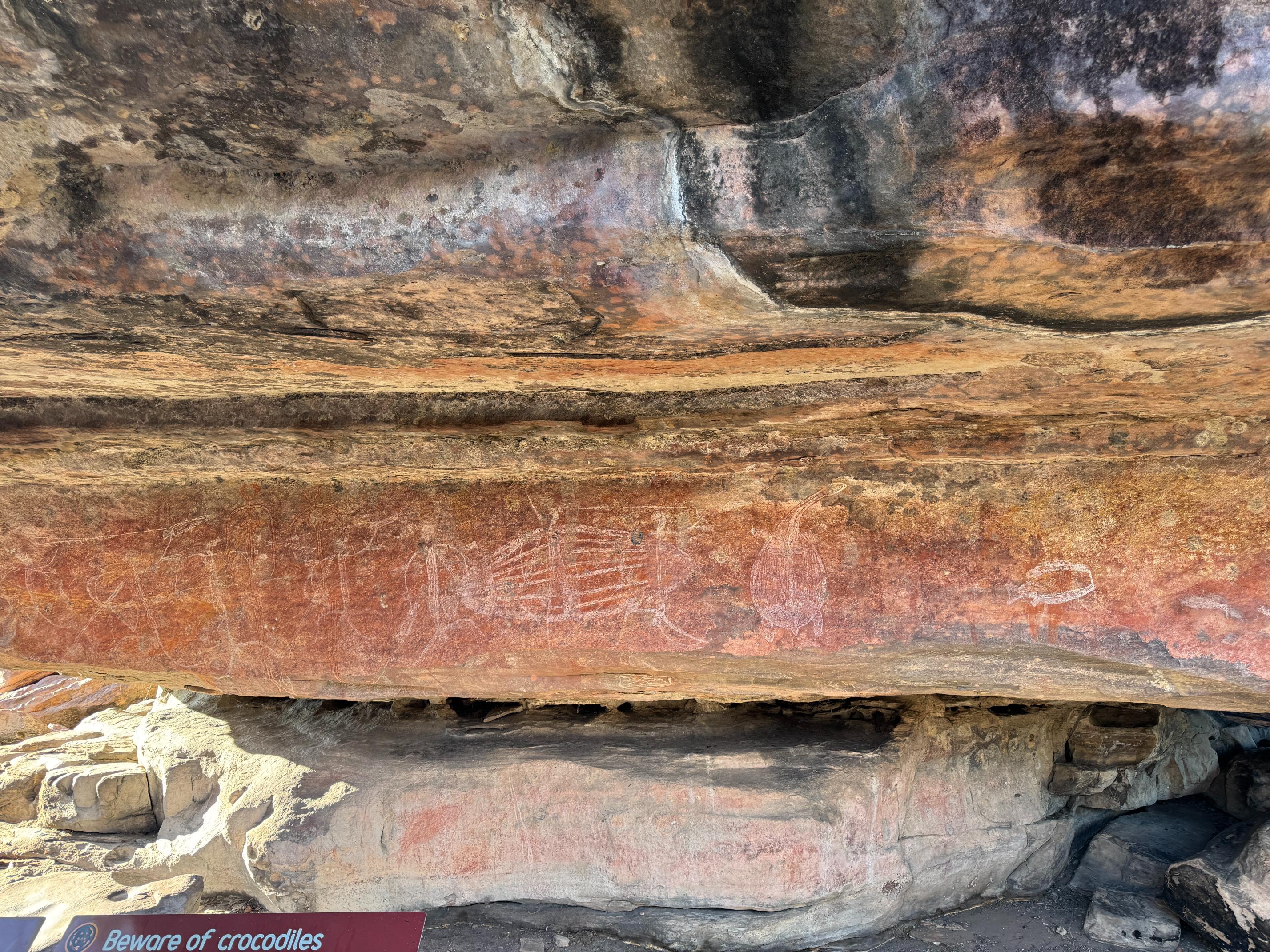
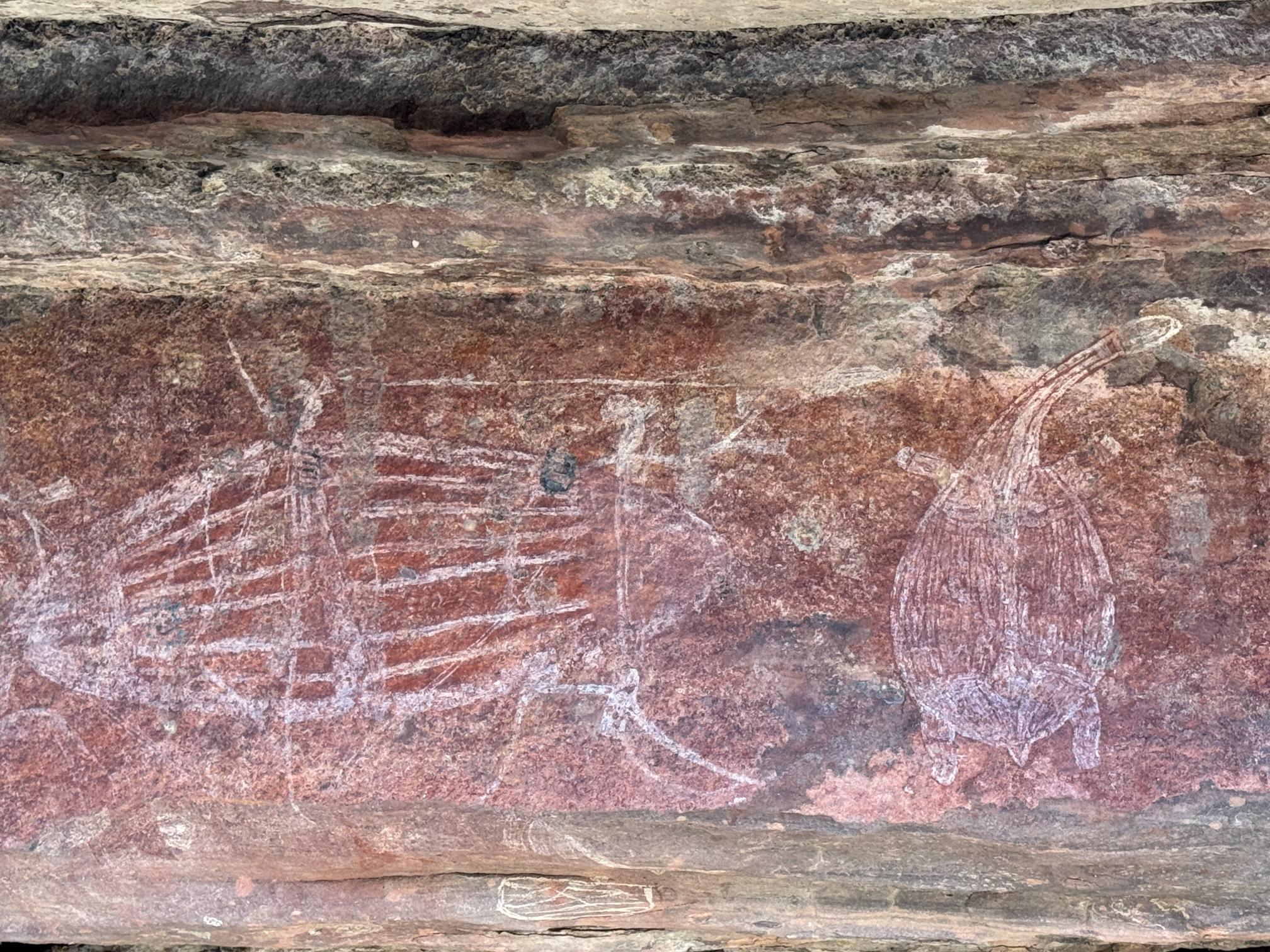
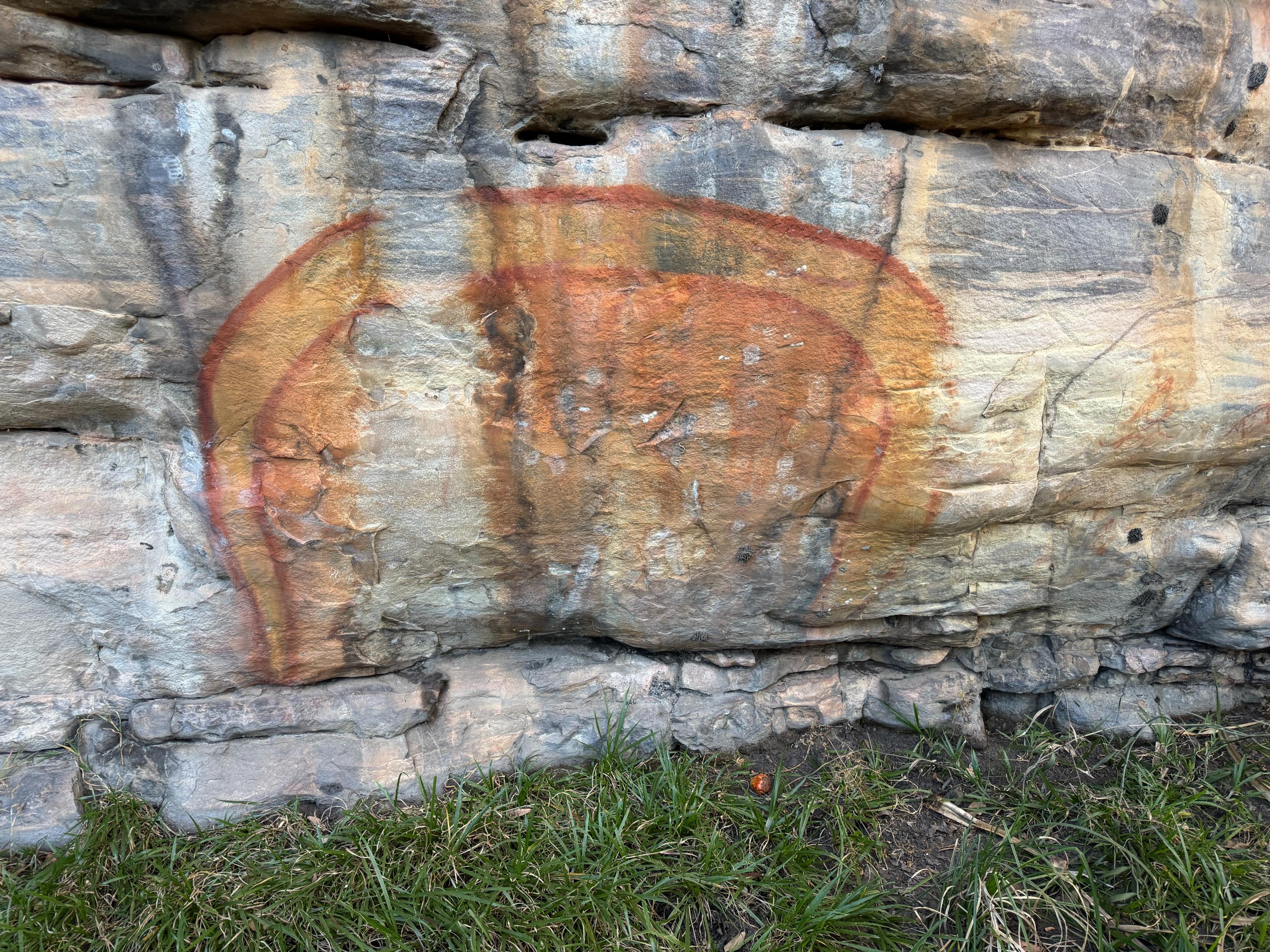
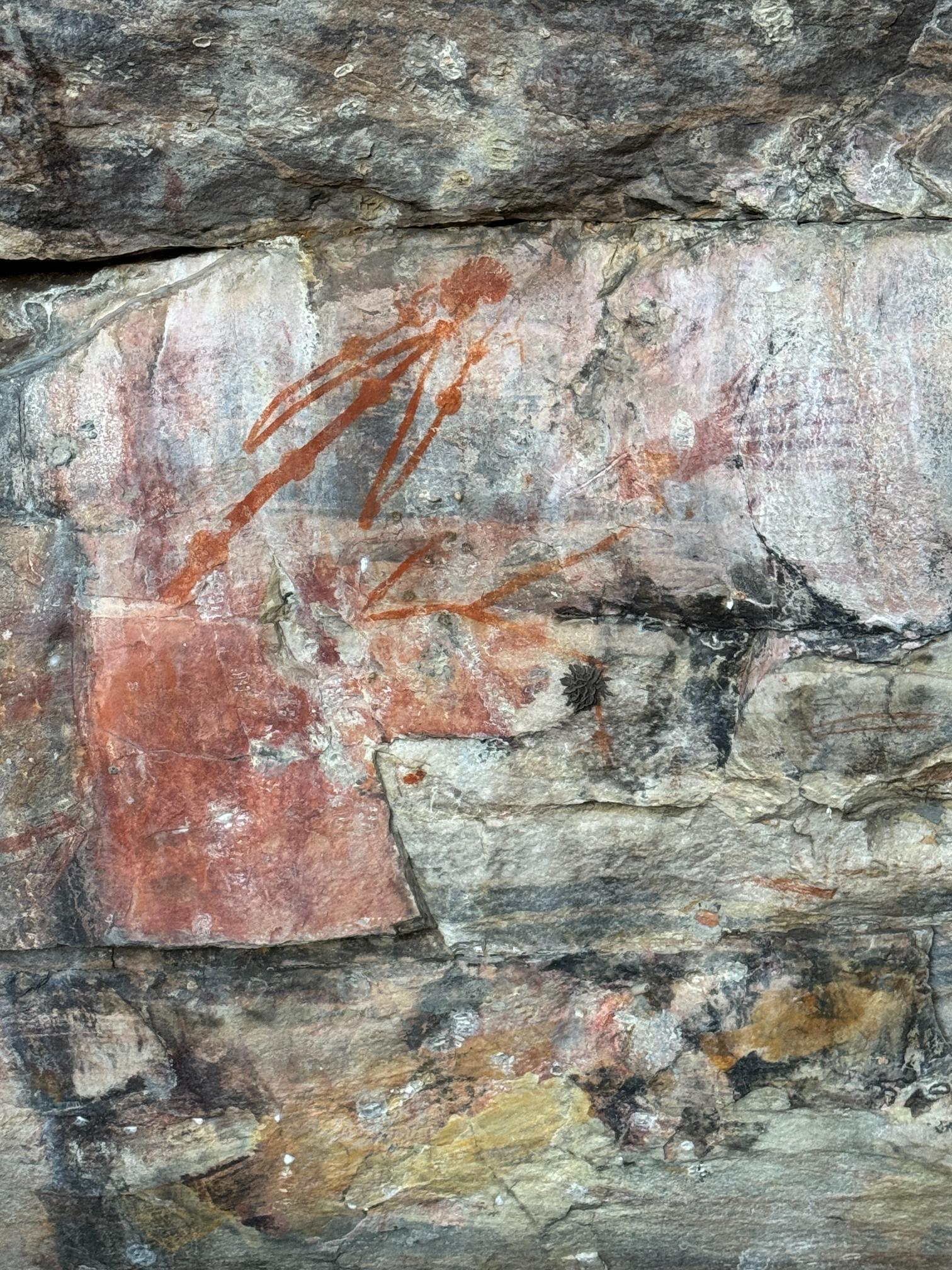
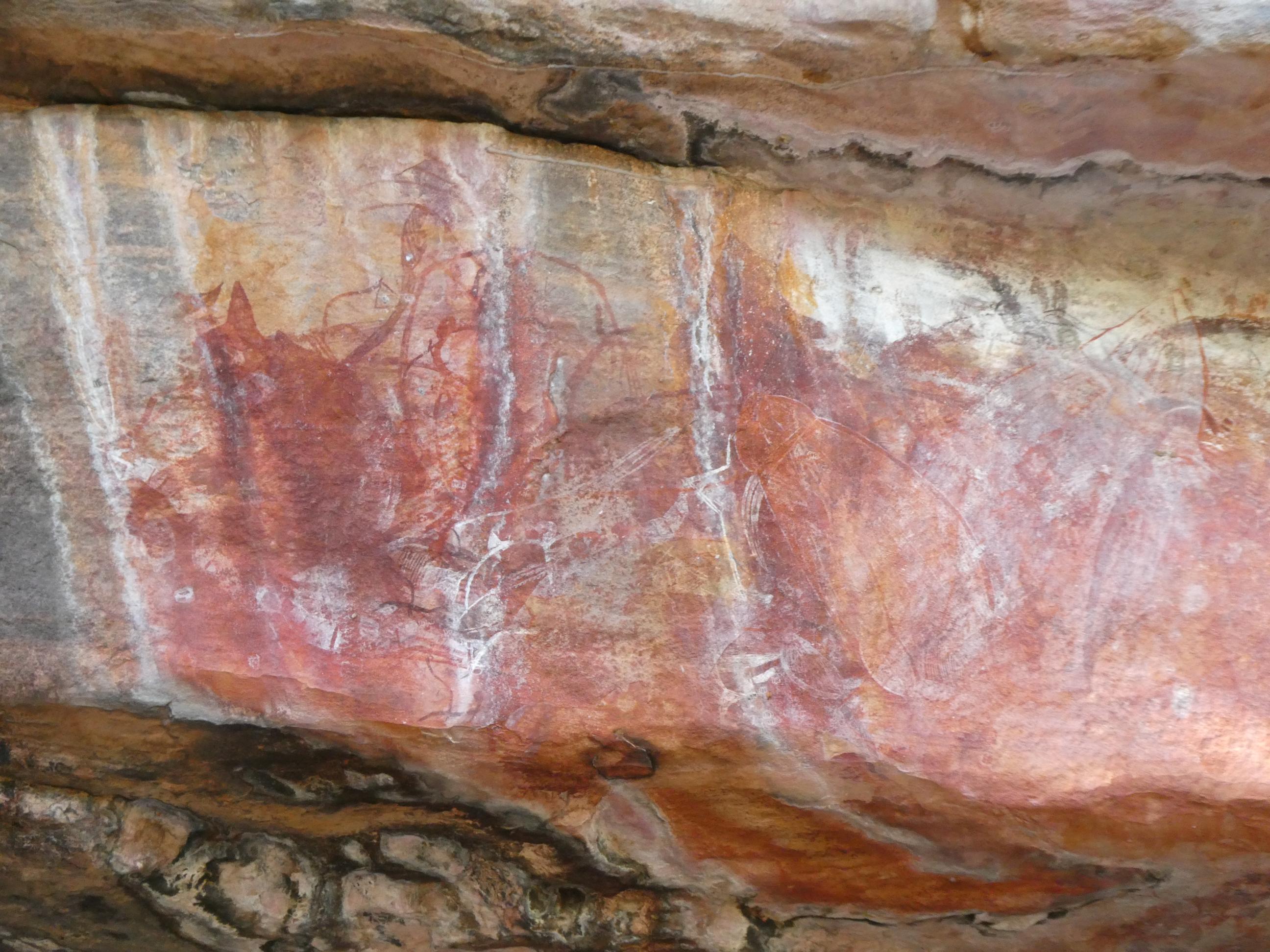
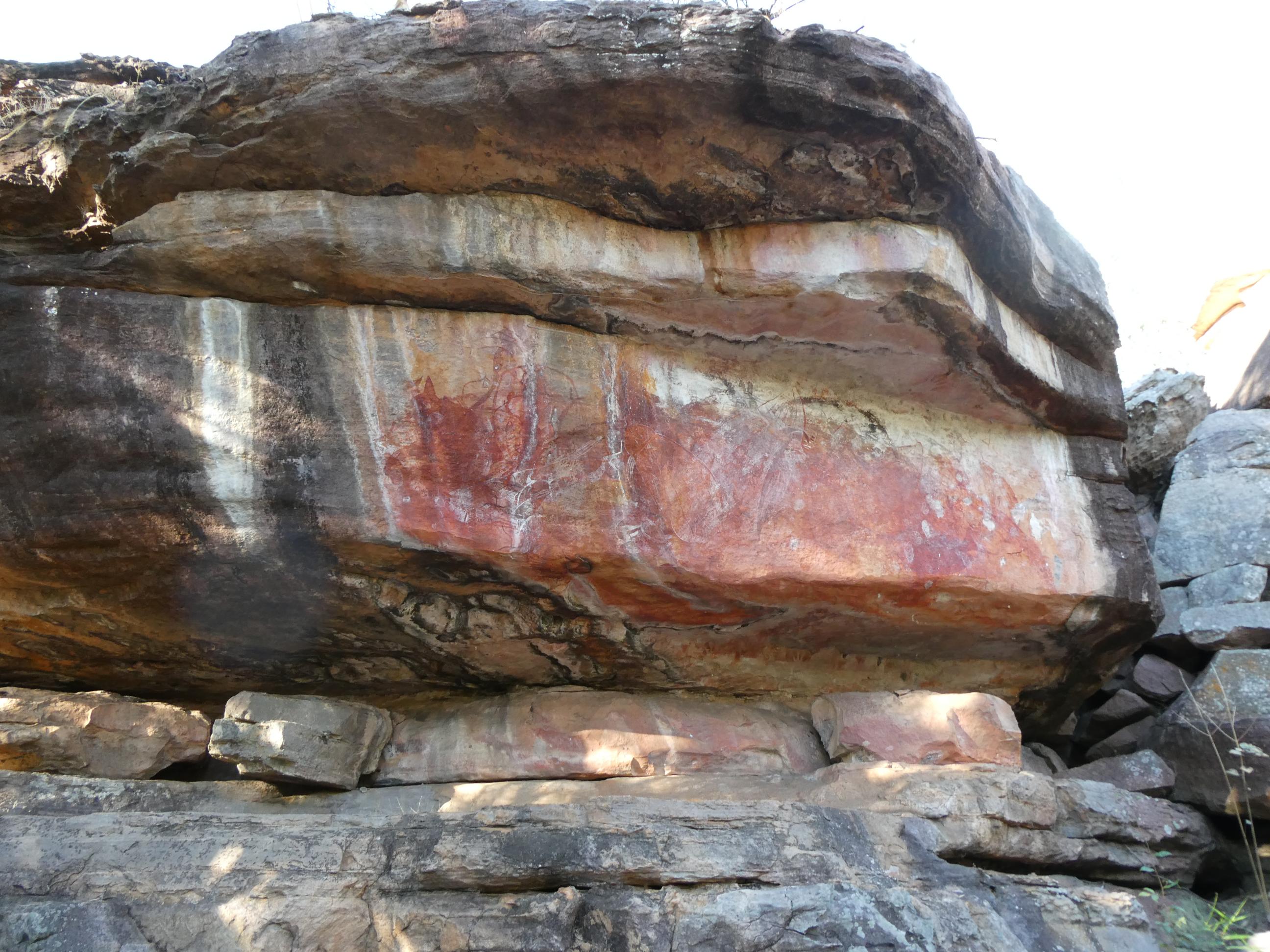
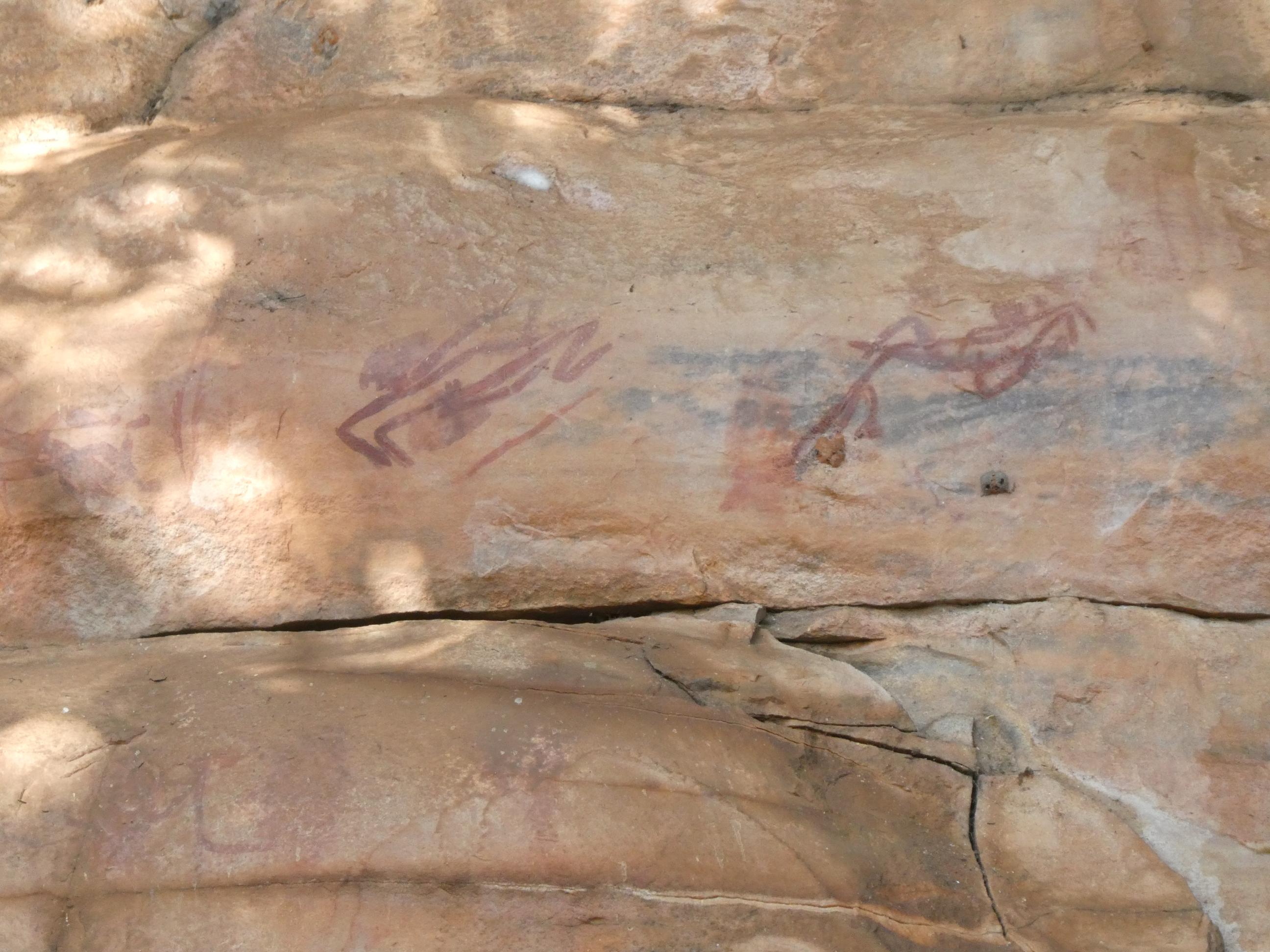
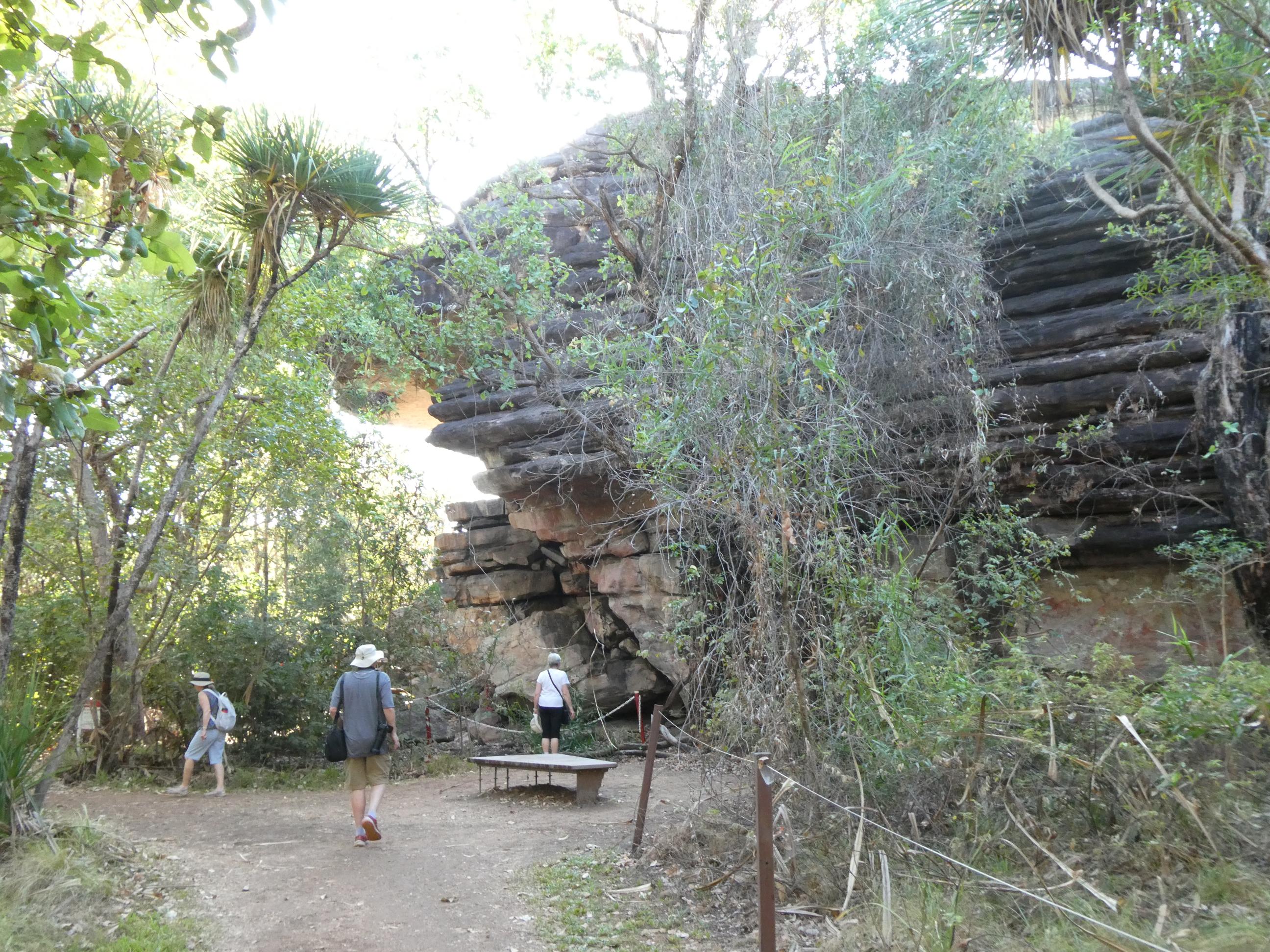
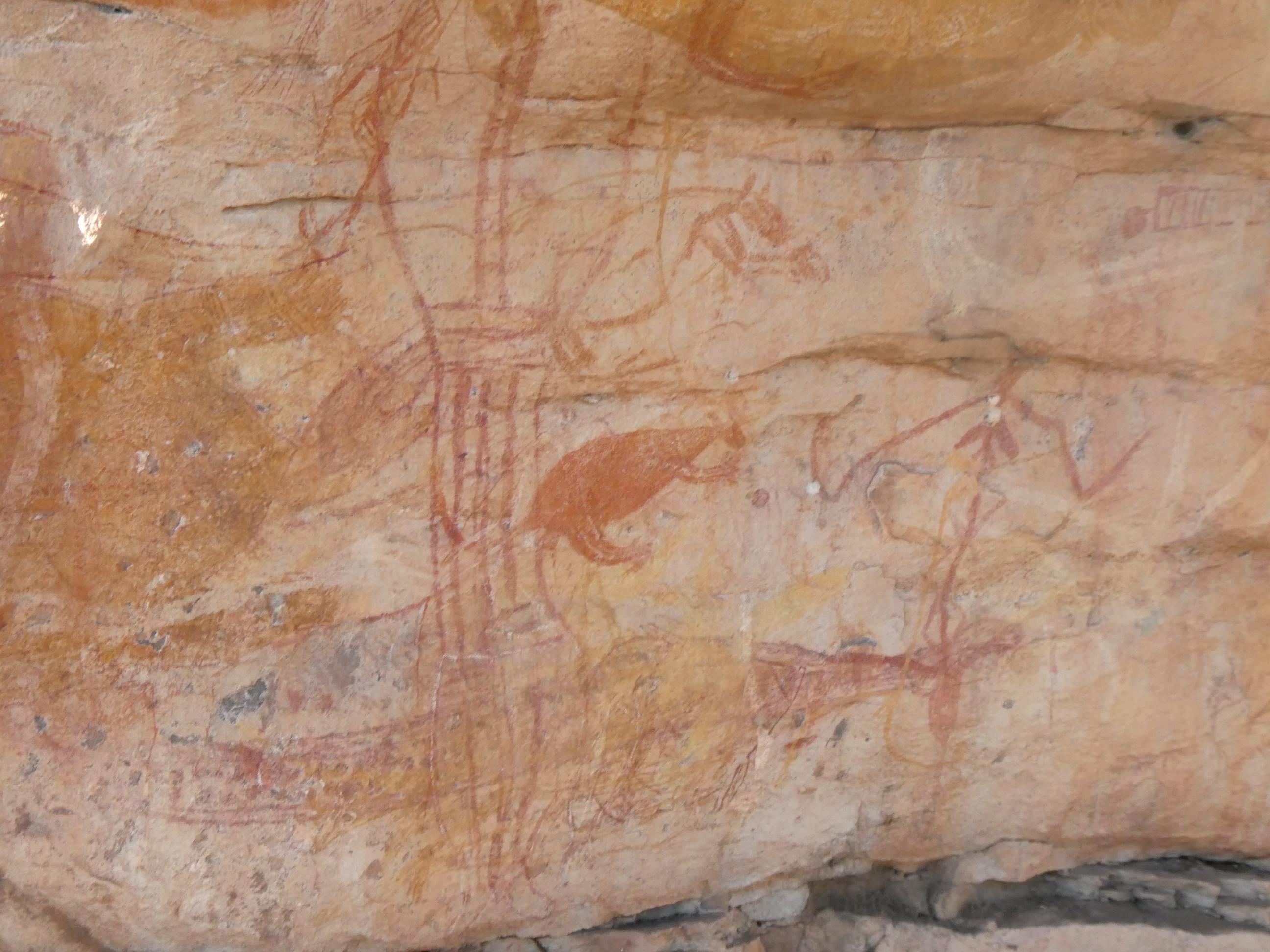
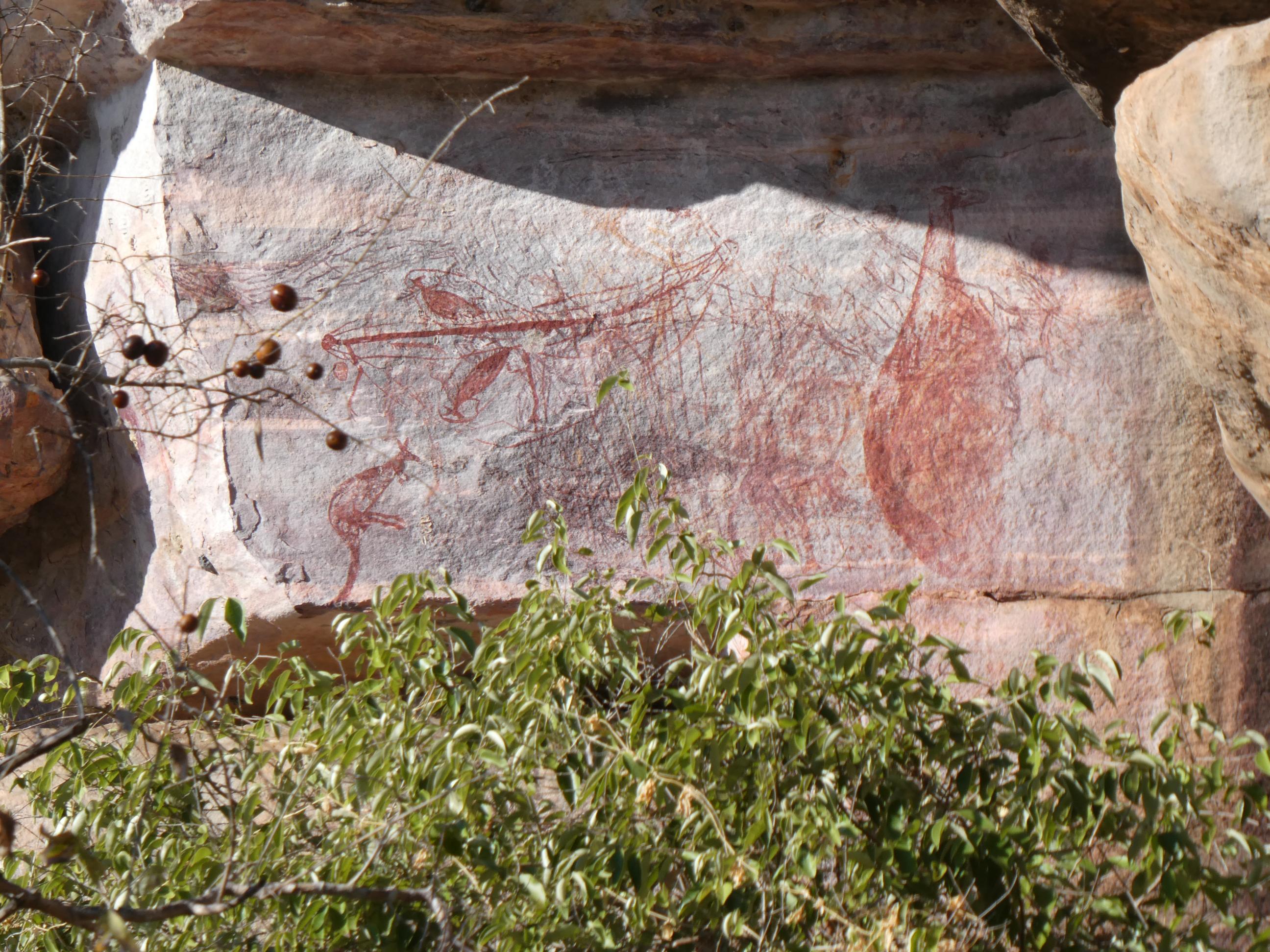
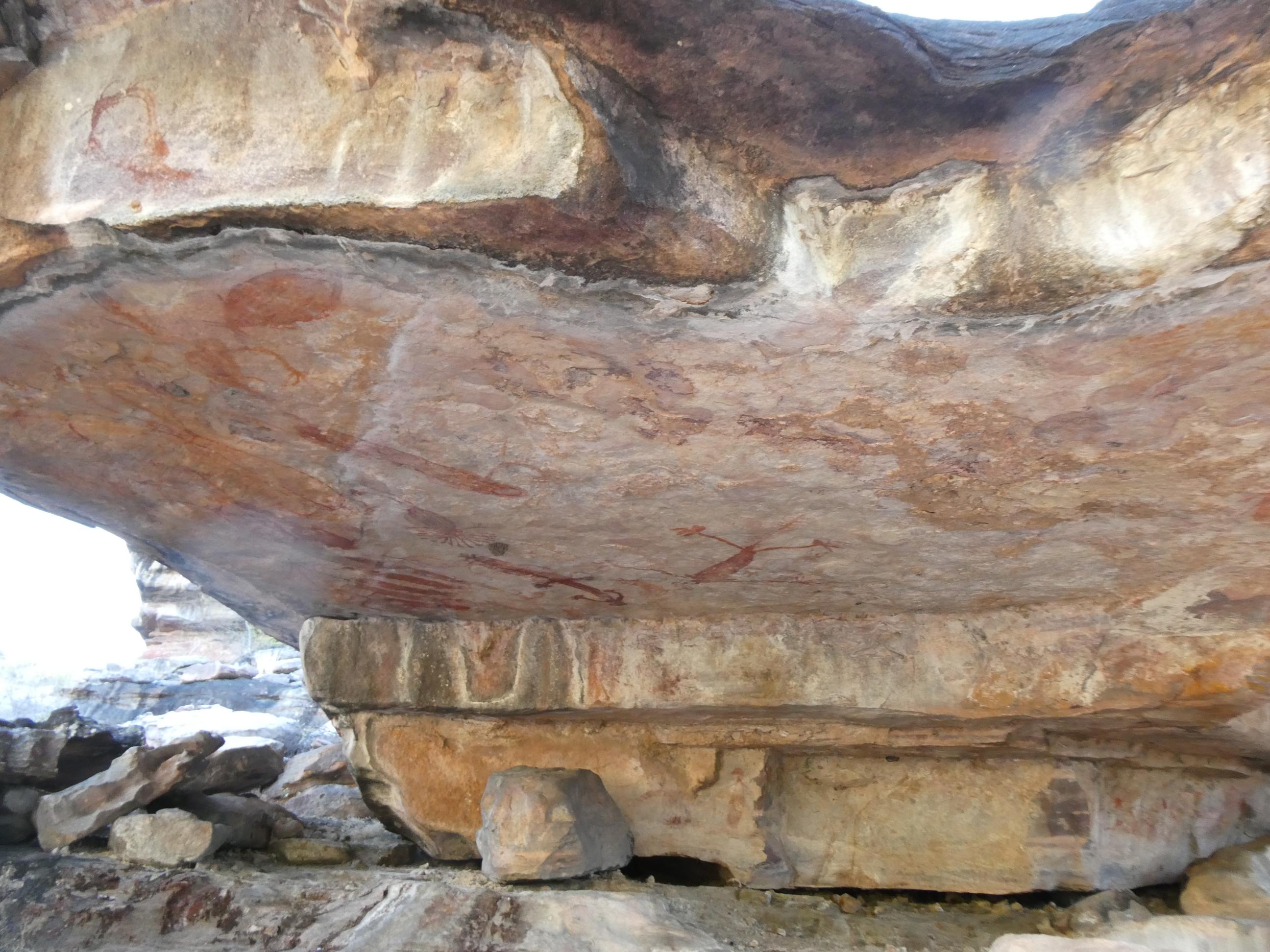
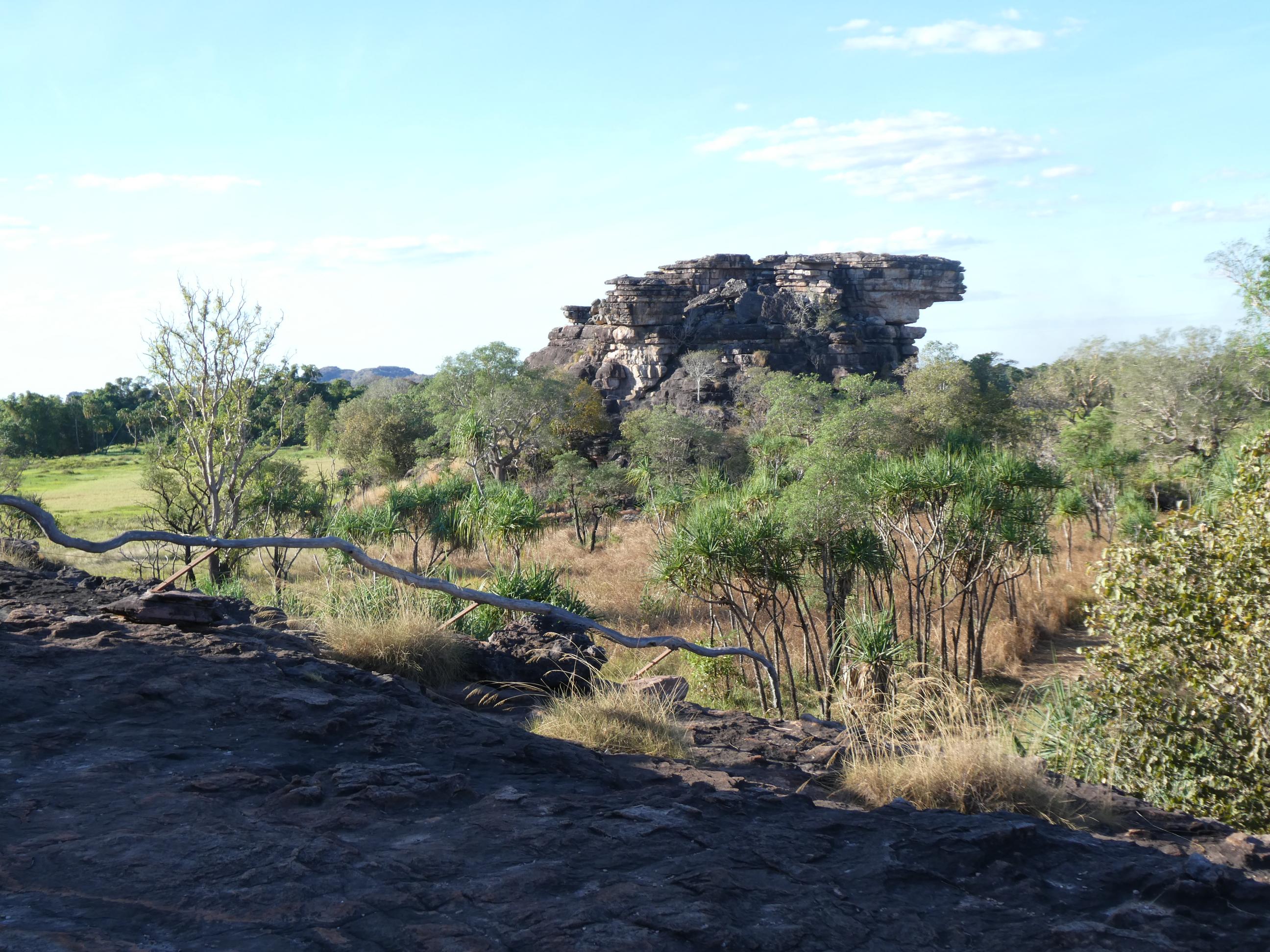
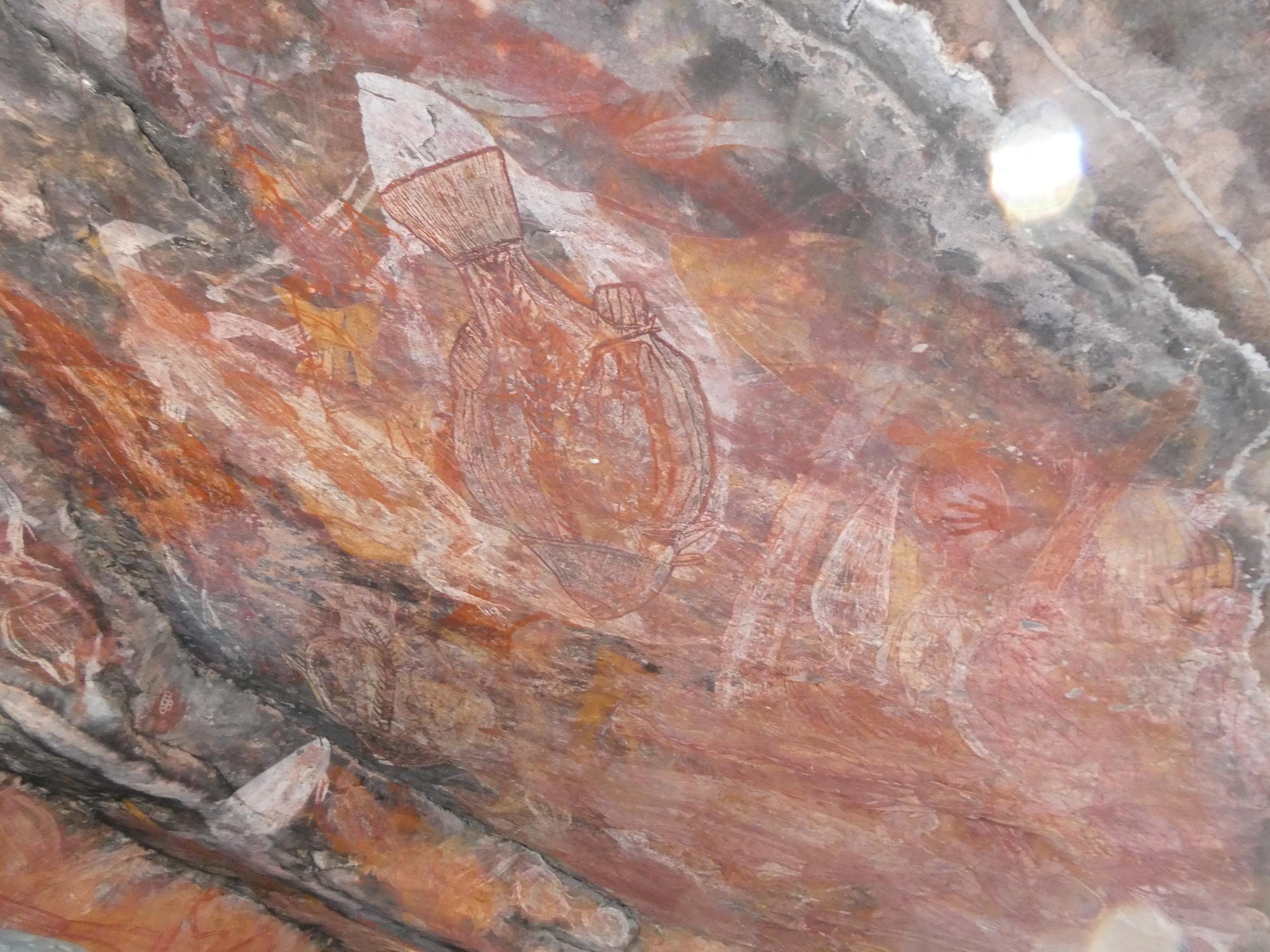
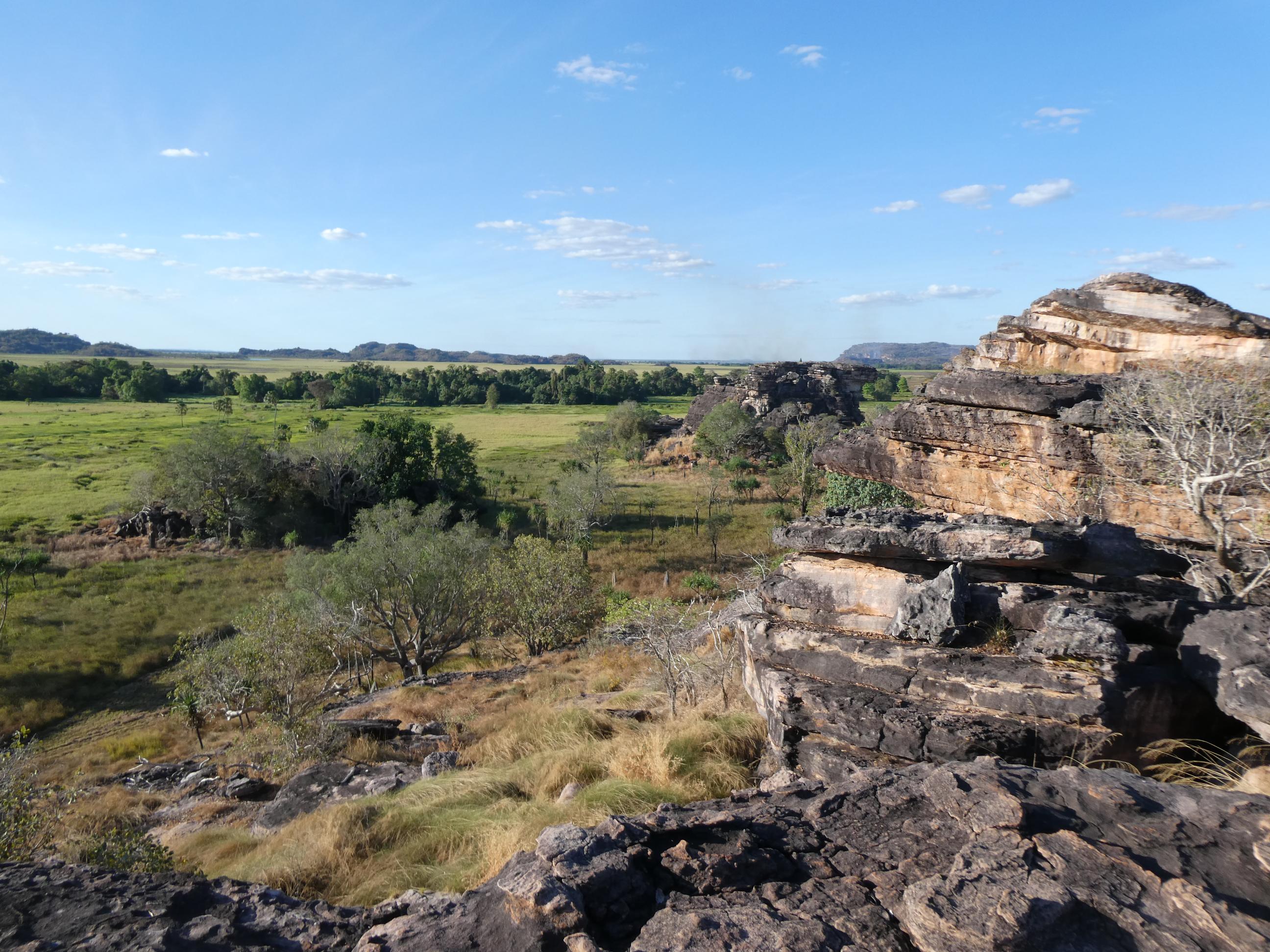
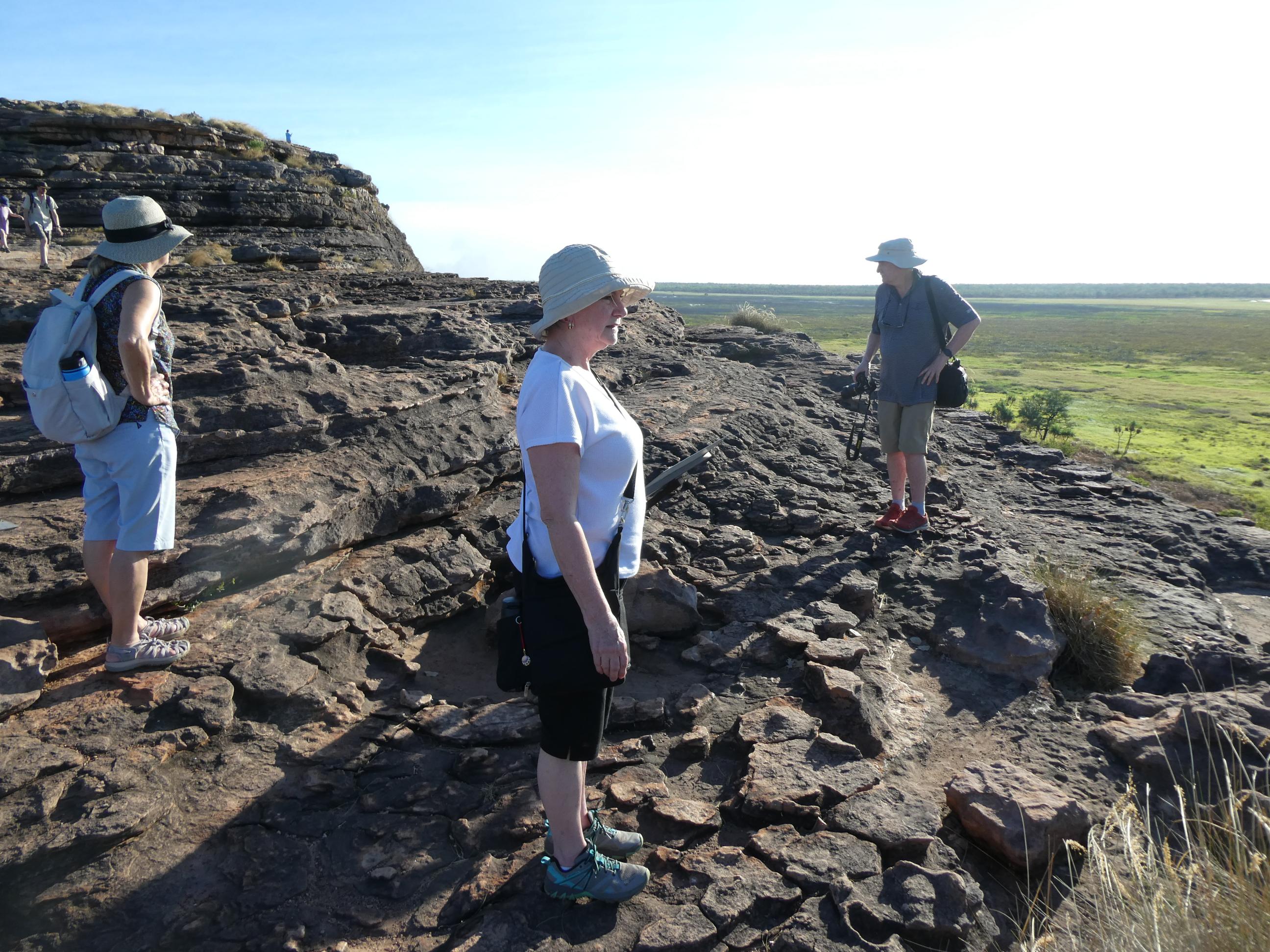
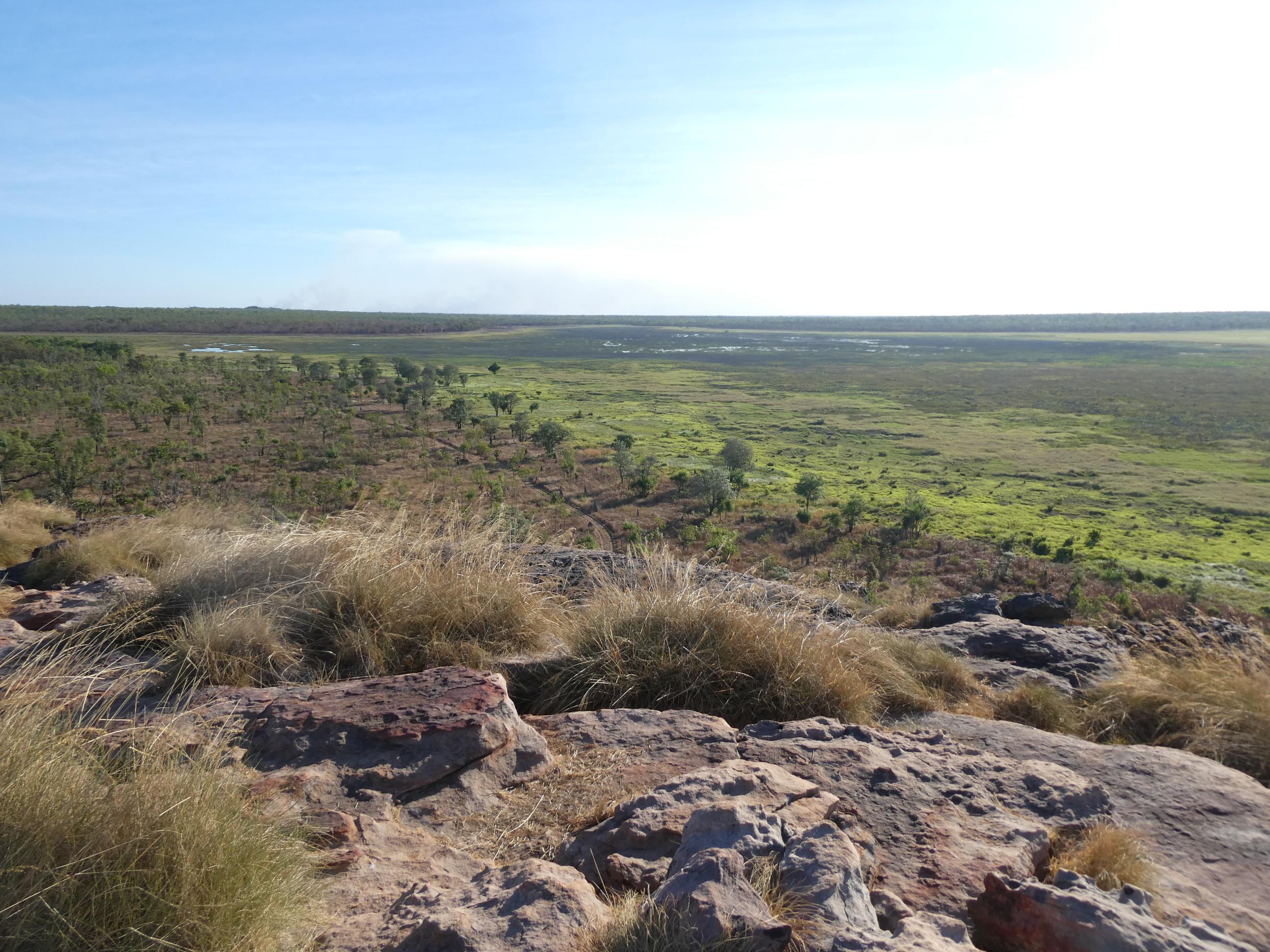
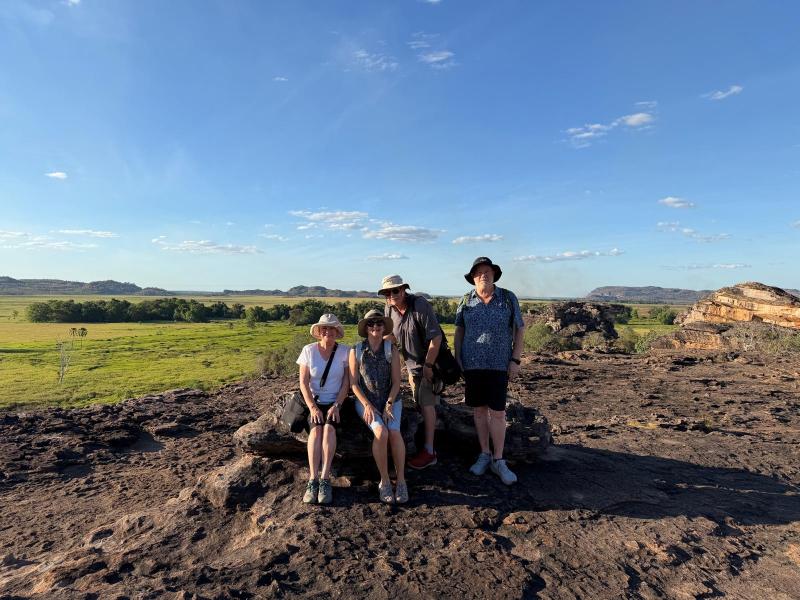
Ubirr is amazing. It is a rock art site where large overhangs of sedimentary rocky outcrops shelter and preserve art works made hundreds and thousands of years ago by the Bininj people who lived between here and Arnhem Land. The artists used ochre to create images on the stone walls of the Rainbow Serpent and other spirits from their mythology, as well as many of the different creatures they hunted and fished for, such as fish, wallabies, turtles and lizards. There’s even a painting of a thylacine, commonly known today as a Tasmanian tiger. They became extinct just a relatively short time ago in Tasmania, but it’s been a much longer time since they roamed the forests of Australia’s north. We climbed the uneven paths to the top of the outcrop for a scenic view of the surrounding wetlands, then cautiously made our way down again and walking back to our car. It’s been a memorable start to our latest holiday.
Since I last posted on this blog, it has added a number of AI features, and is asking me if I’d like to use them to improve my writing. I’ve declined the offer, so you will occasionally find typos and other errors. I think this blog needs to reflect my thoughts using my words. Thanks for checking in. I hope to be able to post most evenings during this trip, but that will entirely depend on the availability of internet in very remote places. Fingers crossed.
 On The Road With Garry
I was waiting for the next blog. Looks like the start of nice trip. All the best.
LikeLike
Thanks Mark. Yes, we’re spending the next two weeks in the far north of Australia. The first few days are to the east of Darwin, before we begin a 10 day cruise from Darwin around the north west coastline of Western Australia. I will try to post every night, though internet access may be limited
LikeLike