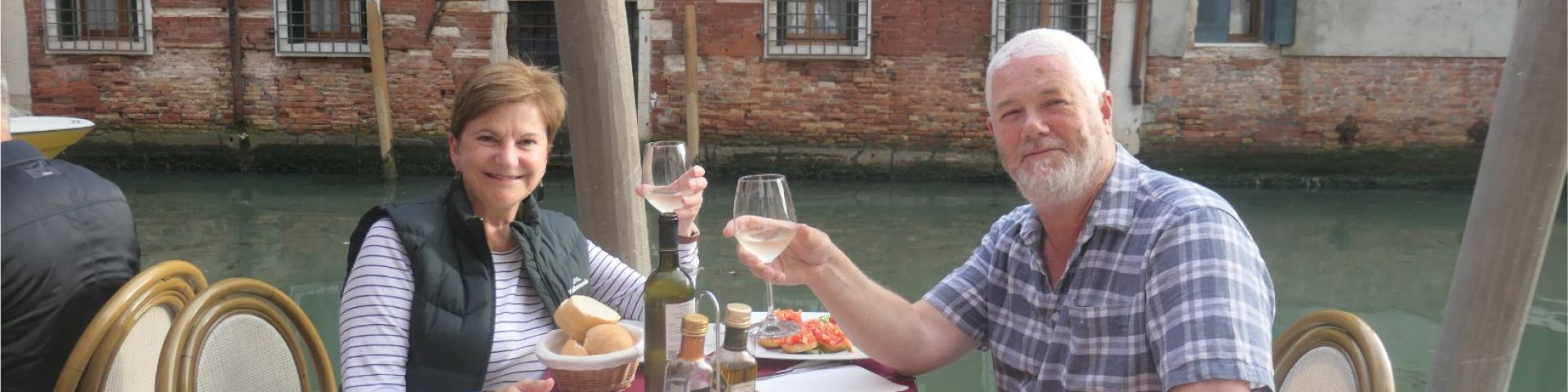
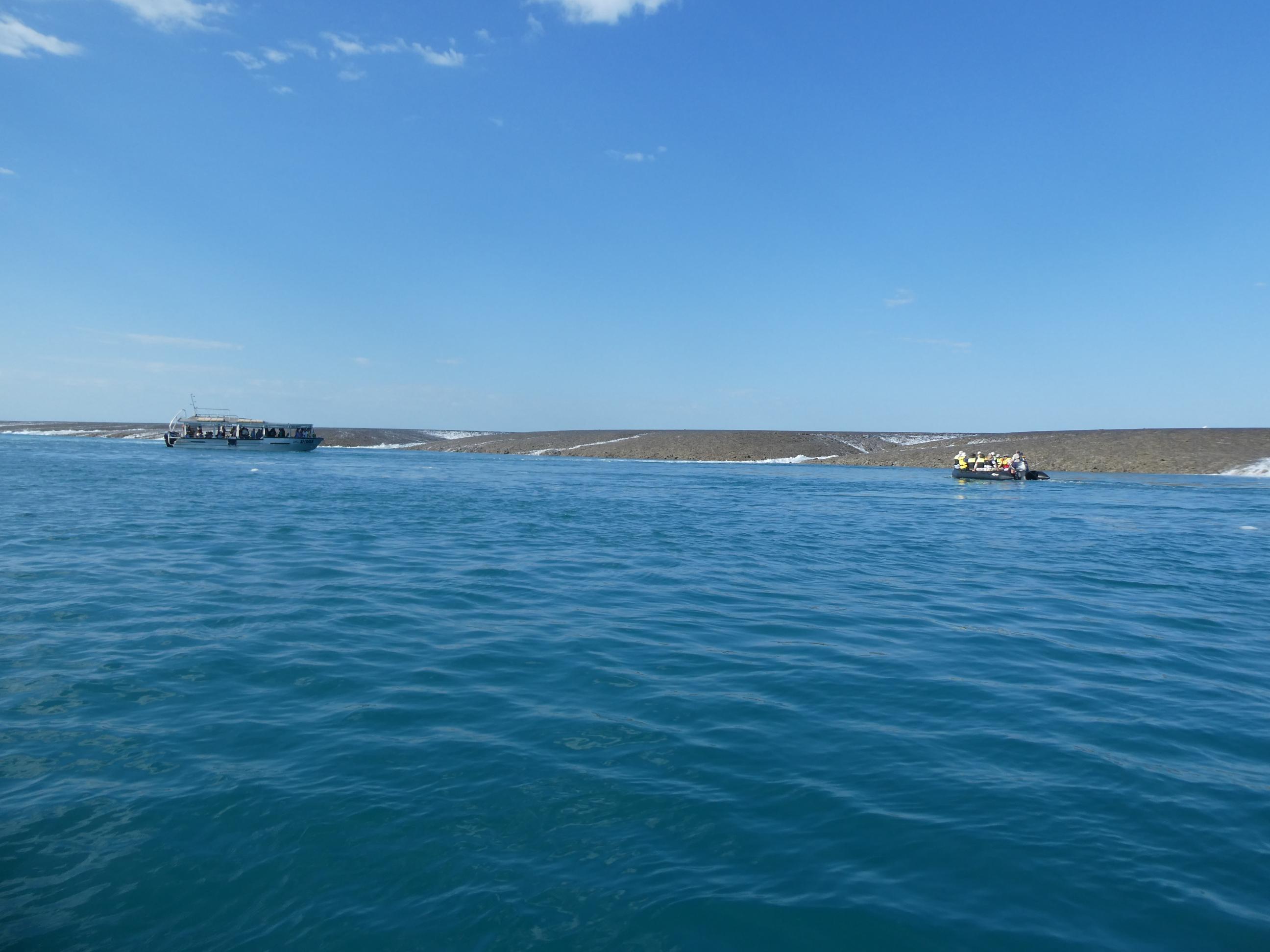
We woke to another beautiful day. We had an early start scheduled once again because most of our activities are totally dependent on tide times.This morning we were going to take the tender out to Montgomery Reef and then transfer to zodiacs to go in for a closer look. The traditional owners of this country call the reef Yowjab, which I think is probably a preferable name to that of the ship’s surgeon, Andrew Montgomery, on Phillip Parker King’s exploration vessel HMS Mermaid back in 1818.
Montgomery Reef is the largest inshore reef in the world. It measures roughly 20 kilometres by 20 kilometres, so it covers an area of about 400 square kilometres. Twice a day, when the tide is low, the reef emerges up to five metres above the surface of the surrounding sea, and twice a day, when the tide is high, the top of the reef is submerged about five metres below the ocean surface. The tides here have a variance of almost ten metres between the low and high tide levels.
There is a broad channel that divides the reef into two parts, allowing visitors to navigate their vessels between the two rising platforms on either side at low tide. The reef is quite different to the Great Barrier Reef in both appearance and structure. Montgomery Reef is located atop a shallow mesa-like platform. It takes its structure from coralline algae and rhodoliths (colourful nodules composed of algae that resemble coral). Marine life on Montgomery Reef has adapted to being able survive exposure above the ocean surface twice a day. By contrast, the Great Barrier Reef corals have a carbonate structure and generally remain submerged beneath the ocean surface at all times. Visitors to Montgomery Reef should not expect to see the colourful displays of coral that can be viewed on the Great Barrier Reef. Nevertheless, Montgomery Reef is awe inspiring in other ways.
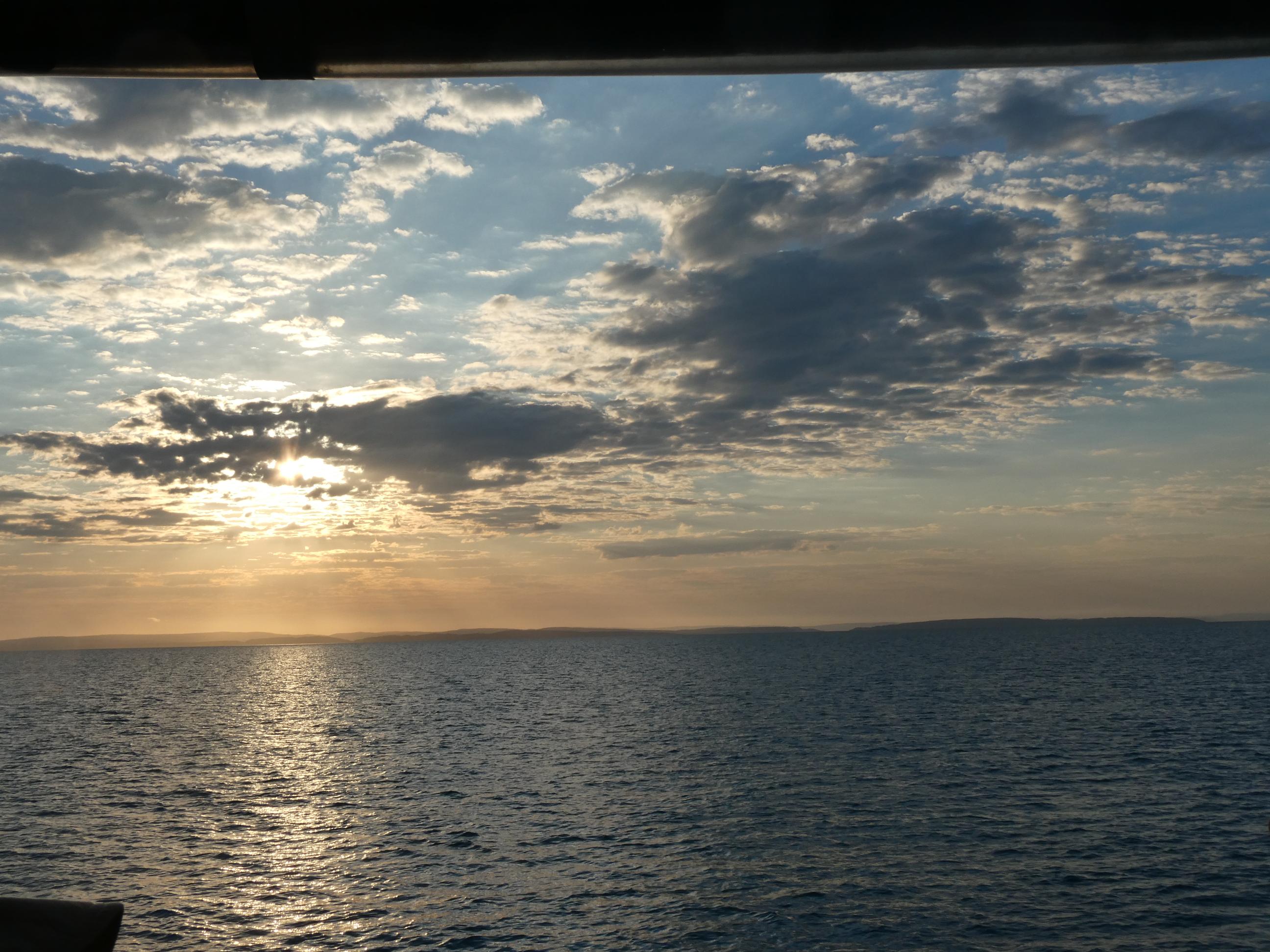
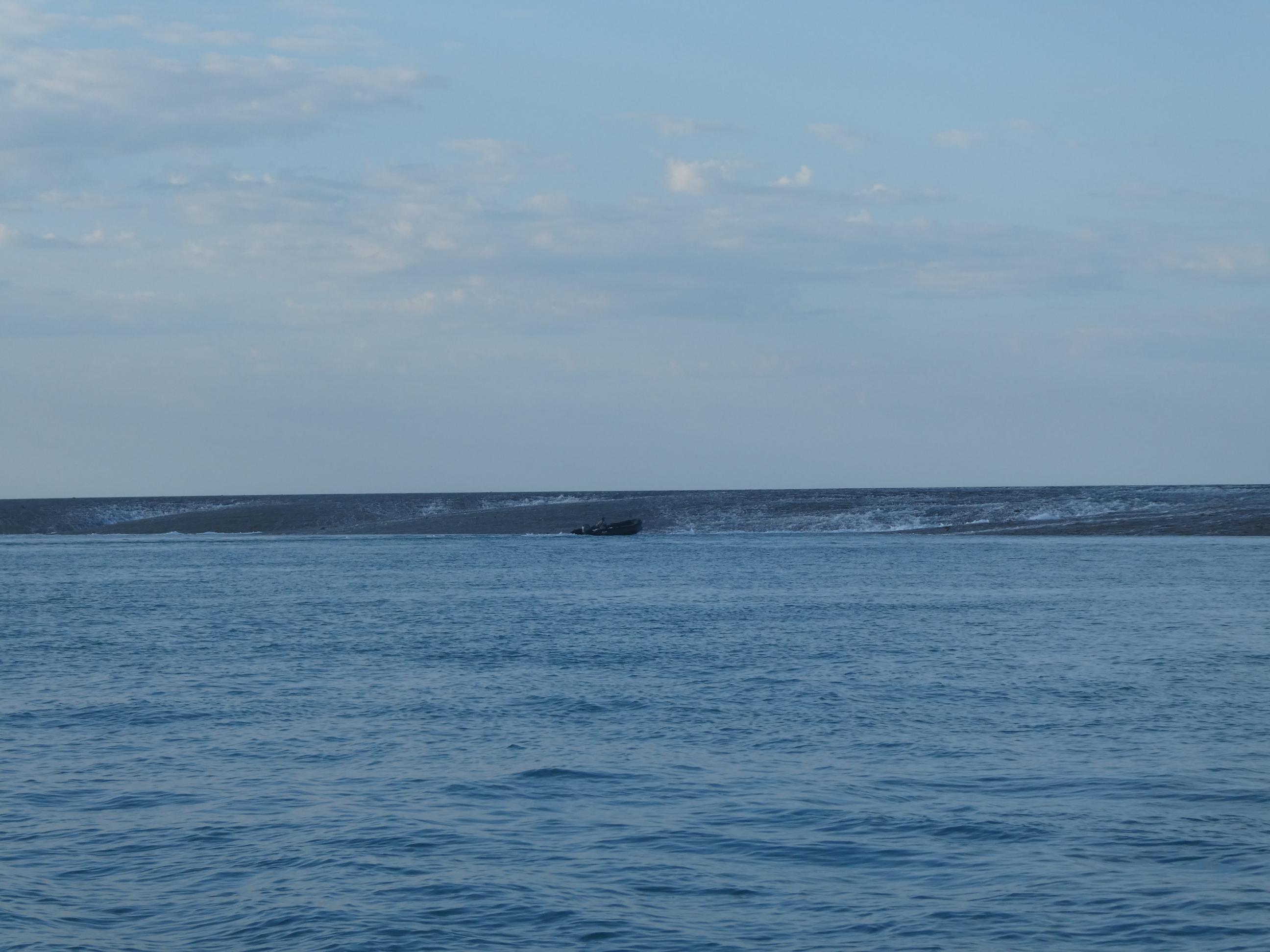
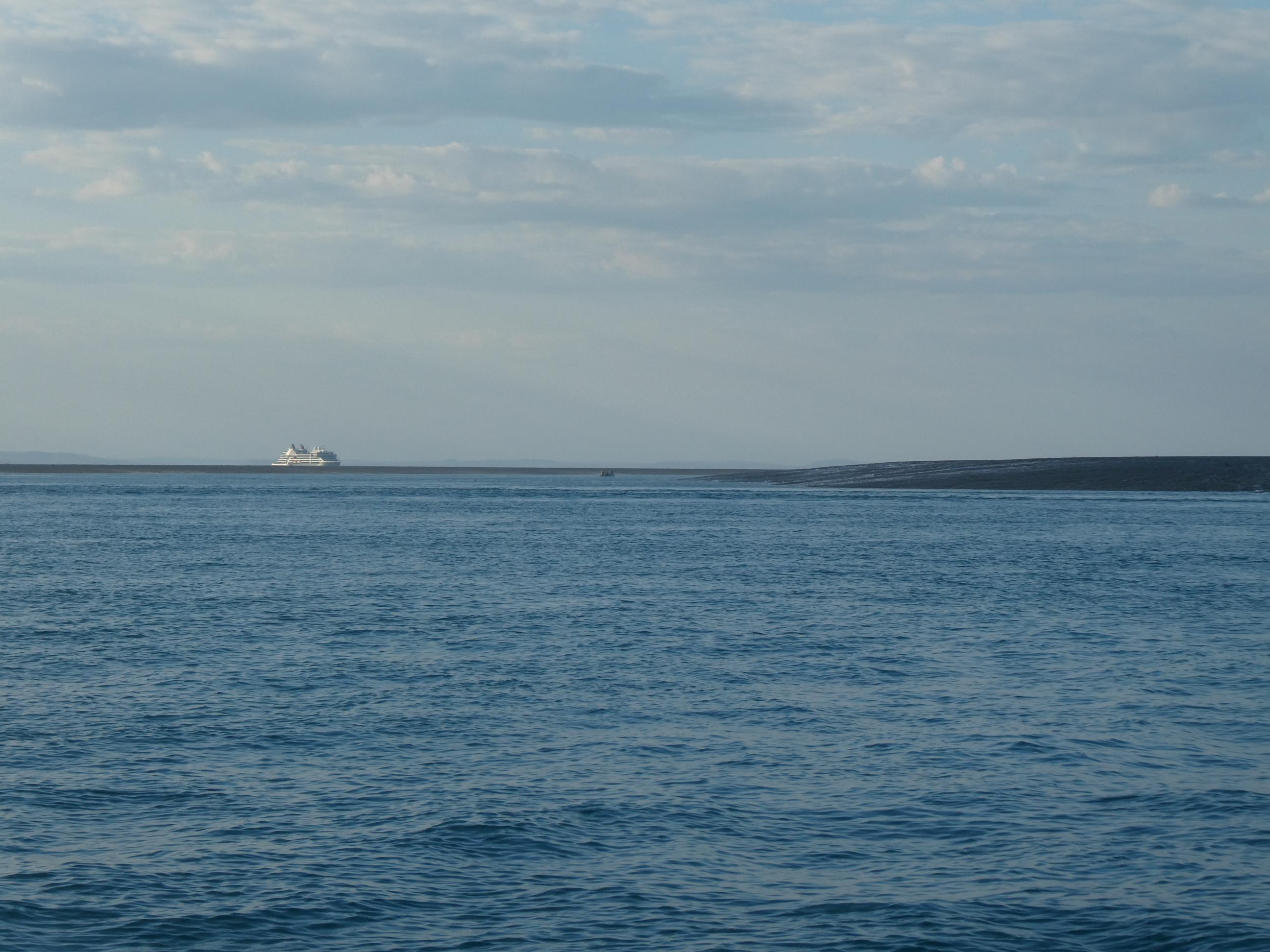
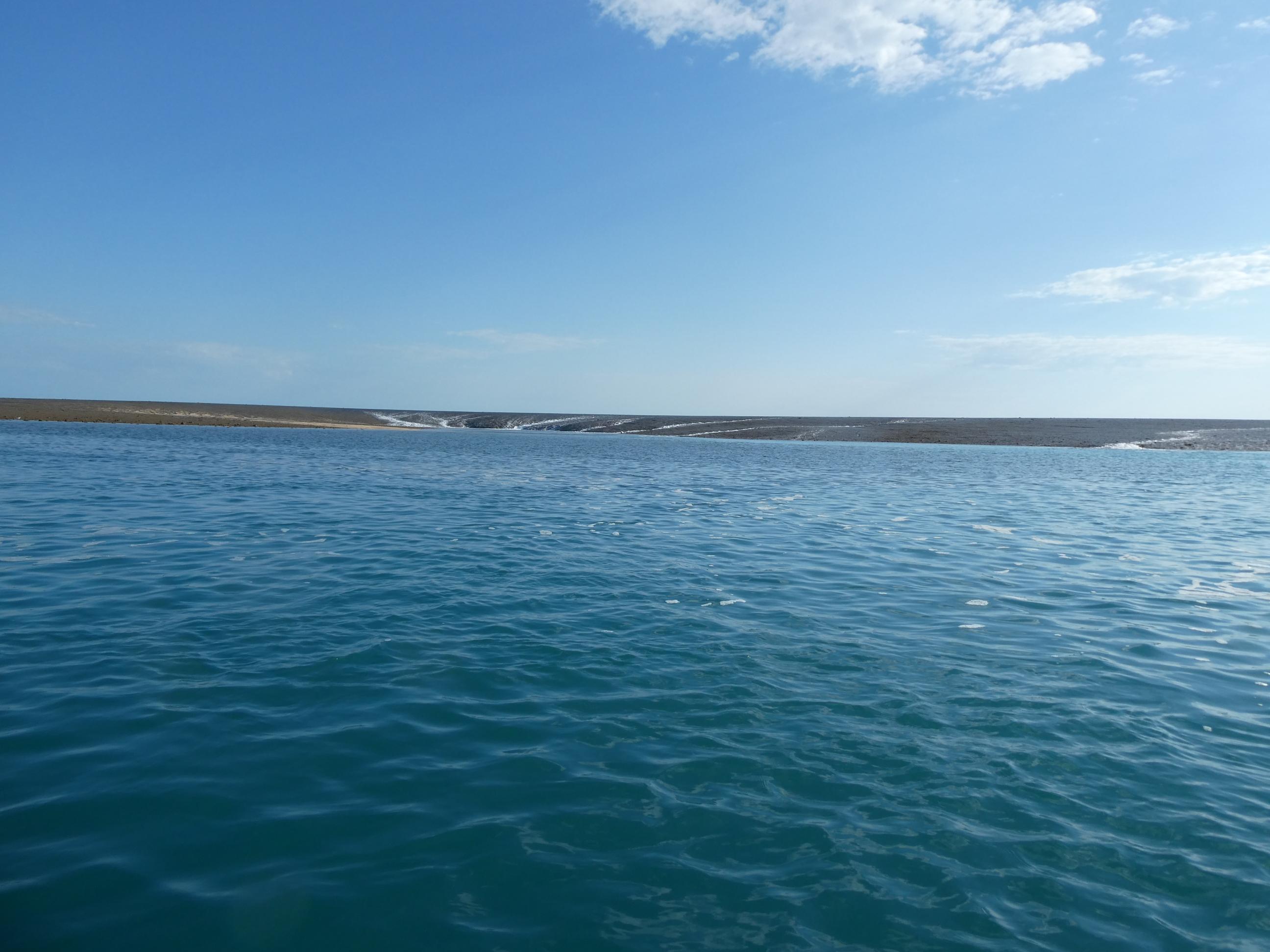

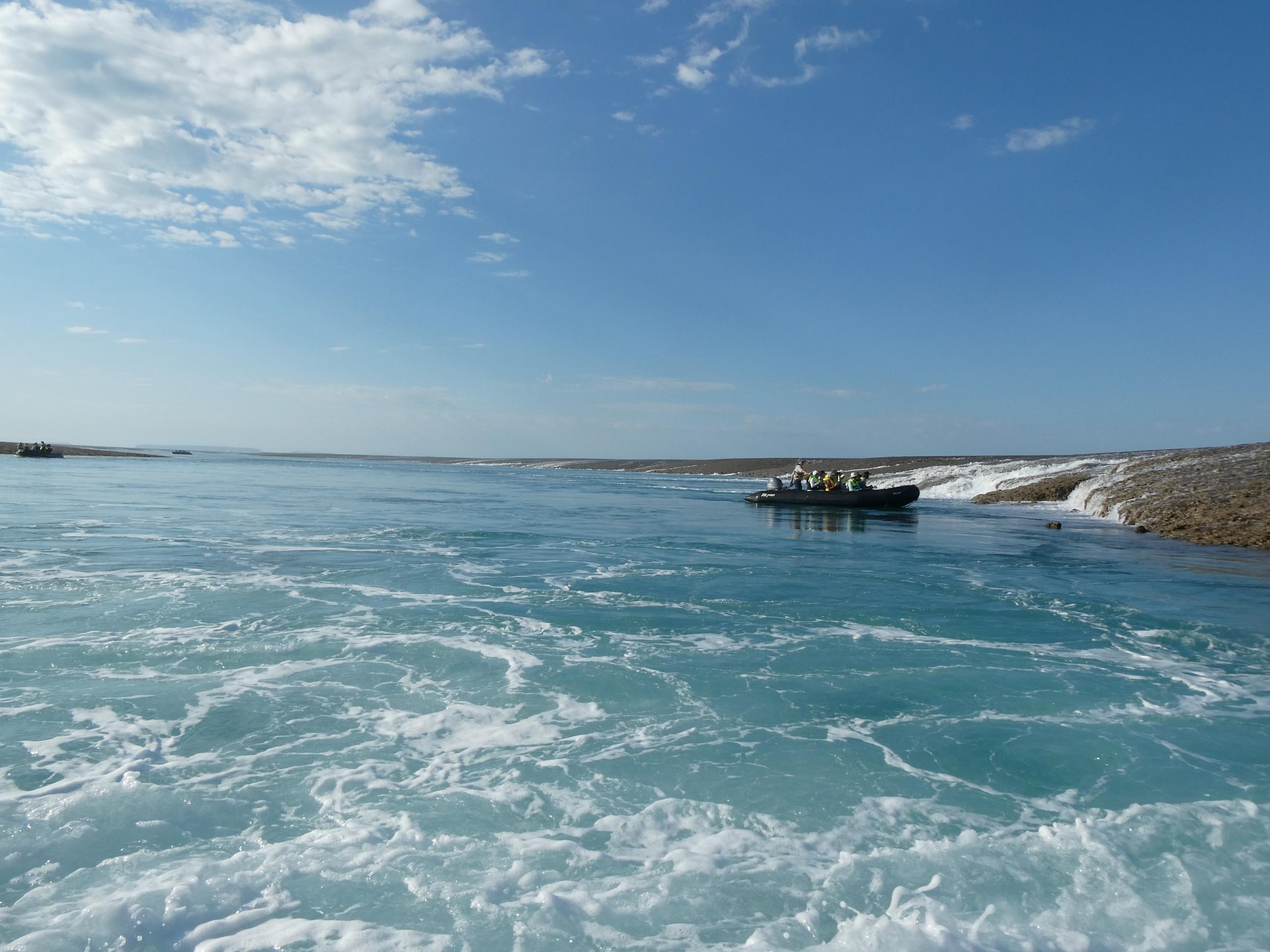
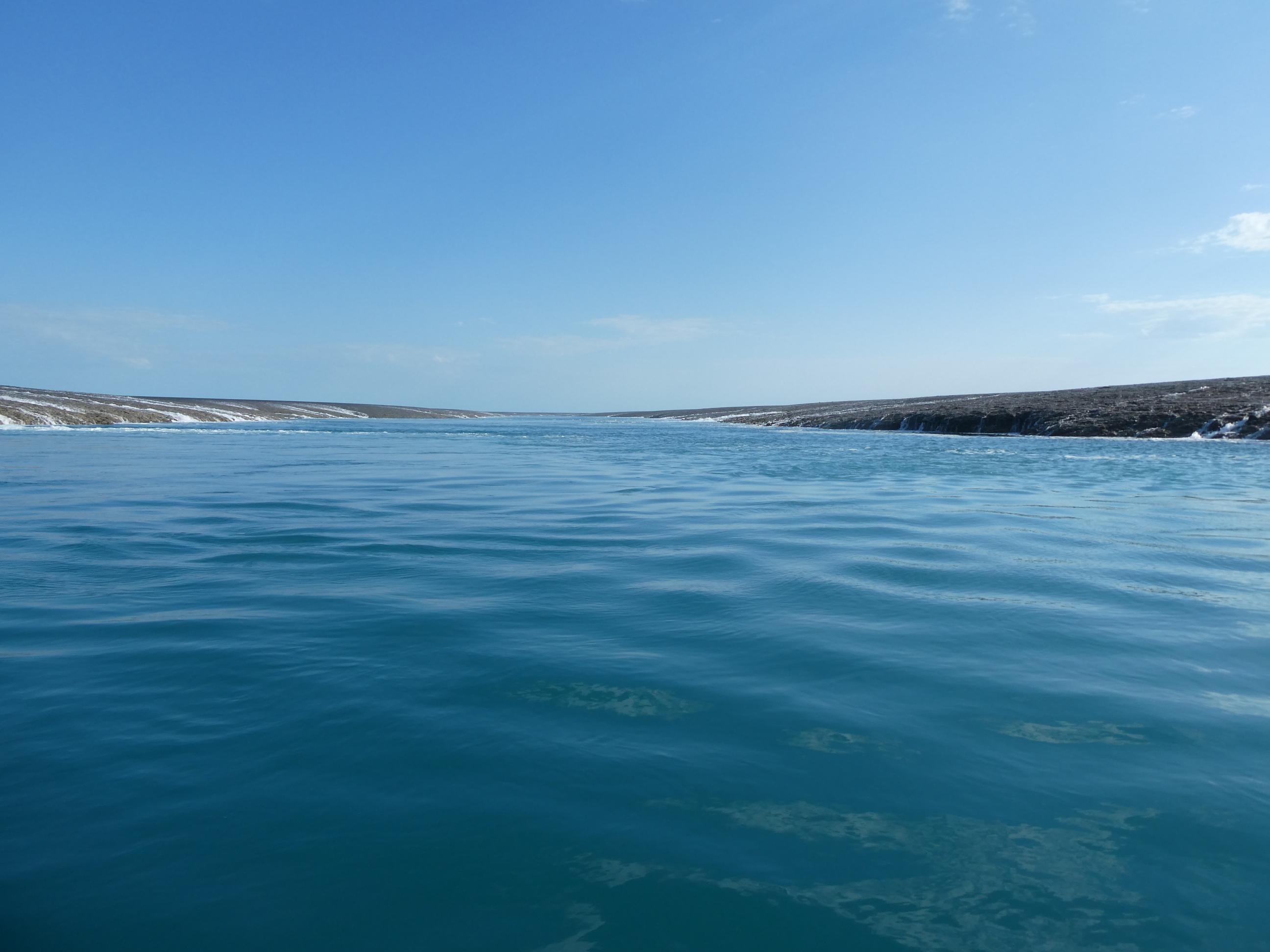
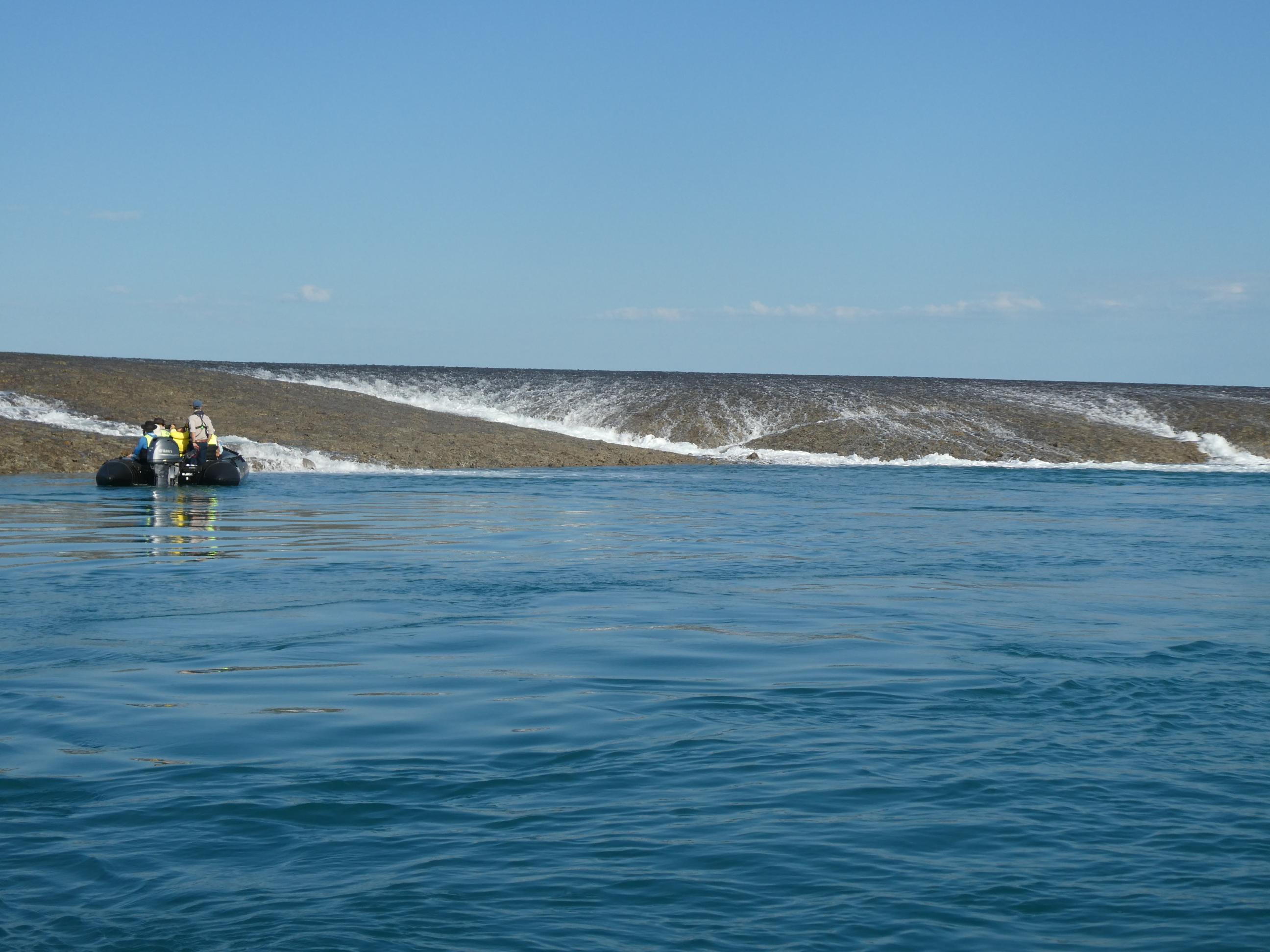
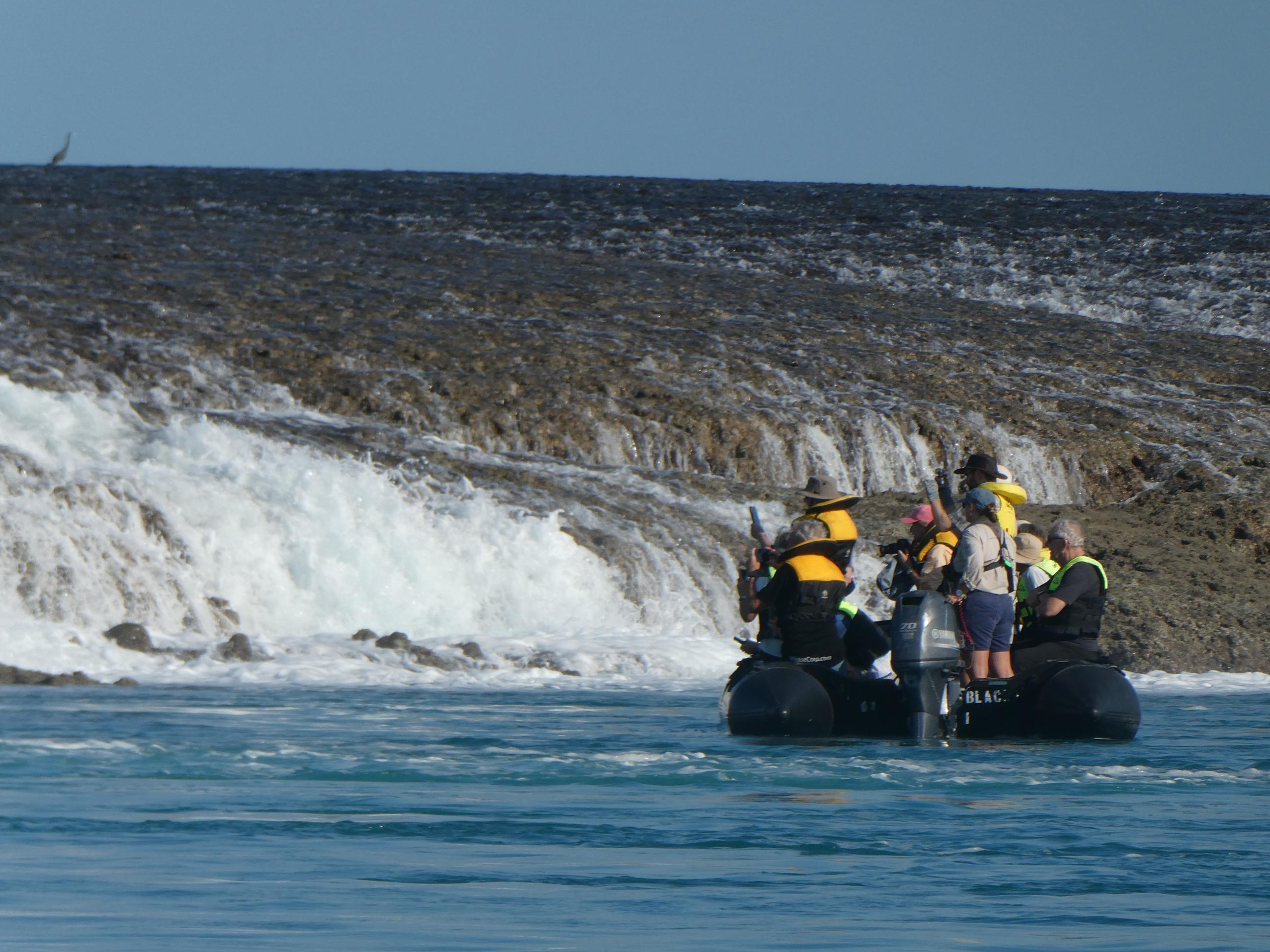
When the reef emerges from the sea at low tide, a vast lagoon of water is trapped on its flat surface. Rushing torrents of this turbulent water dramatically gush down channels and waterfalls from the reef’s surface at periodic intervals all along its length. It truly is one of nature’s wonders to behold.
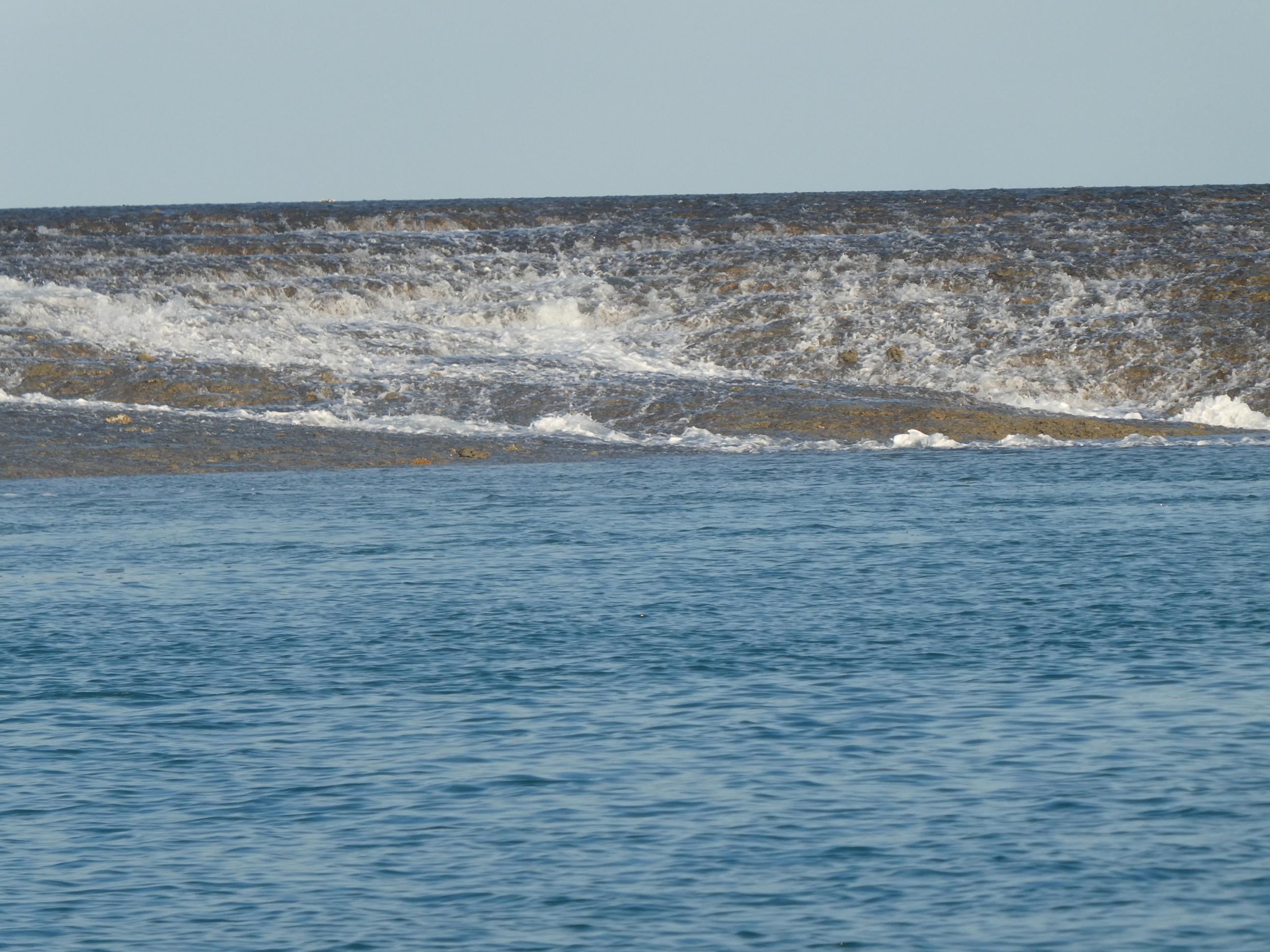
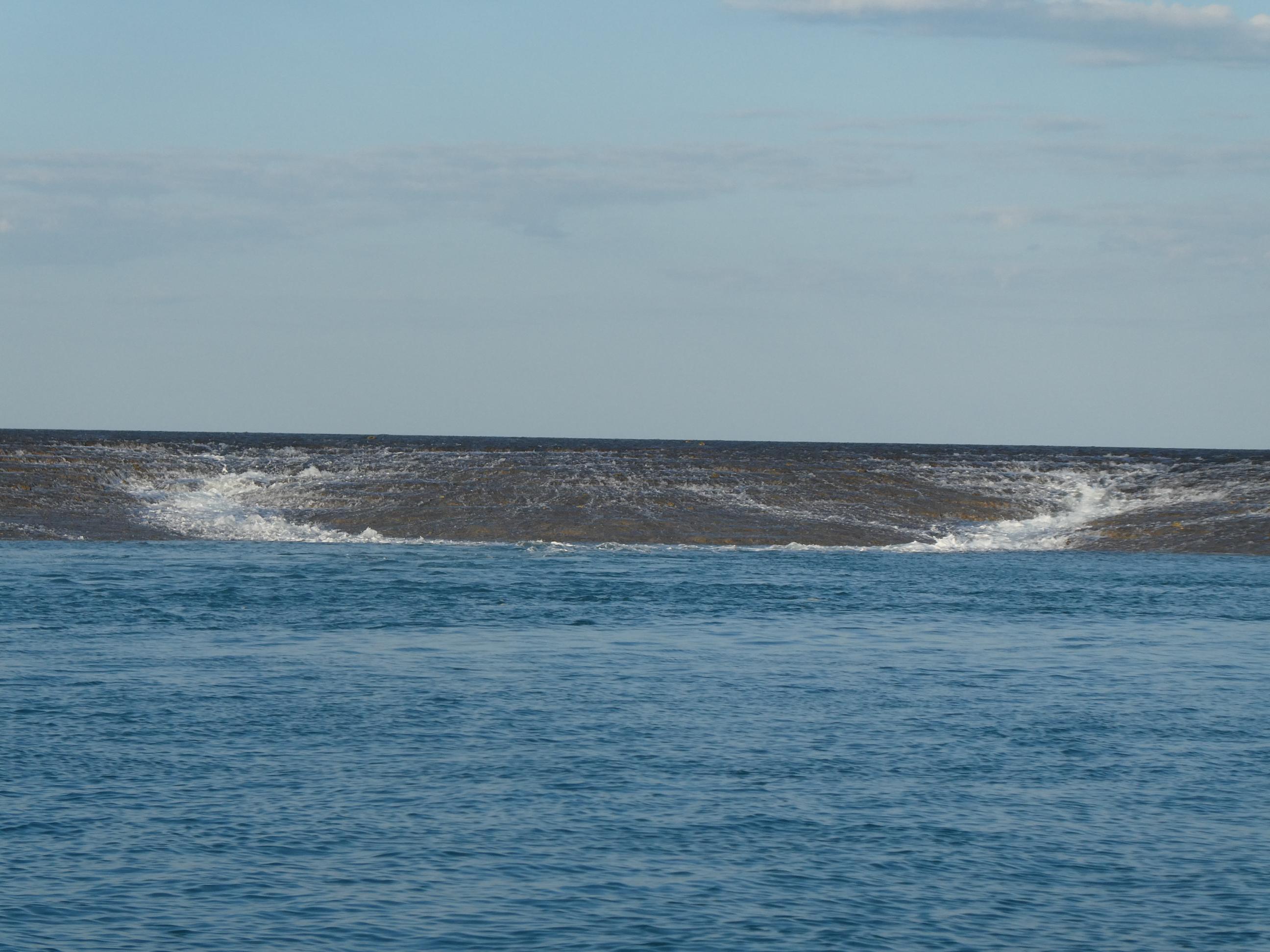
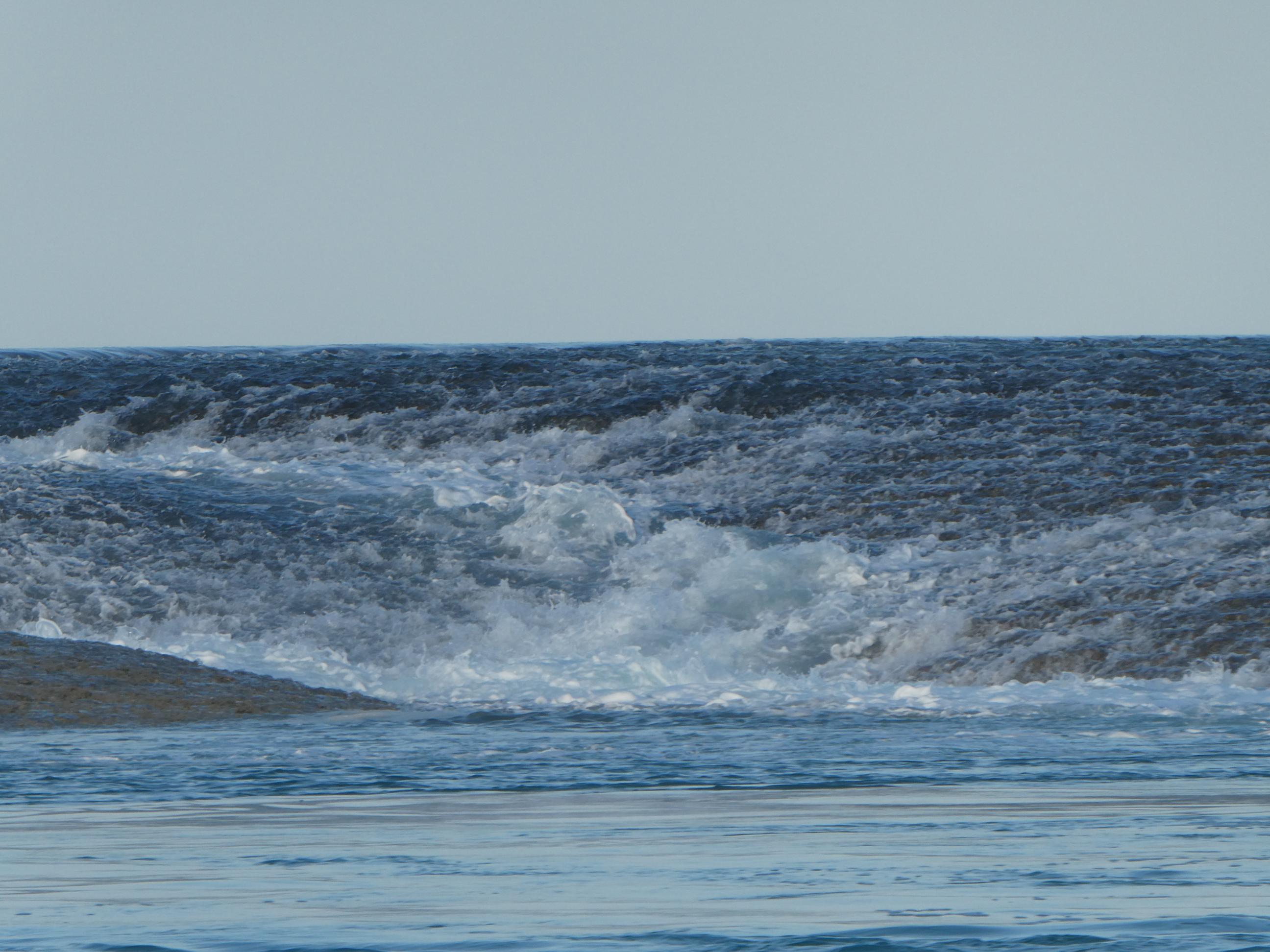
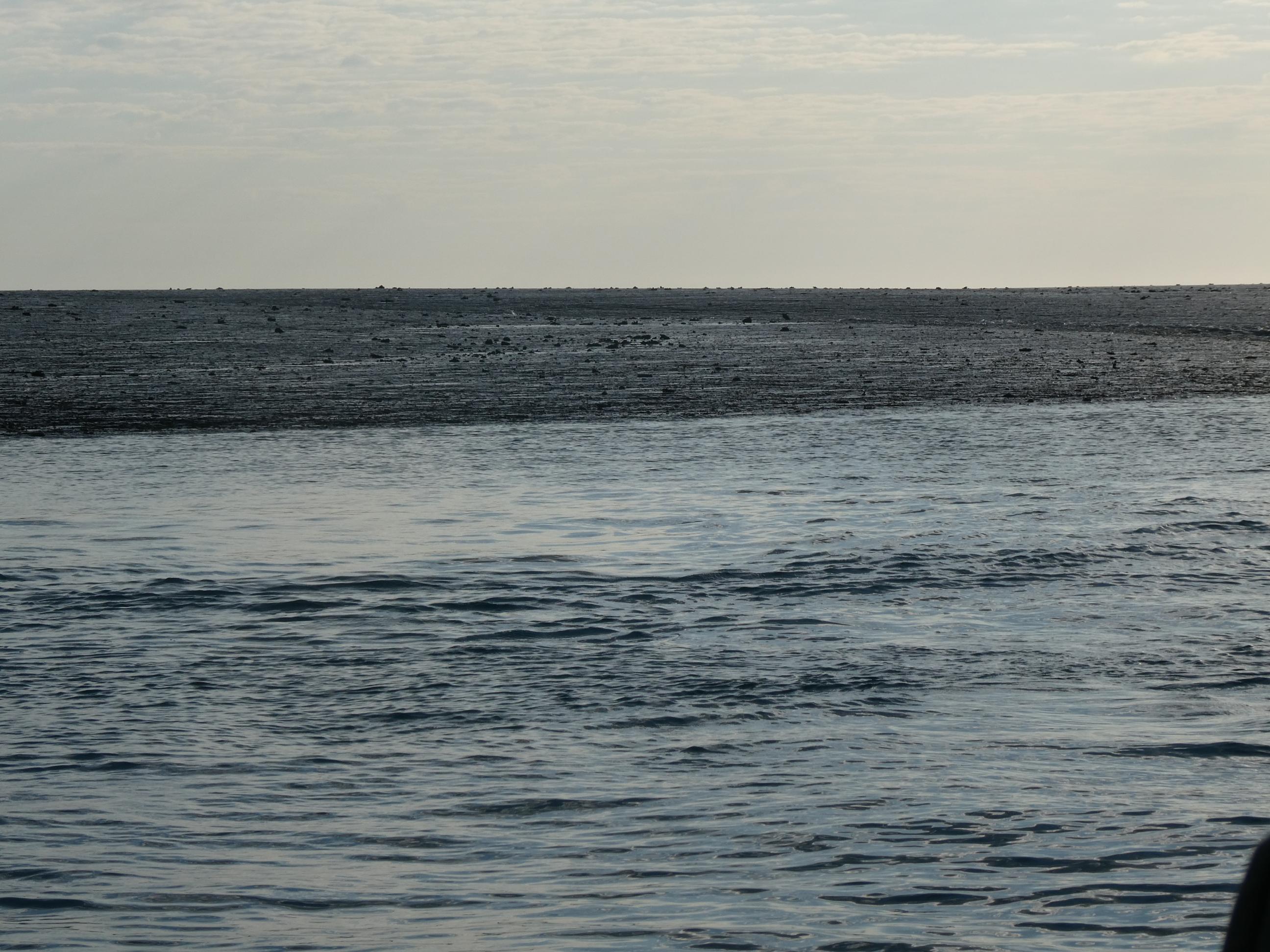
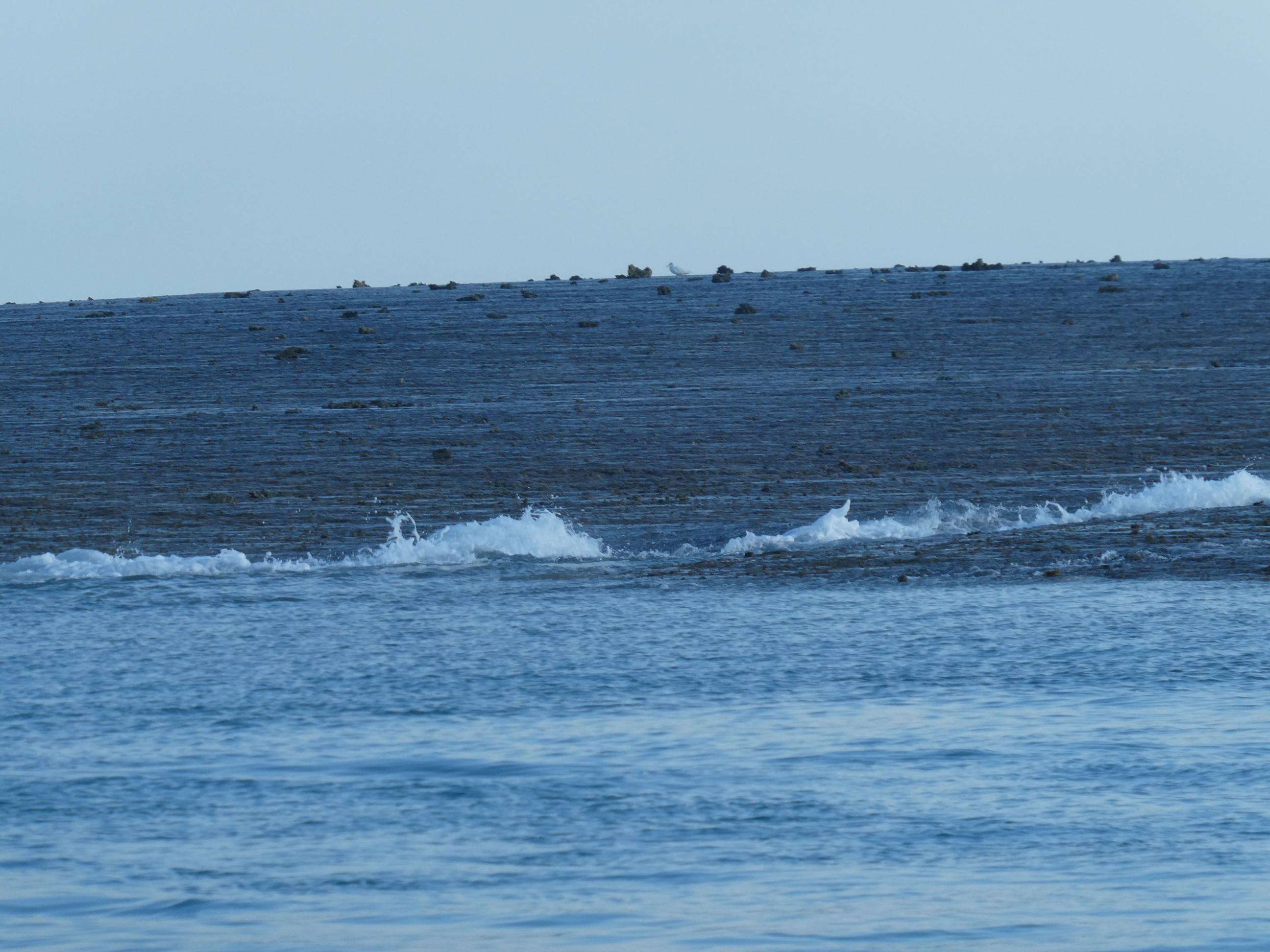
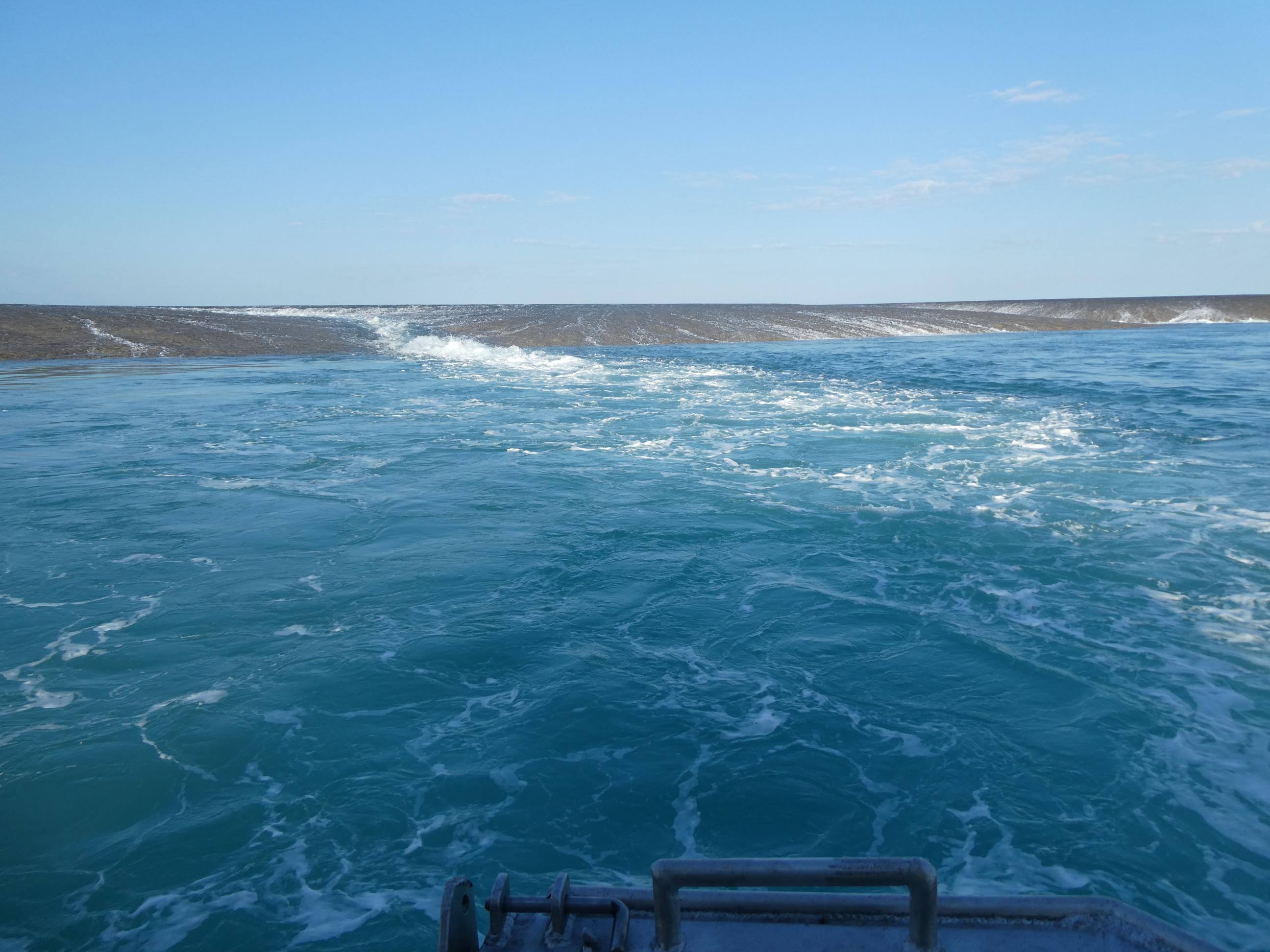
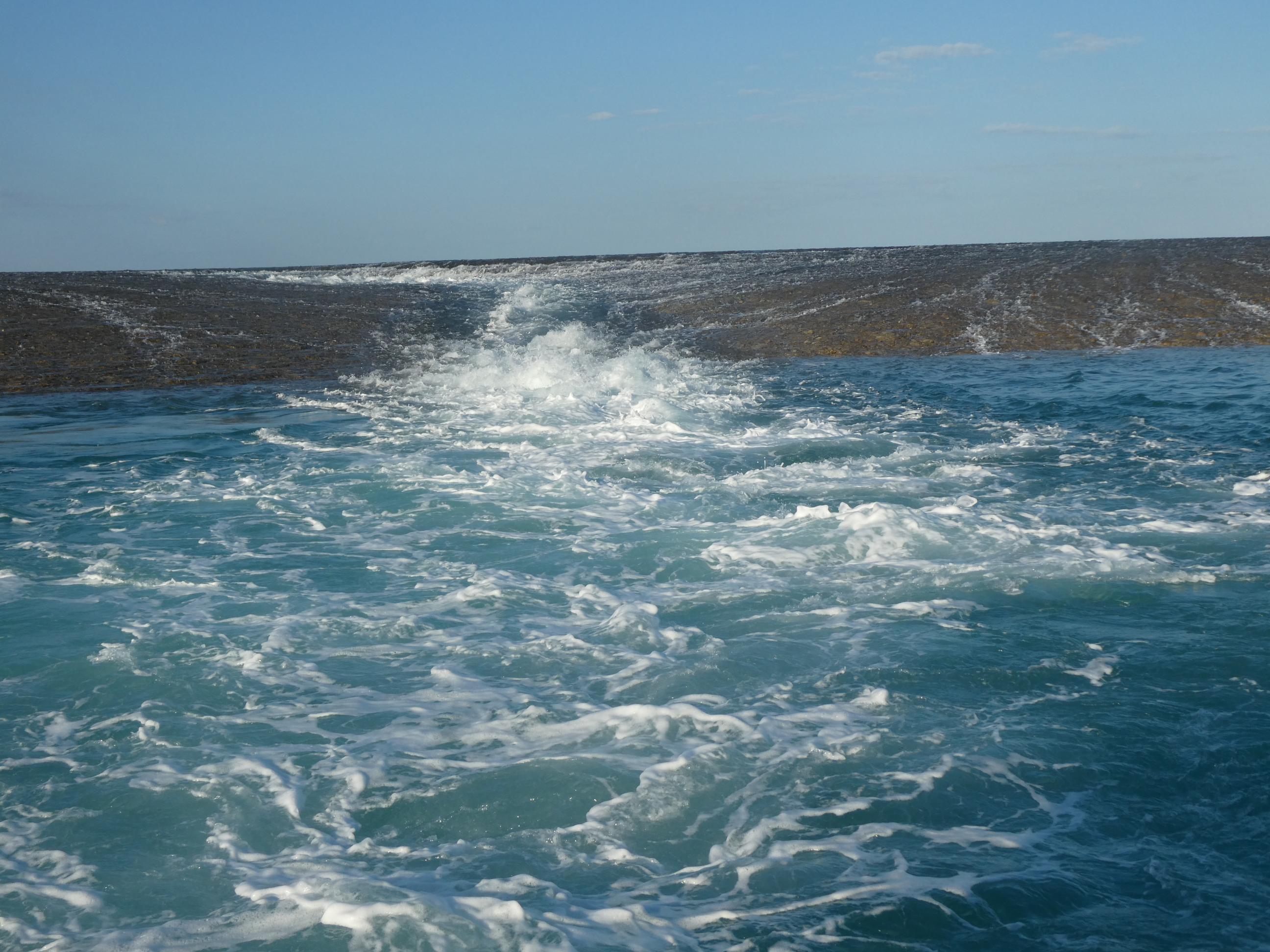
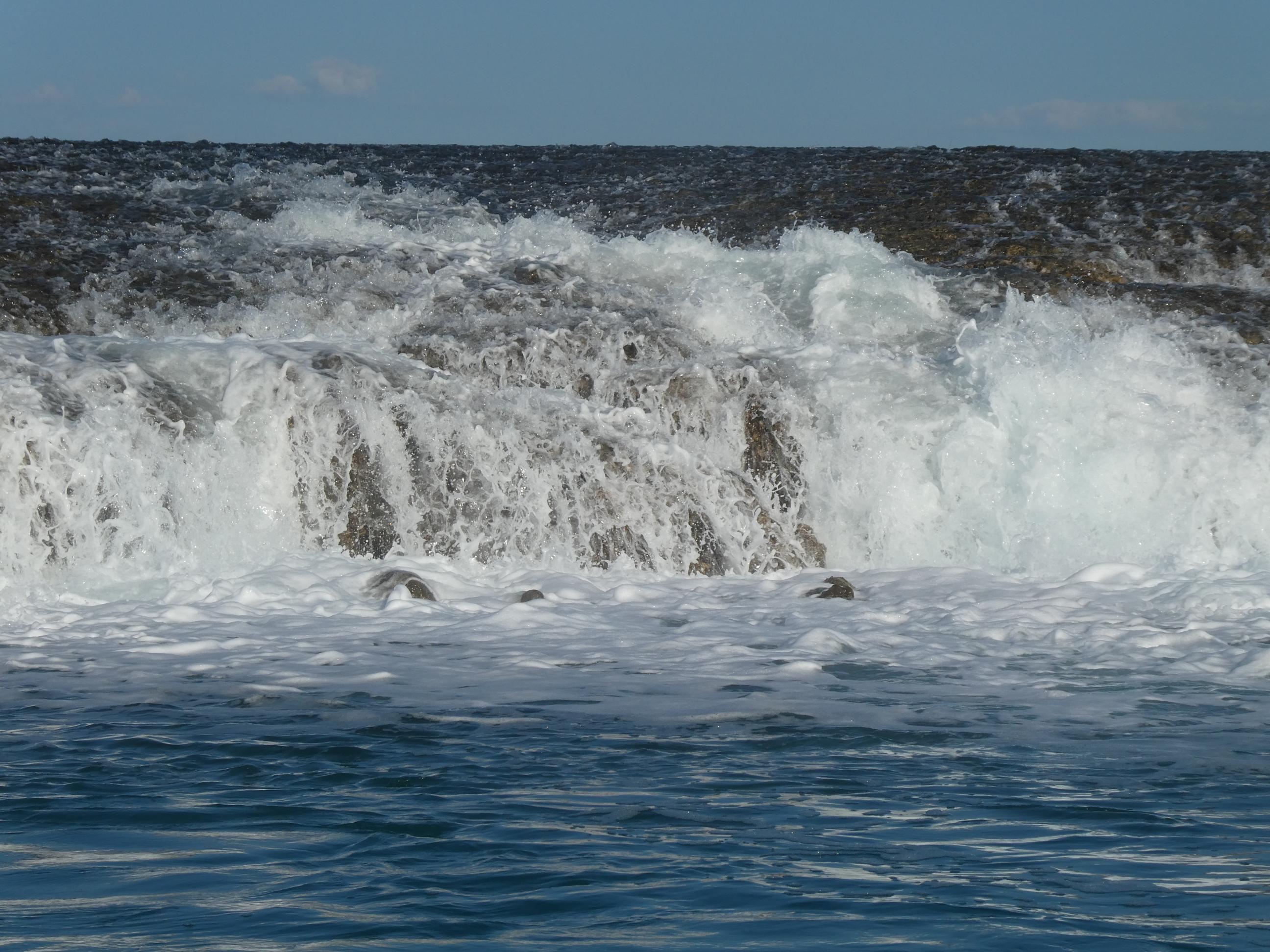
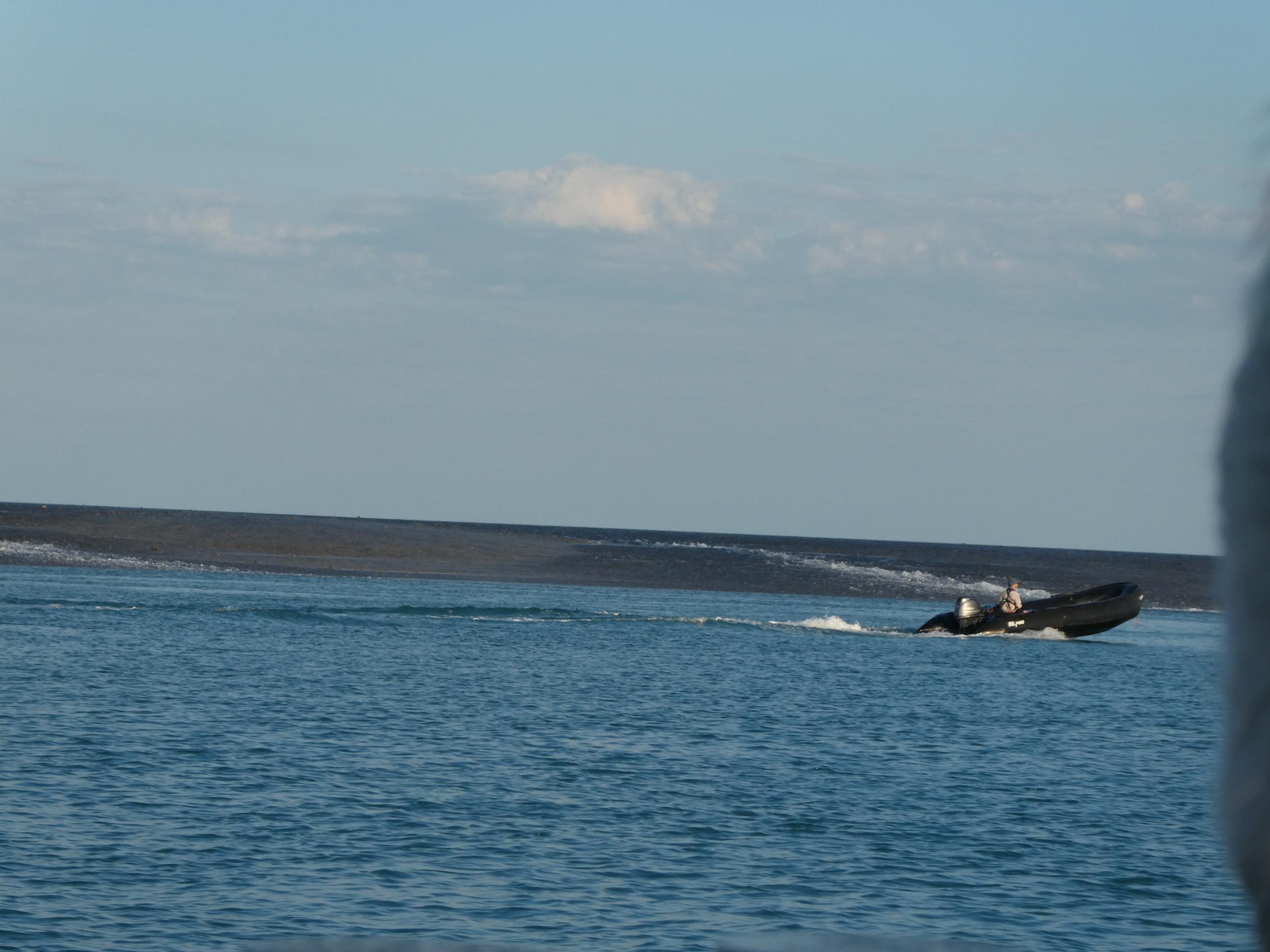
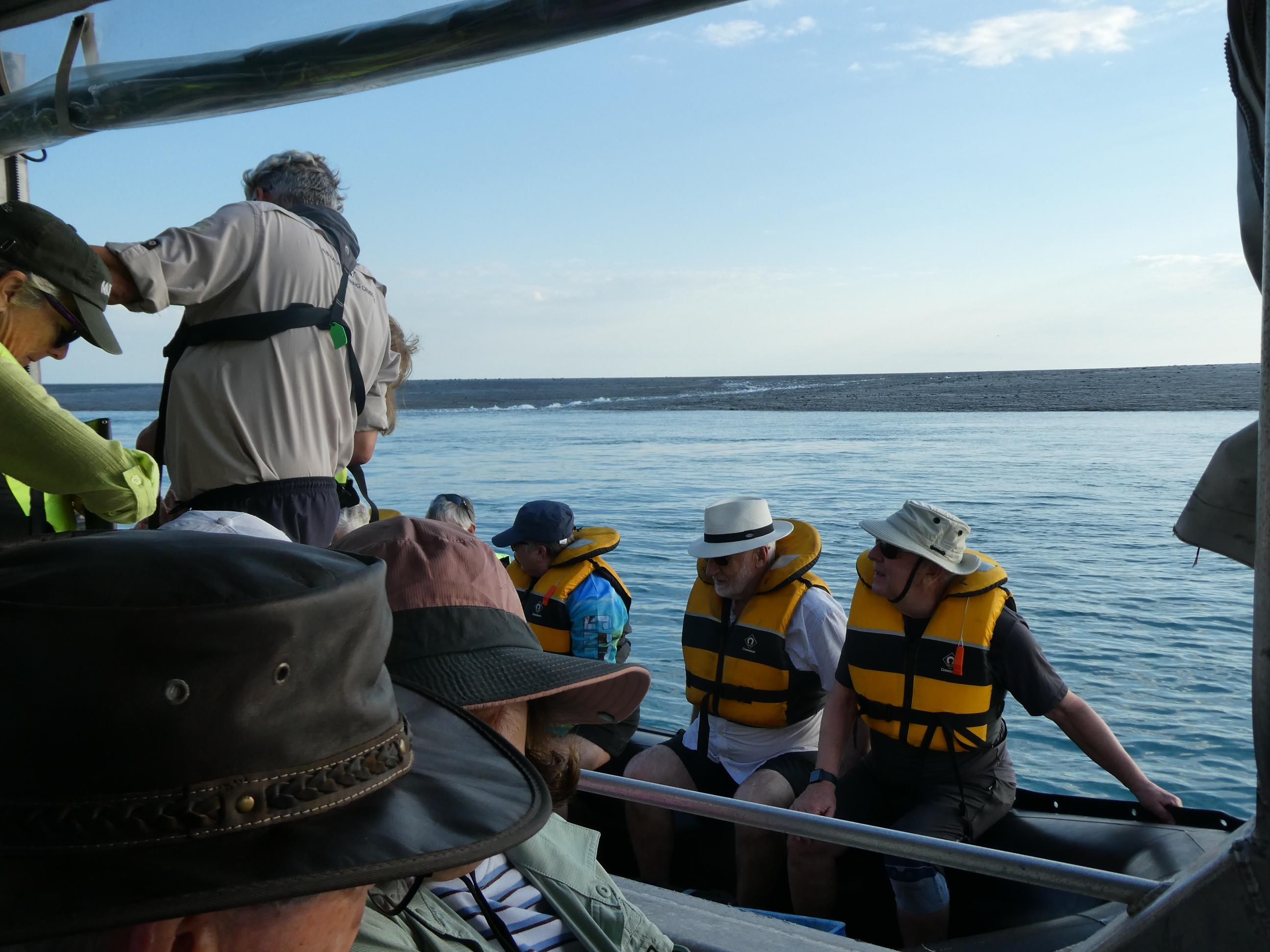
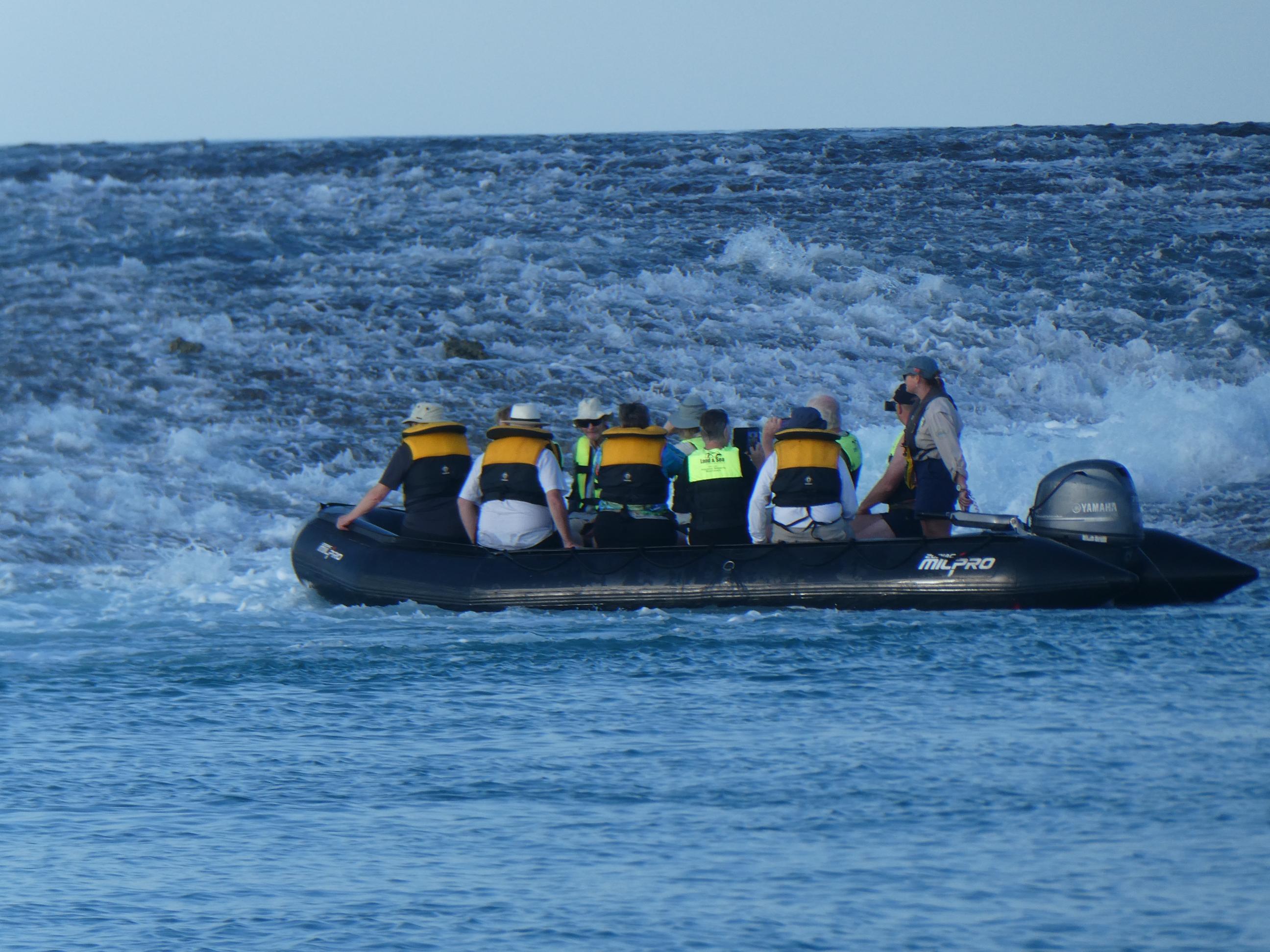
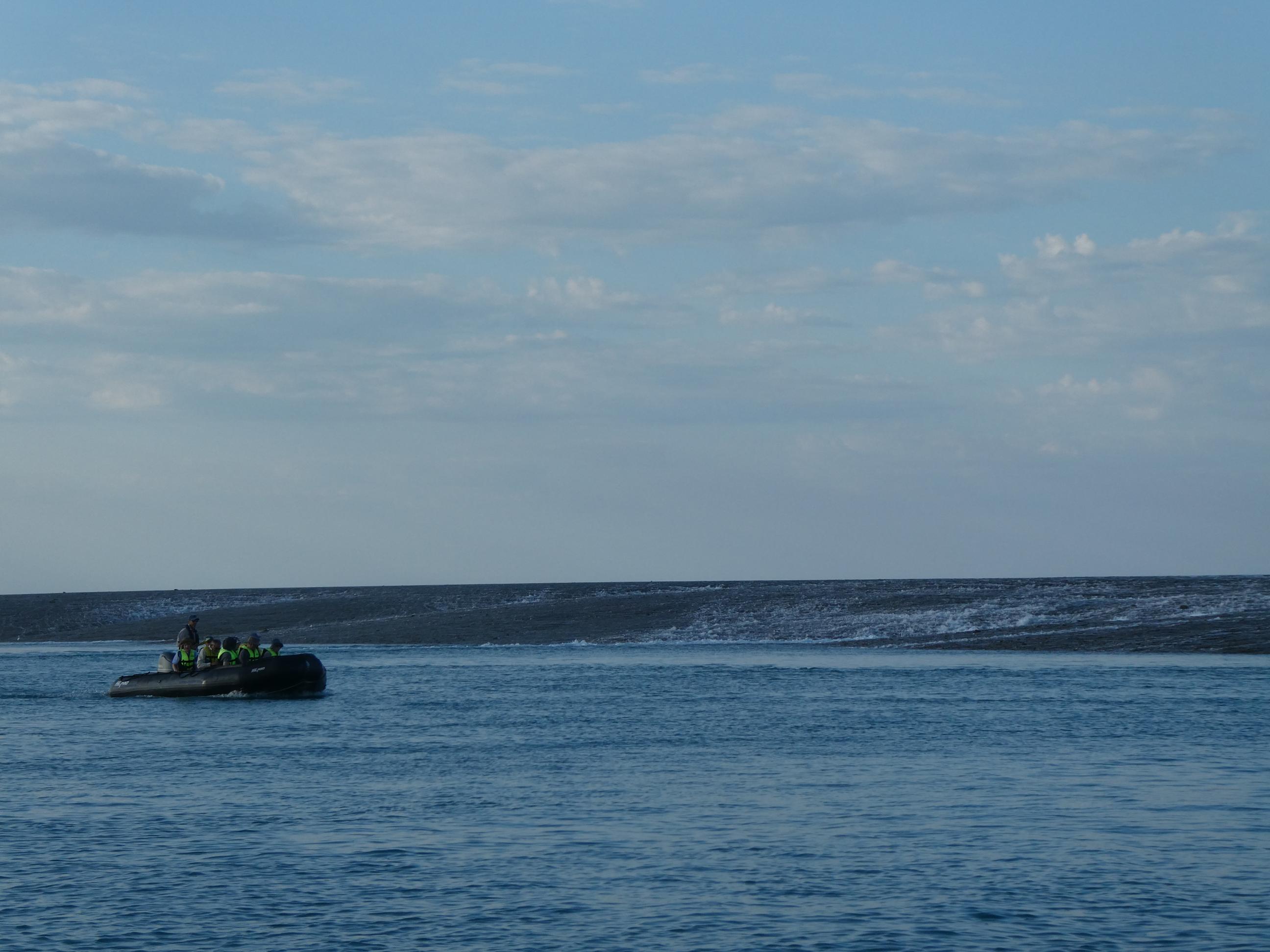
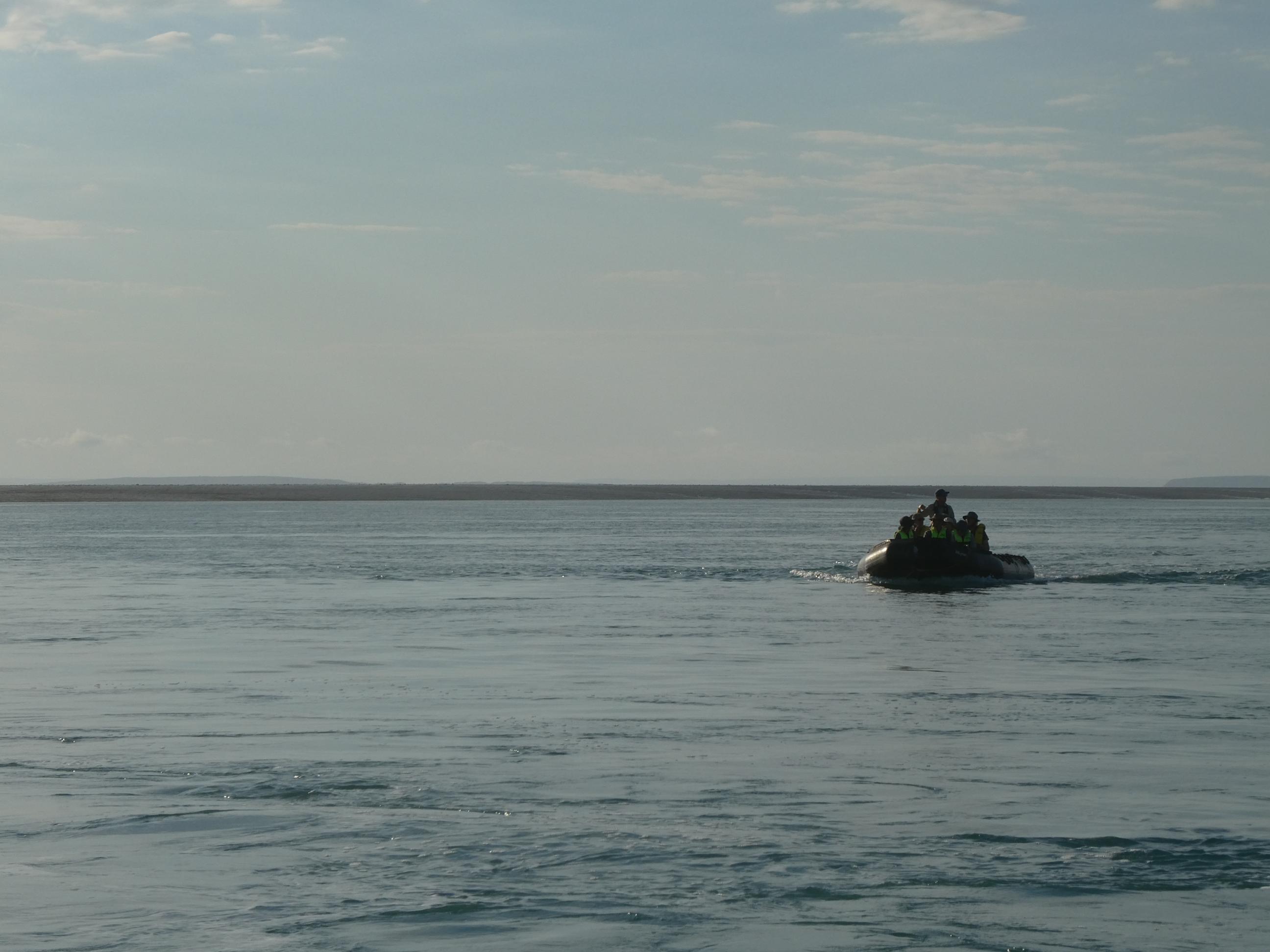
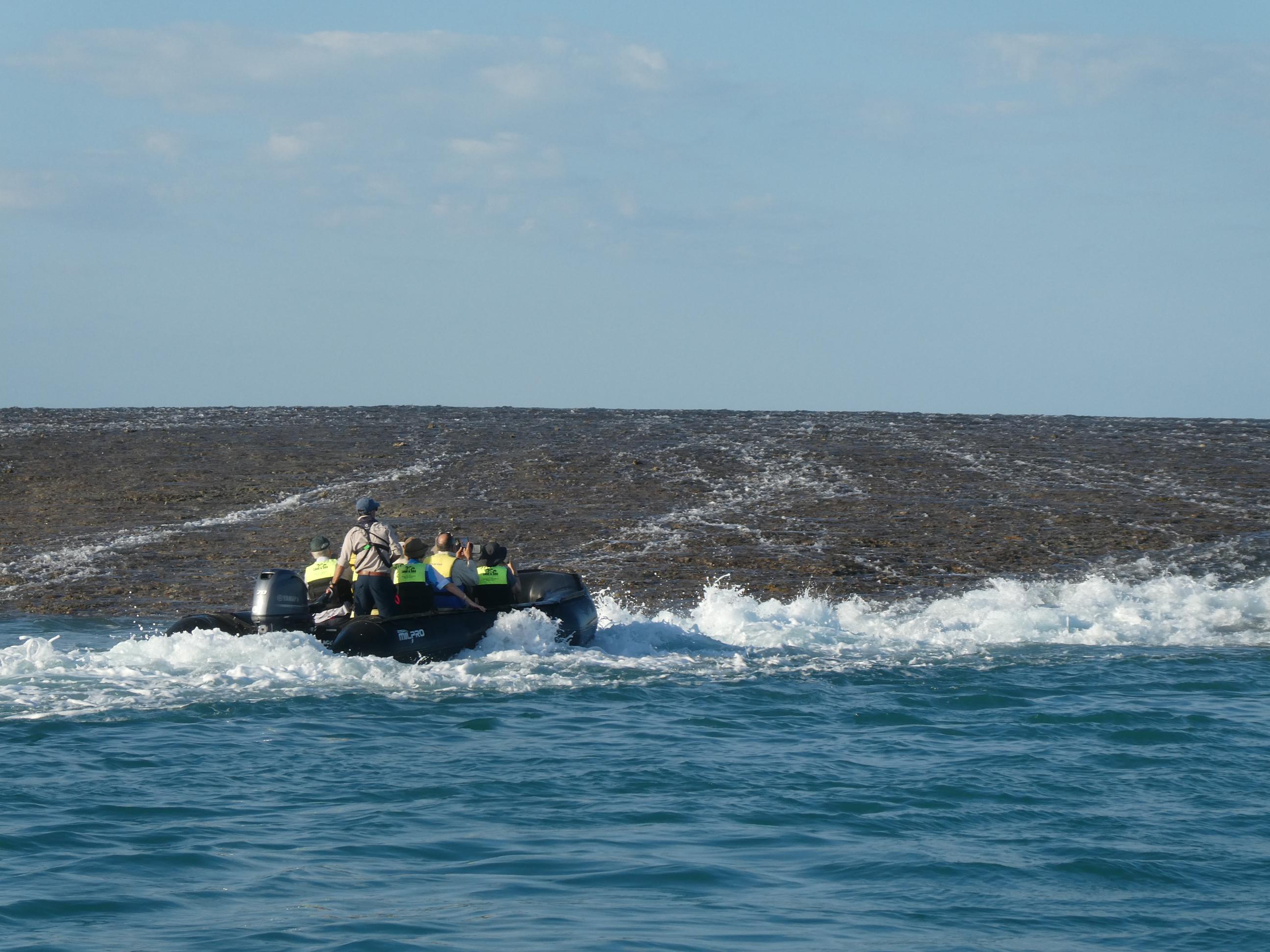
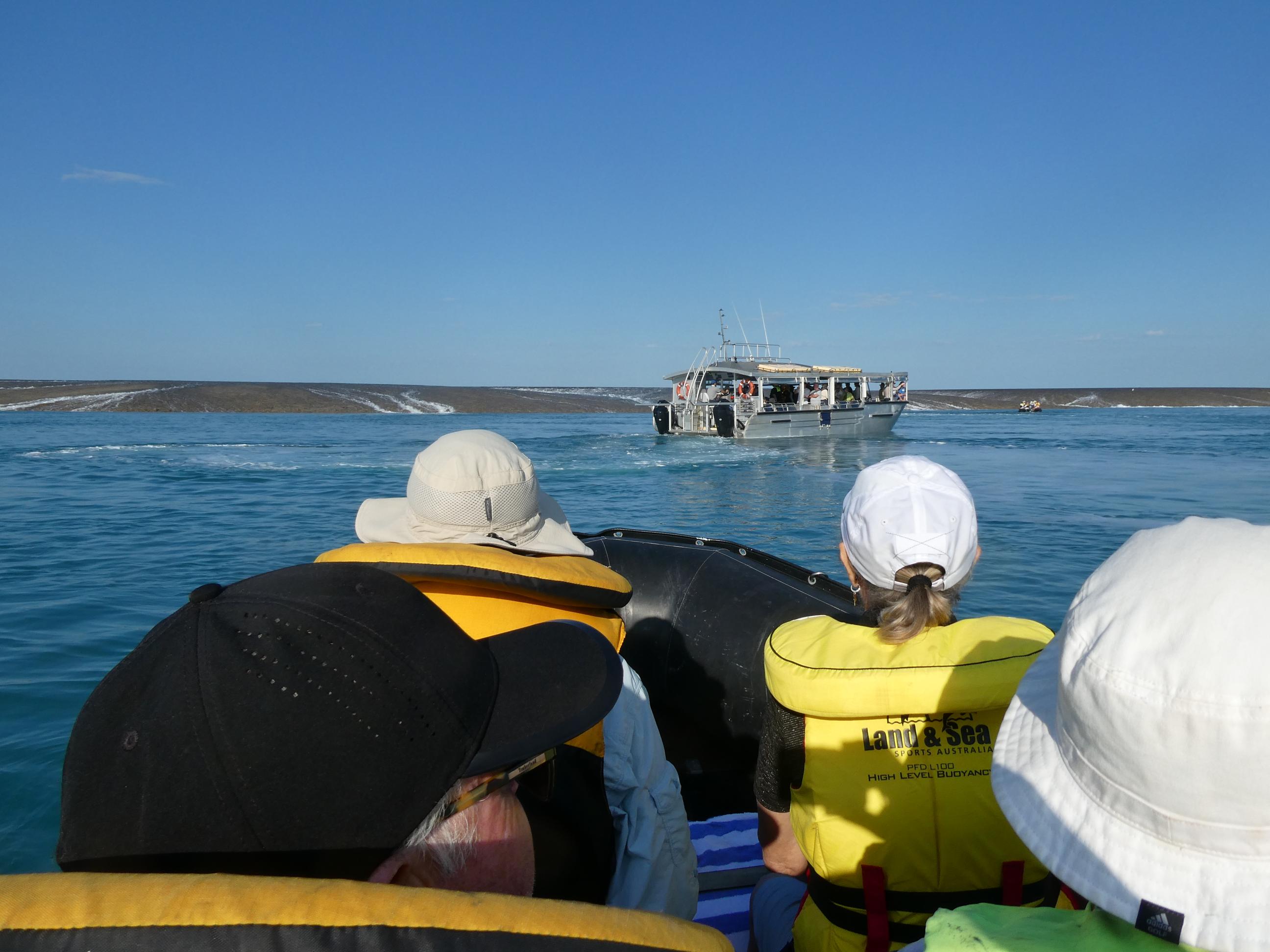
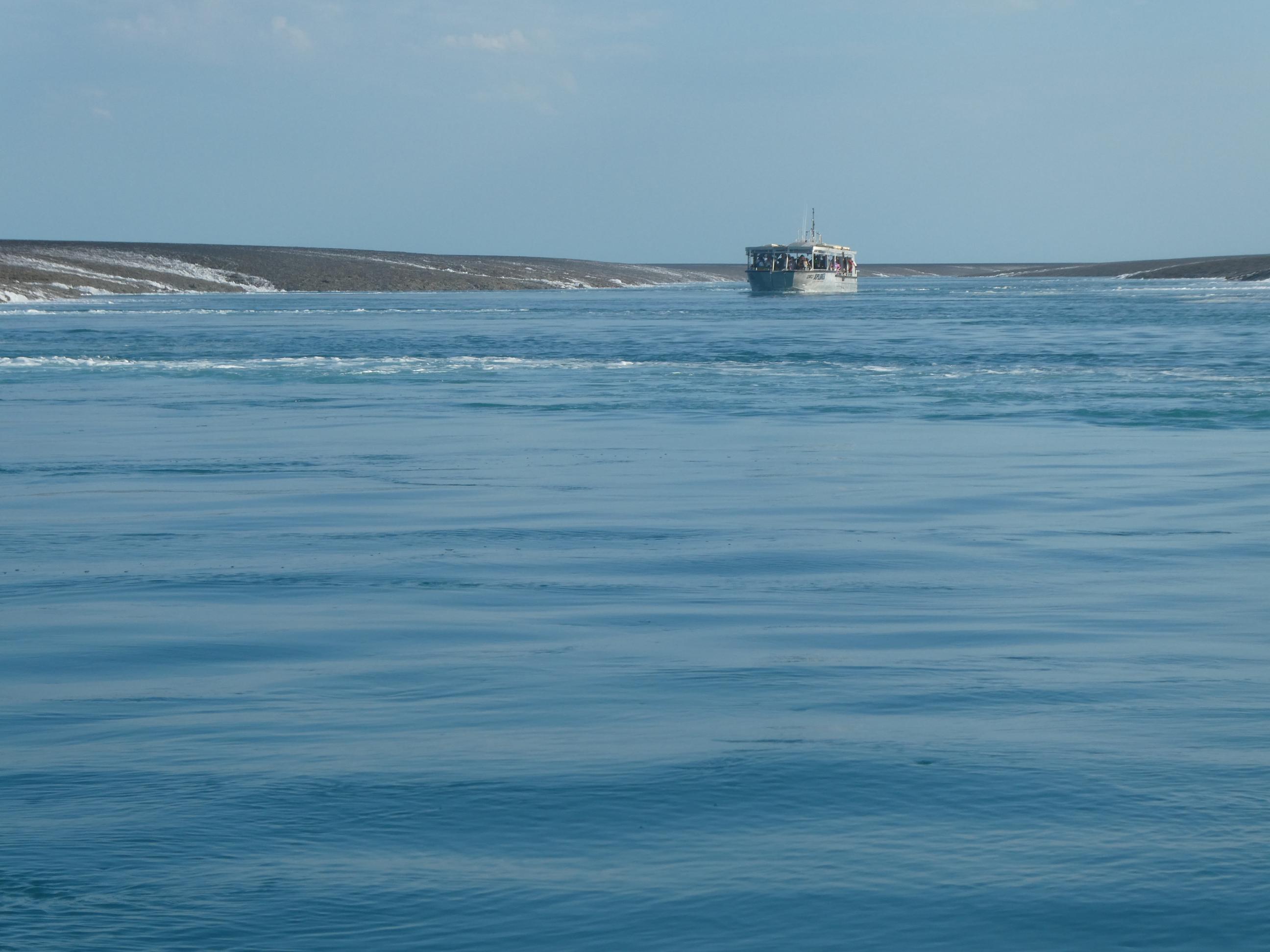
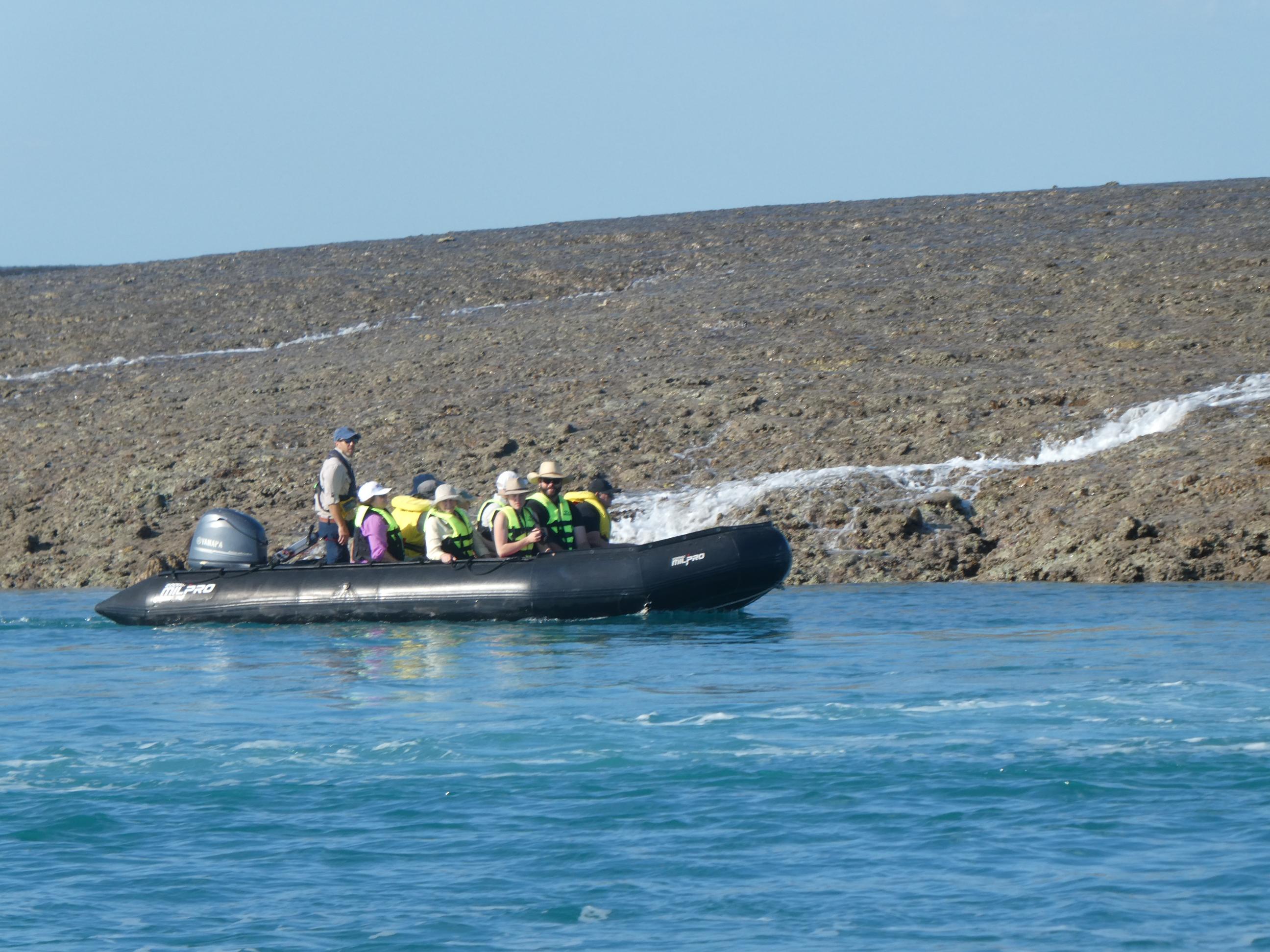
Our tender, Xplorer, cruised up and down a section of the channel while our resident scientists Richard and Garry explained the phenomenon of the reef to us. David, Mel and Kieran from the Coral Discoverer’s crew arrived with zodiacs. After transferring into a zodiac we had the opportunity to go right in to the edge of the reef and observe closely how the raging torrents of water drained from its flat surface. While the zodiacs were out at the coral’s edge, the tender continued to cruise along the channel while the rest of us on board awaited our turn to swap over to the inflatable craft. There was plenty going on around us to capture our attention from the tender, but the zodiacs were able to take it to another level. I’ve really enjoyed viewing unique places from the tender, which is a remarkably versatile vessel and can get into the tightest spaces. The zodiacs are the icing on the cake in terms of what they can do and where they can go and how close to everything you can get in them, and I really appreciate the opportunities we’ve had to explore places in them.


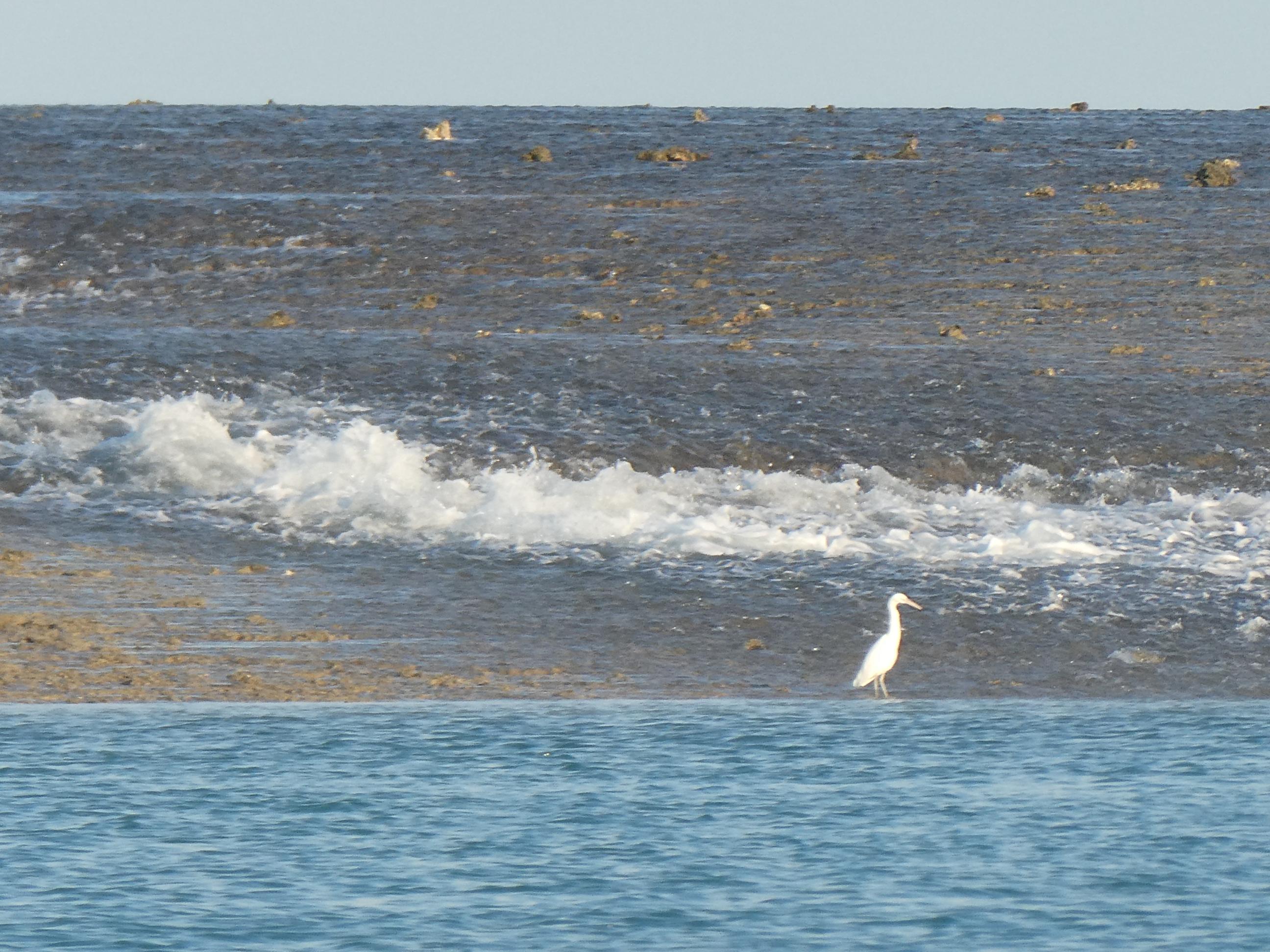
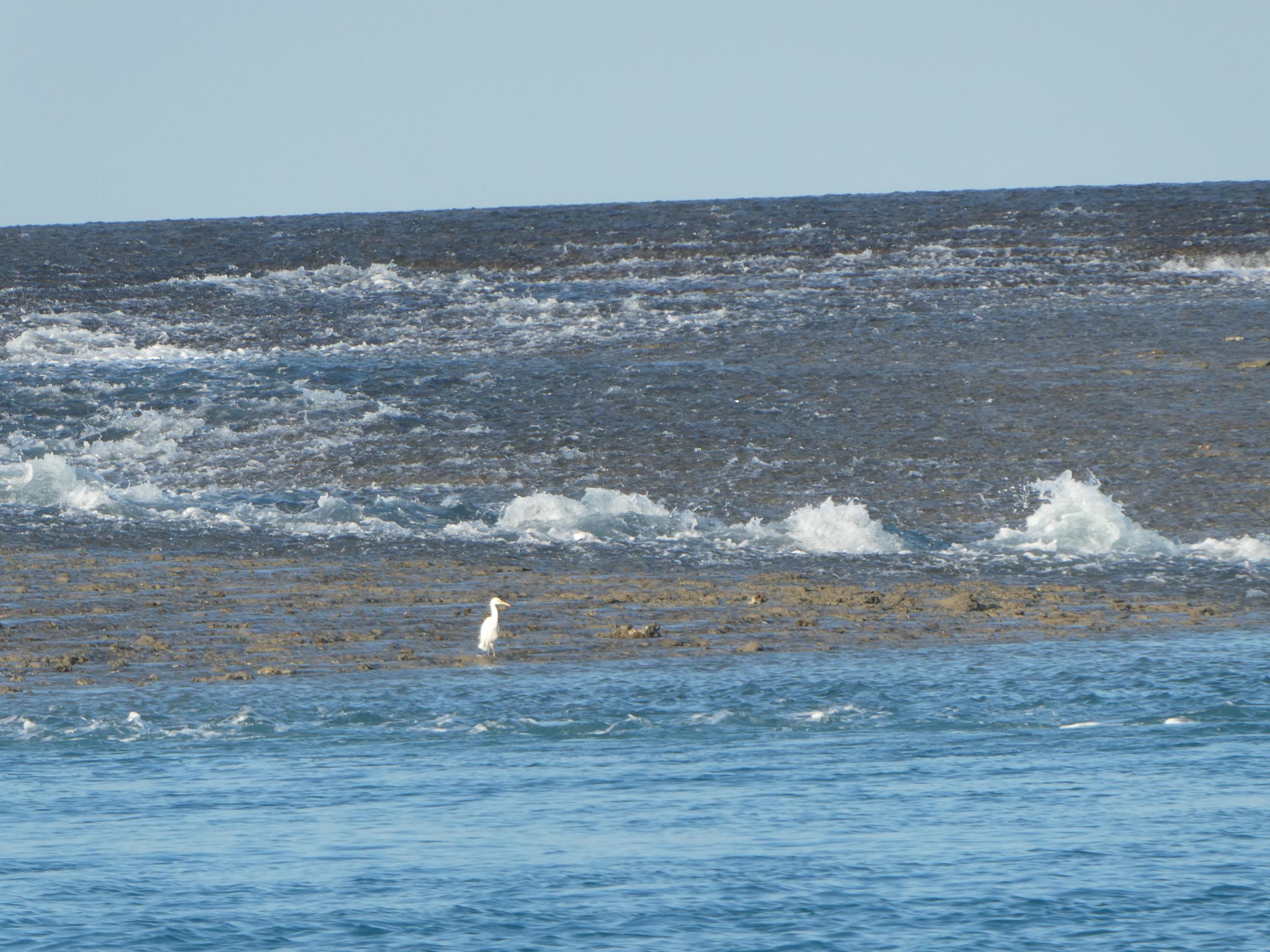
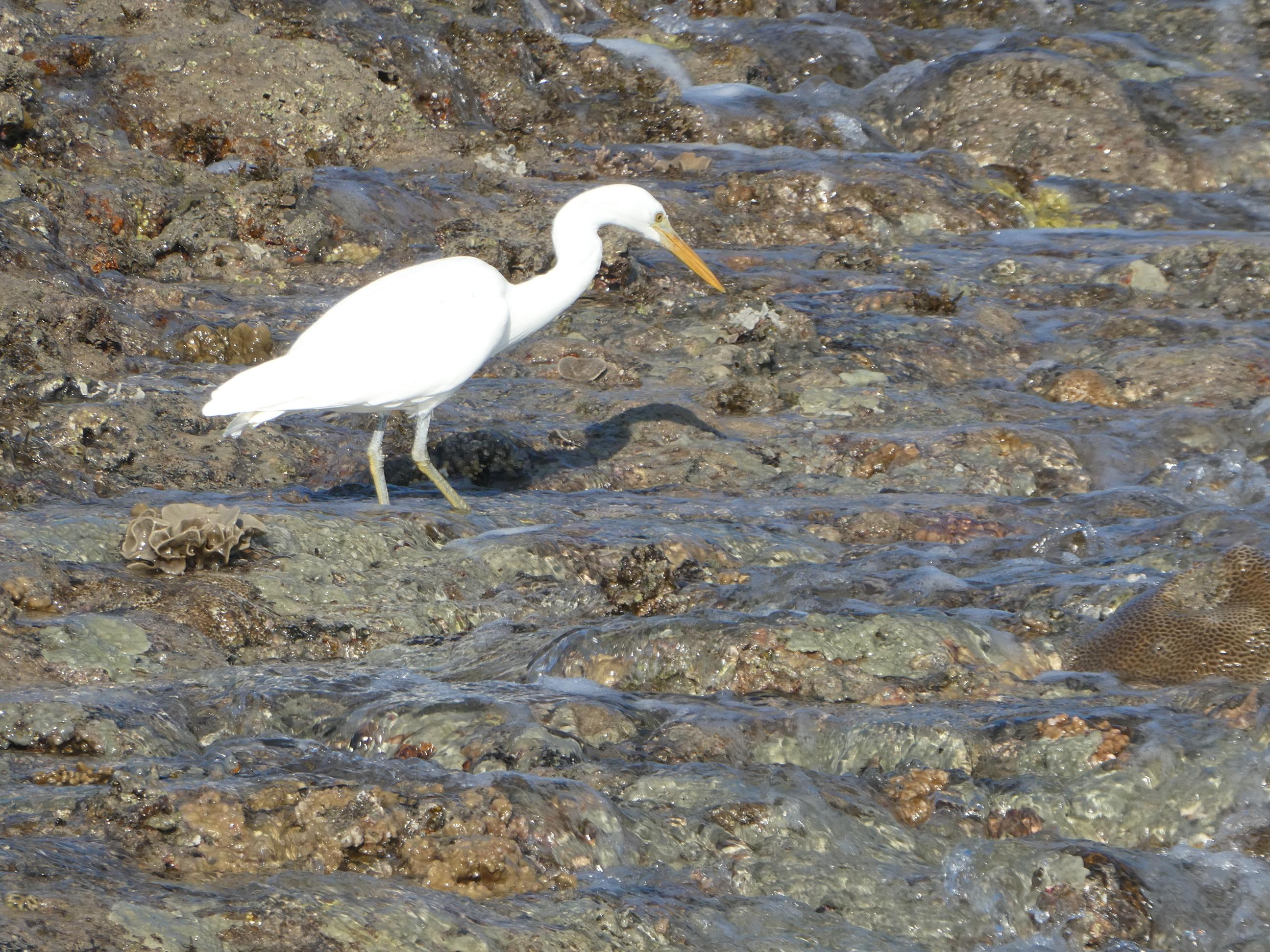
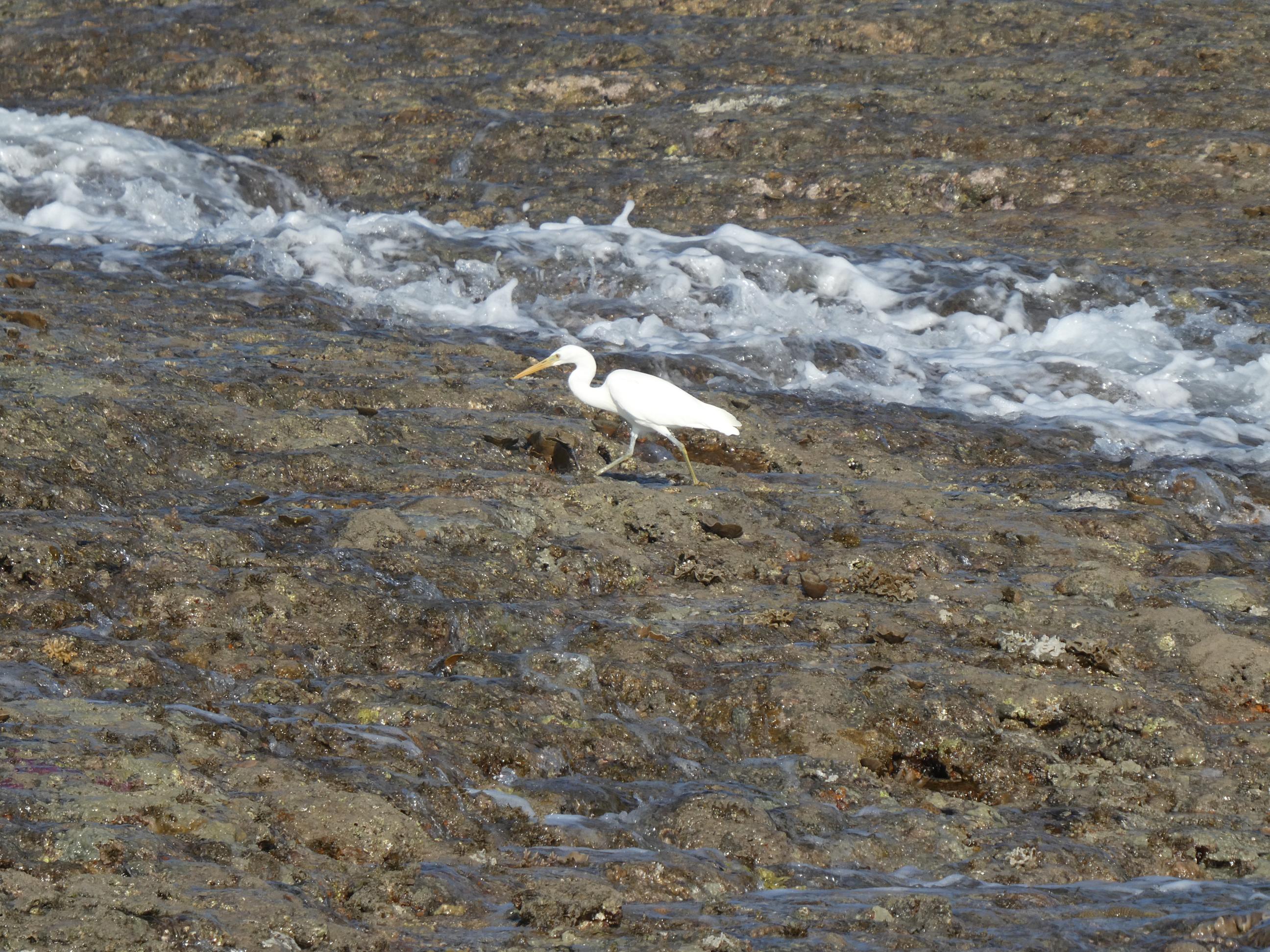
We’ve all been remarking how little birdlife we’ve seen on some of our excursions on this trip. When we cruise down waterways, we can hear birds but rarely see them. Our best bird sightings have often been solo water birds like the egrets we saw today, spaced along the reef at infrequent intervals. They were never too far from the gushing rivers pouring down the sides of the reef. When they weren’t waiting by the flowing water for a small fish or two to be carried past, they patrolled the exposed coral and the edge of the channel, watching intently for morsels of food. I would have thought there would be a feast on offer for them on the exposed reef and I would love to know why the egrets haven’t gathered here in greater numbers.

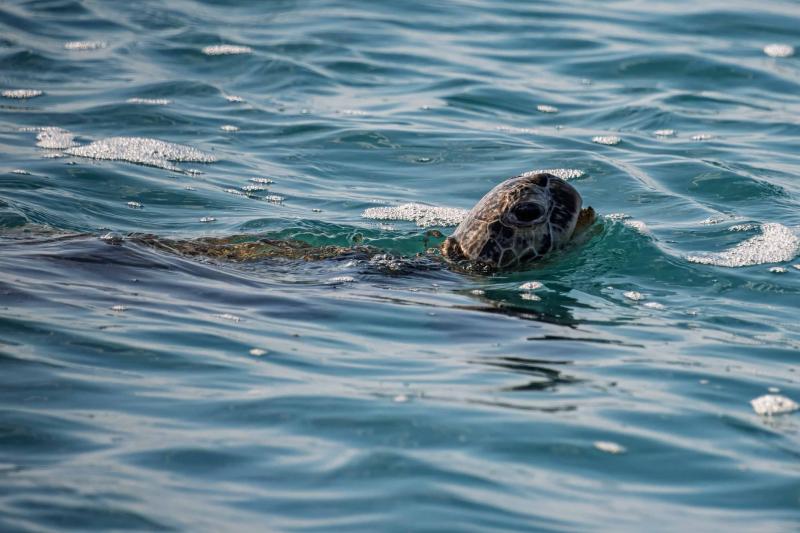
We spied quite a few turtles in the main channel. No doubt they were there to benefit from the goodness that the water draining from the surface of the reef at low tide would bring. I found it hard to get a good photo of a turtle. I was often on the wrong side of the tender for starters, and then I couldn’t get a shot because people often stood up whenever one was sighted. Even when I had a clear view, I’d spot a turtle’s head break the surface, but by the time I brought up my camera and focused, the turtle had disappeared again. Thankfully my brother got this great shot and was generous enough to let me use it here.
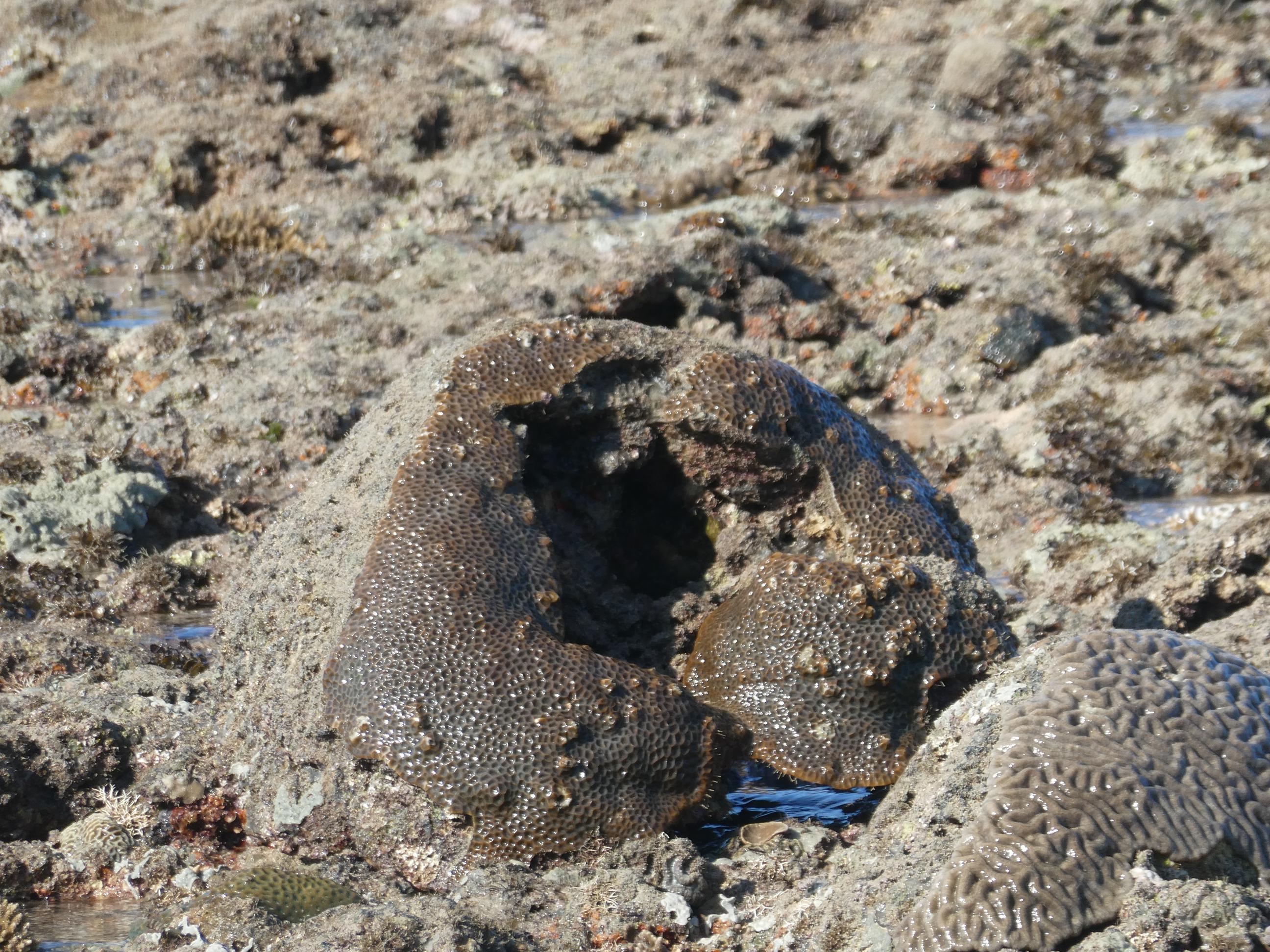
I spent so much time gazing in wonder at the torrents of water tumbling down the sides of the reef and looking for birds and turtles, that I neglected to look closely for different types of coral. That was a wasted opportunity, as I’ve since seen some of my travelling companions’ photos and there were some really interesting corals on the reef’s surface. Here’s one of the few close up shots I got.
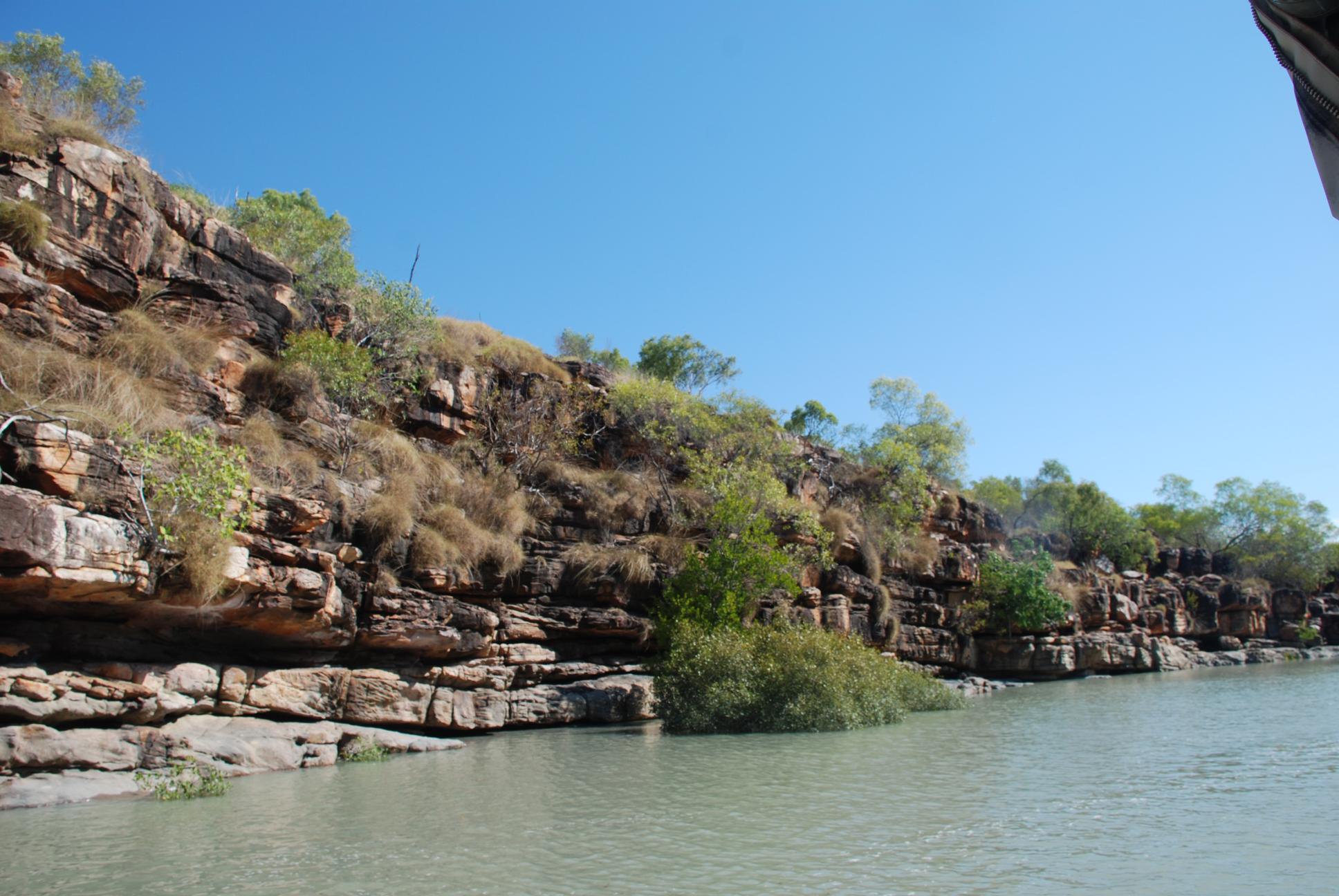
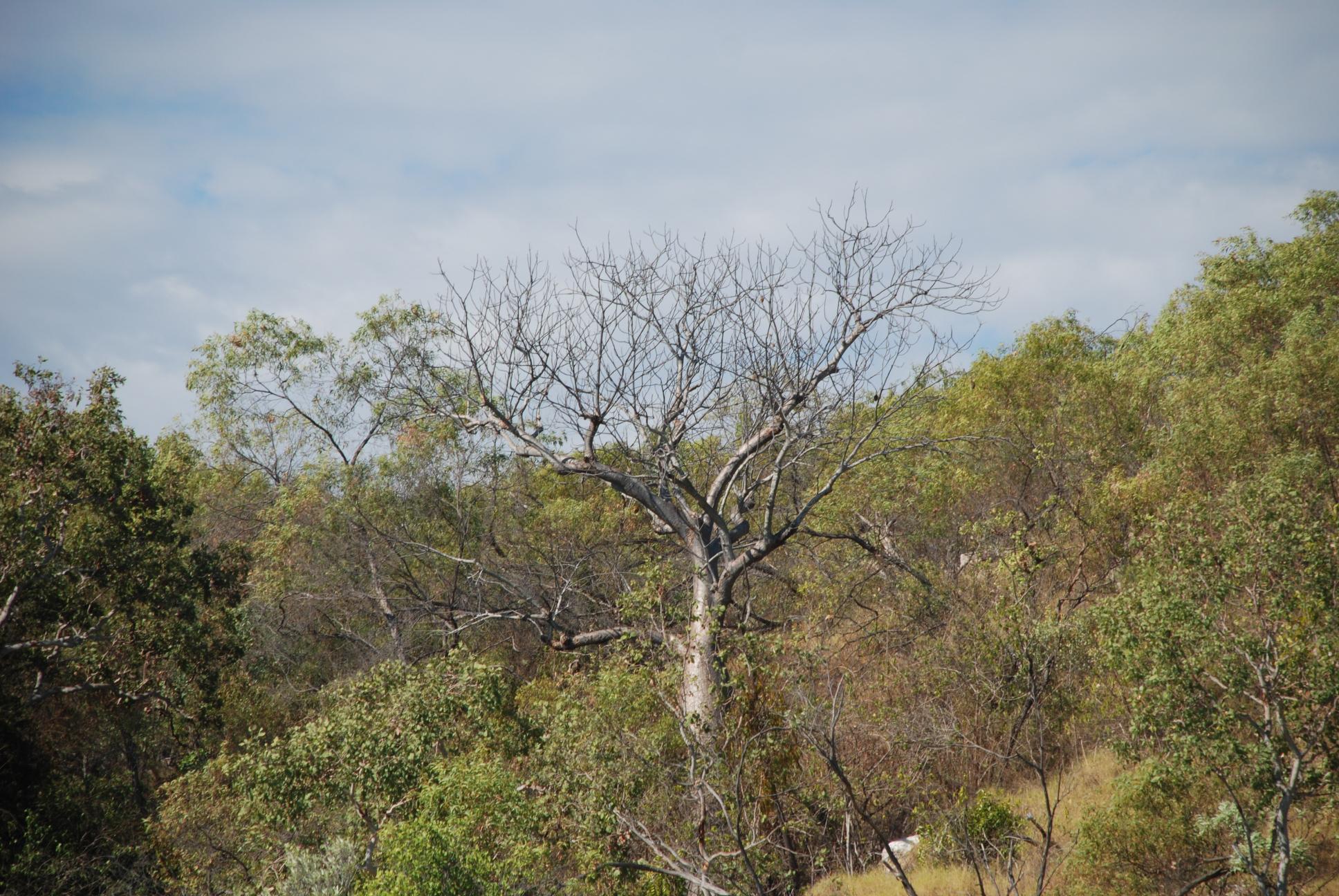
In the afternoon, we boarded the tender once more and headed out to Red Cone Creek. It was high tide by this time and the lower branches of the mangroves along the waterway were all submerged. A special sight on this cruise was a magnificent lone boab tree on a hill. I don’t understand why the two boabs we’ve seen so far have been solo trees. I really would have expected to see other boabs growing nearby.
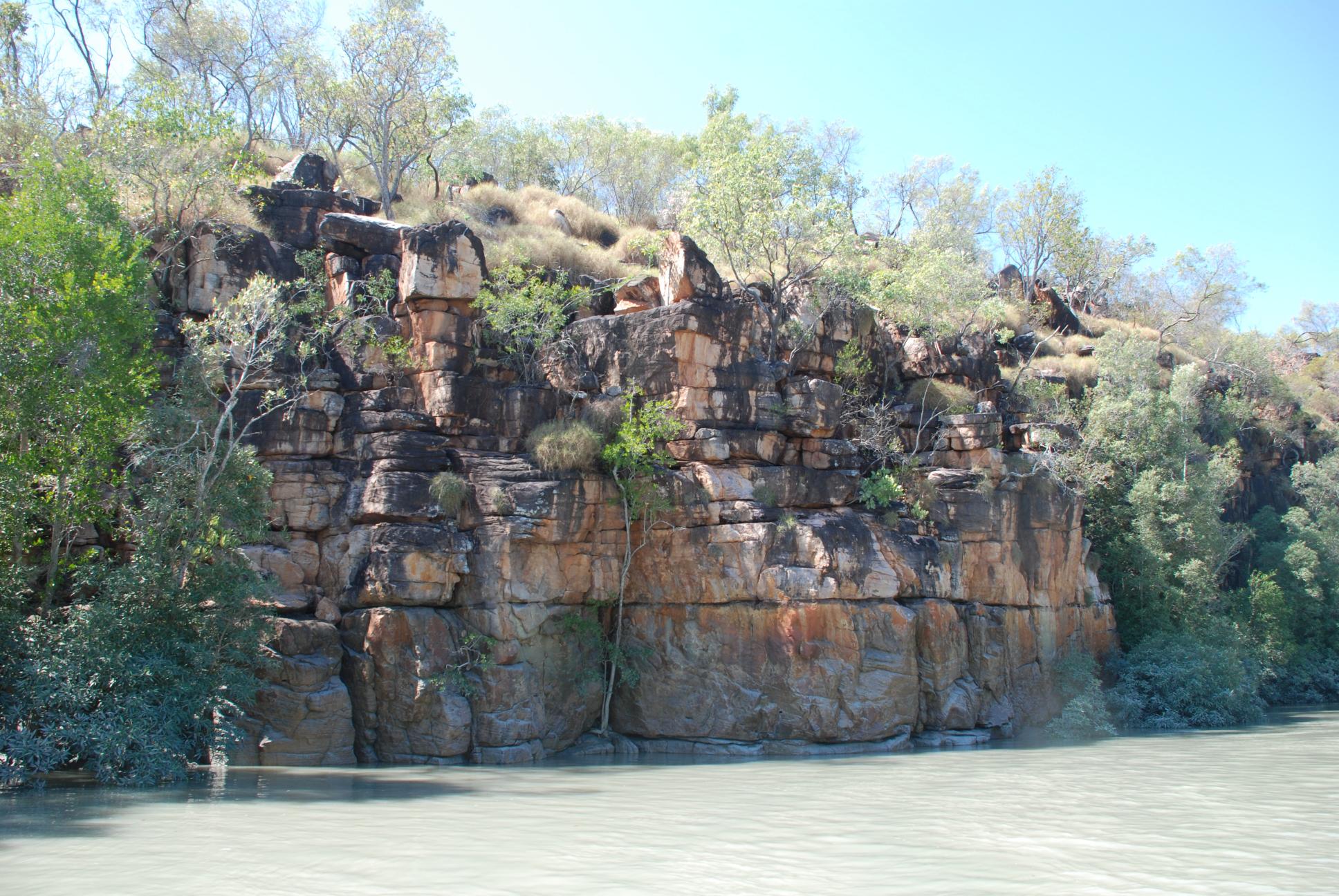
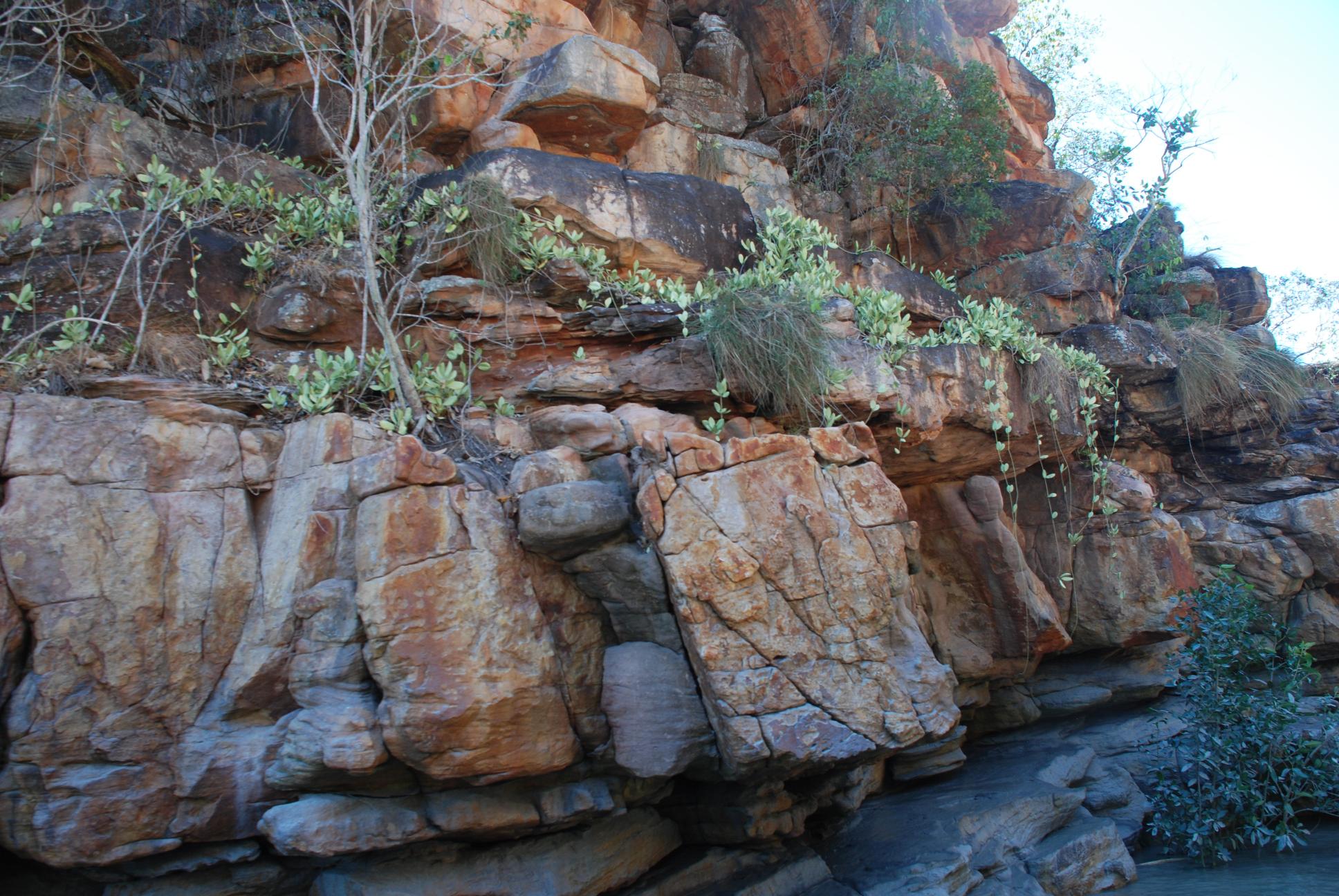
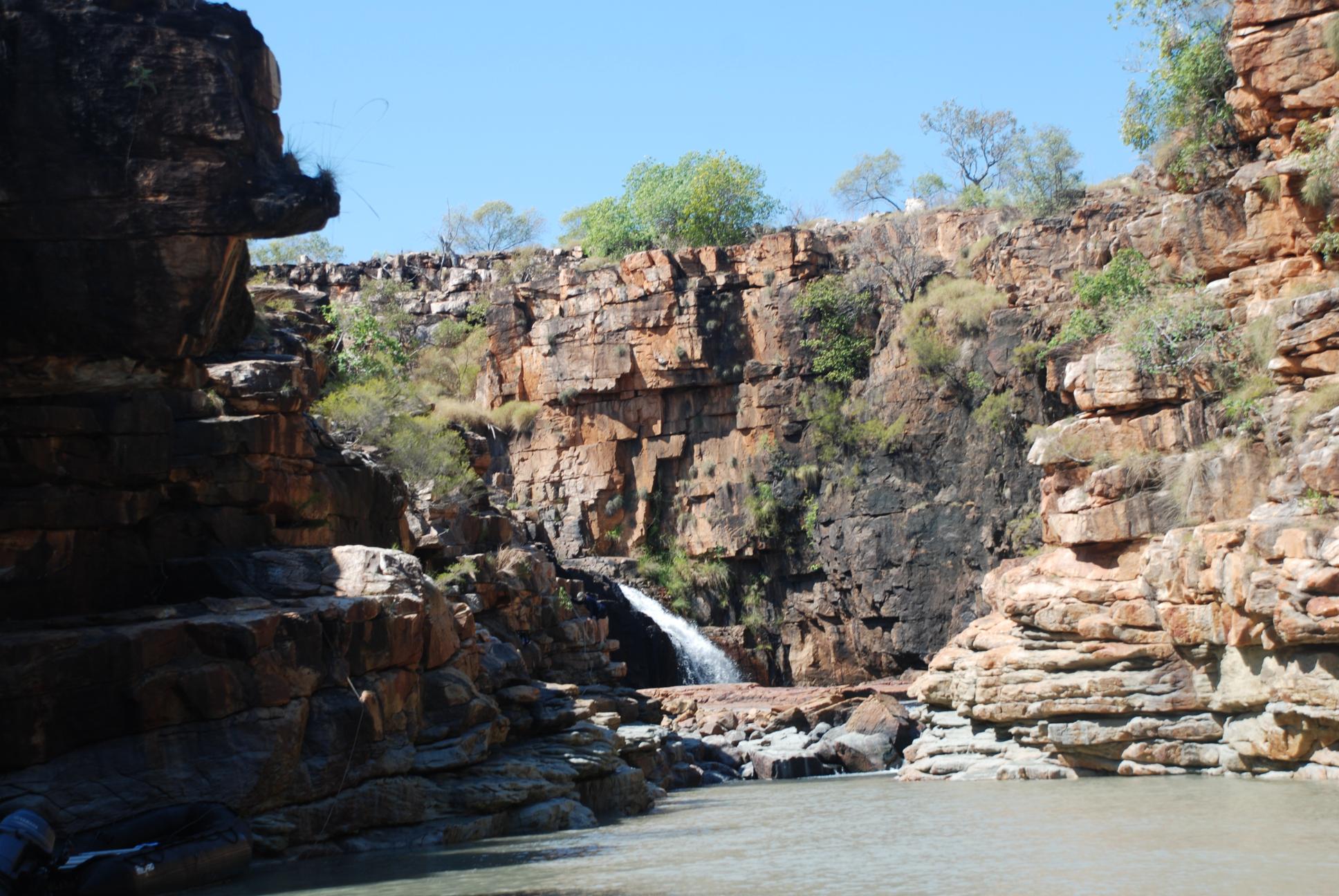
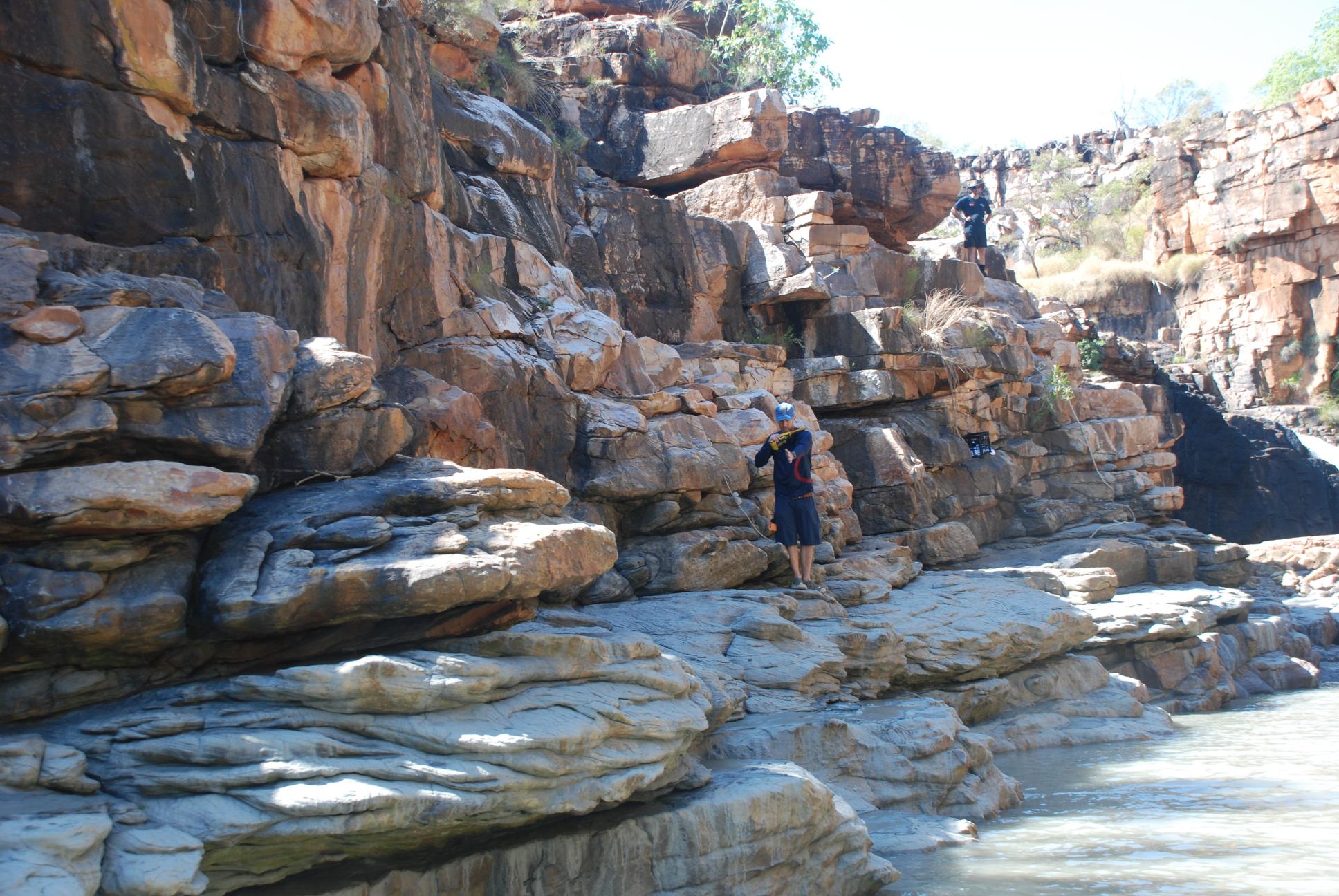
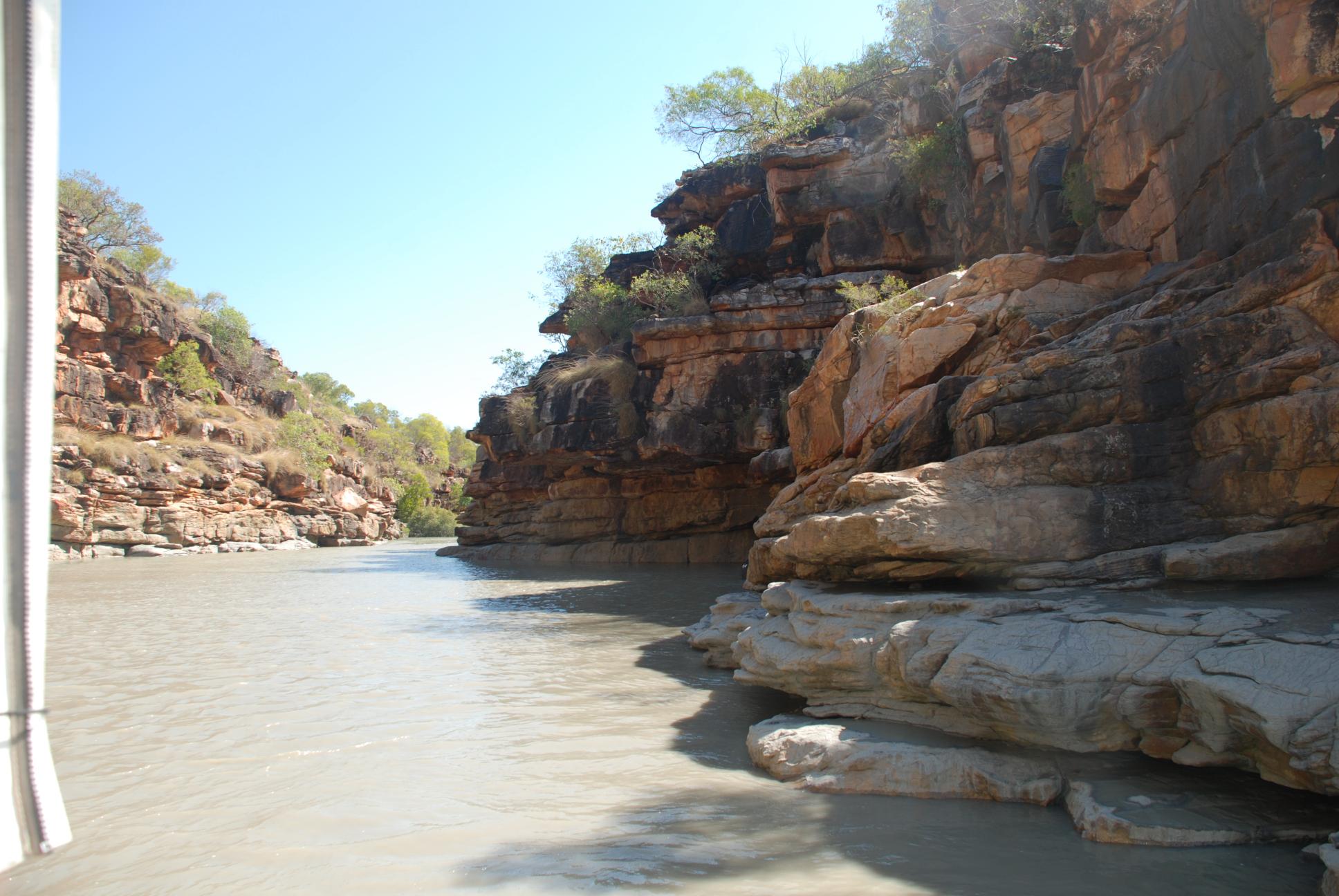
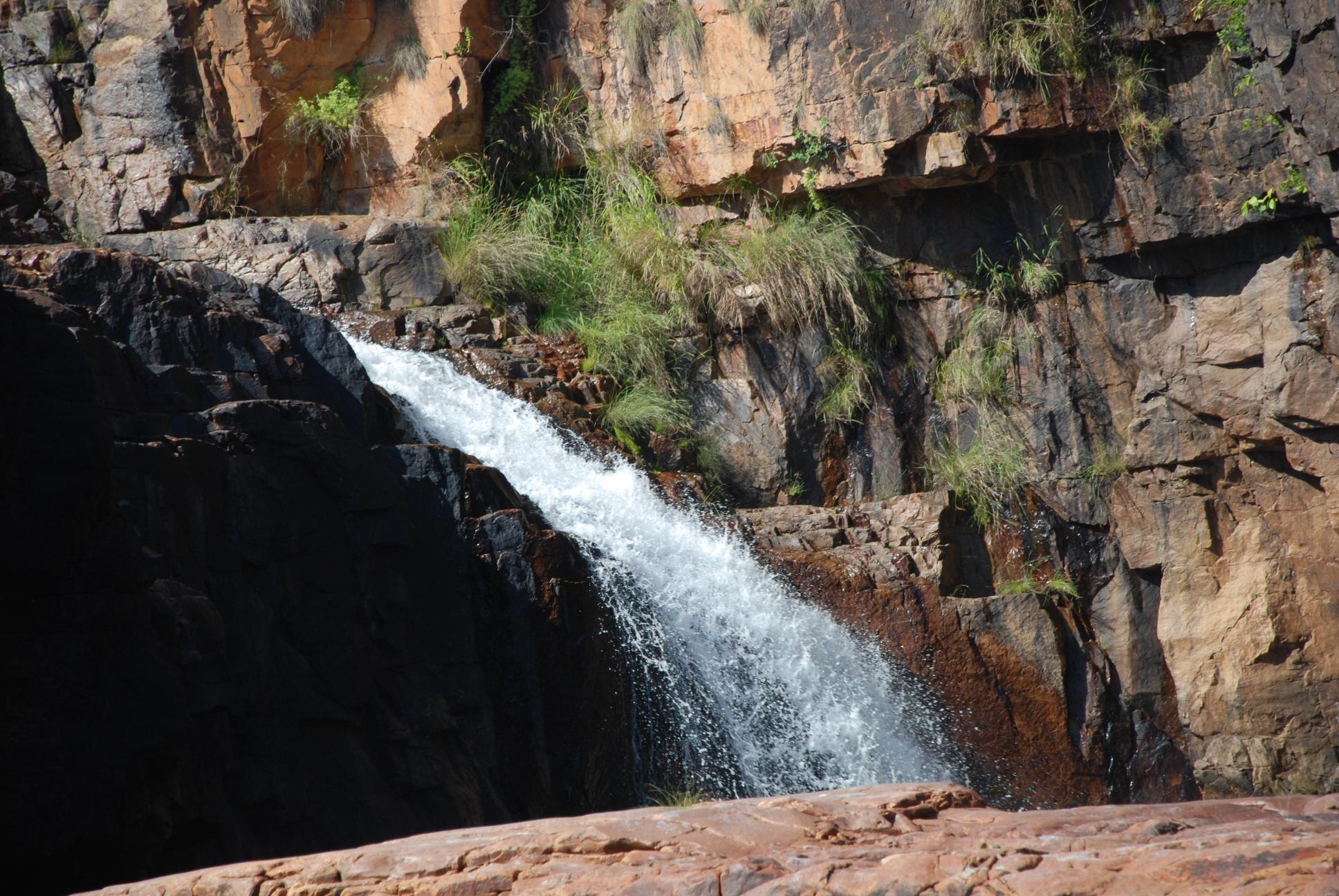
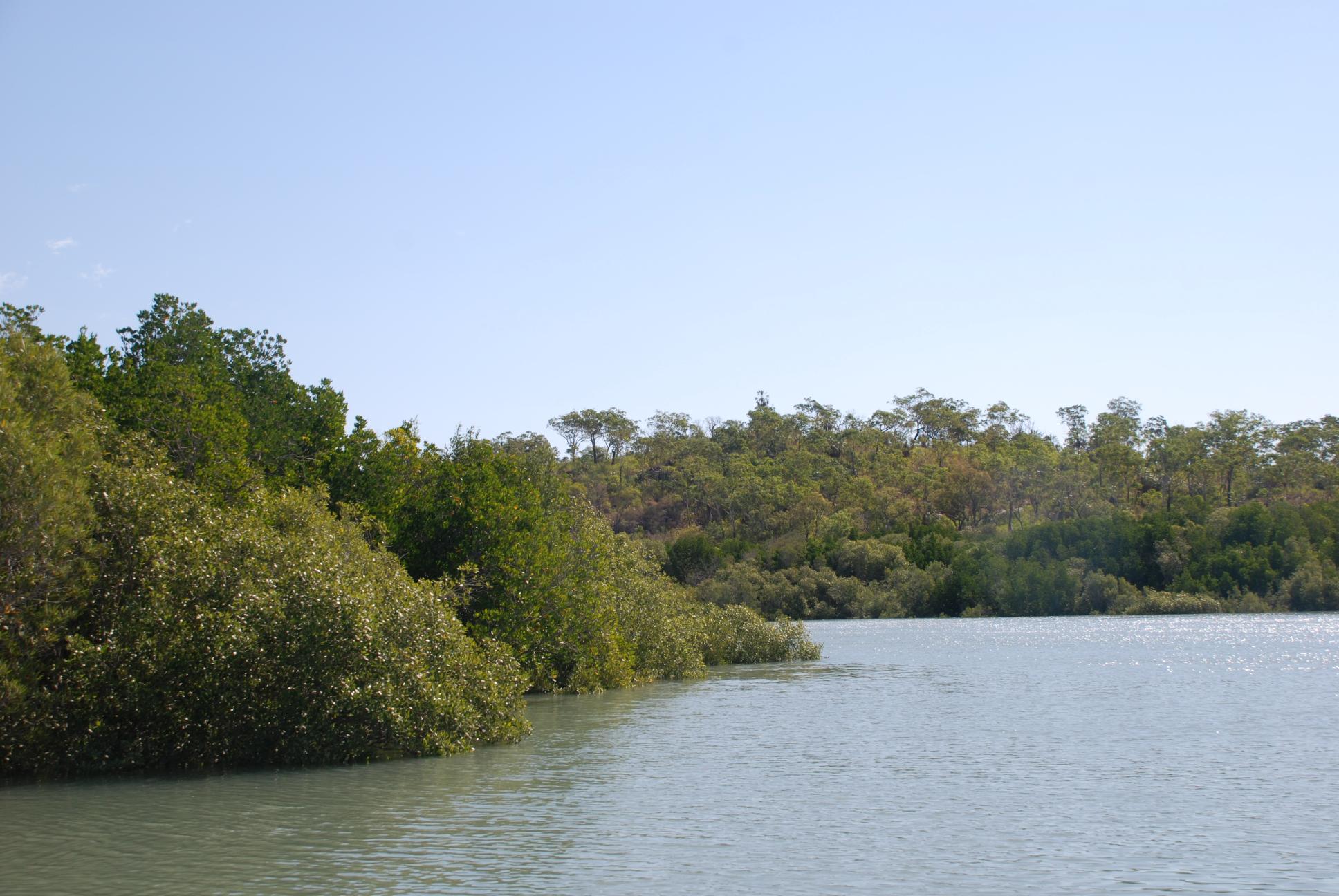
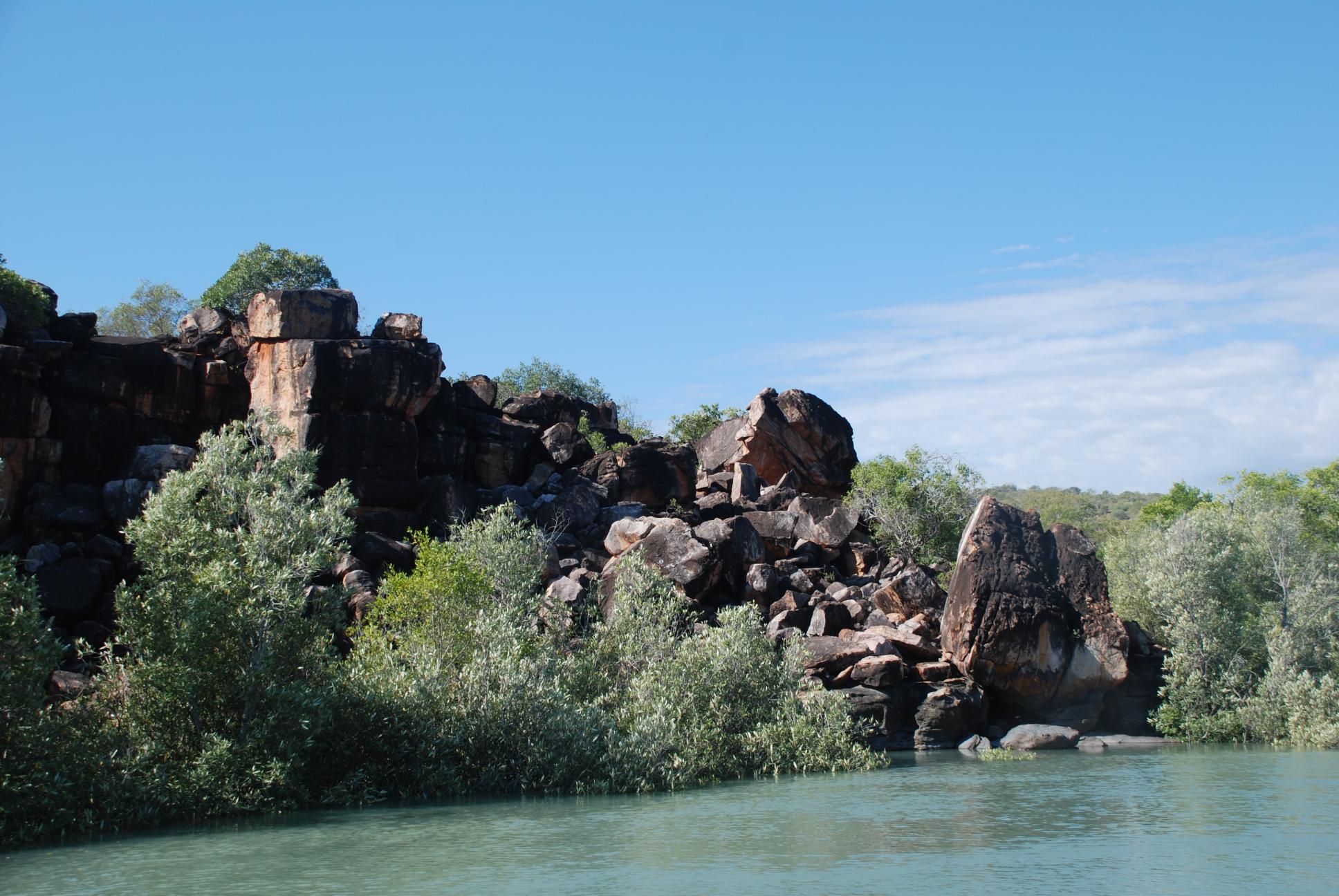
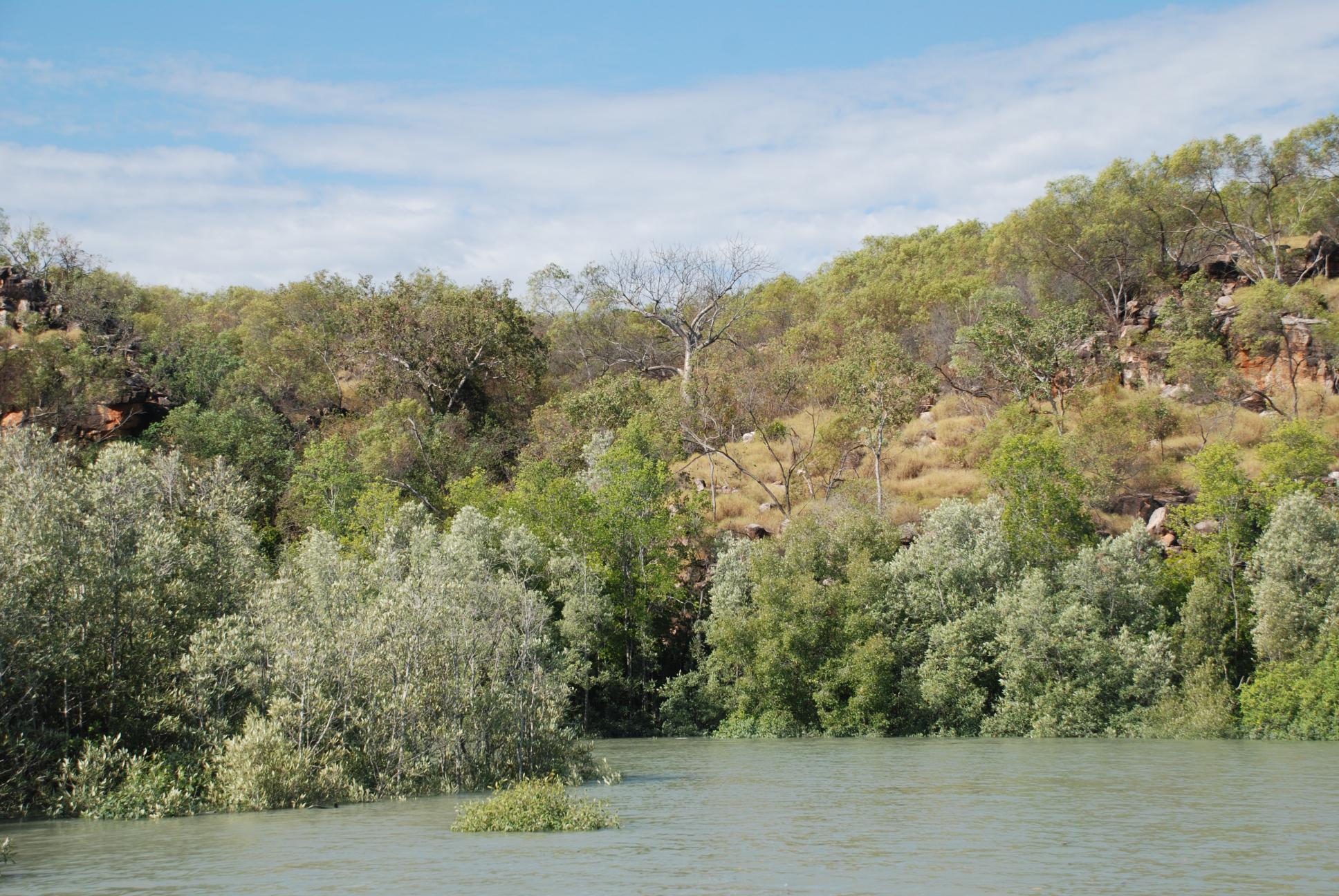
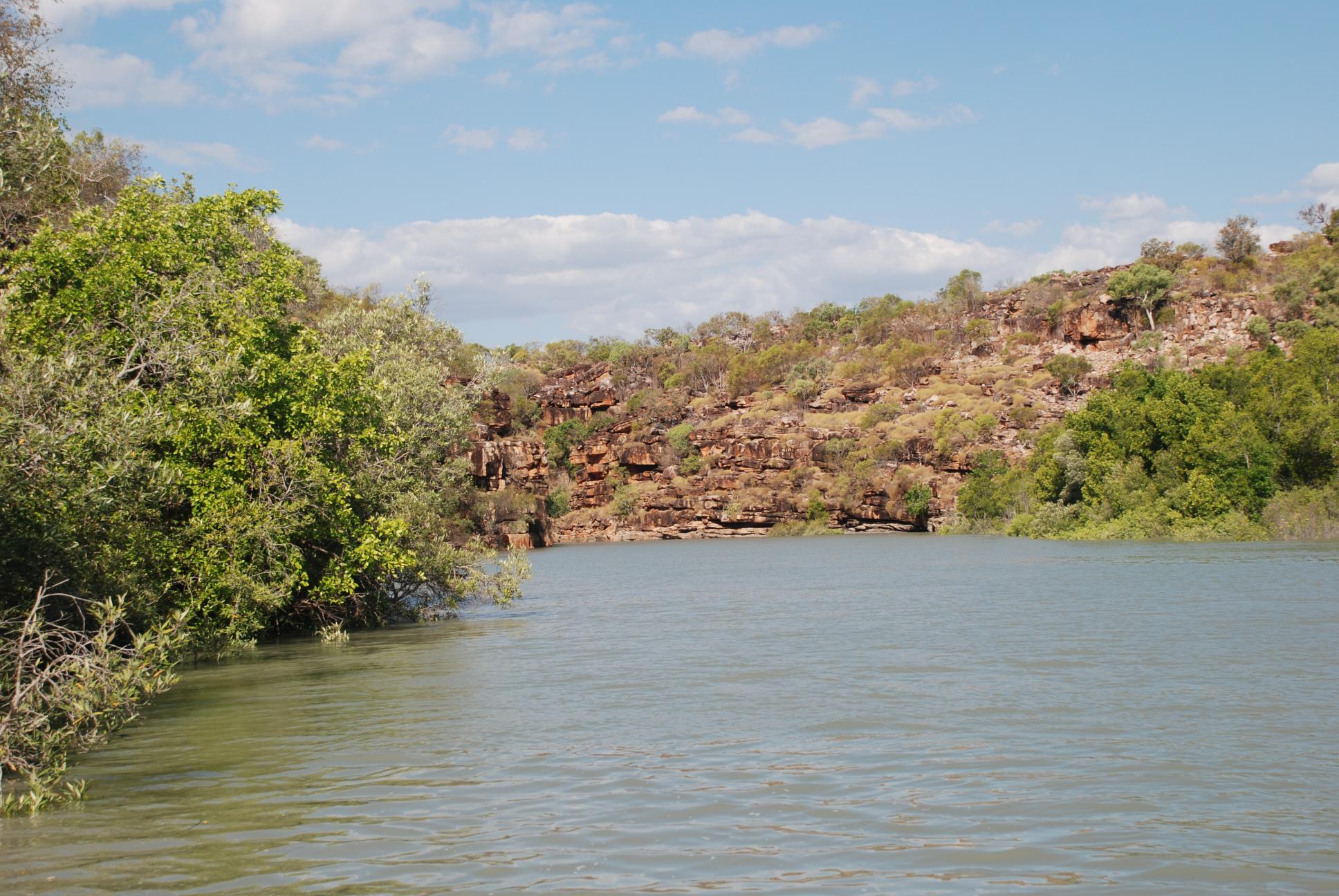
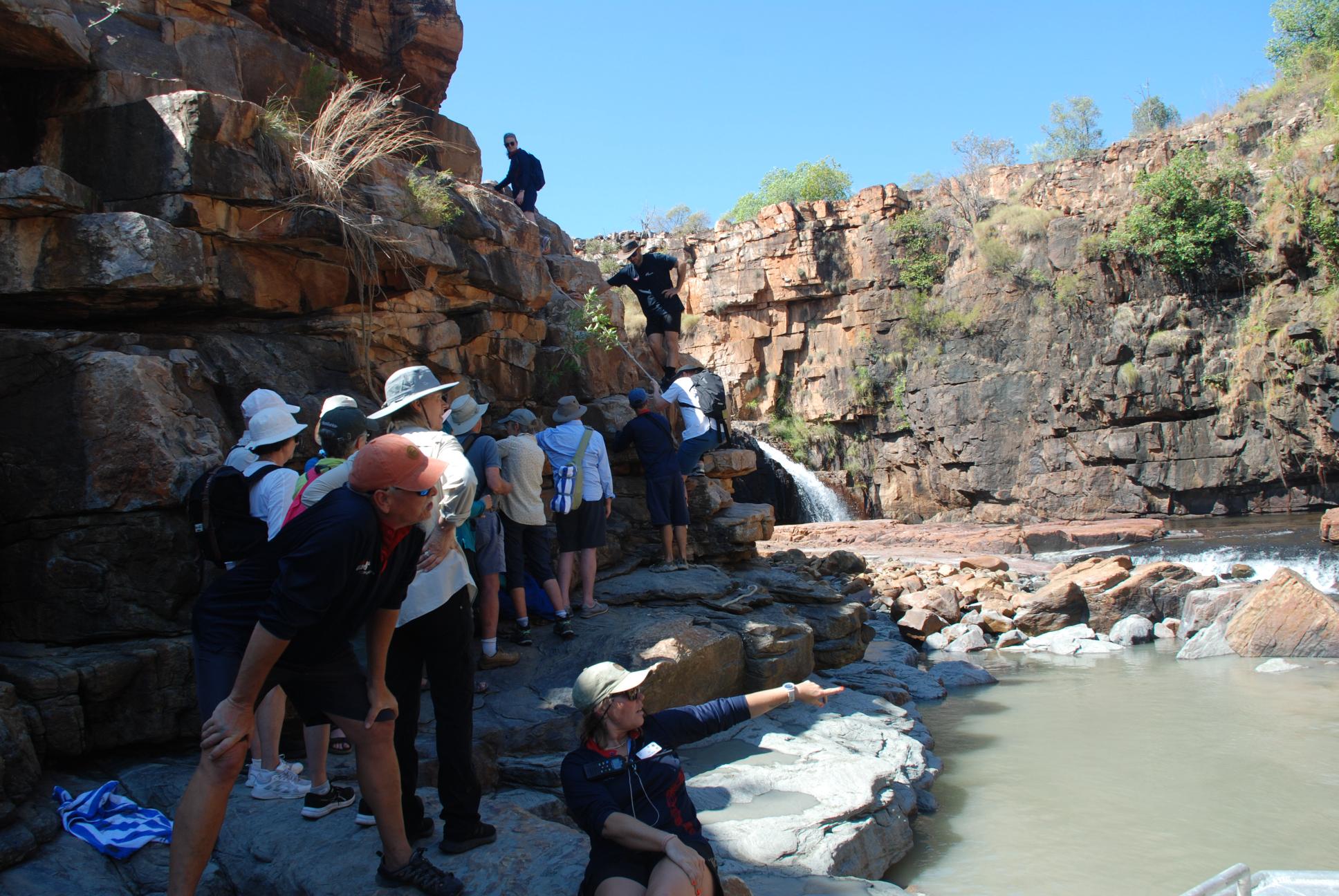
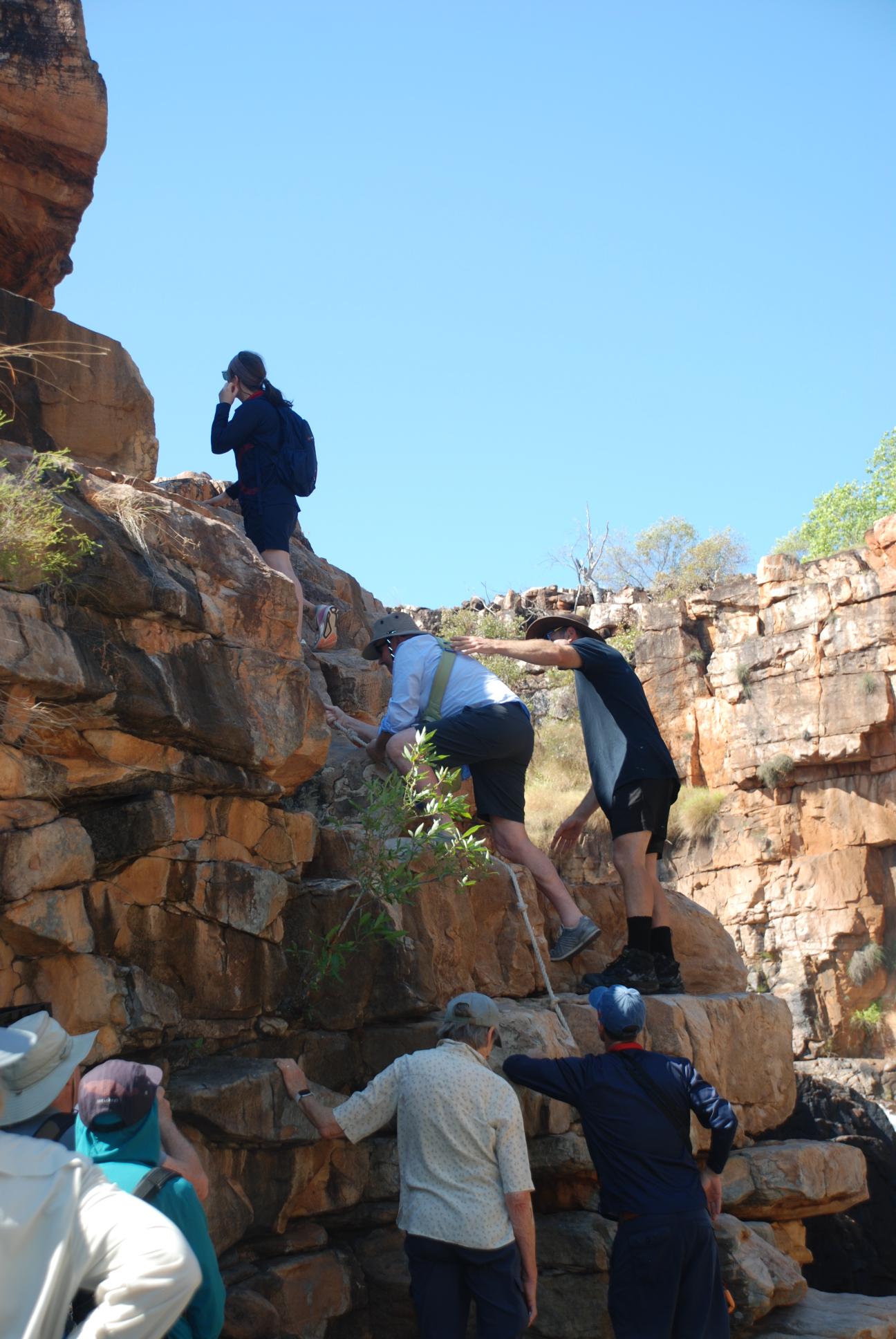
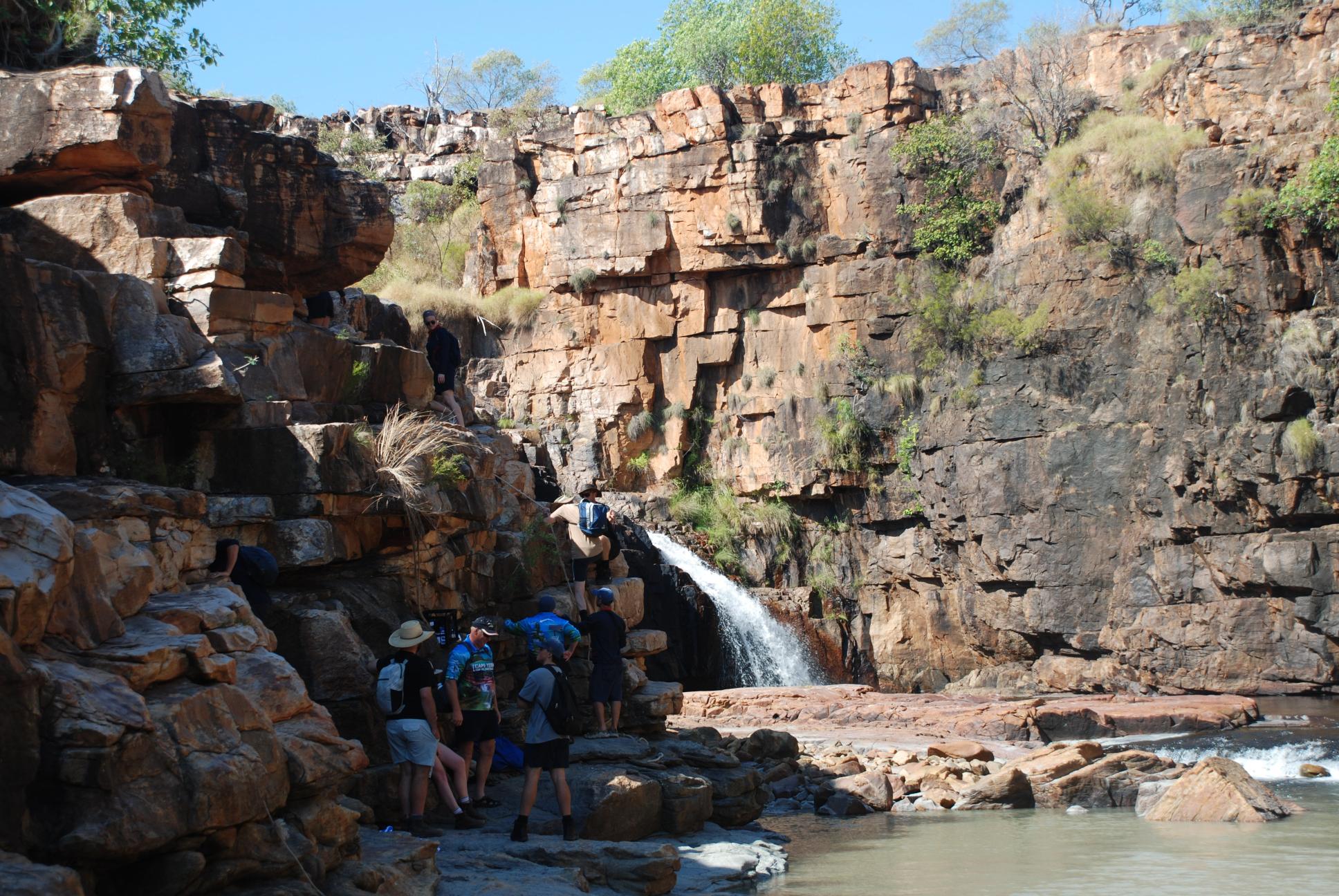
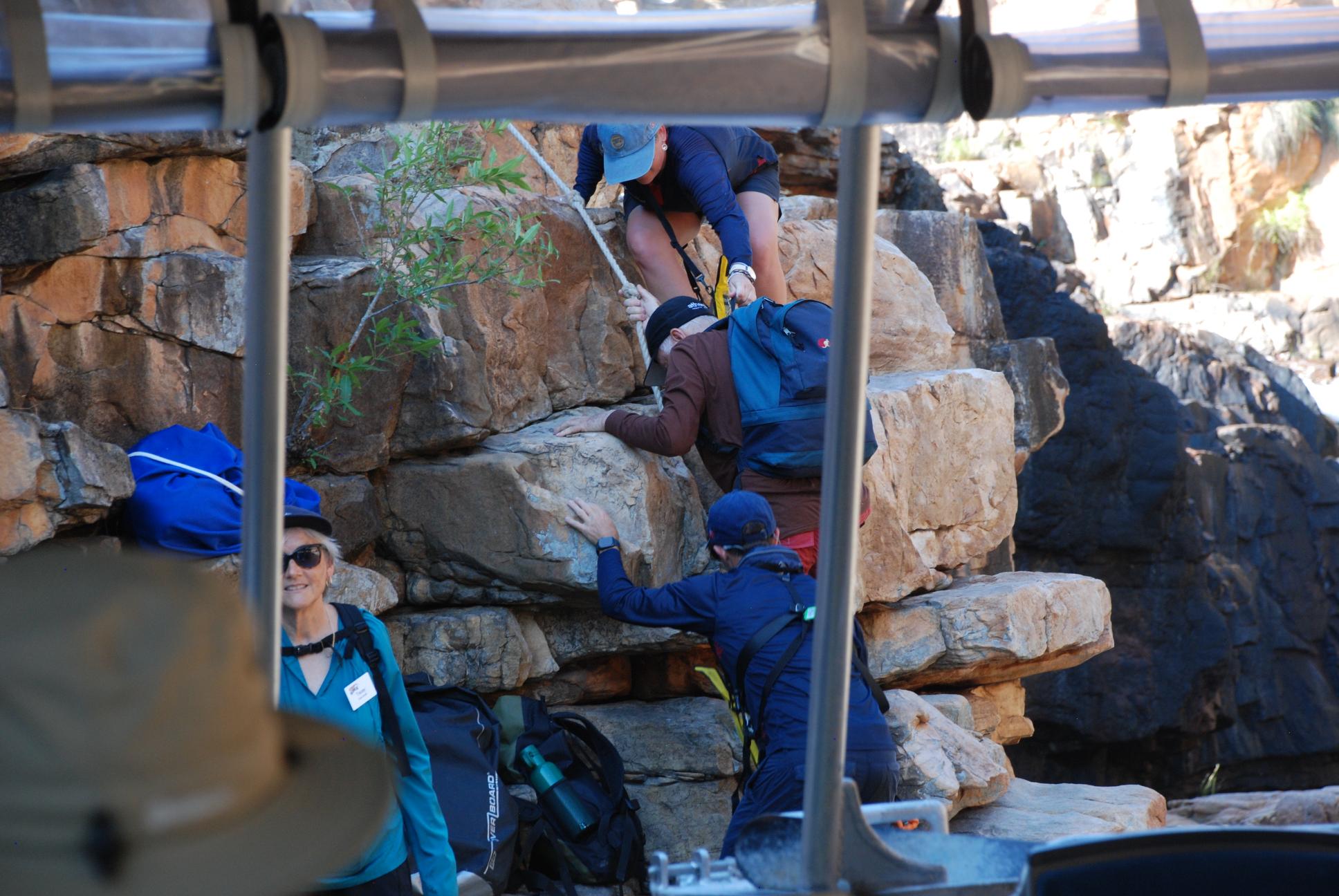
We squeezed the tender into a narrow section of the creek. Ahead of the vessel was a steep, rocky climb up a 30 metre section of hill that presented quite a challenge for anyone who wanted to scale it. They would be required to step up onto several large rocks, using narrow footholds, a knotted rope and the helping hands of members of our ship’s crew. Their reward for reaching the top of the climb would be a chance for a rare swim in a nice cool waterhole free of crocodiles. Marg and I didn’t think we’d handle the climb too well, so we stayed back on the tender and watched the more agile members of our group make their way carefully up the rocky climb to the top. All of them made it, so I think they deserved their swim. Rod and Cornelia both did the climb and said the swim was great. Later on we watched them all carefully climb down the rocks again. They all made it back to the boat in one piece, which I thought was a pretty good effort. And I thought the crew assisting them were fantastic, as they’ve been again and again throughout this trip.

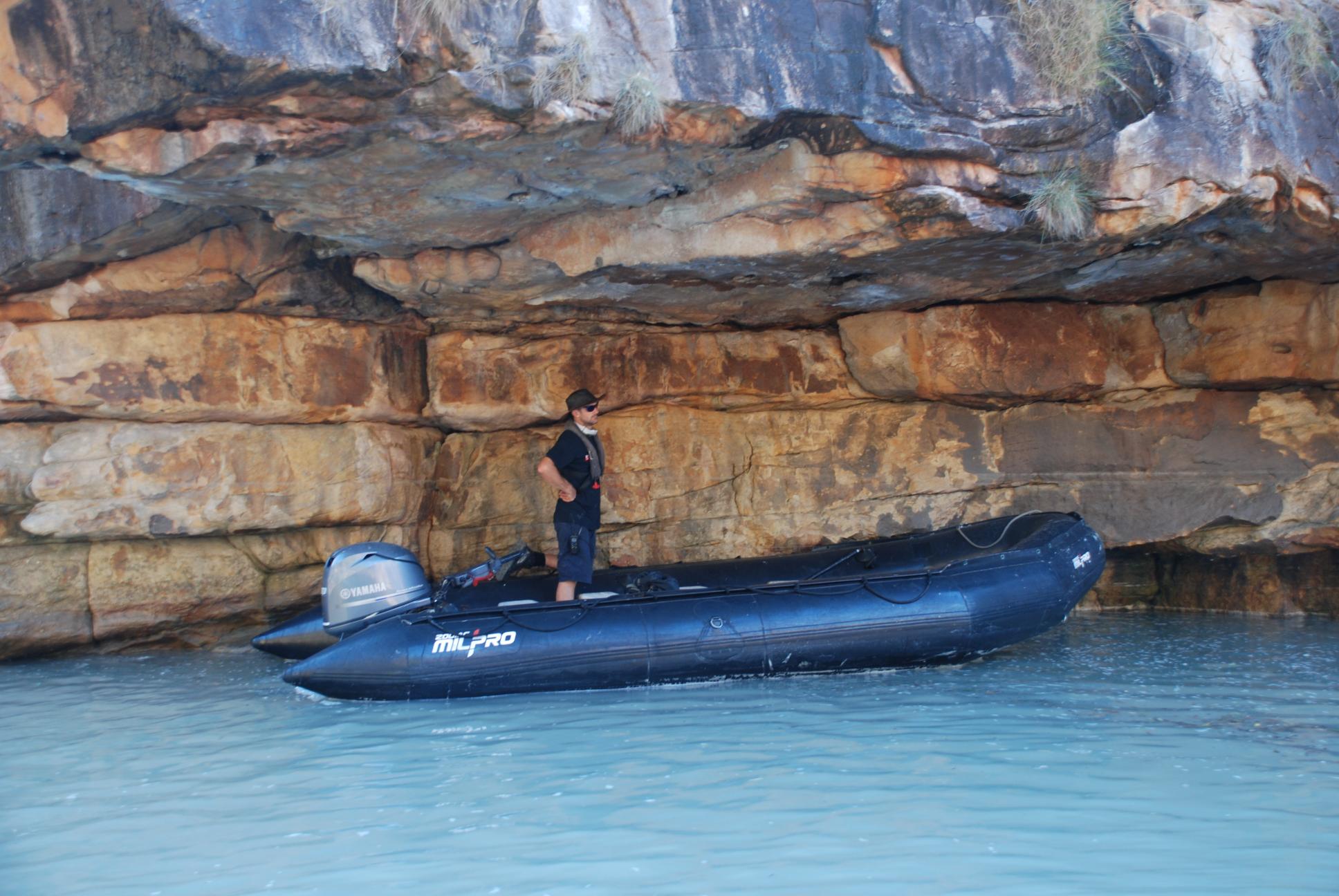
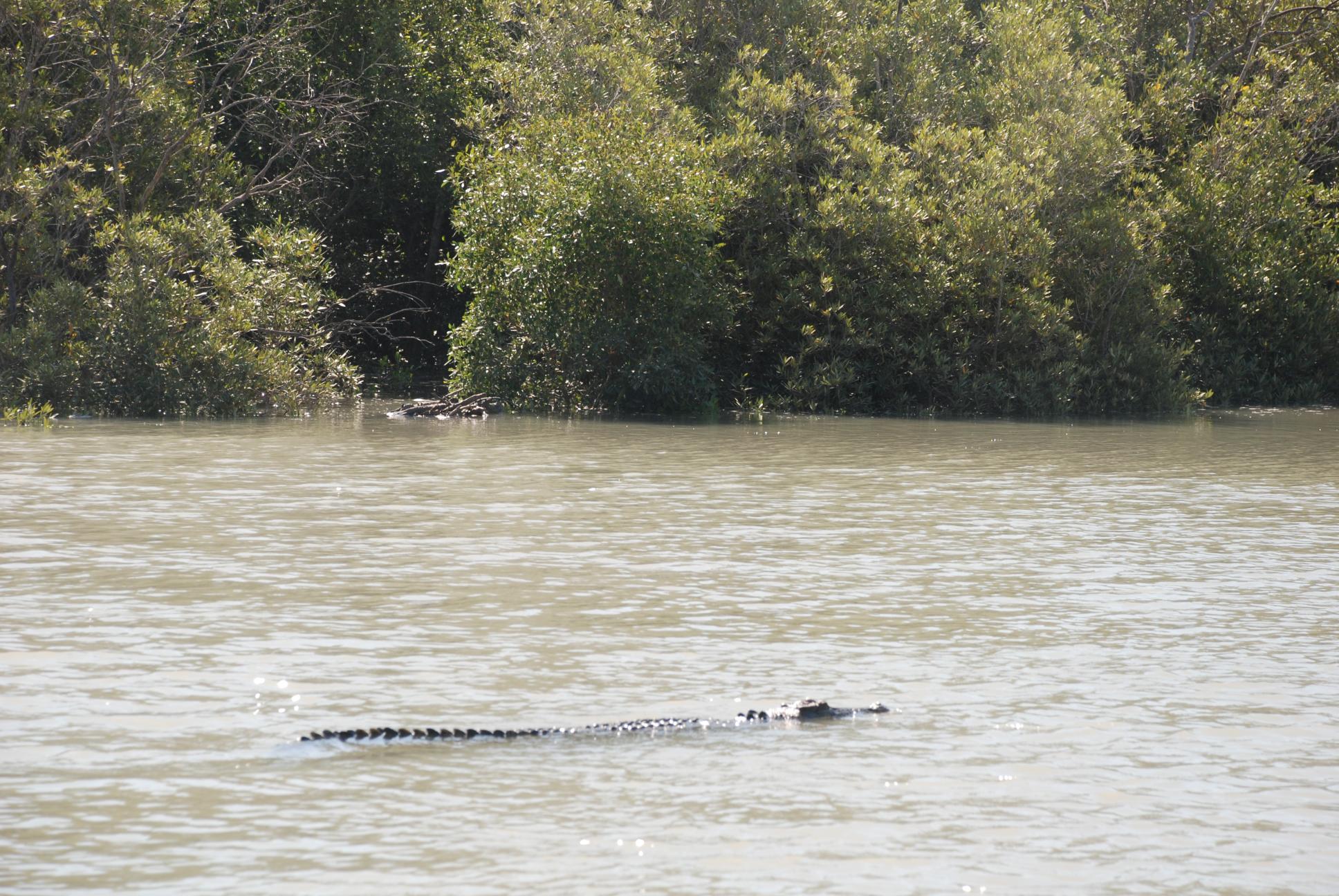
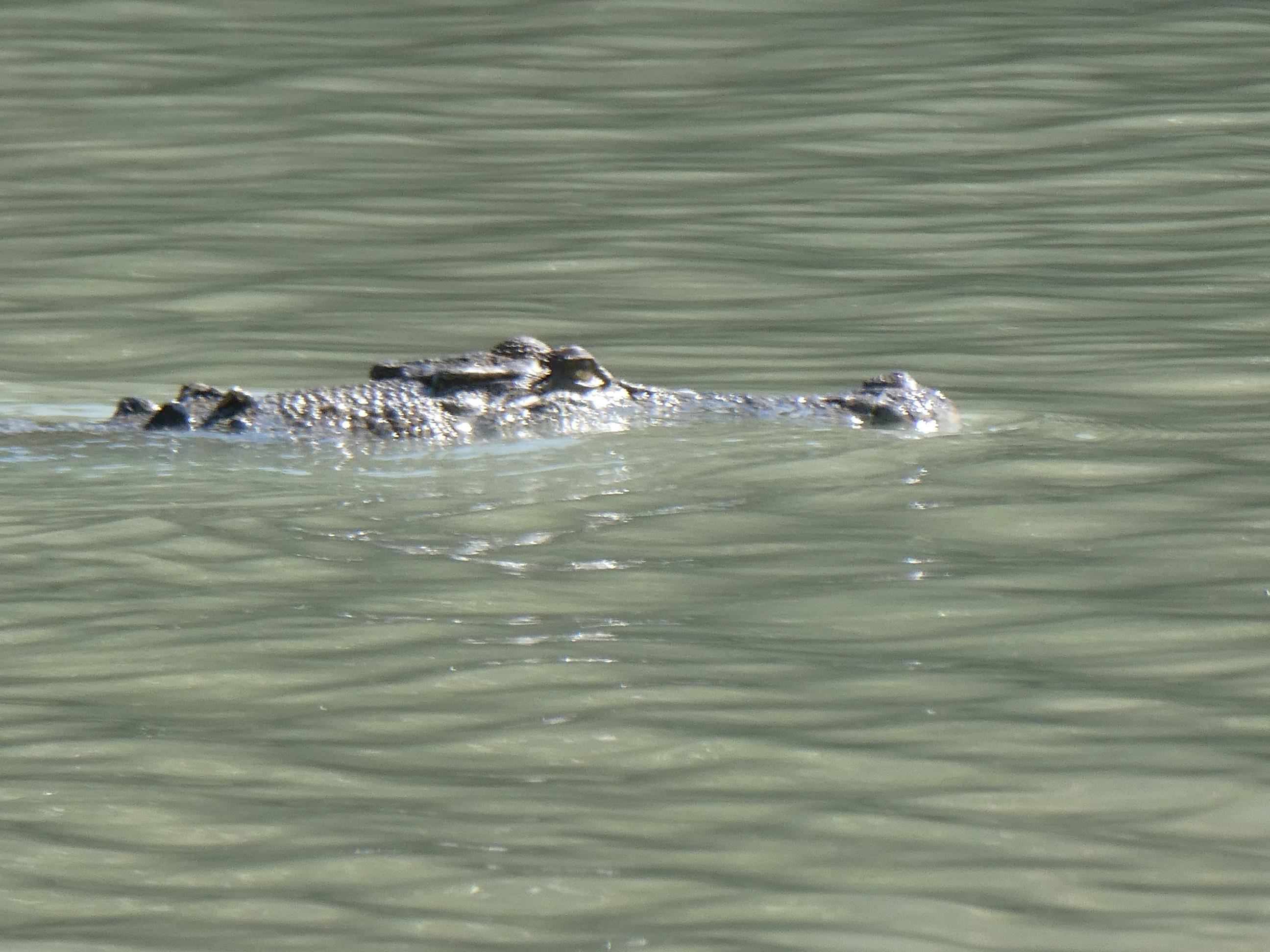
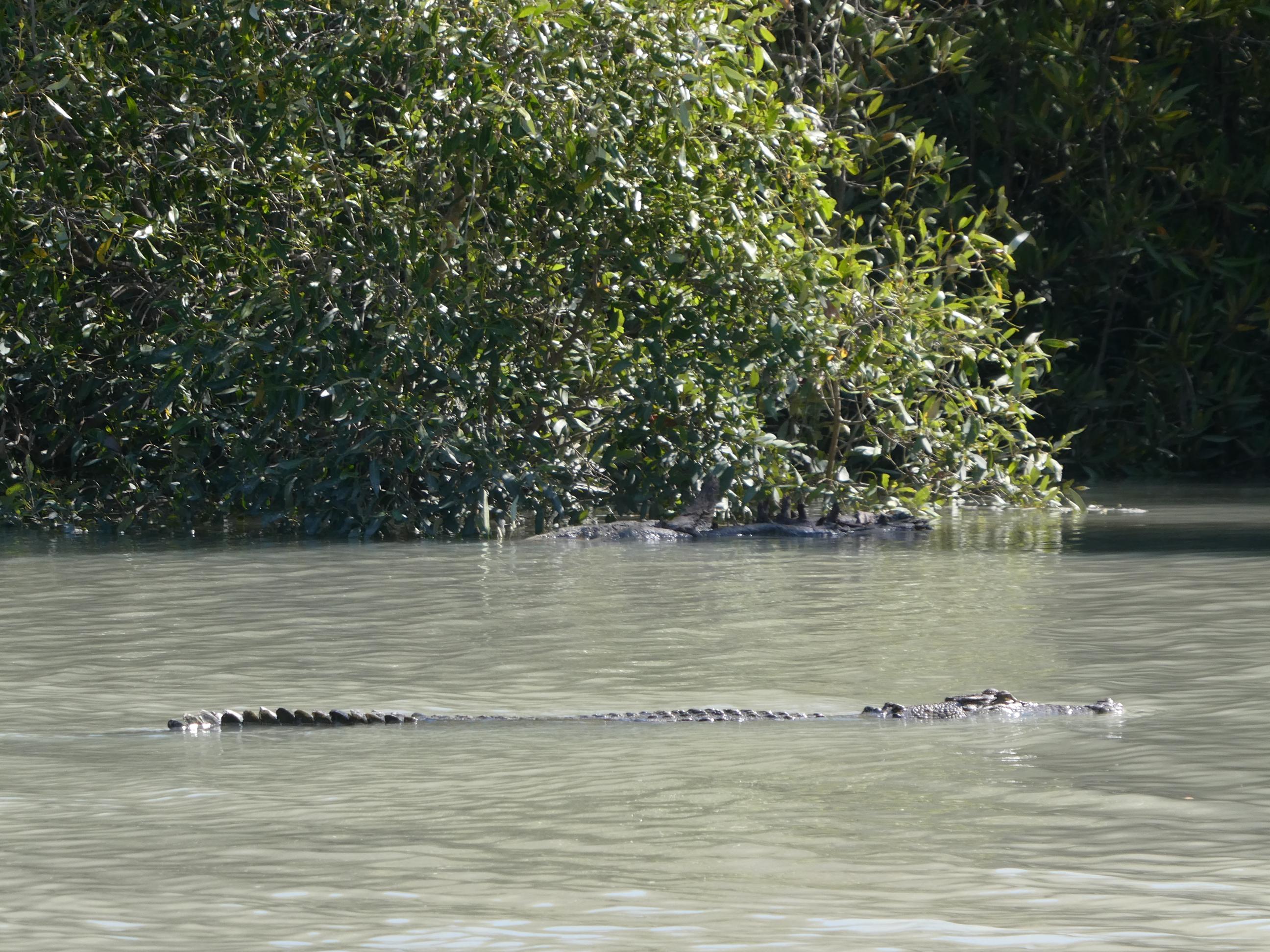
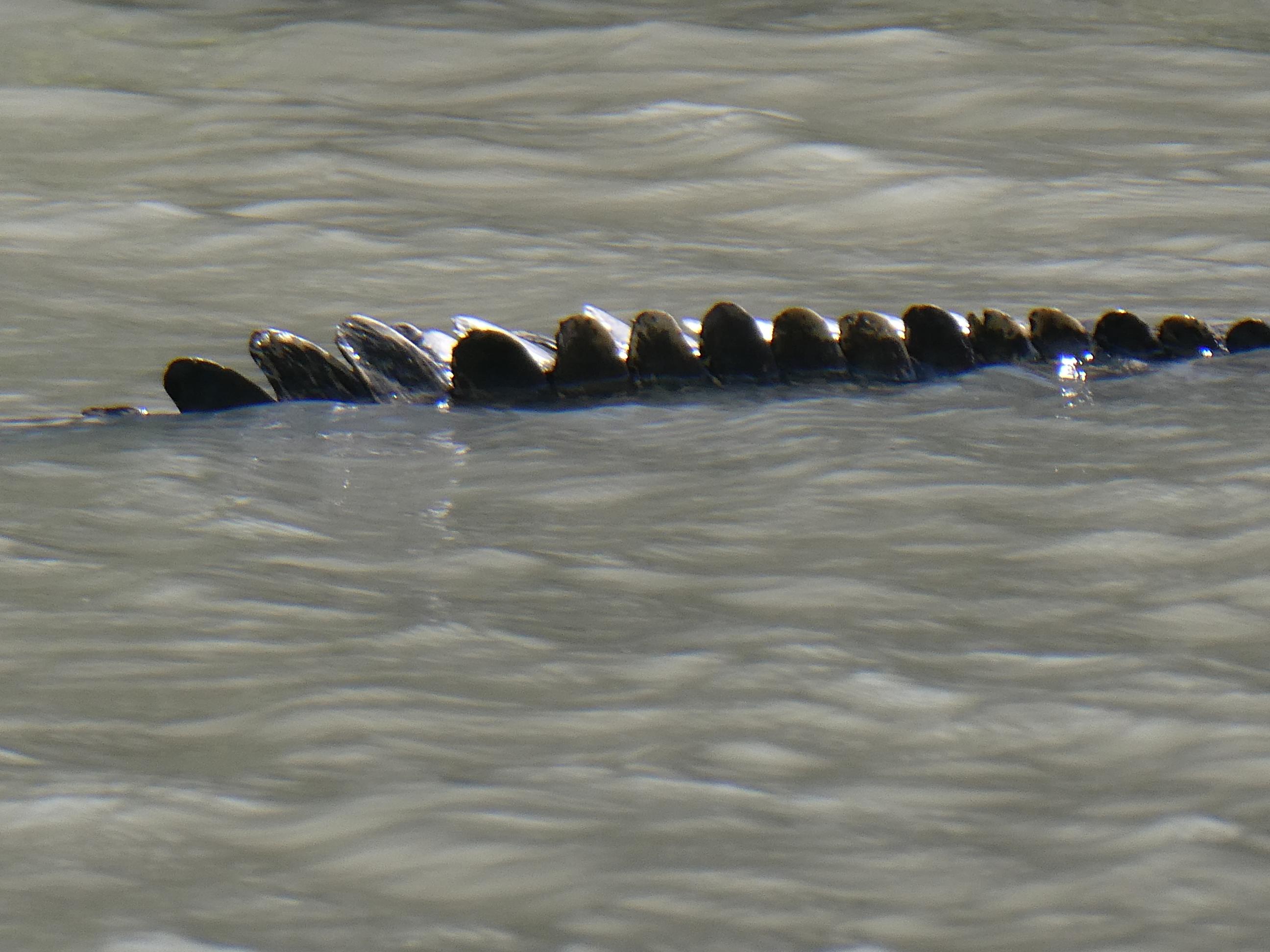
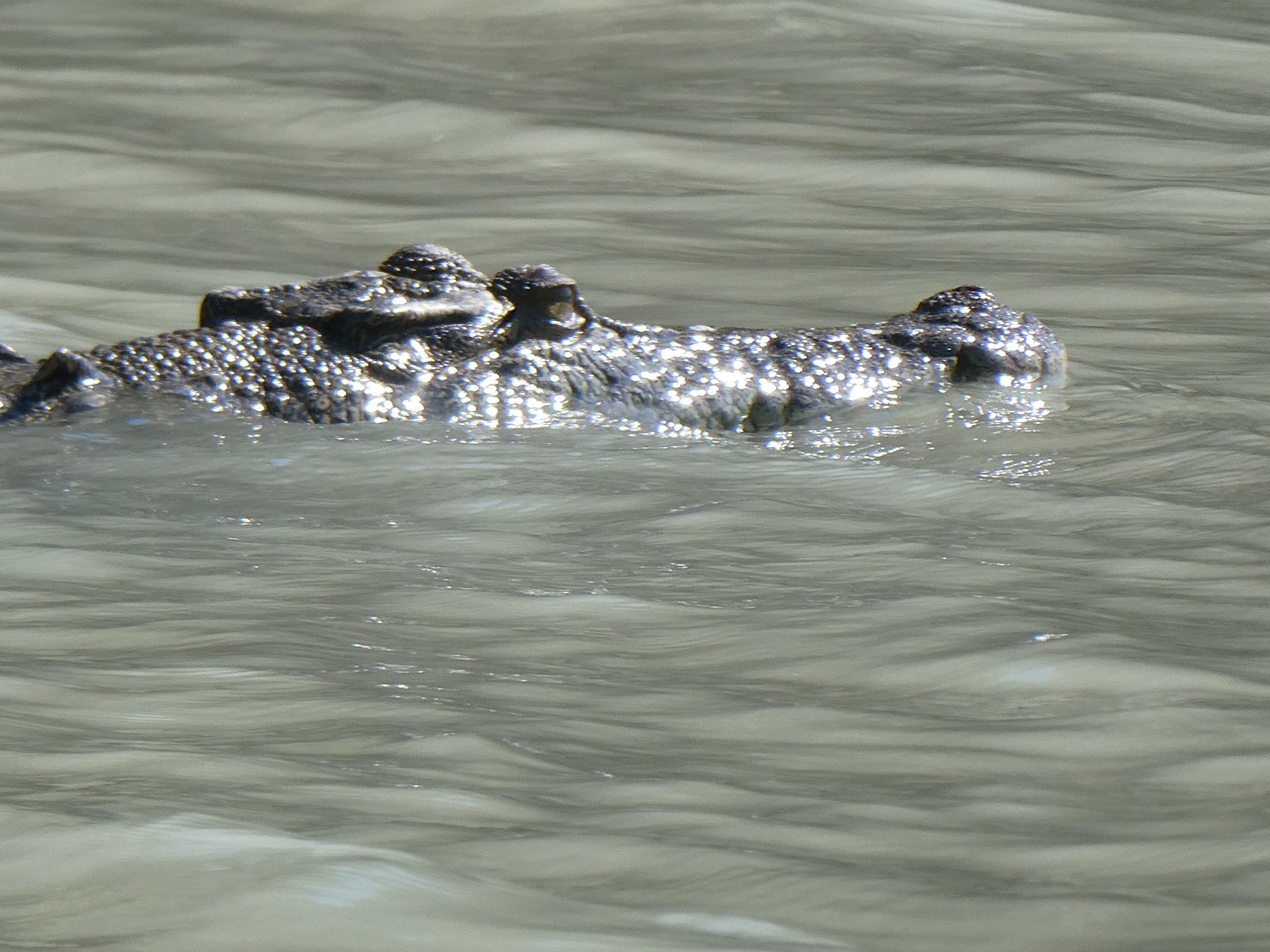
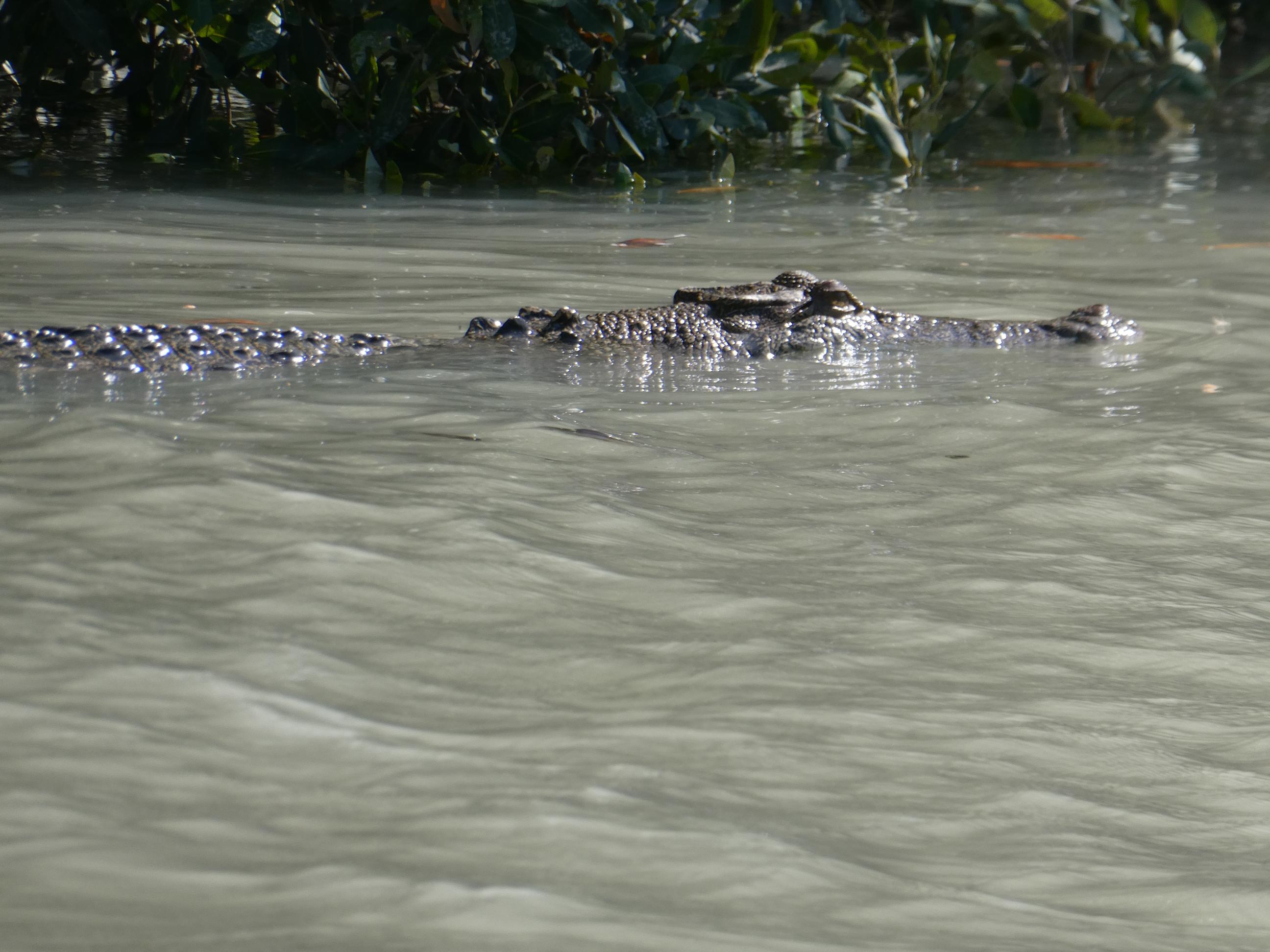
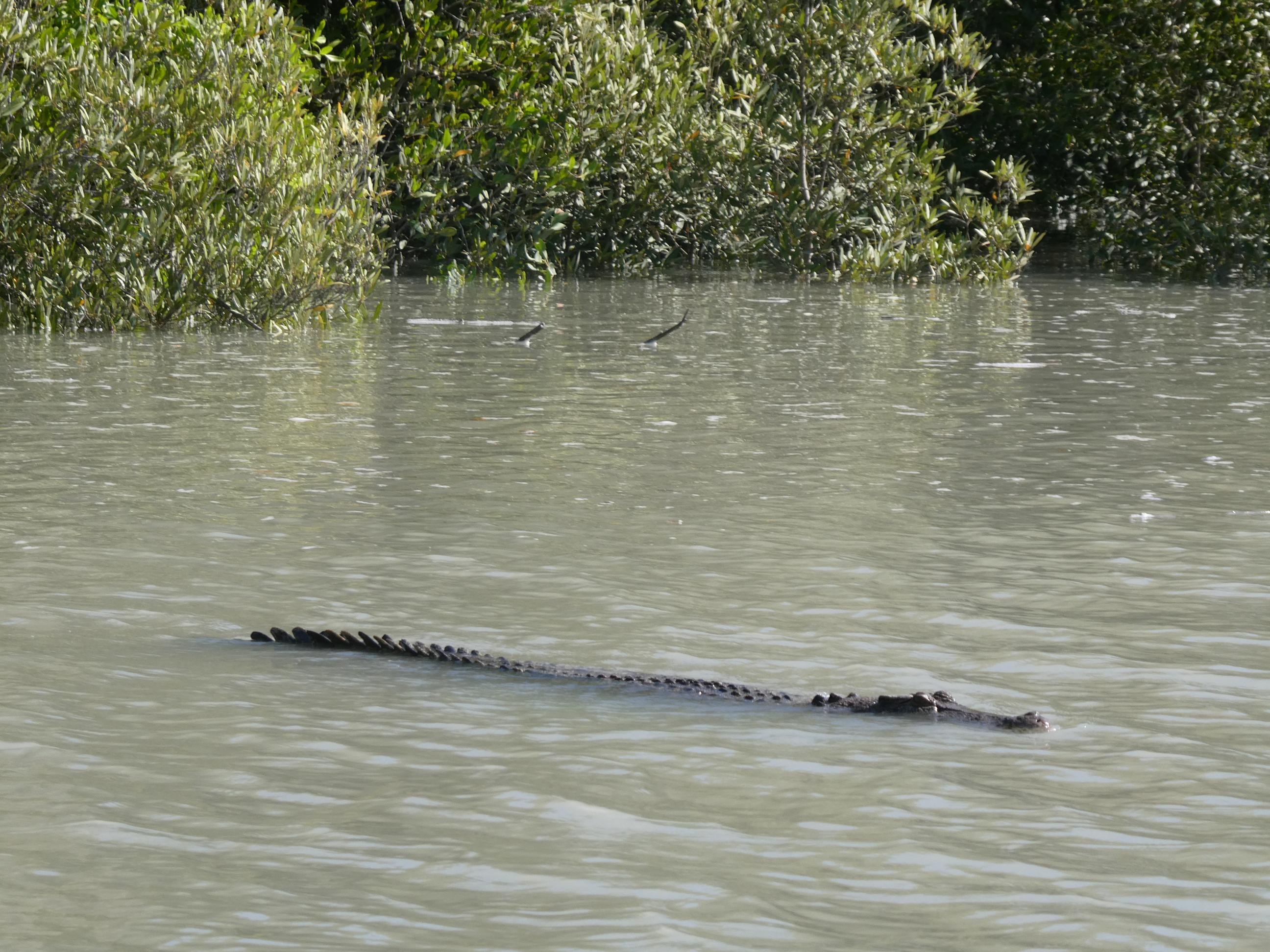
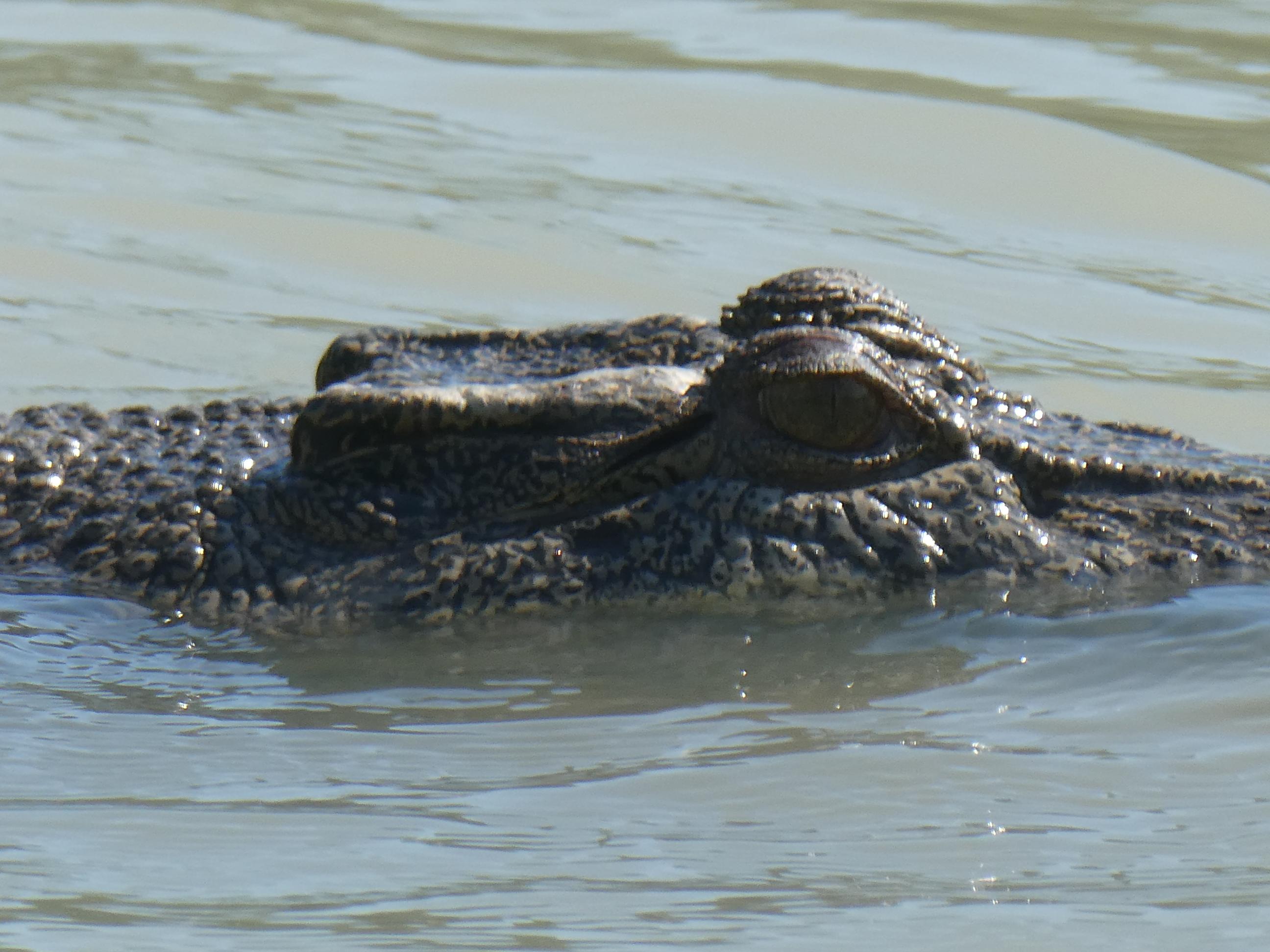
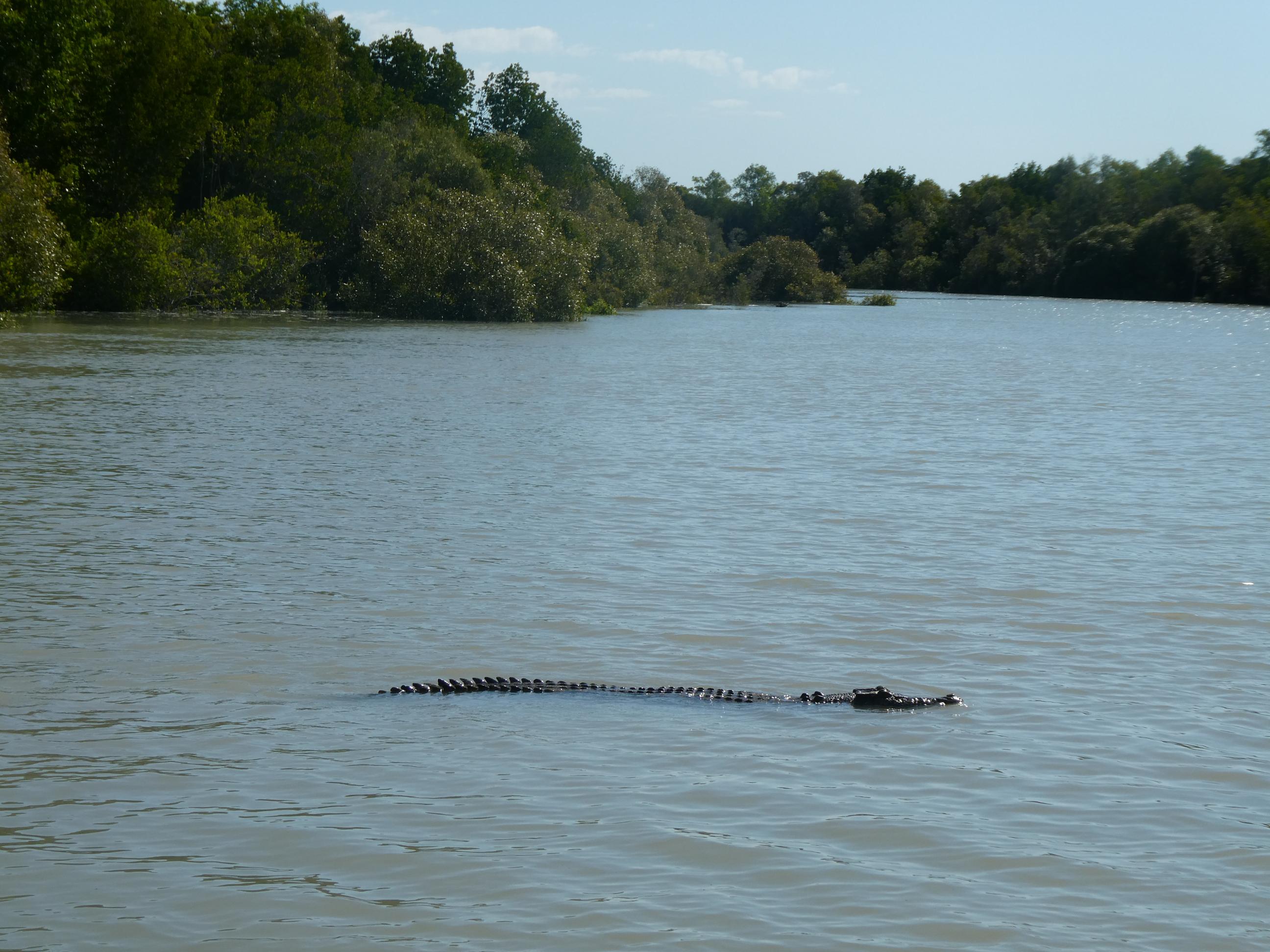
Those of us who opted to stay on the tender were treated to a leisurely cruise along the flooded creek. It was still high tide. A large croc swam out in front of us, so we cut the engine and drifted alongside it for a while. It did not seem at all fazed by our presence, though it must have been aware of us. Eventually it disappeared beneath the surface and that was the last we saw of it. We continued our cruise down the creek for some distance, until it was time to turn the tender around and head back to the location of the waterhole to pick up our swimmers. We were out on the cruise for over half an hour through the mangroves and we didn’t see a single bird, which amazes me. Would the presence of the croc have something to do with that?


I could hear your voice as I read today’s account. You painted a beautiful picture today and the pictures, as always, great.
LikeLike
Thanks Mark. The internet on the boat was really bad, so, although it was a challenge, I’m glad I was able to get some photos loaded. It’s a really beautiful part of Australia, where there are no towns and no roads and certainly no people living there.
LikeLike