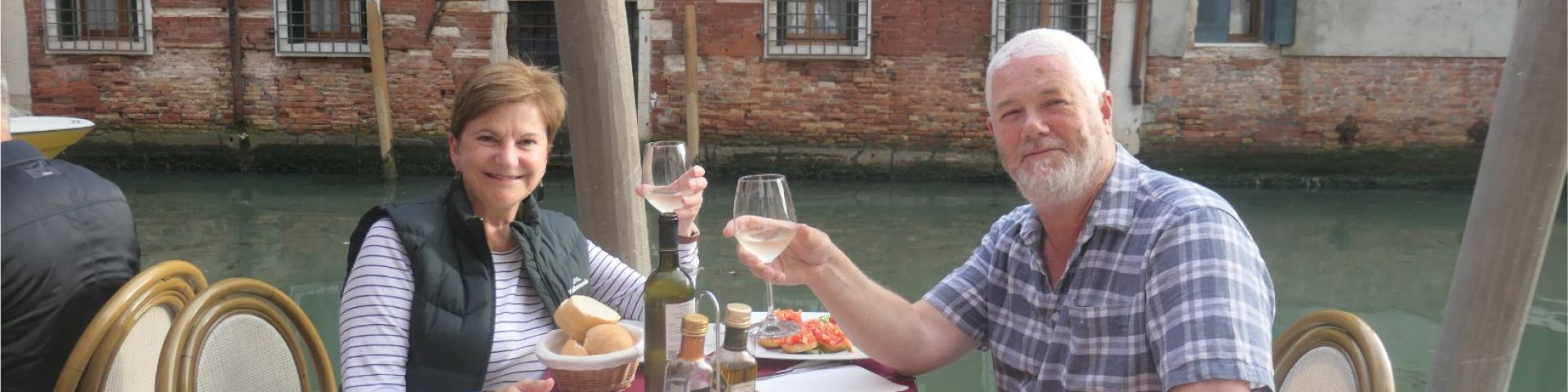
Marg and I were at a house concert earlier this year with our good friends Theresa and Ian Liddle, enjoying a glass of wine before the show, when we got chatting to another friend, Steve, who had just arrived home from touring Japan with his wife, Julie. He had so much to tell us about why he loved the country so much, that five minutes later the four of us were saying to each other, ‘Maybe we should all go to Japan together’. My brother Rod and his wife Cornelia, and my daughter Tess and her husband Adam were all similarly enthusiastic about Japan, and telling us we should think about going. Needless to say, a short time later, Ian and I made an appointment to see Haydn at Japan Package Tours and soon had an itinerary planned and flights and accommodation booked. We decided to leave Melbourne towards the end of October because the travel guides were telling us that this was the prime time for seeing the autumn leaves Japan is famous for.
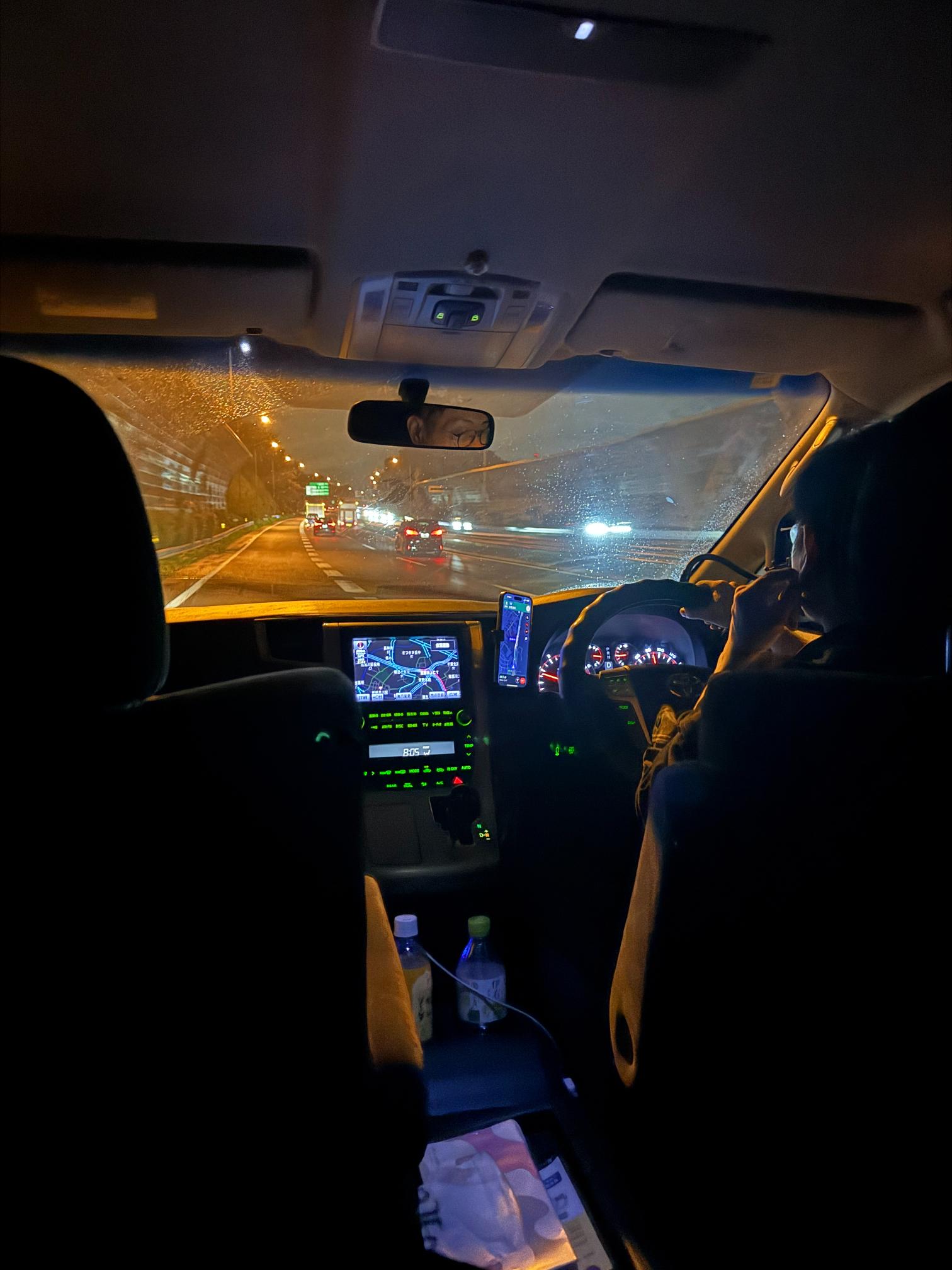
We flew over with Qantas. The ten-hour flight got away an hour late from Melbourne, arriving at Narita by about 7.30pm. Despite completing our Japan visitor information online before leaving Melbourne, which was promoted as providing a seamless entry into the country, we moved through Immigration, Baggage Claim and Customs at snail’s pace, and didn’t make it out the lobby to meet our transit driver until after 8.30pm. He told us the drive from Narita in to our Tokyo hotel would take 90 minutes, so we settled in to enjoy the ride. It had been raining steadily, so the road was shiny and wet, but it seemed to take us in a fairly direct route on busy toll road. Our driver had the map on his phone in front of him, and he kept shifting his eyes from the road to his phone and regularly entering text. Sometimes he’d move out of his lane and have to correct the steering to get the vehicle back on track again. Of course, everything on his phone was in Japanese characters, so I couldn’t tell what he was typing in, but it sure looked to me like he was texting and driving, rather than just inputting instructions into his satnav app. Anyway, he got us there safely and left us with a big grin on his face, so I’ll give him the benefit of the doubt this time.
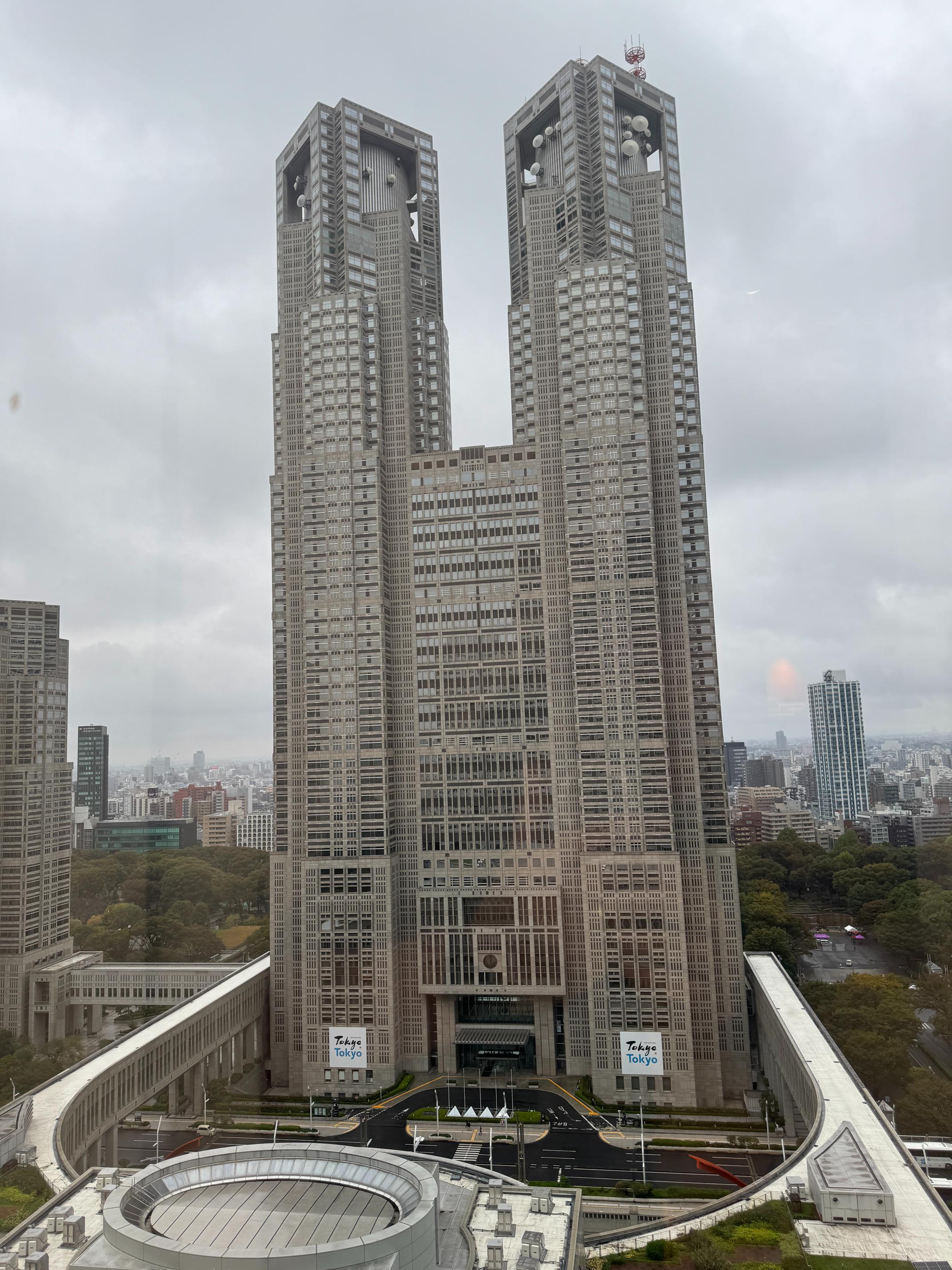
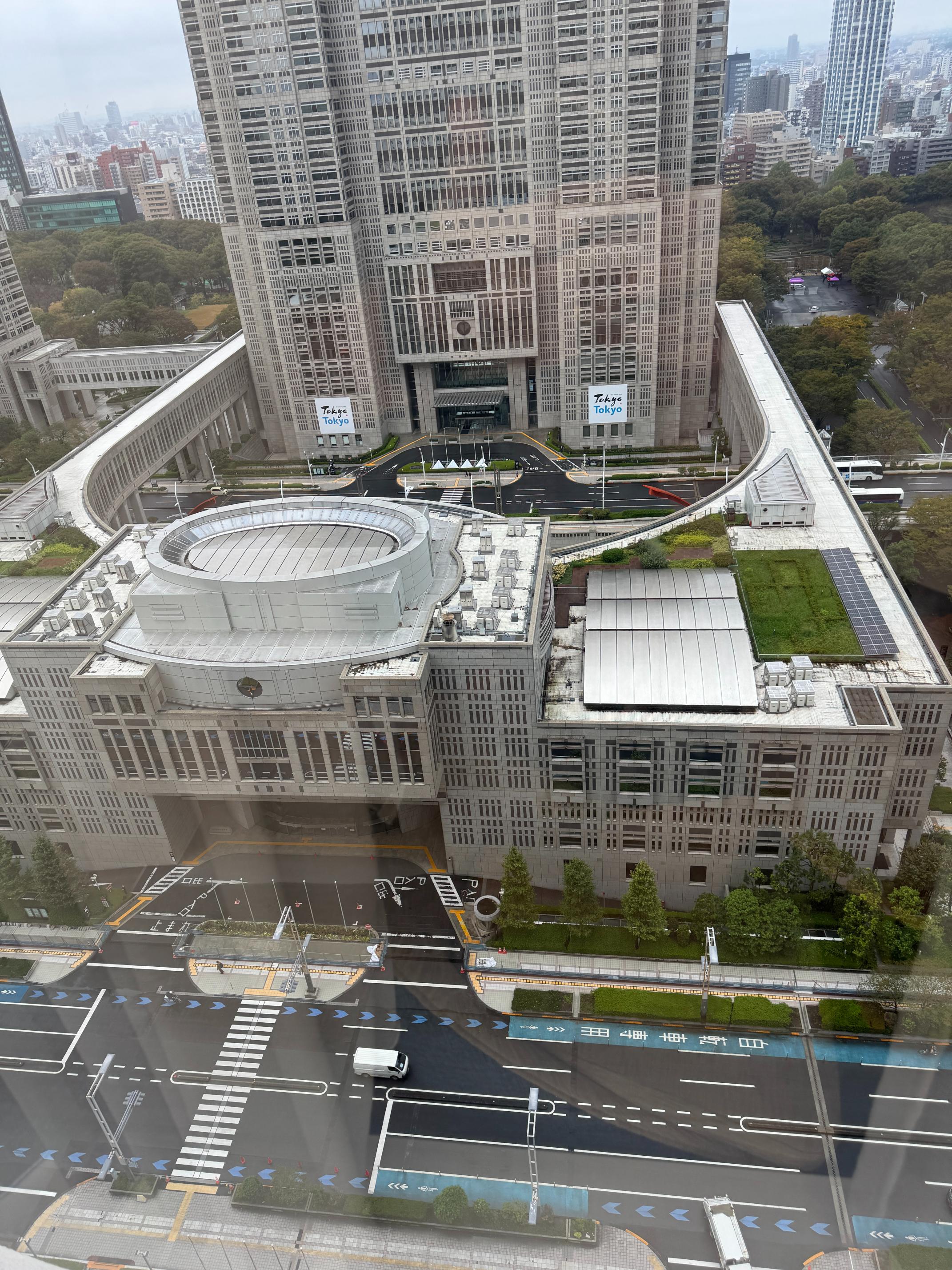
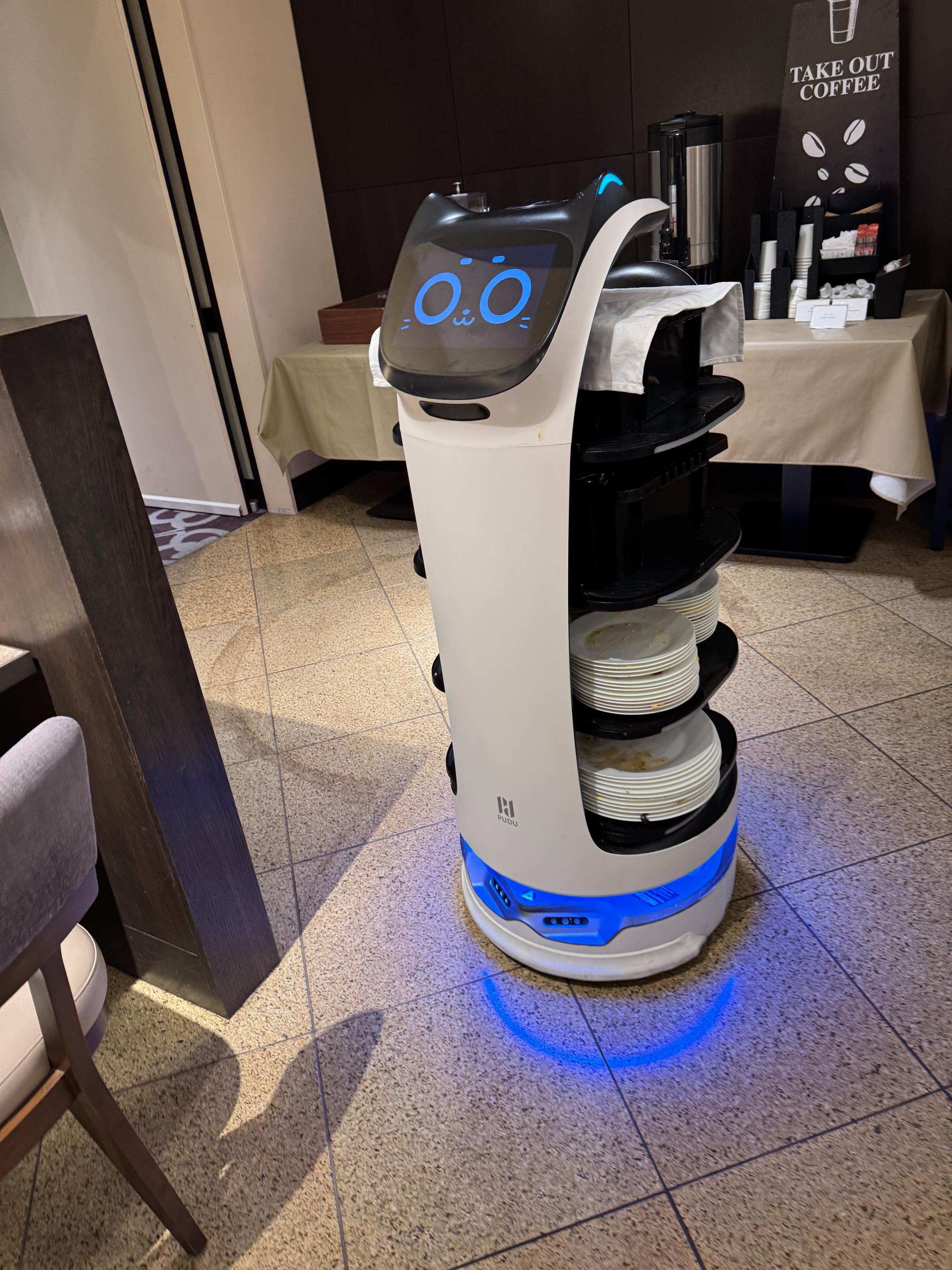
This morning we woke to discover we’re staying in a very large hotel, the Keio Plaza. It has 30 floors. We’re on Level 22, but three of the five elevators are currently undergoing renovation, so it’s often a long wait for a lift and when it comes, it’s crowded. Directly across the road is another huge building with twin towers. Our room is only two doors down from Theresa and Ian, so we met up and went down for breakfast. The breakfast buffet was brilliant, with two distinctly different cuisines – western and Japanese – but one of the two coffee machines was out of order, which made it a long wait for a coffee. There were plenty of friendly staff keeping the tables clean, but the one that took my eye was the robot that kept moving among the tables, always managing to avoid bumping into the patrons. I probably watched something like this on The Jetsons, but never imagined I’d see it in real life.

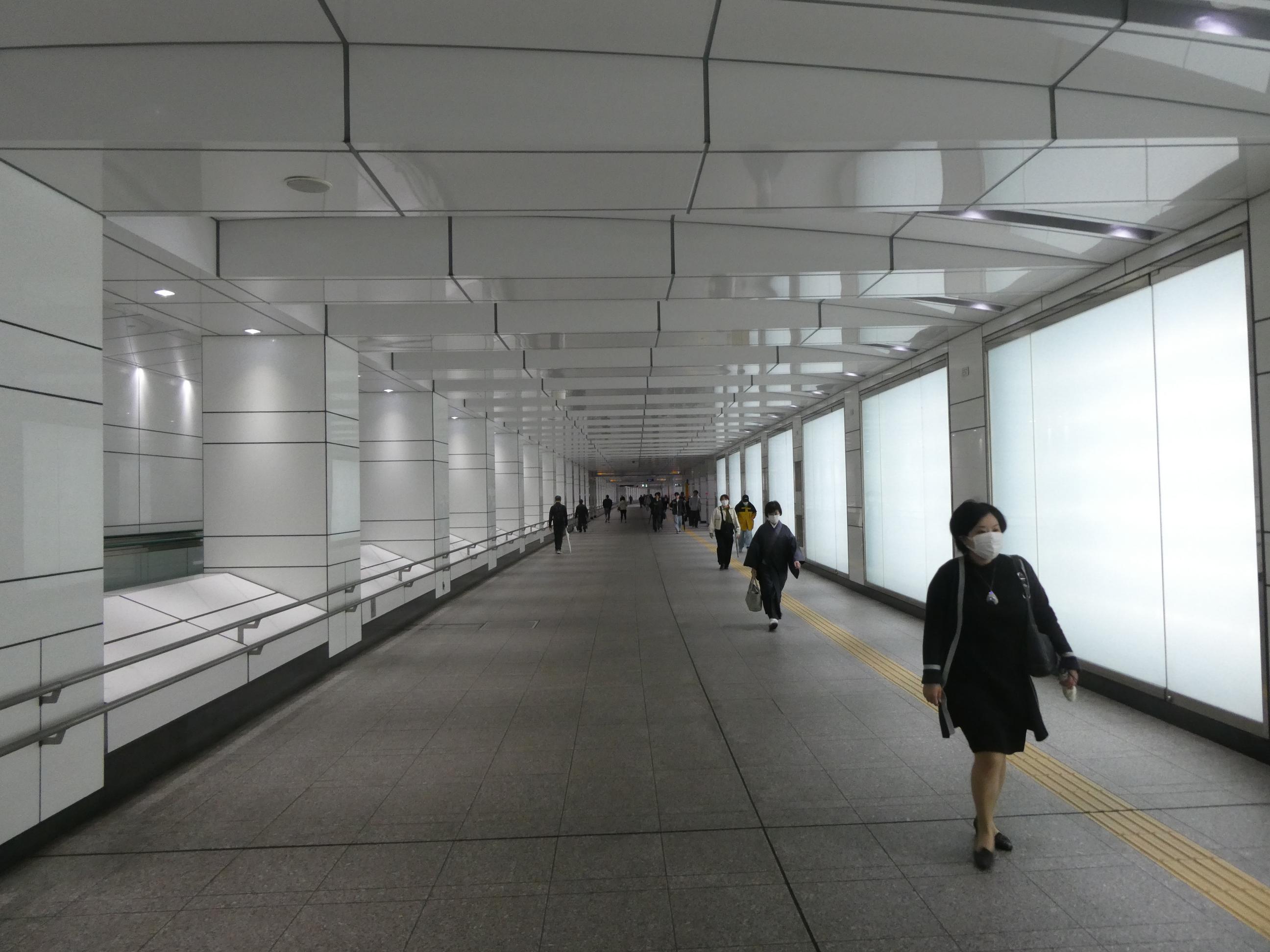
Our itinerary said it was just a seven minute walk to Shinjuku Station from our hotel, and the first part was relatively easy and direct, which was probably a good thing as once we got to the station we had to find the East Gate and that proved a whole lot more challenging. At the station there were signs everywhere, mainly in Japanese characters with English text too, though often in smaller print. But there were so many signs that greeted us and none of them seemed to say East Gate, let alone Go Up the stairs, Go Down the Stairs, Turn left here, This Way and so on. And it took a while to decide what were signs relating to train lines and what were signs relating to locations within the massive railway station. People were coming and going in all directions. We stopped and asked for directions a few times and were often pointed in the general direction but then had to figure it out for ourselves. It was kind of fun, and we weren’t under any time pressure, so it probably took about 10-15 minutes of wandering through the station before we found the ticket office we were looking for.
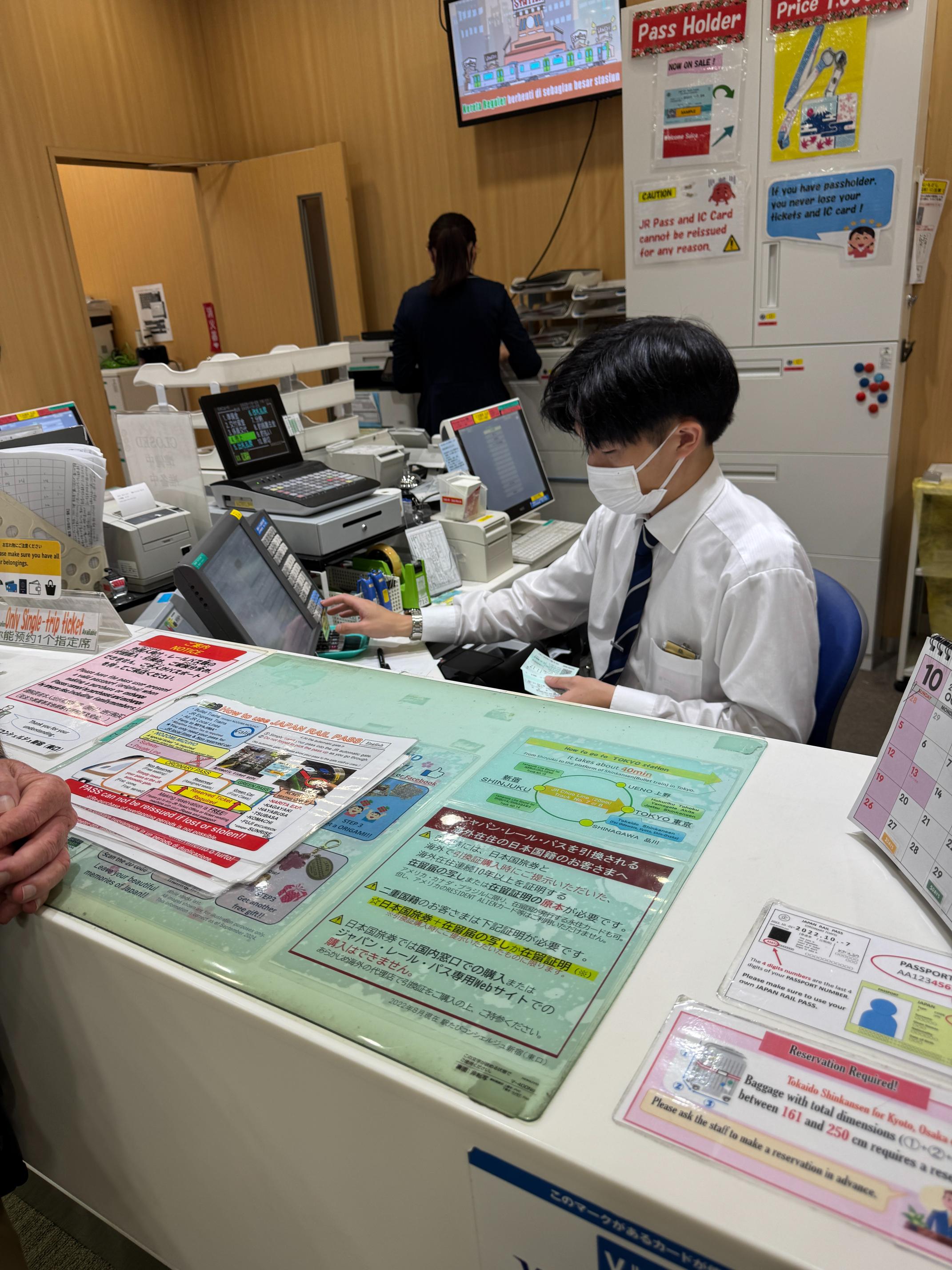
At the ticket office we were very lucky to find a friendly young man who patiently reserved our seats and printed out all of the tickets linked to the many bullet train journeys we’ll be taking over the duration of our 21-day rail passes. We walked away with a great wad of tickets, well satisfied that this was one important job taken care of.
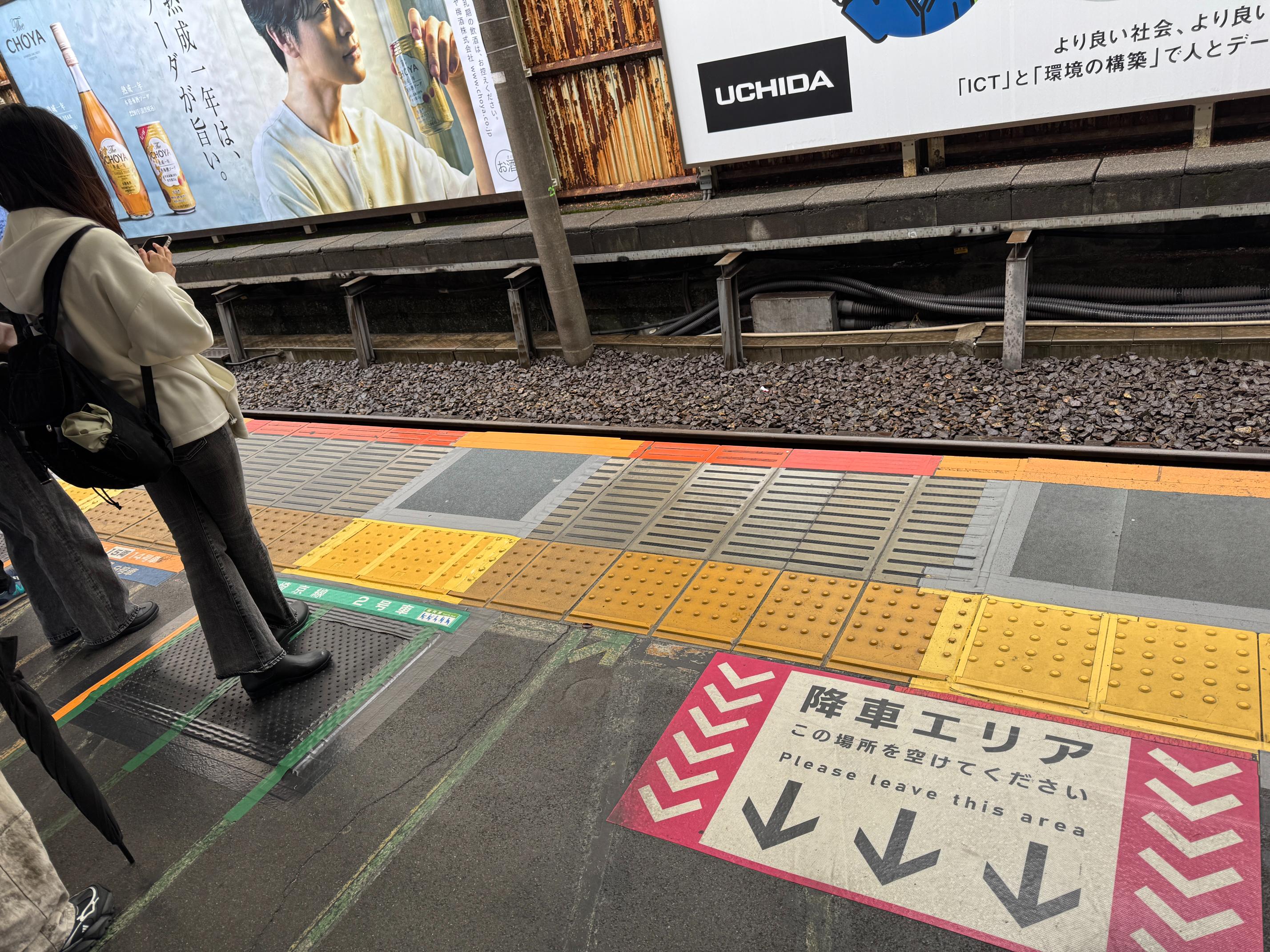
Our next job was to find the right rail line (there are many) to begin our journey south to the seaside town of Kamakura for an afternoon of sightseeing. Once we found the right line and the correct platform, we then became aware that not every train passing through this platform would take us where we wanted to go, so we had to figure out which of the three trains listed on the board would take us to Musashi-Kosugi Station. This was challenging, because although one of the three trains listed on the information board was the correct one, it didn’t list the actual stations along the line. Once again we sought help from someone wearing a uniform and were told which was the right train, which in this case was the next one coming through on the left hand side of the platform. When this train was listed on the board it had a blue square next to it, whereas other trains on this platform had different colour codes, so then it became clear that we had to find the blue spaces on the platform and line up there to board the train. The doors always opened where the platform markings indicated. We watched a flood of people leave the train via the red marked space before we were able to enter the carriage. It was good to finally board the train, knowing we were on the right one. We learned quite a few things about making sense of Japanese stations and trains this morning. I’m sure it will serve us well over the next three weeks.
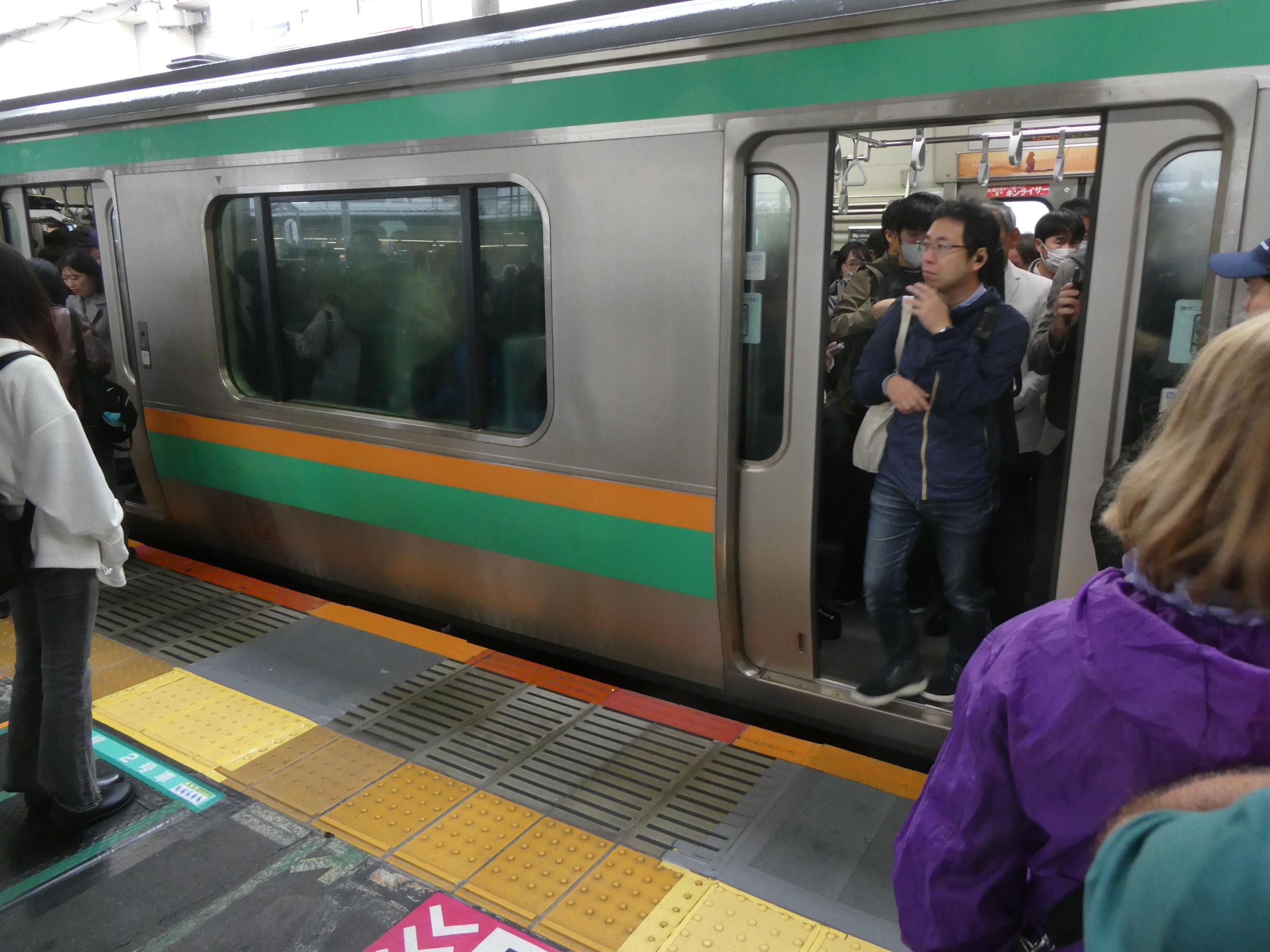

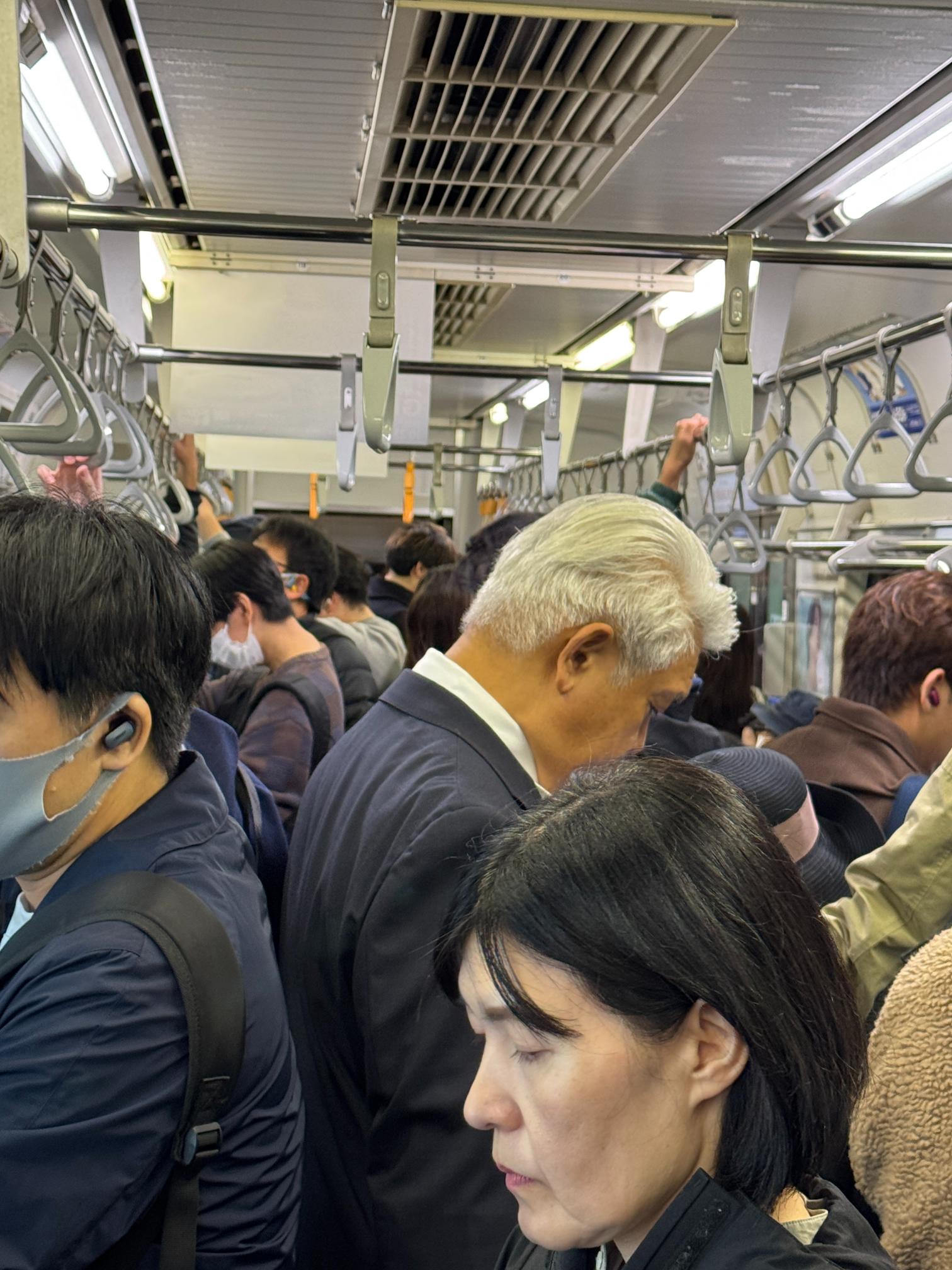
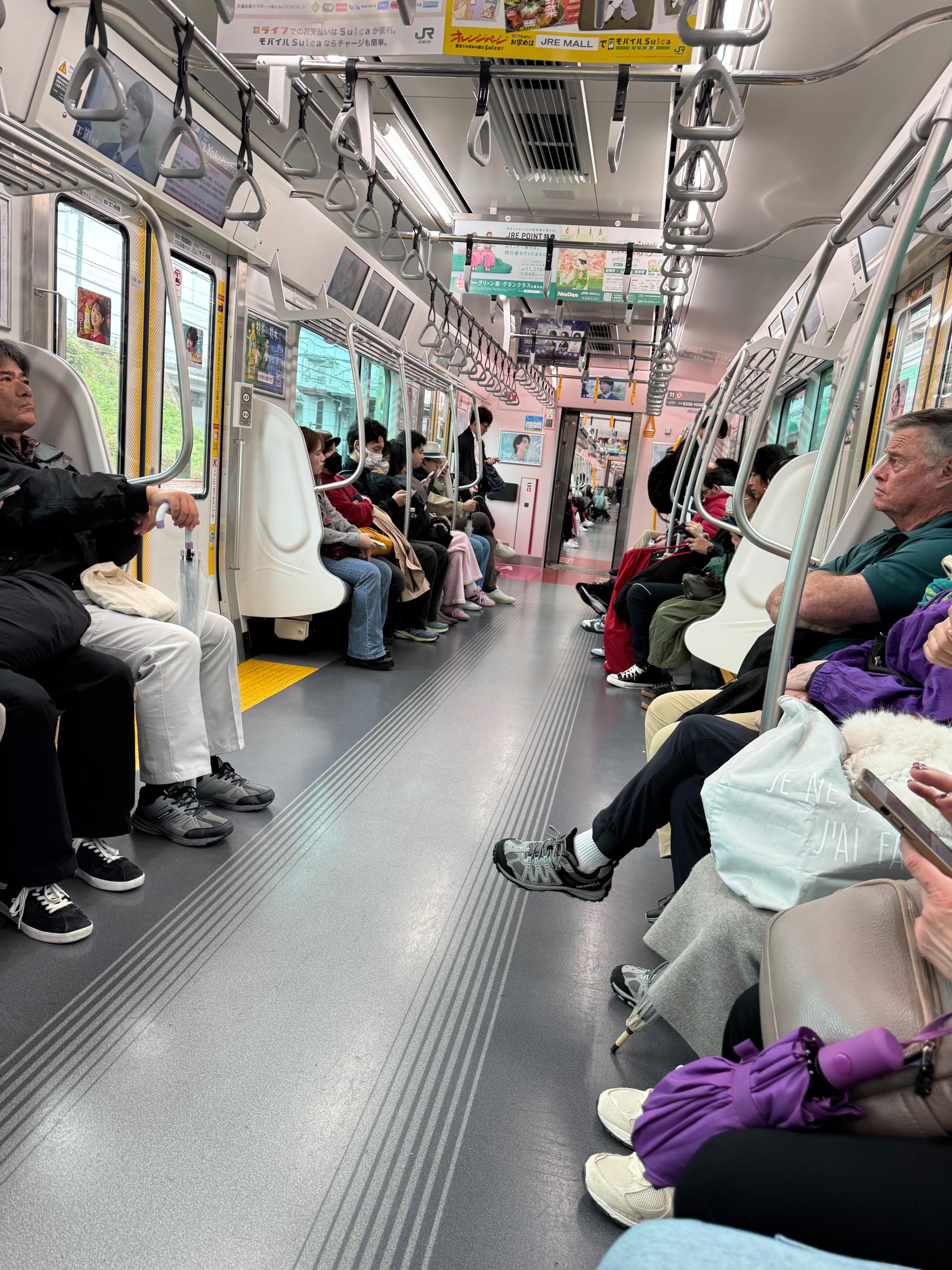
Some sections of the line were quite busy, then many people would vacate the train at busy stations and we’d have a relatively empty carriage again for one or two stops. After twenty minutes on the first train, we changed at Musashi-Kosugi and caught another train on a different line for the 38-minute journey to Kamakura. We knew what we were doing (sort of) by the time we caught the second train, so we handled that one with a minimum of fuss. It certainly helped to have four pairs of eyes looking out for signs in English that pointed the way.
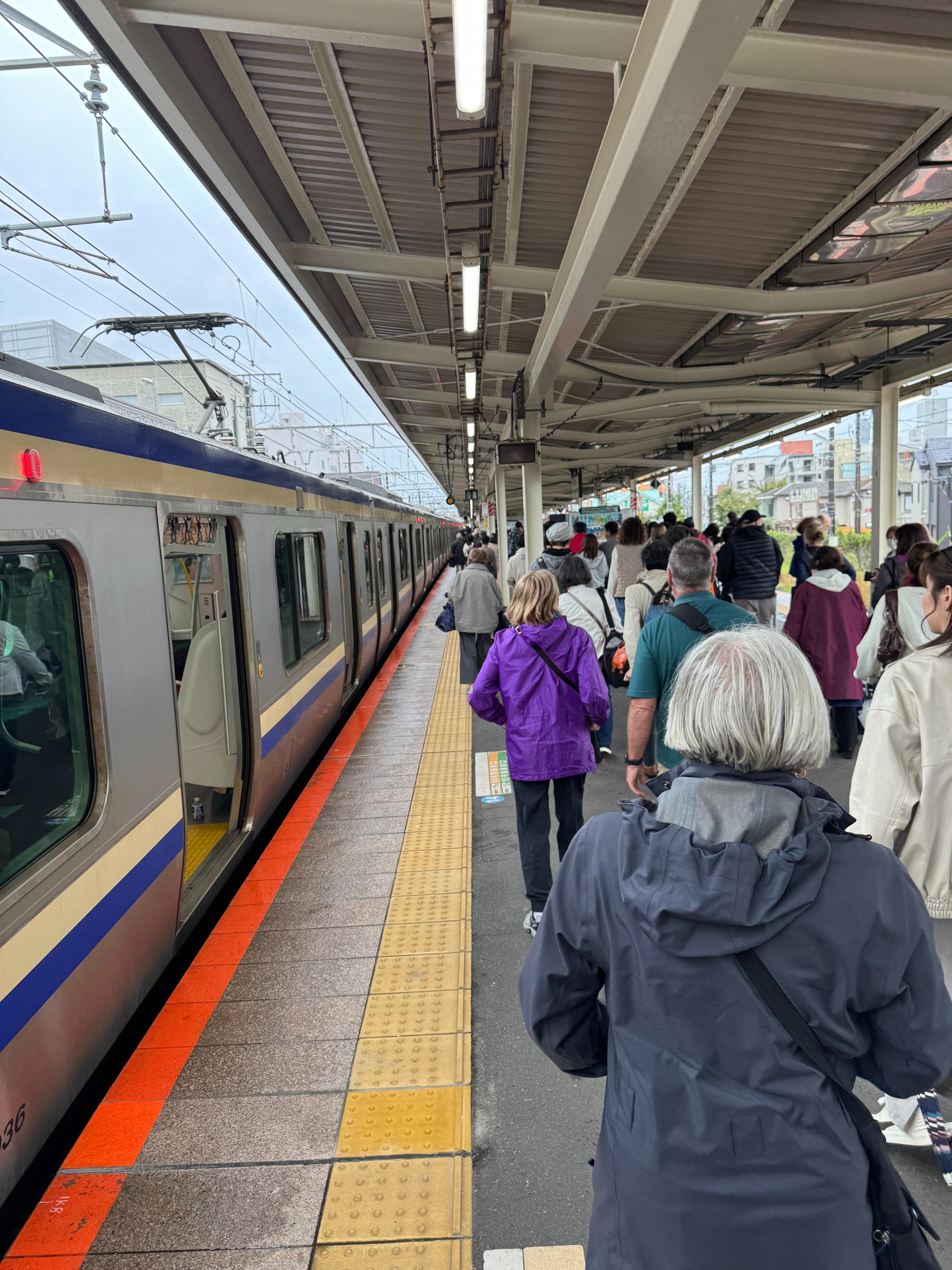
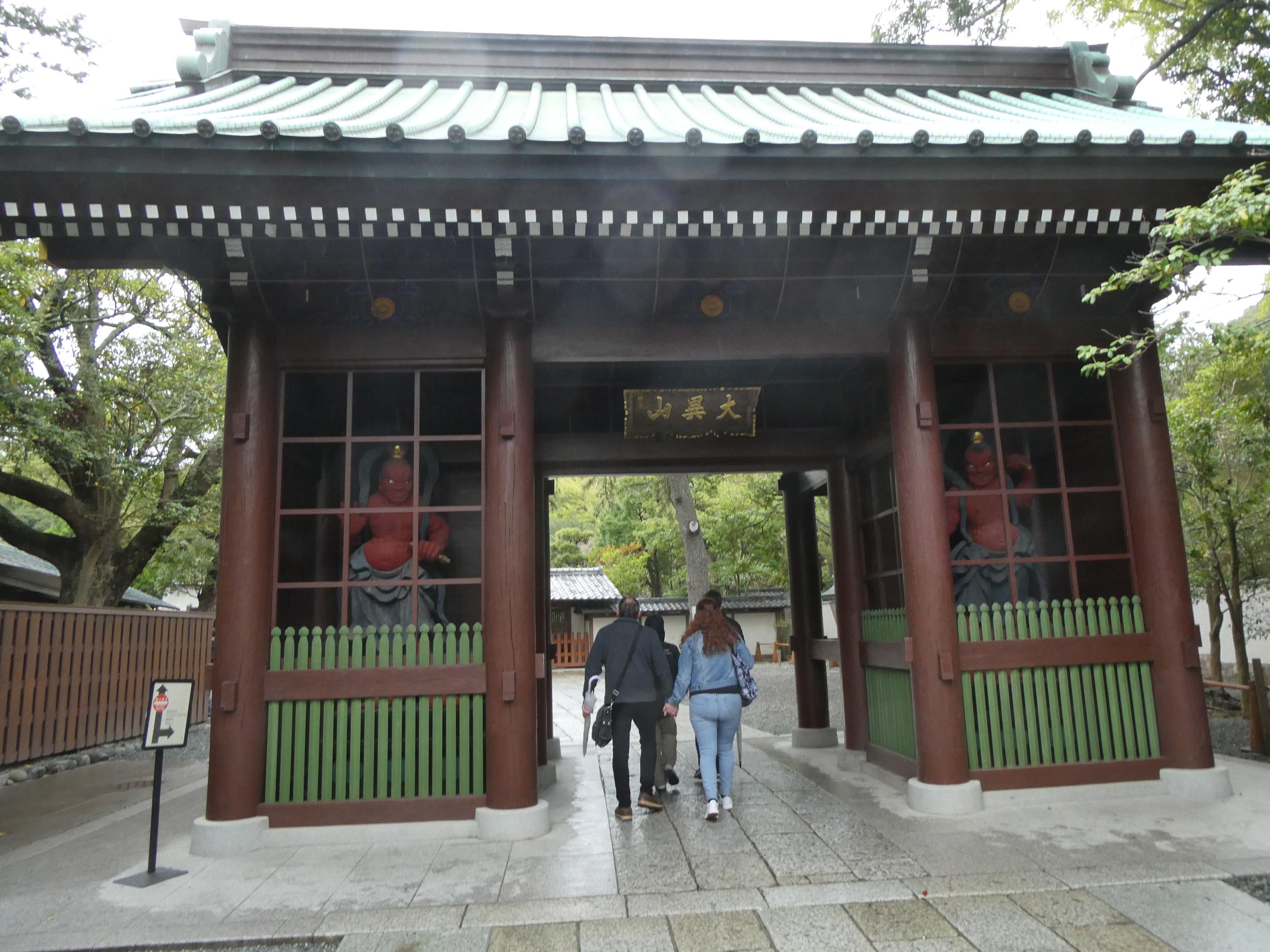
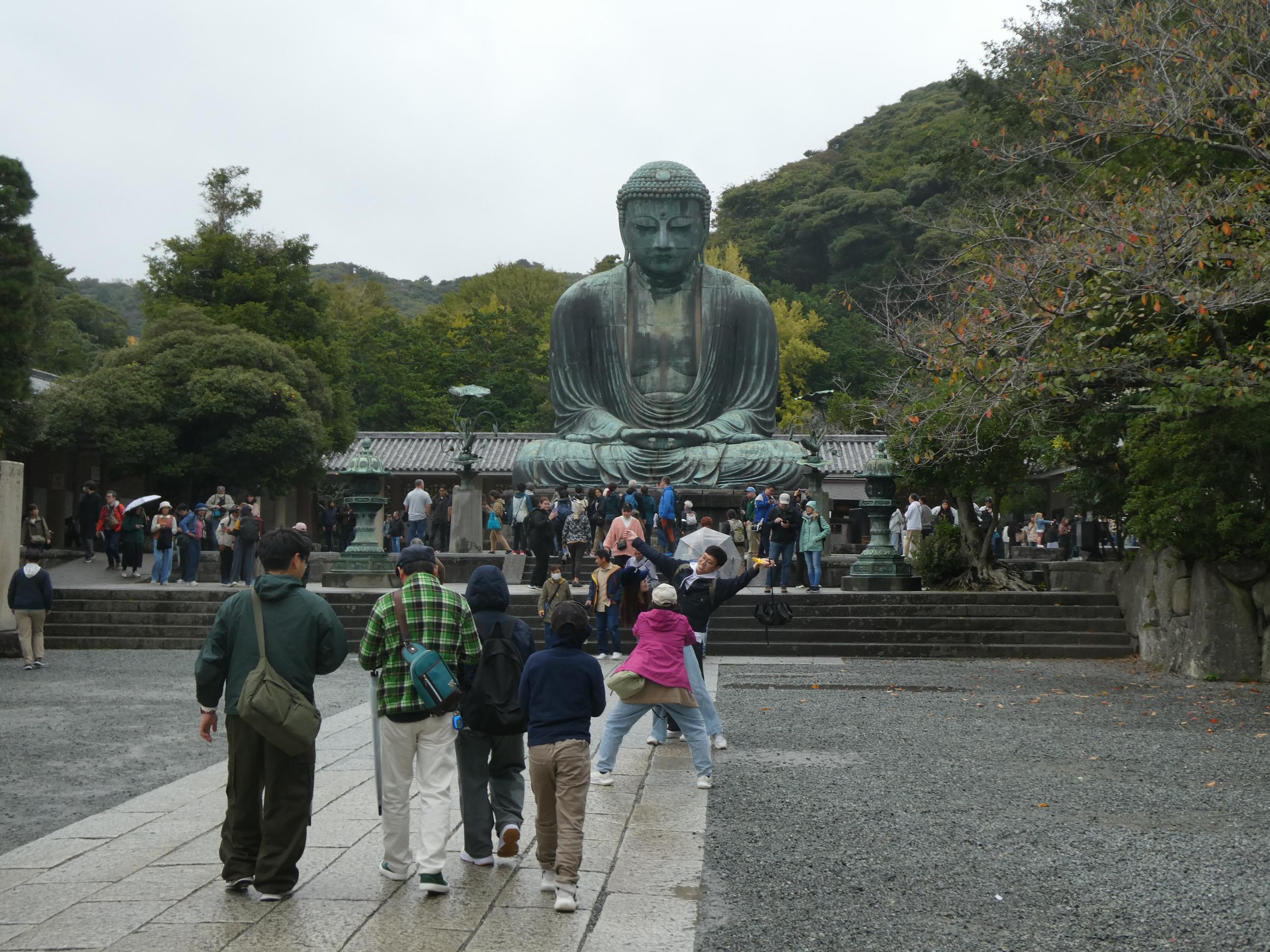
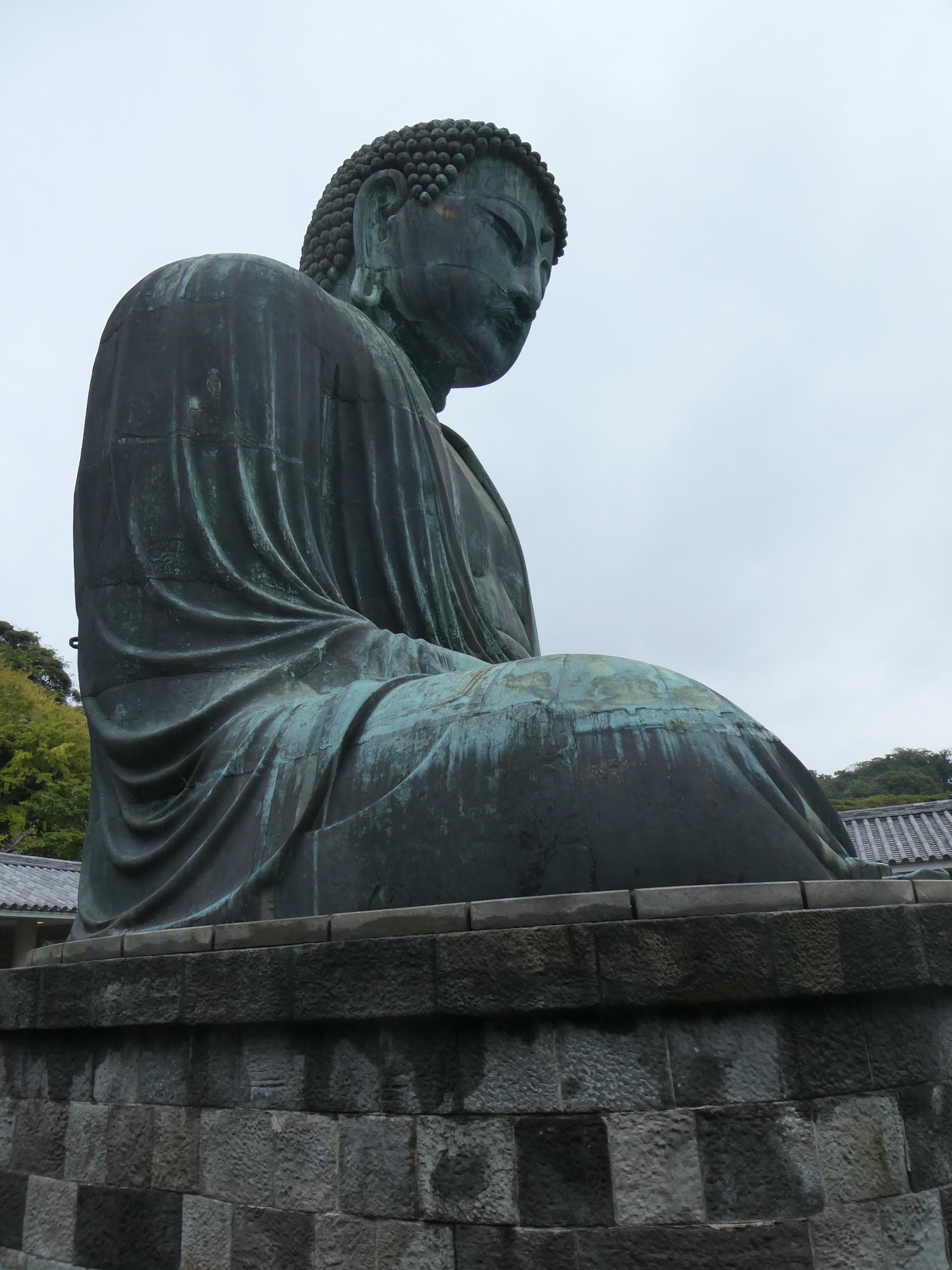
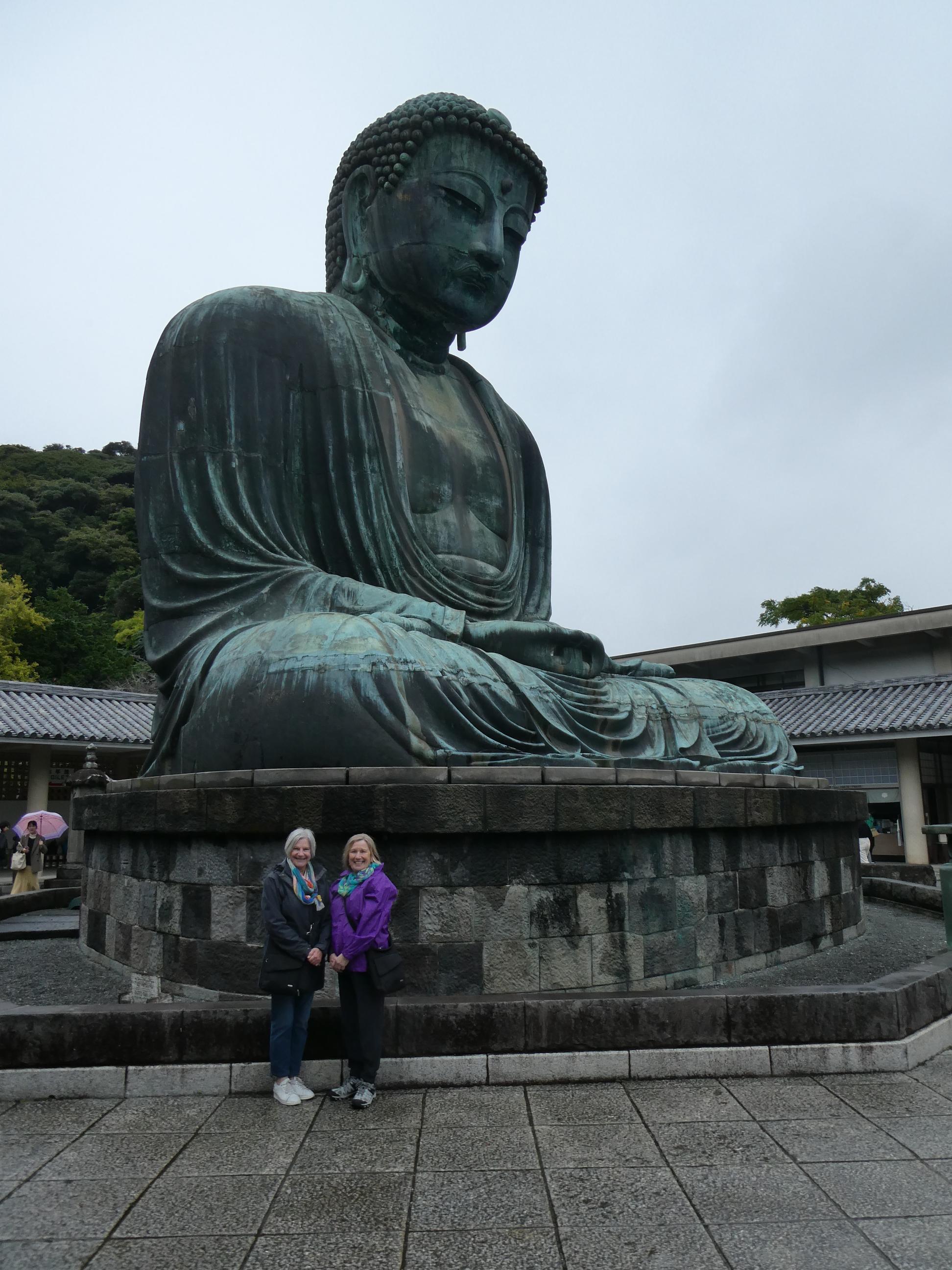
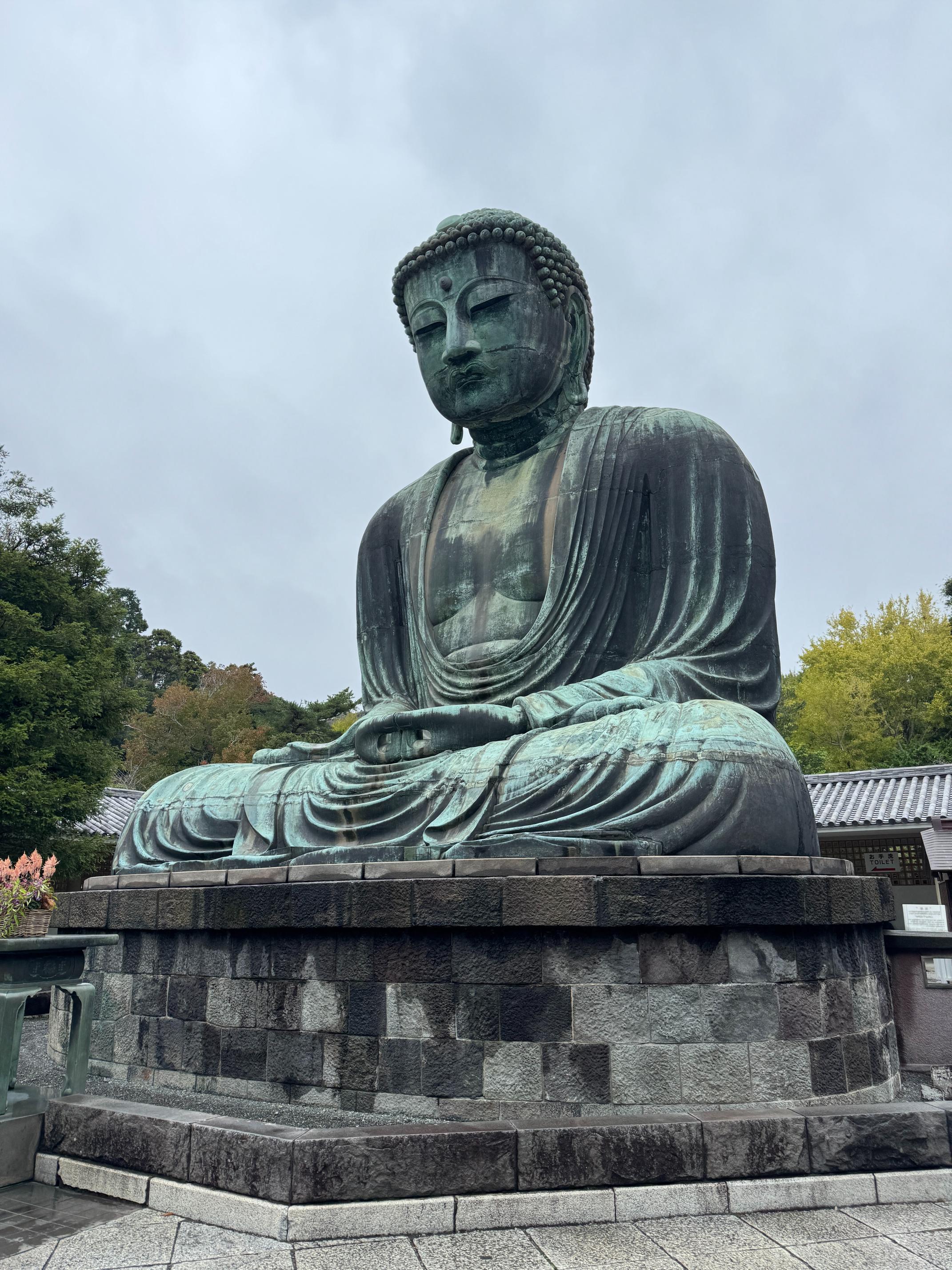
The notes in our itinerary describe Kamakura as a popular sightseeing destination, famous for a number of temples, shrines and beautiful gardens. It was once the capital of Japan from the 12th to 14th centuries. It was after midday when we arrived, and it looked like a relatively big town, so it was clear we couldn’t possibly cover all the attractions listed in the itinerary. We decided that the Great Buddha might be a good place to begin our exploration of Japanese heritage and culture. It was a couple of kilometres’ walk from the station, and we missed a turn at one point, but a friendly cyclist realised what we’d done, stopped us, and said, ‘No, no, Buddha is this way’. Soon after that we were standing before Buddha, gazing up at him in awe. At least I was. He’s over 13 metres high in his seated pose, looking both imposing and serene at the same time. He radiates a sense of peace and calm. It’s a pity it was raining and the sky was gloomy. I would have liked to photograph him beneath a bright blue sky. There were quite a few tourists gathered before Buddha, taking selfies or adopting typical ‘look at me’ poses while their friends snapped away on their phones. Marg and Theresa posed for me to take their photo, but thankfully in a way I think was respectful of the Buddha and what he represents.
Shortly after leaving the Great Buddha we chanced upon a small dining establishment down a side alley that offered paninis and pretty much nothing else except drinks. Fair enough, it’s not Japanese fare, but they were delicious. Worth looking out for if ever you’re needing a bite of lunch in Kamakura.

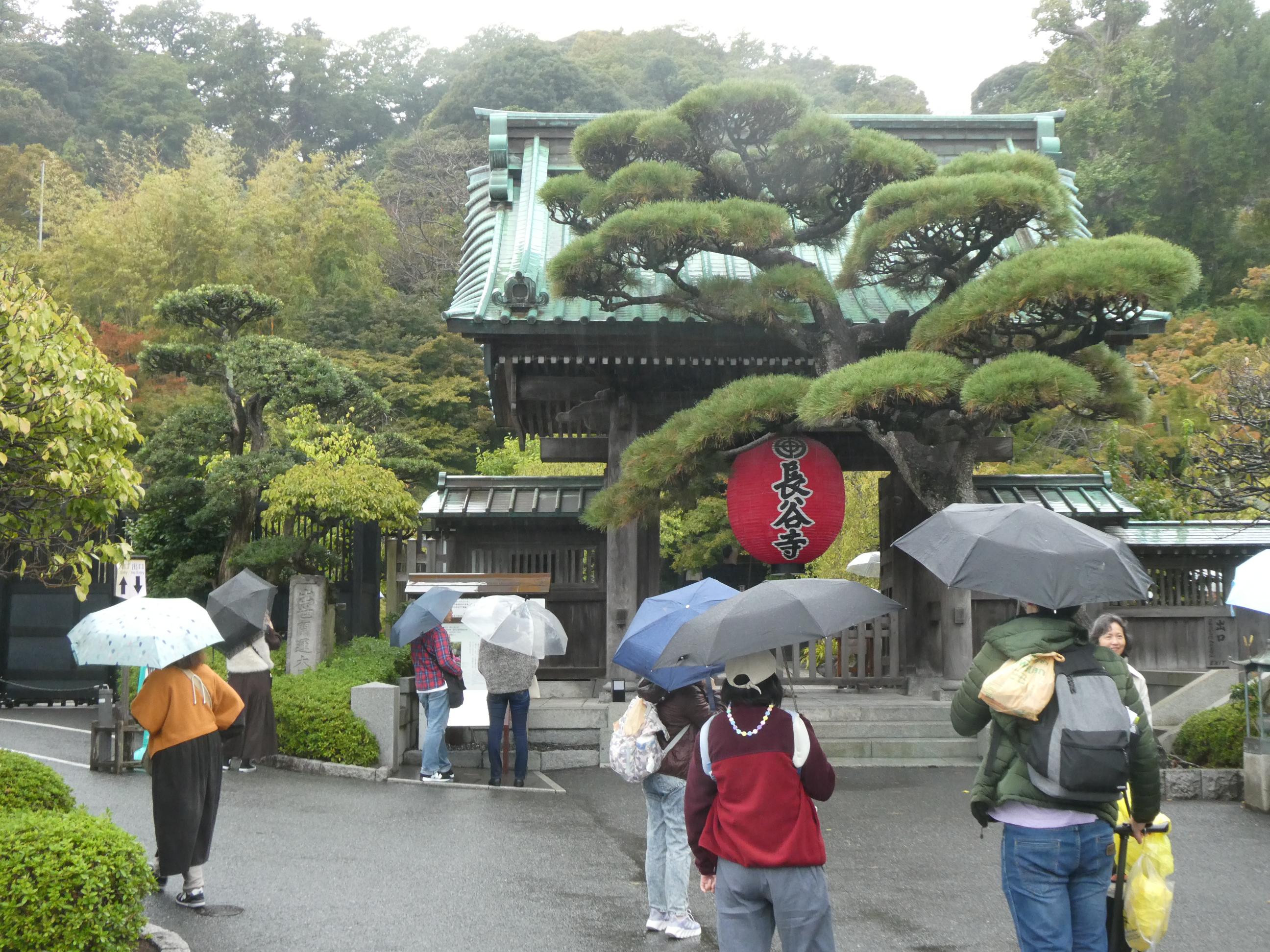
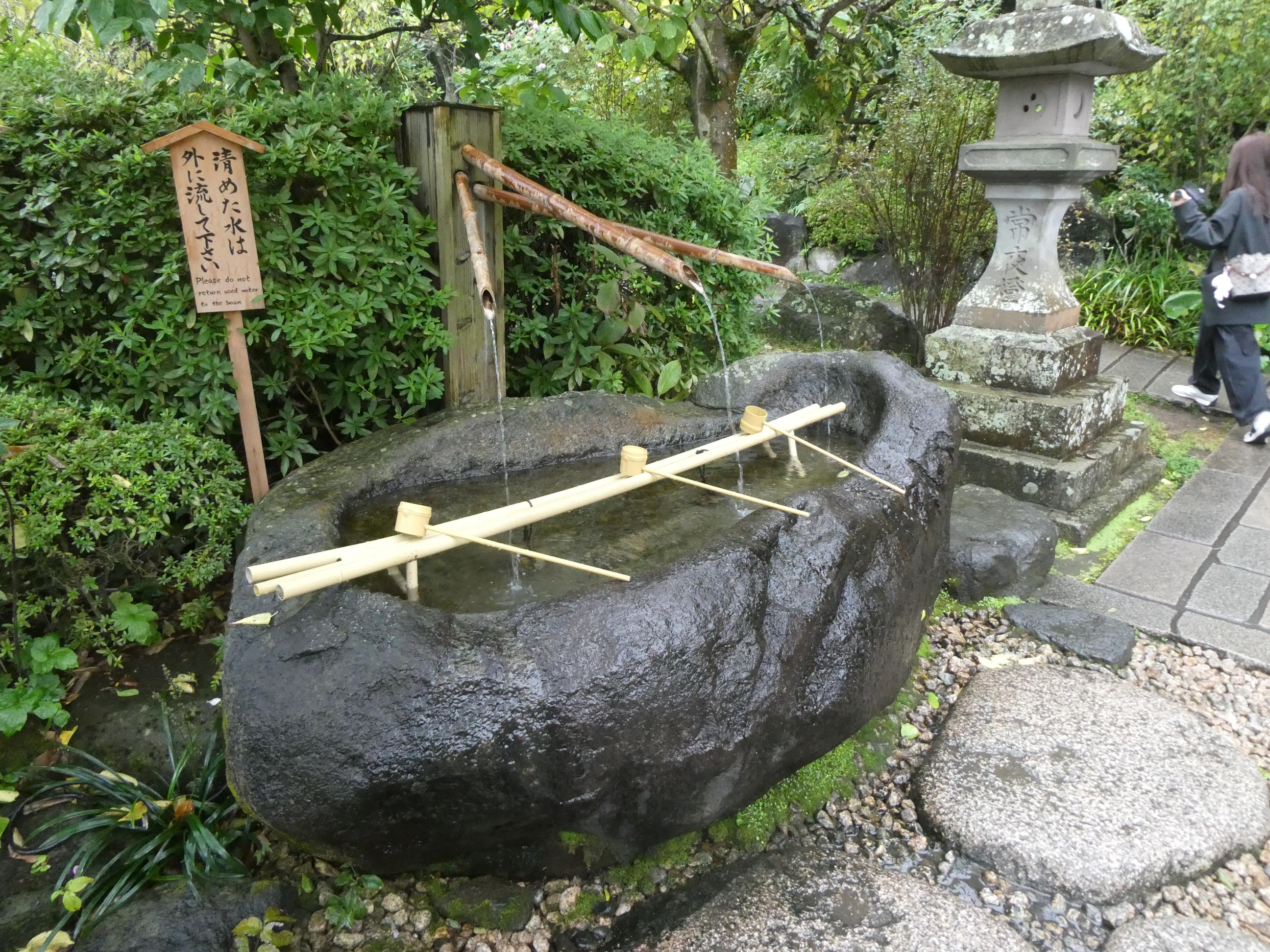
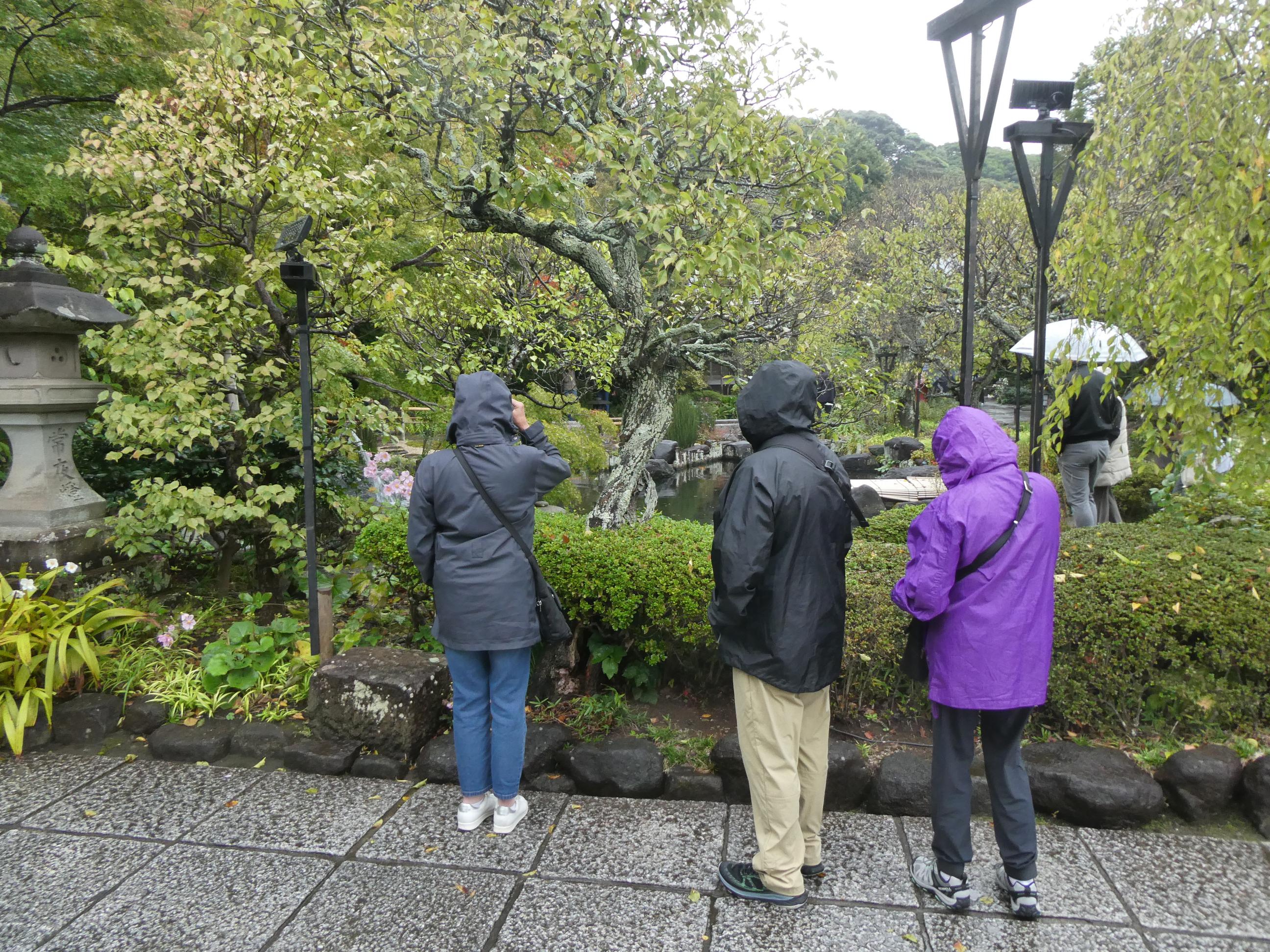
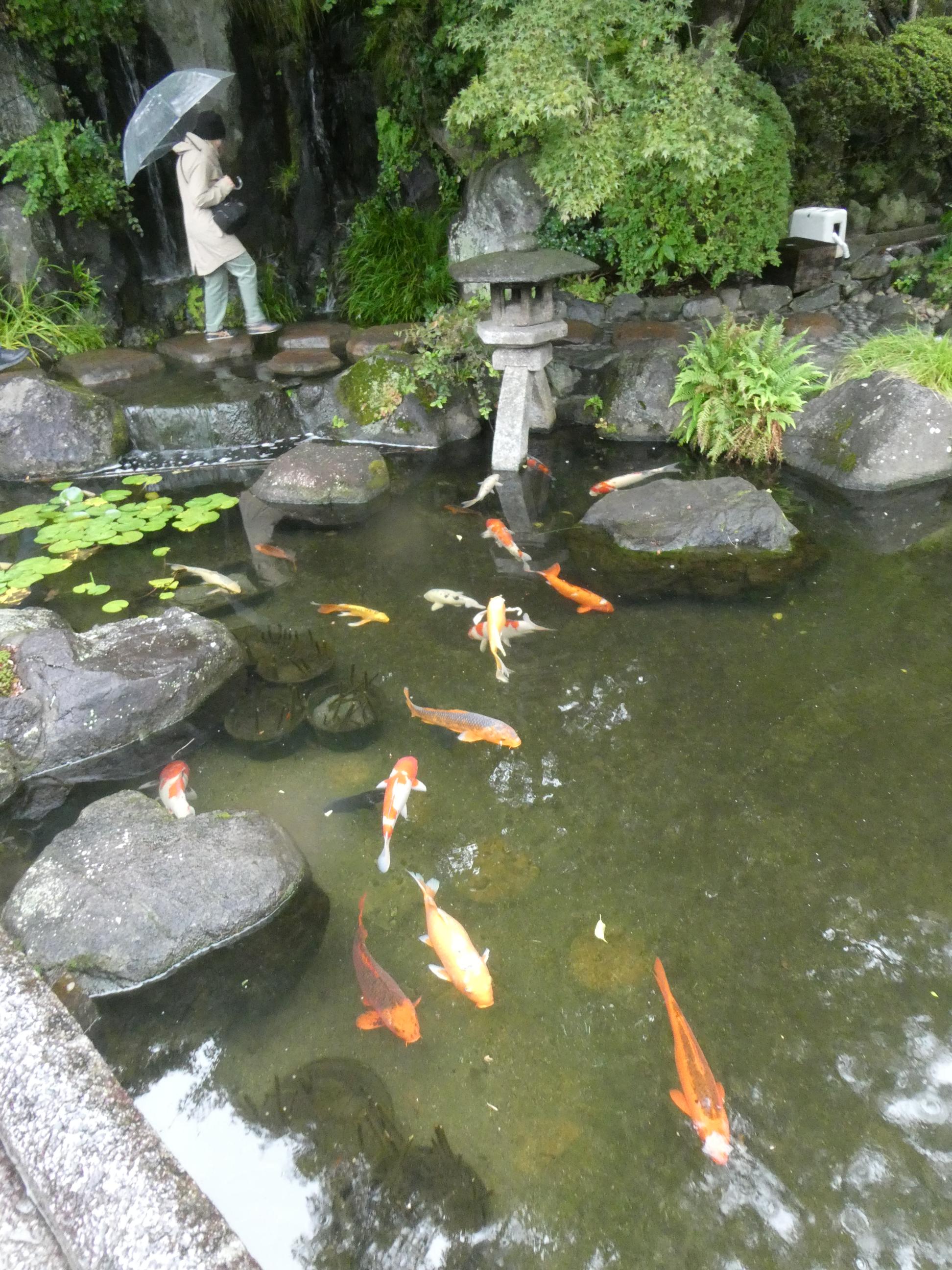
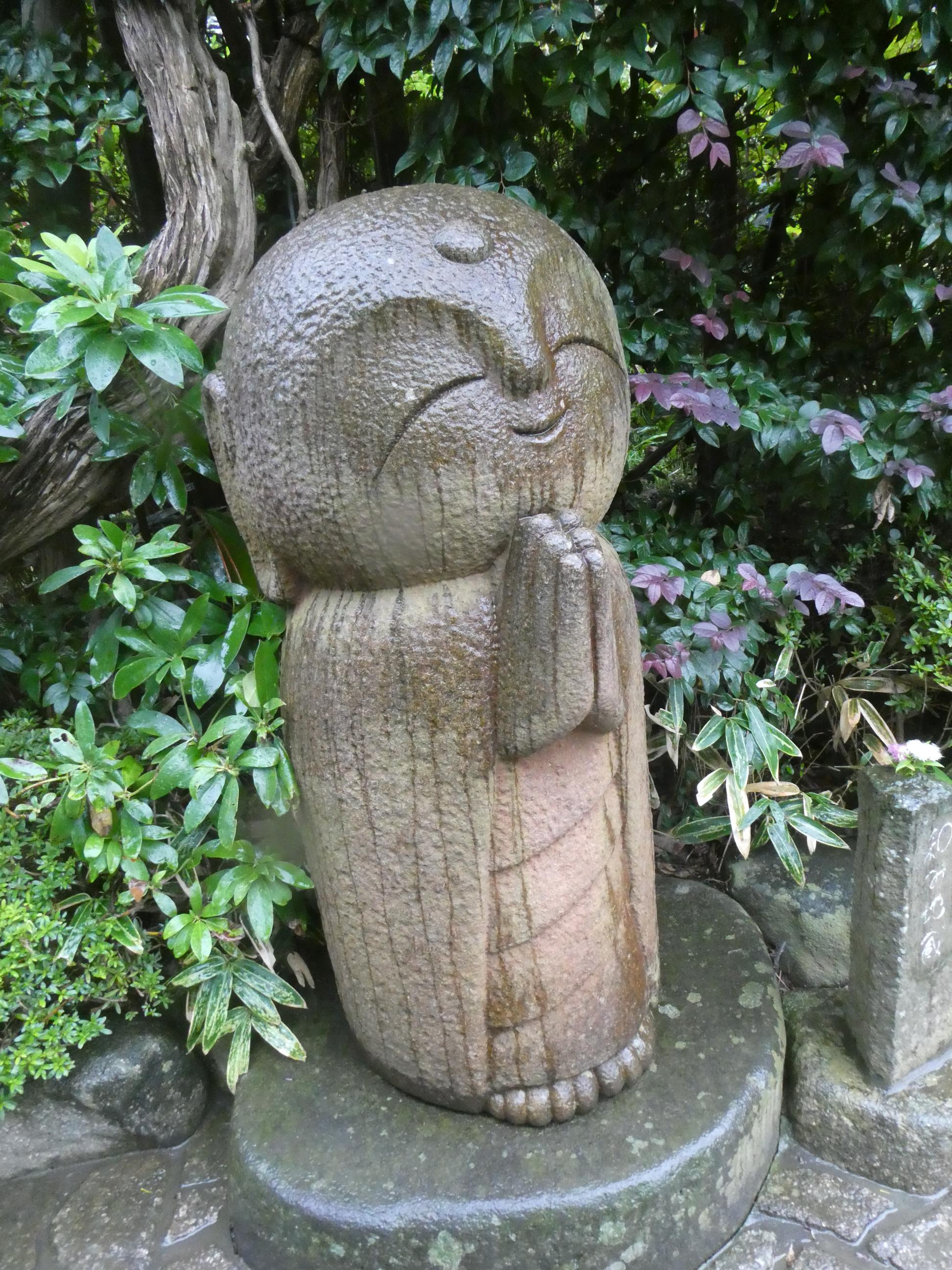
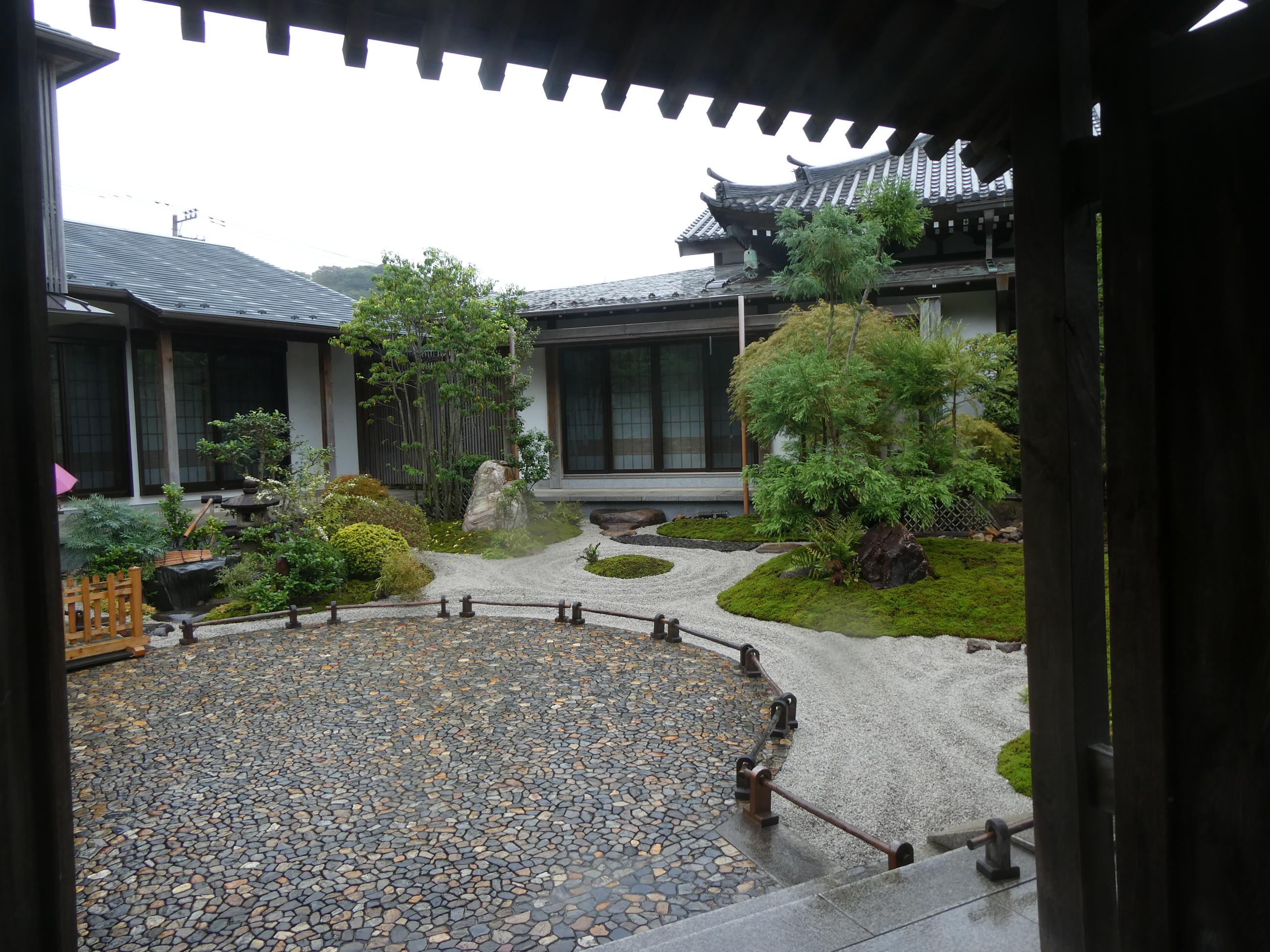
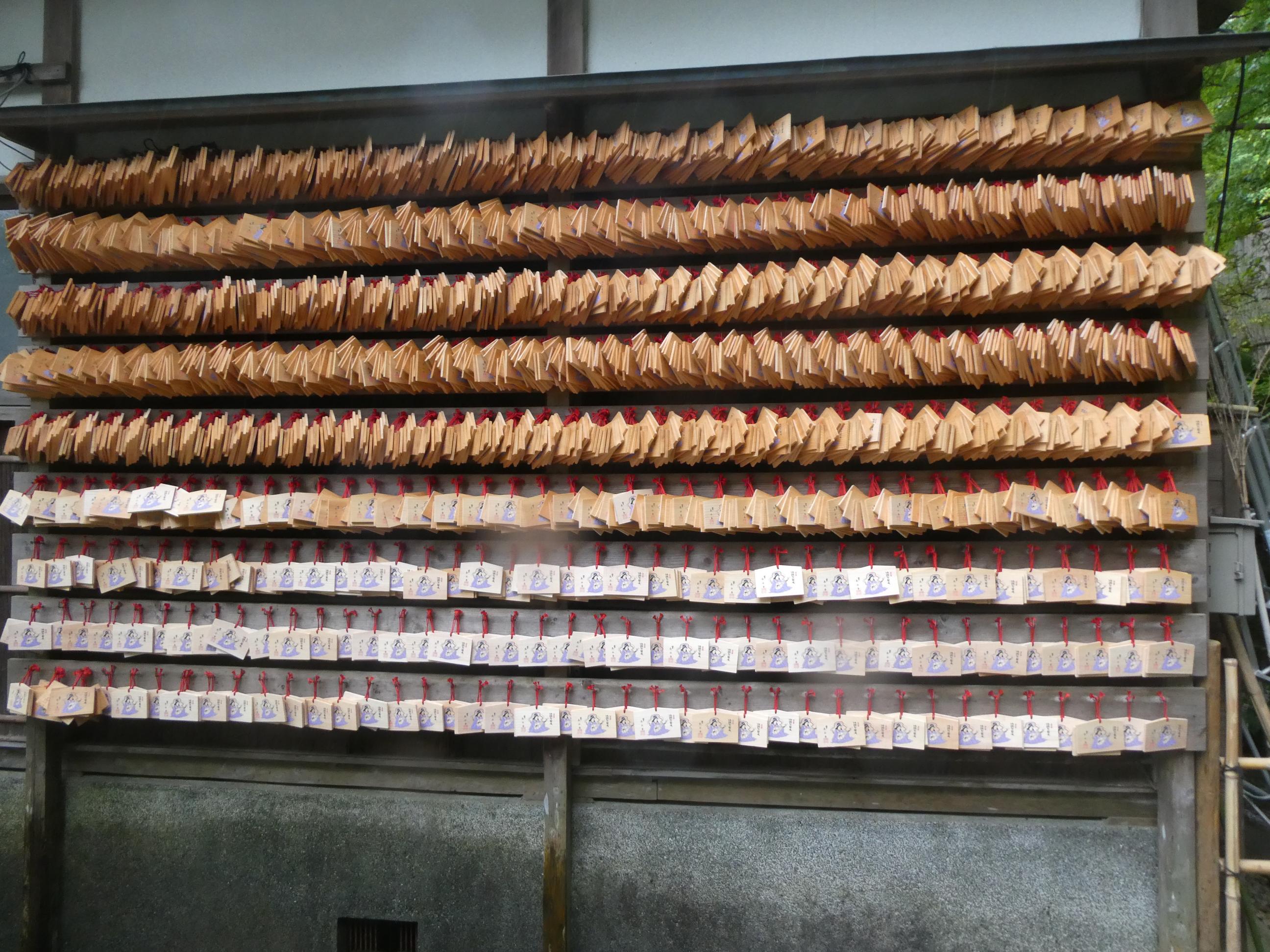
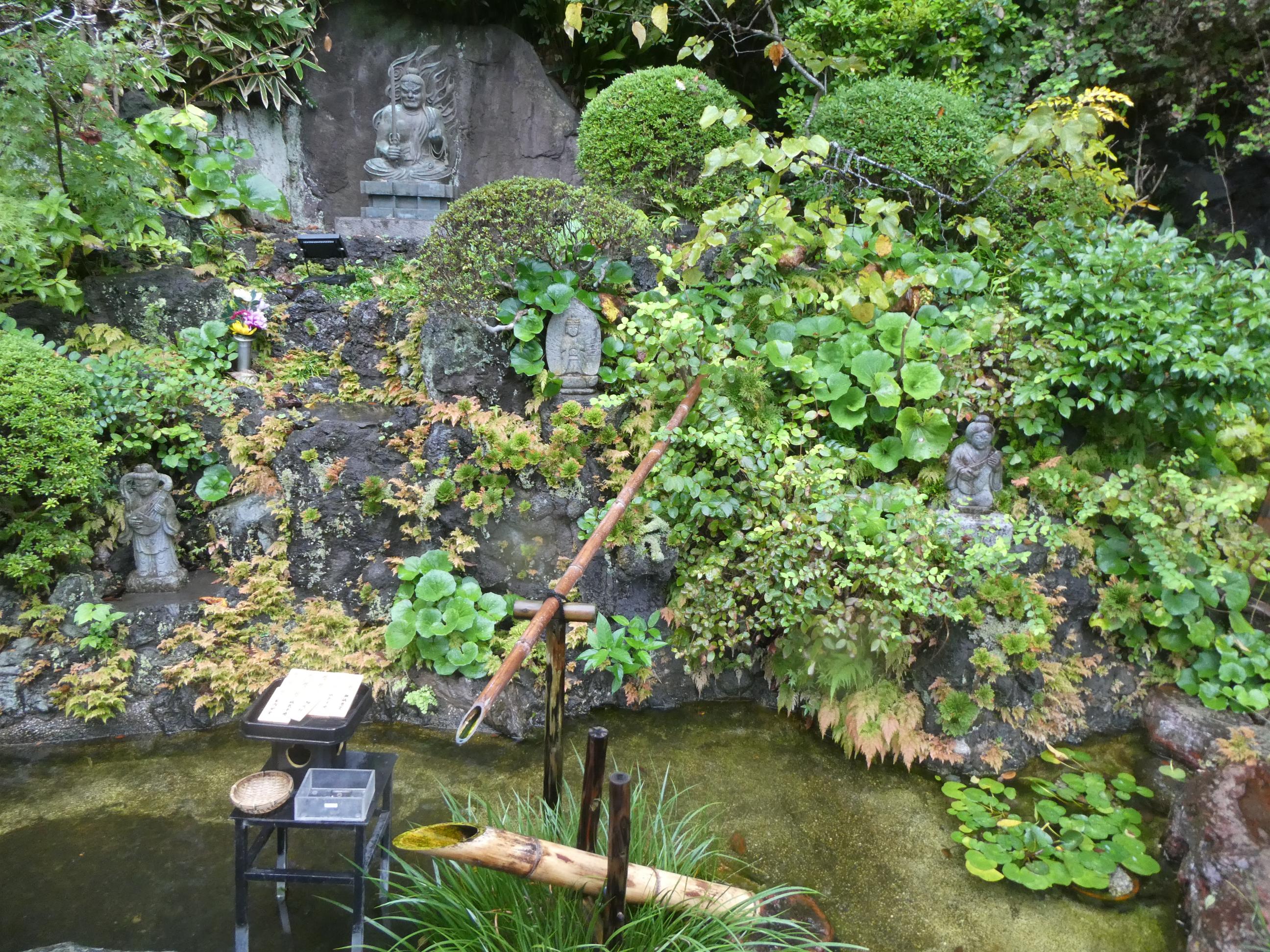
Not too far down the road was the Hasedera Temple. This is also a place where the Buddha is venerated. The setting is simply stunning. As the wandering paths climb the hillside, you walk through beautiful Japanese gardens featuring manicured trees and shrubs and a large variety of flowering plants. Colourful koi fish swim in large pools. From time to time you come across a small shrine with maybe an inscribed pillar or perhaps a sculpture or even sometimes a row of small figurines. In some places people lit candles, left offerings or even wrote messages for the Buddha. Inside the large temple stood a very impressive 9-metre high wooden statue of the 11-headed goddess Kannon. You’ll have to imagine what she looked like, as photography inside the temple was not permitted. I really enjoyed visiting this place. Once again, I think it would look stunning on a dry, sunny day, although the rain on the gardens certainly brought out the colours of the flowers and shrubs.
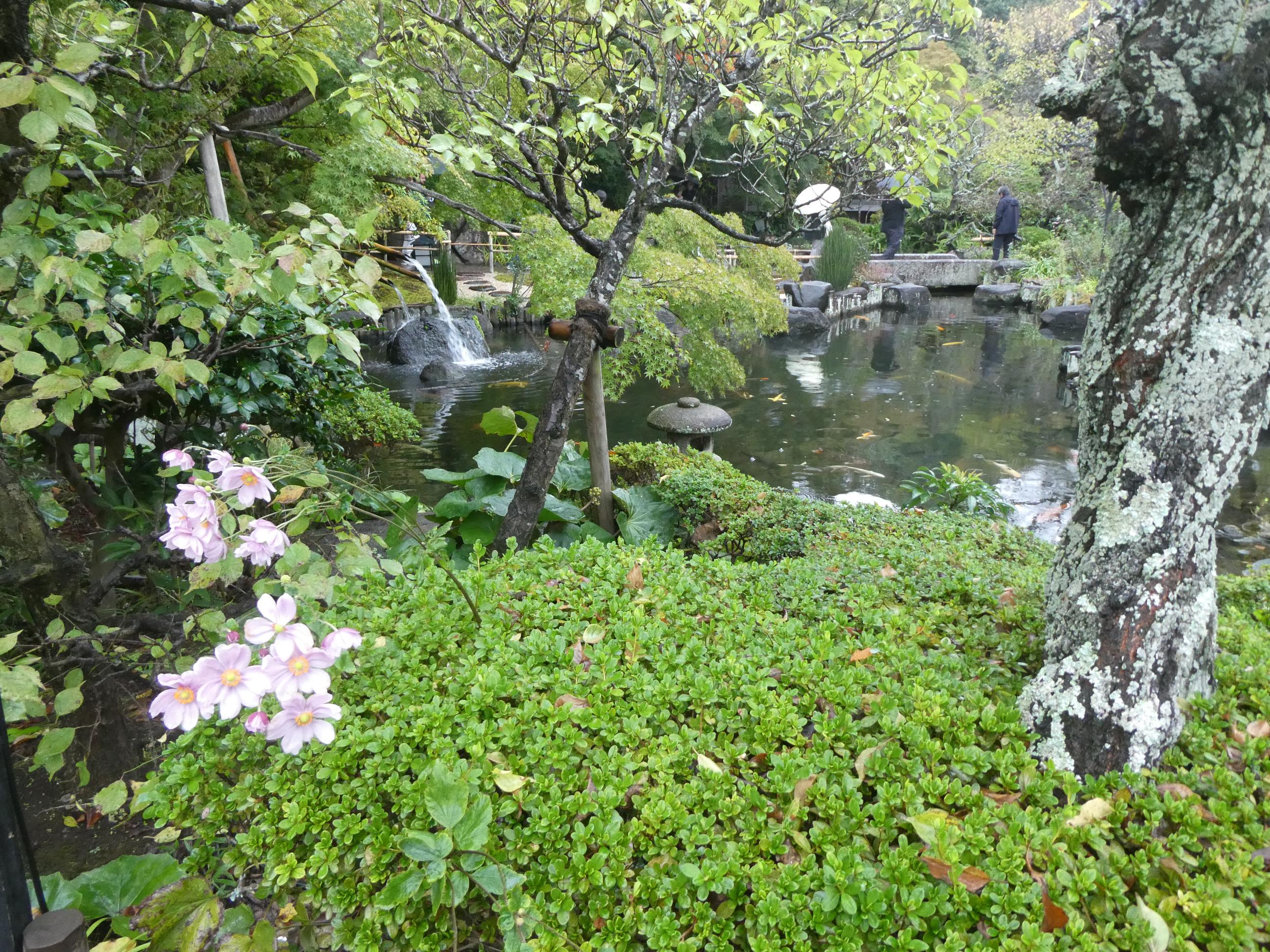
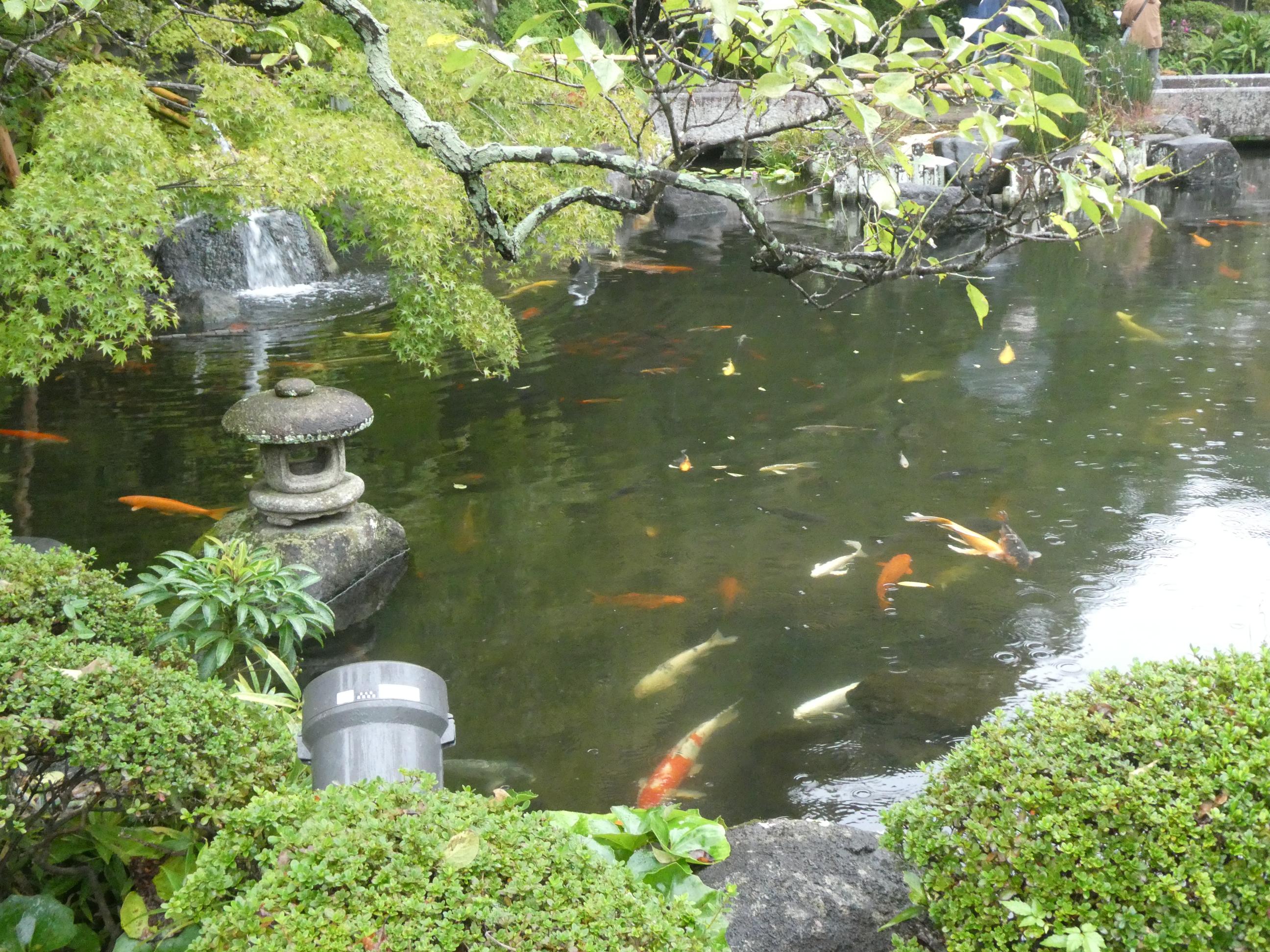
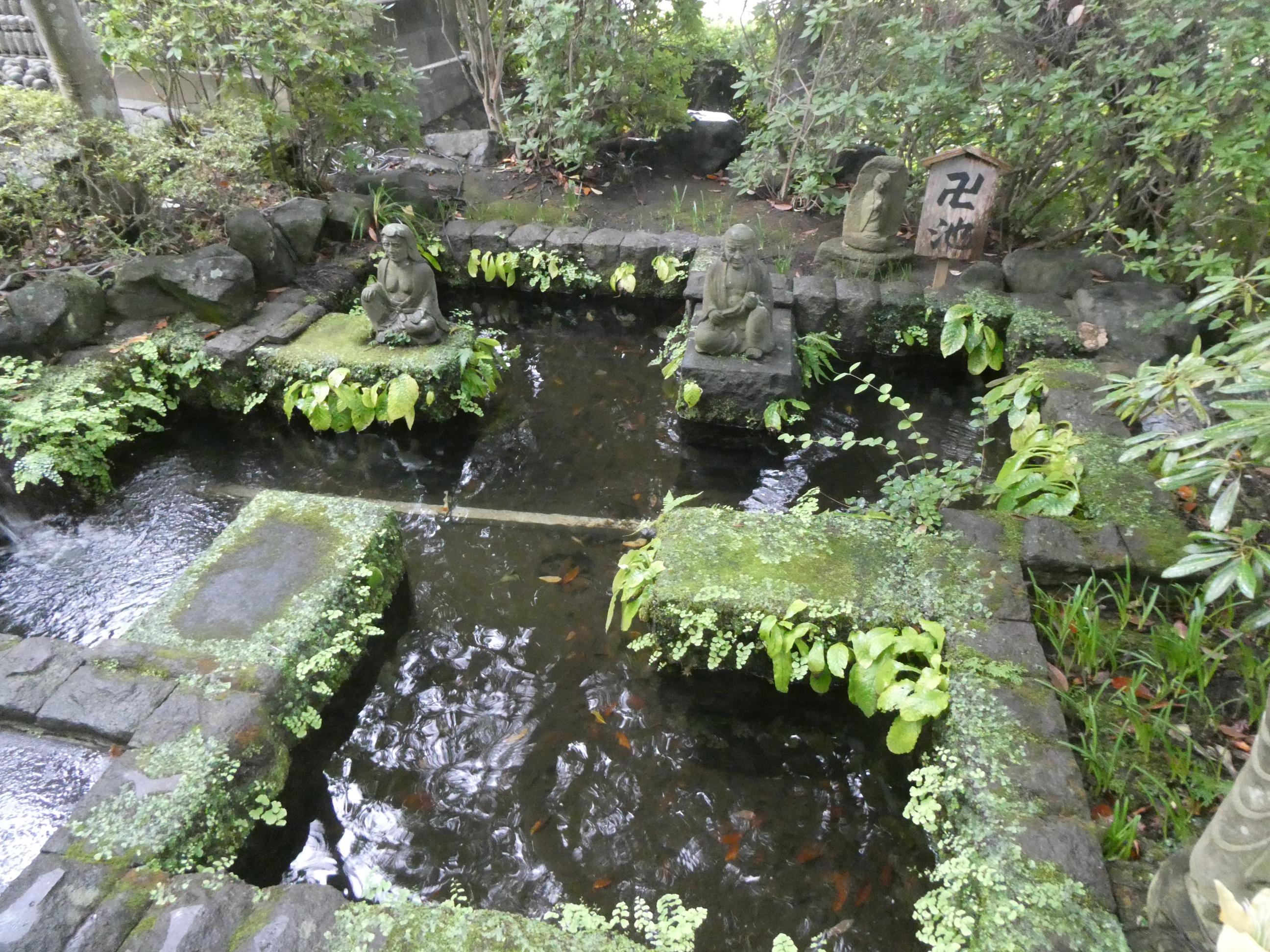
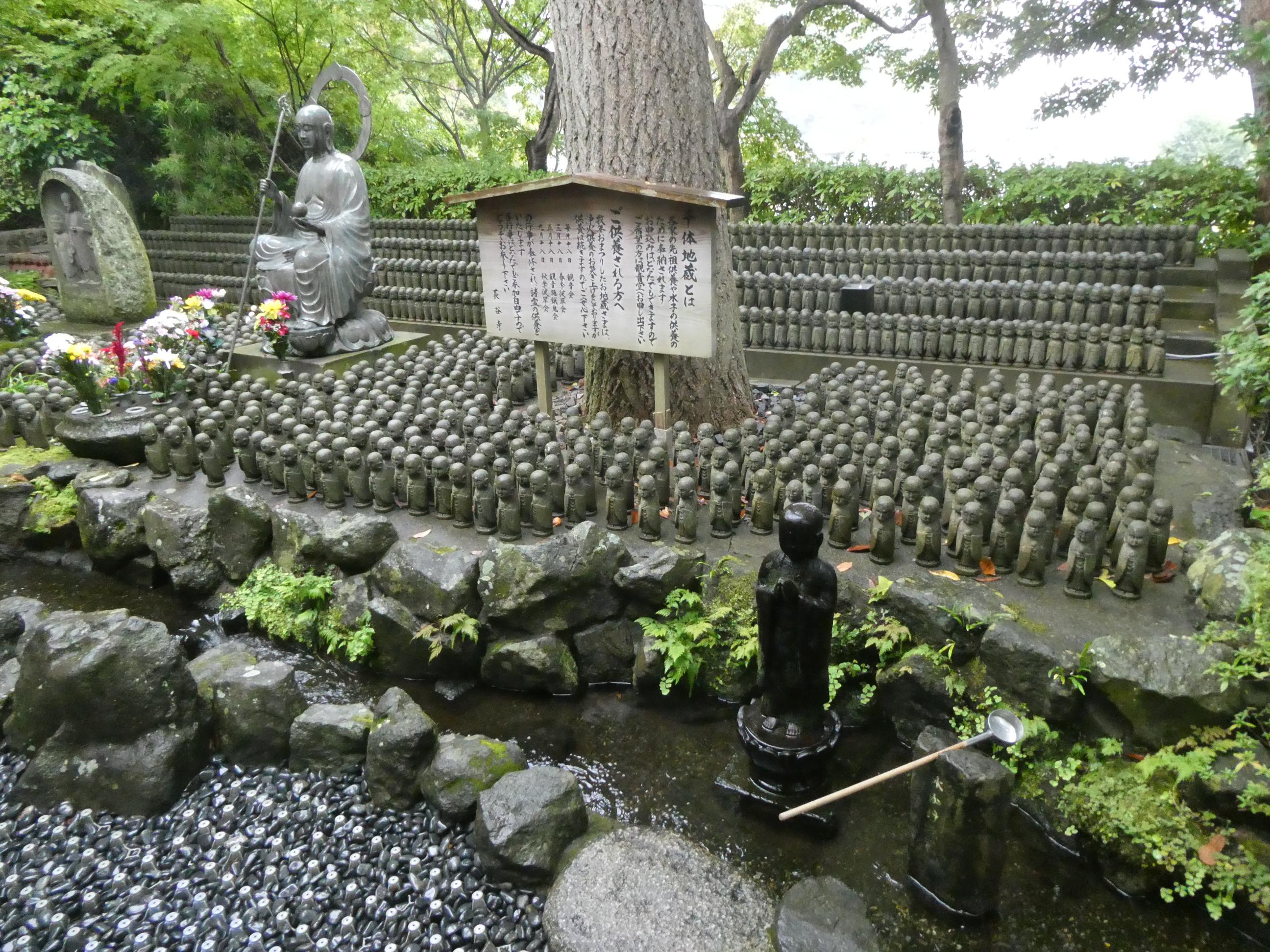
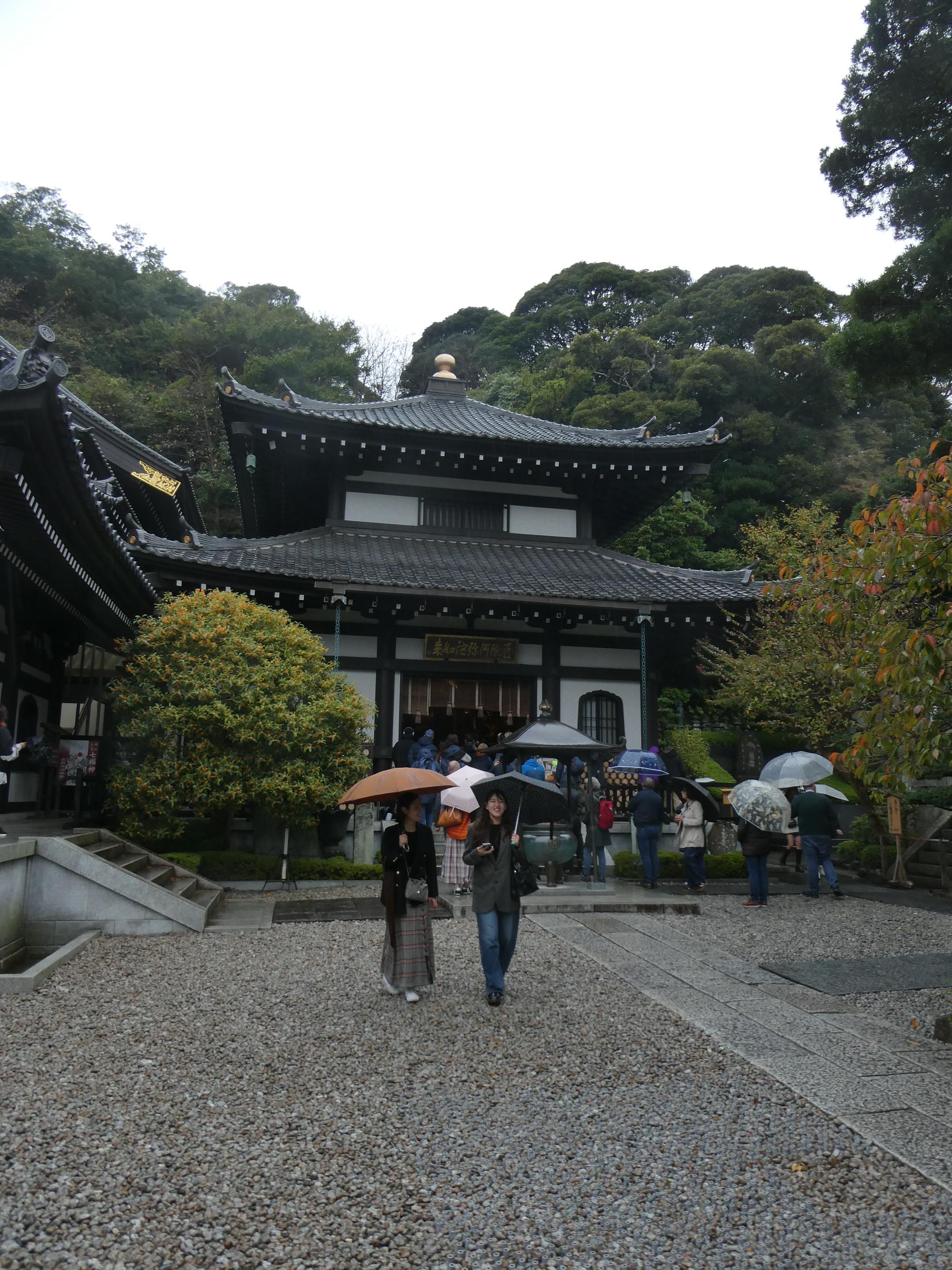
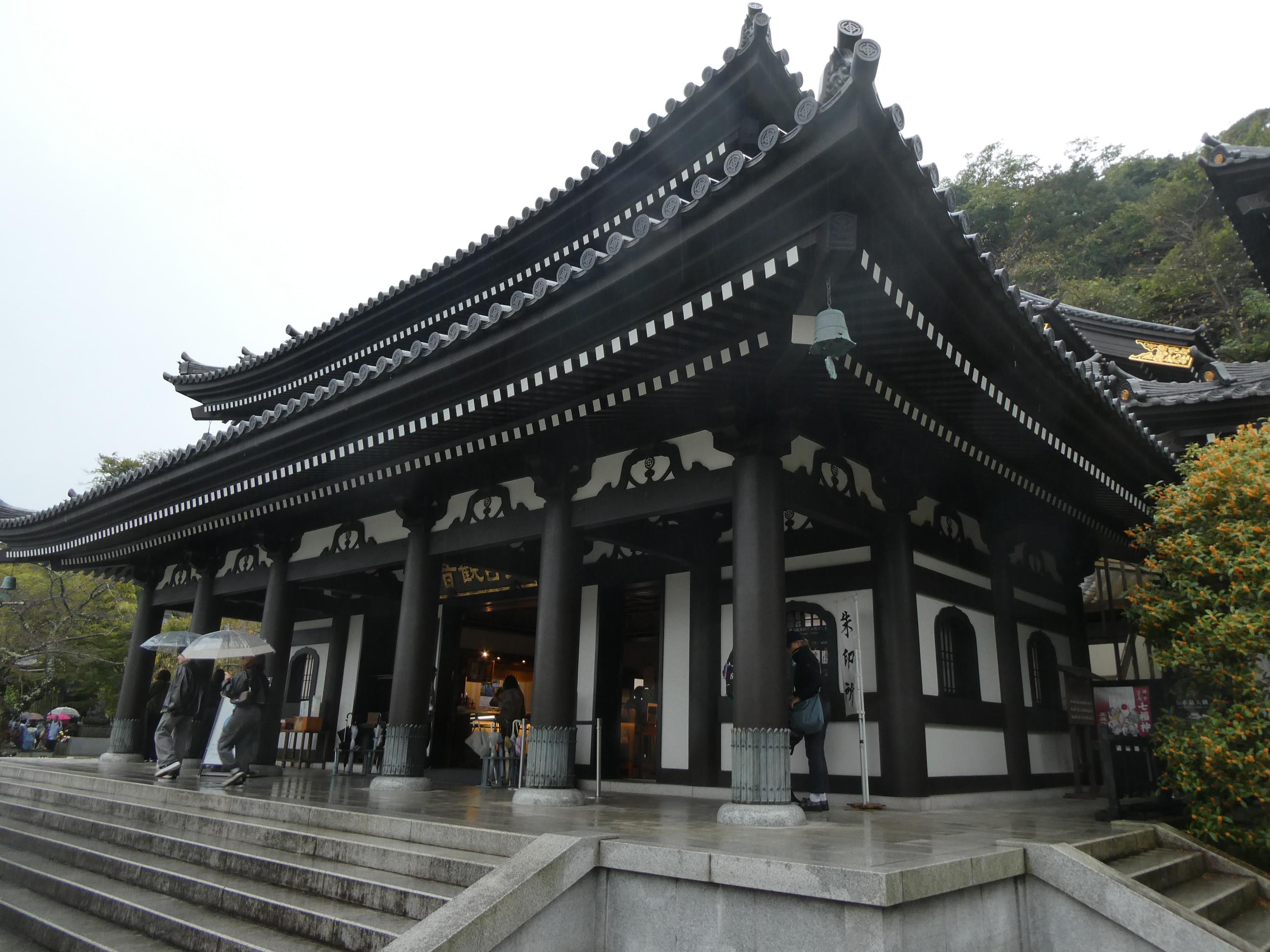
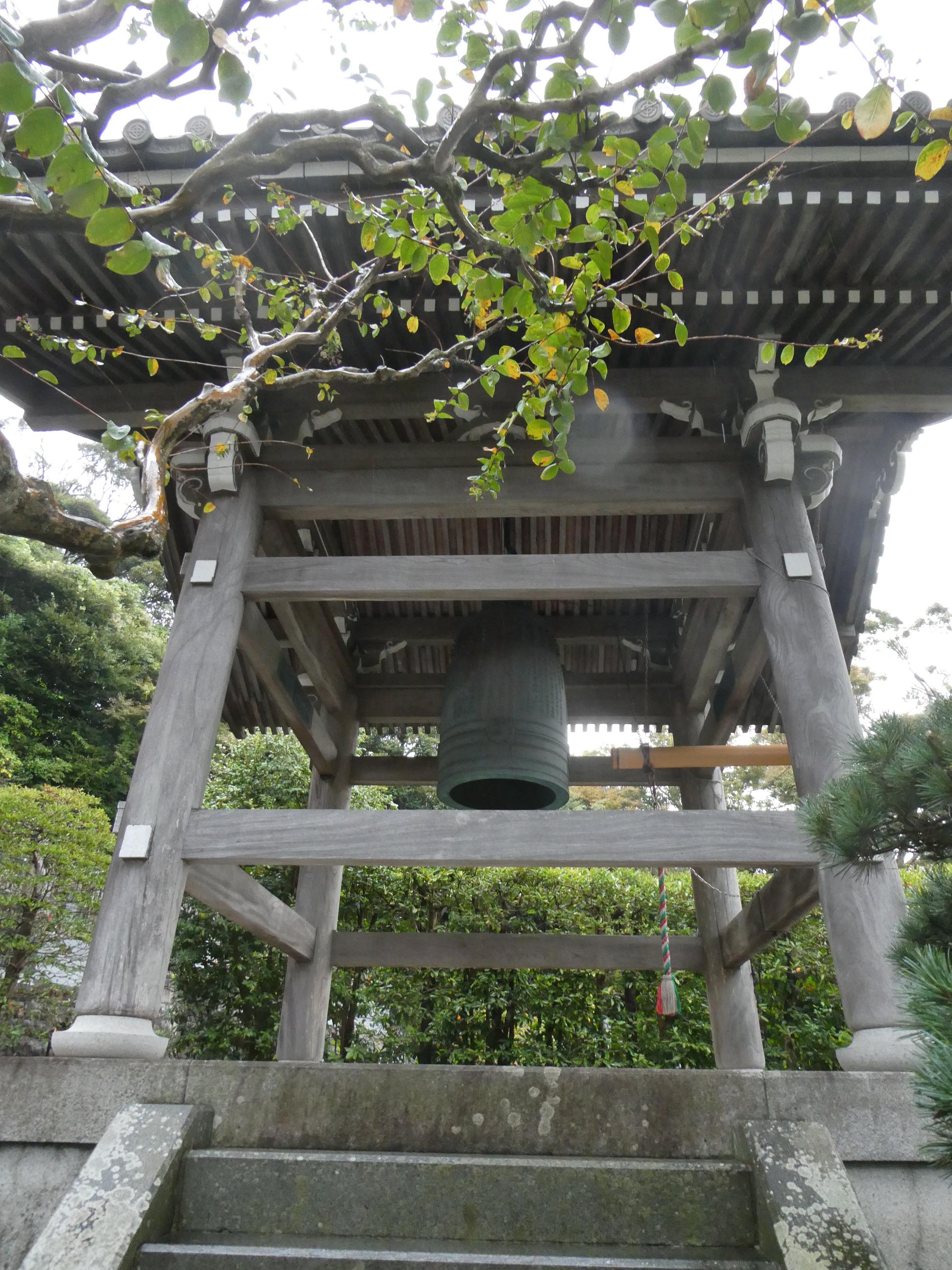

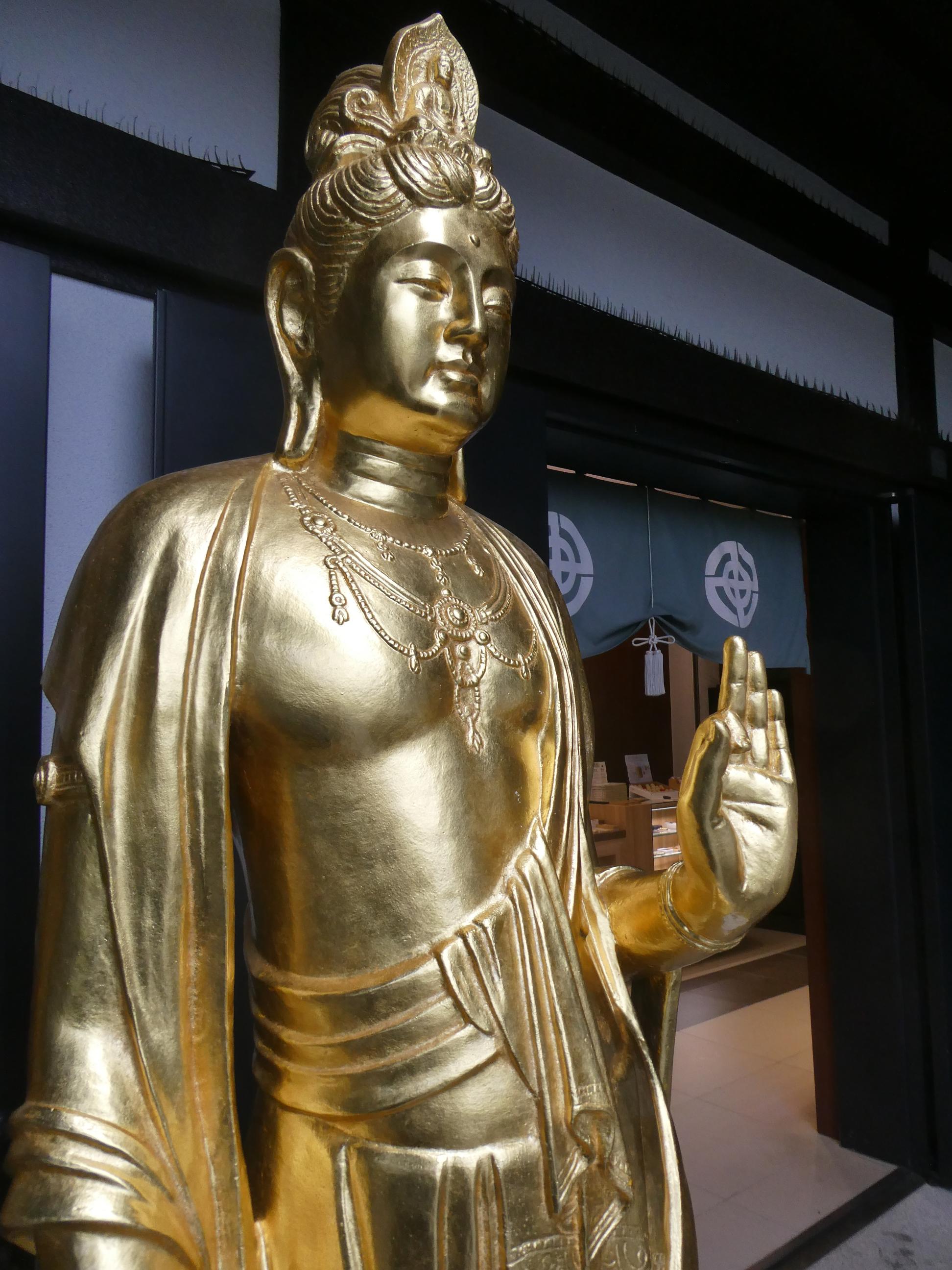
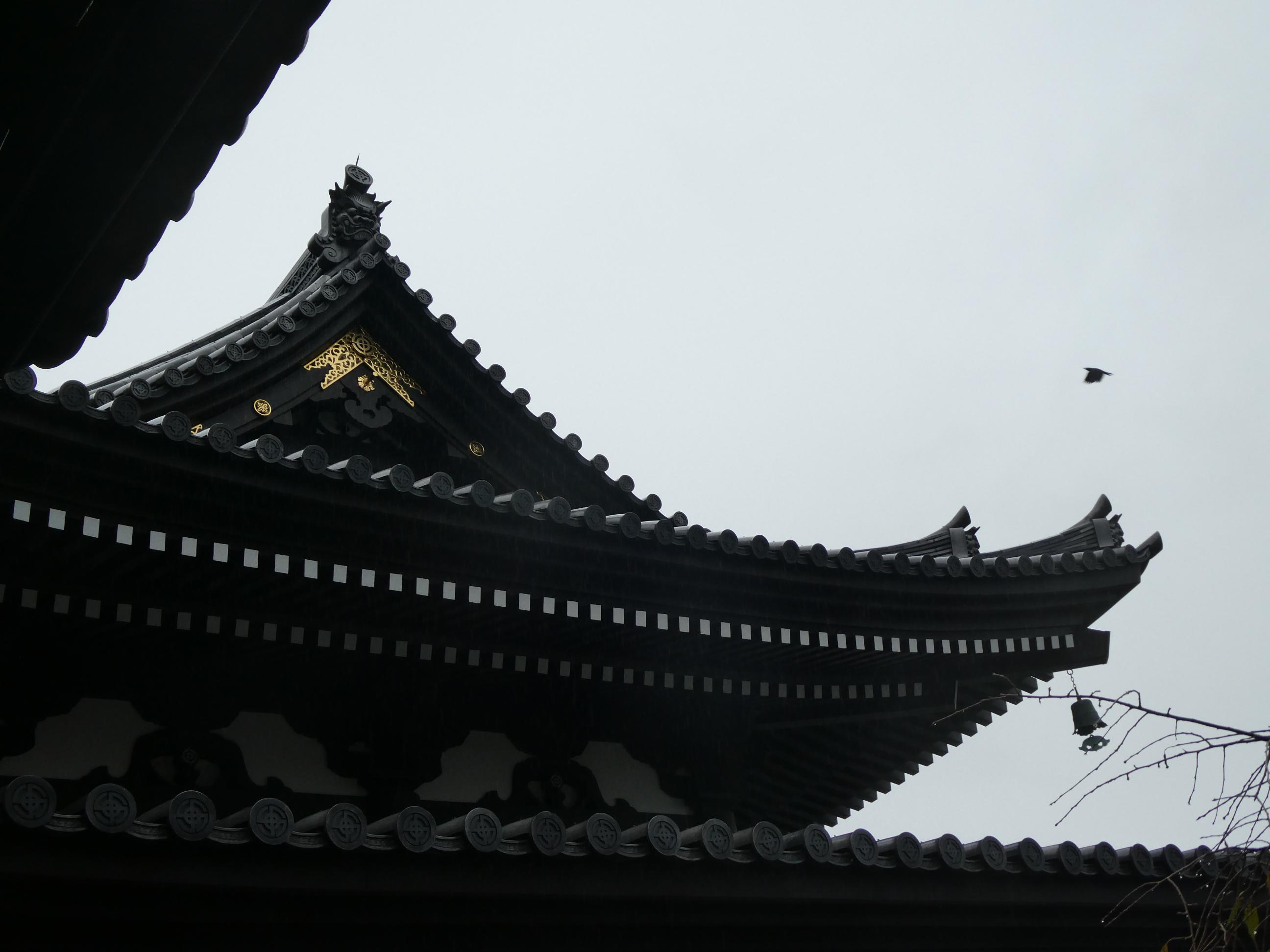
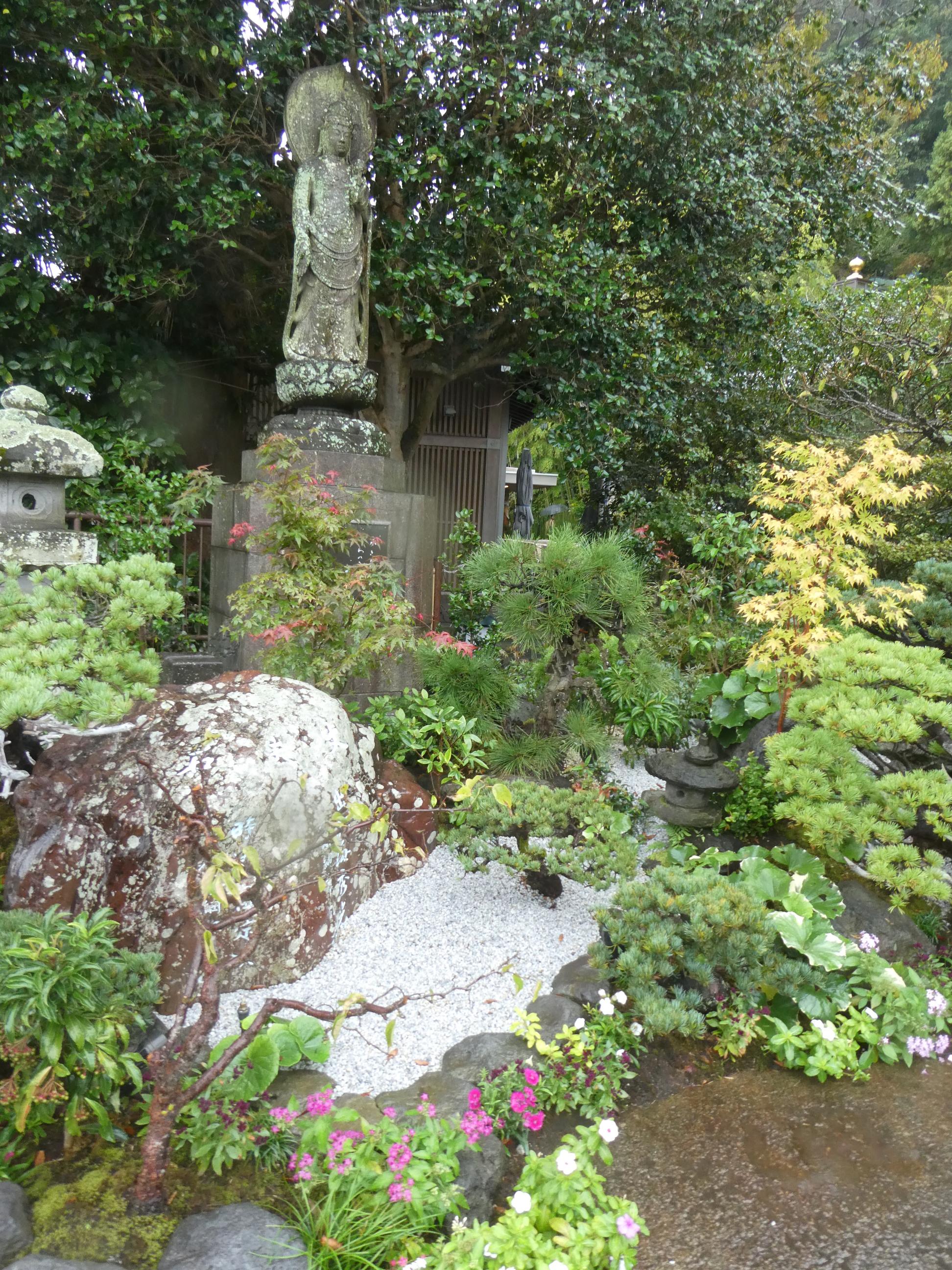
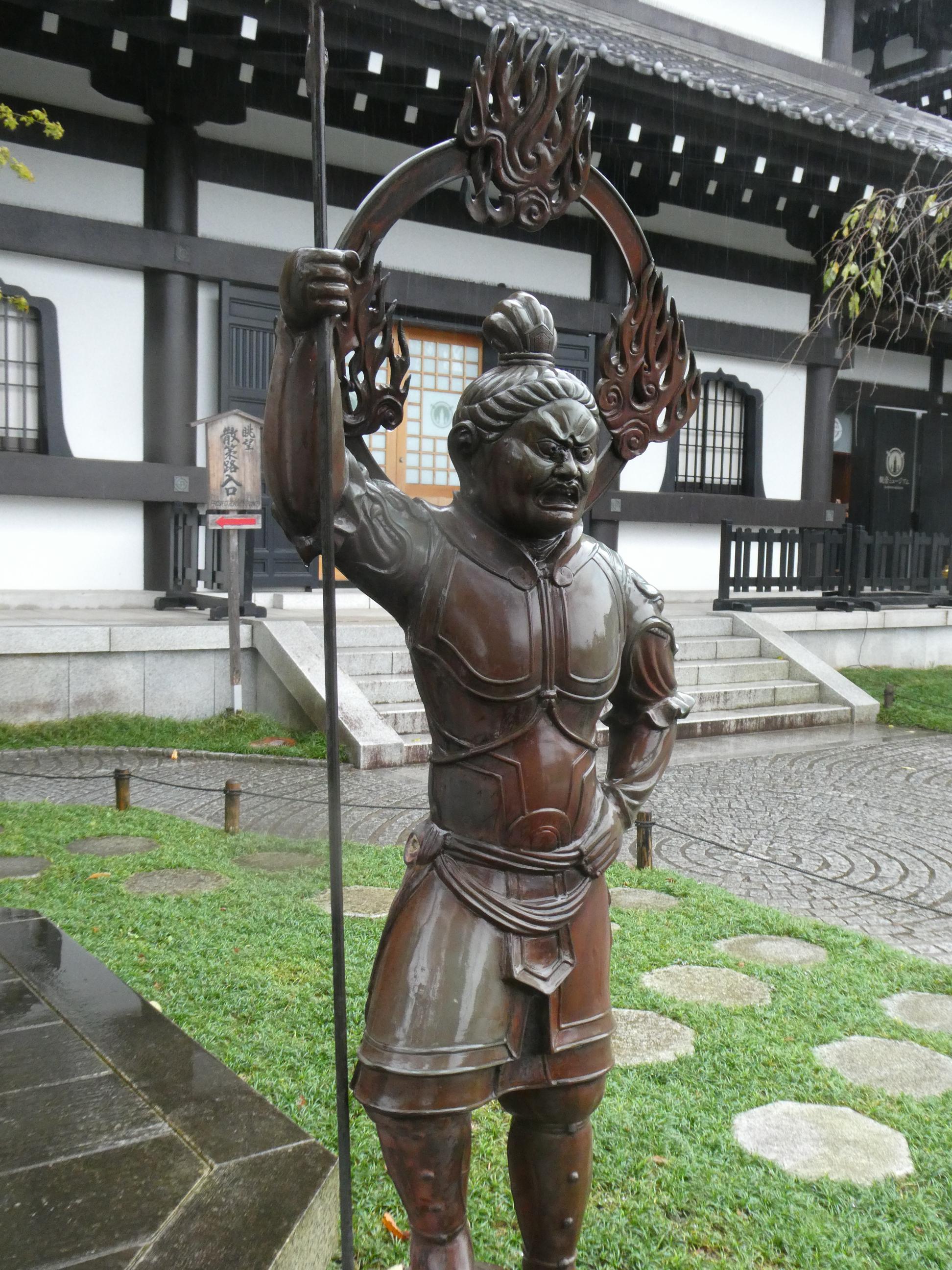
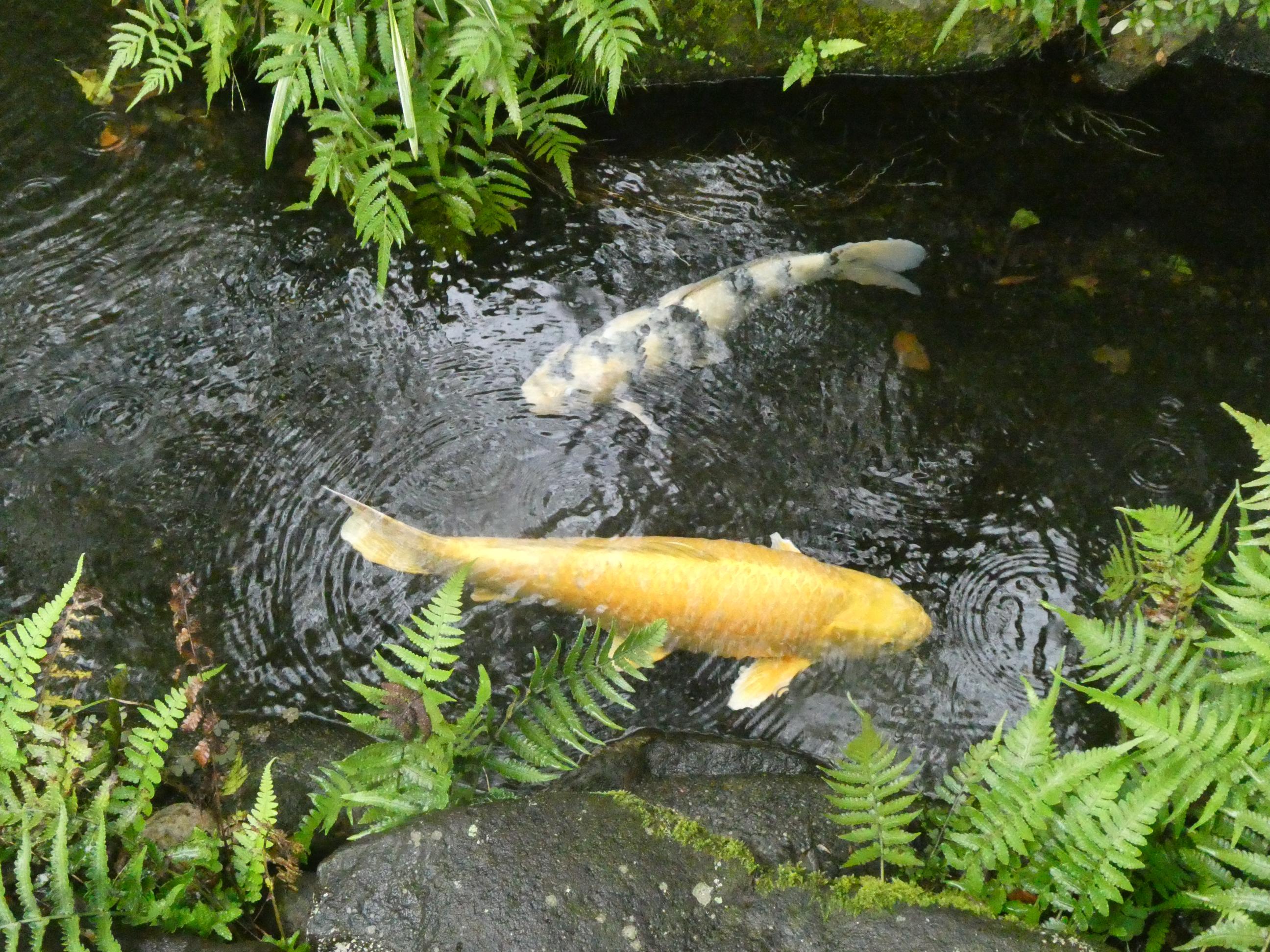
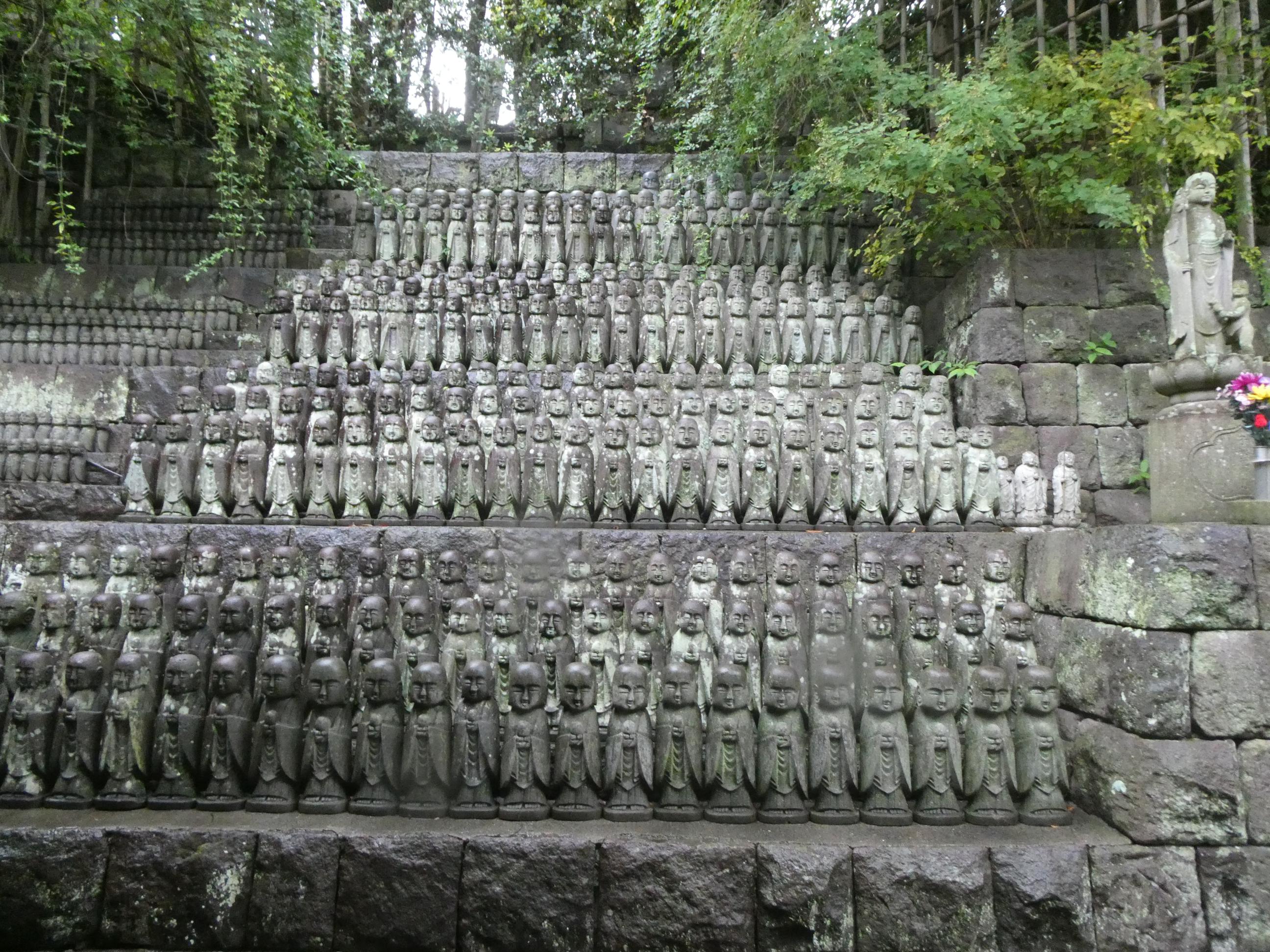
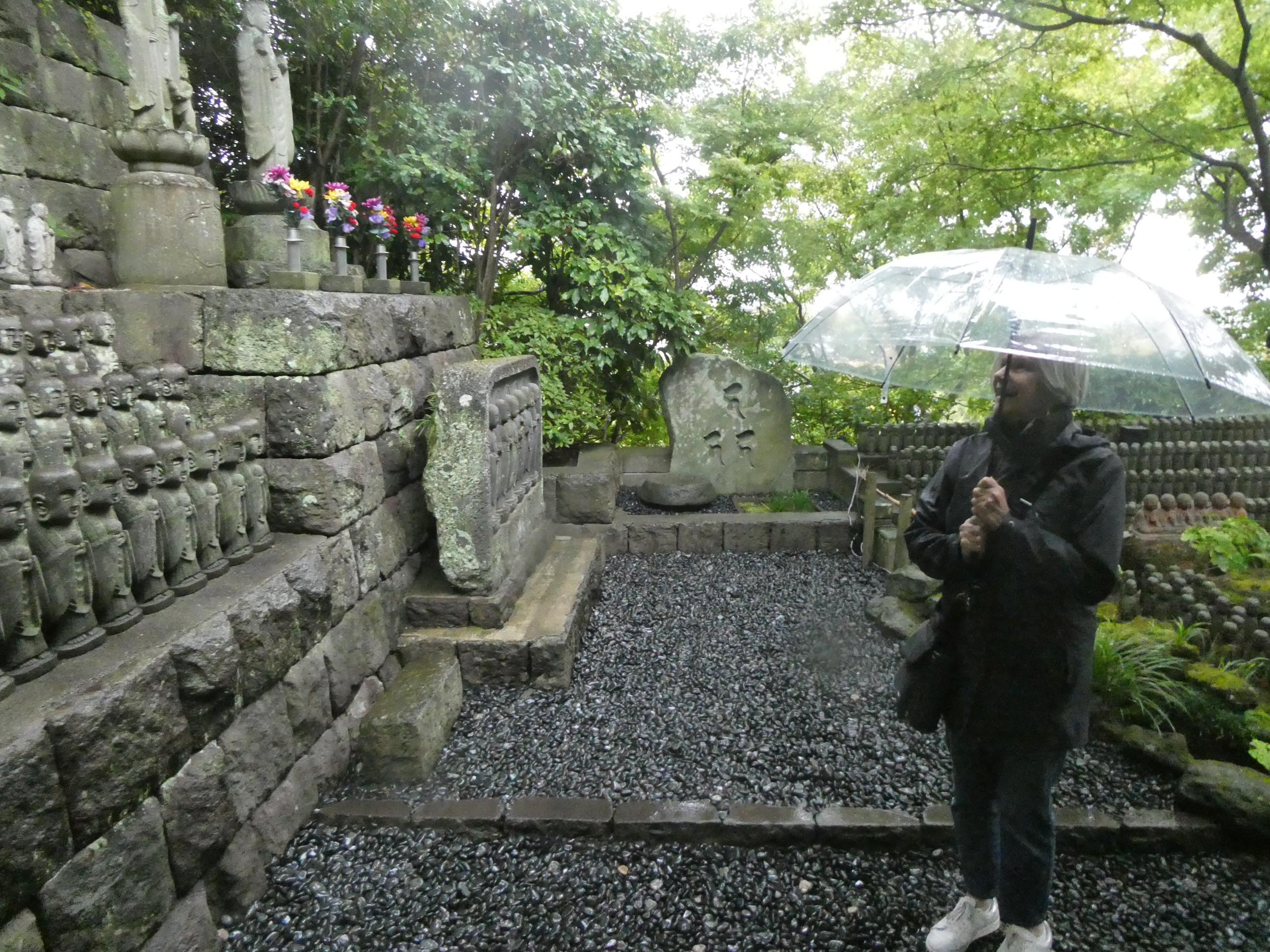
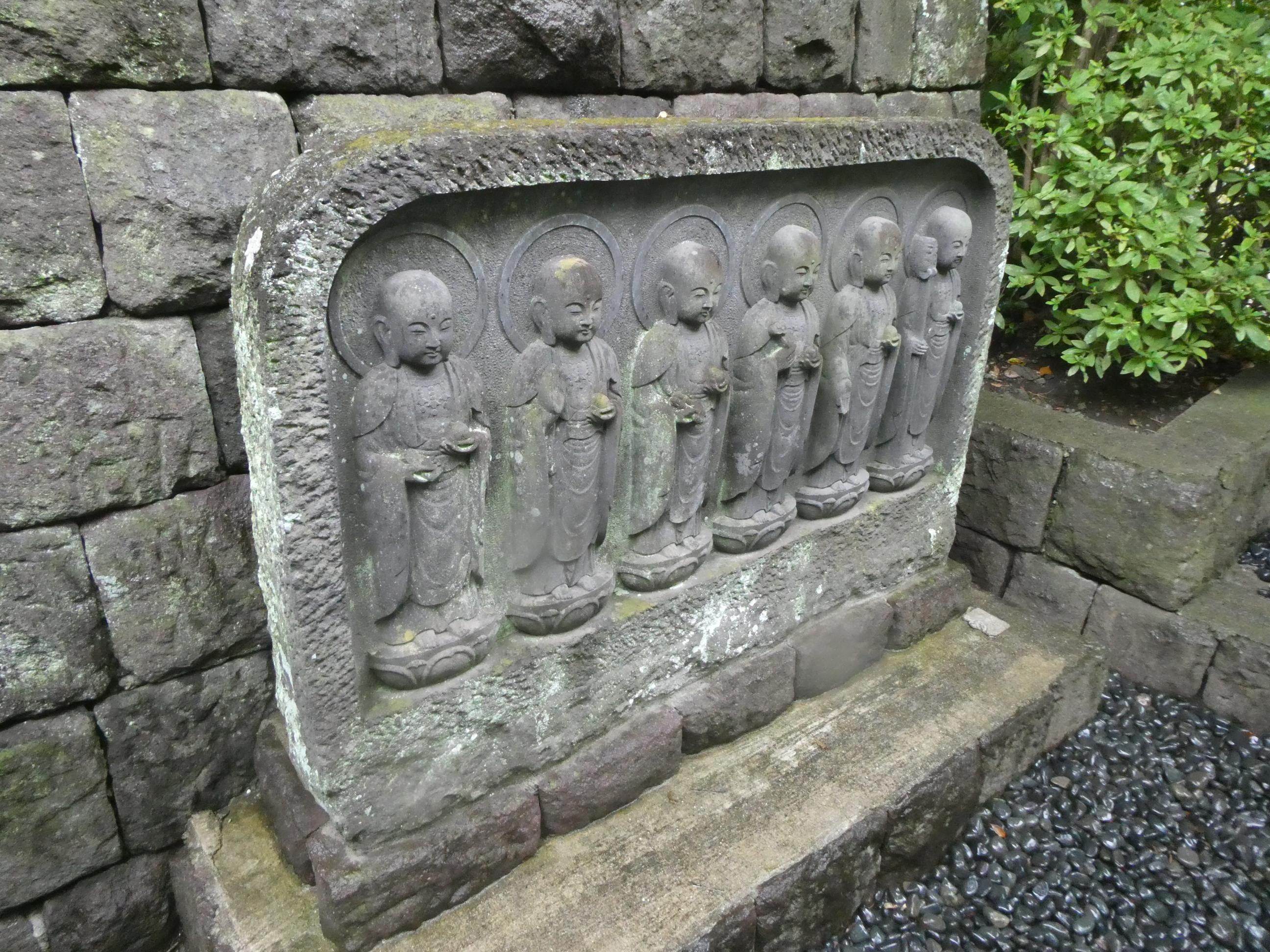
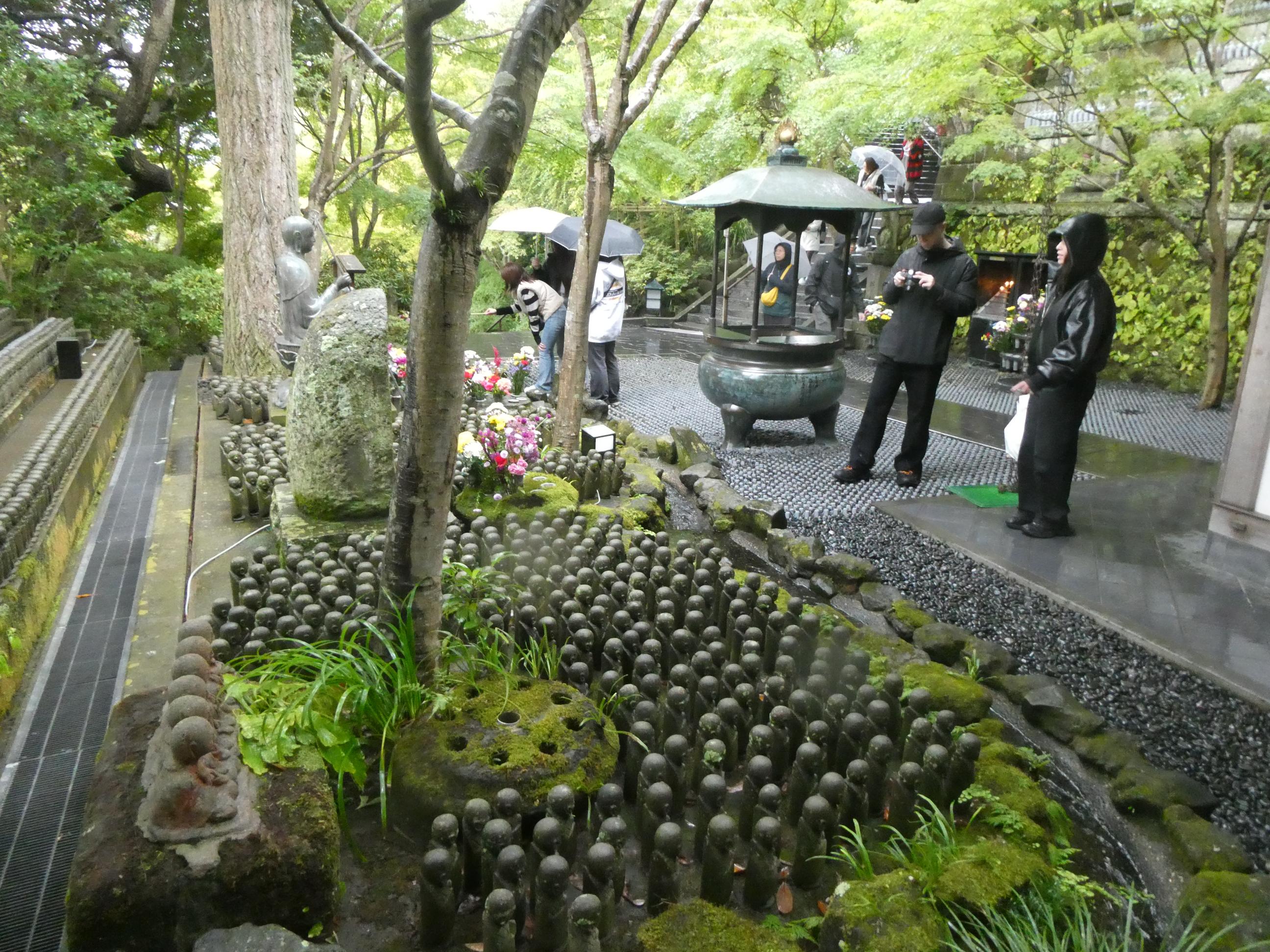
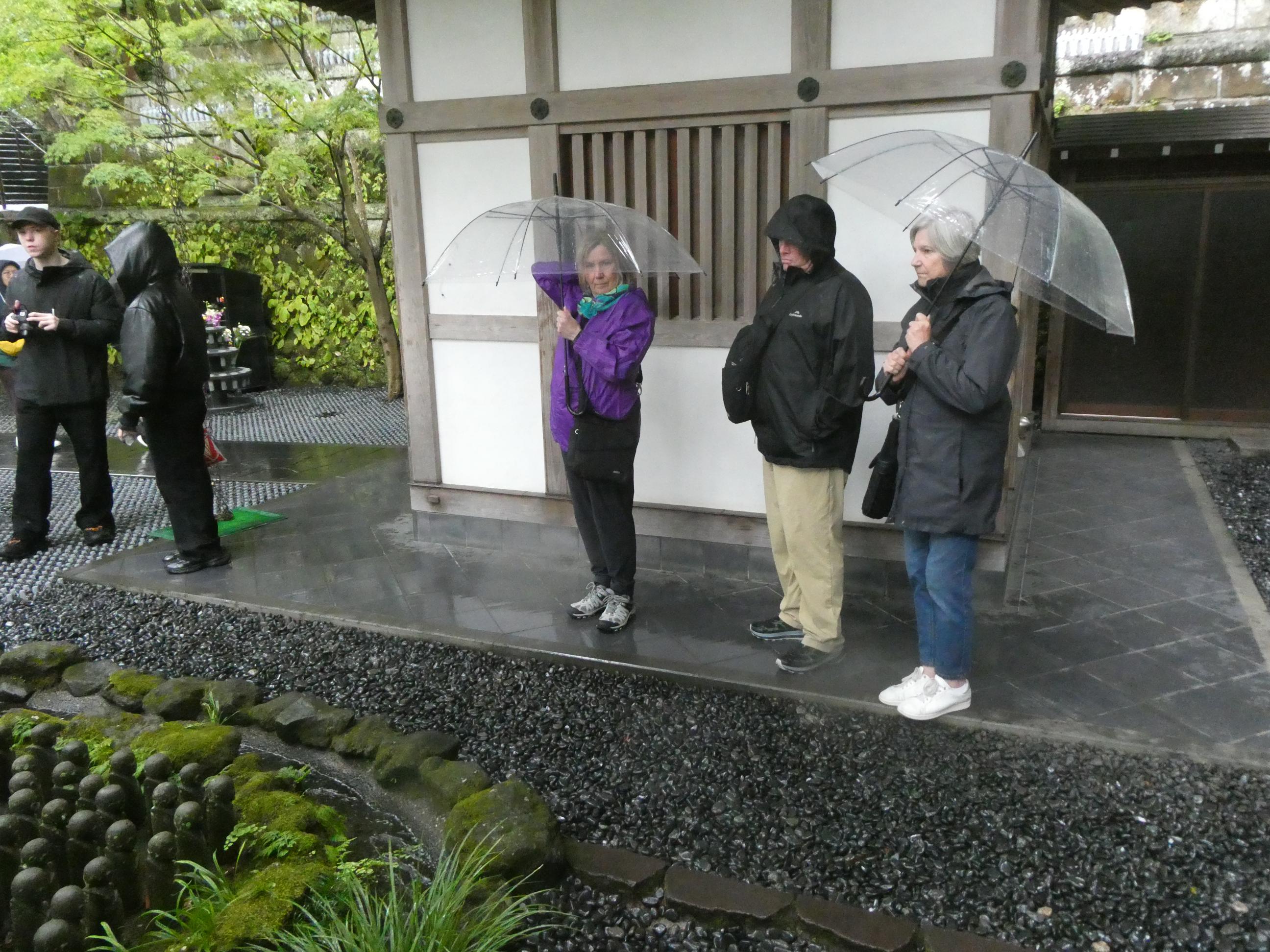
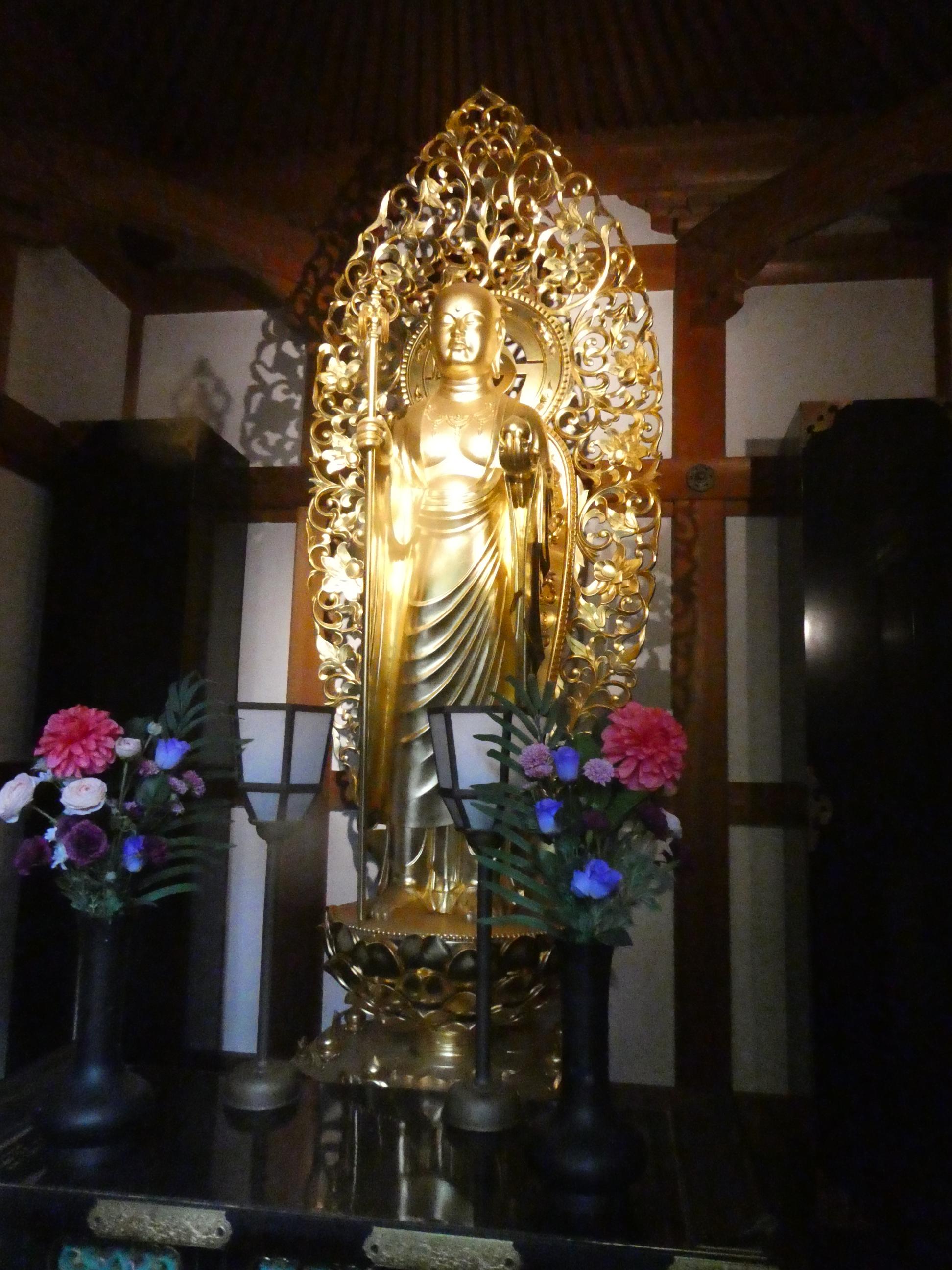
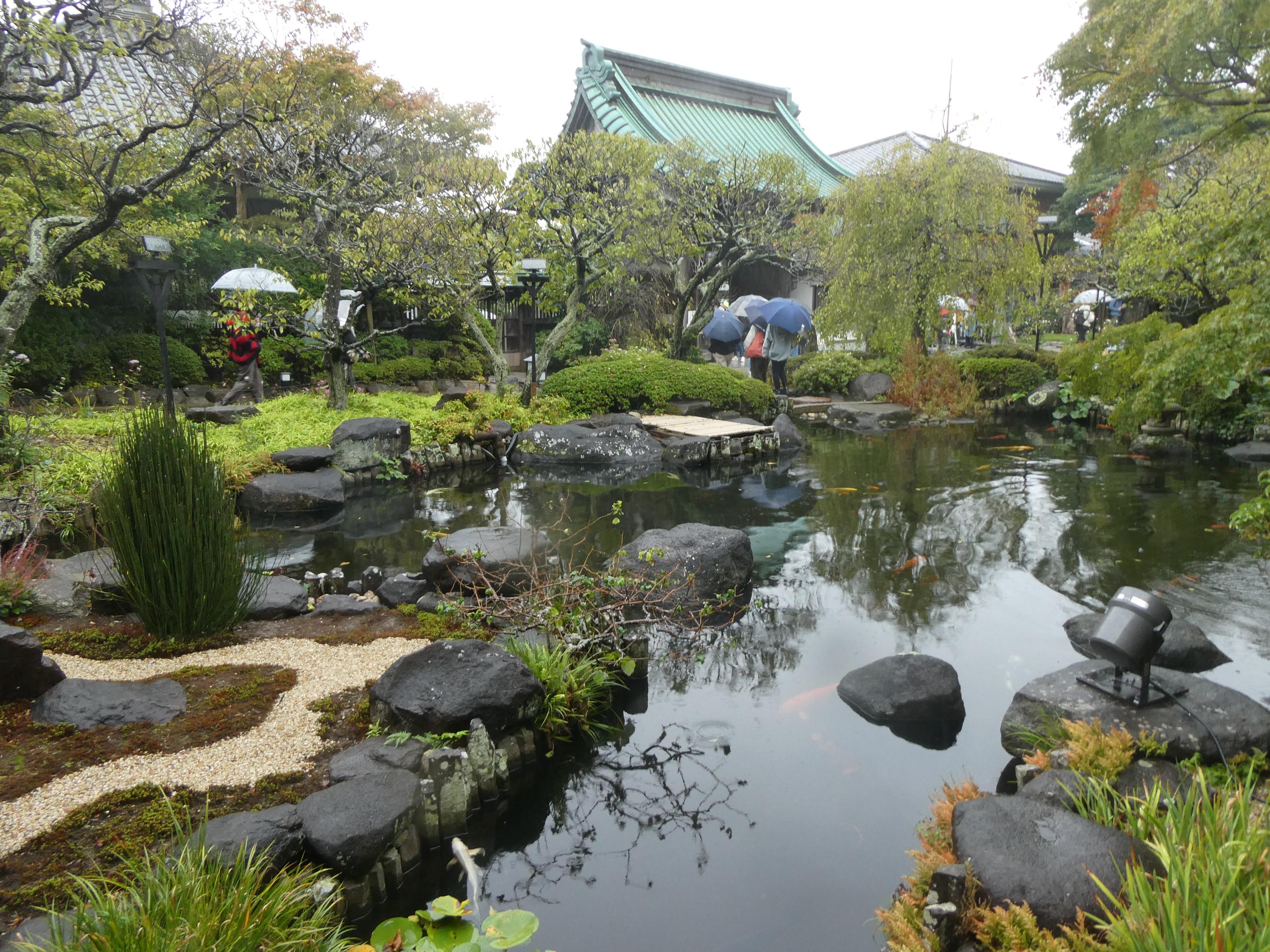
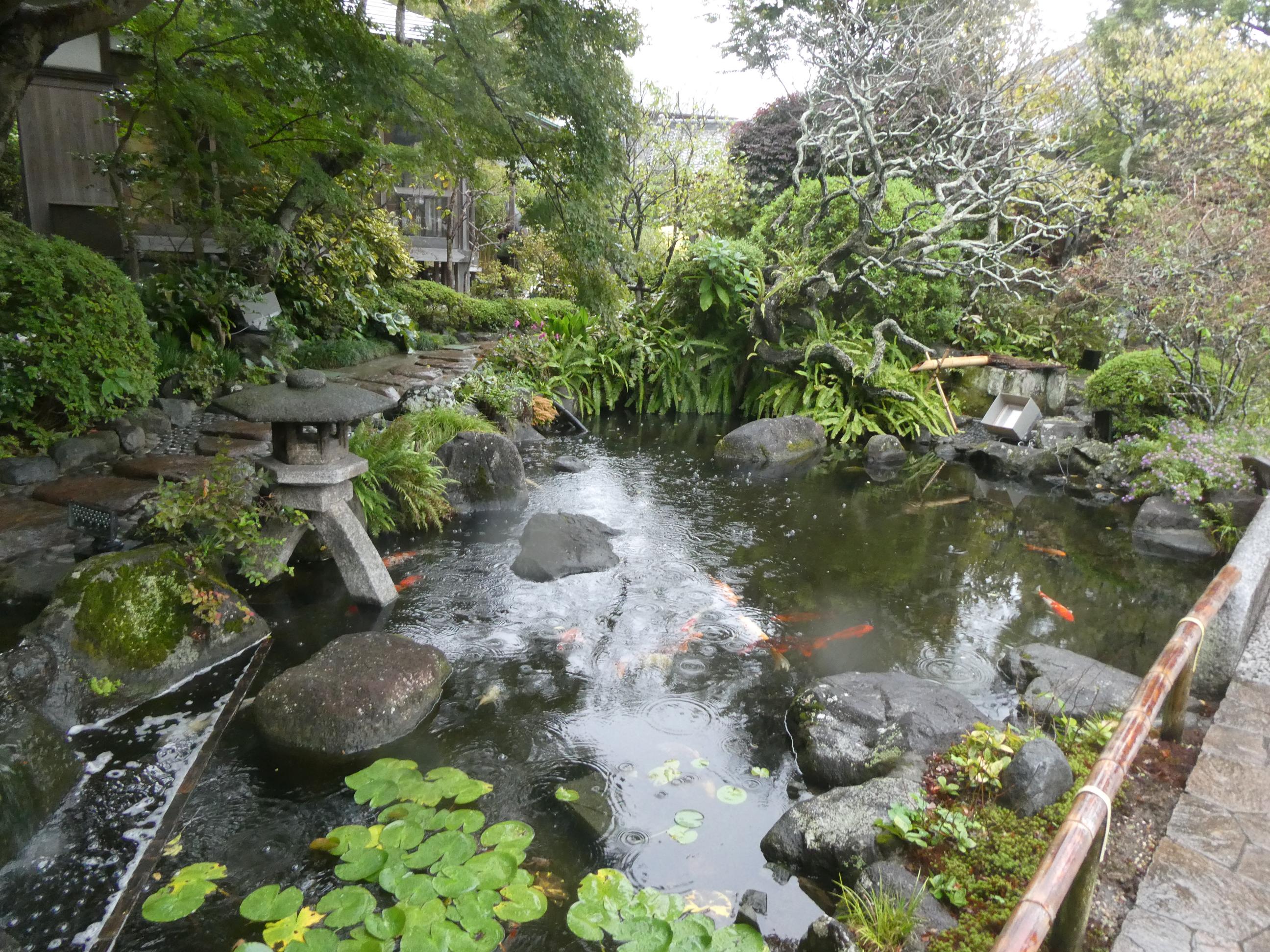

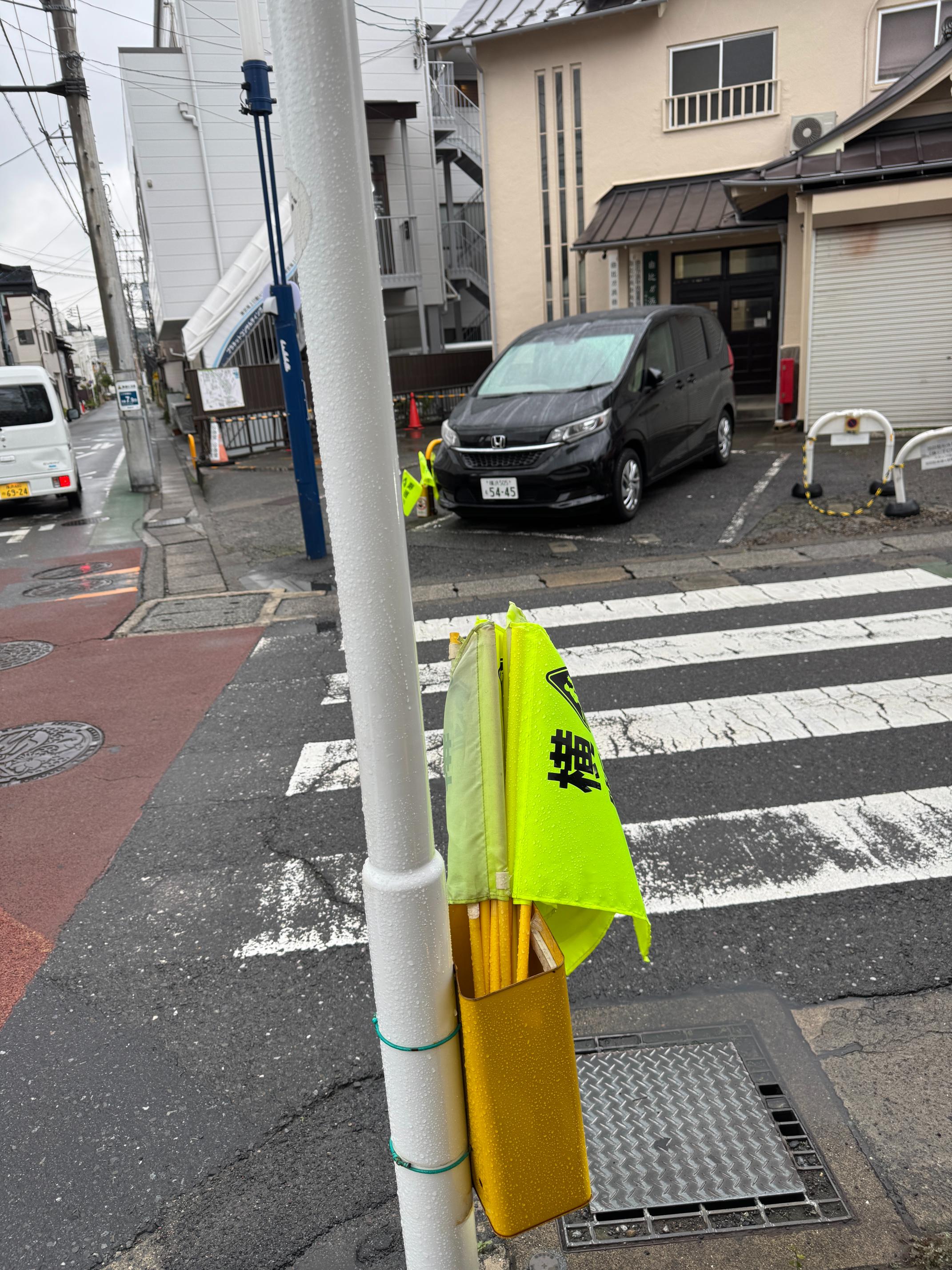
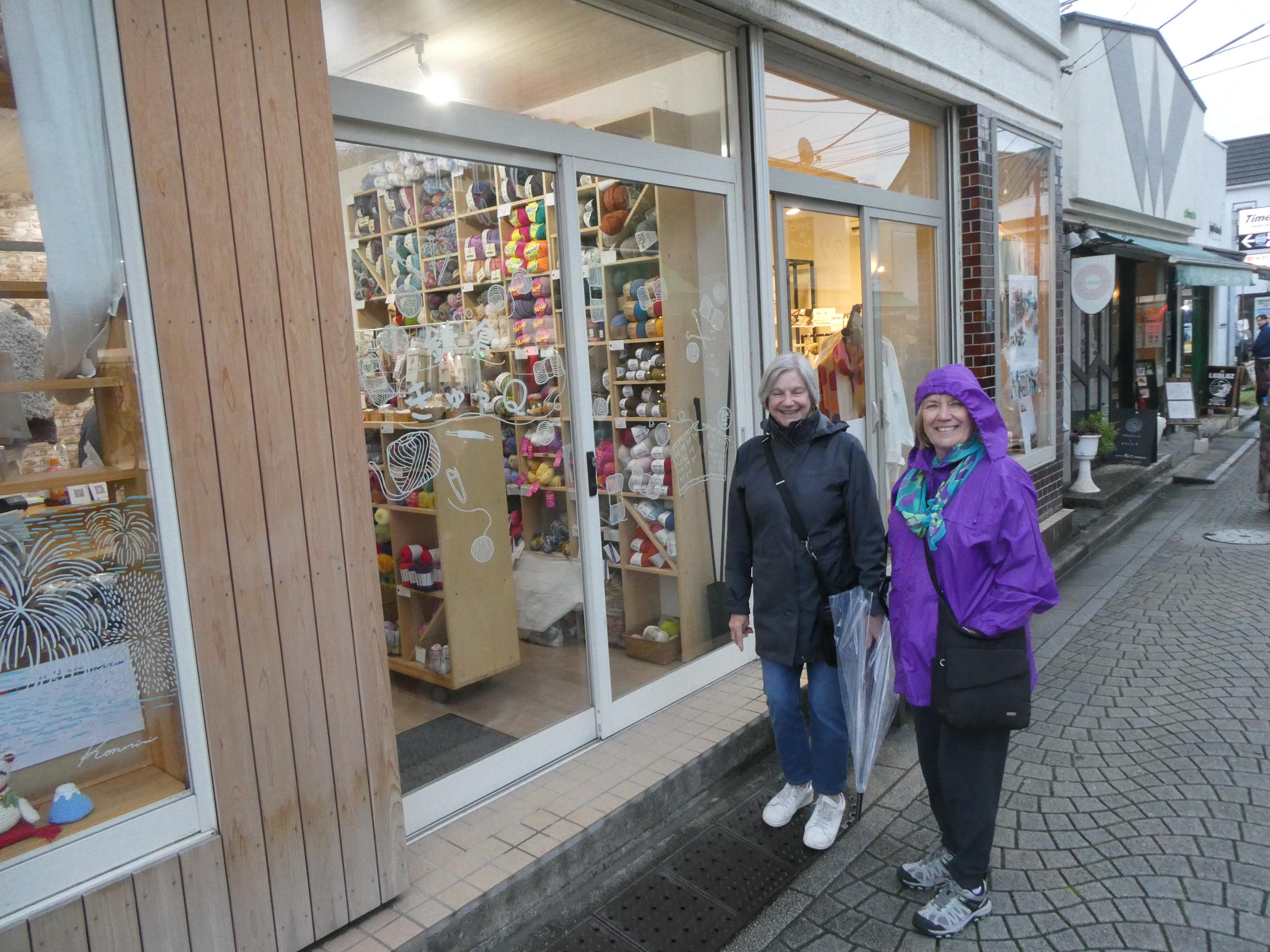
We took a different route back to the station. I was intrigued by the zebra crossings where there were no pedestrian lights. On each side of the crossings, attached to a pole, was a bucket of fluoro yellow flags. I assume pedestrians could take a flag from one bucket to make motorists more aware of them as they crossed the road, then deposit it in the bucket on the other side. What a clever idea, if that is actually what the flags were to be used for. And Marg, true to form when she travels, found a wool shop. She never misses, although this time she decided she didn’t need any wool and didn’t even set foot in the store. I wonder how long that will last.
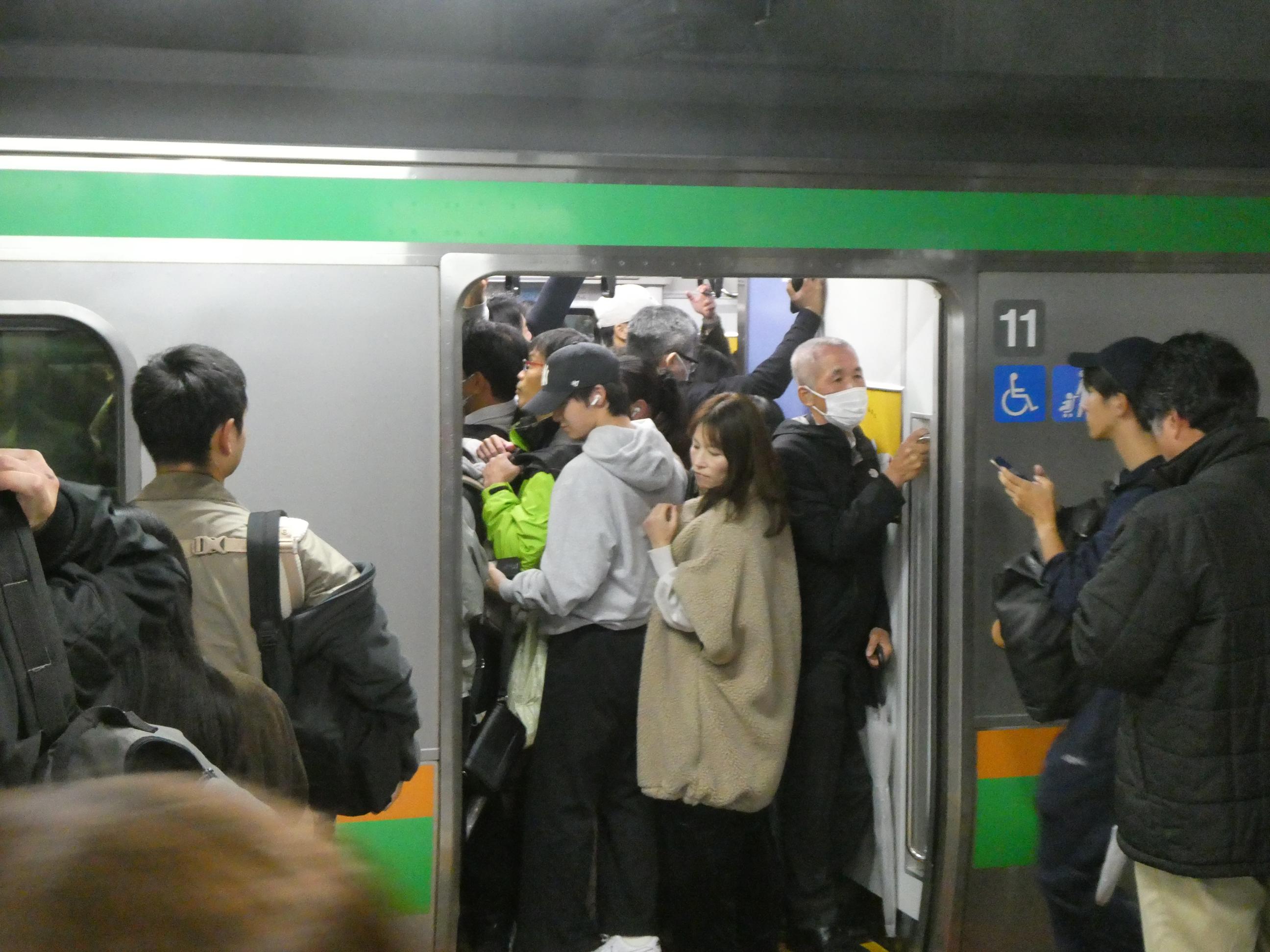
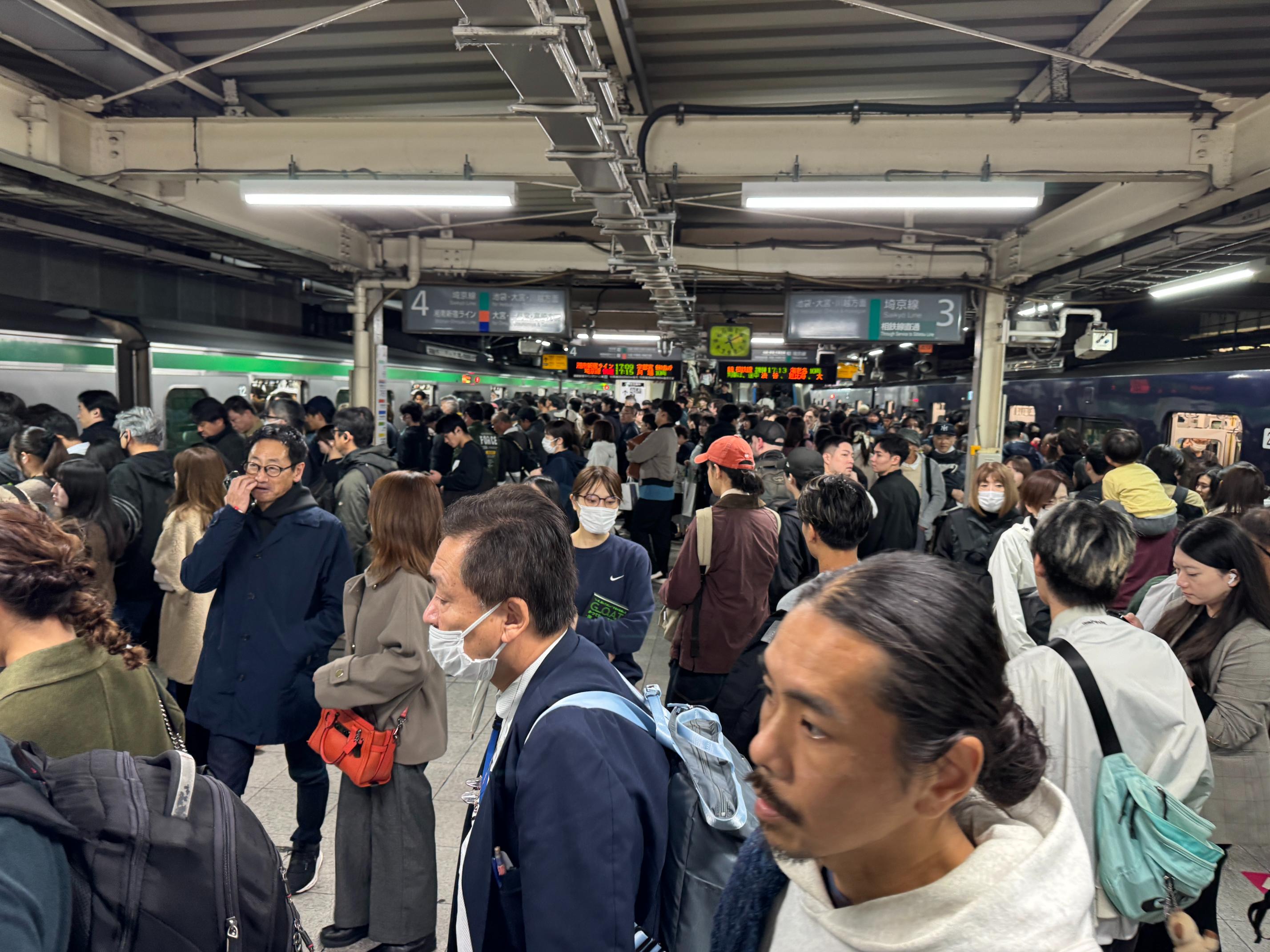
The train journey from Kamakura back to Shinjuku was easy because we found empty seats as soon as we boarded and we never had to change trains en route. The train was really crowded when we arrived at our destination, but we looked back to see a crush in every doorway. I saw people pushing and people failing to get on. Some looked quite desperate to squeeze in even when it was clear they were never going to succeed. It was almost comical. I wonder if this is a daily occurrence.

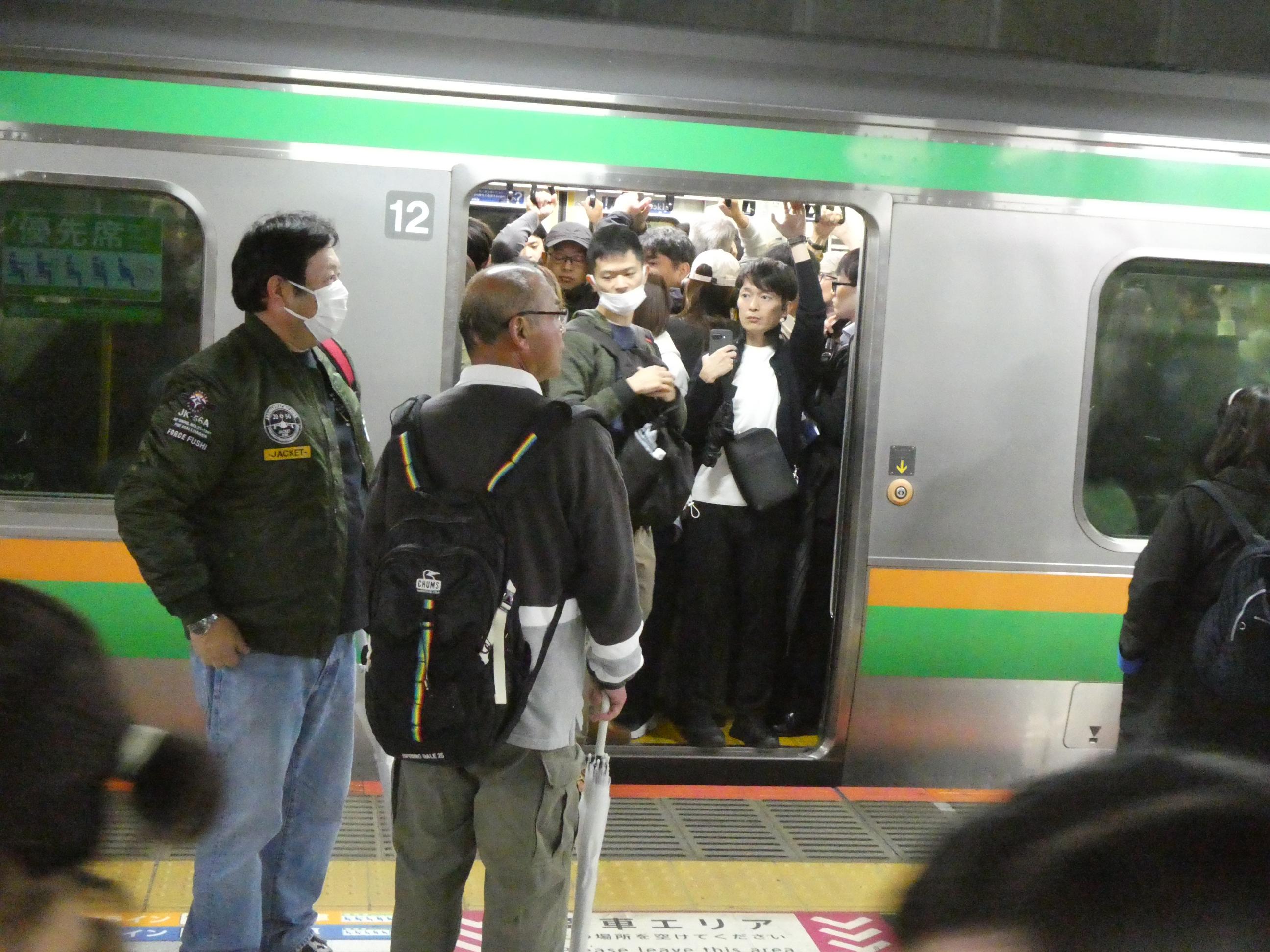
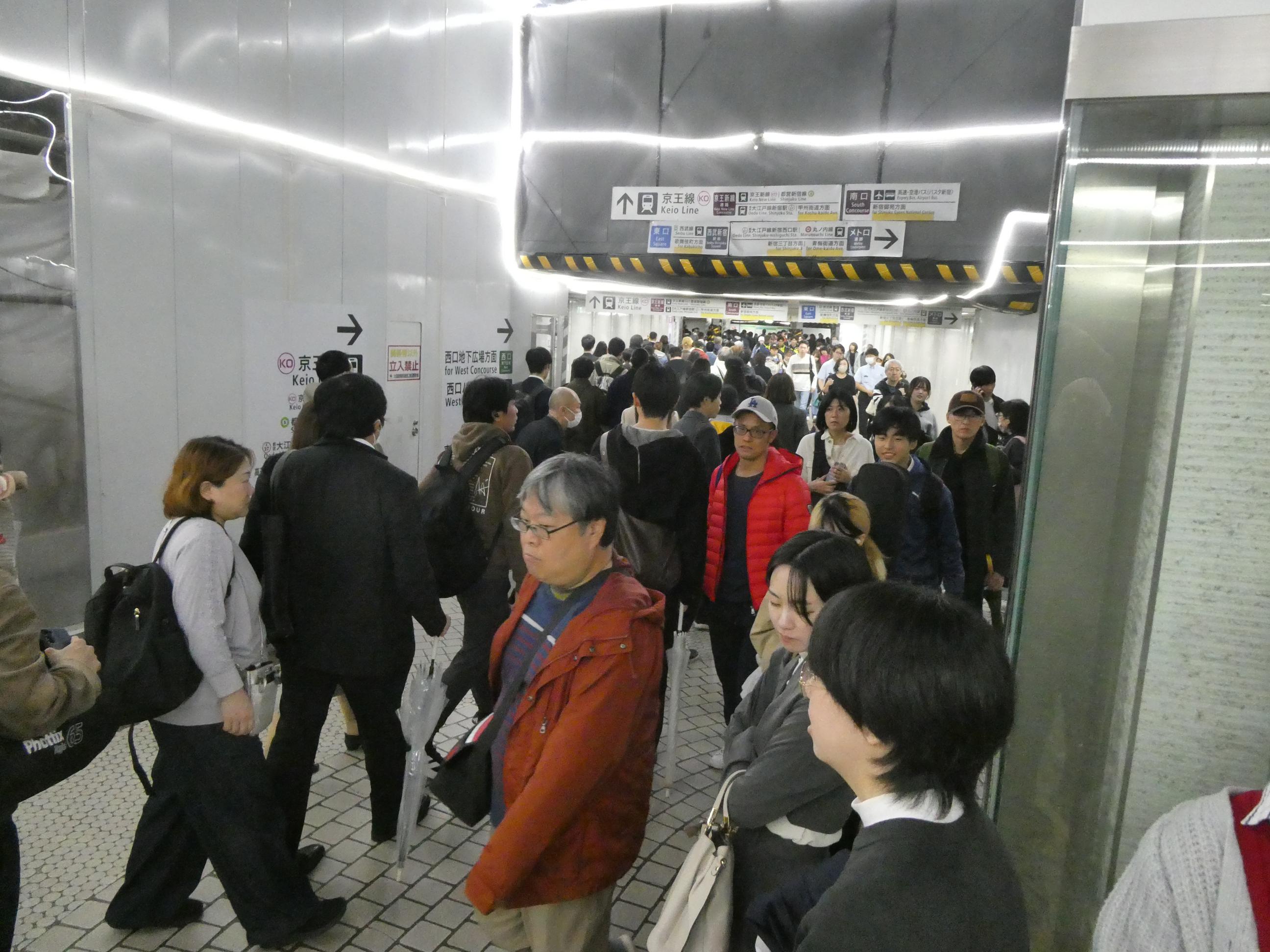
You’d think once we left the train it would be an easy matter of stepping out onto the street and making our way back to the hotel. Not at Shinjuku, however. Everywhere we turned looked the same. Signs were confusing, and swarms of humanity moving in every possible direction made it impossible to see what most people were doing and follow them out of the station. So we wandered for a while, trying to find a way out of the station. Google Maps, which is usually so helpful, was obviously having a bad day. Ian found a guy with a uniform and was pointed in the right direction and eventually we got to a place where things started looking familiar. We were in the long walkway by which we’d entered the station earlier in the day. With our bearings now sorted, we made our way back to the hotel, satisfied that, although we’d only seen a little of Kamakura, we’d actually achieved a lot on our first full day in Japan.
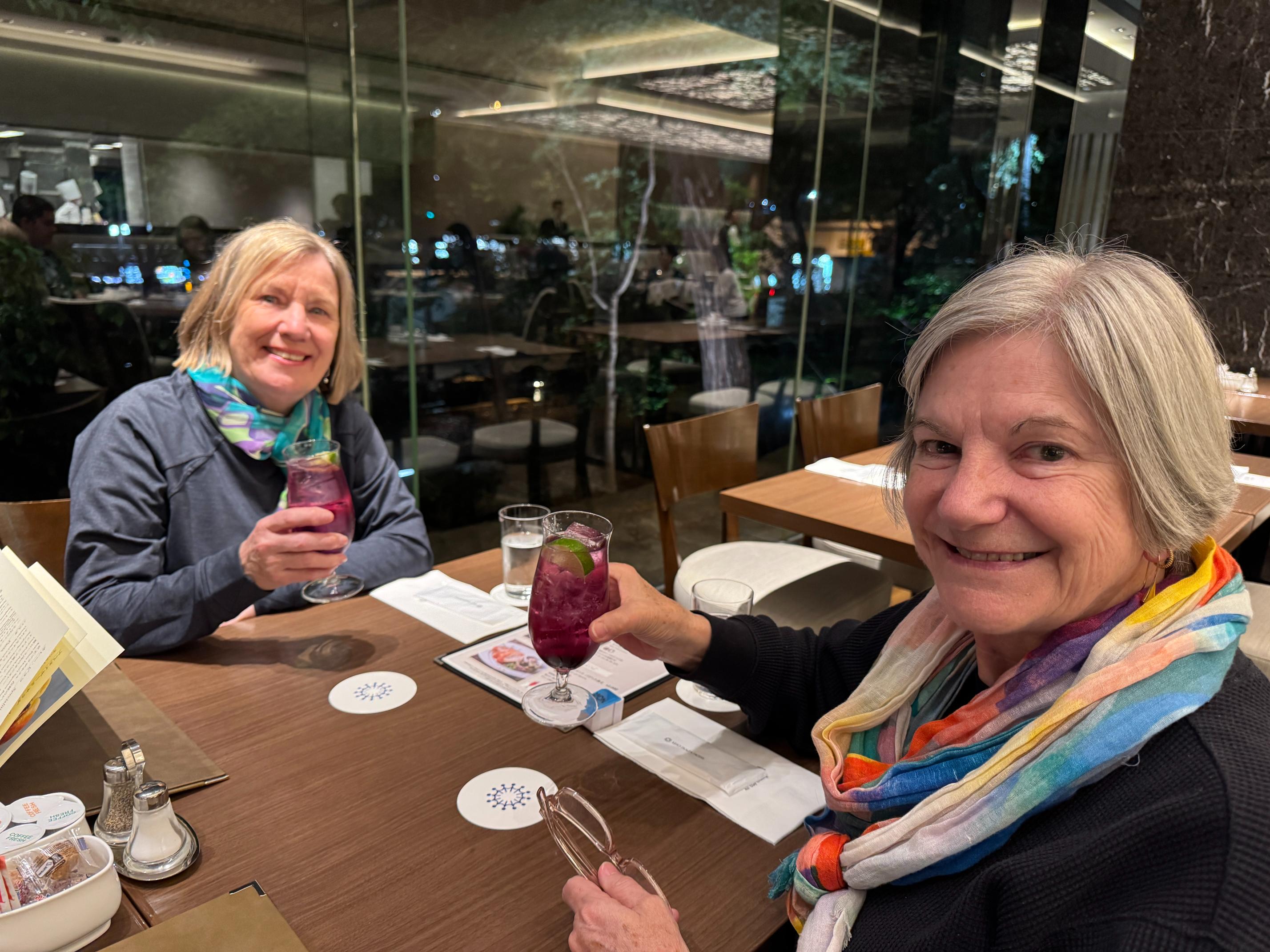
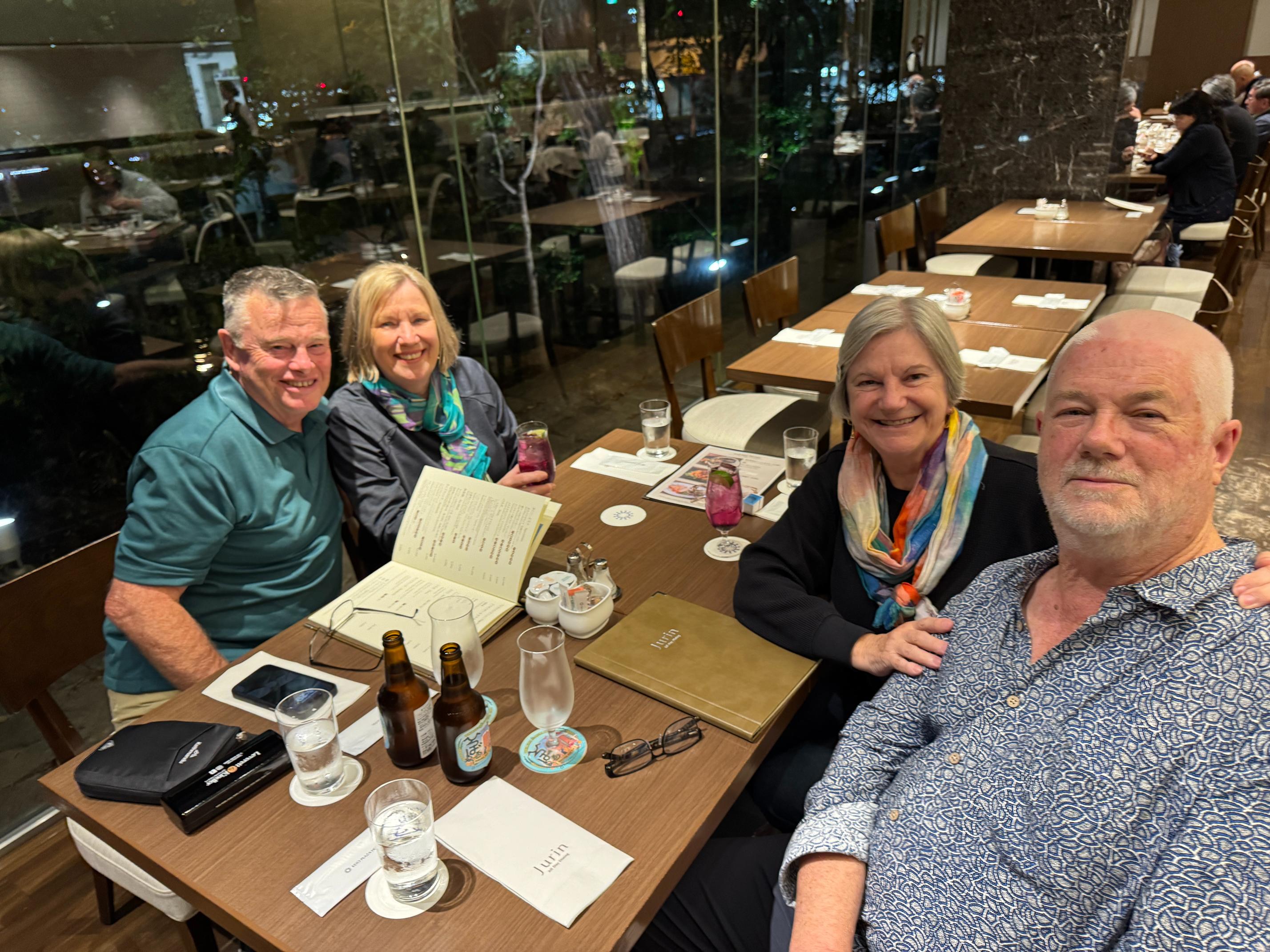
We ate at the hotel tonight. Tomorrow we’ll check out some of the restaurants nearby.
 On The Road With Garry