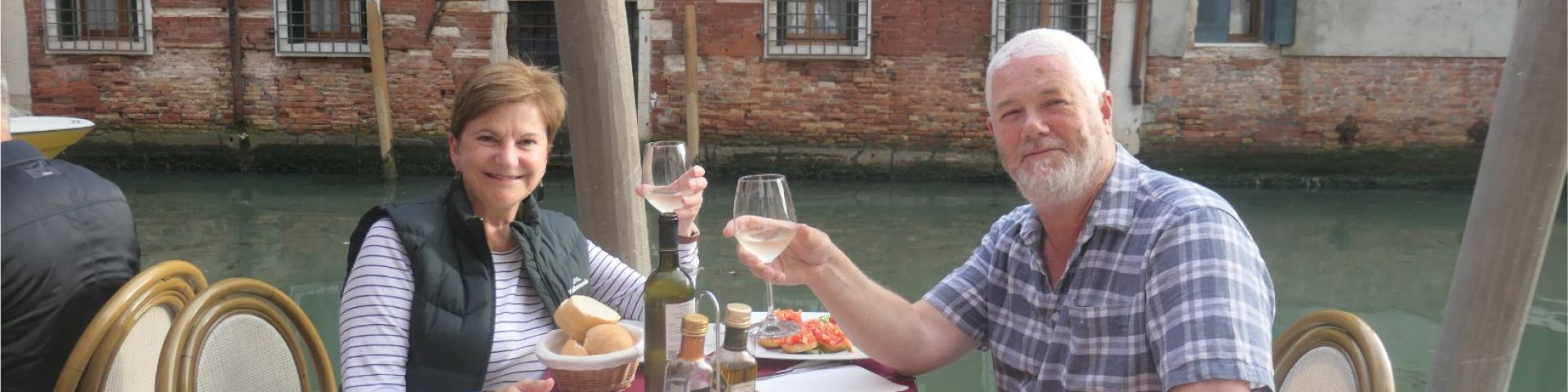
Today was our last day in Ireland. Whilst I’m turning my thoughts to home and seeing my family again, I’m also a little sorry it is ending. I suppose I’ve probably had a soft spot of Ireland for a long, long time. I read Leon Uris’s ‘Trinity’ not long after it was first published. That piqued my interest in Irish history and helped me make a little sense of the reports on The Troubles I was watching on the evening news. I couldn’t put ‘Angela’s Ashes’ down, despite its sad tale of poverty. I love Irish music, and have lots of it in my collection at home. When we briefly visited Ireland six years ago, I was captivated by the green landscape and the friendly people. So when Rod and Cornelia told us they were planning a trip to Ireland and would be happy for us to join them, I jumped at the chance to come back here for a longer look. It’s been a brilliant couple of weeks, and I’ll remember it fondly for the rest of my days.
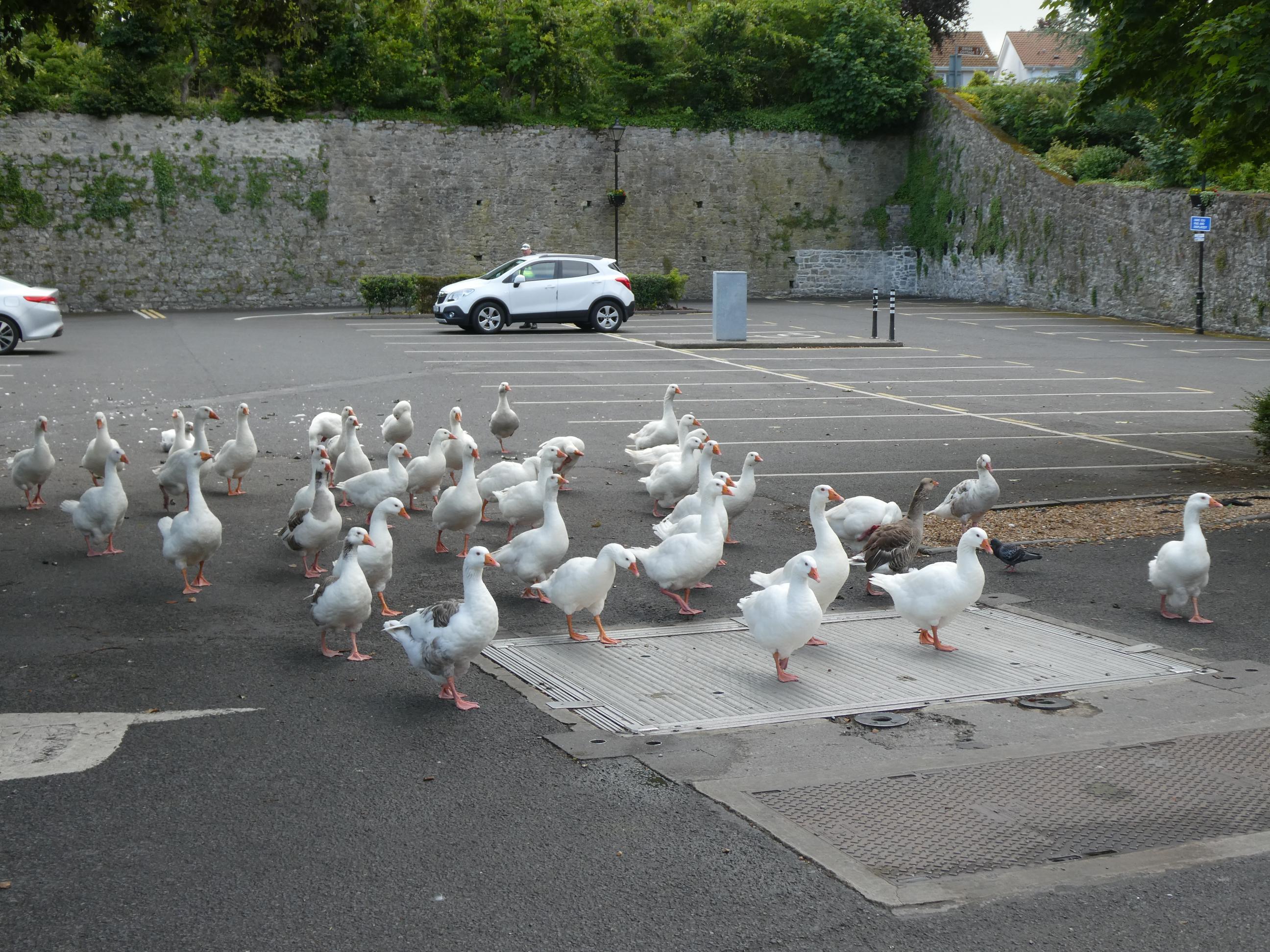
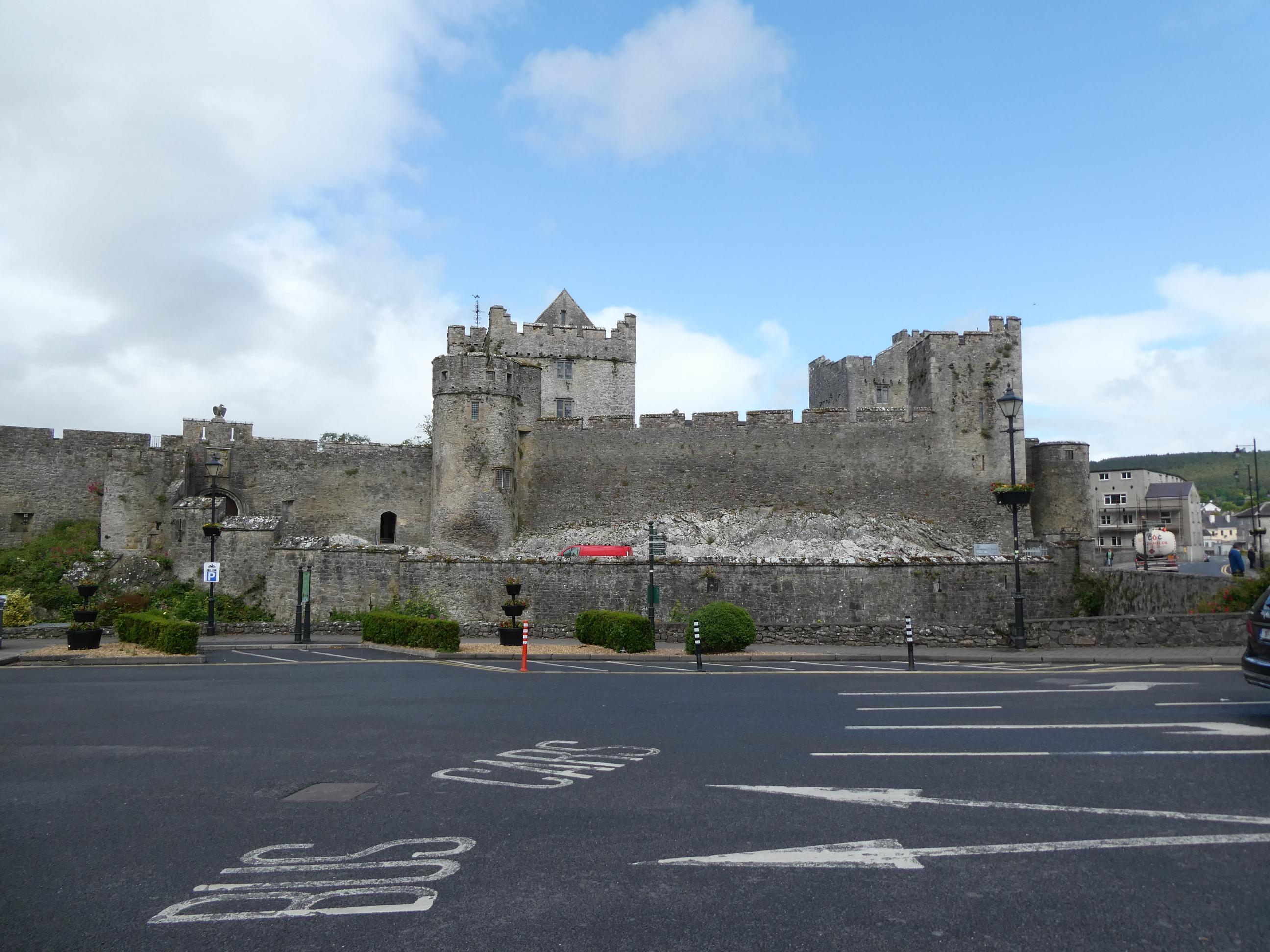
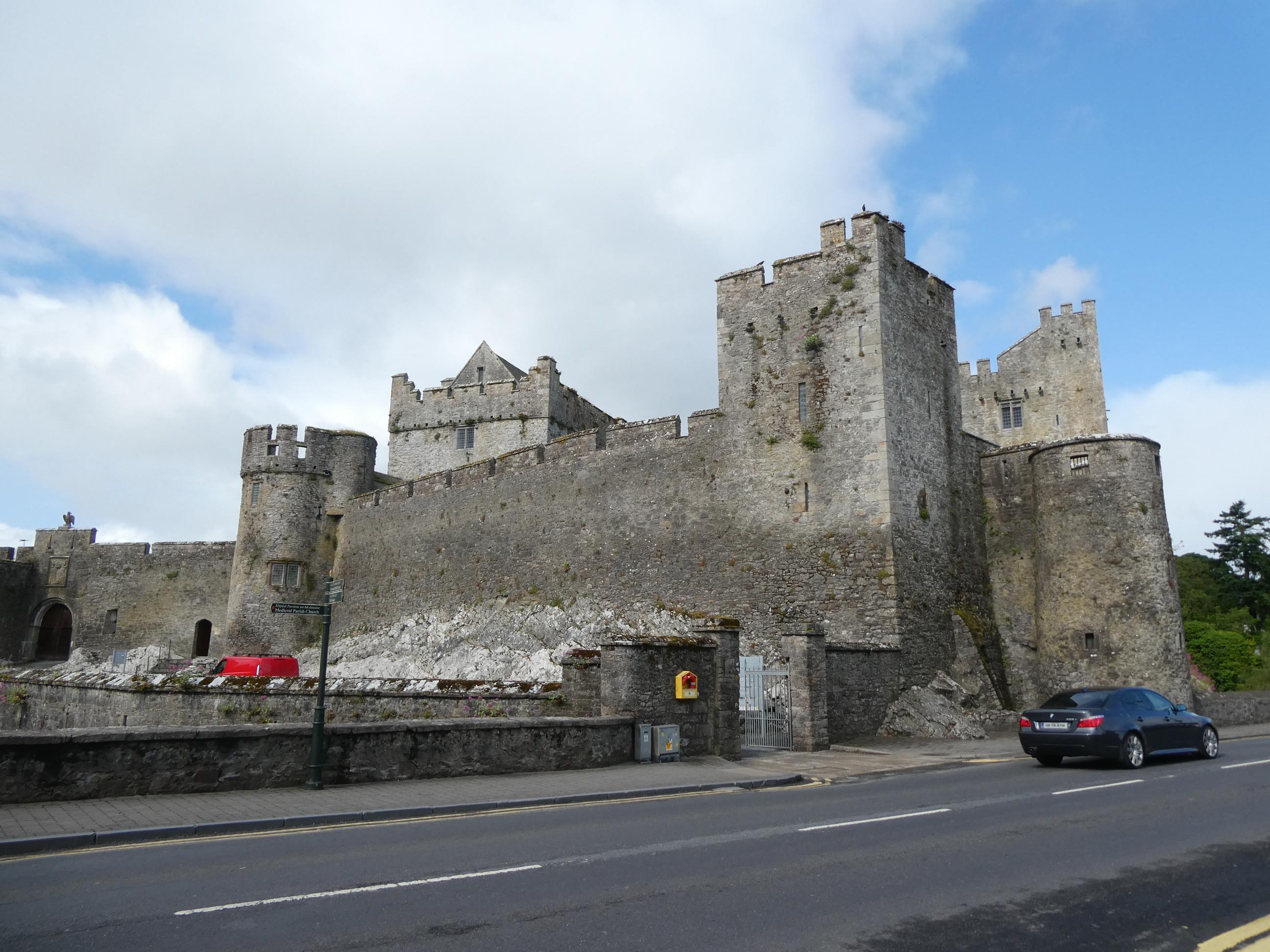
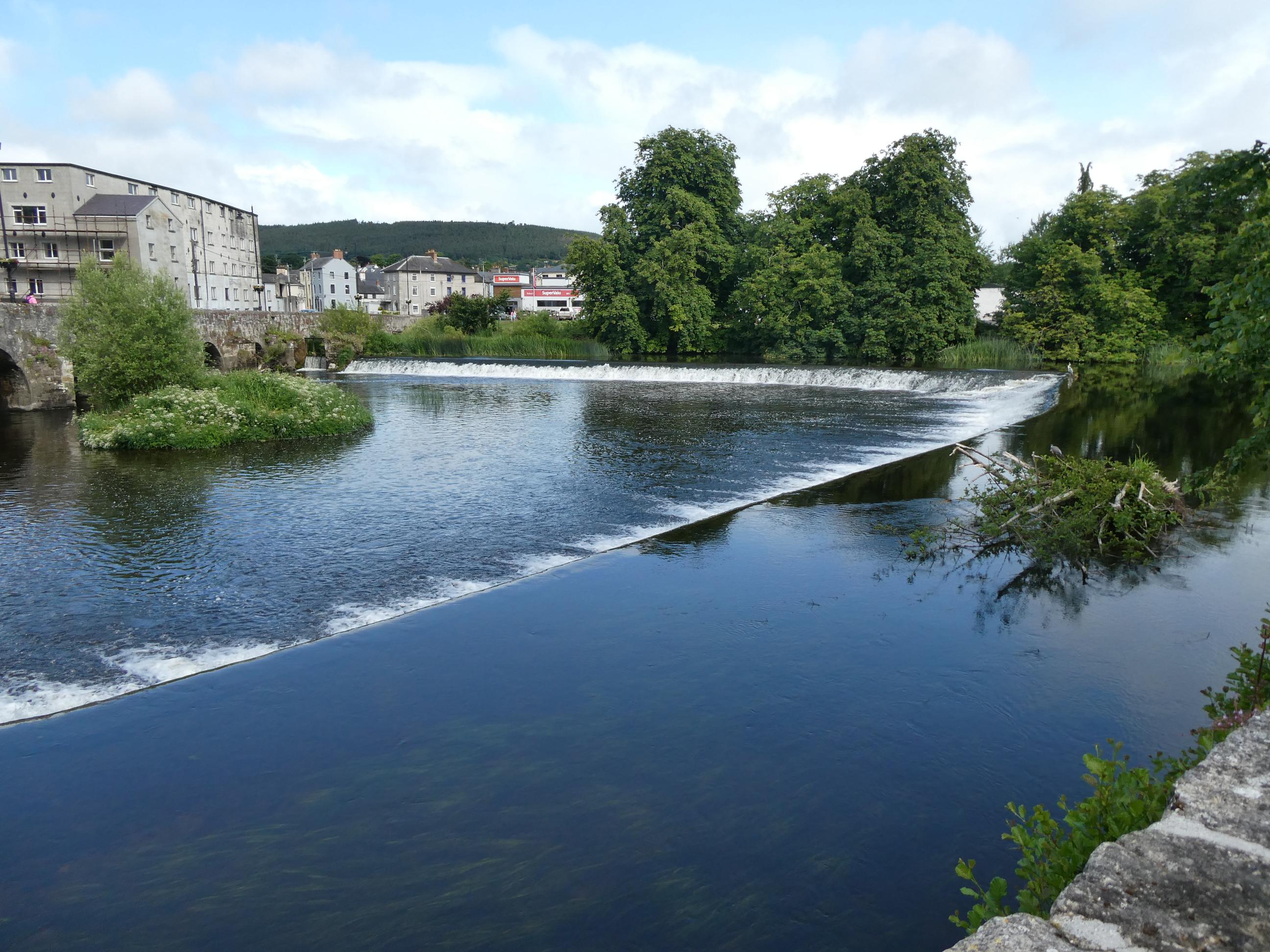
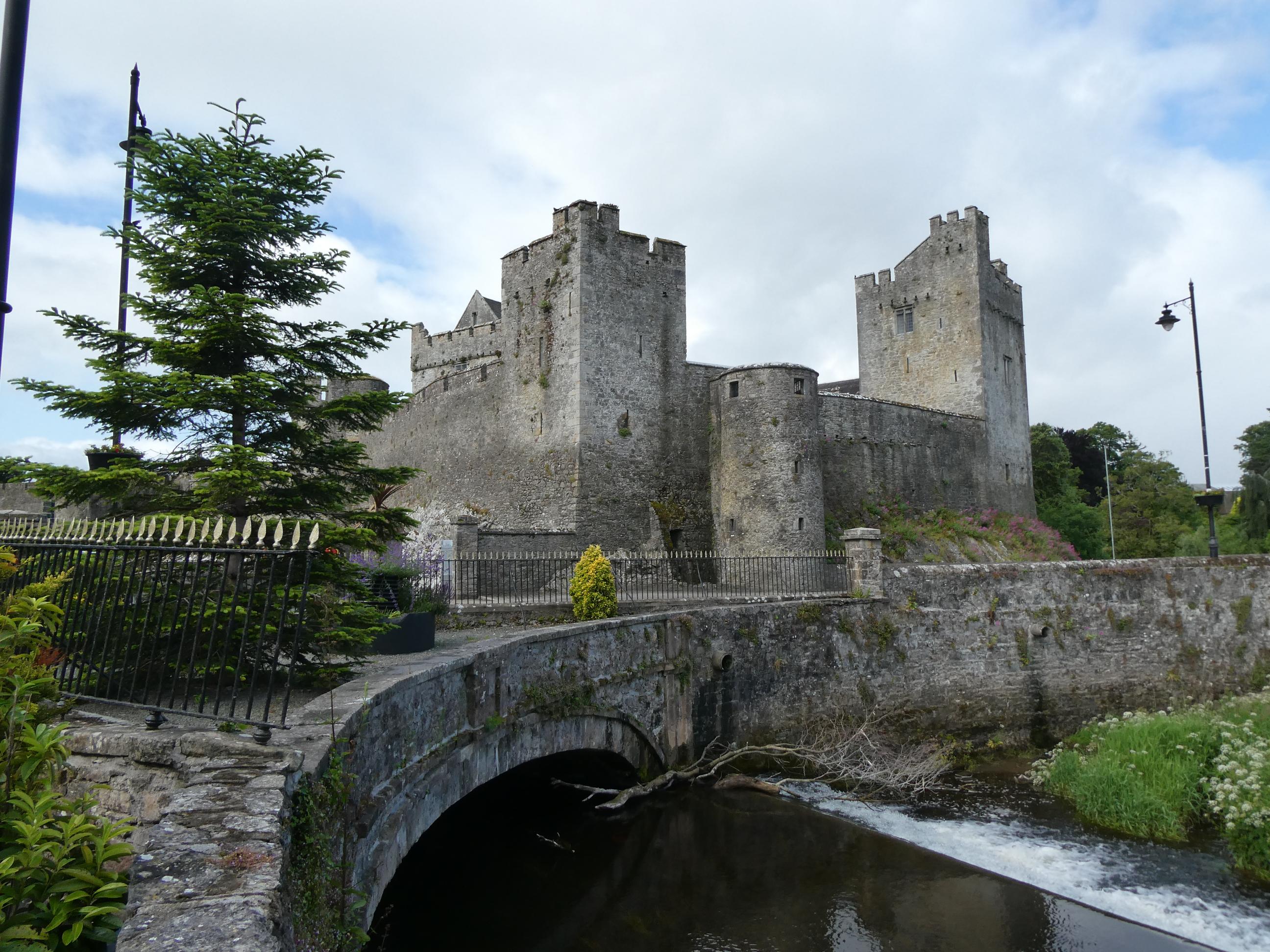
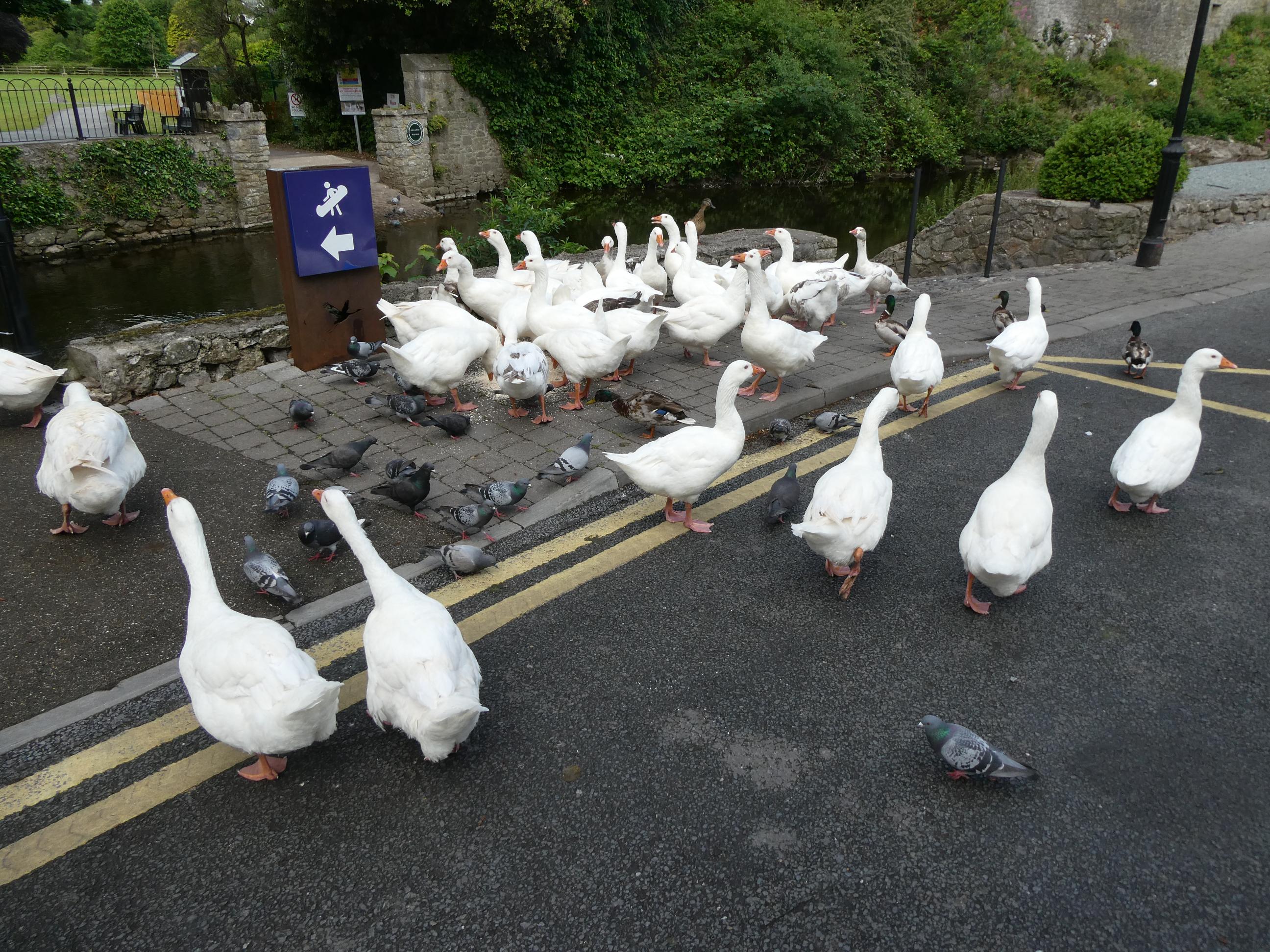
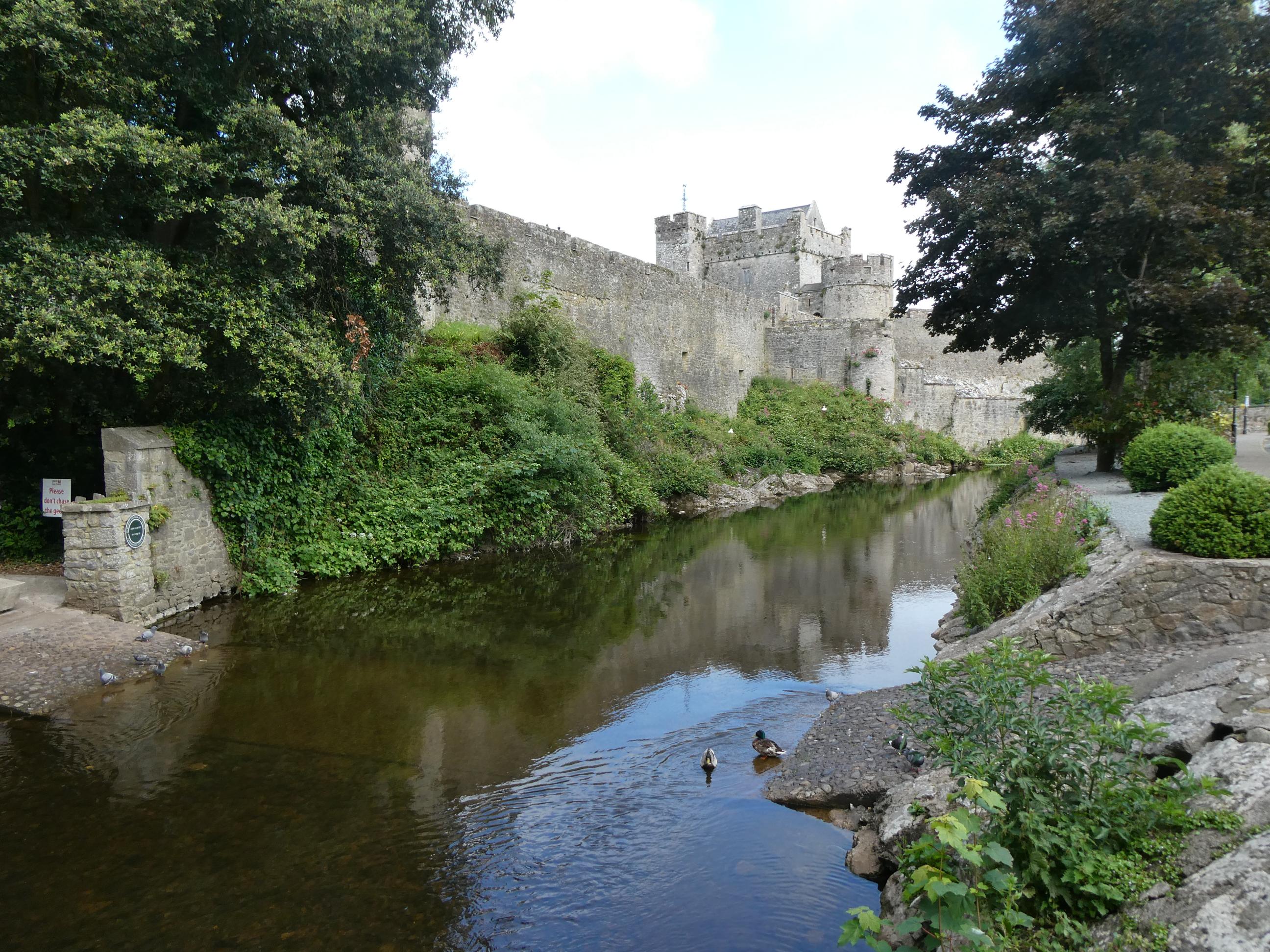
We had quite a long way to travel today, so we were on a tight schedule. We left Cork right on 8.30am and drove north to Cahir. We had tickets to visit Cahir Castle, but, because time was short, we made it a photo stop instead. It’s a huge castle, one of the largest in Ireland, and it sits on an island in the middle of the River Suir. It dominates the small town as you drive through it. The external structure of the castle looks largely intact, which is quite remarkable, given that it dates back to 1142. As we got out of the car, a gaggle of geese came waddling towards us. That was a surprise – a rather amusing surprise, actually. As I’m writing this, I was going to use the collective noun ‘flock’ for geese, but that didn’t sound right for waddling geese, so I checked and discovered that they’re a gaggle when they waddle. That’s very lyrical – I like it so much more than a flock of geese. Why did they come towards us? I suspect it’s because there was a place nearby where you could get a handful of grain to feed them. What a wonderful idea. Cahir Castle and its picturesque setting were really engaging. It’s a pity we couldn’t stay longer than ten minutes.
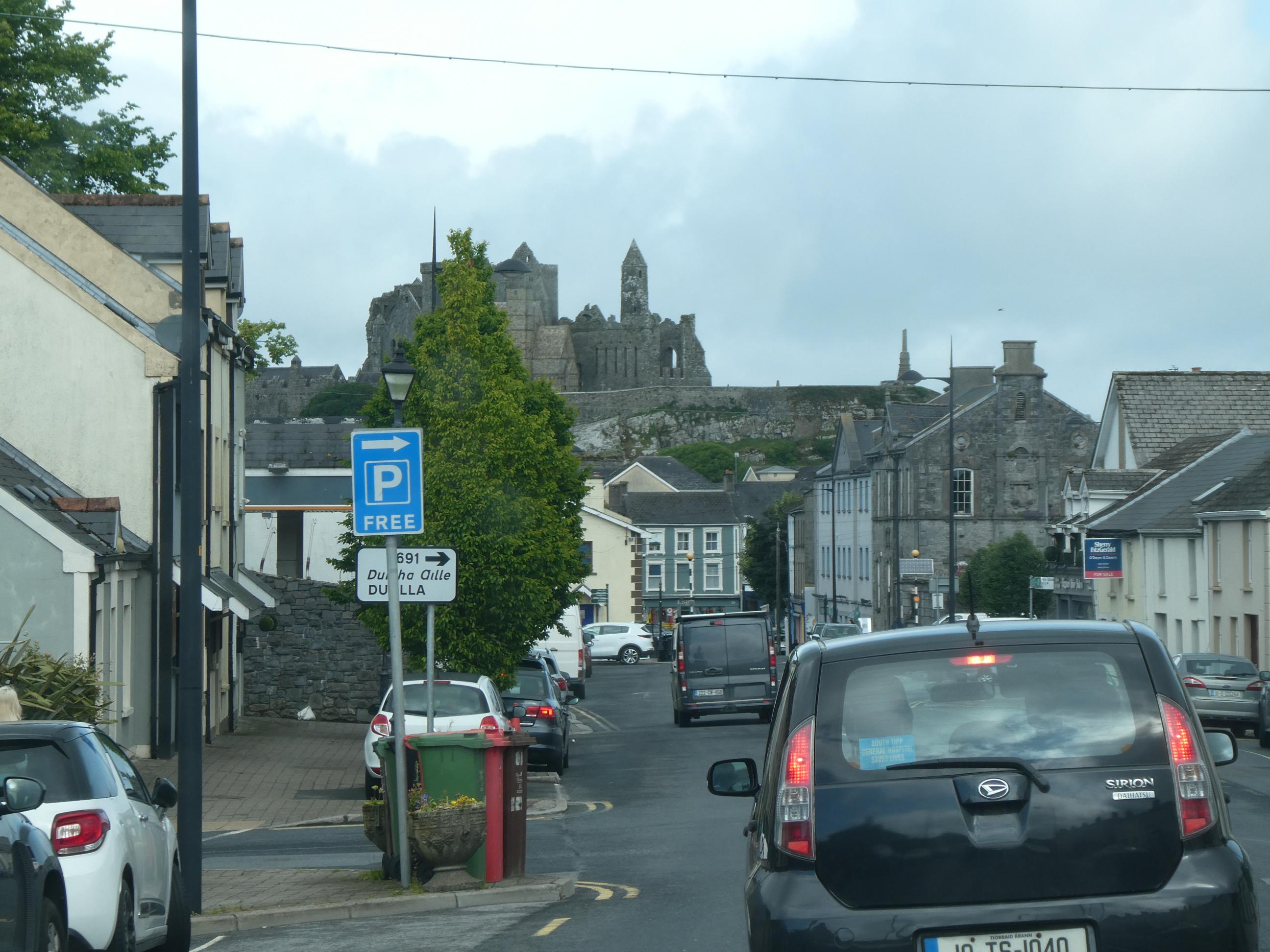
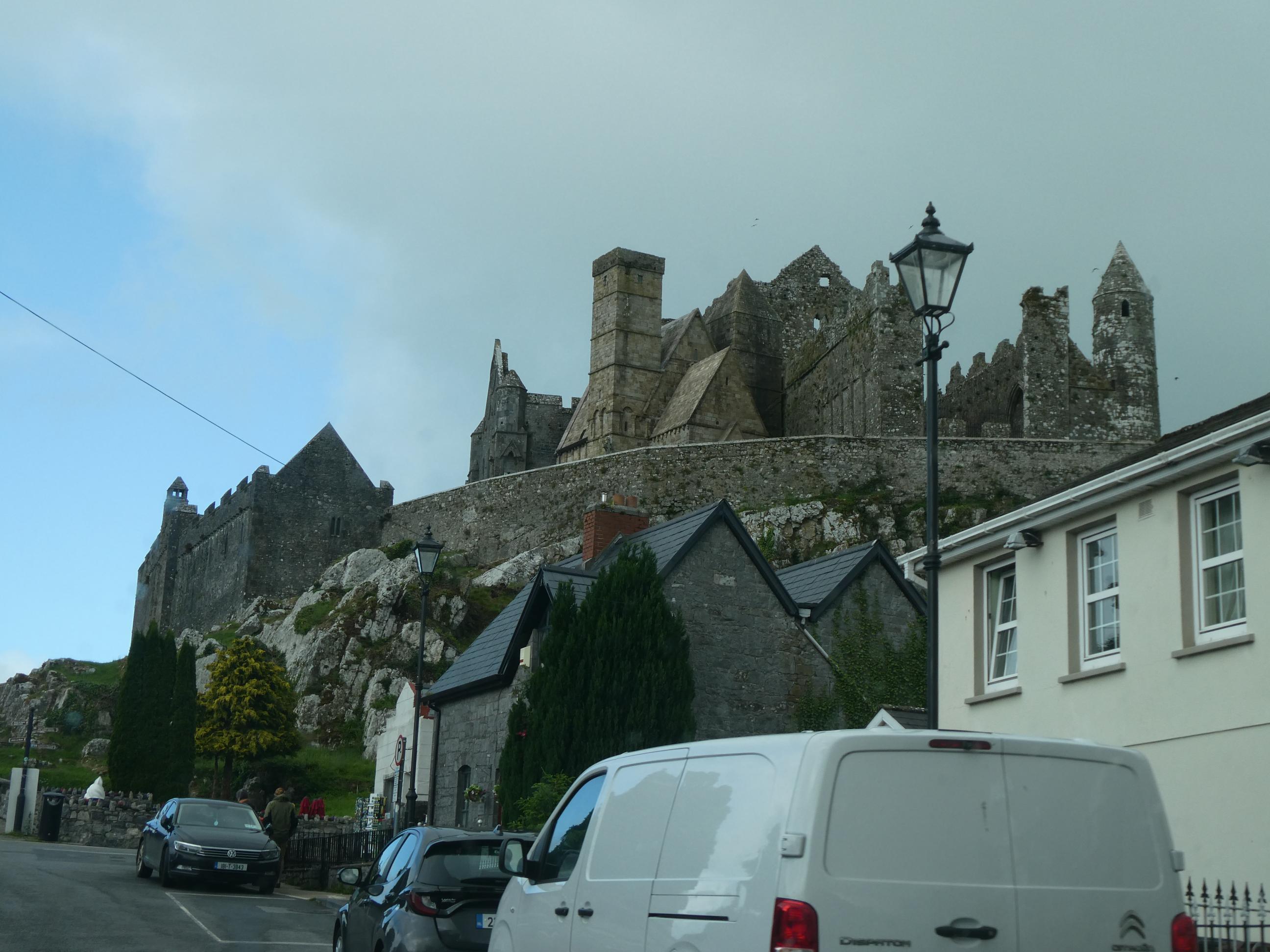
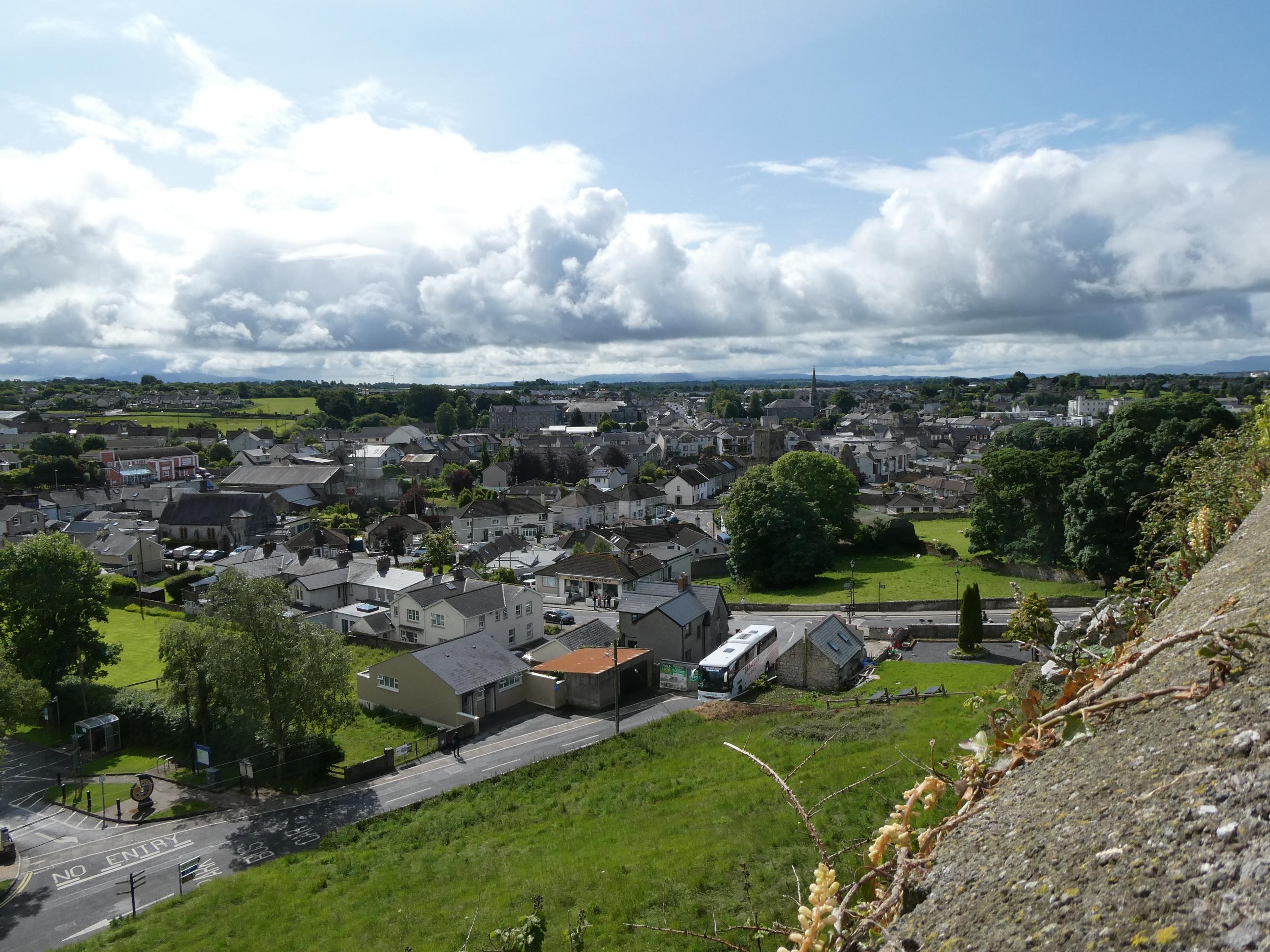
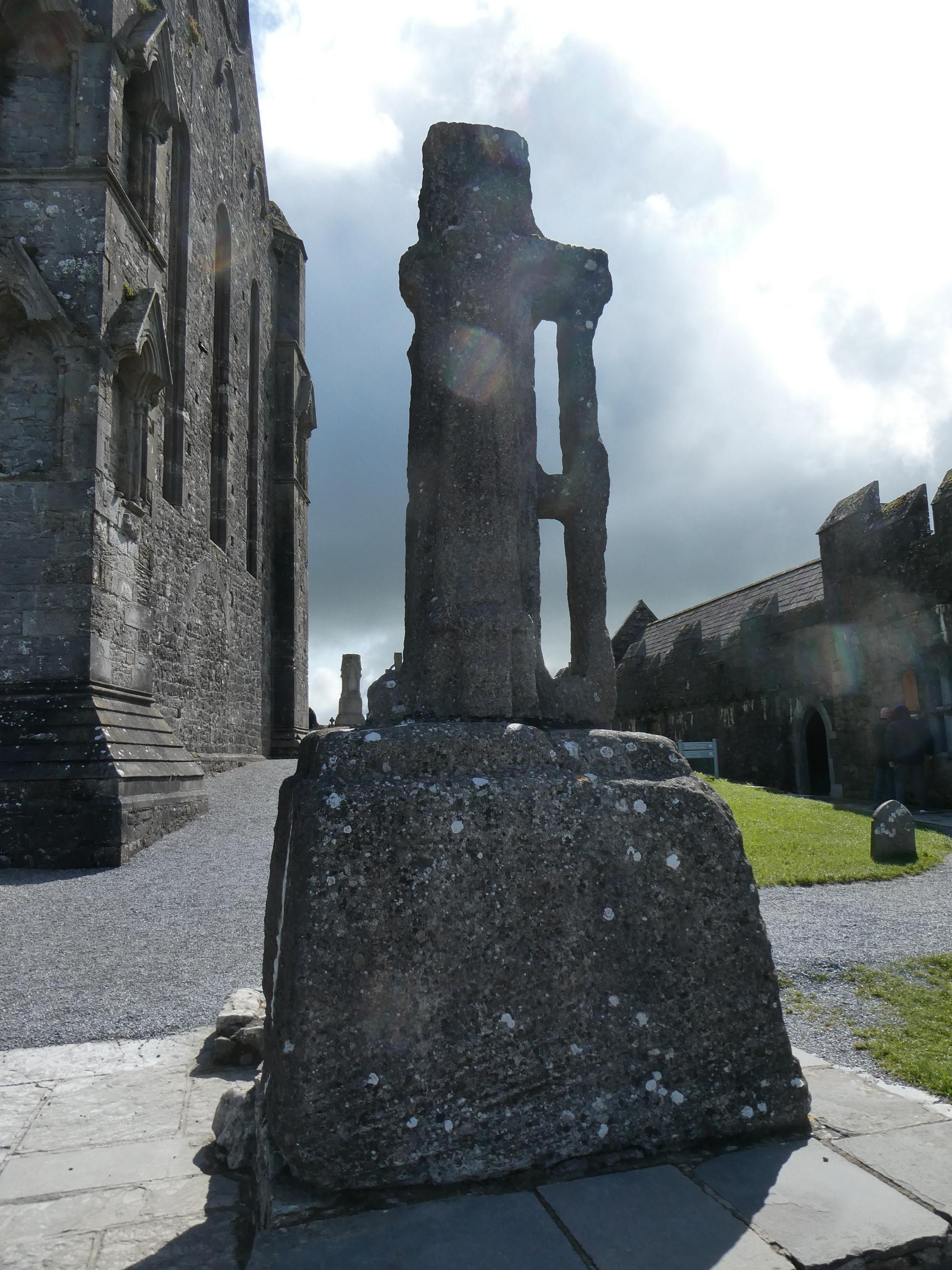
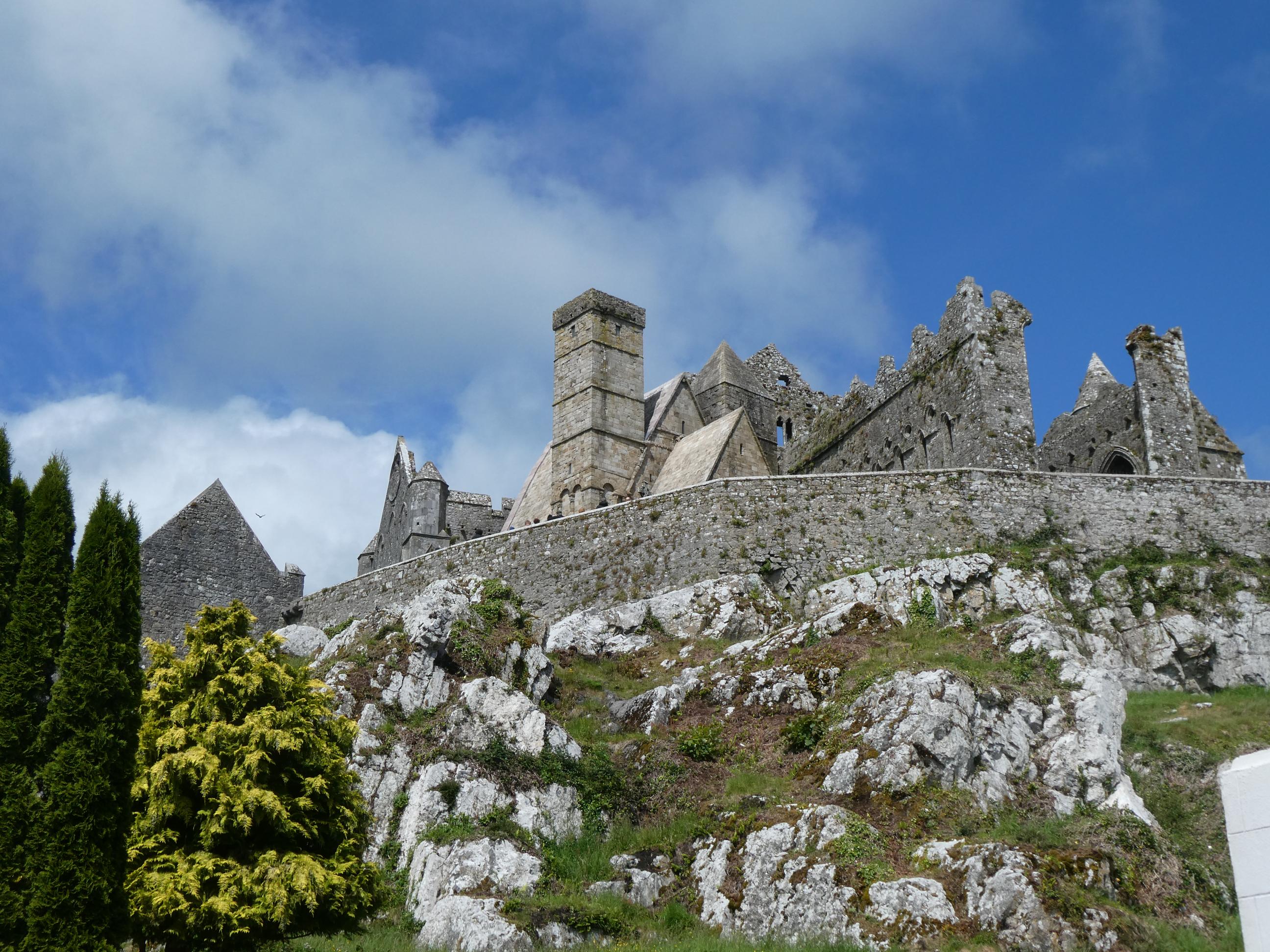
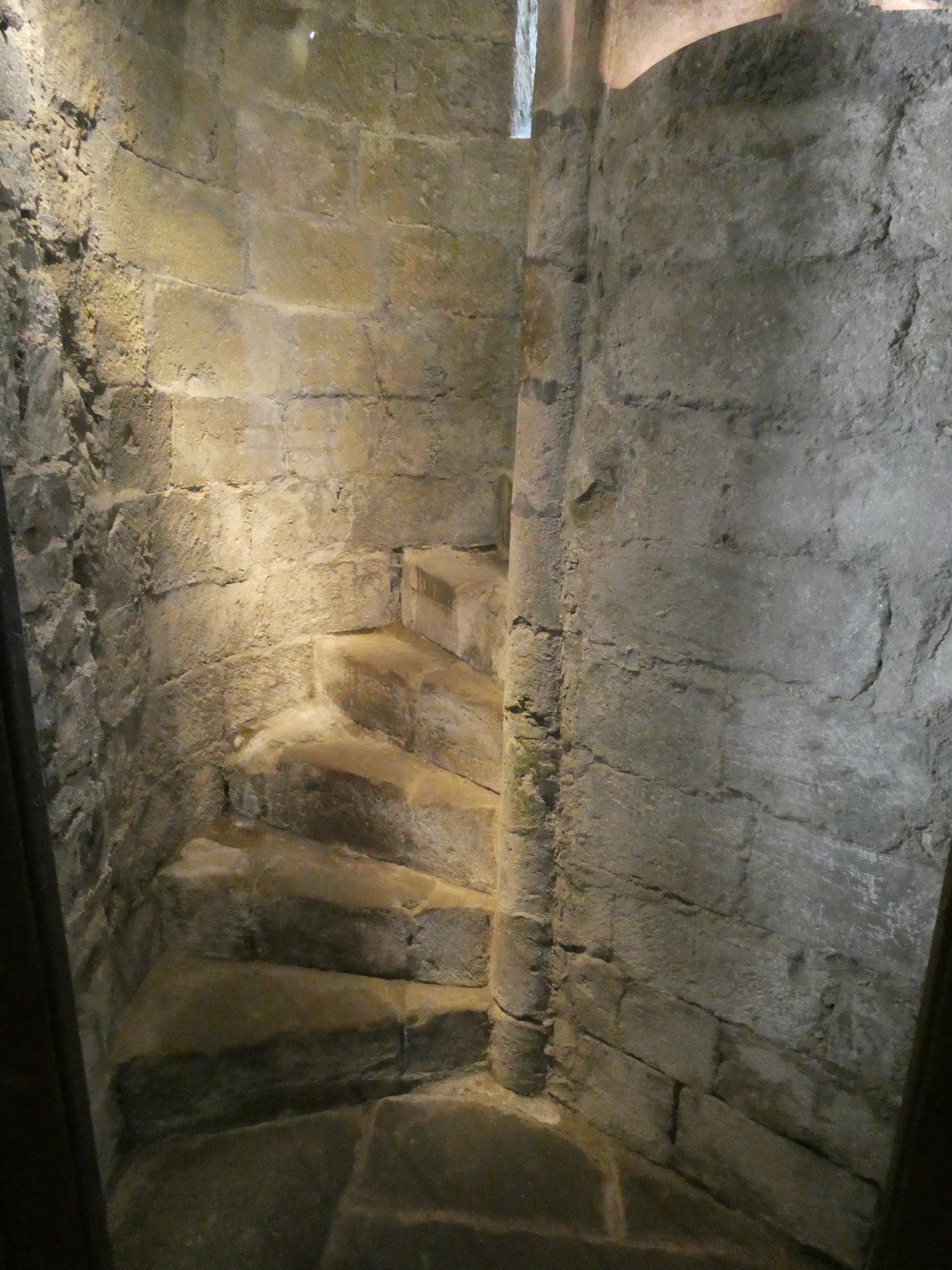
Fifteen minutes north of Cahir was our second stop, the well-named Rock of Cashel. The Rock of Cashel is a ruined heritage site which sits high on a rocky hill above the town of Cashel, which, like Cahir, is in County Tipperary. Although it looks like a mighty castle in its dominant position, the Rock of Cashel actually comprises the ruins of a great cathedral, a chapel, a round tower and a graveyard. Our guide, Niamh, told us the story she’d been told by her teachers – that when St Patrick banished Satan from a cave in the nearby mountains, Satan took a bite out of a mountain and broke a tooth. When Satan spat out the tooth, it landed some distance away and became the Rock of Cashel. St Patrick, who brought Christianity to Ireland, is reputed to have come here. Beginning in the 4th century, the kings of Munster (the south of Ireland) ruled from here for hundreds of years. In 977, Brian Boru was crowned king of Munster here. Shortly after, he unified different regions of the island when he became High King of all Ireland. He was also founder of the very powerful O’Brien dynasty. In 1101, King Muirchertach donated the Rock of Cashel to the church. Our guide suggested this was both to guarantee his own place in heaven, as well as to guarantee his family could continue to live there safe from any threats into the future. Very little of the structures built during this early period are still standing. The round tower was built in about 1100 and the cathedral was built during the 1200s. During the 1600s, Irish Confederate troops, who were supporters of England’s King Charles I, sheltering in the Rock of Cashel were attacked and slaughtered by an army of English Parliamentarian supporters. They also destroyed parts of the structure, murdered the priests and looted religious artefacts.
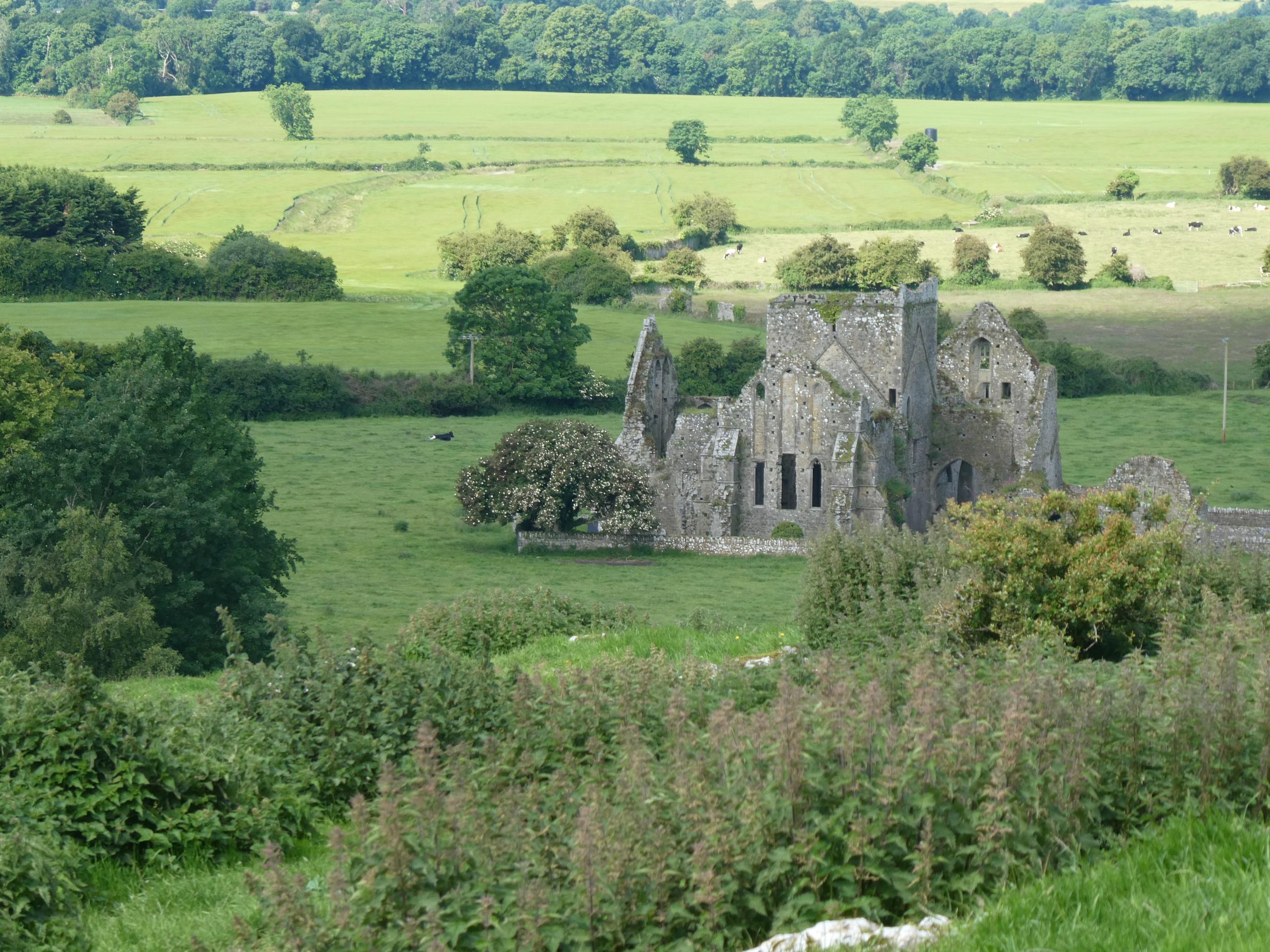
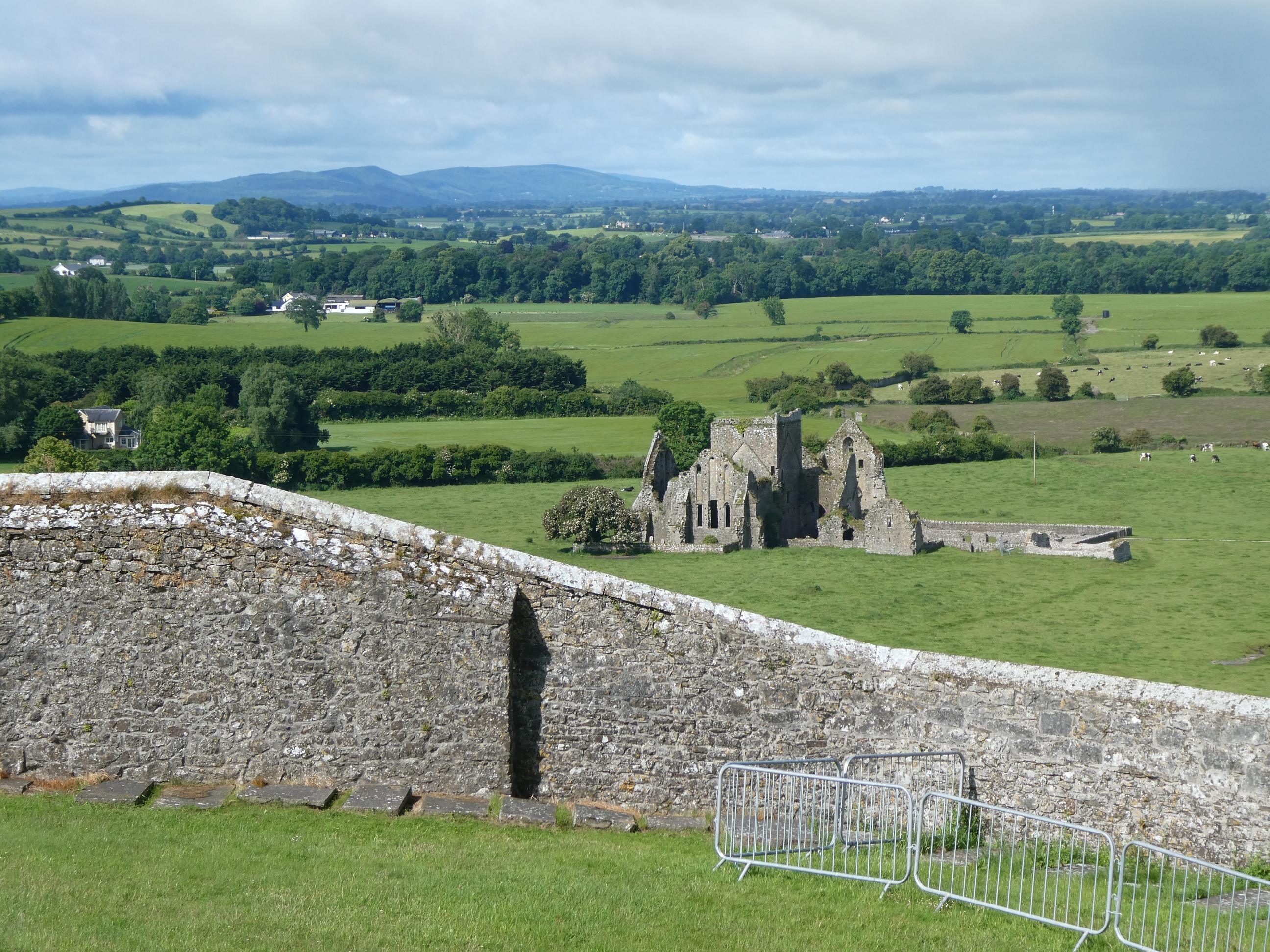
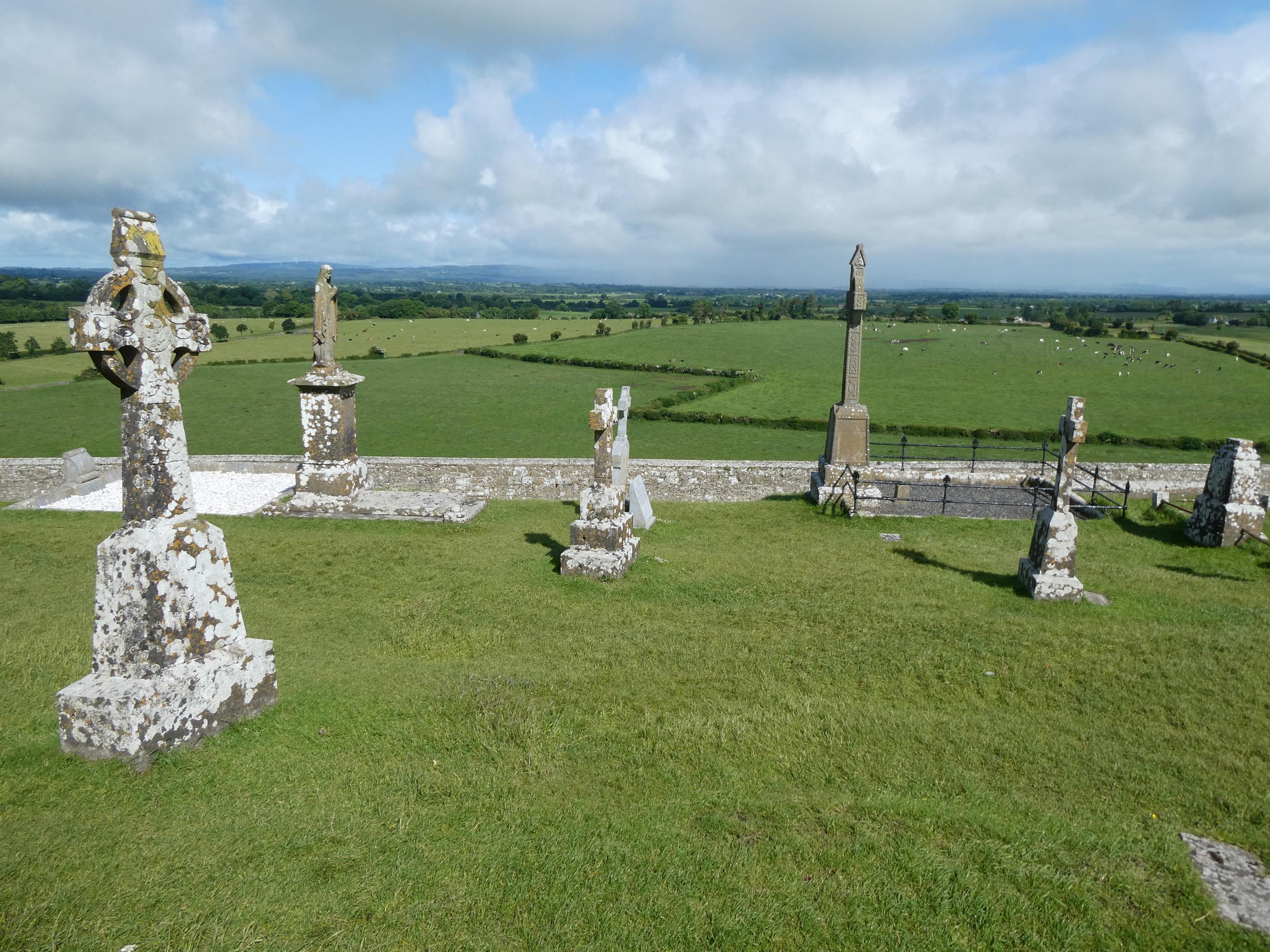
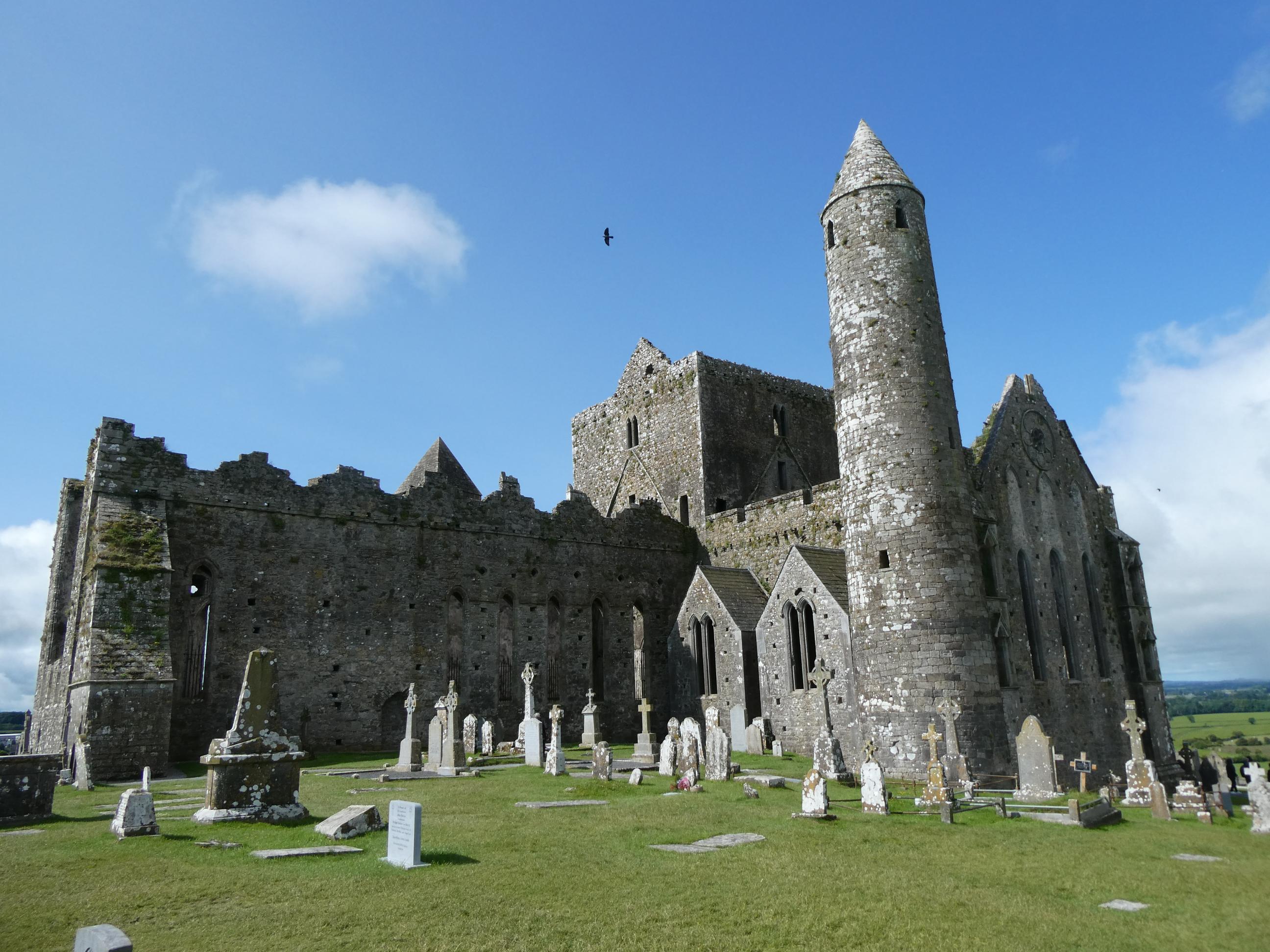
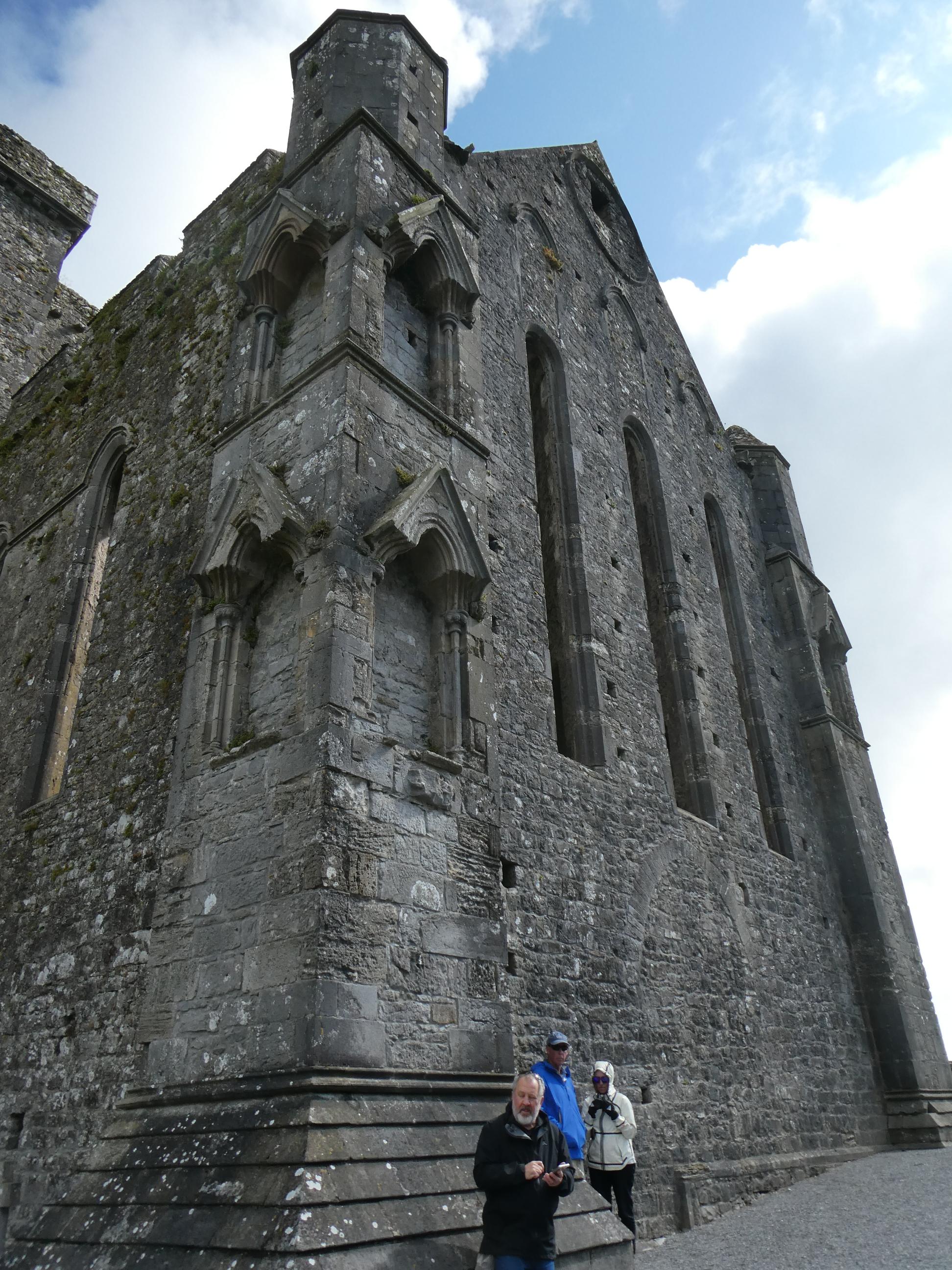
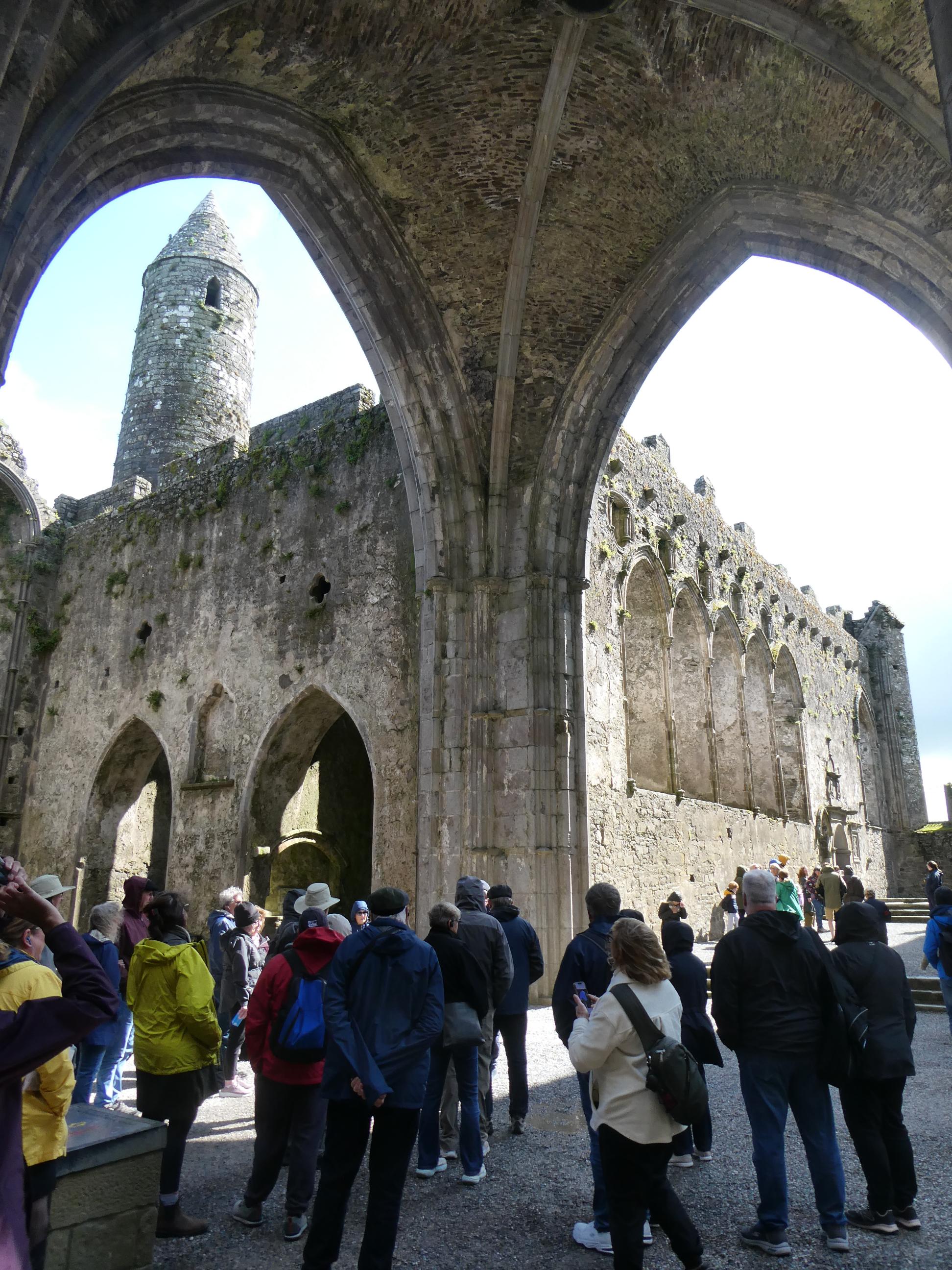
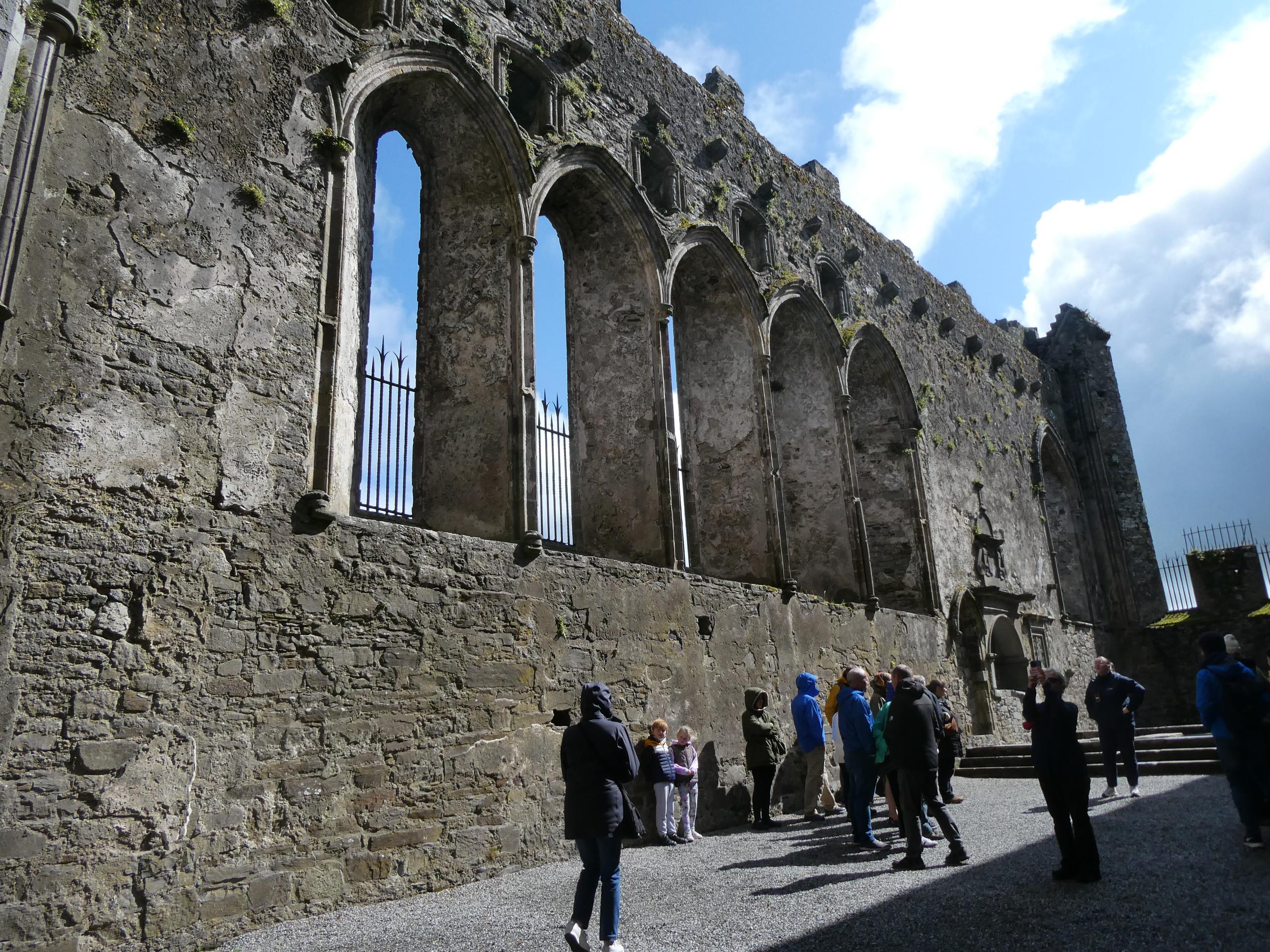
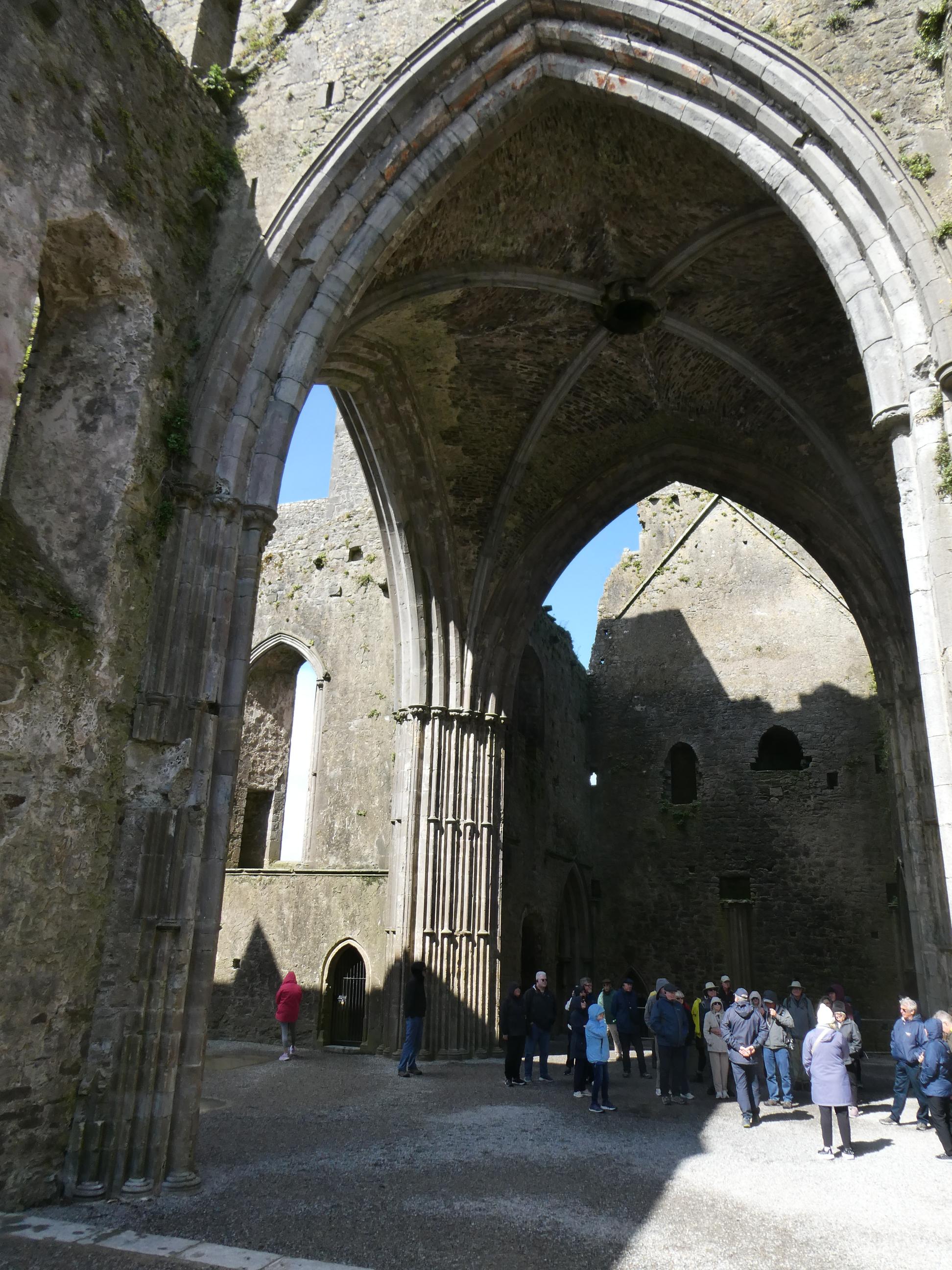
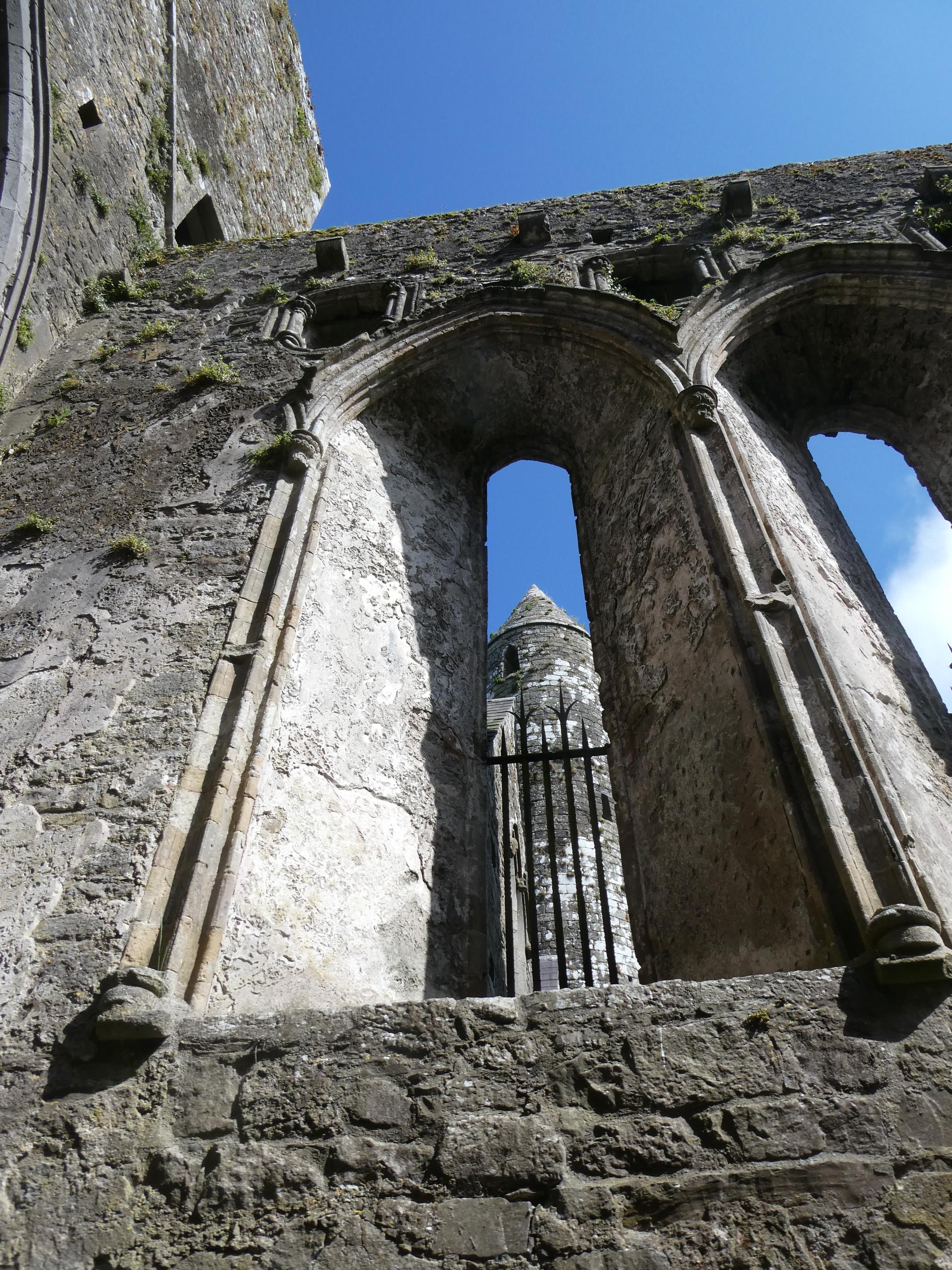
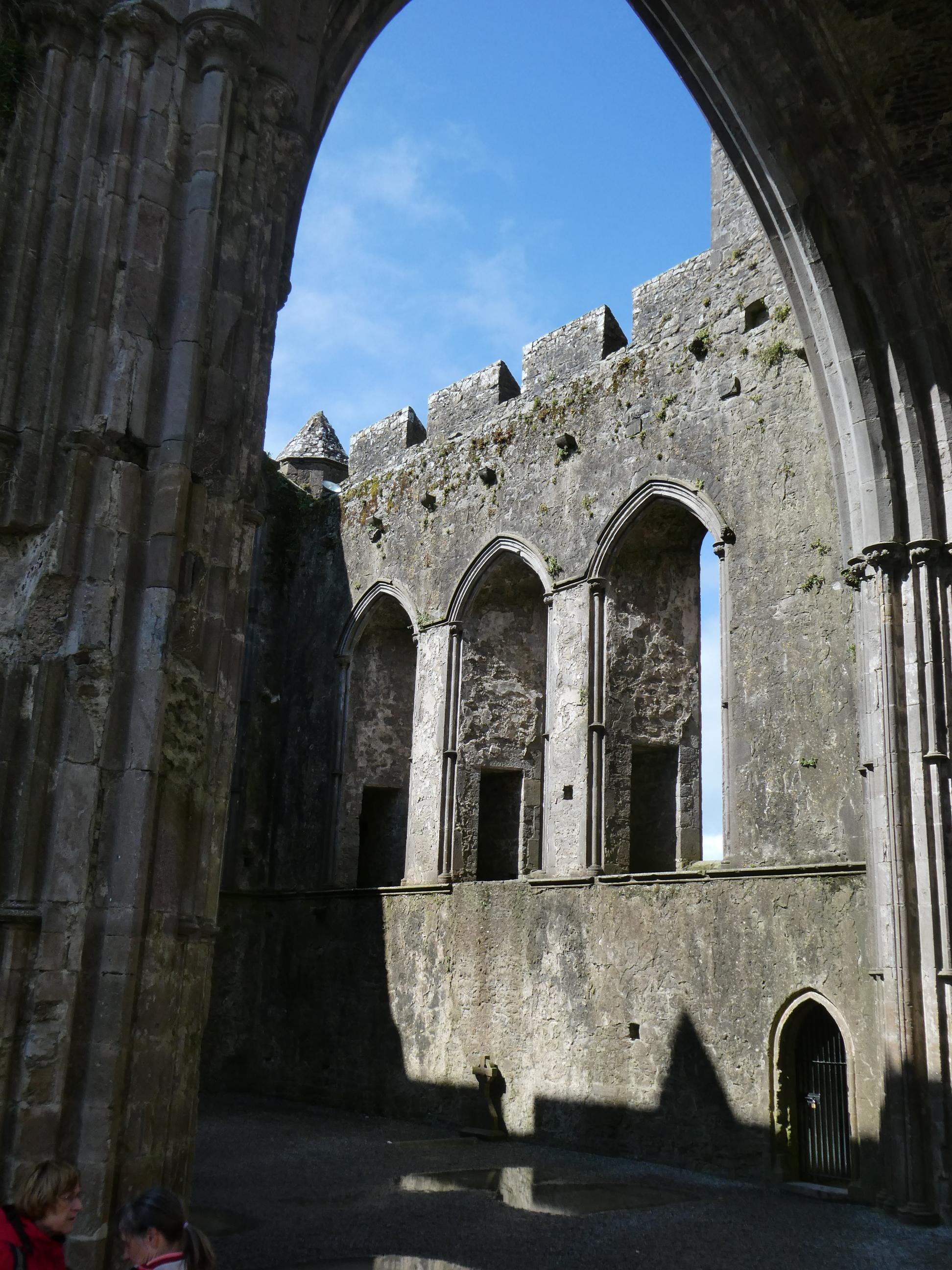
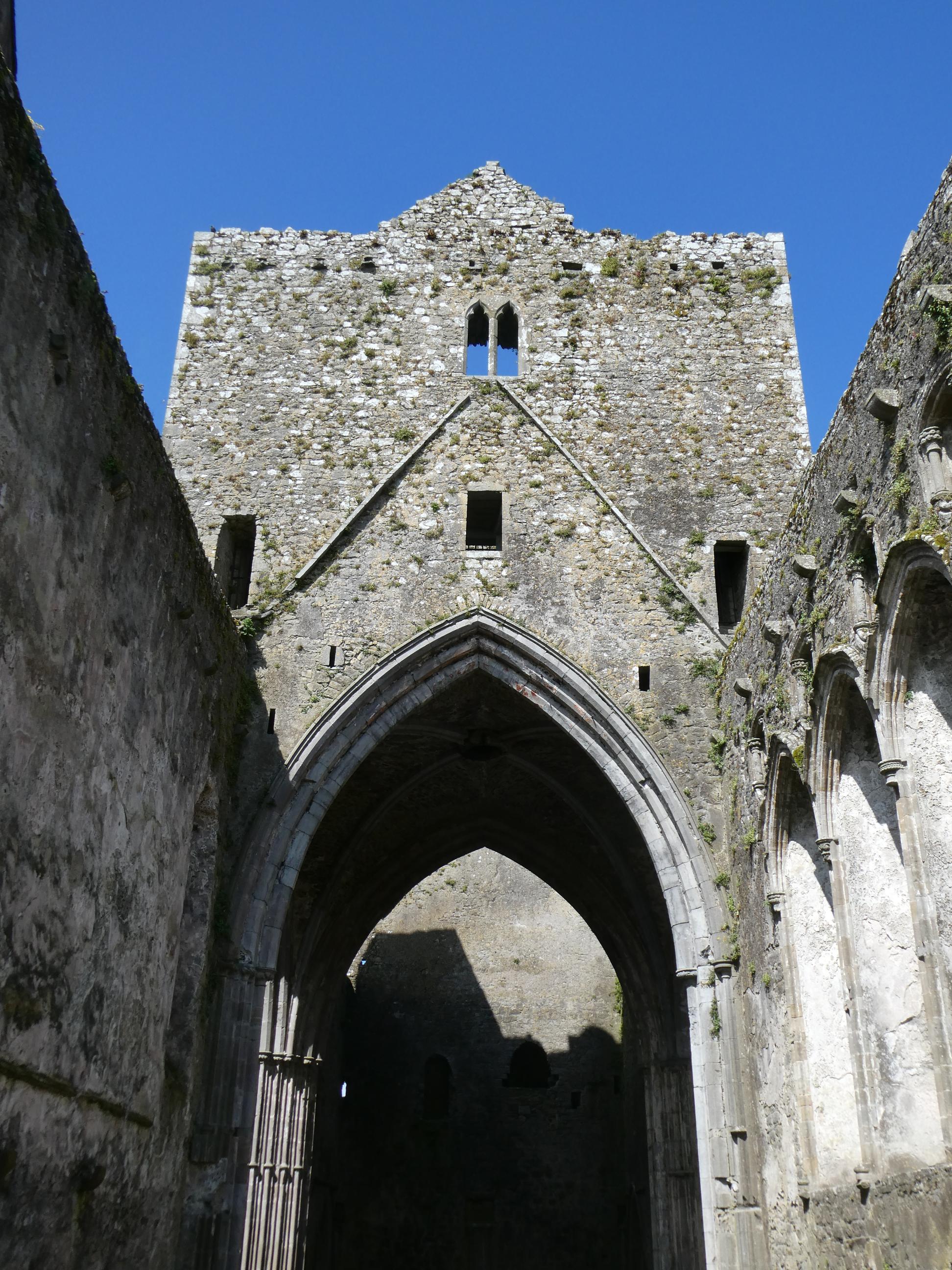
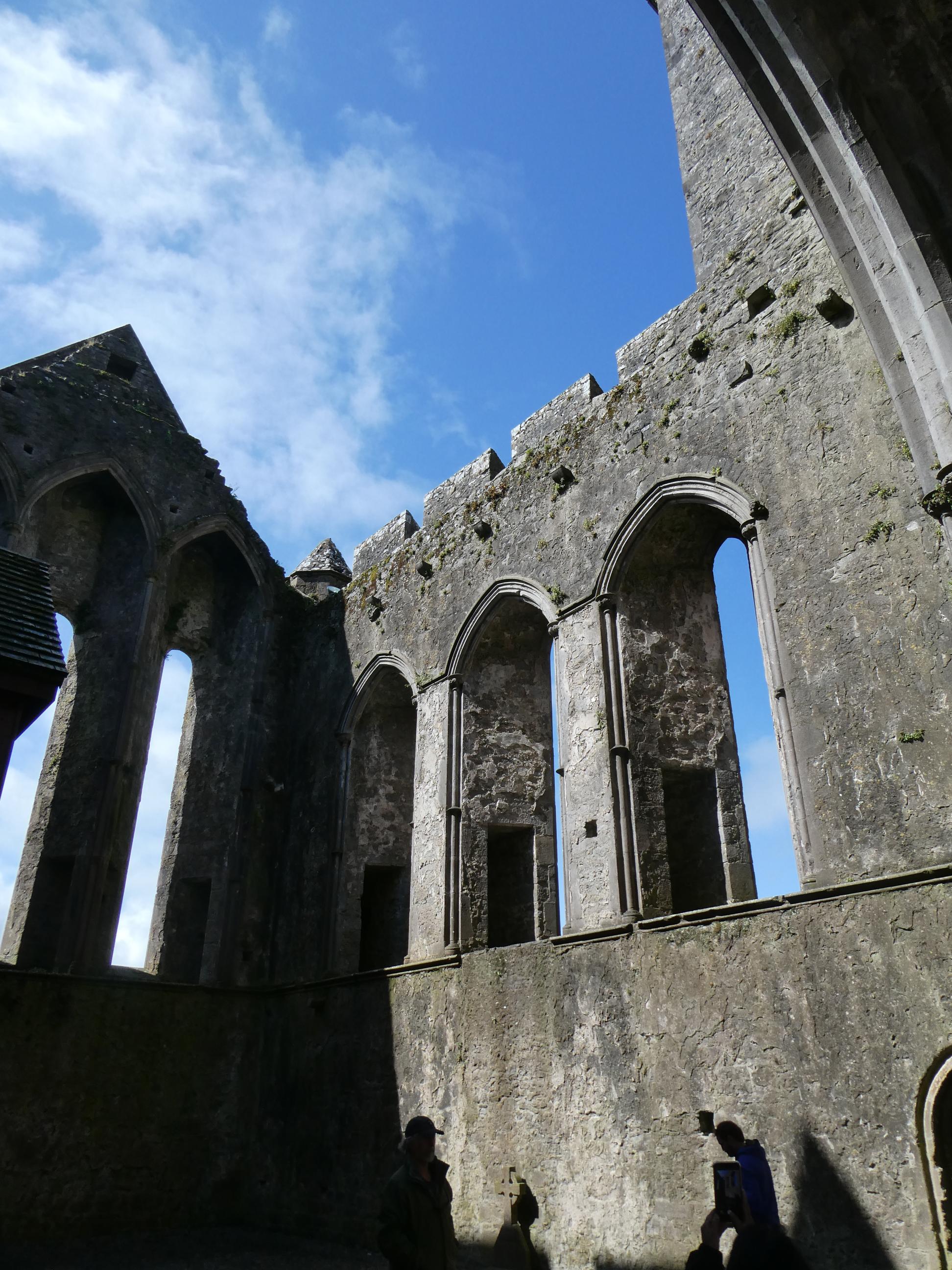
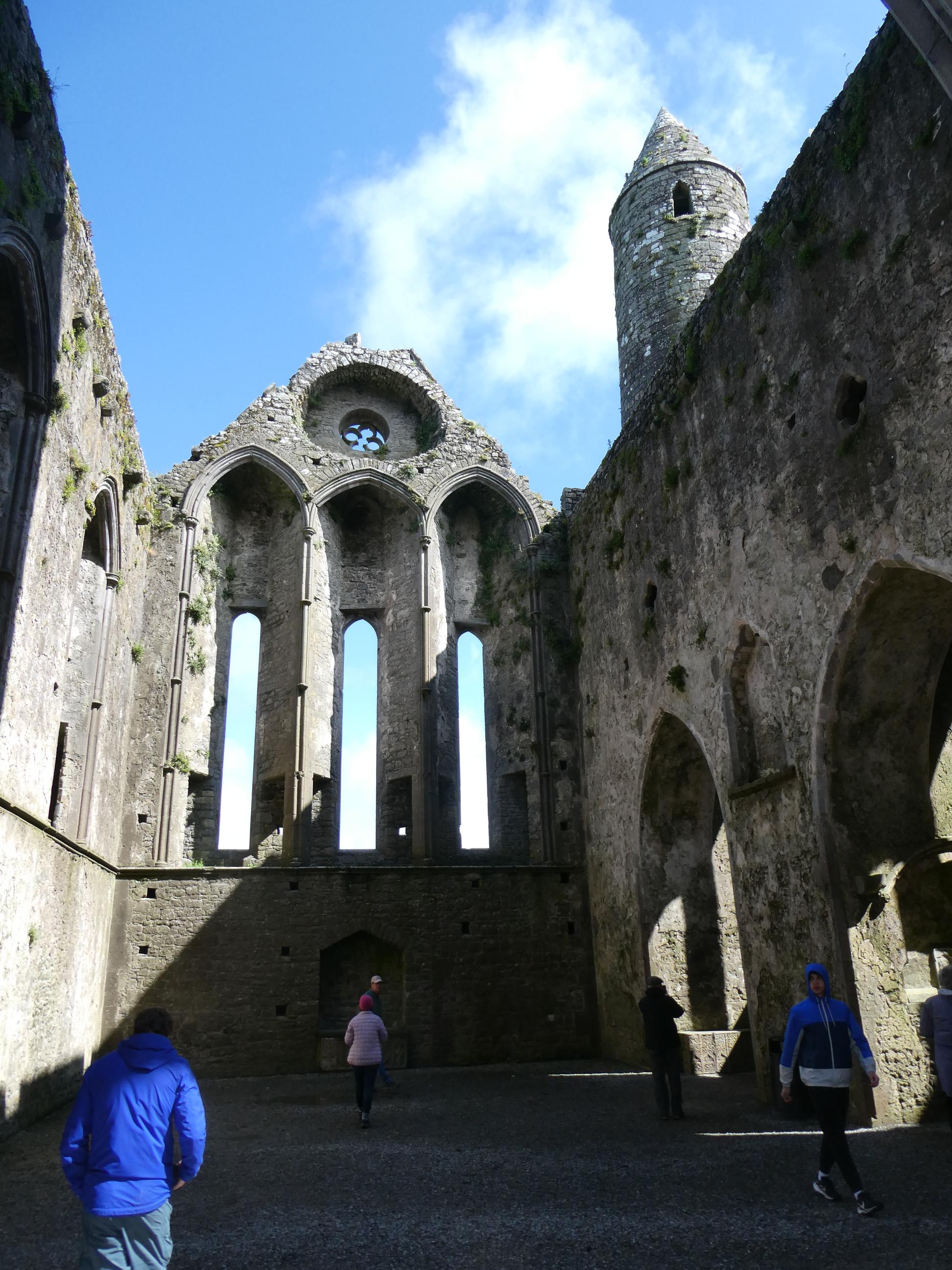
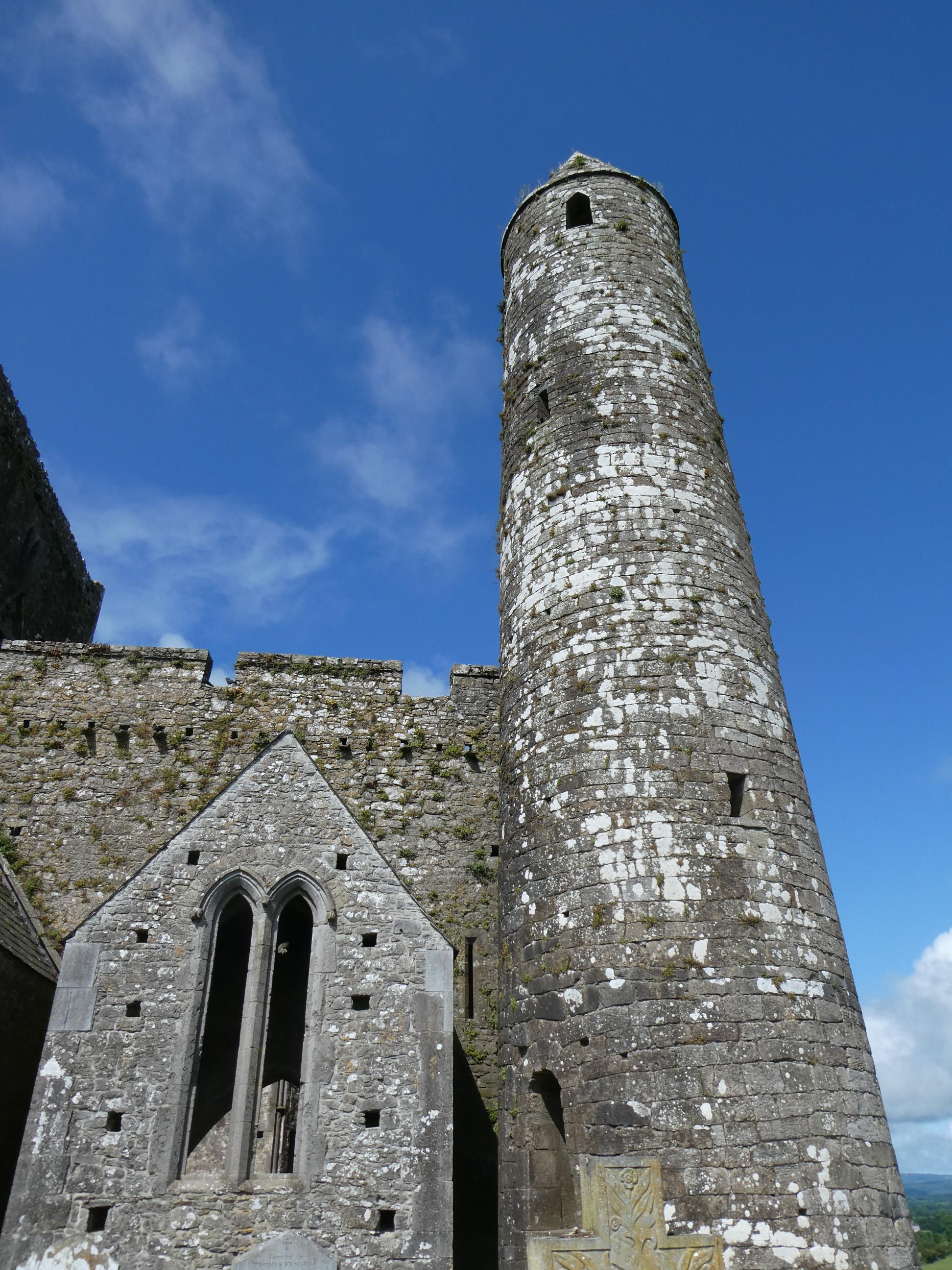
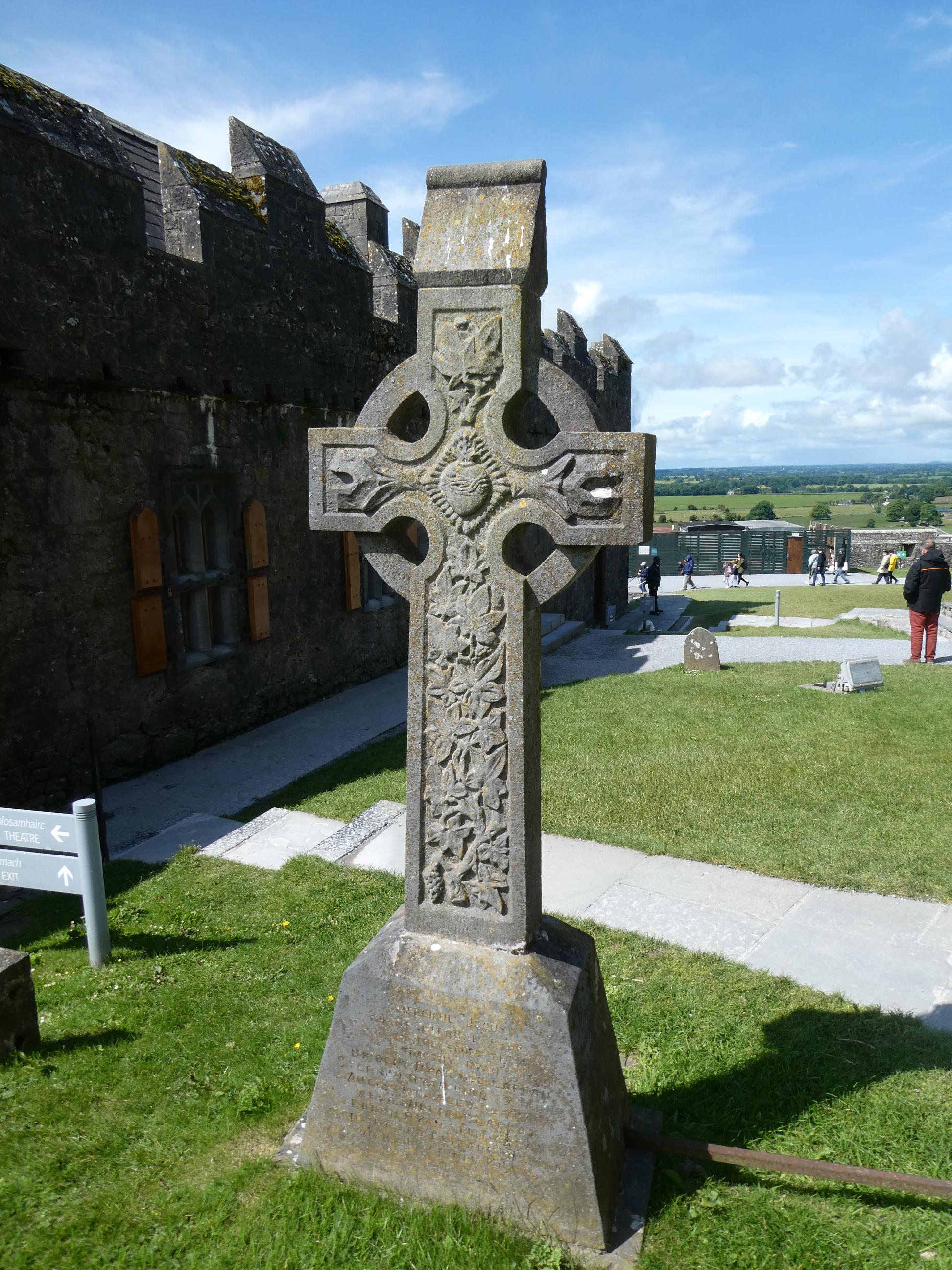
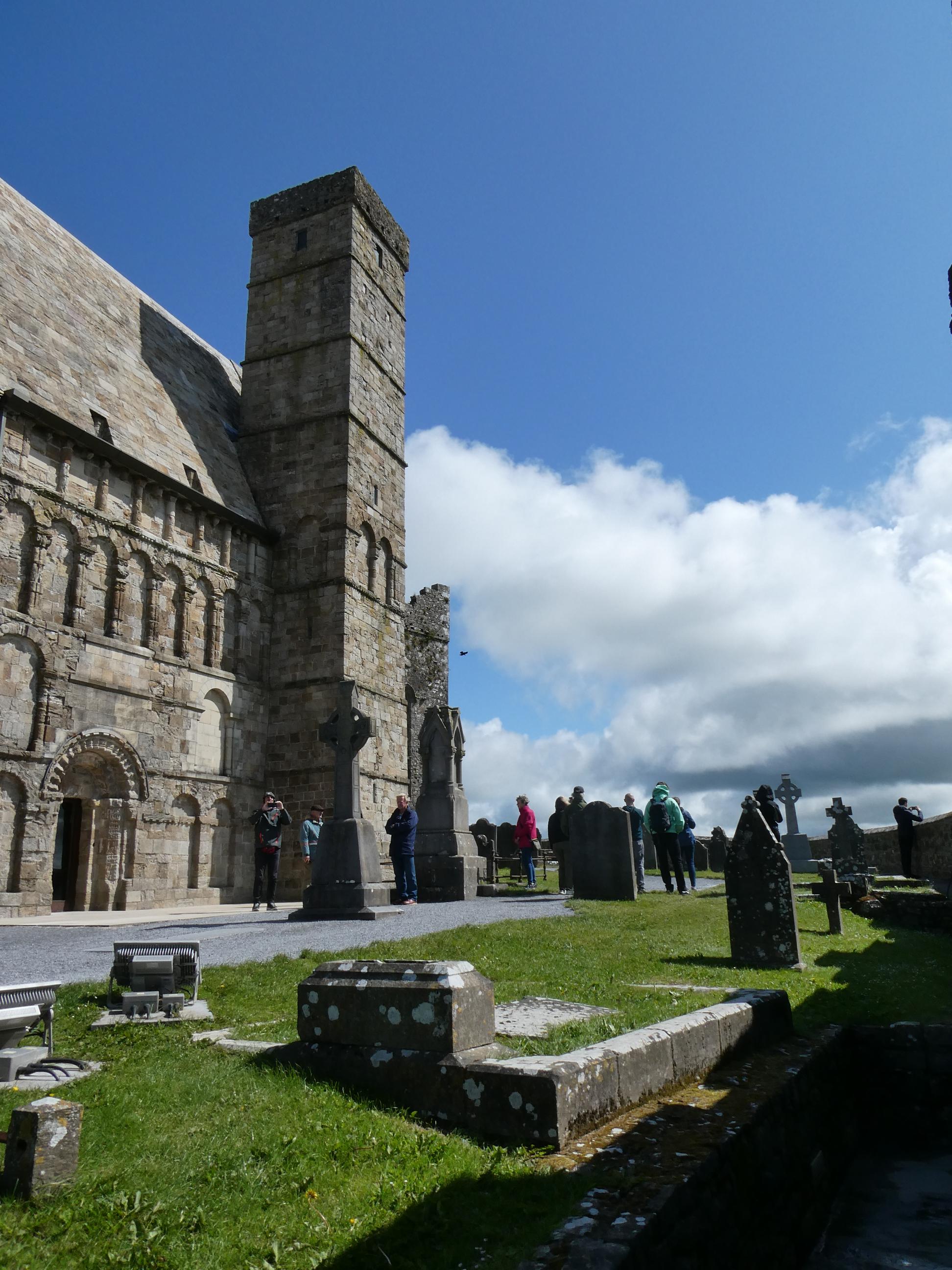
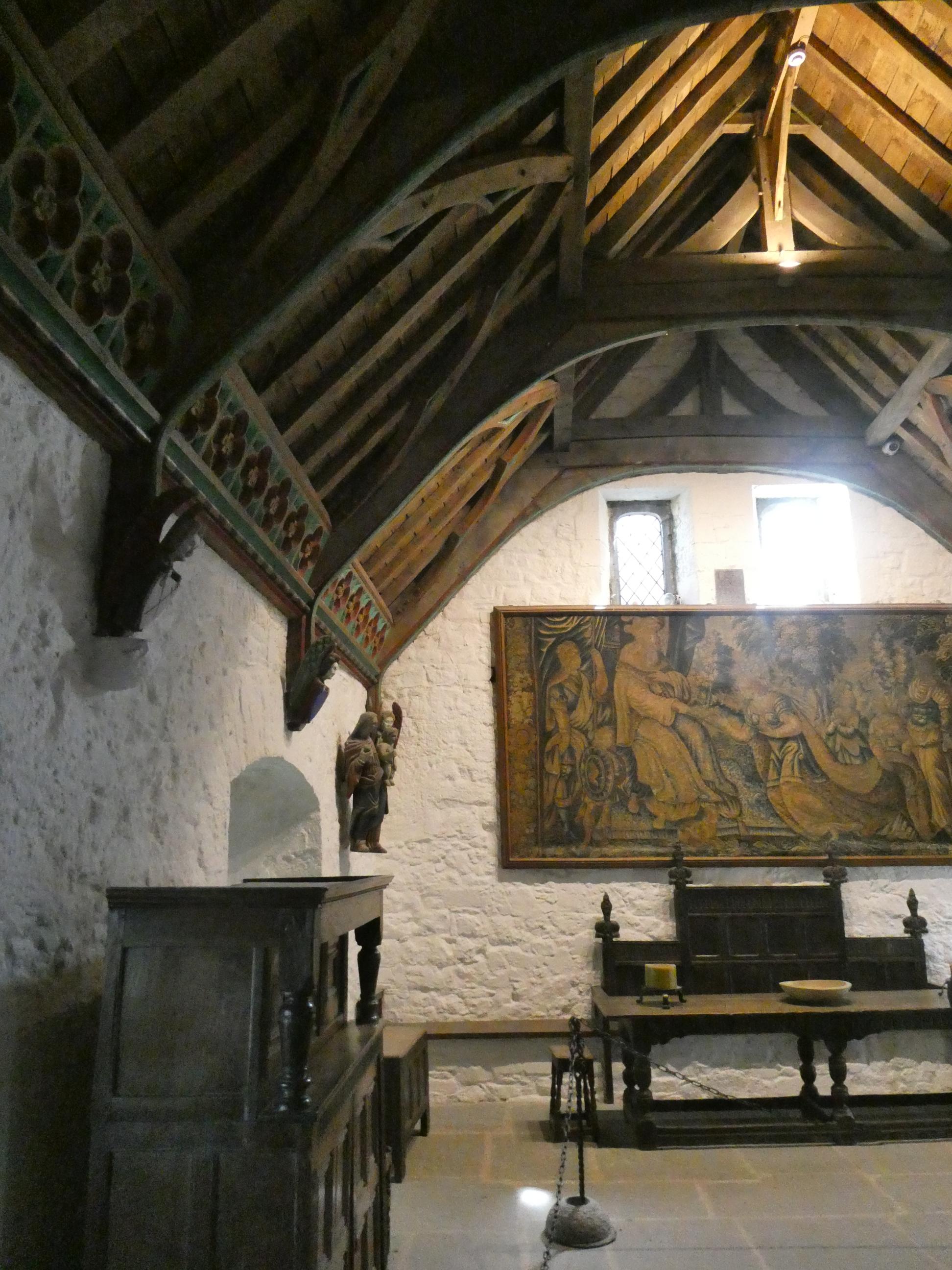
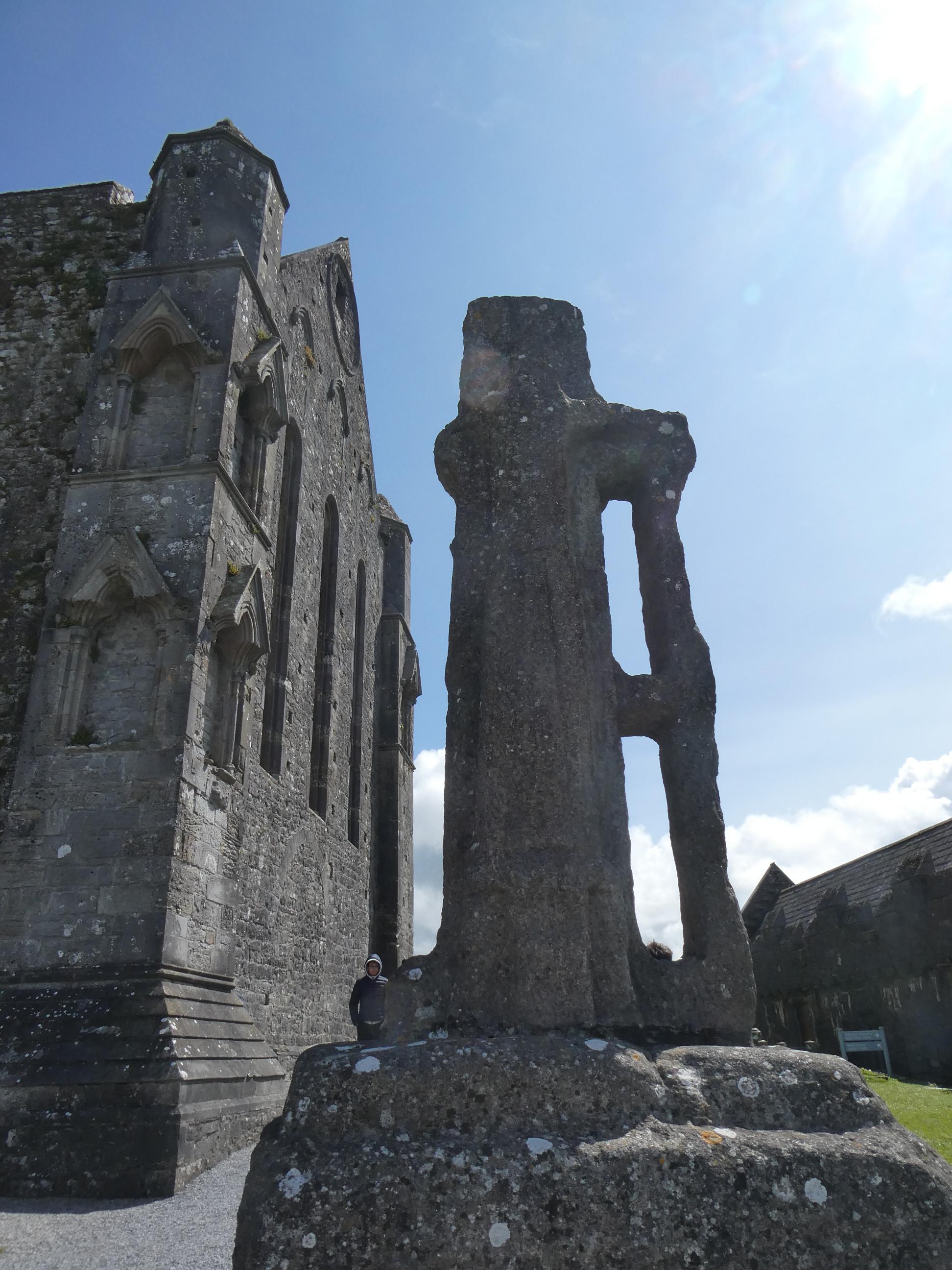
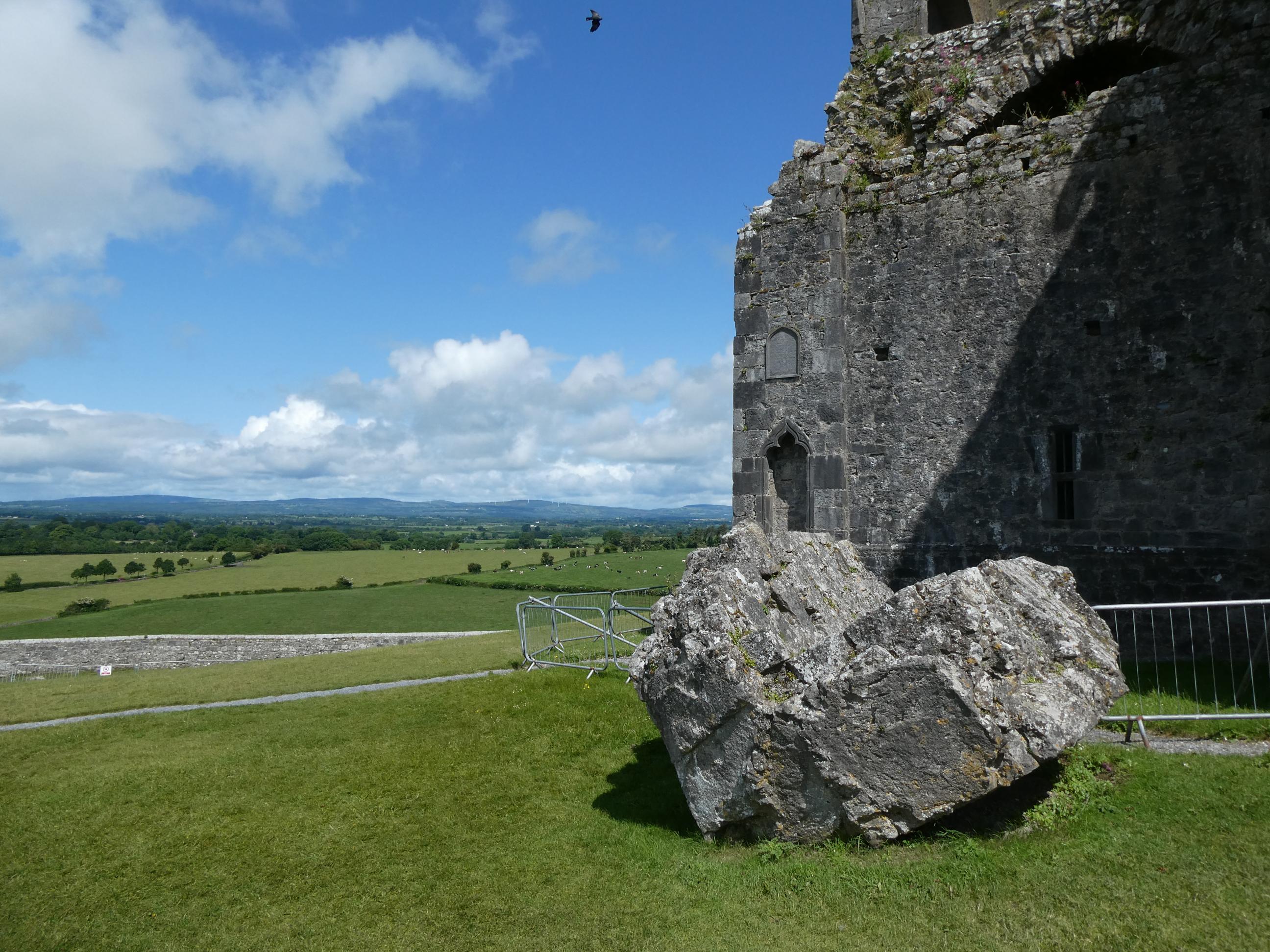
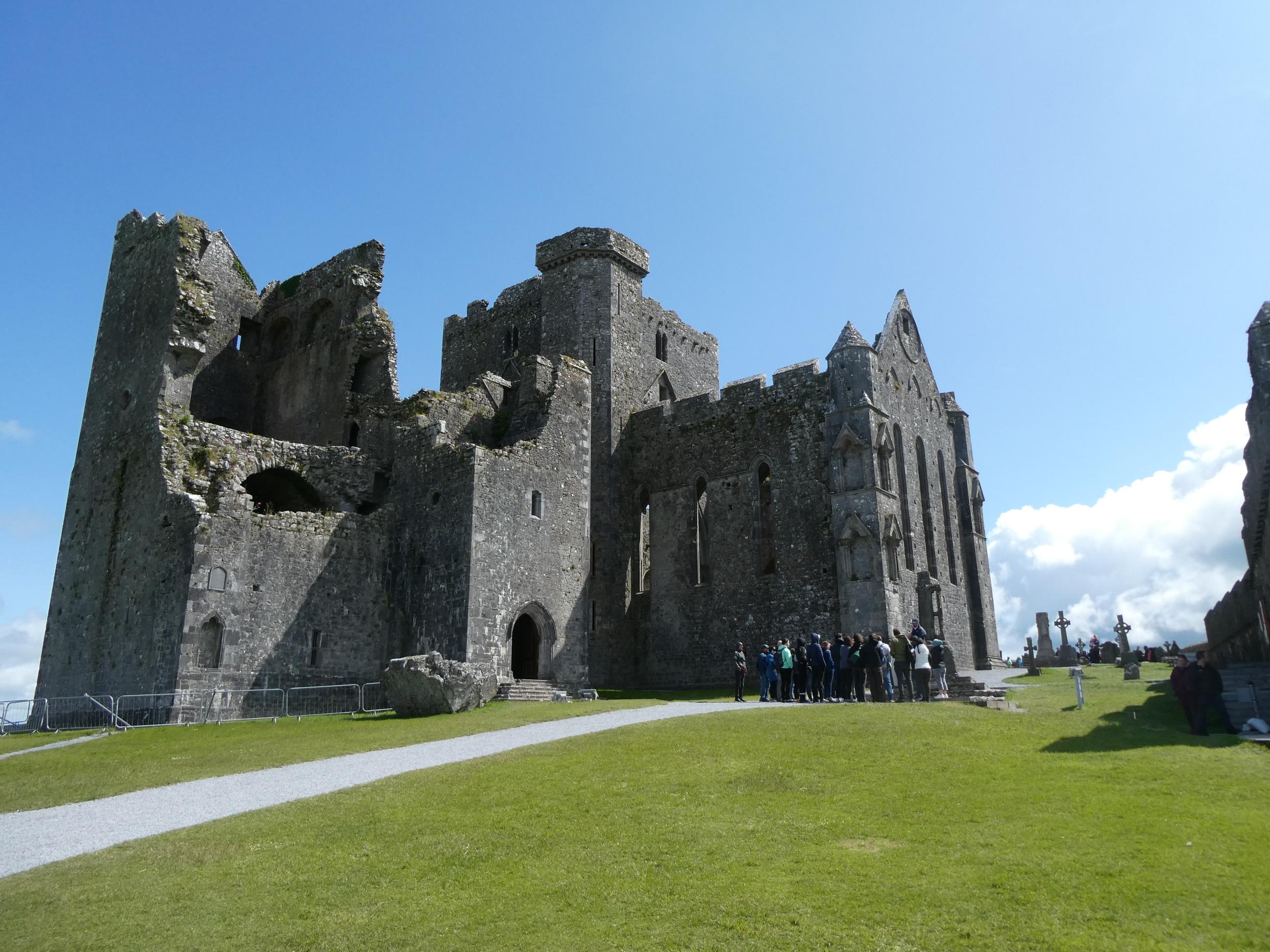
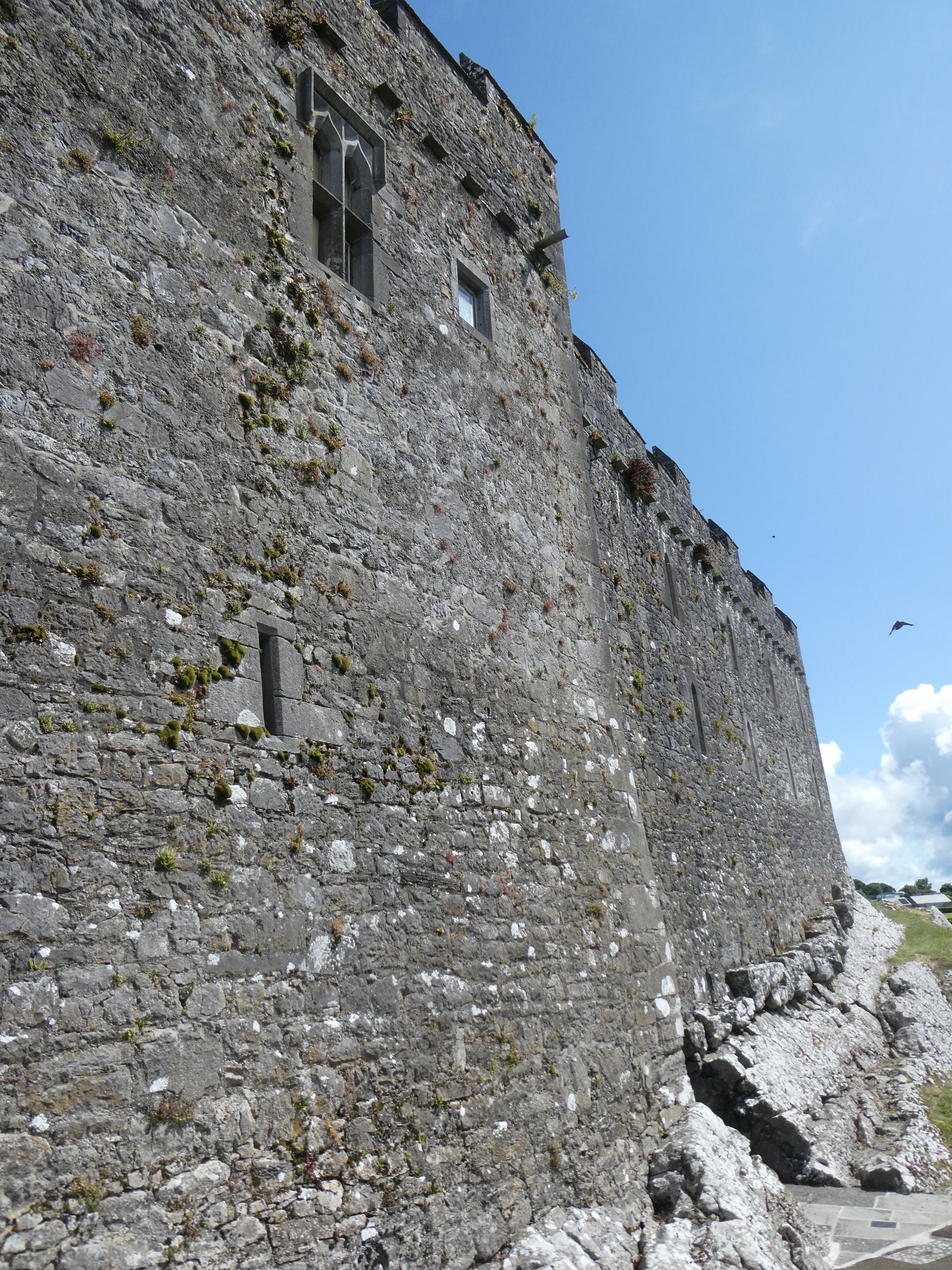
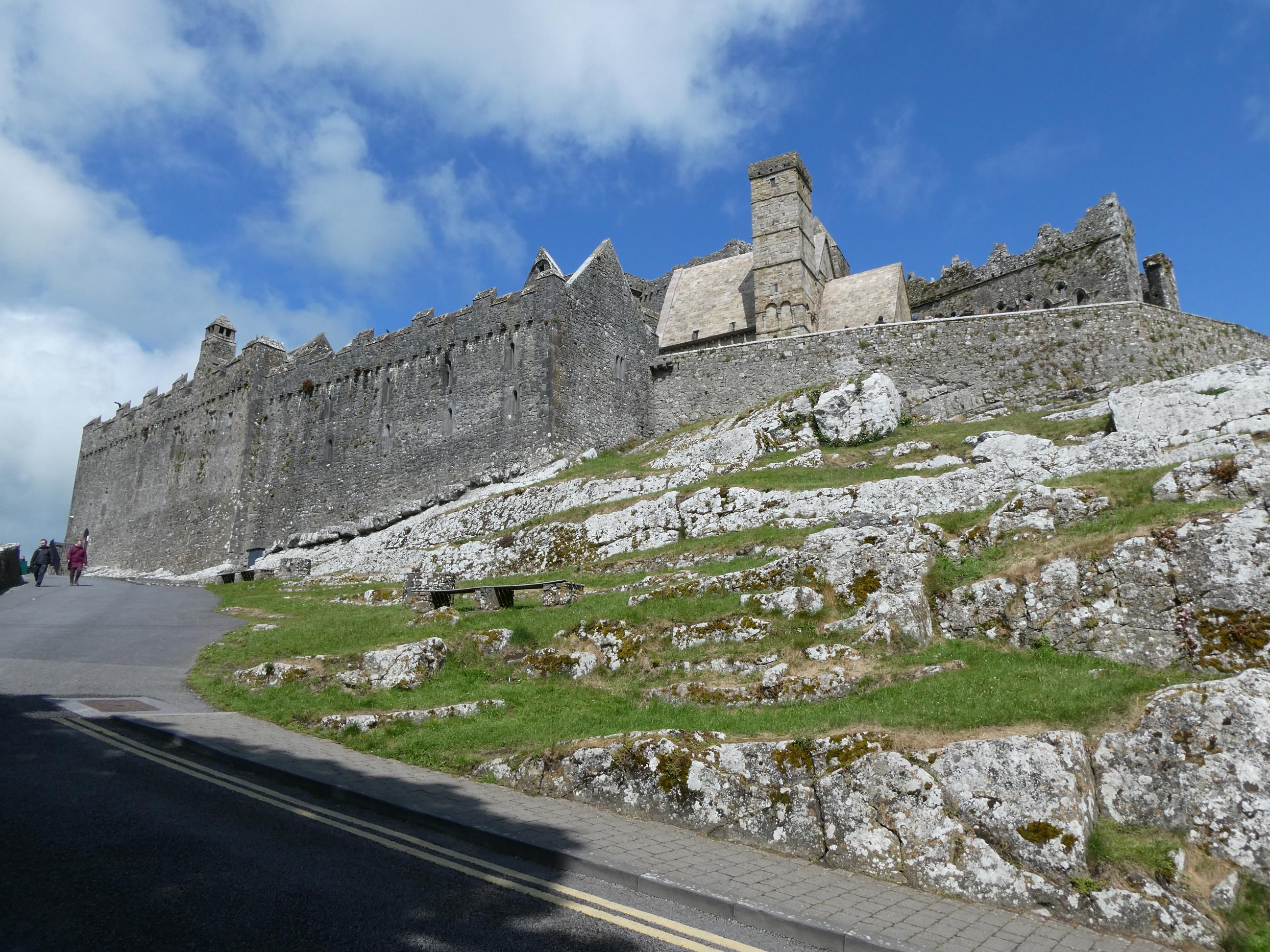
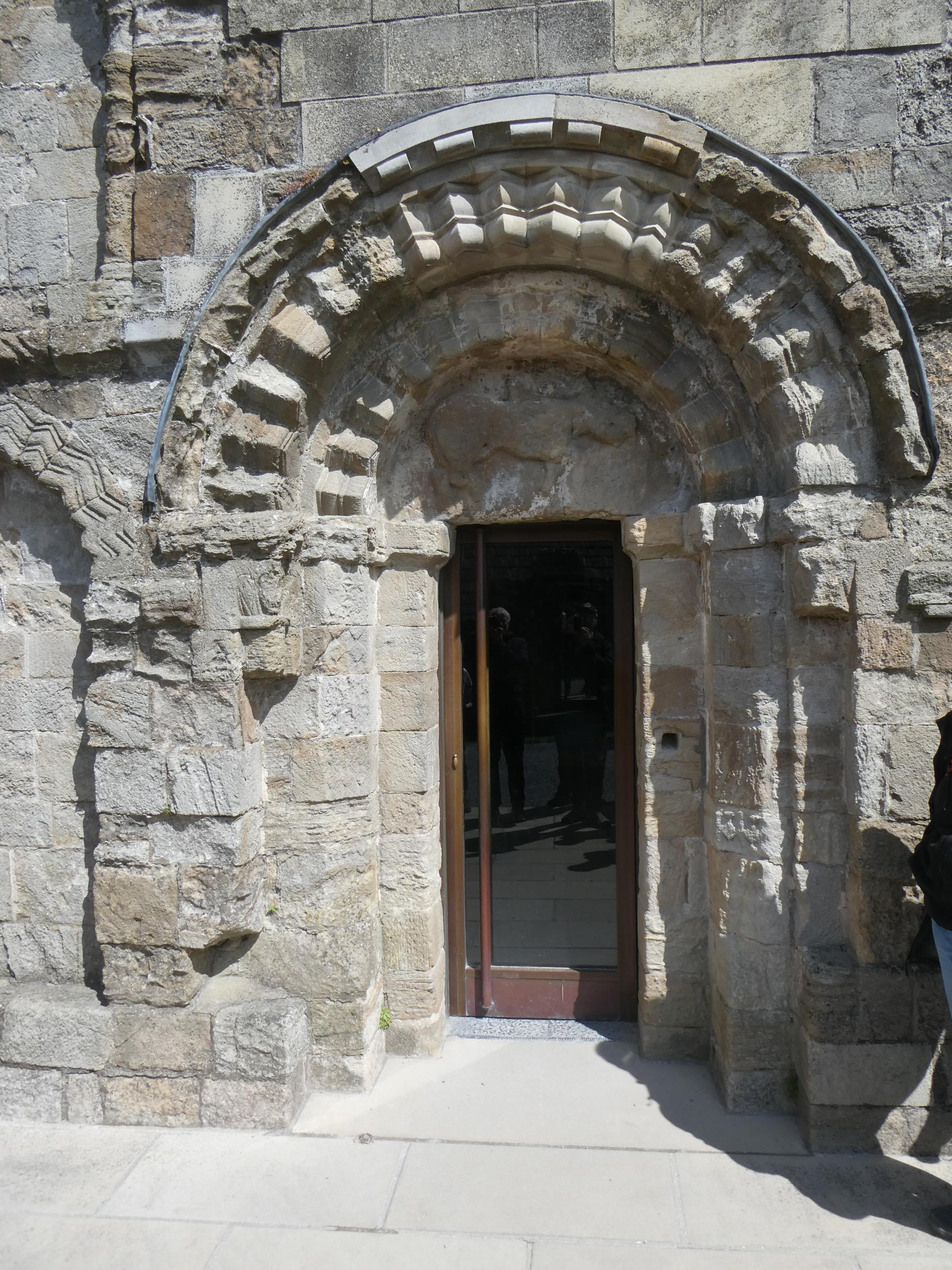
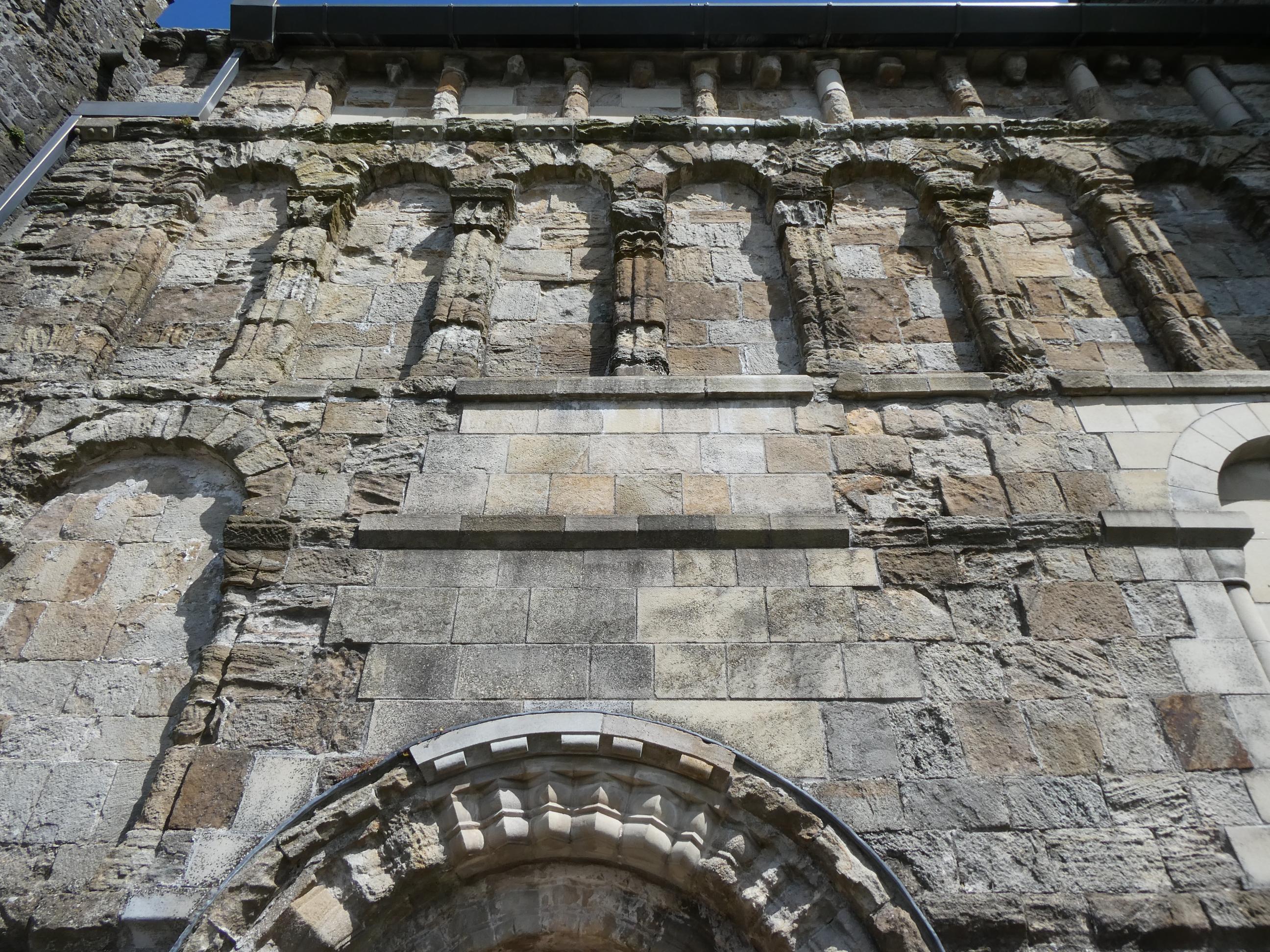
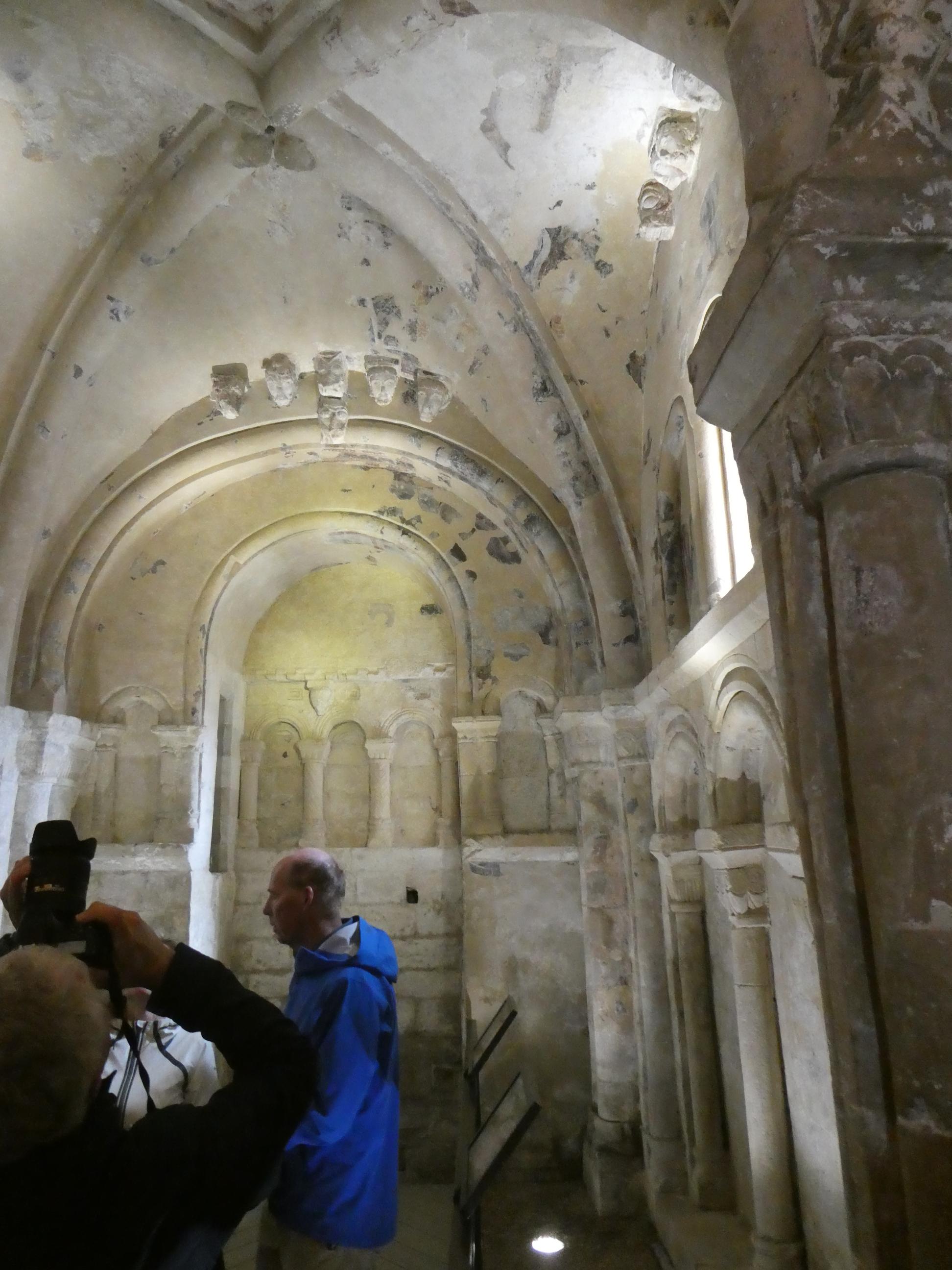
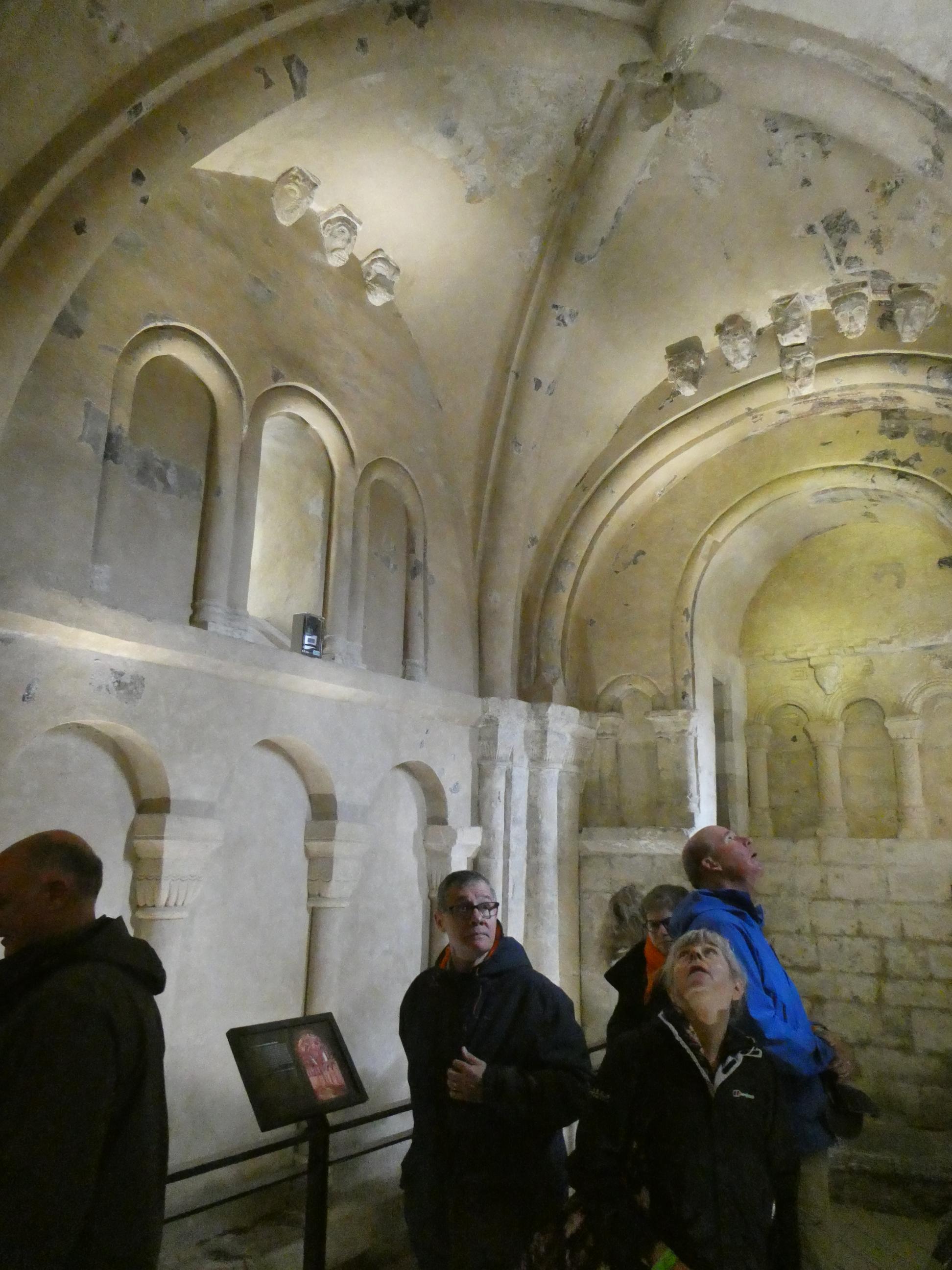
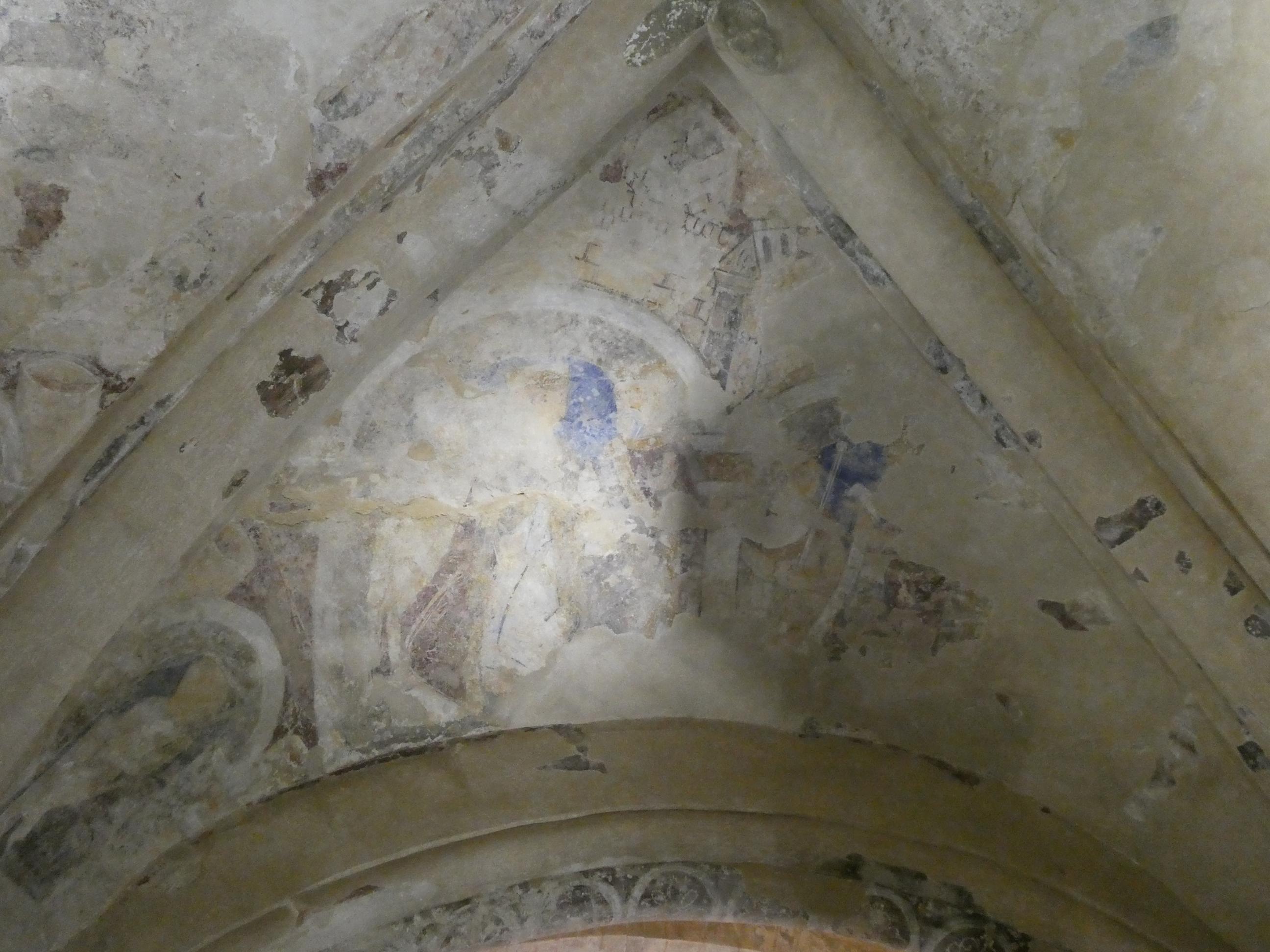
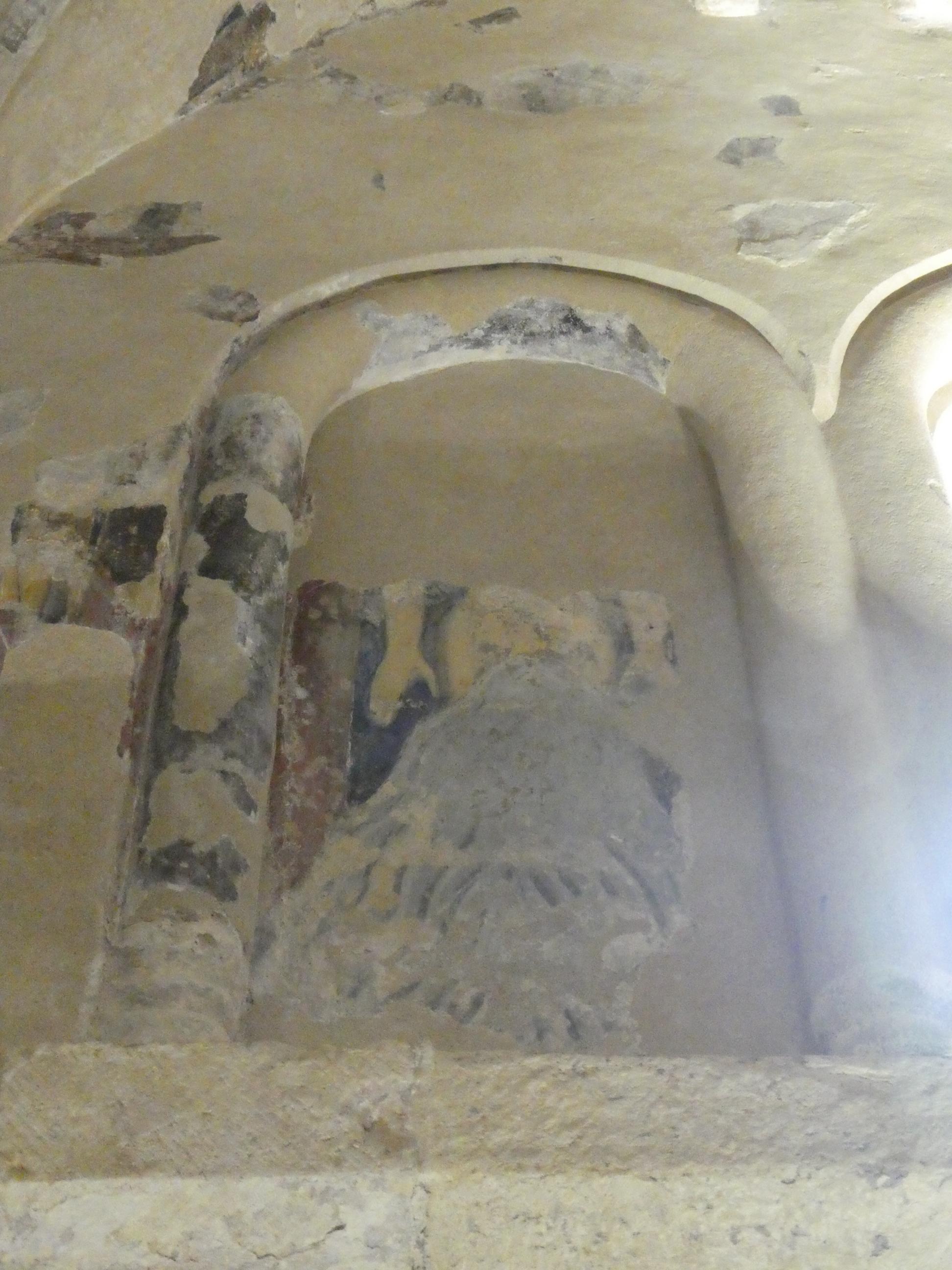
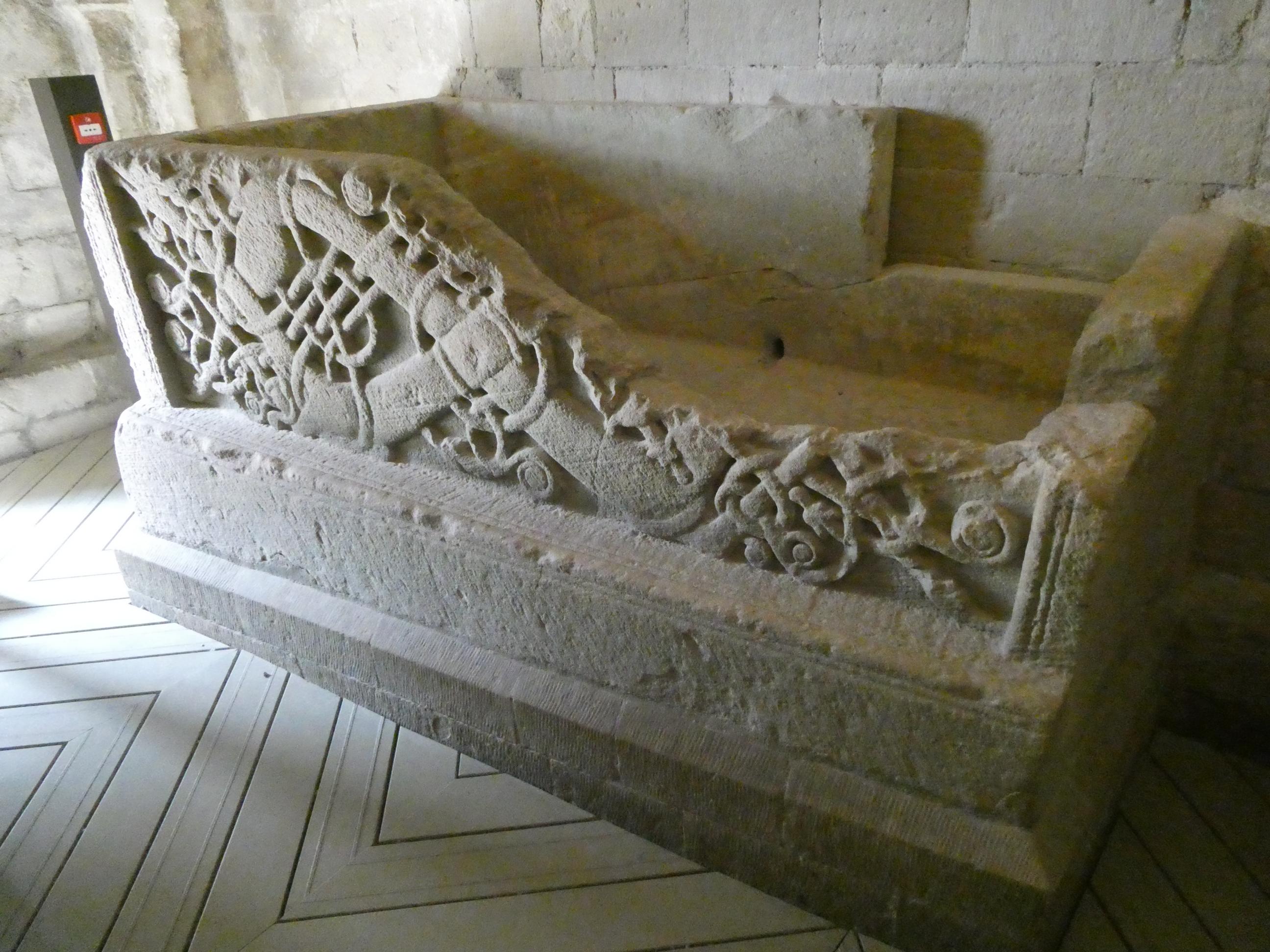
One feature of the Rock of Cashel of great interest was Cormac’s Chapel. The exterior of the structure was built from sandstone, so it appears as a golden colour in contrast to the darker stone used in other parts of the site. The chapel was built for King Cormac Mac Carthaigh in the 1100s. It features vaulted ceilings and arches, and contains the only Romanesque frescoes to be found anywhere in Ireland. Time had not been kind to the chapel. Water seeped in through the sandstone, eroding the stone and covering everything with mould. When the authorities tried to clean it up and restore the chapel, dehumidifiers alone were not able to prevent further damage from moisture. They closed the chapel for a number of years, and now only open the chapel for a short period of time each day for a limited number of visitors. Despite this important conservation measure, we were quite surprised that they were happy for visitors to touch everything, lean on walls, and so on. A few barriers and ‘Please don’t touch’ signs surely wouldn’t go astray.
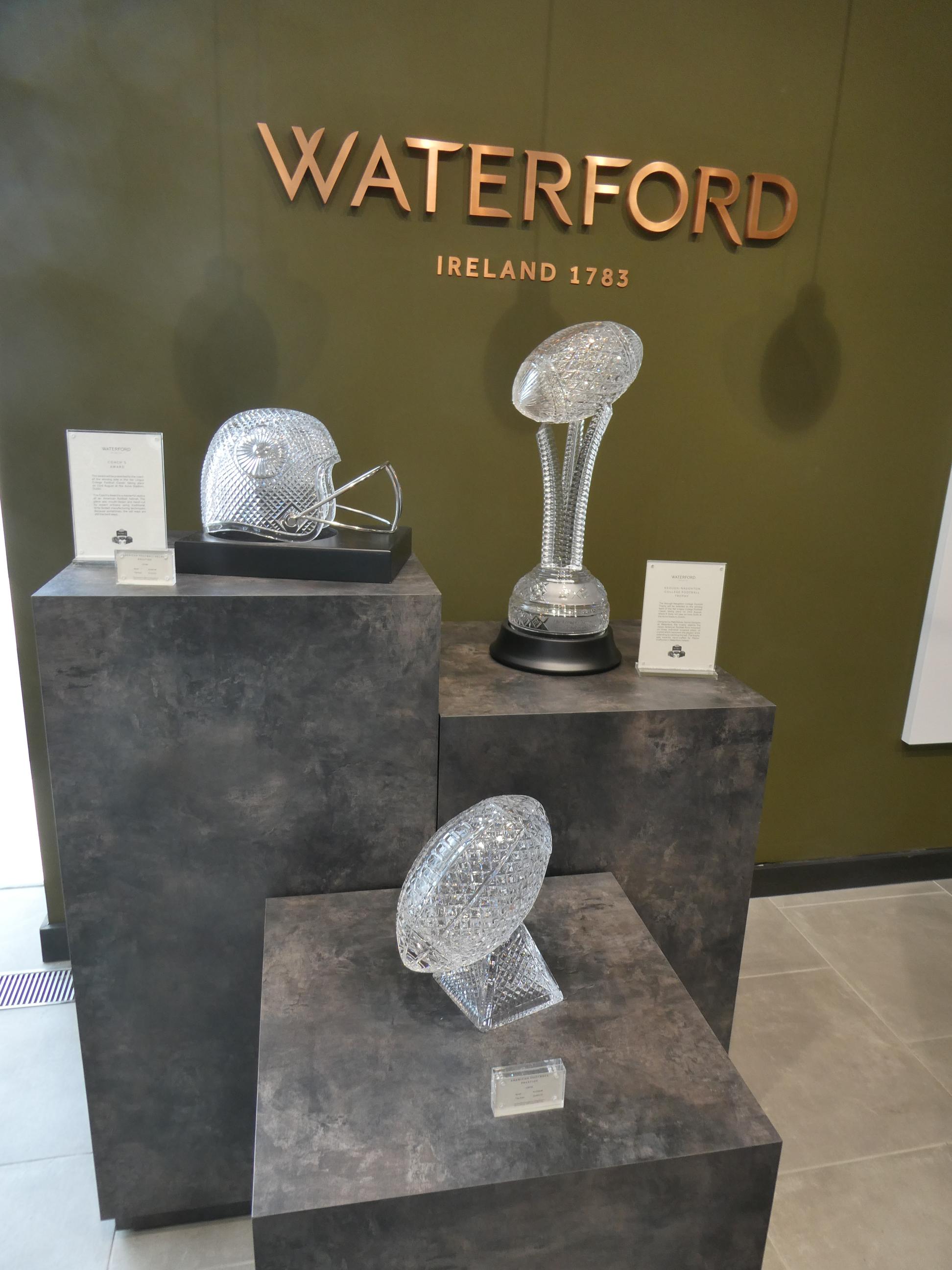
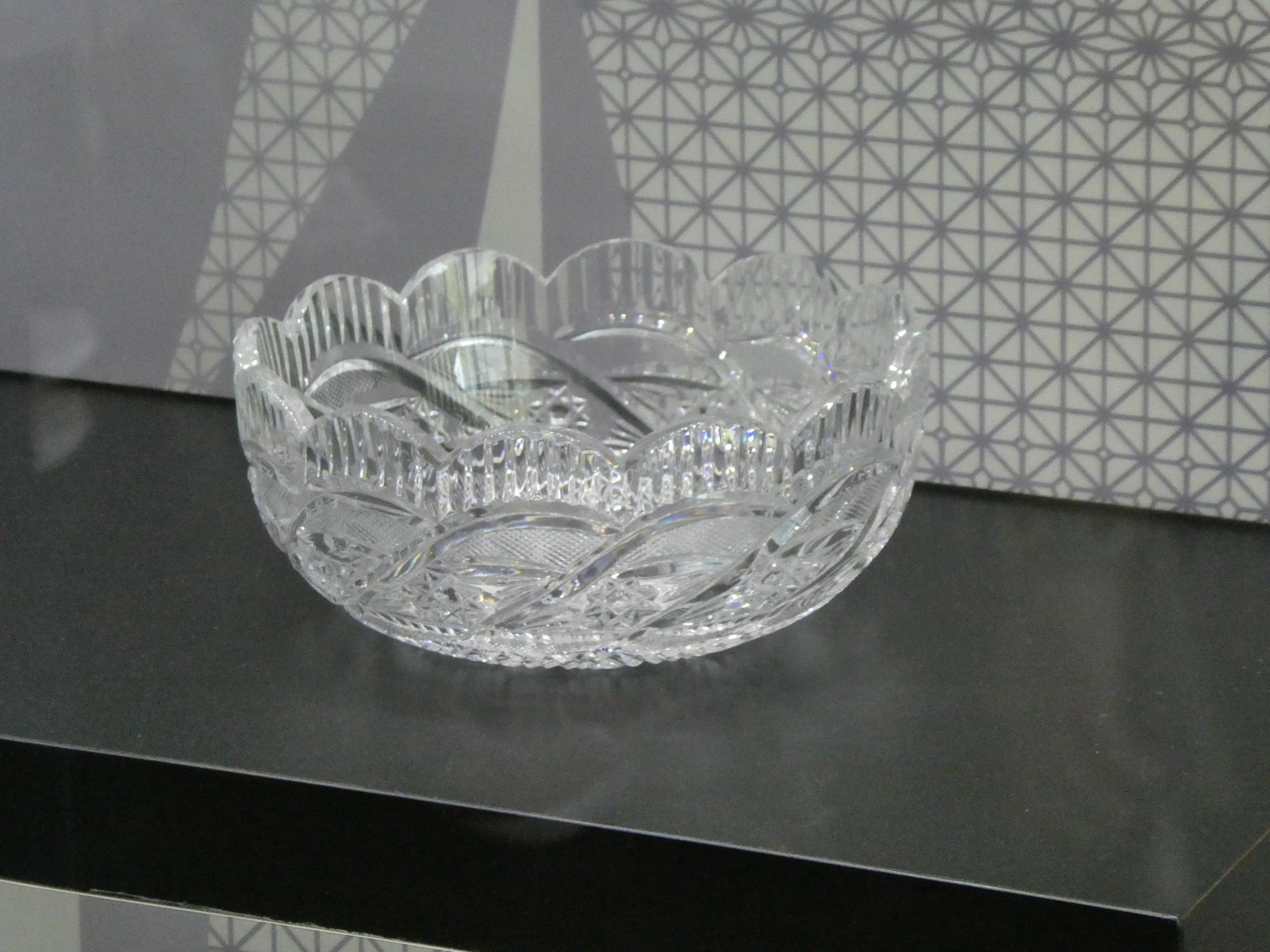
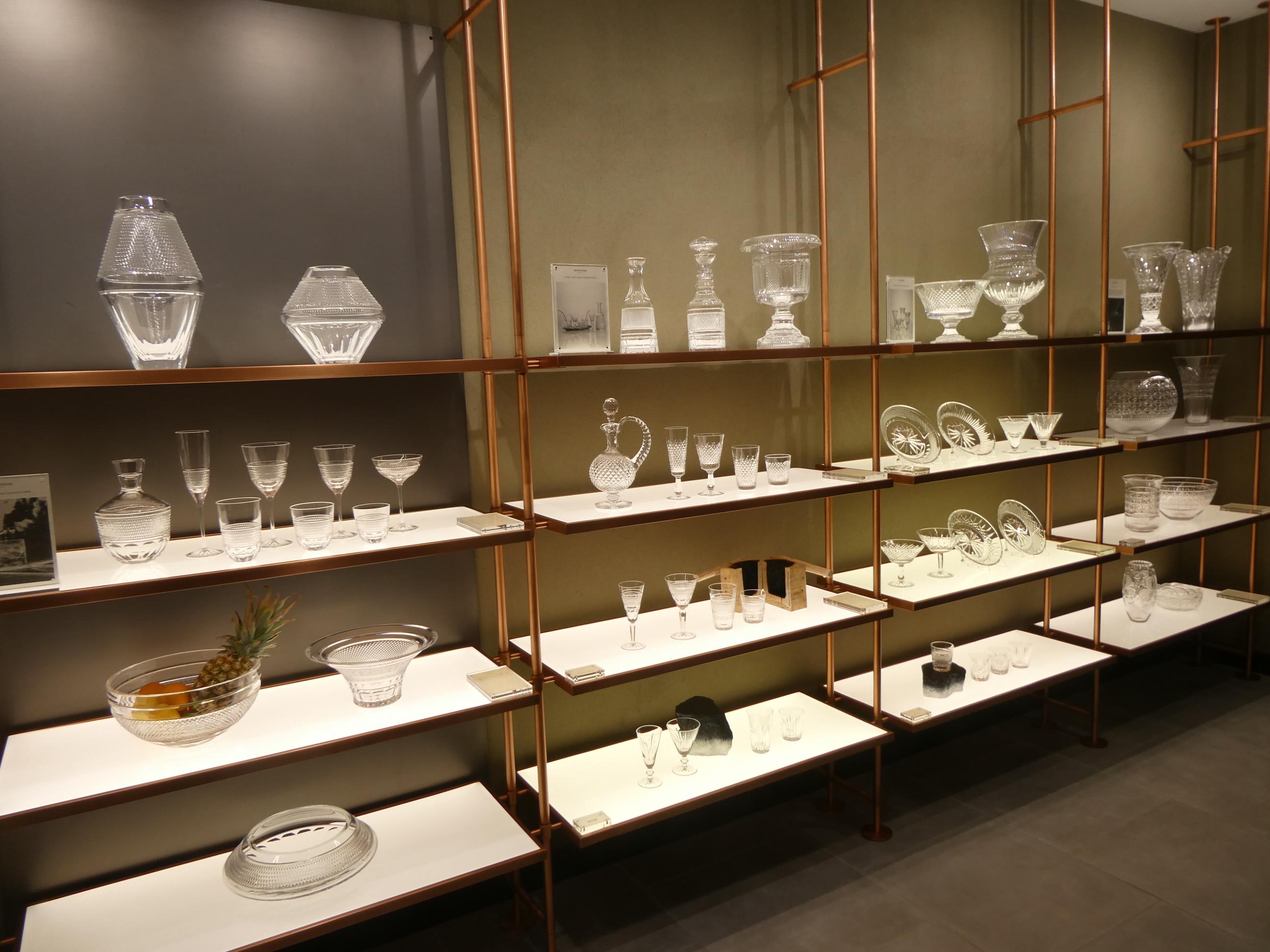
From Cashel, we drove south east to Waterford, a city once founded by Vikings. Marg’s three times great grandfather, Thomas George Hyland Leavey was born in Waterford in 1838. His daughter Rebecca Leavey was born in County Cork in 1871. She died in Melbourne just four days before I was born. She was a favourite of Marg’s dad, Ray, who lived for a time with Rebecca and her husband Murdoch McKenzie Callen when he was young. Thomas Leavey was a soldier, who served in the West Indies and India before eventually settling in Melbourne after retiring from army service. Marg and I toured the Waterford Crystal workshop six years ago and enjoyed it, so we were very happy to visit here again today with Rod and Cornelia. The first thing you see upon arrival is the showroom. As well as the functional dinnerware, there are a number of unique commissioned items on display there, such as sporting trophies and commemorative plaques.
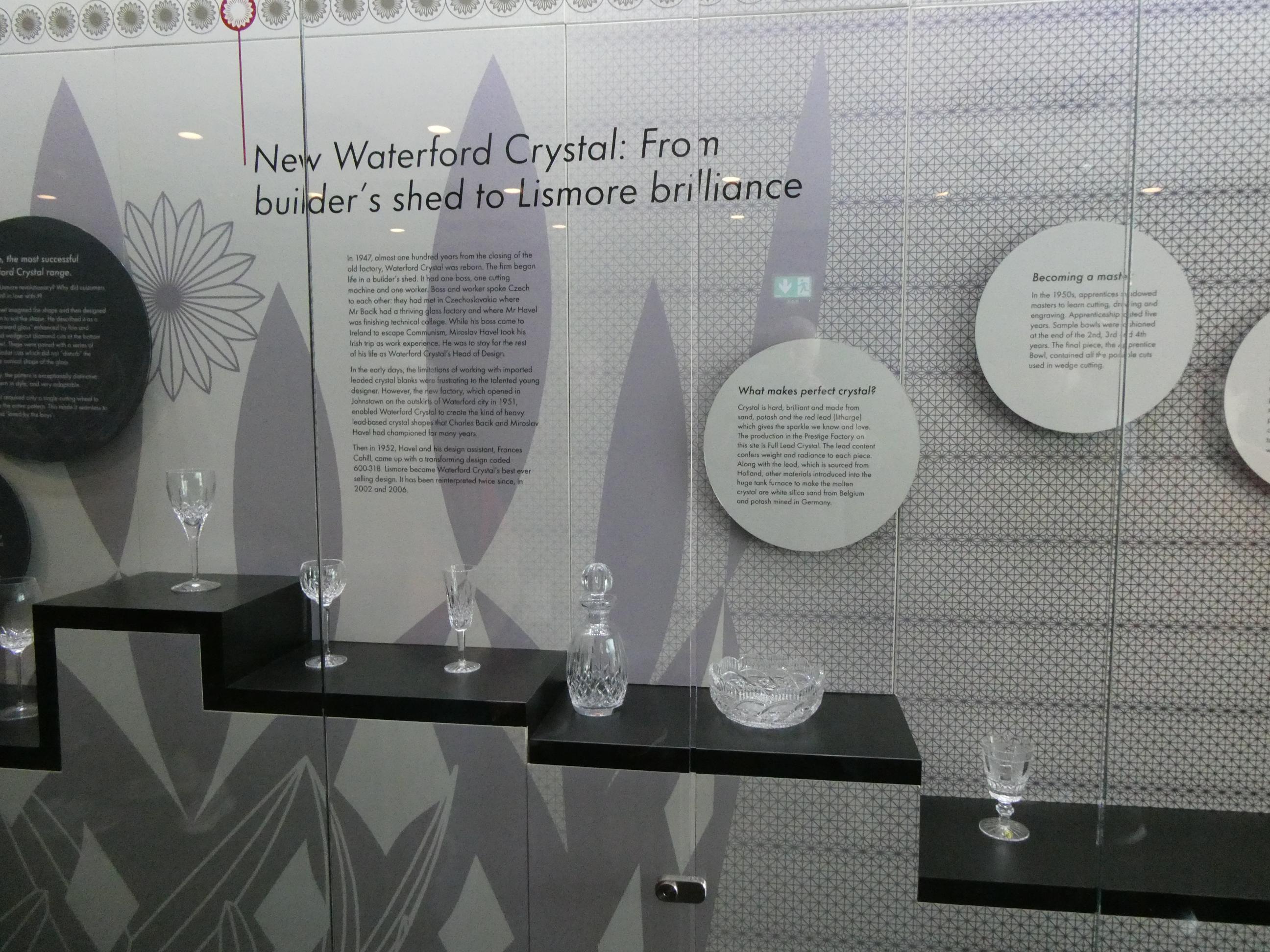
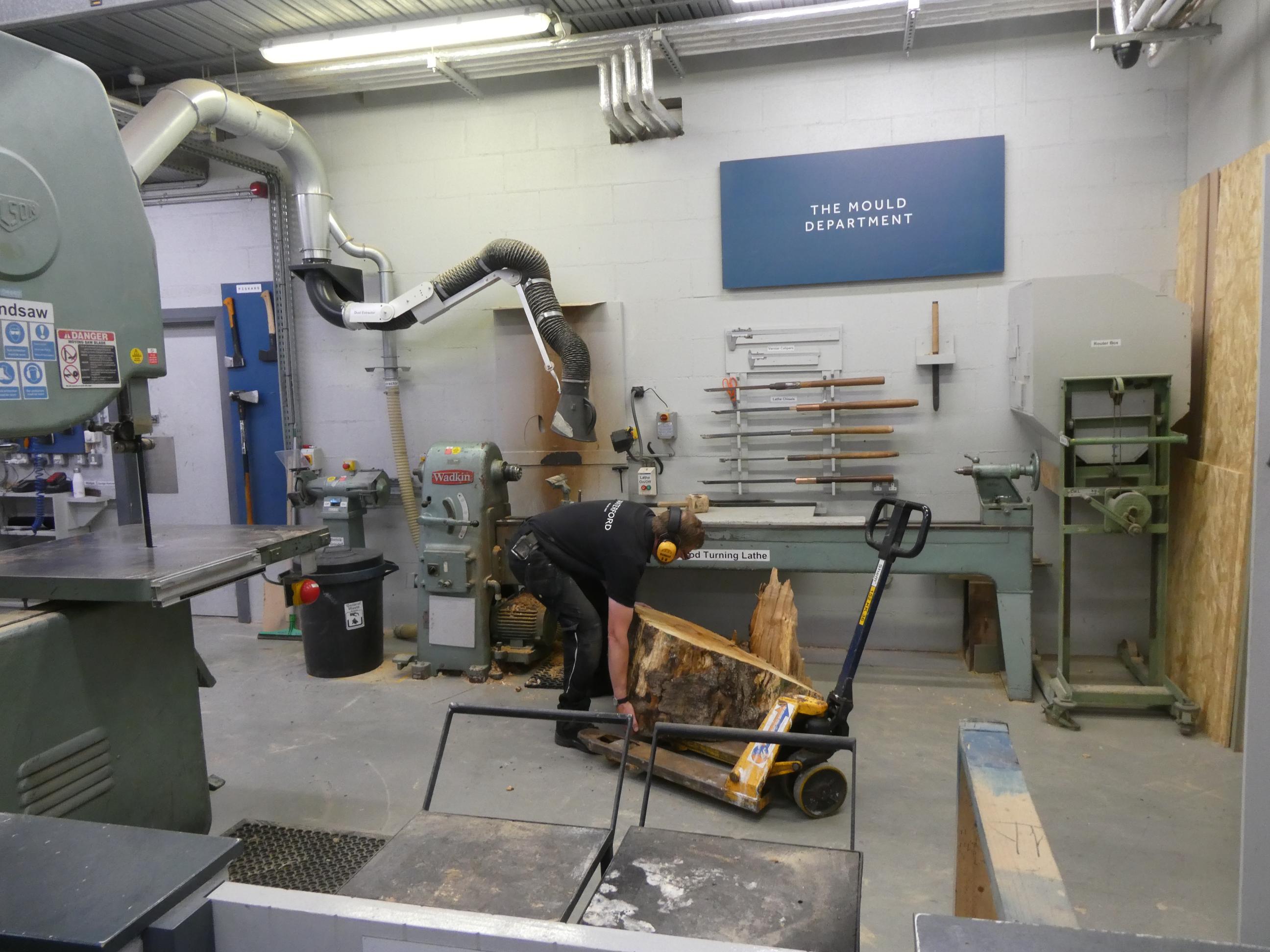
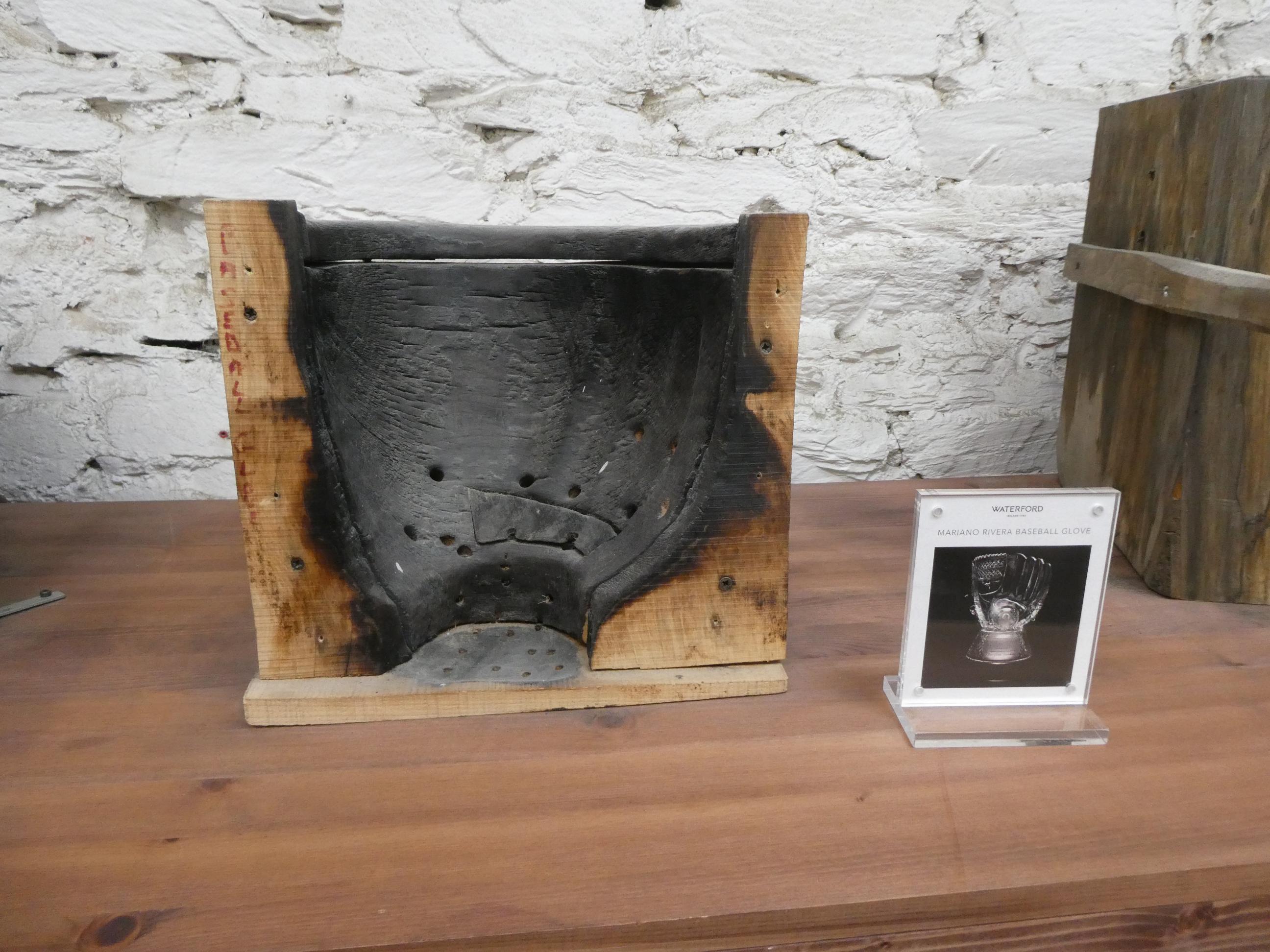
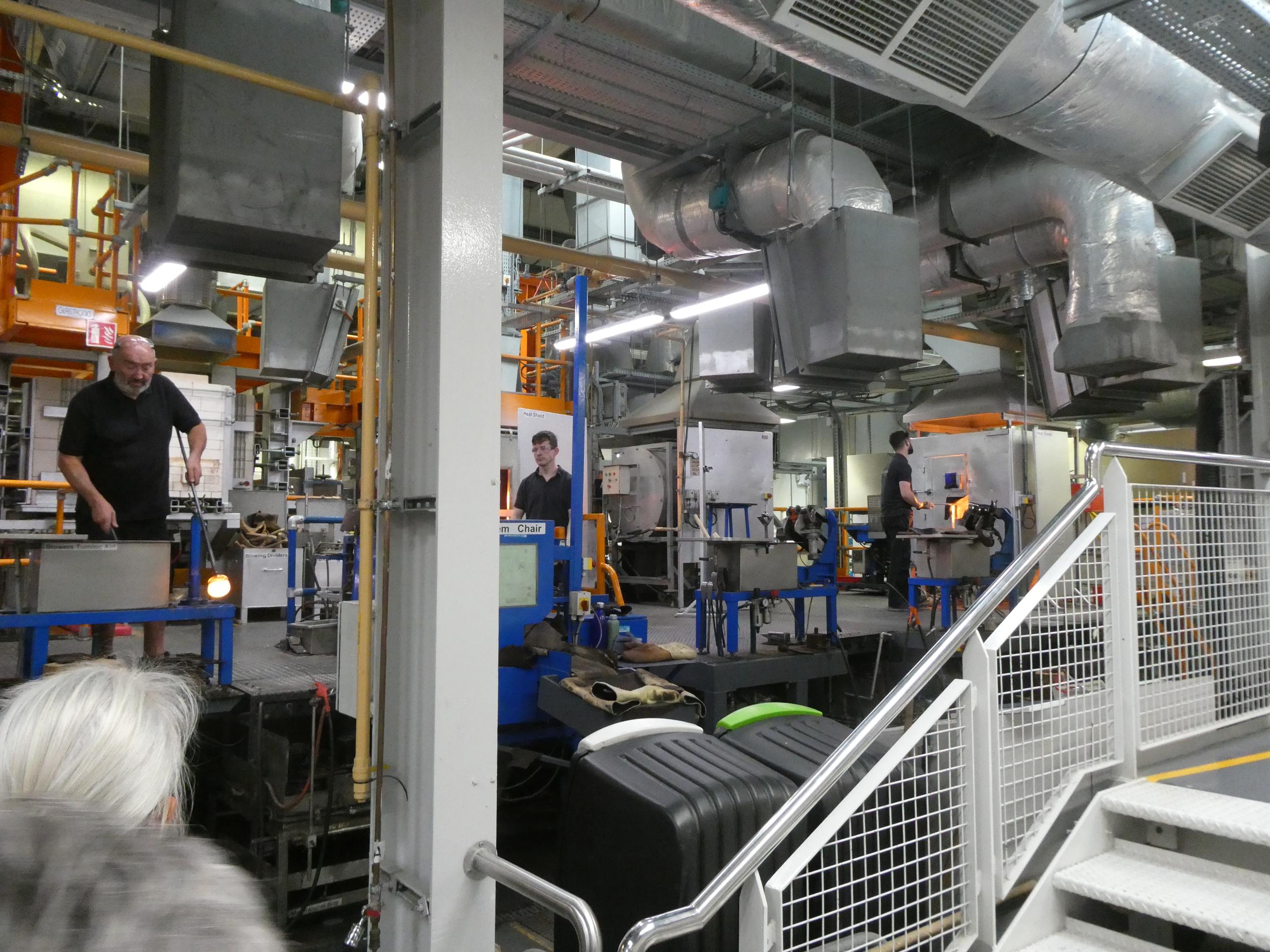
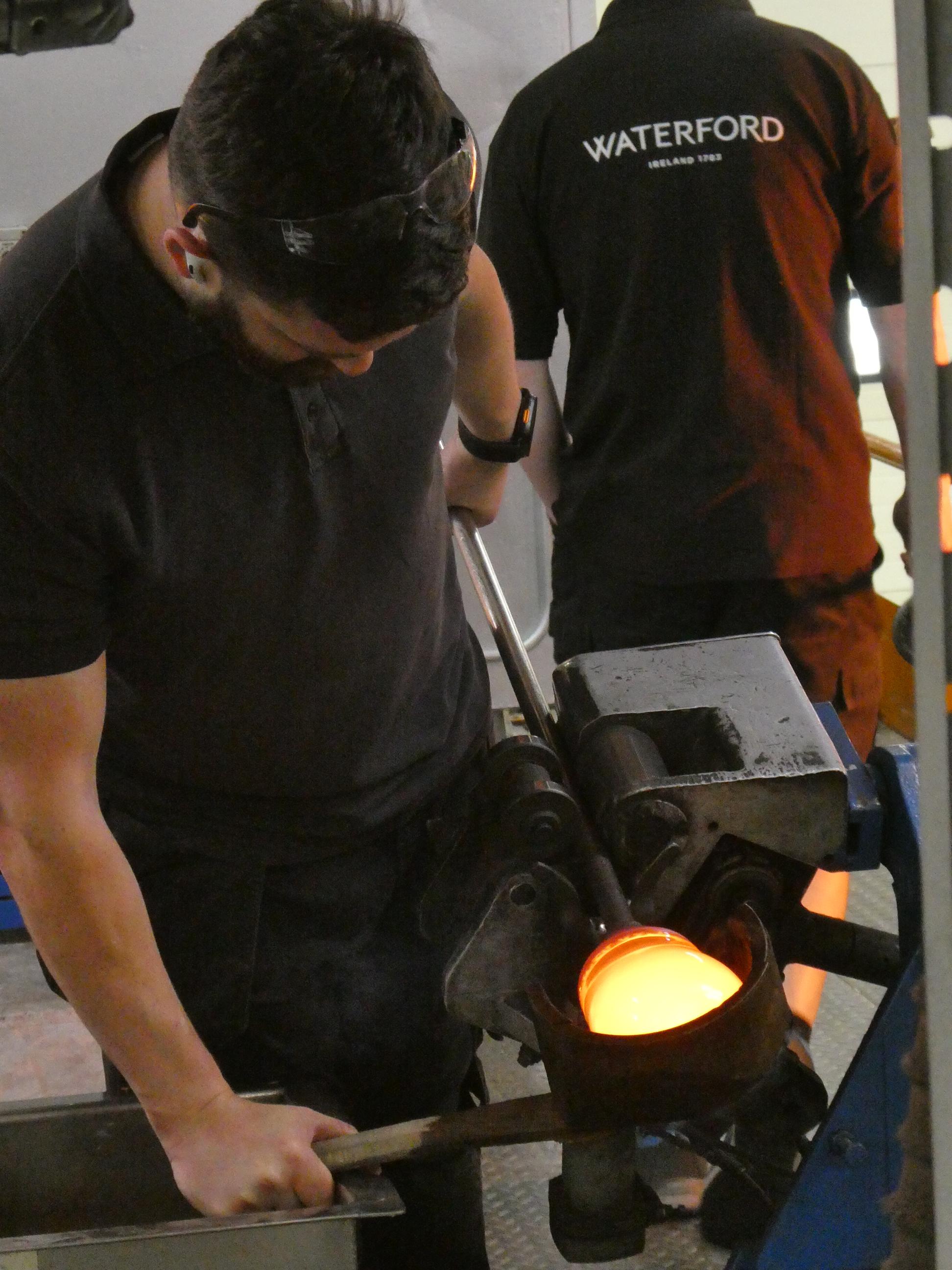
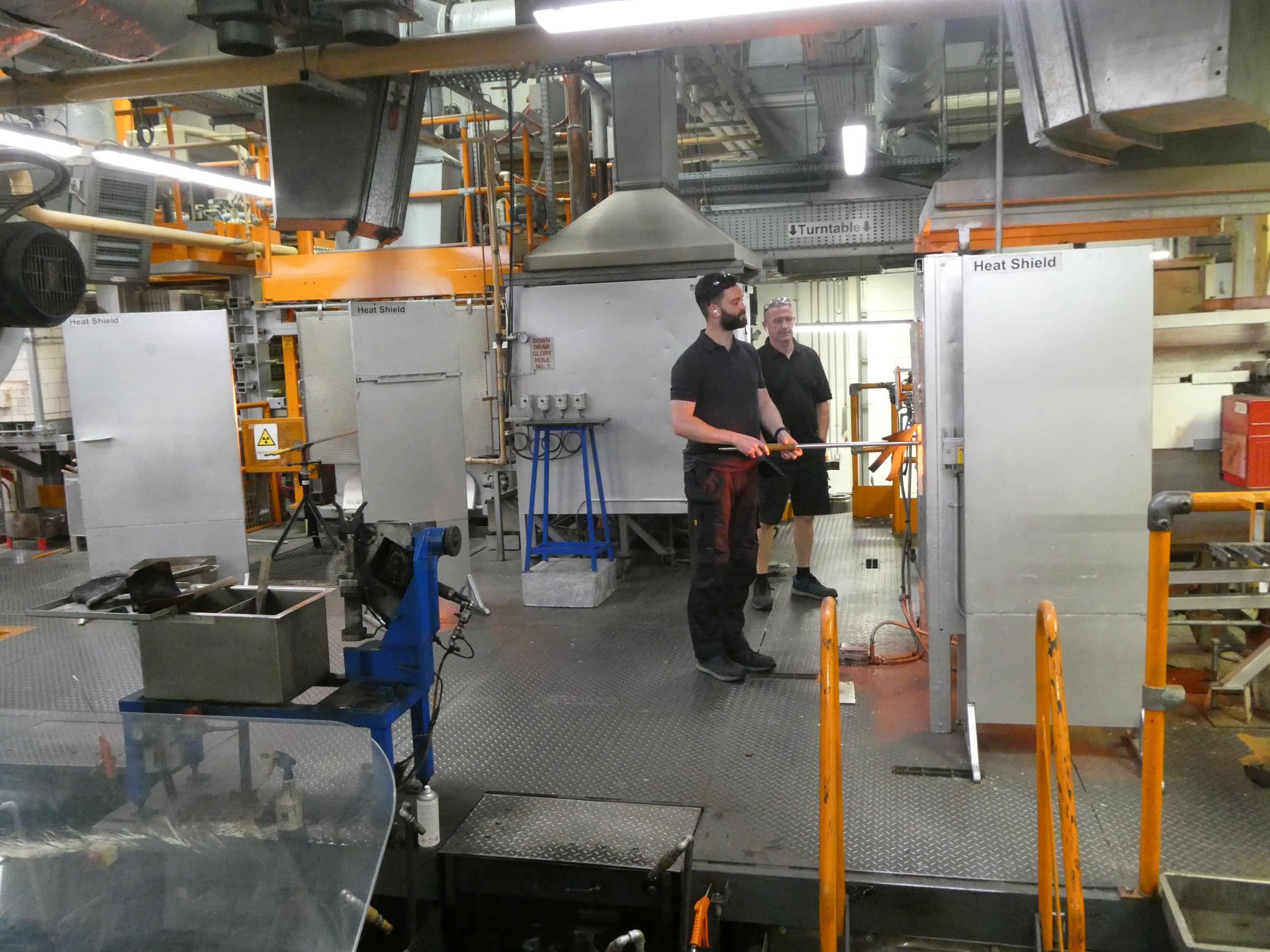
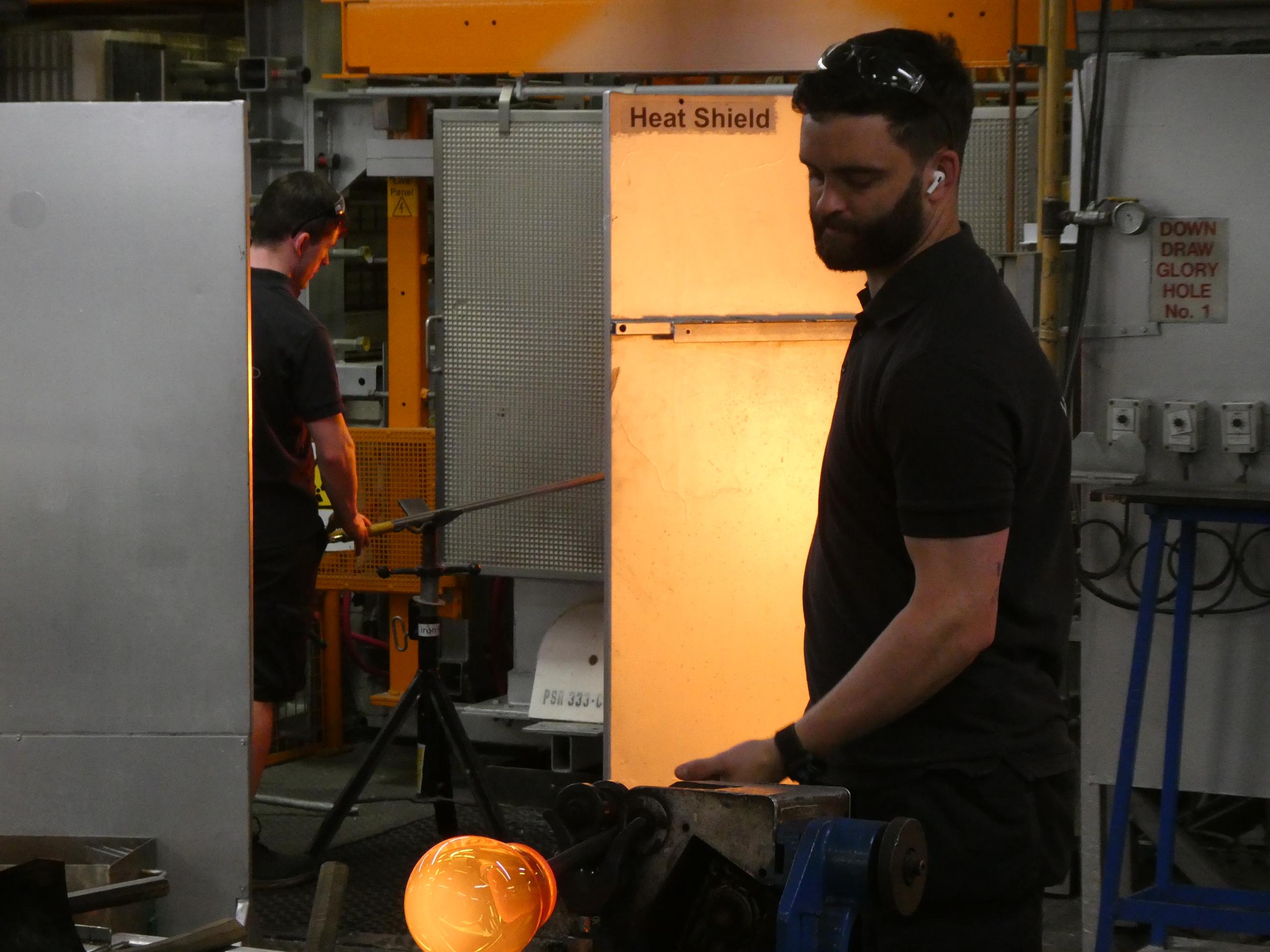
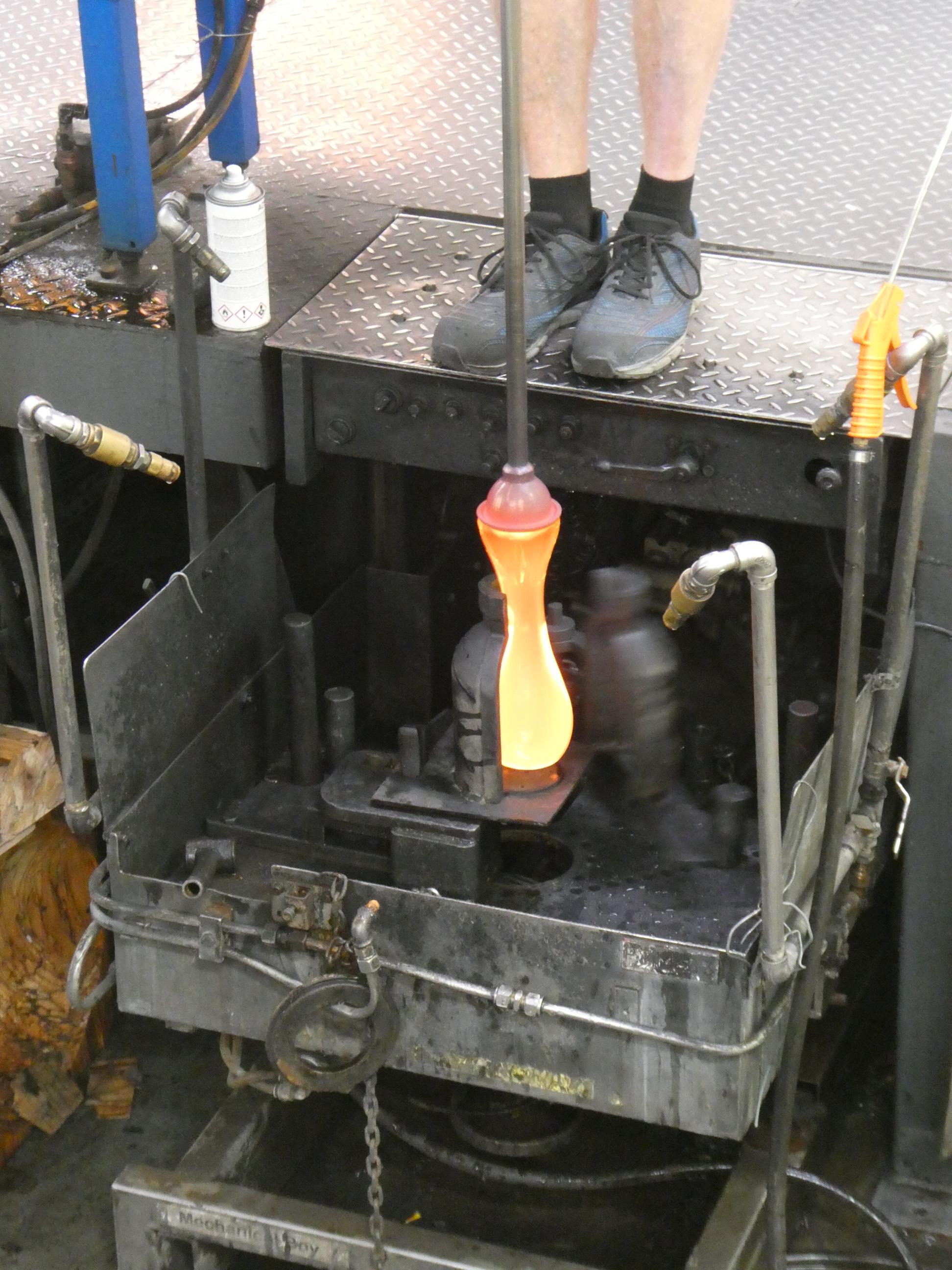
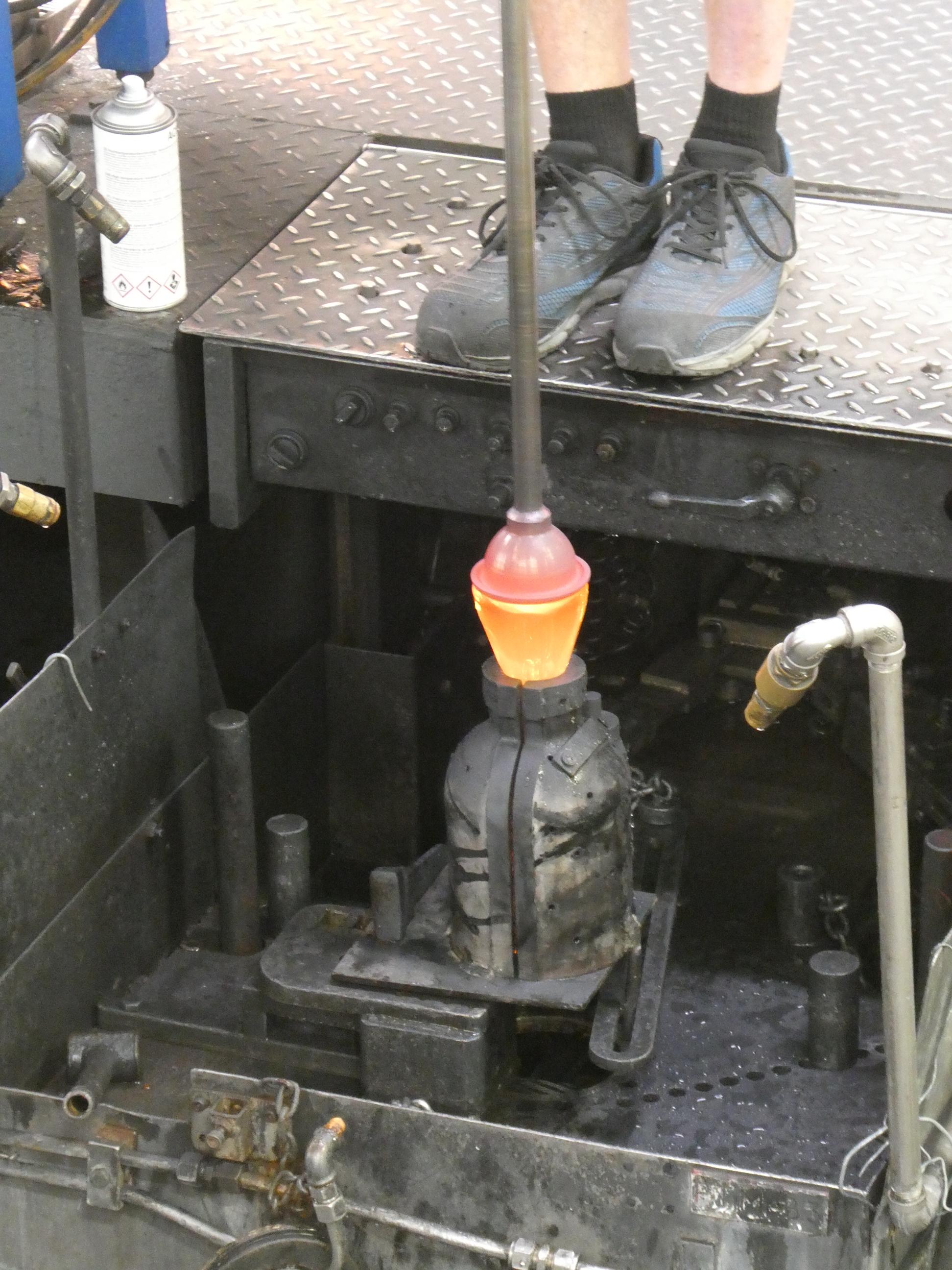
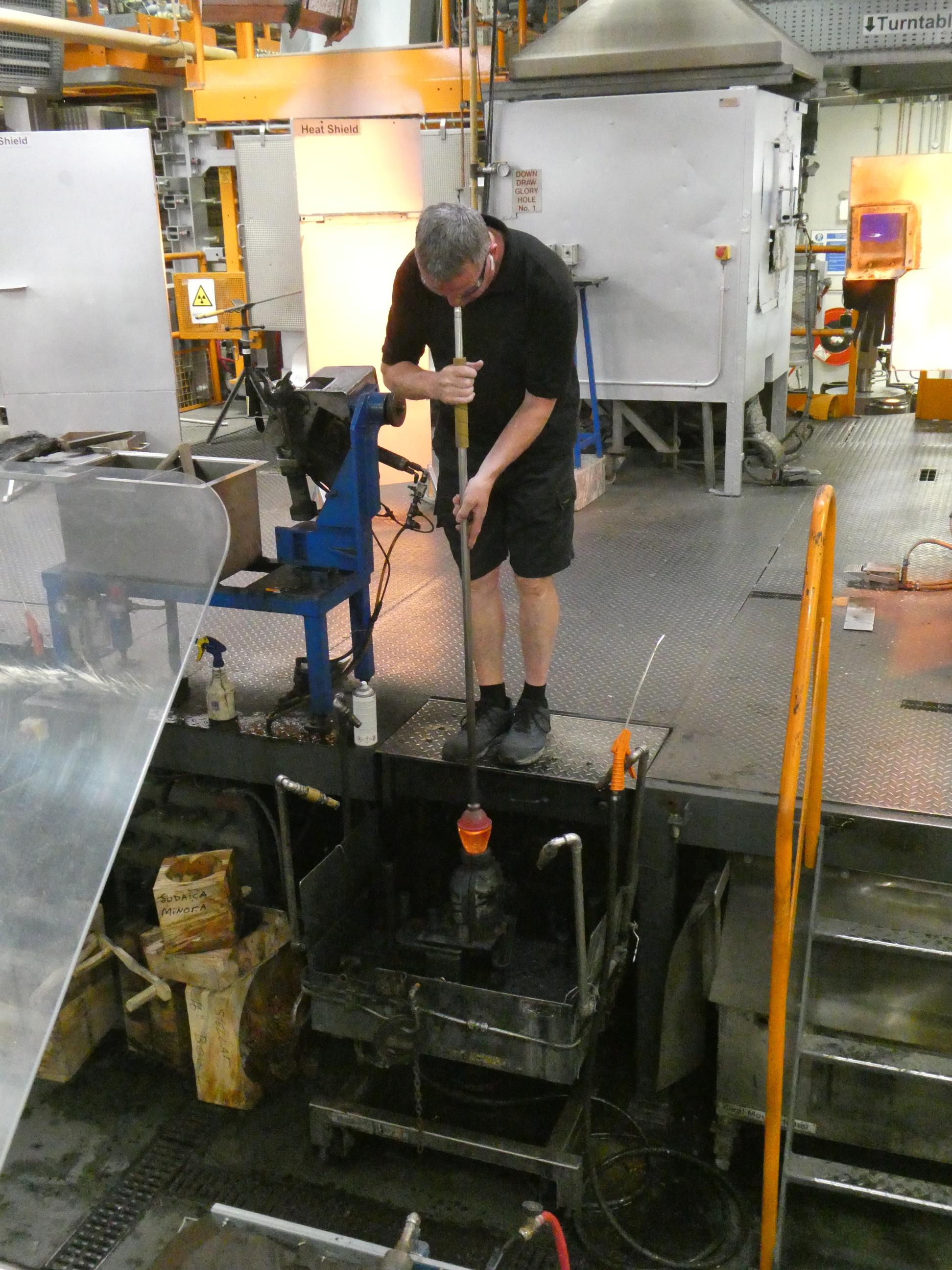
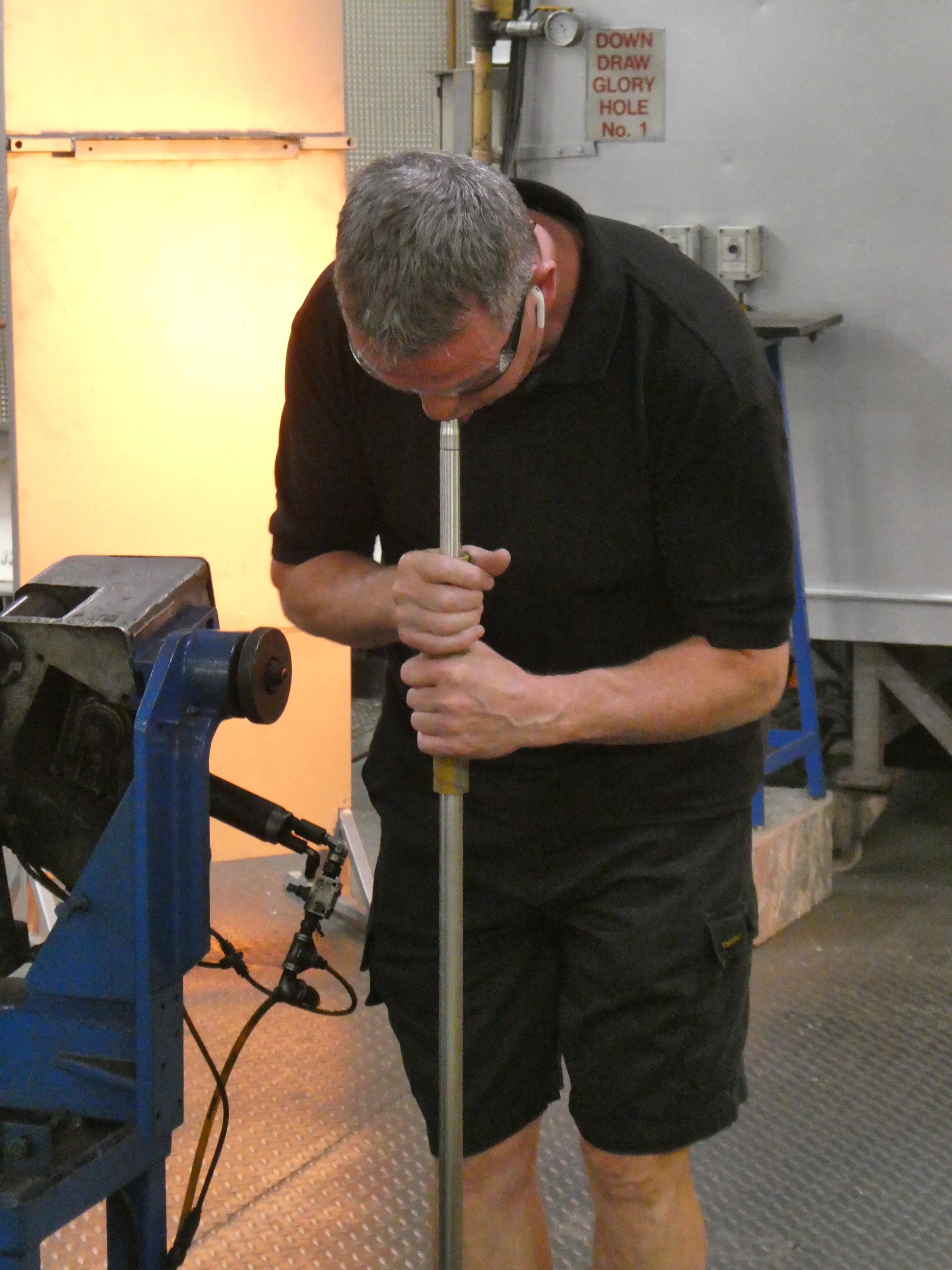
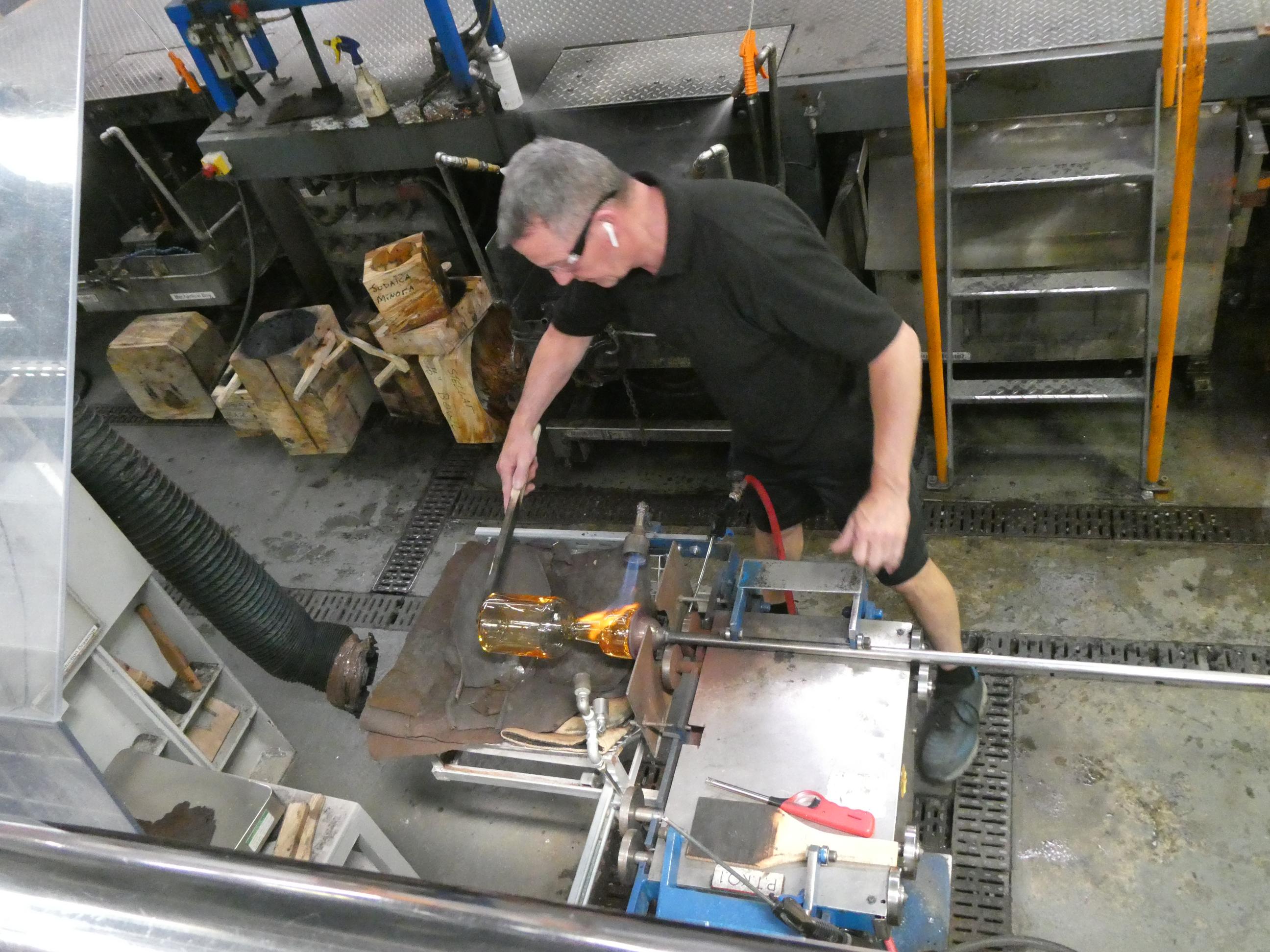
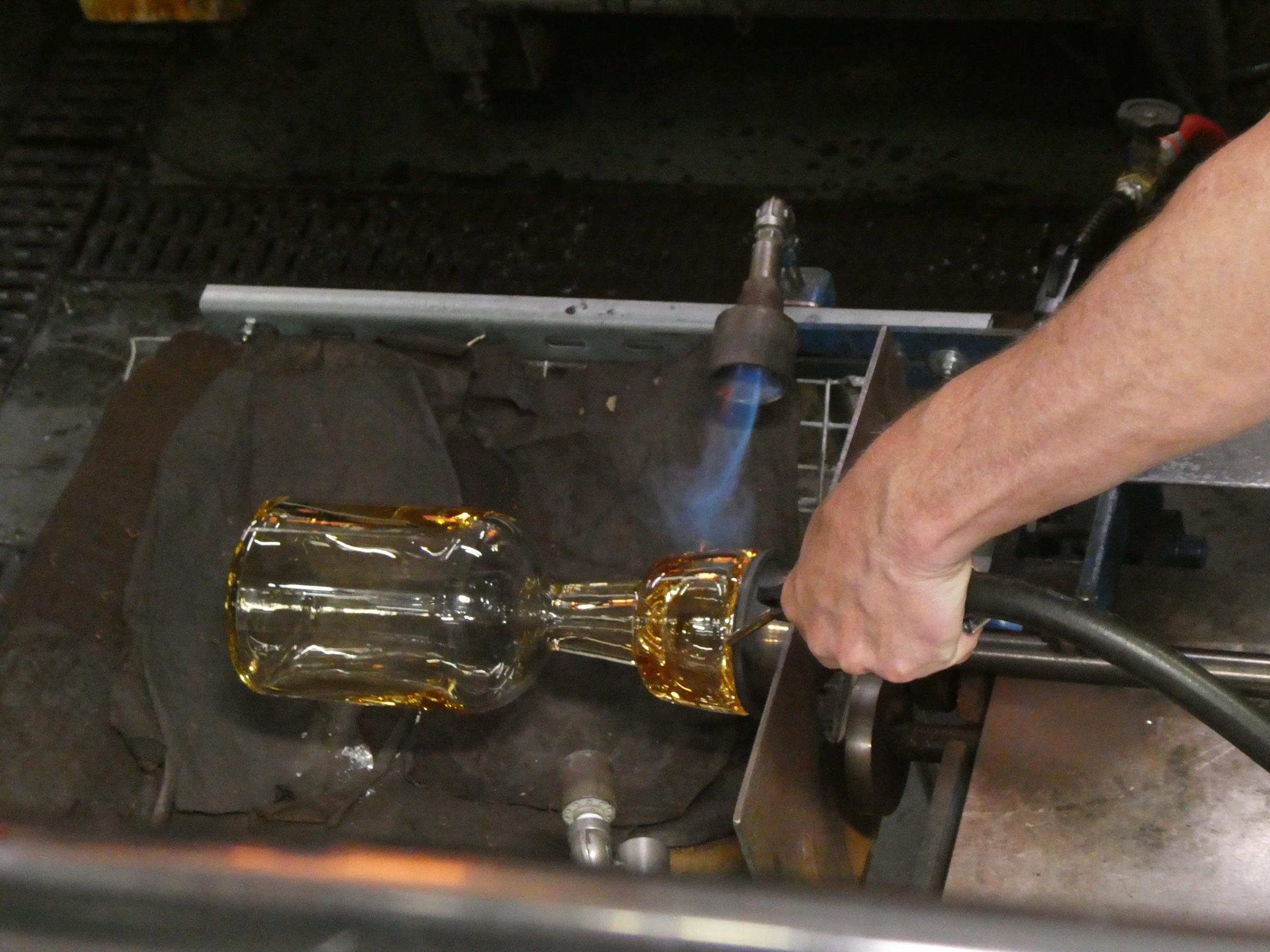
The tour begins with the wooden moulds that are used by the glass blowers to assist with shaping the items they make. As the moulds burn when they come into contact with the molten glass, they have a very short life span of just a few days, so new timber is constantly brought into the factory to make new moulds. The tour stops for a while for us to watch the glass blowers at work. They are, of course, highly skilled in their craft, having served very long apprenticeships before they are entrusted with the creation of items such as the whisky glasses being made here today. They work in close proximity to very hot furnaces and molten crystal at temperatures of around 1315ºC, so it was a bit of an eye opener when we realised that they didn’t seem to require any protective gear for this job. We watched one worker make a slight error. He immediately stepped aside and plunged his crystal bulb into a water bath so it would cool into solid glass and could be recycled at a later time.
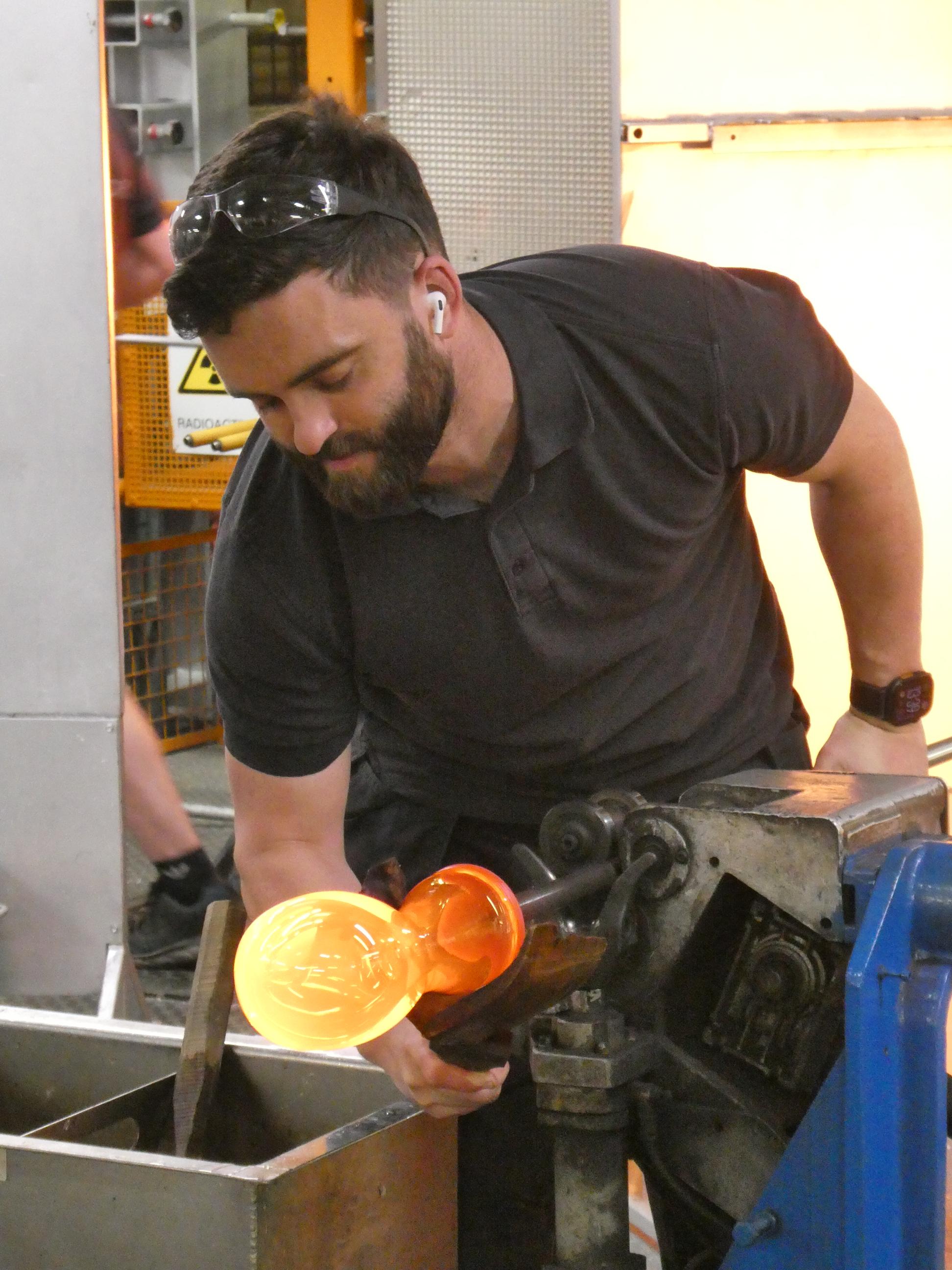
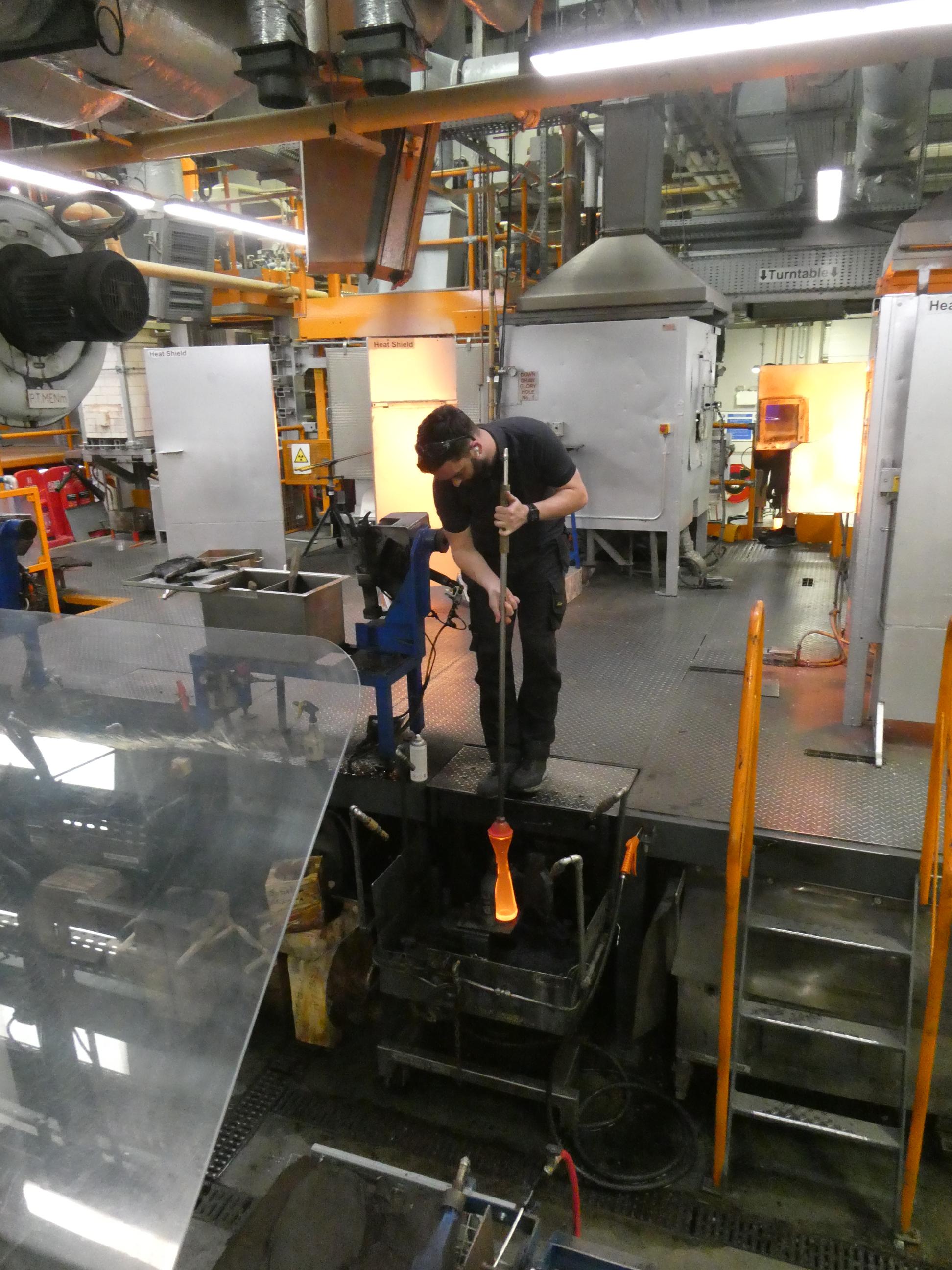
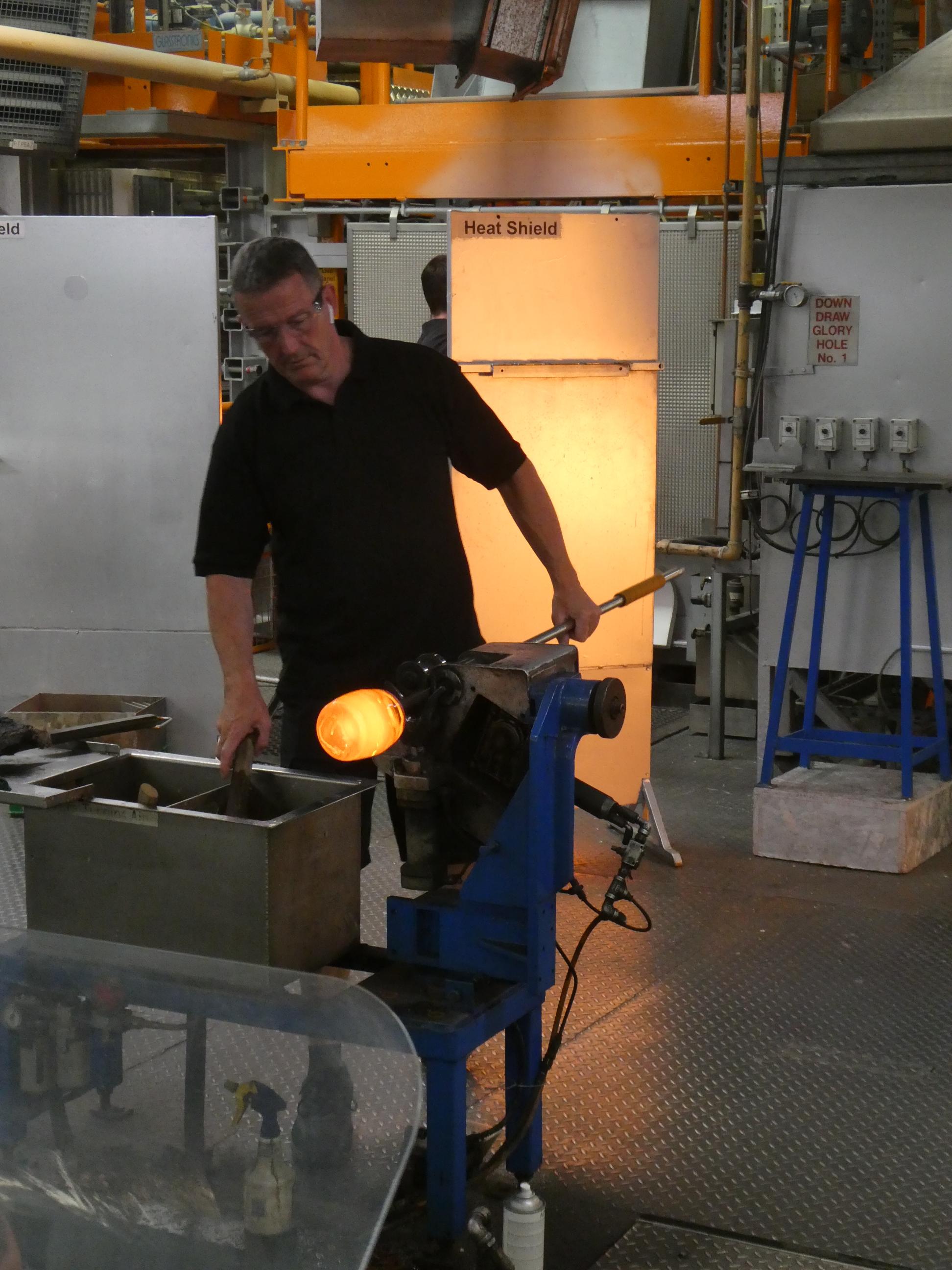
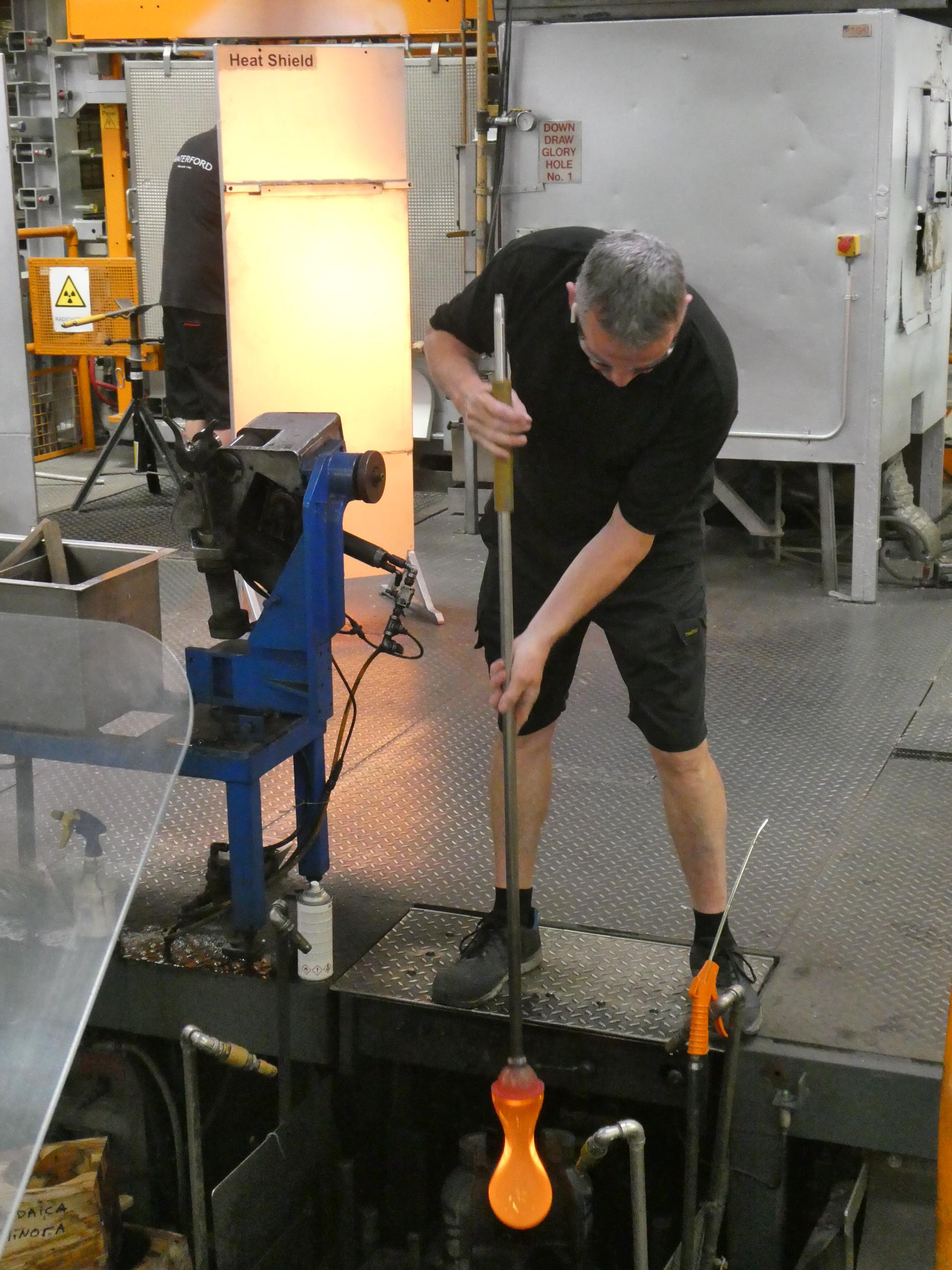
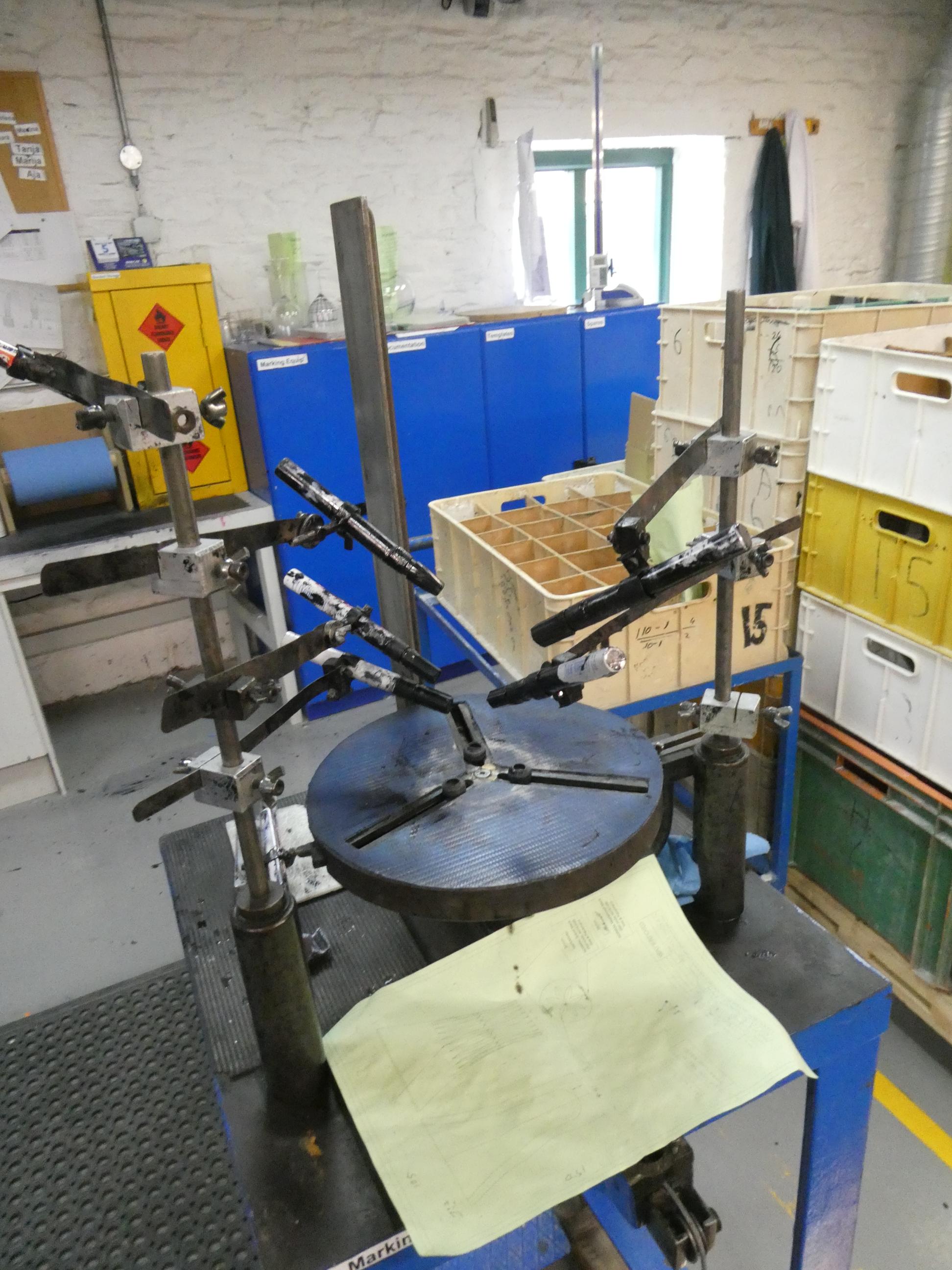
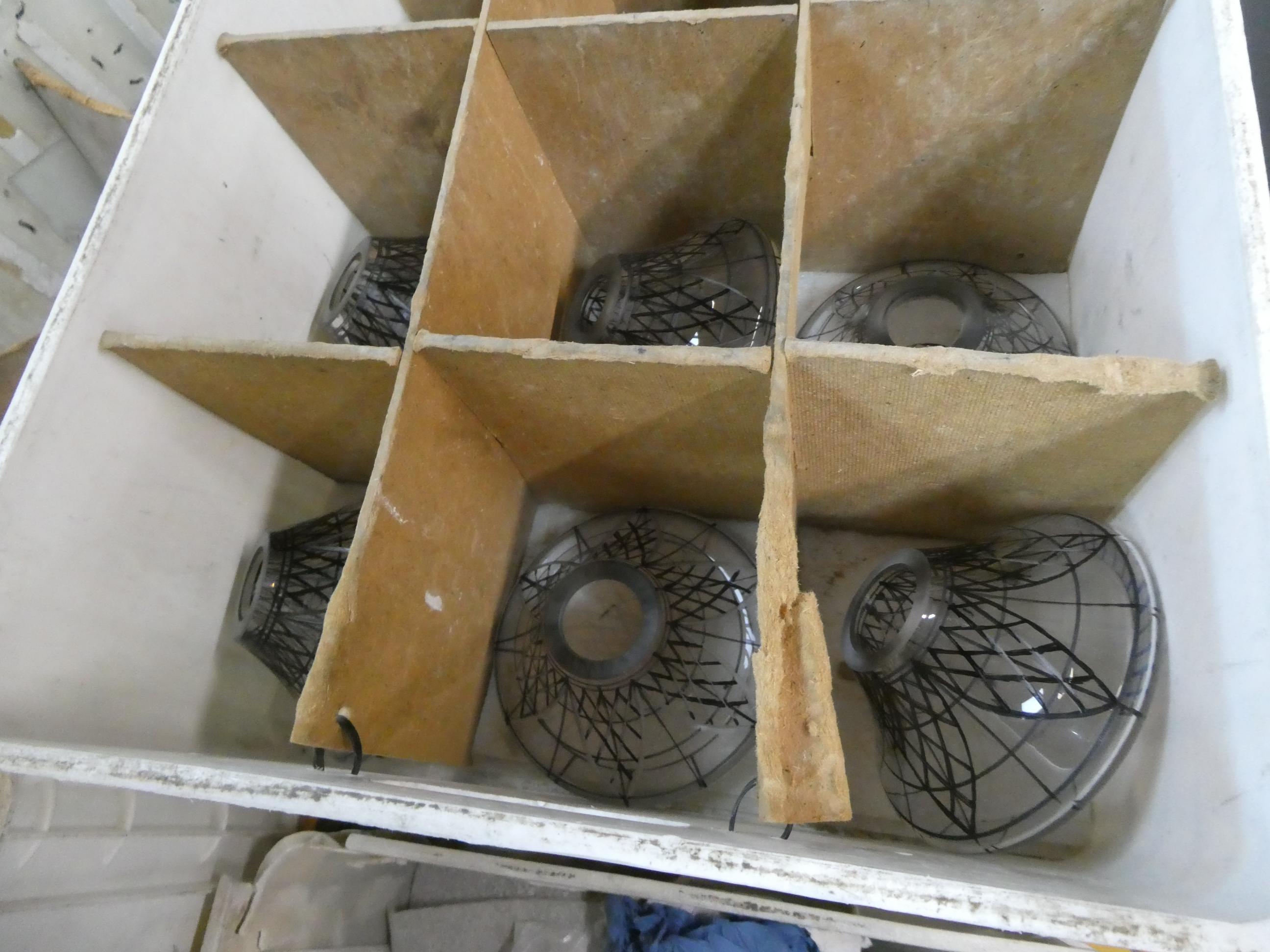
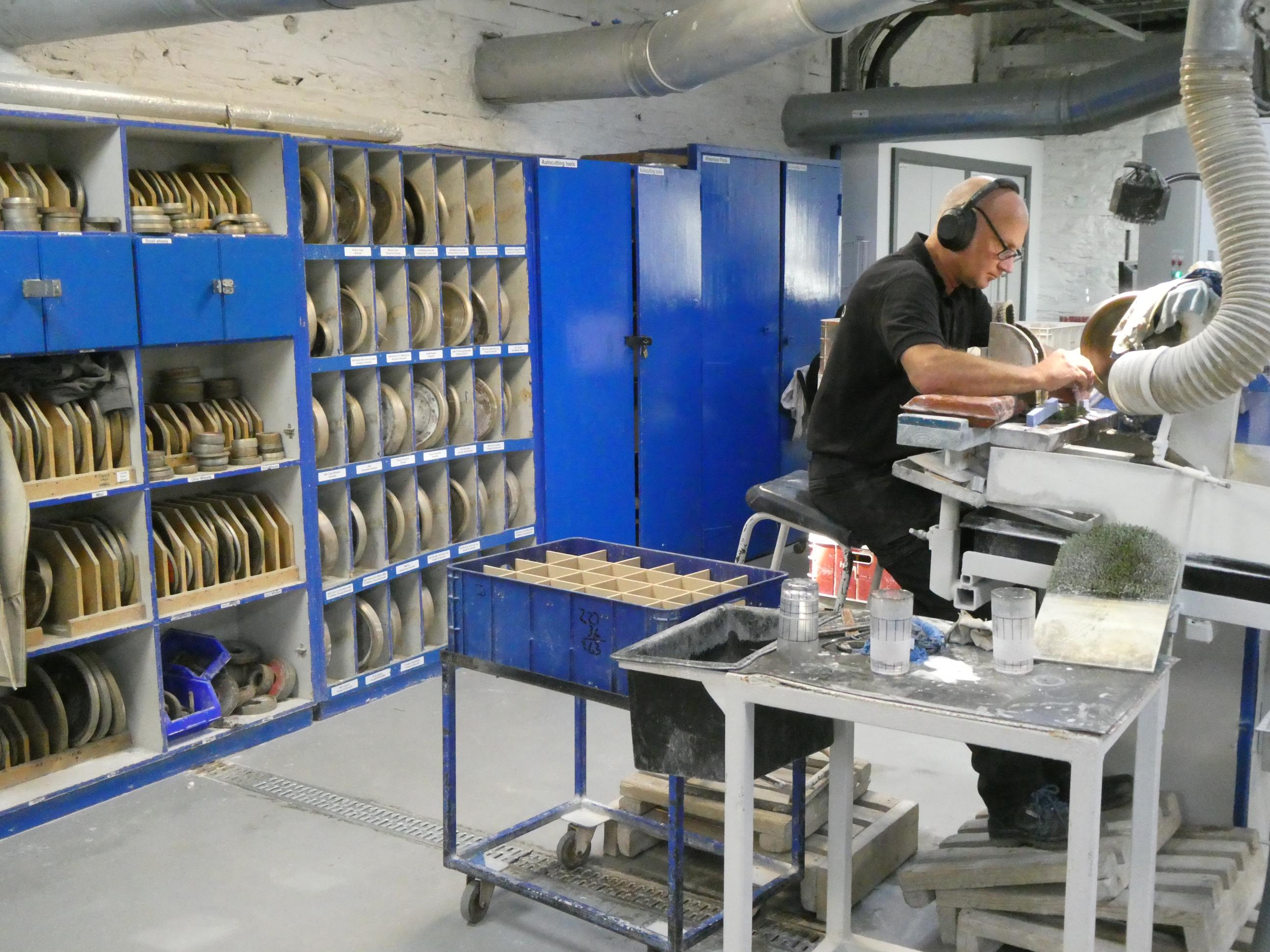
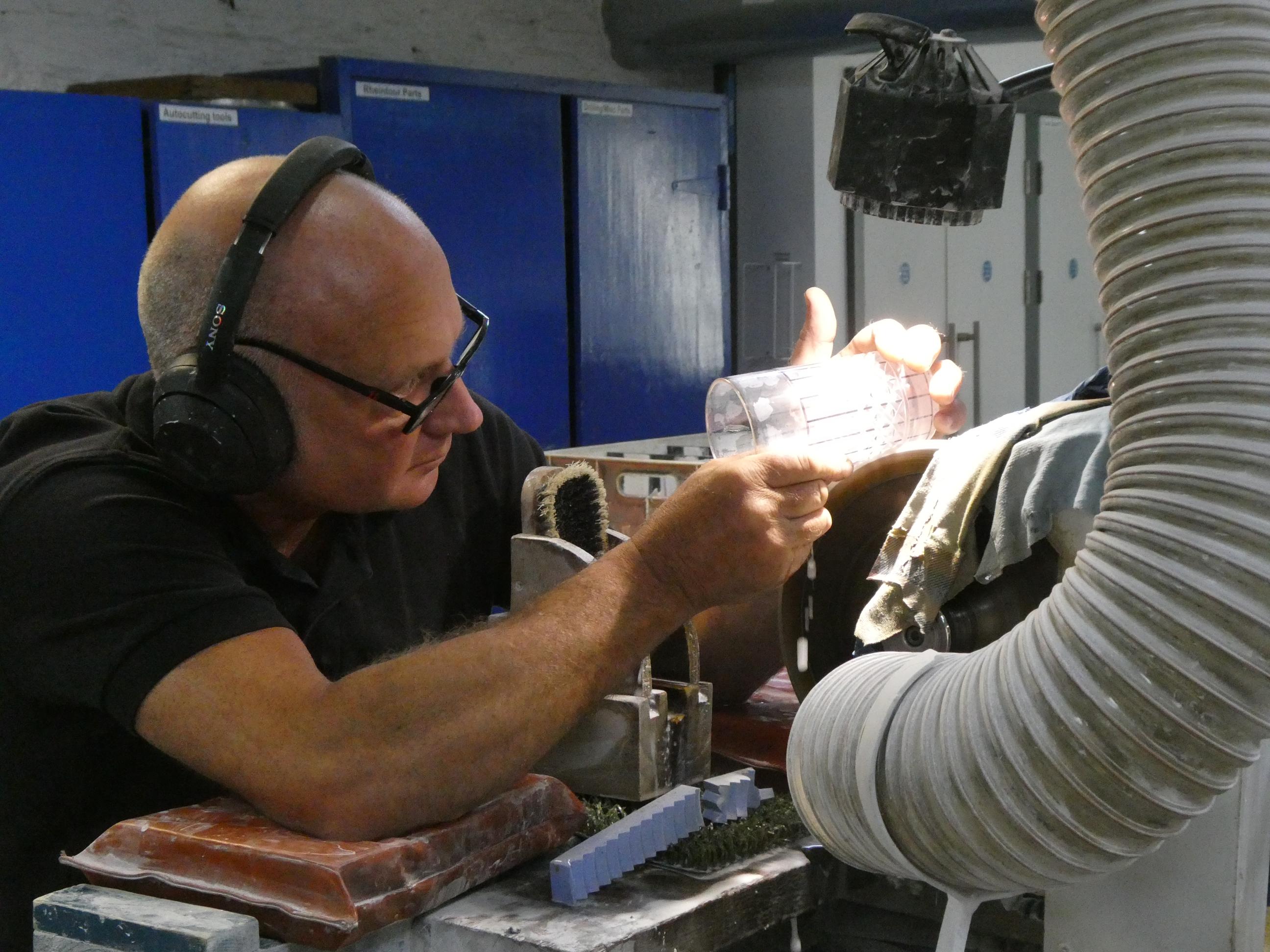
Next we came to quality control, where we watched one guy closely inspecting the edges on a plate and removing any rough edges, while another guy closely inspected whisky glasses and carefully measured different dimension on each one. A bin nearby was for any rejects, which would then be broken up and the crystal glass recycled. In the next room, items are placed in a device which contains a number of marker pens. The pens mark exactly the position and length of places in the pattern where grooves are to be cut. The workers have committed the pattern to memory and know exactly how deep and wide to make the cuts.
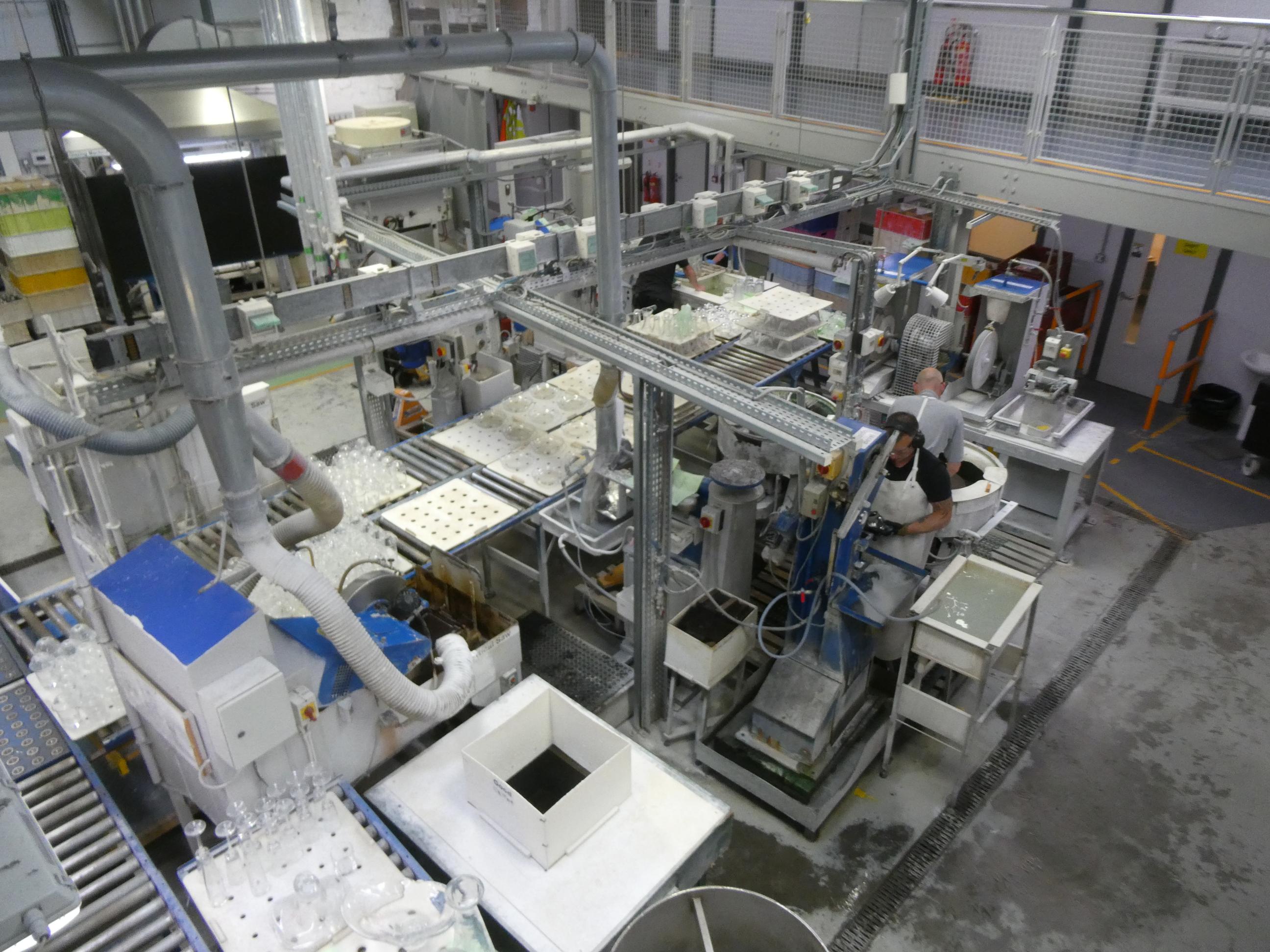
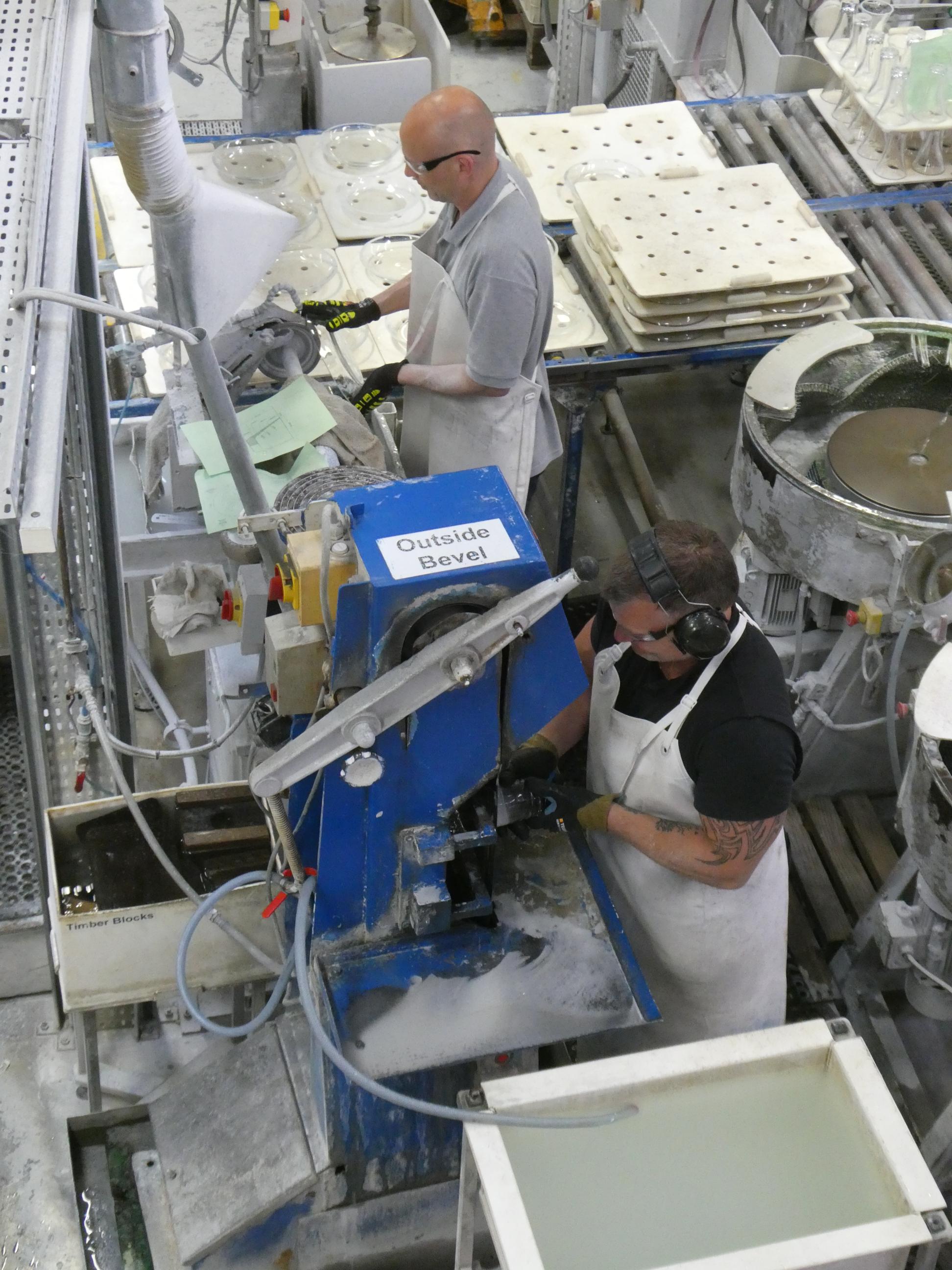
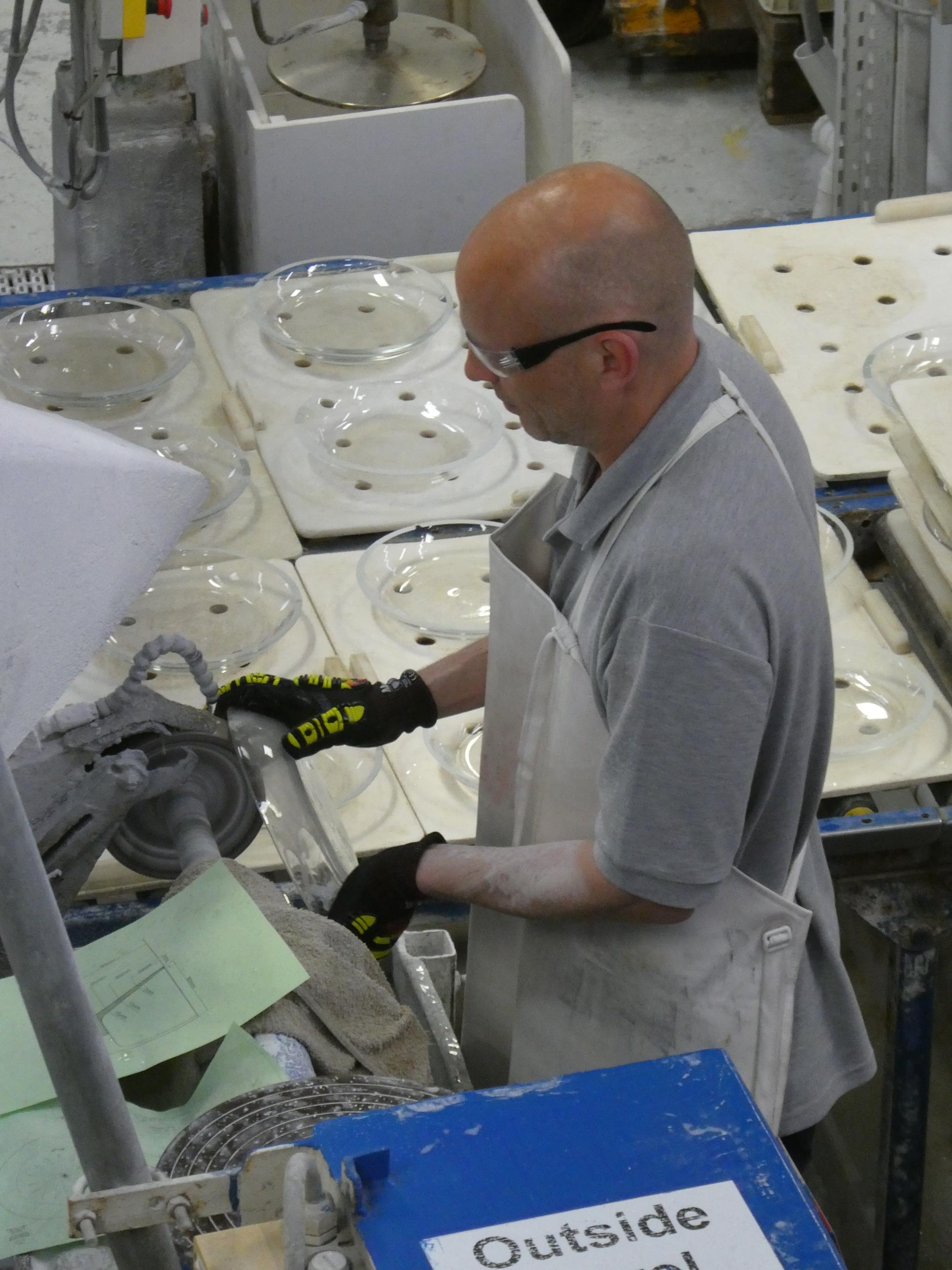
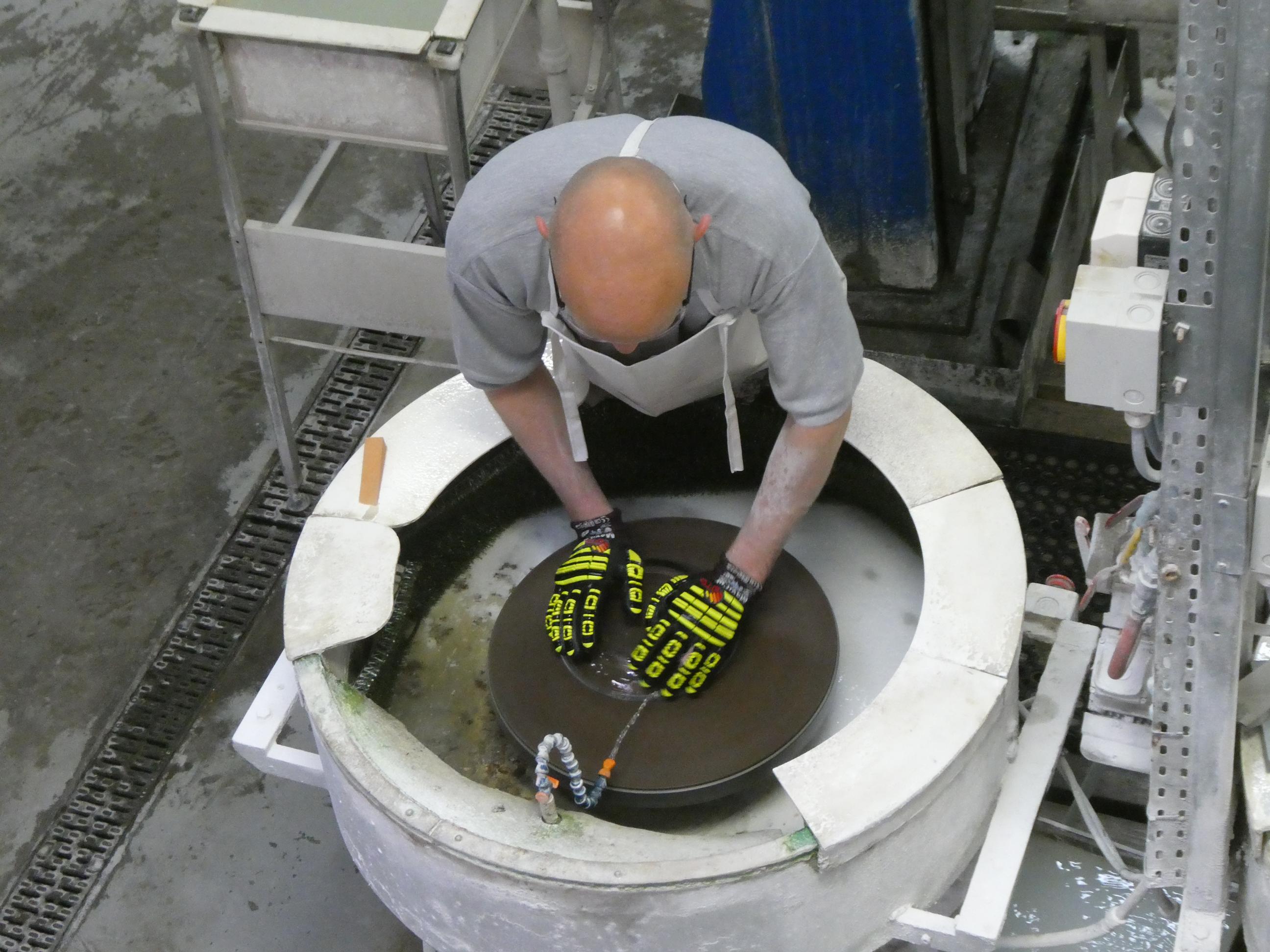
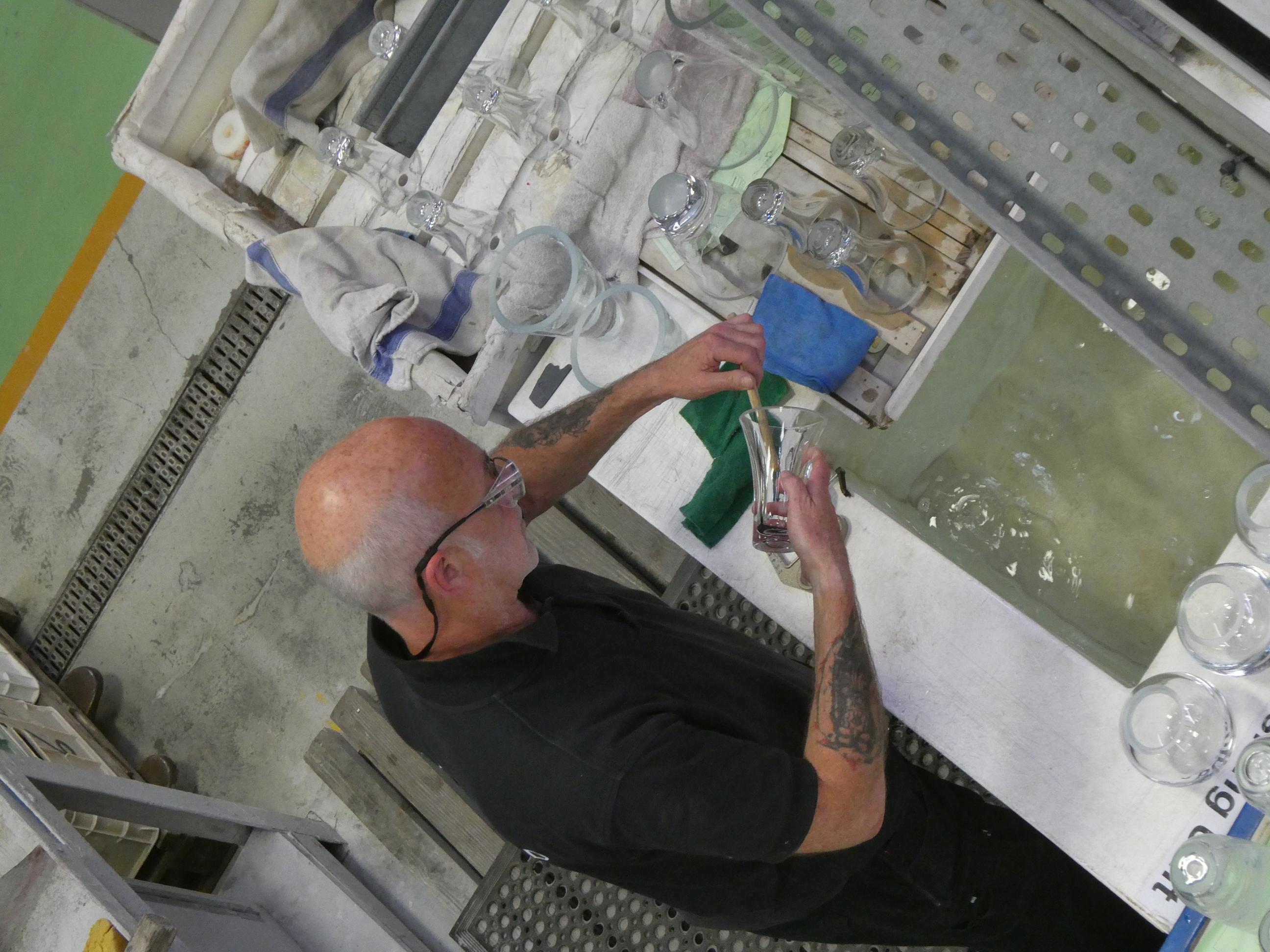
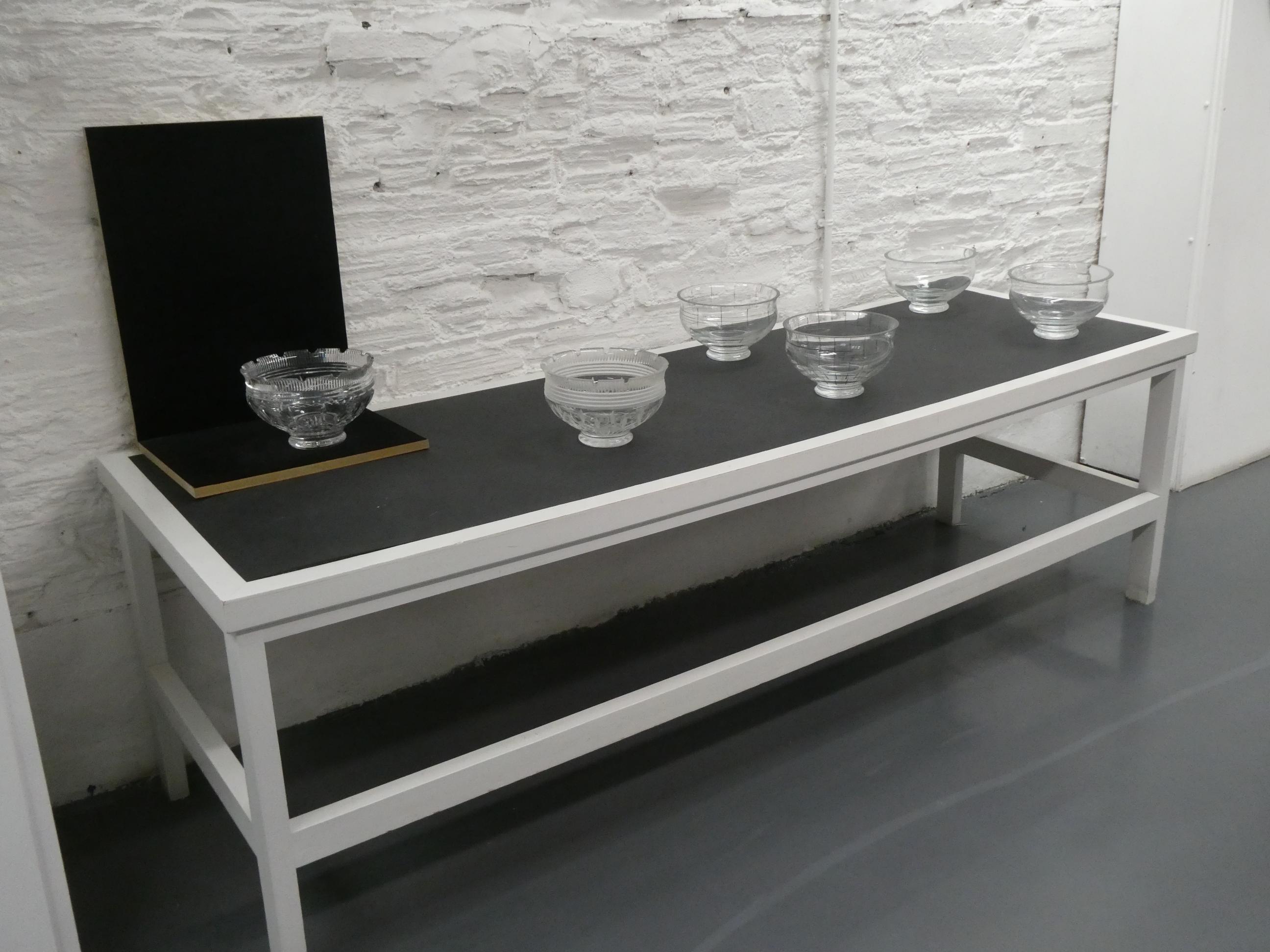
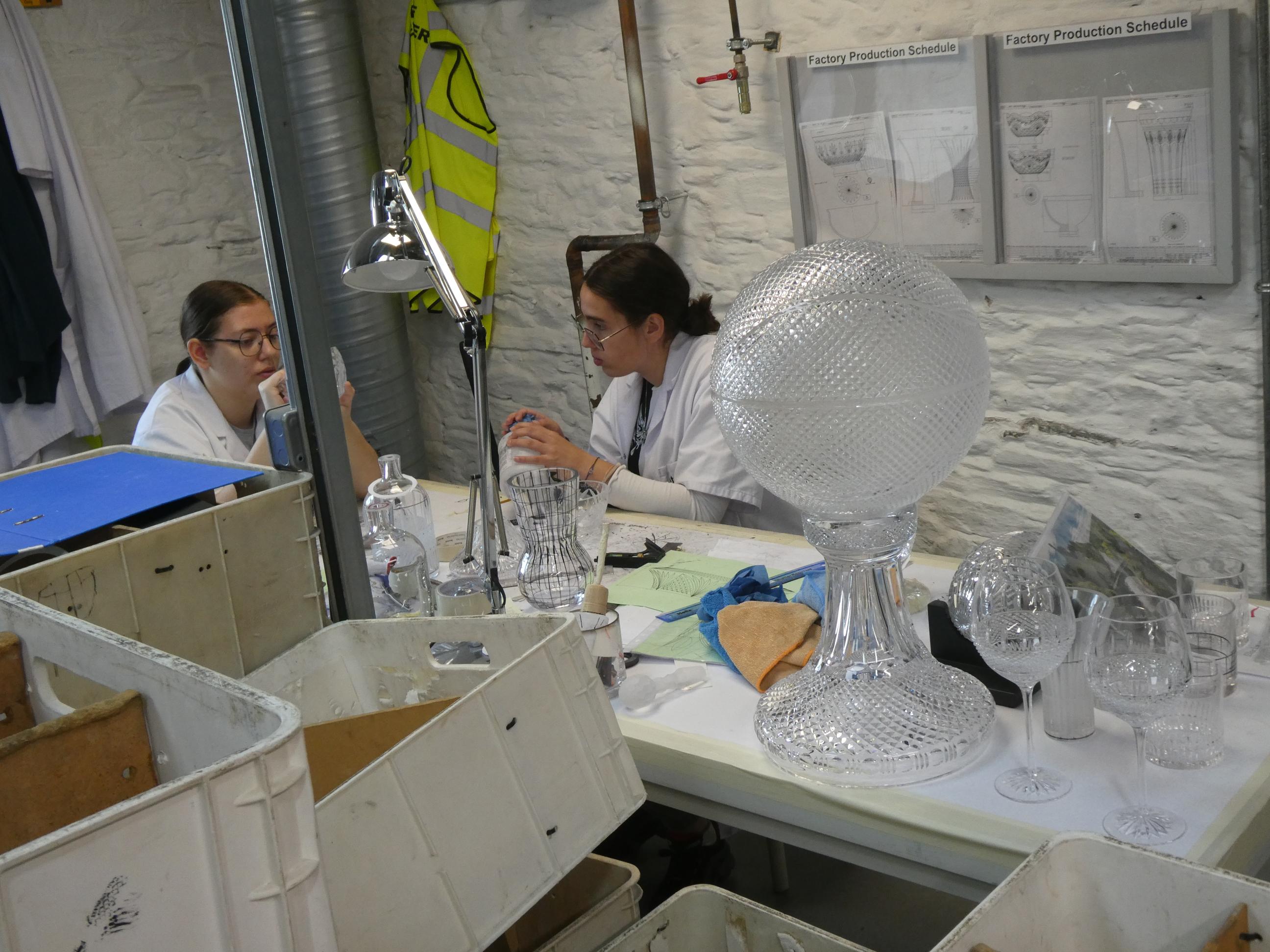
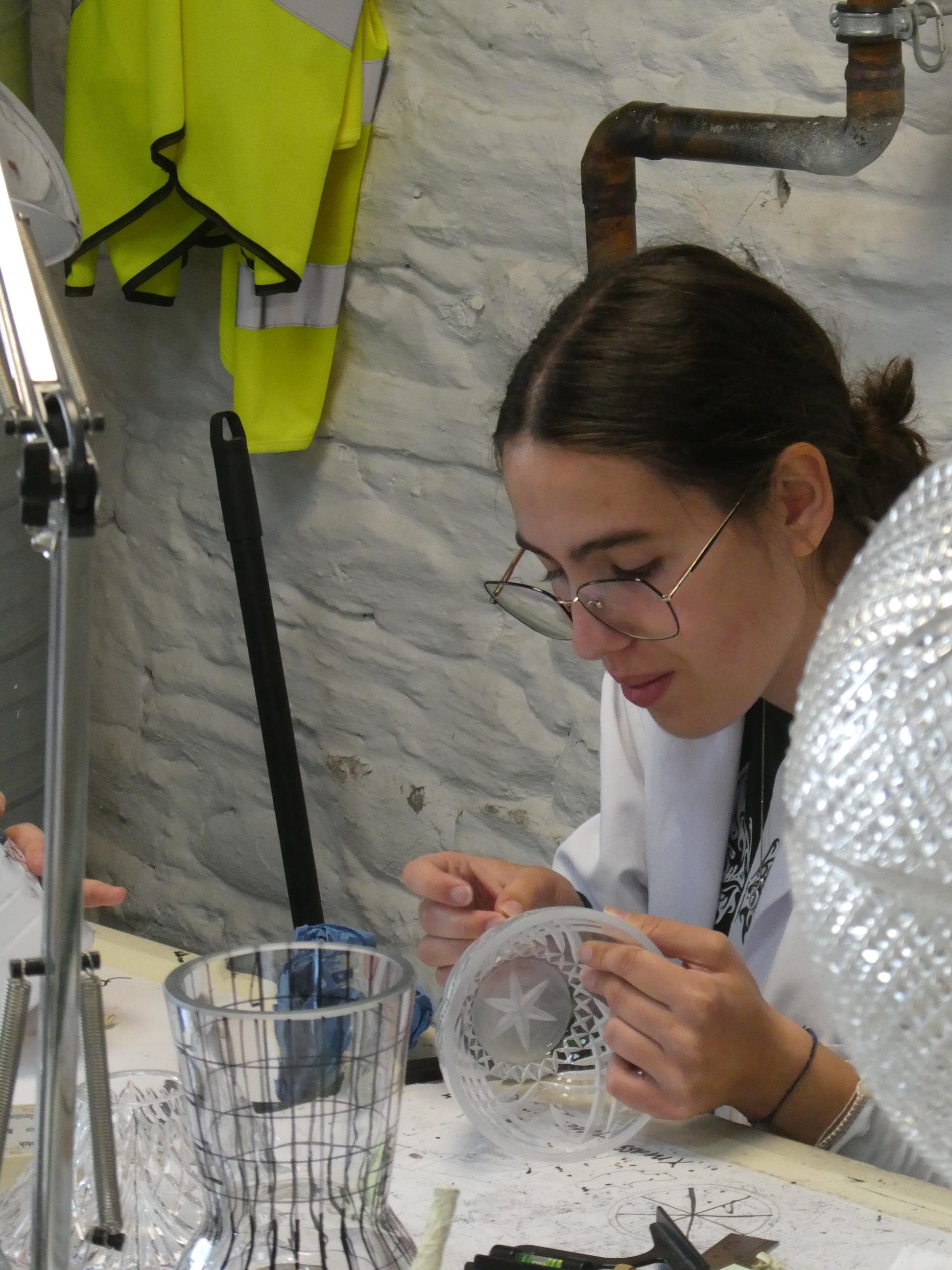
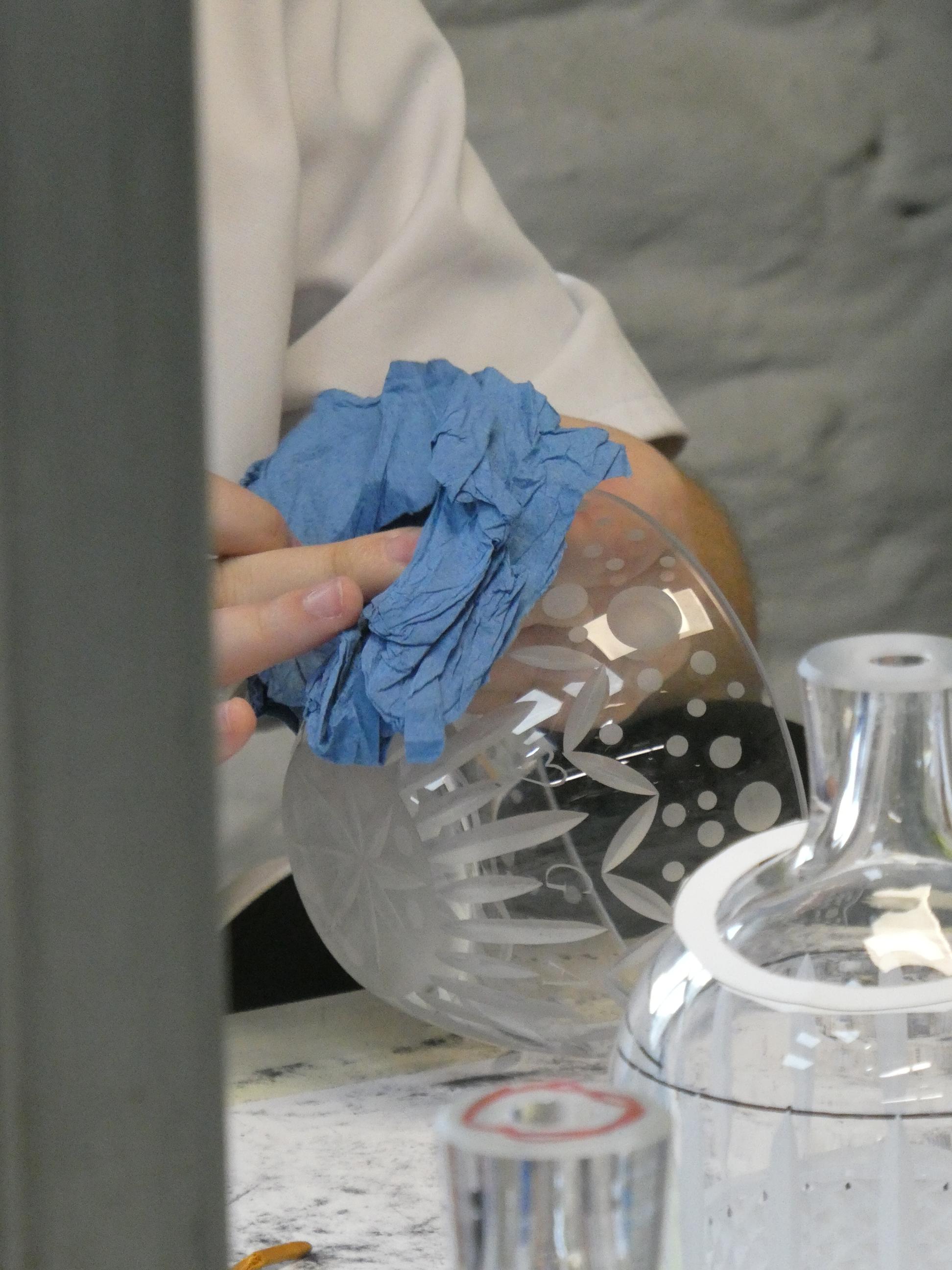
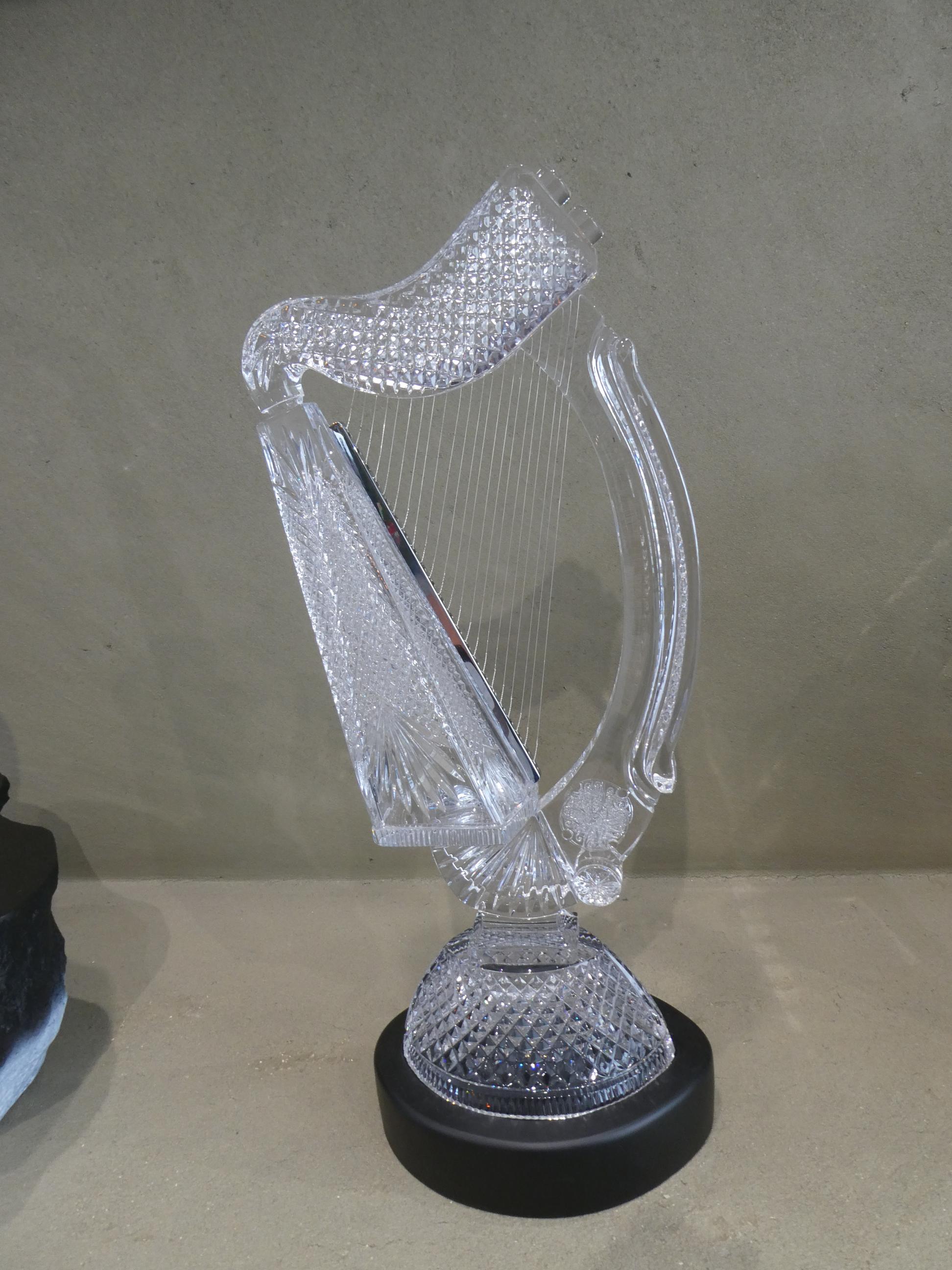
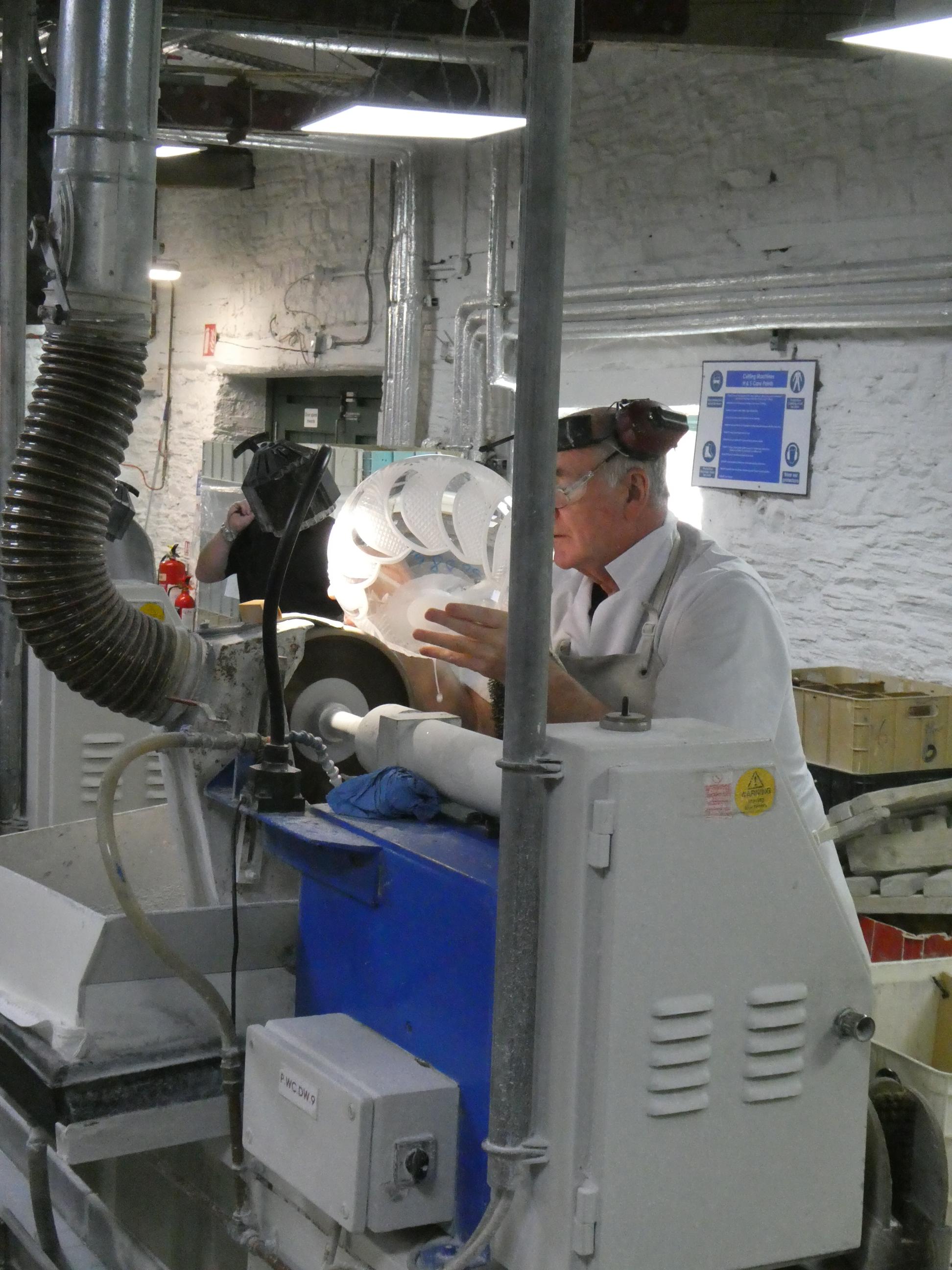
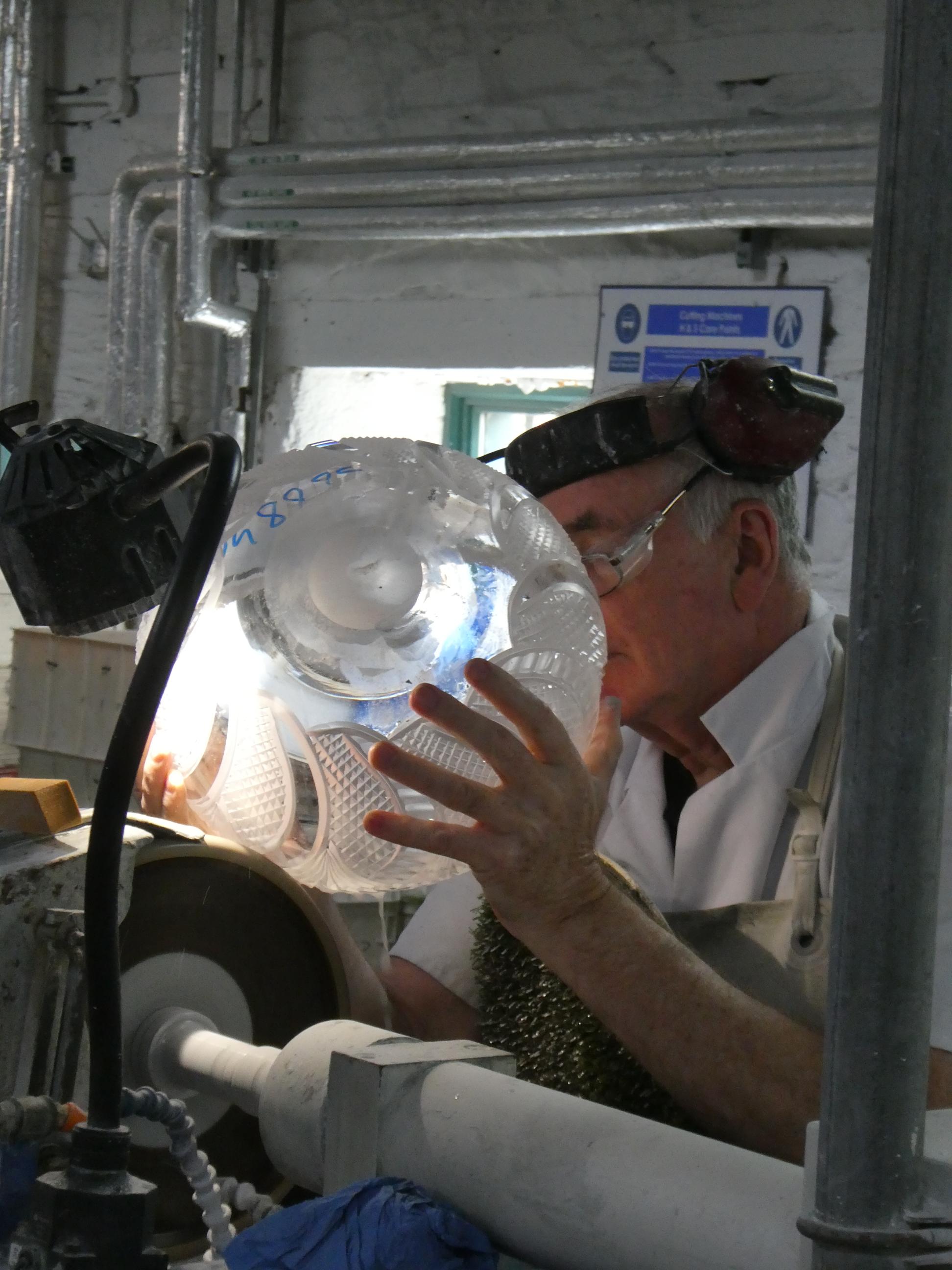
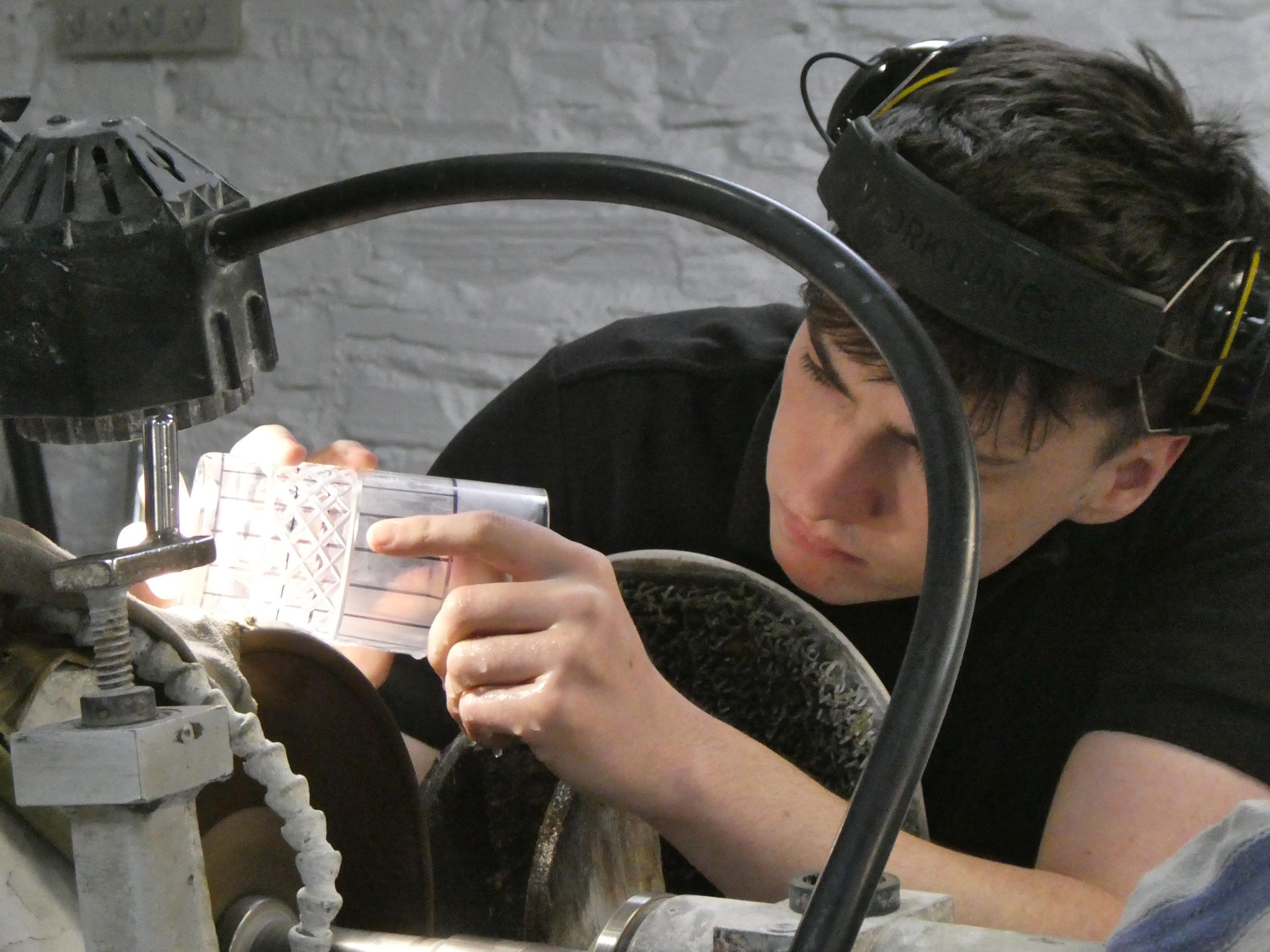
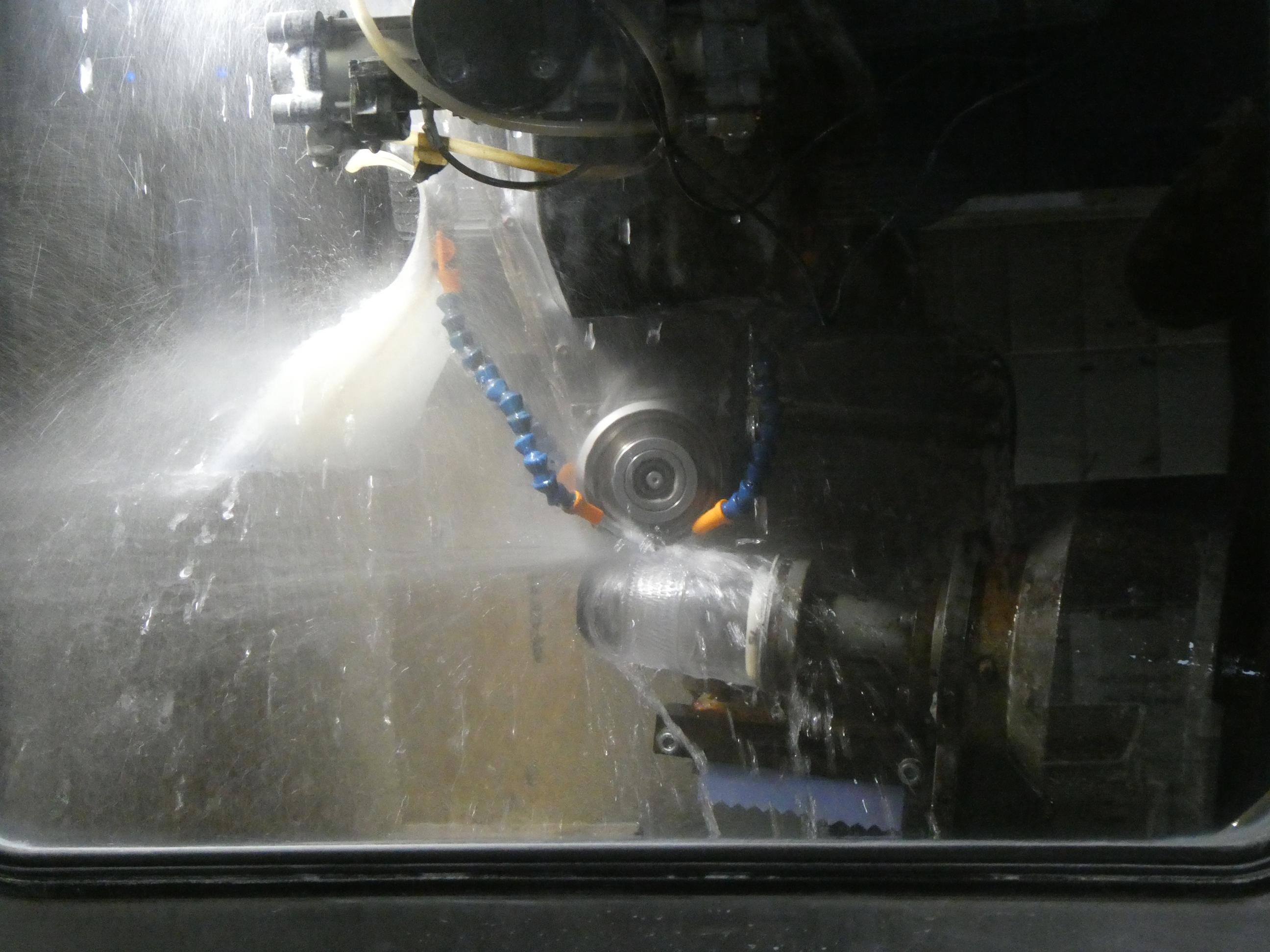
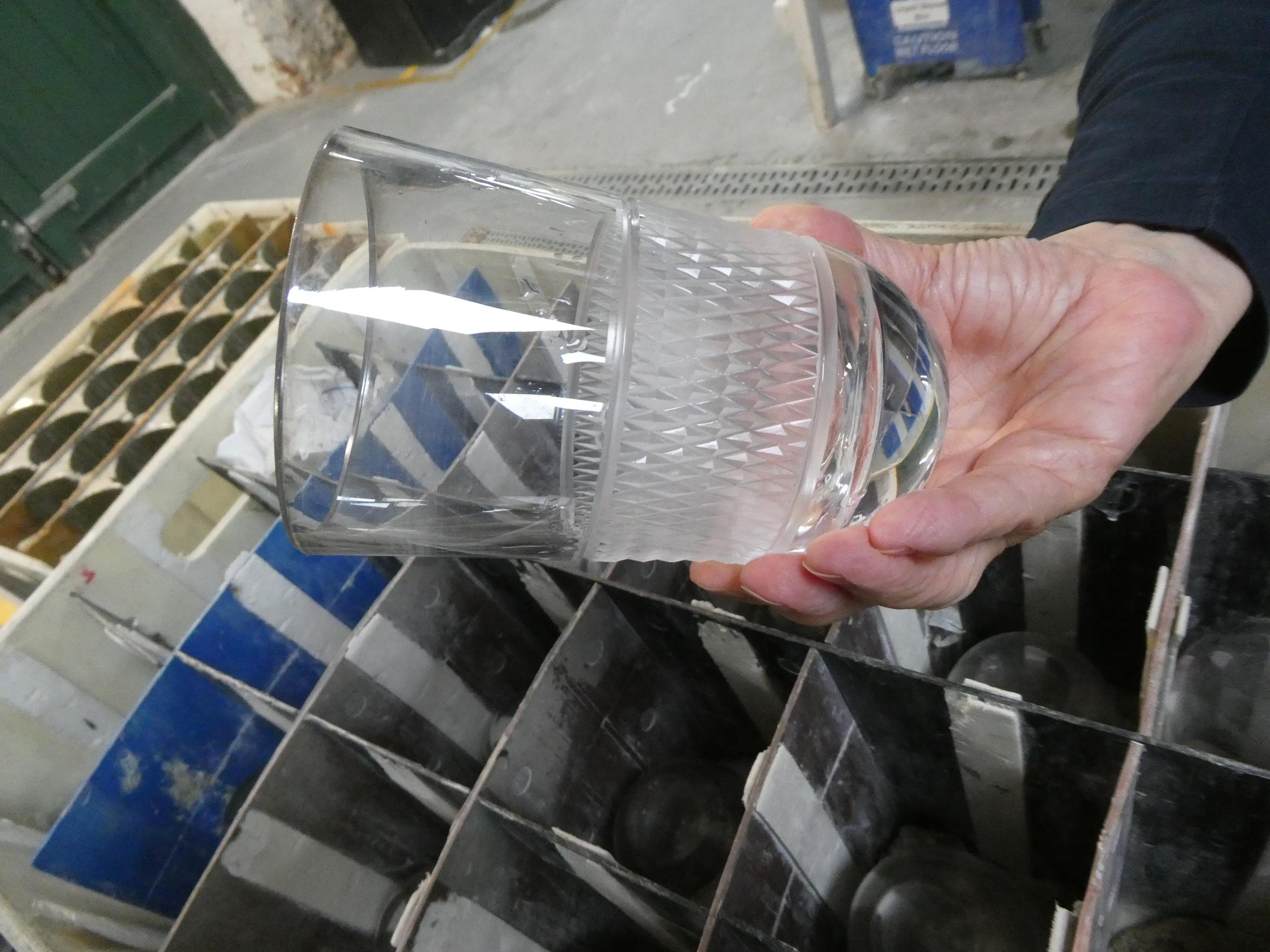
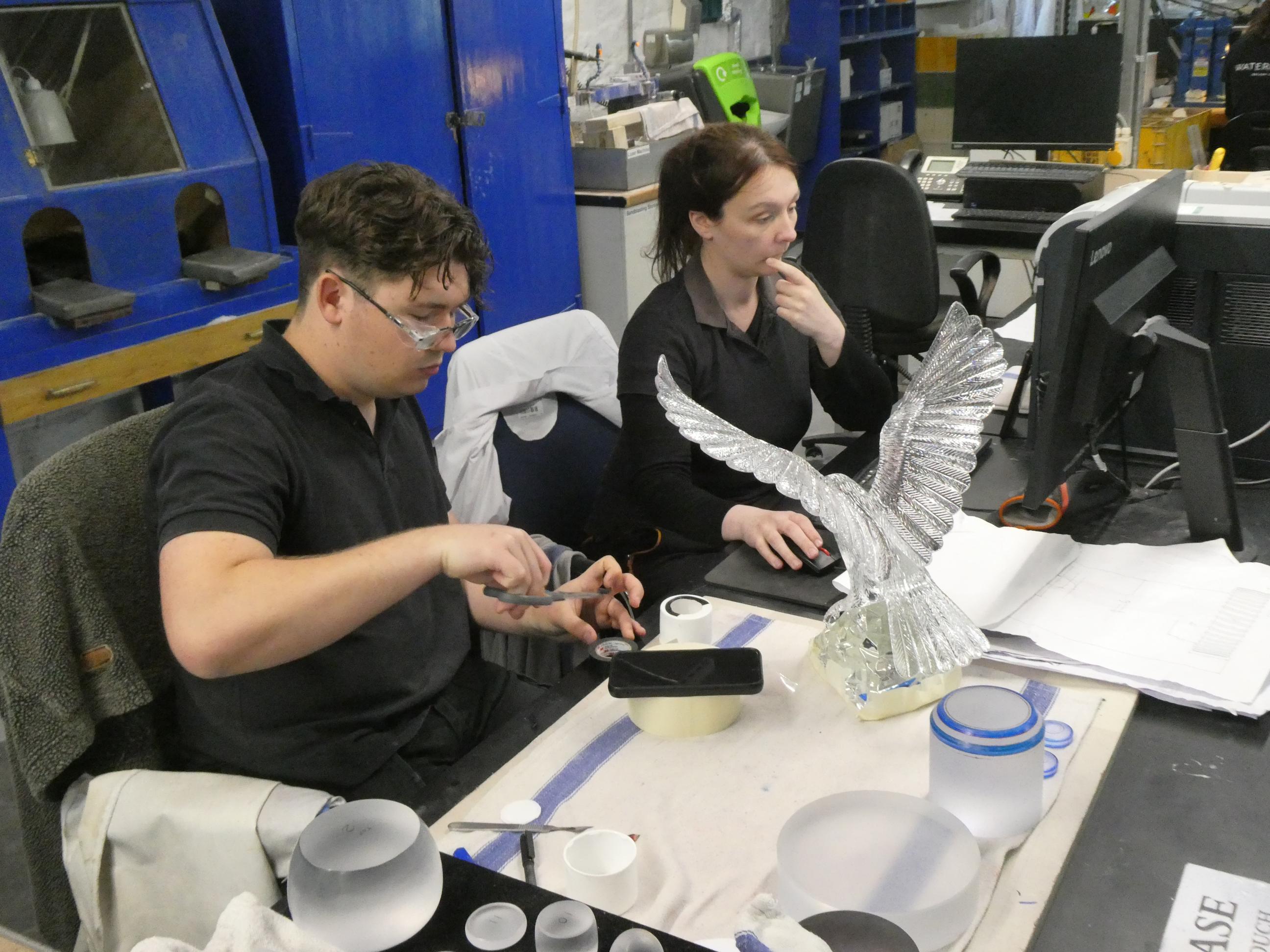
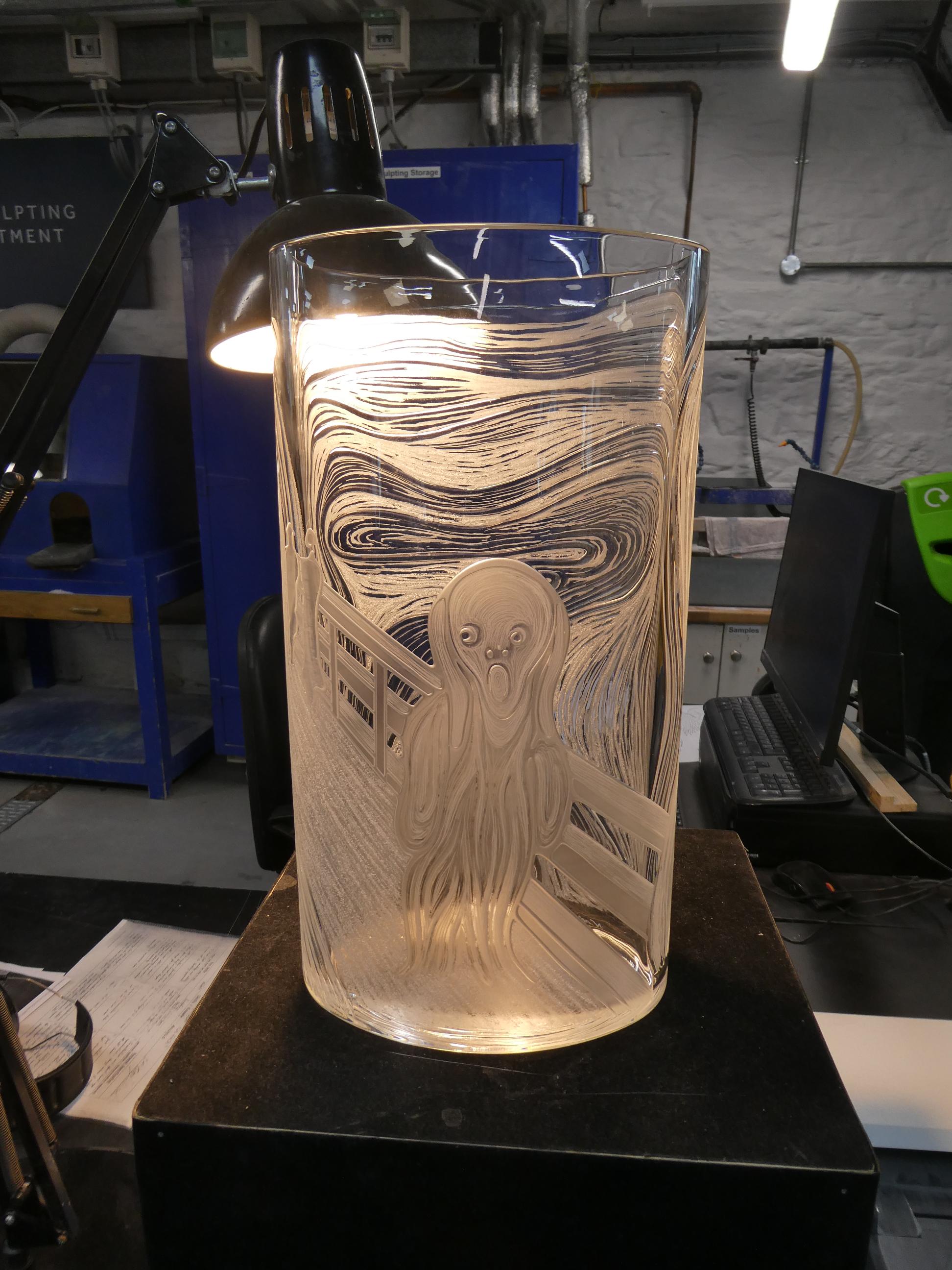
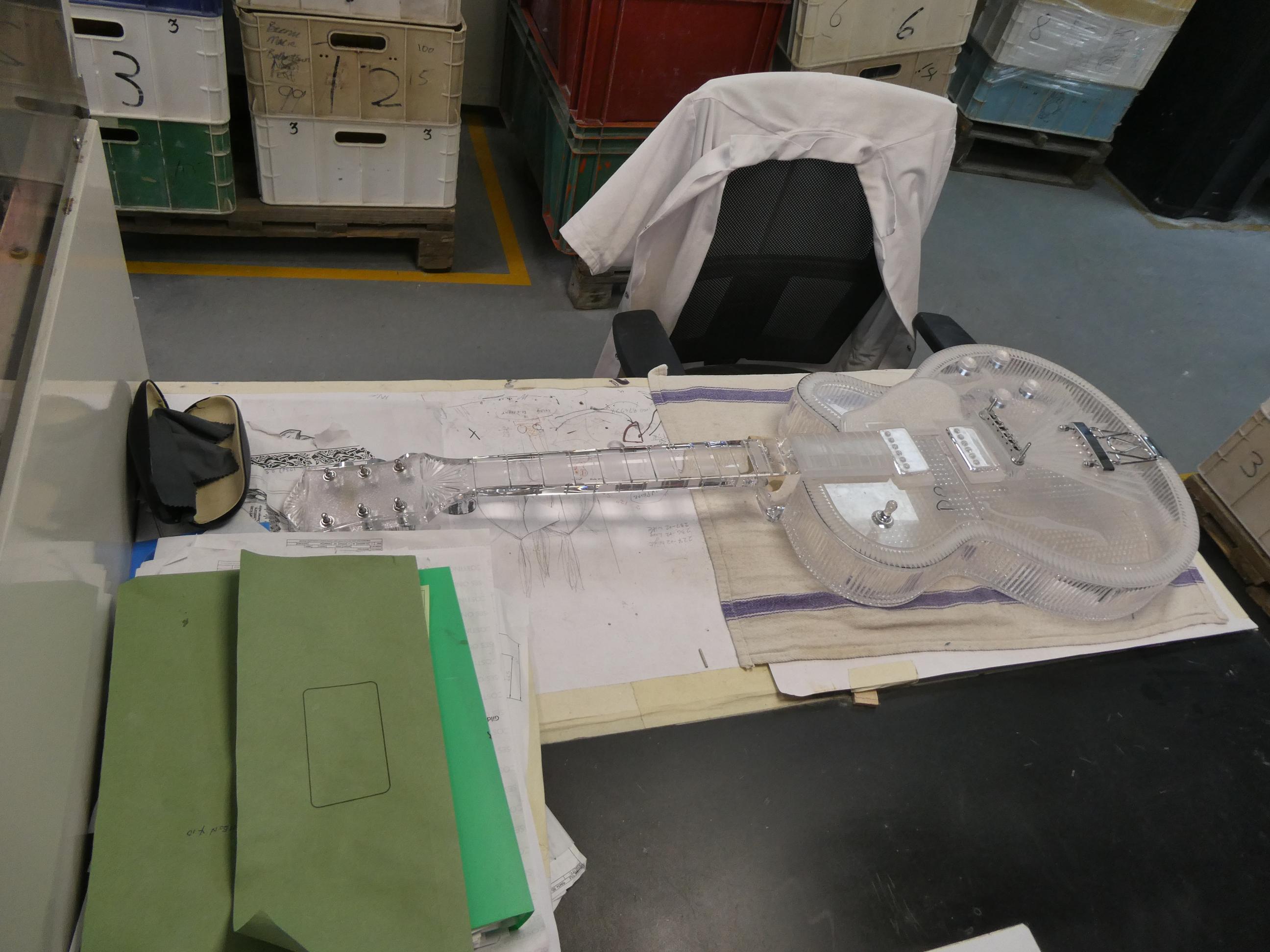
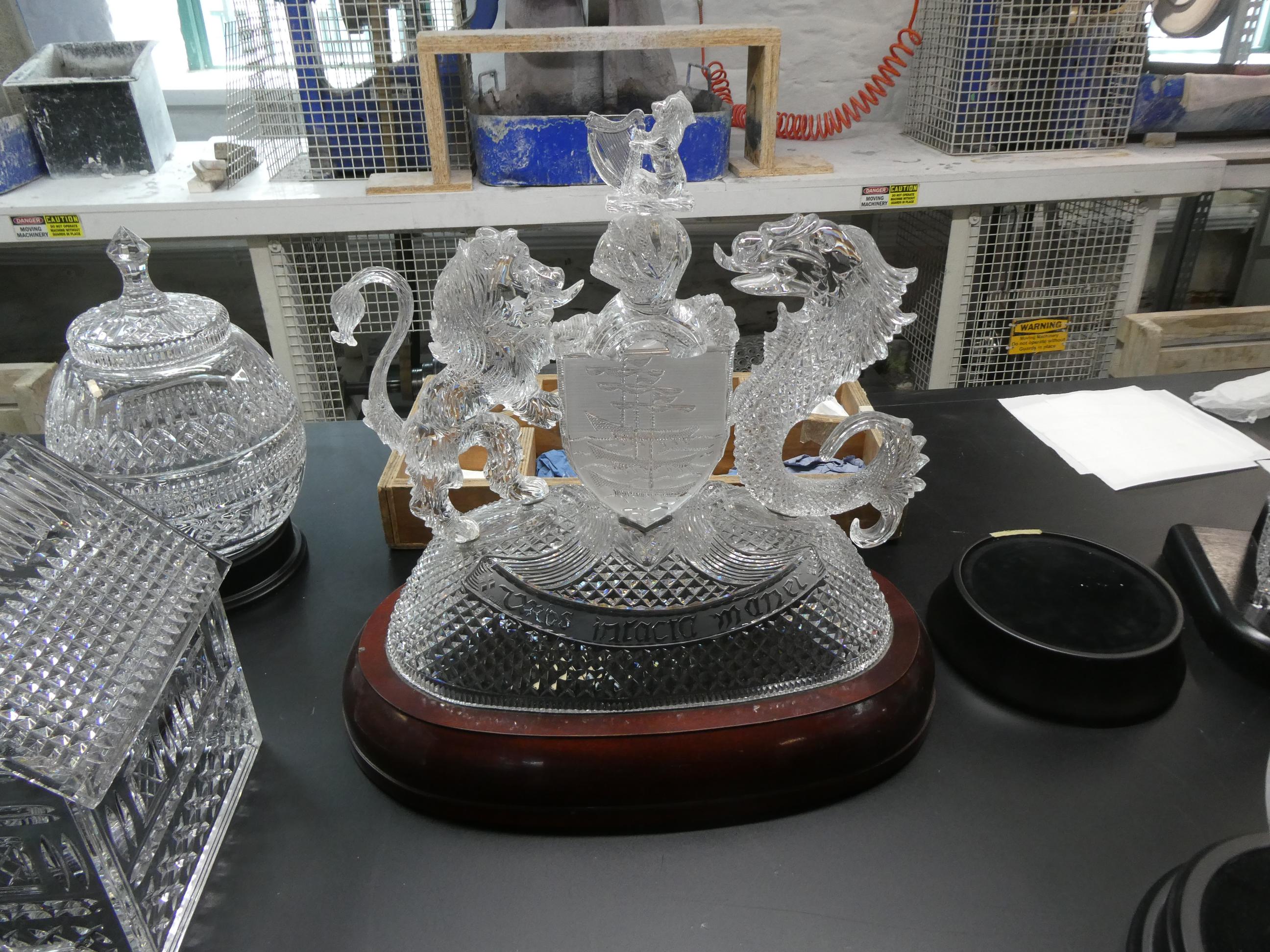
We then watched precision cutters at work, meticulously crafting each cut in each item to the exact length, depth and width required. The items were then polished to the high level of brilliance and clarity that the Waterford brand is famous for. We also looked at some of the work that engravers and sculptors do at Waterford, making individually crafted items such as the vases featuring Munch’s ‘The Scream’ and van Gogh’s ‘Starry, Starry Night’, the guitar, and the 9/11 tribute you can see in the photos below. We finished the tour back in the showroom, where some of the wine and spirit glasses on display looked very appealing, but would have made a sizable dent in my budget.
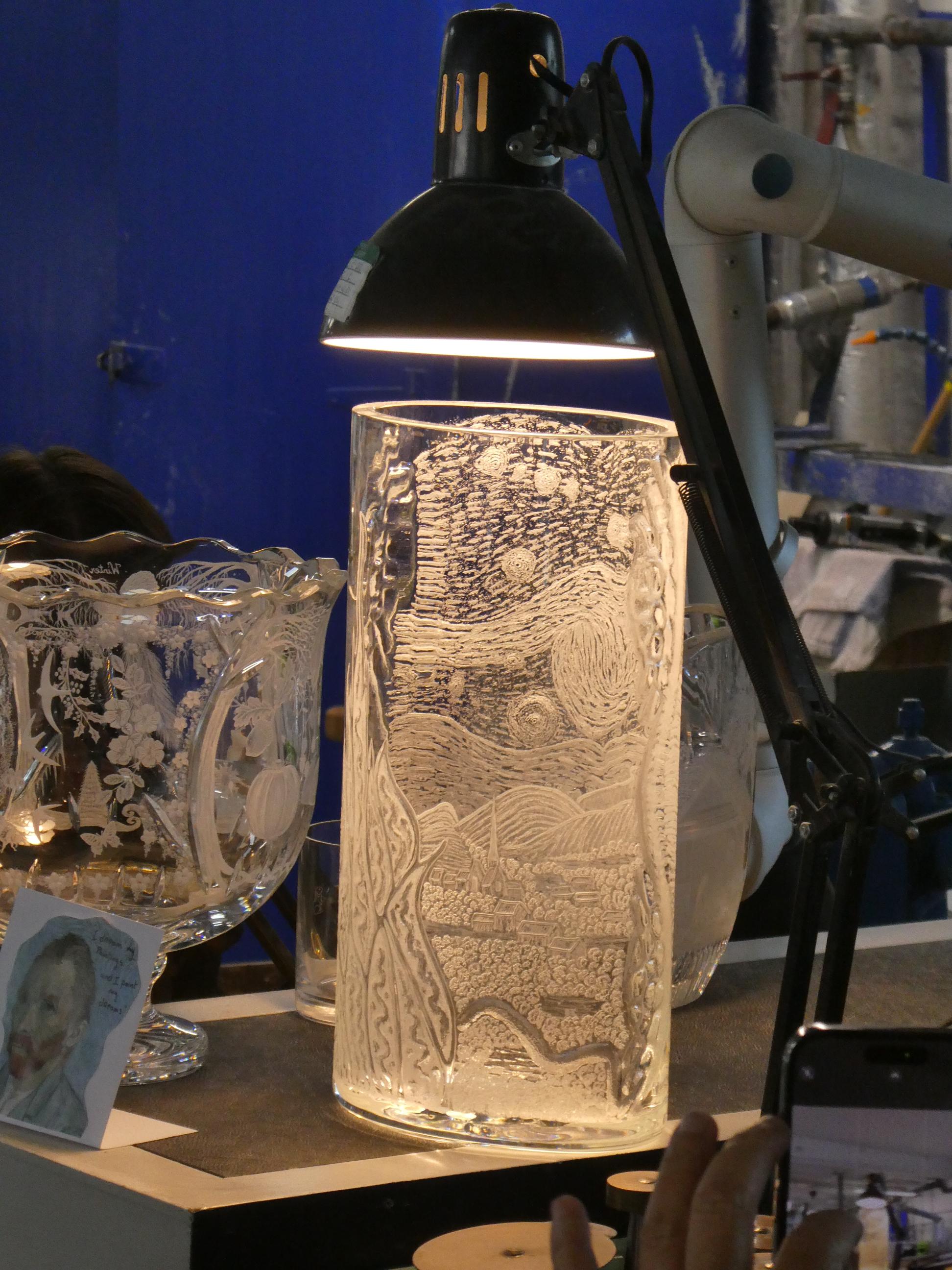
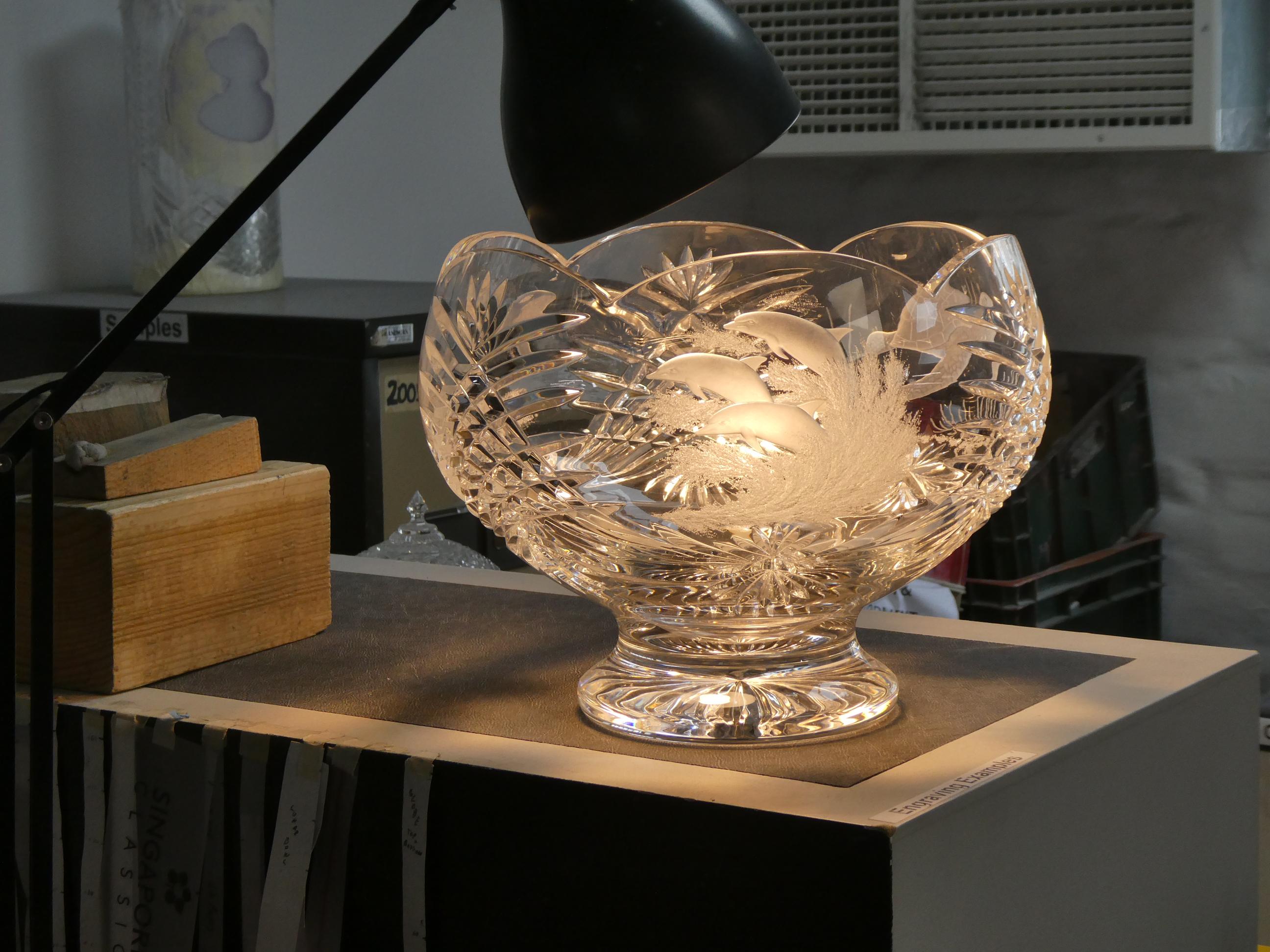
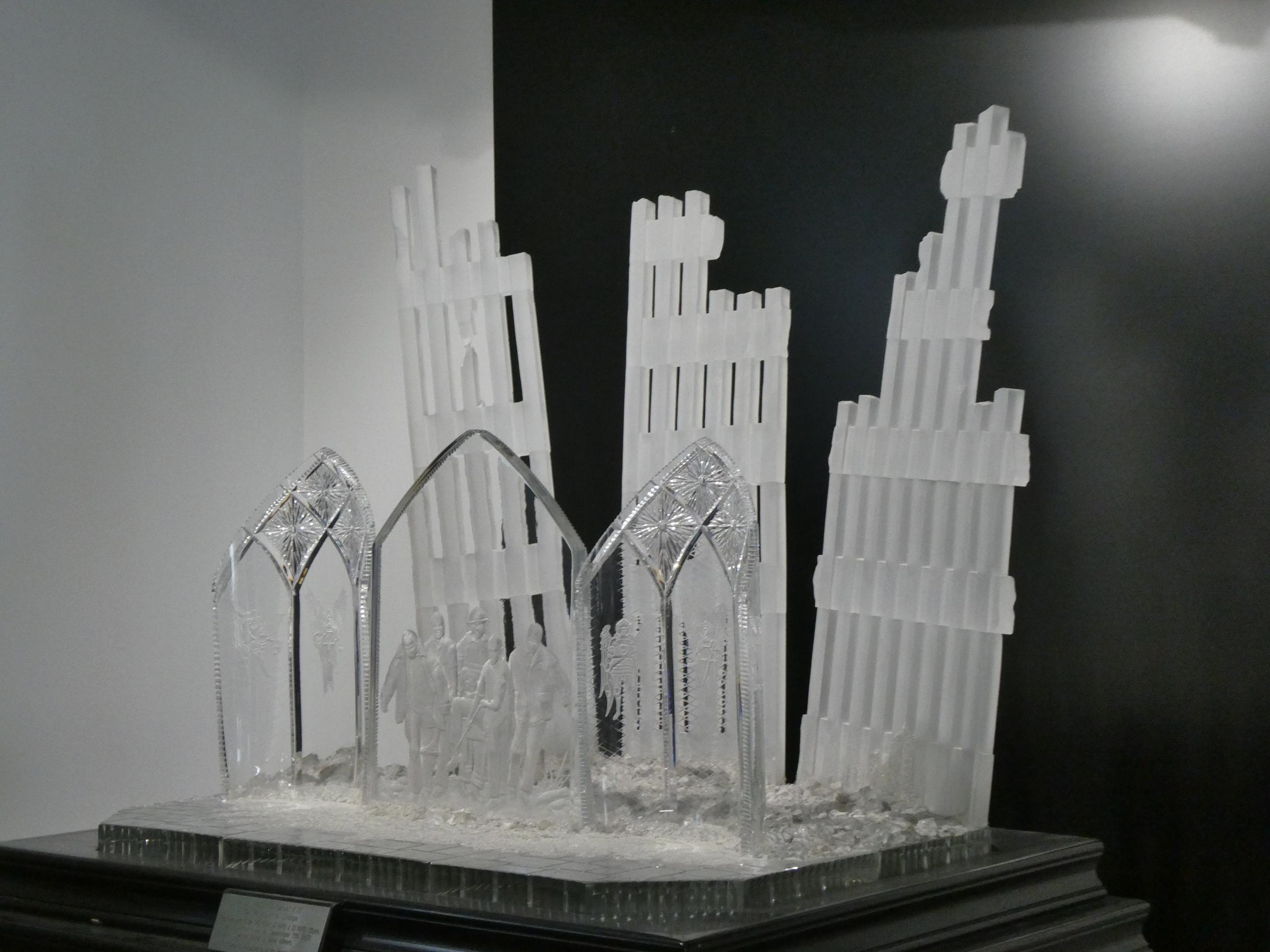
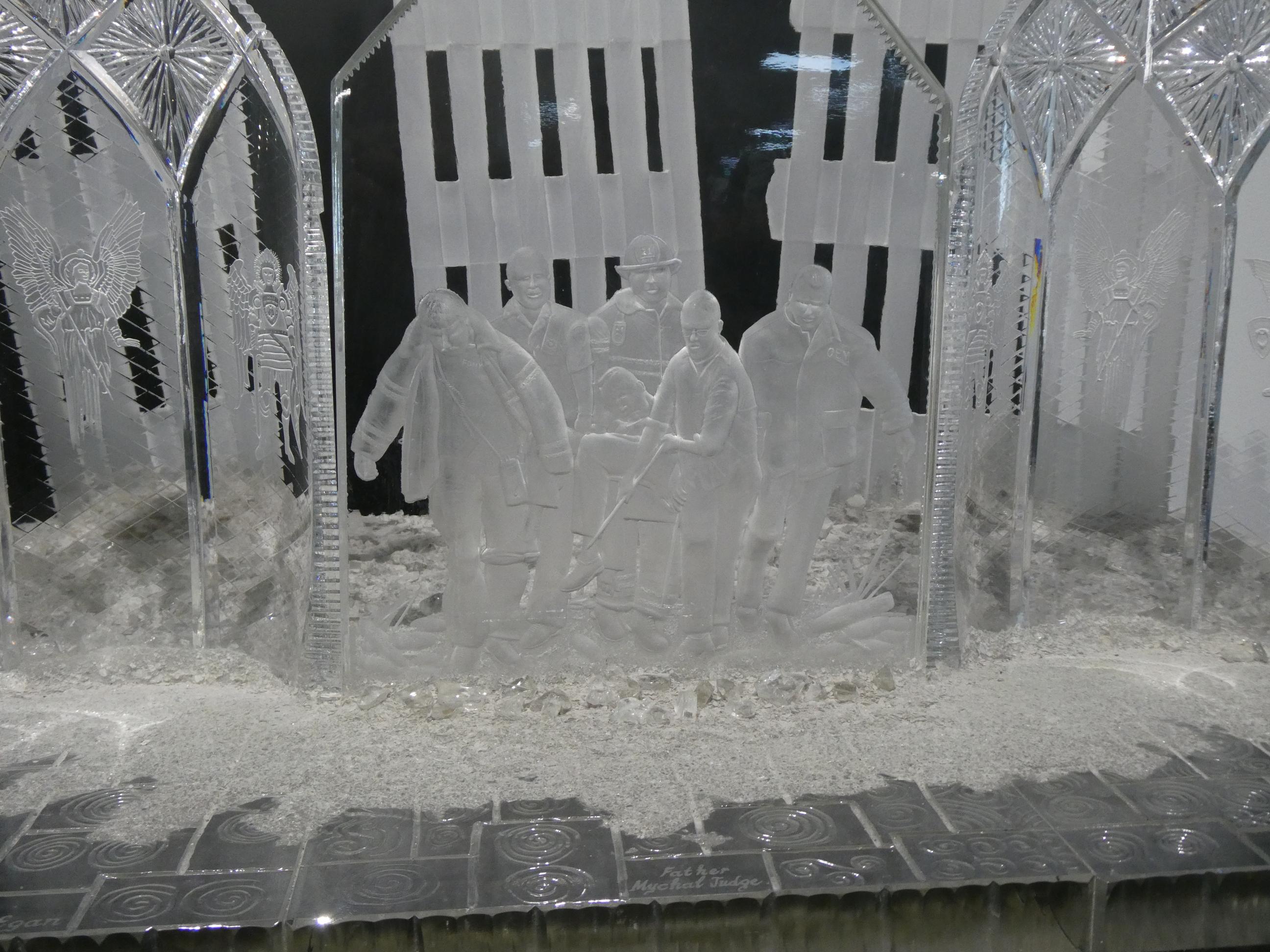
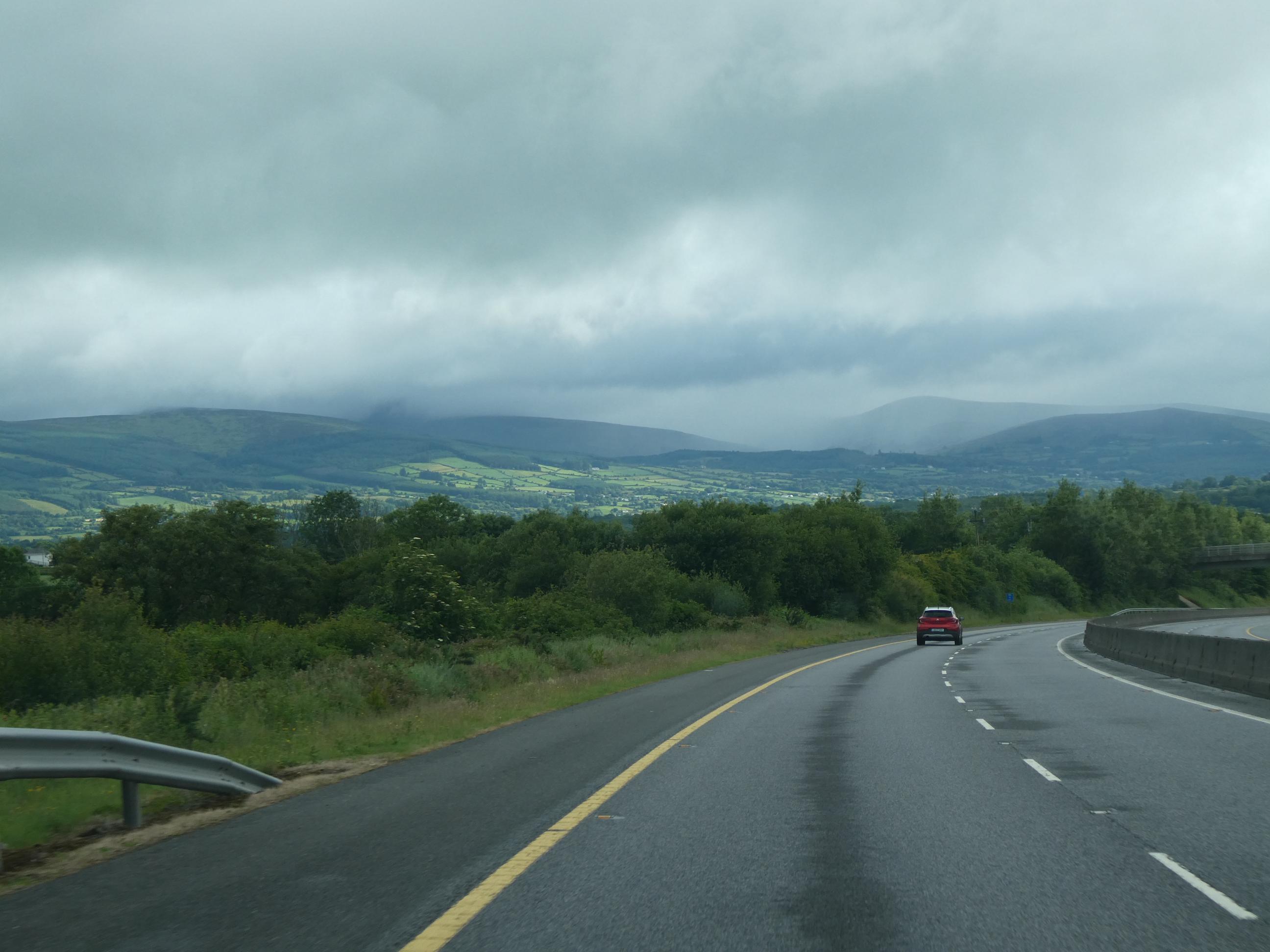
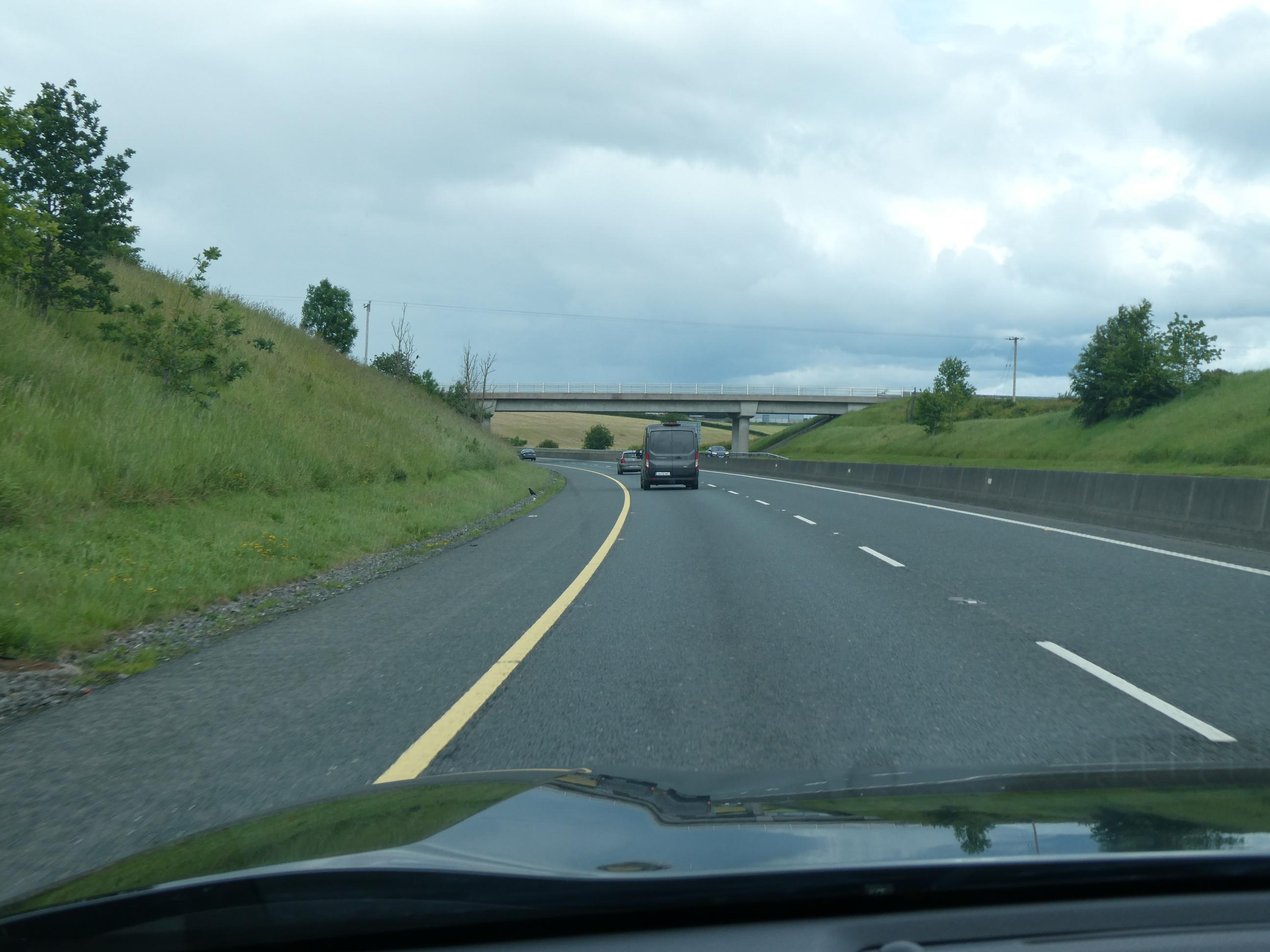
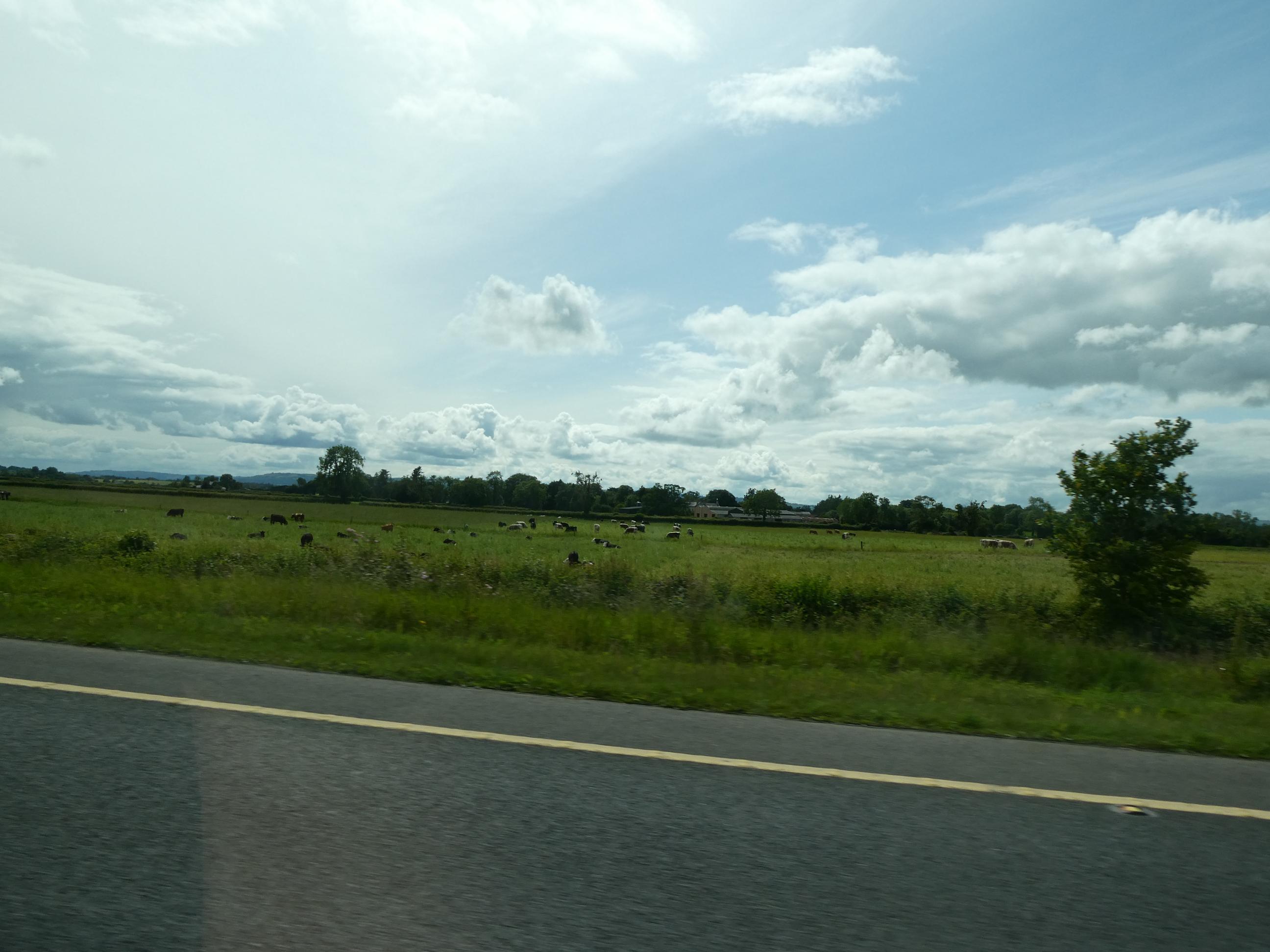
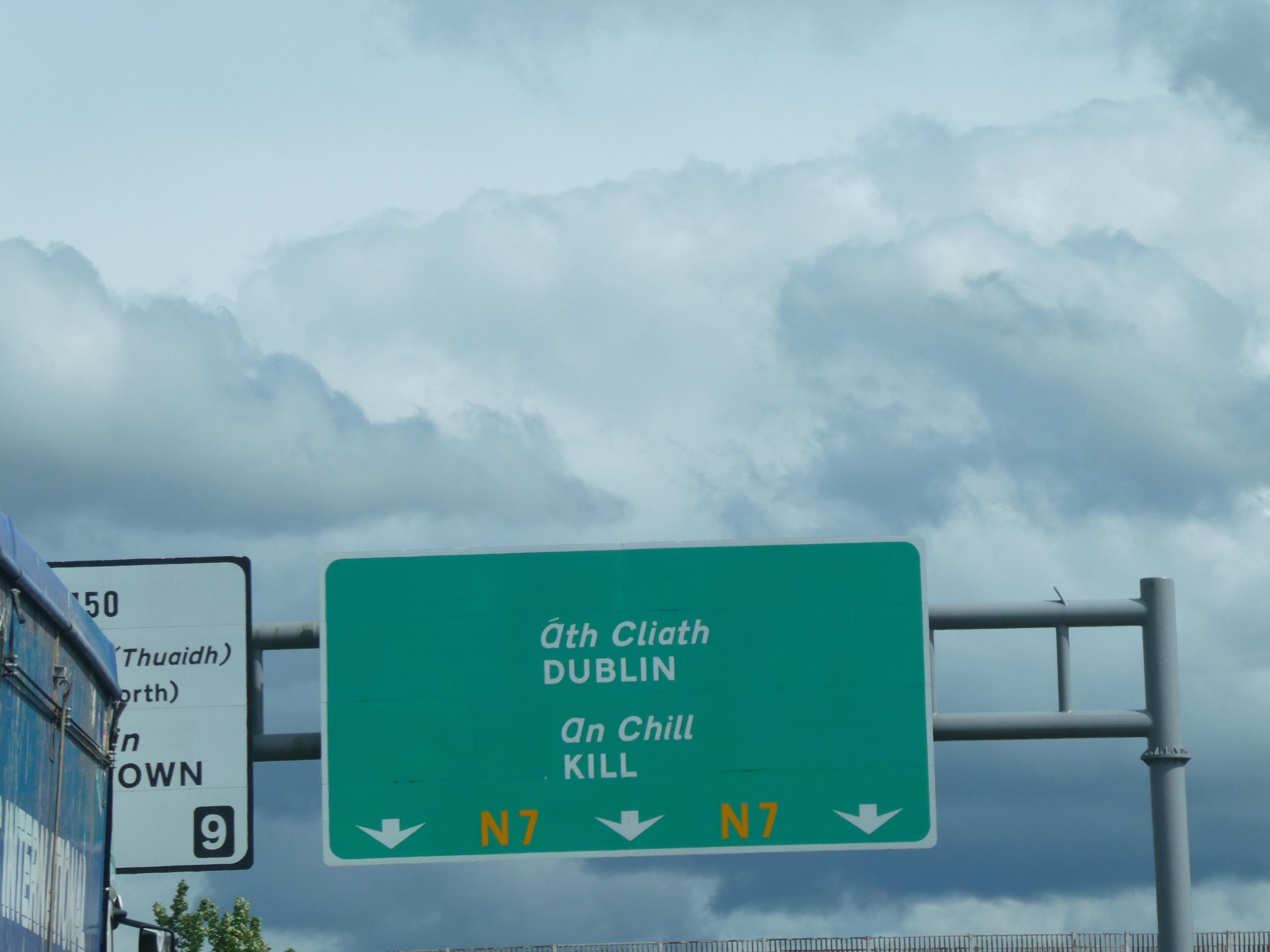
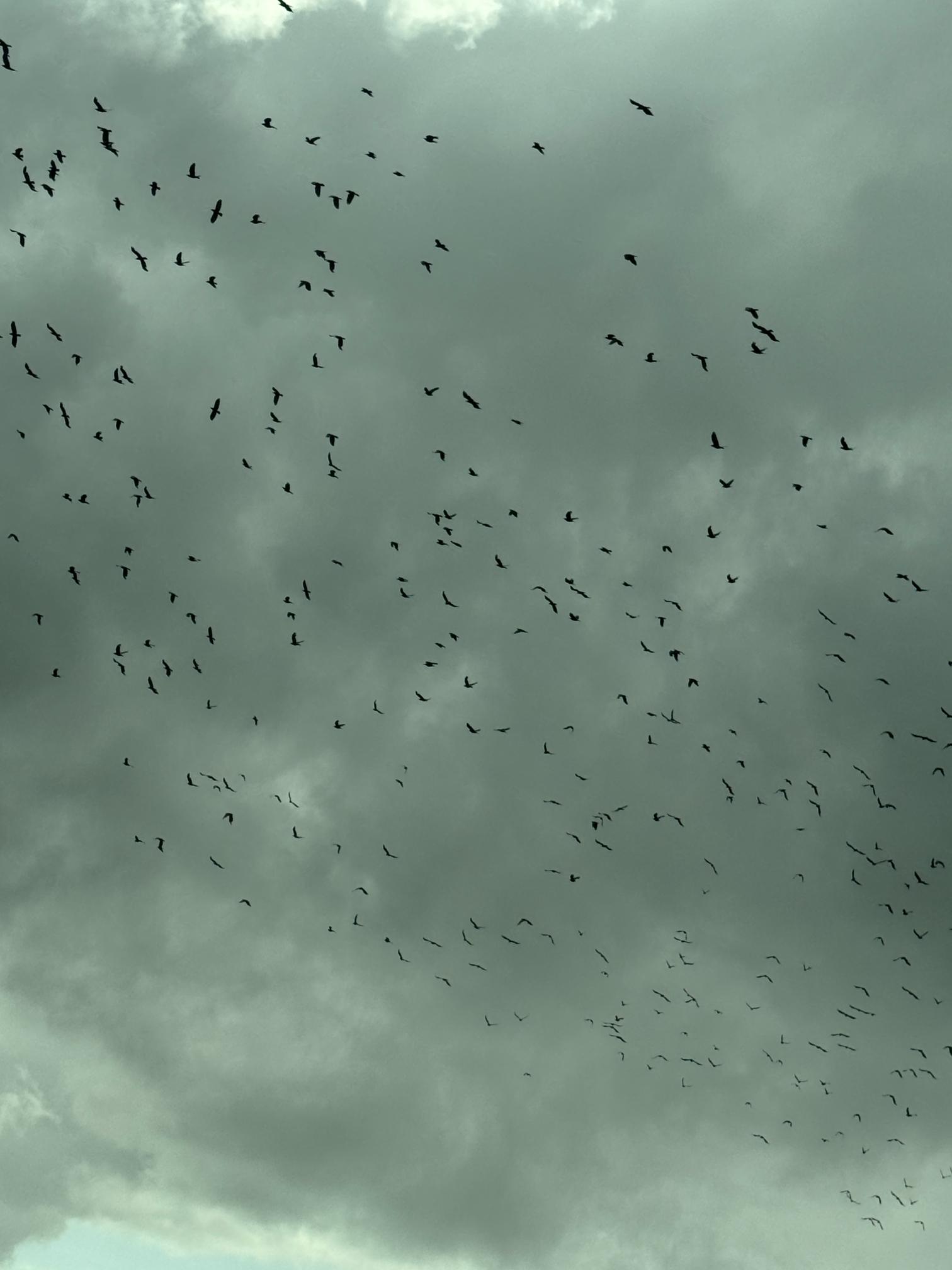
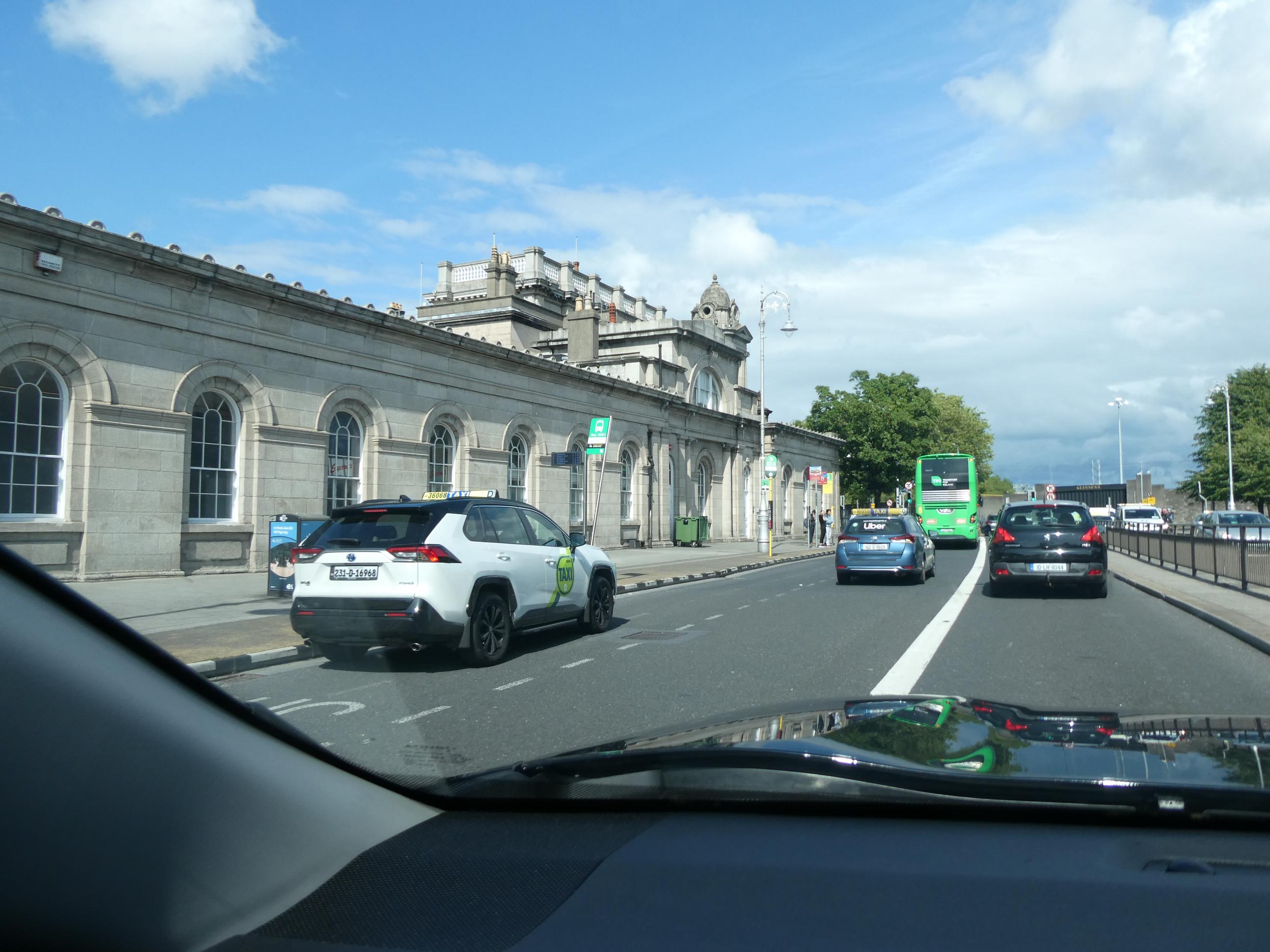
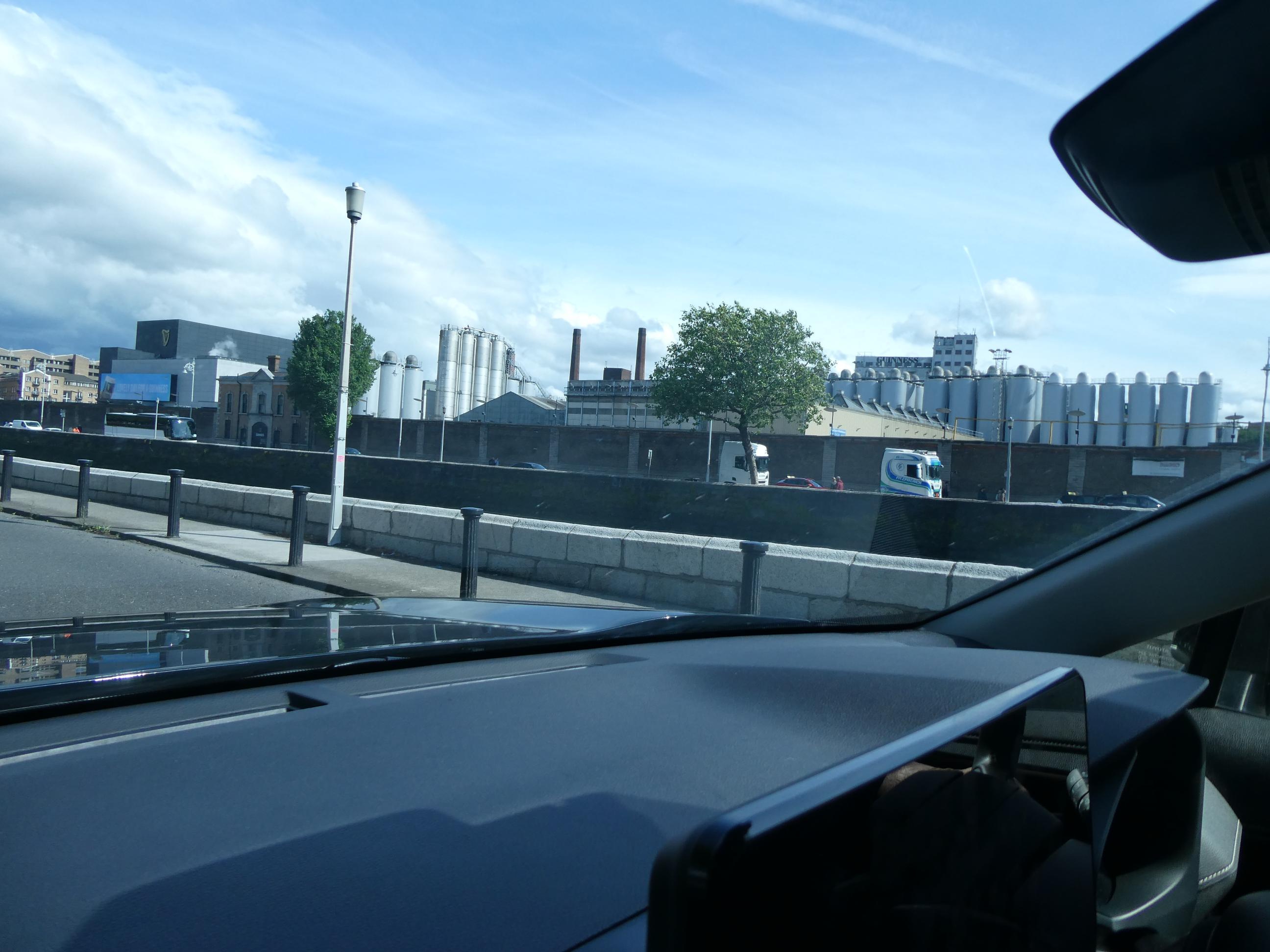
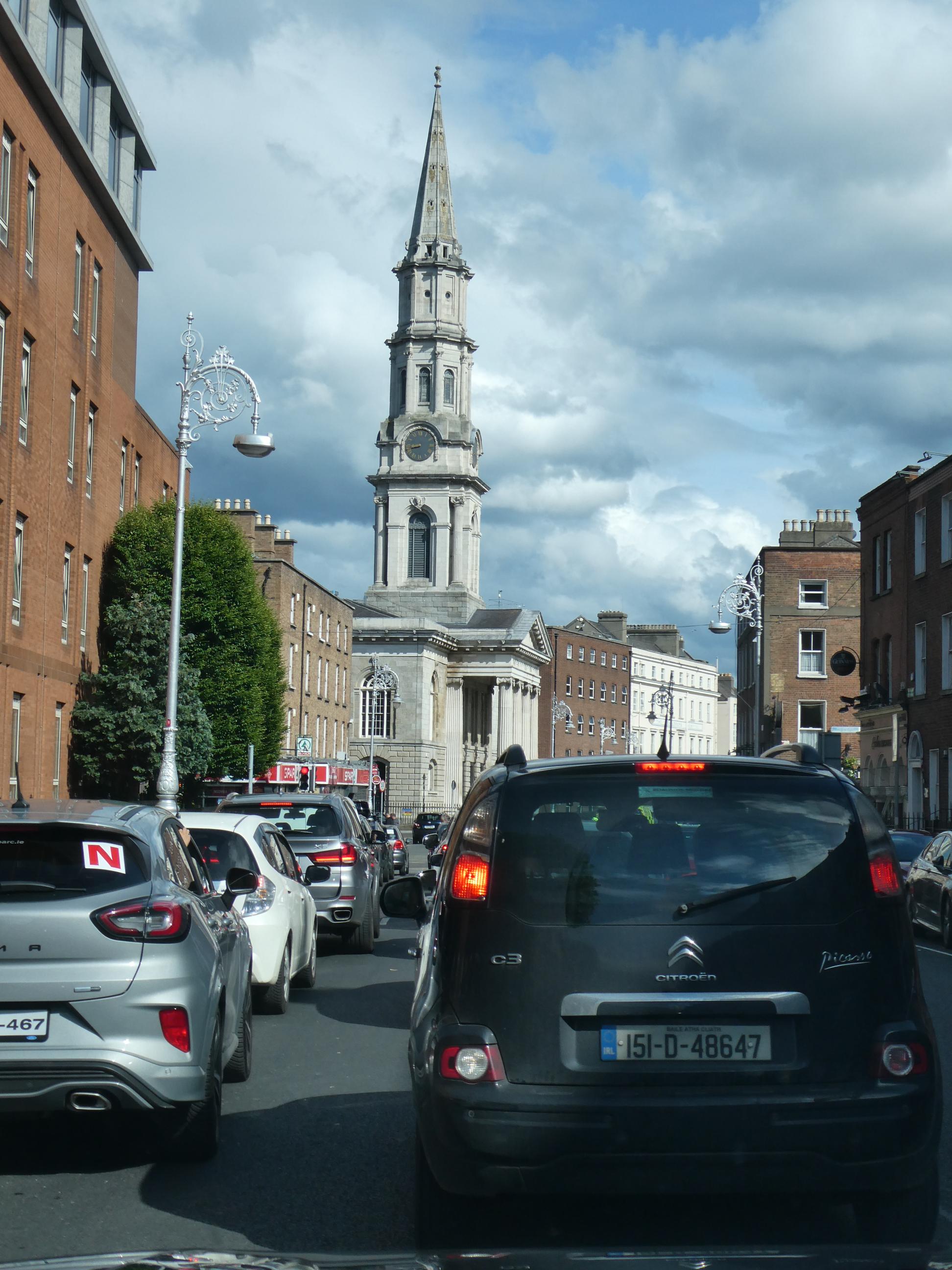
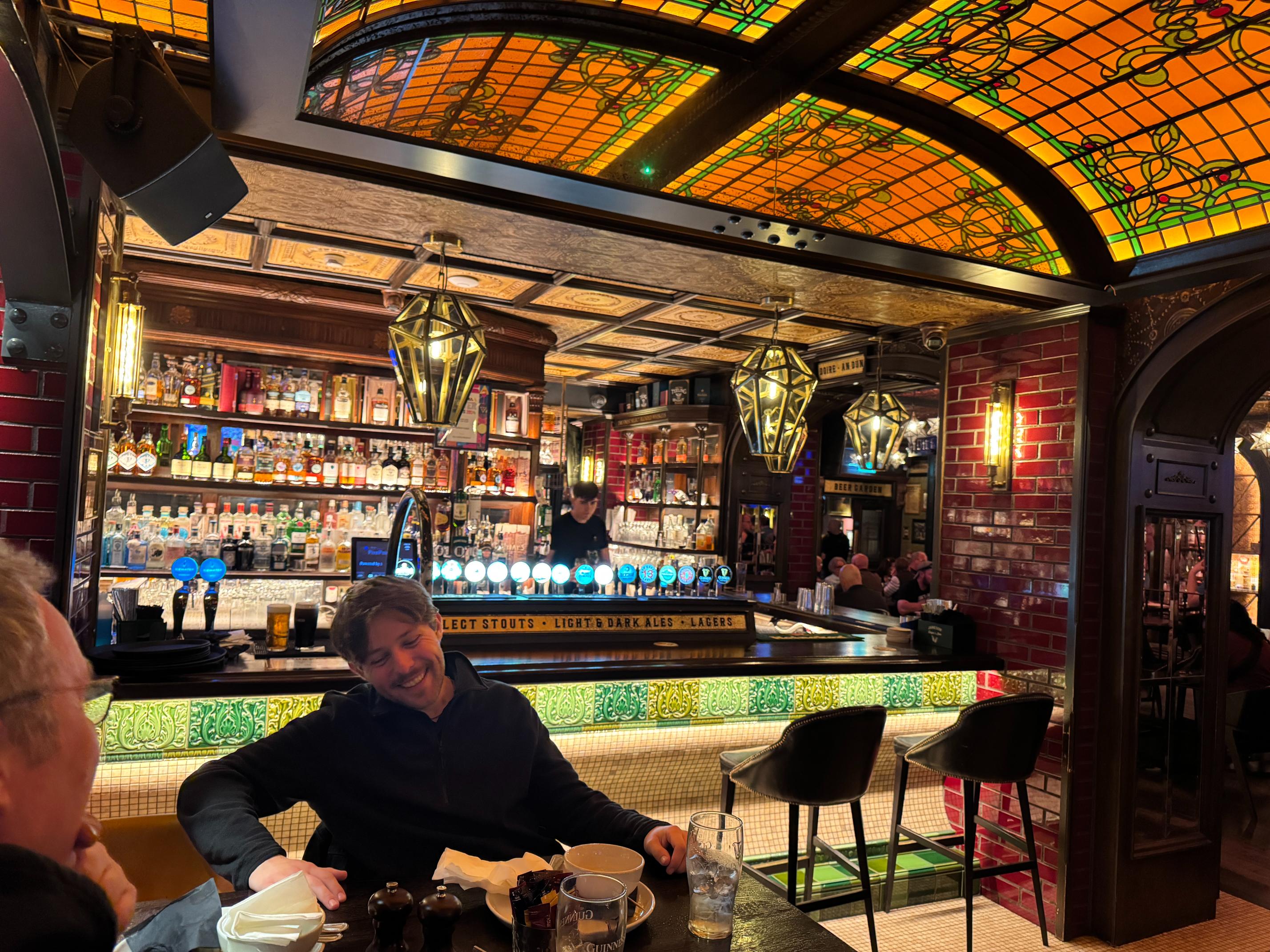
After a quick bite to eat in the Waterford Crystal cafe, we hit the road again. We had a two hour drive north east to Dublin ahead of us. Much of that journey was on a really good freeway, where the traffic flowed well, We made it to the outskirts of Dublin in good time. I was a bit taken aback when road signs saying ‘Kill’ appeared. What a strange place name that is. Not long after passing the sign, the clouds grew dark and a large number of black birds swarmed into the sky. Spooky! Coming into Dublin, just after we passed the Guinness factory on our right, traffic came to a halt. For the next twenty minutes or so we crawled past a distressing incident on a bridge. I’ll spare you the detail, suffice to say they saved a man’s life in front of our eyes. I hope he’ll be okay. Traffic flow picked up again once we passed the bridge, and we soon arrived at our Dublin hotel, the same one we’d stayed in when we arrived in Ireland a couple of weeks ago. We walked around the corner to Murray’s for some good pub grub.
Tomorrow we don’t fly out until 6 pm, so we plan to visit the EPIC Irish Immigration Museum after we check out of the hotel. Marg and I have been there on our previous trip and thought it was very good. I’ve already written about it on this blog, so I don’t think I will need to write a new post tomorrow. From Dublin we fly to London, and soon after we fly to Singapore. We’ll spend a night in a hotel near Changi Airport, then fly out the next day and arrive back in Melbourne late on Sunday. Thanks for following our trip on this blog. Keep an eye out for our next travels, which will be to Japan in October. Bye for now.
 On The Road With Garry