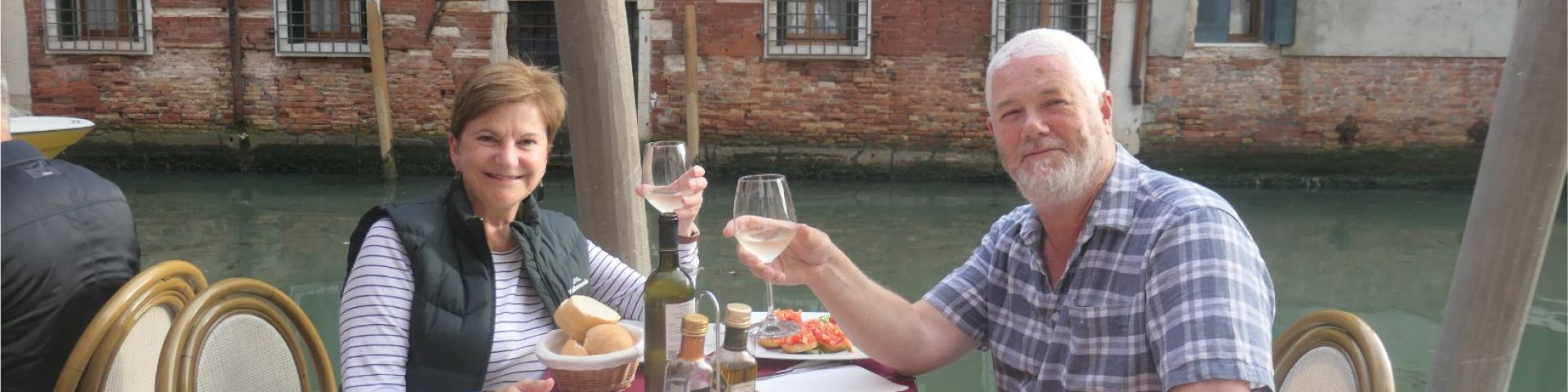
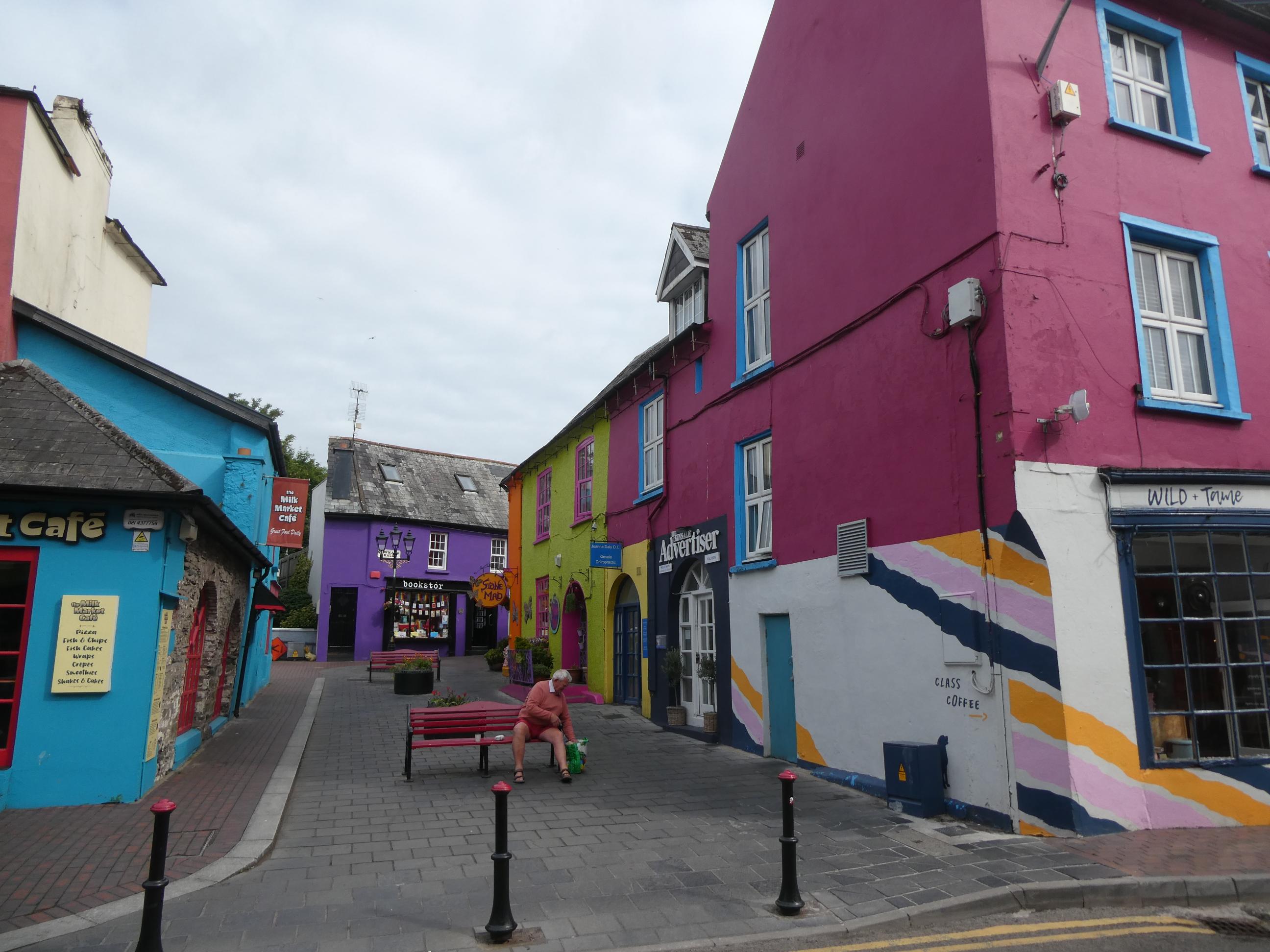
We’re nearing the end of our time in Ireland, with just a few more places to visit before we leave. Two of those places are short drives from Cork City, though in opposite directions. The first of them, Kinsale, lies directly south of Cork, where the River Bandon meets the sea. It’s a colourful place, although it was a pity the sun wasn’t out when we arrived, so we didn’t see it at its best.
I was struggling a bit when we arrived. Last night, I sat down on a circular cushioned seat in our tiny hotel room to type my blog post, only to discover, too late, that the seat was not firm beneath me. I sat towards the back of the seat and the cushion promptly gave way under my weight, toppling me backwards onto the floor and into a wall. As I fell, I twisted to try to stop myself and must have pinched a nerve and aggravated some back muscles. I landed heavily on one butt cheek. I hardly slept a wink last night, as no position in bed was comfortable, and this morning I could barely walk without painful twinges in my lower back and an aching bruised right buttock. When we found a carpark in Kinsale, I stepped gingerly from the car and limped along as best I could, trying to keep up with Marg, Cornelia and Rod.
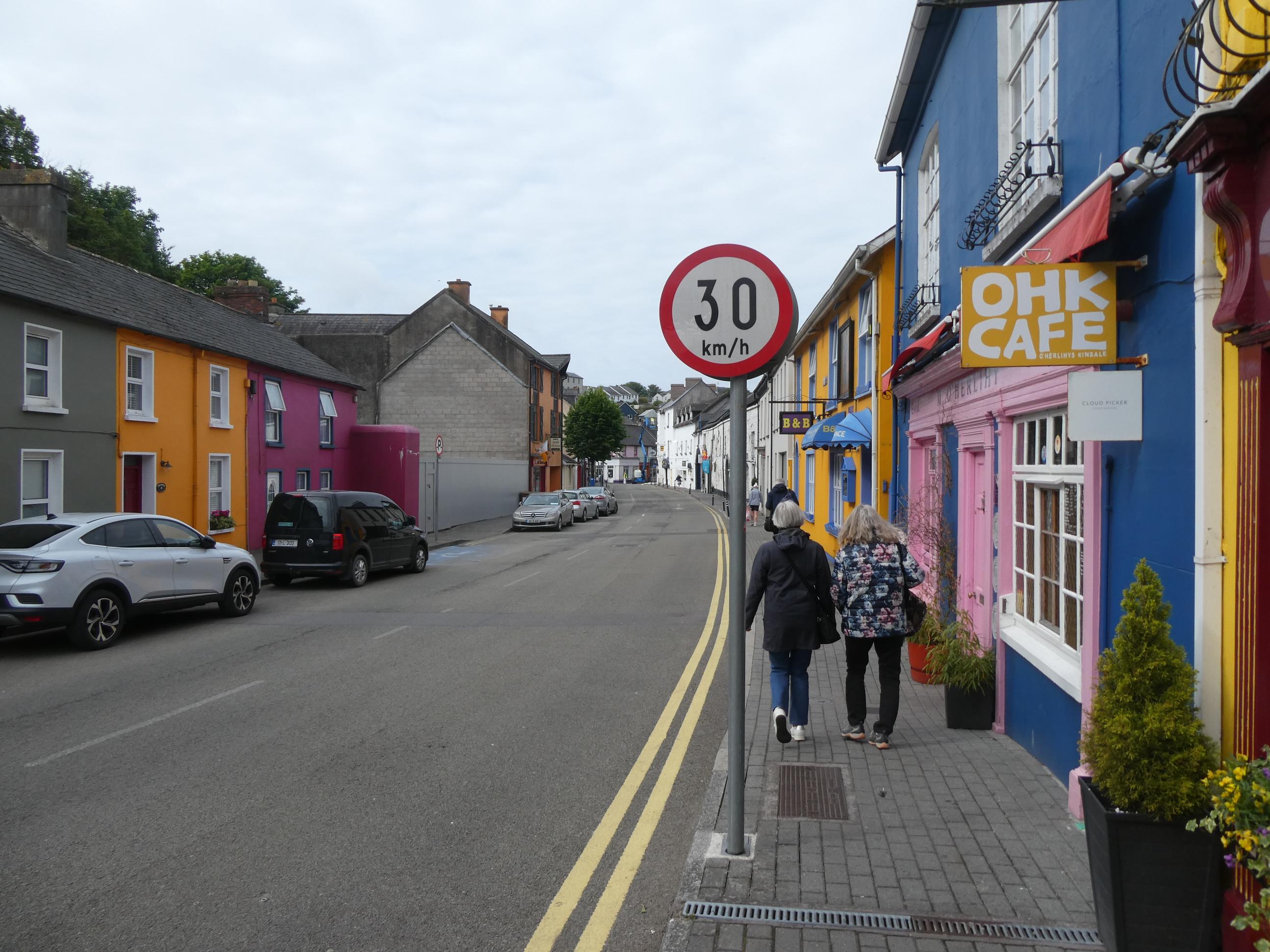


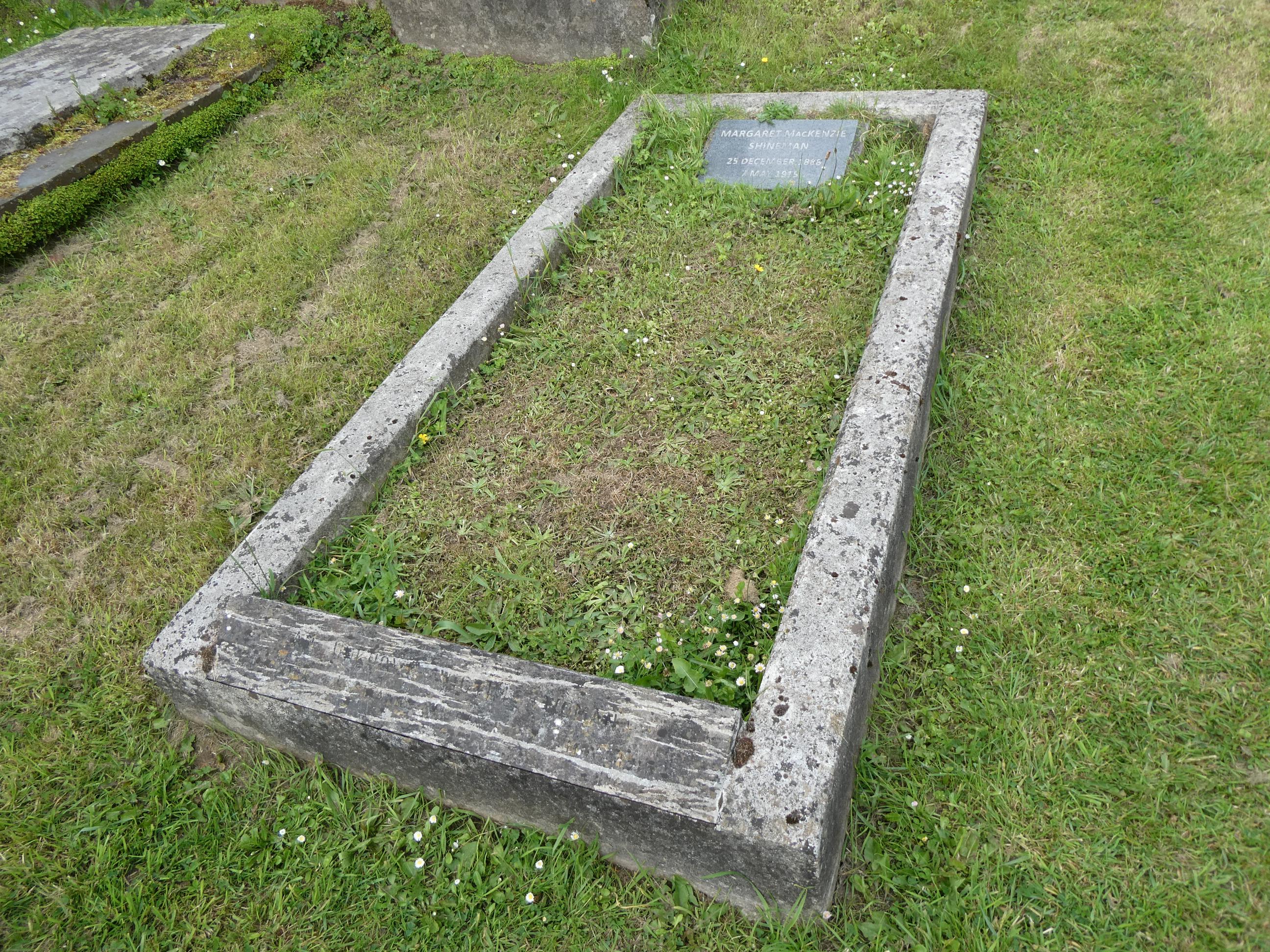
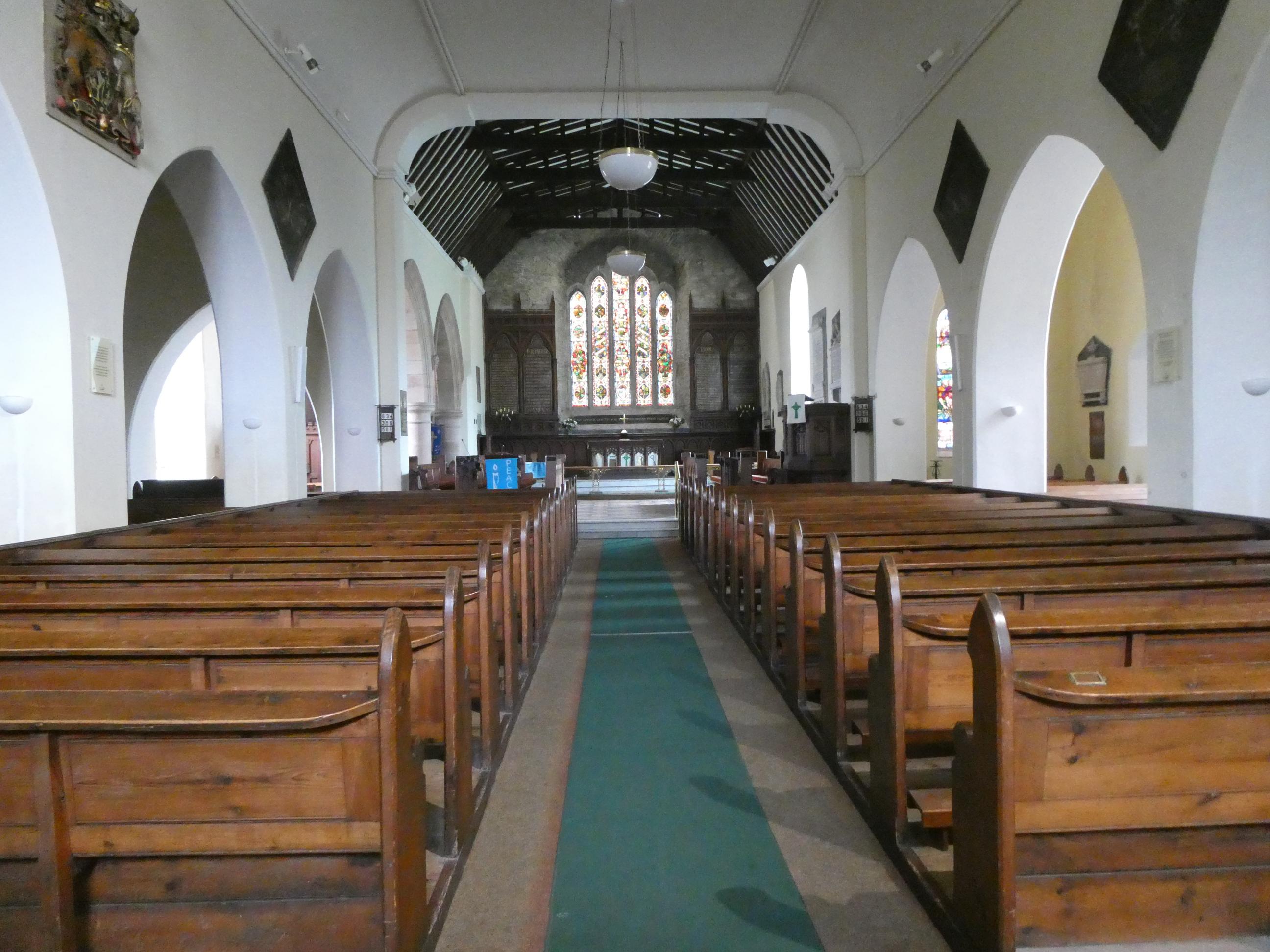
Thankfully, we didn’t walk too far before I got some respite. We stopped at St Multose Church of Ireland. In the churchyard are three graves of people who lost their lives on May 7, 1915 when the ‘Lusitania’, on which they were traveling, was torpedoed by a German U-boat. The great ocean liner sank just 11 miles off the coast from Kinsale. 1,193 innocent people lost their lives. Although the surprise attack took place during World War I, the Lusitania was not a warship and it was not carrying soldiers, weapons or military supplies. The incident particularly enraged America, because it had not yet entered the war, yet many American citizens were killed. The Lusitania went down quickly after it was struck by the torpedo. Although many bodies were never found, several hundred washed up on the Irish coastline and a number of them were buried in Kinsale.





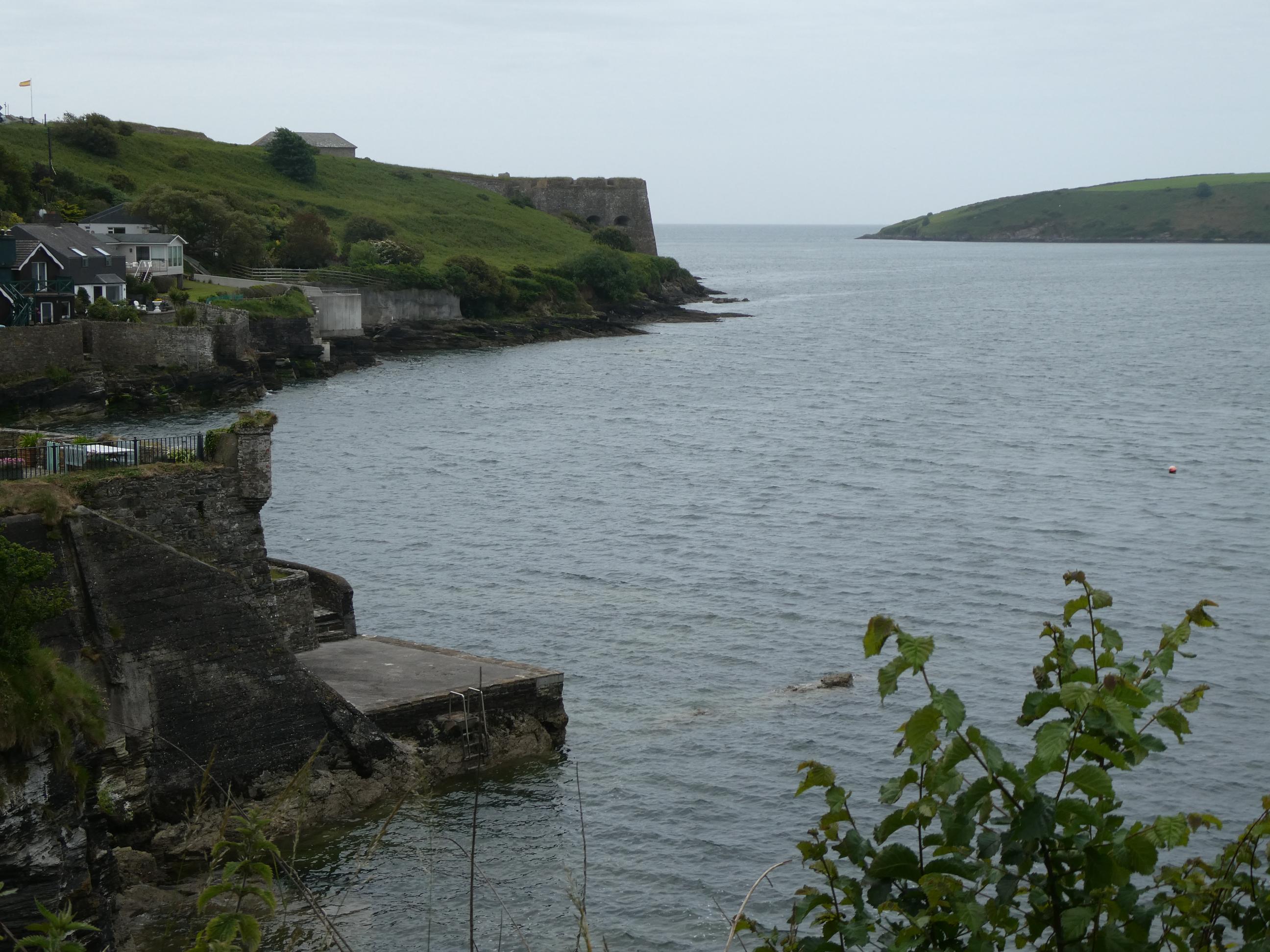
The next stop for us was Charles Fort. It was about a 40-minute walk through the town and then along a road to the fort overlooking Kinsale Harbour. Some parts of the walk were very hilly. I really struggled with my sore back, but I could actually sense that the walk was doing it good. Whilst I still felt twinges of pain, they were less frequent, and, by the time we reached the fort, I no longer felt restricted in my gait.
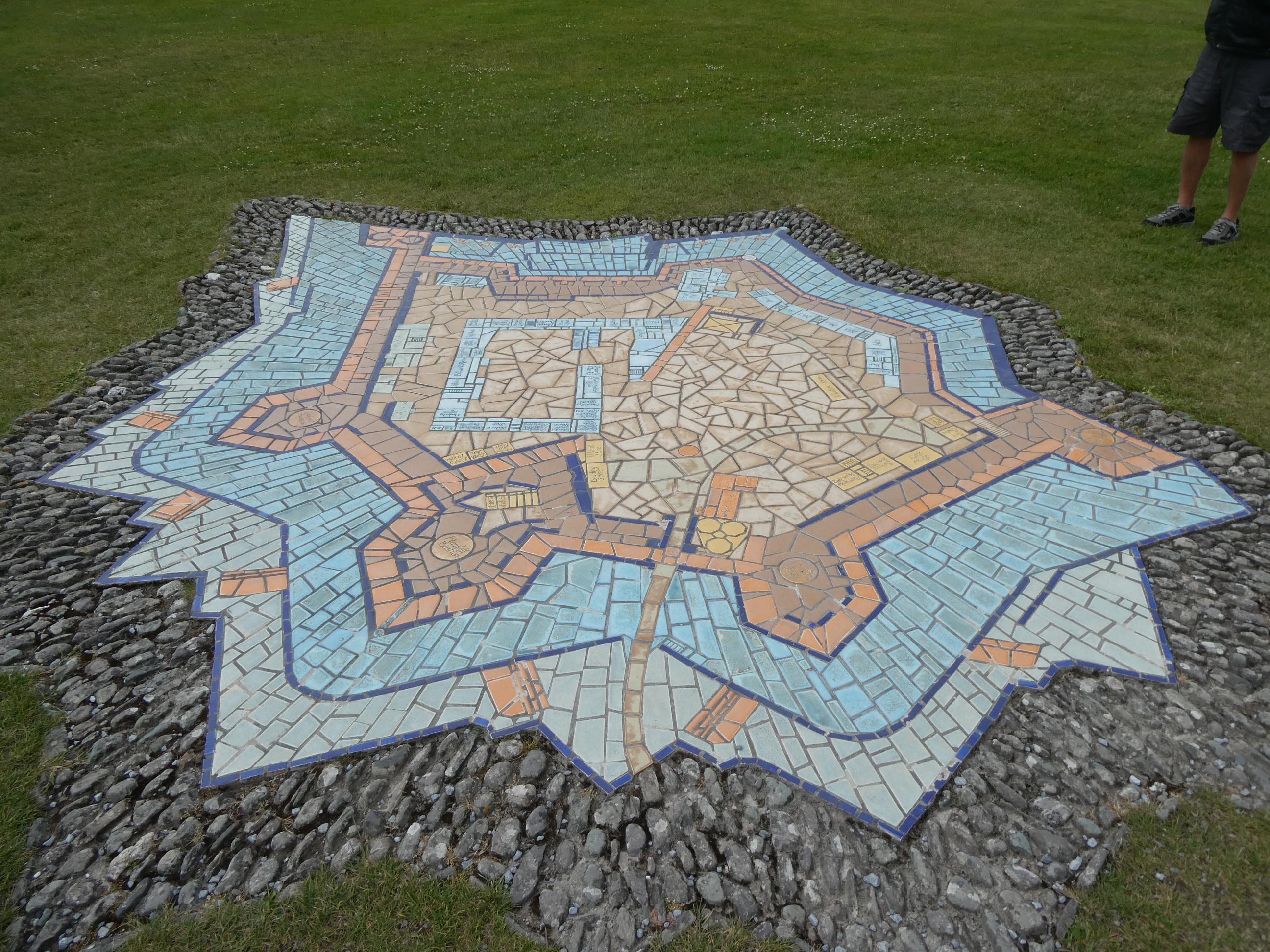
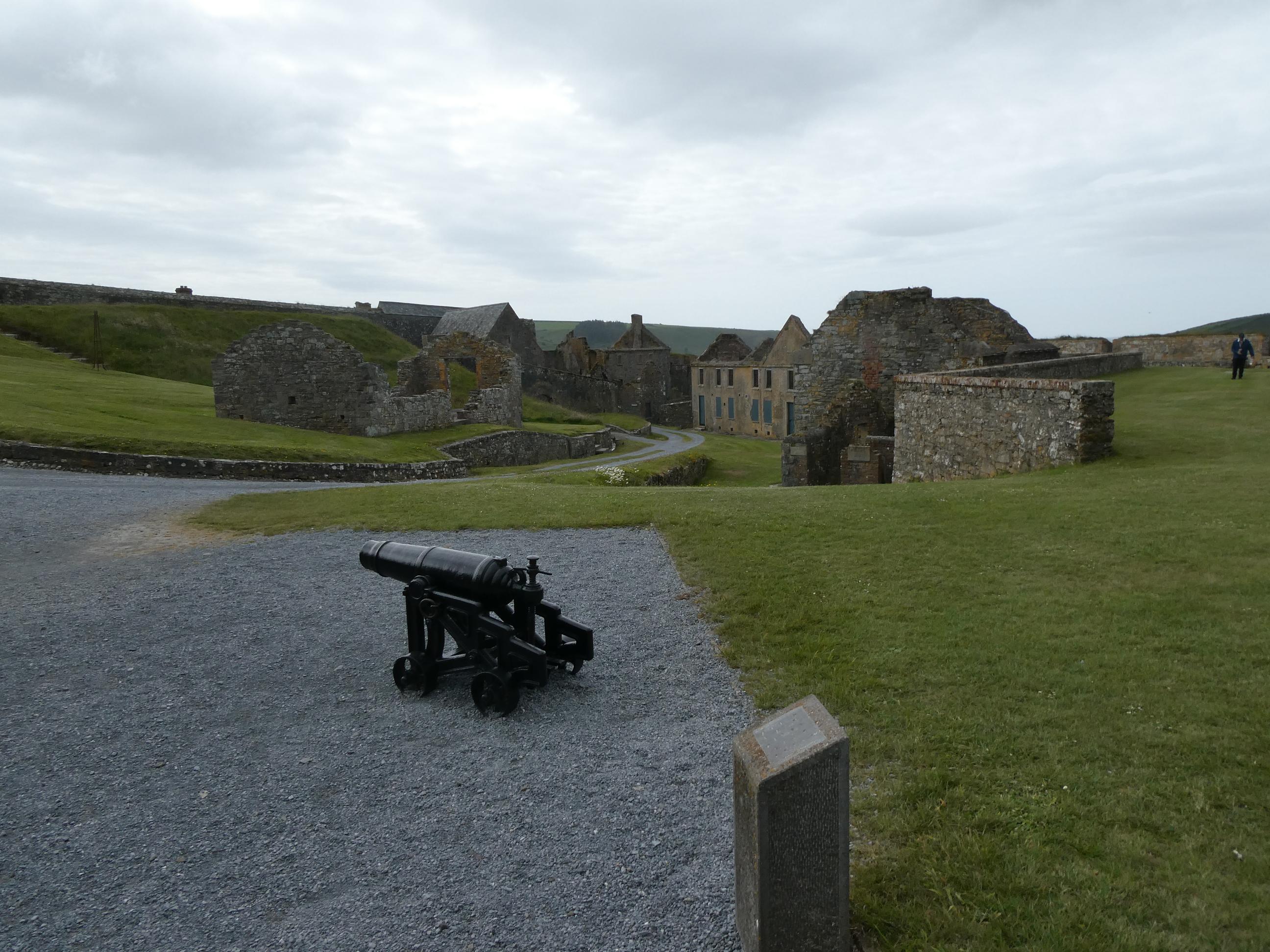
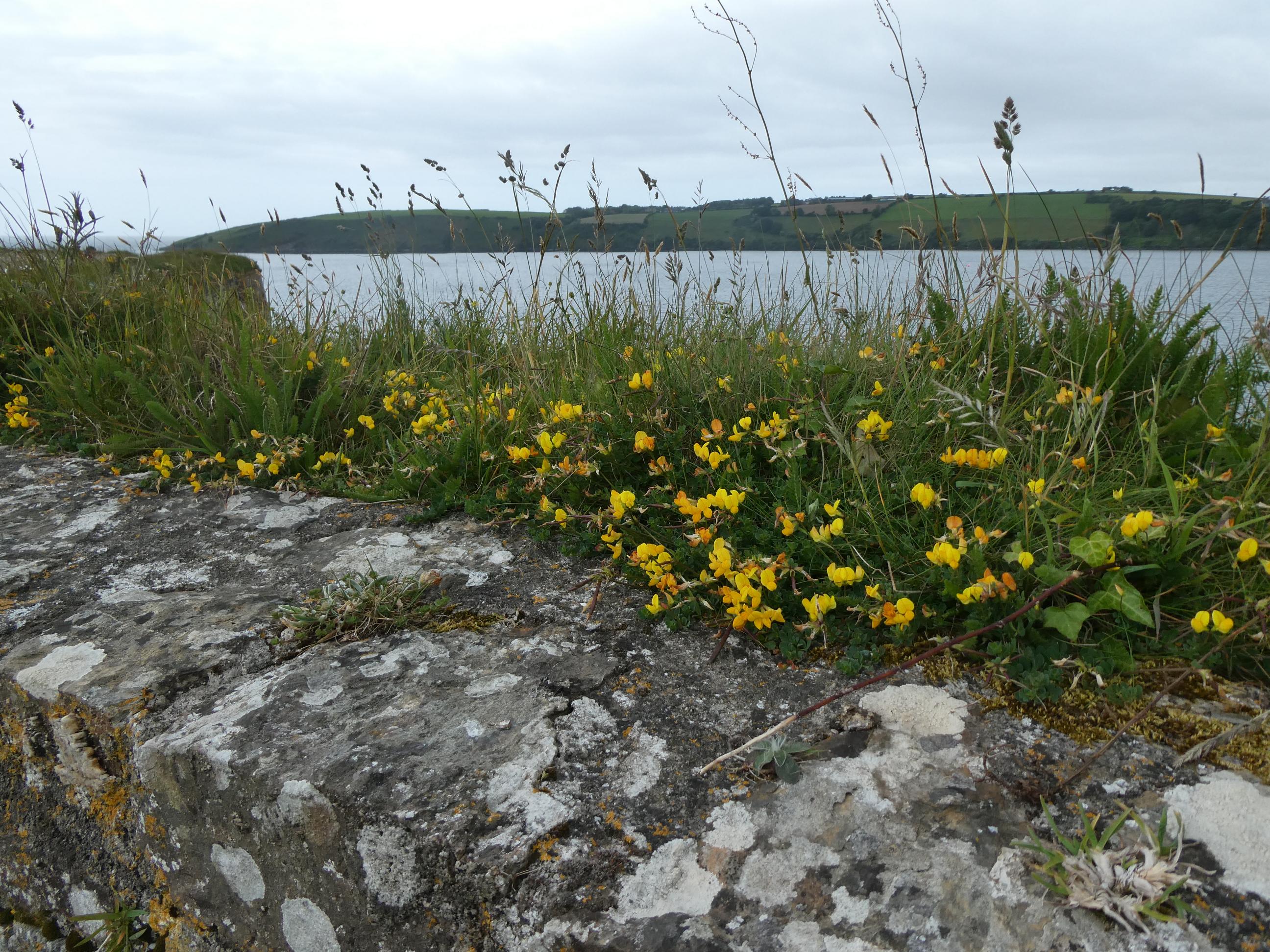
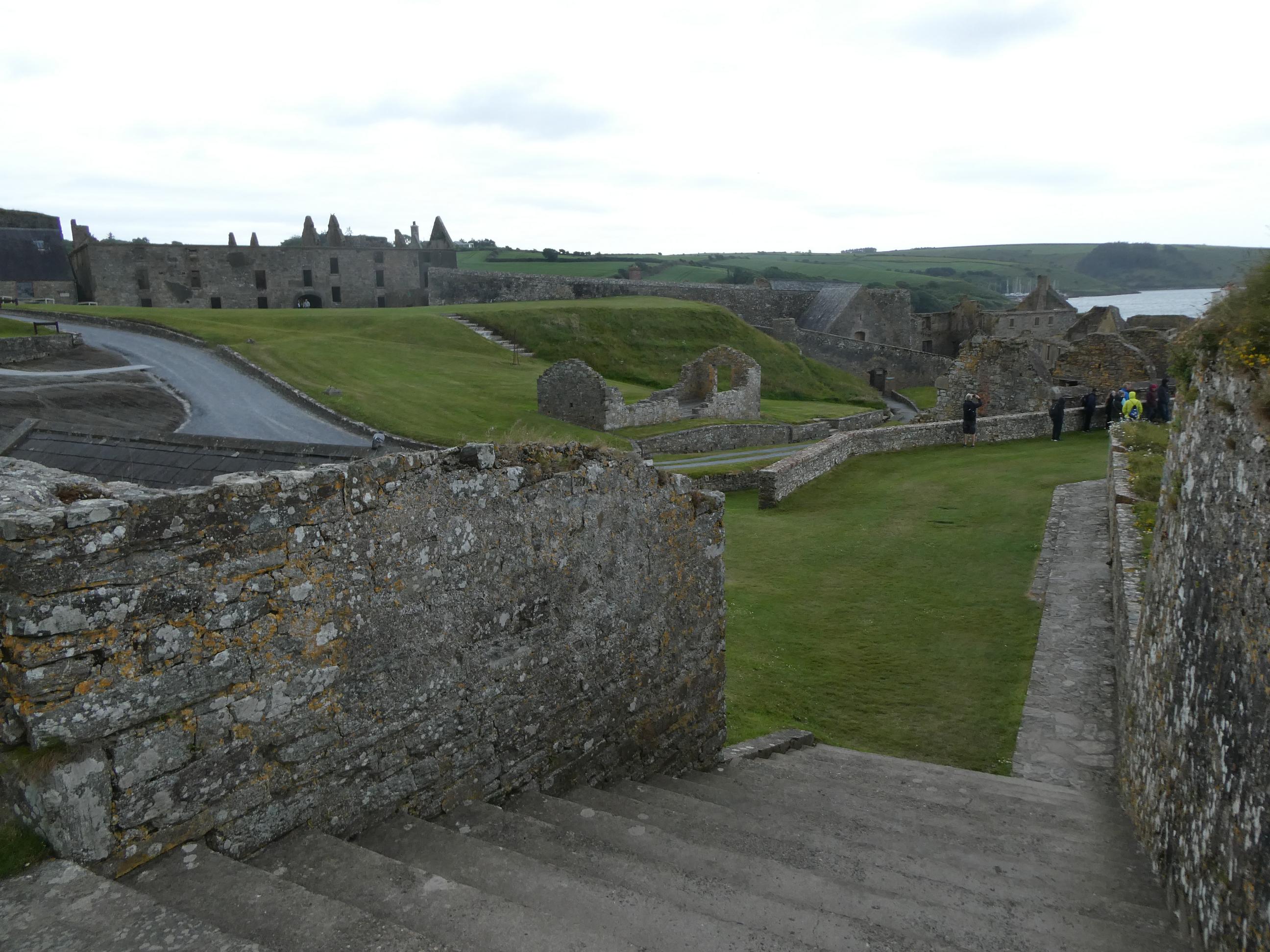
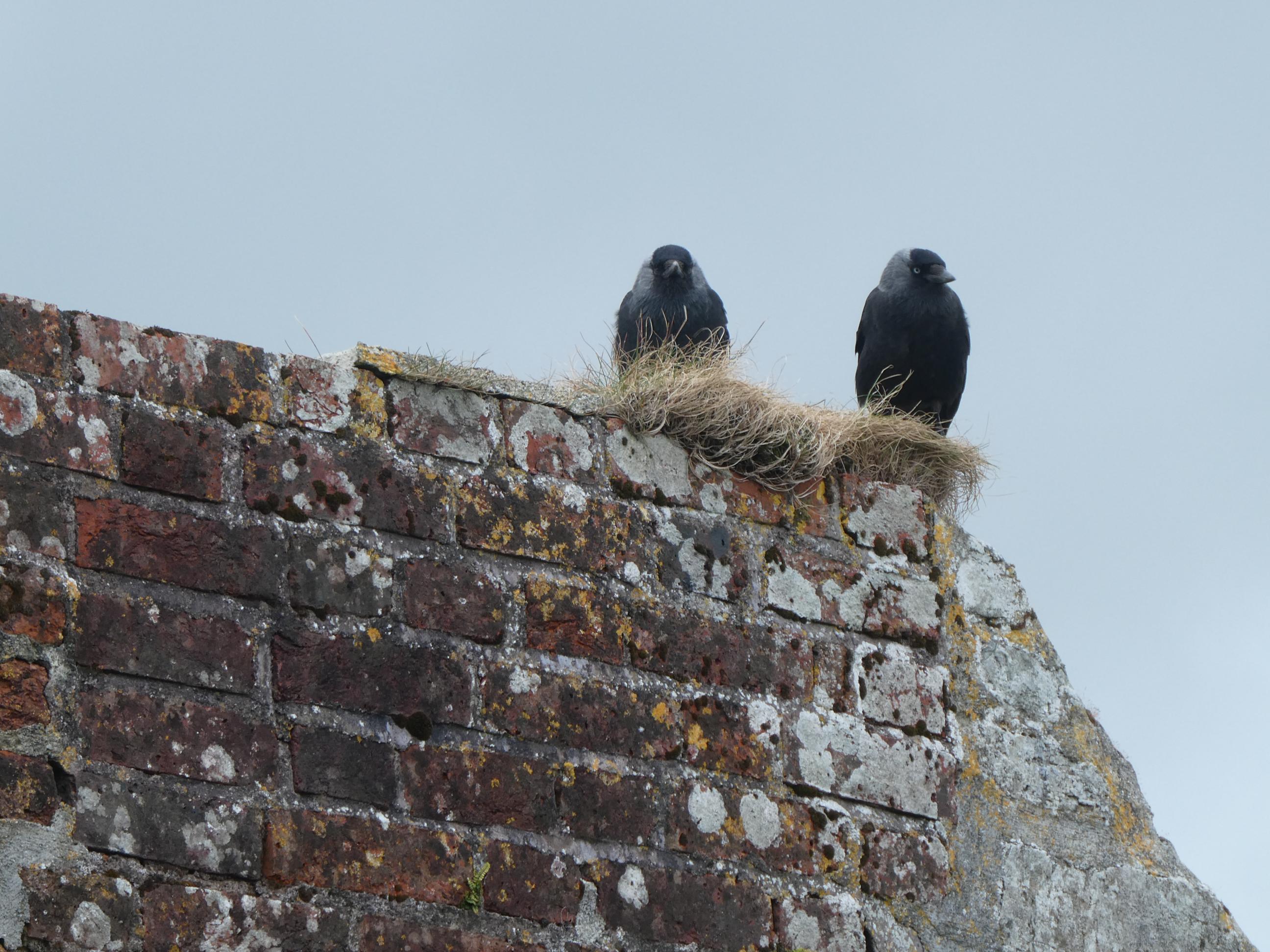
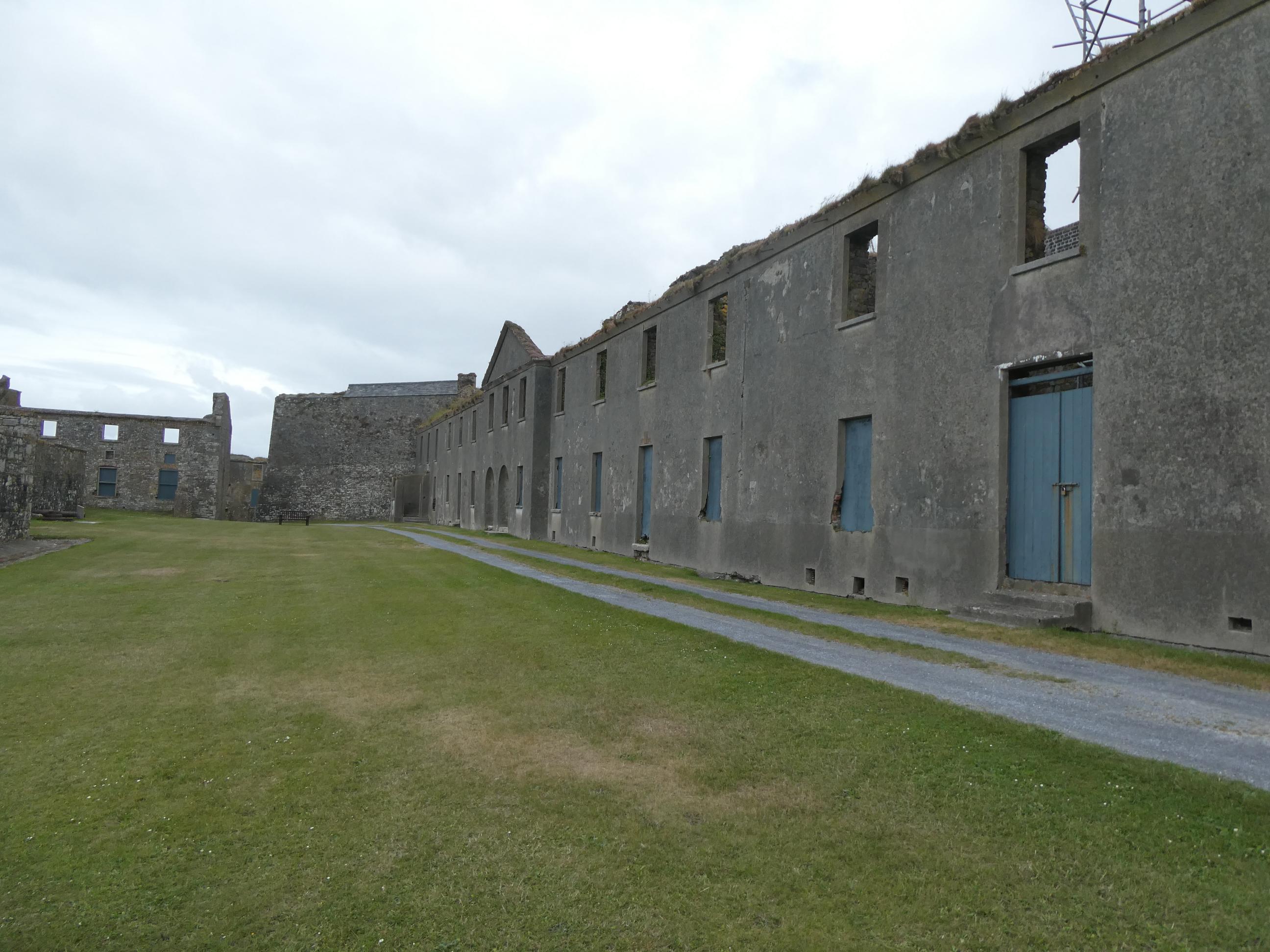
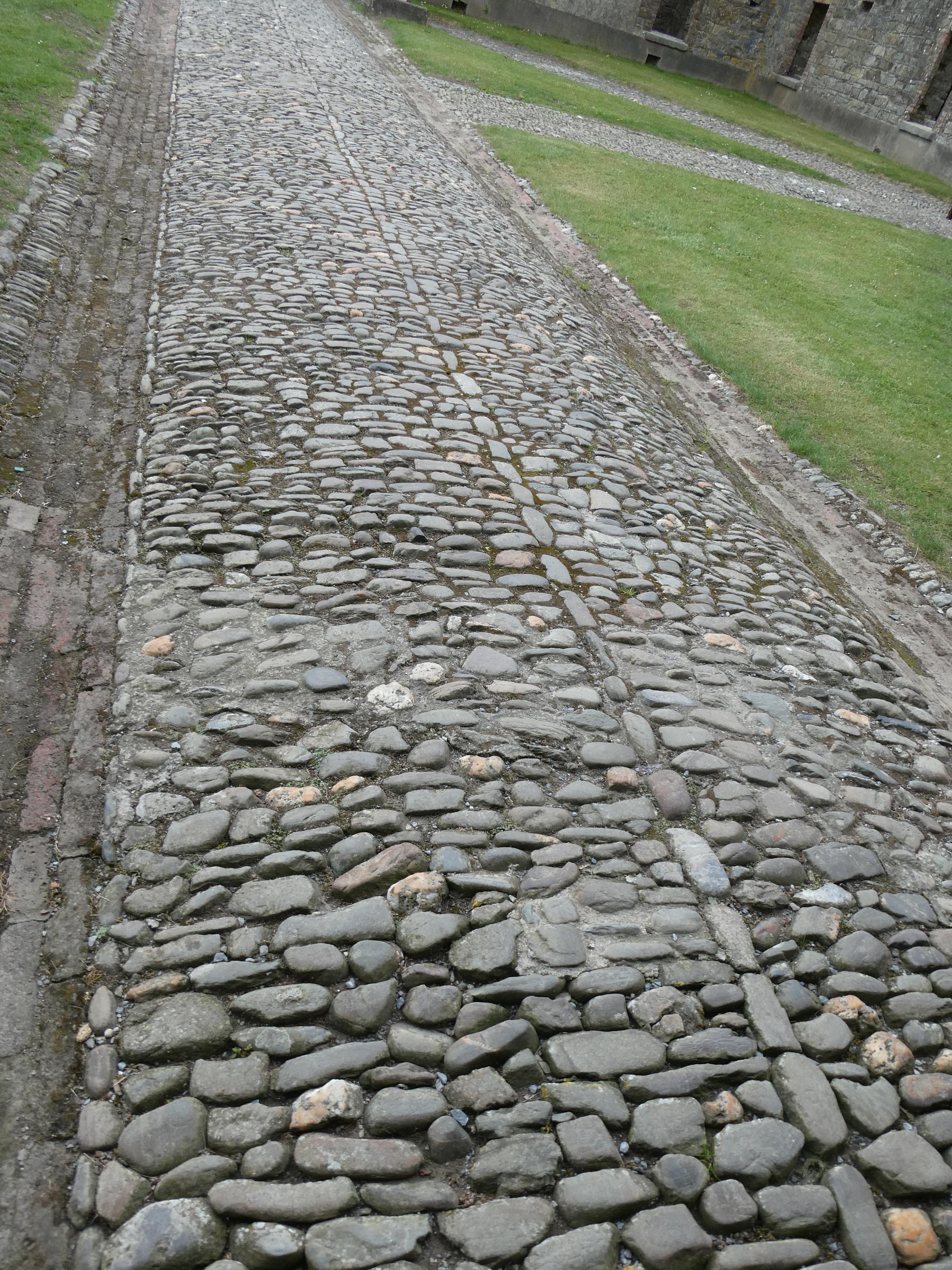
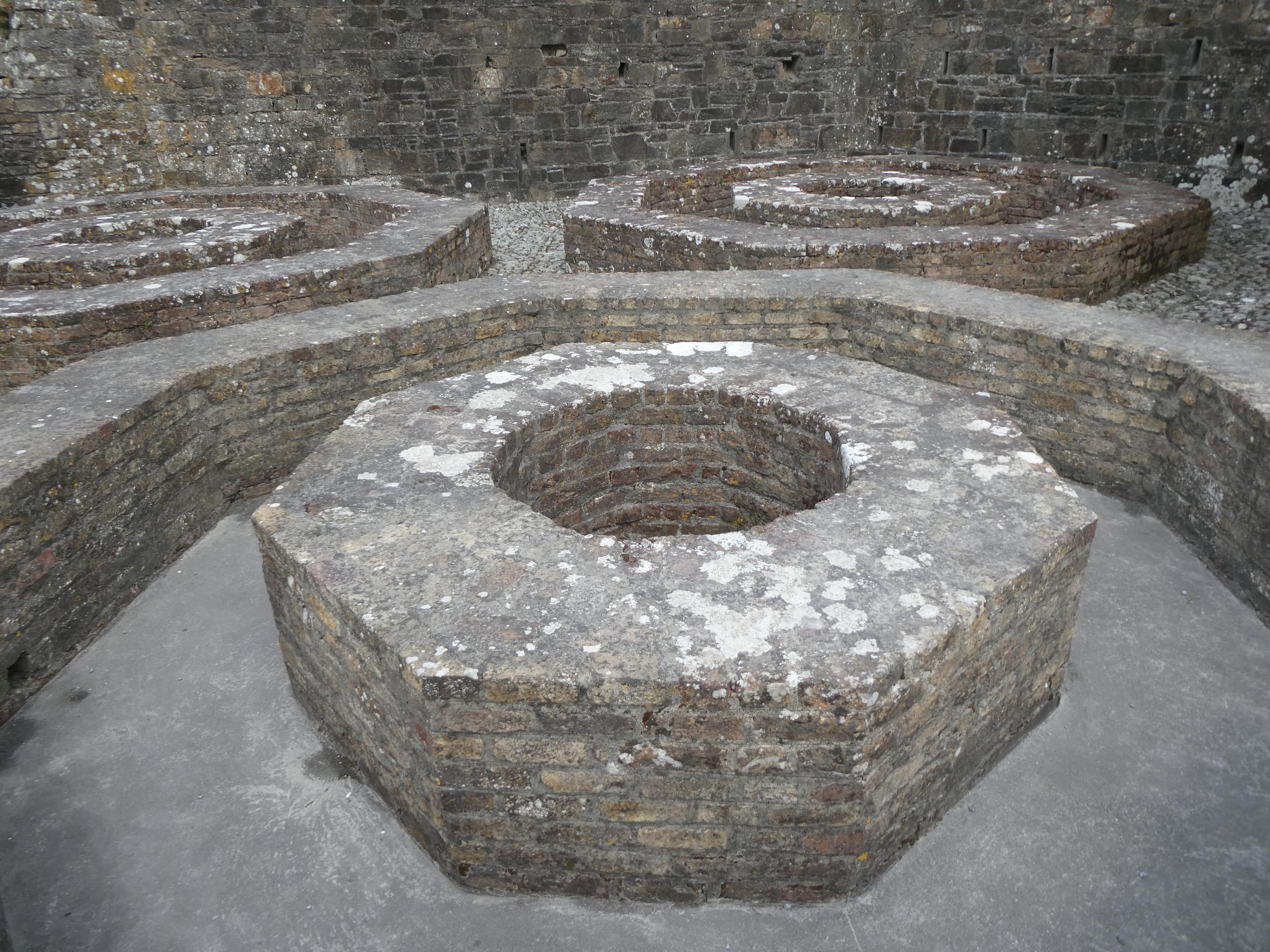
Charles Fort is a former British military post. It sits on a hill overlooking the entrance to Kinsale Harbour. It was built during the late 1600s, when England was fighting wars with the French, the Spanish and the Dutch, and was on the alert for a naval attack. It feared a foreign navy might sail in through the heads and destroy its ships at anchor in the harbour. The fort was constructed in the shape of a five pointed star, with a bastion on each point. Three of the bastions faced the water, from where an attack was considered most likely. Two more faced the land, but none faced the one hill alongside the fort, and that is where an attack came in 1690. After a 13-day siege, one wall was breached by cannon fire from the high ground, forcing the garrison holed up inside the fort to surrender. British troops were stationed here for the next 240 years. The fort is now in ruins, but the strong ramparts still stand and some of the main structures inside the fortress walls are still largely intact.
Rod and Cornelia walked back to the car and drove it up to the fort to pick us up. It was good of them to do that, and for the rest of the day I was able to continue relatively pain free and with a lot of my movement back. I think the long walk to the fort really made the difference and just got my back muscles working properly again.
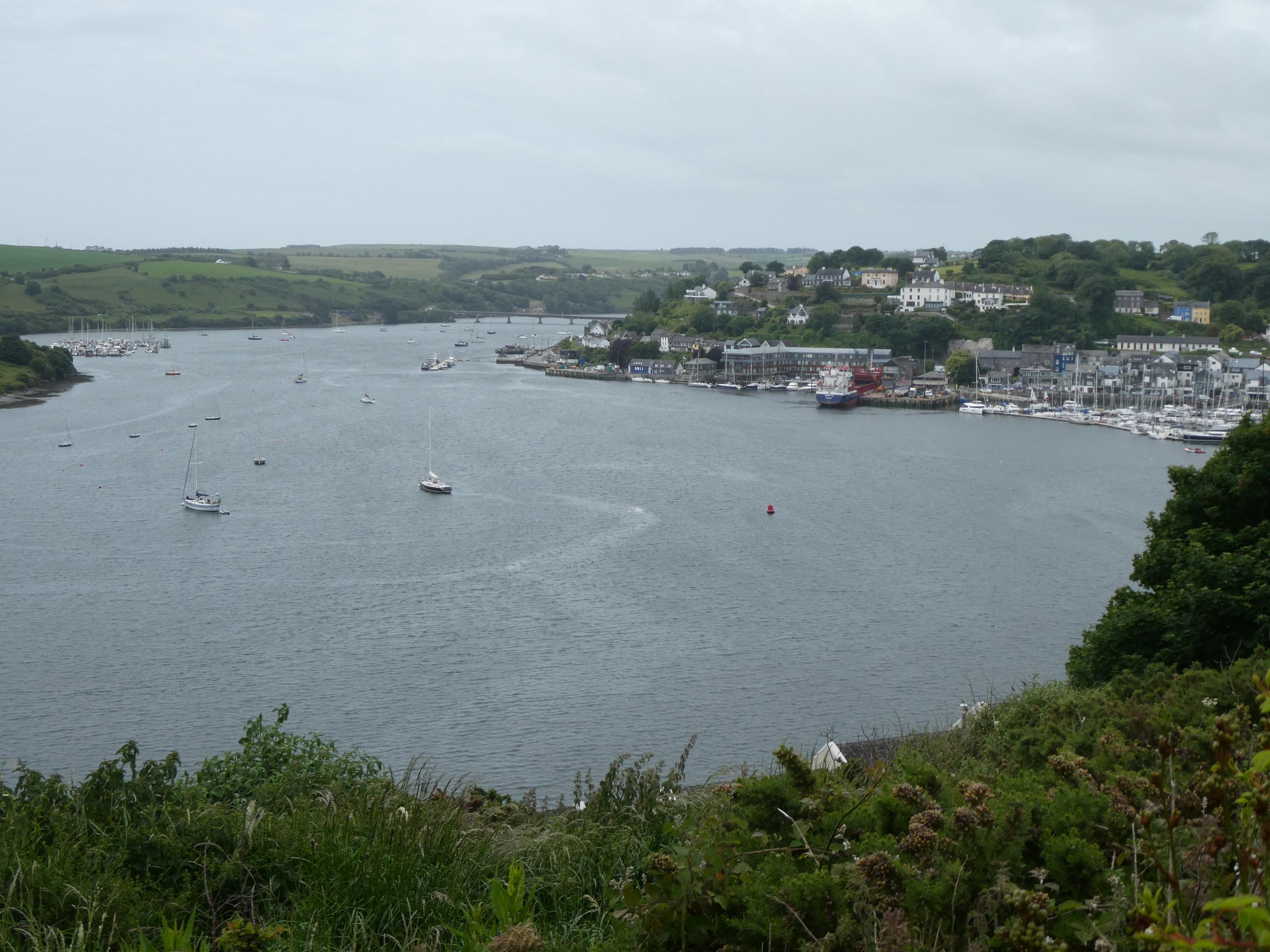









We found a place for lunch in Kinsale, then headed back through Cork to Cobh (pronounced ‘Cove’) on the other side of the city. Cobh is also on the coast.
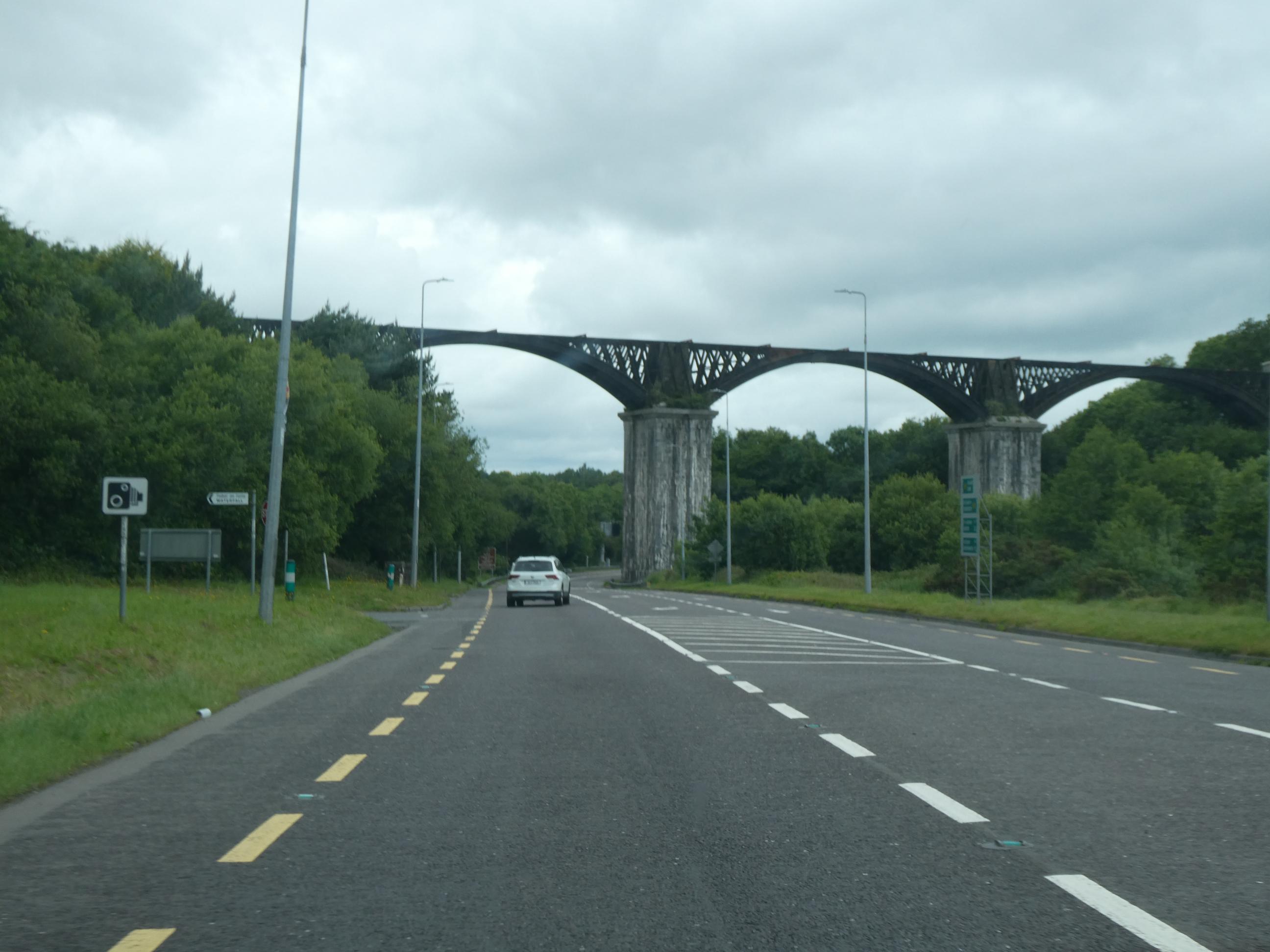

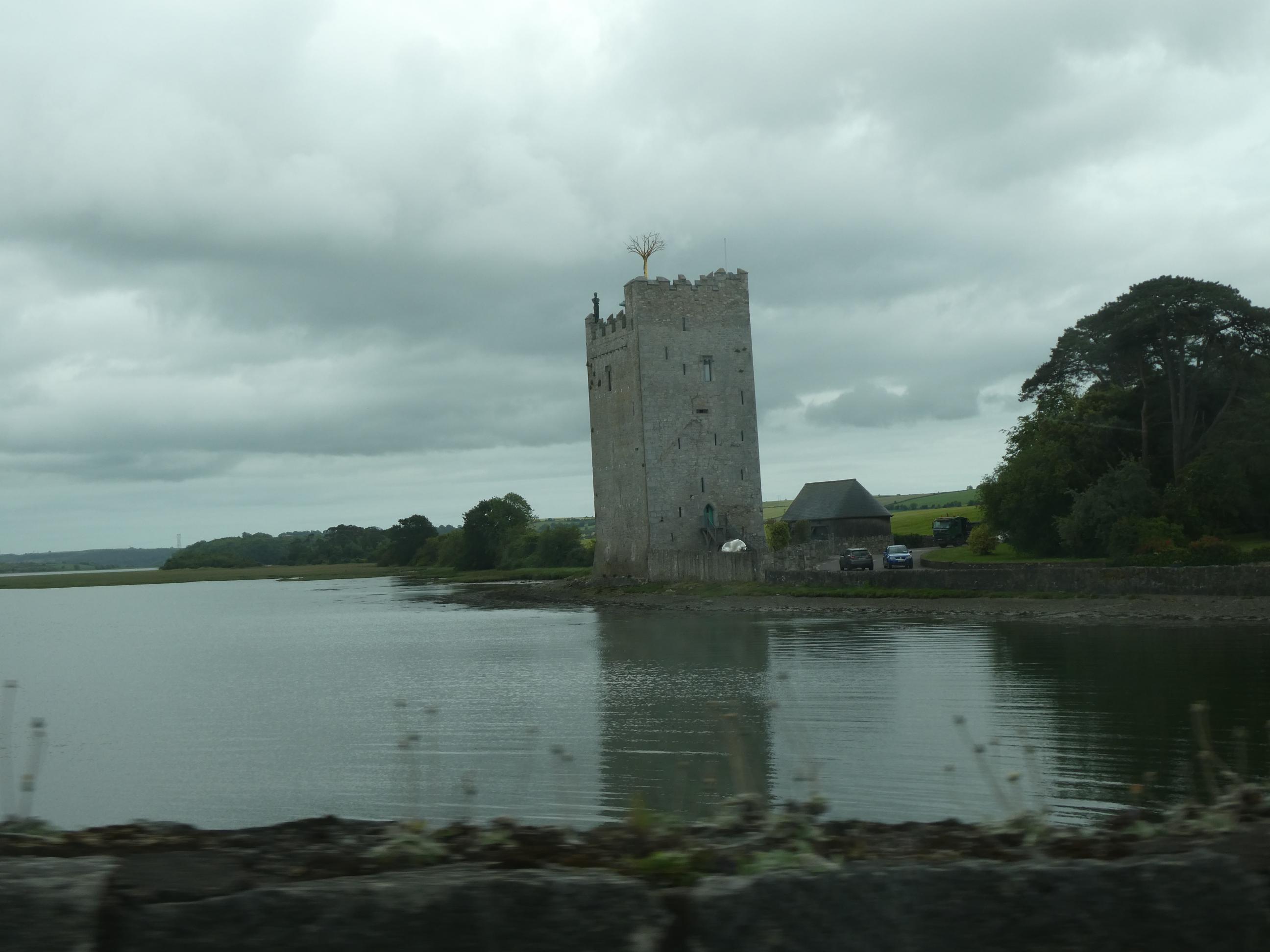
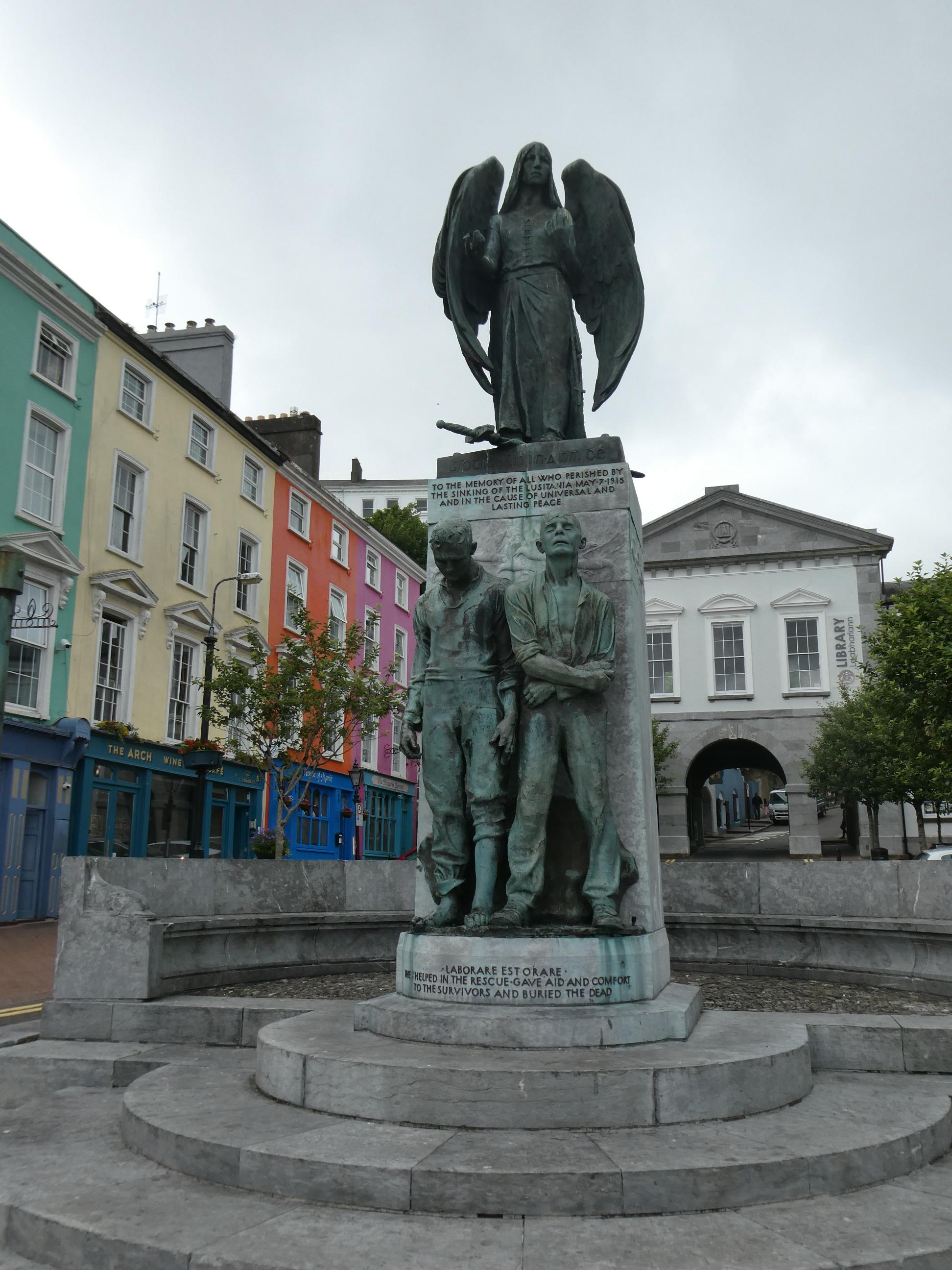
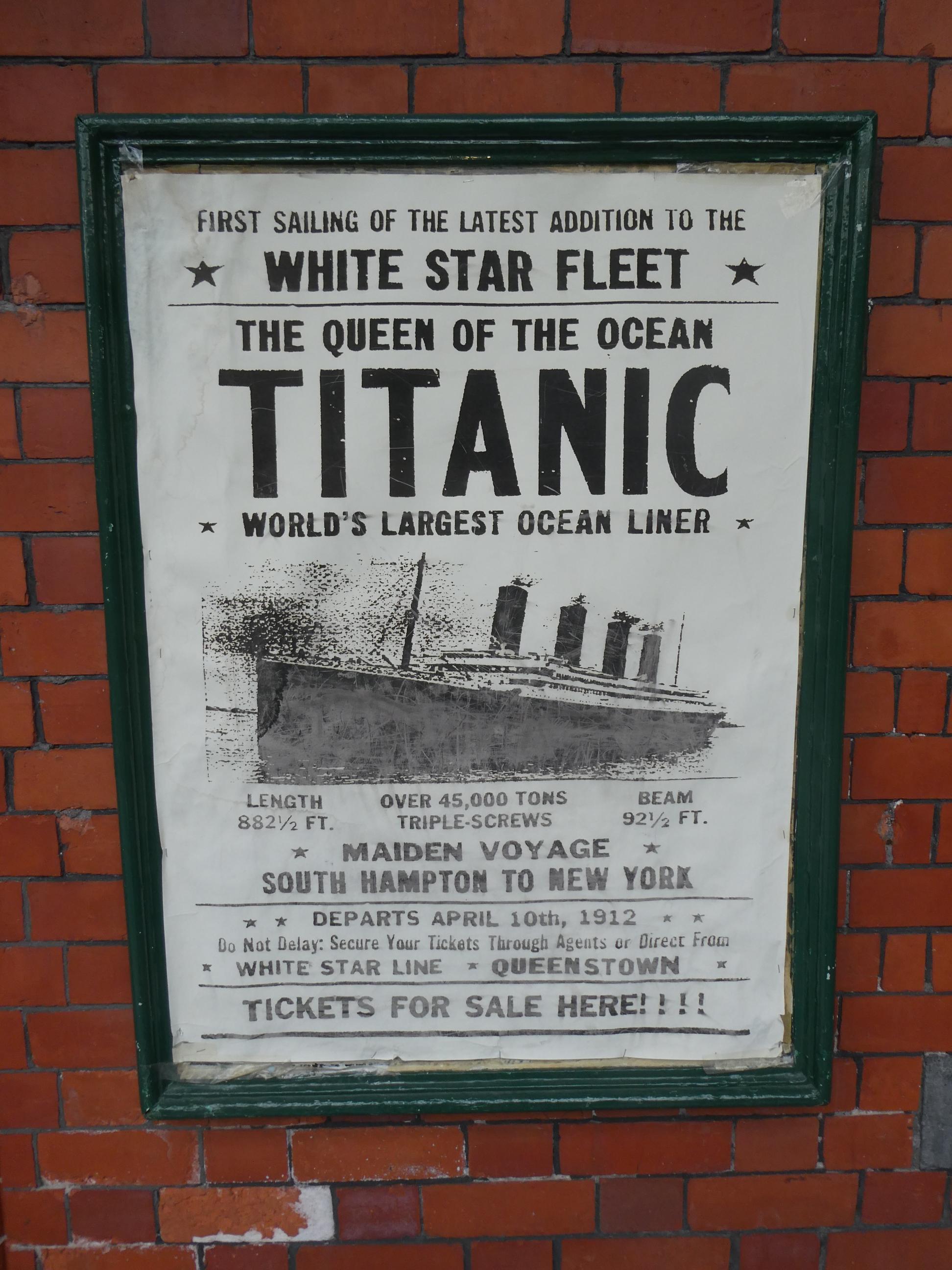
Cobh was formerly known as Queenstown in 1911, when it was the last port of call for Titanic on its maiden voyage, prior to its tragic sinking. Quite a few of Titanic’s passengers boarded the ship here. Queenstown was also heavily involved in the rescue of survivors of the Lusitania sinking, and many of the victims are buried here. Monuments just a short distance apart near the waterfront commemorate the tragic losses of both ships. Offices of the Cunard (Lusitania) and White Star (Titanic) shipping companies were both located here.
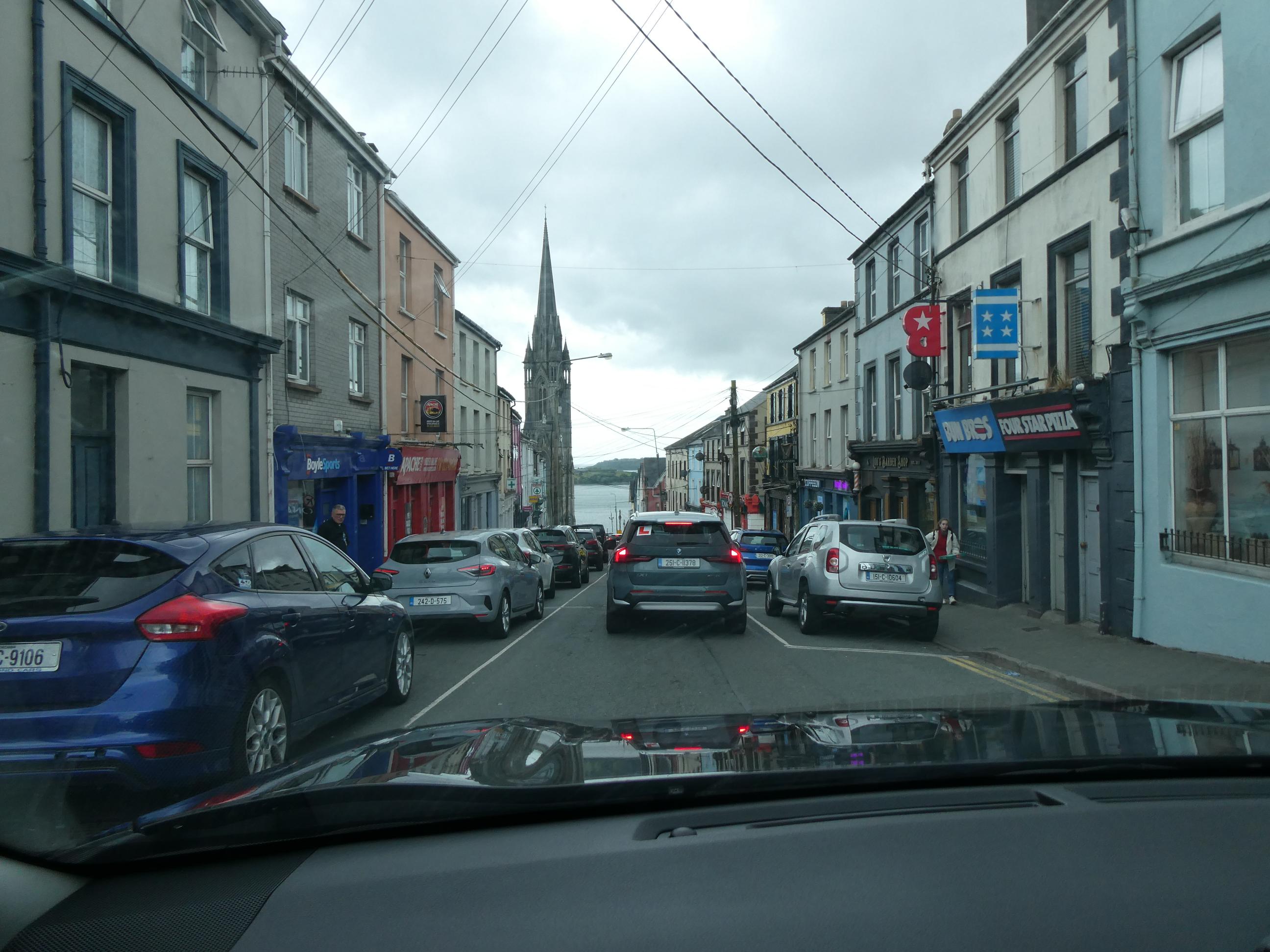
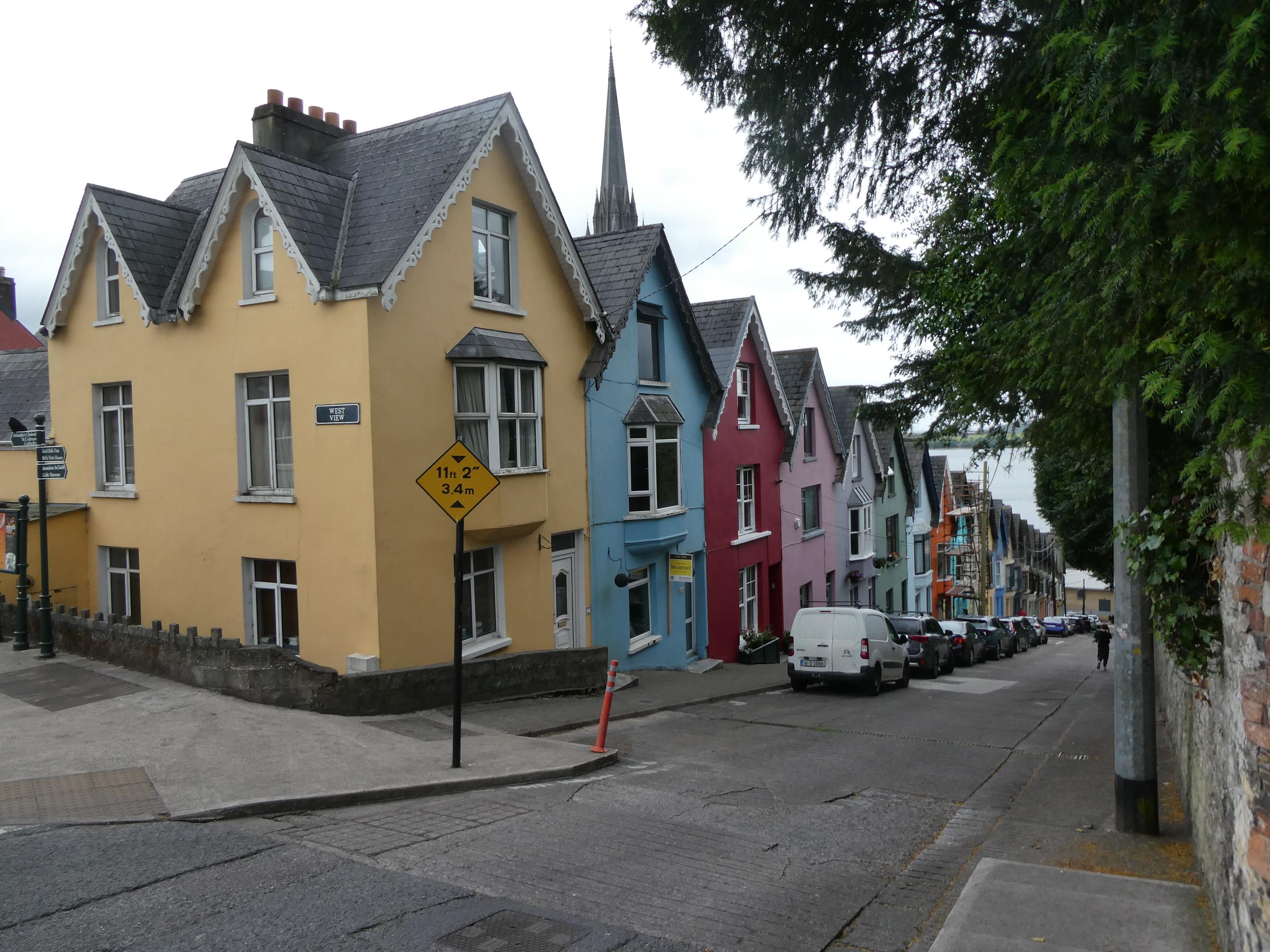
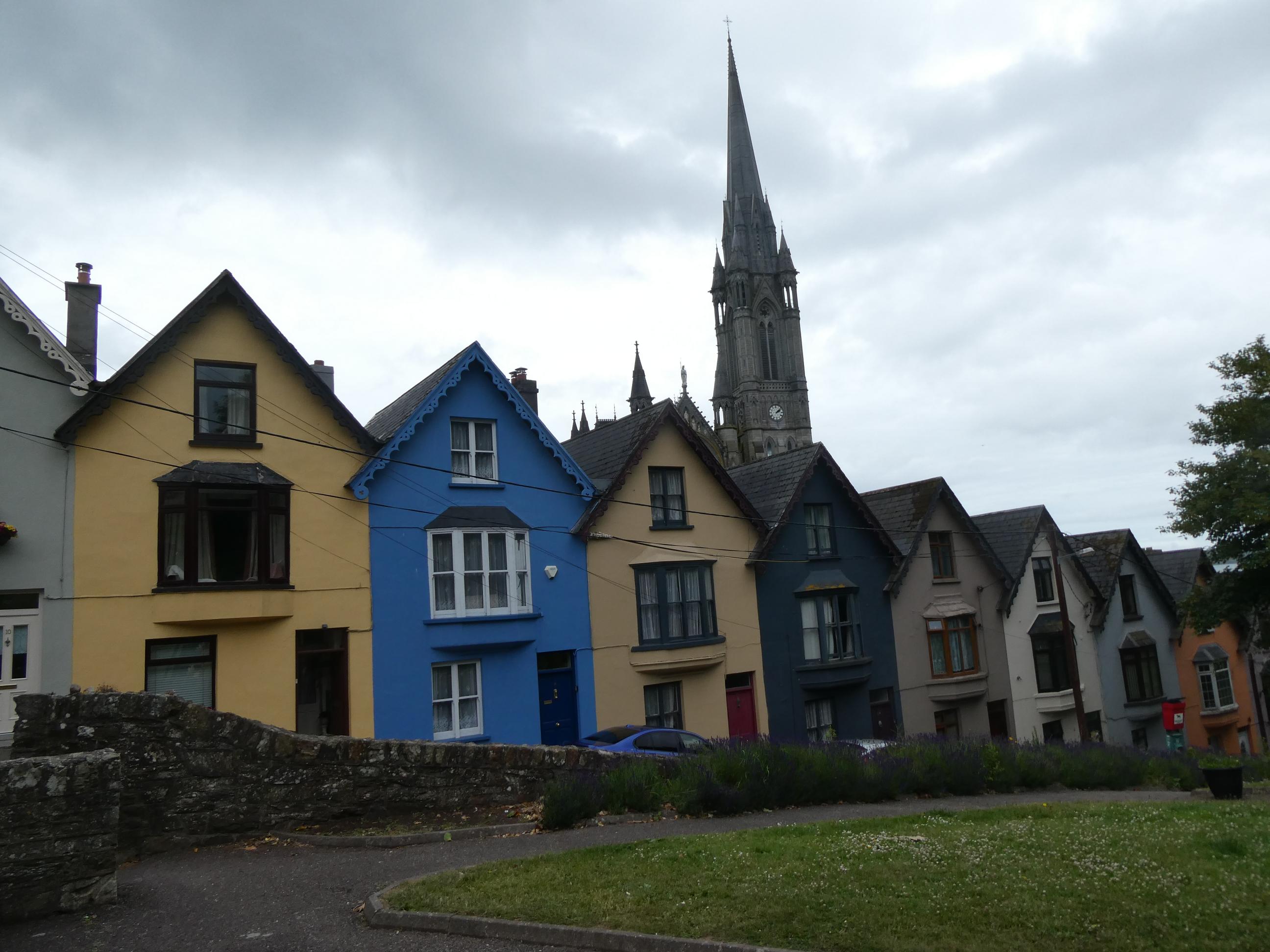
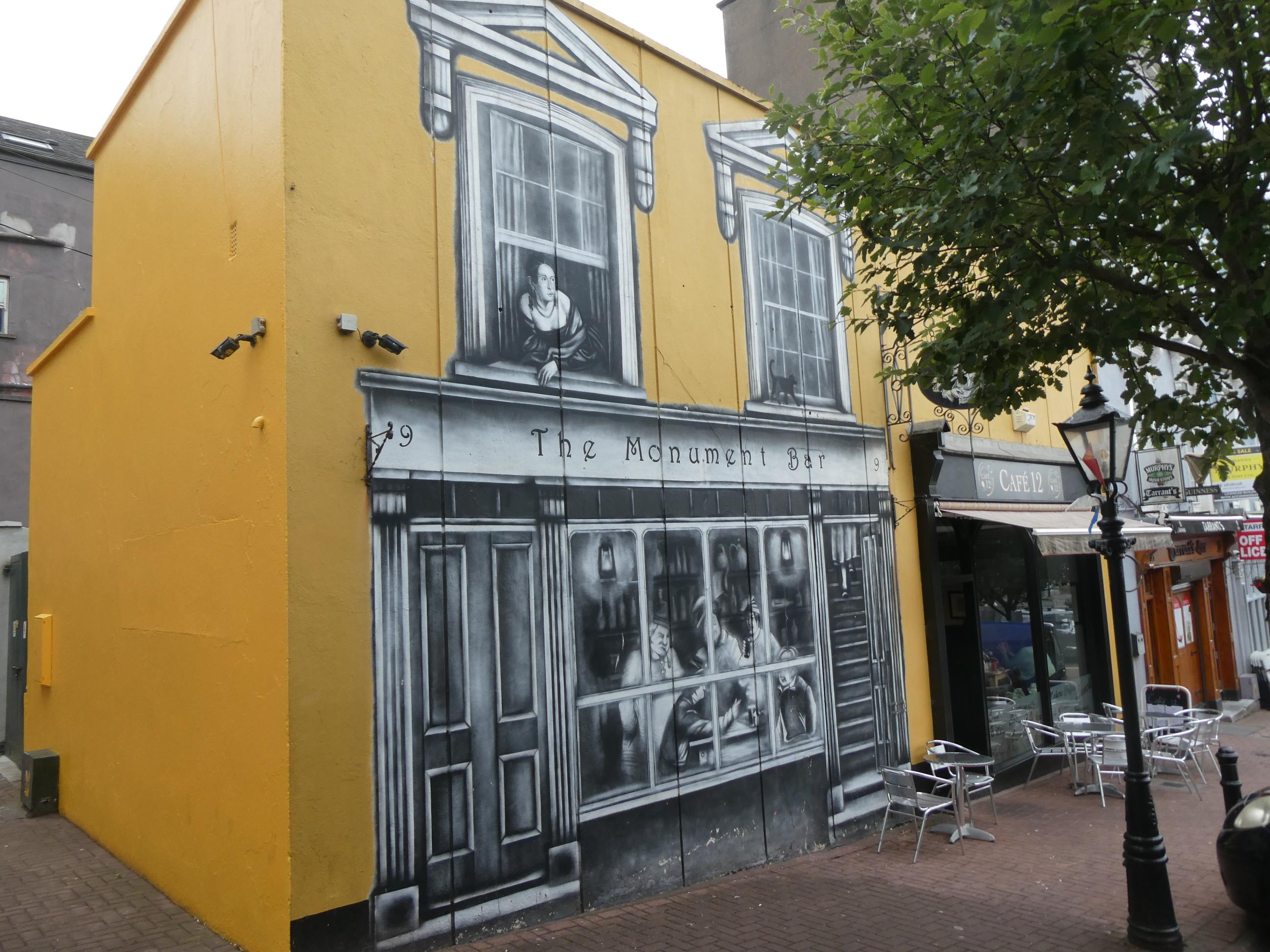
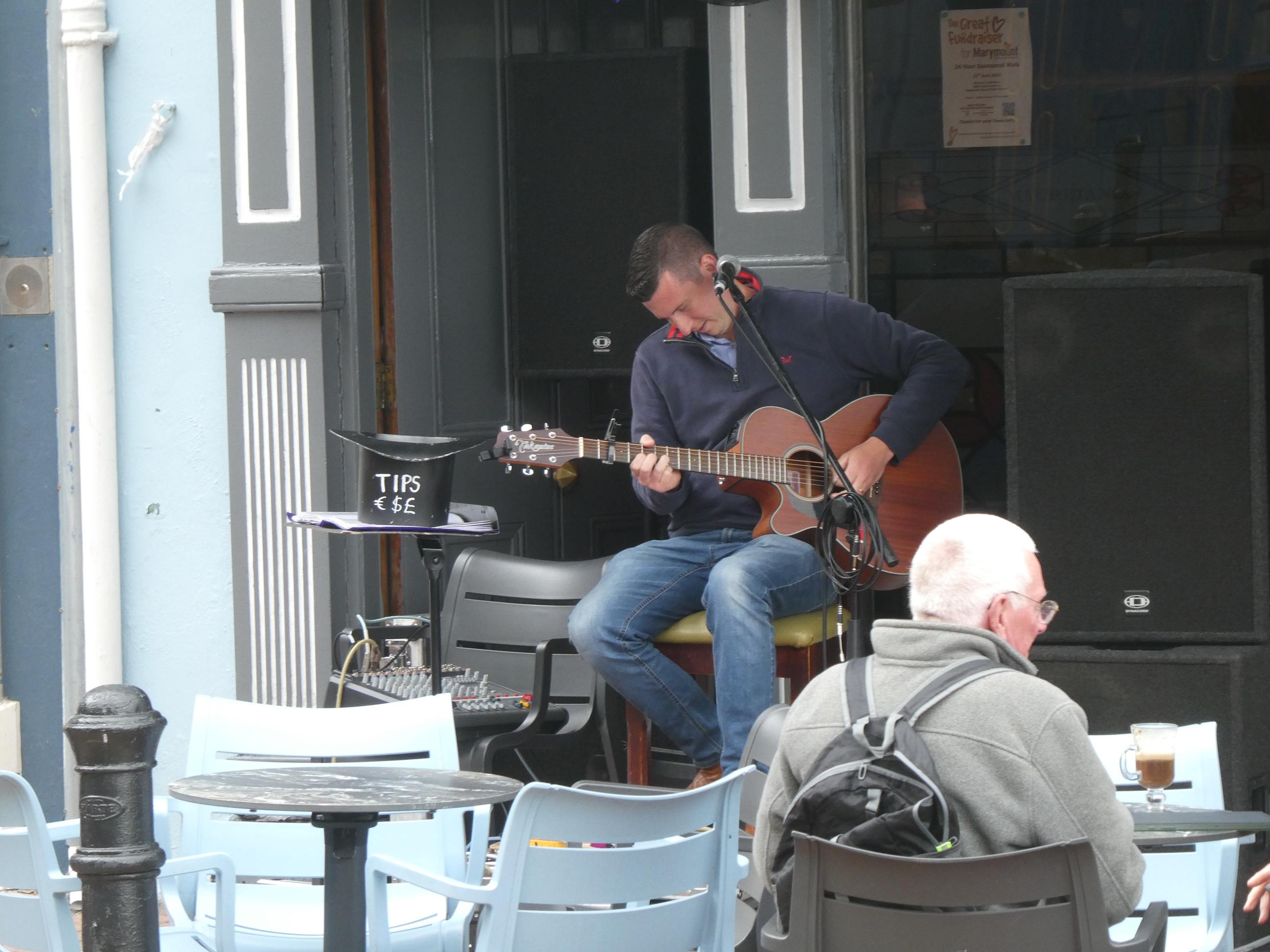
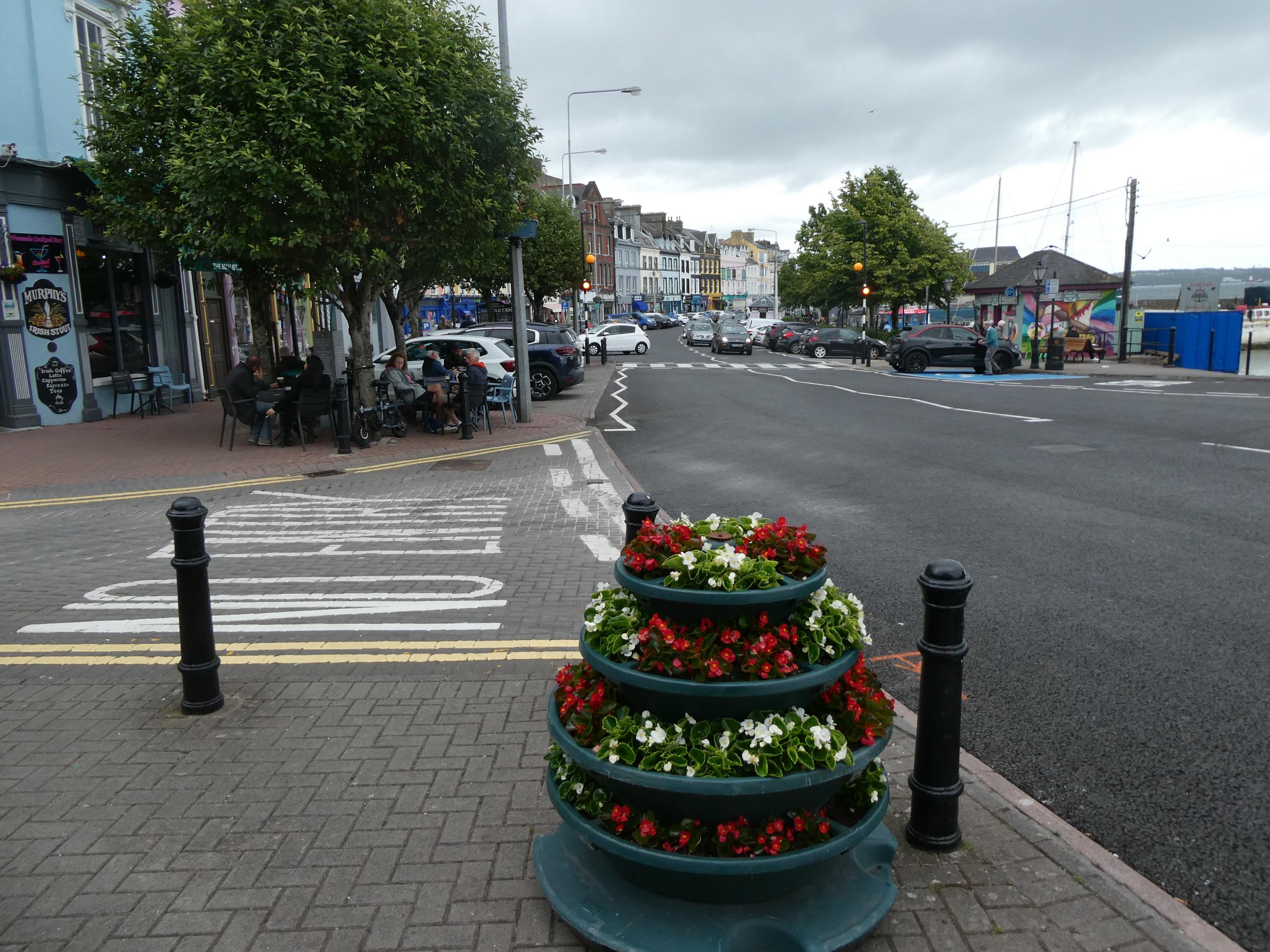
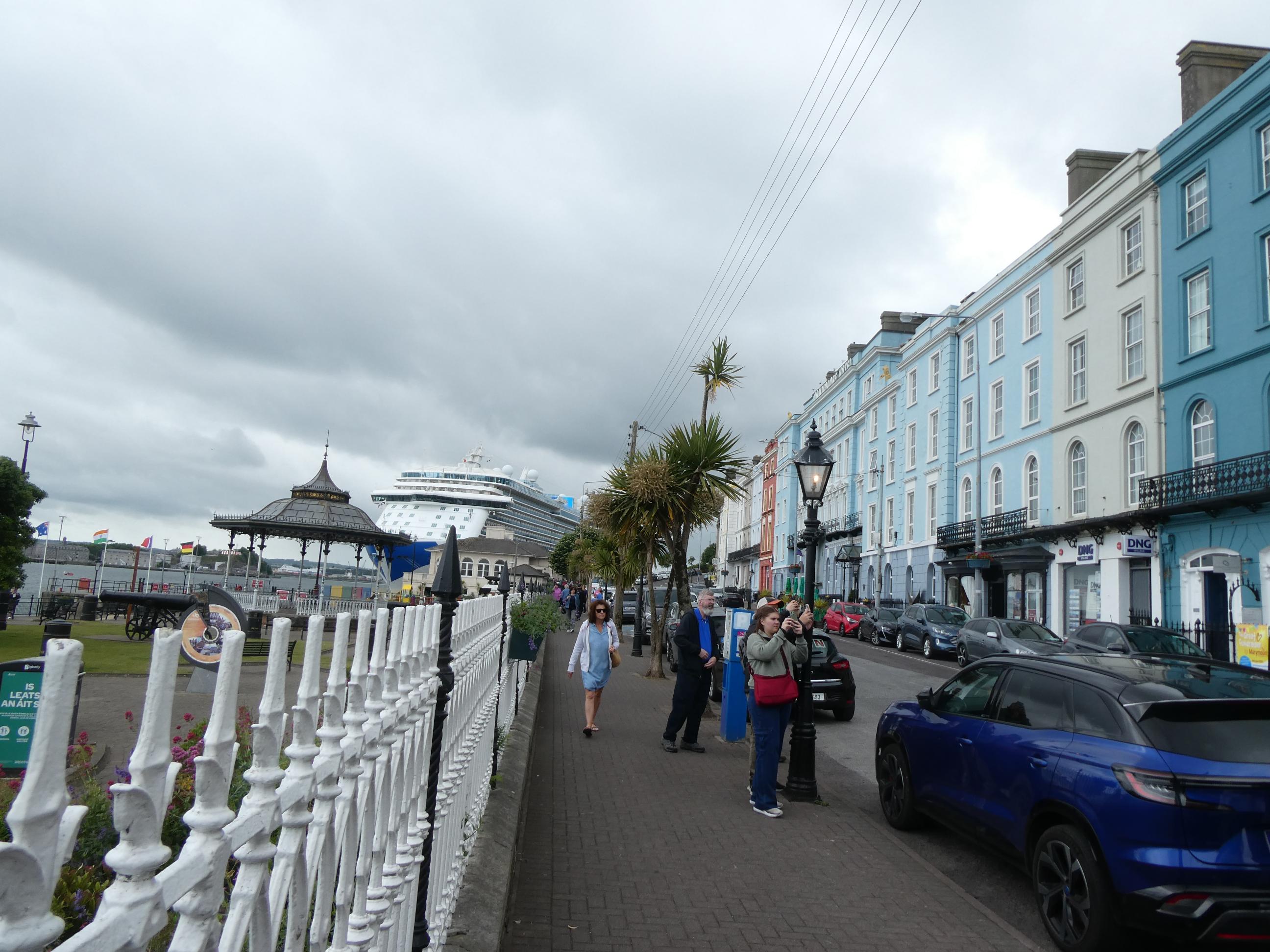
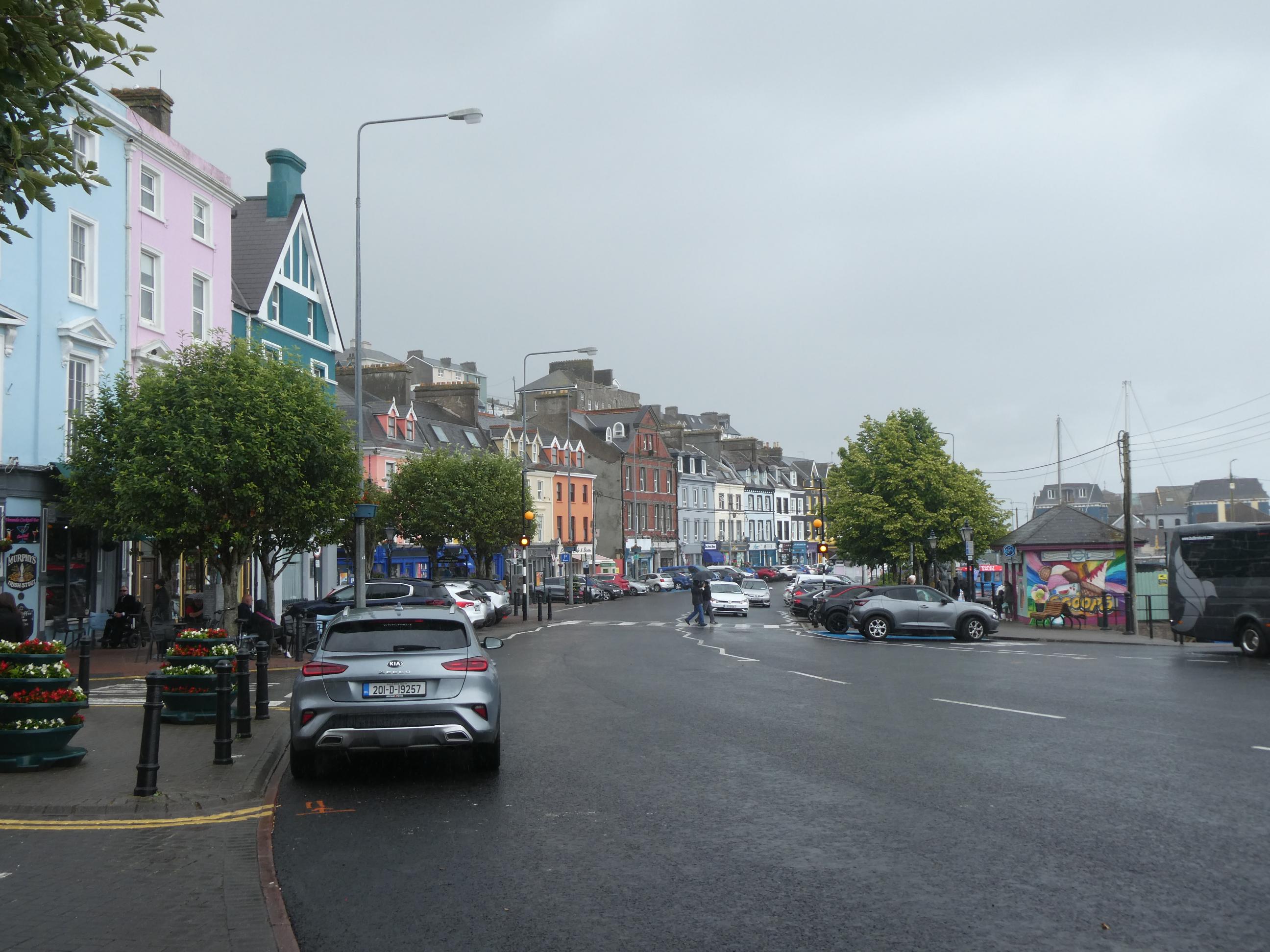
We parked near the cathedral and walked down the steep slope along a row of identical coloured houses. Marg and I visited Cobh six years ago, but only had a brief glimpse of them back then, so it was good to have a better look at them today. We walked along the waterfront. I think it’s a really appealing place, with colourful buildings, ice cream vans, buskers, statues, murals, a rotunda and floral displays all brightening up the place. The bars and cafes looked like great places to stop, but time was pressing and we didn’t have time for that, unfortunately. I guess the only thing about Cobh that doesn’t appeal to me is its steep hills.
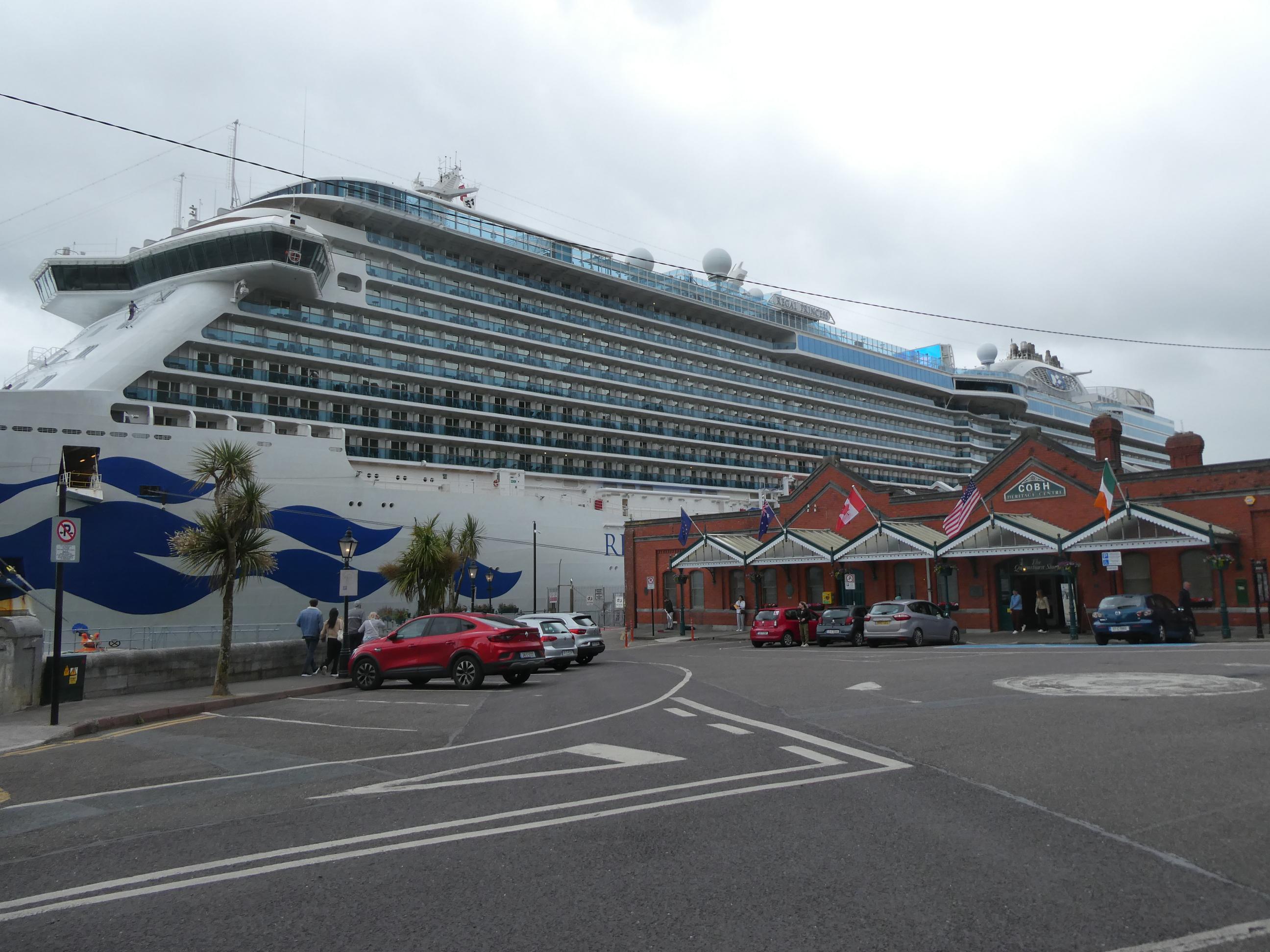
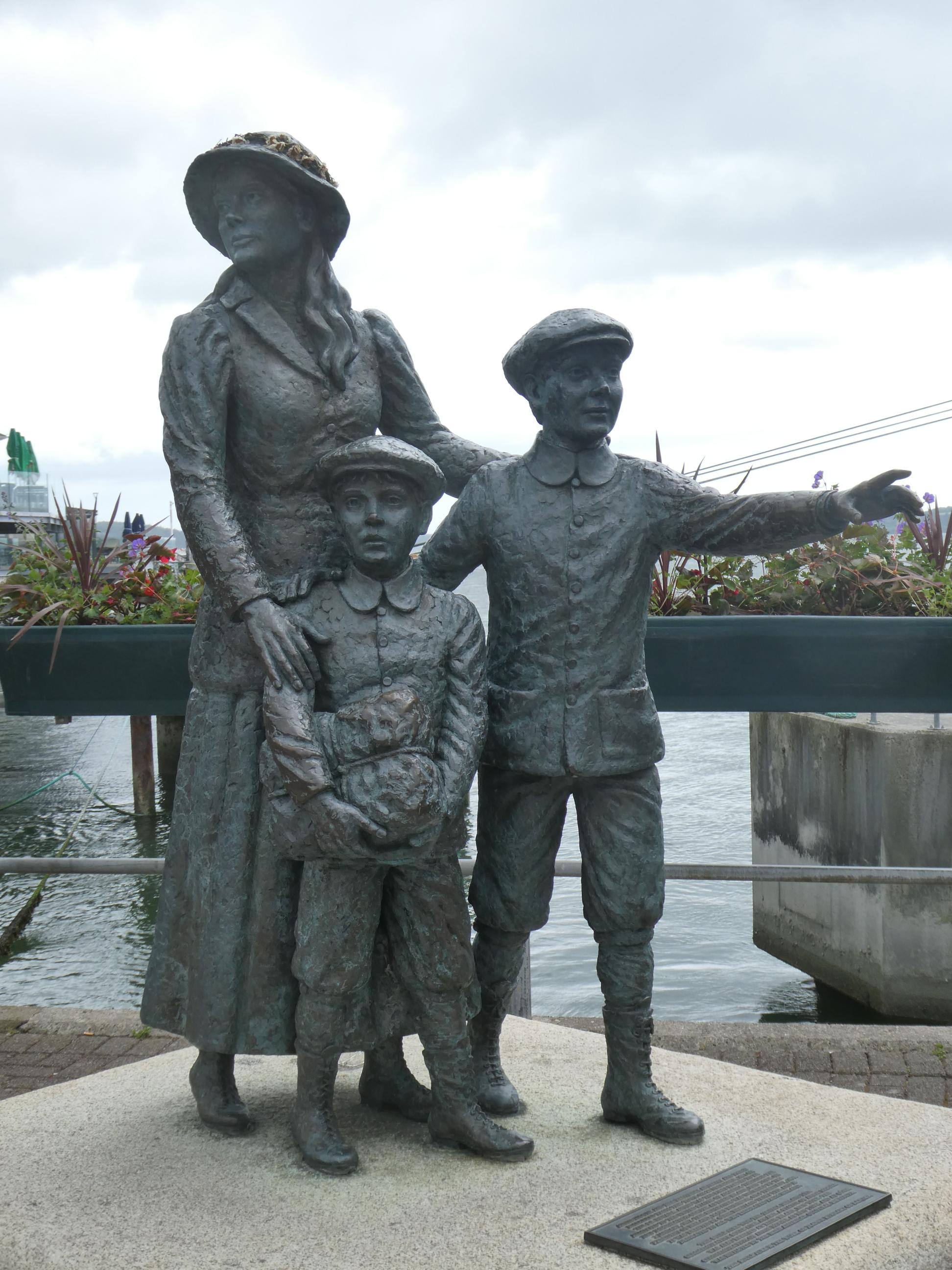
Cobh must have a very deep harbour, as a monstrous cruise ship was docked here when we arrived today, dwarfing the buildings alongside it. We walked down to the Heritage Centre to see the wonderful statue of 15-year old Annie Moore, who was the first Irish immigrant to be processed upon arrival at New York’s Ellis Island. She’s casting one last wistful glance back at her native Ireland before making the sea voyage to a new life in America. It’s one of my favourite statues. I like the fact that Annie was also looking away from the cruise ship, as if she wanted no part of it.









 On The Road With Garry
So interesting. Glad your back is getting better Garry. Walking is the best cure. Love the facts especially about the Titanic and Lusitania. Enjoy the next few days. Such great memories for you all and very special you both got to do it with Rod and Cornelia. Lots to talk about for many years to come.
LikeLiked by 1 person
Thanks for all your responses to my posts, Janie. I think you guys would love Ireland
LikeLike
Would love to visit one day. Looking forward to seeing you guys when you’re back. Safe trip home. Xxx
LikeLike