We left Dublin early this morning and drove north to an archaeological site known as Brú na Bóinne, located on a bend in the Boyne River very close to the site where the famous Battle of the Boyne took place in 1690. In that battle, William of Orange (King William III) and his protestant army defeated the forces of the exiled Jacobite King James II, thus essentially handing control of Ireland to England for a period of protestant dominance and oppression of catholicism that lasted for over a hundred years. It’s hard to imagine such a tranquil setting today was the same place where an estimated 1500 men lost their lives in battle.
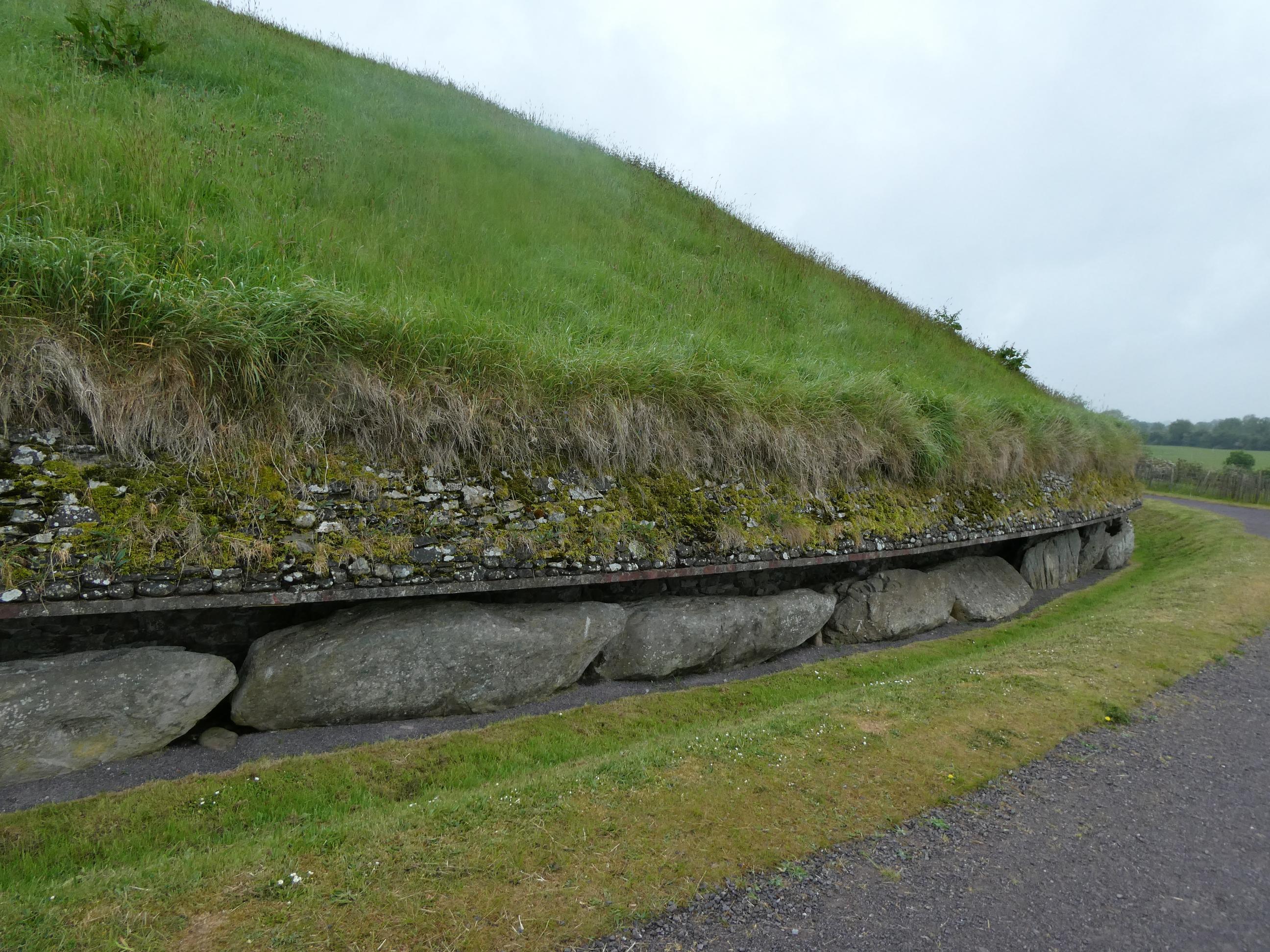
We crossed the river and boarded a bus, which took us to the first of two sites we visited at Brú na Bóinne. The first site was called Knowth. Knowth is a huge neolithic passage tomb, in the shape of an earth-covered mound, surrounded completely by 127 large kerbstones, that dates back to around 3200 BC. It is surrounded by 17 smaller tombs. The neolithic people who lived here only used Knowth for burials and possibly rituals. They lived nearby, most likely in small huts which have long since disappeared. The large tomb has two passages that run east-west and lead to separate burial chambers. Cremated human remains have been found in these burial chambers. The large kerbstones are decorated with spirals, circles, triangles, chevrons, crescents and other similar shapes, all of which were painstakingly chipped into the hard rock five thousand years ago. The artwork appears to be abstract, and there are no human figures, animals or recognisable objects depicted. Knowth actually contains over one third of all examples of megalithic art found in Western Europe. At each of the entrances to the passages is a layer of white quartz, which appears to be highly prized by the neolithic tomb builders, a large entrance stone, a standing stone and what appears to be an altar. The passages originally aligned with the equinoxes, allowing sunlight to stream into the centre of the mound for a few minutes on two occasions every year. The passage of time and the interventions of humans over the years have altered the alignment and prevented this from happening any more. In order to preserve Knowth for future generations to enjoy, archaeologists have placed a strong supporting wall behind the kerbstones and shored up the rim of the mound with concrete. Visitors are not permitted to enter the passages, but may climb to the top of the mound, which is 12 metres high and 67 metres across. Remarkably, the mounds at Knowth were all built, stone by stone, layer by layer, from the ground up, rather than excavated, then covered with earth.


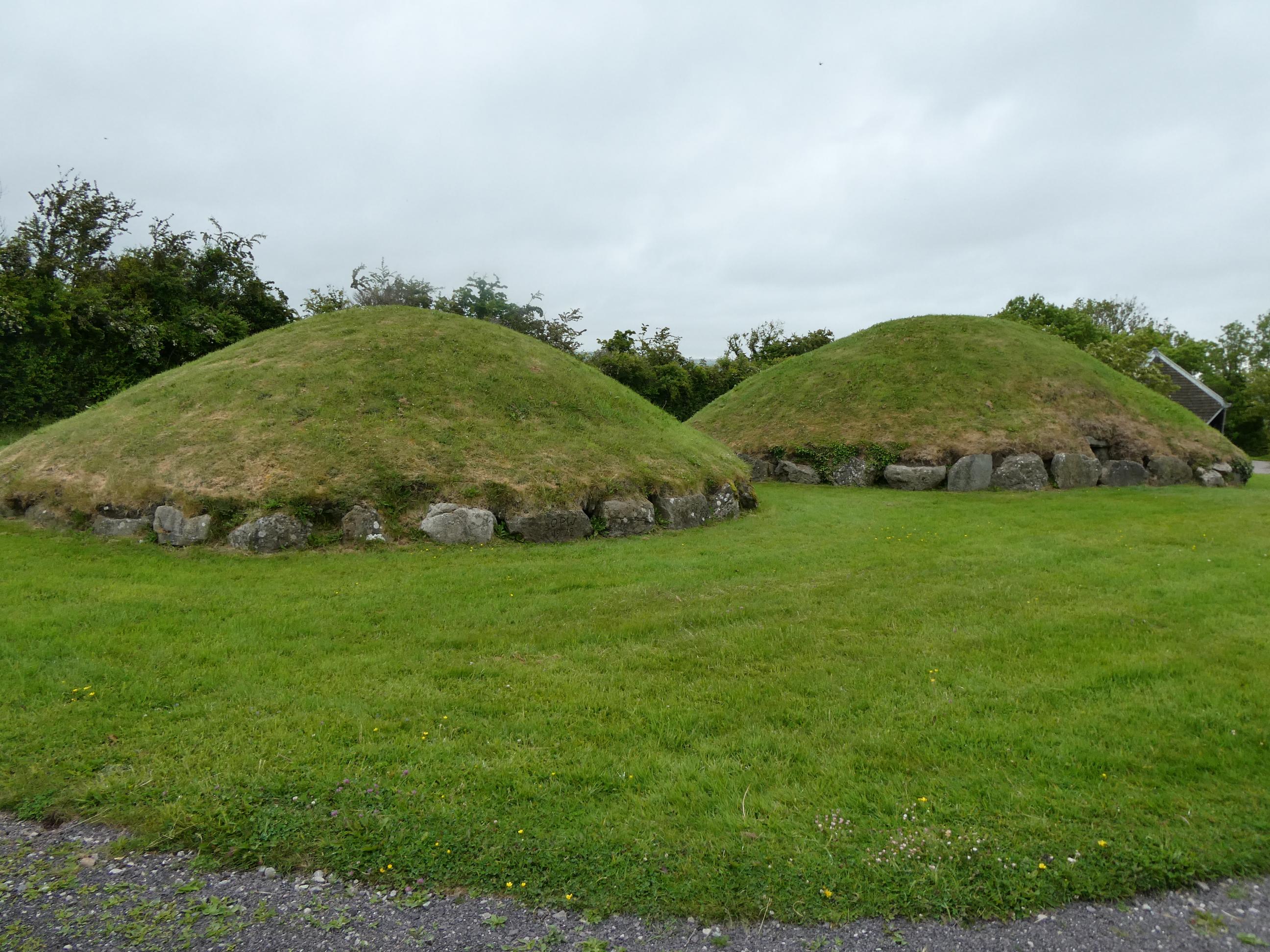


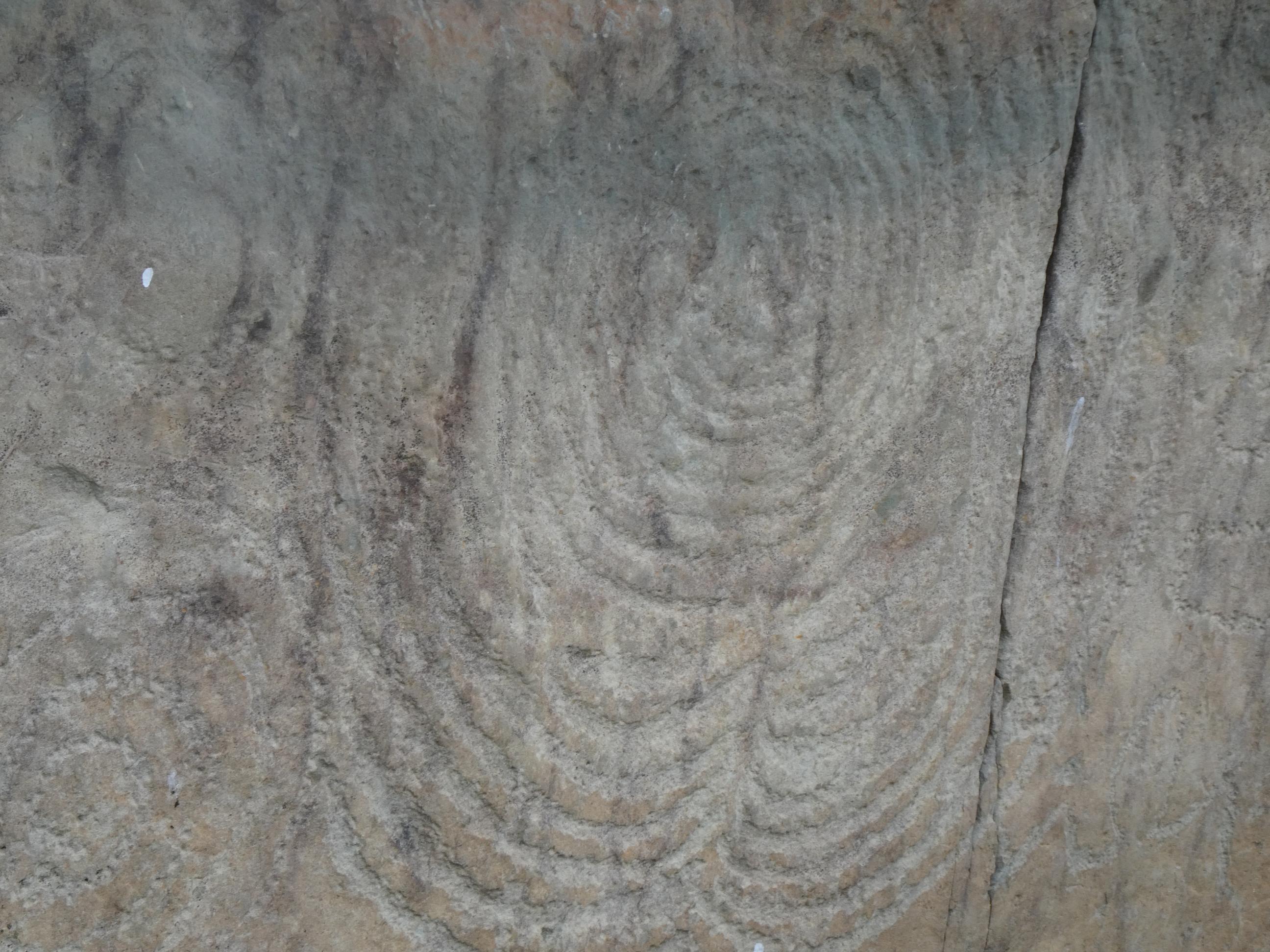

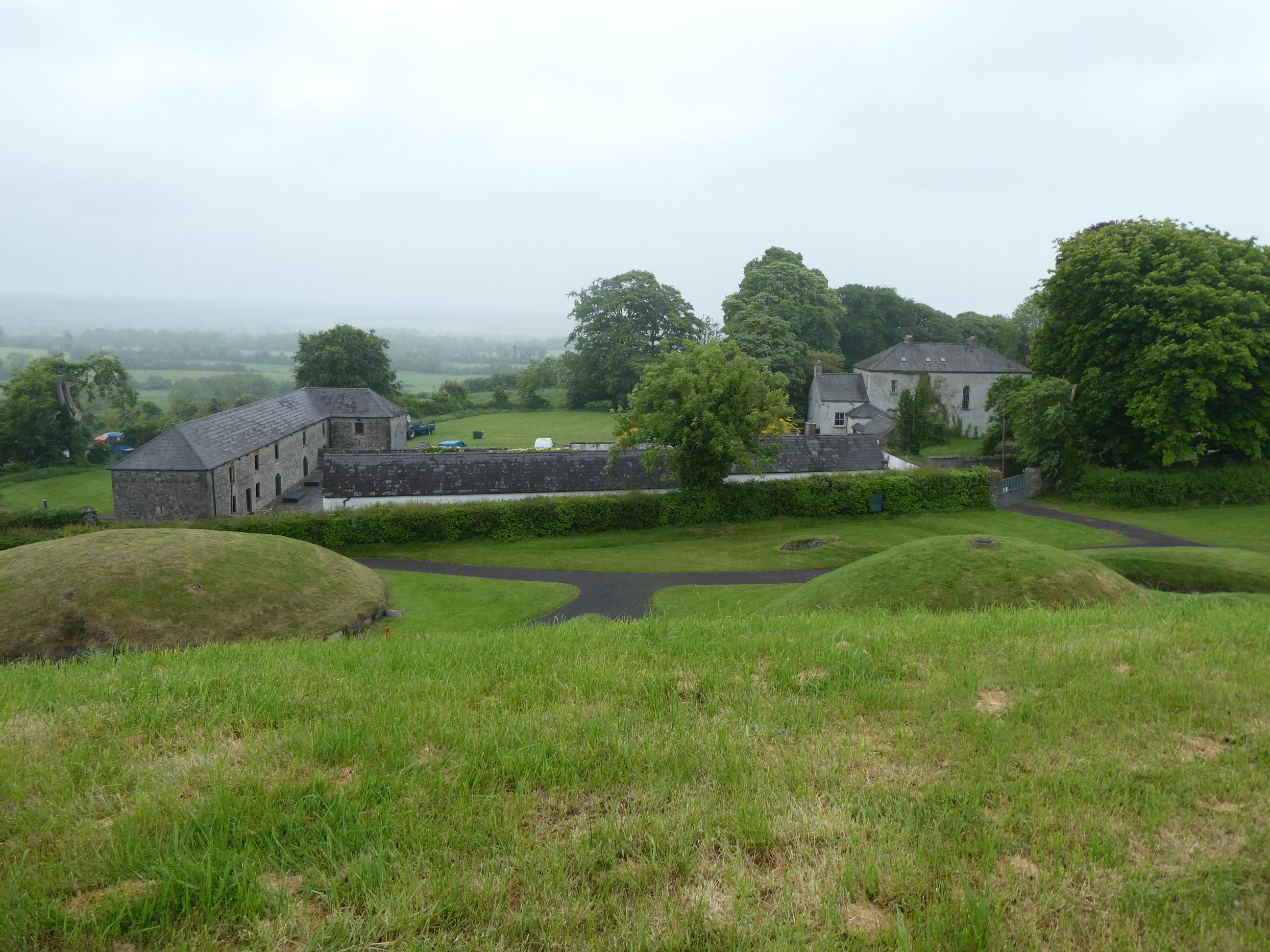


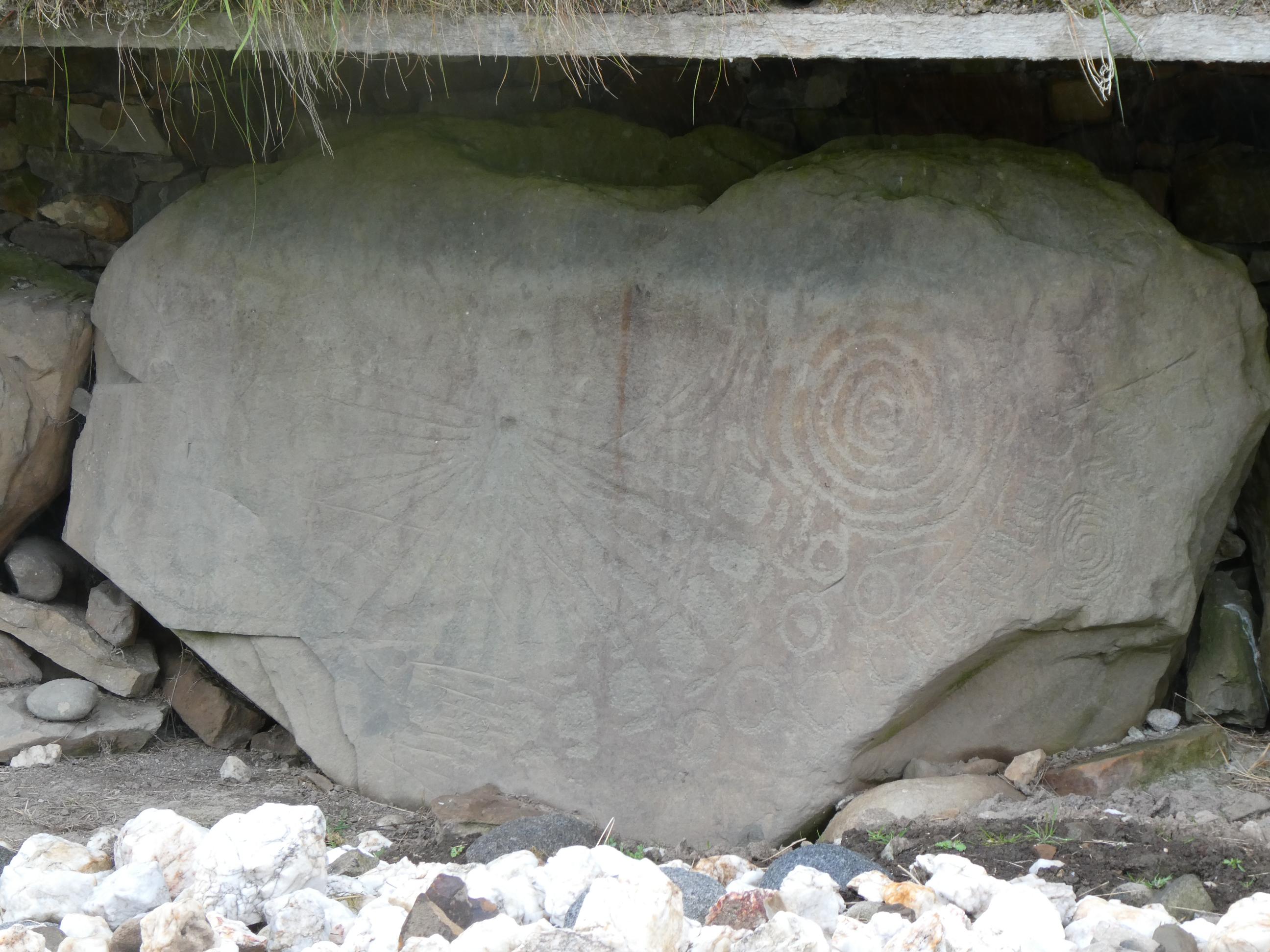

There are two other large neolithic burial mound sites at Brú na Bóinne. They are called Dowth and Newgrance. This wonderful archaeological site has now been classified as a World Heritage Site. We were also able to visit Newgrange, just a short distance away from Knowth. It has been carbon dated to the same time and the same neolithic people as those connected with Knowth and Dowth. Newgrange is the largest of the three sites. The facade of one side of the mound has been faithfully reconstructed of white quartz by the archaeologists who spent years examining the site. They believe its current appearance is how it would have looked when neolithic people were here. Like Knowth, it is surrounded by kerbstones which feature remarkable megalithic artwork and has passages which lead to an inner burial chamber, which is cruciform (it forms the shape of a cross). Our guide took 15 of us into the mound at a time. We had to duck our heads frequently on the way in and, on occasion, squeeze through tight spaces, but once we entered the central chamber, there was room for all of us to gather comfortably under a ceiling that was several metres above our heads, Standing in the interior of the tomb and looking up, we could see that it had been constructed as I described similarly for Knowth – stone by stone, layer by layer. Human remains have also been found in this chamber. Some, but not all, had been cremated. Testing on the bones suggests that the people are linked by DNA to those from Anatolia in Turkey and that they might also be from people born of incestuous relationships. Although its significance cannot fully be explained, there is a motif at Newgrange that has become symbolic in Ireland – the triple spiral. It can be found towards the left on the entrance stone, and then in multiple places in the burial chamber. Today you will find it on tee-shirts, jewellery and tattoos linked to the Irish identity. It was a fascinating visit to Brú na Bóinne, which we initially planned for a half hour stop, but eventually occupied over two fascinating hours. As a result of this, we had to revise our plans for the rest of the day, but it was worth it.



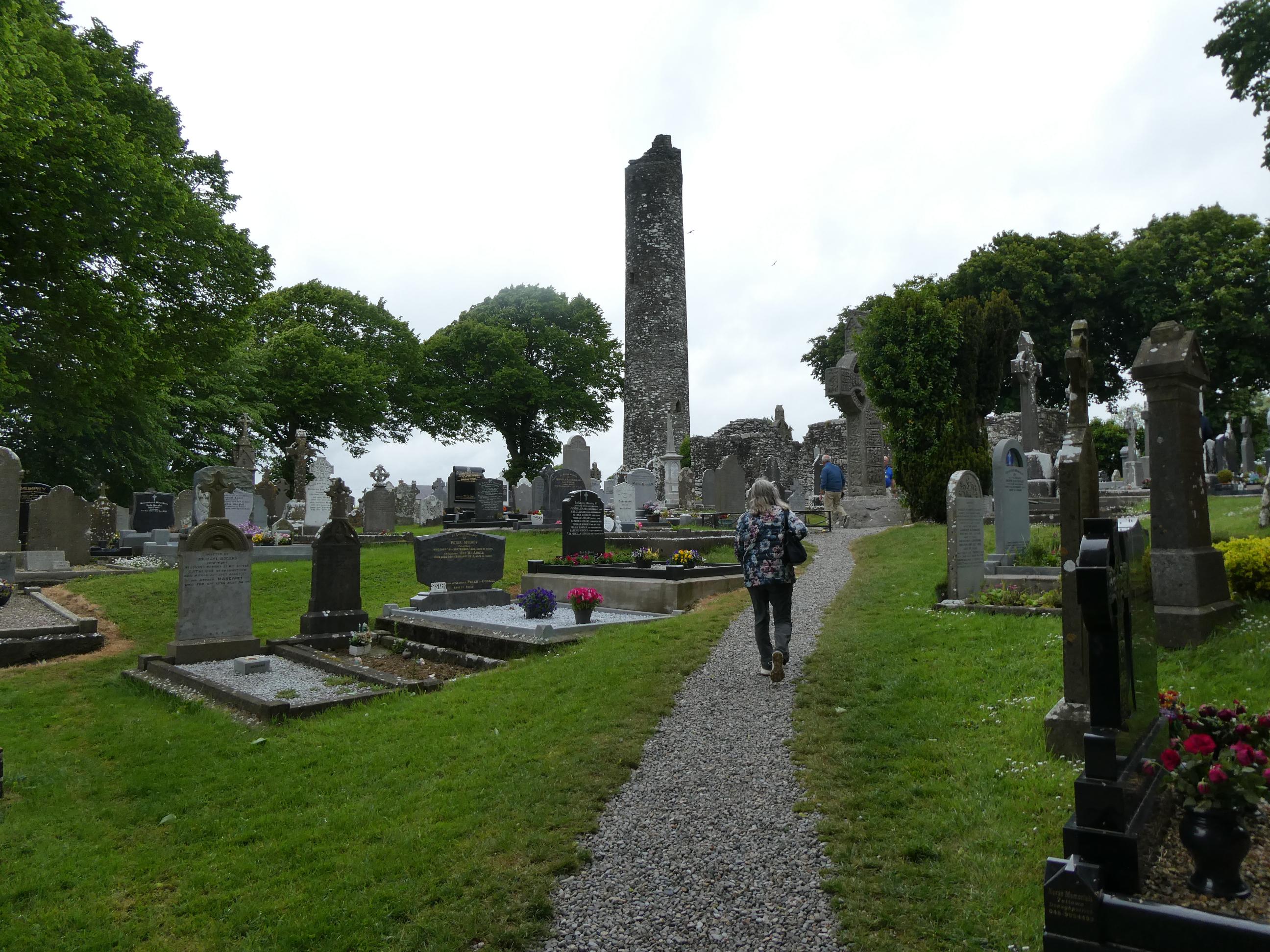
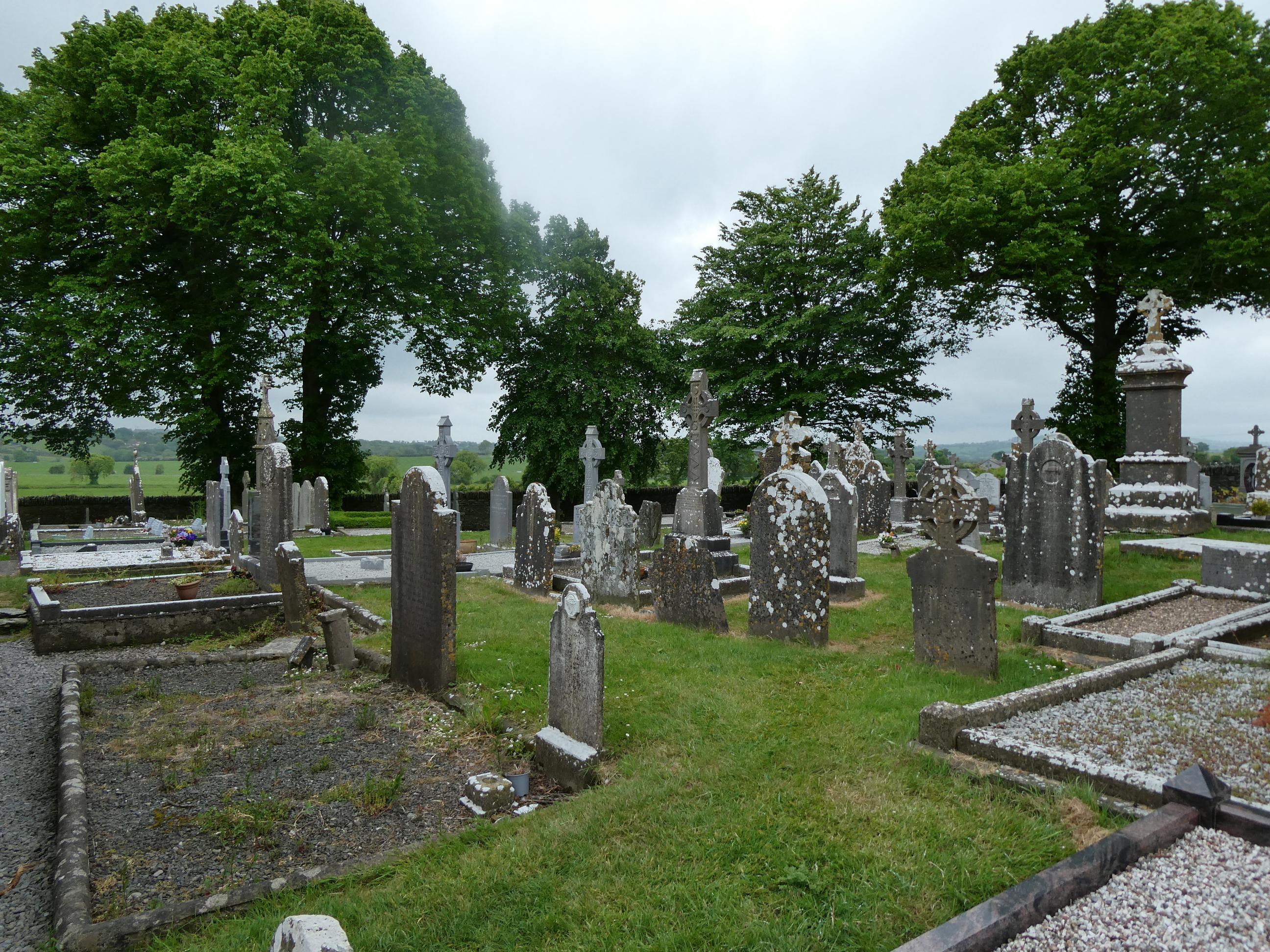
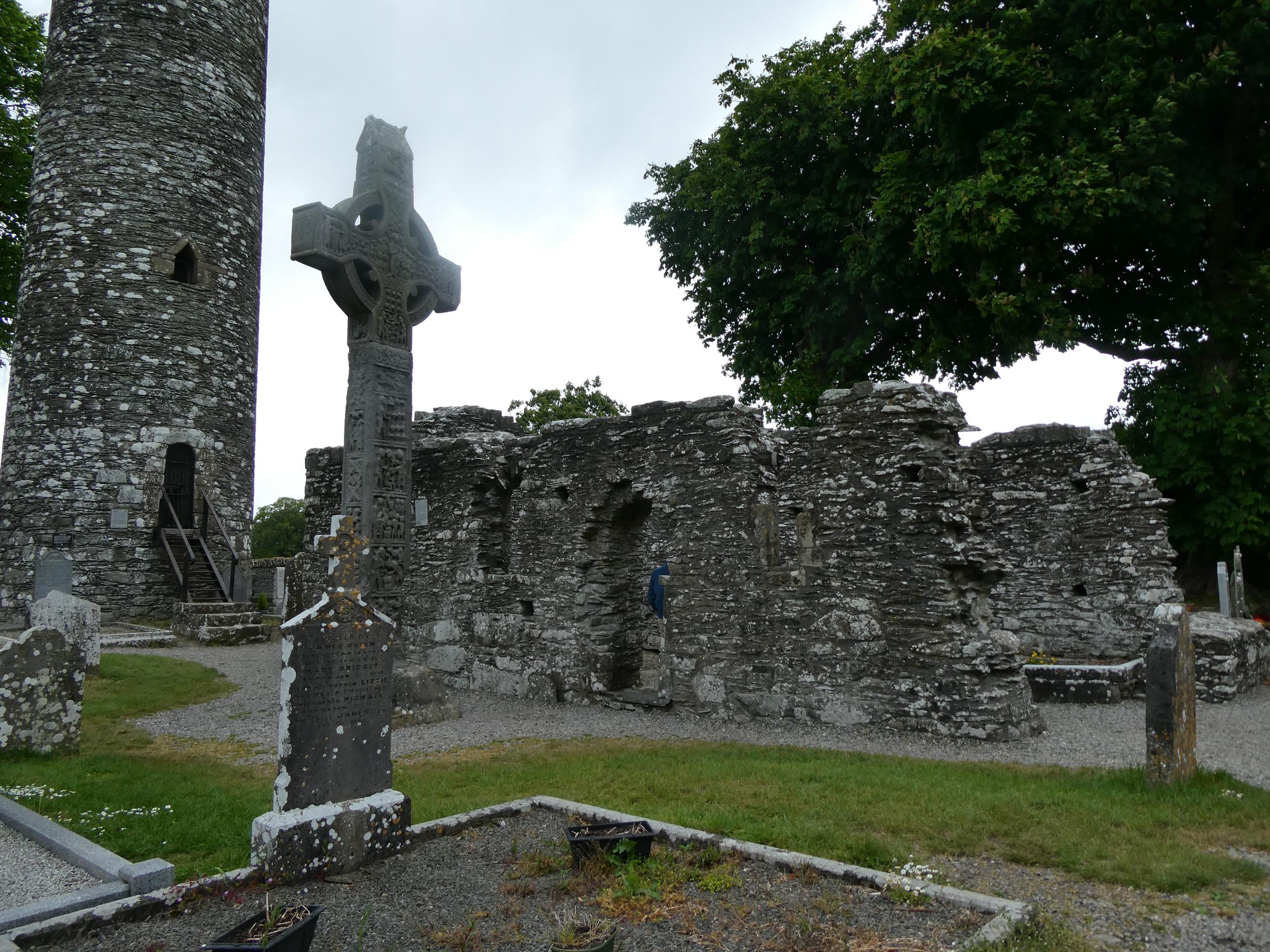
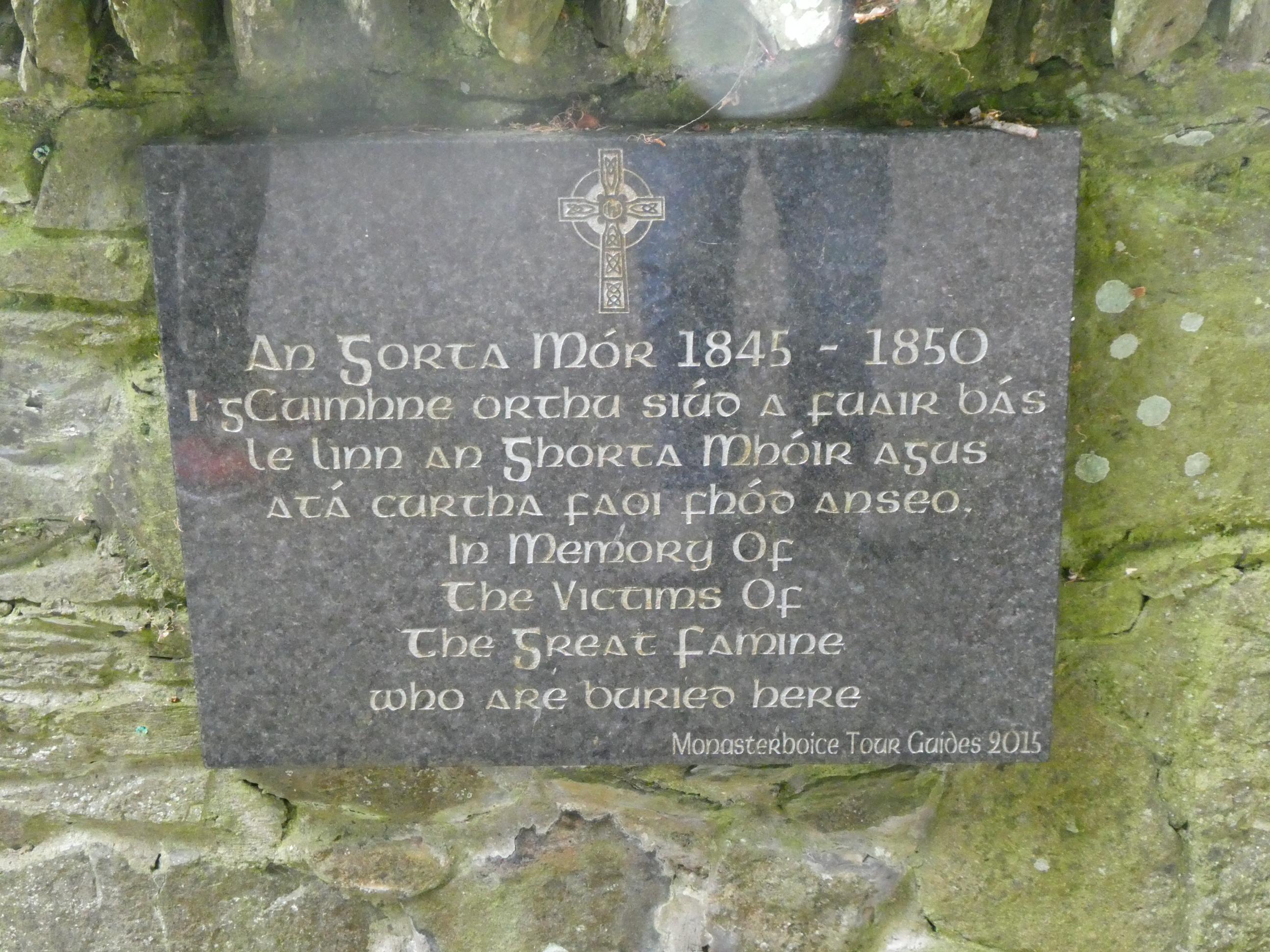
We decided to visit three more heritage sites within the Counties of Louth and Meath before heading north to Belfast. The first of these was Monasterboice, a ruined ancient monastic site, within a graveyard. There is a round tower here, similar to, but not as high or as spectacular as the one we saw yesterday at Glendalough. There are also a number of very high Celtic crosses. The largest of them has a number of illustrations from the Old and New Testaments, and it’s thought that the purpose of these might have been for use as teaching resources to help convey important Bible stories to people who could not read. There were also the ruins of two churches on this site. We took some time to read the gravestones. They were very sad, especially those where several members of one family would all die within a short time of each other – usually around the late 1840s. As I was leaving I read a plaque on a wall that suddenly made the penny drop for me. Many of these poor people had died as a result of extreme poverty and starvation during the potato famine, perhaps the blackest period in Ireland’s history.
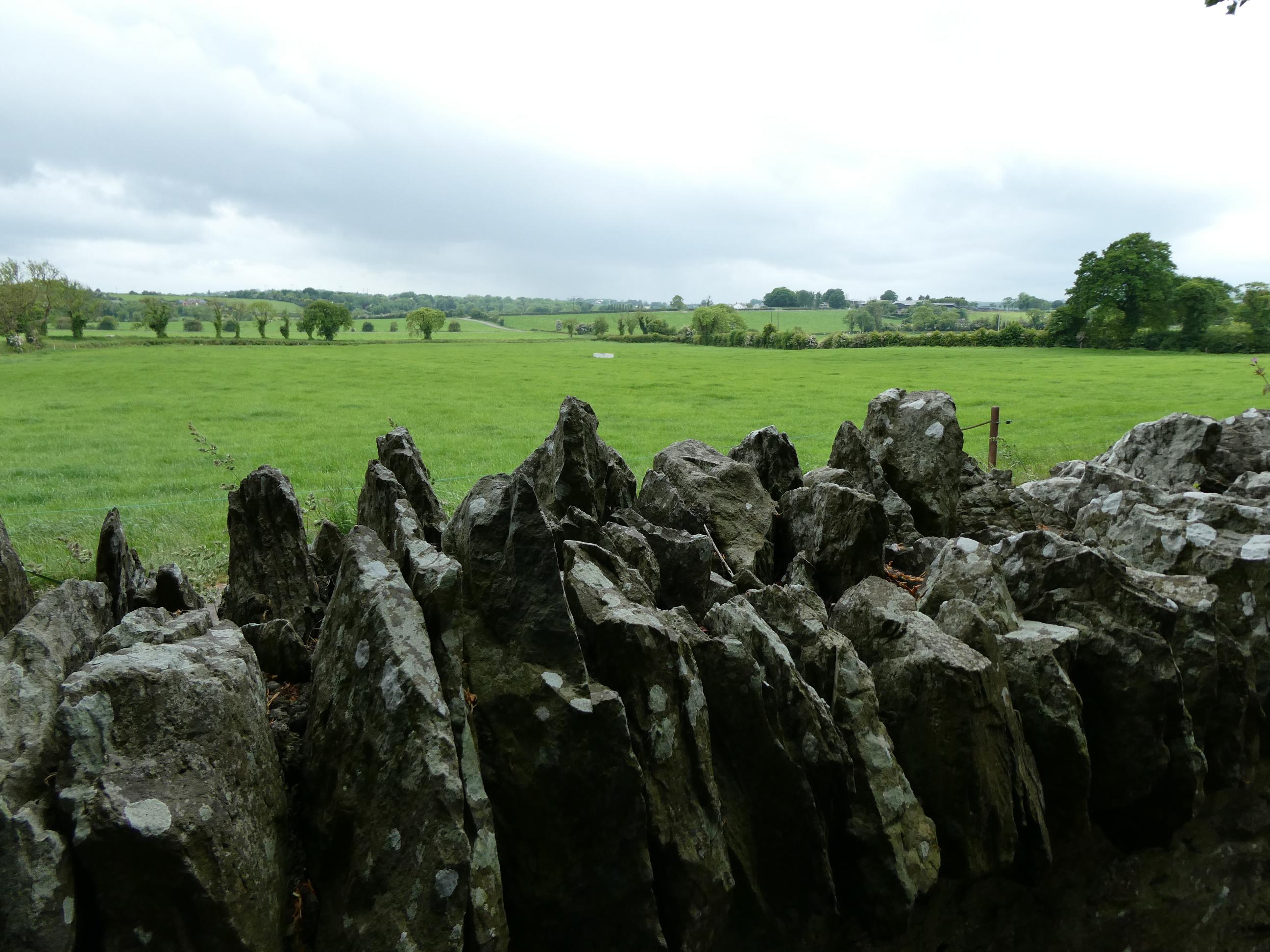




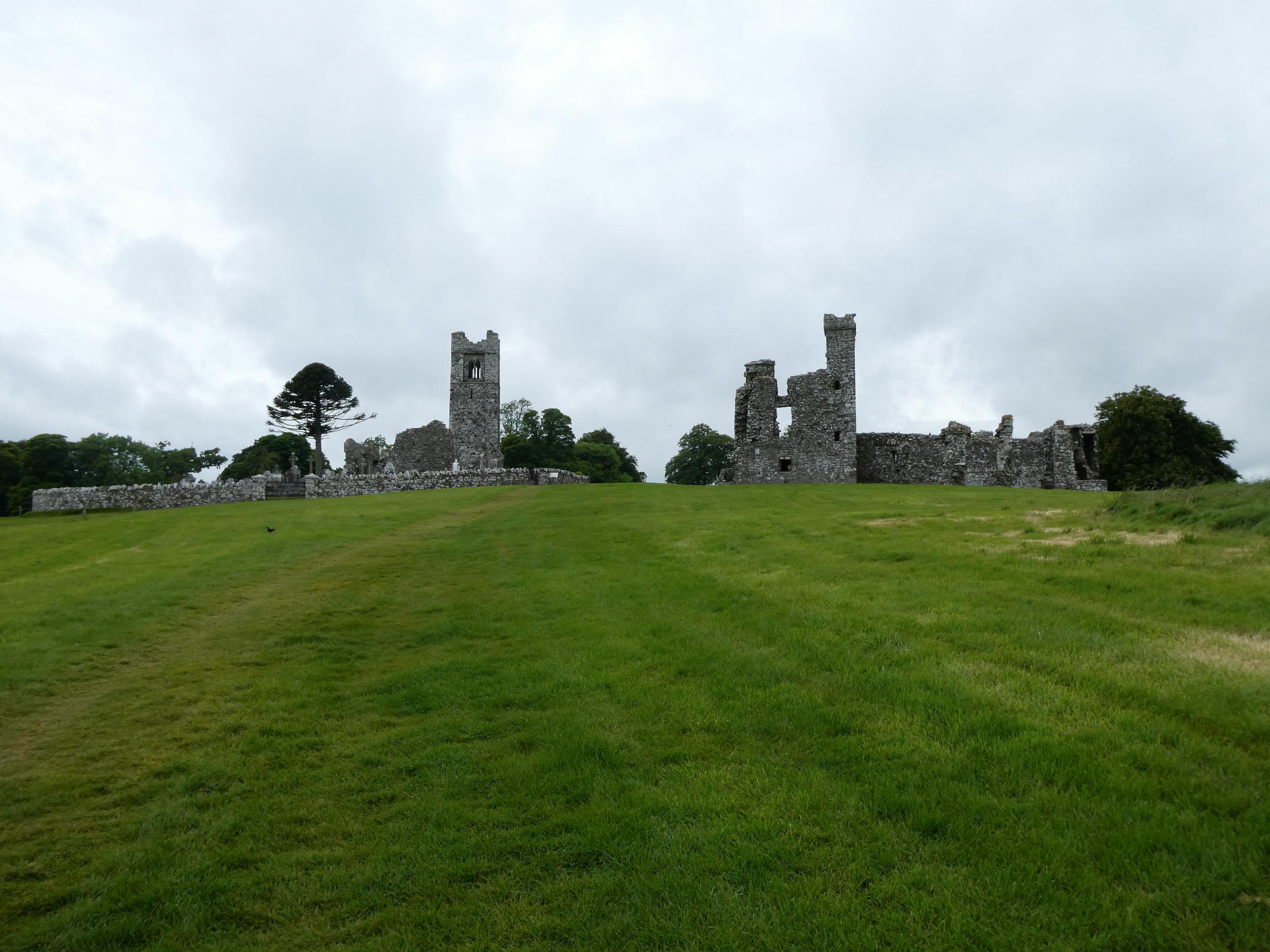
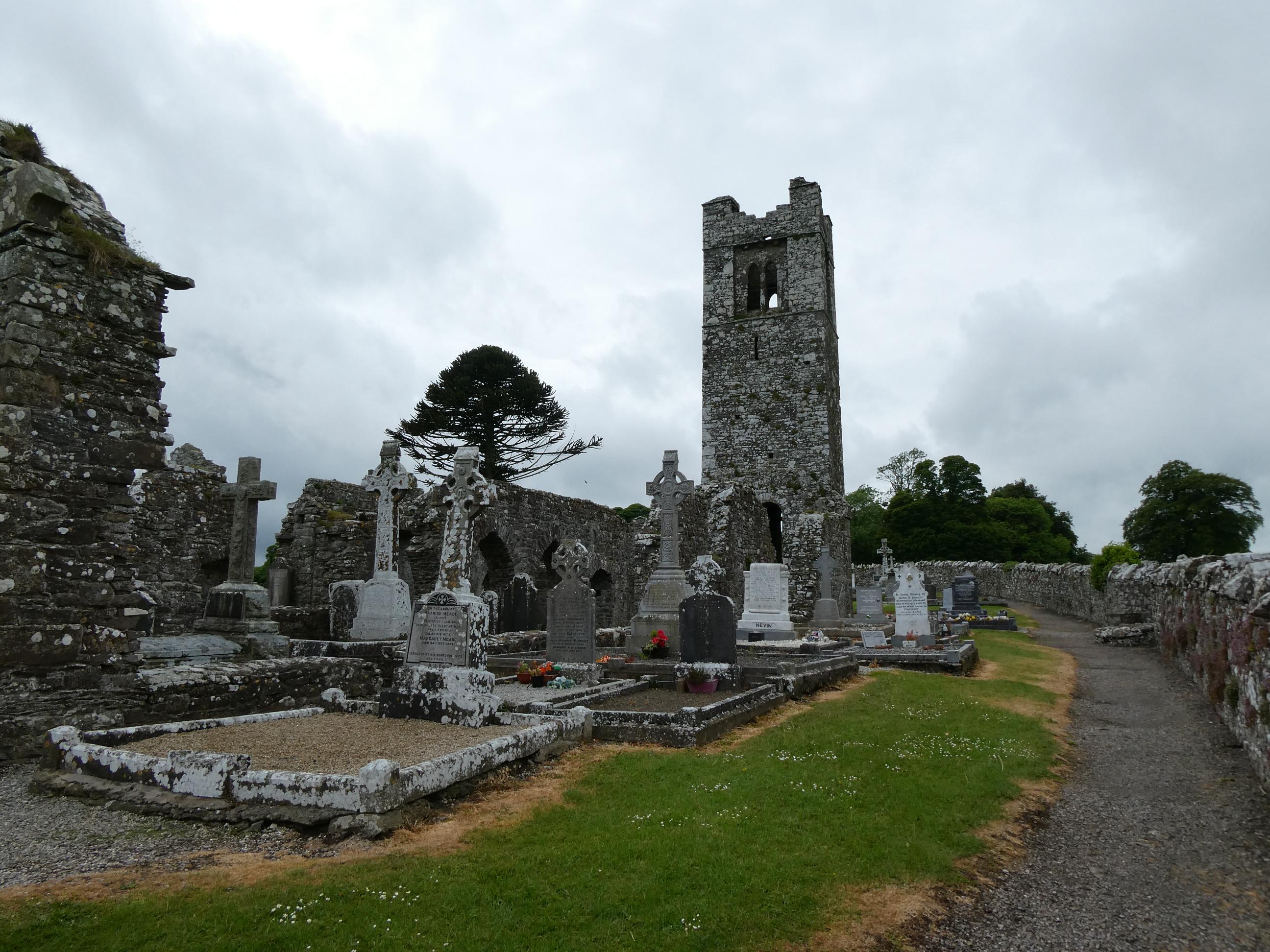
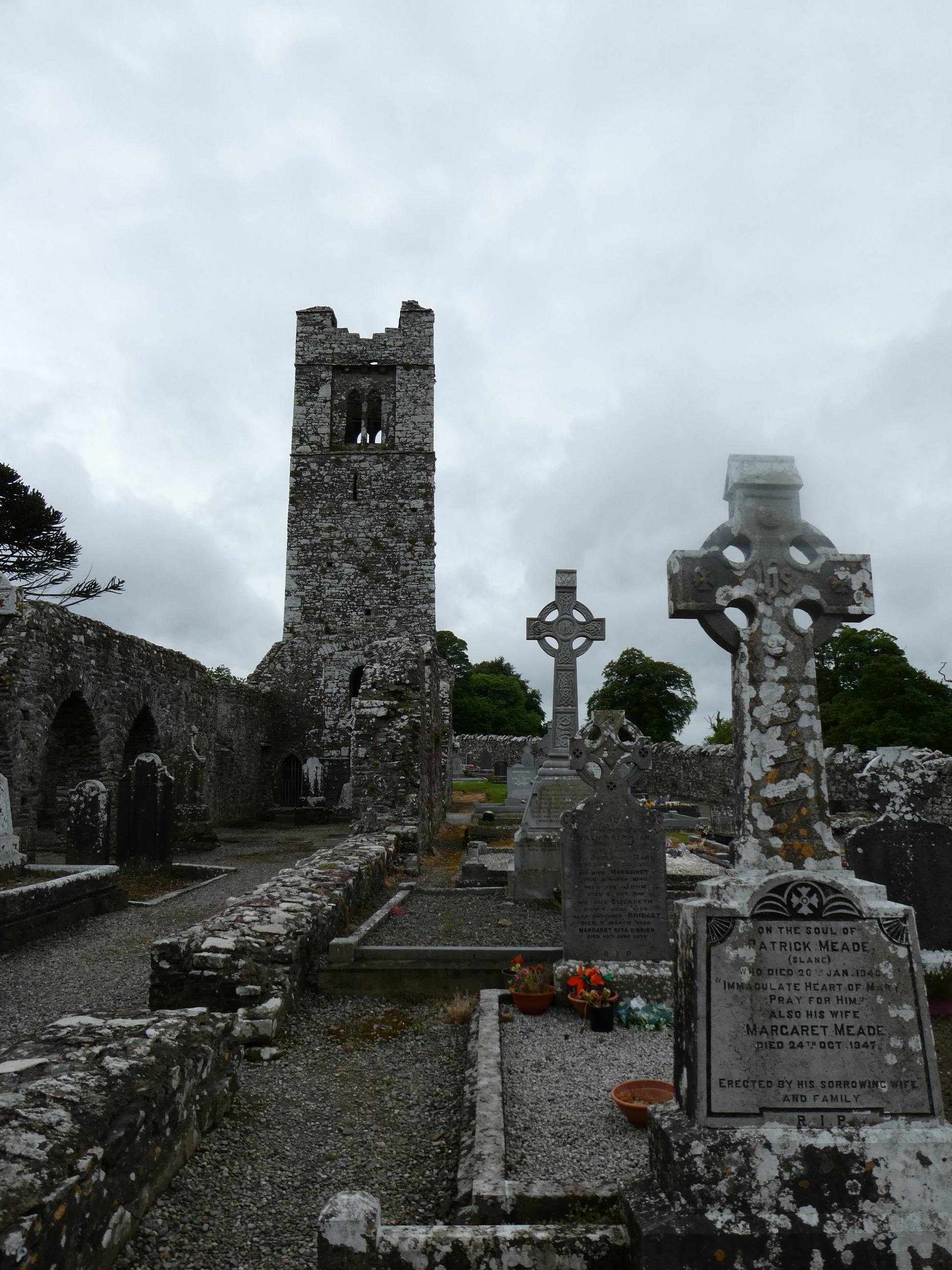
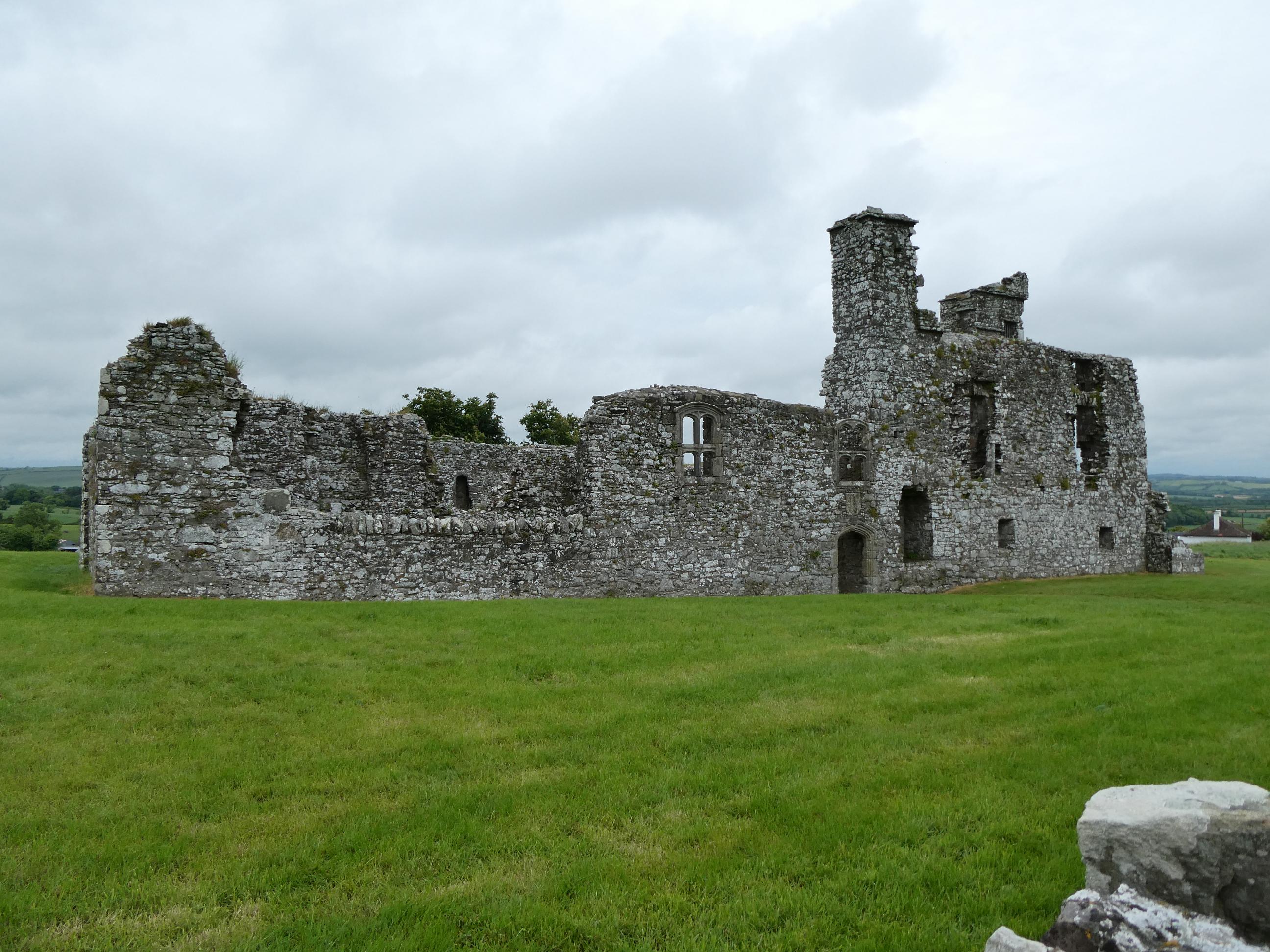
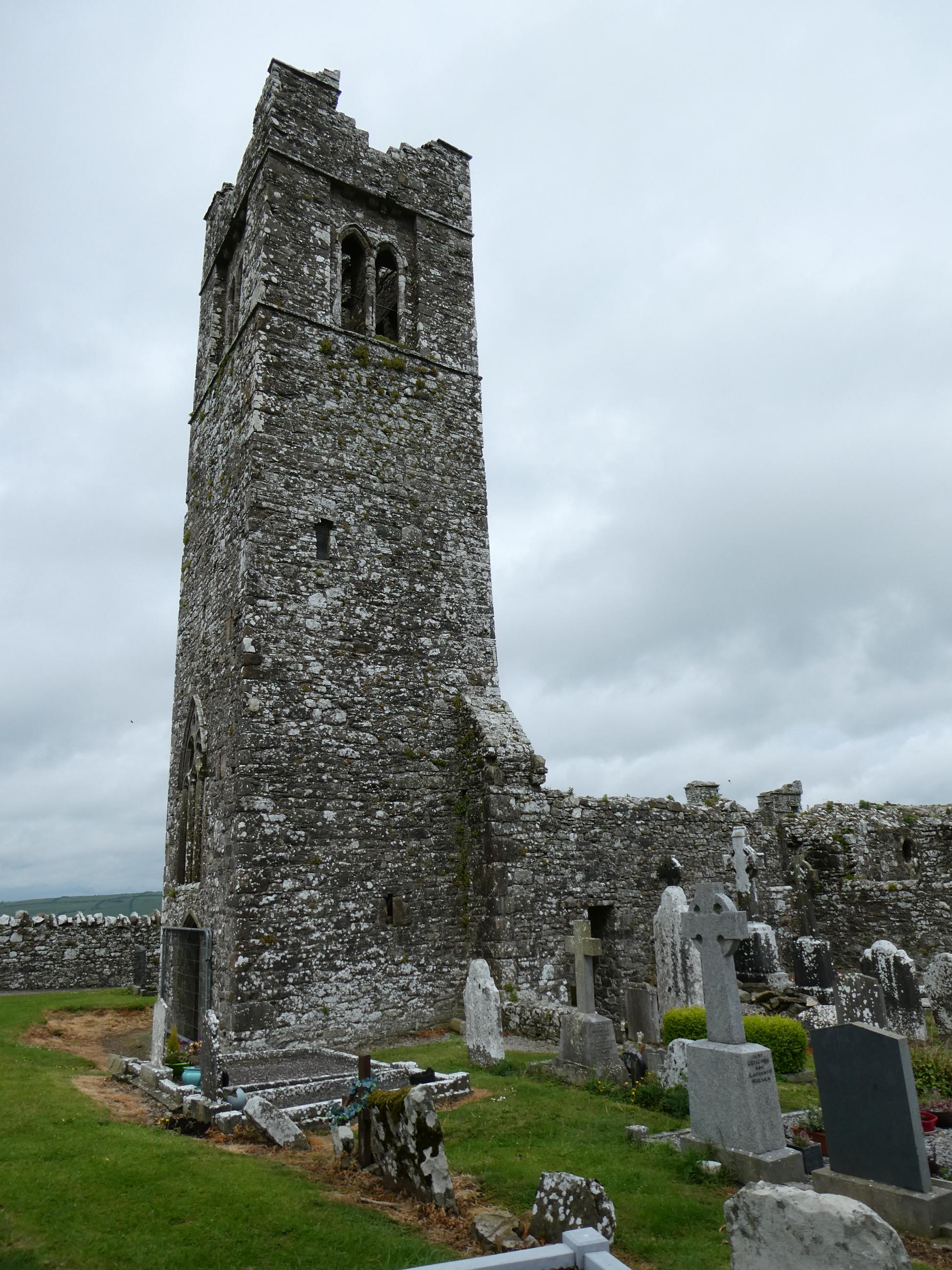
Our next stop was a little further south at the ruins of Slane Abbey on the Hill of Slane. At first I mistakenly thought this was Slane Castle, where U2 once played in front of a massive crowd and recorded a live album, but a Google search showed me that that was a couple of kilometres away from the ruined abbey. The sky had turned grey and there was a chilly breeze on top of the hill. It was an eery, cold, unwelcoming place. We didn’t stay long.



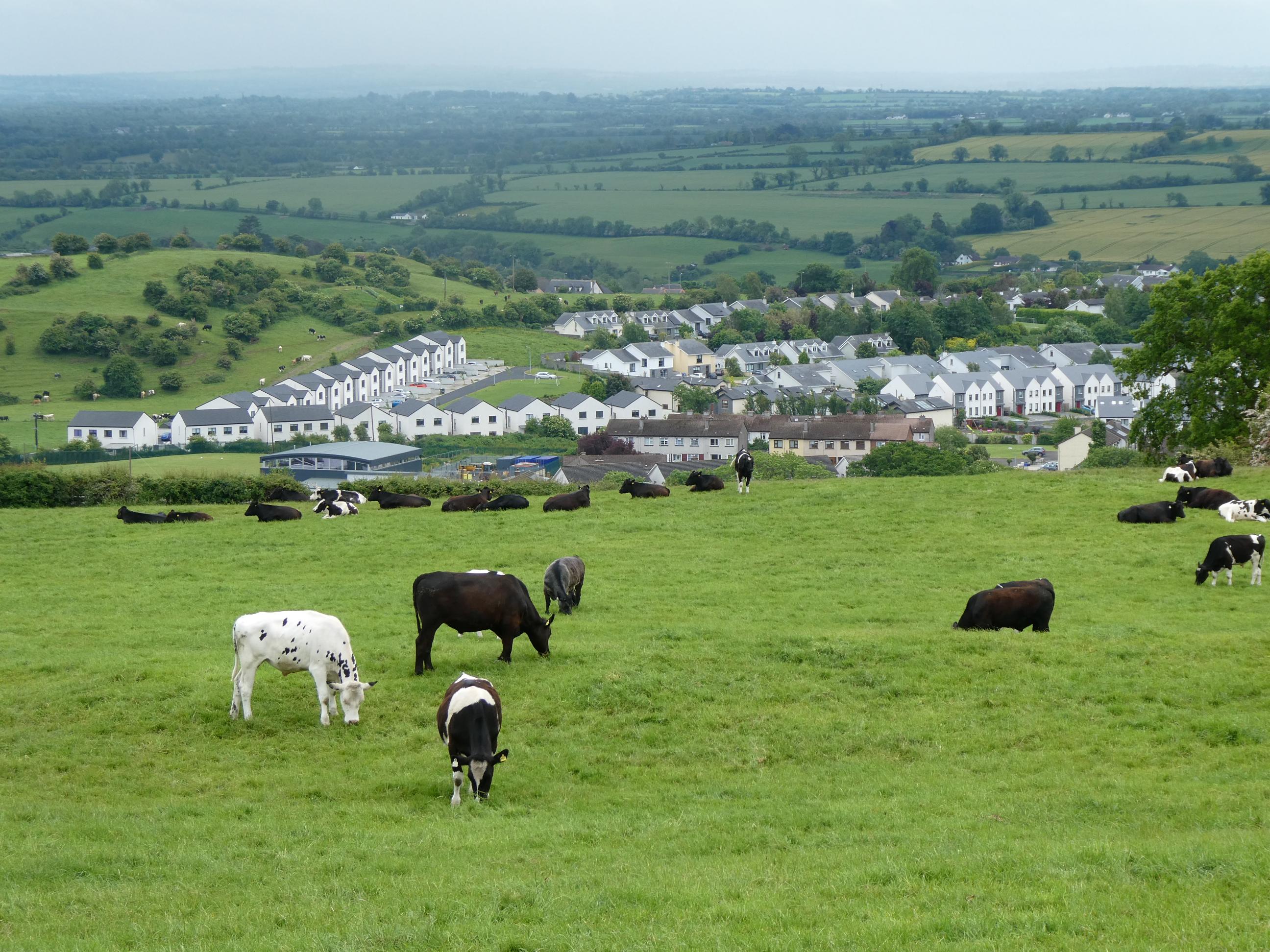

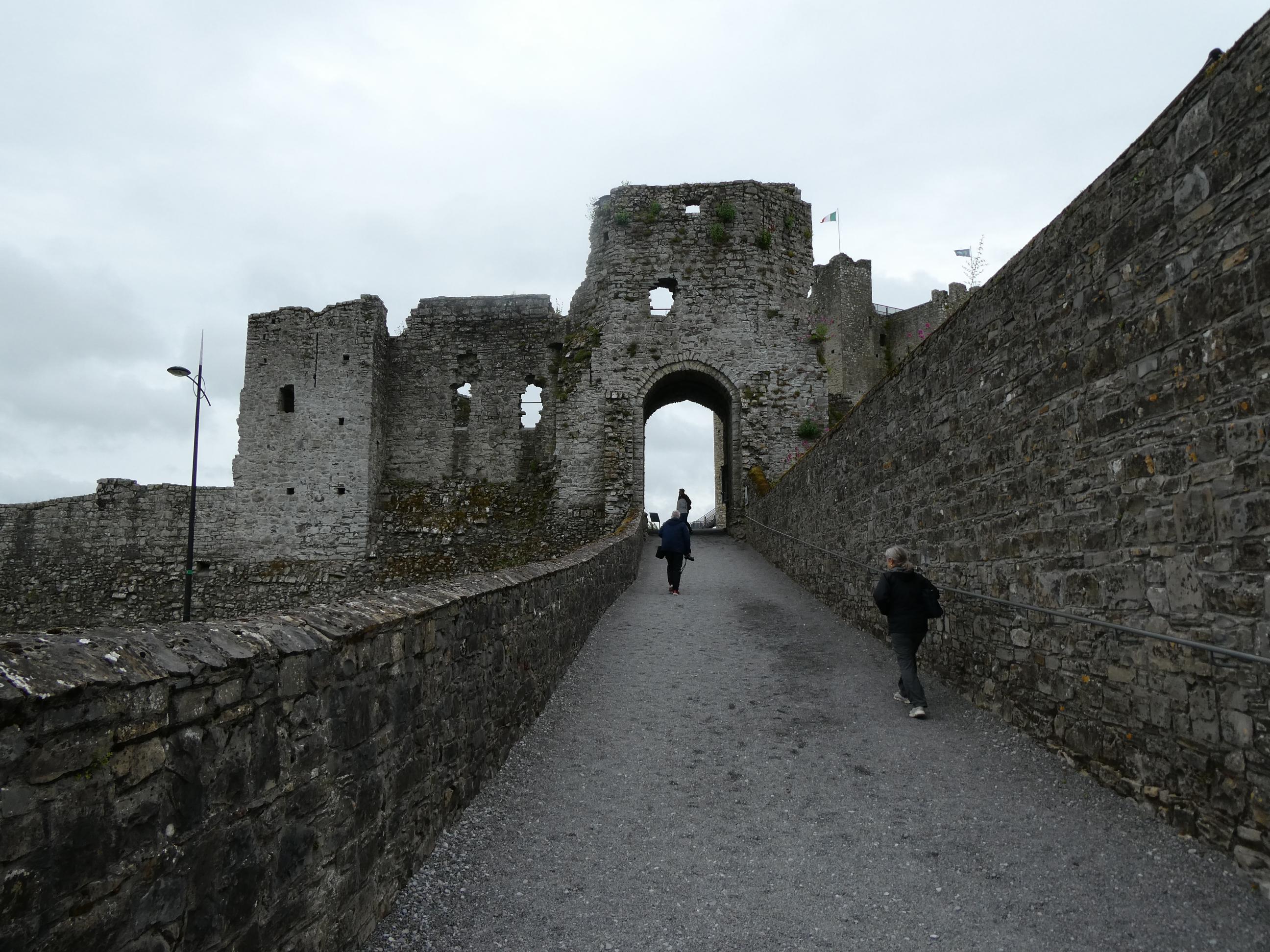
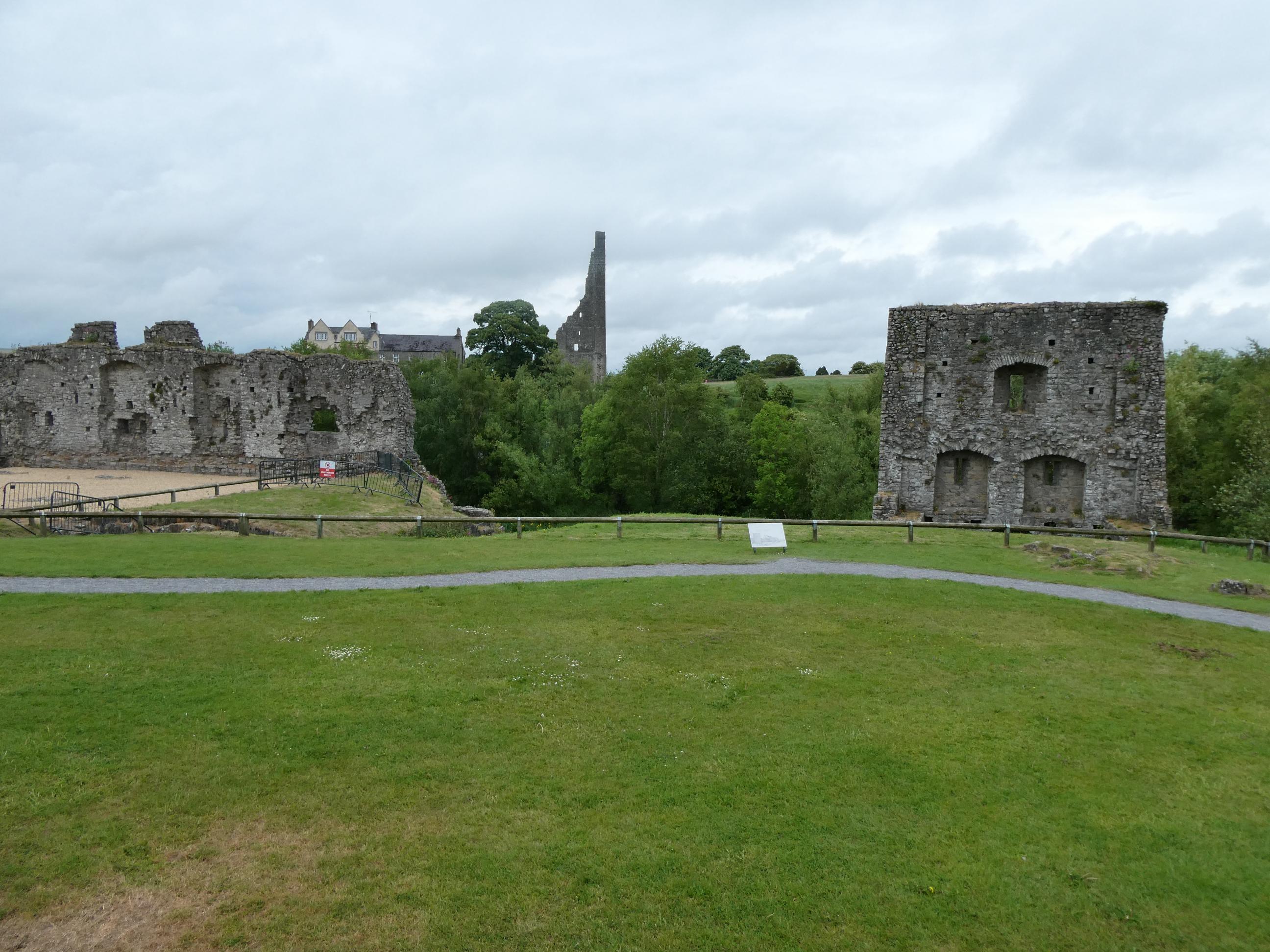
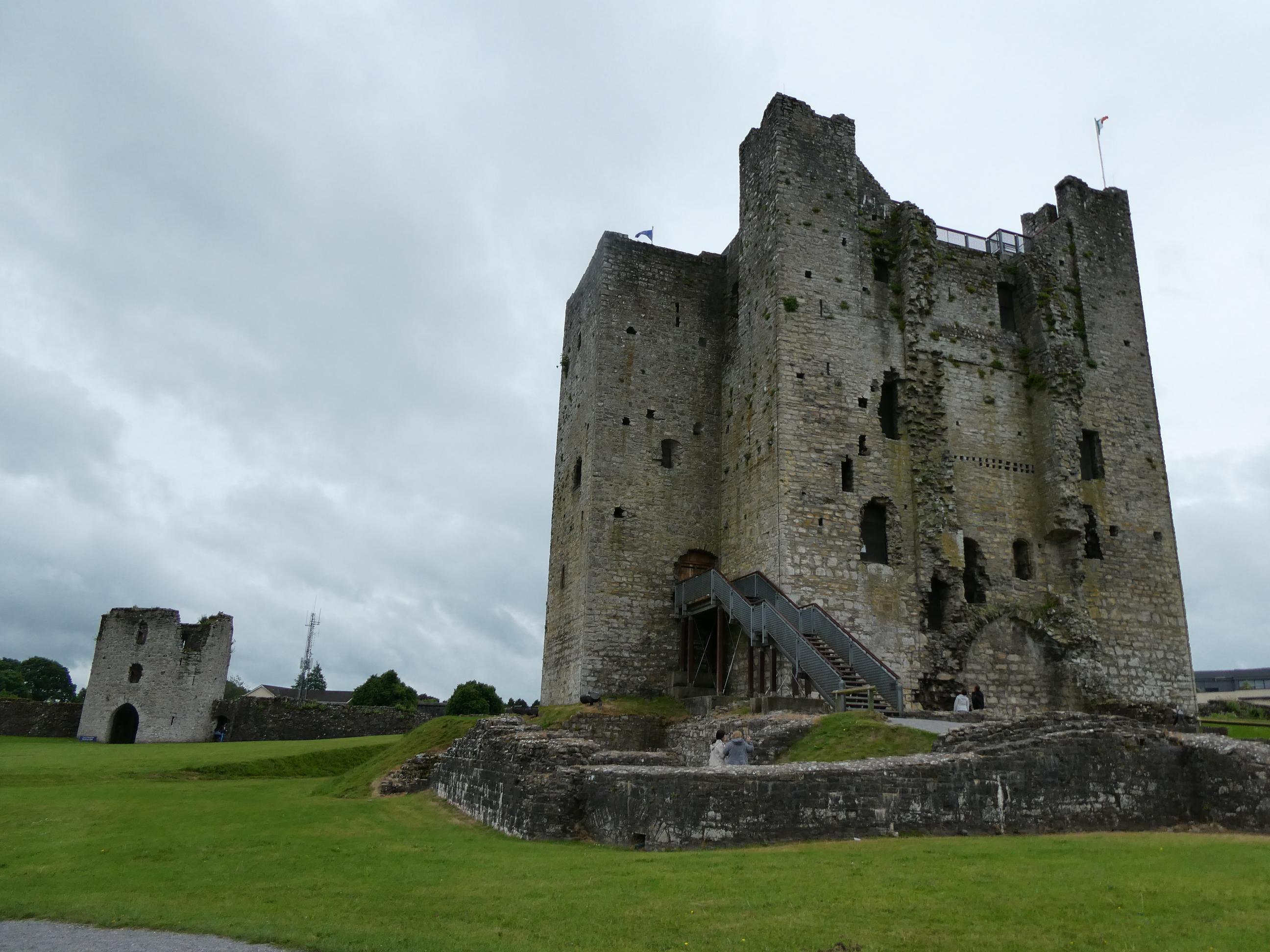
We stopped for an even shorter time at the next place, Trim Castle. The road there had taken us over thirty km in a south-easterly direction – essentially we had to drive away from our final destination, Belfast, in order to reach it. The castle was situated right in the heart of the shopping district of a town called Trim. Much of it now appears either ruined or has disappeared, but some parts still remain, like the massive castle keep, which towered high above our heads. We didn’t have time to stay for the guided tour, and it was getting quite chilly, so we turned the car around and began the long drive to Belfast. Soon it began to rain heavily. When we got out onto the M1 freeway, the rain was so heavy that we could barely see the cars in front of us. Rod handled driving in those difficult conditions really well, like he always does. We took a couple of hours to get to Belfast, and it rained non-stop the whole way. We weren’t quite sure what to expect when we passed from Ireland into Northern Ireland, which is part of the United Kingdom and used the British pound as currency (Ireland, by contrast, is part of the European Union and used the euro as currency). We had our passports ready in case we had to go through some form of immigration control. That wasn’t necessary. The only thing that happened once we passed the sign welcoming us to Northern Ireland, was that the Google Map app we were using for navigation suddenly switched from kilometres to miles. So, for the next few days, we’re back in the UK, spending pounds, travelling miles and obeying British laws. Simple! (I hope).


 On The Road With Garry
Sounds amazing Garry. Pictures are so beautiful.
LikeLiked by 1 person