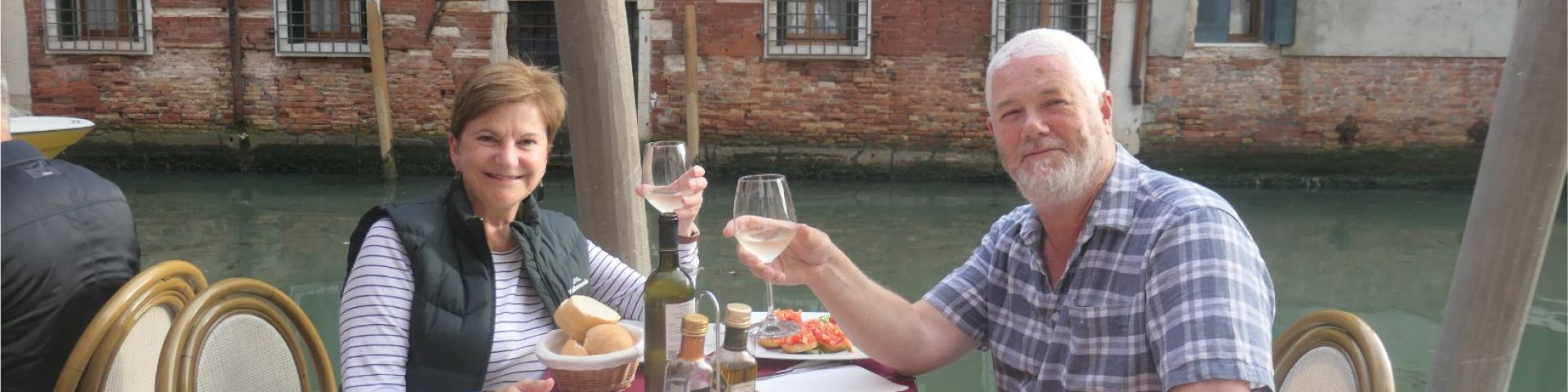
This morning we had breakfast with Rod and Cornelia before they flew out to London. Marg and I are staying on in Singapore for one more day because we’ve never been here before and we’d like to see a little more of it. Tomorrow we’re leaving for London, where we’ll join up with them again and finish the rest of our travels as a group of four.
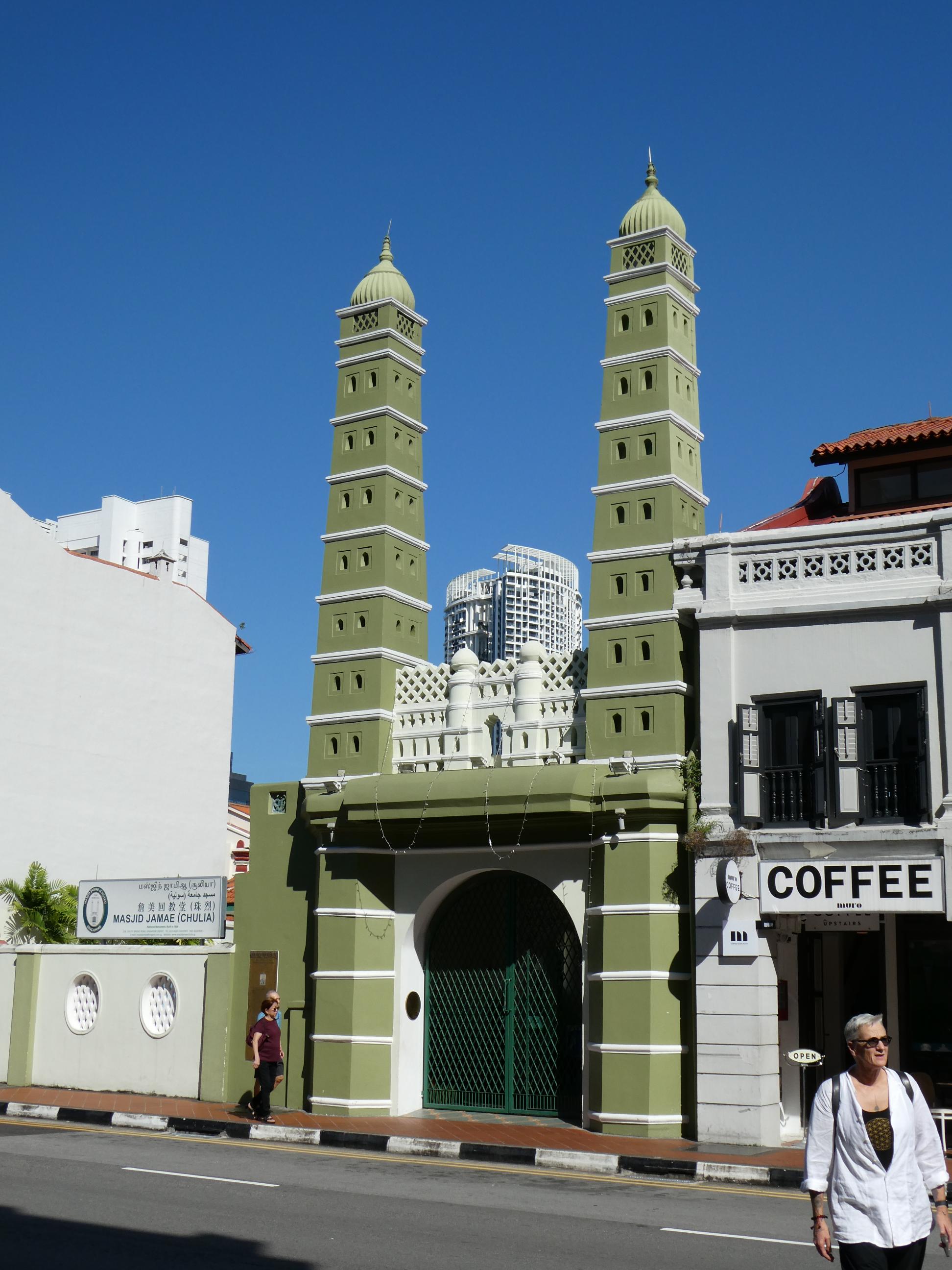
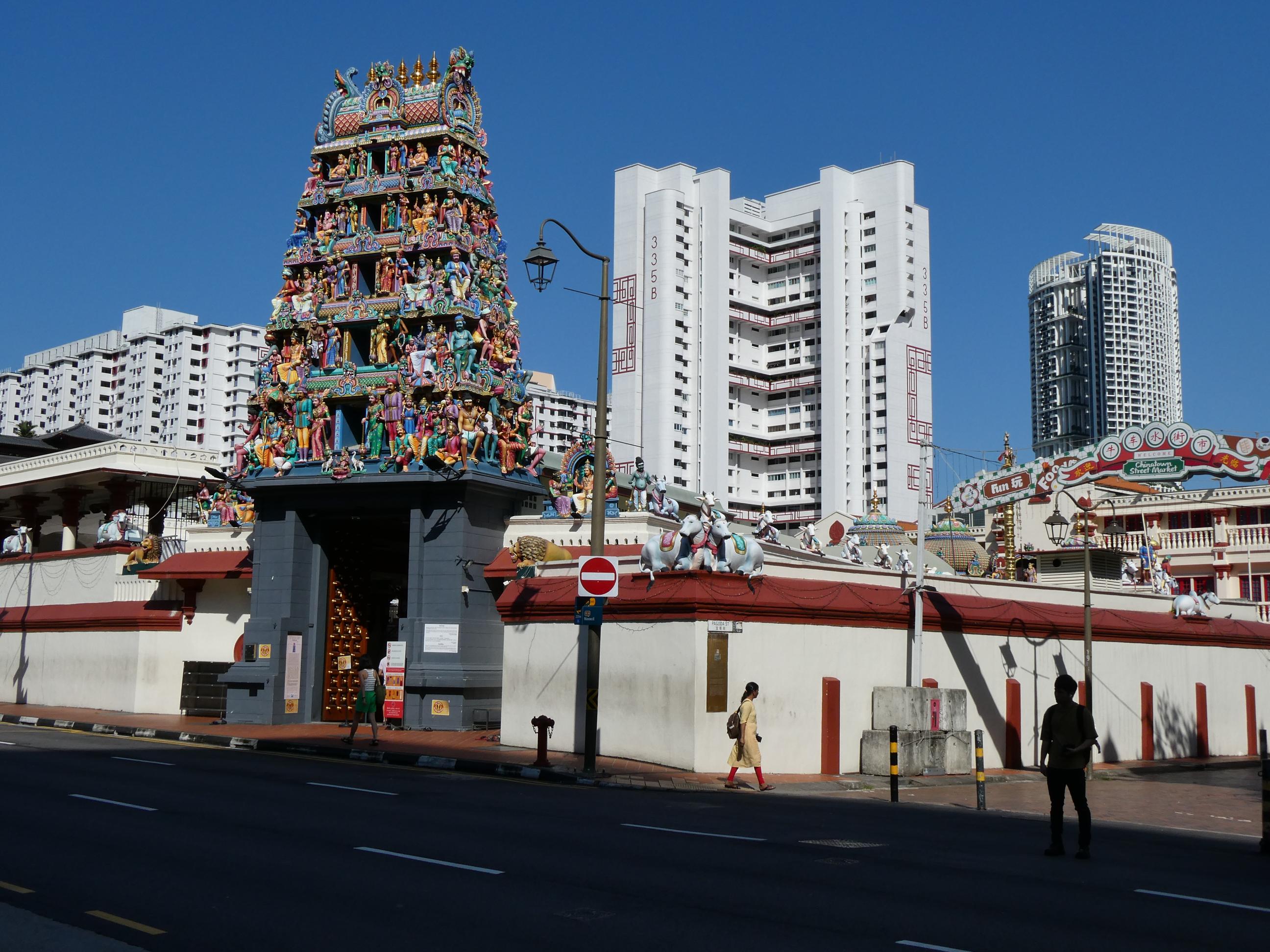
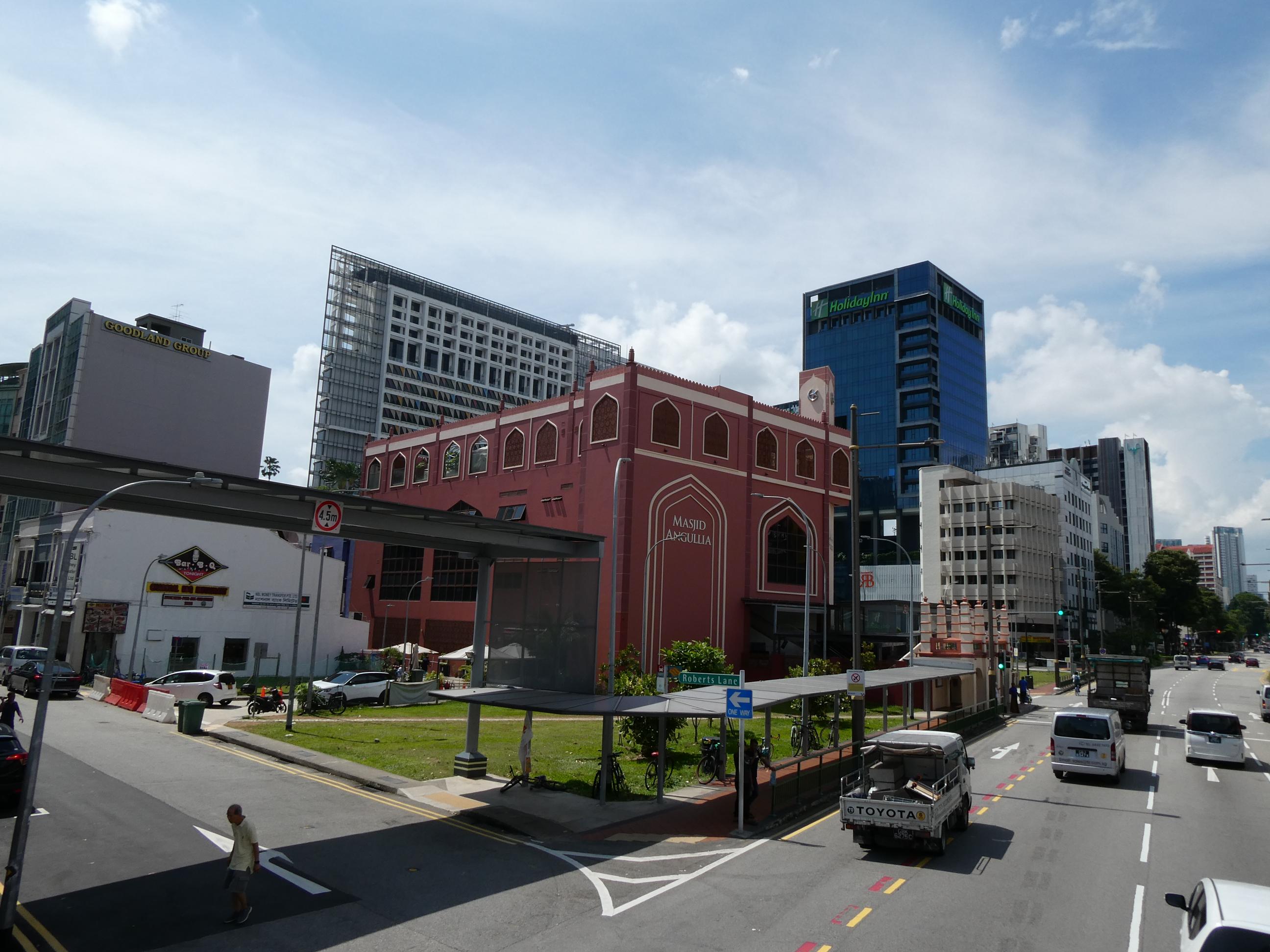
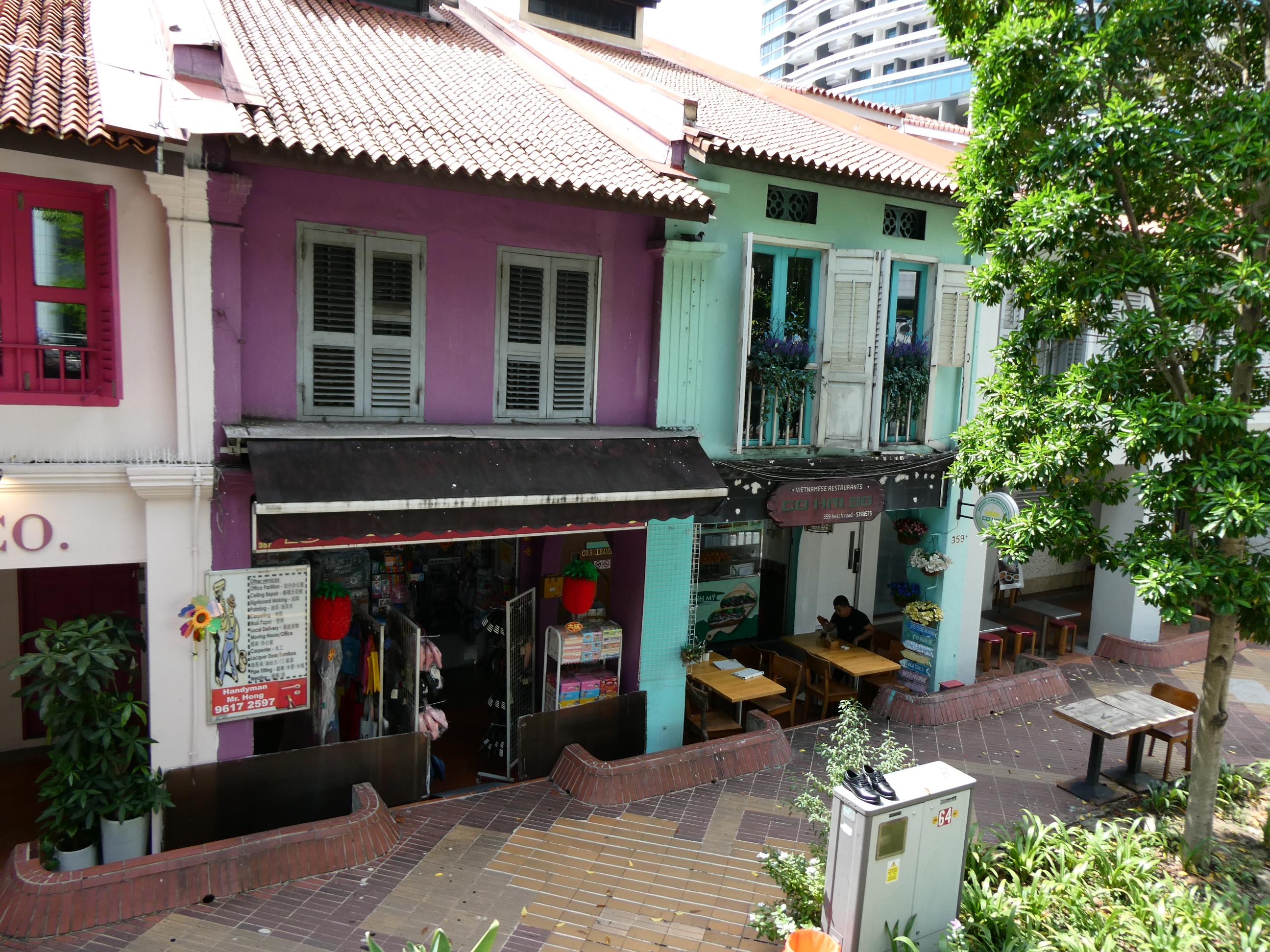
Today we had tickets for the hop-on, hop-off bus. There are two tours available. The red line tour includes places like Chinatown and Little India, where cultural influences of Singapore’s early settlers still exist, and the yellow line tour which takes in the famous shopping precinct along Orchard Road. We decided to do both tours. There was a bus stop only about 300 metres from our Chinatown hotel. On the short walk there, we passed an Islamic mosque and a Hindu temple, virtually on the same block. I imagine in the city’s early days this area must have been a remarkable melting pot of cultures, and it’s good to see these influences are still important here today.



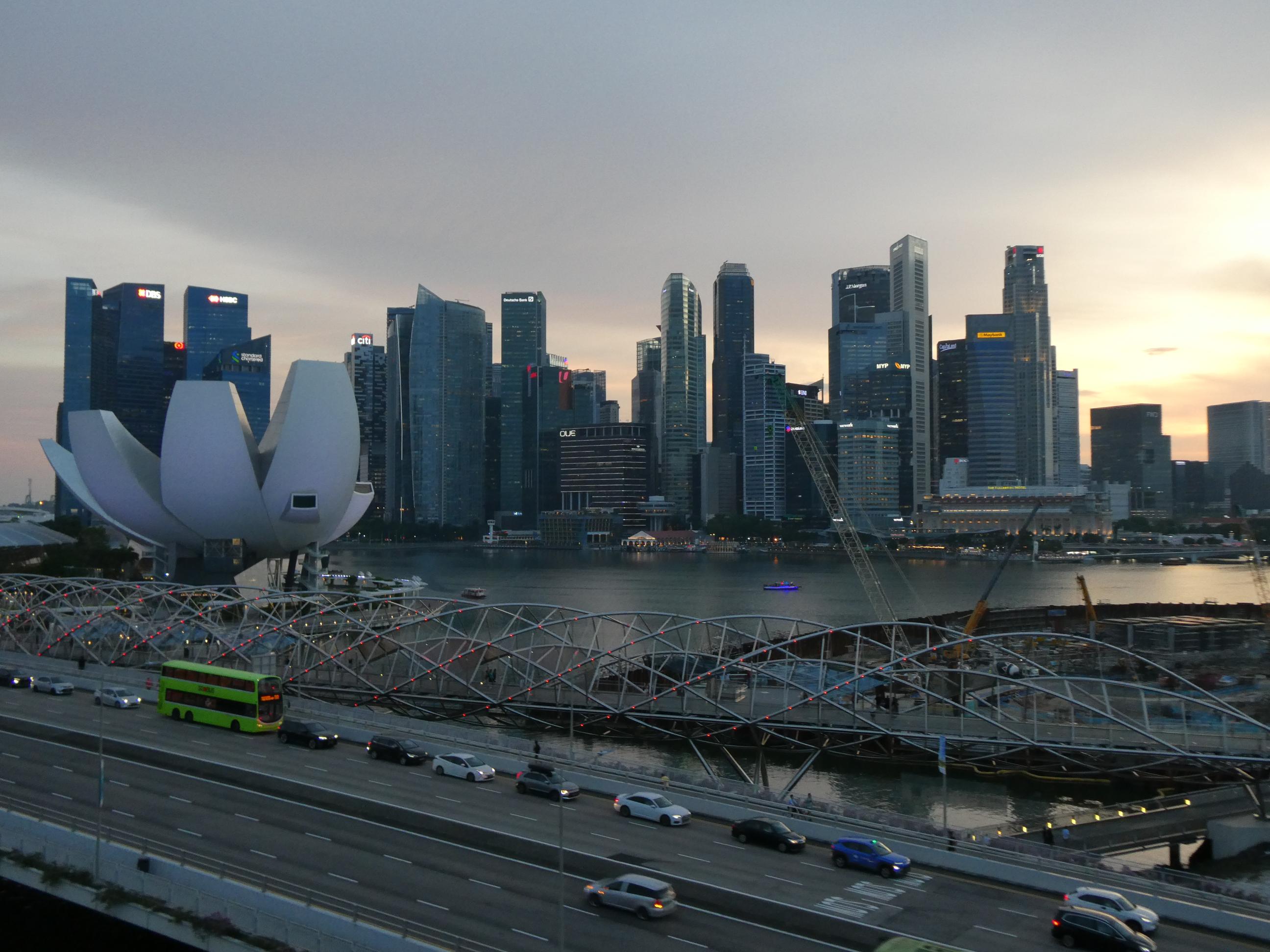
We hopped on midway through the red line route. Marg sensibly took a seat on the lower deck, but I went up top to get some photos. The sun was really strong up there, and all the shaded seats toward the back were already taken. And, to be honest, there wasn’t a lot to photograph. I loved all the greenery on some of the buildings, and I was impressed by the helix pattern of the new bridge which was inspired by the structure of human DNA, but I could feel myself cooking and needed some shade. When the bus pulled in to its terminus, Marg and I took the opportunity to switch to a yellow line bus. We thought we’d do its entire route until we were back at the terminus, then revert to the red line route and complete that circuit as the bus headed back to Chinatown.


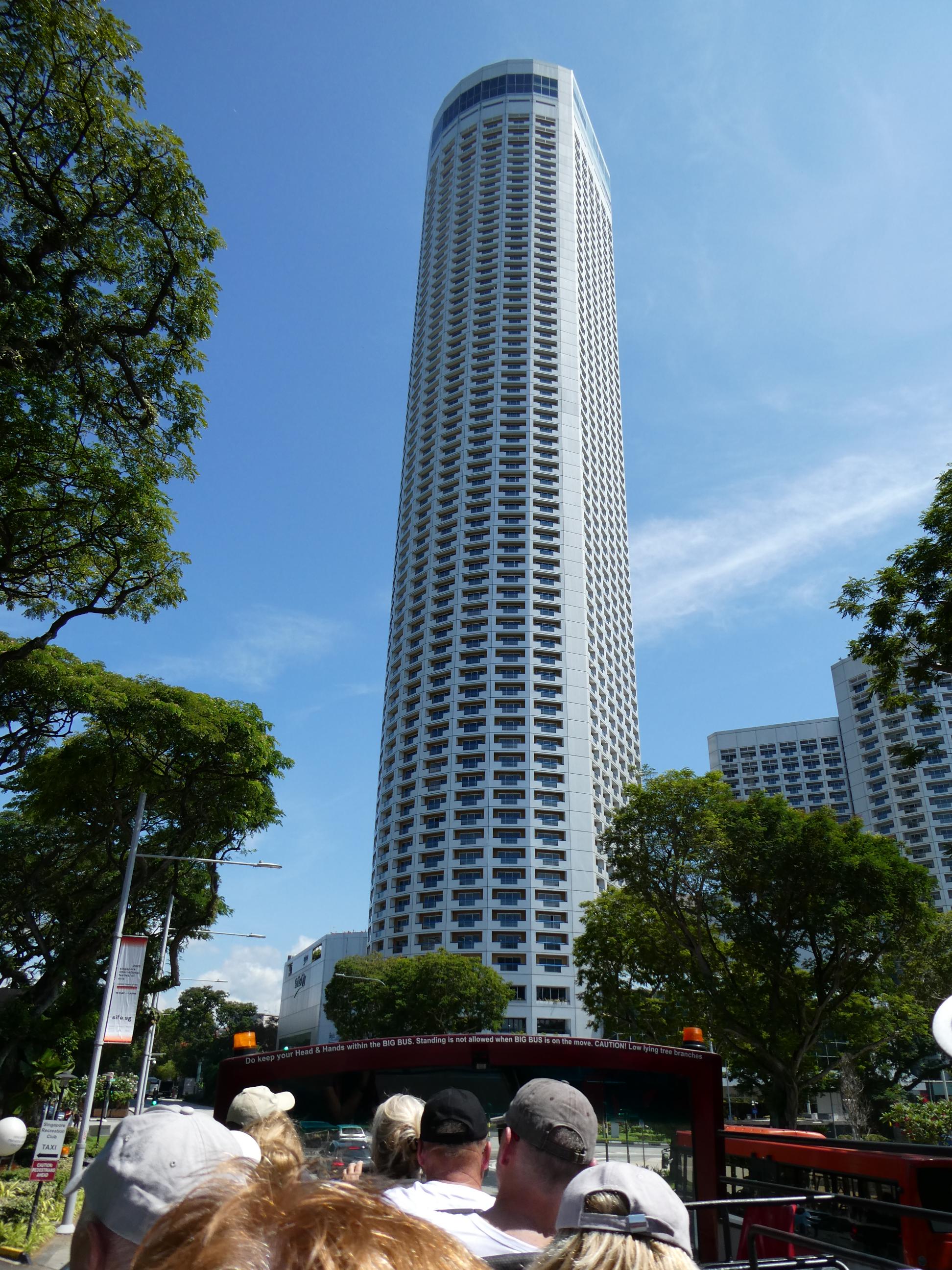
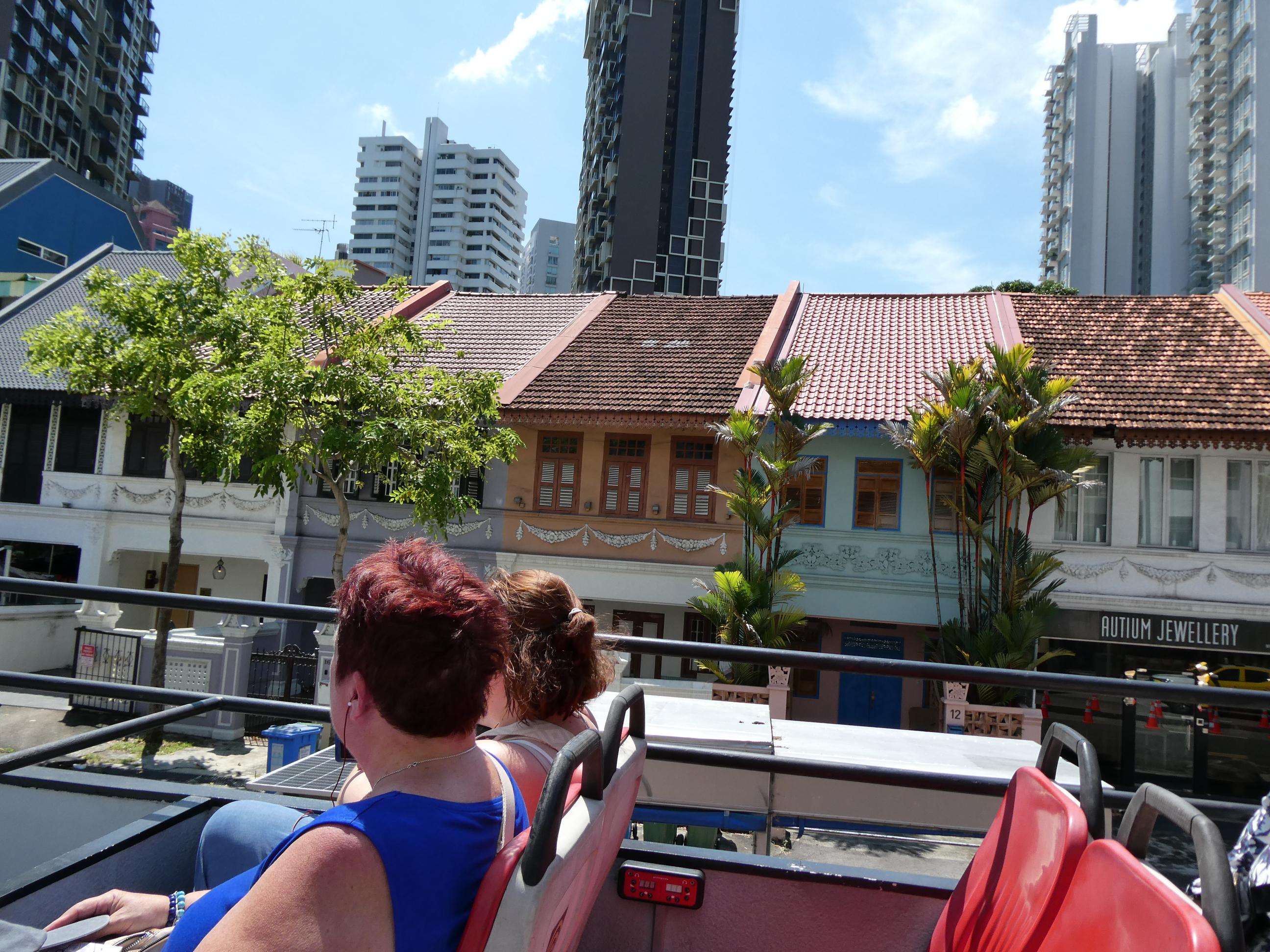
After a couple of stops on the yellow line route, I decided to go up top again to see if there was anything worth taking photos of. It was mostly more tall buildings and a few areas of parkland, but little more. The bus took a turn, and suddenly both sides of the bus were green and we were obviously travelling through some substantial gardens. We passed a sign for the National Orchid Garden up ahead. I hadn’t really checked the bus tour website’s route map earlier, so I hadn’t realised it would be on our tour. But it sounded very appealing, so I came down to the lower deck and suggested to Marg that this might be a good place to get off.
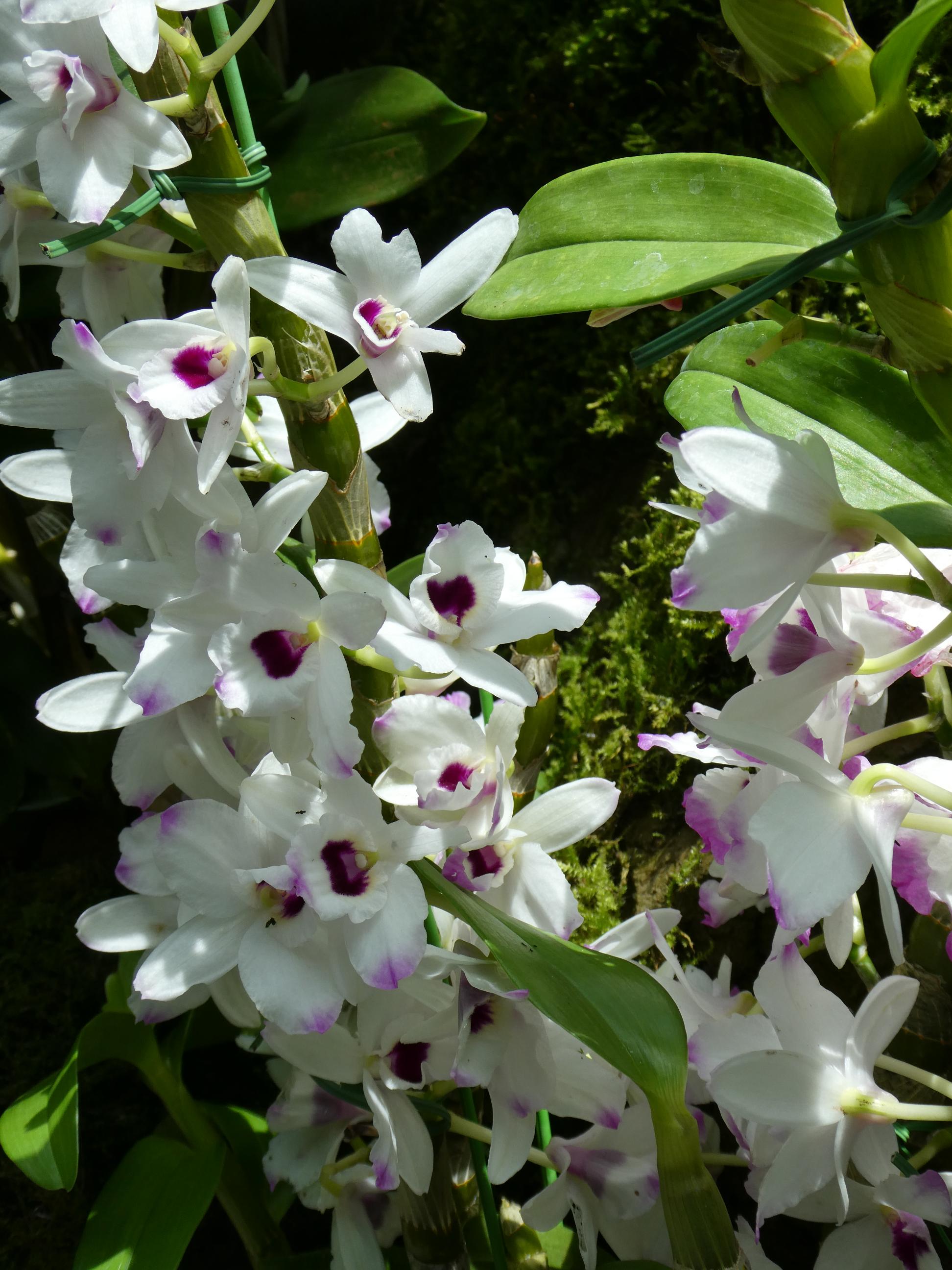
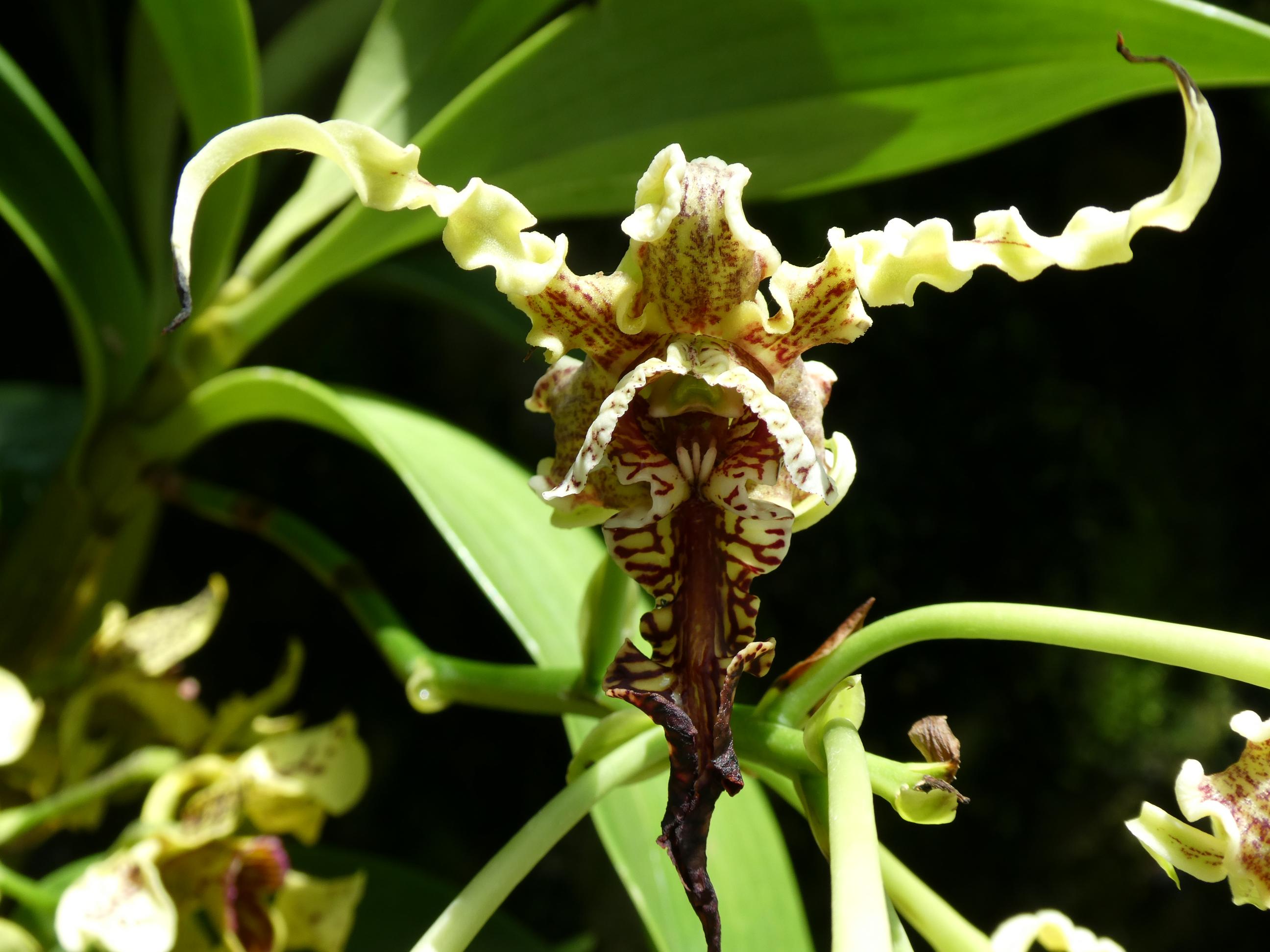
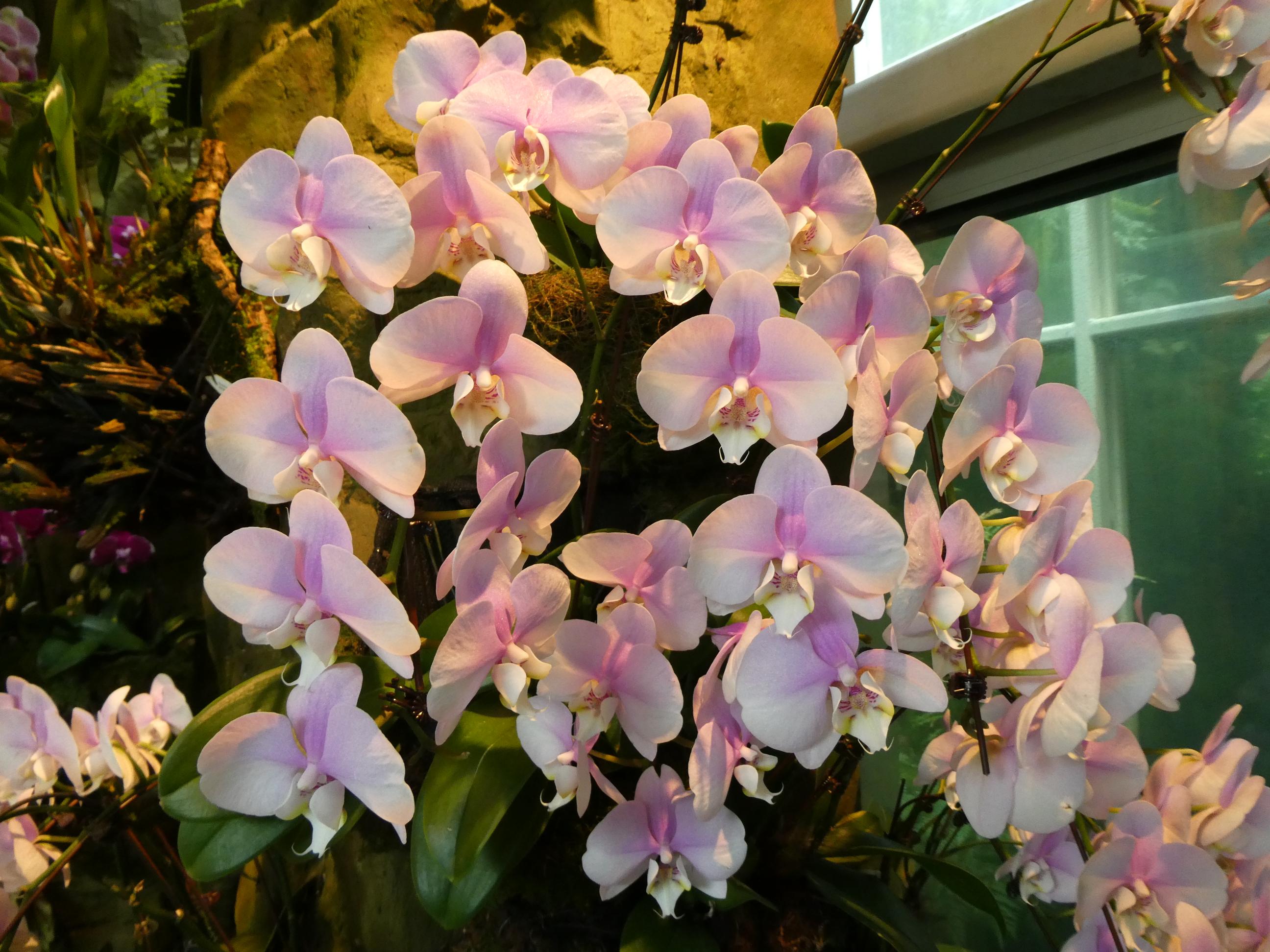
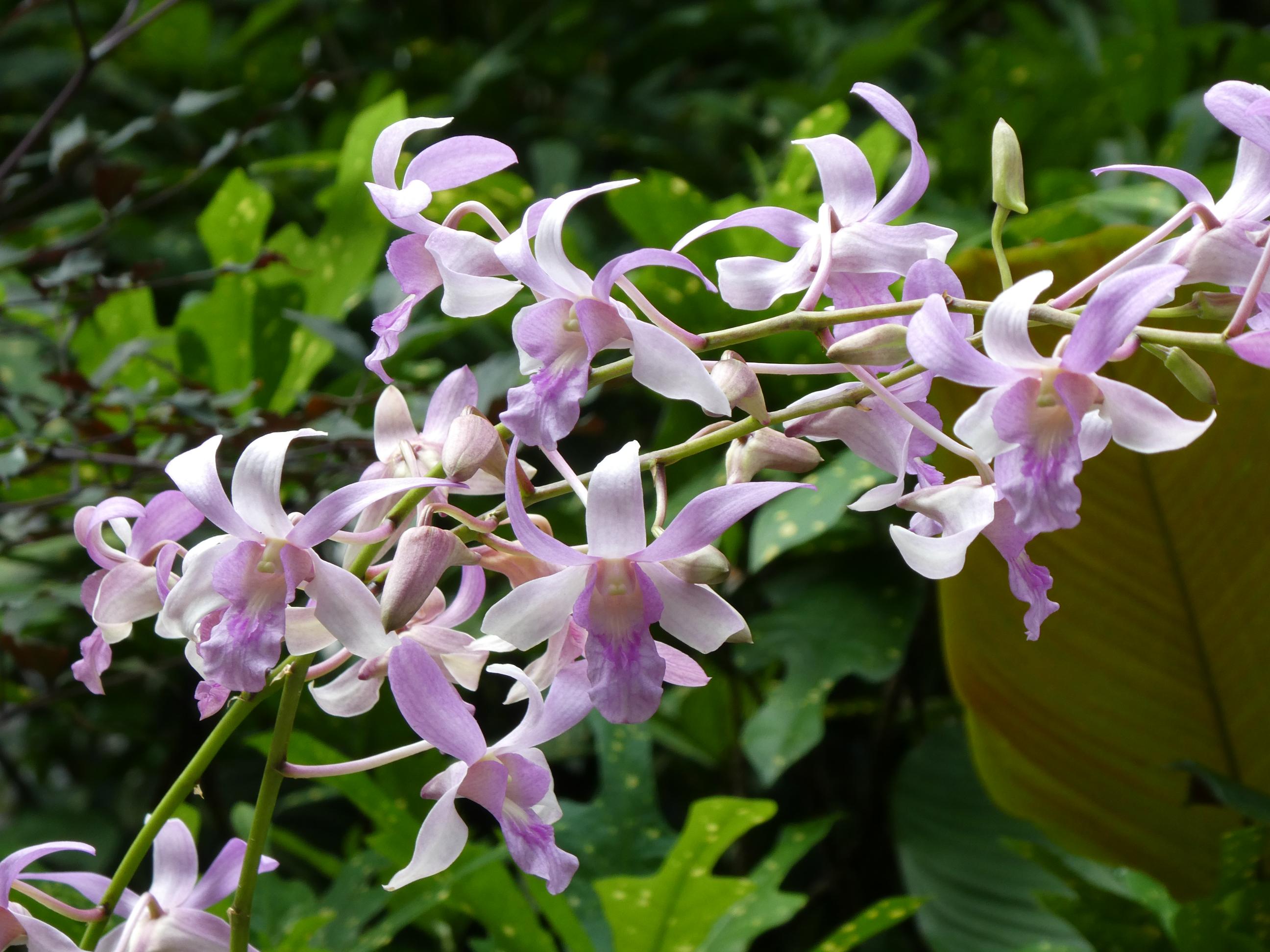
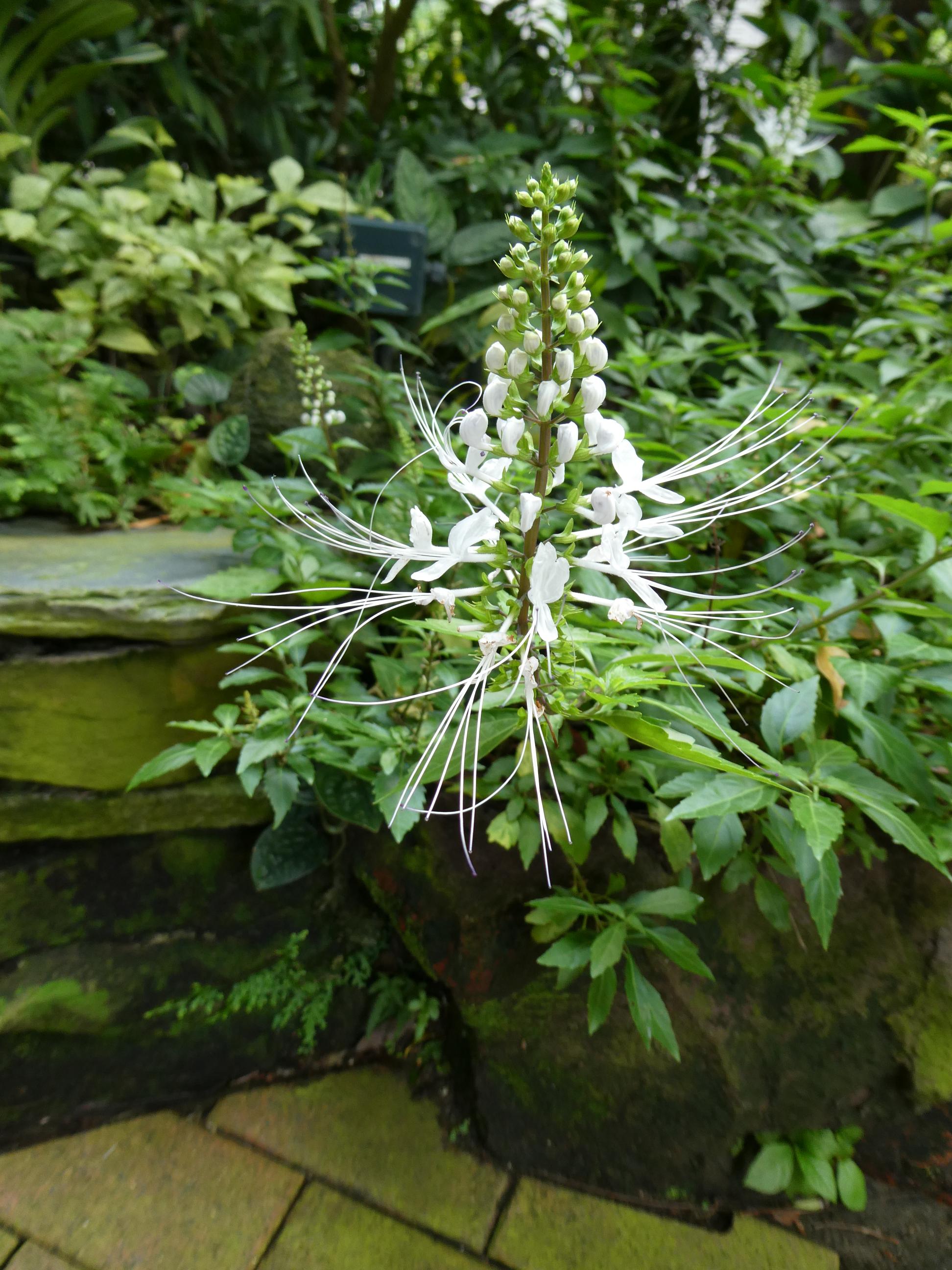
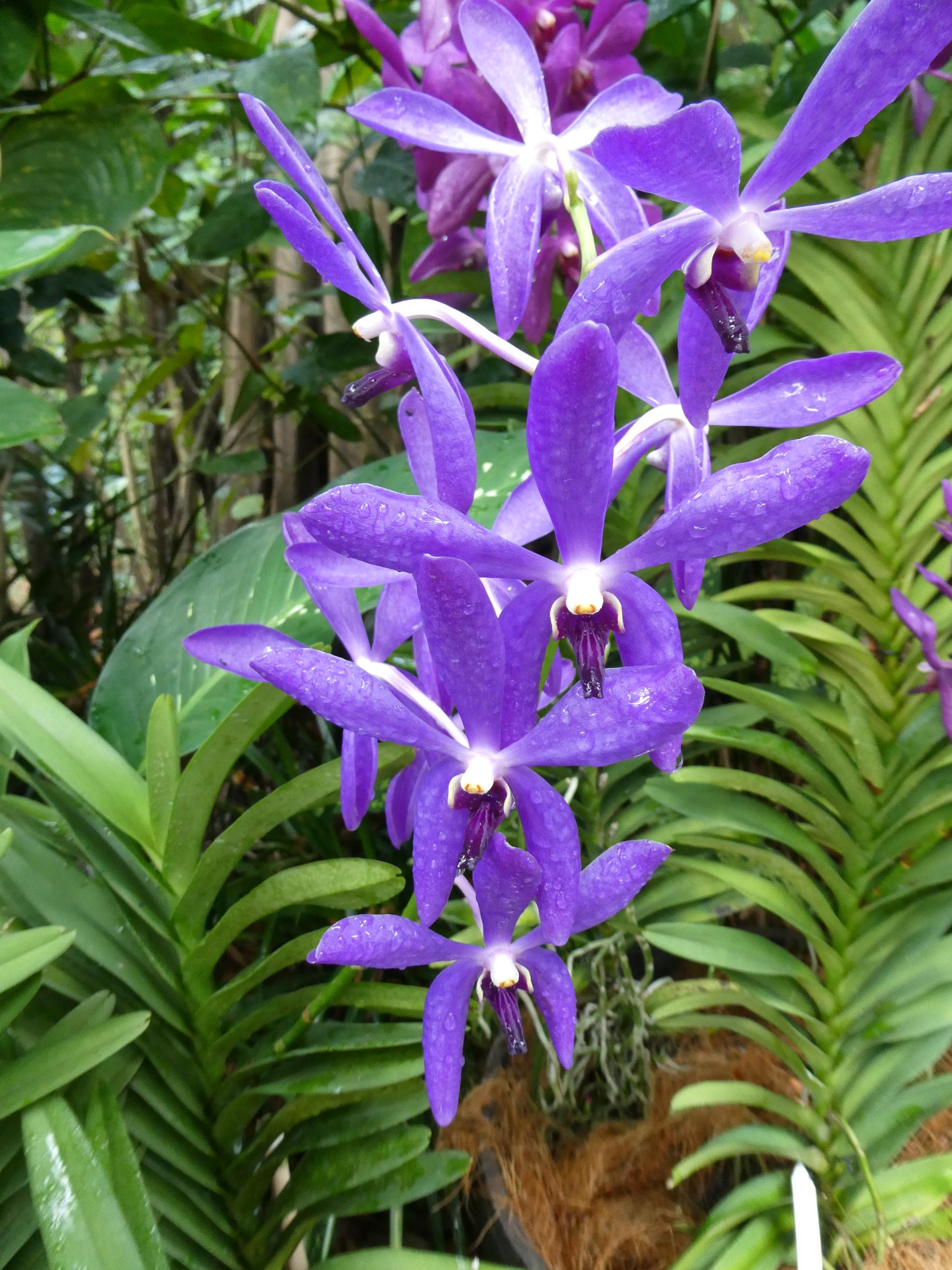
We found a great place for lunch and a cool drink, then we paid our S$3 entry fee (probably the best bargain we’ll come across until we get to London’s free museums) and entered the orchid garden. By contrast with yesterday’s visit to the Flower Dome at Gardens by the Bay, most of the orchid garden is in the open air, though there are one or two enclosed environments where cooler climate plants are on display. Clearly, orchids were the featured plants here, much to Marg’s delight, as those of you who’ve seen our garden at the rear of the house know she has about seventy-five different orchids growing out there, featuring a range of different colours, shapes and flowering seasons. She’ll often prune off a spike or two when an orchid is in bloom and place them in a vase in the family room. Almost as soon as we entered the orchid garden, Marg started pointing out ones that she knew and telling me about them.


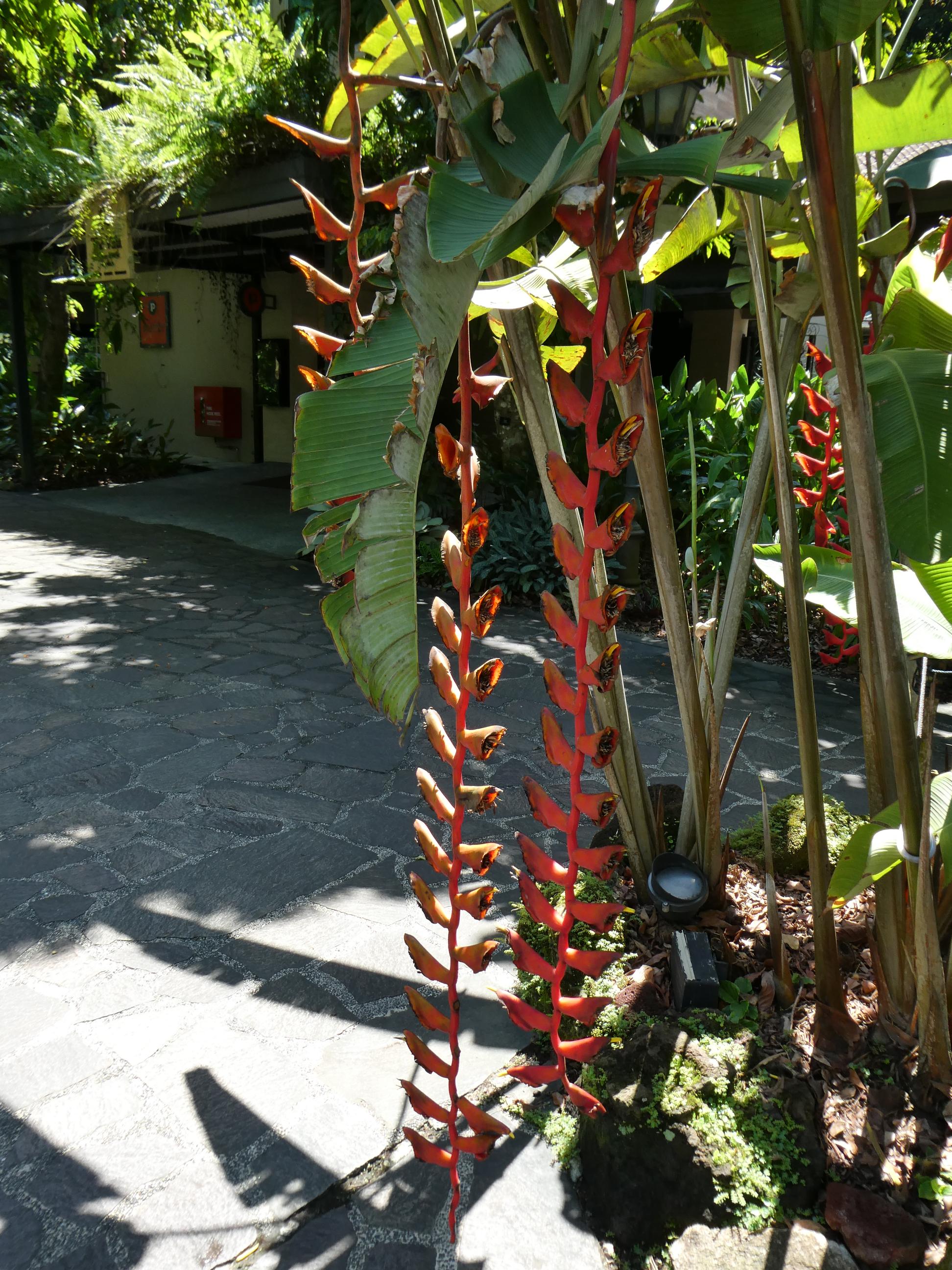

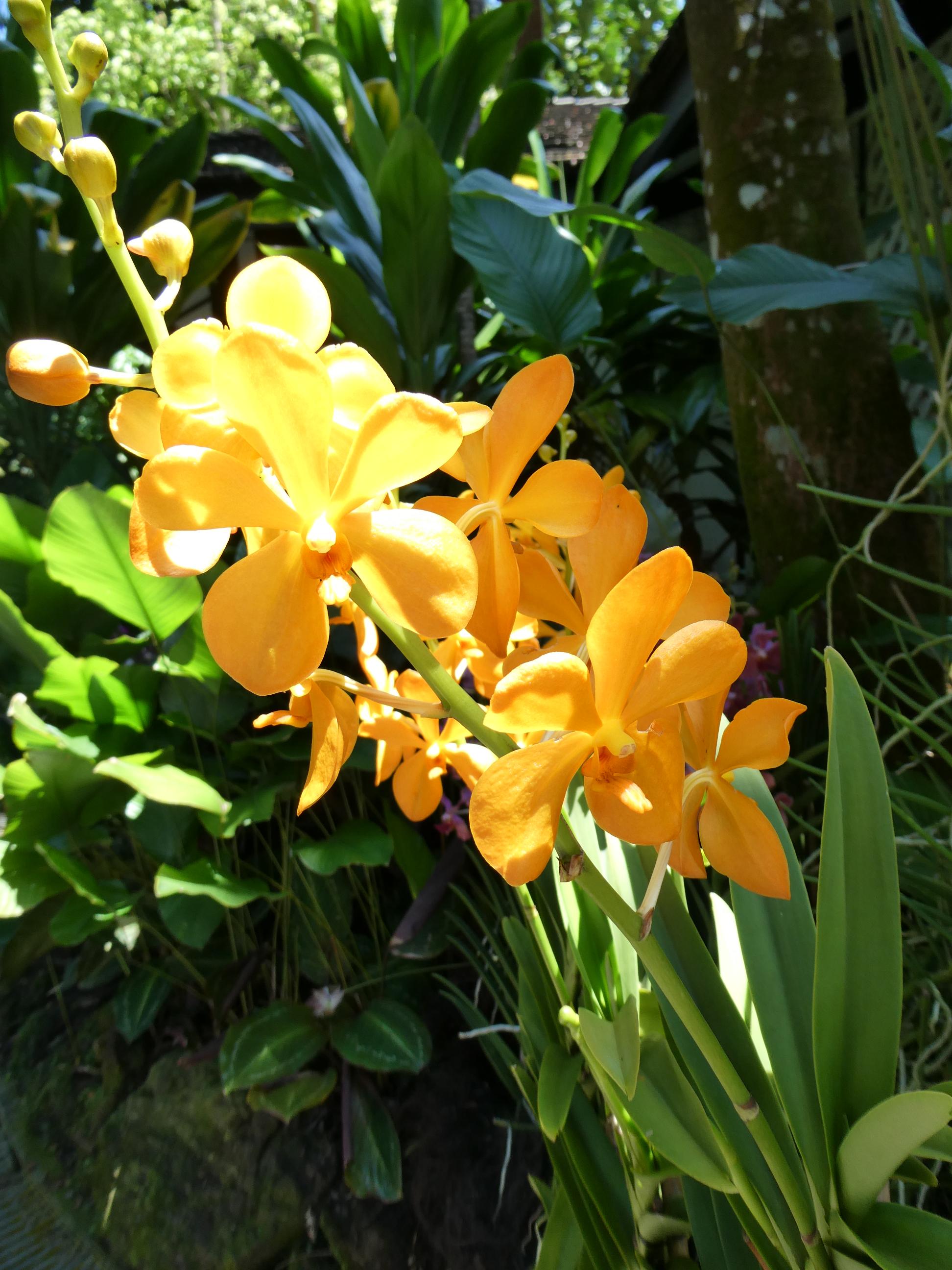
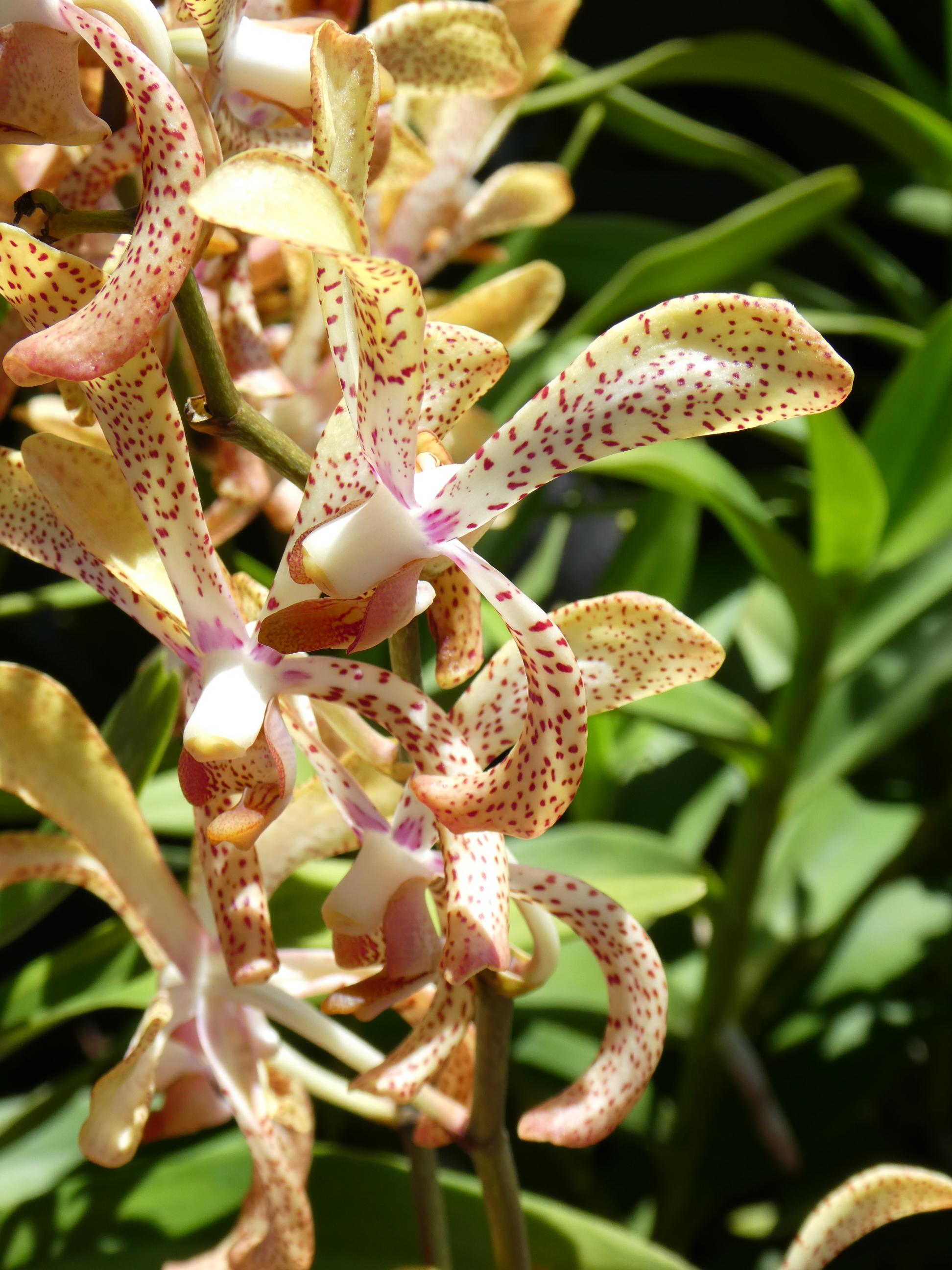
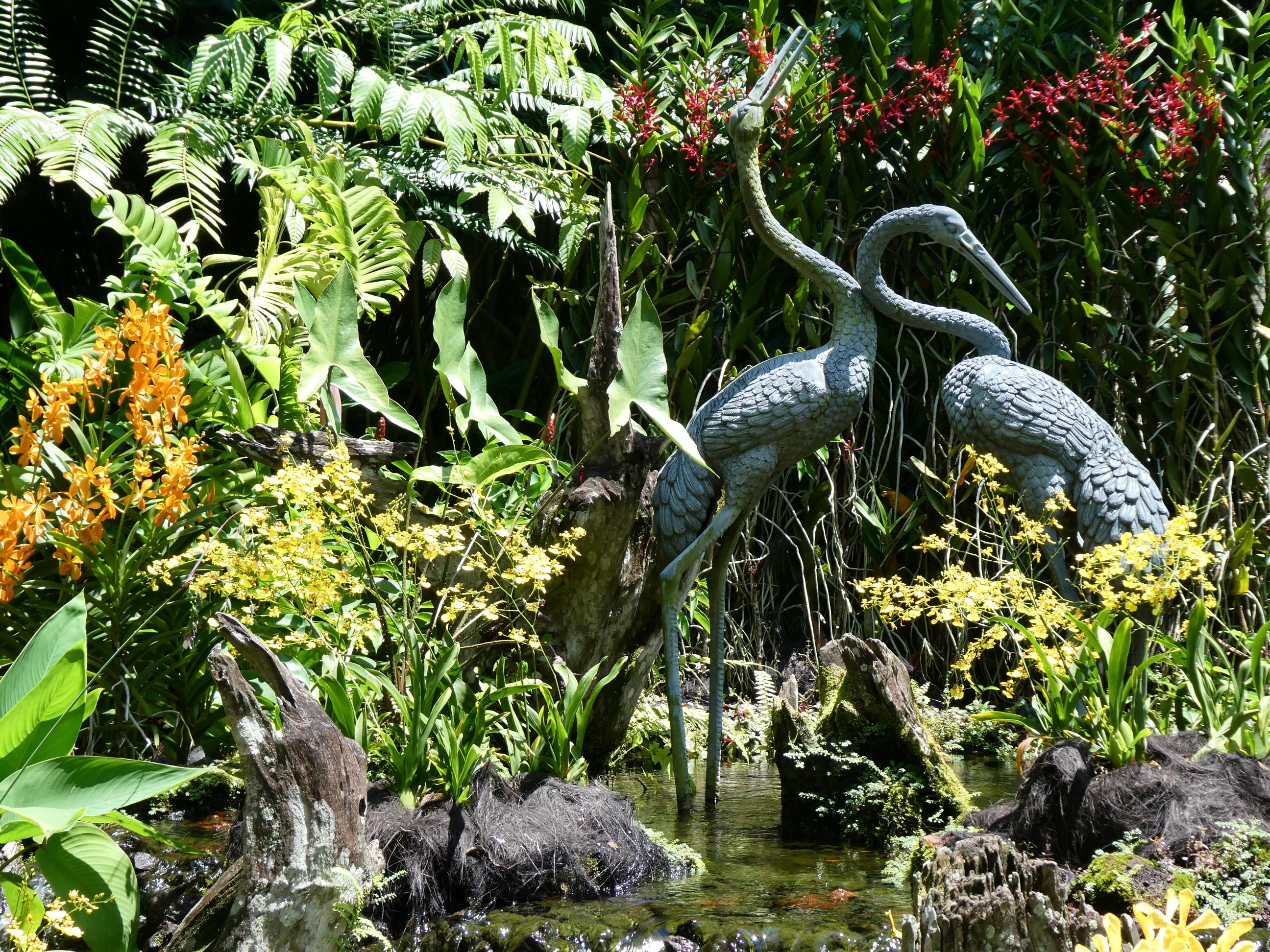
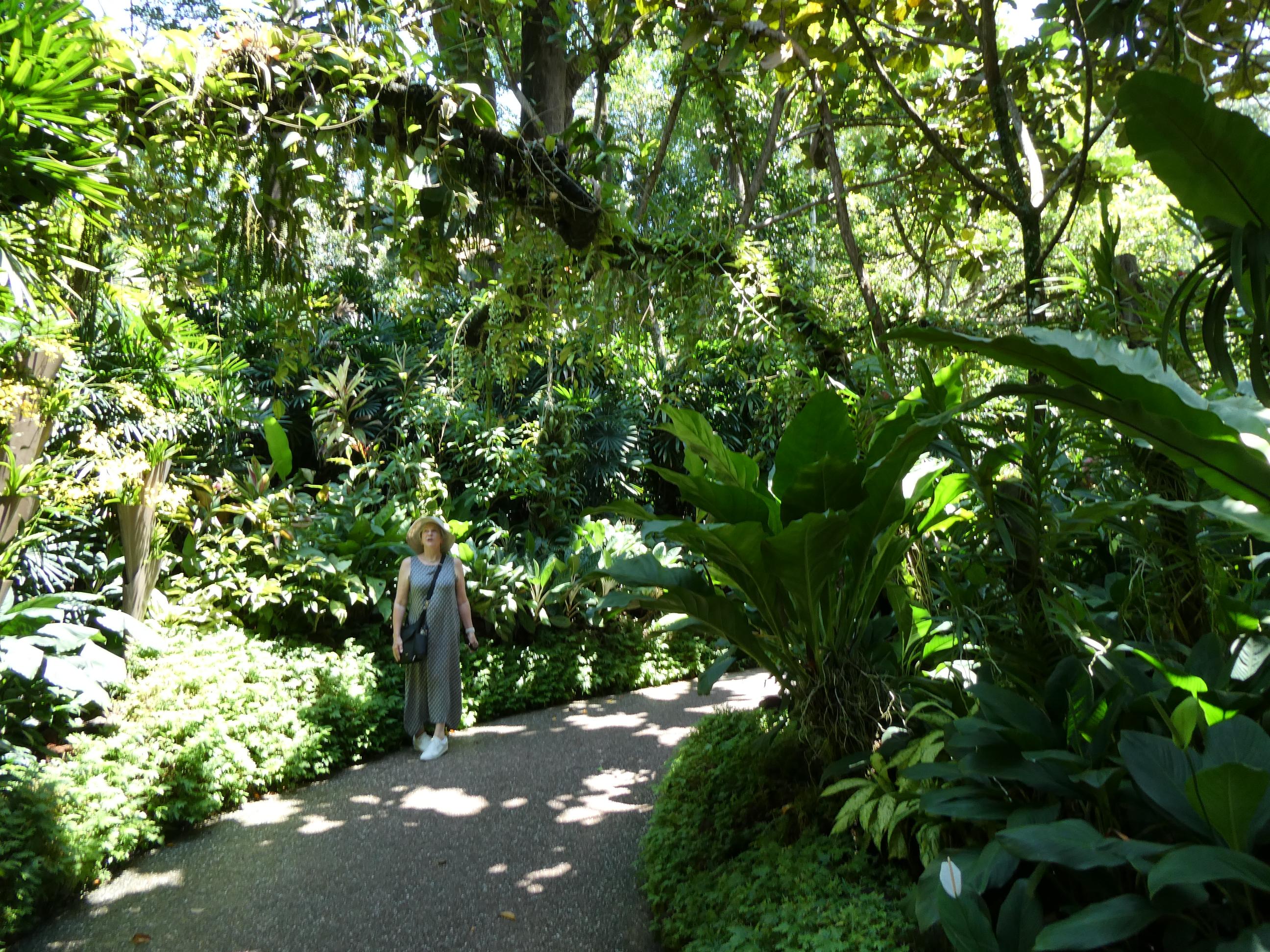


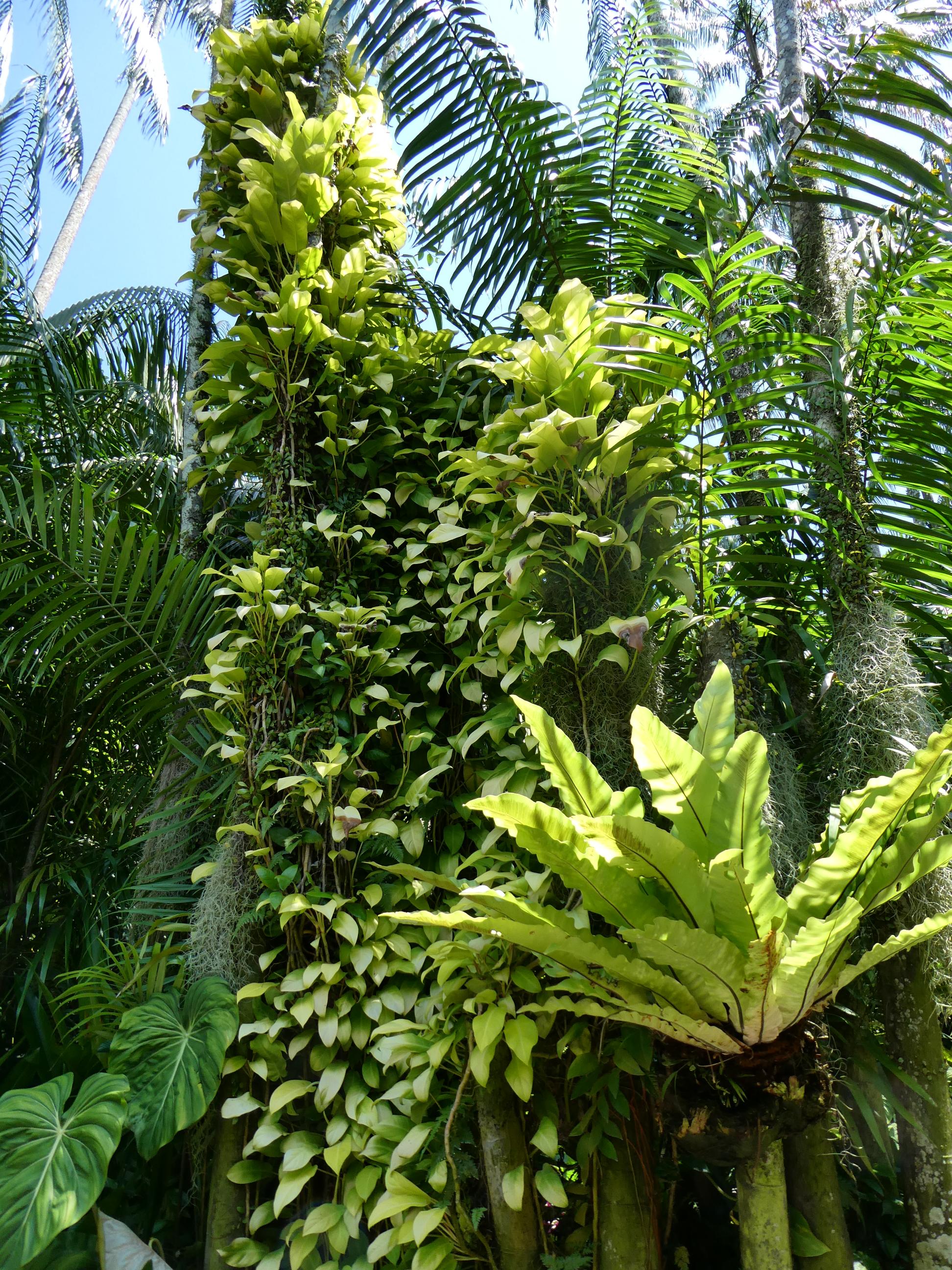
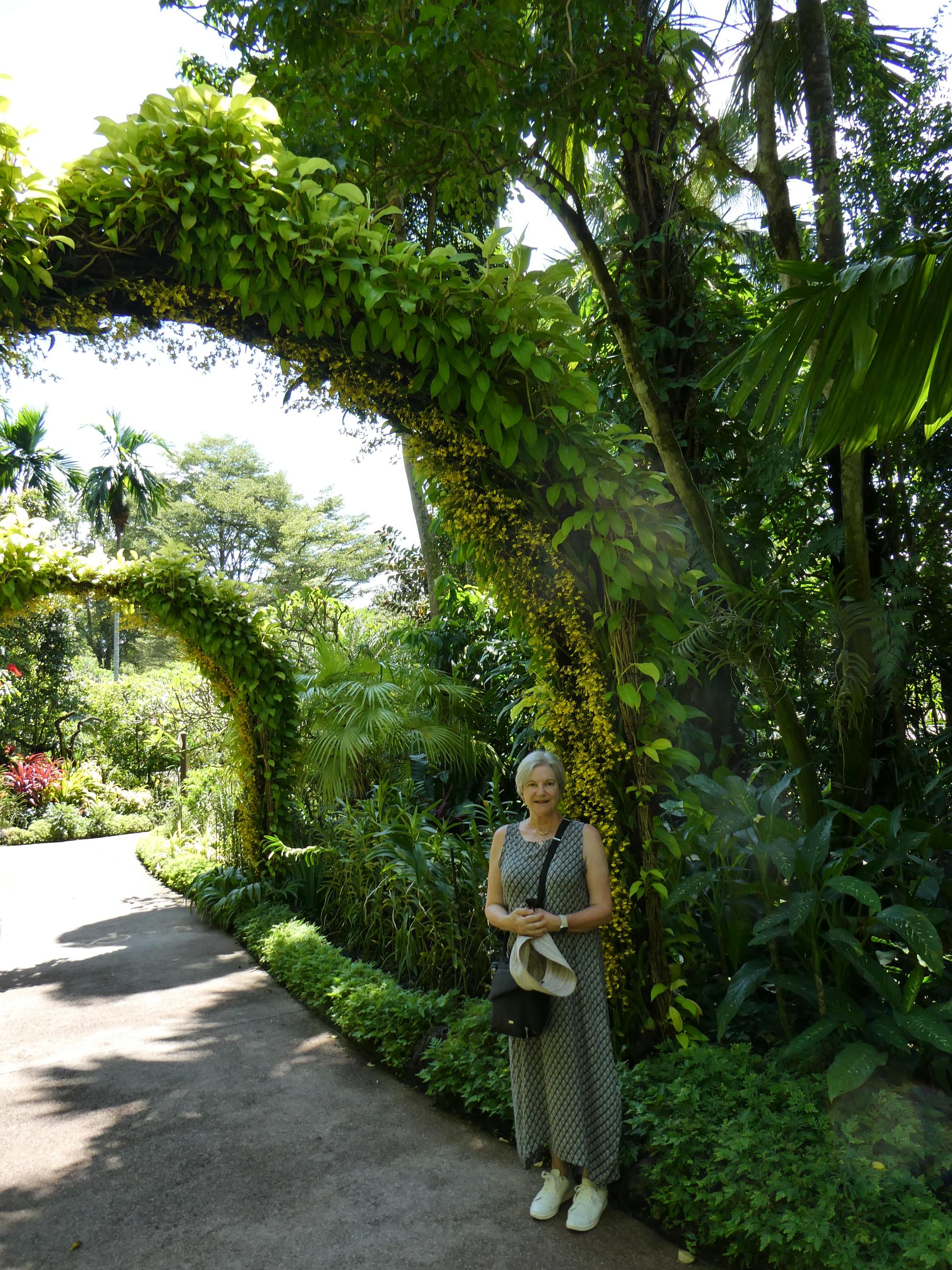
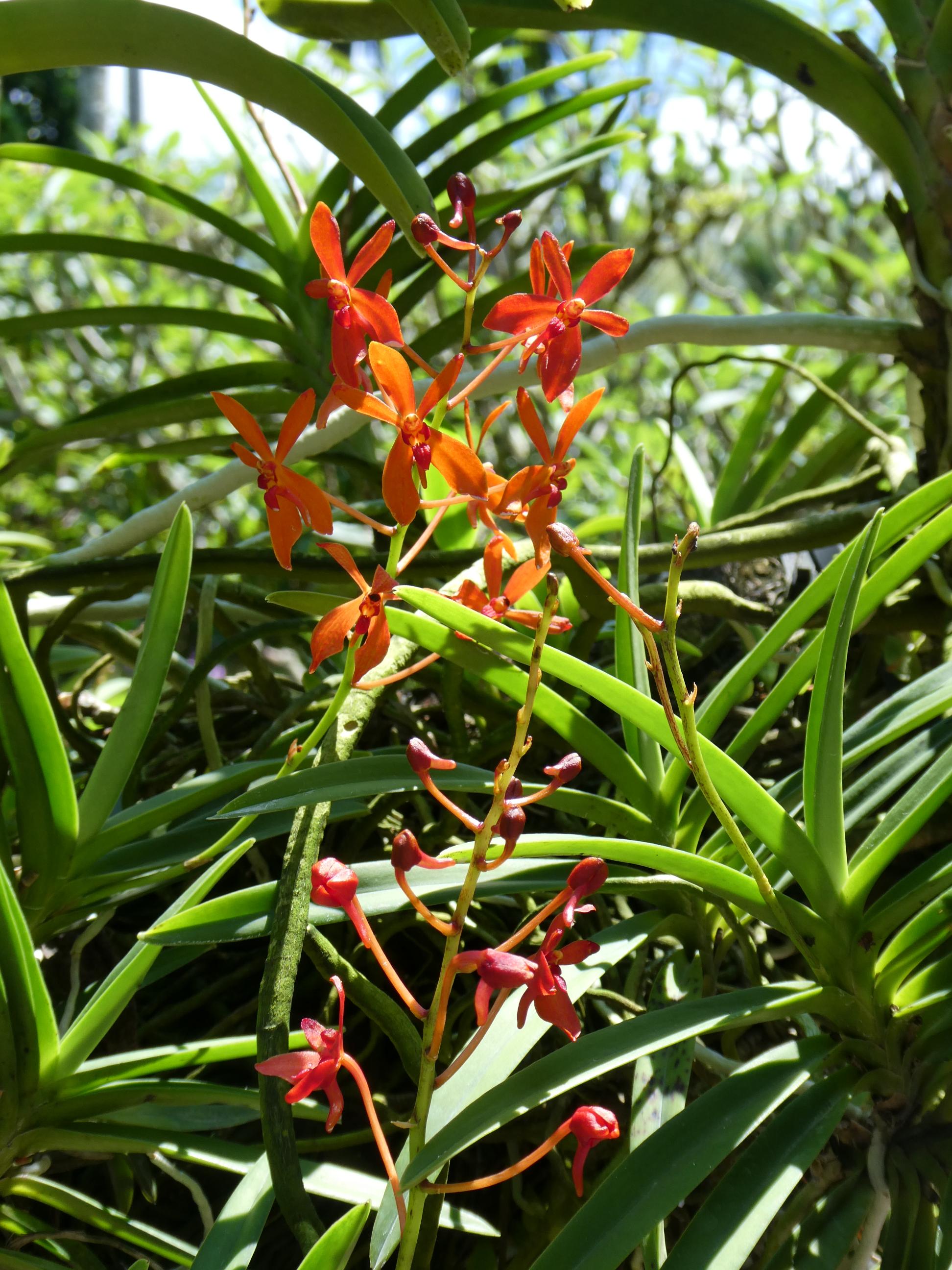


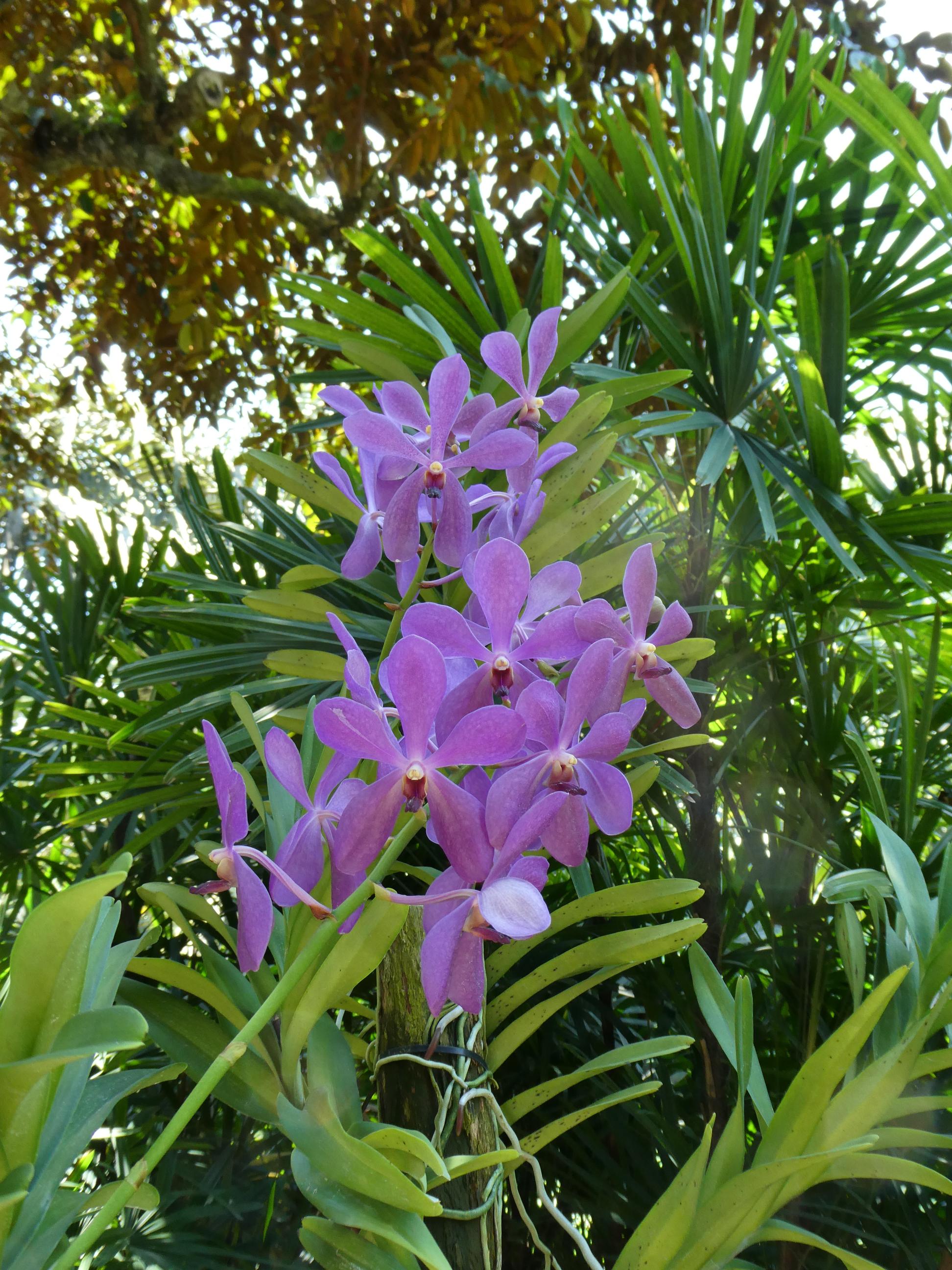

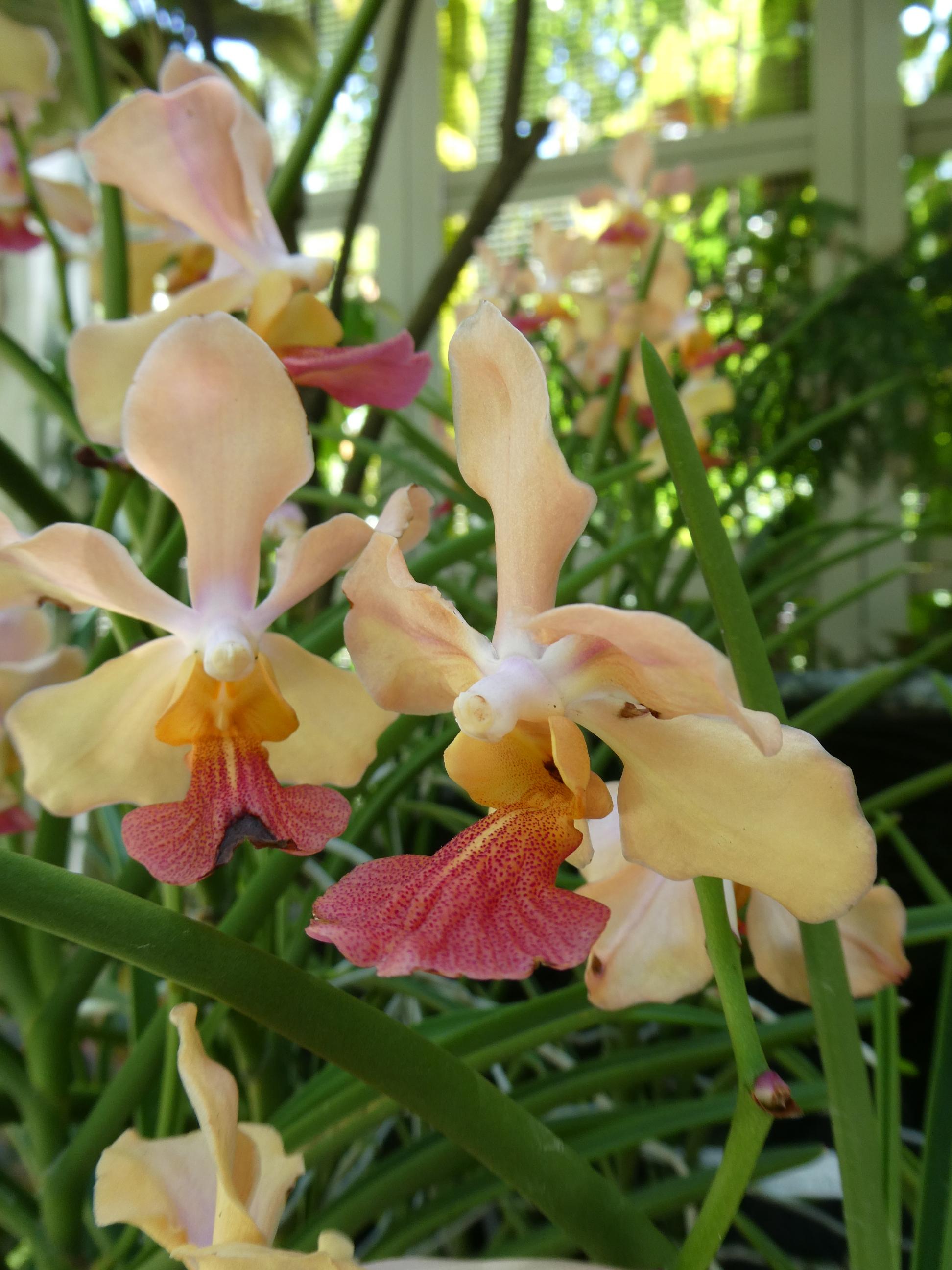
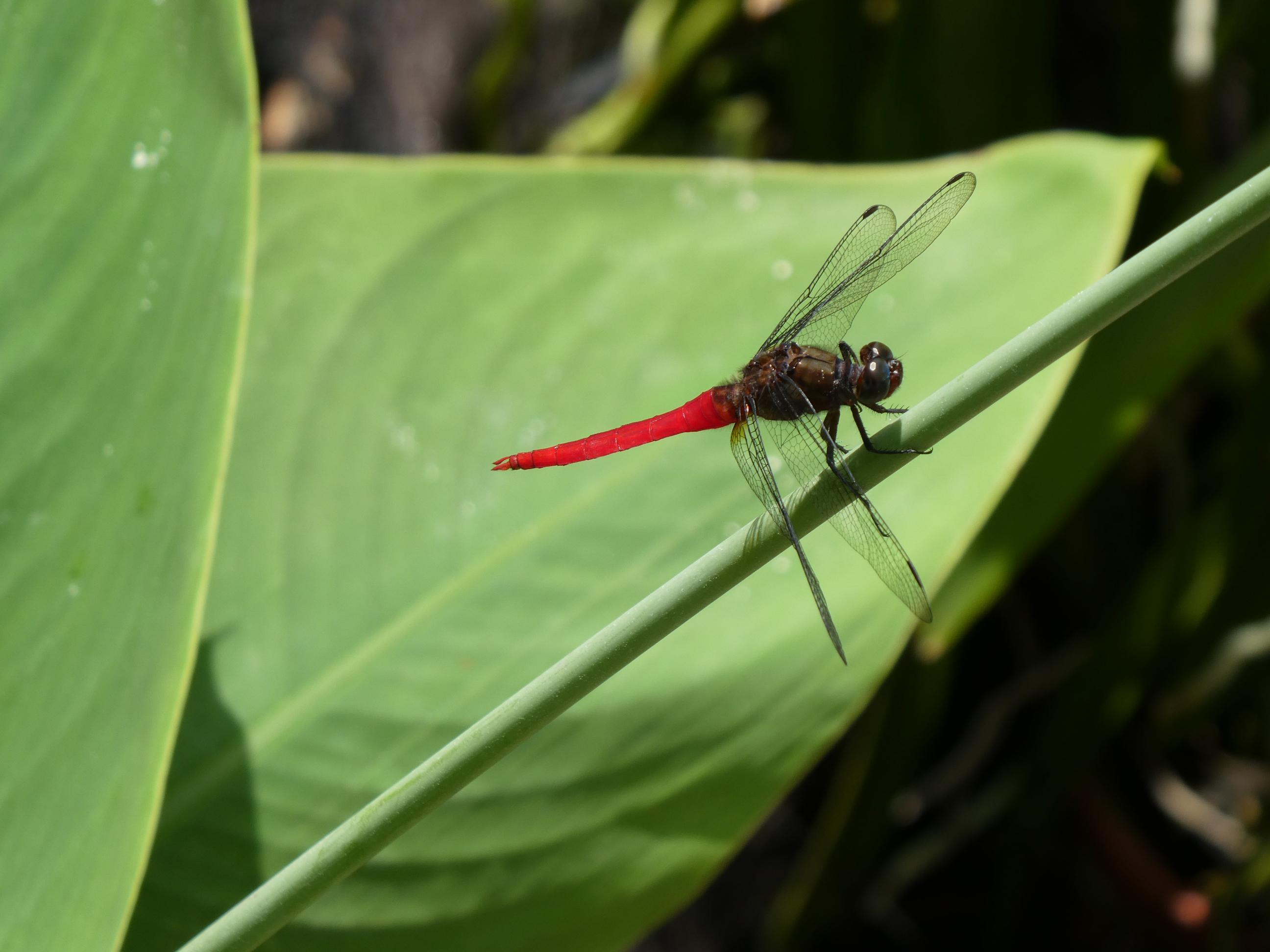
As with the Flower Dome yesterday, we were free to take meandering paths through the garden rather than follow a designated route. When a very large tour group headed our way, we quickly found a much quieter path to follow. The vegetation was lush. Most plants here must thrive on Singapore’s tropical climate, with its bountiful sunlight and regular rainfall. We saw every kind of orchid imaginable, as well as ferns, palms, bromeliads, begonias, carnivorous plants, mosses and many, many others. Every imaginable shape and colour was on display.

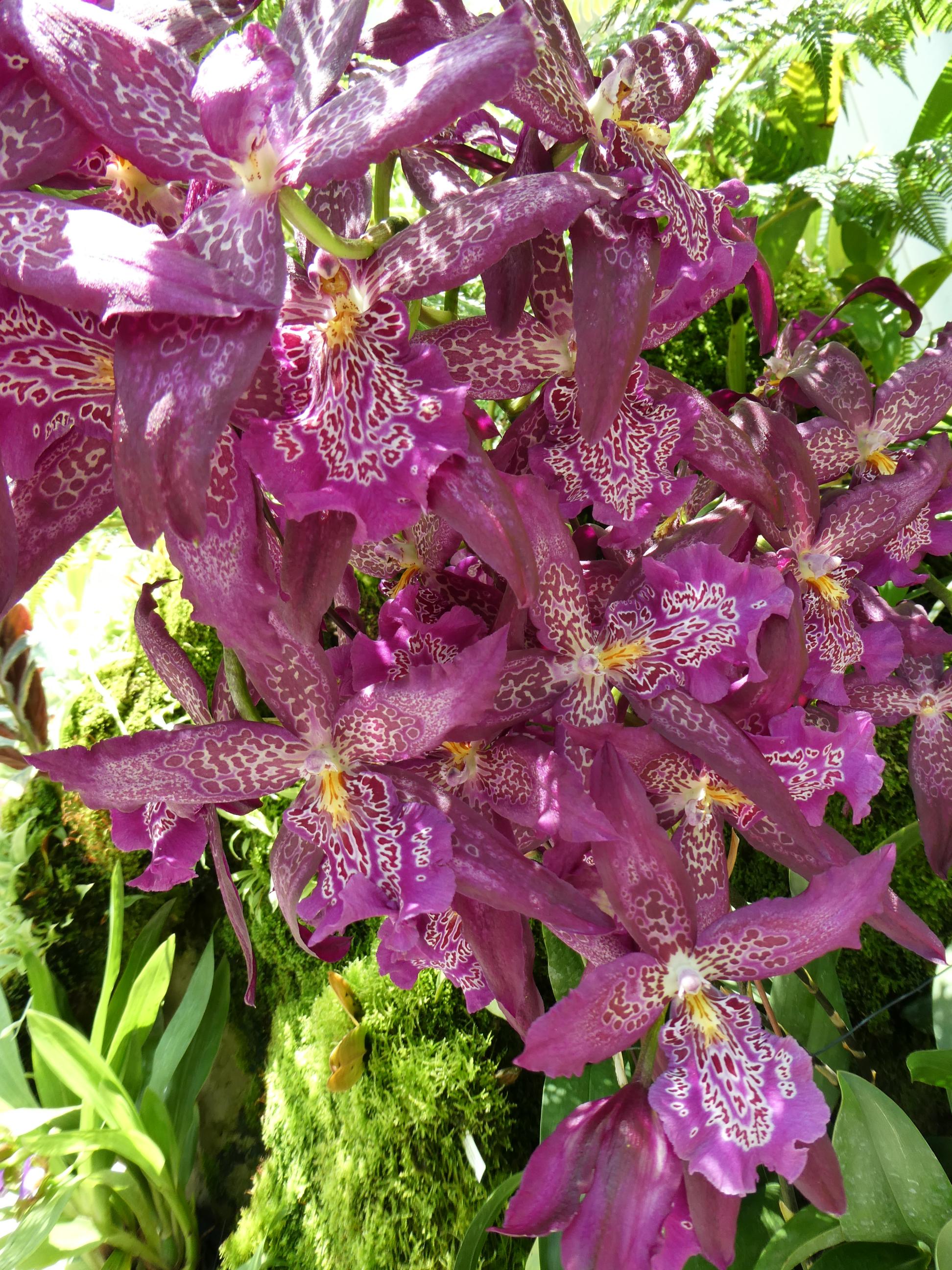
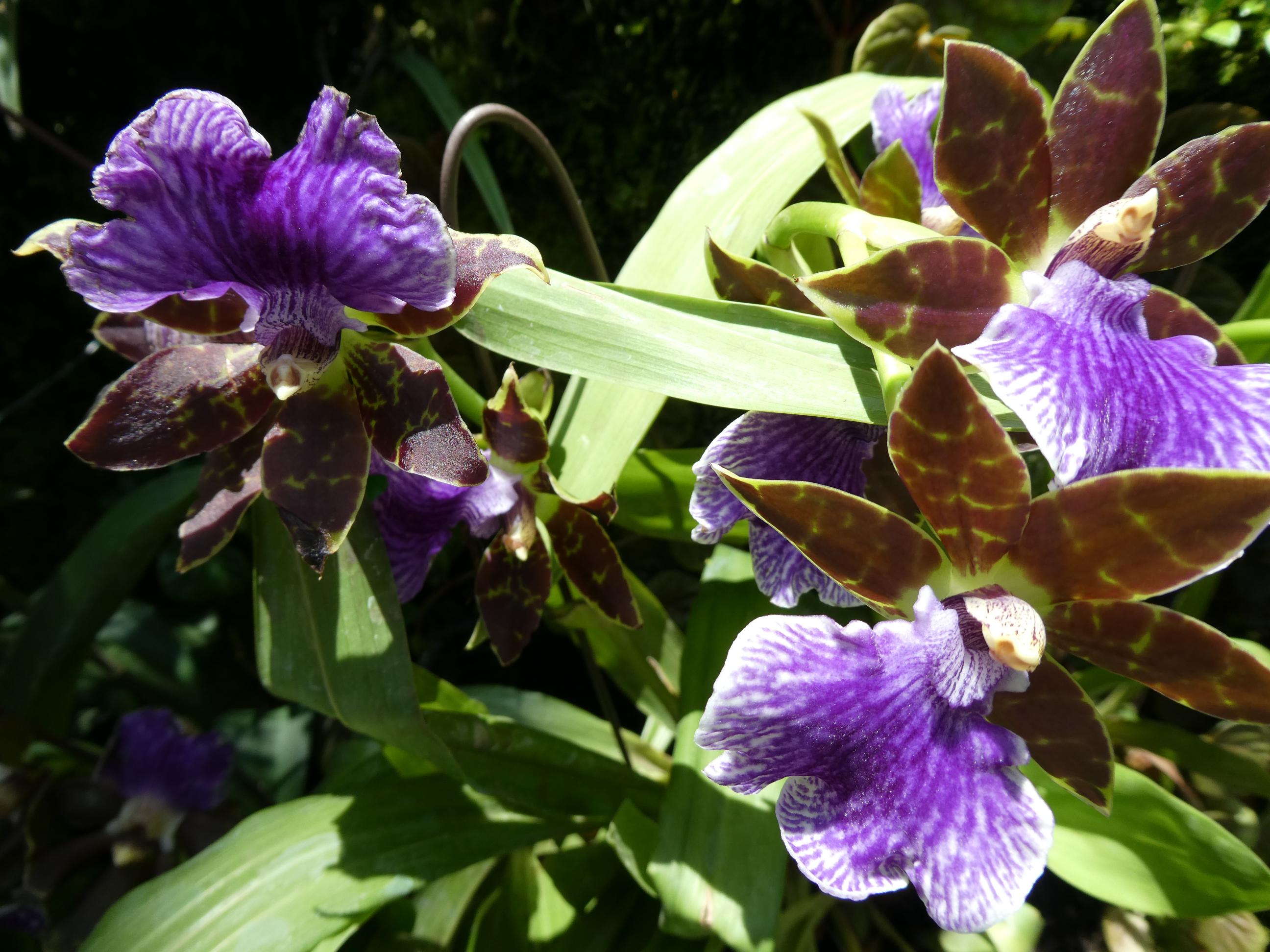


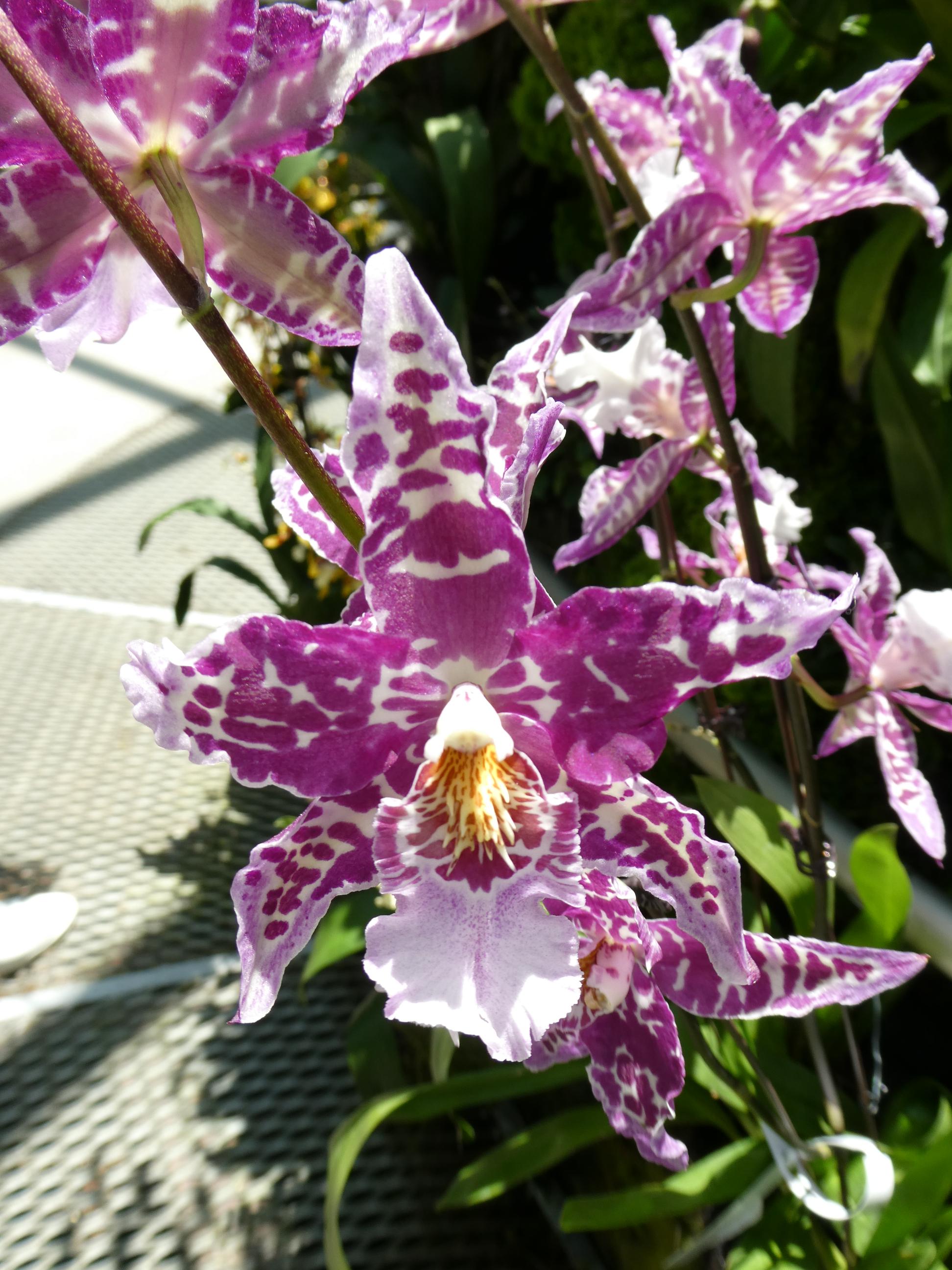
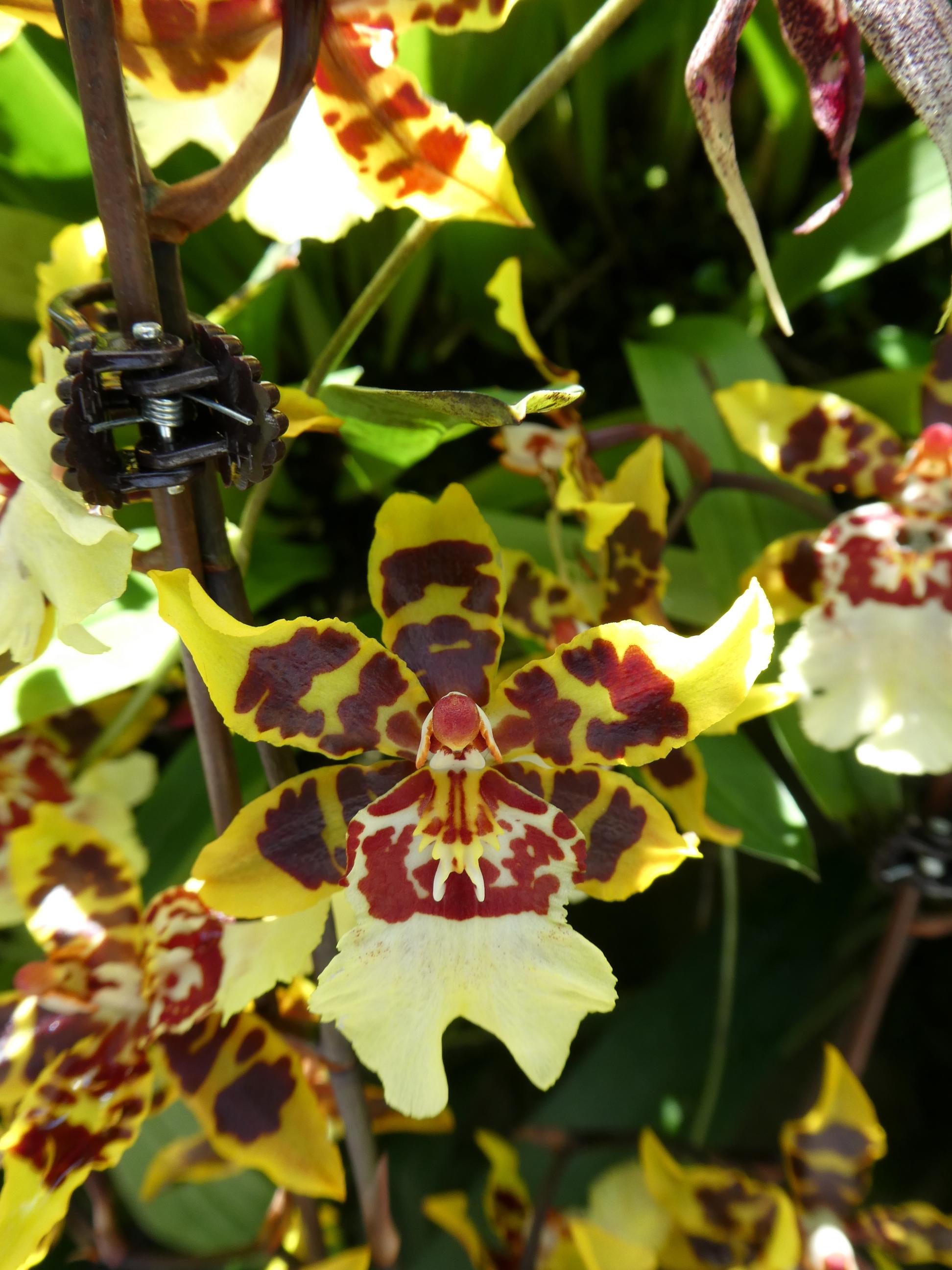
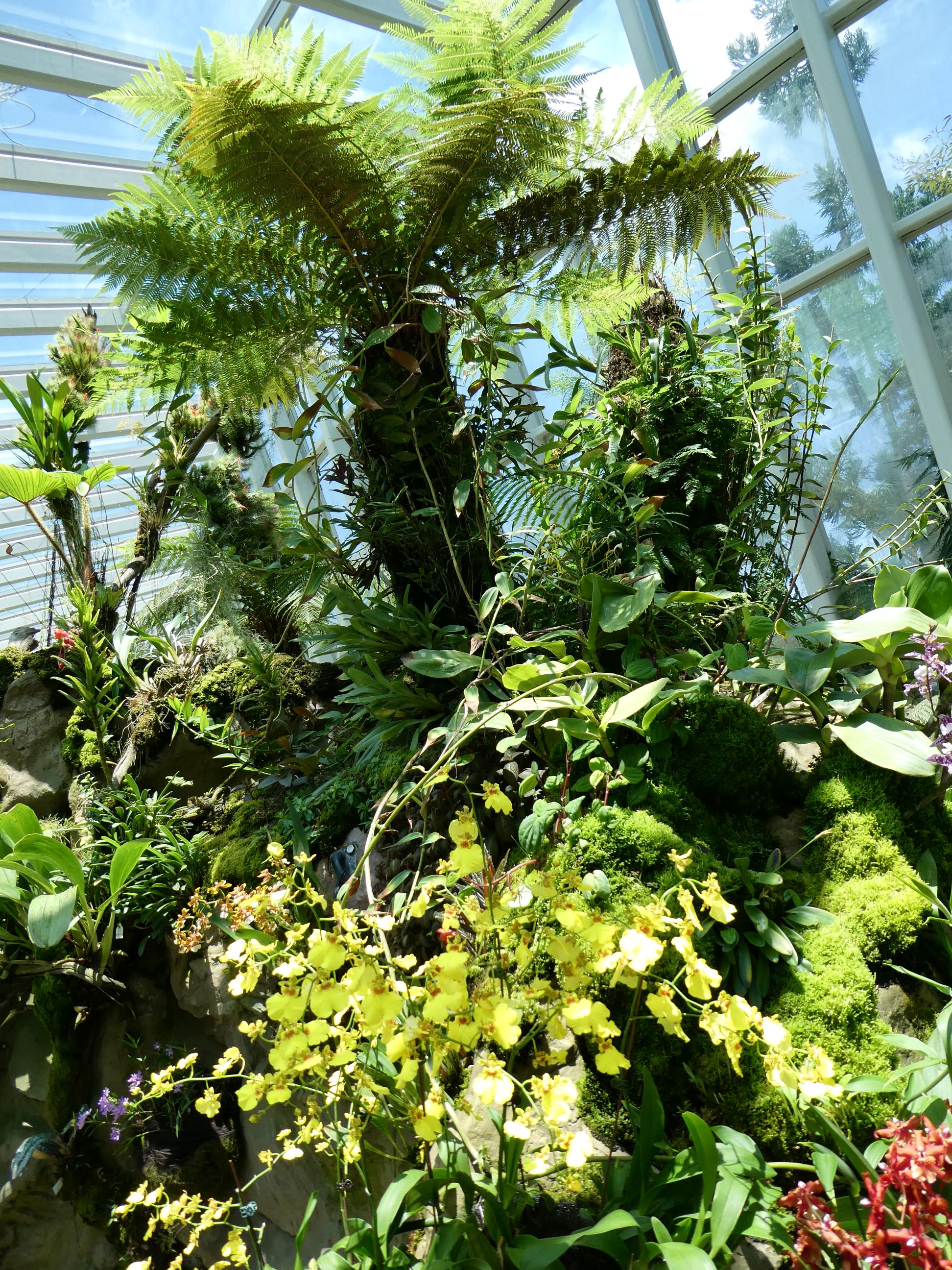
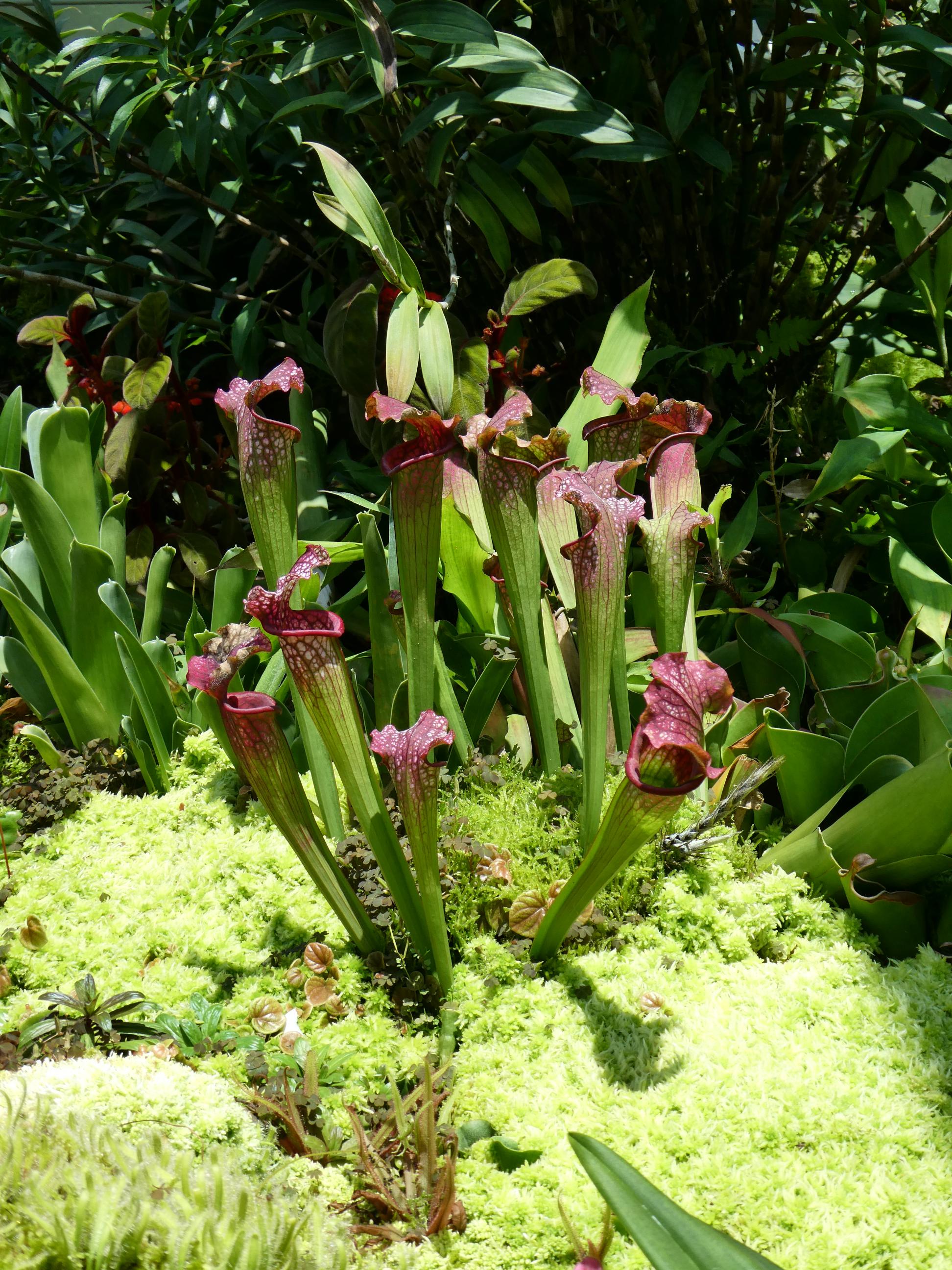
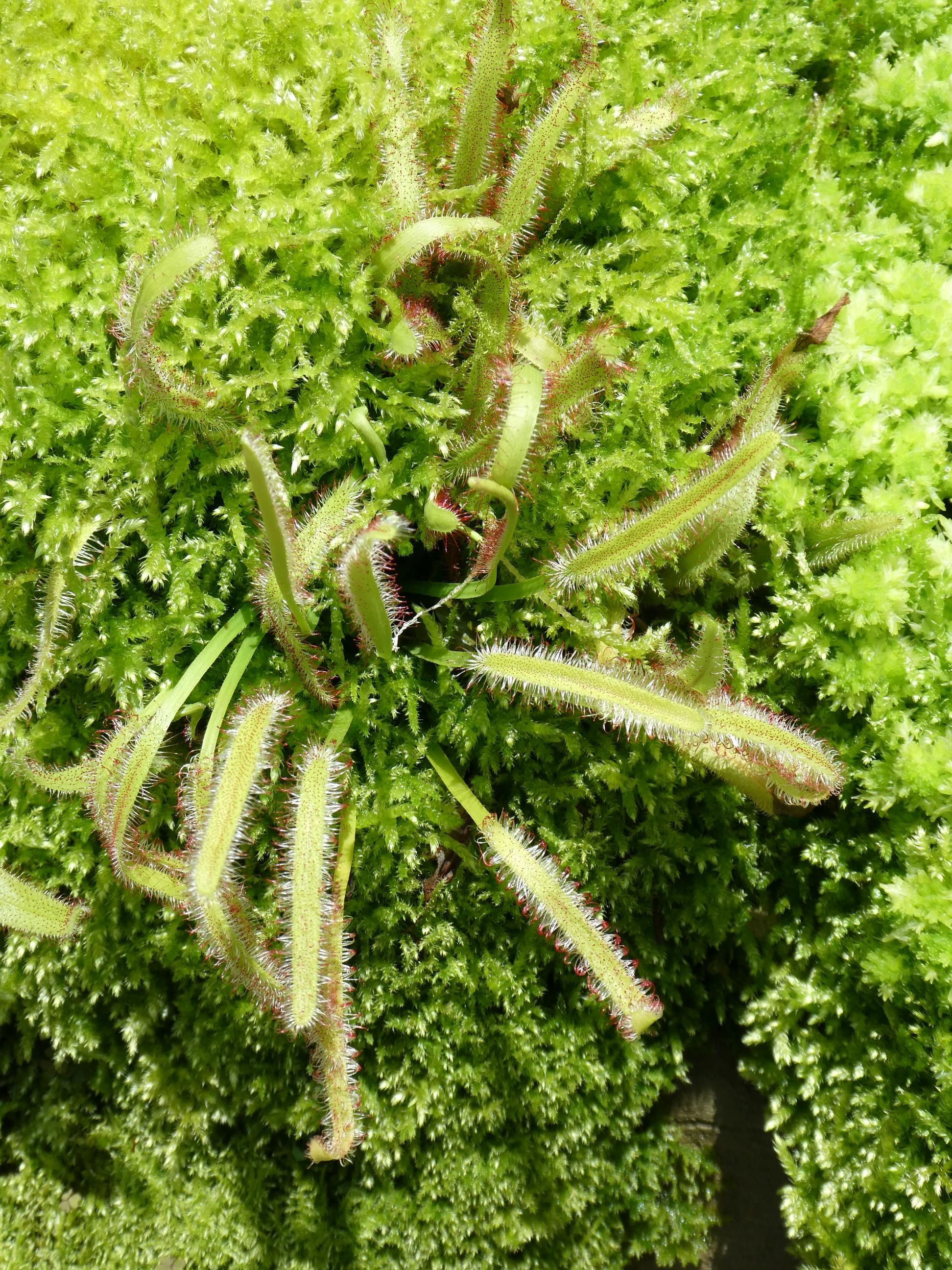
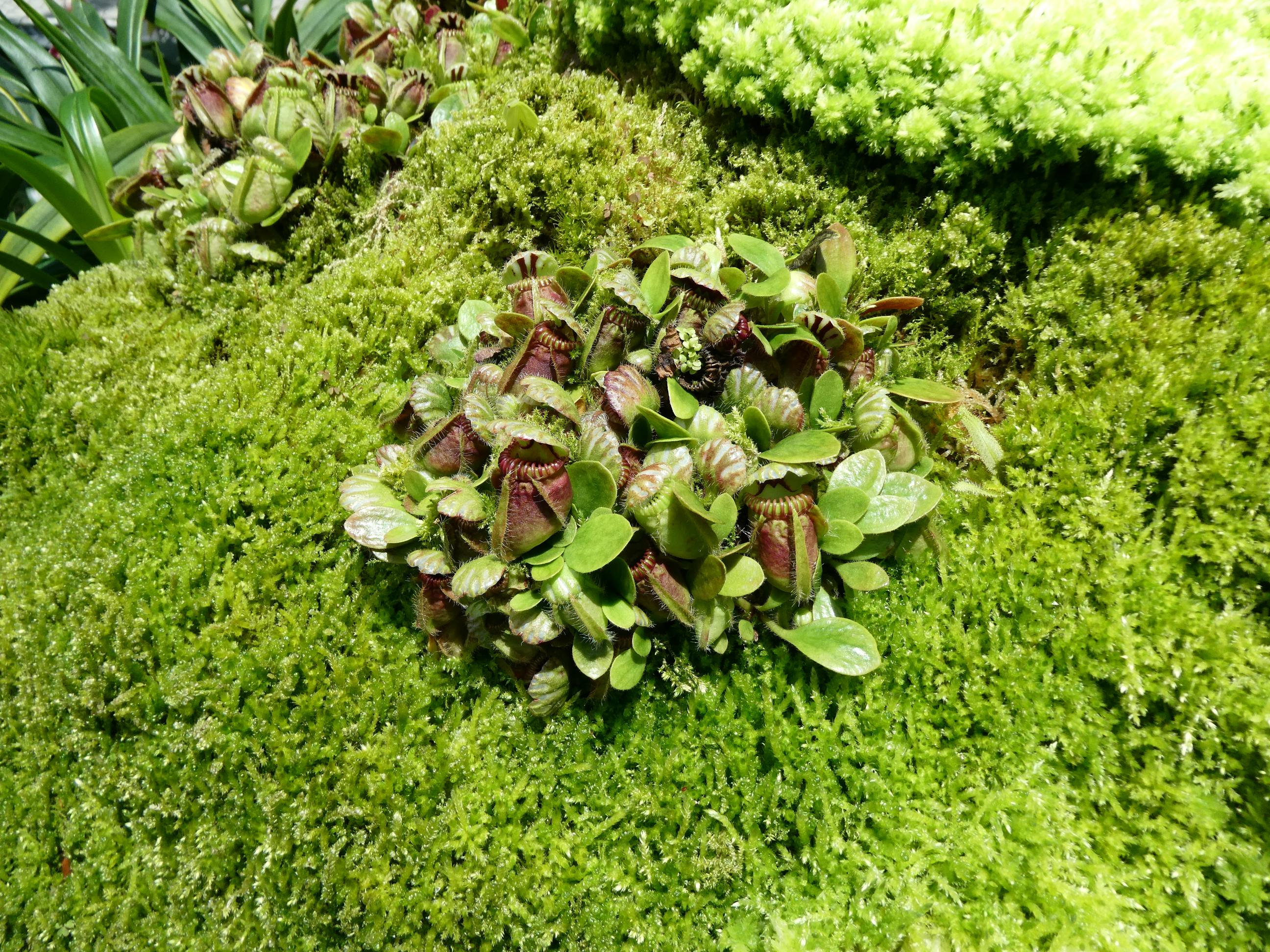
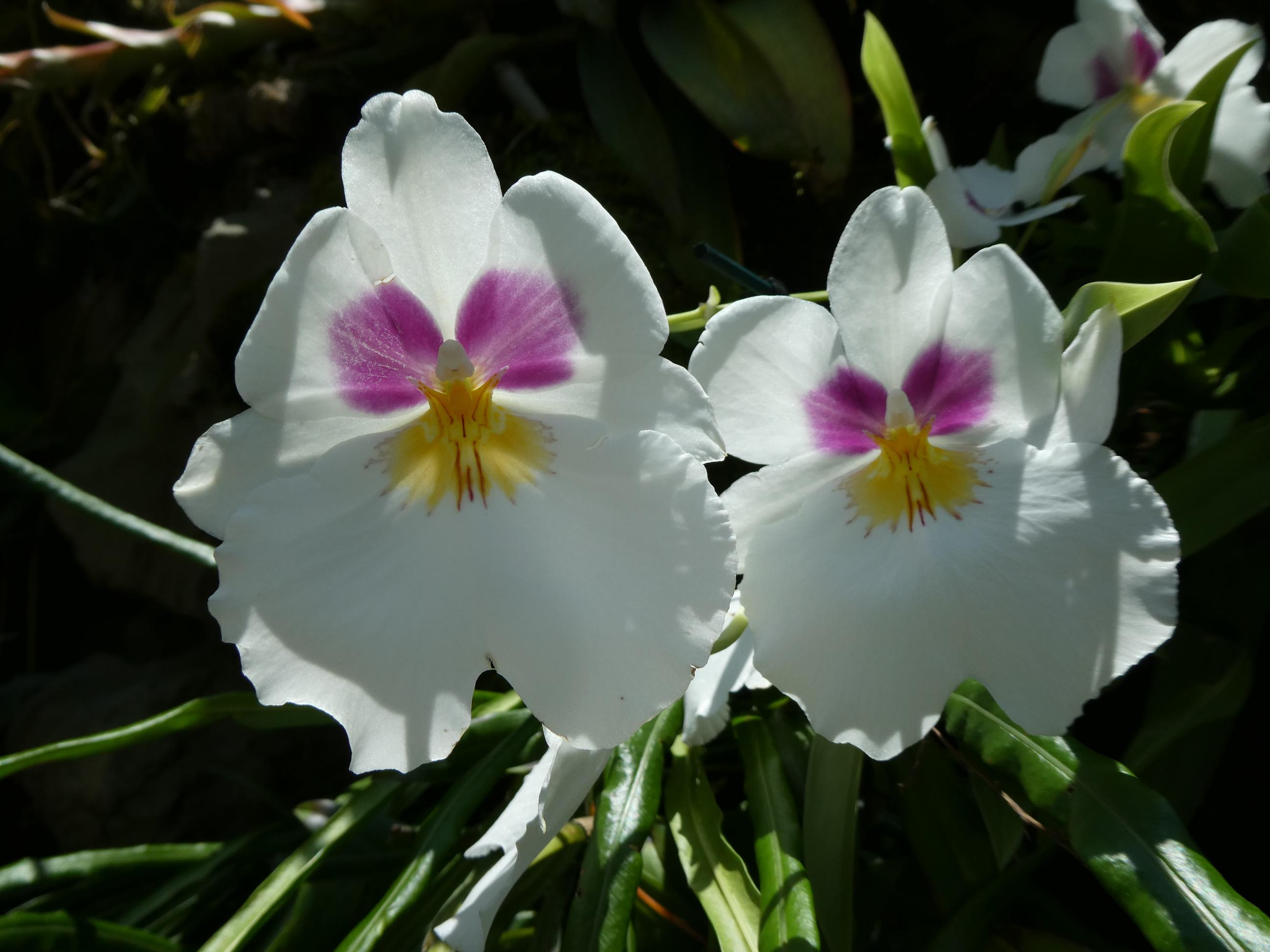
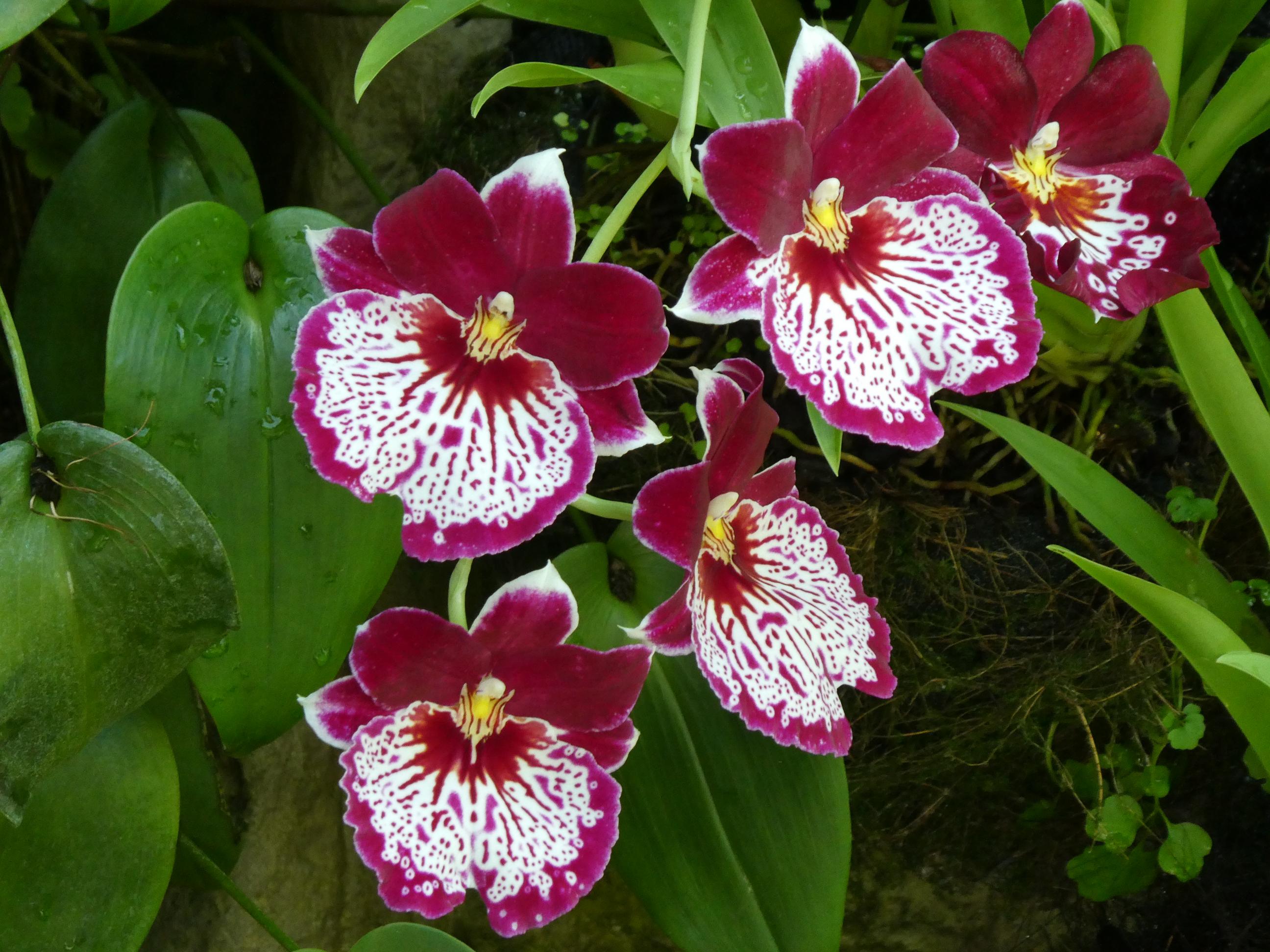

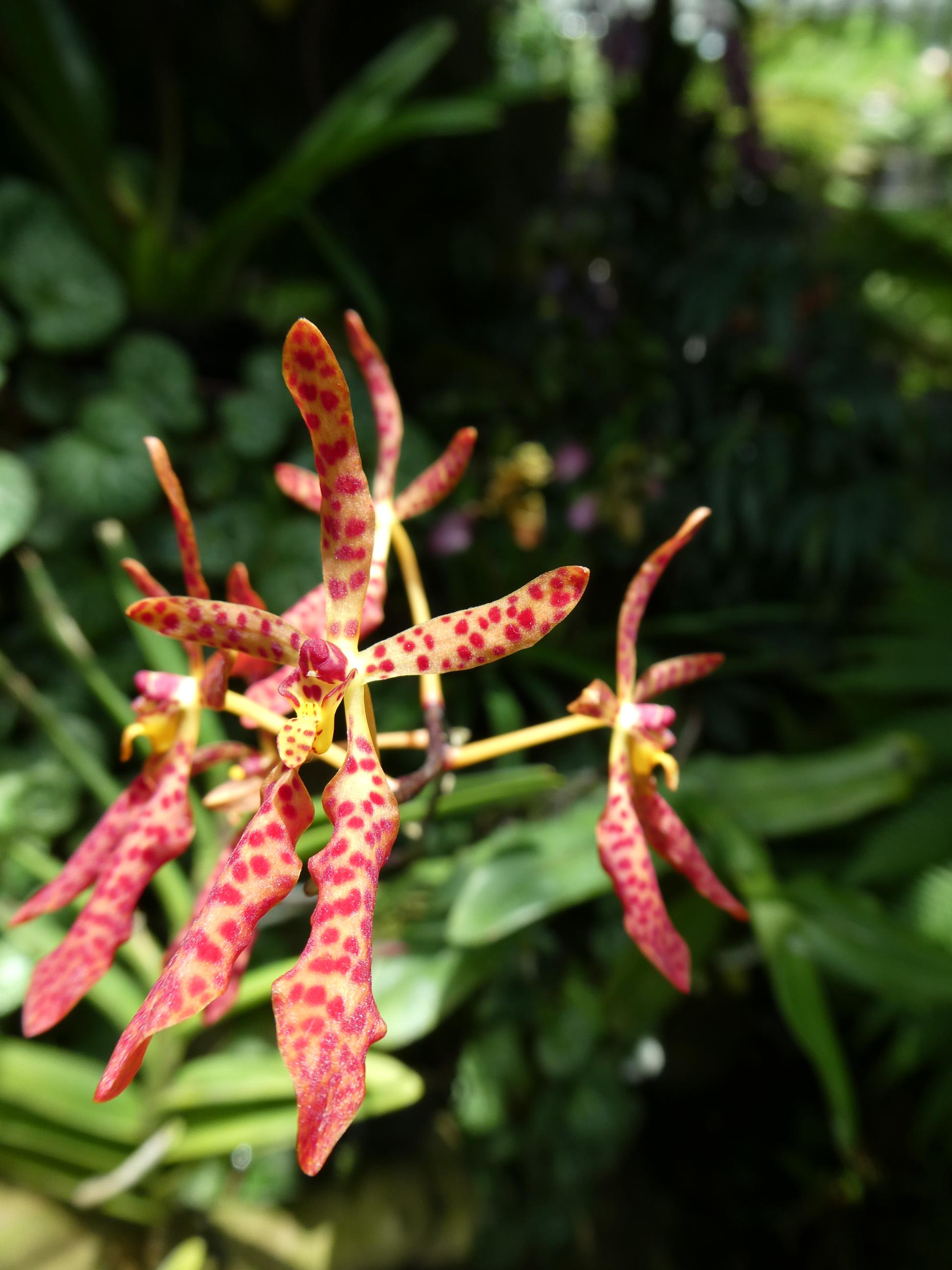
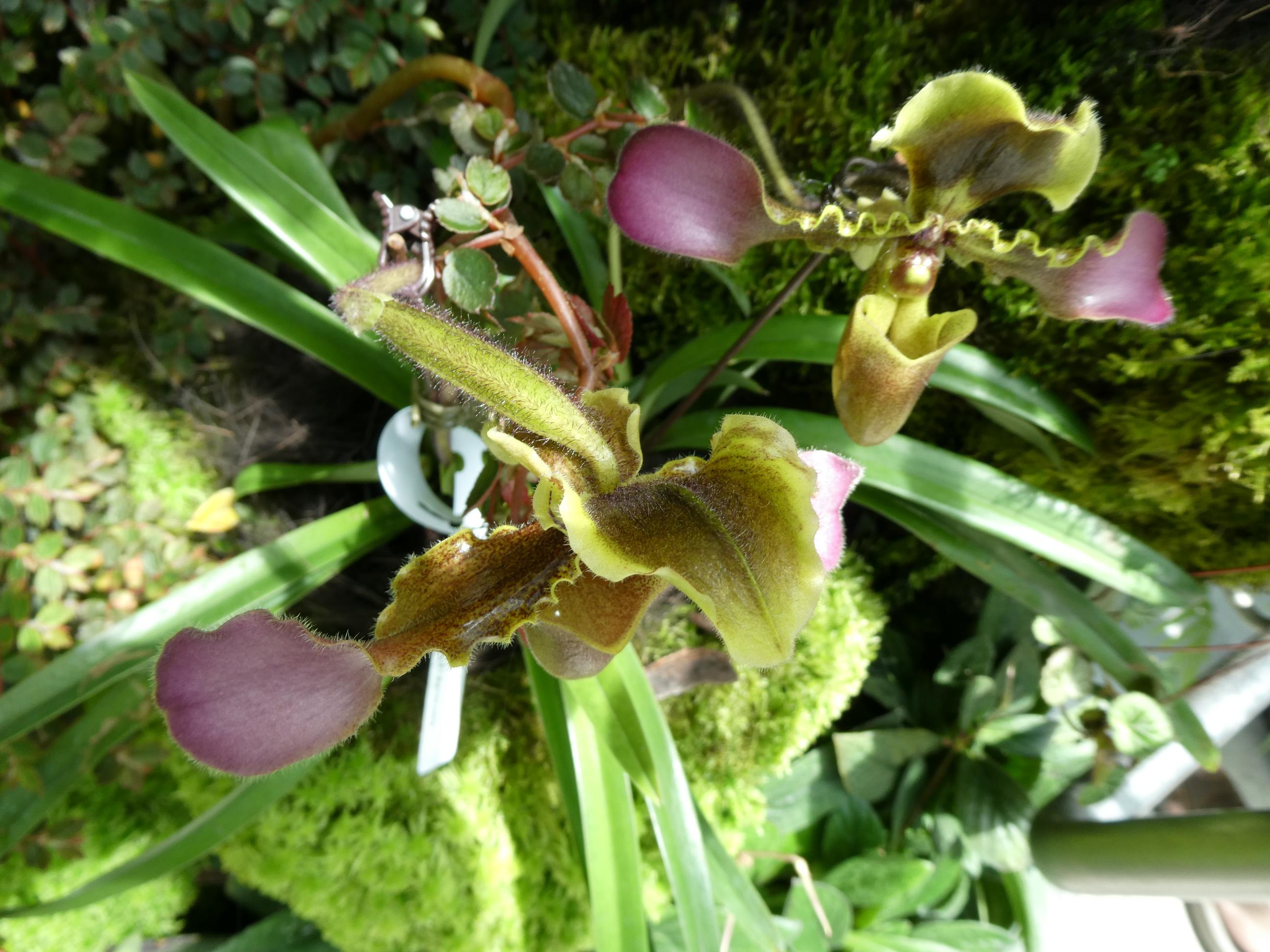
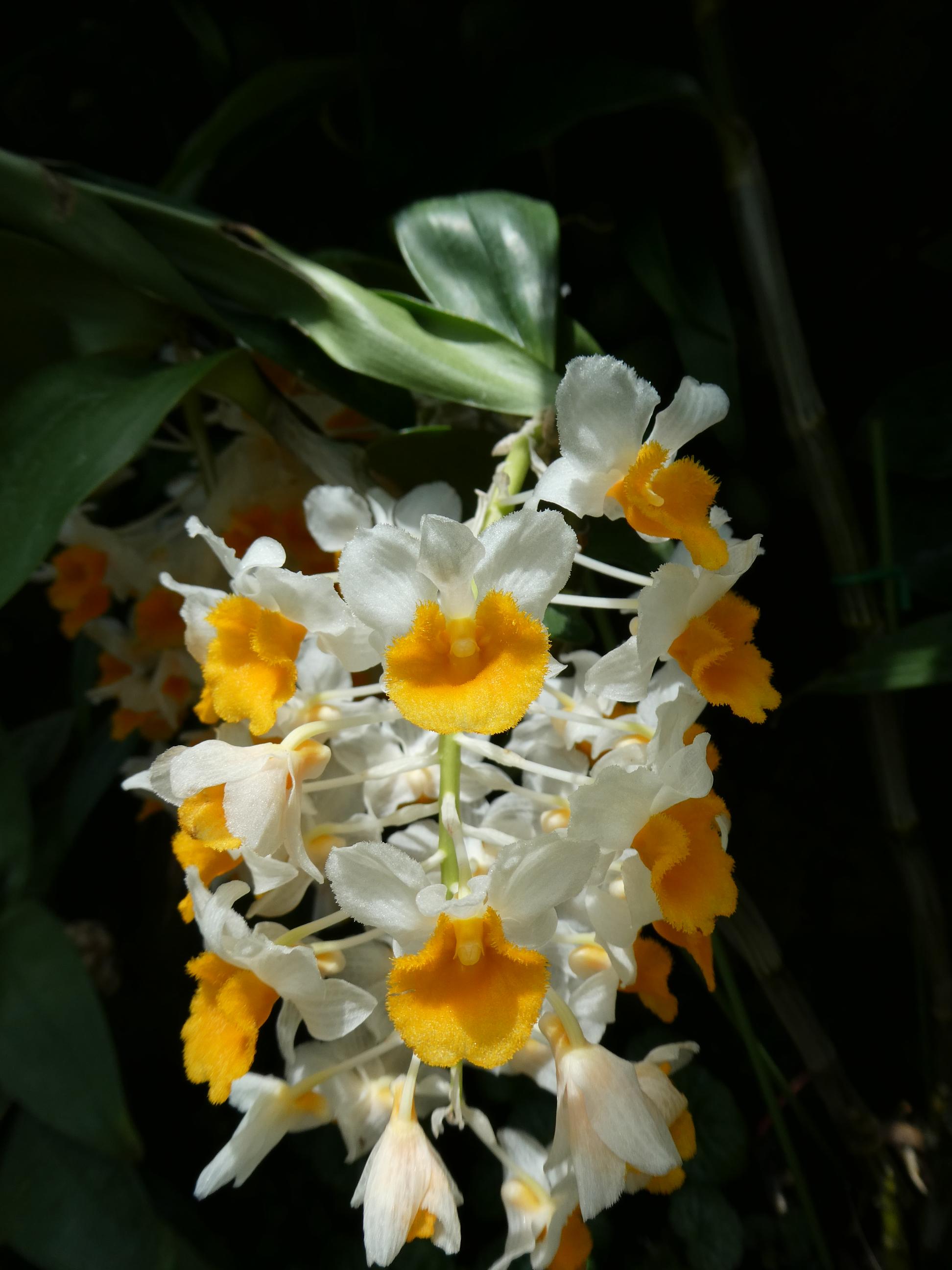
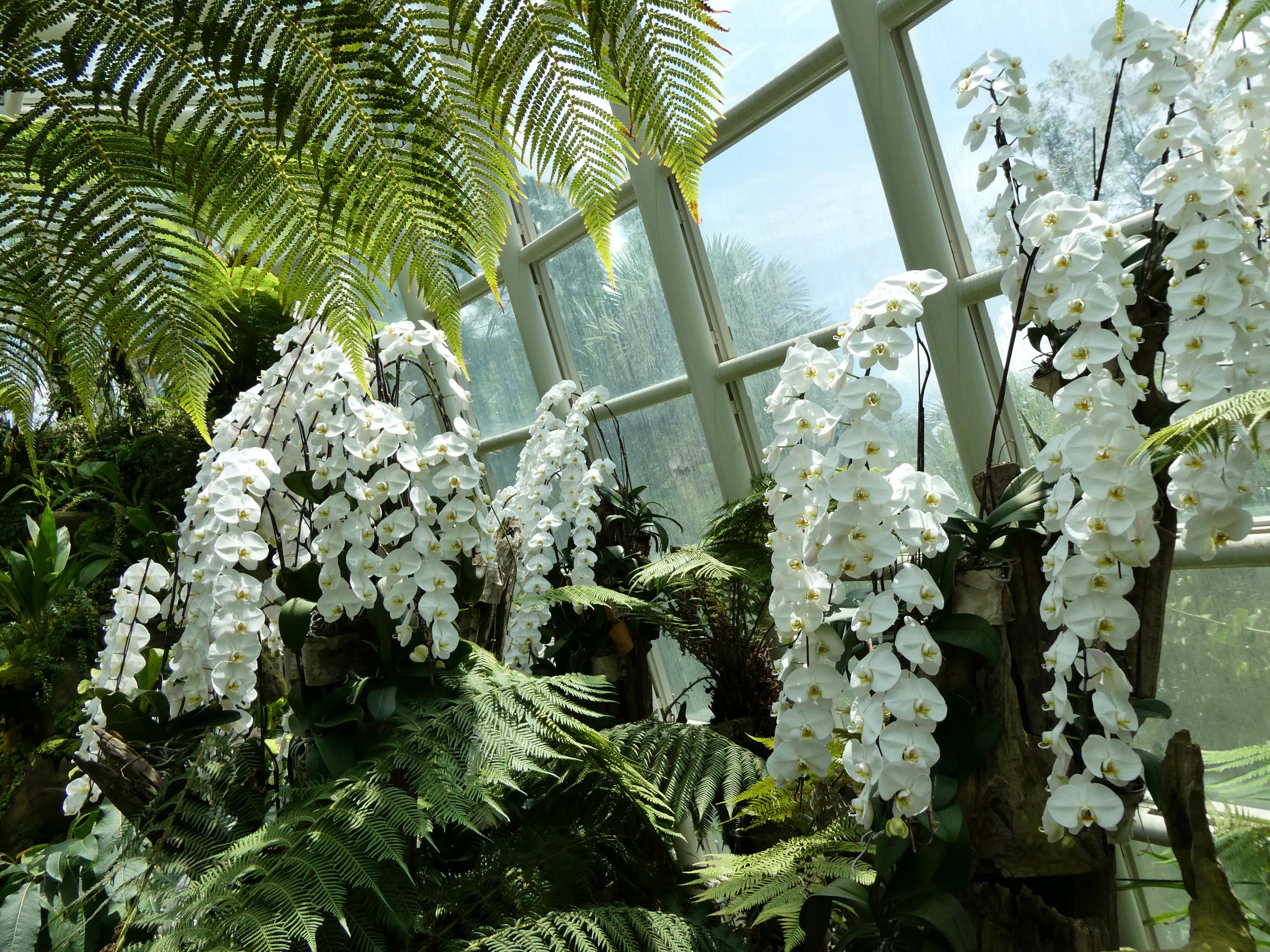
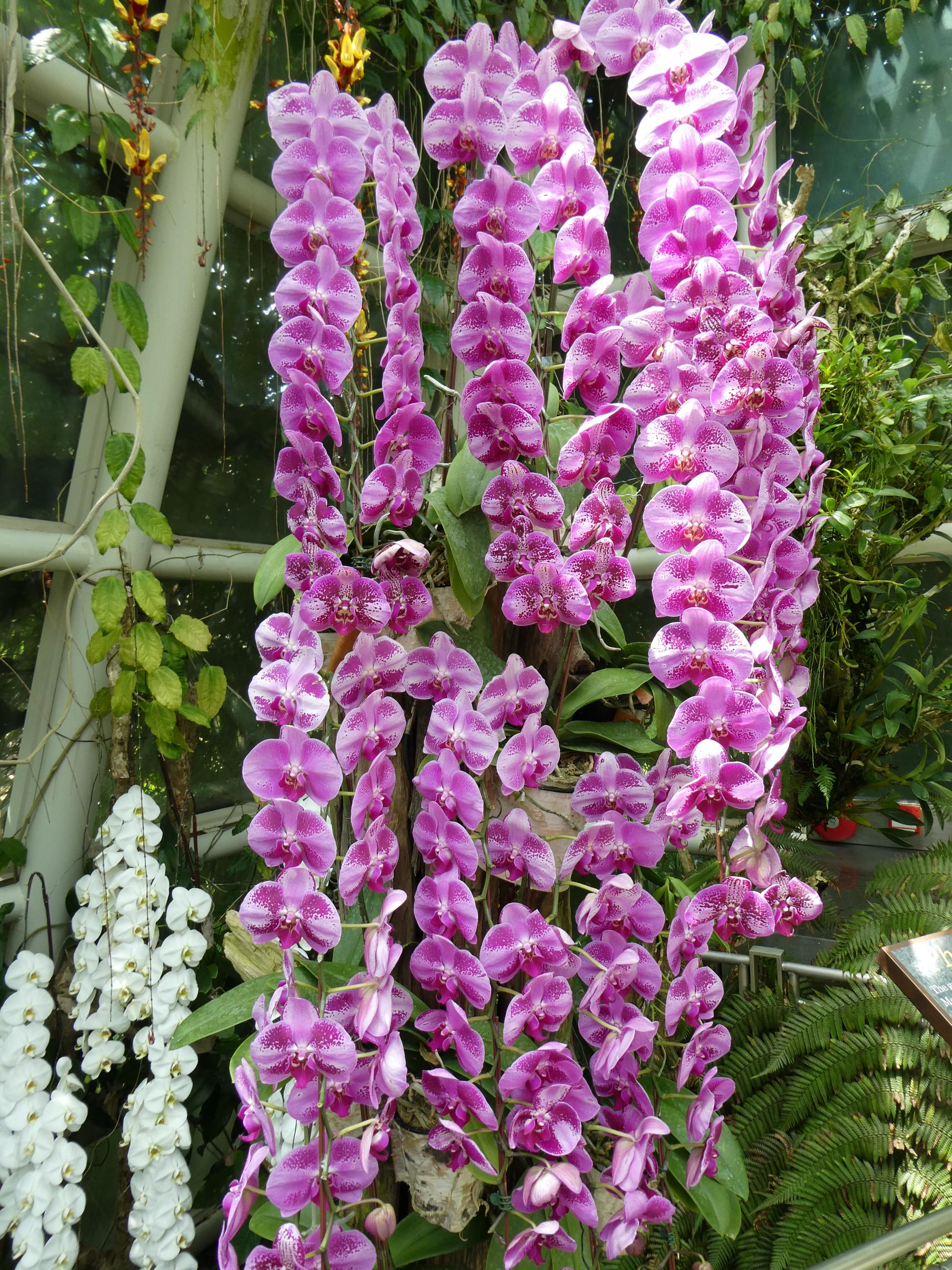
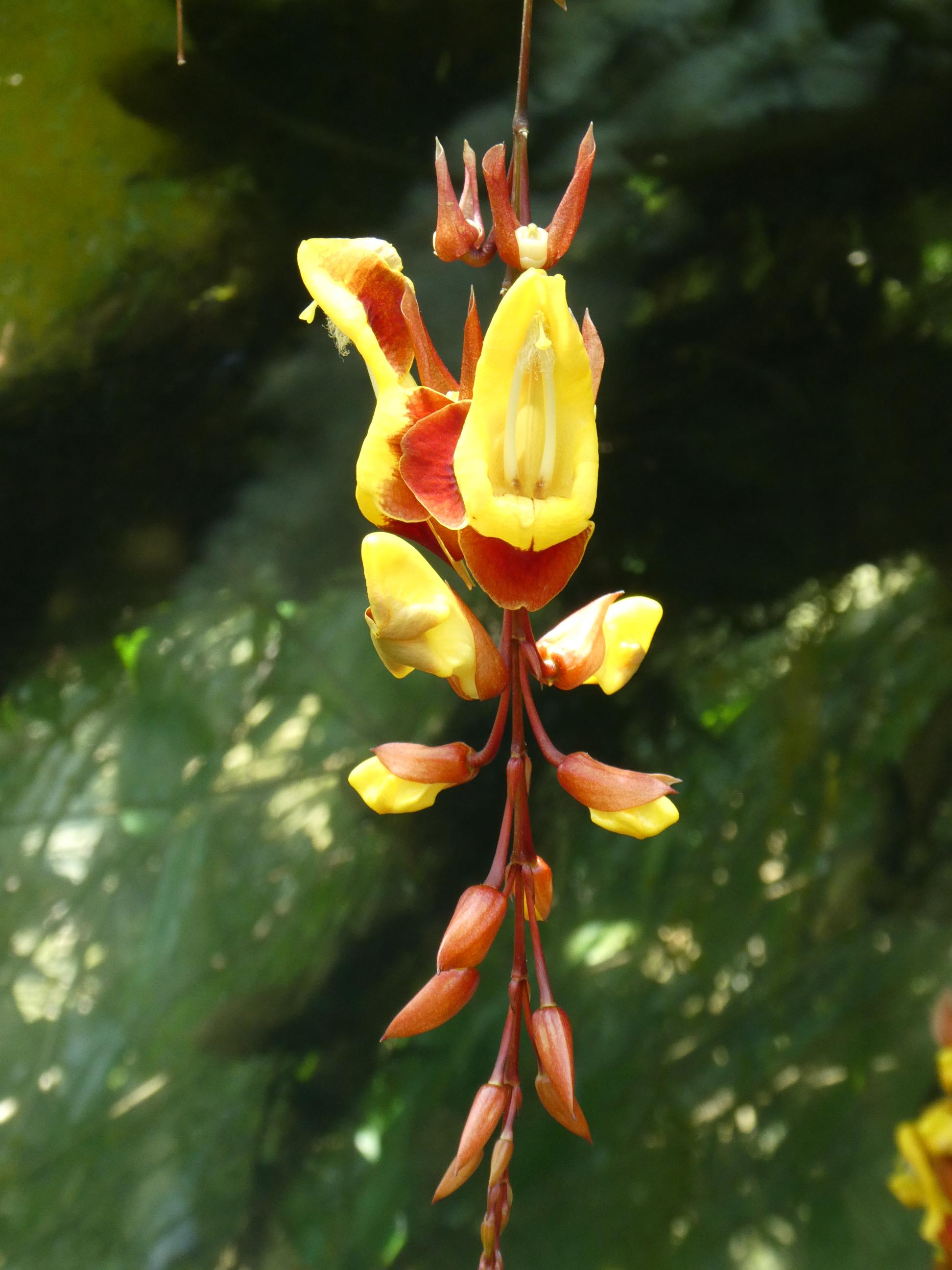
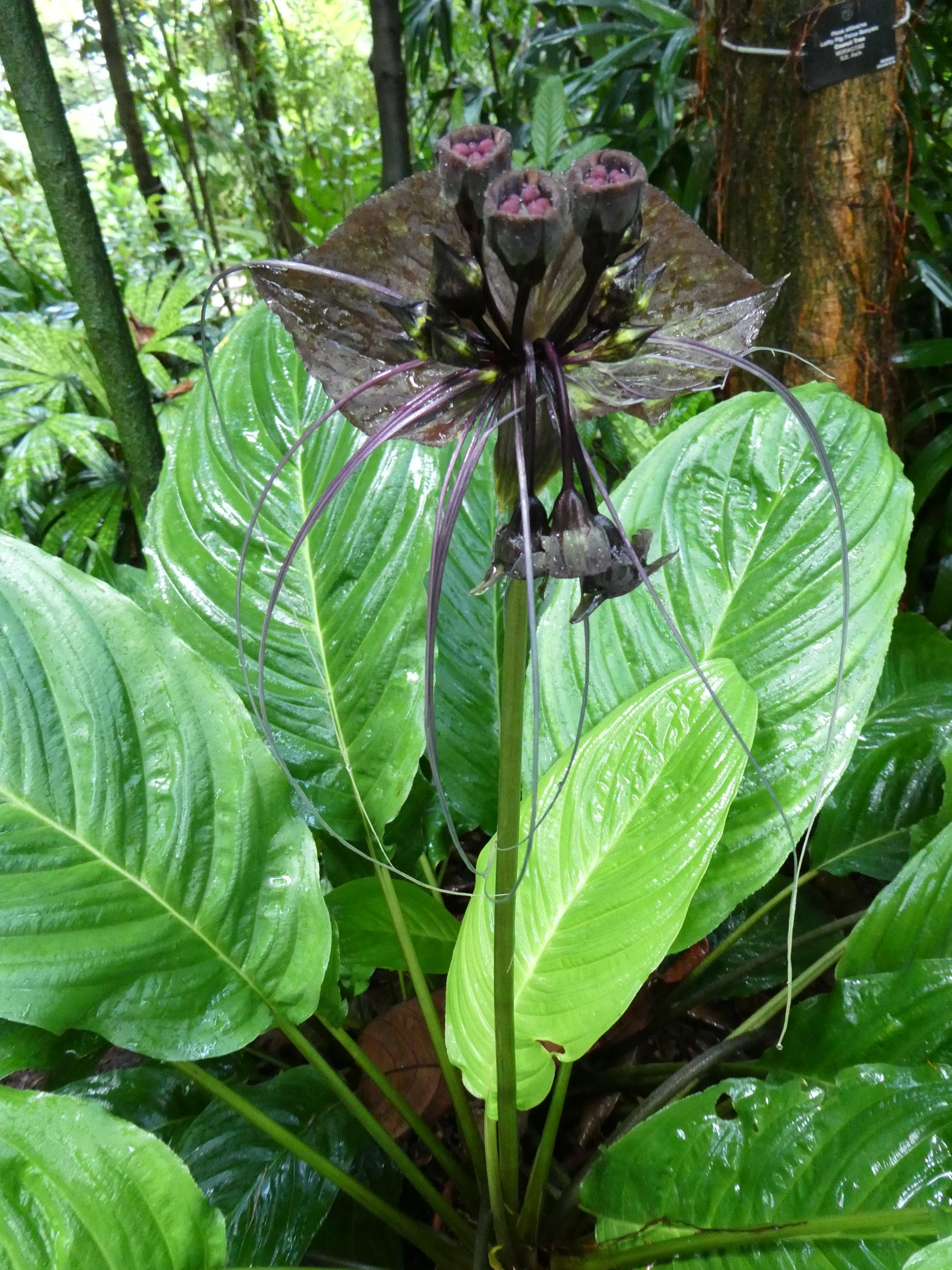
Of course, Marg was looking closely at how some of the specimens had been planted and cared for, thinking of how she might adapt some of these ideas when caring for her own orchids back home. When we came across a mysterious black variety, I sent a photo to my florist daughter Tess and received an almost instant reply, identifying it as a bat orchid. I’m sure when Tess sees these photos, she’ll add this venue to her bucket list. I even found a few tiny pineapples growing in one section. Despite the heat and humidity, the couple of hours we spent here was time really well spent. We probably could have stayed longer, but there were other places to go and things to see, so we headed to the exit to wait for the next hop-on, hop-off bus to arrive.










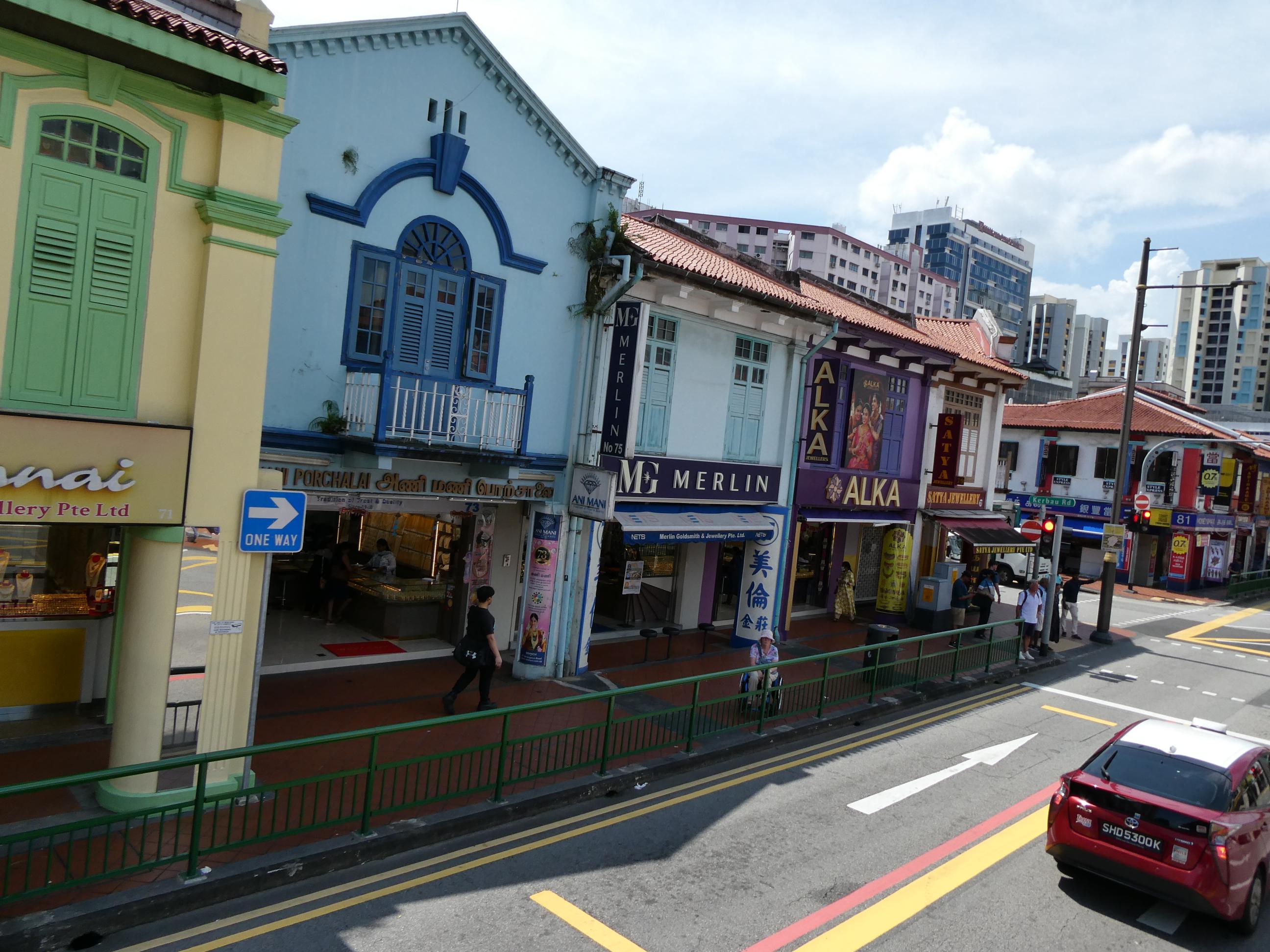
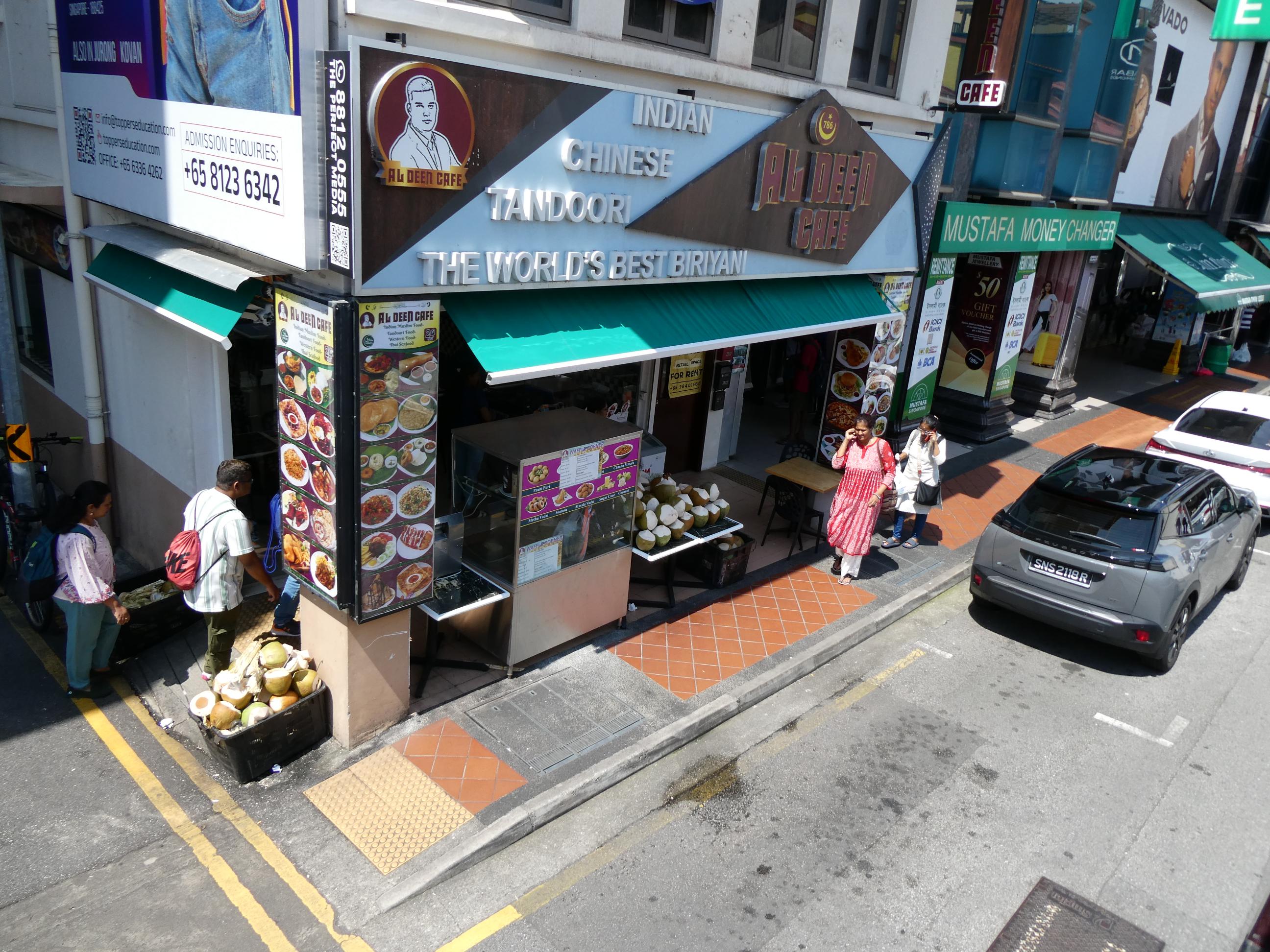
When our yellow line bus arrived back at the terminus, we switched back to the red line bus again to finish the route we had started the day with. It took us through Little India. It was easy to see the influence of the Indian community here, but difficult to have a really good look without hopping off the bus. We were pretty hot by now, so we had no plans to do that. The bus took us through another sector of the city that had once been frequented by the Malays, who were the original indigenous inhabitants of Singapore, but once again it was difficult to see much without leaving the bus. We got off at the Chinatown stop and walked the short distance to the hotel.




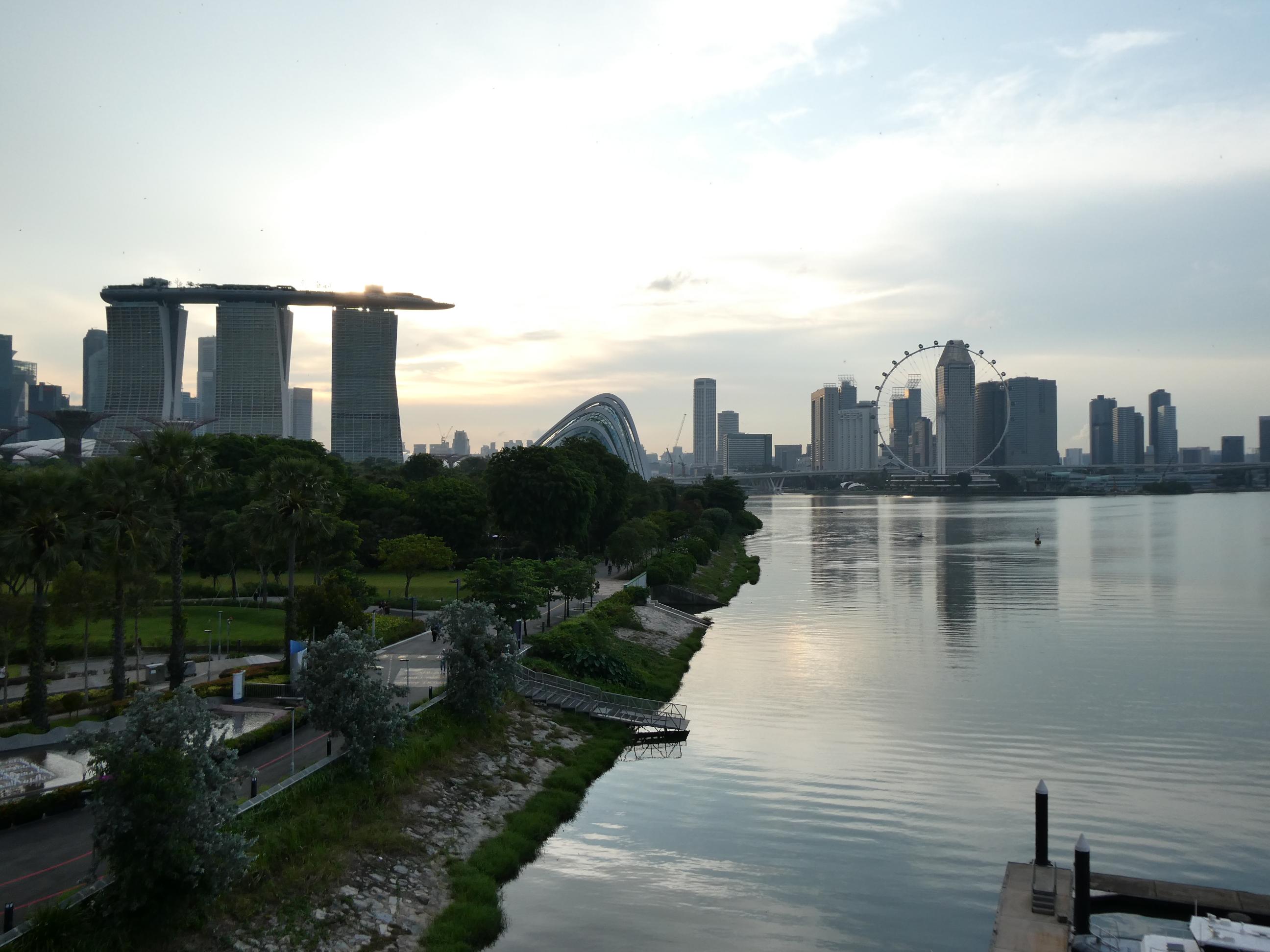
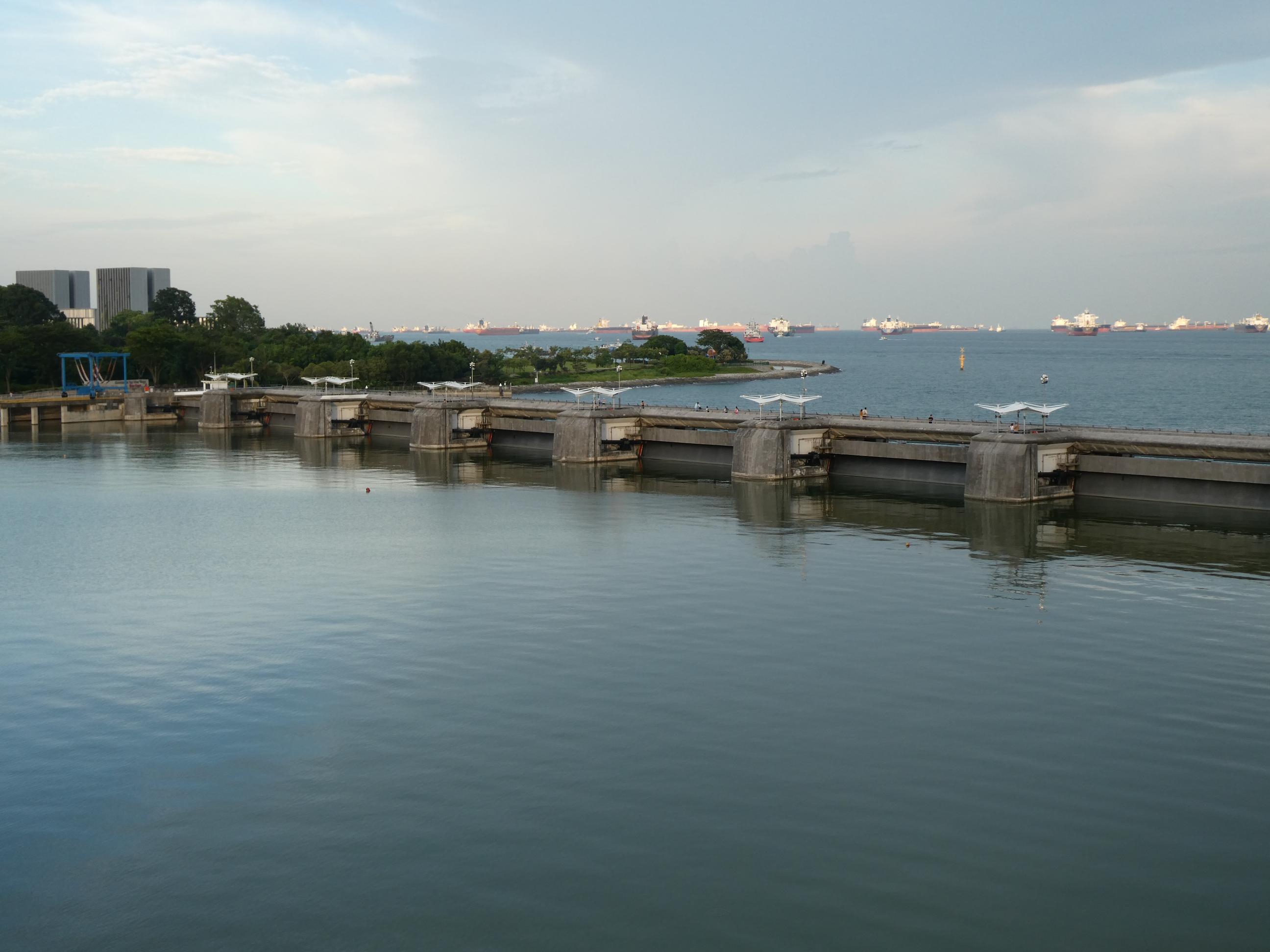
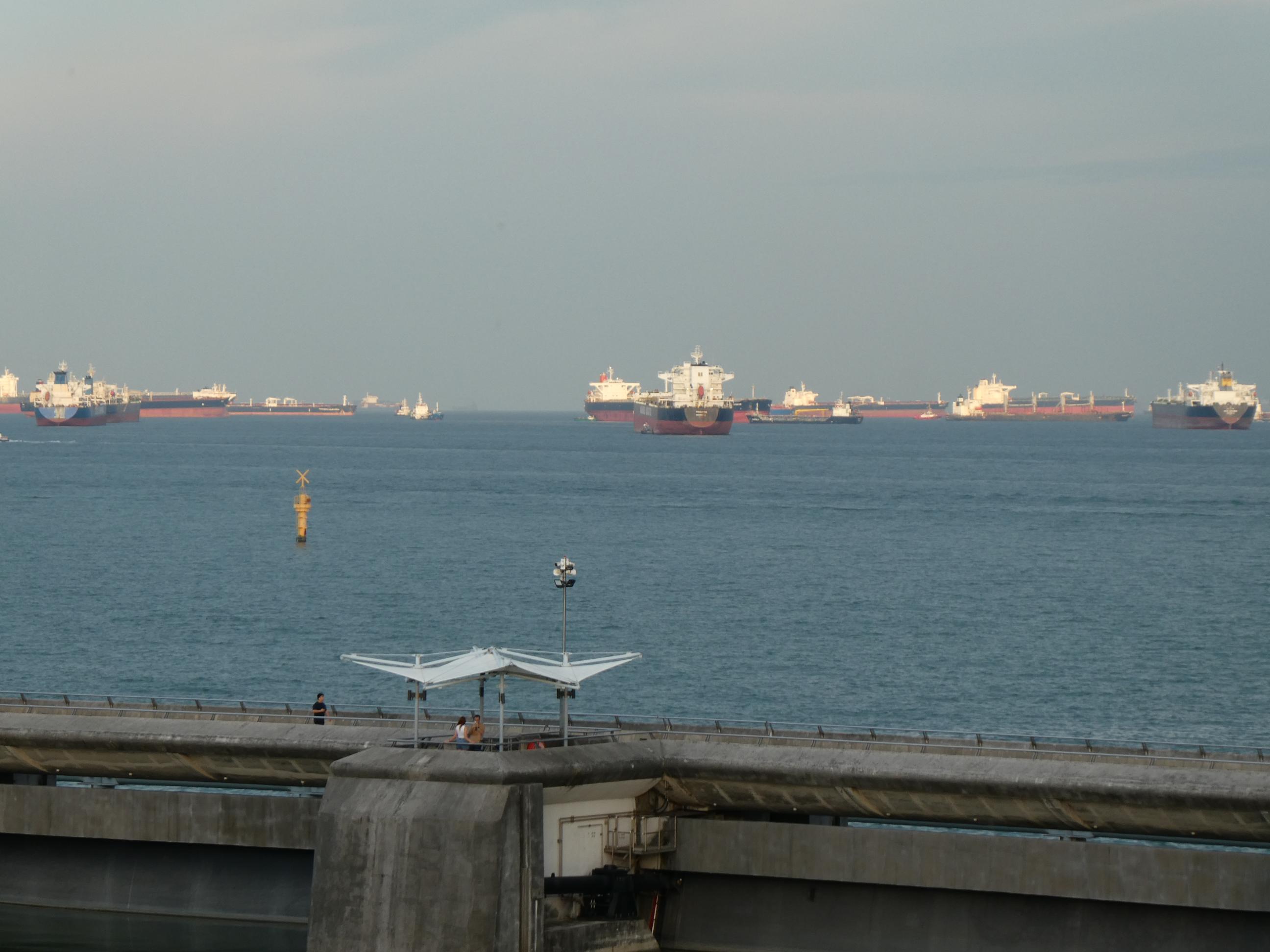
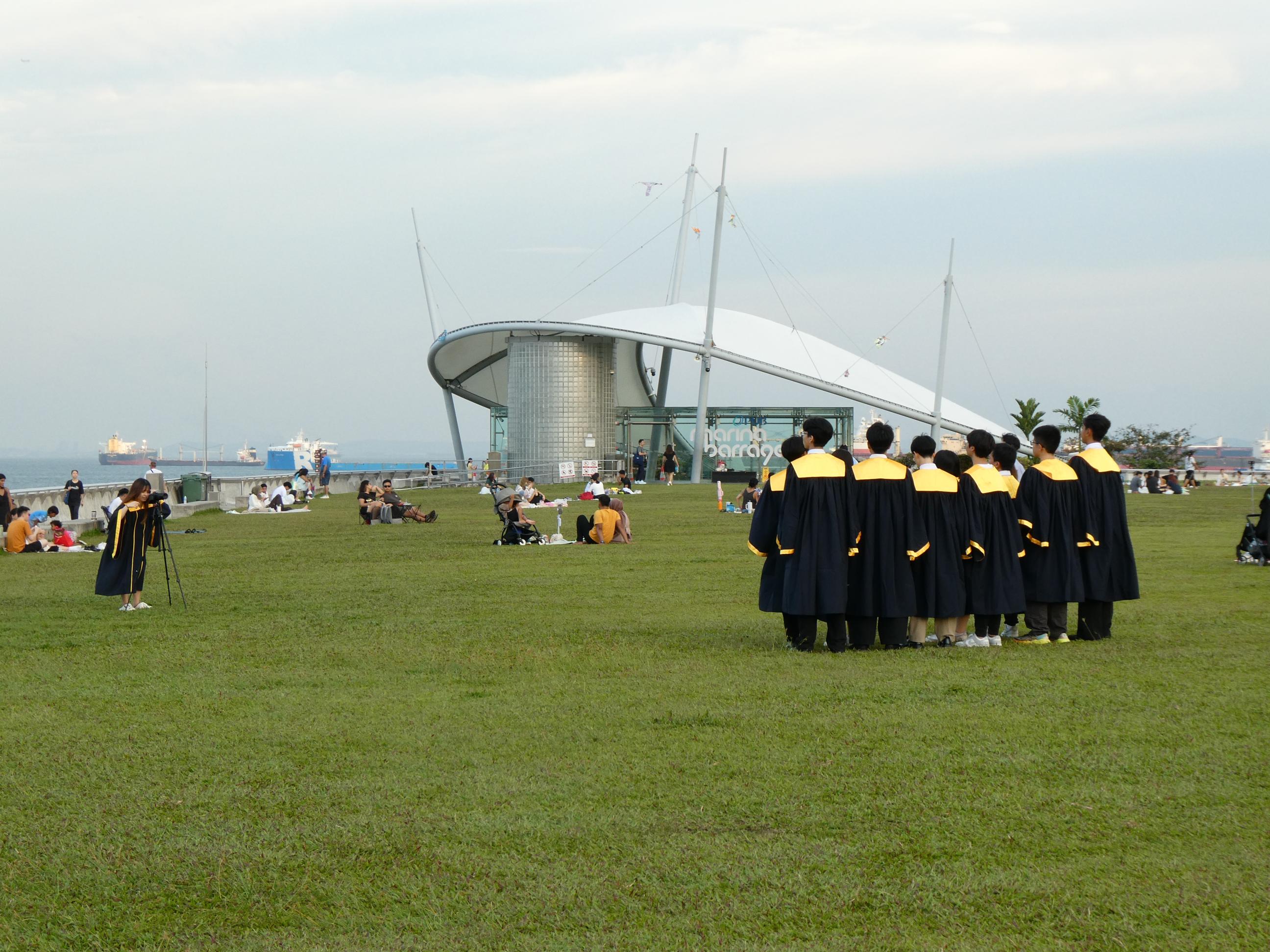
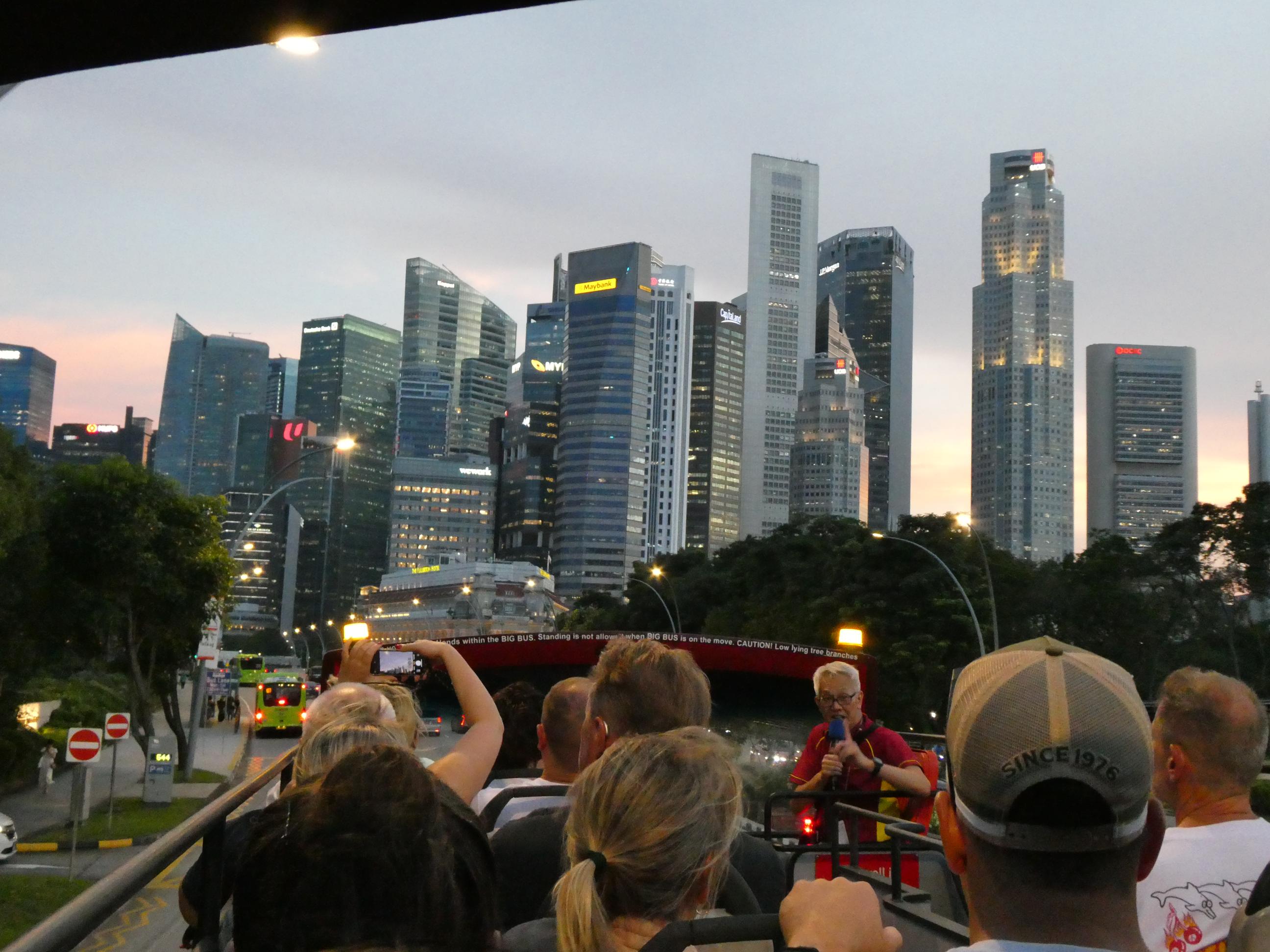
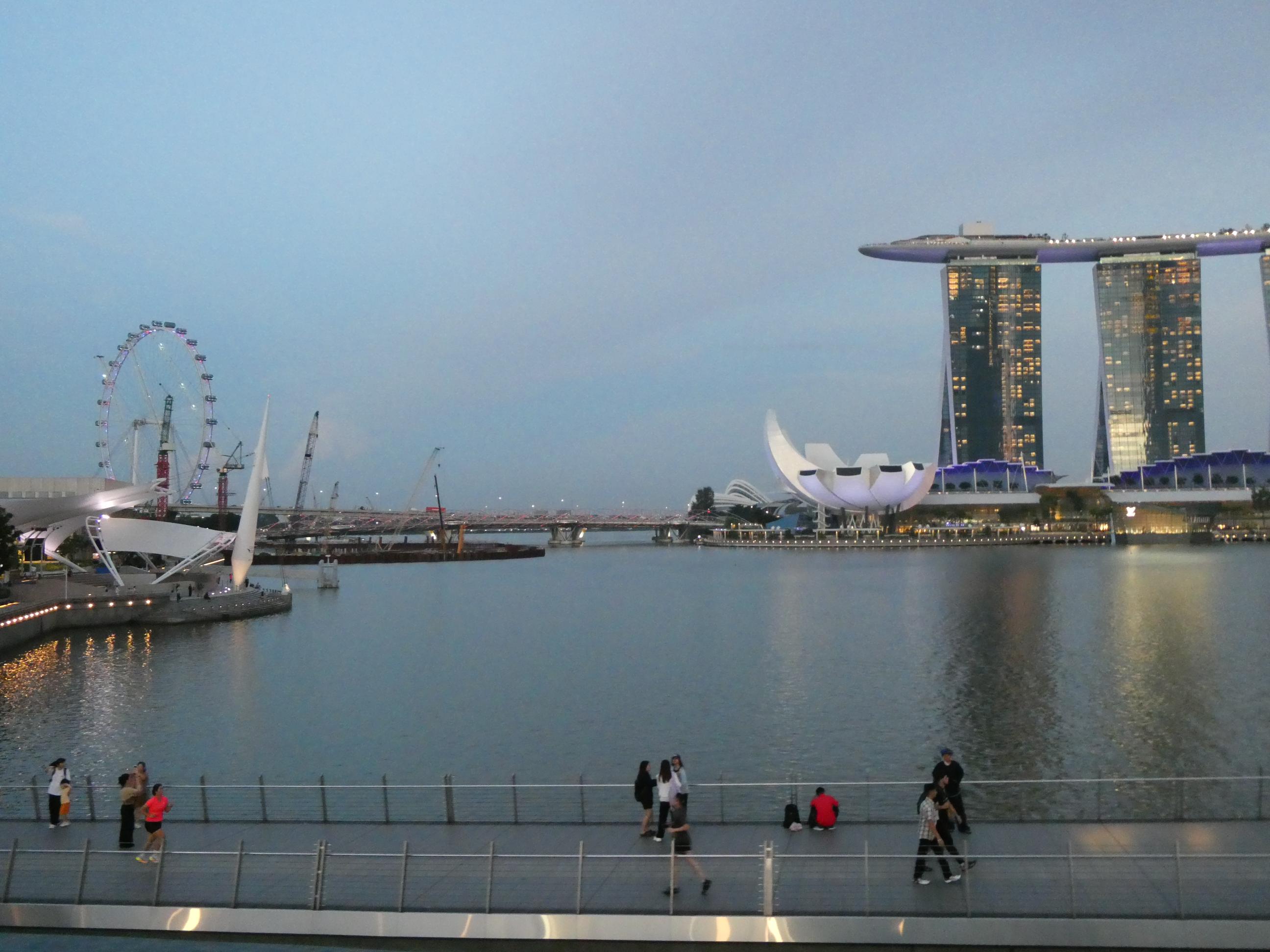
I had also purchased tickets for a night bus tour, so late in the afternoon we ordered a Grab taxi and took a short ride across town to the bus terminus. The night tours use the same buses as the day tours, but the organisers ask everyone to sit on the upper deck for the view and the photo opportunities. A tour guide with a microphone joined us up there, and I found his commentary much more interesting and informative than the recorded version from earlier in the day. Our first stop was to the Marina Barrage, which I hadn’t heard about previously. Our guide, Peter, explained that Singapore imports most of its resources from elsewhere, but was aiming to become self sufficient in water use in the near future. Some years ago the government challenged the people here to clean up the polluted Singapore River, so that its water would be drinkable. The government created the large body of water known as Marina Bay as a reservoir to hold fresh water. Because much of Singapore’s commercial centre and shopping precincts lies below ground level, the city cannot afford to ever be flooded. To prevent floods, a barrage containing seven gates was built to divide the sea from the Marina Bay Reservoir. The only time the gates are ever opened is when the water level of the bay is higher than the level of the sea, allowing the excess water to flow into the sea, rather than flood the city. It’s just one of many examples we’ve learned of of how Singapore is responding to climate change. I’m sure other parts of the world could follow Singapore’s example.


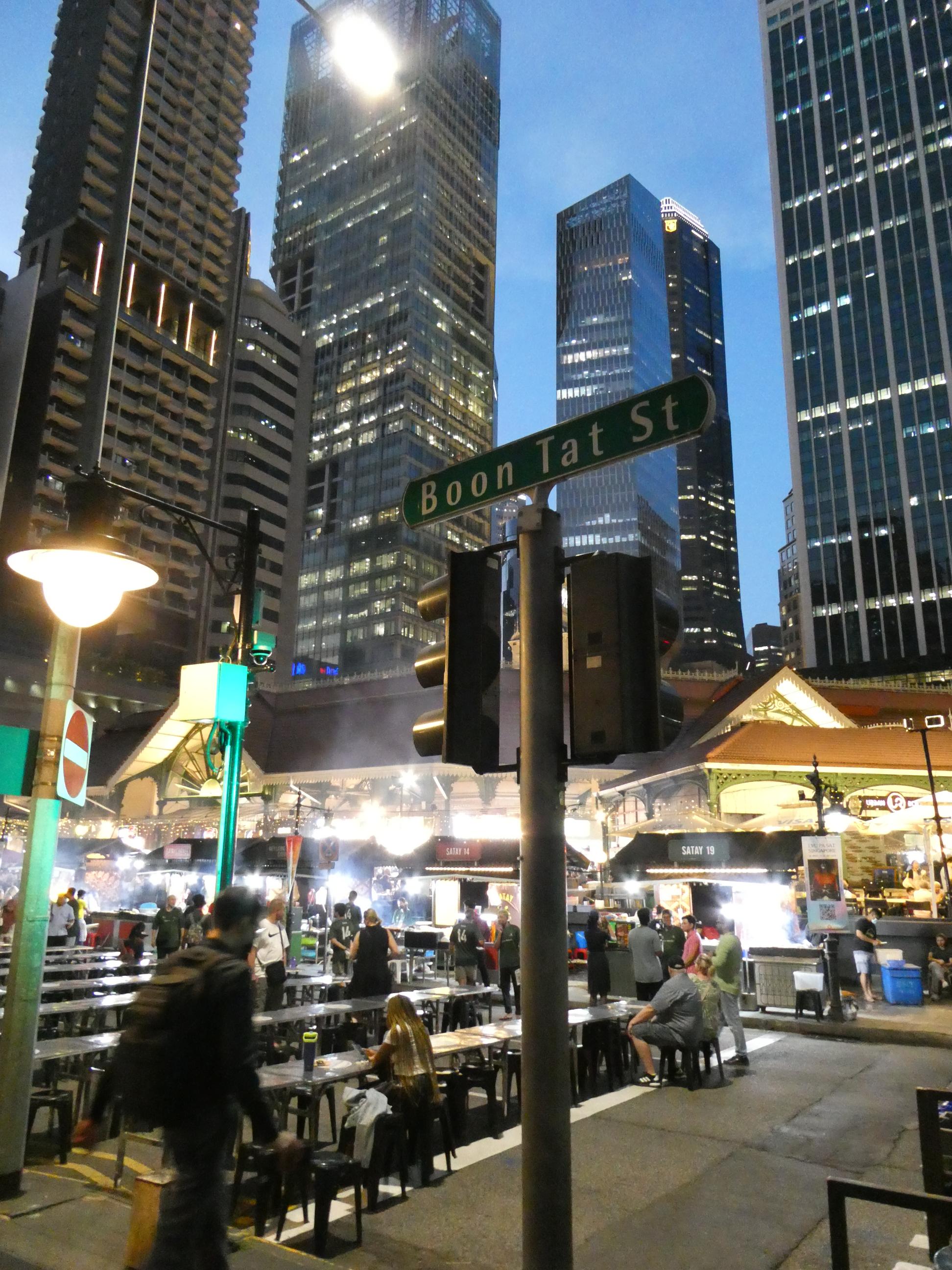
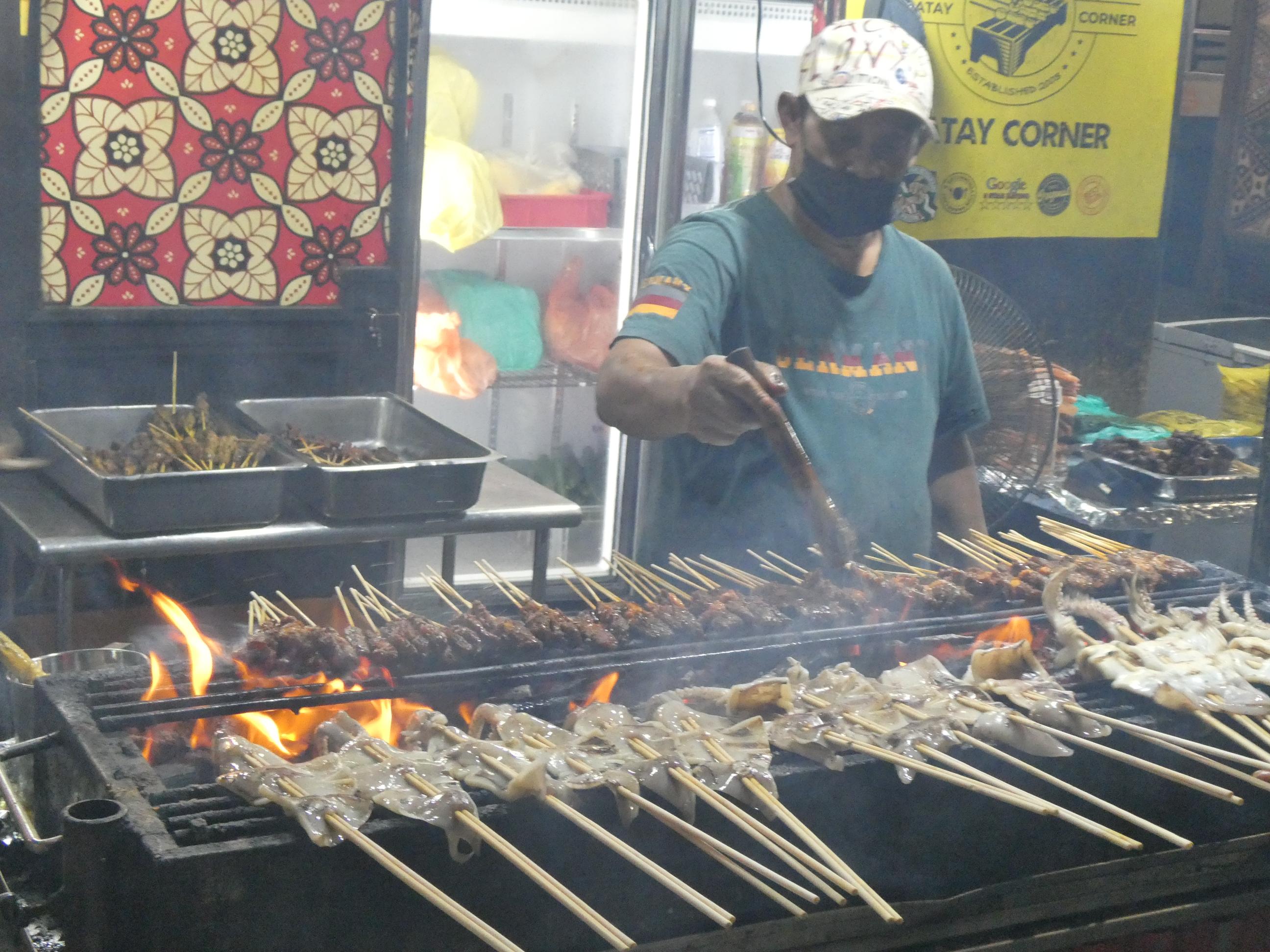
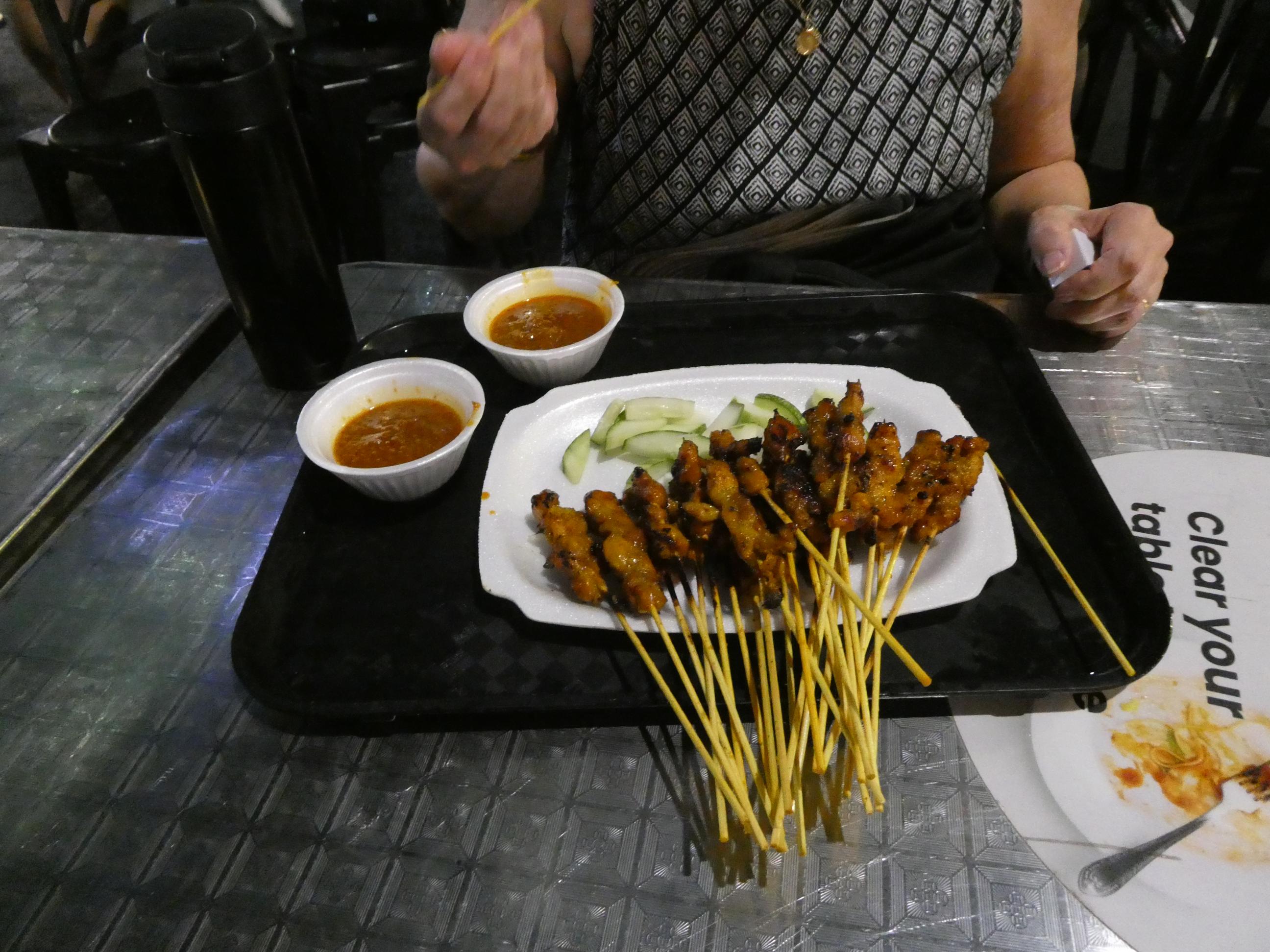
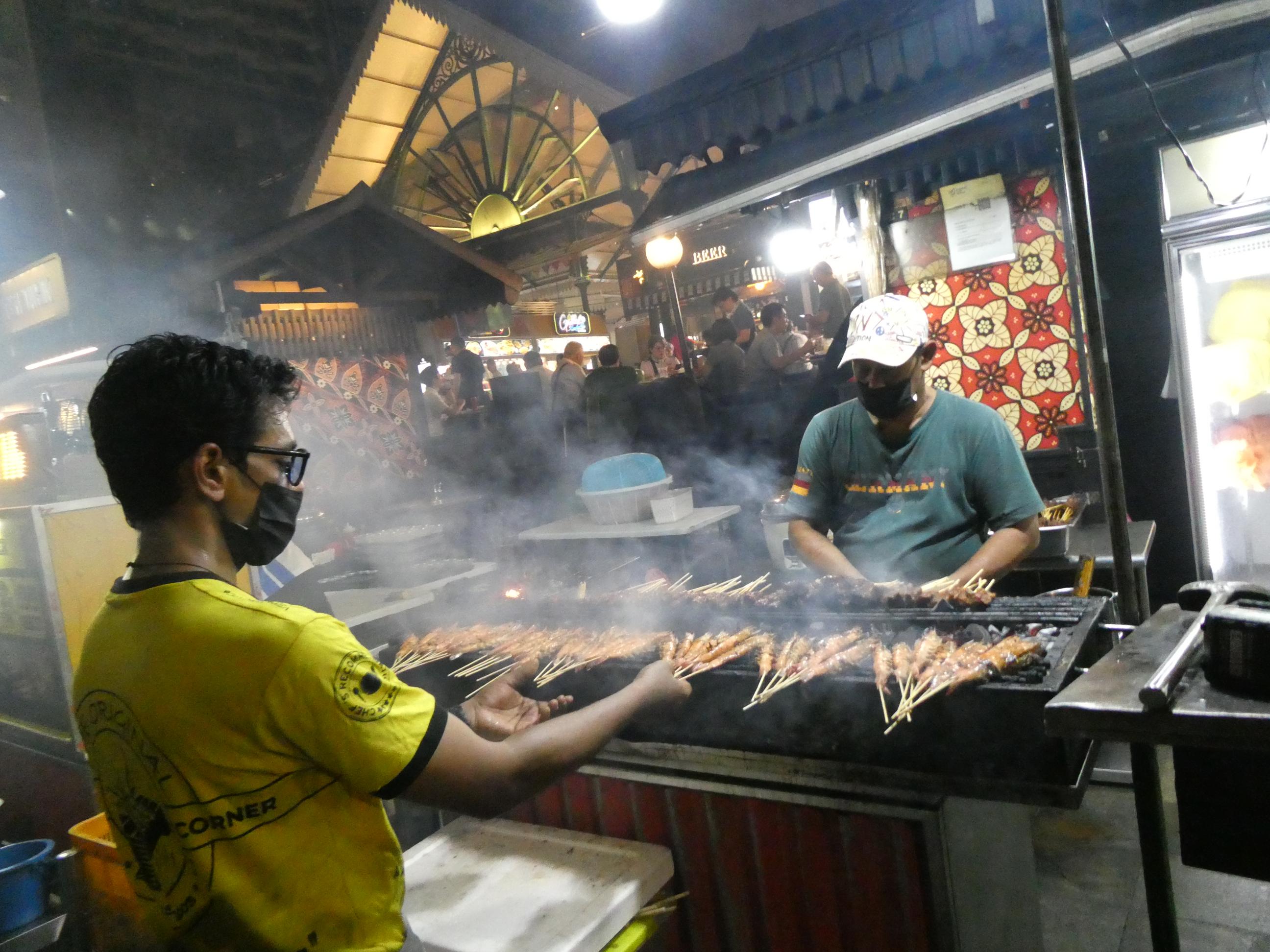
Next stop on the night tour was the Lau Pa Sat street food market. It was a popular spot for both tourists and locals, and we didn’t have long to spend there. So Peter’s advice to us was that if we enjoyed the complimentary satays he shared with us, we should buy our food and eat it quickly. If we wanted to browse the stalls and range of foods on offer, we’d probably run out of time. Peter directed us to one stall where our bus tour wristbands would guarantee we’d be moved to the front of the queue so we could order our food and be served almost instantly. And it also happened to be one of the few stalls that accepted cards, rather than cash. So there was really no decision to make about what we were having for dinner. It had to be satays from Stall 8. Marg and I shared 25 sticks between us. They were delicious, but there wasn’t even time to buy a drink to wash it all down before we were back on the bus and moving on to our final destination.




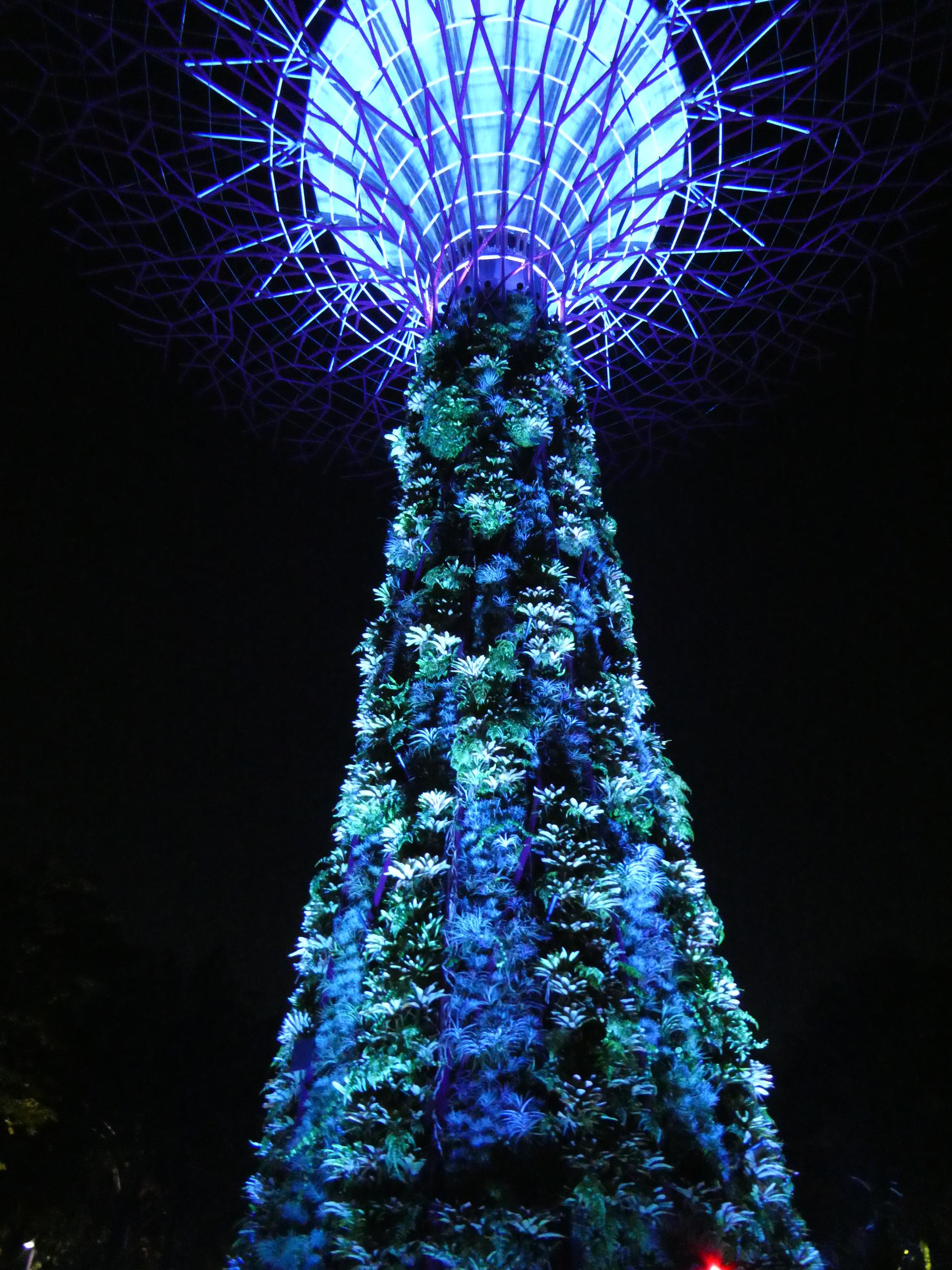
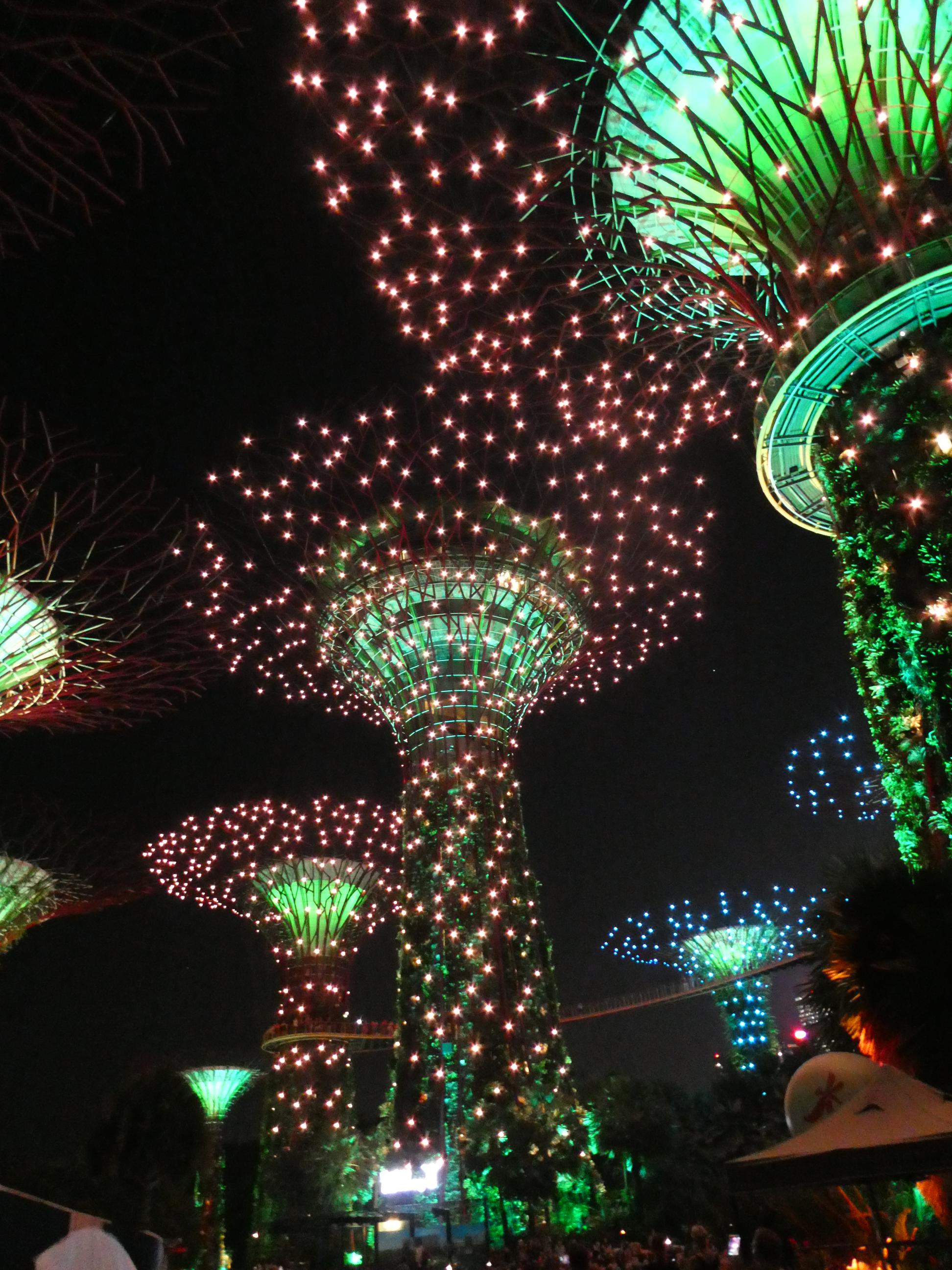
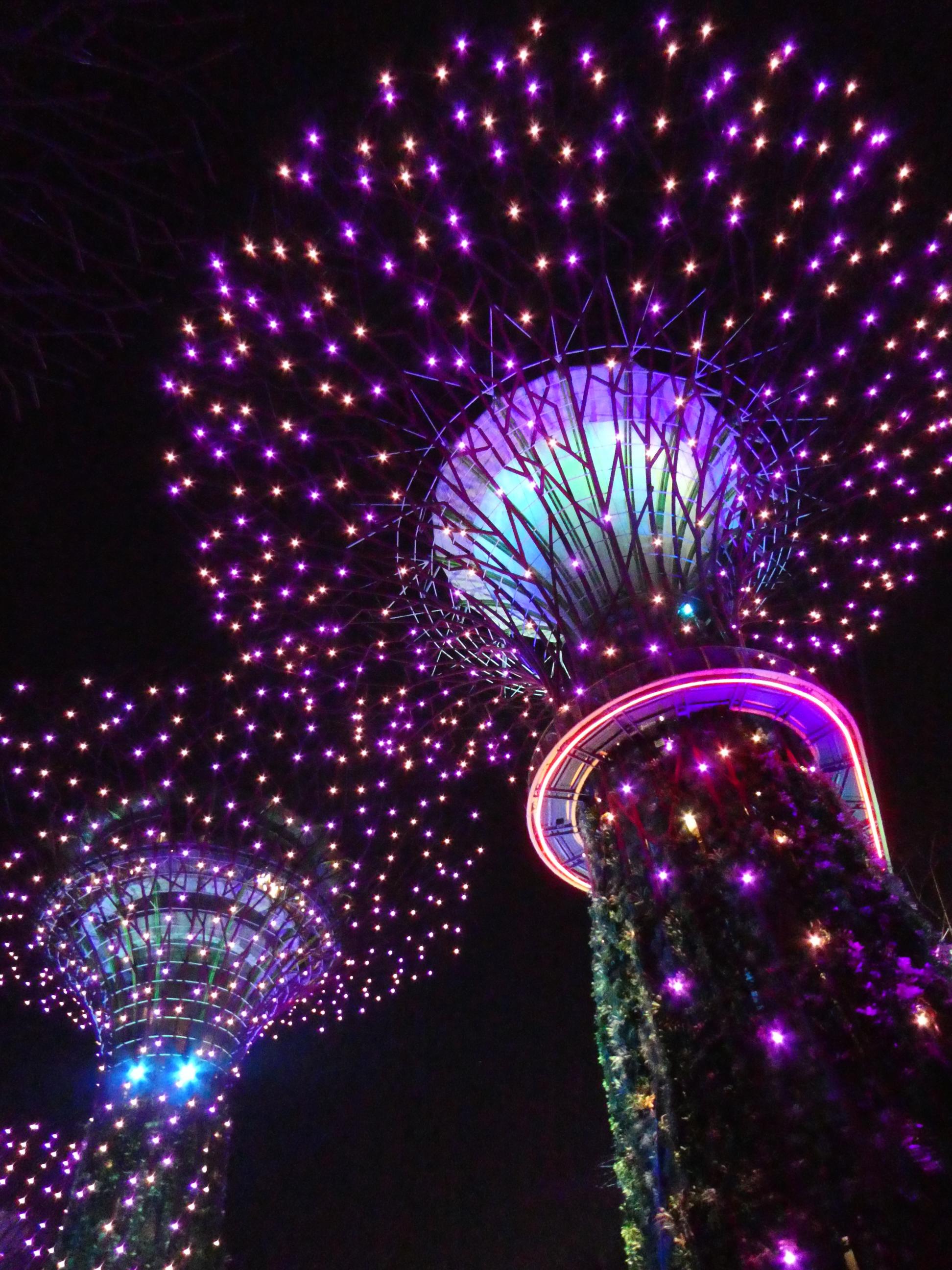
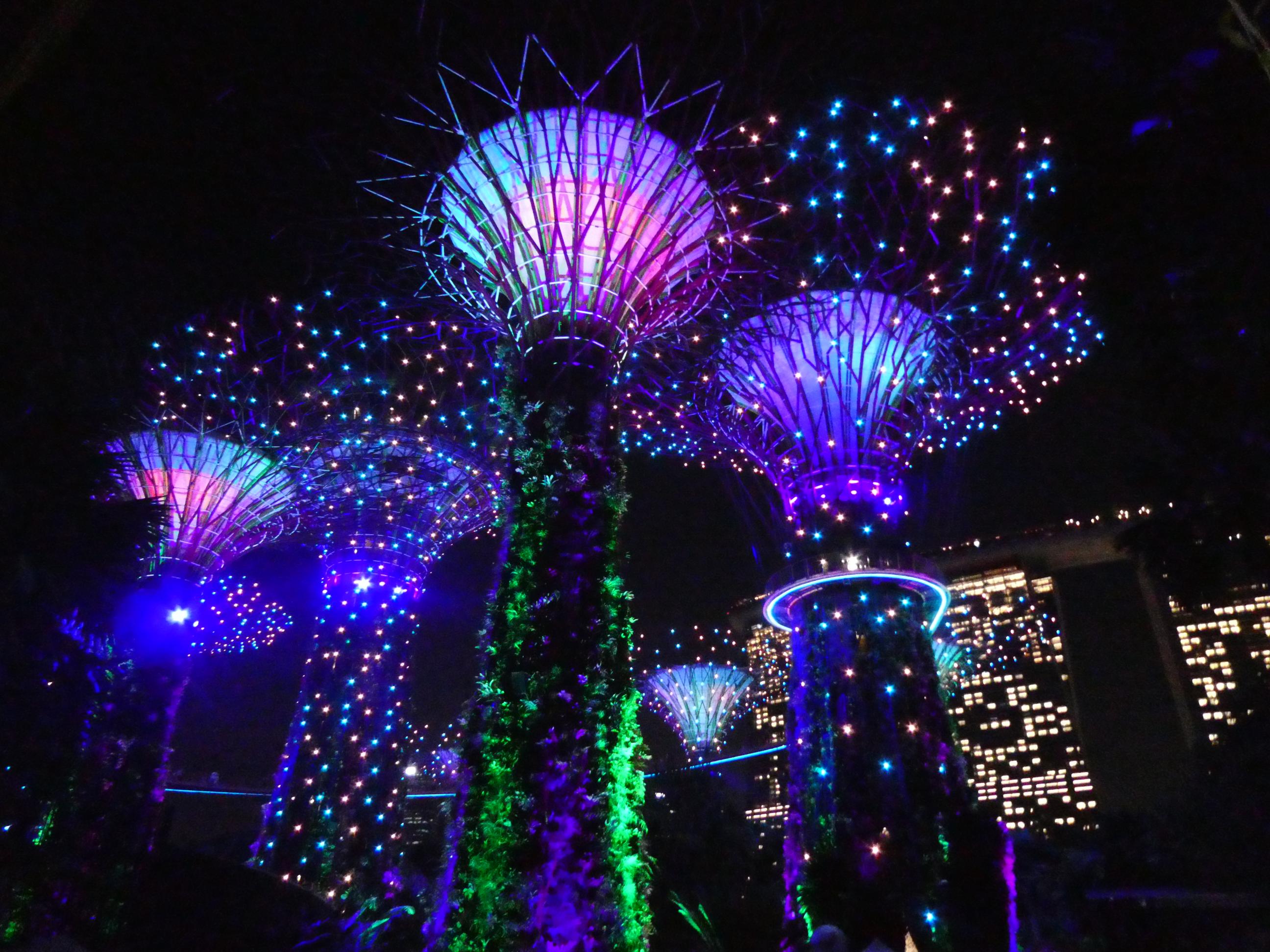
Our final stop was the Supertrees at the Gardens by the Bay. We’d seen them yesterday, when they didn’t hold our attention for more than a few minutes. Tonight they were illuminated, and looking spectacular against the night sky. Peter explained that there are solar panels at the top of each structure and that the upper branches are actually pipes. Rain water is captured and travels down the pipes where it is cooled on its descent. The cool water is distributed below the massive domes of the Gardens by the Bay, where it creates a cool climate for the thousands of plant species they contain. When I visited those domes yesterday, it felt like they were air conditioned, but it was actually the solar energy and the water collected by the Supertrees that was doing the job. This was yet another example of Singapore setting the standard for responding to climate change. We viewed a 15 minute light show which was accompanied by a music soundtrack featuring many of the best known tunes from musical theatre. It was an enjoyable way to bring another good day to an end. Our tour bus dropped us off in Chinatown and from there it was a short walk back to our hotel.
Tomorrow we take the 14 hour flight to London. By the time we get to our hotel it will be late in the evening, so I don’t plan on posting anything more on this blog for the next 48 hours.


 On The Road With Garry
Fabulous to follow your garden tours Garry . With such specky photos. I love orchids esp but all your green pics are magic for me too. Would be finding the heat challenging!!!
LikeLiked by 1 person
What a great start Gaz. Pics are super clear. Blighty bound. Enjoy.
LikeLiked by 1 person
So colourful. Love the pictures Garry. Sounds amazing. Big incentive to stop in Singapore next big trip. Safe travels to London. X
LikeLiked by 1 person