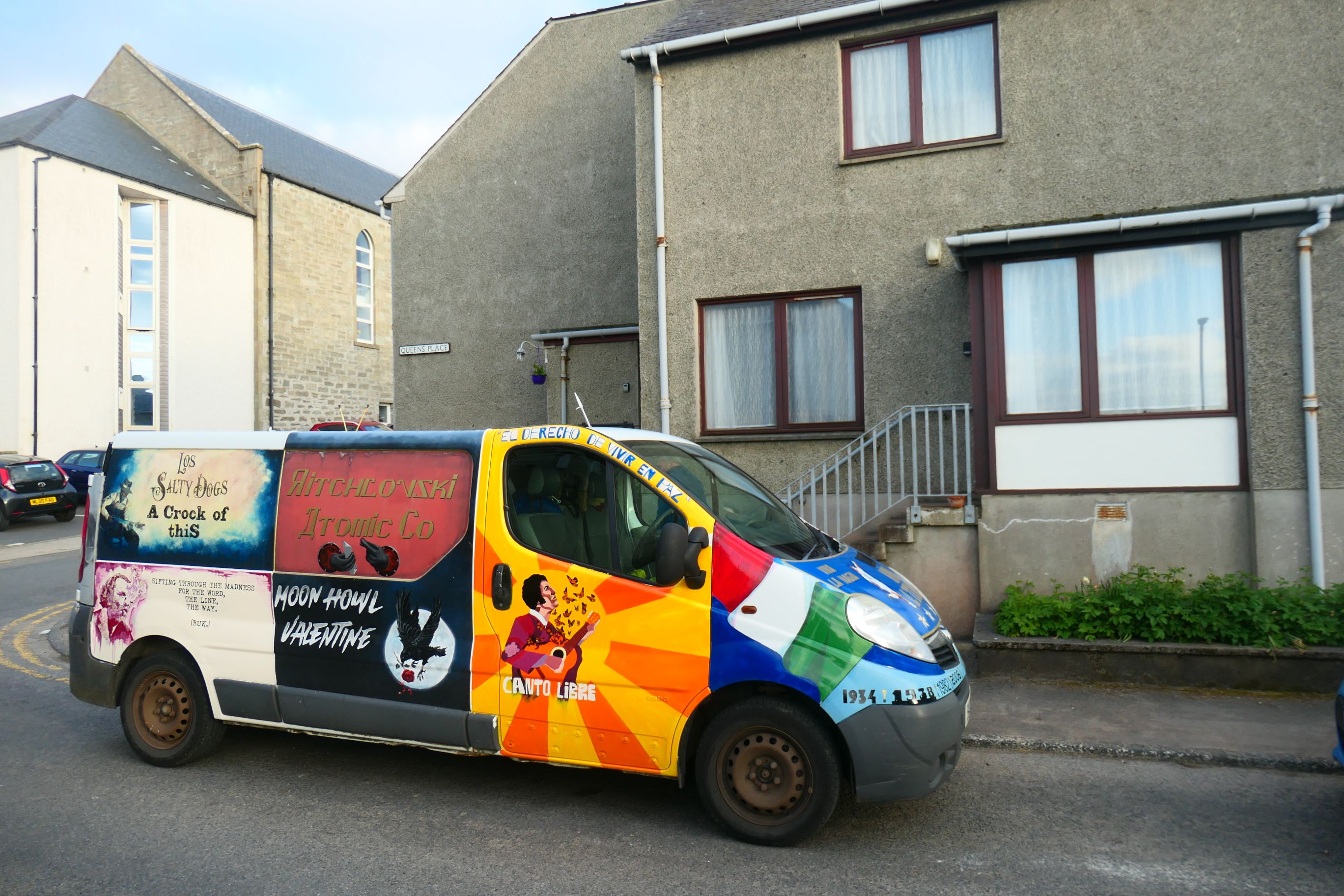
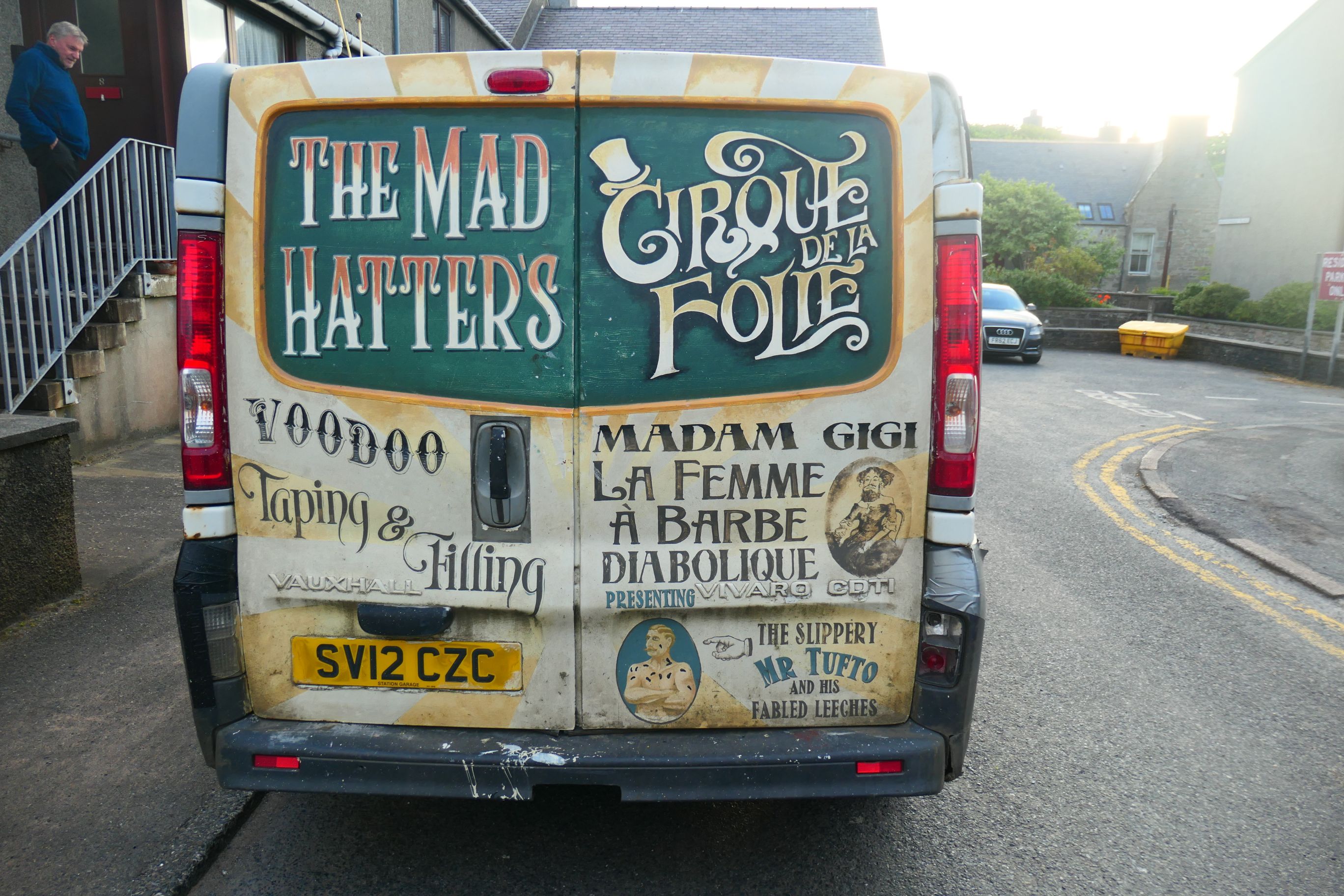
We had an unusual vehicle parked at the base of our steps this morning. I thought it was pretty cool to find John Lennon and Bob Dylan waiting for me as I stepped into the sunshine.


This morning, I was invited to visit a lady I had never met, or even corresponded with. But several years ago she did me a favour, which I will explain later in this post. When she found out I was in Shetland, she said she’d like to meet me. But she wanted me to come out to her place, a half hour’s drive from Lerwick. Marg said she would join me in the visit, and Janie and Neil said they’d come along and spend time nearby while we visited the house.
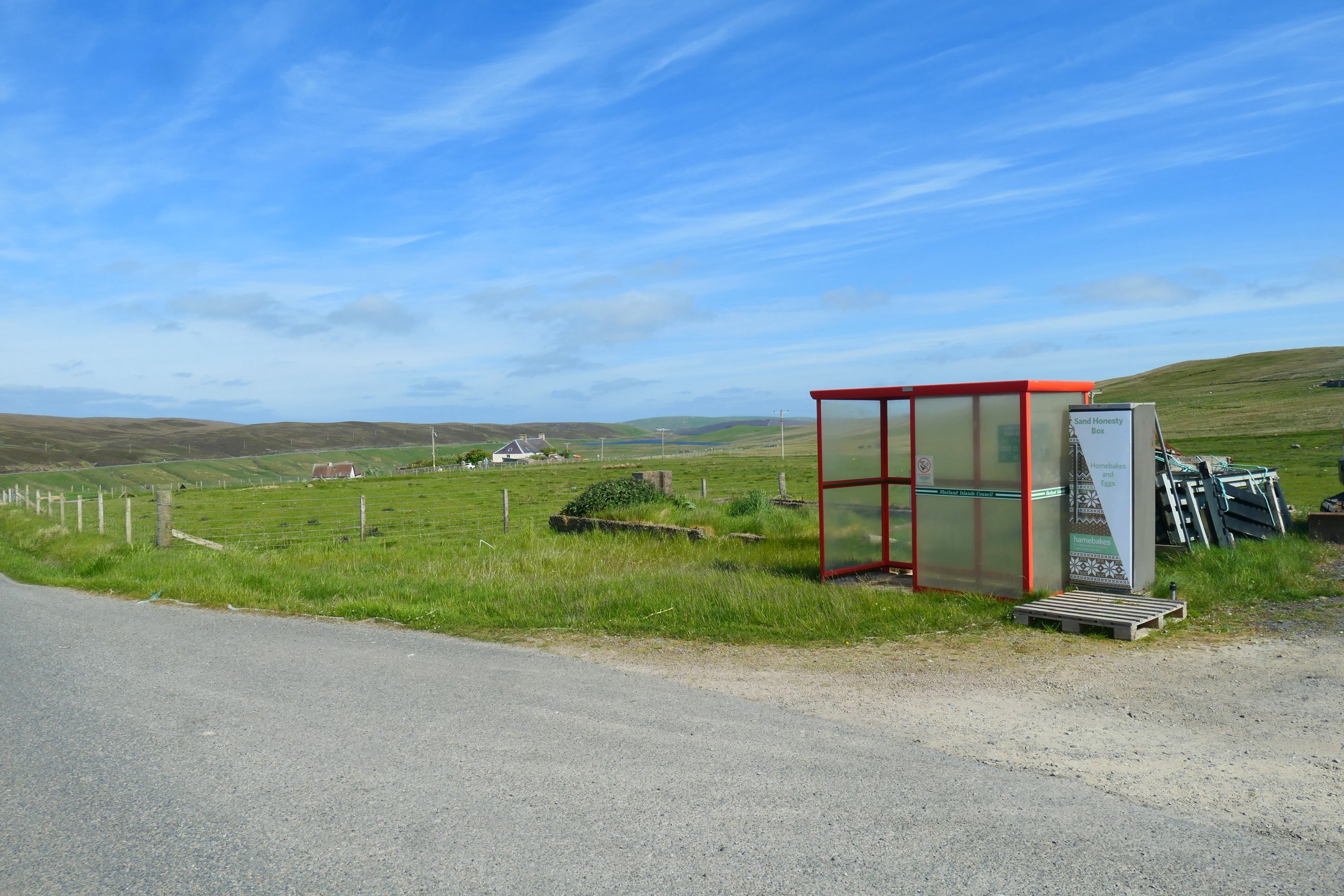
Our drive took us to a place that isn’t even named on Google Maps, but is not too far from a village named Bixter. Just before we reached it, seemingly in the middle of nowhere, I spotted an honesty box. I’d read about them. Shetland has several of them. Inside you will find freshly baked goods and sometimes fresh eggs. You can take what you need and leave money in the honesty box. We took away some chocolate brownies and left them a fiver. A little further down the road we found the place we were looking for. Although it wasn’t identified on Google Maps (it’s less than two years old), it was the only building in the vicinity.
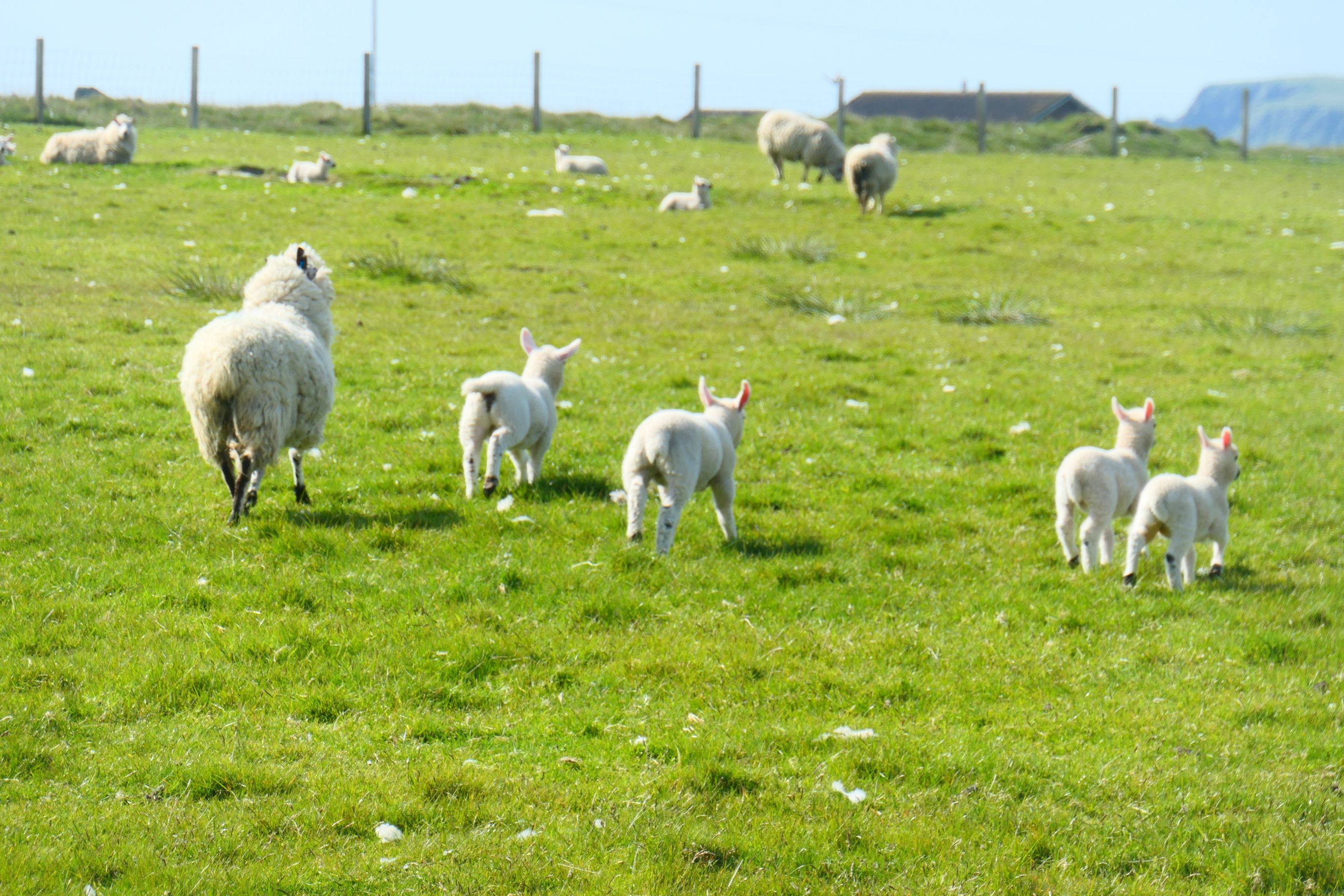
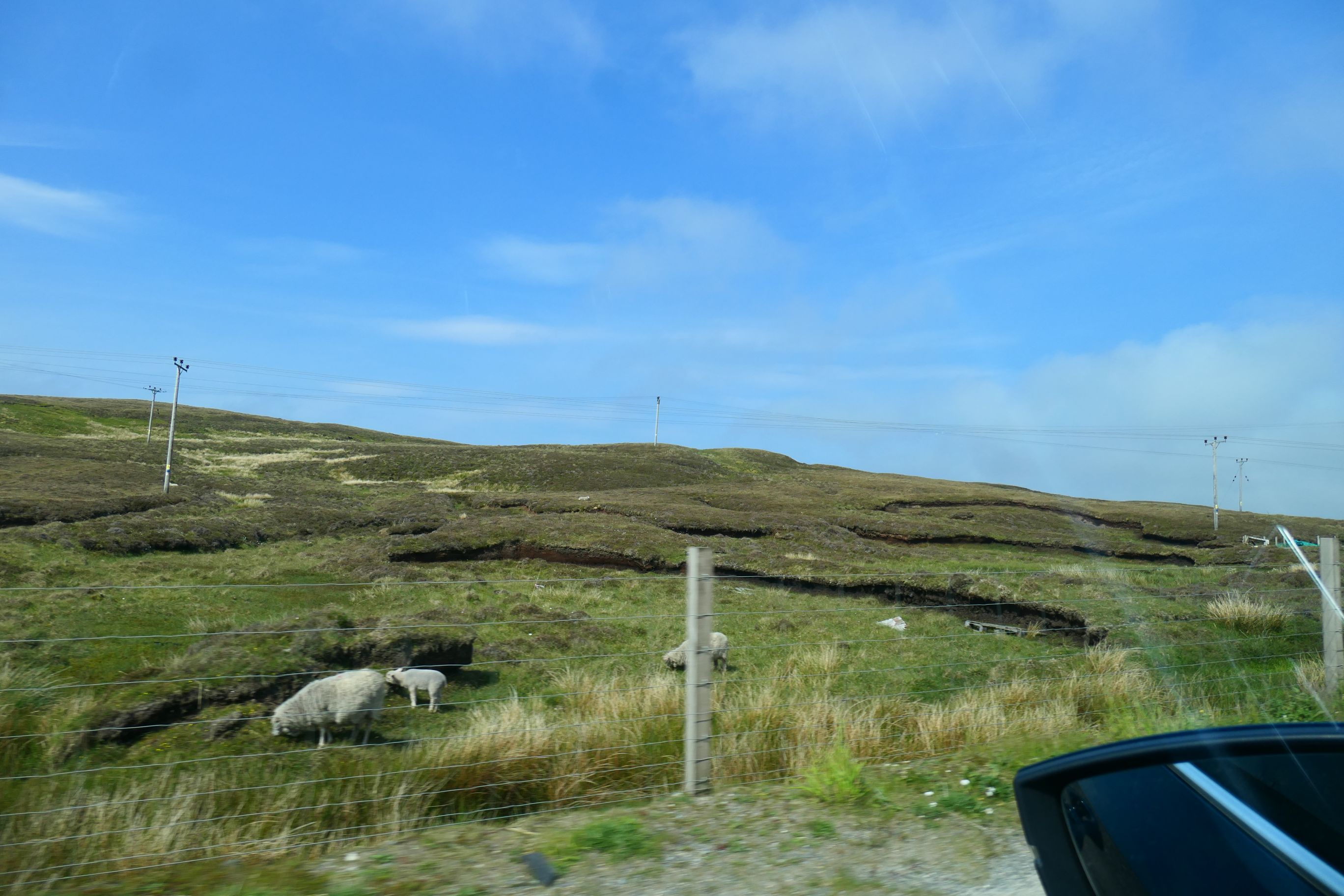
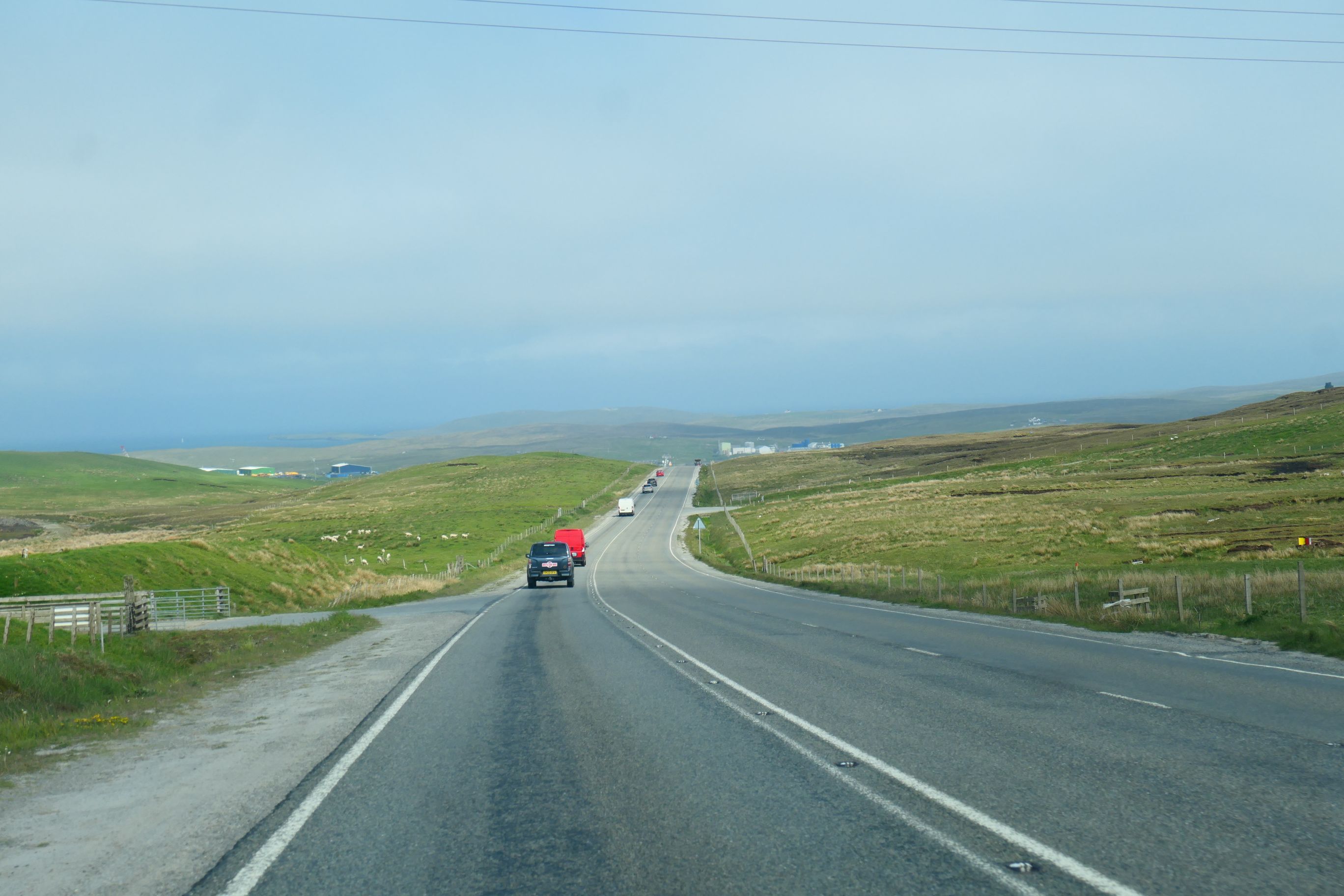
Although we had driven through spectacular country to get there, I was driving so there are no photos of the drive. But you can imagine the vistas of green hillsides, inlets and islands. And, of course, sheep.
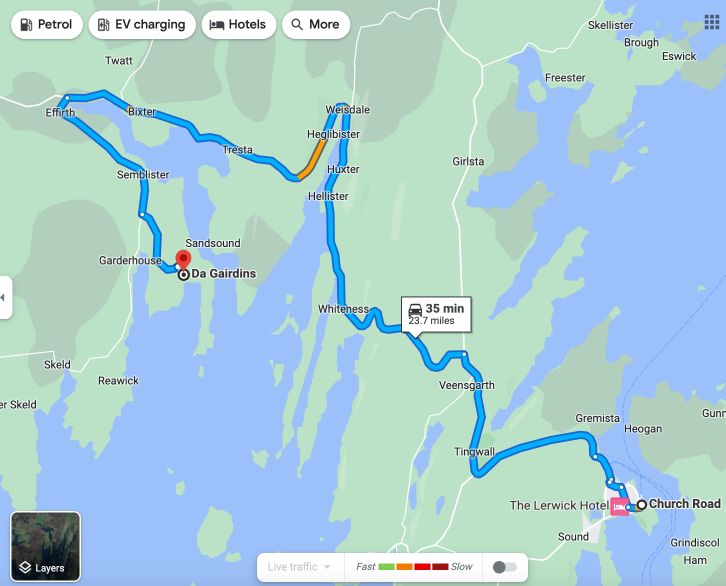


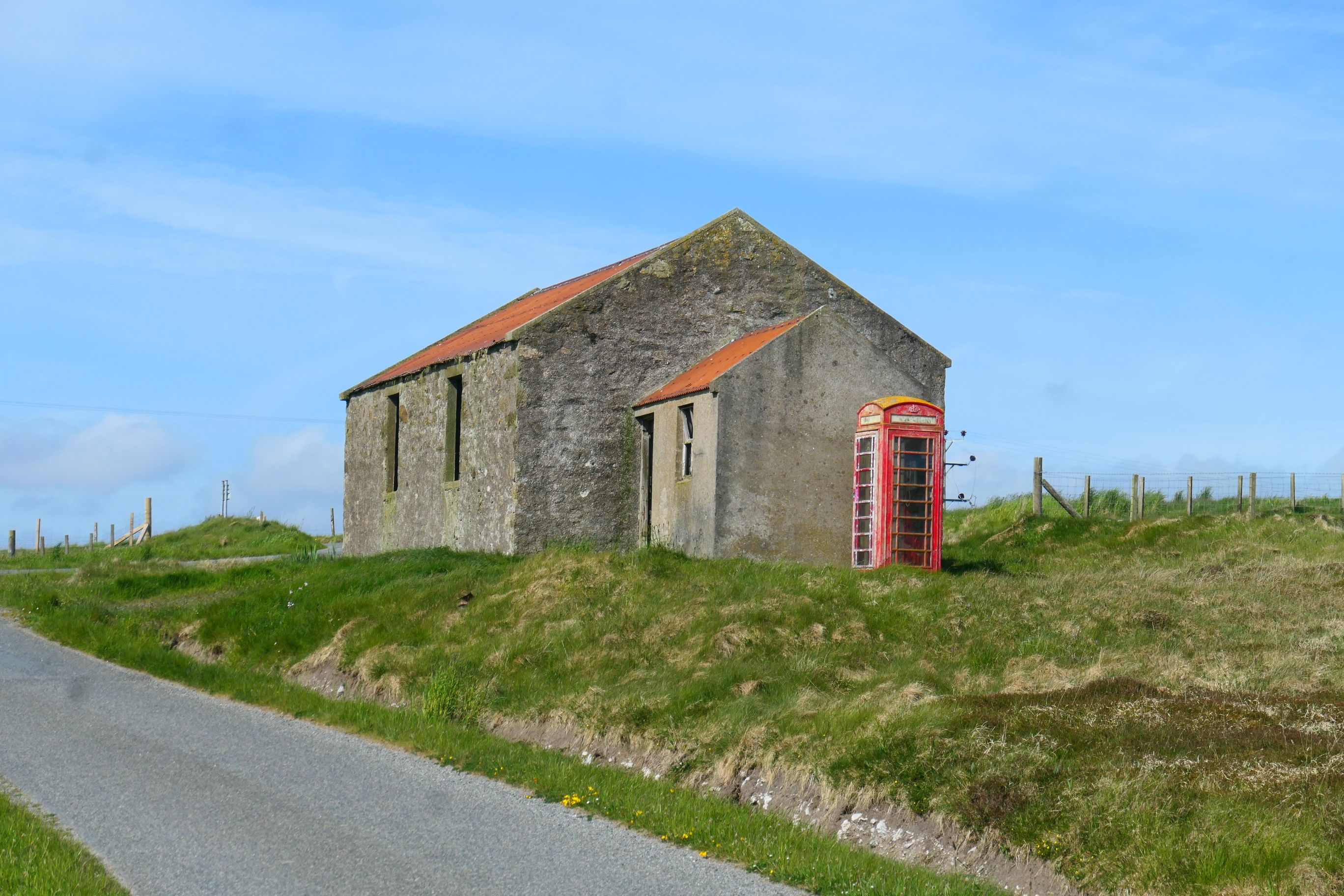
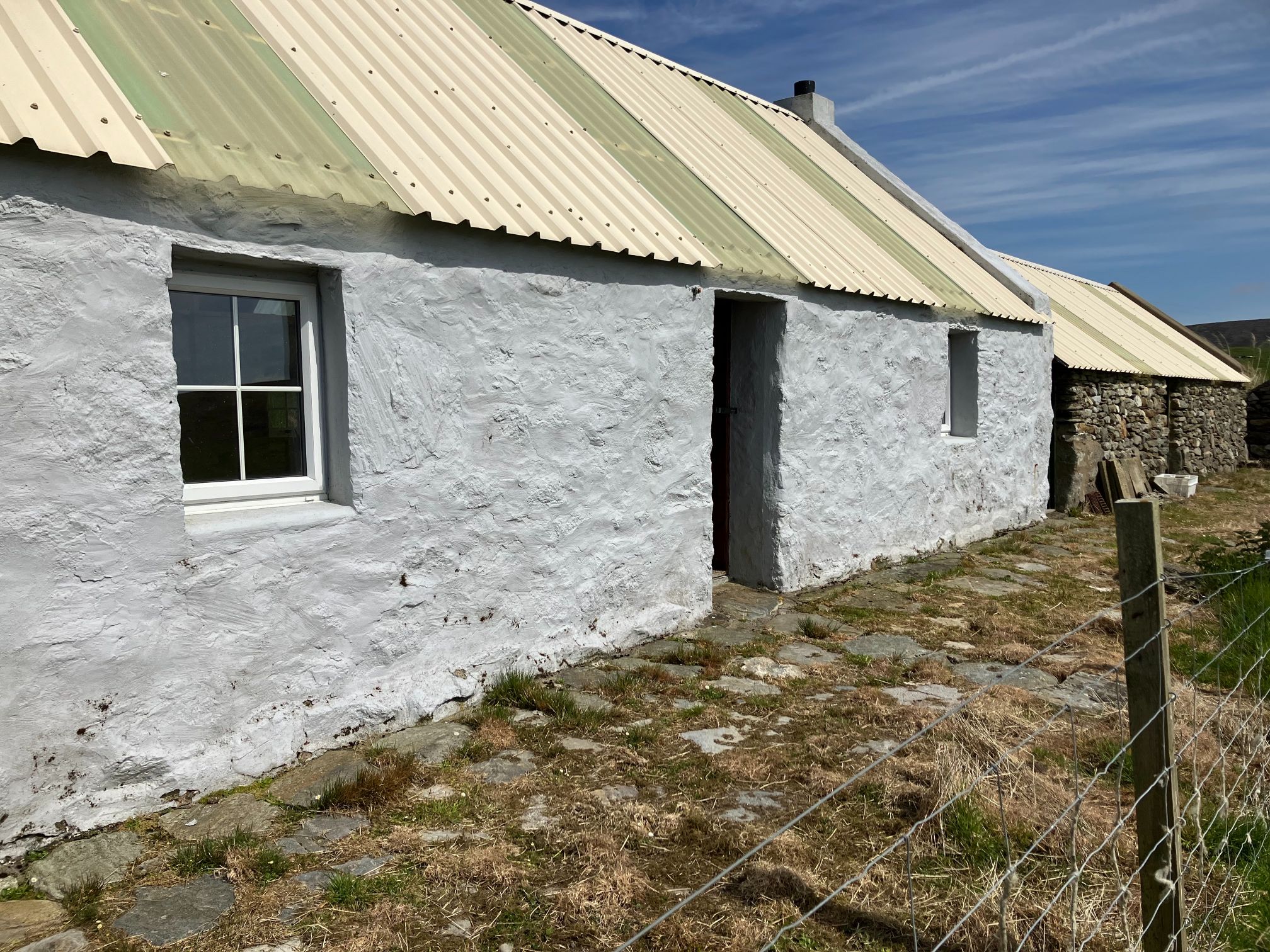
We pulled up at the end of the driveway. Marg and I got out and walked down to the house. Janie and Neil drove on just a little bit further, where we’d learned of a place called Da Gairdins (The Gardens) that might be worth a visit. The house we were visiting had beautiful views over an inlet, known in Shetland as a voe. Many words of Norse origin still permeate the Shetland language. Marg had brought some flowers. We knocked on the door and were soon welcomed warmly and asked to come inside. Our host, also named Margaret, was looking forward to our visit.


A couple of years ago, while developing an interest in my Shetland ancestry, I took out membership in the Shetland Family History Society. Enrolment required me to fill out a family tree for my known Shetland ancestors with names, dates and addresses (if known). When I submitted mine I received an email the following day from the Research Secretary, Jasmine. She told me she could probably get hold of some family photos if I would like them. Of course, I said ‘Yes Please’. I had never seen photos of any of my Shetland family.
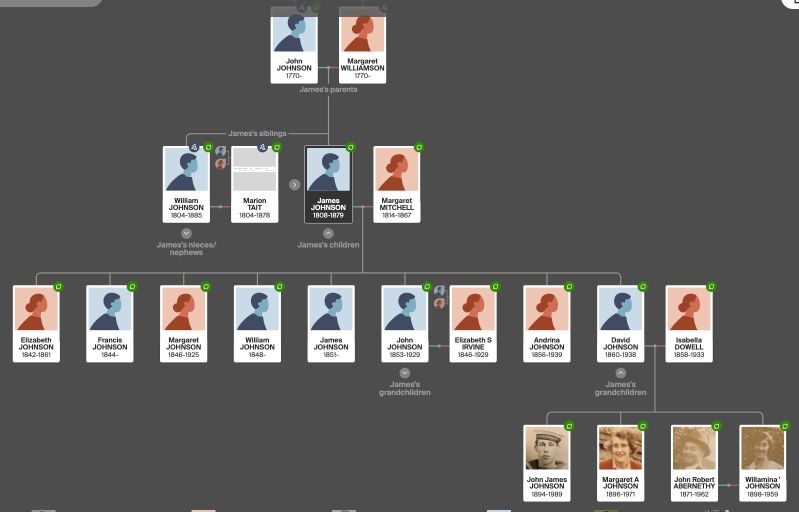
Jasmine sent me photos of three siblings – Johnny, Maggie and Willa Johnson. She also sent just a few notes, so I had a little background. All three of them had died childless. Willa had married and gone to Canada, but neither Johnny nor Maggie had ever married. The two siblings lived all their lives in a crofthouse on the west of Shetland. After a bit of research I located birth records for all of three and placed them on my family tree, along with the photos Jasmine had sent to me. They were my second cousins twice removed. Their grandfather James Johnson was the brother of my fourth great grandfather William Johnson. The photos had been provided to Jasmine by John and Margaret, who had been neighbours and friends of Johnny and Maggie.
And today, it was Margaret we were visiting, firstly to thank her for her generosity in sharing the family photos, and secondly to find out a little more about the Johnson siblings and their land.
In the meantime, Janie and Neil had gone a couple of hundred metres further down the road and ended up at the house of Ruby, Margaret’s neighbour, good friend and former schoolmate. They spent an hour down there with Ruby, learning all about her family and their crofthouse. When we caught up with them later, they said they’d had a great time, and it seemed that Ruby did too. We figured she’d get straight onto Margaret by phone as soon as we’d left to talk about the Australians who’d just popped in.


Here are two screenshots from my family tree. The first is my side of the family, descended from William Johnson, and the second is Johnny and Maggie’s side of the family, descended from his brother James Johnson.

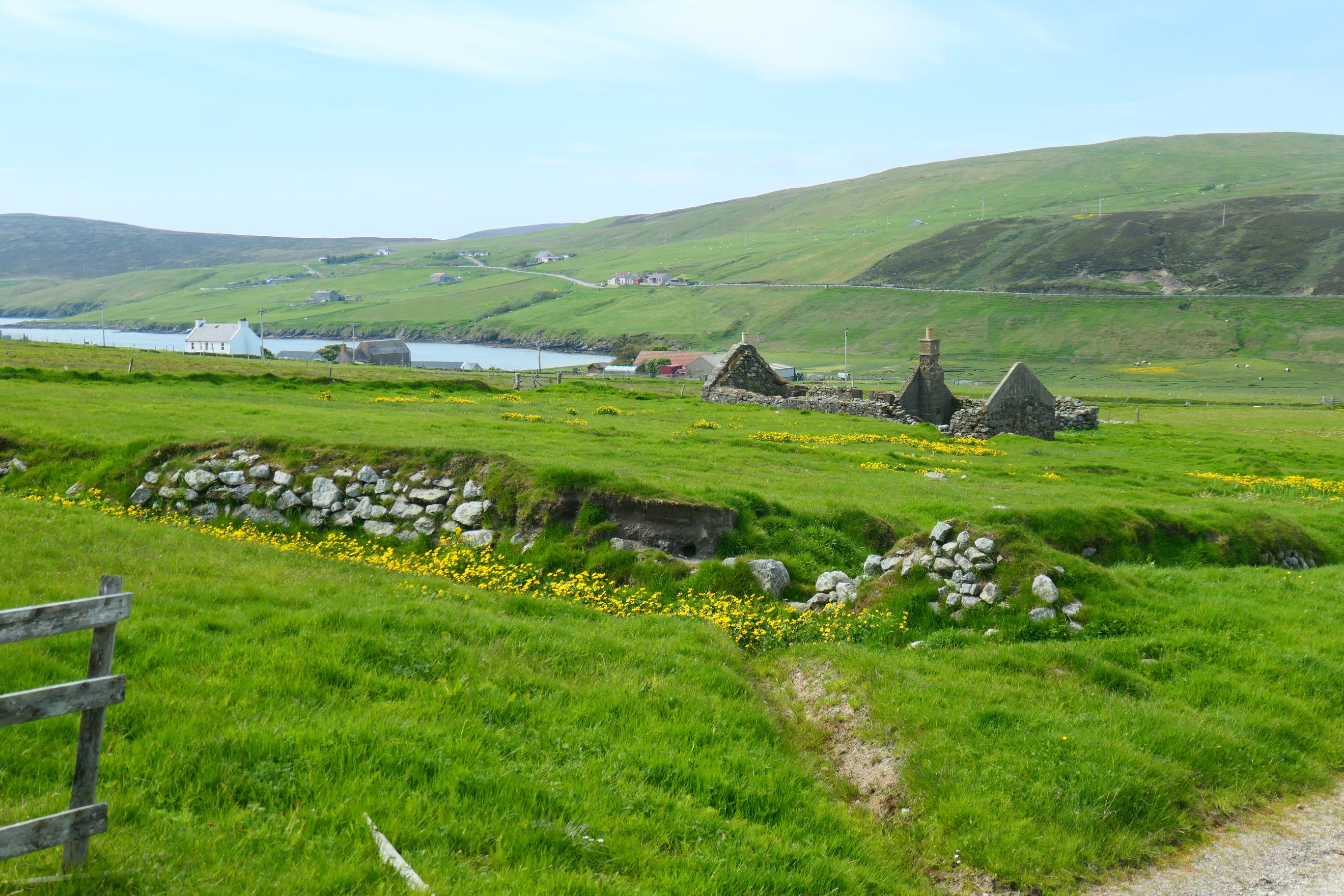
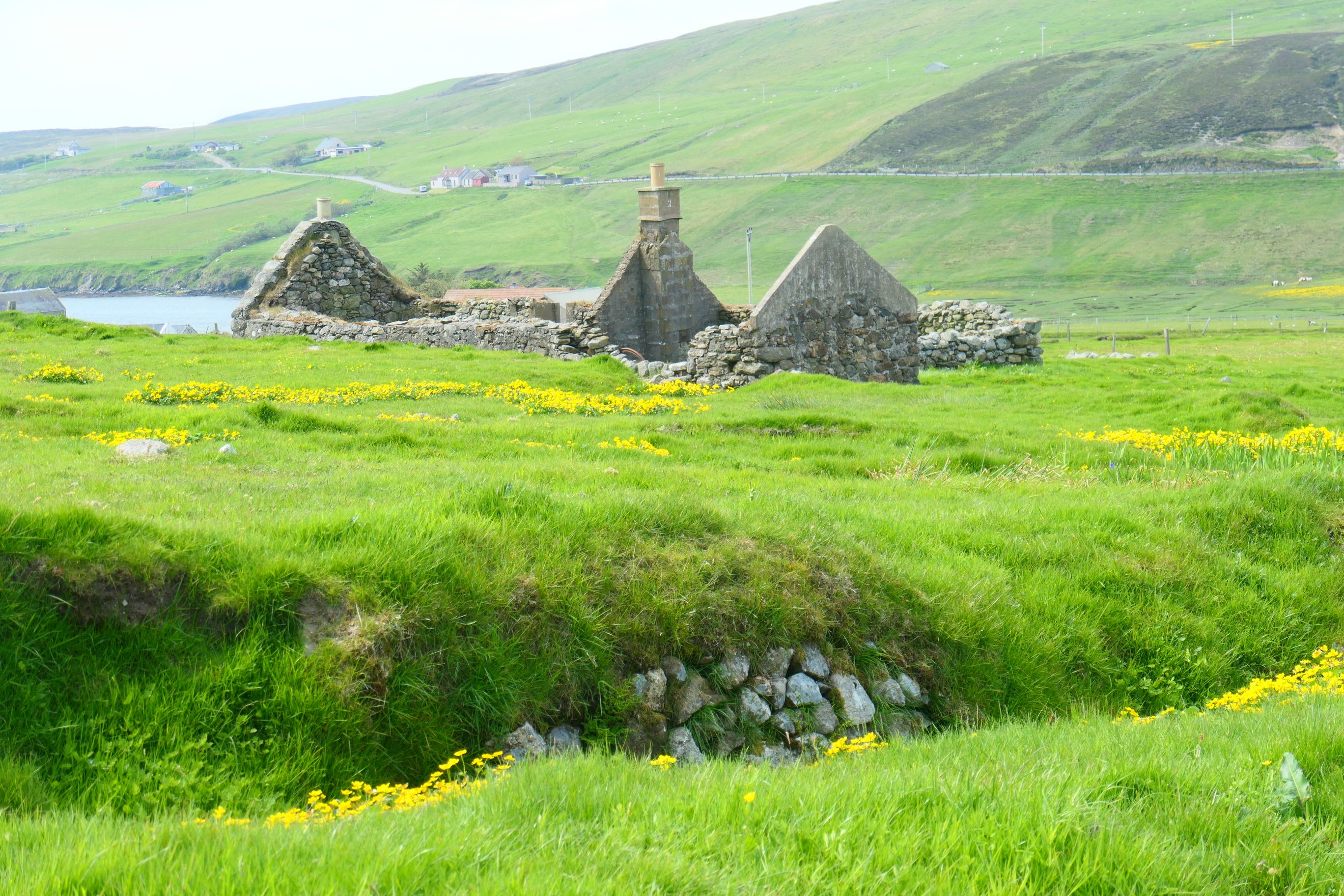
Here you can see some of the photos of Johnny Johnson (1894-1989) and his sister Maggie (1896-1971) that Margaret has shared with me. Take note of the crofthouse behind them, as you’ll soon see more of it. Johnny was in the Merchant Navy during WWI and the first photo was taken in Murmansk, Russia. I think they have the faces of hard working, country folk, but I also think their faces look both kind and wise. Margaret said they were wonderful people. Johnny and Maggie were often known by the names Johnny and Maggie O’Tulkie, because the land they were on is in a place known as Tulkie. You won’t find Tulkie on Google Maps.


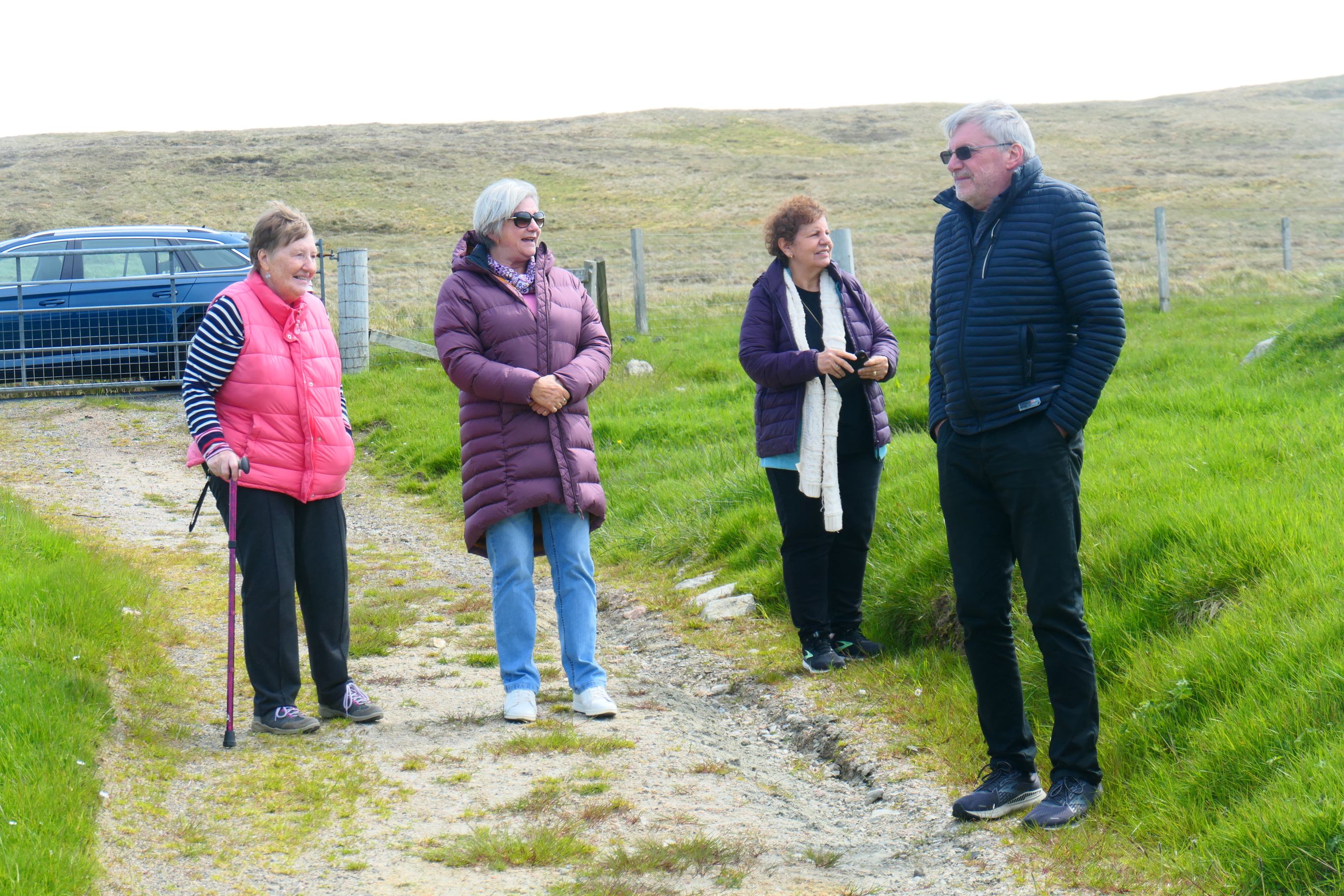
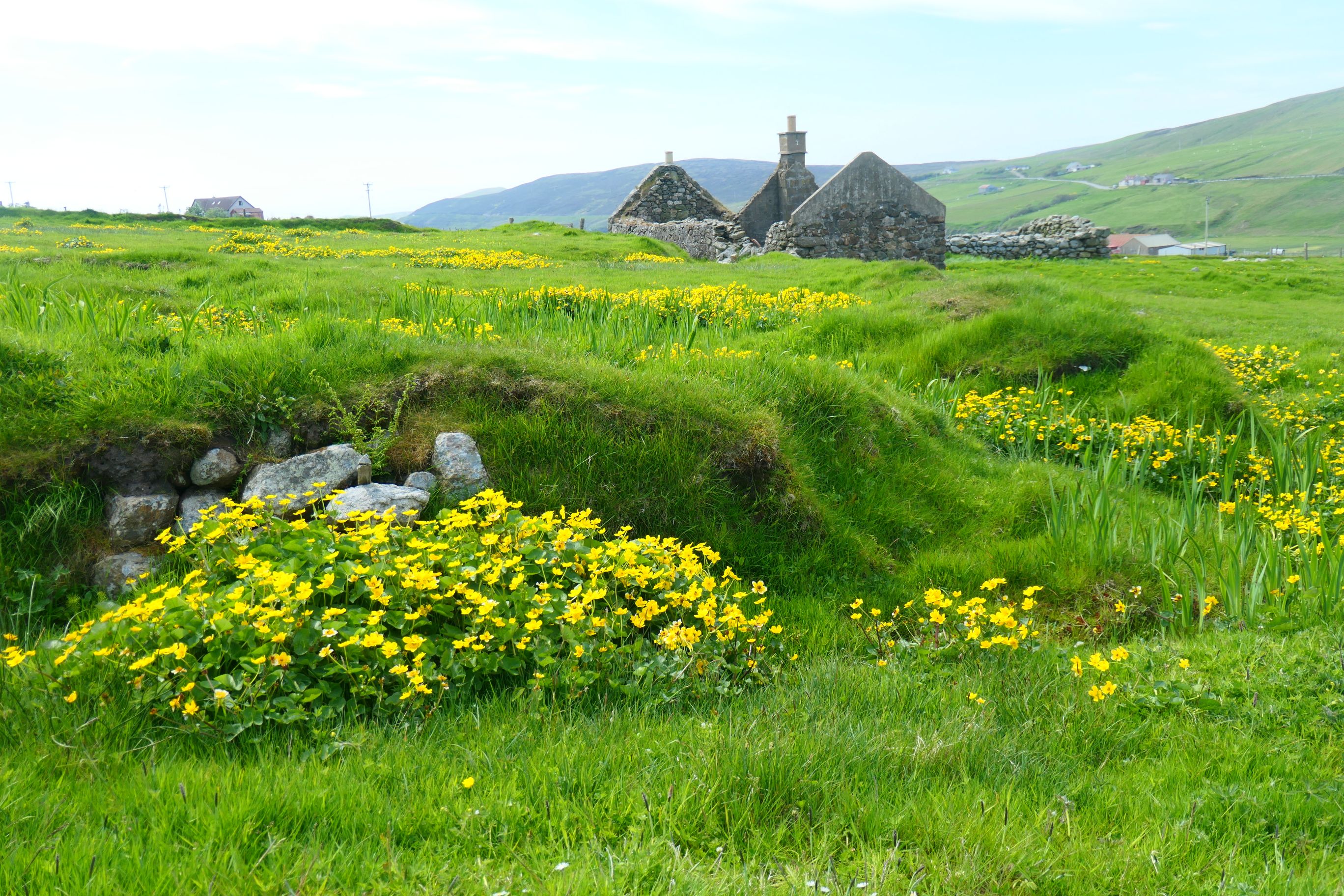
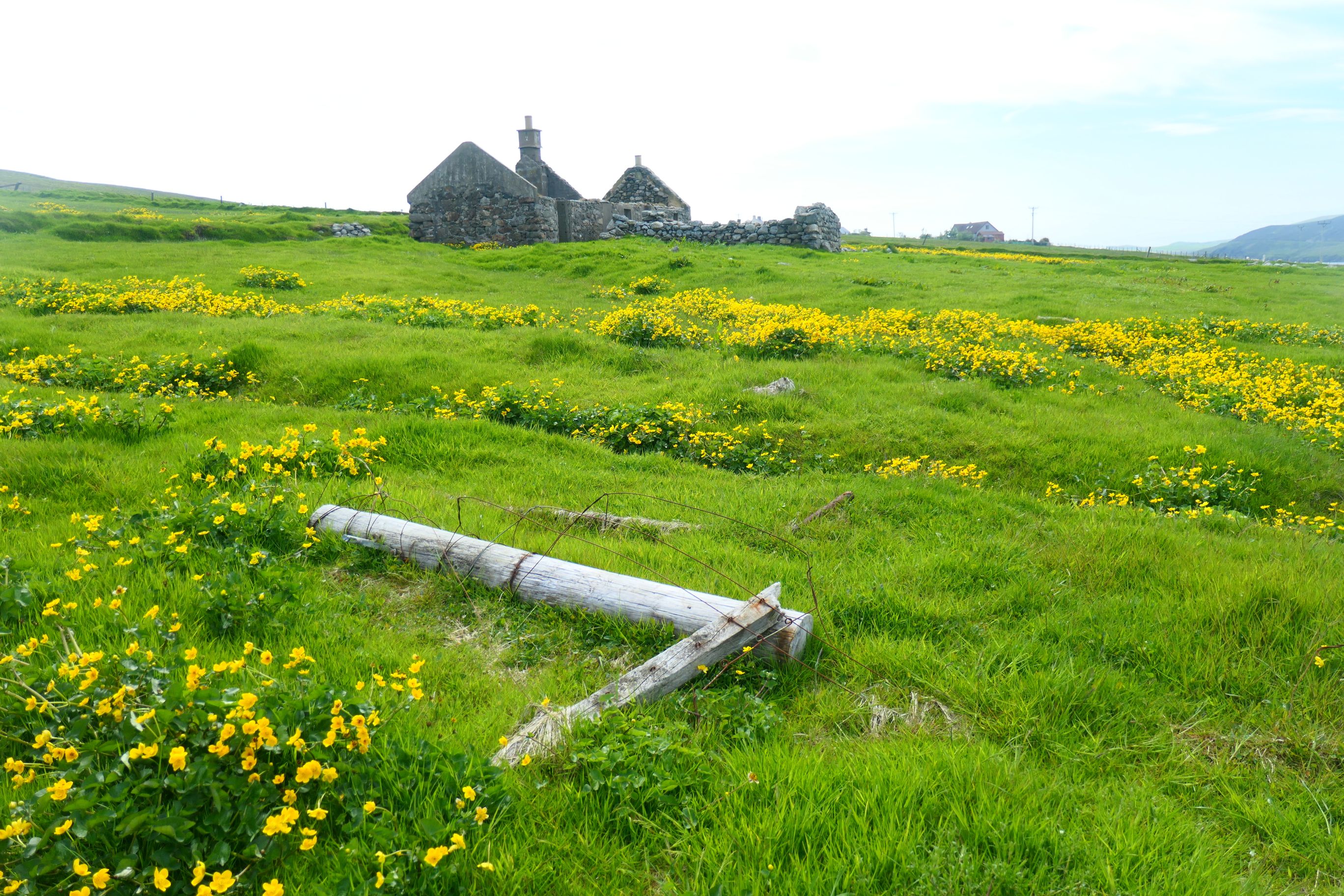
And here we are on Tulkie land. Margaret’s husband John had been very close to Johnny and Maggie. When Johnny was the last of the three childless siblings to die, he left the land to his good friends, John and Margaret. Sadly John died late last year, but Margaret continues to graze sheep, not only on this field, but on all the land you can see in these photos.
As much as I felt privileged to be there and step onto the land where my kinfolk had lived and laboured, I think Margaret also felt some emotion attached to our visit. Because, as she explained to me, until she got the request from Jasmine about the photos a couple of years ago, she thought the Johnsons were the last of their family. She did not know that 150 years ago, another Johnson had sailed to the other side of the world. Margaret was delighted to know that we now know their story and value it. Margaret assured me that, although Johnny died with no apparent family, she and John had made sure he’d had a proper burial.
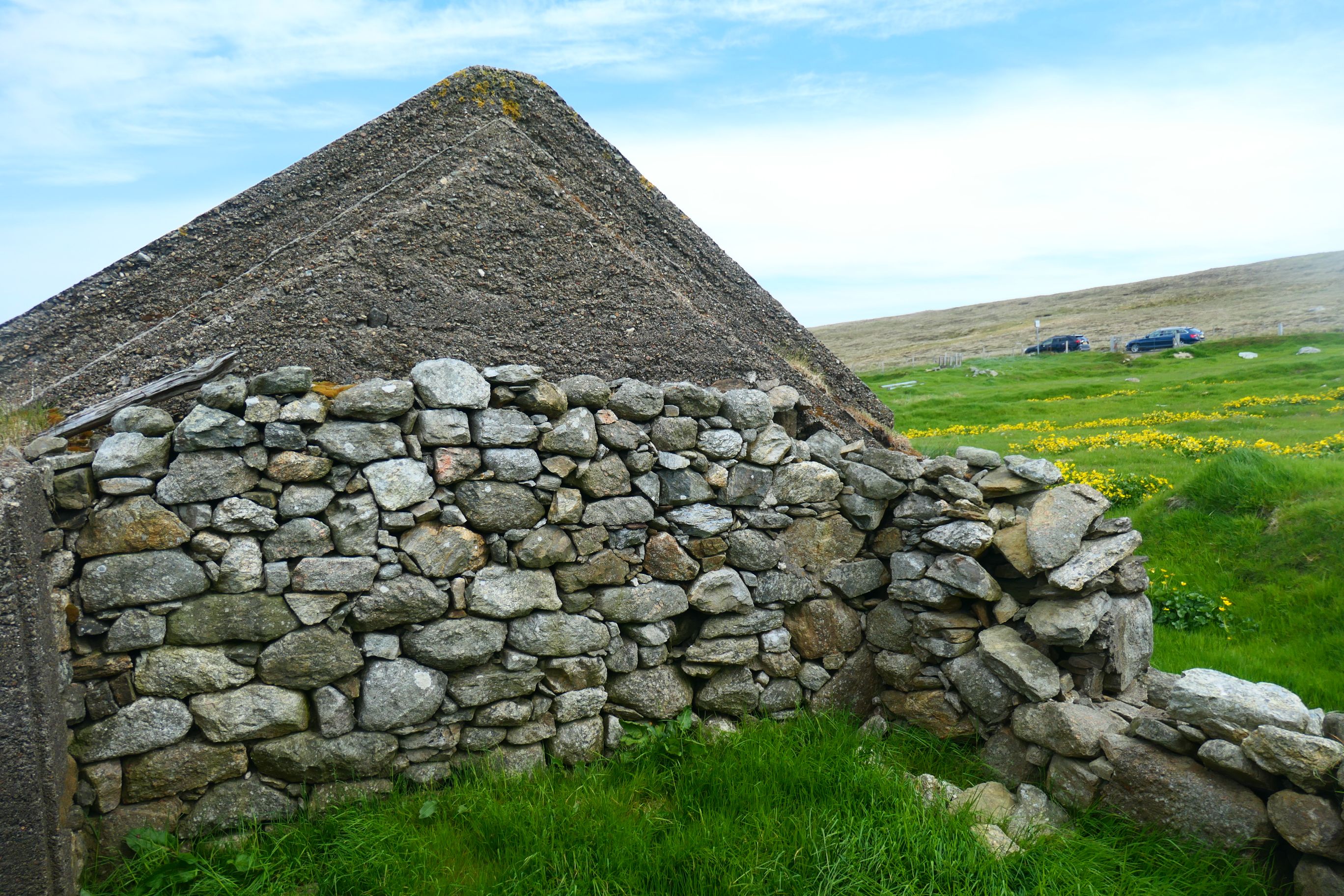
I asked Margaret about the deterioration of the croft from the time of the photos (1950s) to now, thinking that maybe it had been dismantled so the stones could be used elsewhere, but she told me it was just the strong winds that come in from the North Atlantic that have done the damage. There’s not much left, but the walls tell a story. There’s a little fireplace that I can imagine them gathered around, and a byre for the animals to shelter in during the winter. A few rusted pieces of farm machinery are the only evidence of their hard working lives that remain. They would have been dirt poor, but spent their lives in one of the most scenic places on earth. My good fortune was to have been born into a comfortable life in a prosperous country. Their good fortune was to have spent their lives taking in all the vistas of Tulkie land, but I am under no illusions as to the harsh conditions and constant struggle they must have faced as crofters.
Janie found a small copper coin on the ground and gave it to me. It’s from Elizabeth’s reign, but quite weathered and covered in residue. I’d like to think that maybe it dropped through a hole in Johnny’s pocket.



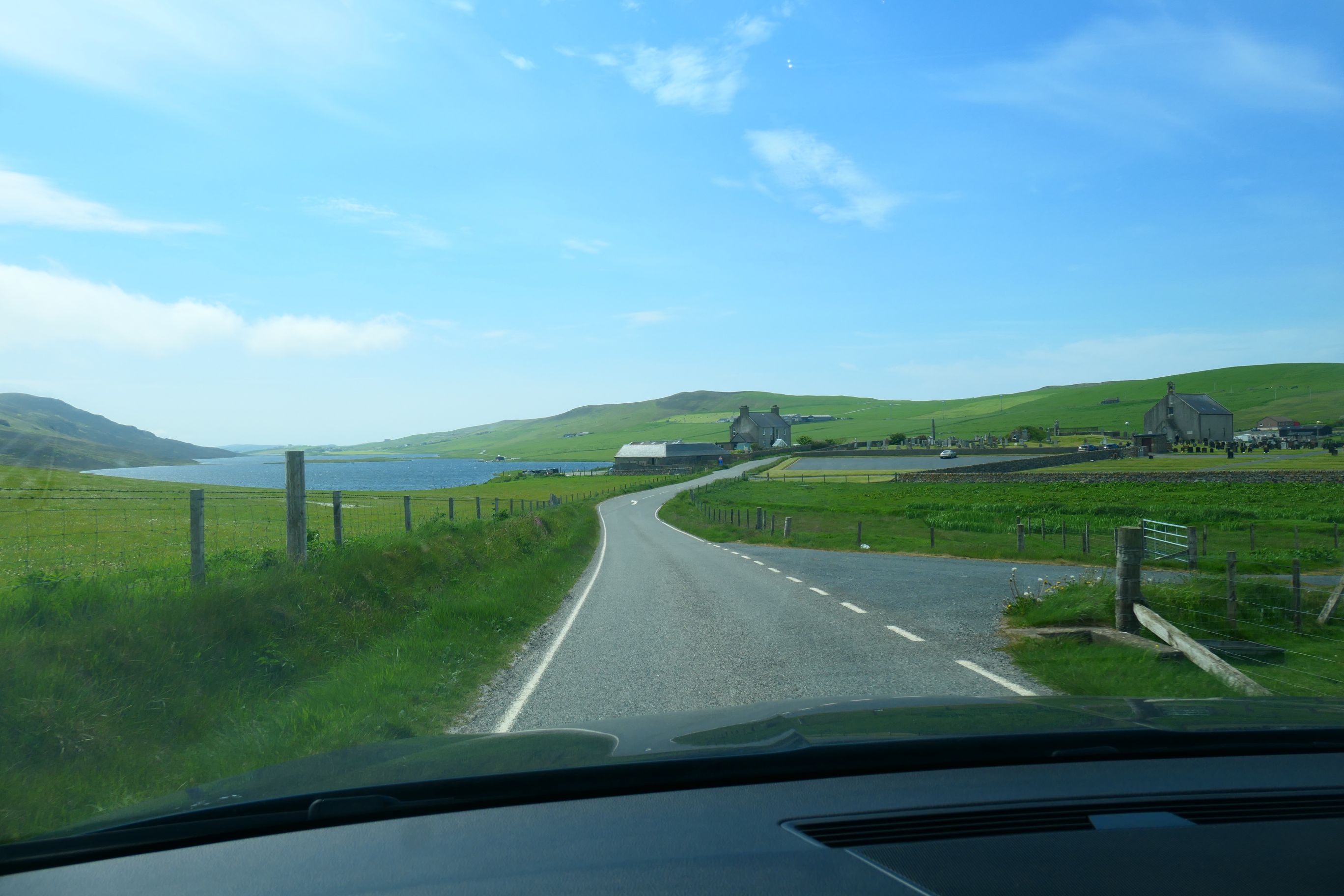
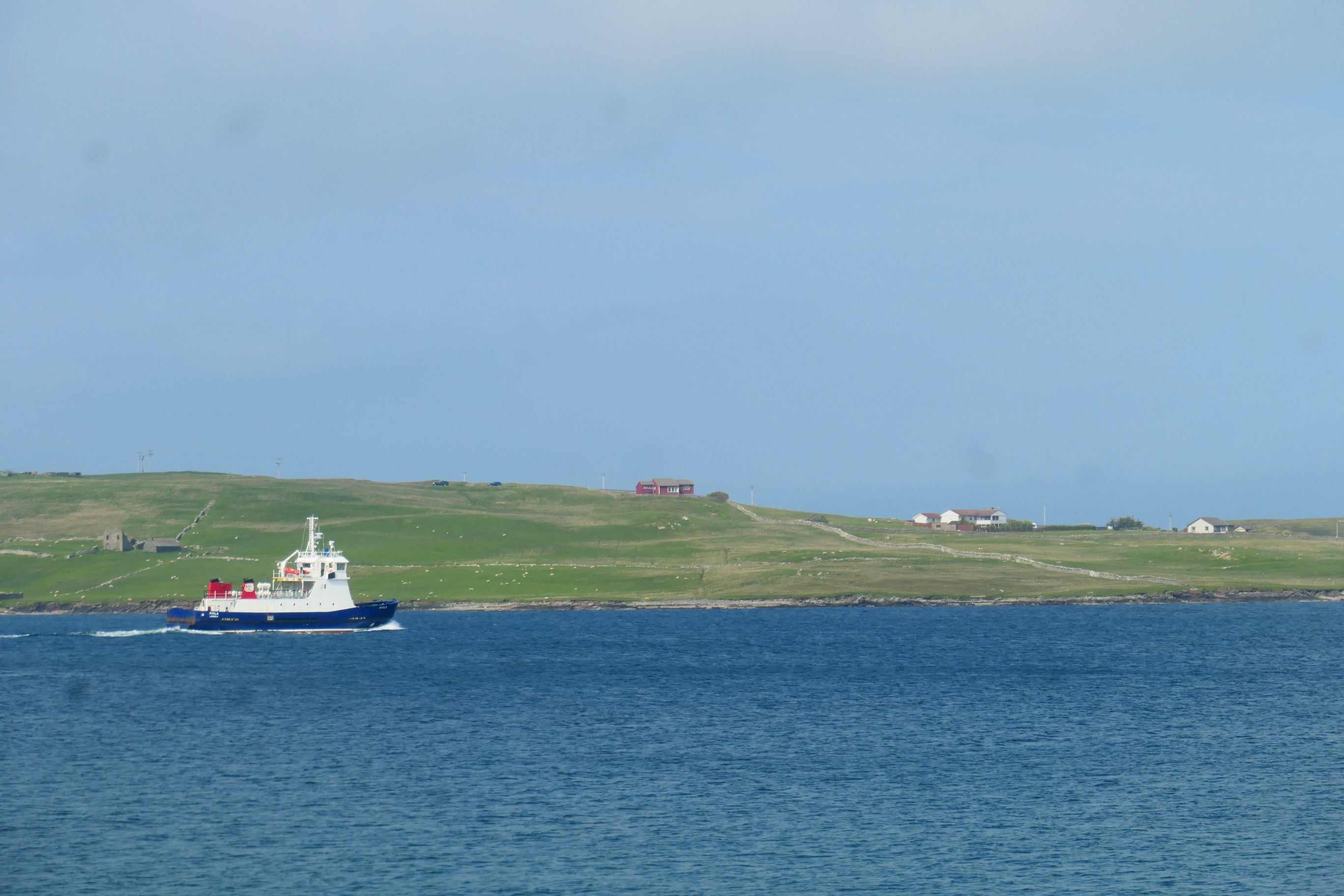
Neil took the wheel for the rest of the afternoon and I sat beside him taking photos. I liked the signs in Tresta and Bixter warning us to watch for otters crossing the road. We passed a golf course with sensational views. Mind you, you don’t need to be a rocket scientist to find somewhere with great views in Shetland.




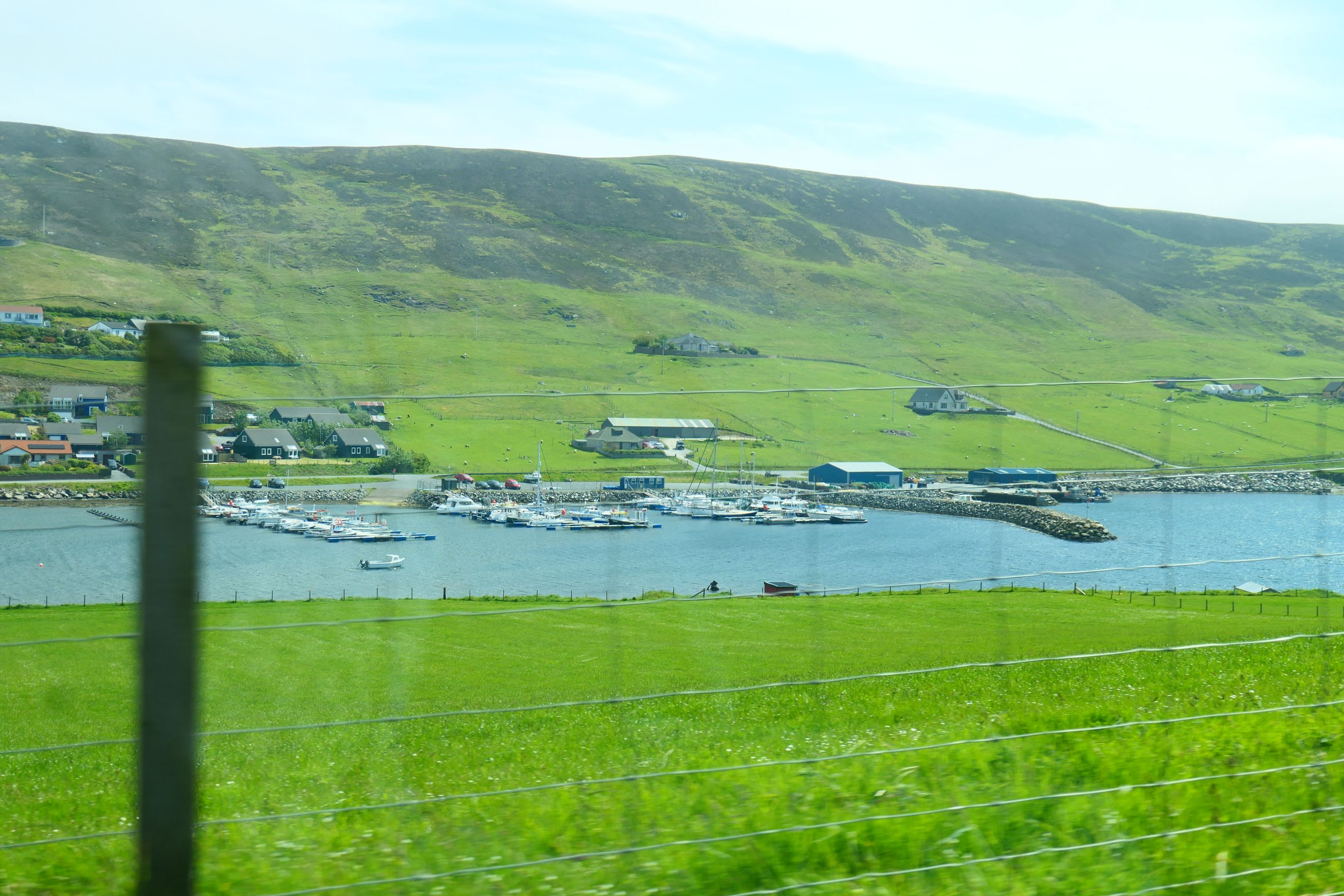
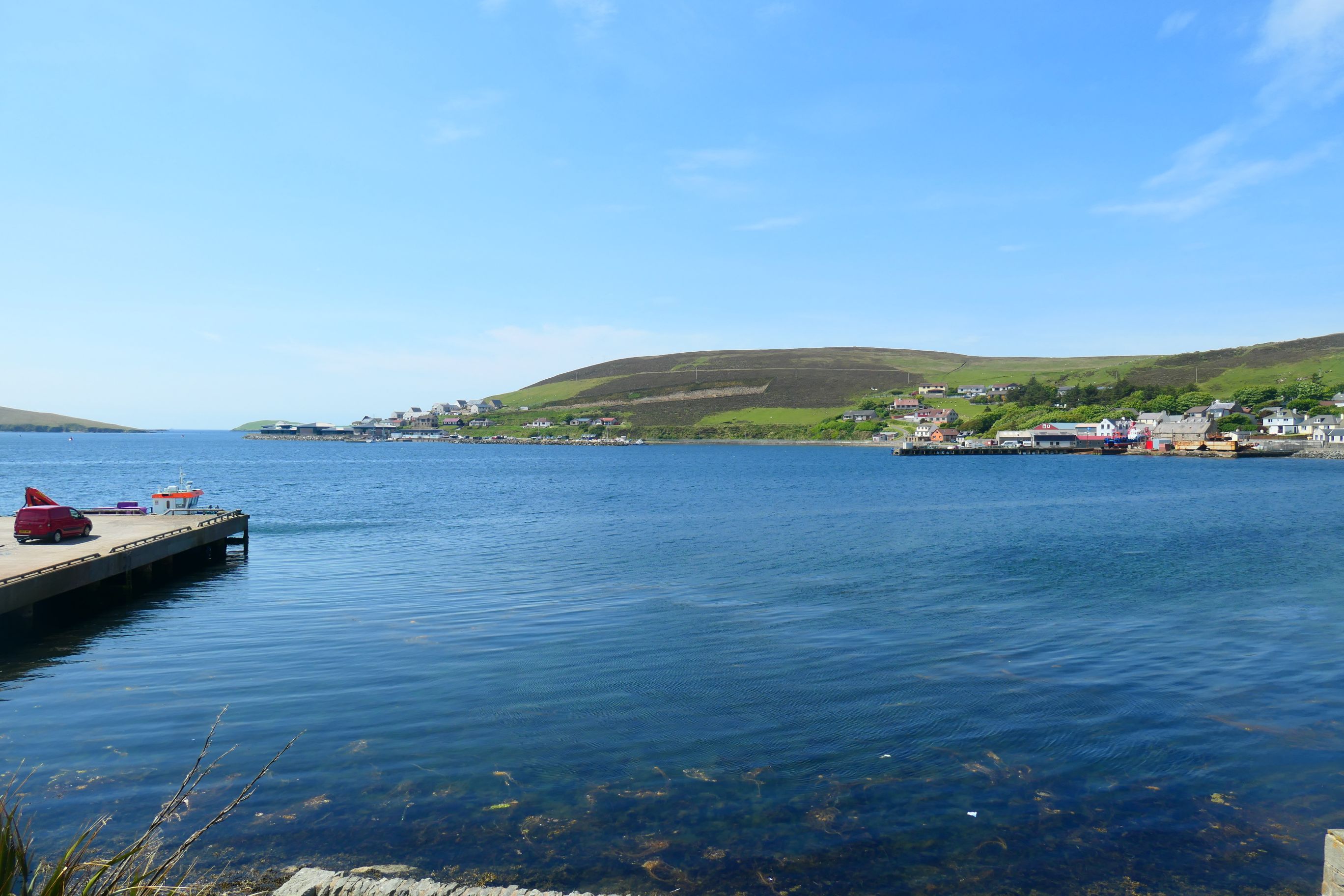
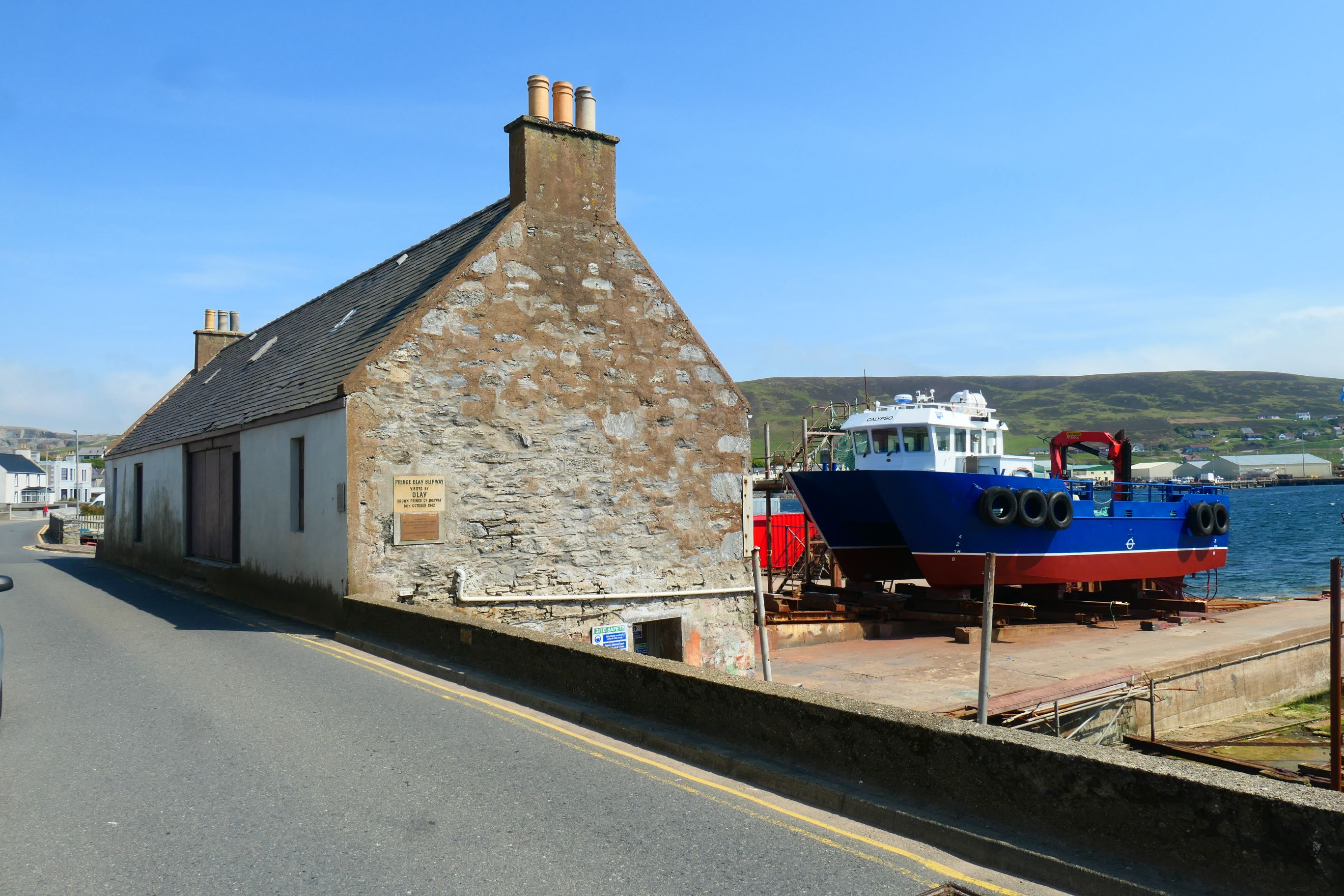
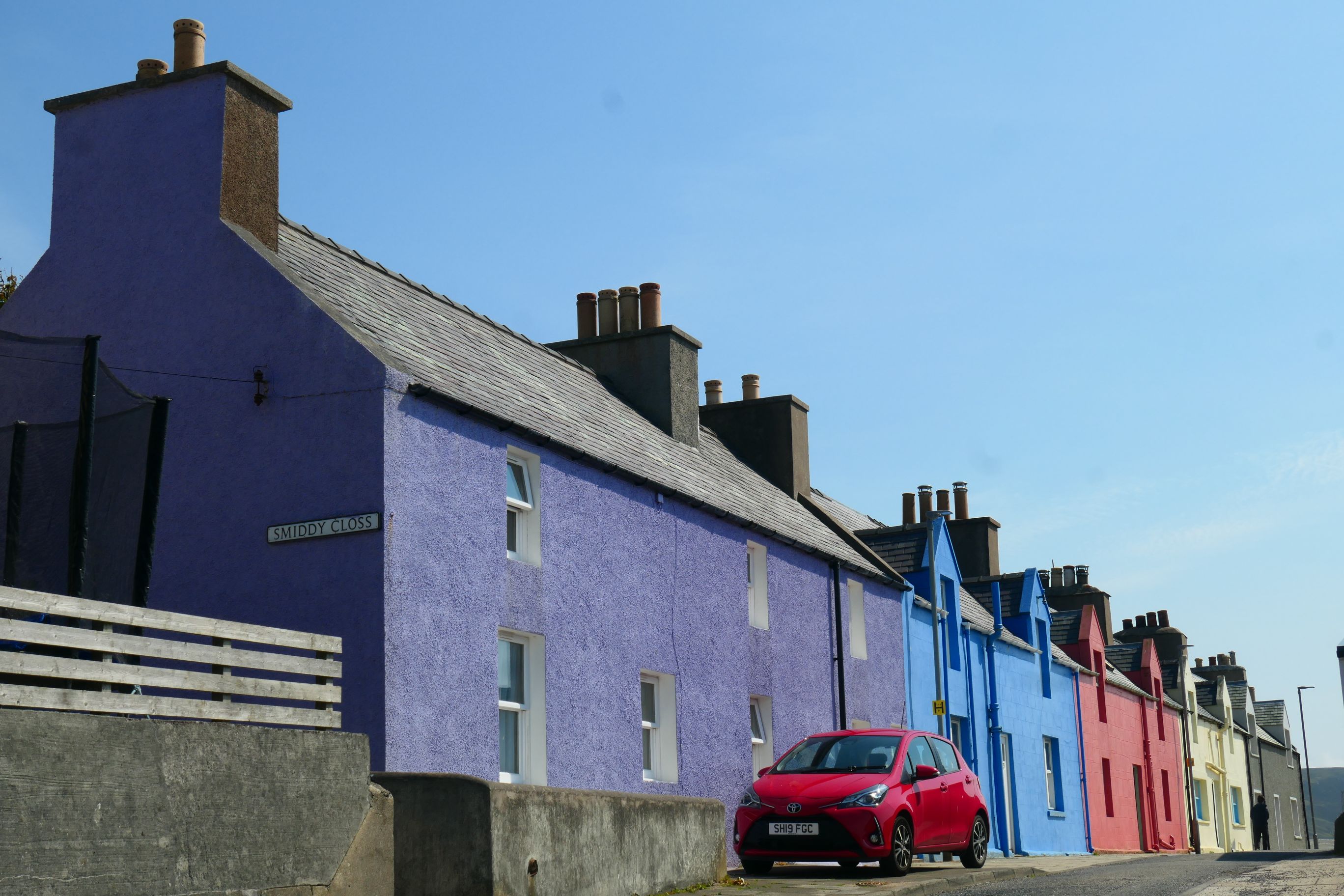
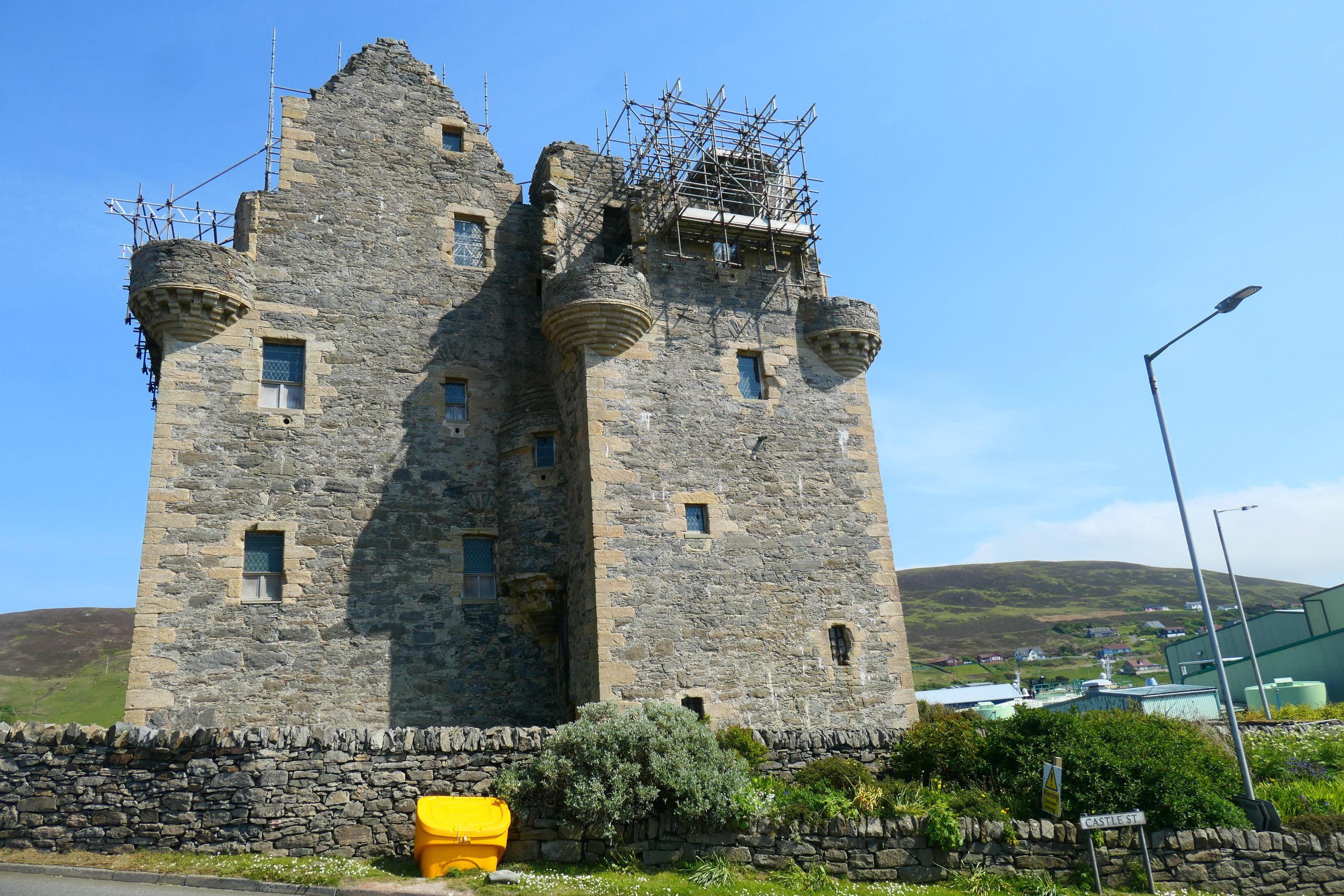
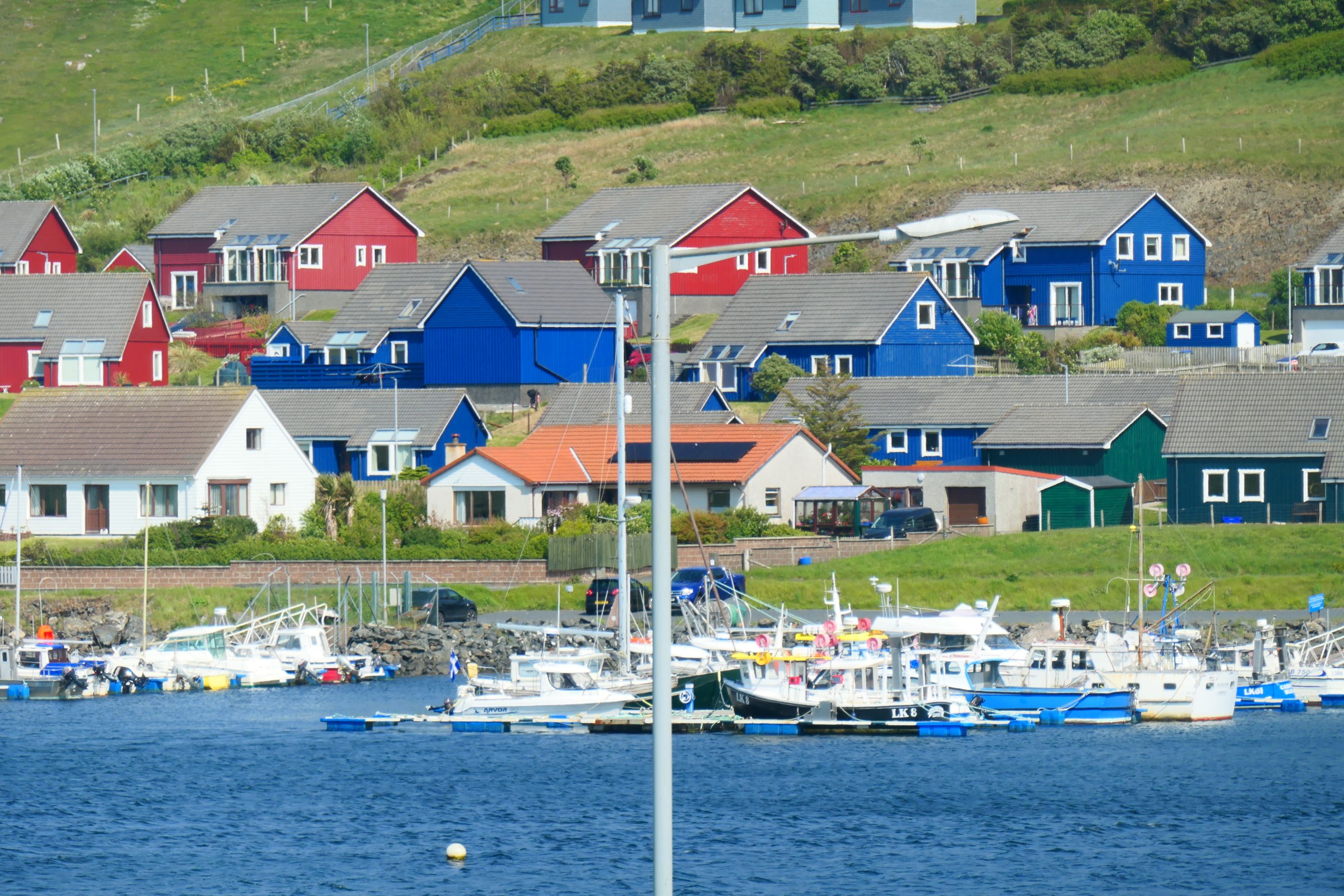
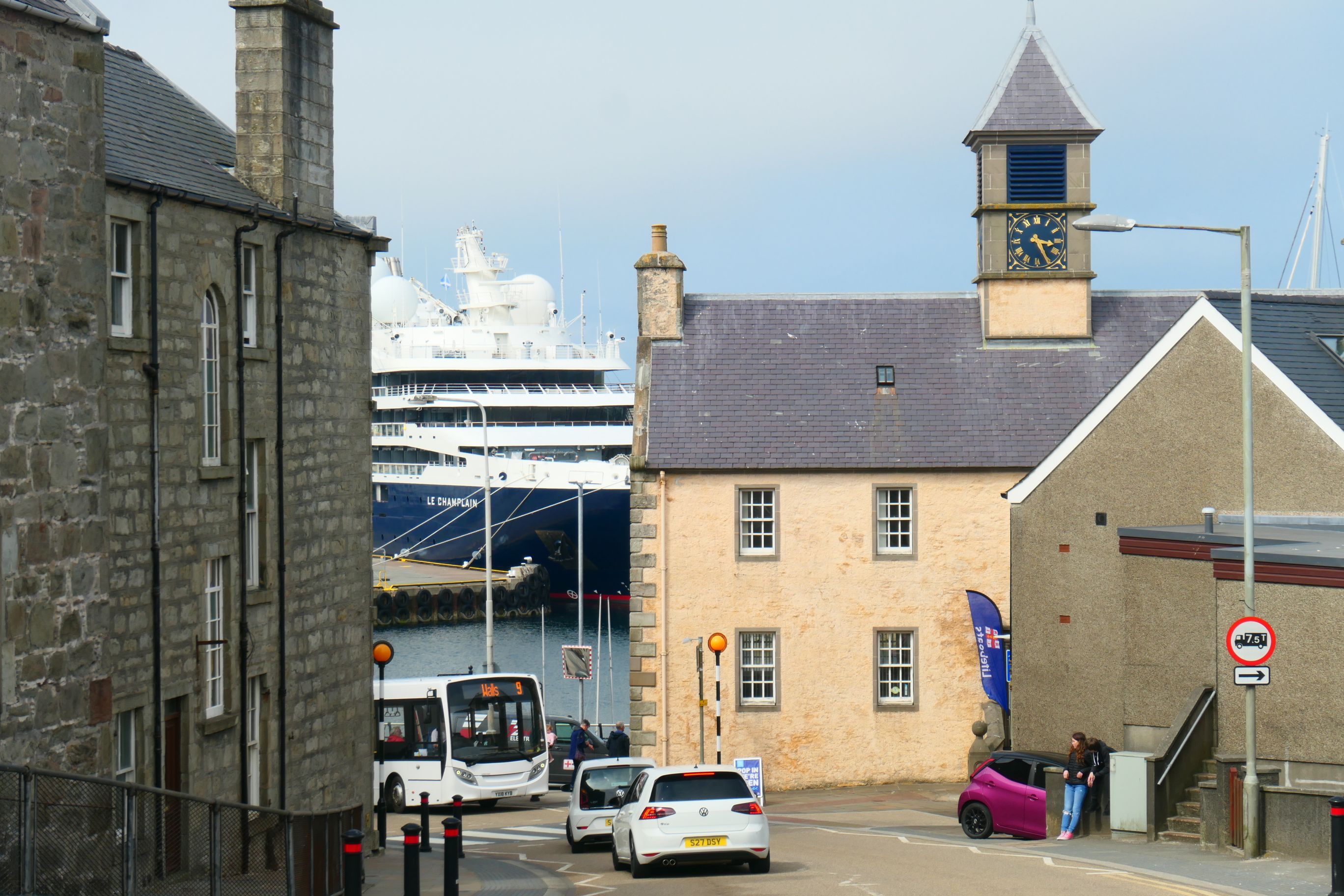
We drove south to Scalloway, the former capital of Shetland. It’s classed as a village, rather than a town, but it’s bigger than other places we’ve seen here. It has a strong Norwegian presence. Some of the new houses we passed coming in looked distinctly Scandinavian. Norwegian flags were flying. The museum (sadly, closed today, as was Scalloway Castle) was opened by a Norwegian. Norway’s Prince Olav once visited the slipway that was named after him.
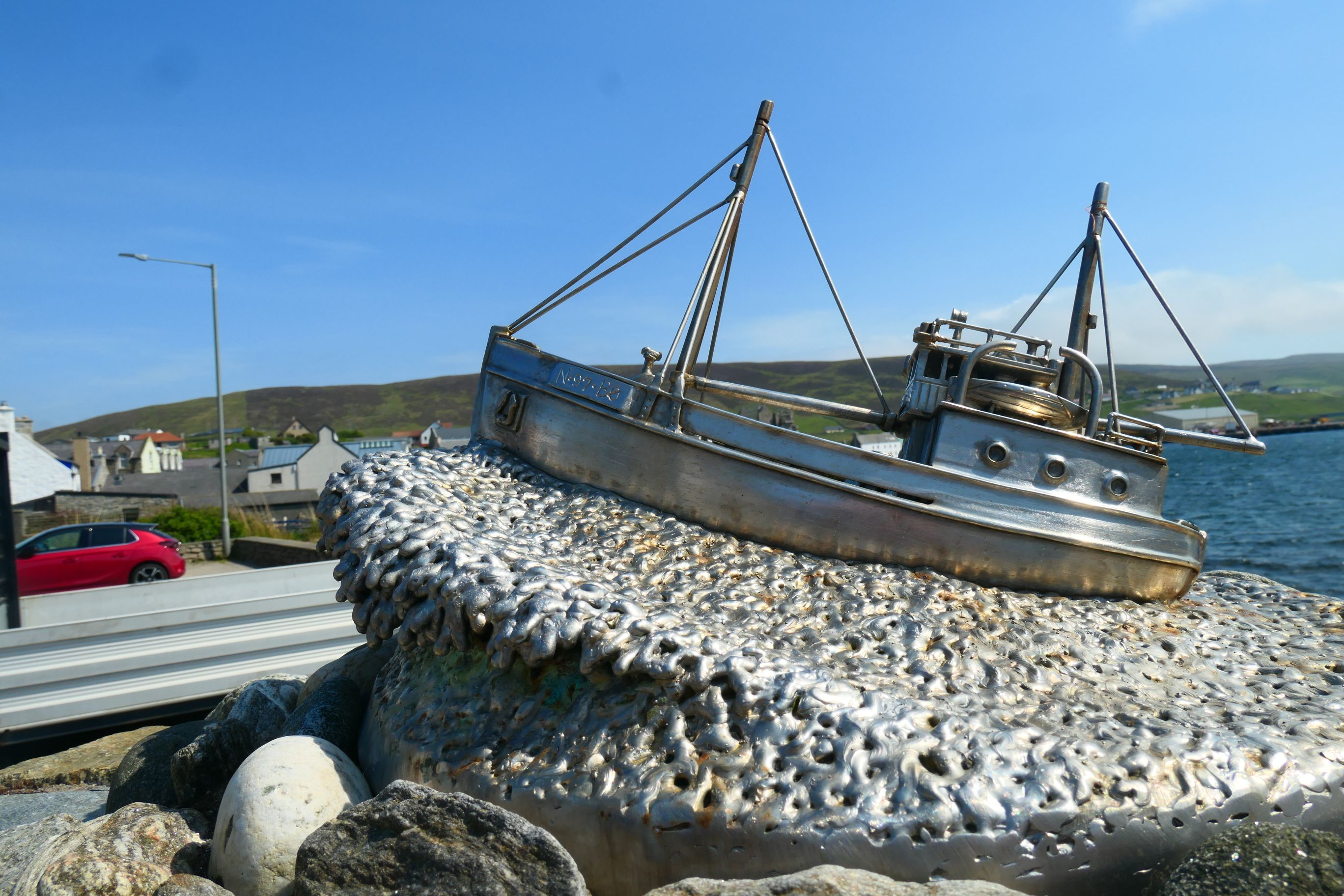
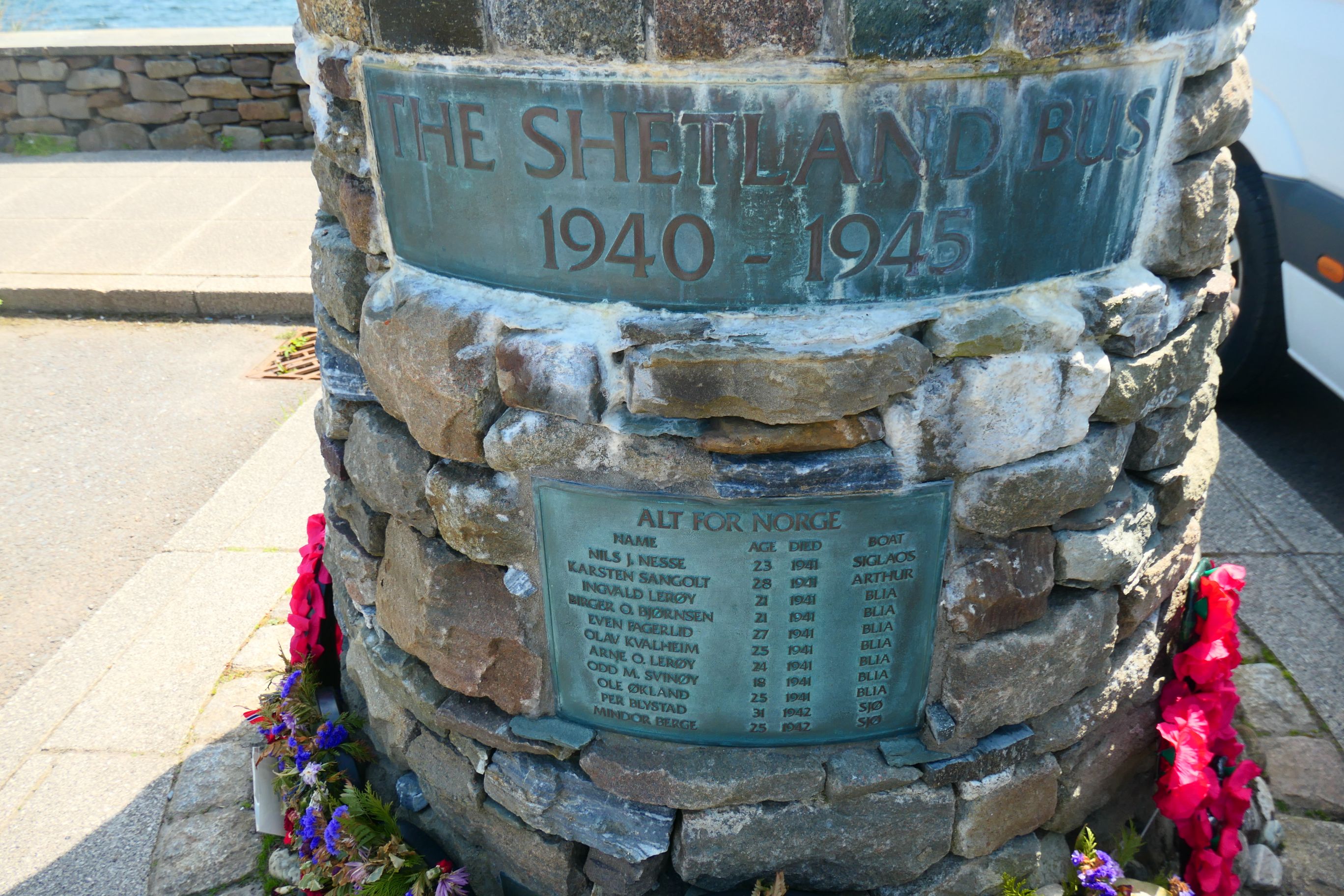
There is a reason for the Norwegian connection. During WWII, when the Nazis overwhelmed Norway, its ruling family fled to England to run the country’s war effort behind the protection of British forces. Norwegian sailors who managed to escape to Shetland began to operate a service that became known as the Shetland Bus. Under cover of darkness, and generally storms at sea, they sailed fishing boats back to Norway loaded with supplies, ammunition and valuable information, and returned with refugees, saving many lives in the process. Almost 100 missions took place and 44 brave men lost their lives. Eventually better boats replaced the fishing craft. The Shetland Bus made its mark on Hitler. He mistakenly thought the activity on Norway’s coast was an indication of an attack about to happen, and withdrew troops from other theatres of the war to bolster his defences in Norway. This left his troops vulnerable elsewhere. The Norwegians are indebted to Shetlanders for the comradeship and enormous support they received during such a desperate time in their history. Of course, many Shetlanders are of Norse descent, so, as you can imagine, the relationship remains very strong to this day.
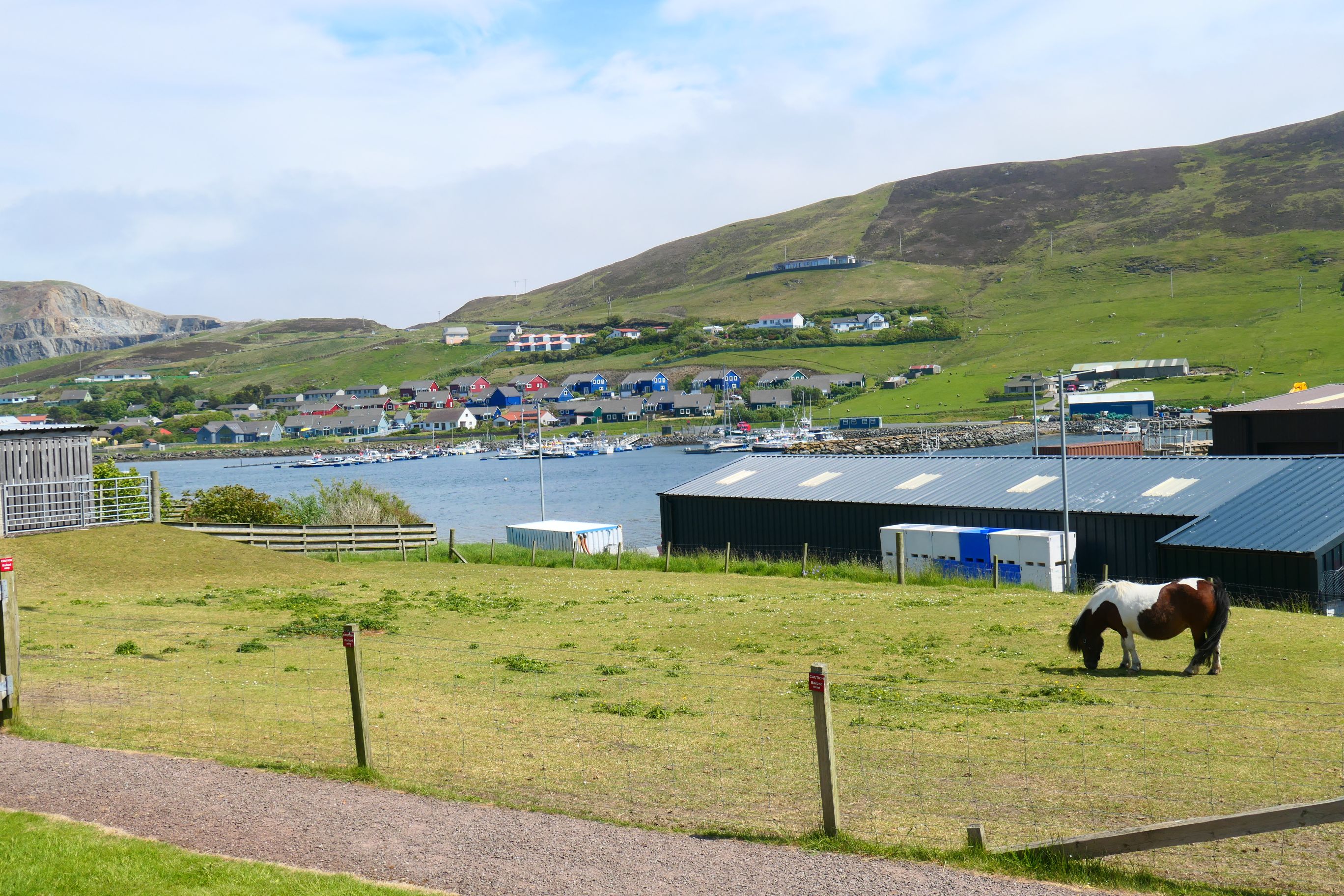
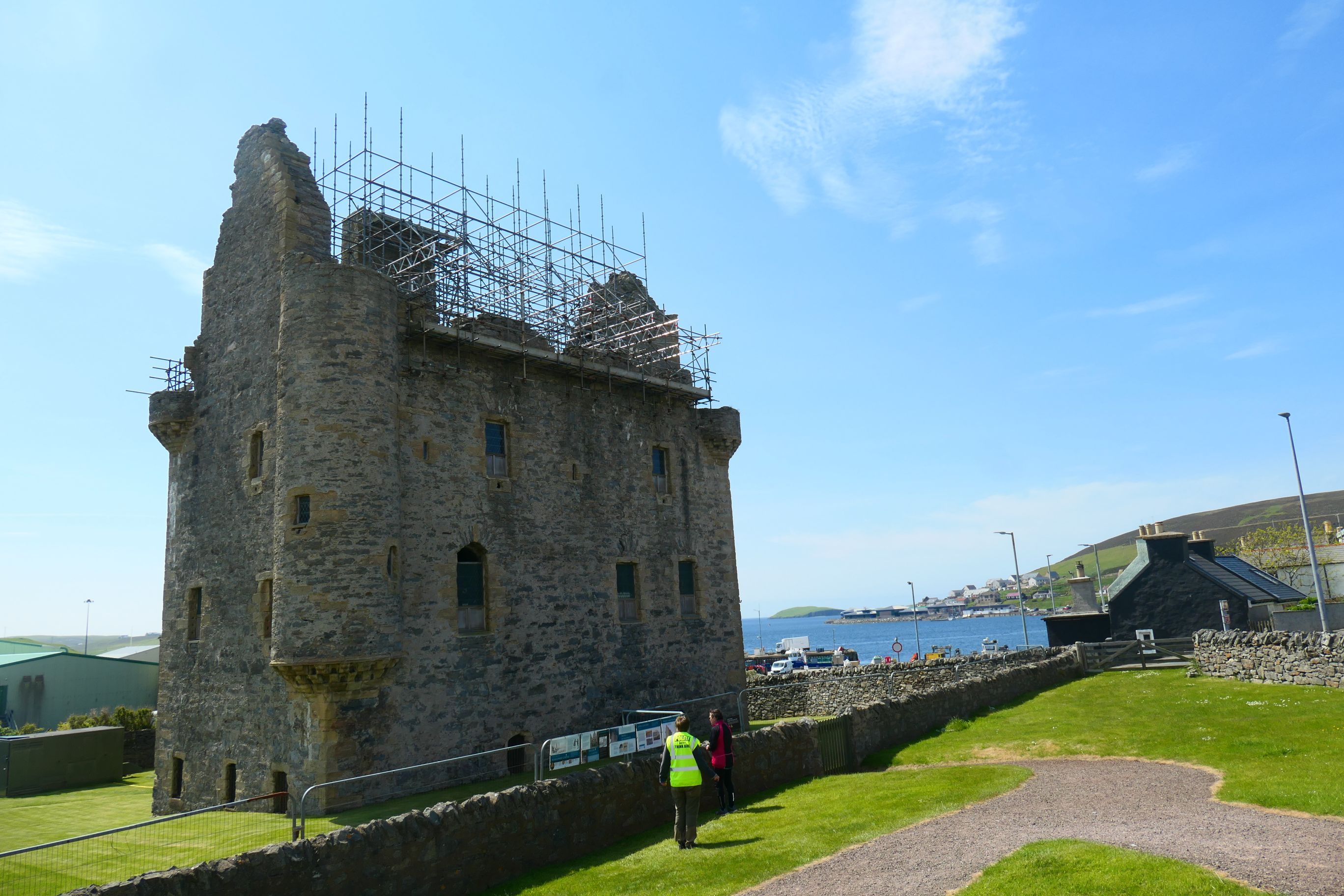

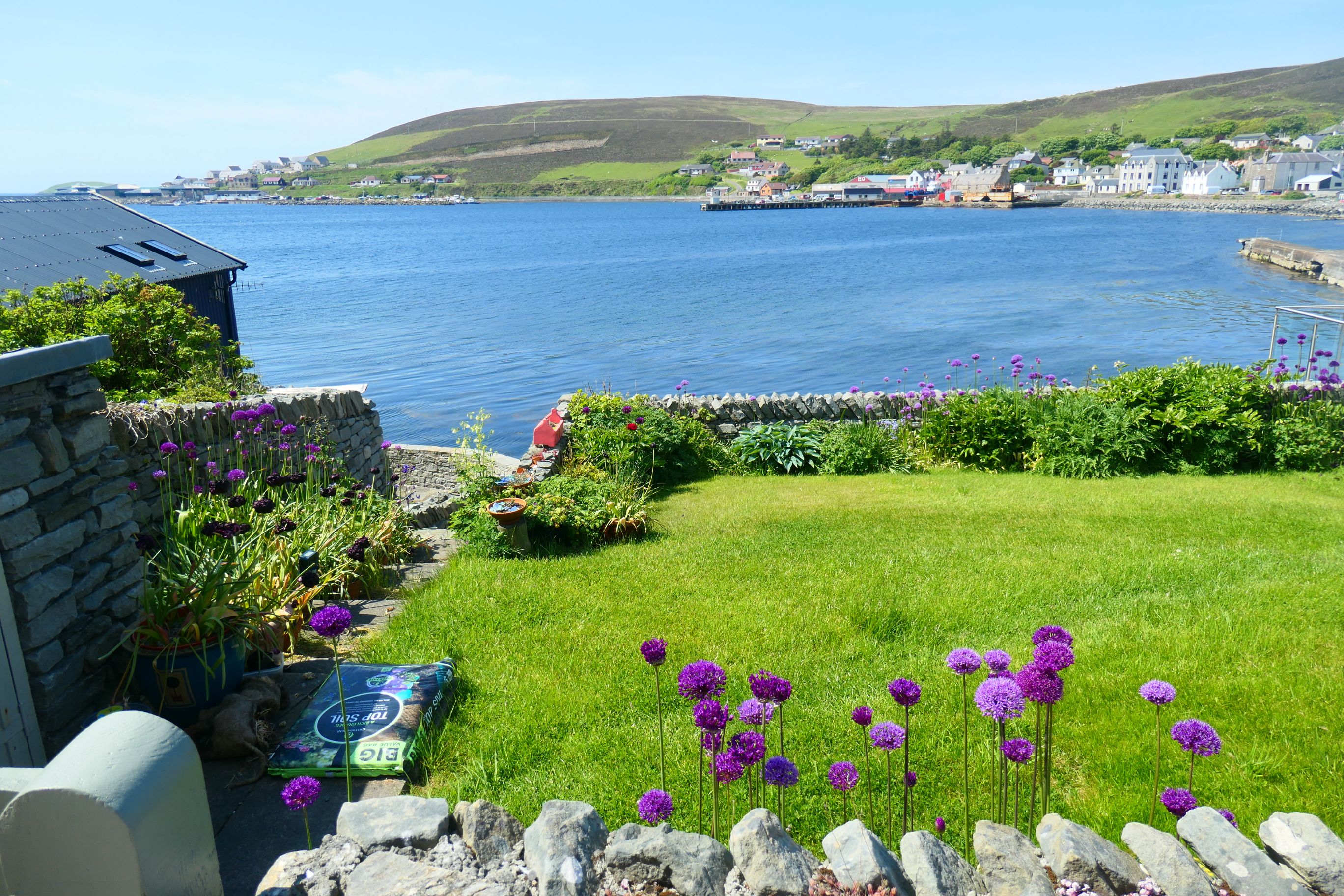

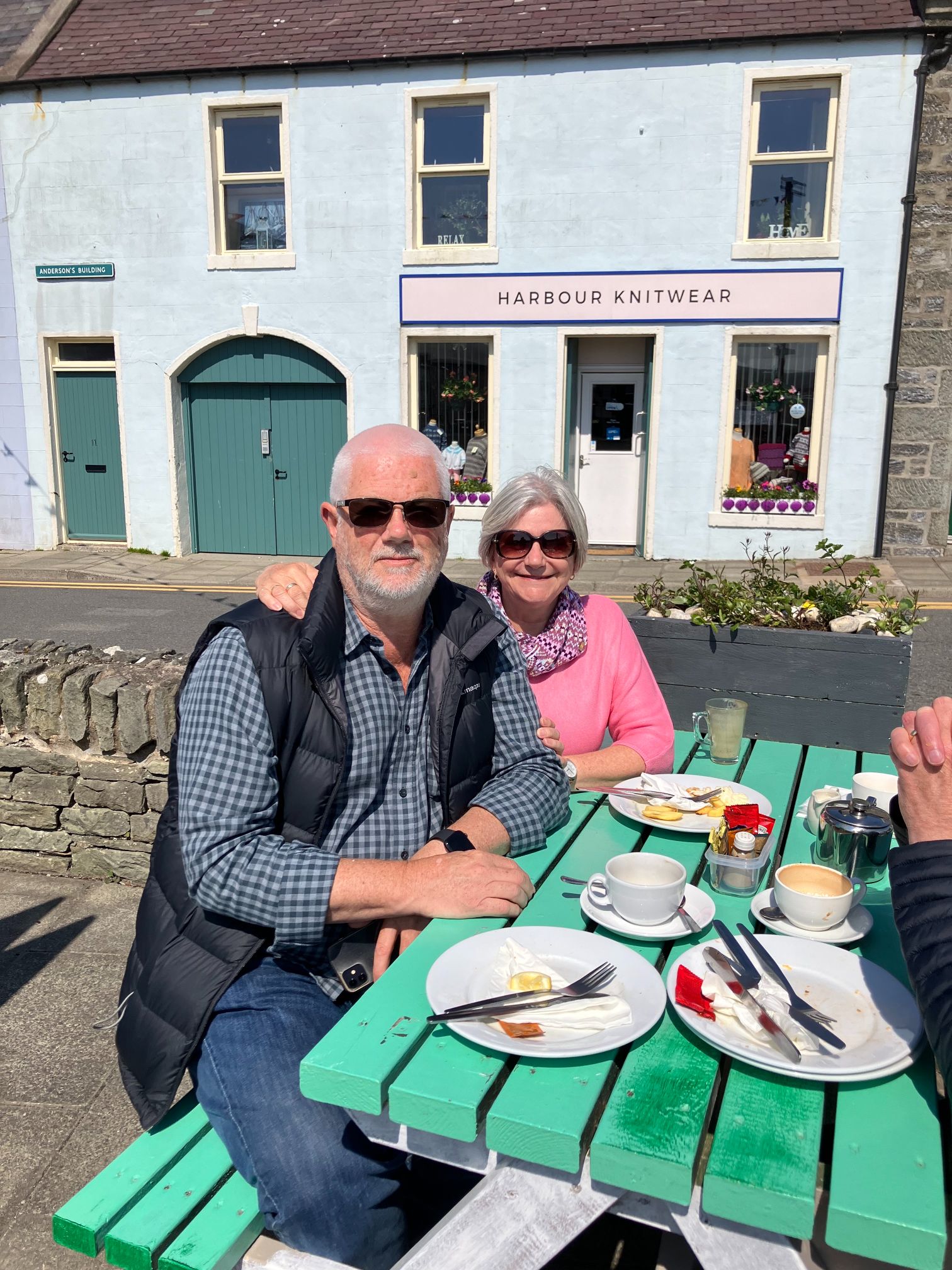
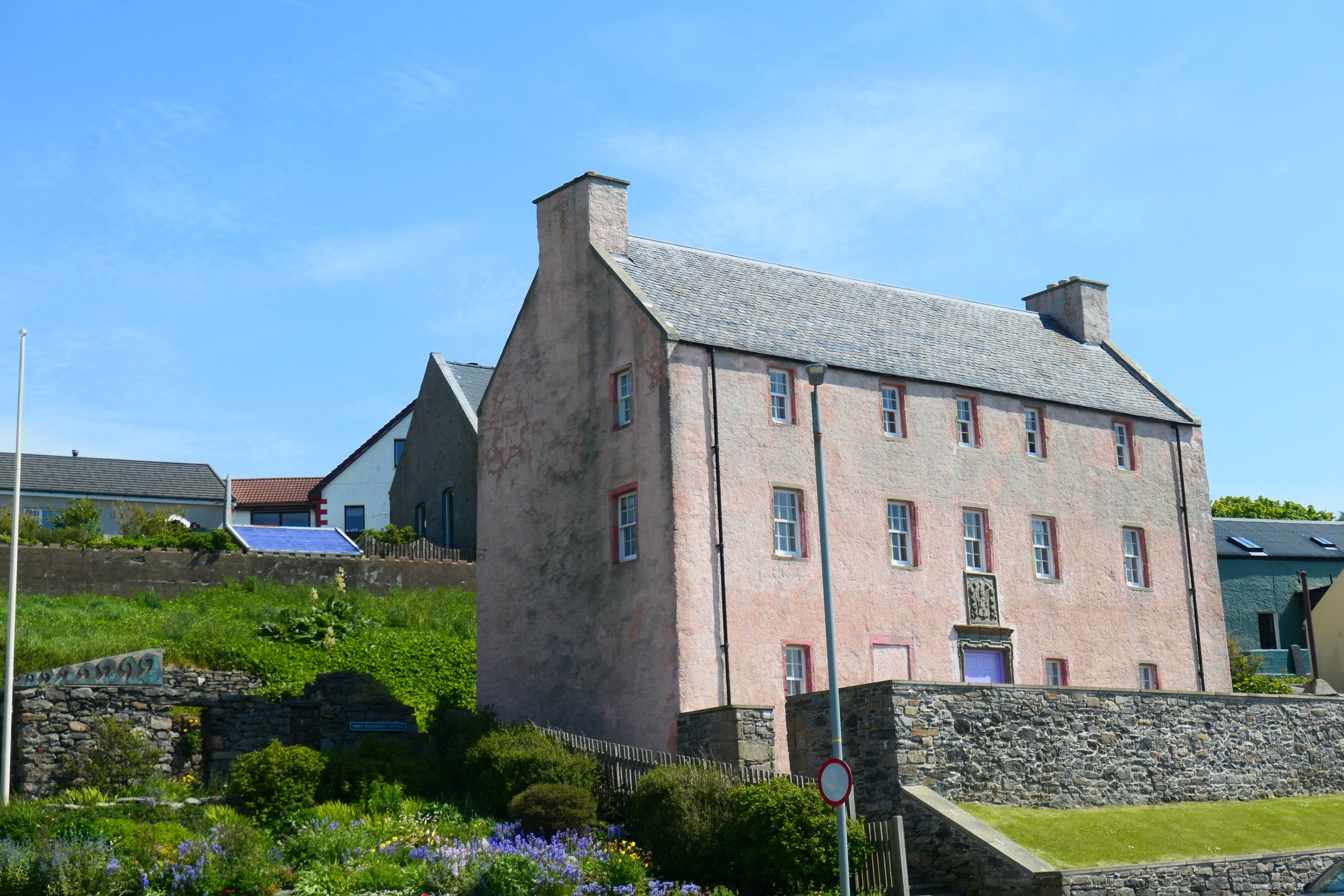
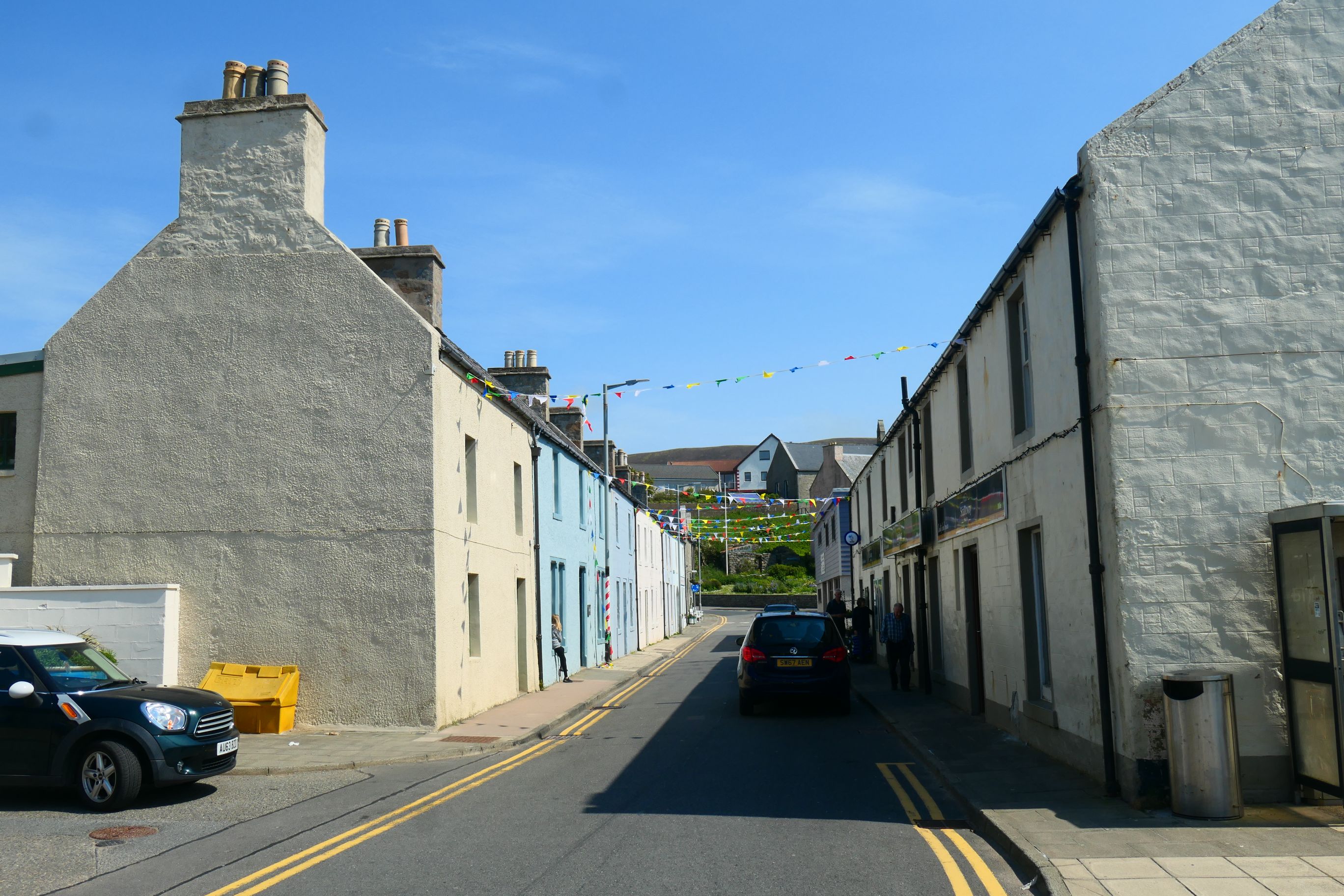
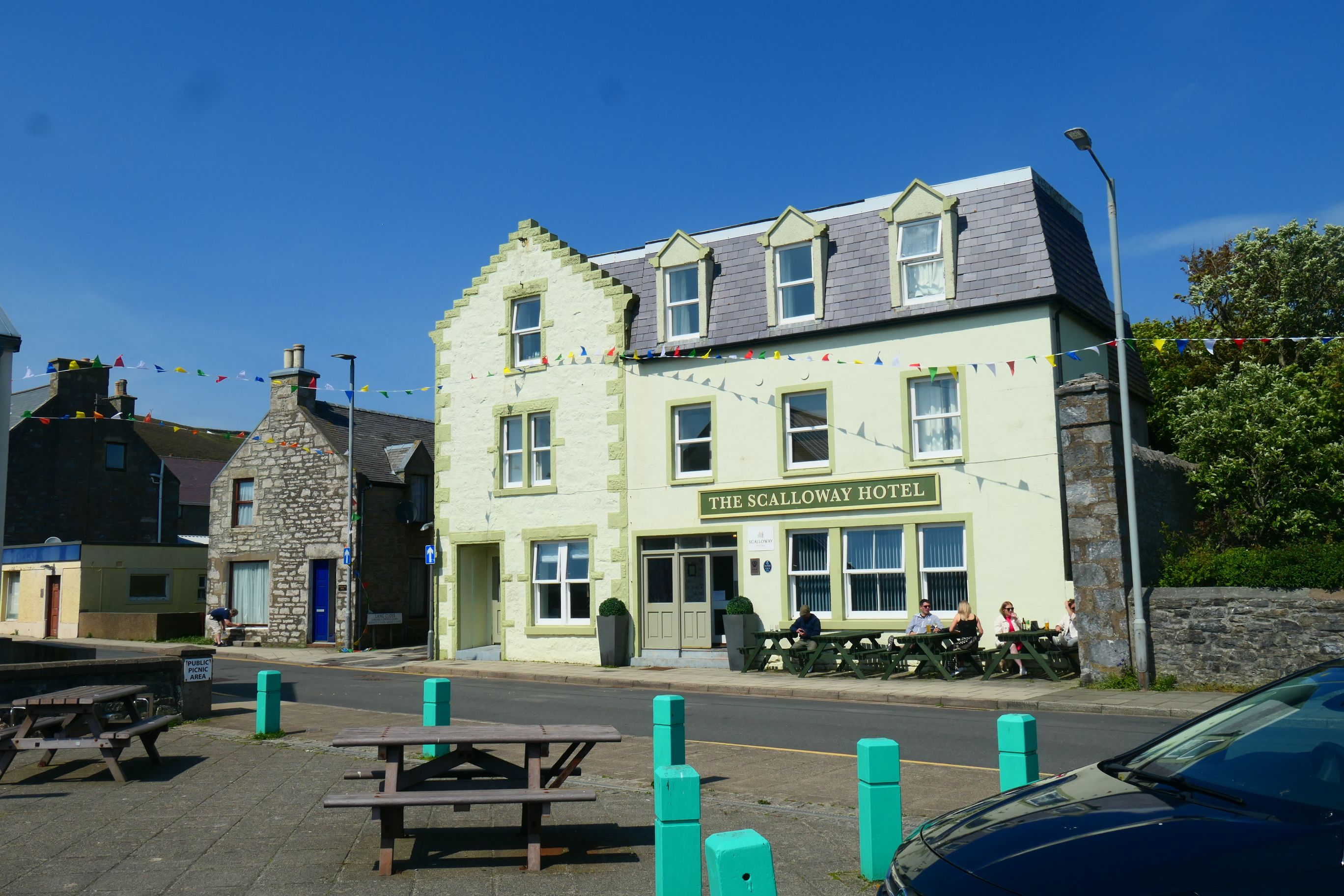
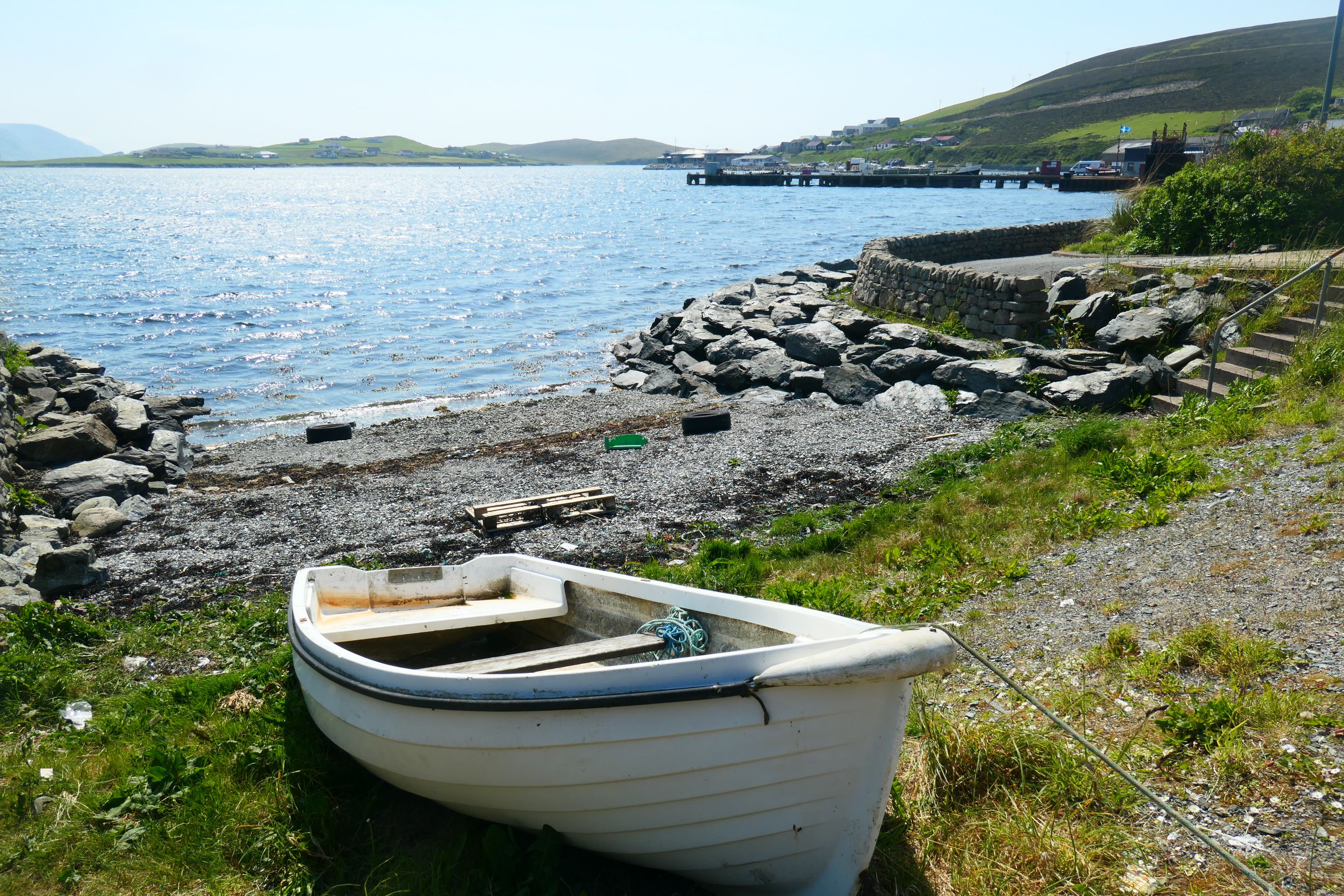
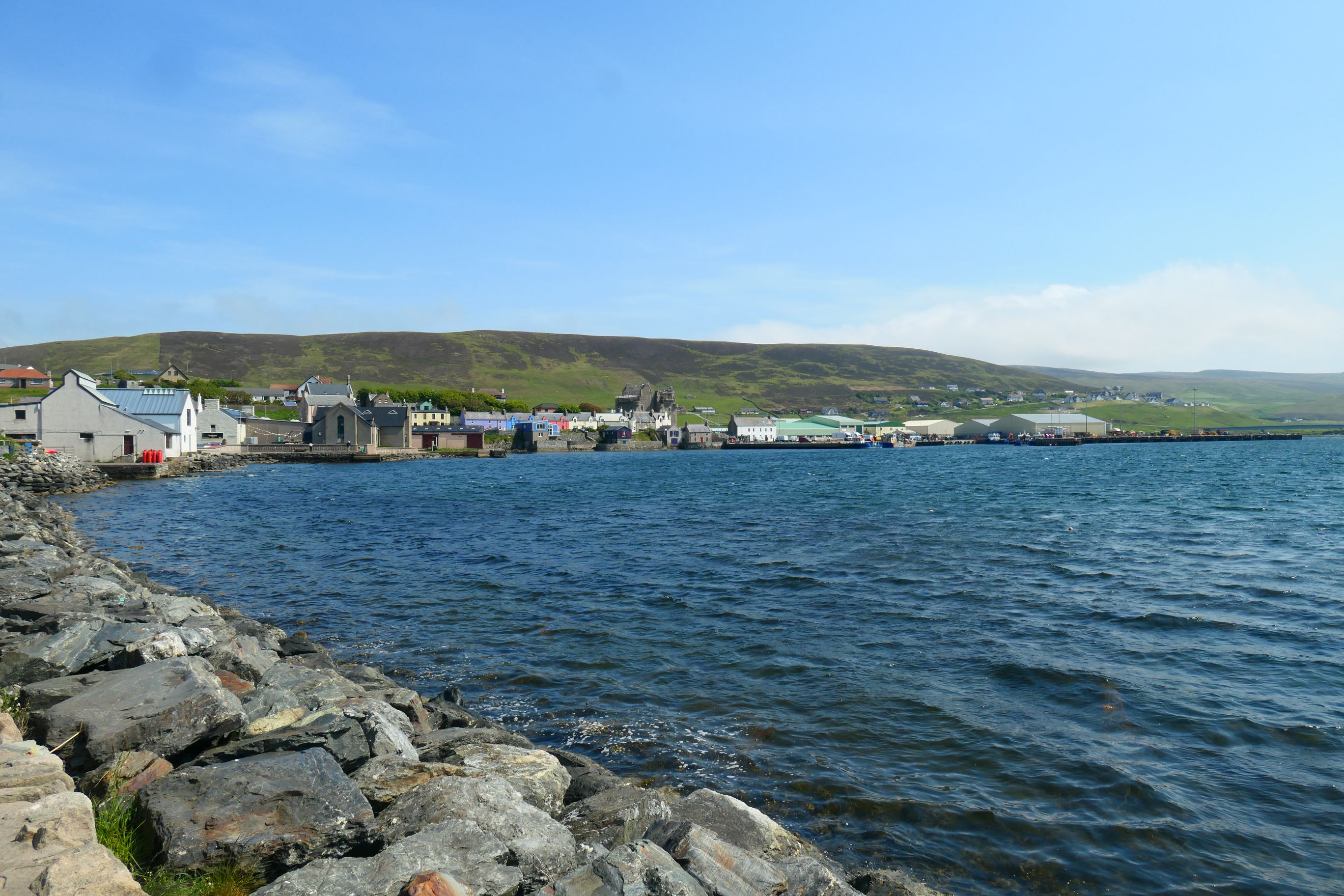
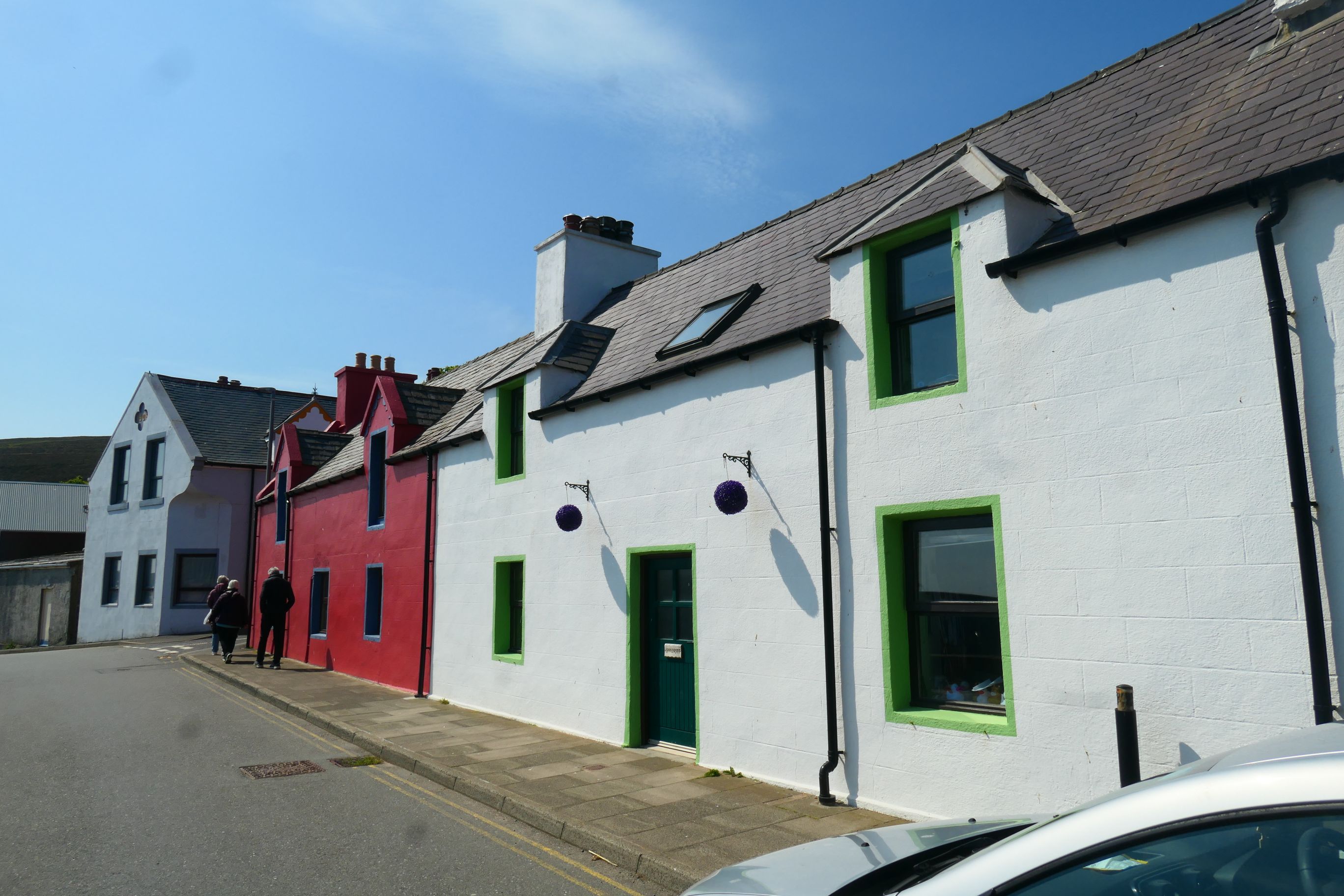





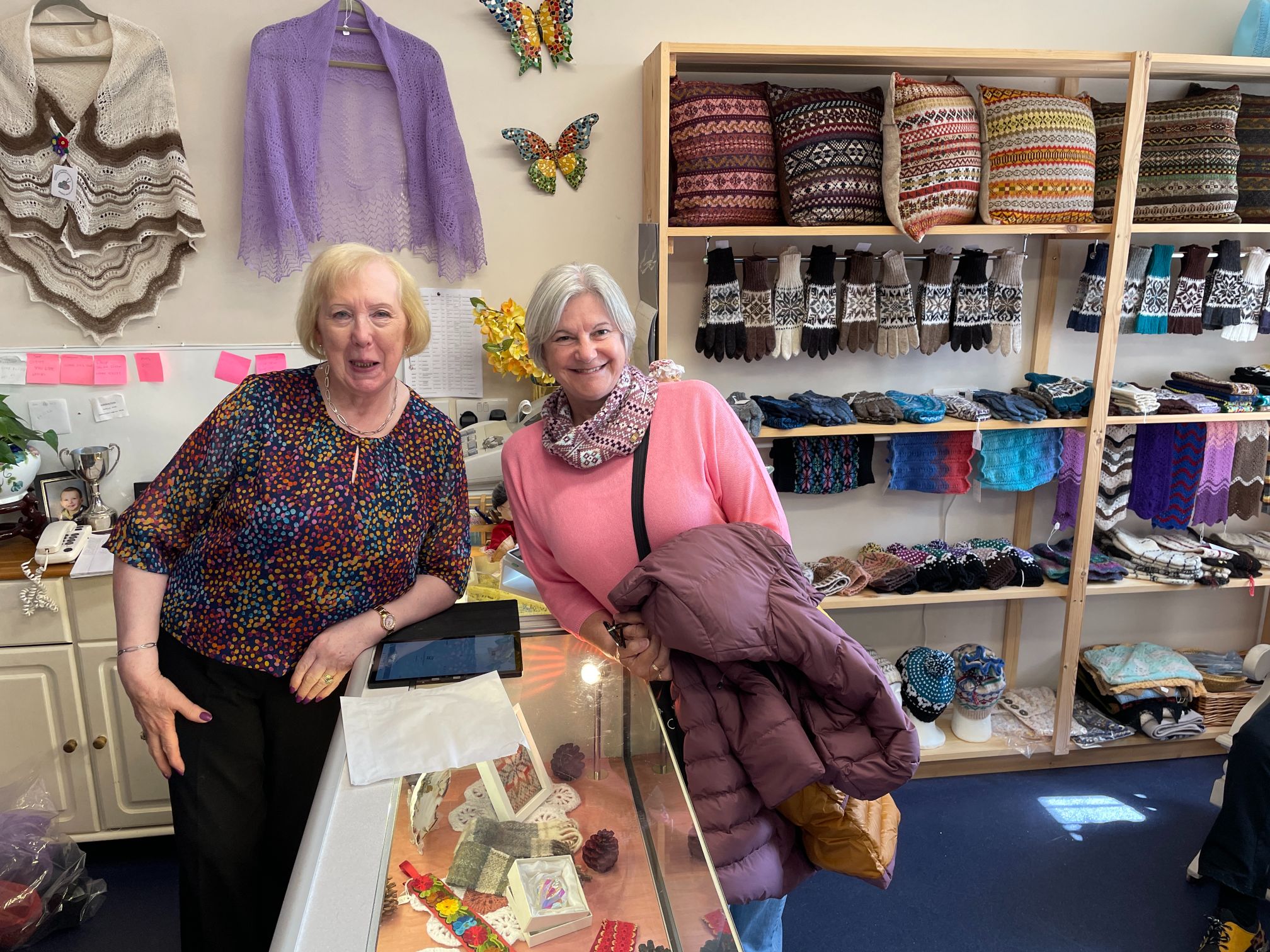
Marg didn’t find a wool shop in Scalloway, but she did find a knitwear shop where everything was authentic and hand made. We spent quite a bit of money here and the lady could not stop smiling and thanking us for supporting Shetland knitters.

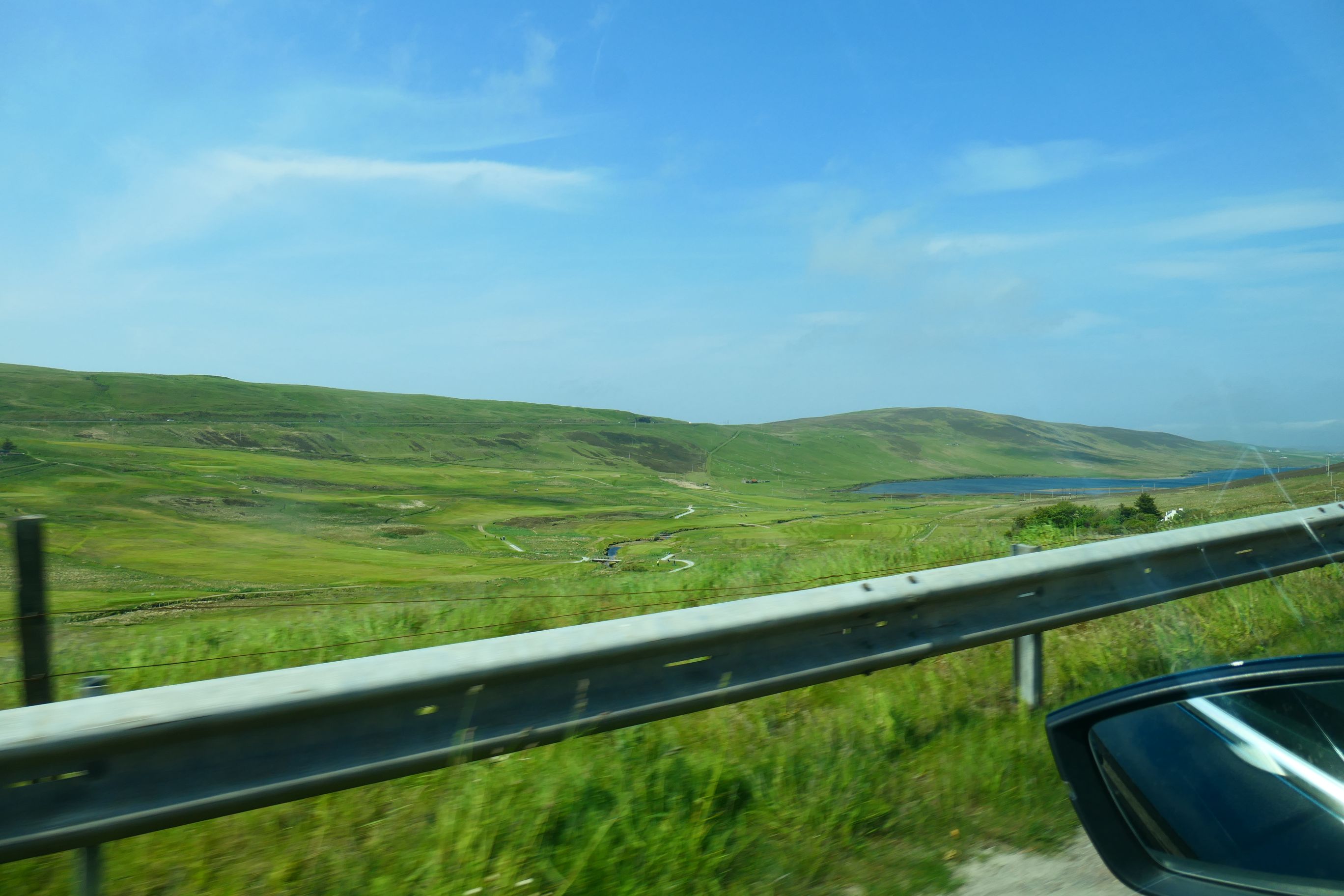
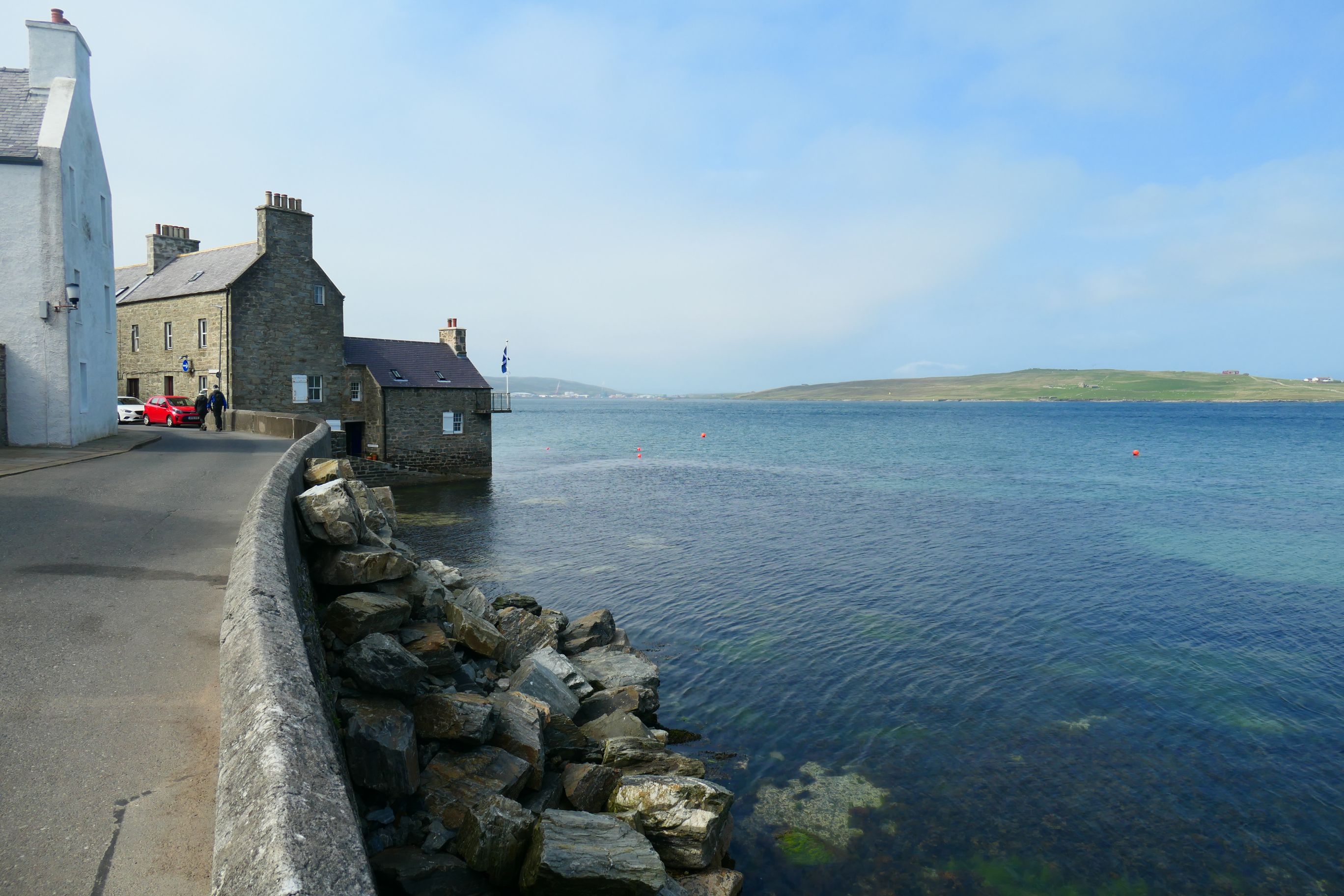
The drive from Scalloway back to Lerwick is a short one, probably only ten minutes at most. Nevertheless, the views are always amazing.


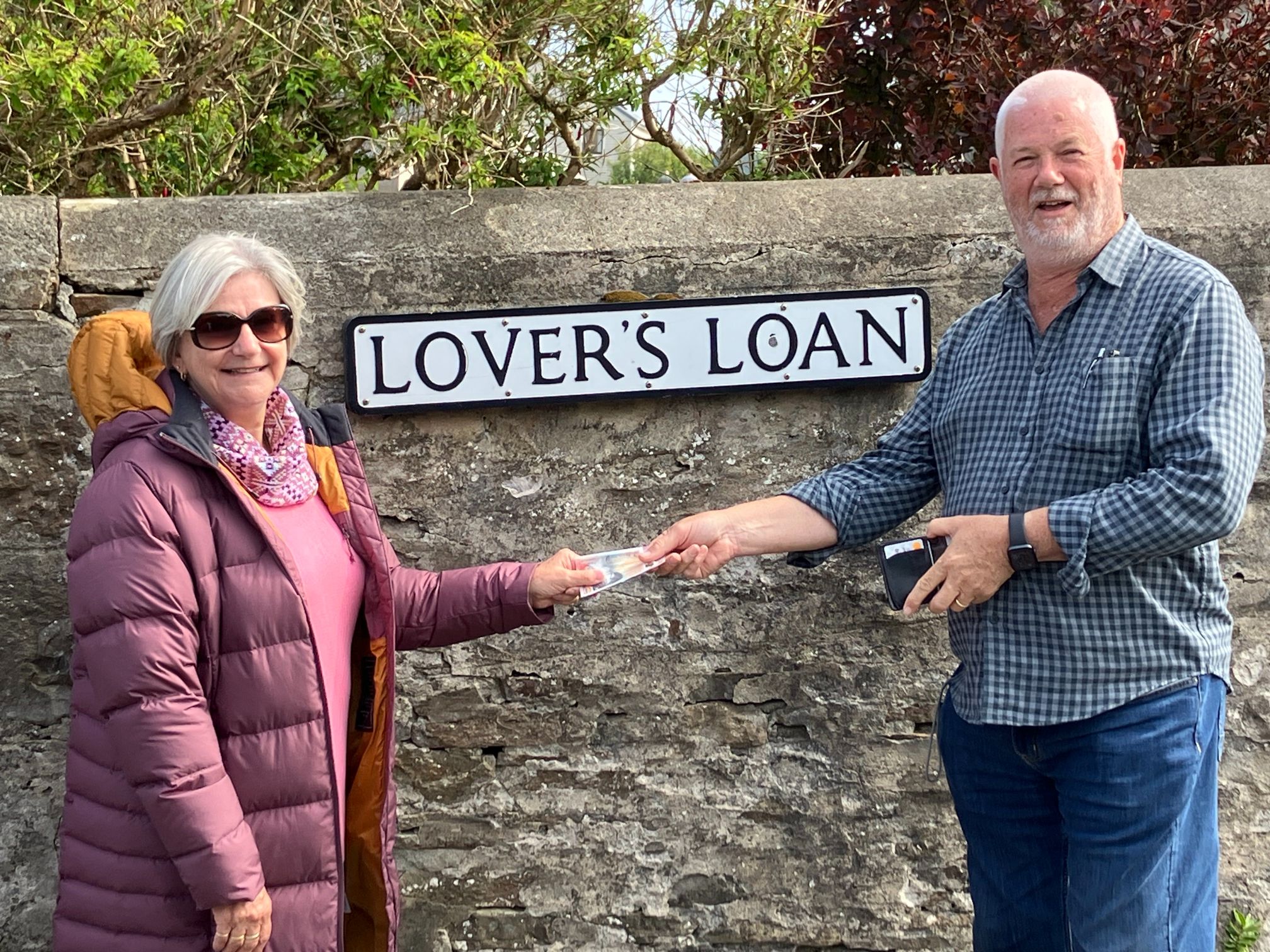
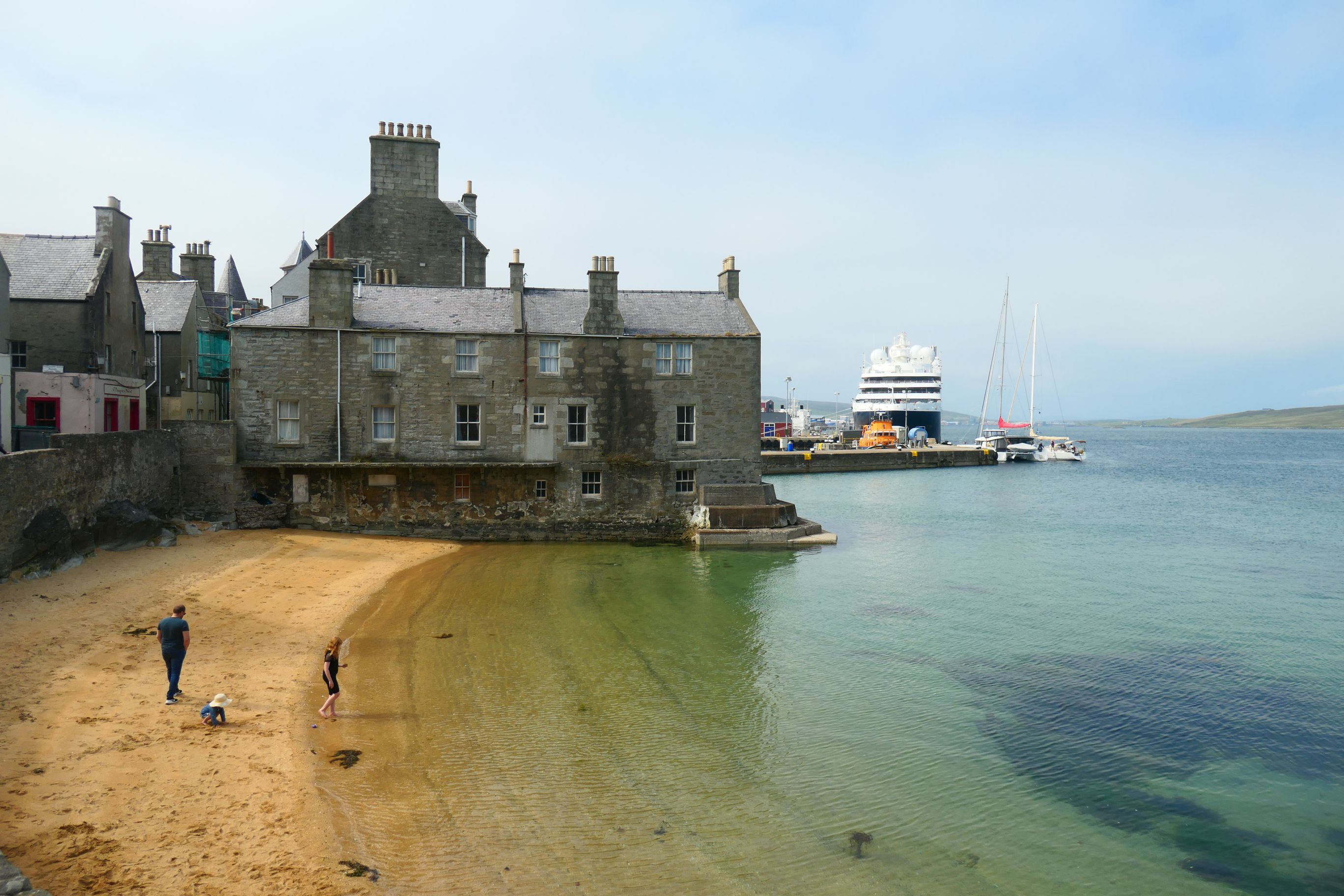
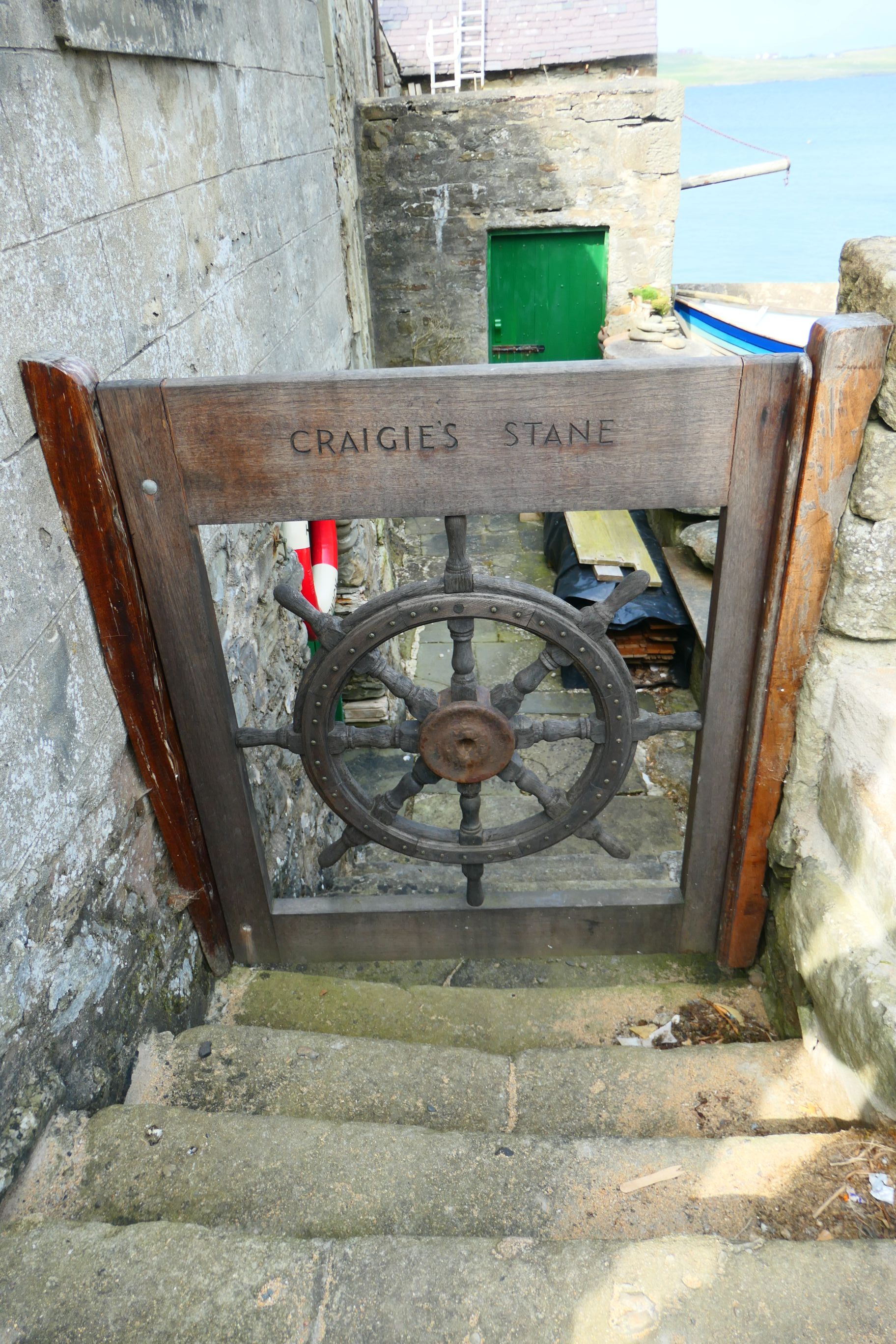
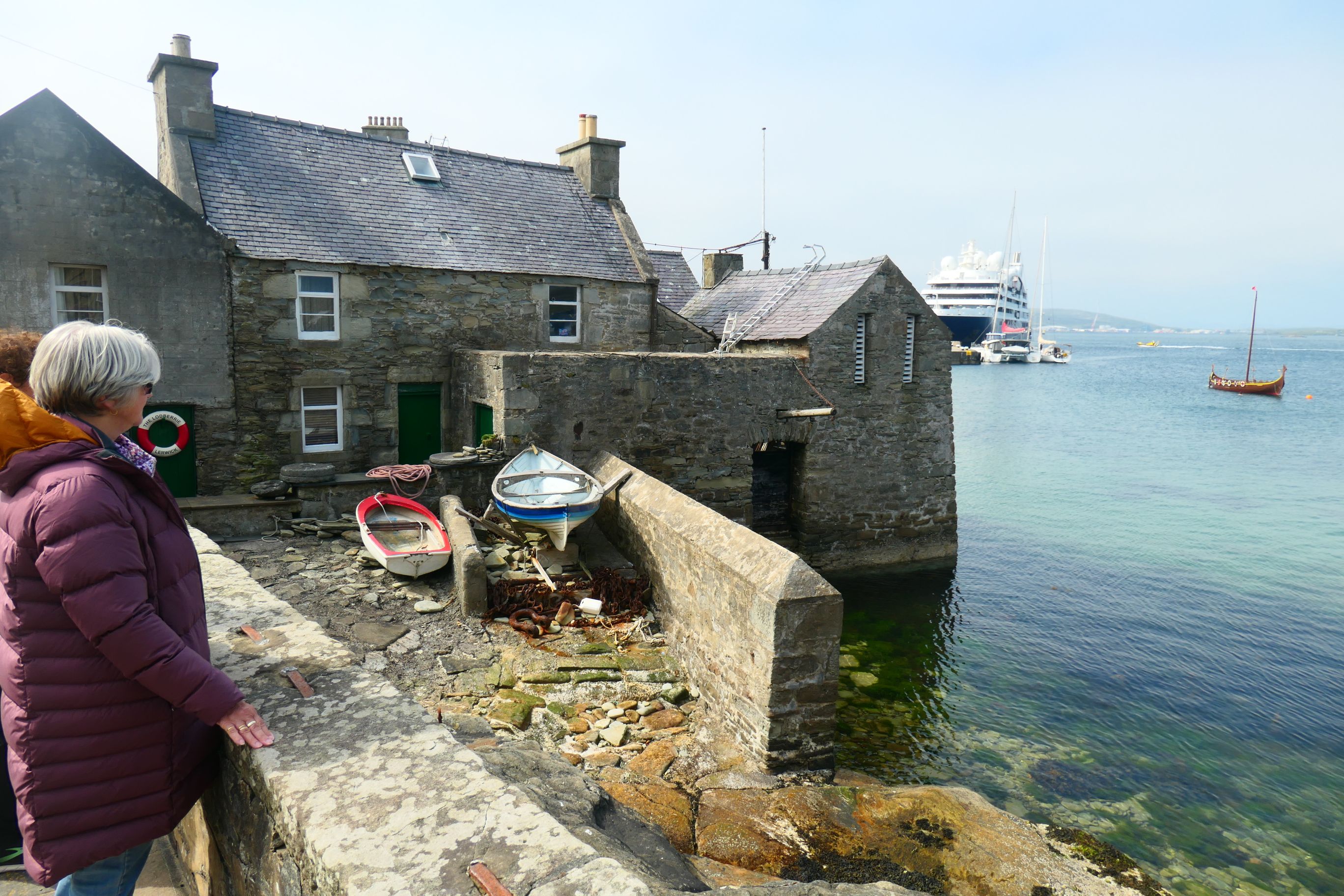
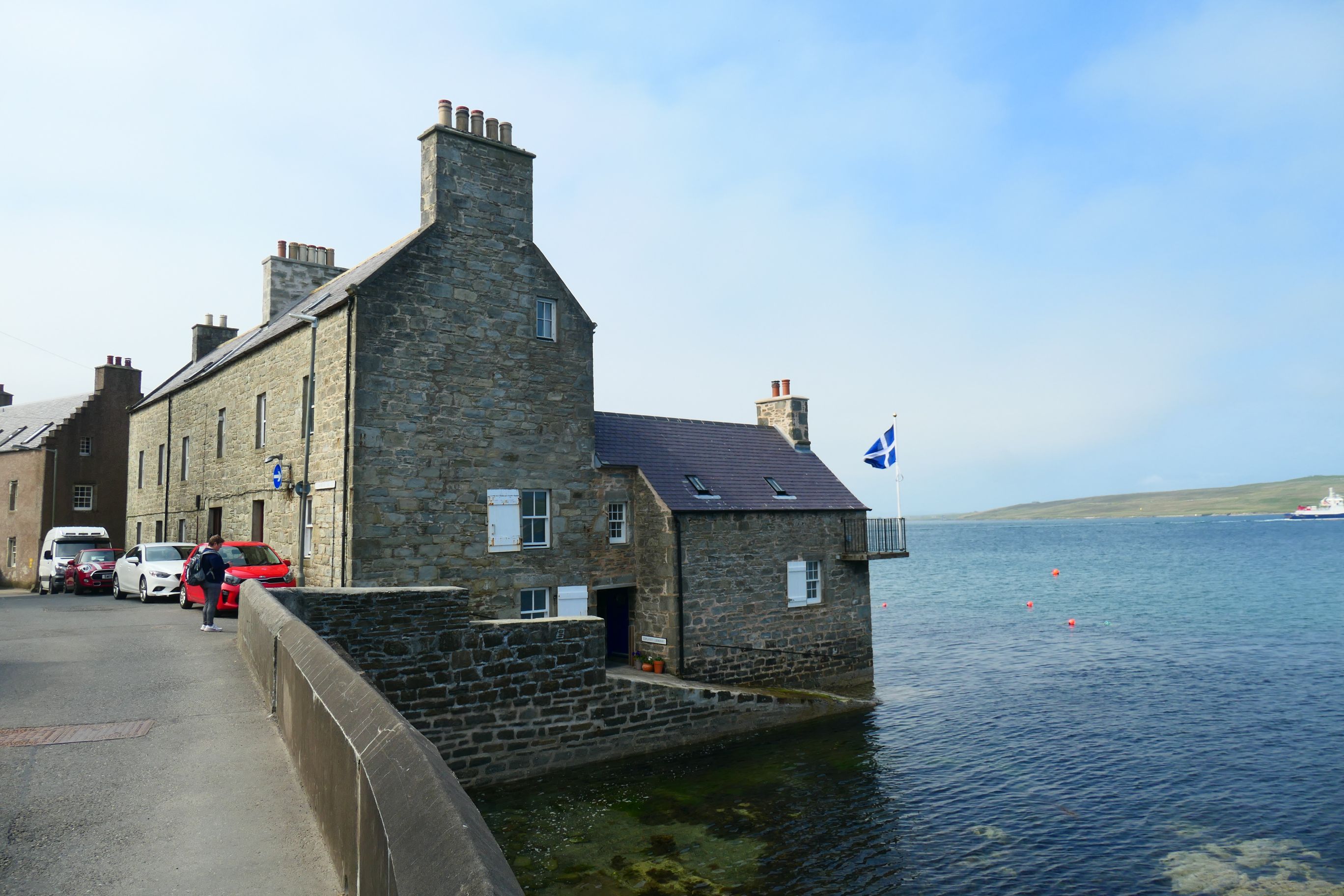
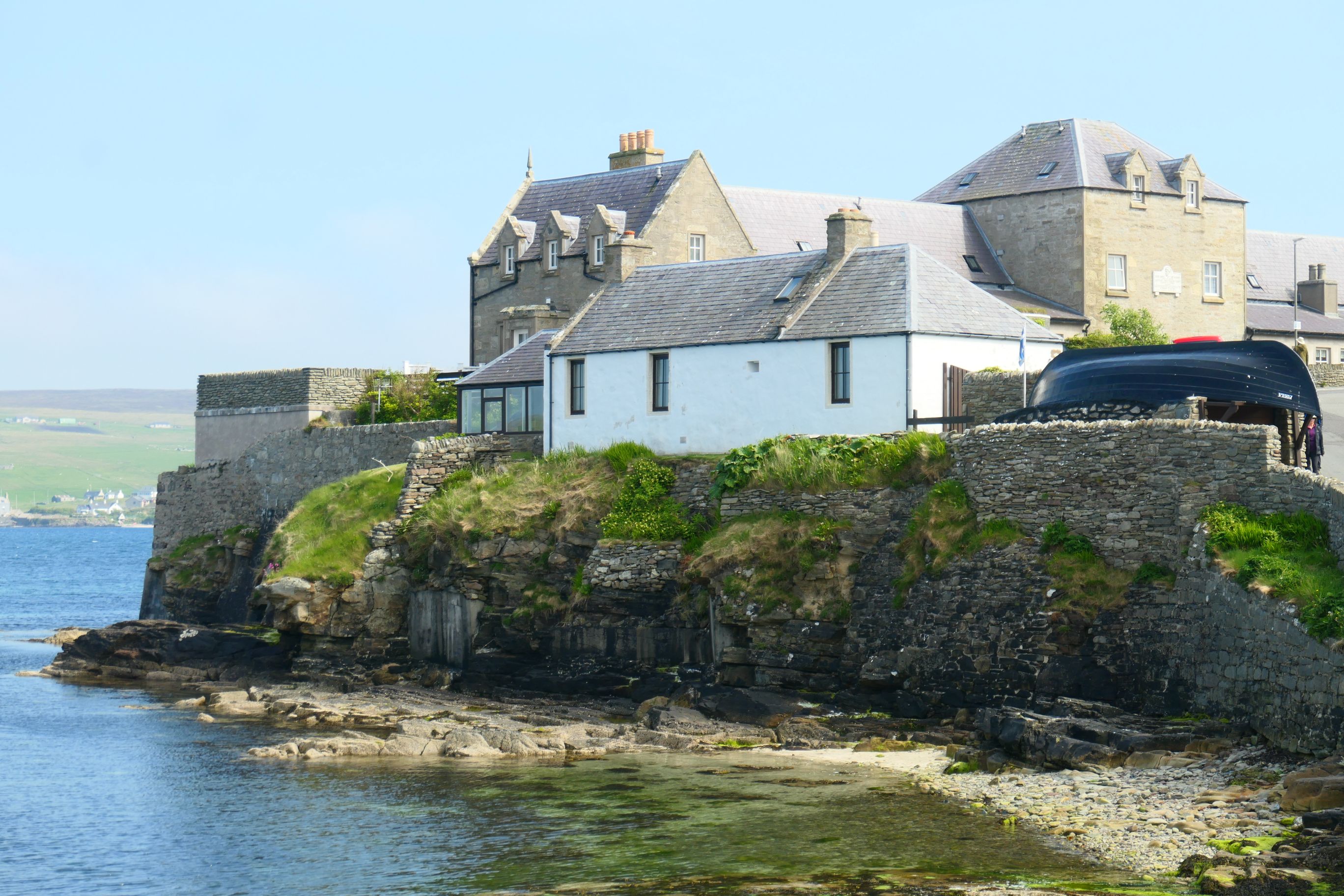
We pulled up outside our apartment and went for a walk down to Jimmy Perez’s house to see if there were any signs of the filming that had taken place yesterday. Nothing remained, though Marg was convinced that the film crew had tidied up the location. I couldn’t see it, but Marg is often more observant than me. We had a laugh at a place called Lover’s Loan, and I couldn’t resist but hand her a tenner when we posed for a photo. Of course, I took it straight back and put it safely in my wallet. Otherwise I’m sure it would have been spent at the next wool shop.







Sounds like you had an exciting day. Pictures and blog make me feel like I am there.
All the best.
Mark
LikeLiked by 1 person
Great piece of history (WWII and Norway), amazing what we come across. Great Images too.
LikeLiked by 1 person
Here it is January 18 2024 and I just reread this day’s account. I think it’s one of the most interesting of all the Scotland trip. As I said back in June some great photos as well.
All the very best.
LikeLike