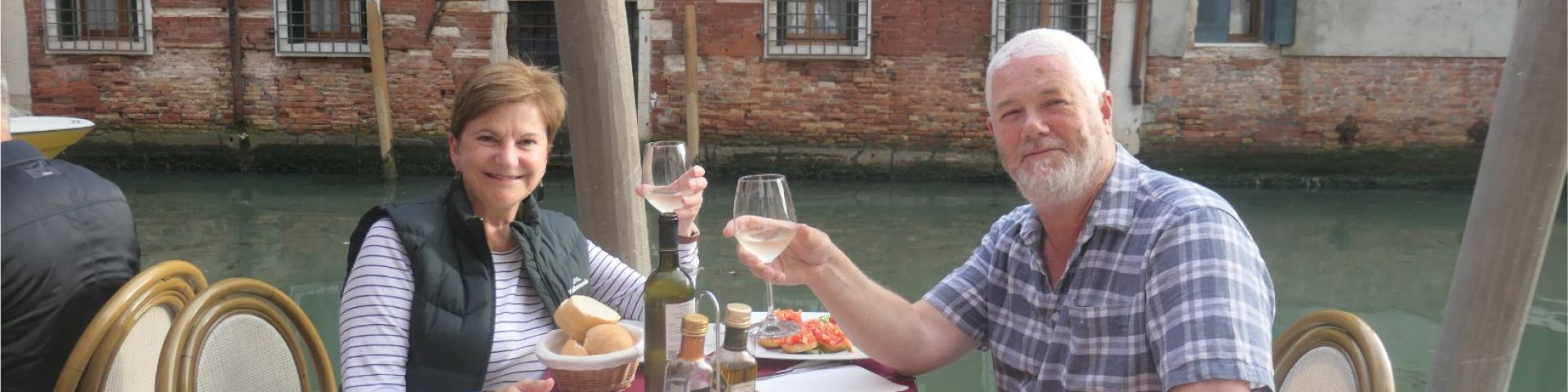
Today we went on a second private day tour of Aberdeenshire, this time to the south and west of Aberdeen. Our driver was Malcolm, who runs a one-man operation offering bespoke and organised tours. Click here if you would like to see his website.
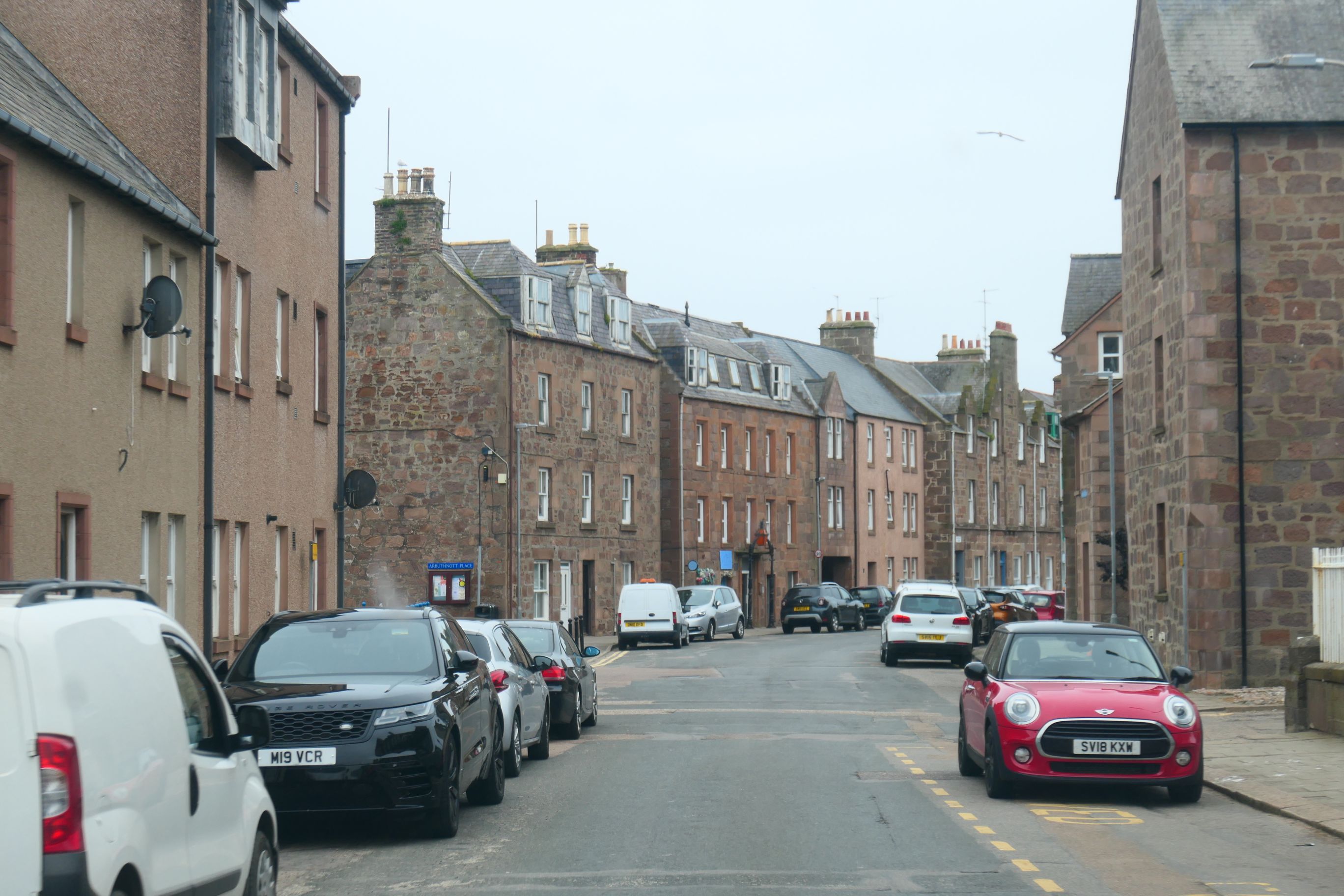
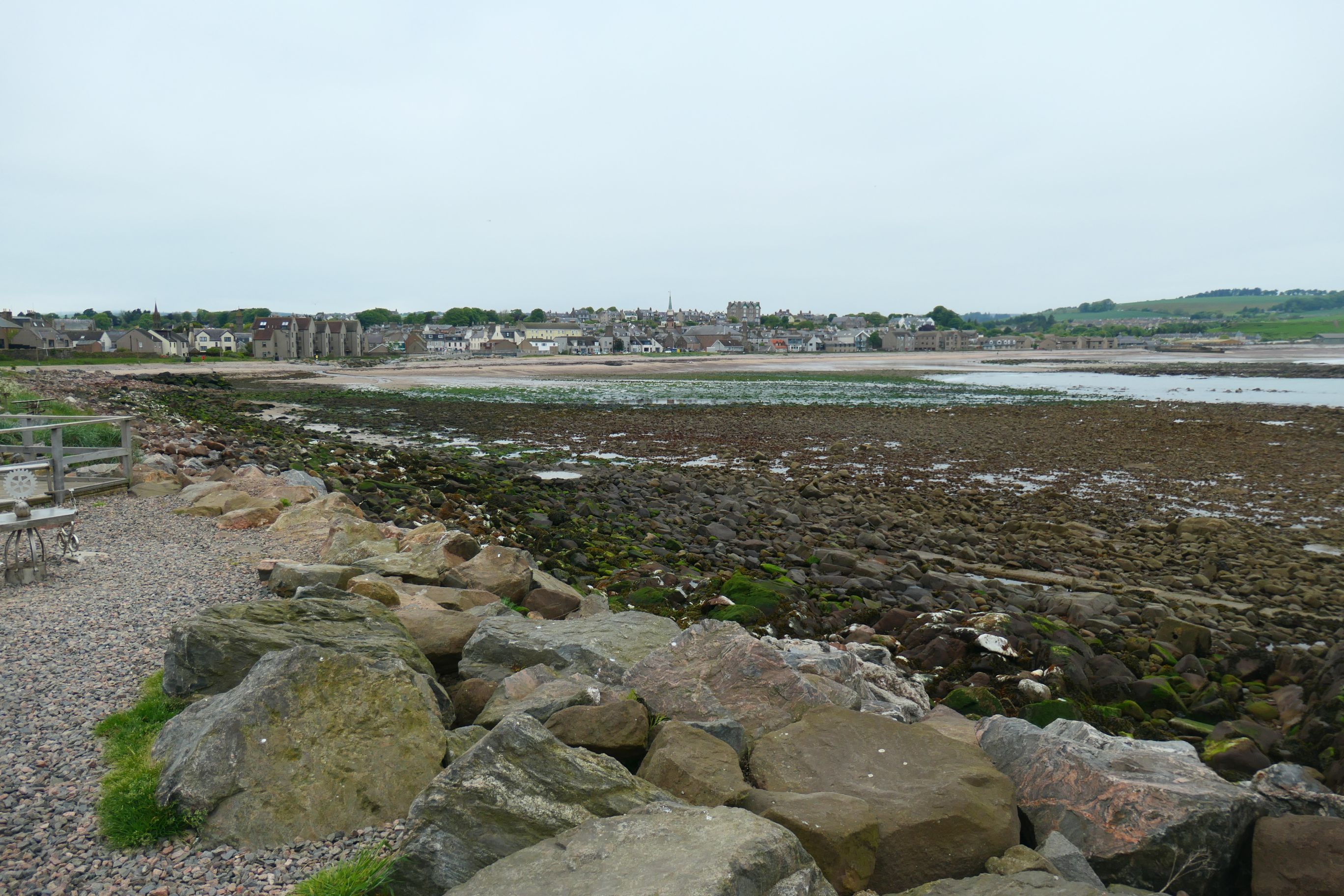
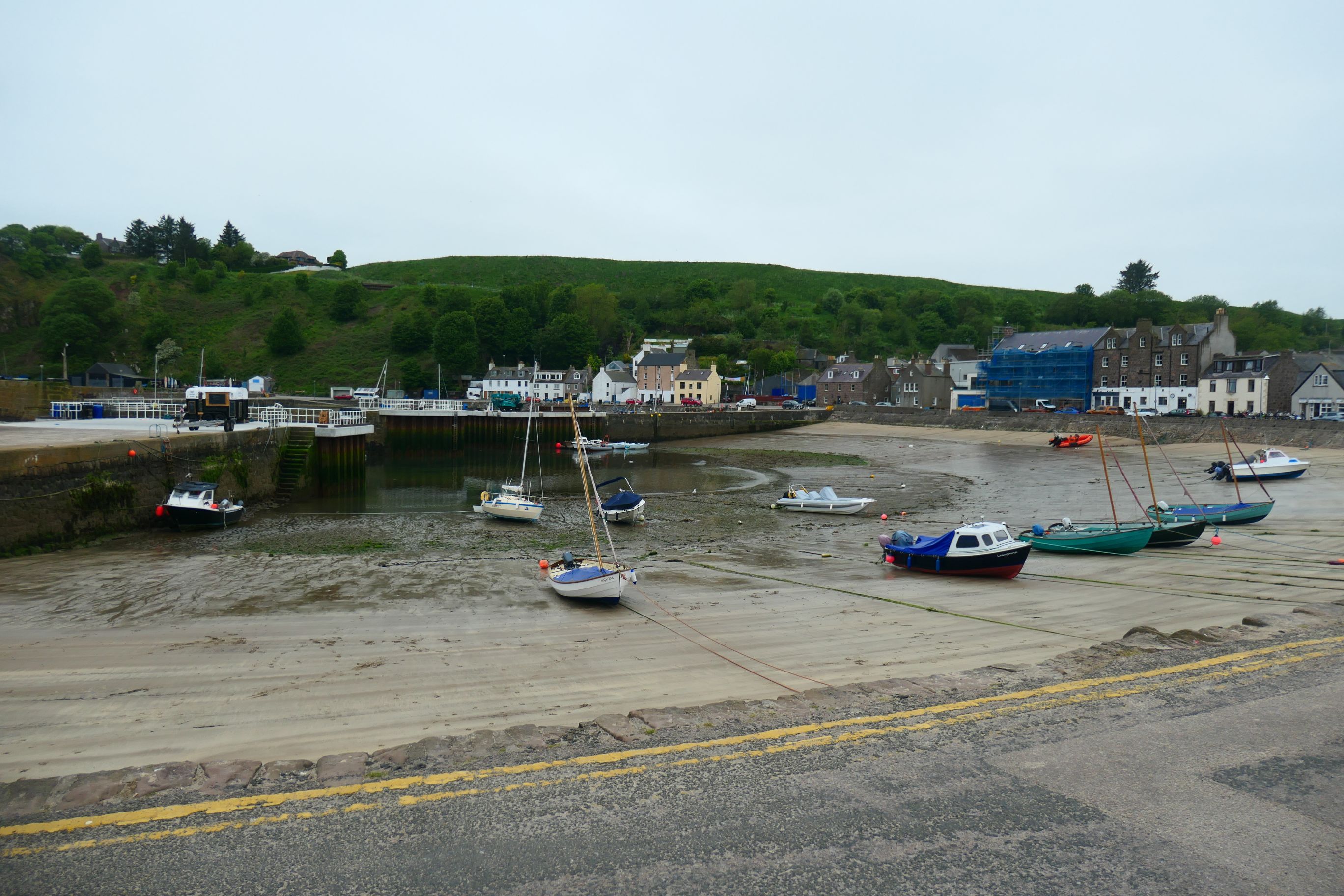
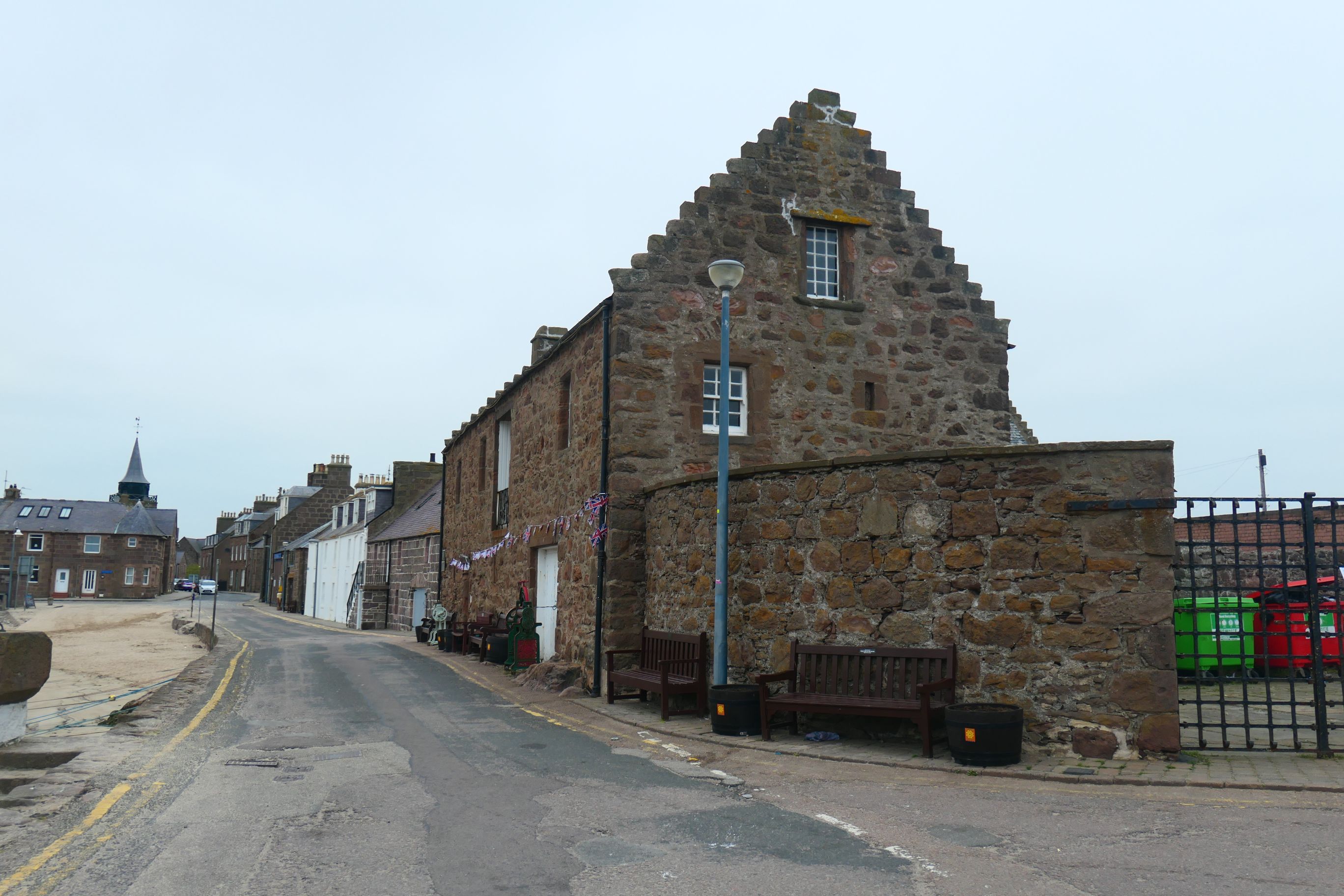
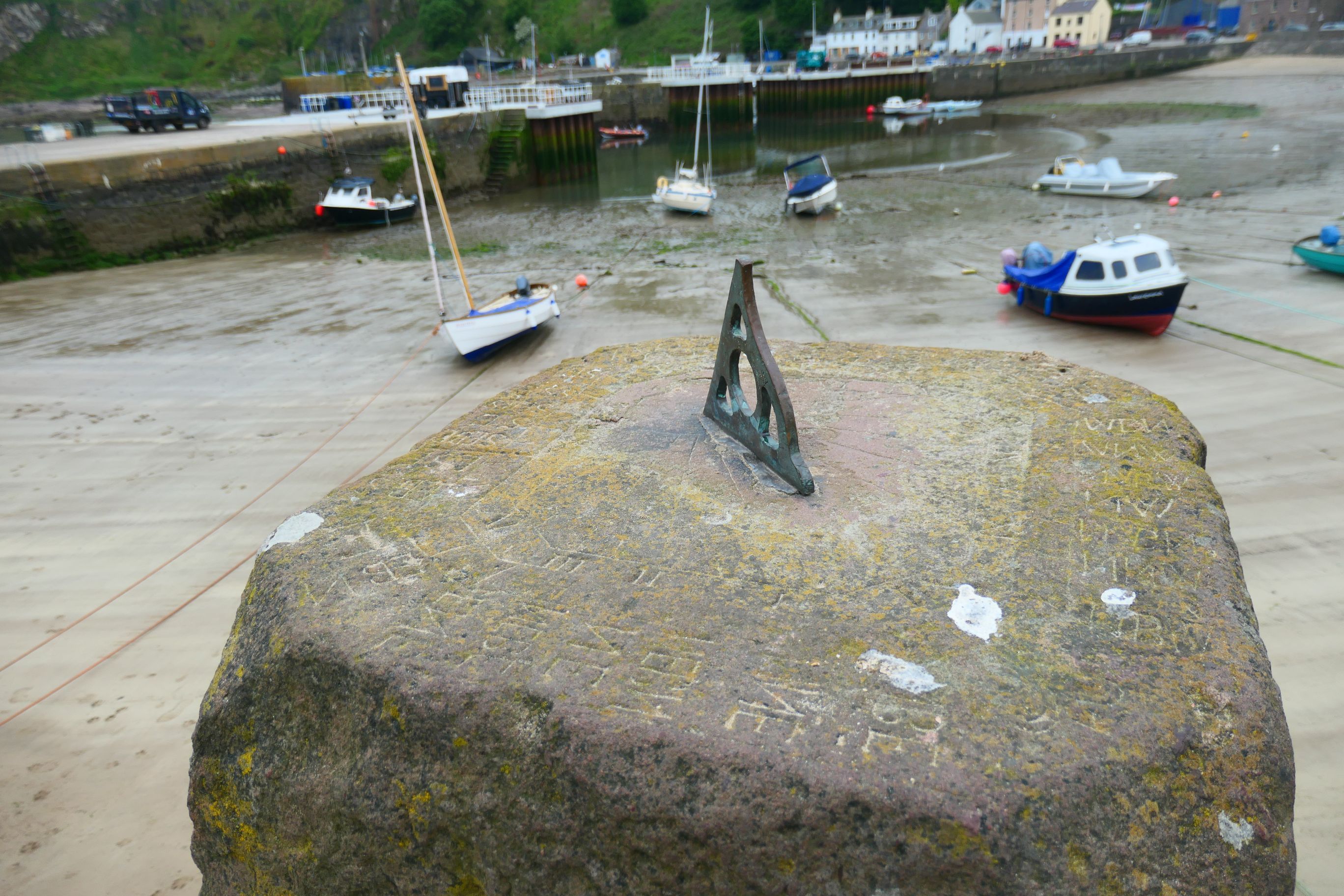
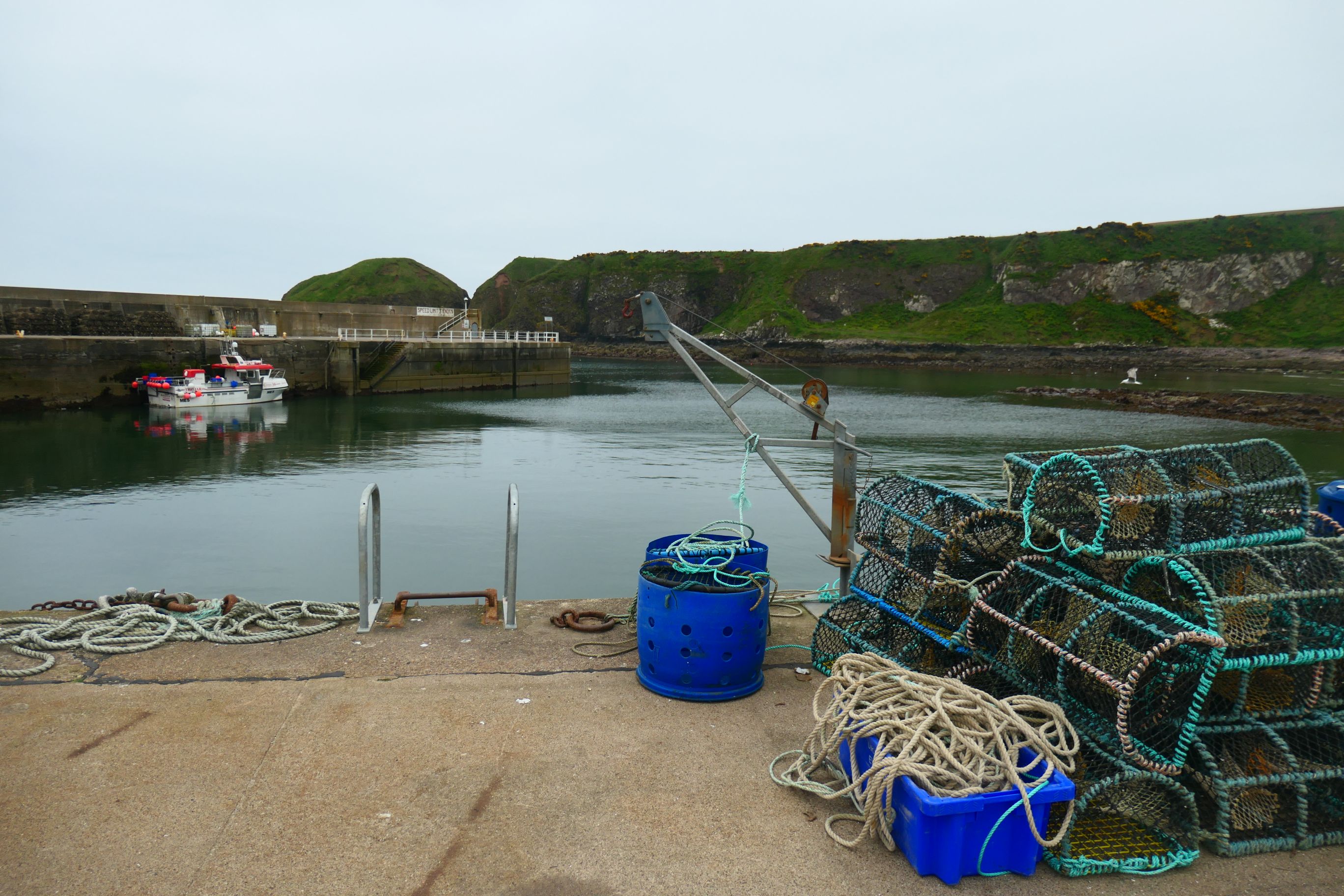
Malcolm picked us up at our accommodation at 8 am. The first stop on our tour was listed as Old Aberdeen, but when he heard that we’d been there yesterday, he suggested a visit to Stonehaven on our way to Dunottar Castle. Stonehaven has an old harbour, similar to those we visited at Portsoy and Pennan yesterday. Alongside the harbour was the tollbooth building, which doubled as a courtroom and a prison in times gone by. It’s very likely that prisoners were once executed in the exact place where we were standing.
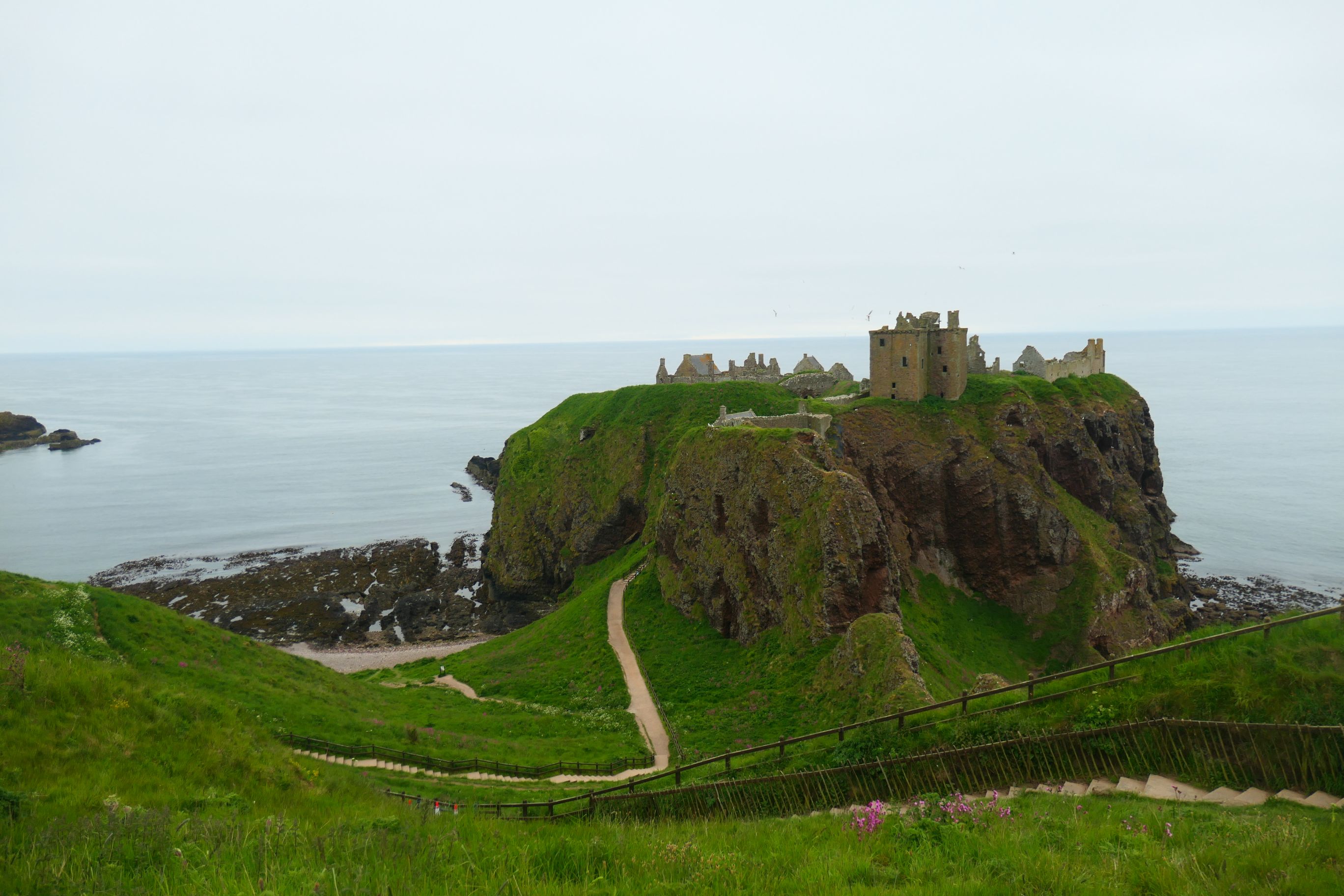
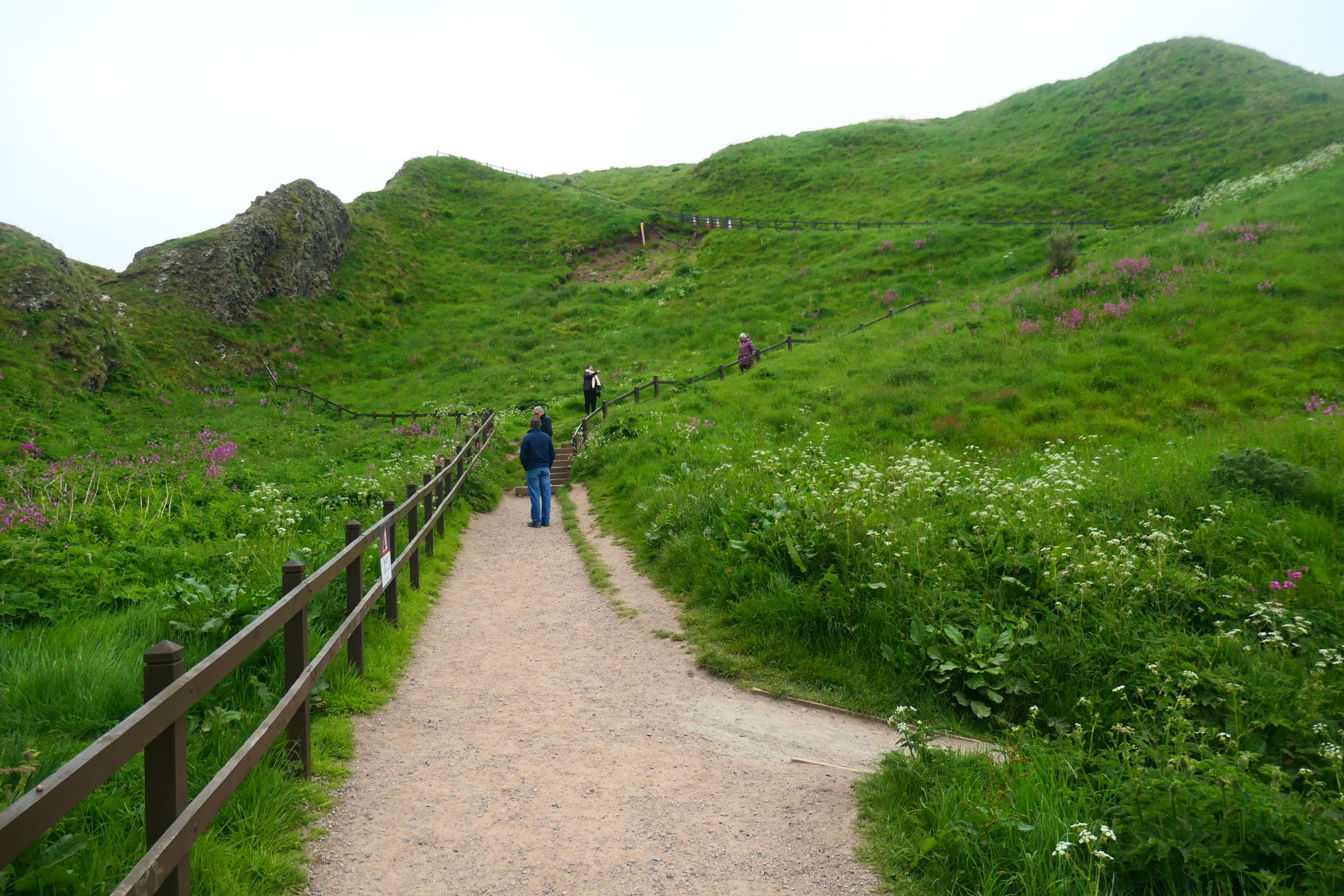
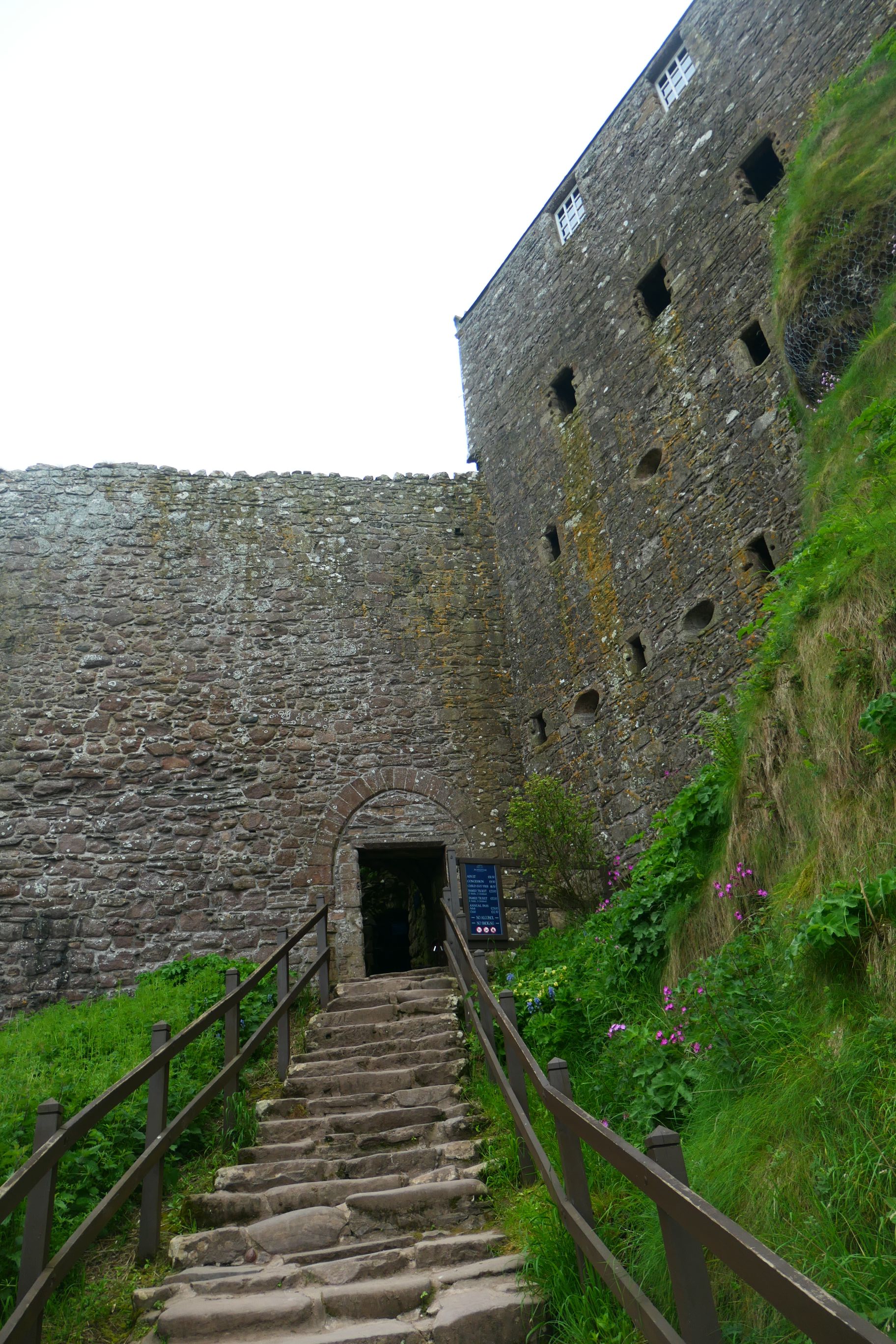
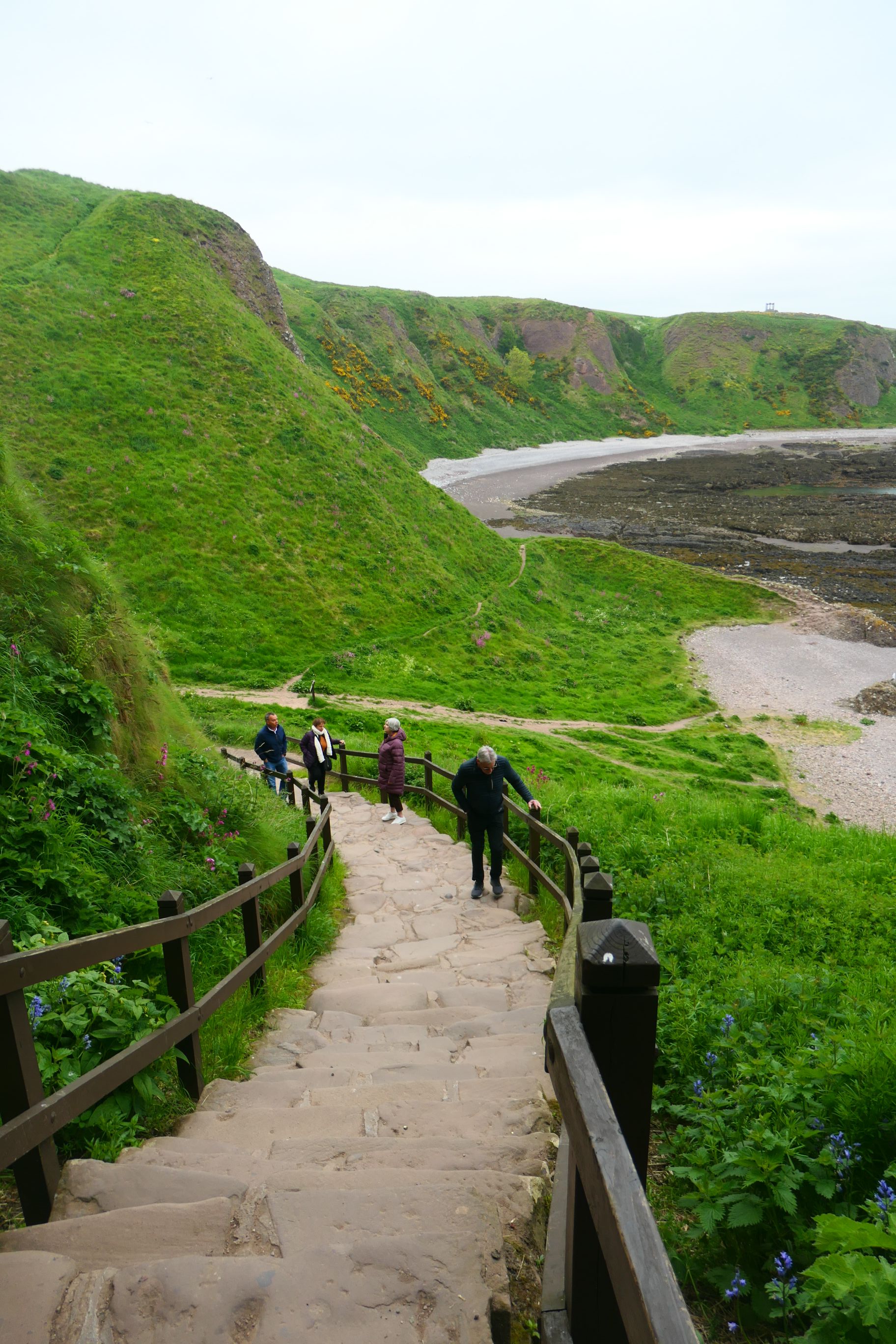
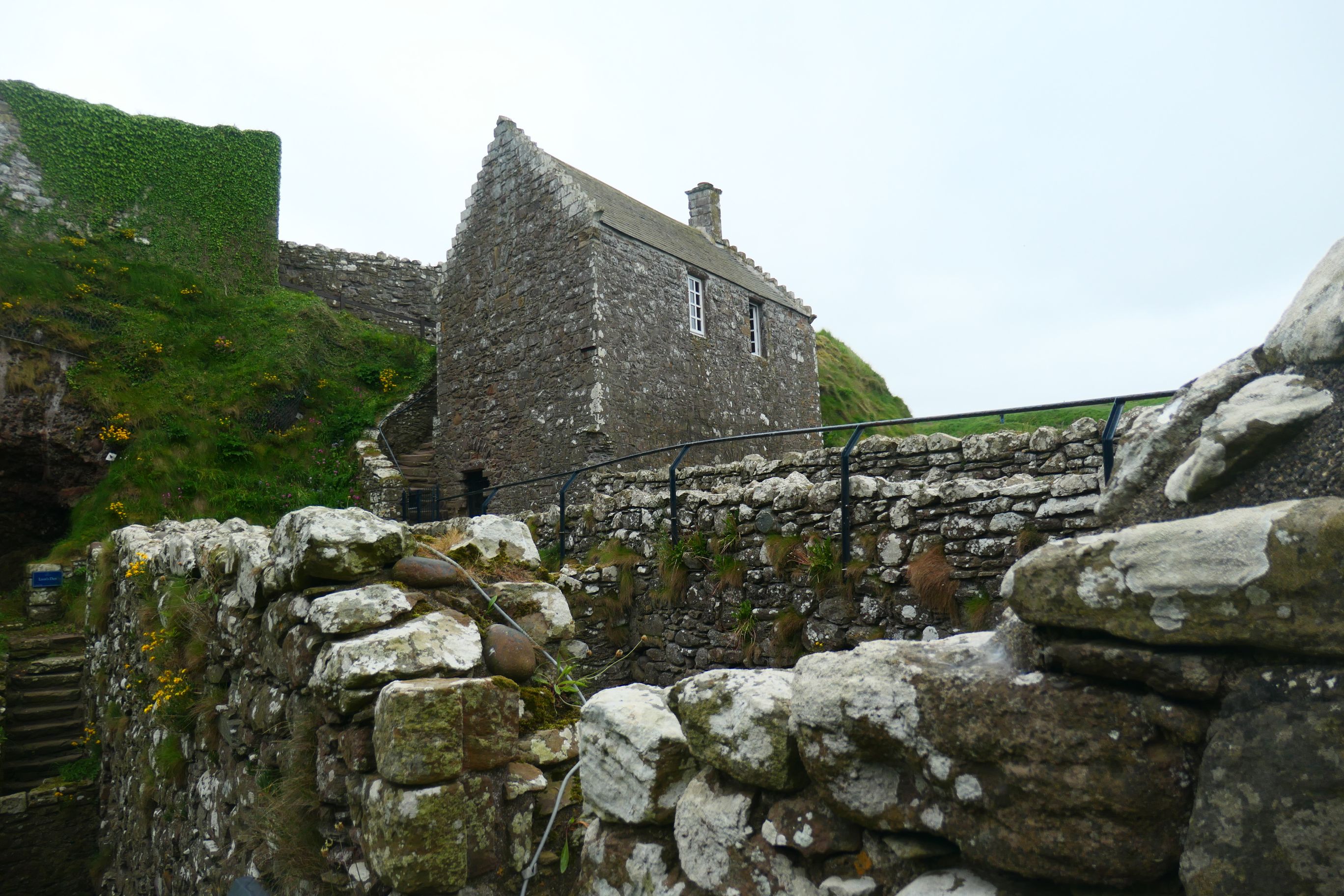
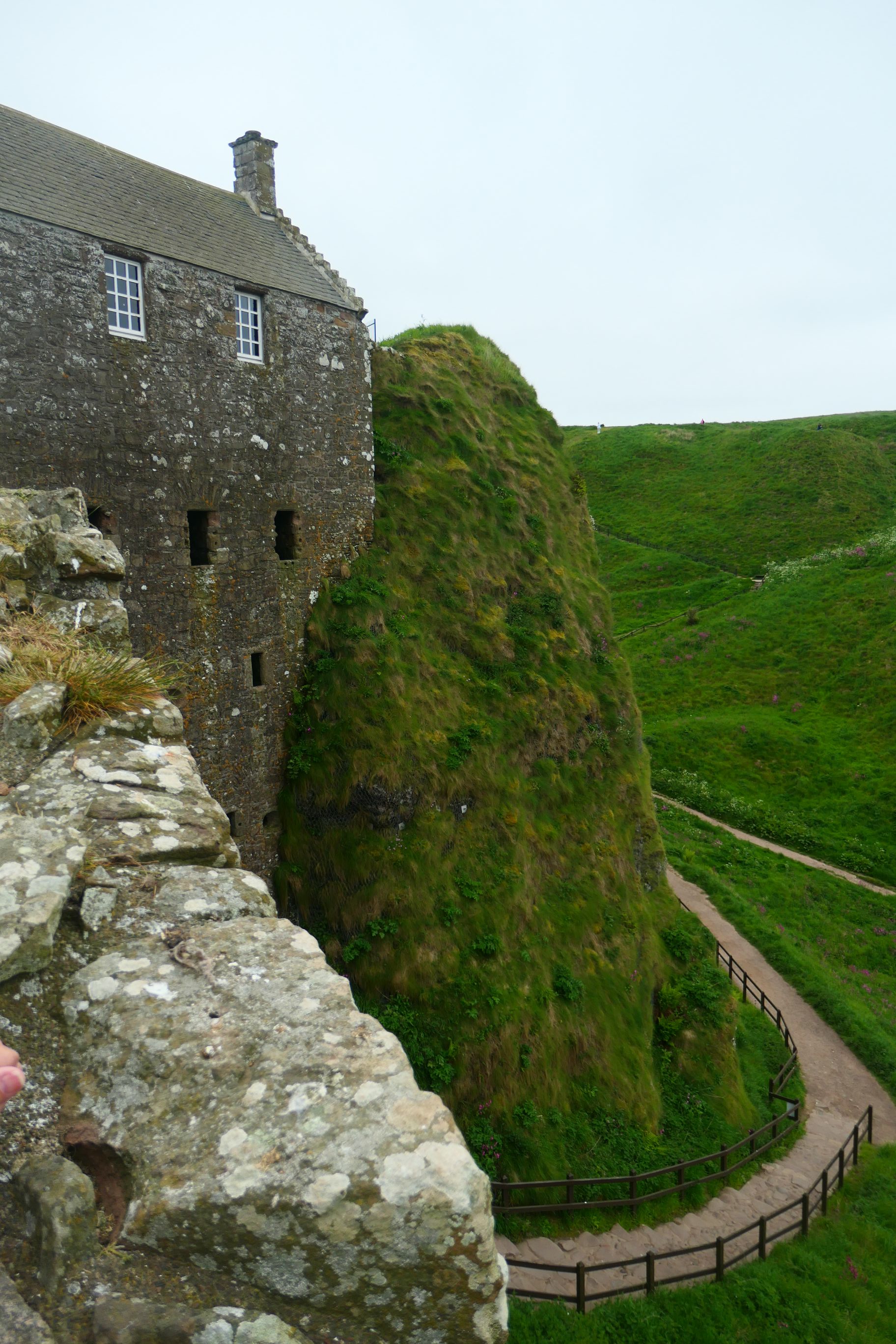
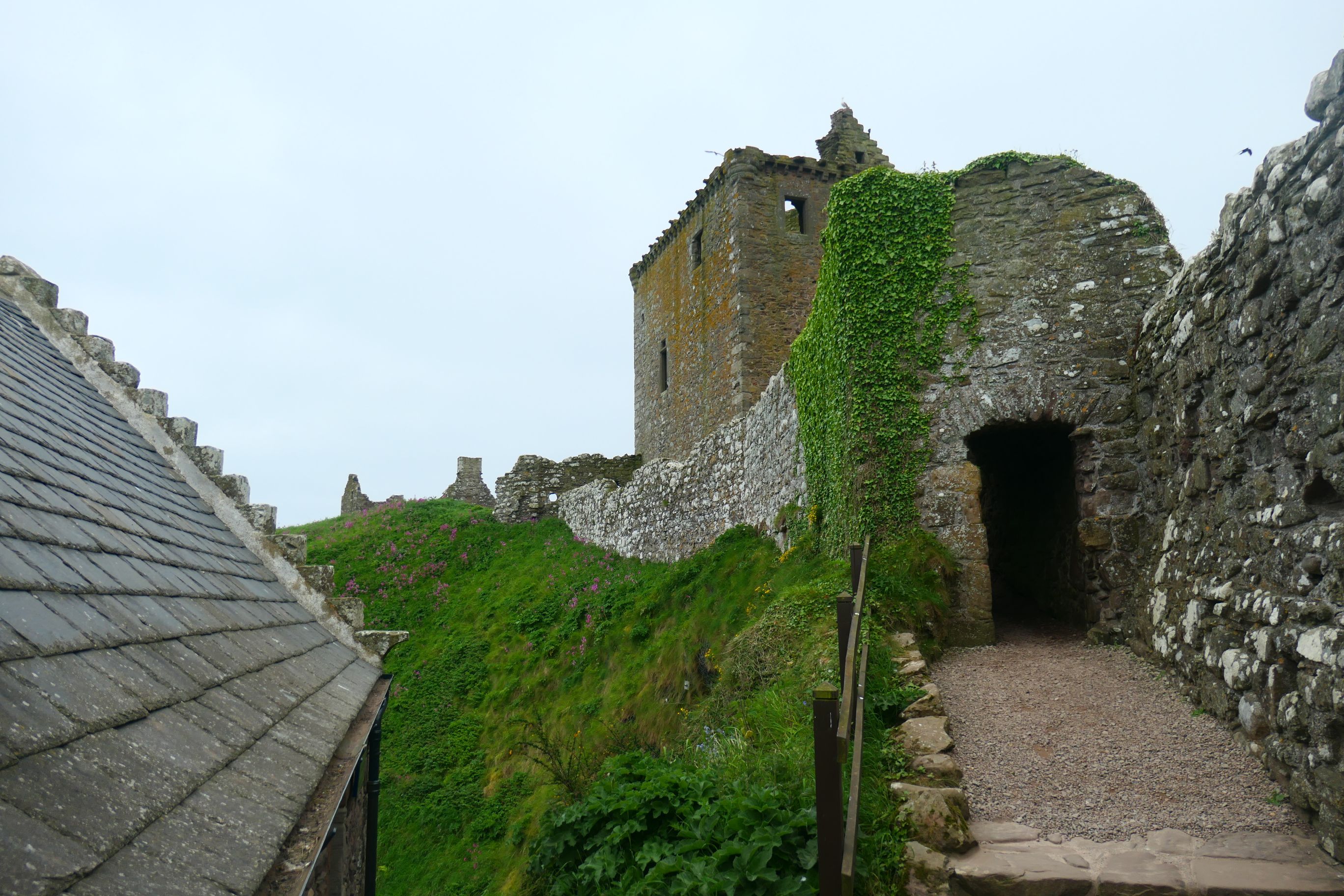
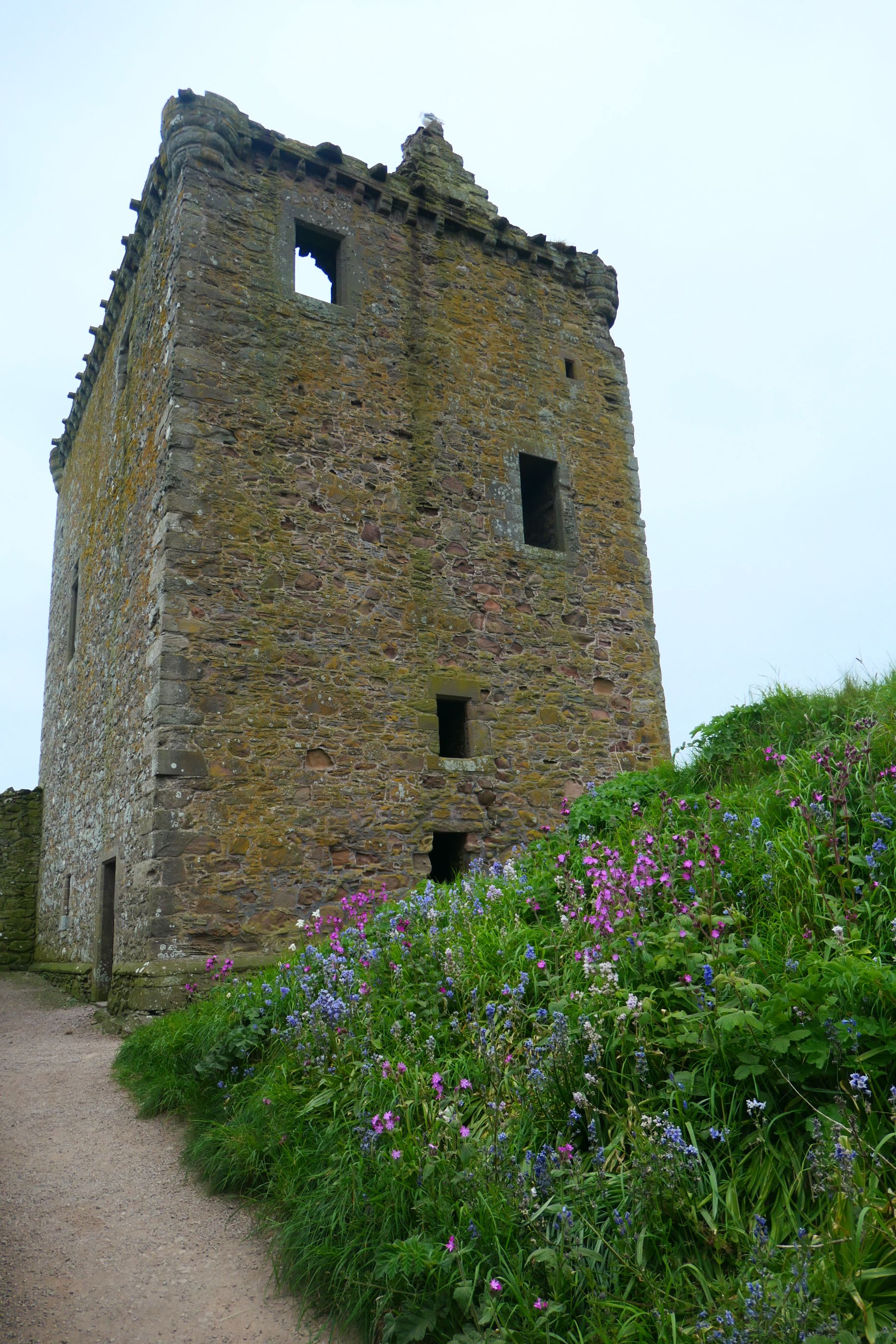
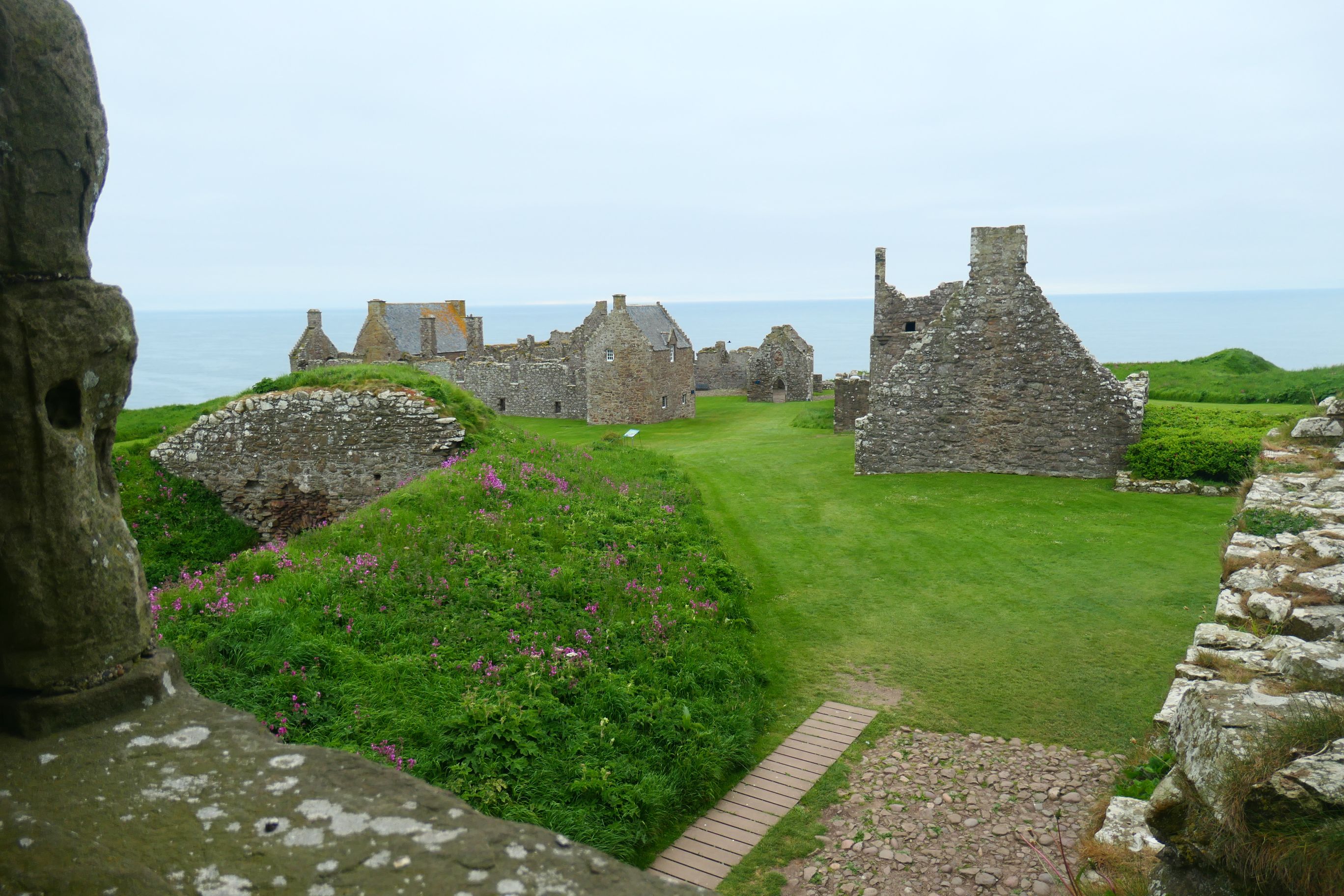
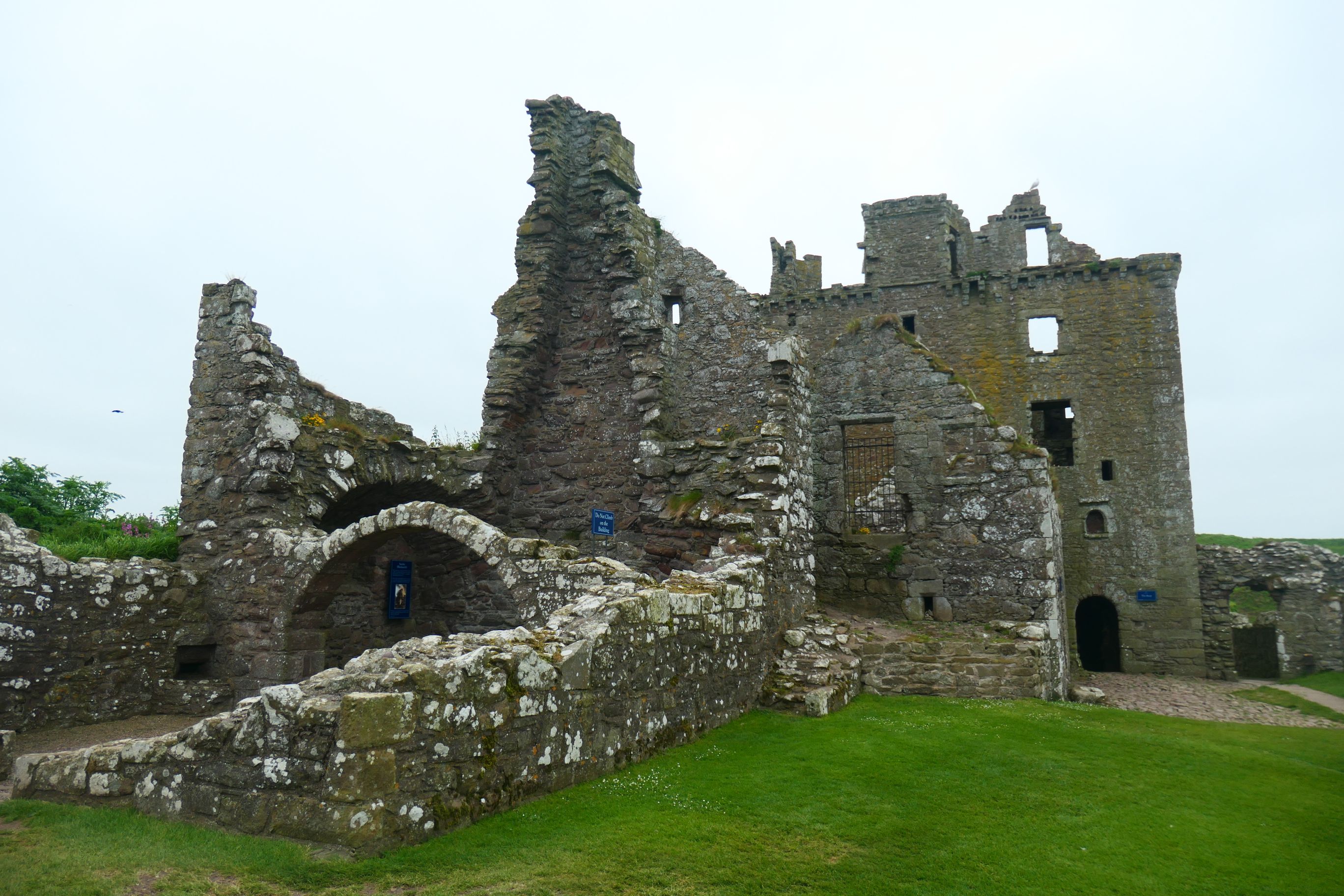
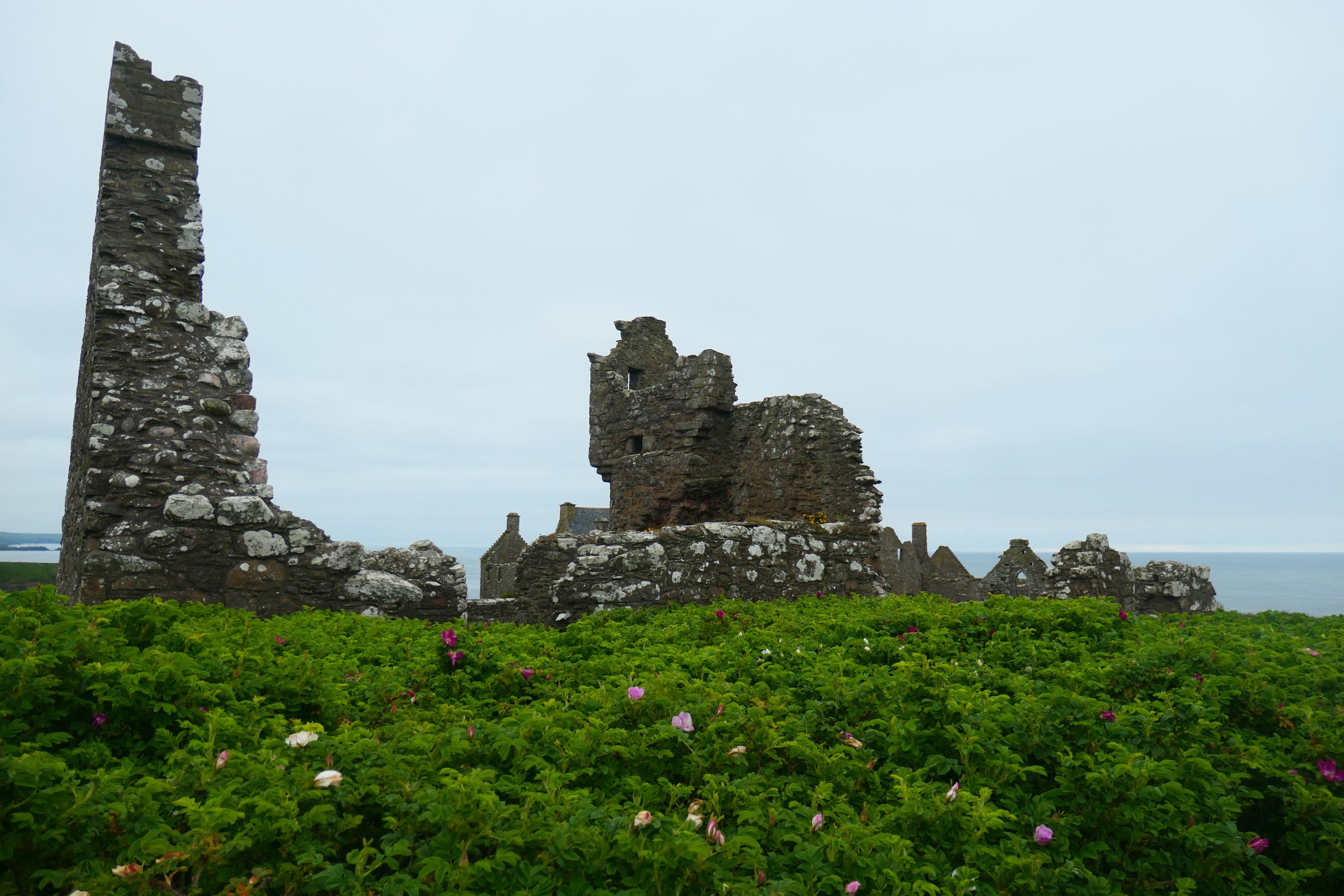
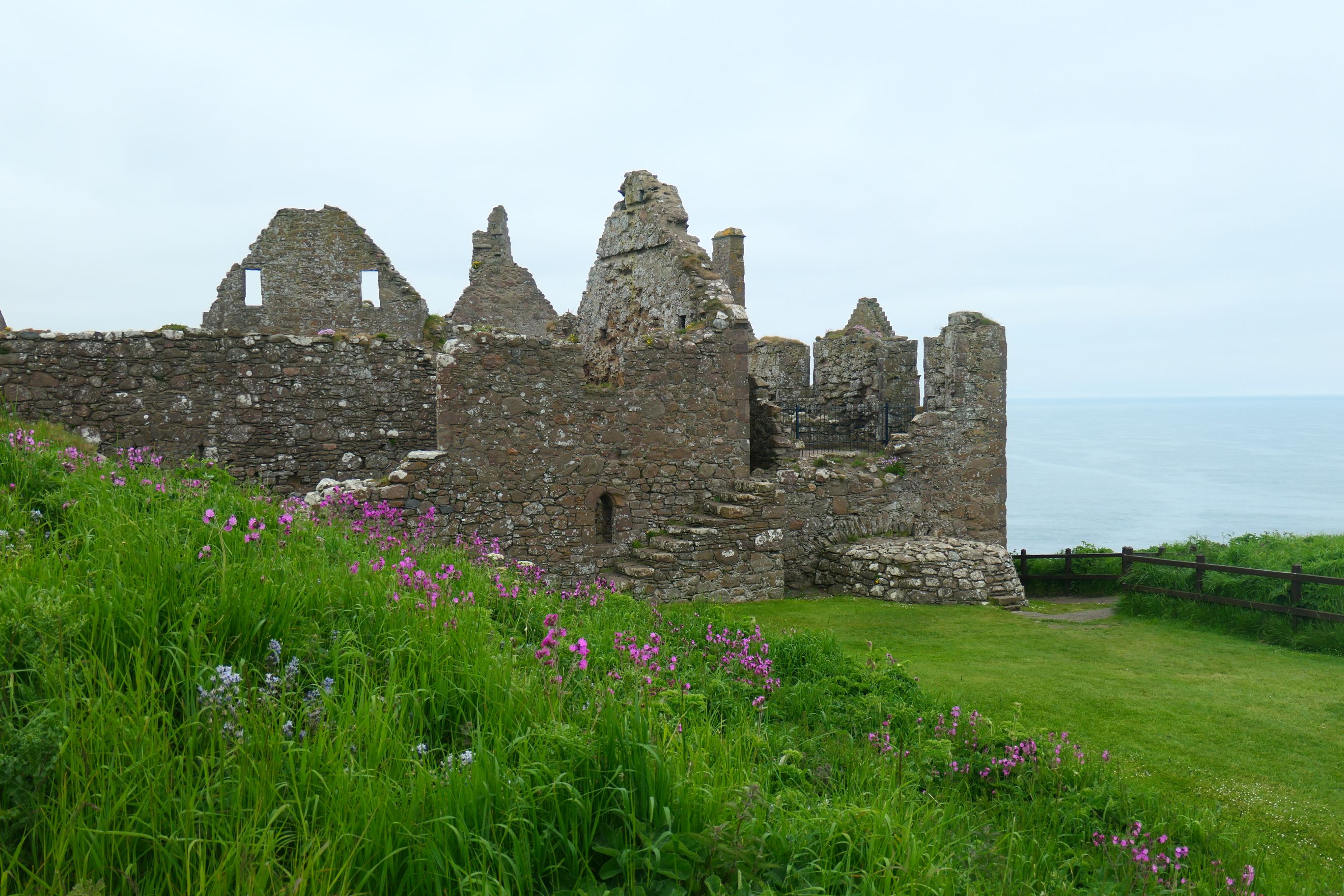
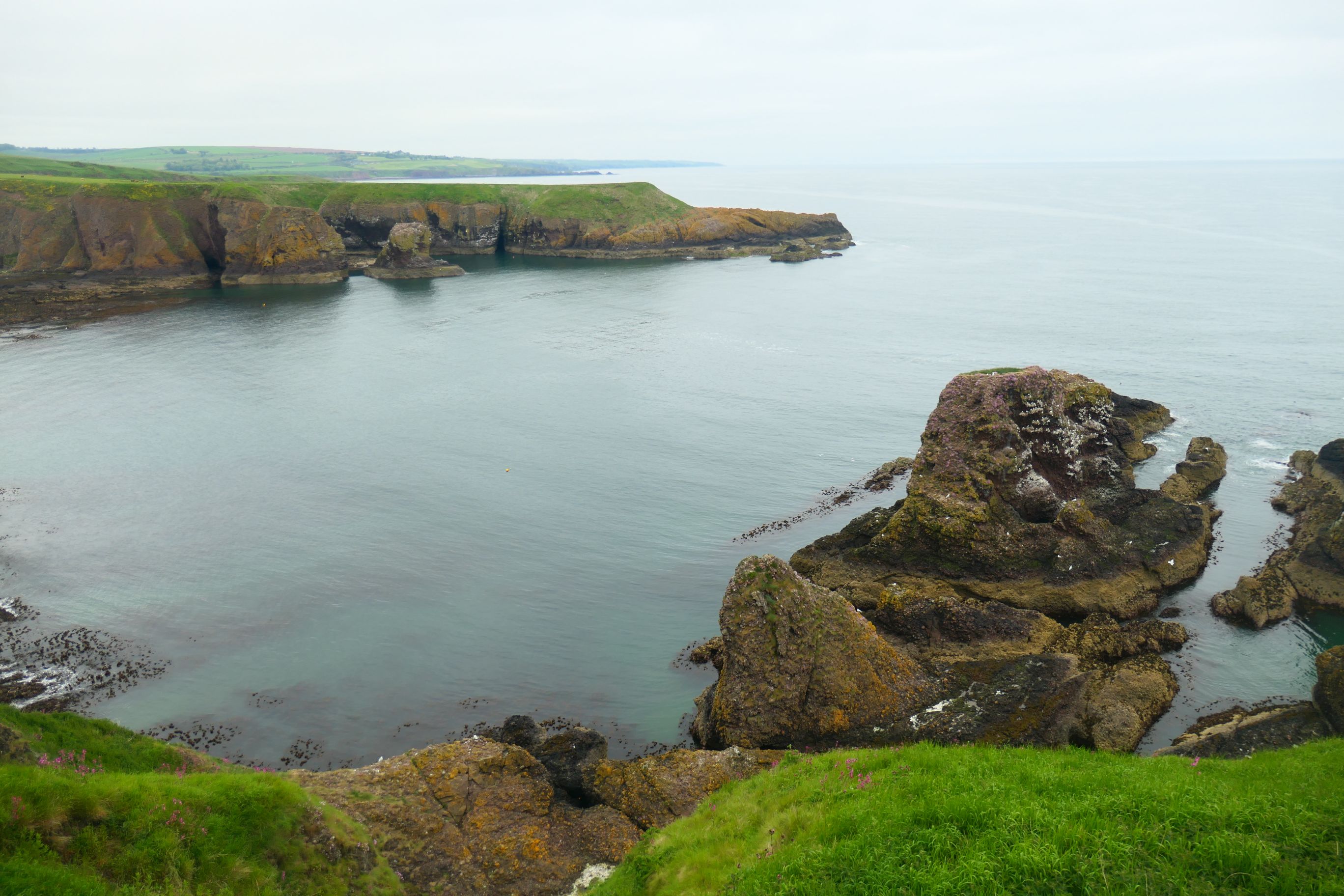
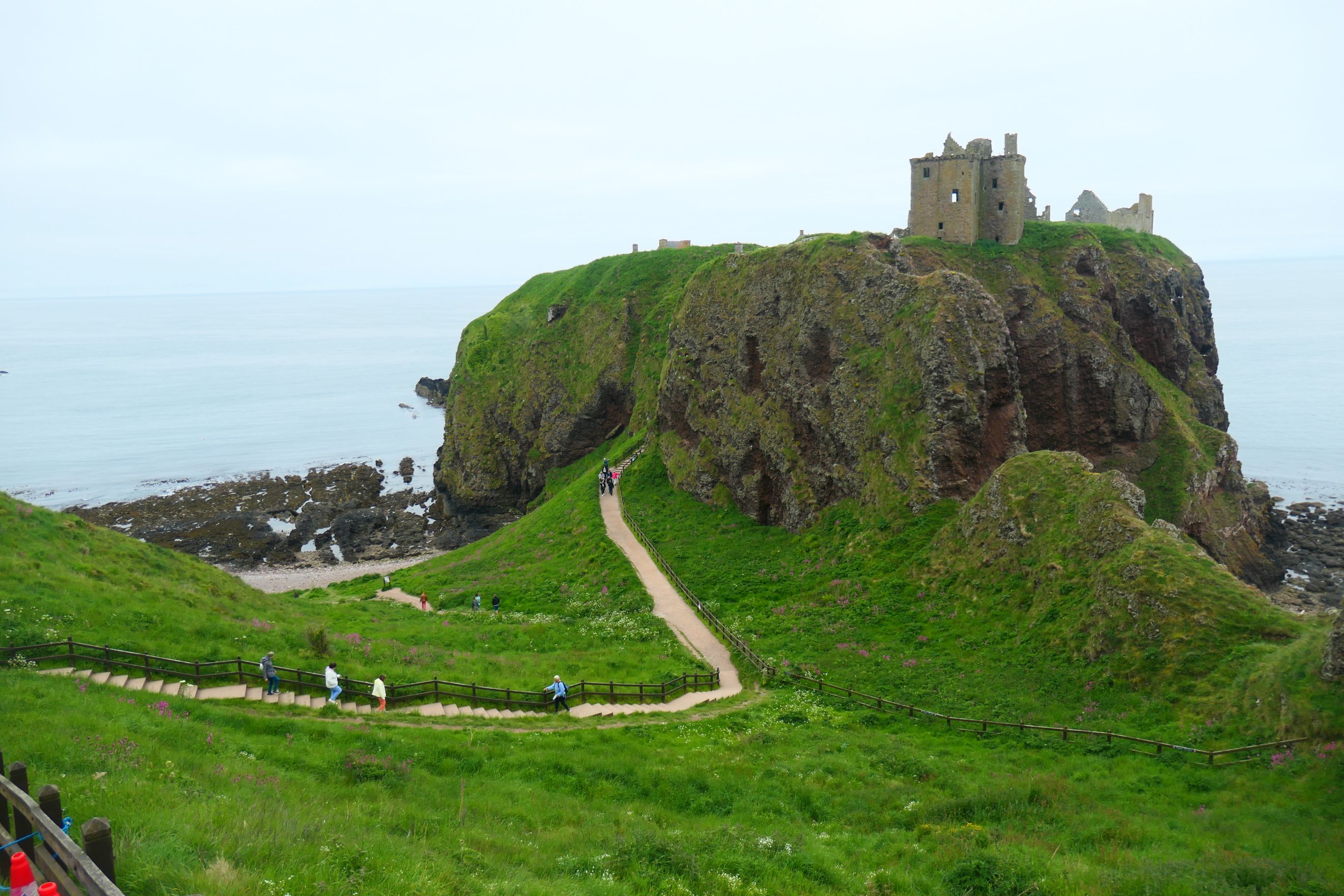
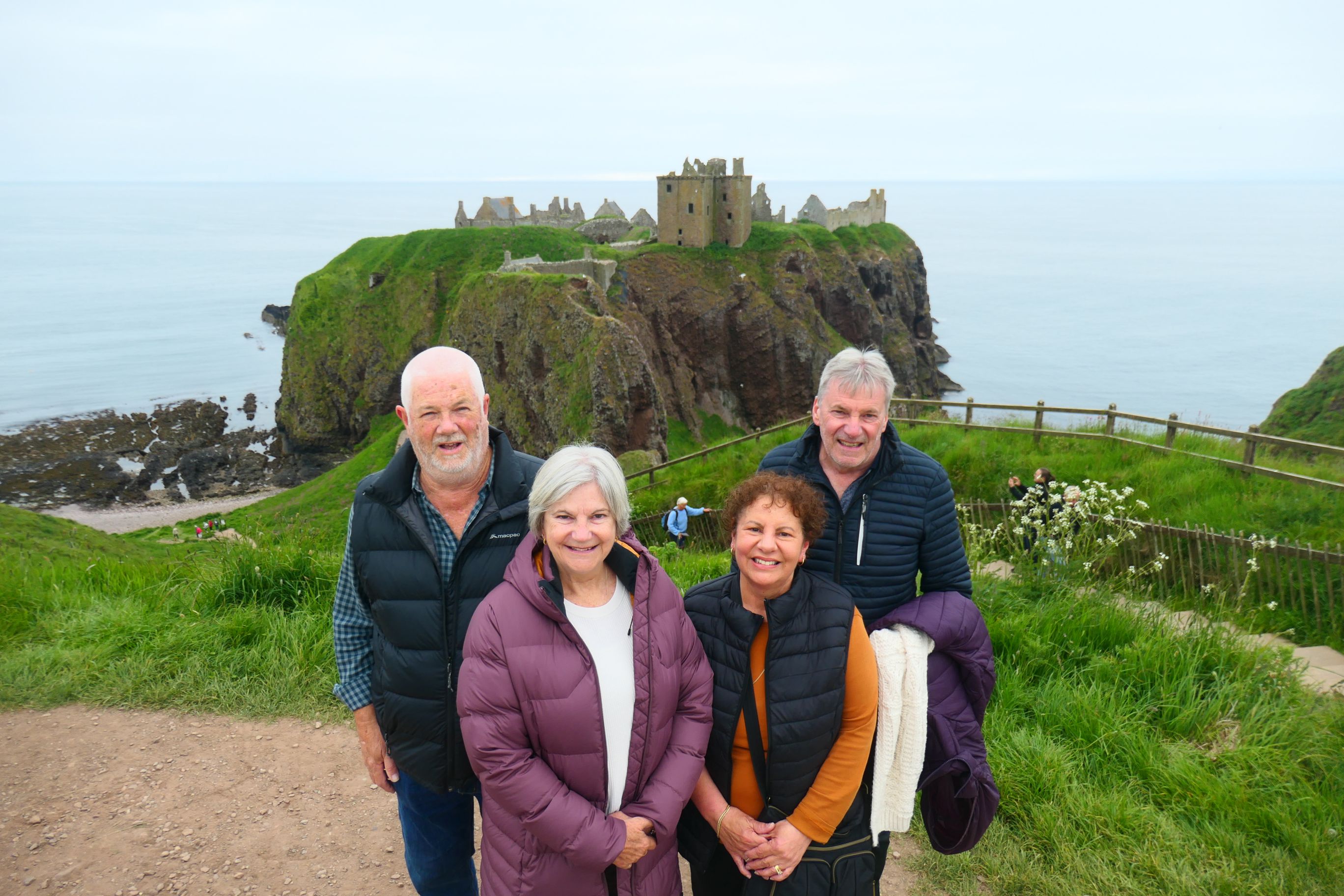
On the southern side of the promontory from Stonehaven is Dunottar Castle. Dunottar is a ruined medieval castle that sits upon a headland jutting out into the North Sea. It’s quite a spectacular sight when you first set eyes upon it, especially when you become aware of the steep descent you must make to the bottom of the cliff, followed by a steep ascent to the castle gate.
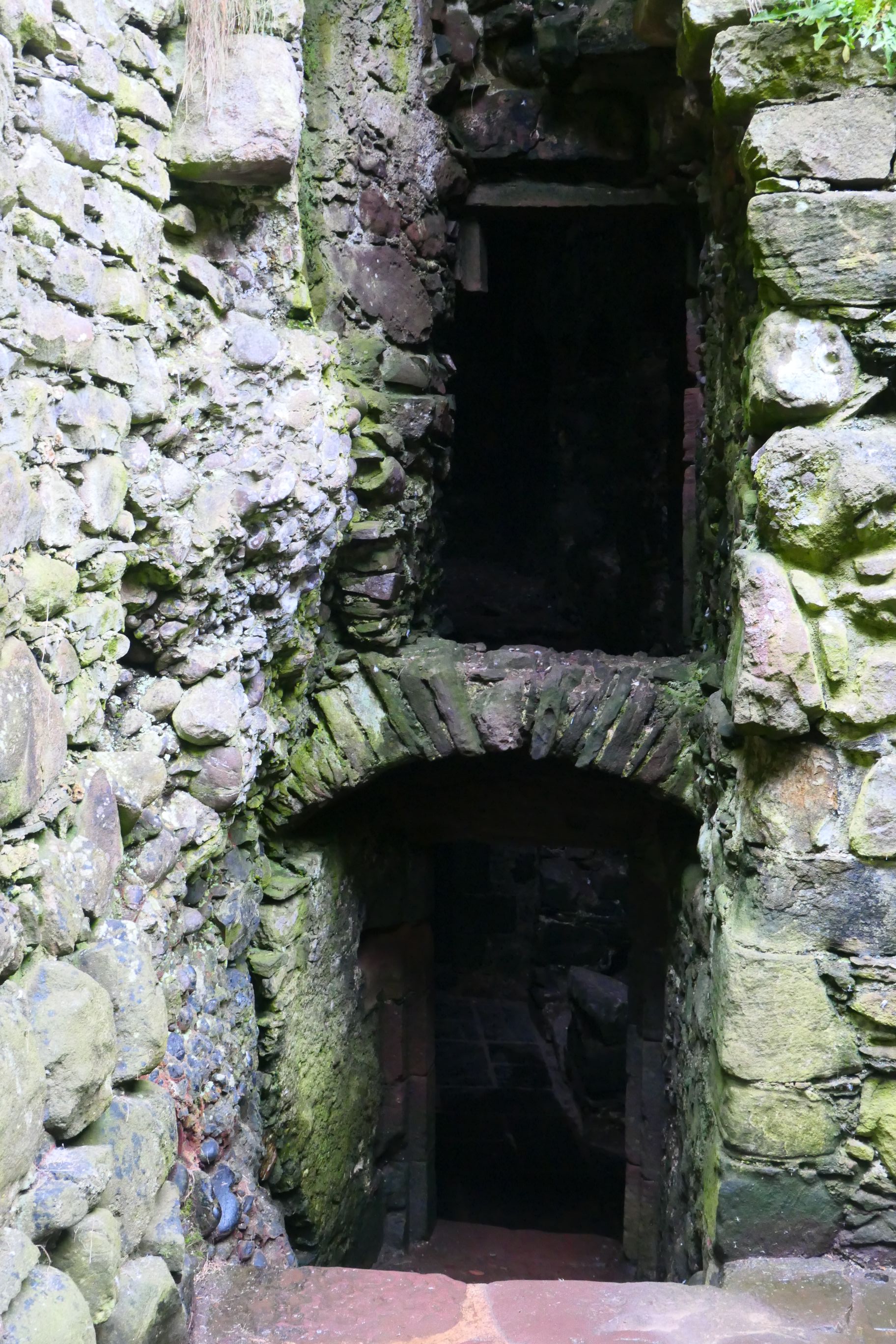
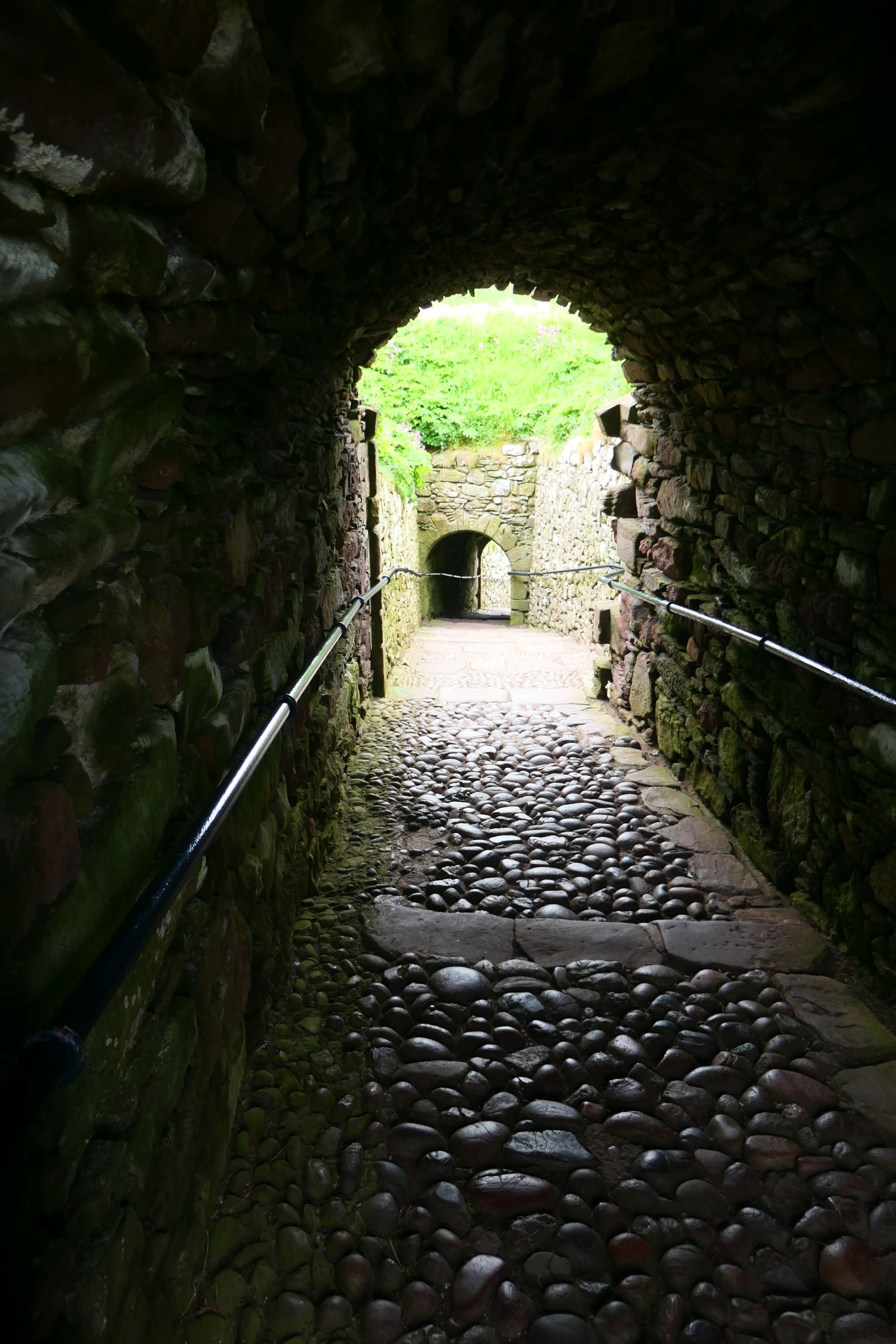
Like many historic places in Scotland, Dunottar Castle has been the setting for some pivotal events. In 1297, William Wallace (Braveheart for you film buffs) is reputed to have captured the castle from the English. Legend has it that he imprisoned up to 4000 English soldiers in the chapel, set fire to it and burned them alive. If you visit Dunottar you can see the secret tunnel where he supposedly found a way to break into the fortifications and take the English by surprise.
In the 1650s, shortly after the execution of Charles I in the English Civil War, his son Charles II arrived in Scotland and visited Dunottar. Charles II was crowned king in Scone, and the Honours of Scotland were used in the coronation. The Honours are the Scottish crown, sword and sceptre – essentially the crown jewels. Oliver Cromwell, who supported Parliament and opposed the Royalists, led his invading English army into Scotland. The Scots moved their Honours to Dunottar Castle for safekeeping. Cromwell laid siege to the castle for eight months. When the siege finally ended and the occupants of Dunottar surrendered, the Honours were nowhere to be found. It is believed they were smuggled out of Dunottar during the siege by the wife of the minister of the local church, possibly hidden in sacks of goods or lowered to the beach below and hidden under seaweed. They were then taken to a local church and buried under the floor. Several years later, when Charles II was restored to the throne of England, the Honours were handed back to him.
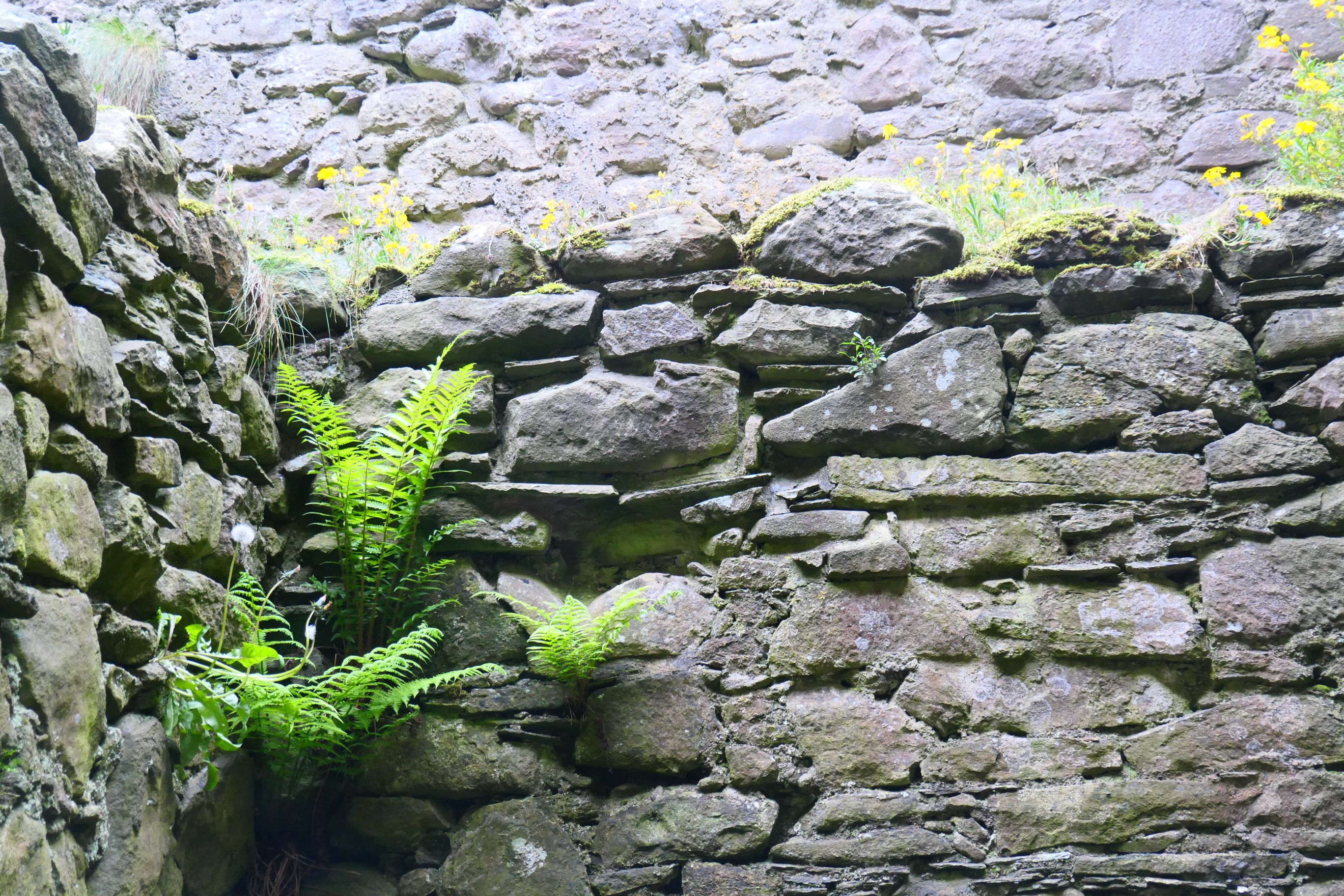
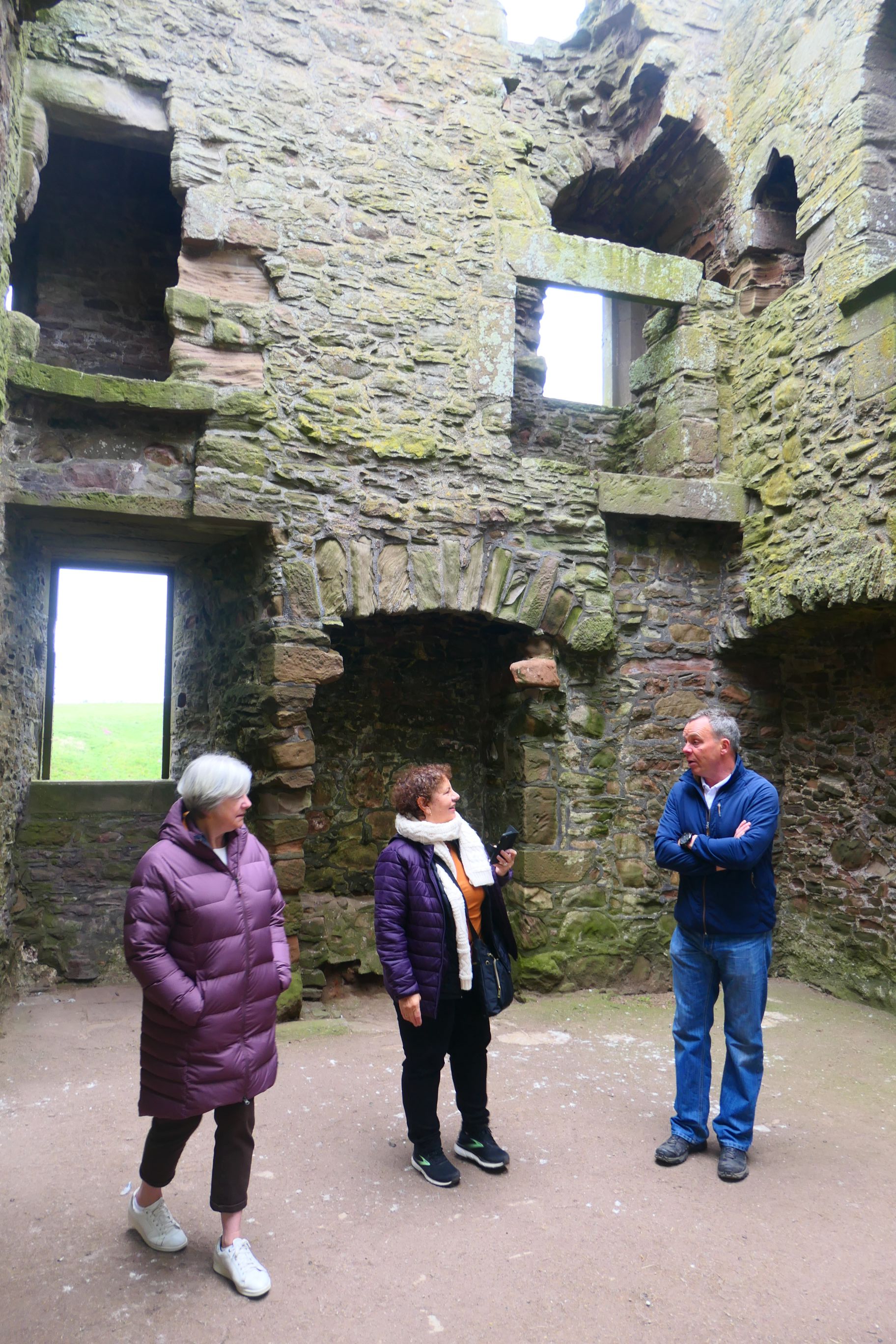
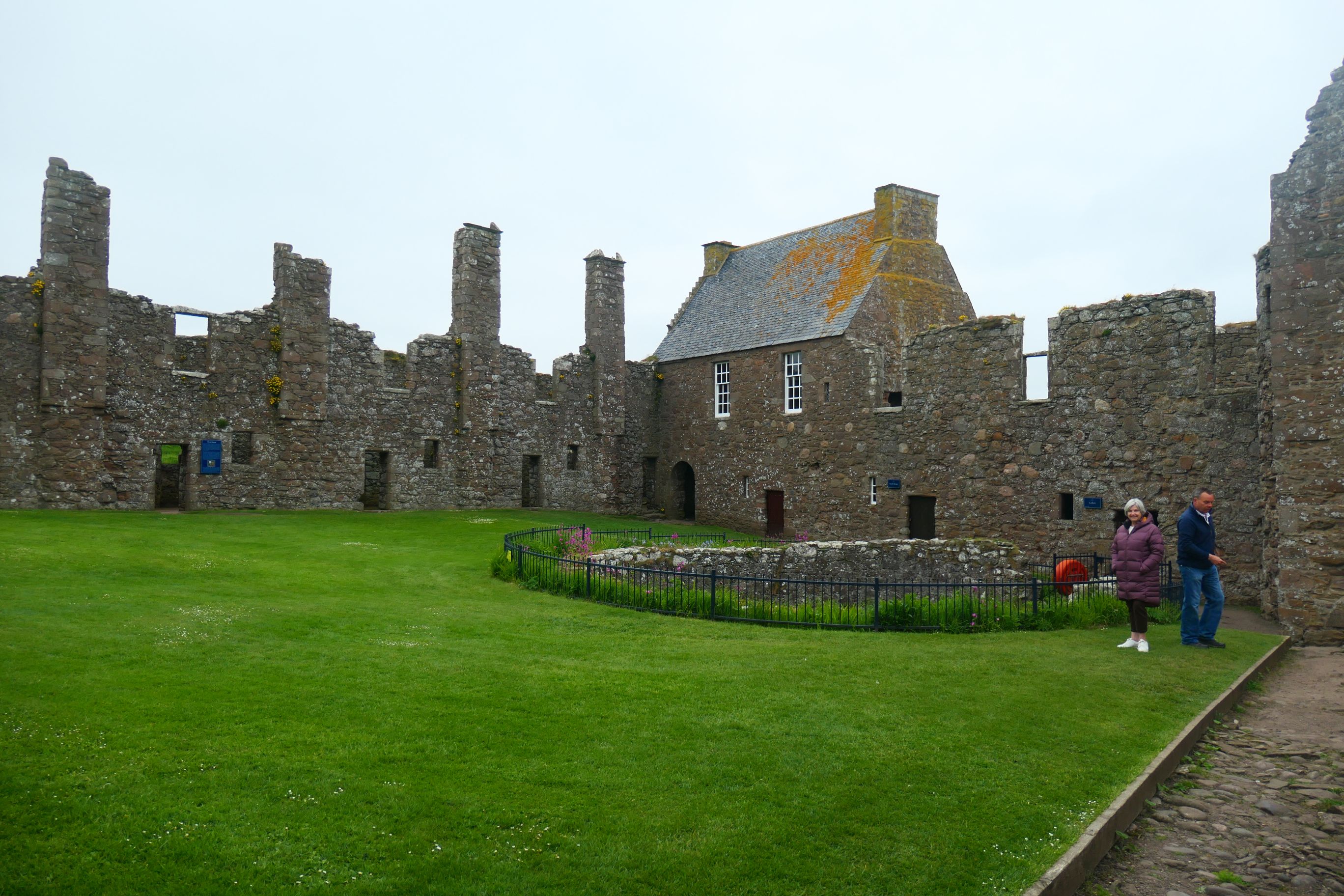
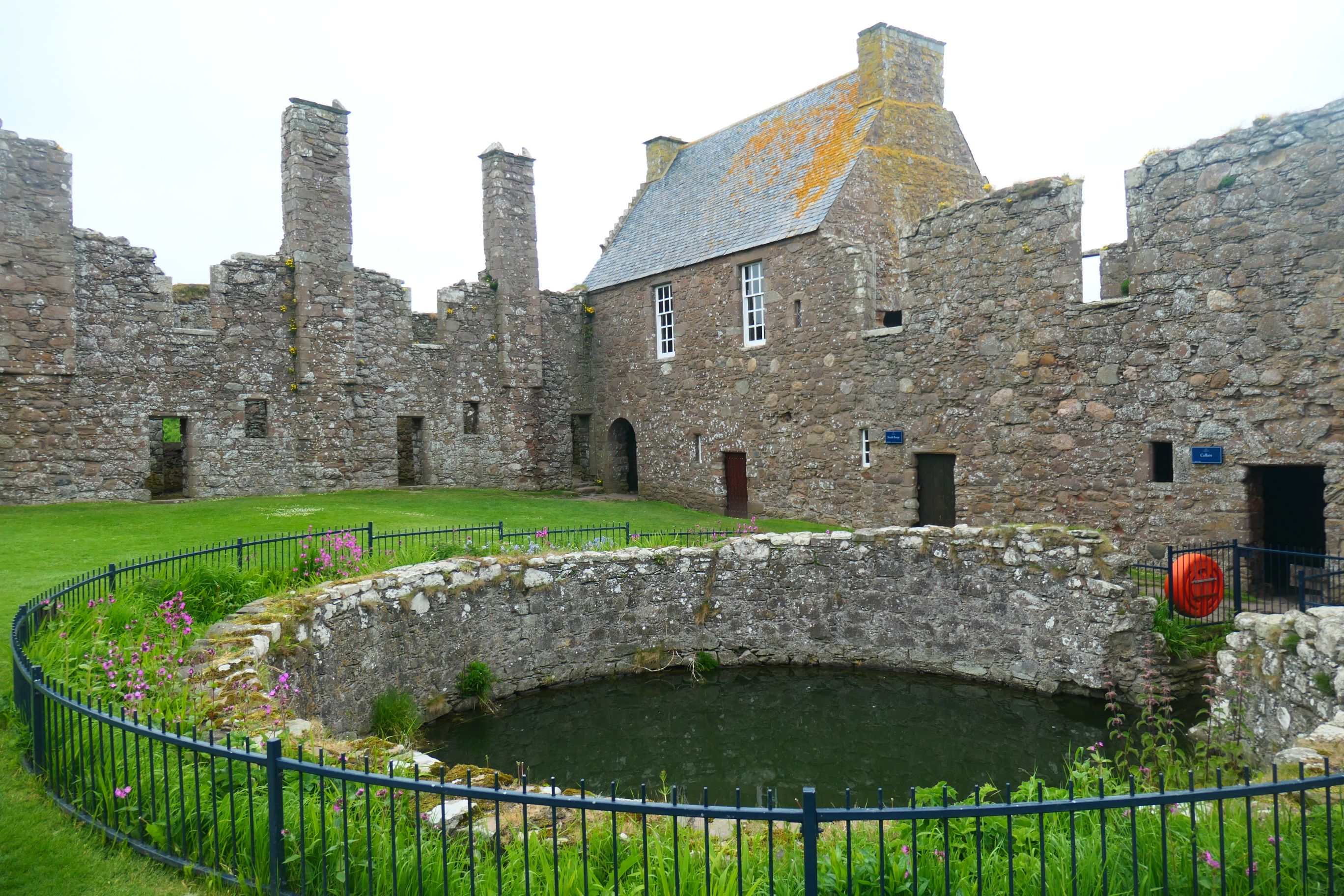
Most of the buildings that remain standing date back to the 15th and 16th centuries. We spent about an hour wandering through them. Some of the buildings appear to be remarkably sturdy. The majority of the stones used in their construction were hauled up the side of the cliff from the beach below by pulley. I was surprised to see that one of the largest buildings was the stables. I can’t imagine the challenge they must have had to get horses up there.
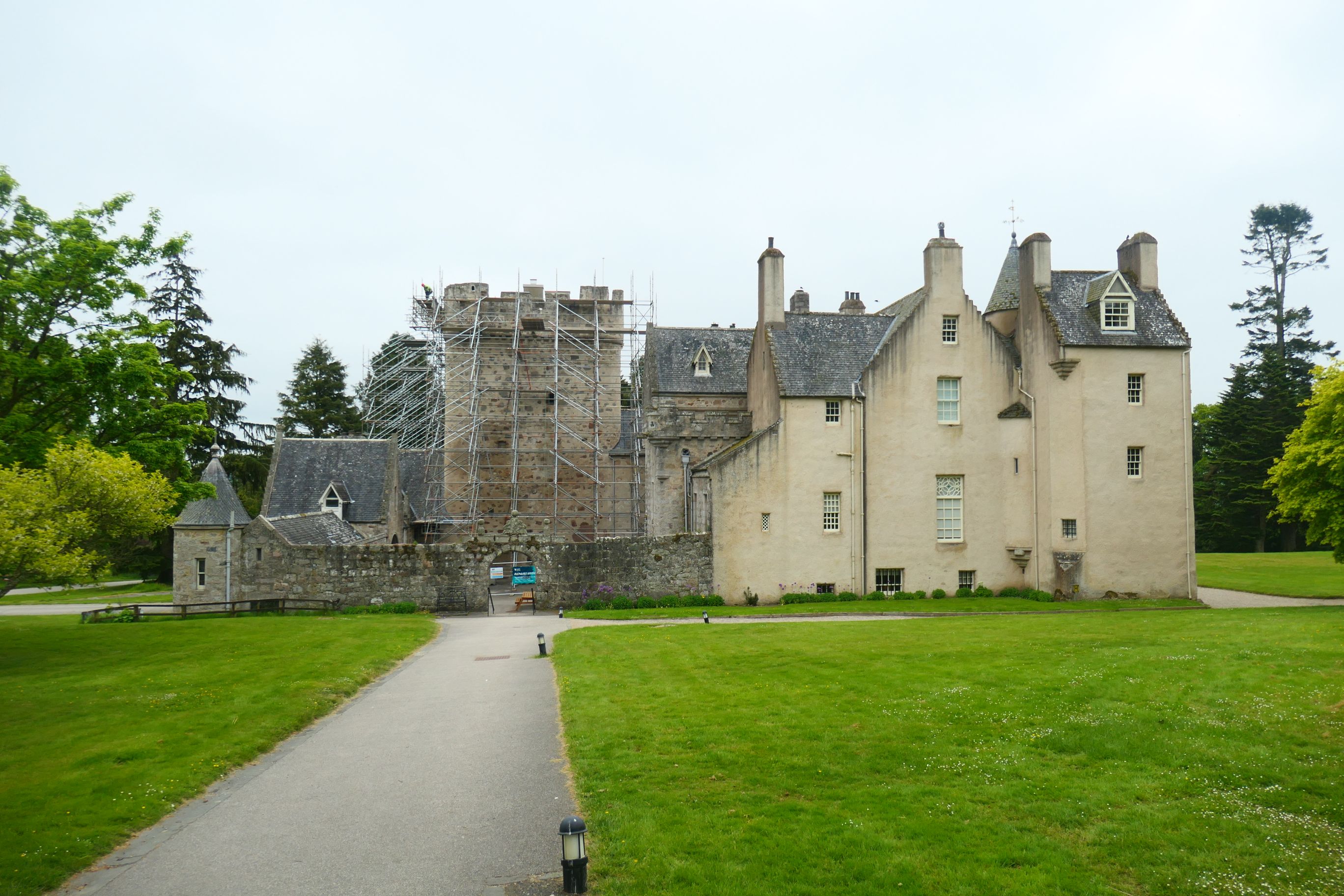
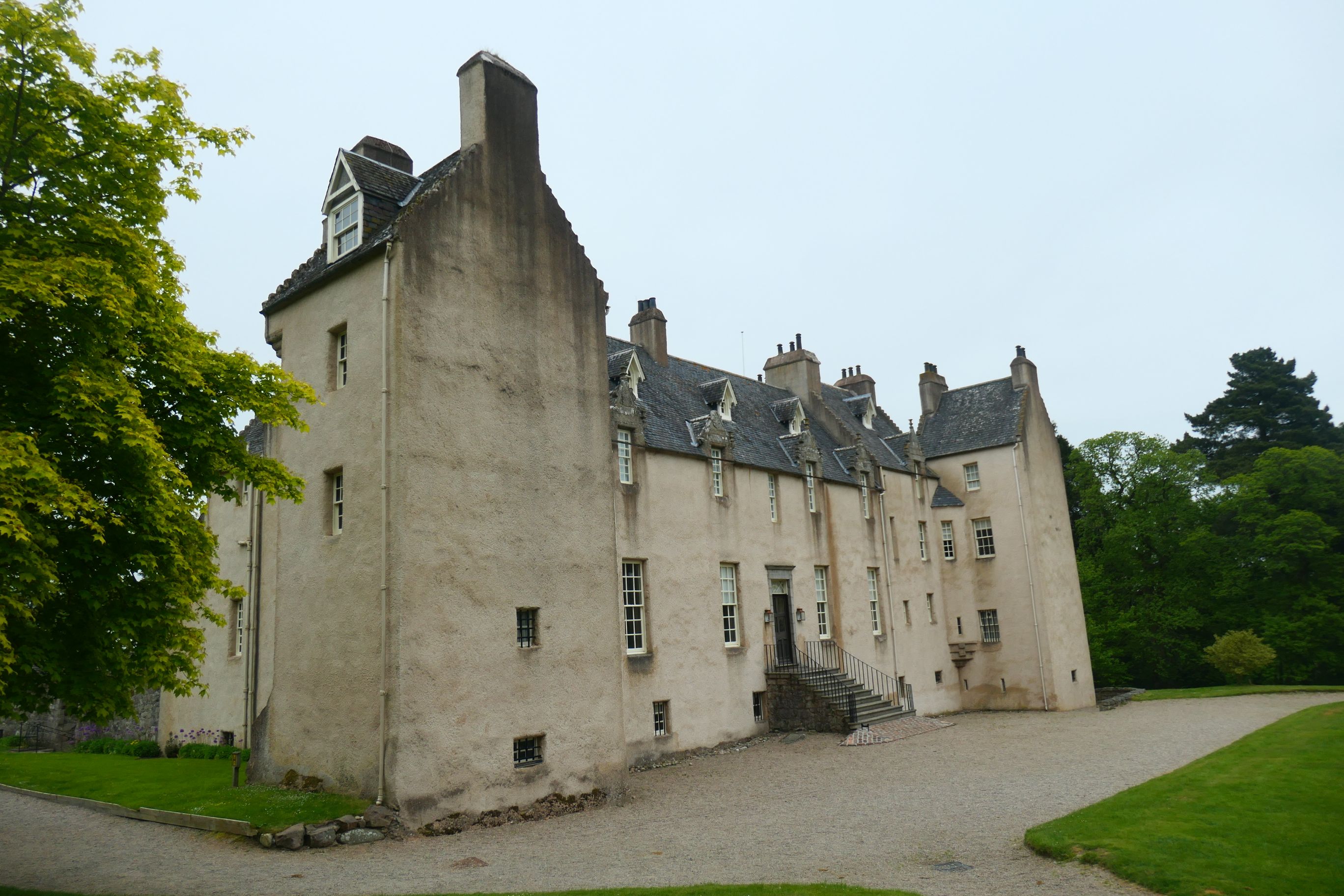
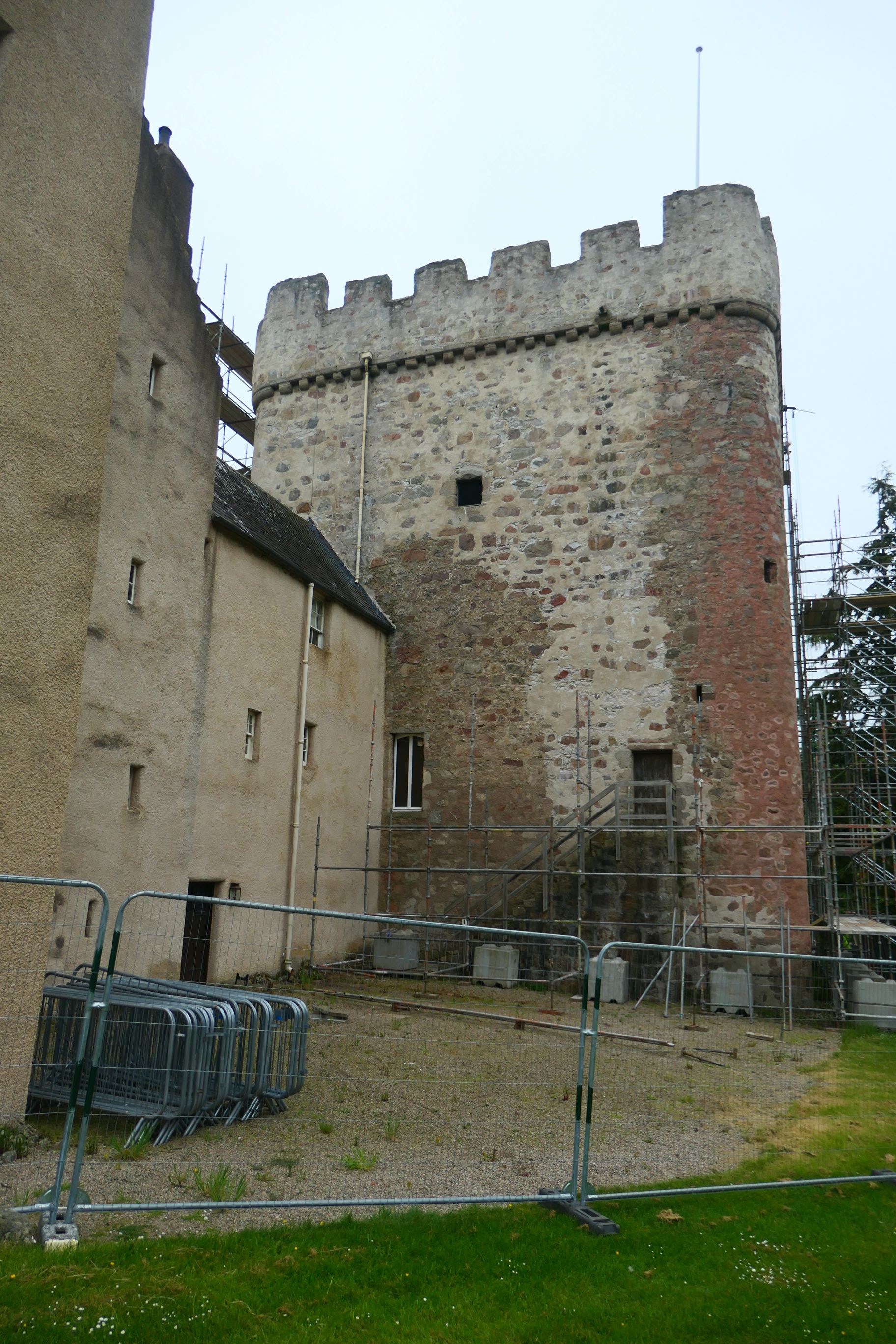
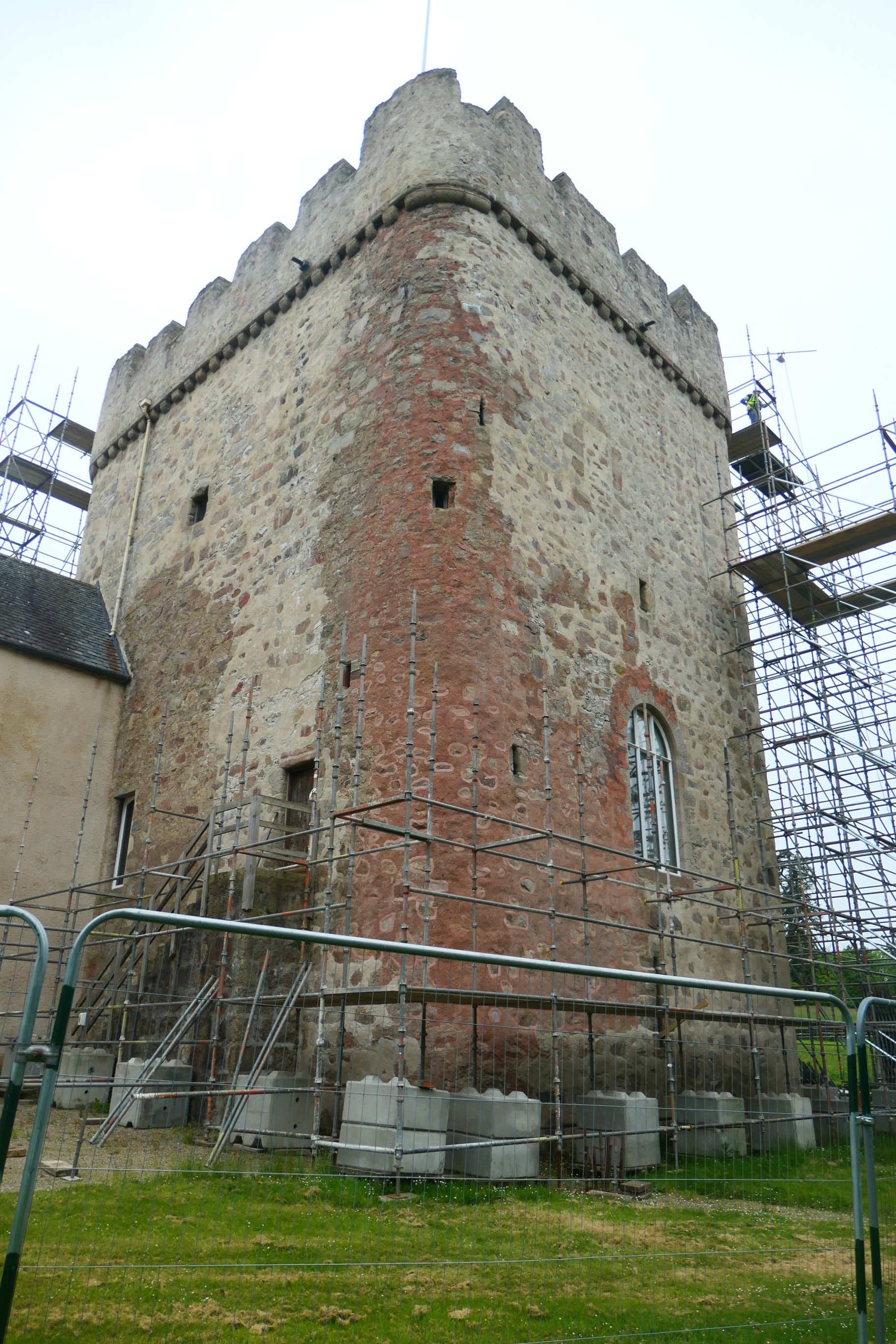
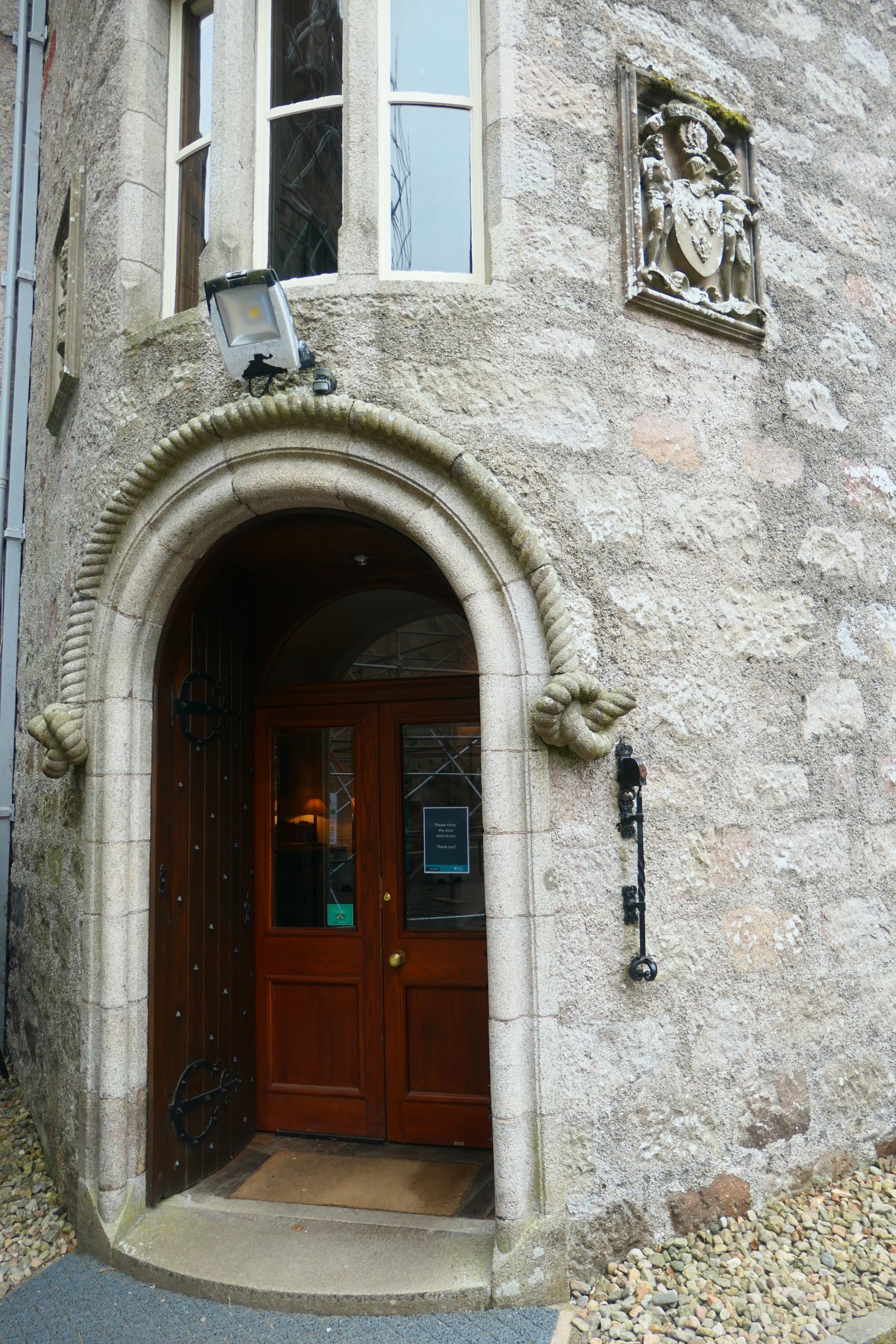
We called in for a quick visit to Drum Castle. The original castle was built in the 1300s and was granted to the Irvine family for their role in defeating the English by Robert the Bruce. In return, the castle would form part of the strong defence Robert was building across Scotland in preparation for another English invasion. The newer part of the castle was constructed in the 1600s. In the 1970s a member of the Irvine family left the castle to the National Trust of Scotland in his will, and during our visit we could see that the Trust is carrying out vital restoration work on the castle tower.
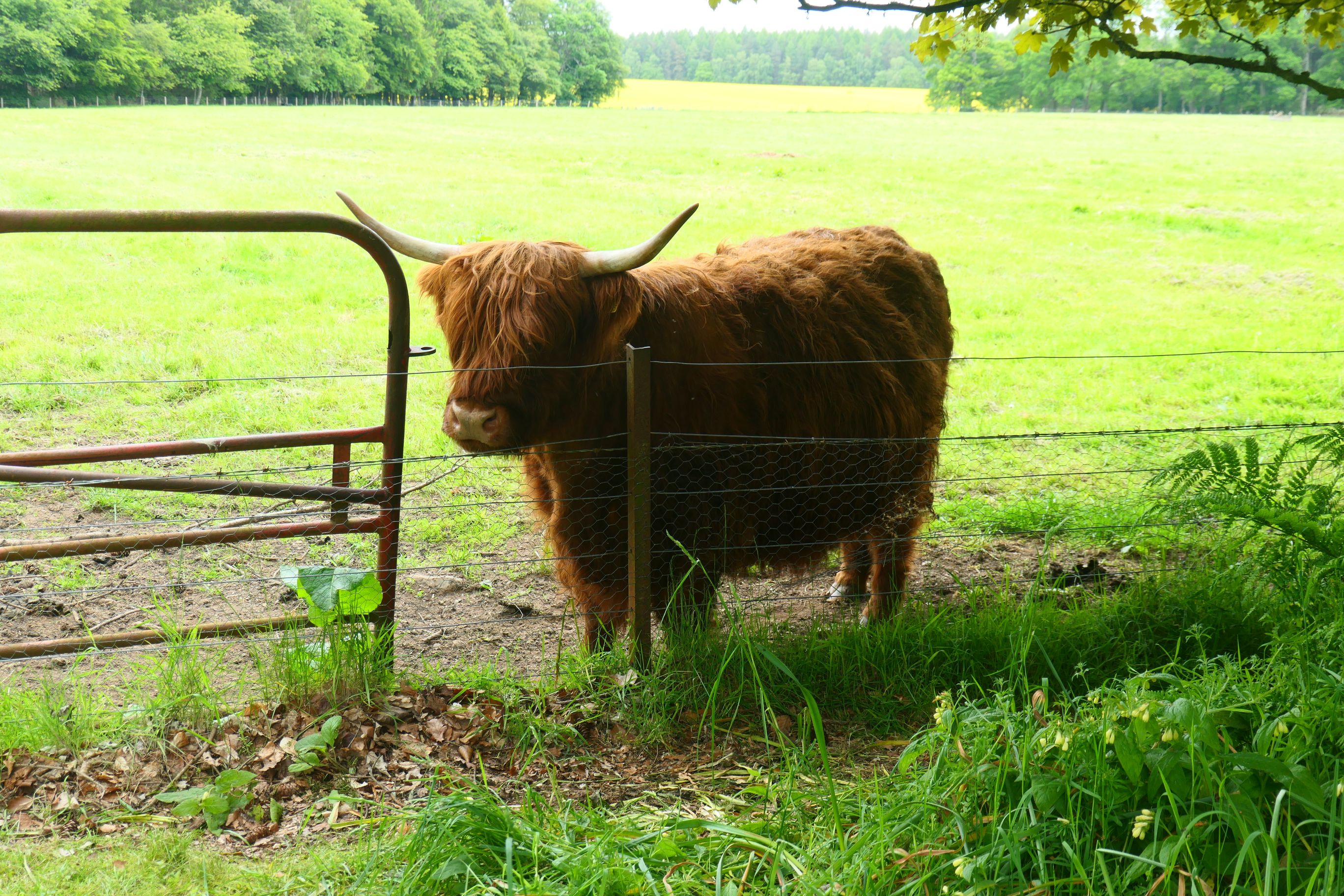
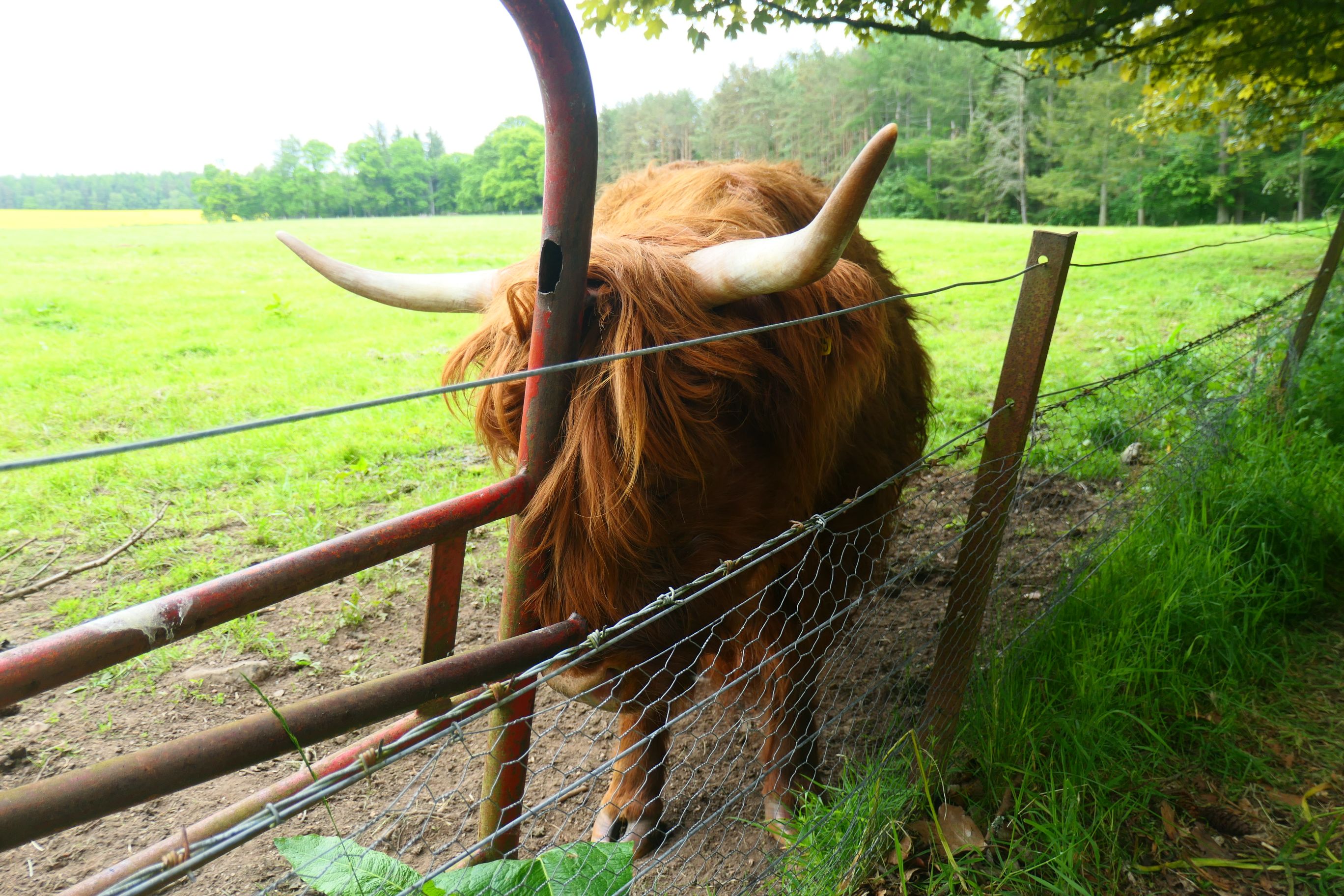
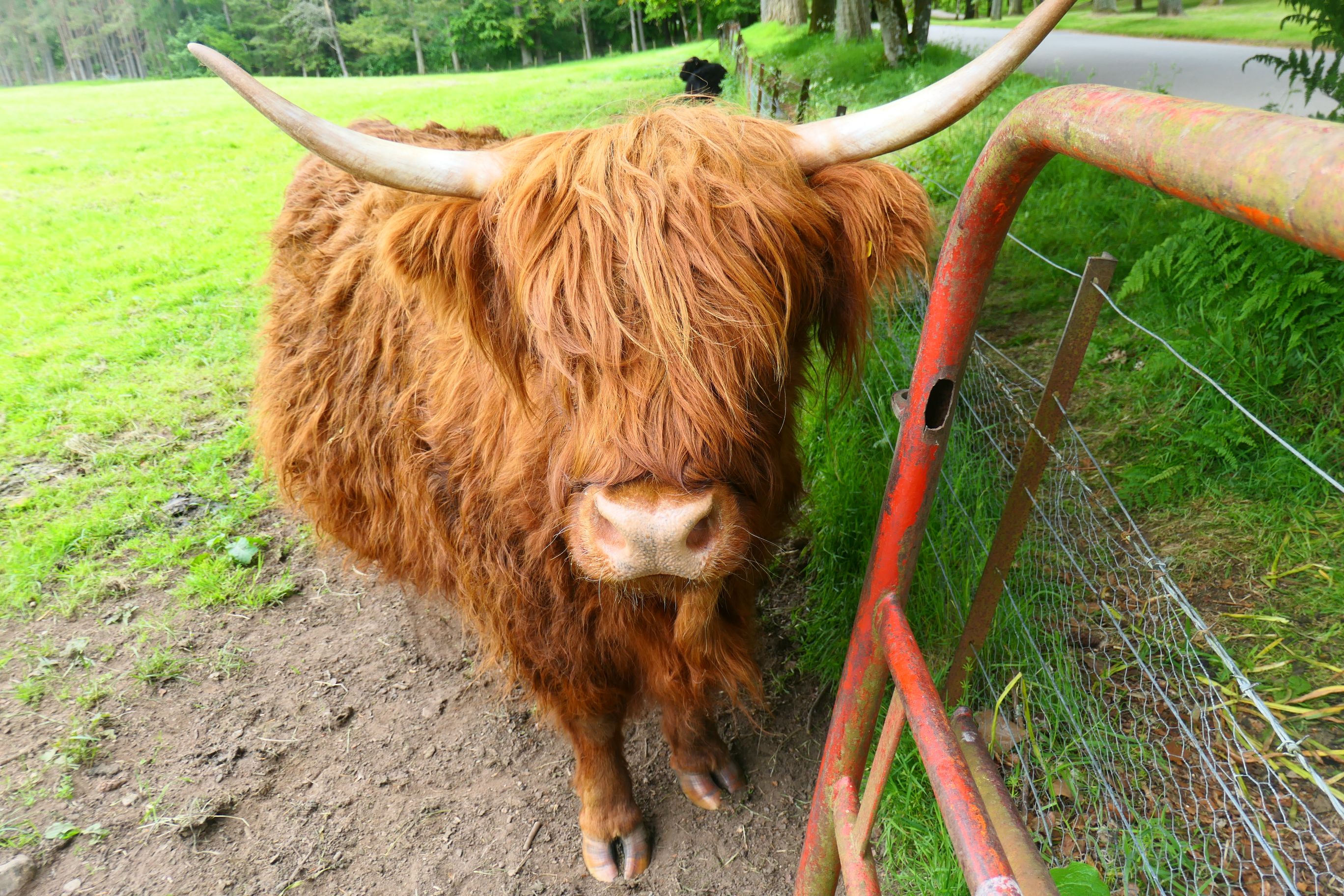
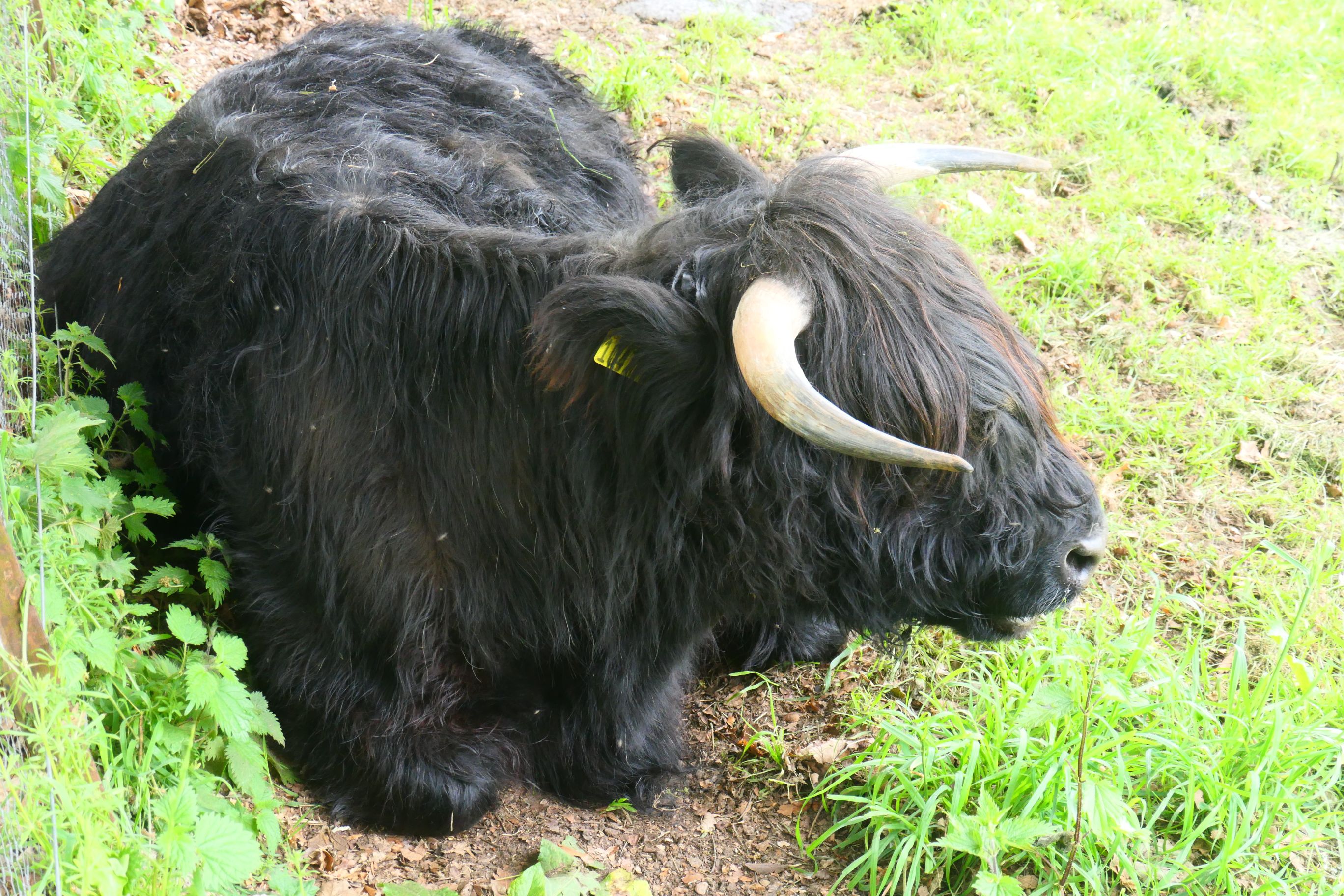
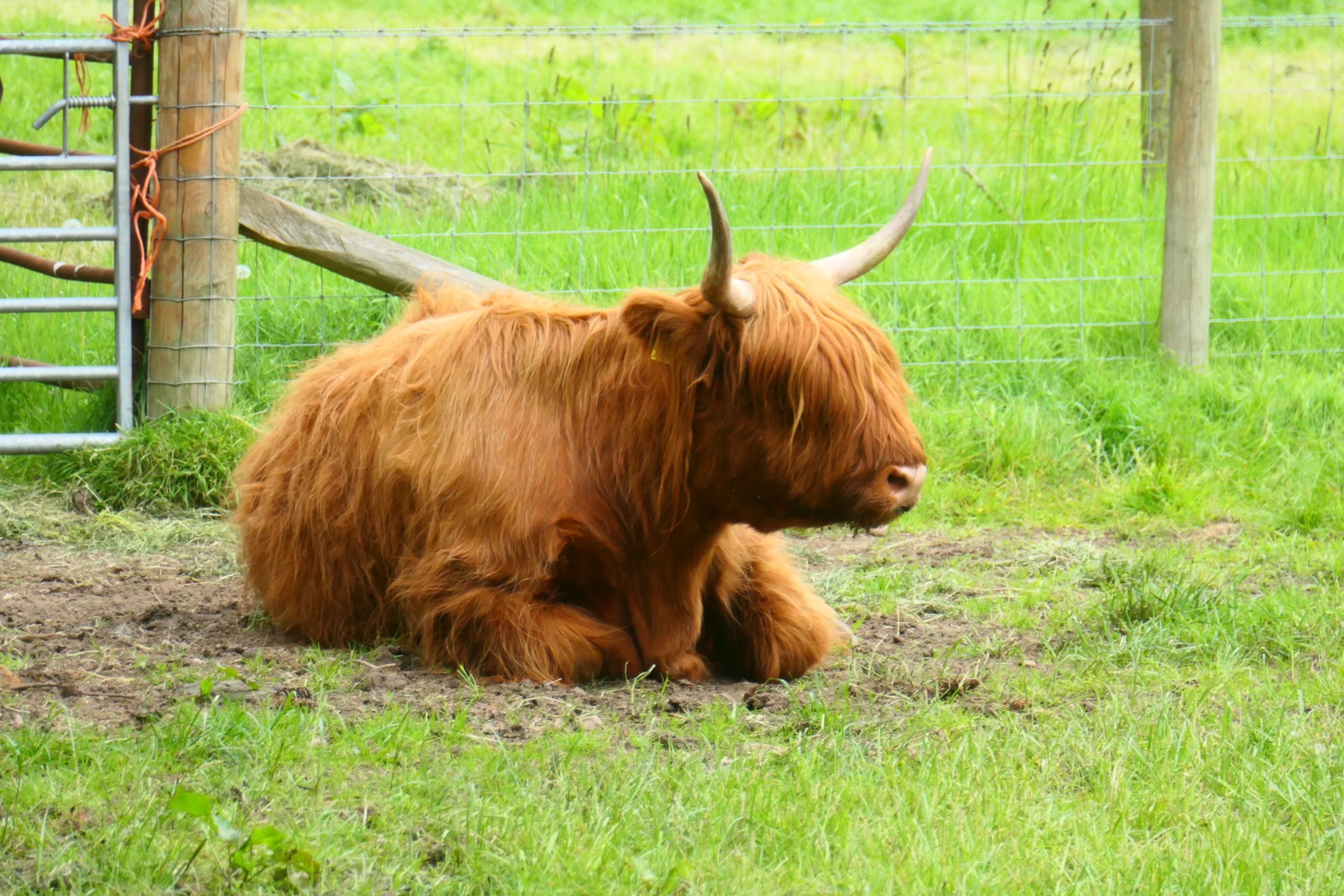
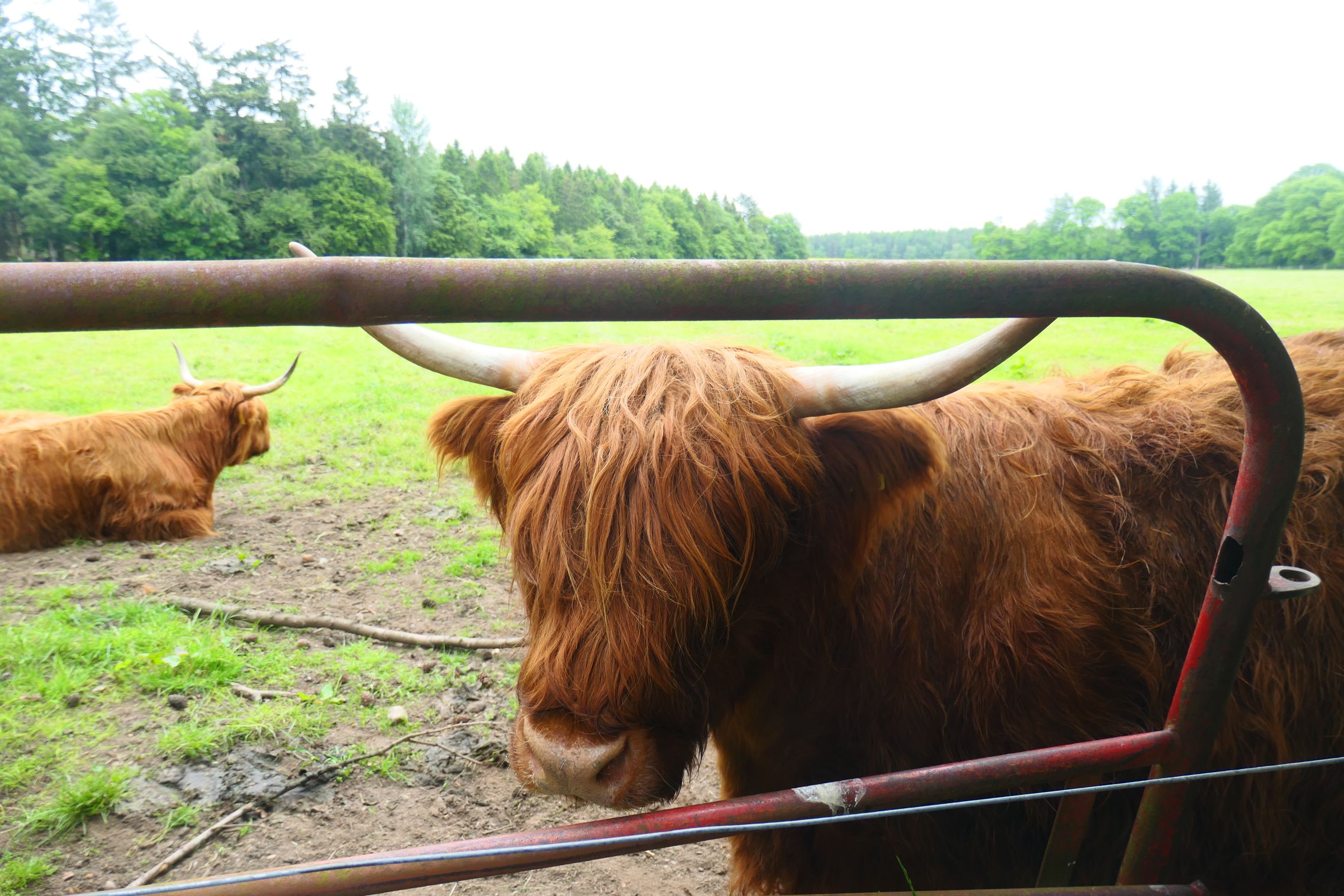
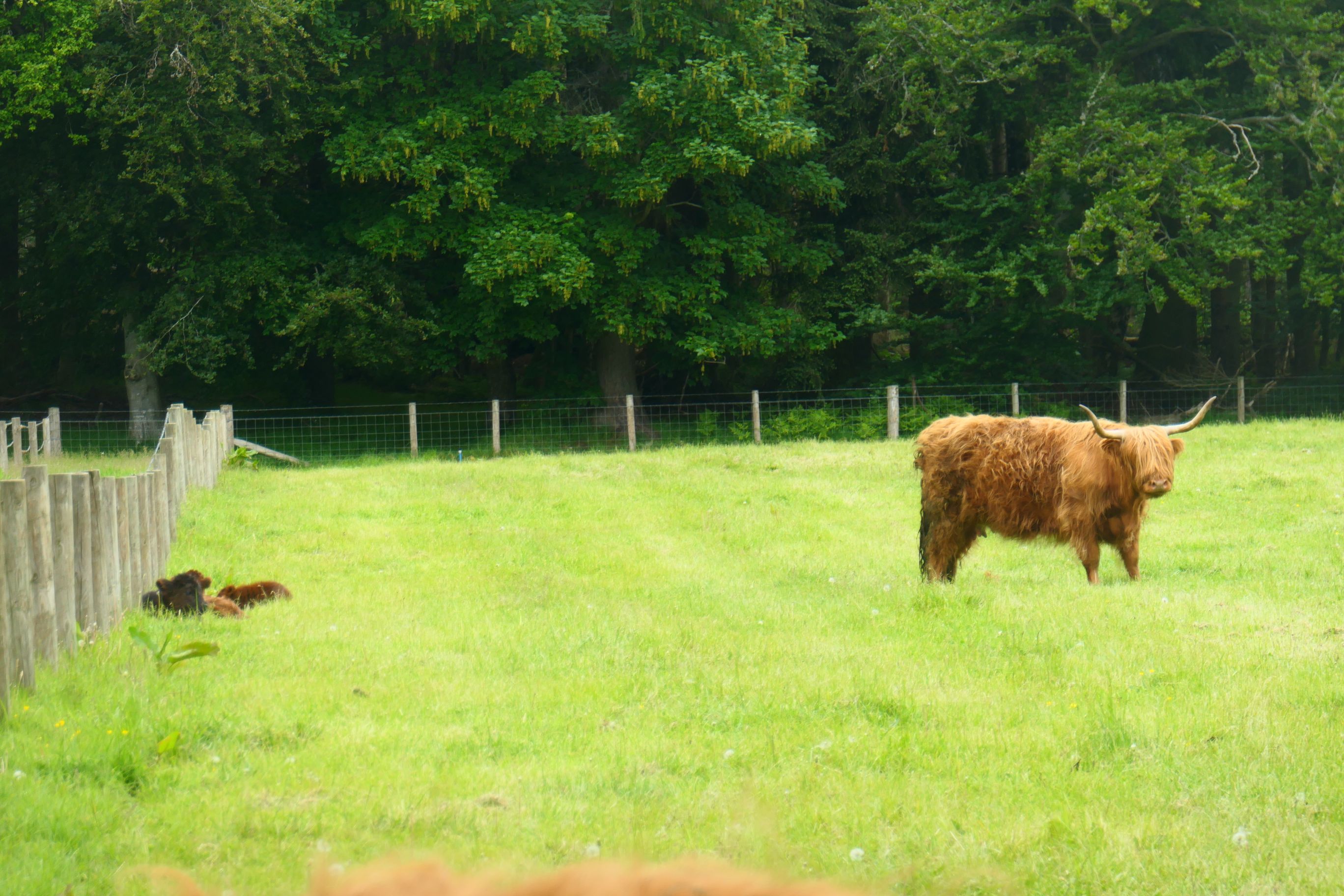
Just down the road a bit from Drum Castle was our next stop, Crathes Castle. When we passed some highland cattle, or hairy coos as they are often known, we pulled over to the side of the road and walked over to have a closer look. They couldn’t have cared less about our presence. We waited a while for a couple of them to turn and face us, but they just ignored us. The closest one to us must have had an itch, as it constantly rubbed its forehead against an iron gate. In the end, we gave up waiting for more of them to turn and face us. Perhaps, I wondered, they didn’t notice us because their hair was covering their eyes! We returned to the car and continued our journey.
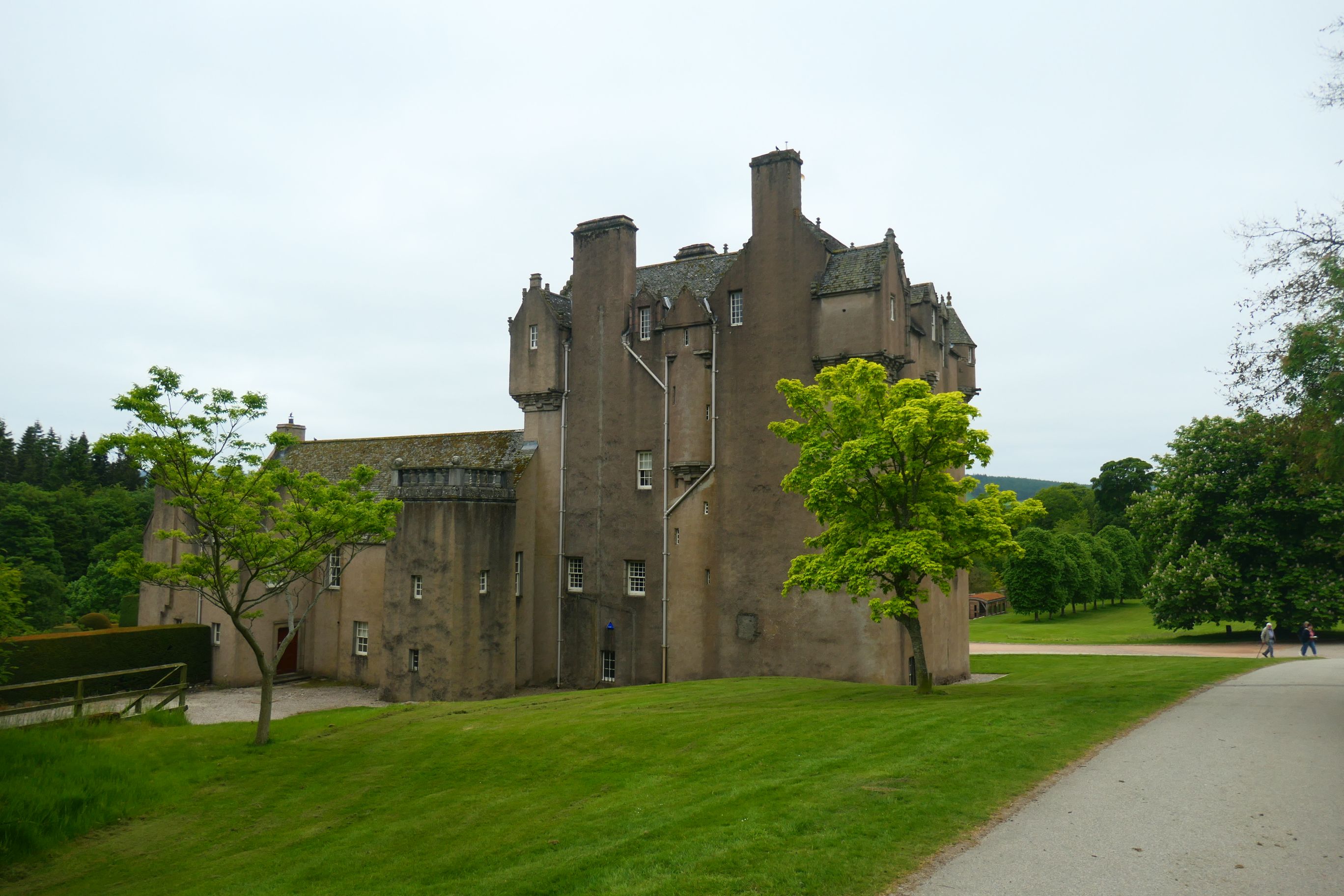
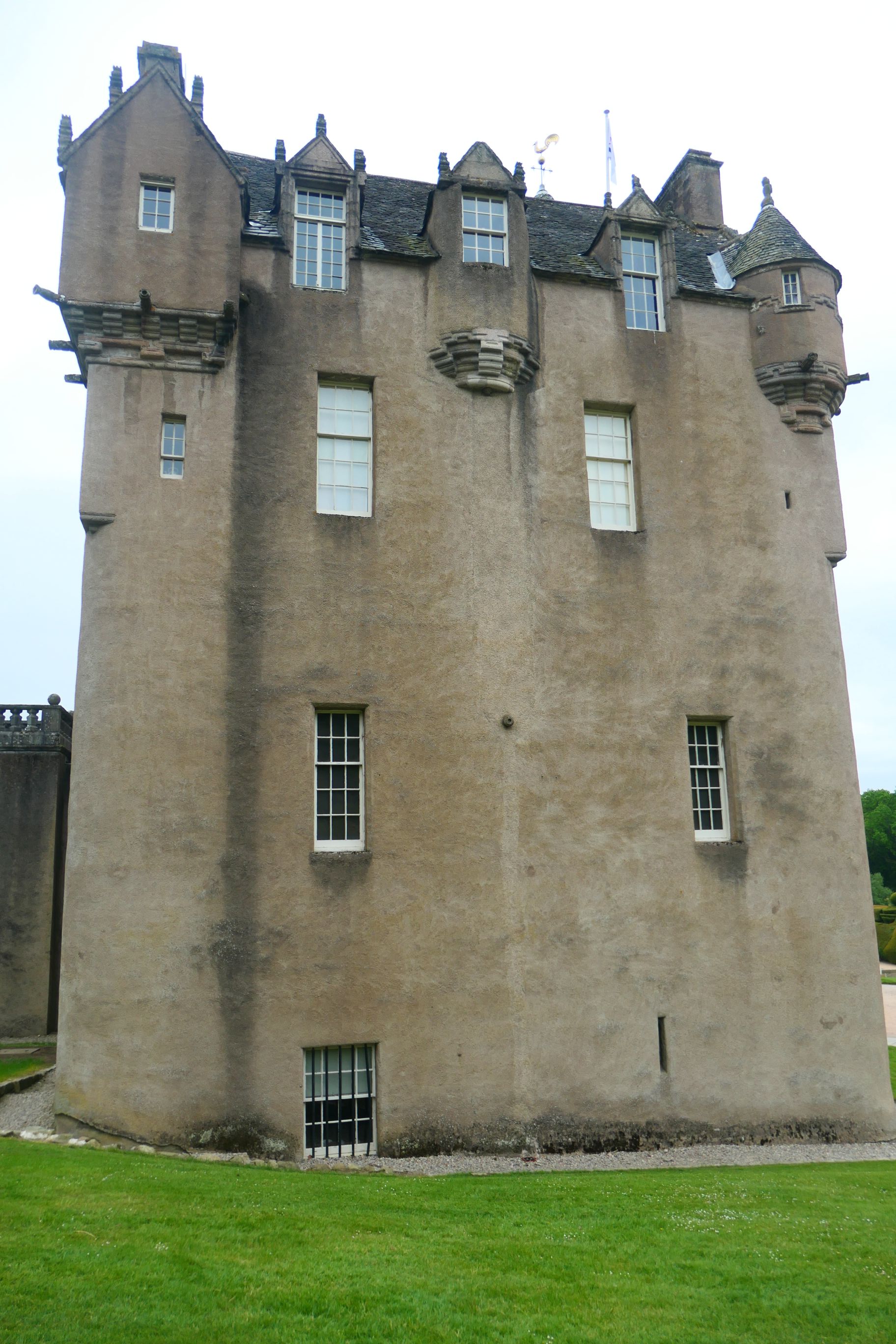
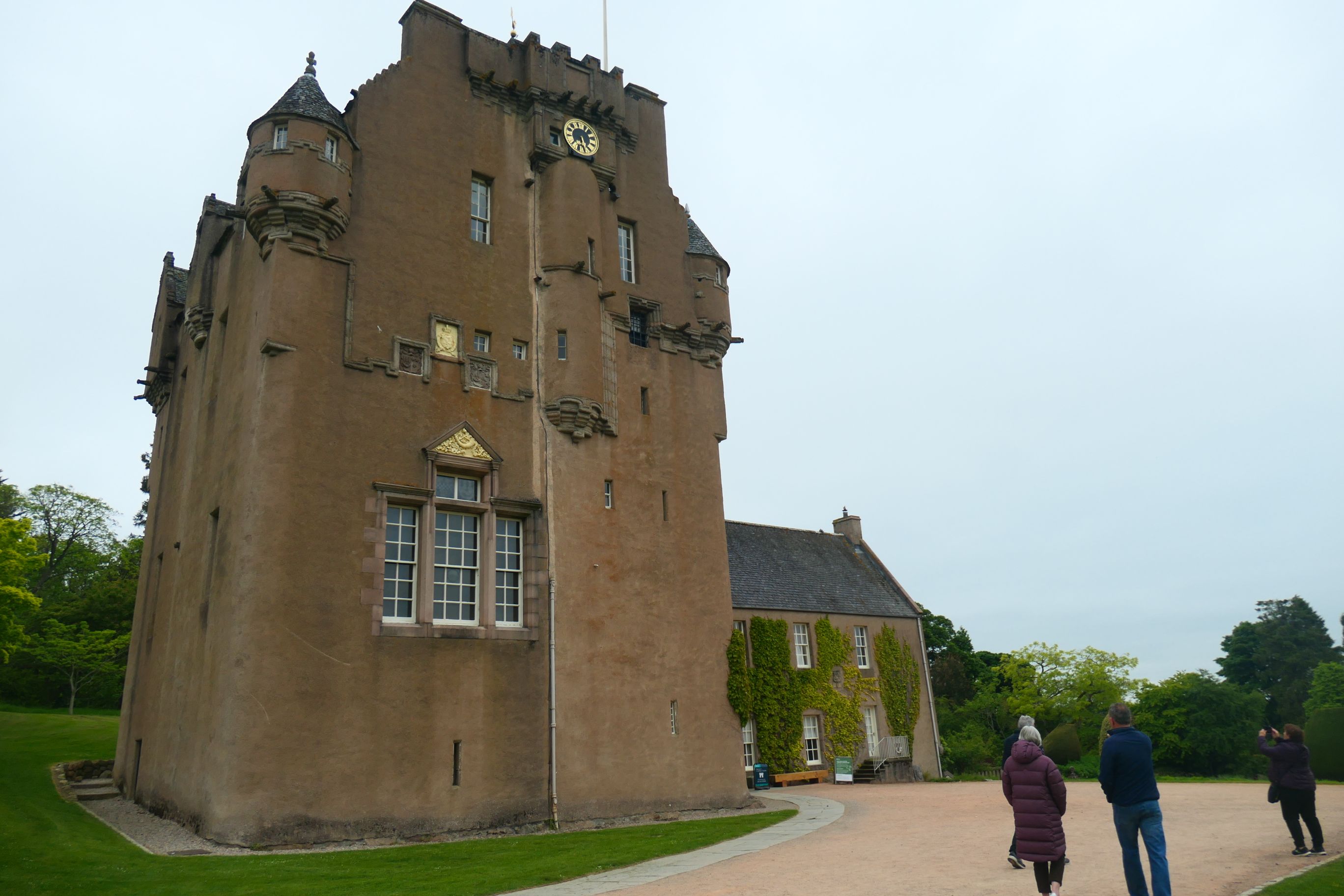
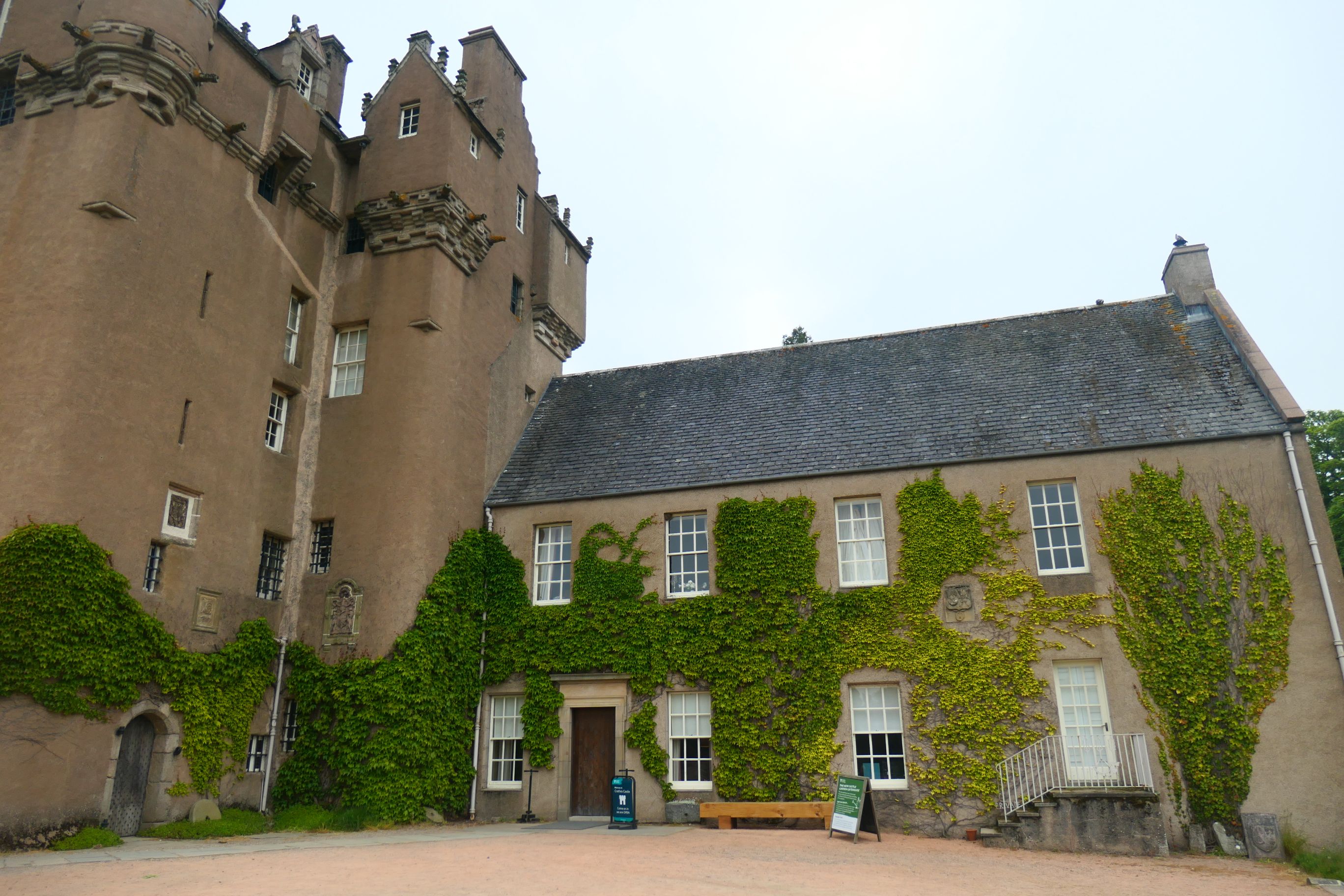
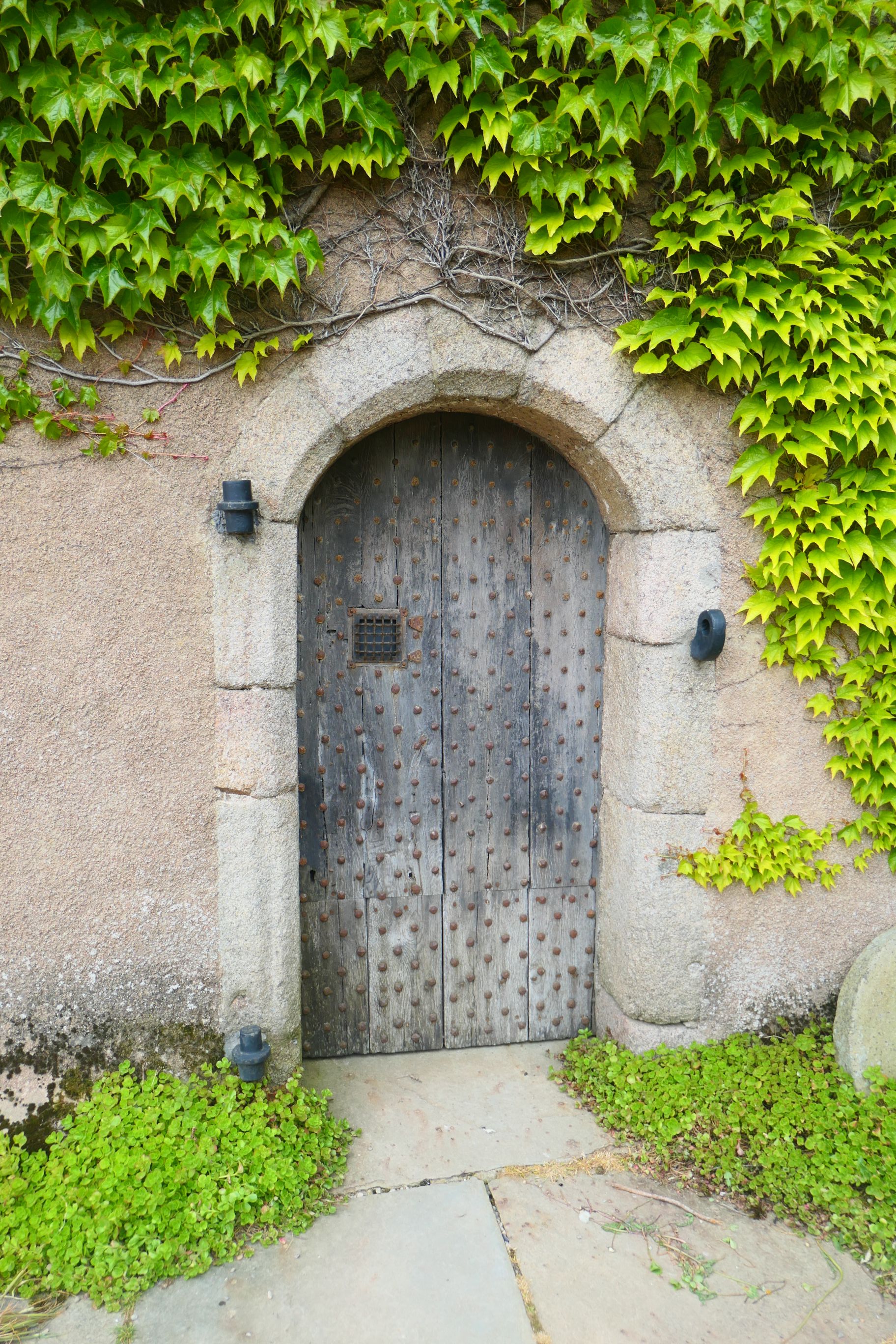
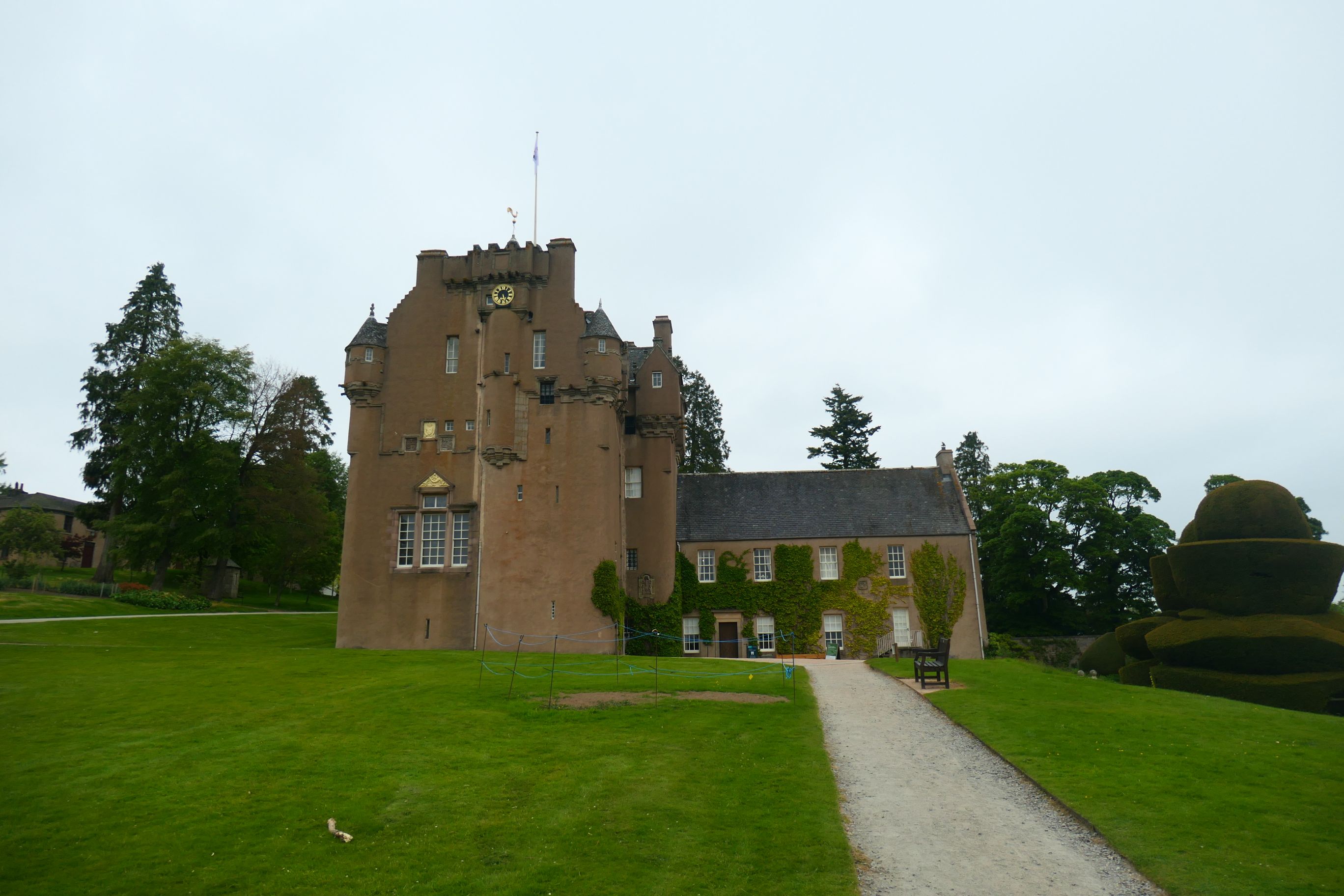
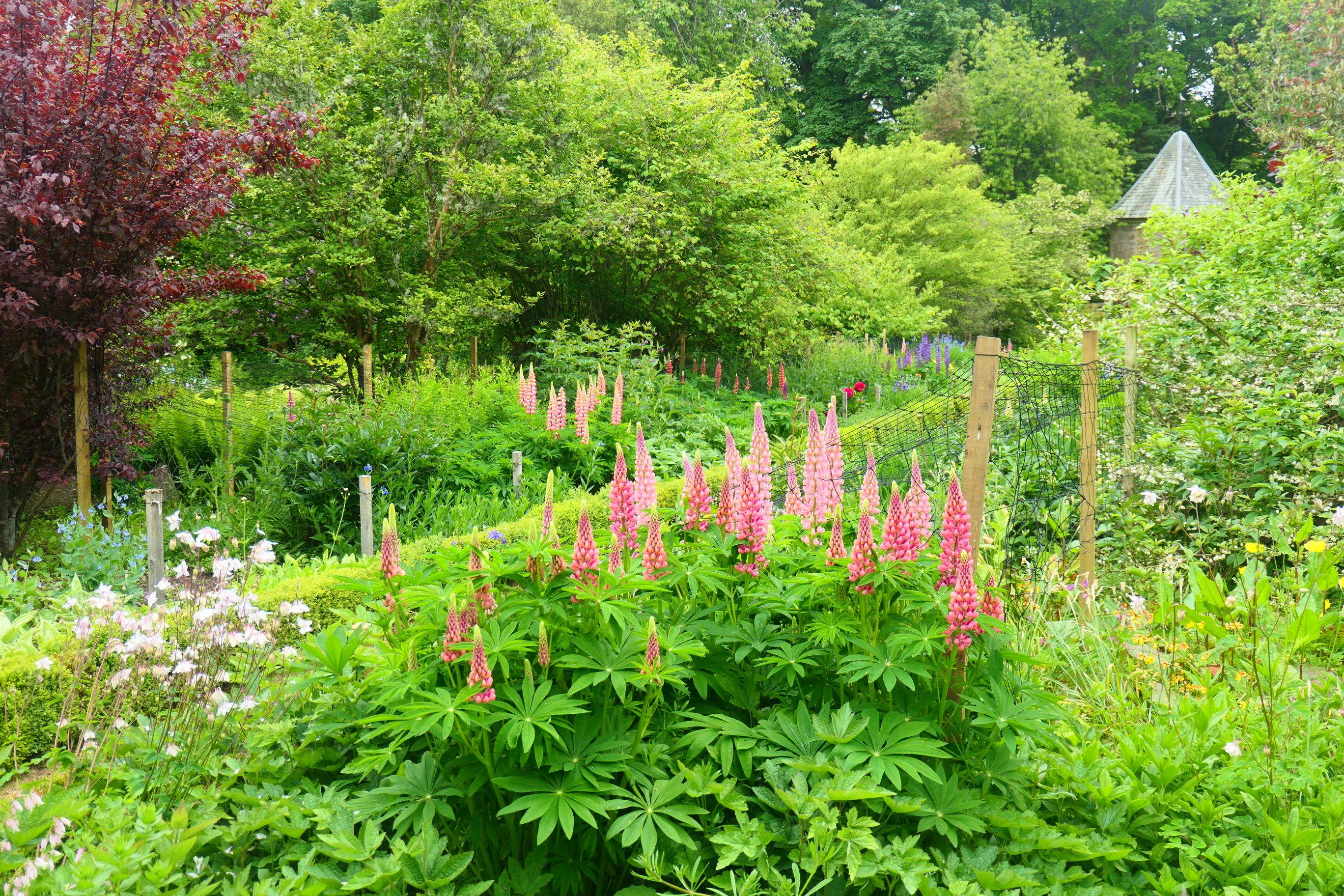
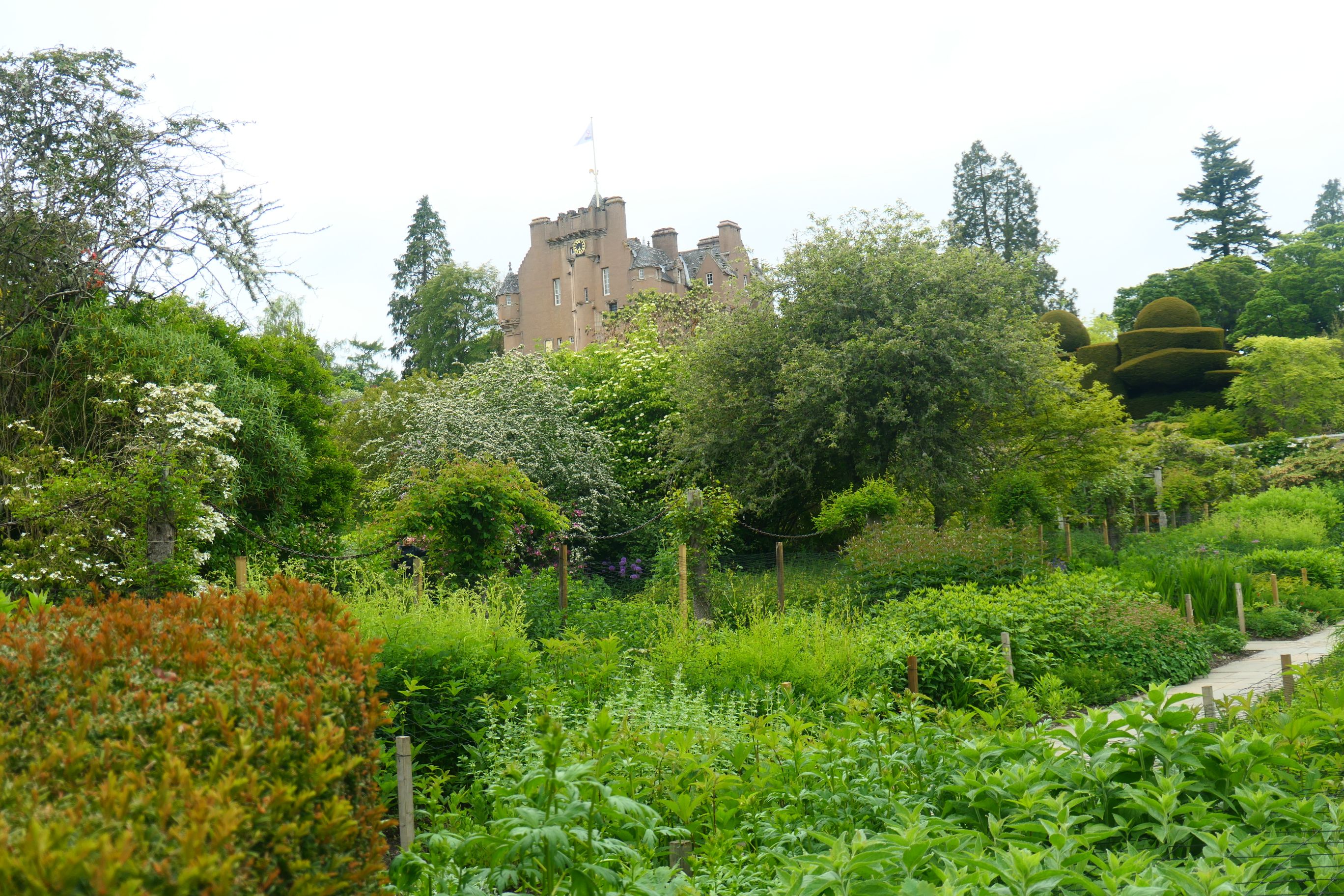
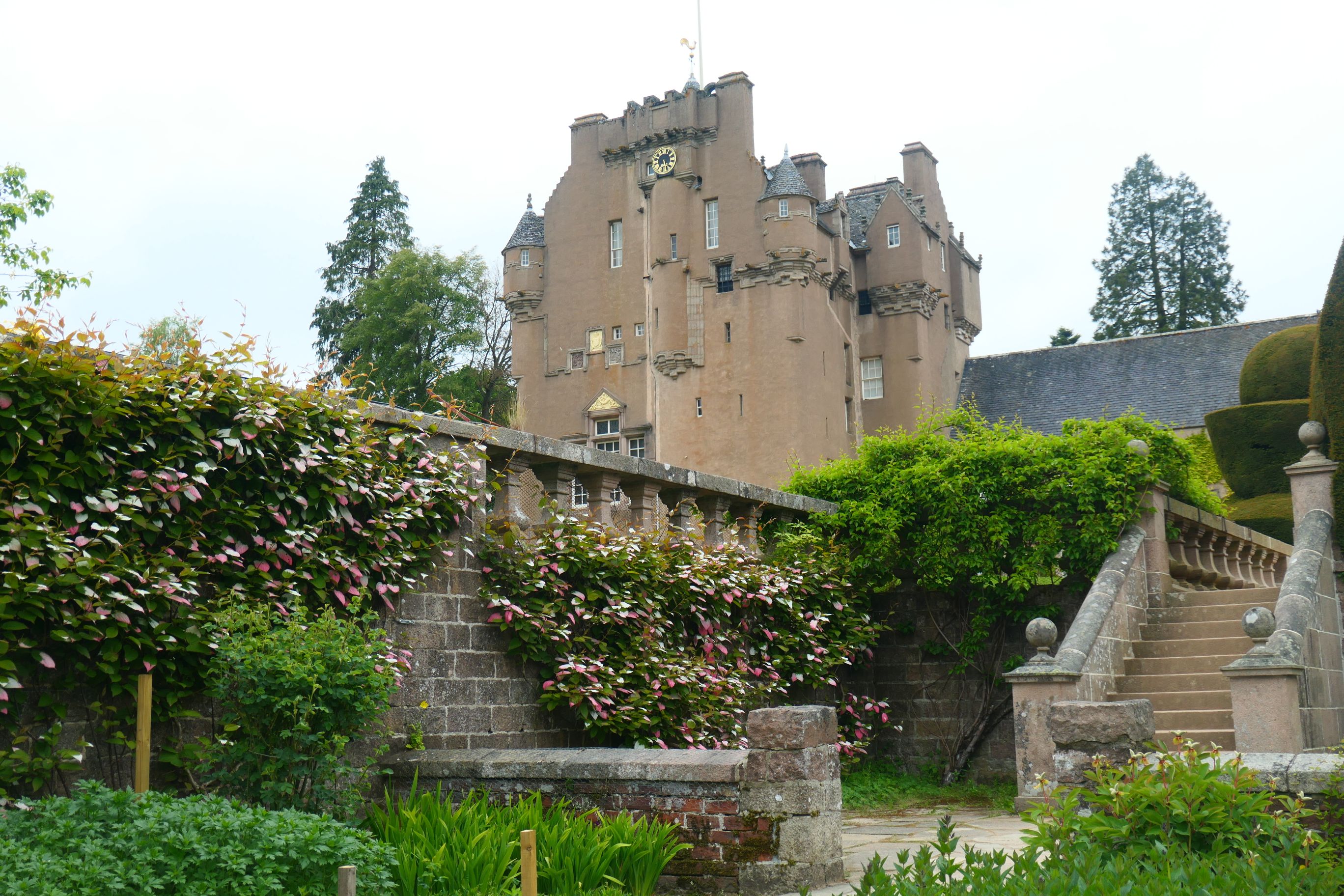
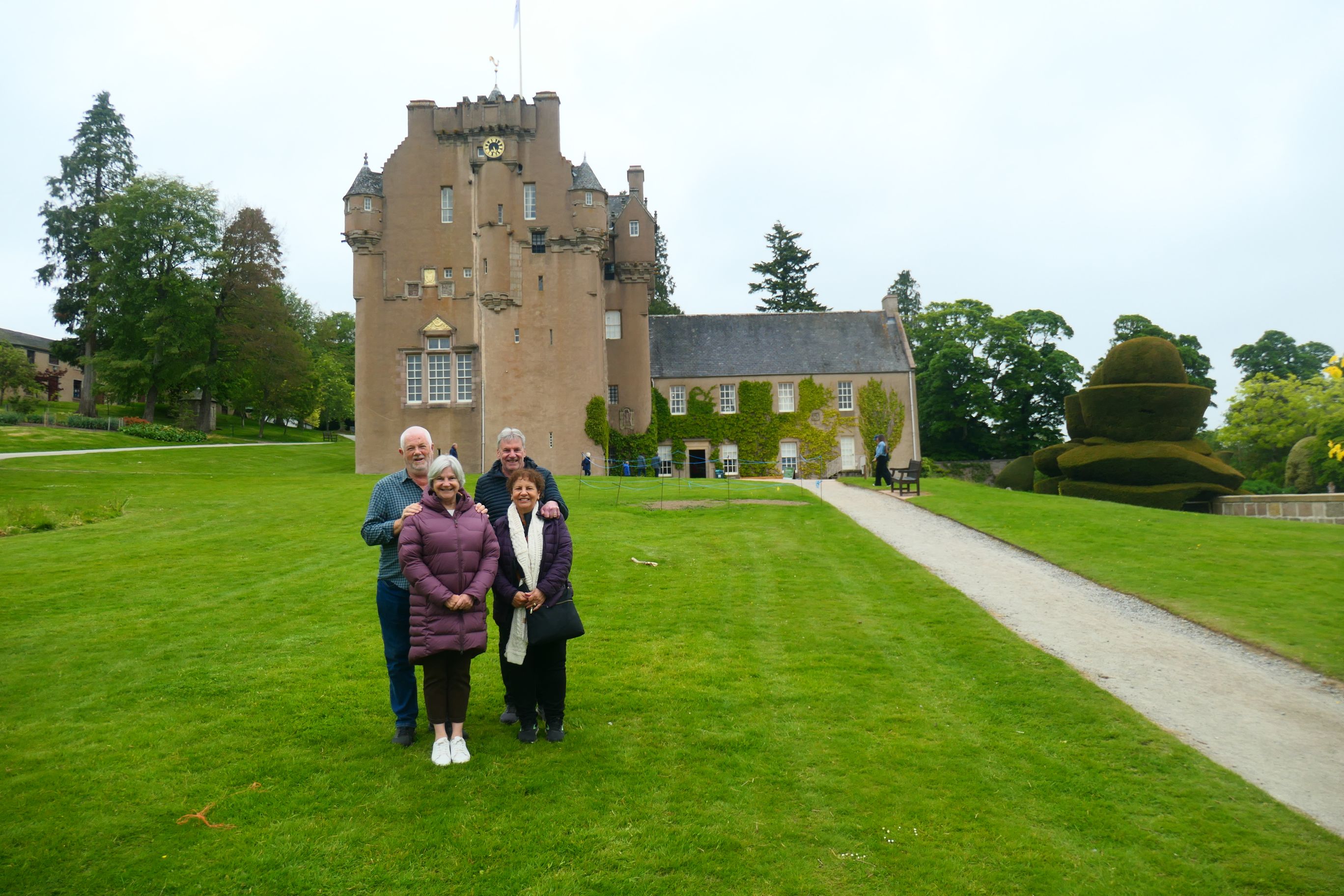
Next stop was Crathes Castle, built in the 16th century. We didn’t have time for a tour inside the castle, but we did take a walk through its magnificent gardens. Just as with Drum Castle, the land here was gifted by Robert the Bruce to a family who had helped in the defeat of the English invaders. In turn, their presence would strengthen the defence of the area should the English ever return. A fire in the 1960s destroyed parts of the castle, including the Queen Anne wing you can see covered in ivy below. The National Trust of Scotland helped to rebuild it to its original height. Another wing, built in the Victorian era, was not replaced.
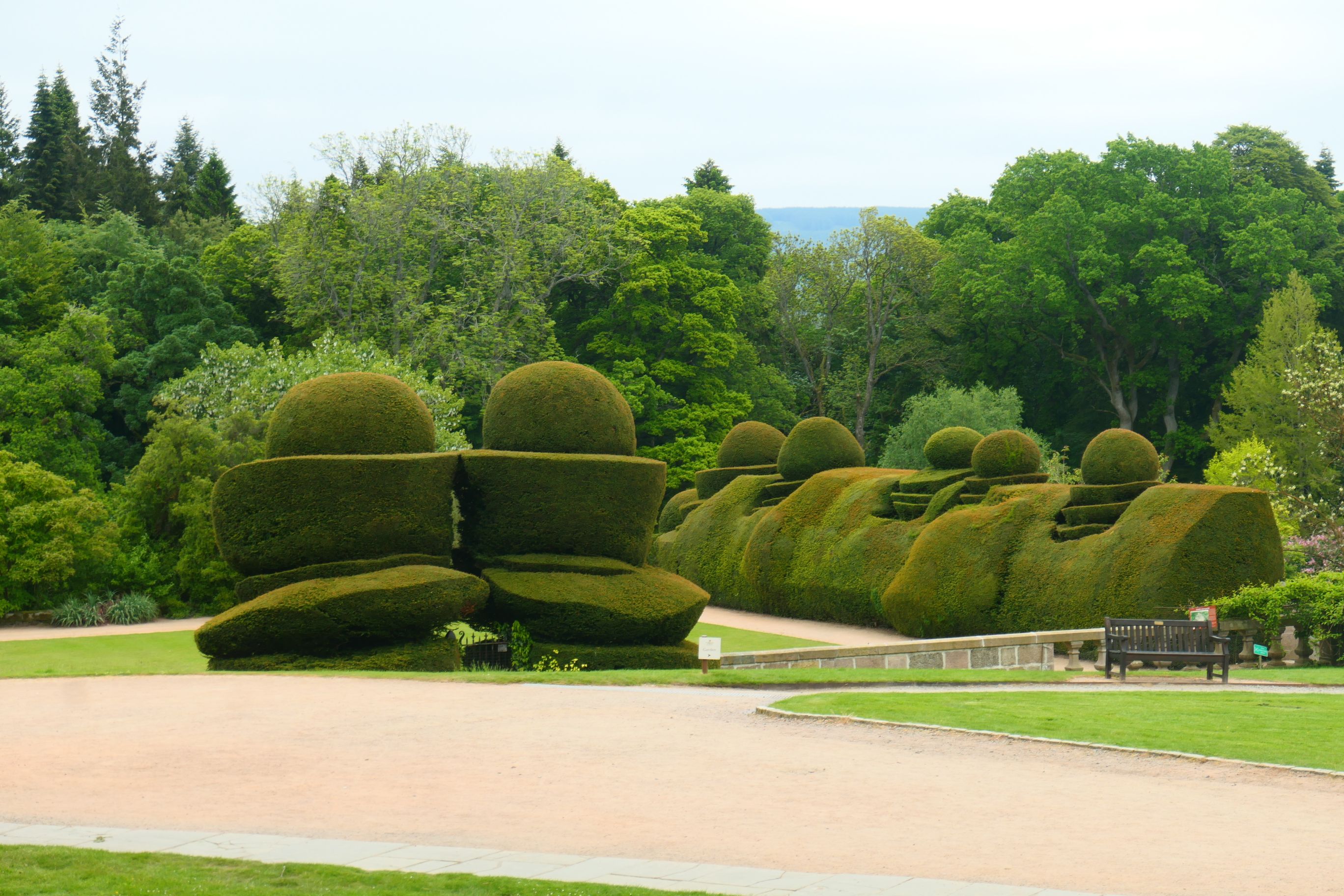
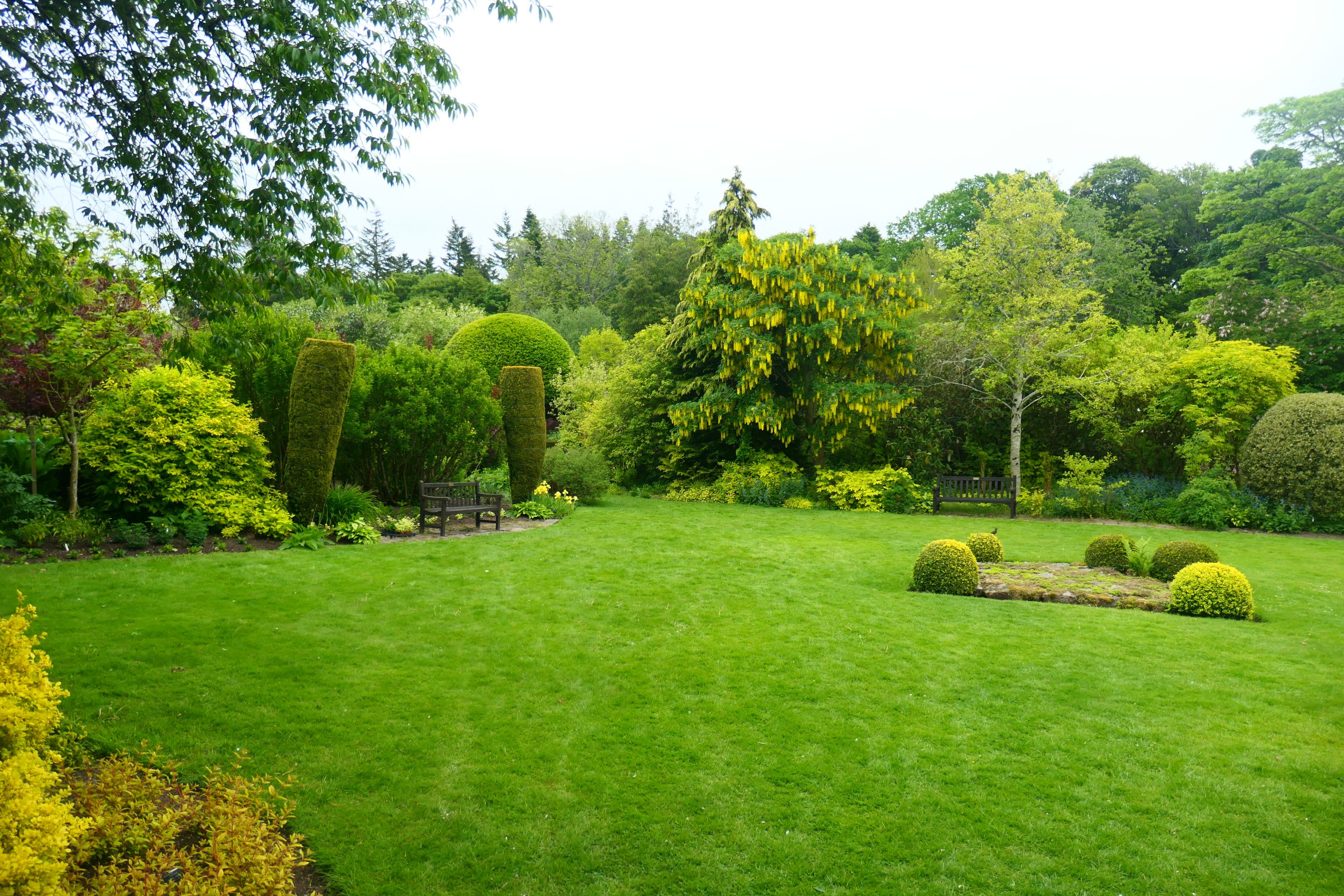
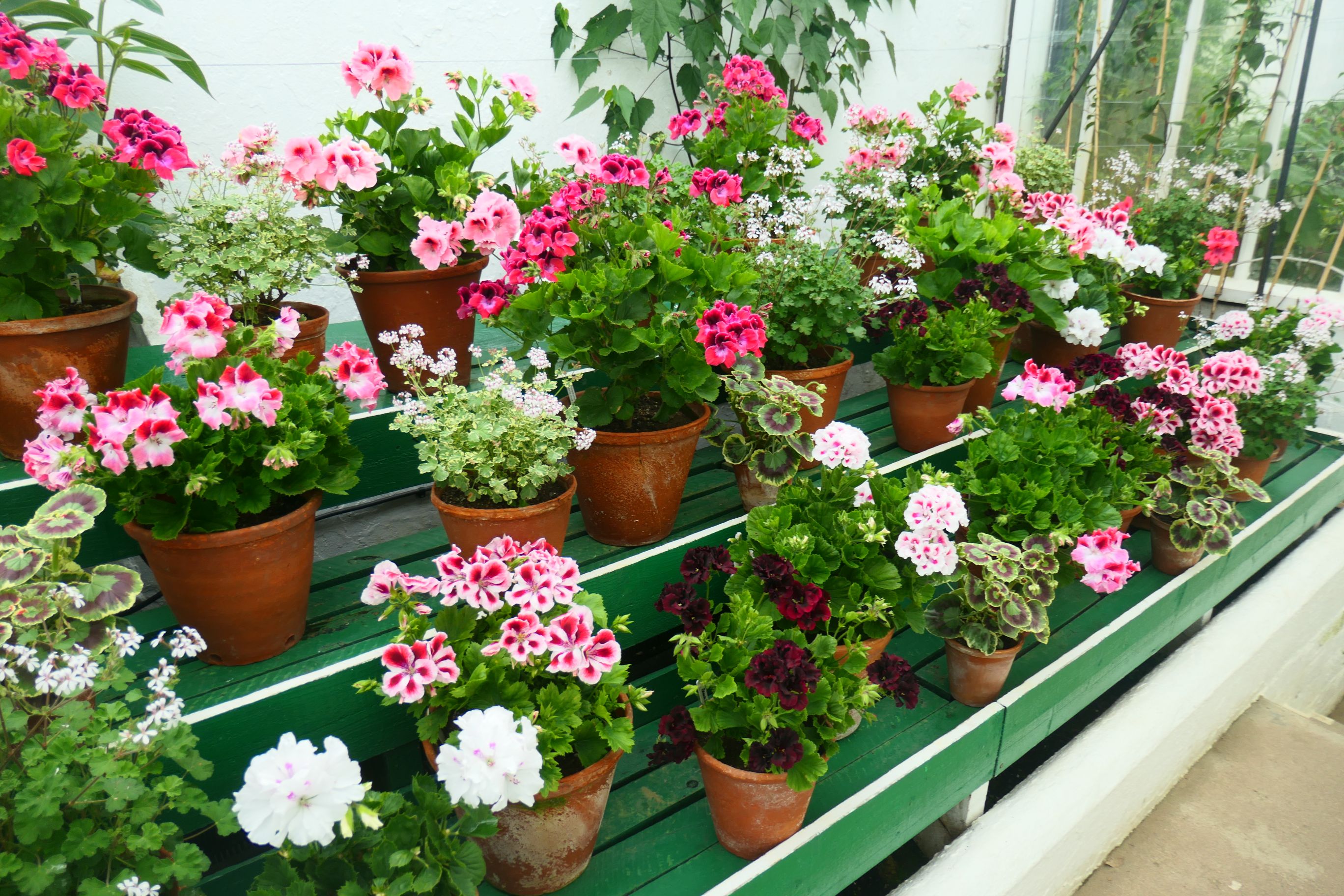
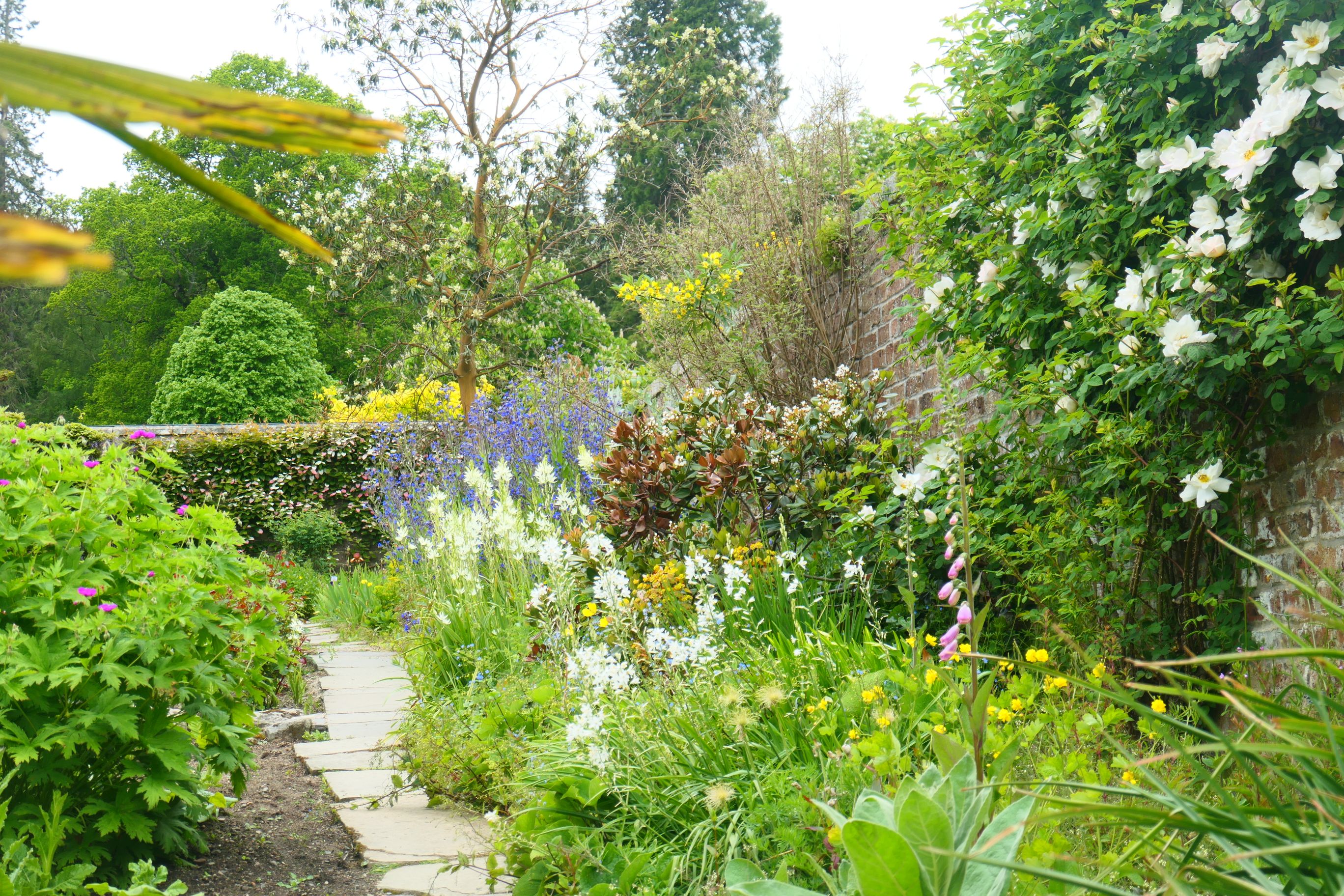
As we rounded the corner of the castle, the amazing topiary came into view. These Irish yew trees were planted in the early 1700s. They reminded me of illustrations from a copy of Alice in Wonderland that I’d seen my childhood. A little farther down a path we entered a walled garden. It really was quite stunning and I think we all would have liked a little more time there, but we only stayed for about ten minutes as we had to press on with our schedule.
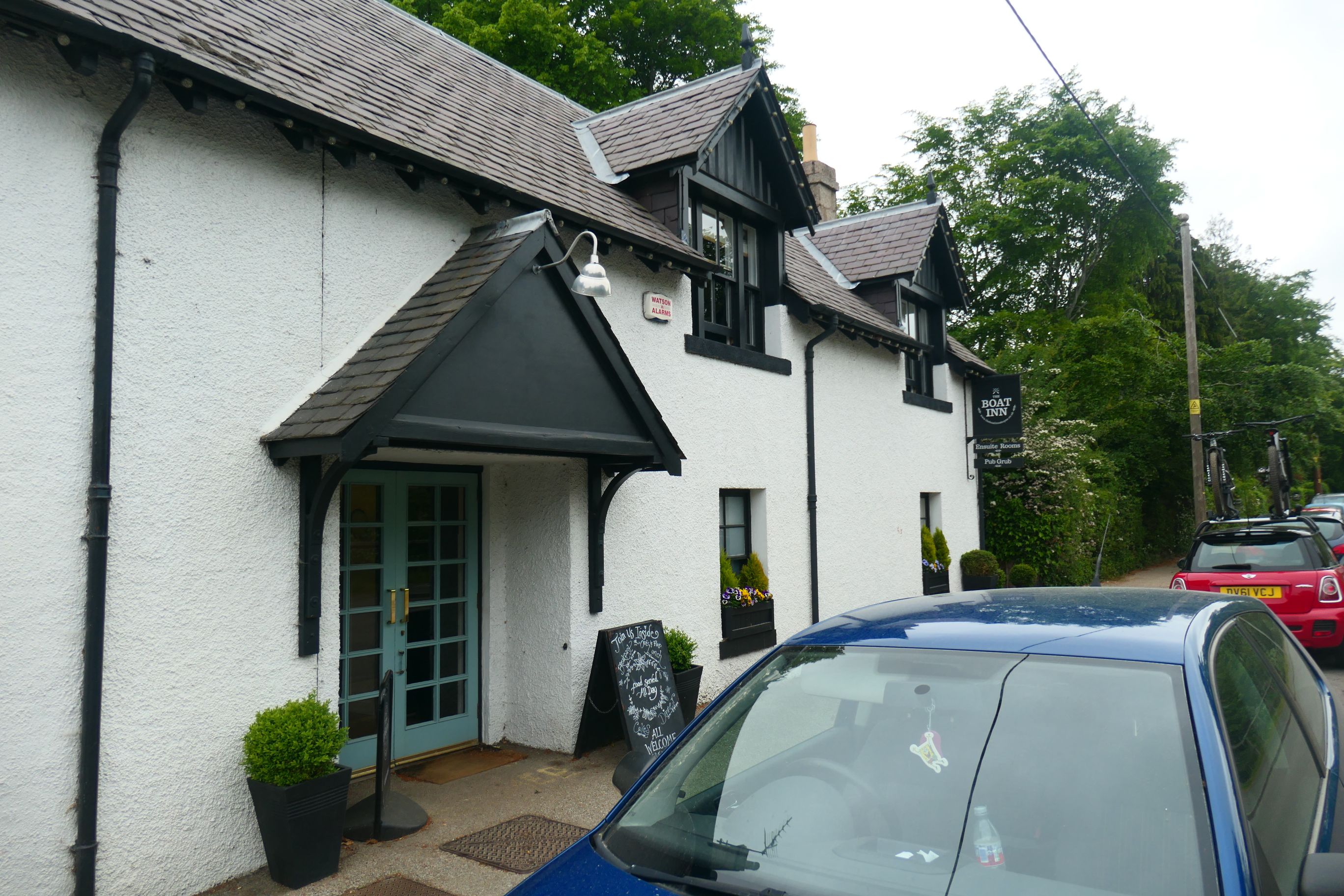
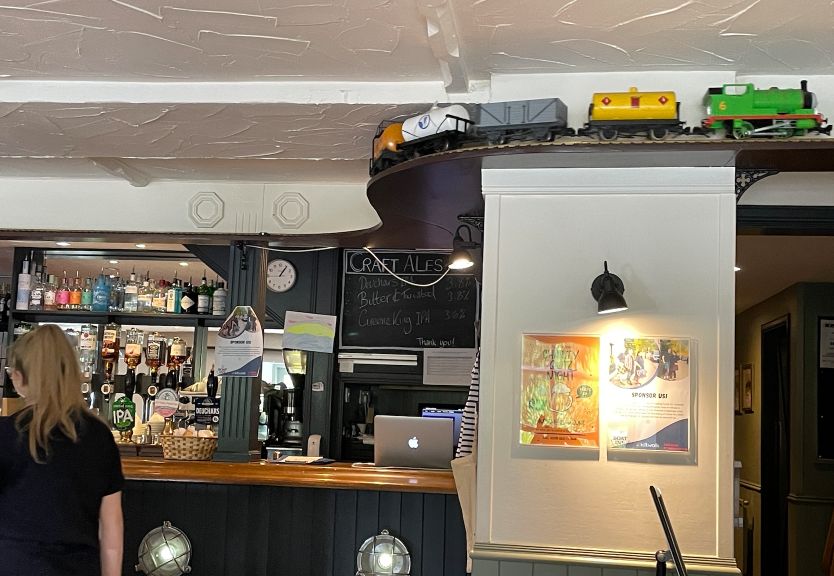
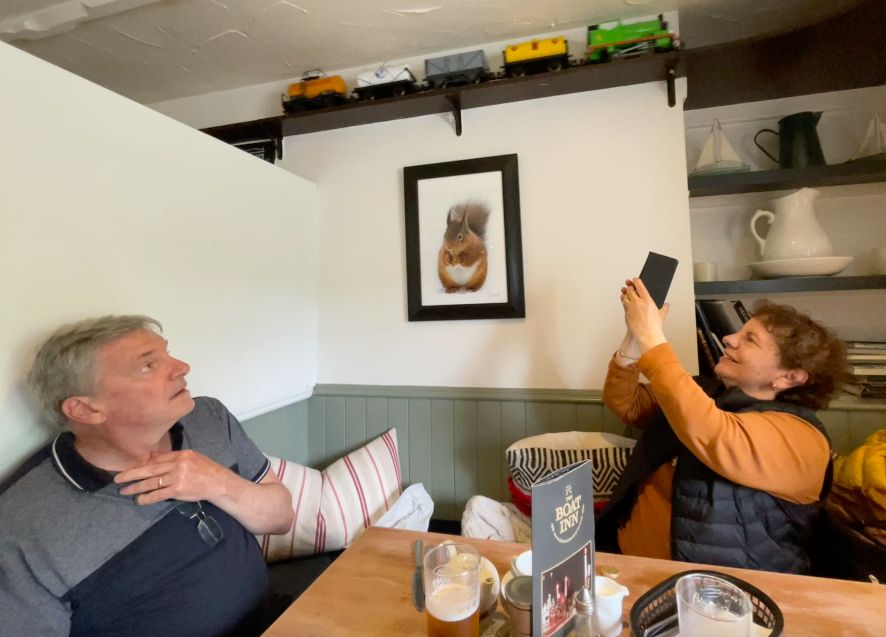
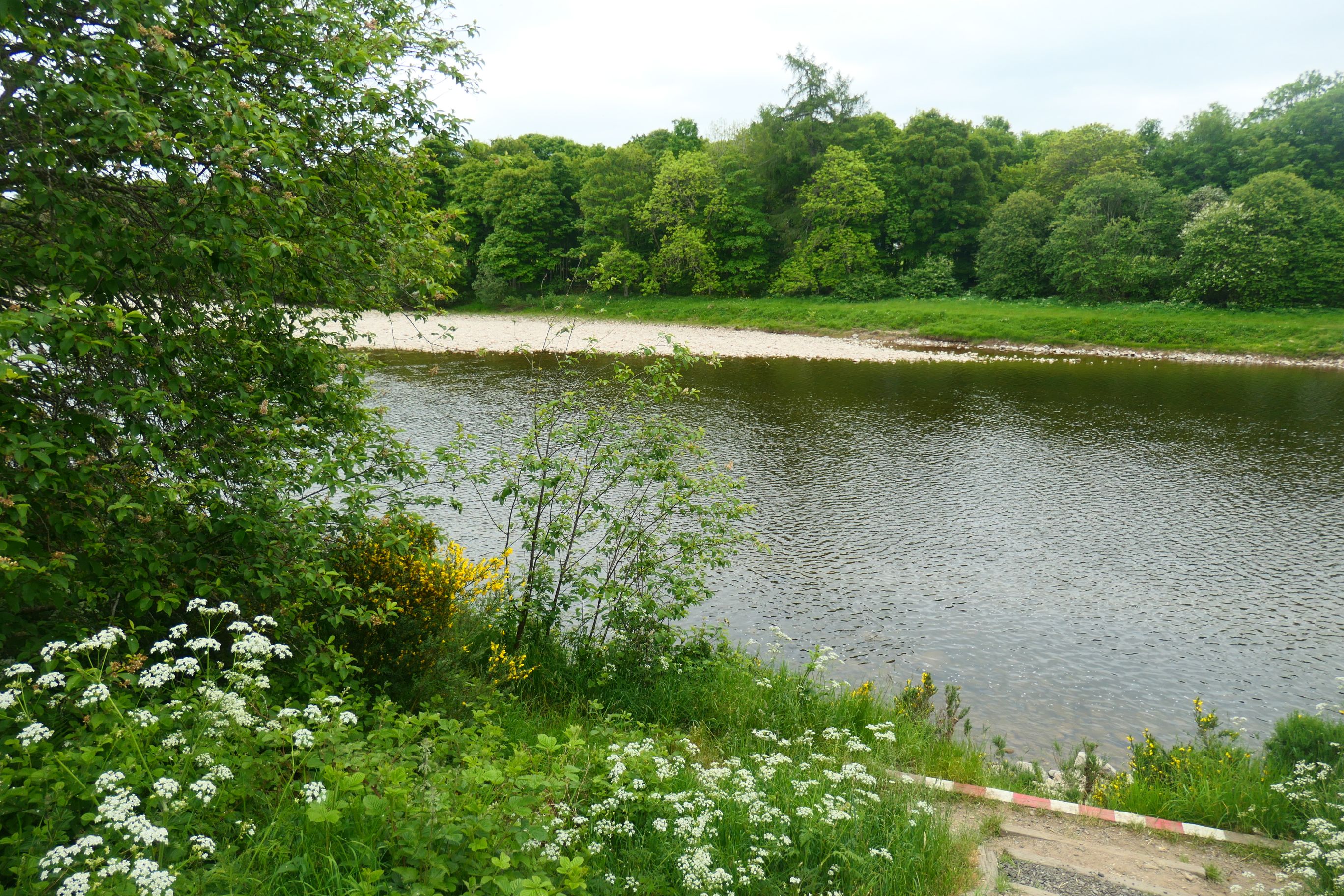
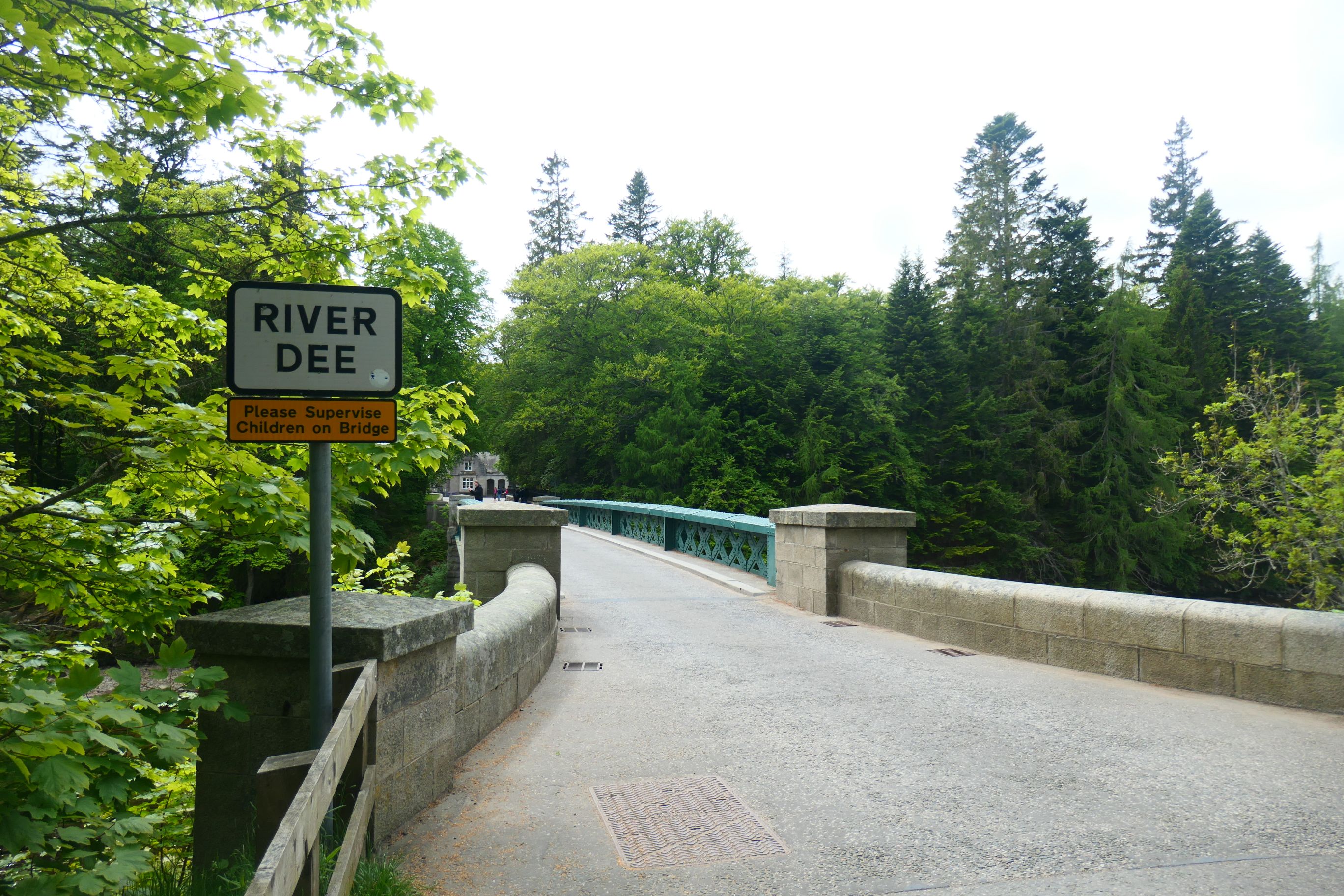
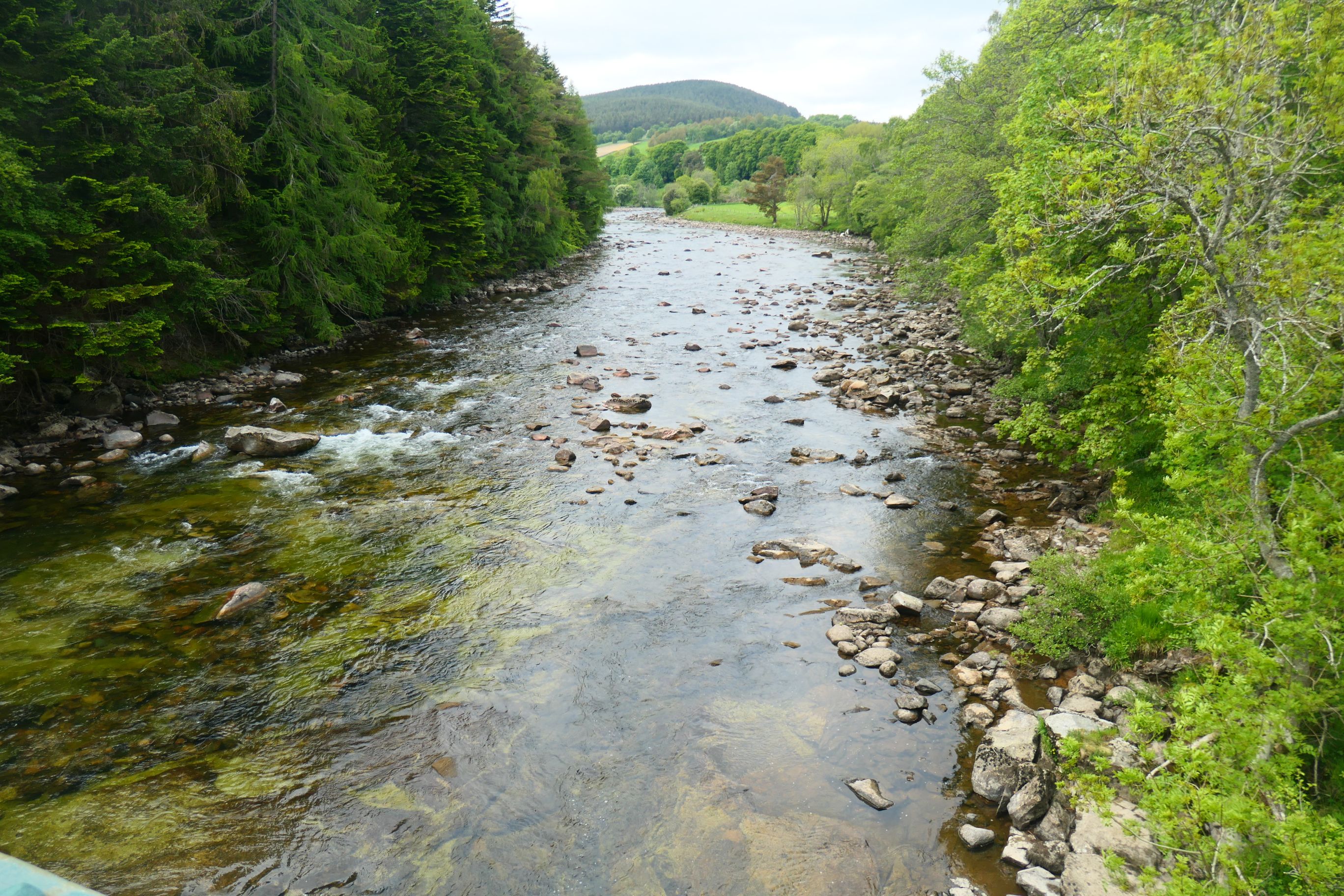
We stopped for lunch at a little inn in Aboyne. During our meal, as the clock ticked past 1 pm, a toy train left its place behind the bar and travelled along a track above the heads of the patrons for two circuits of the room. It wouldn’t surprise me to find a small train in a Japanese restaurant, but it was a bit unusual out here. Maybe it was a nod to the famous Deeside Railway that would transport the royals to Balmoral. Across the road was the River Dee, which starts in the Cairngorm Mountains and flows past Balmoral Castle through Aberdeenshire to the North Sea in Aberdeen. Queen Victoria was quite captivated by this area and today a stretch of about forty miles of the river and its surrounding land and villages is commonly known as Royal Deeside.
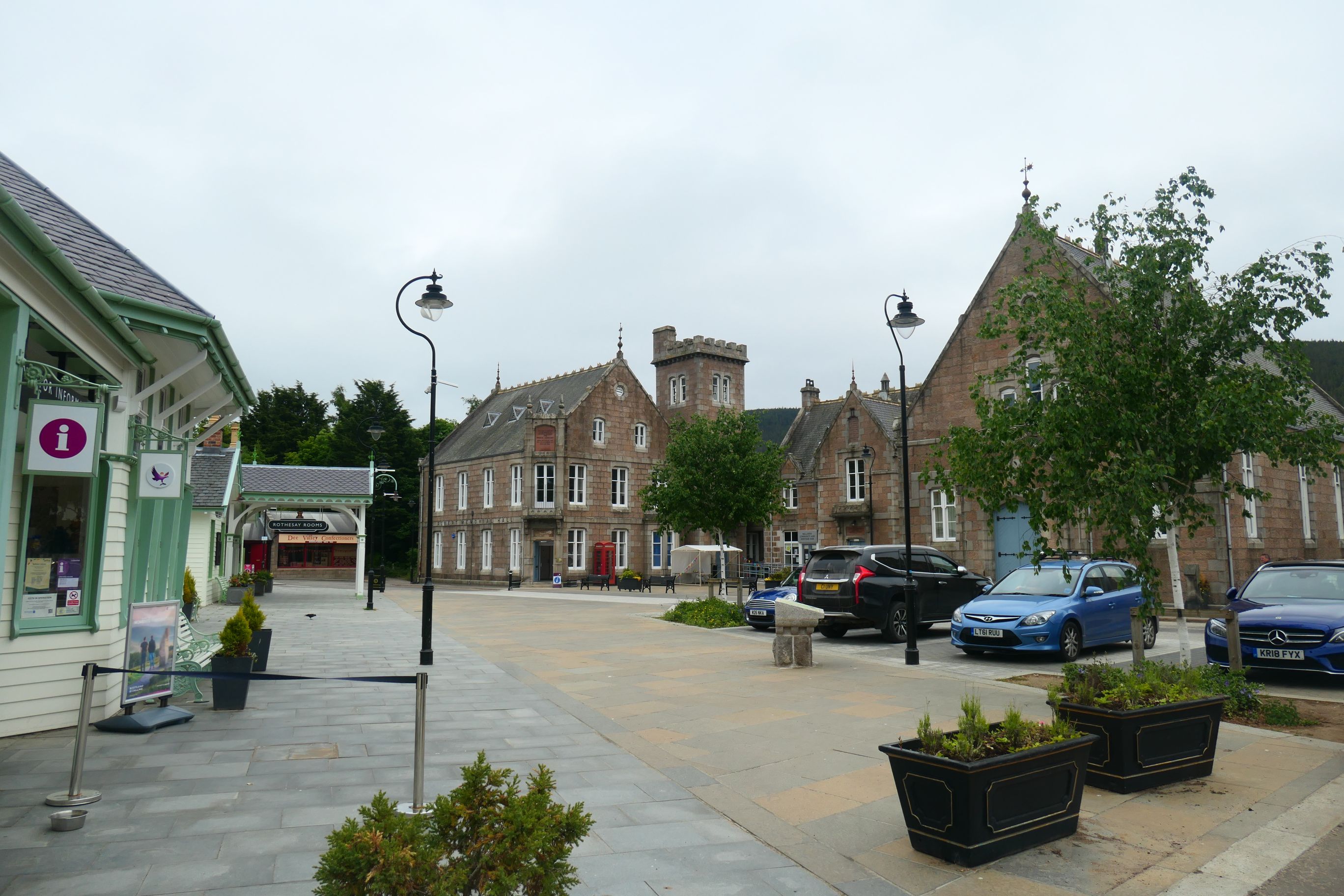
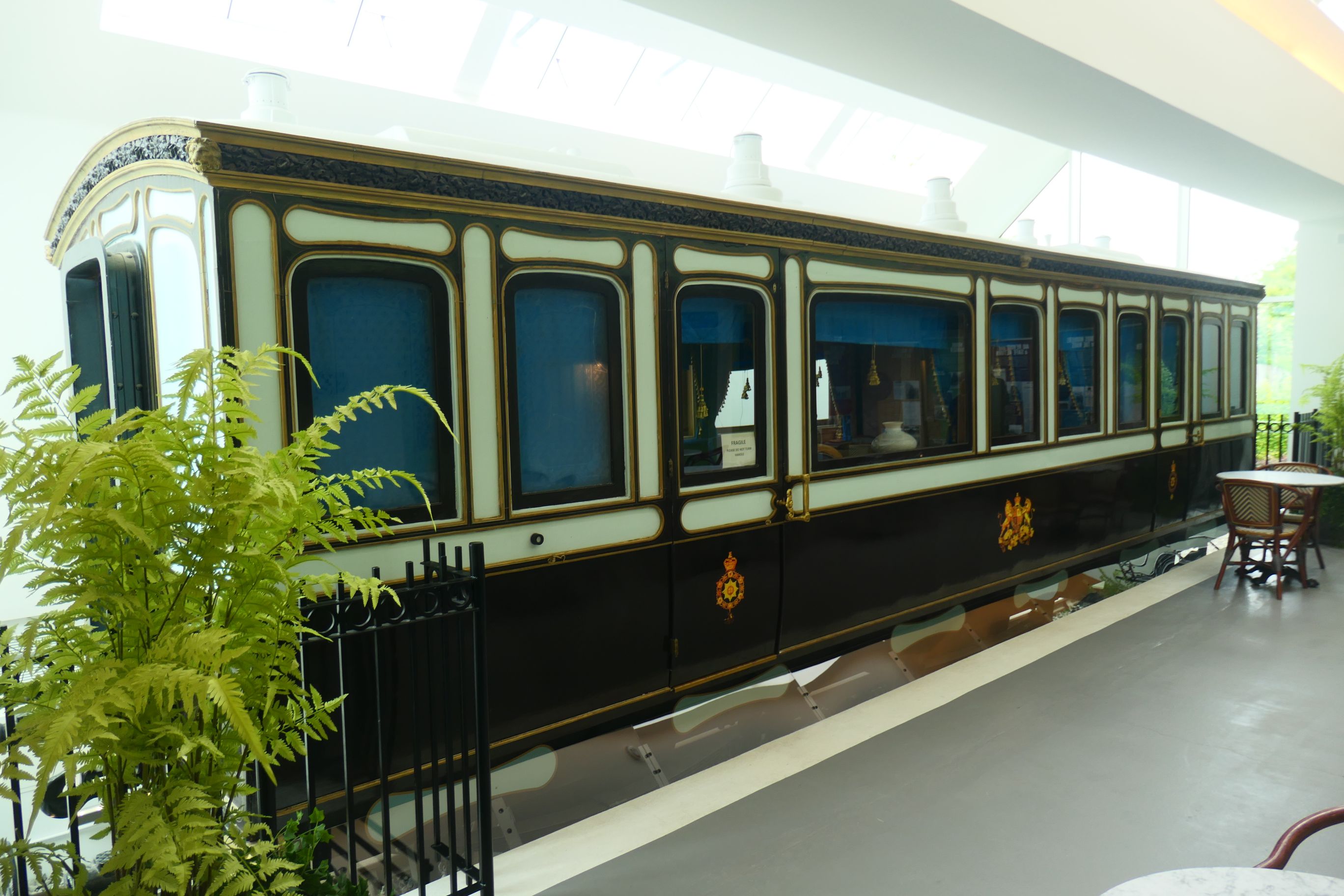
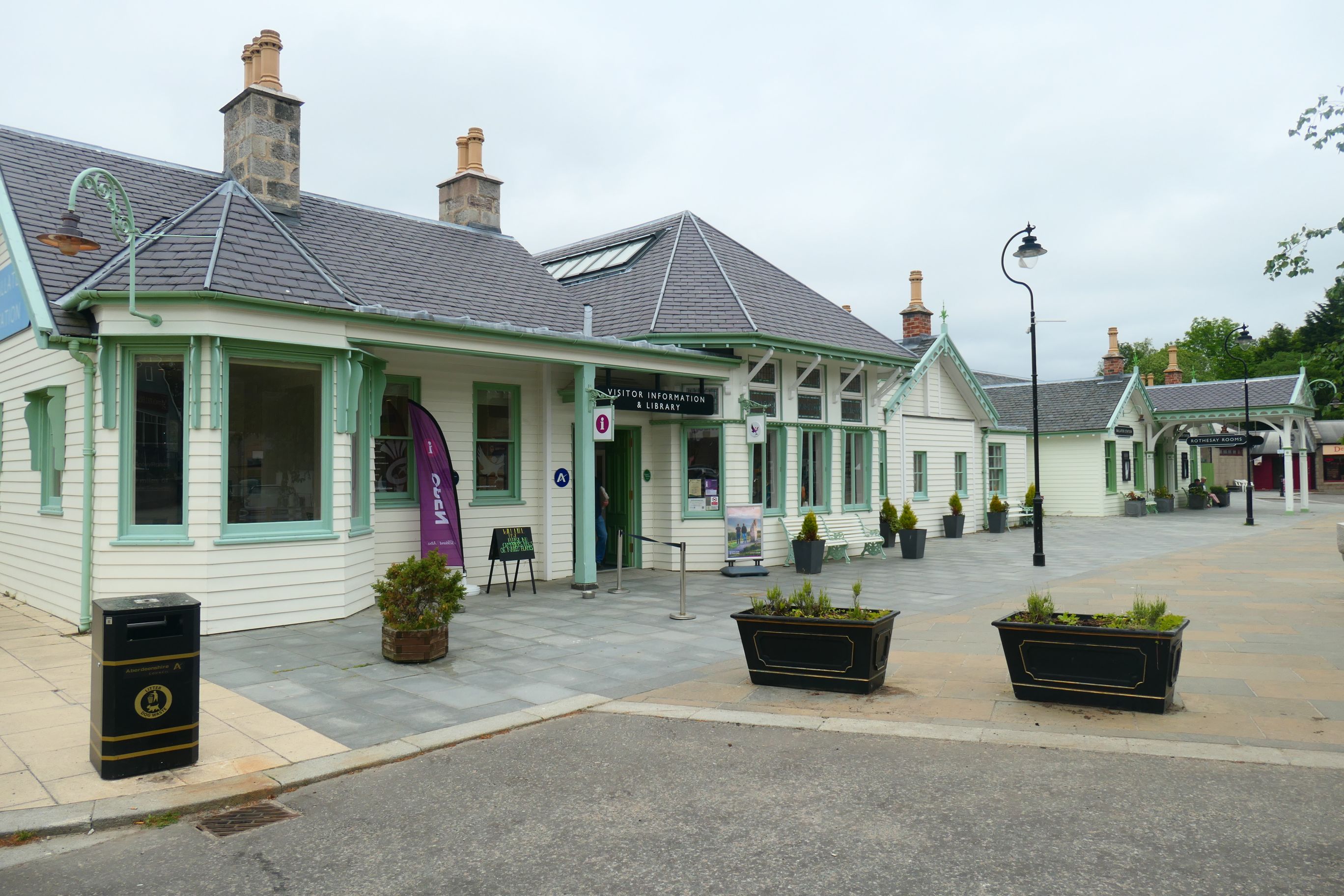
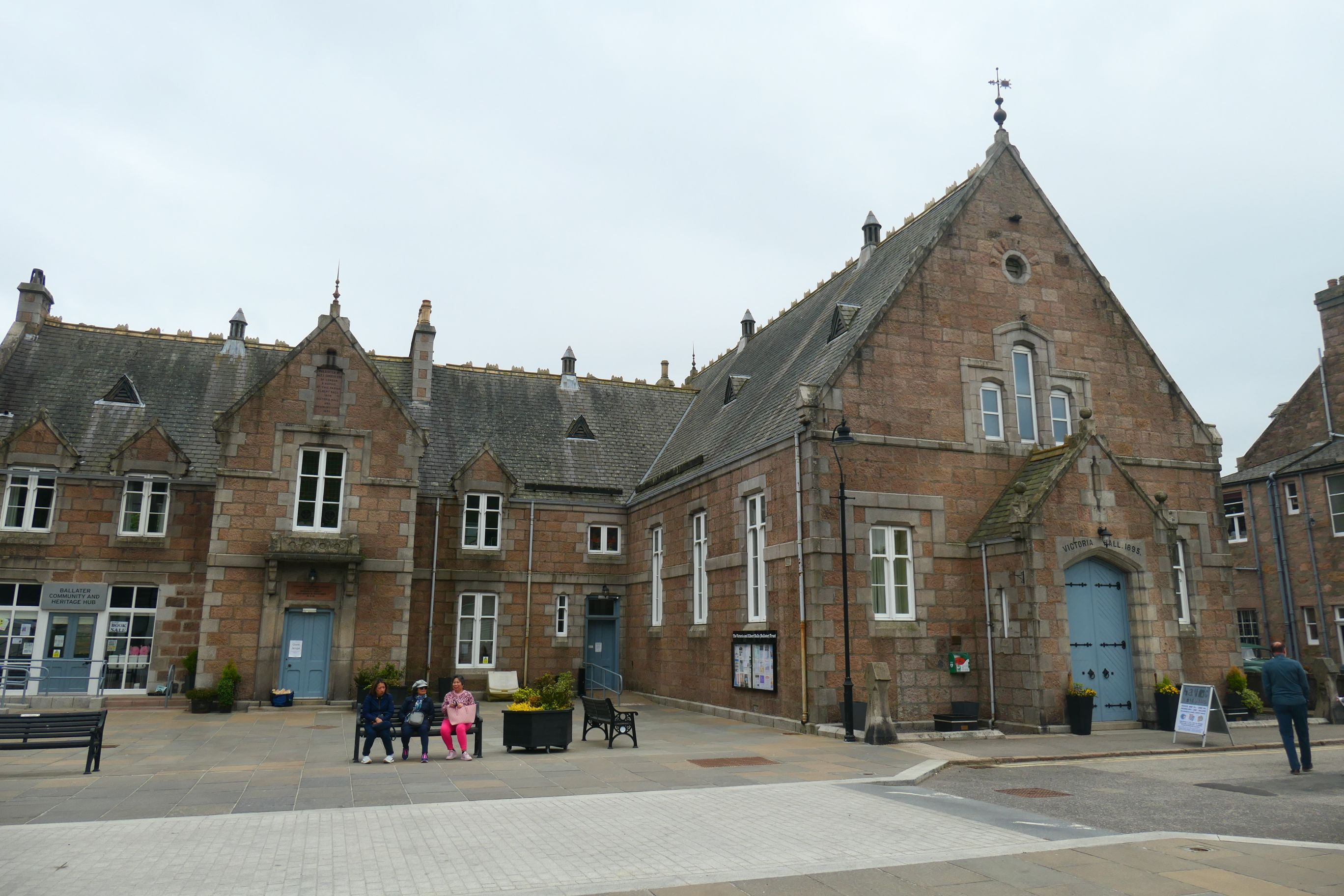
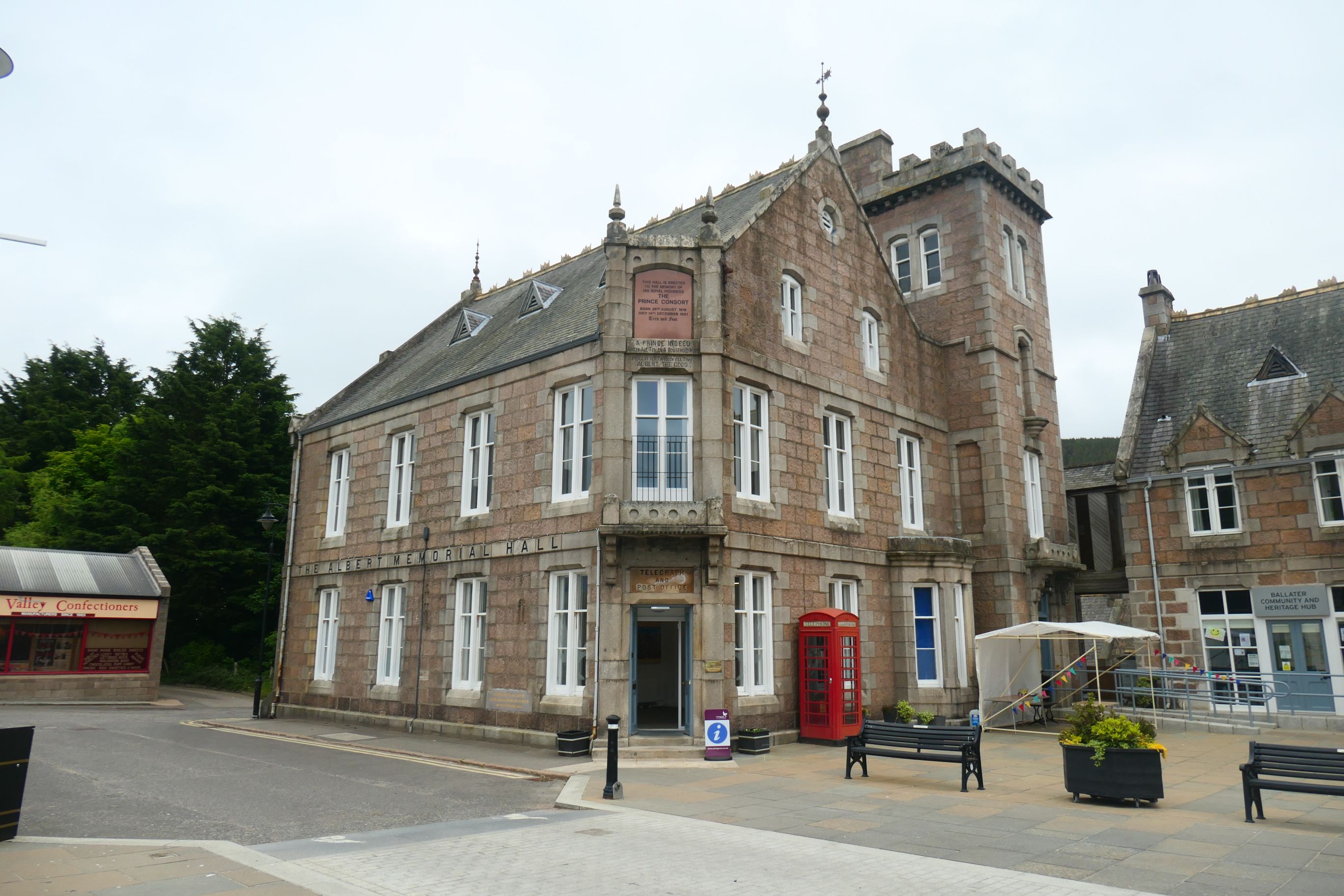
We stopped in at Ballater and visited the railway station, now a visitors’ centre, where the royals would alight from the train. The royal carriage is on display there, and, although the station was destroyed by fire in 2015, it has been restored to its original condition. Buildings in the town link it to the Victorian era, when Victoria and Albert were frequent visitors. Ballater was the first village that Queen Elizabeth’s funeral cortege passed through on its journey to Edinburgh.
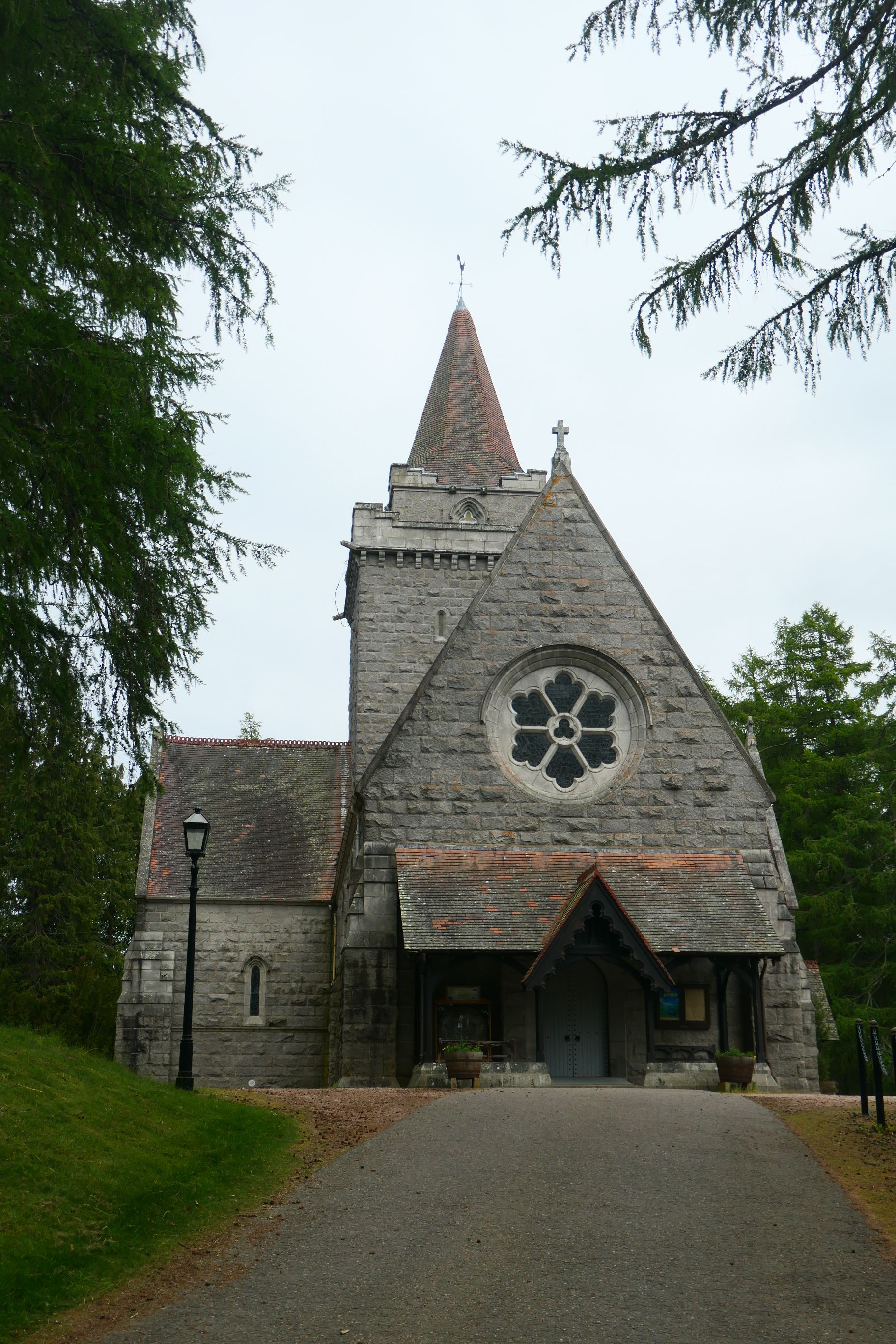
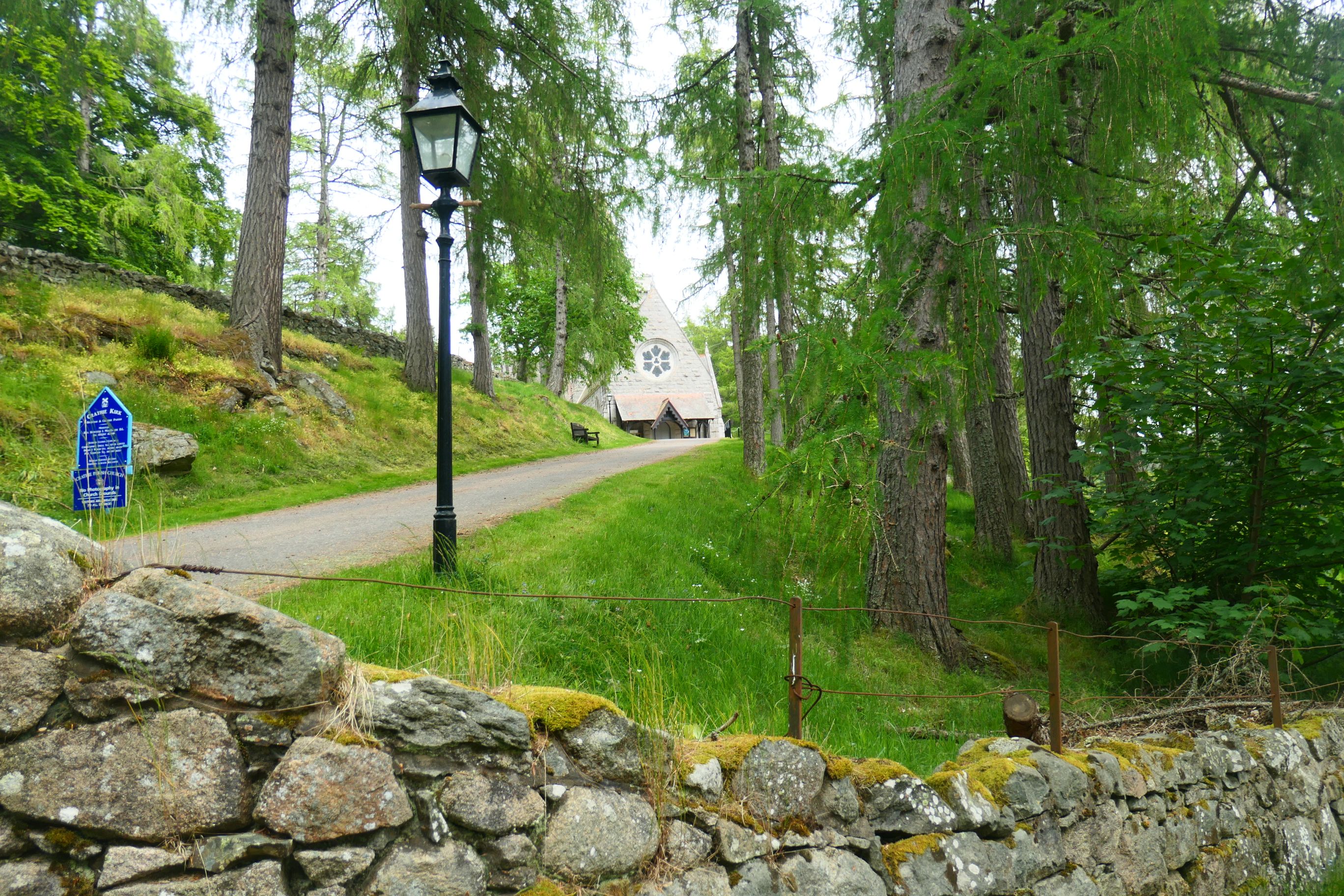
Nearby was Crathie Church, where the royal family worshipped during their stays at Balmoral. Today the church was locked up, so we couldn’t look inside. Queen Victoria’s Scottish servant John Brown is buried here.
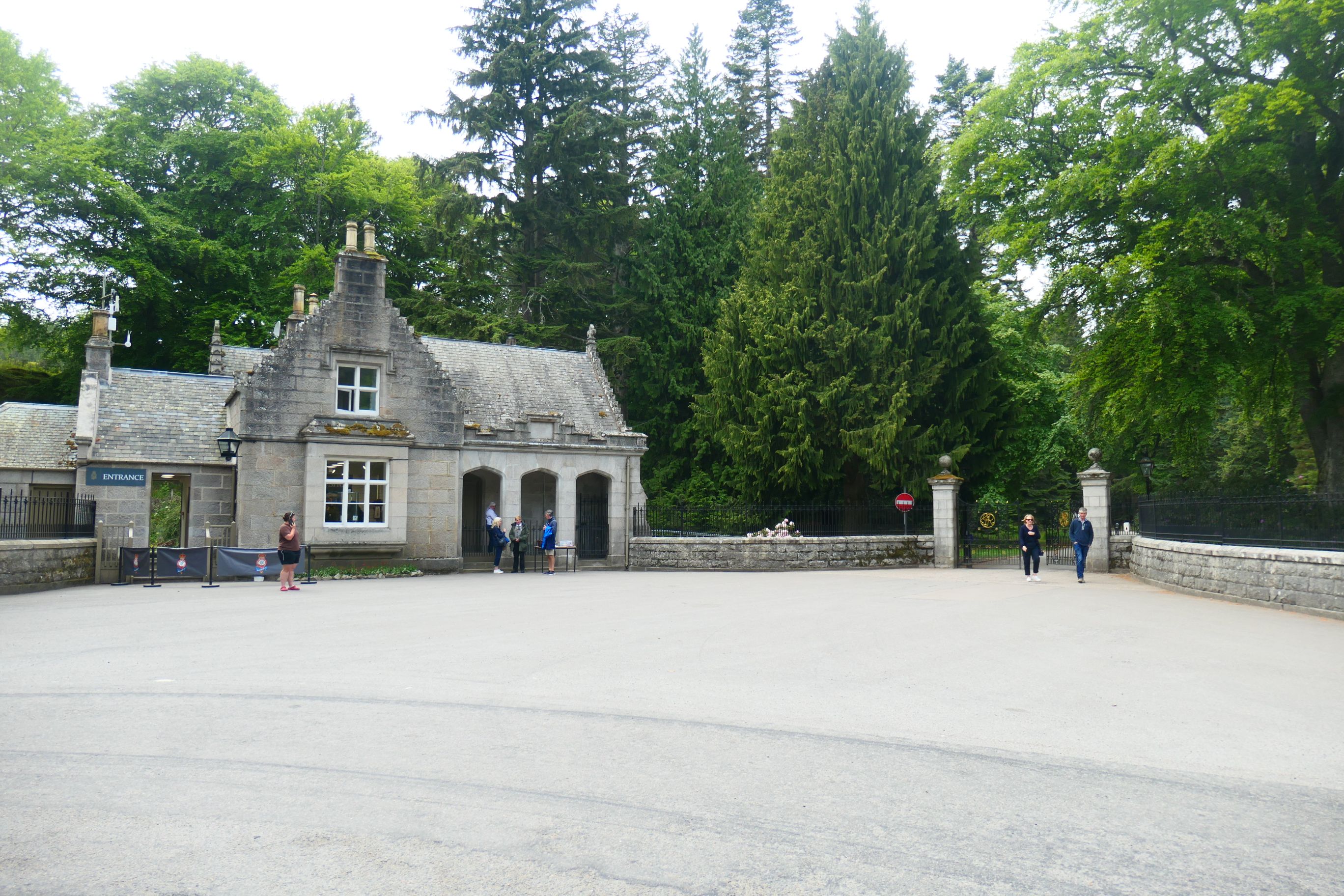
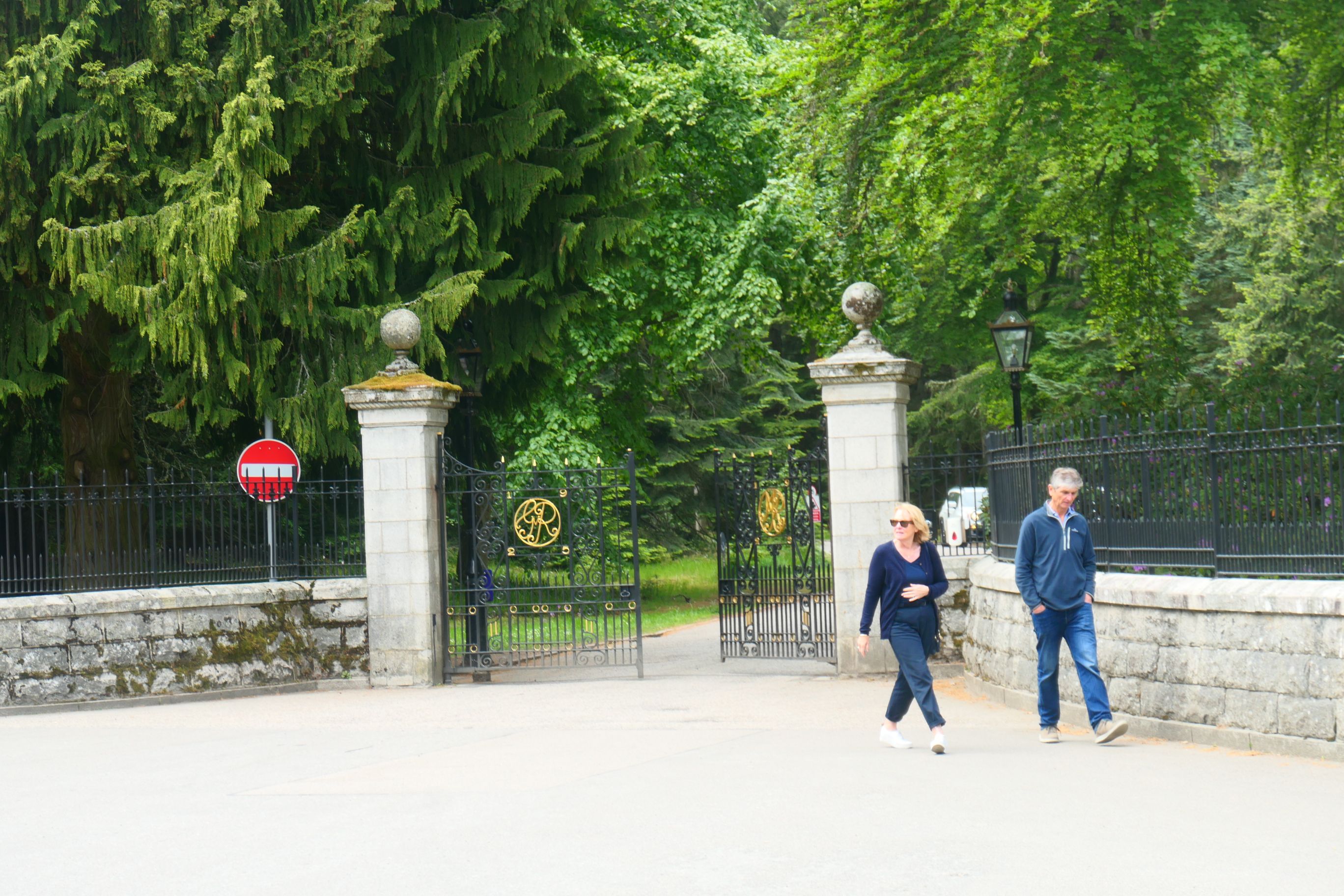
Malcolm offered us the opportunity to visit Balmoral Castle, but we declined. It was very costly and only one room is open to the public. It normally has paintings on display, but these have been currently replaced by photos of the royal family at Balmoral. Some members of the family are conspicuous by their absence from these photos. You can probably figure out who they are. We could have seen the gardens, but Malcolm said they could not compare with other places we’d been. He stopped the vehicle outside the gate for a moment and I snapped a couple of photos of the gates before we continued on to the distillery just around the bend. The last time I’d seen those gates was when the Queen’s coffin was passing through them, and there were also photos in the media of all the floral tributes people had brought here.
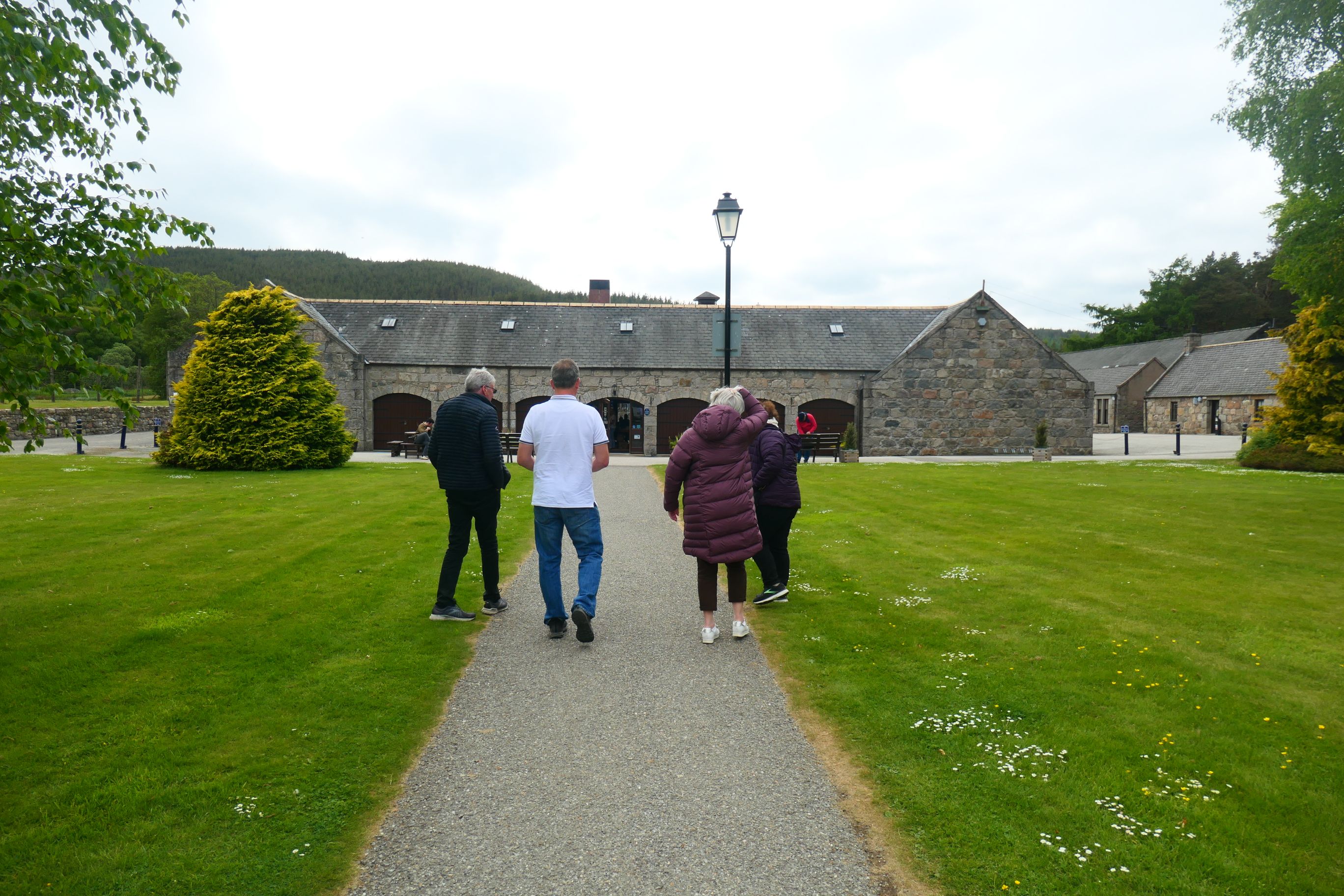
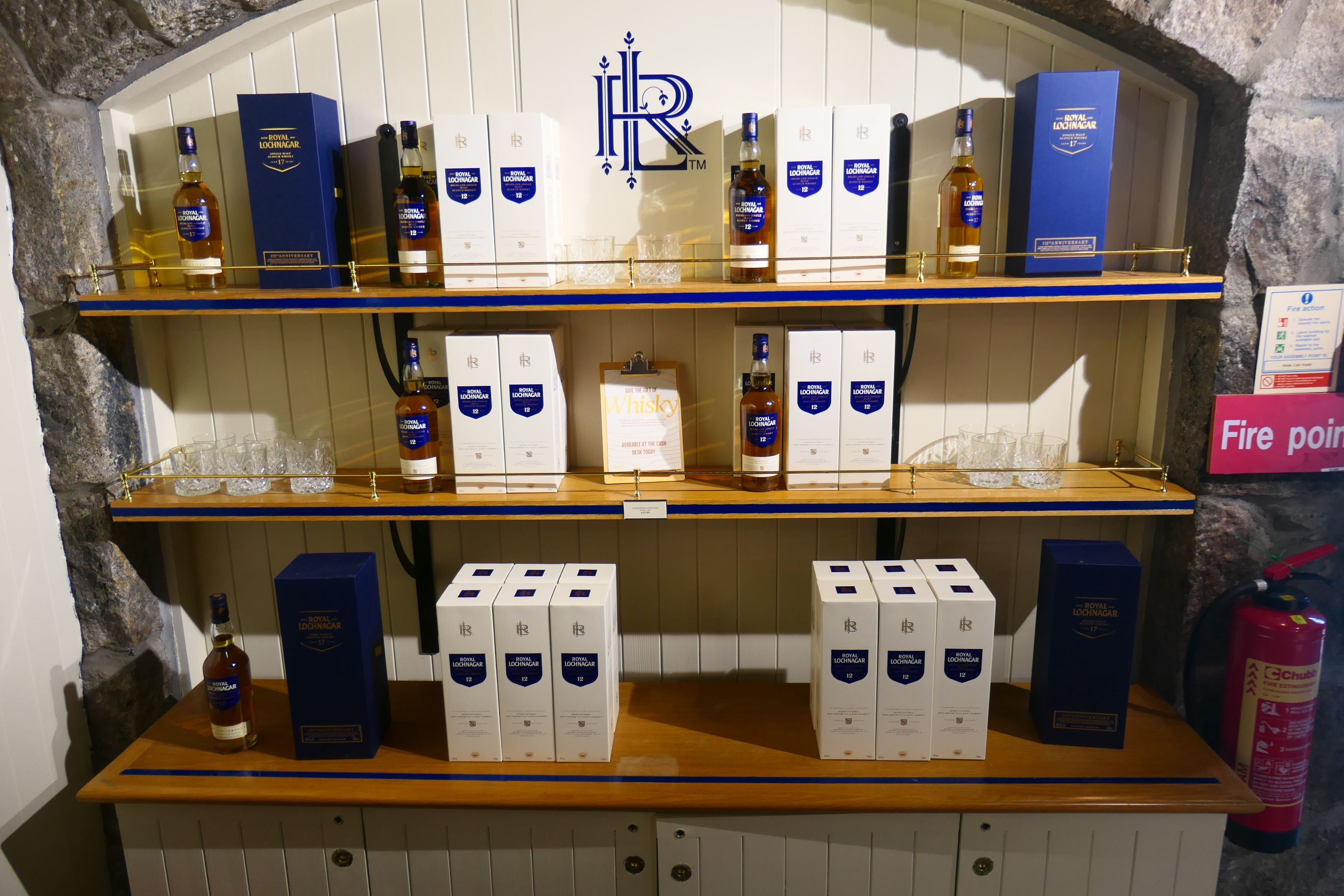
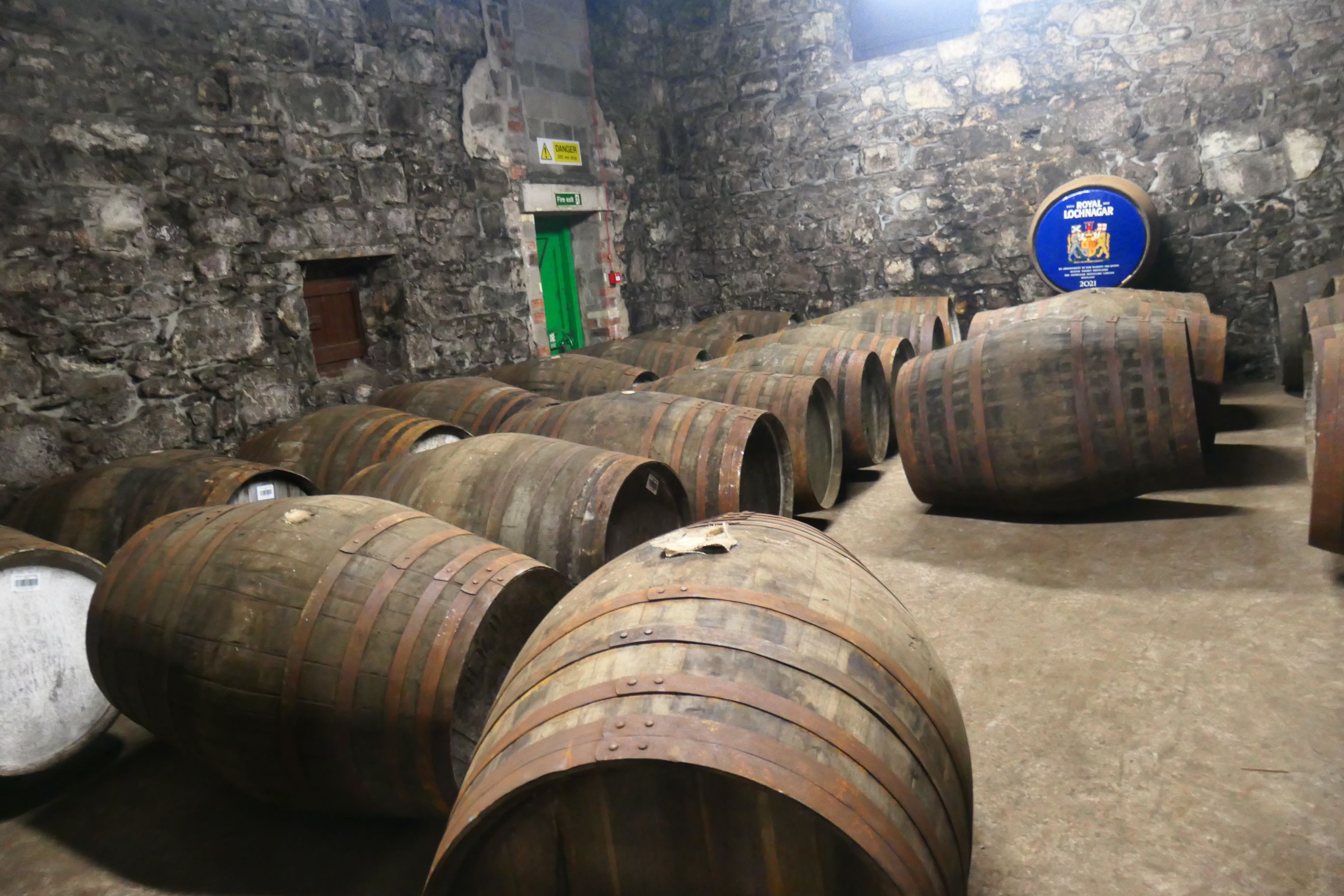
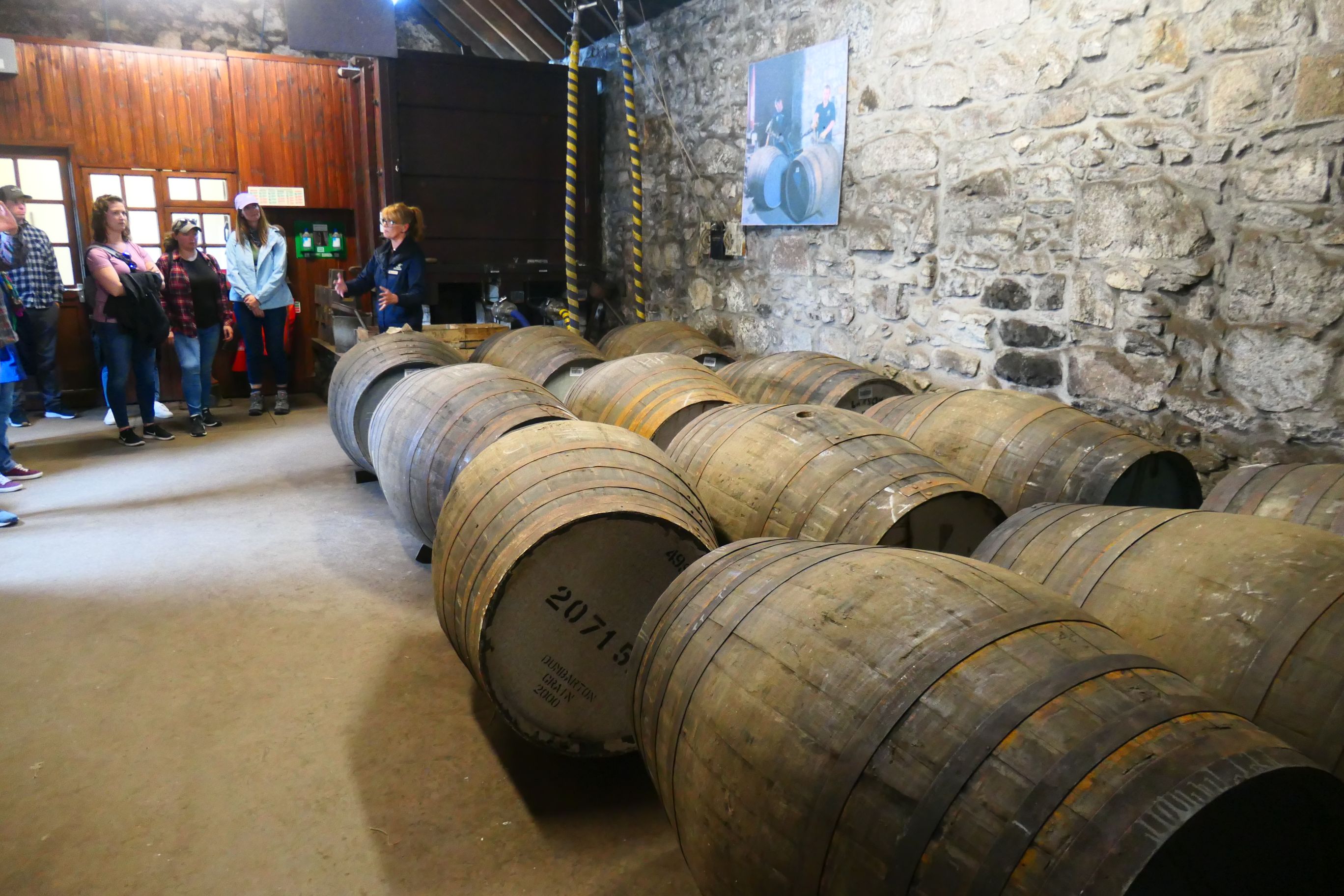
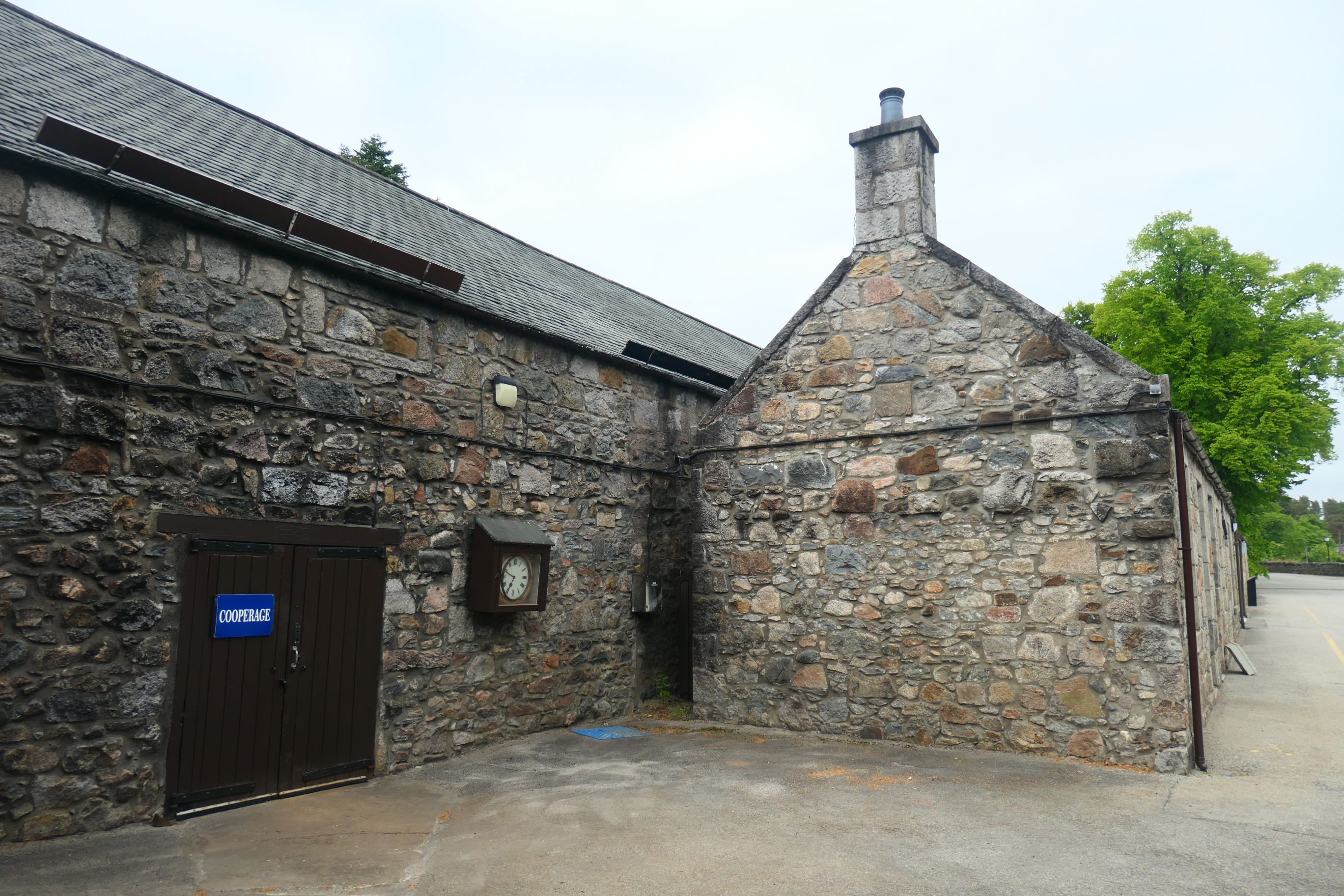
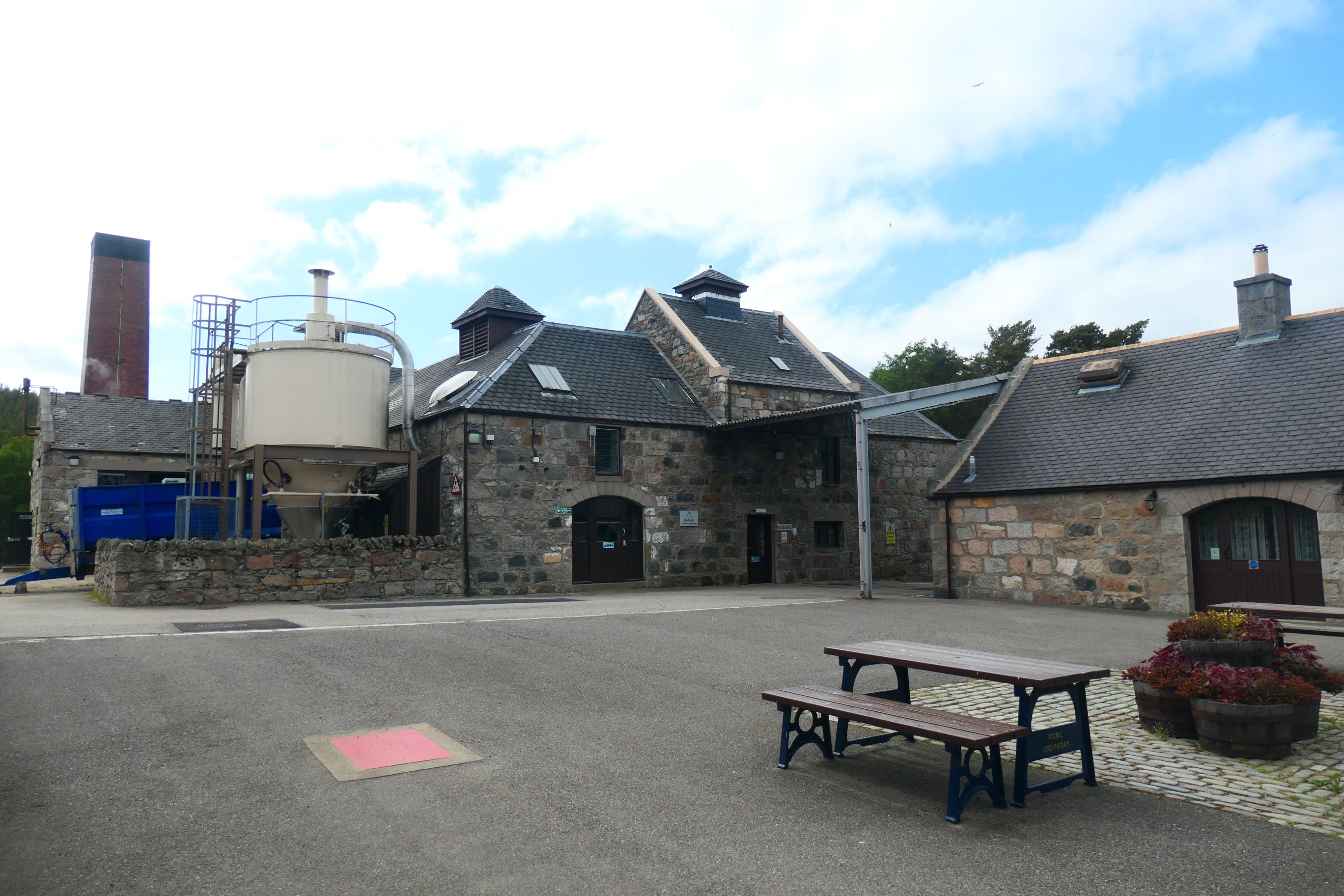
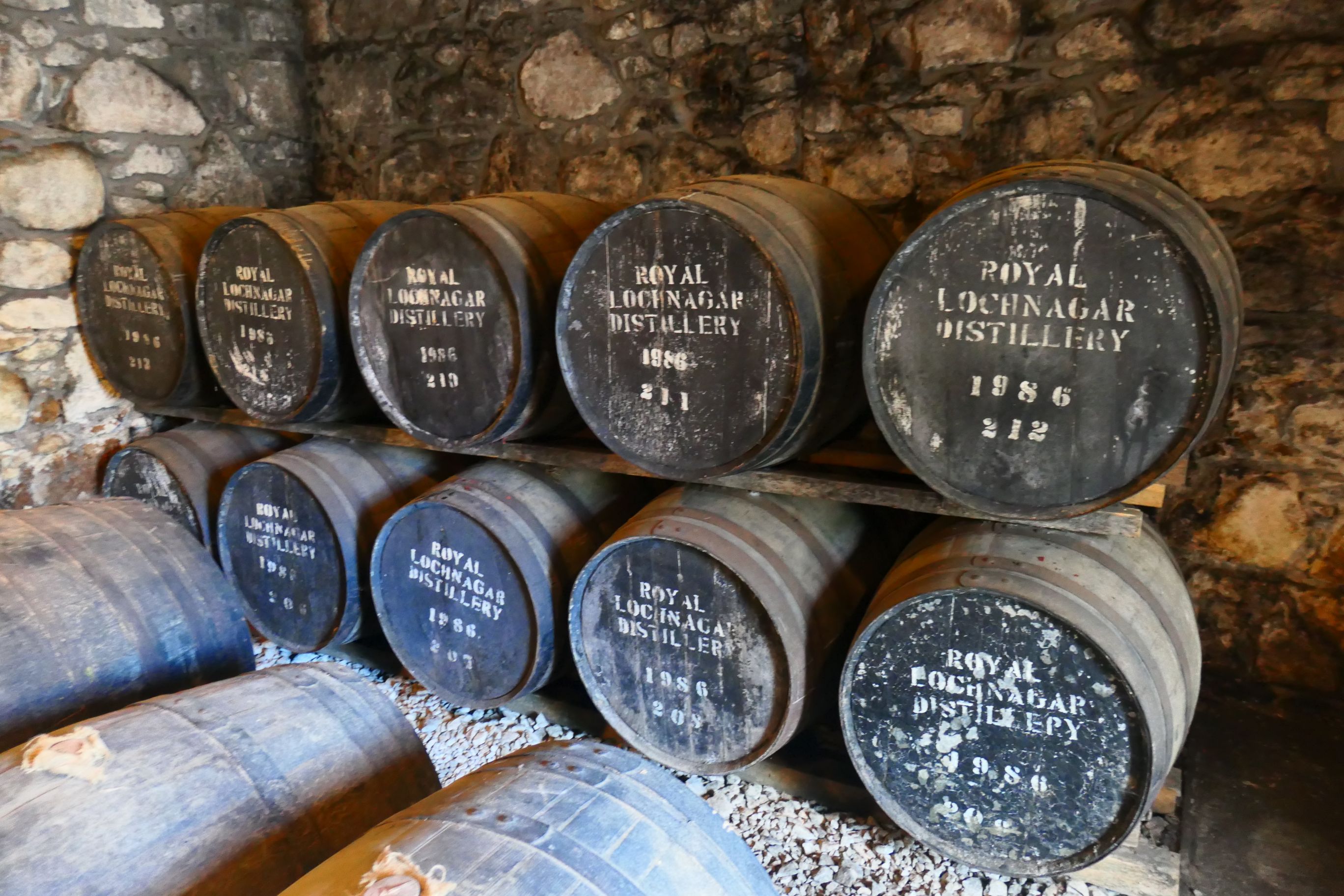
Our final visit for the day was to Royal Lochnagar Distillery, which shares a common boundary with Balmoral Estate. Victoria and Albert enjoyed a dram or two here, and the Queen granted a Royal Warrant, which allowed the distillery to add ‘Royal’ to its name. Although not visible in today’s overcast conditions, Lochnagar is the mountain behind the distillery from where the pure water flows that is used to make the whisky here.
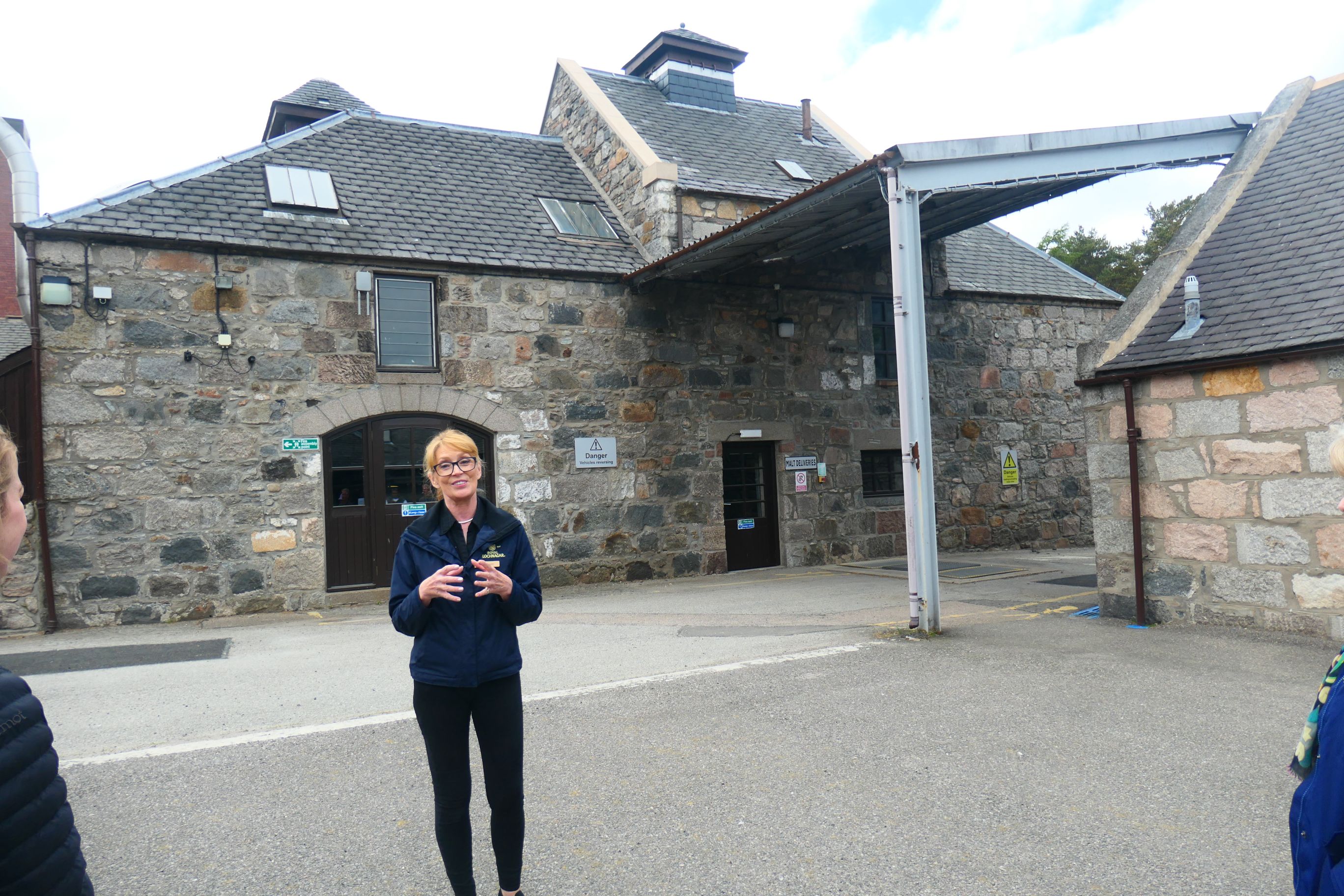
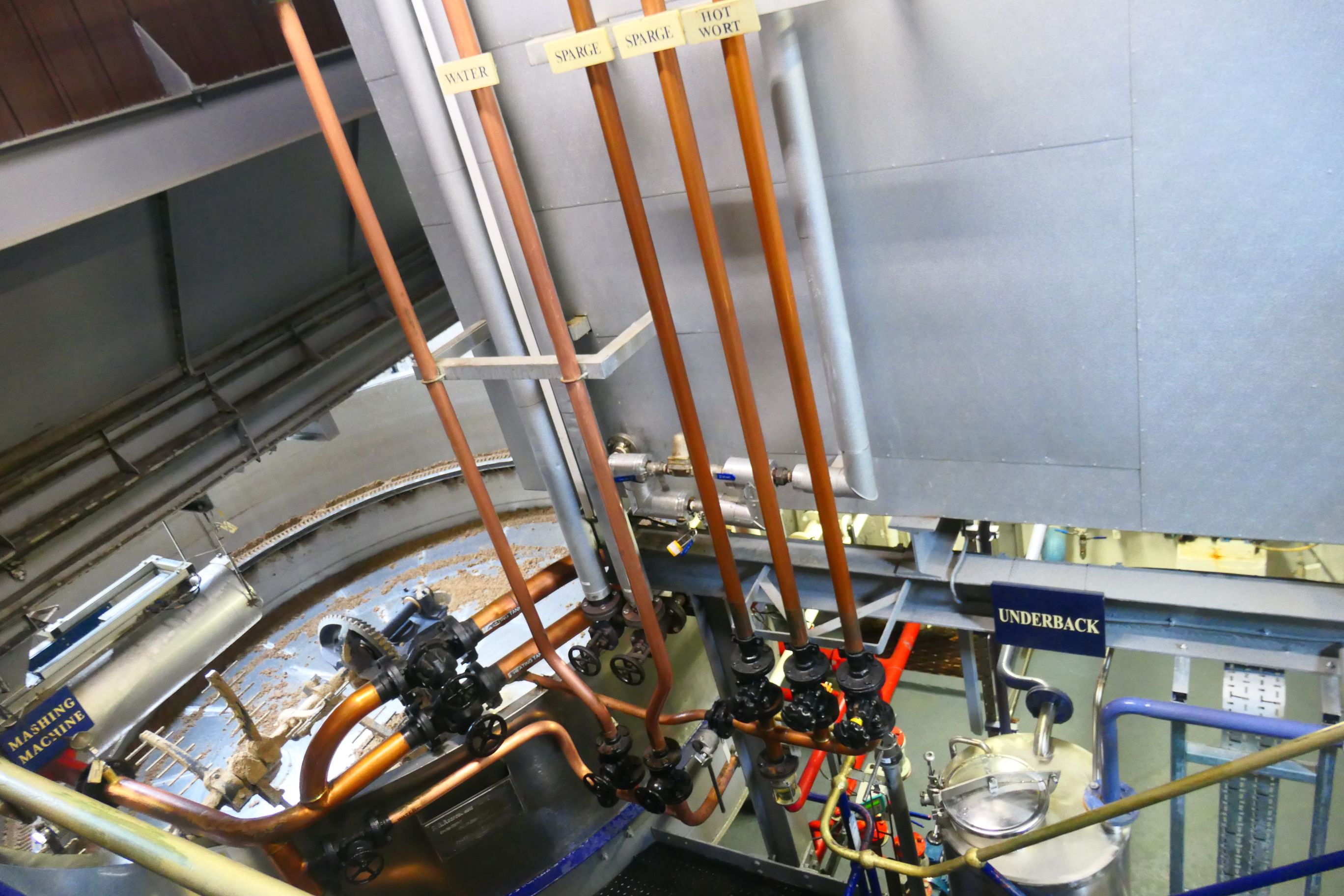
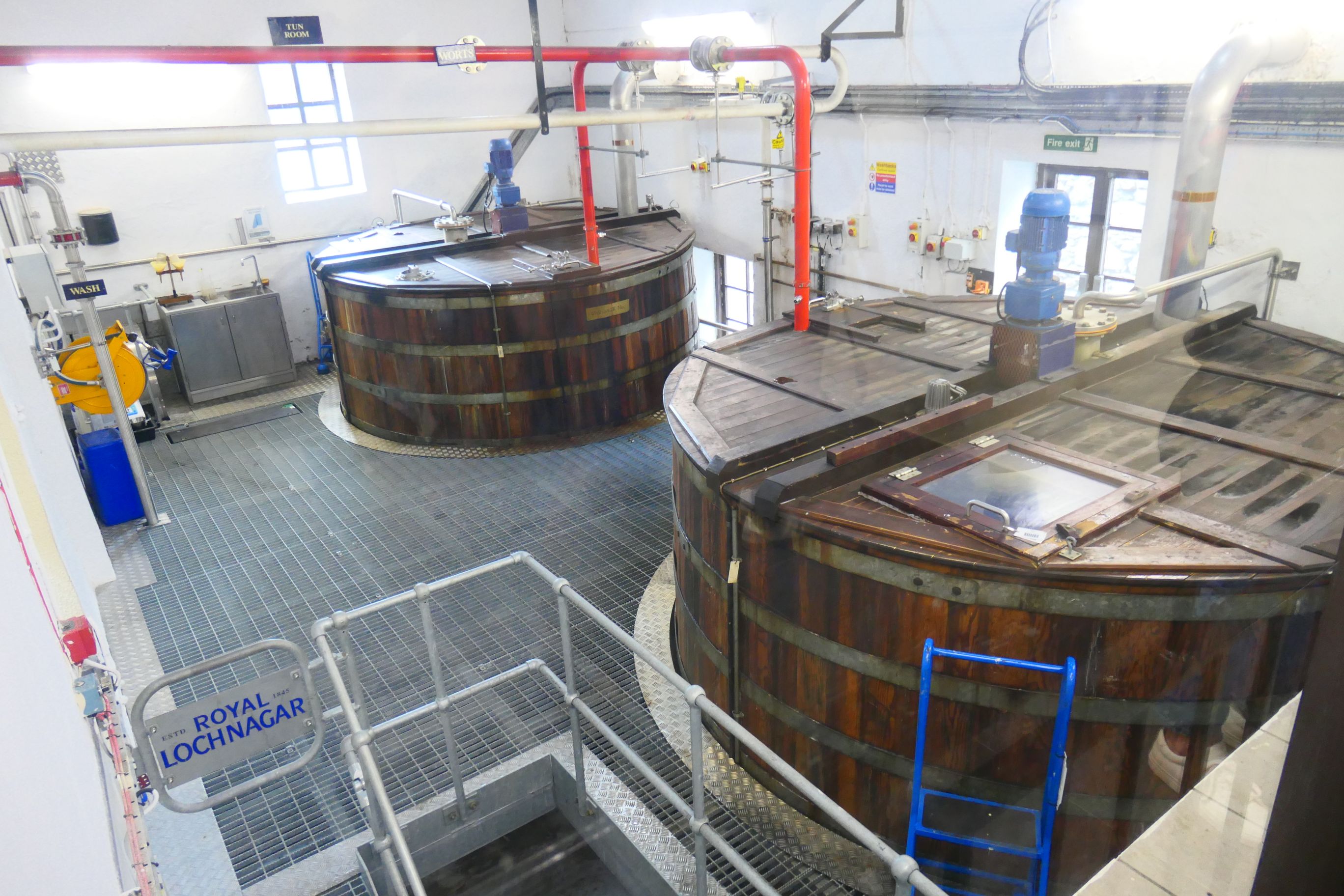
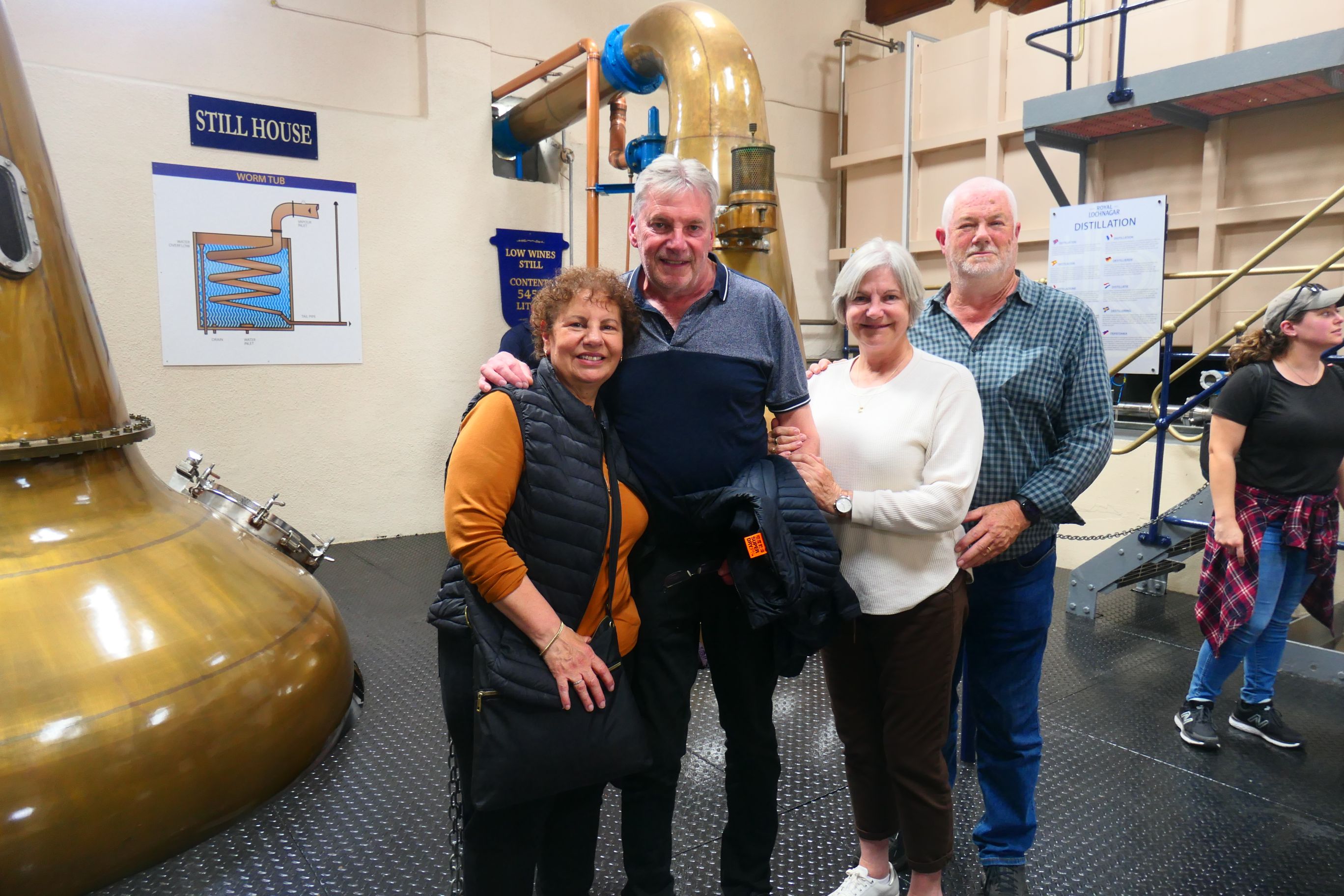
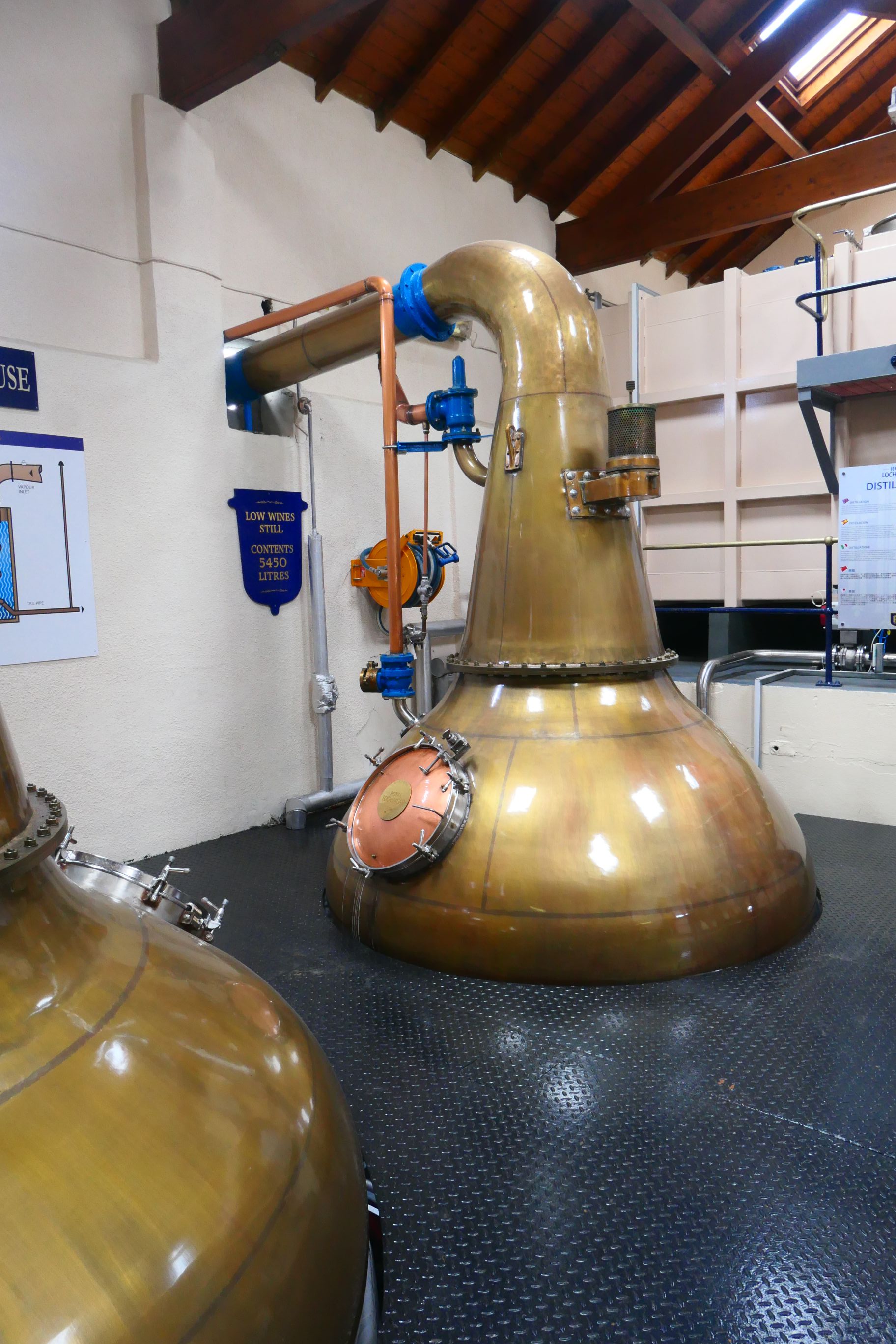
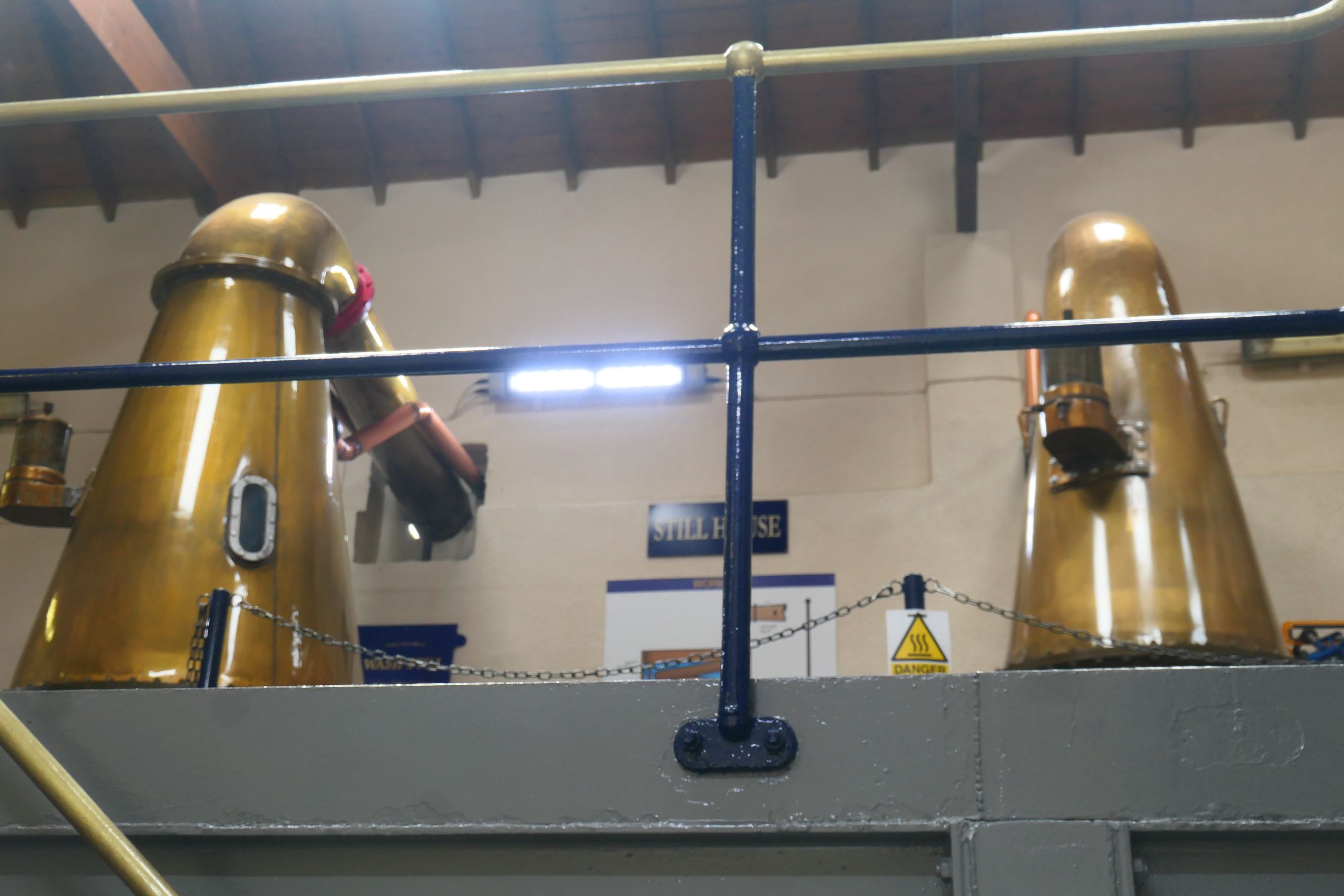
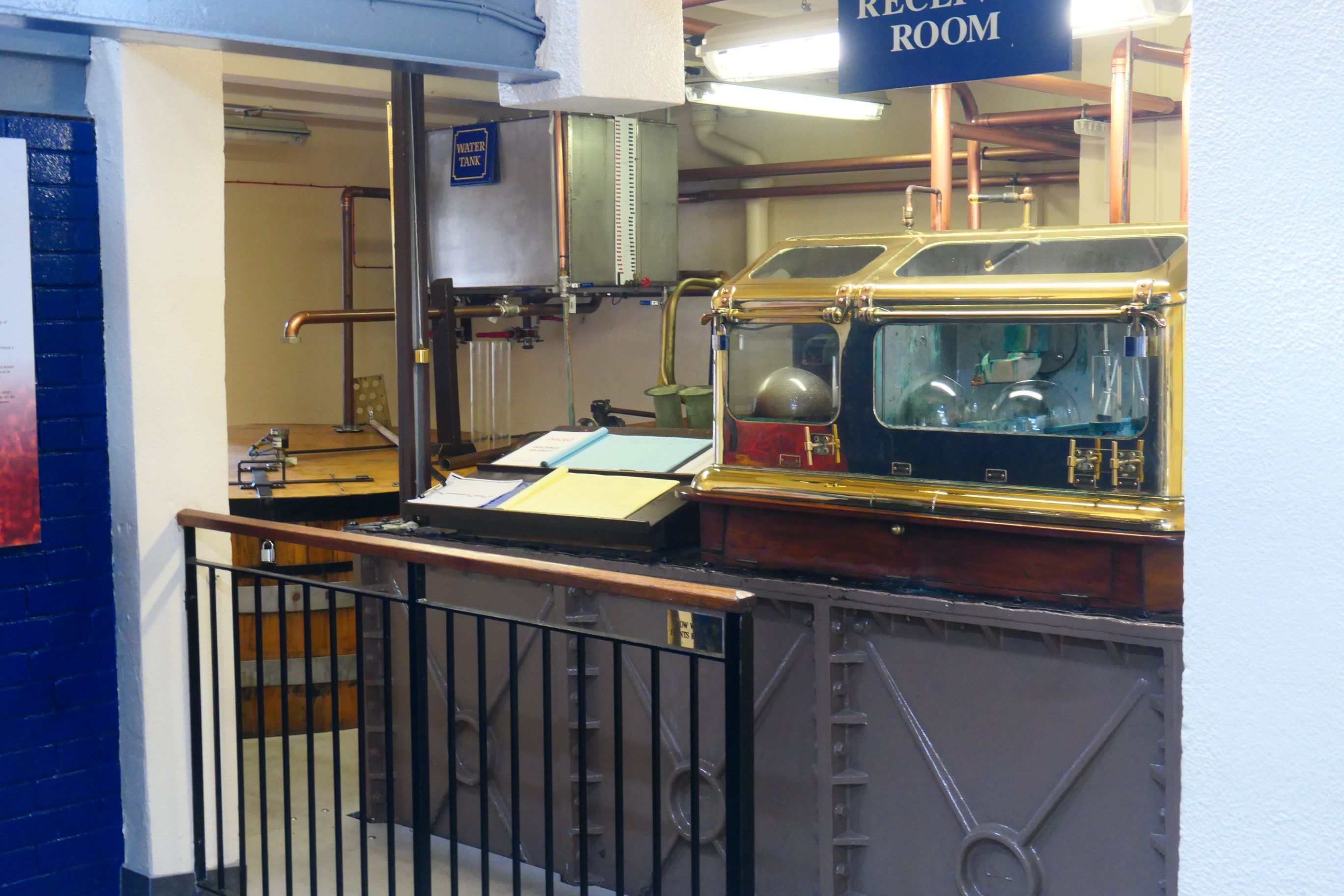
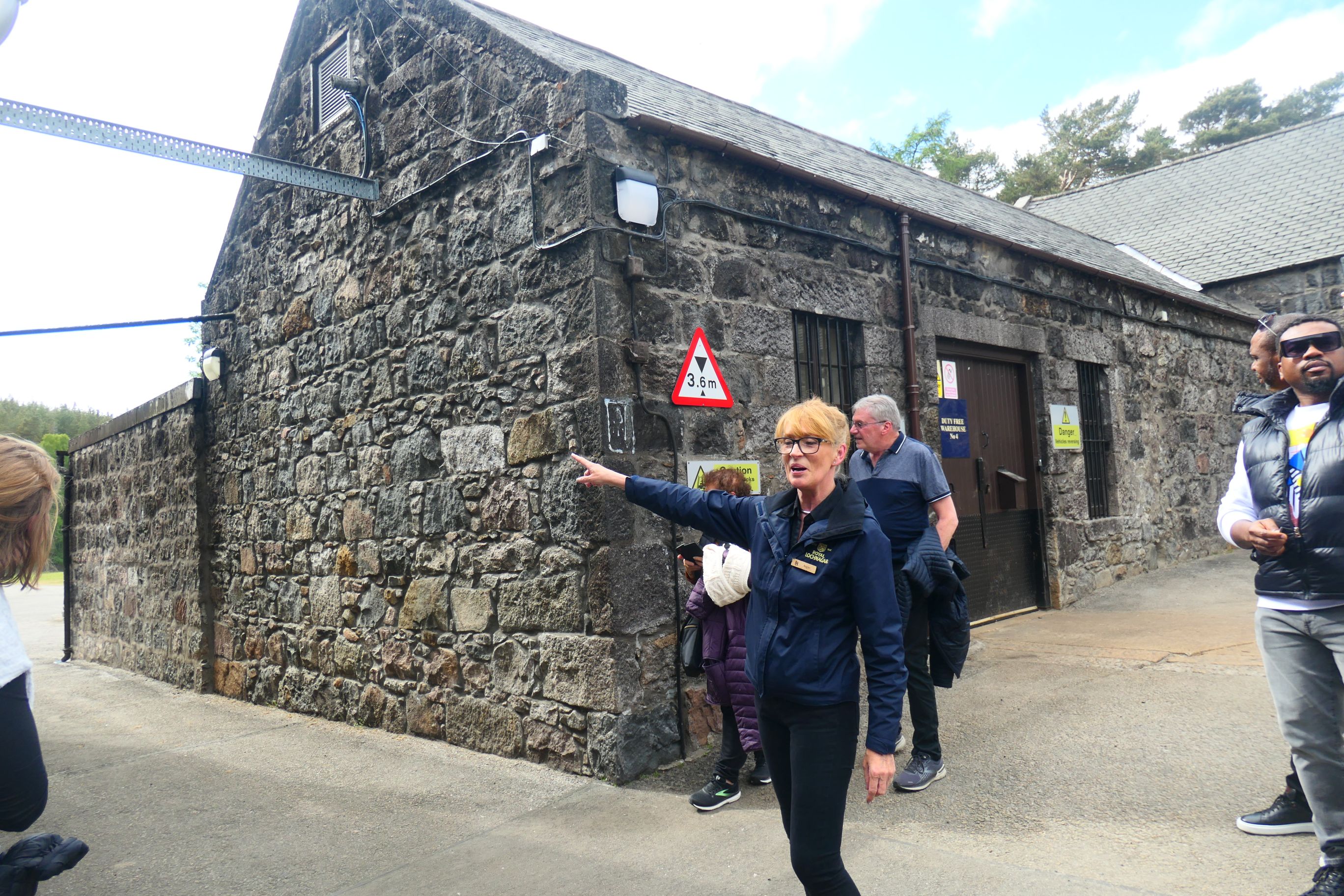
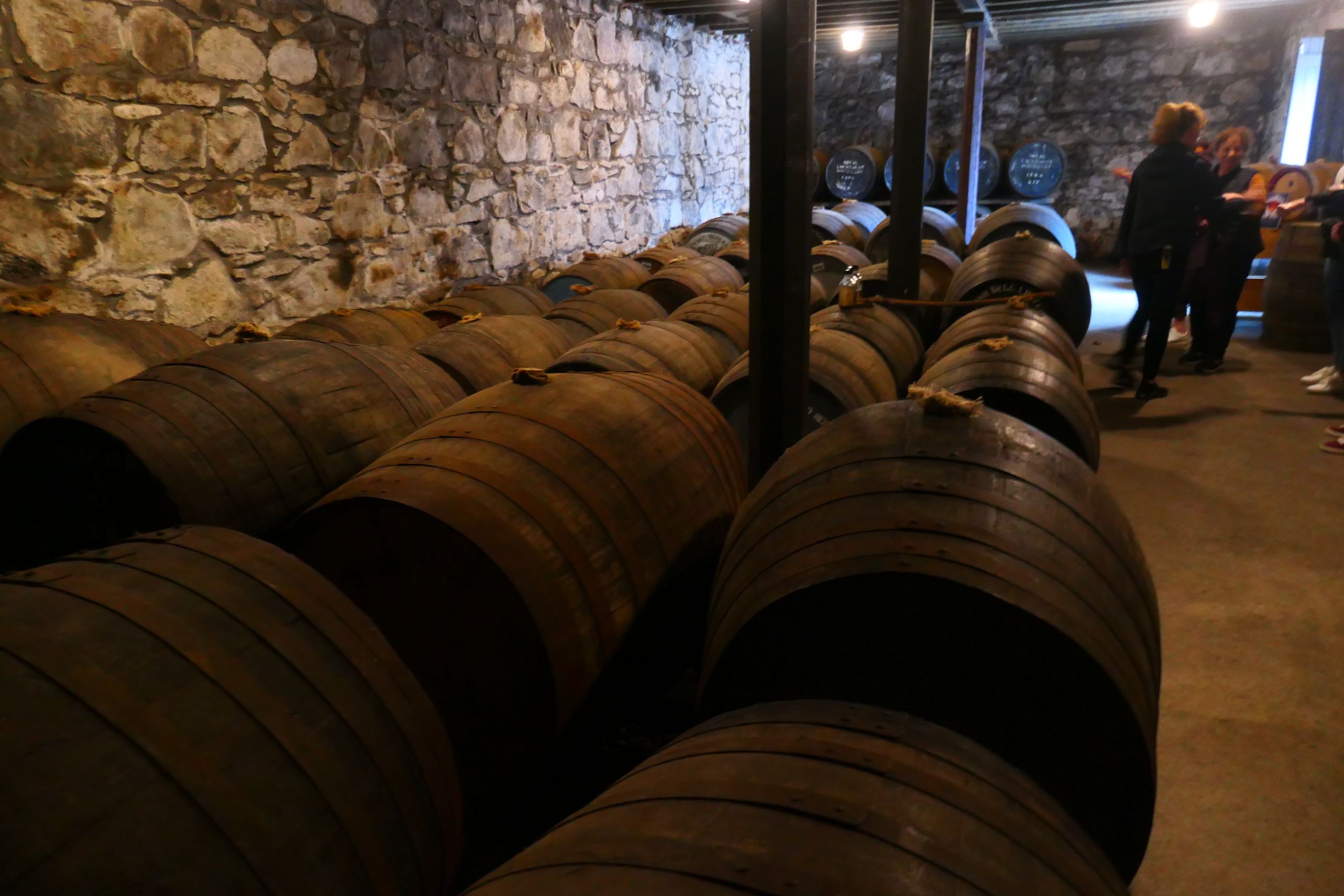
Our guide Angie took us through every step of the process. It was quite a contrast to our visit to GlenDronach the previous day. Both distilleries date back to the Victorian era, but whereas parts of the operation at GlenDronach still use traditional equipment, much of that has been replaced with more recent gear at Royal Lochnagar. GlenDronach had asked us not to take photos inside any buildings, whereas Royal Lochnagar allowed photos everywhere, with the exception of one part of the process that must be closely monitored by tax officials. GlenDronach does its own malting of the barley, whereas Royal Lochnagar, which is only a small distillery, no longer does this. Royal Lochnagar is owned by a large corporation which owns multiple distilleries and now has a purpose built facility where the barley is malted before being transported to the various distilleries where it will be used. GlenDronach had explained that the shape of the bulb and the angle of the swan neck on their stills played key roles in developing the distinctive flavour of their product, whereas the Royal Lochnagar stills did not appear to have a bulb or an angle on the swan necks. And they weren’t at all secretive about the shape of their stills – our guide even offered to take photos of people posing in front of them.
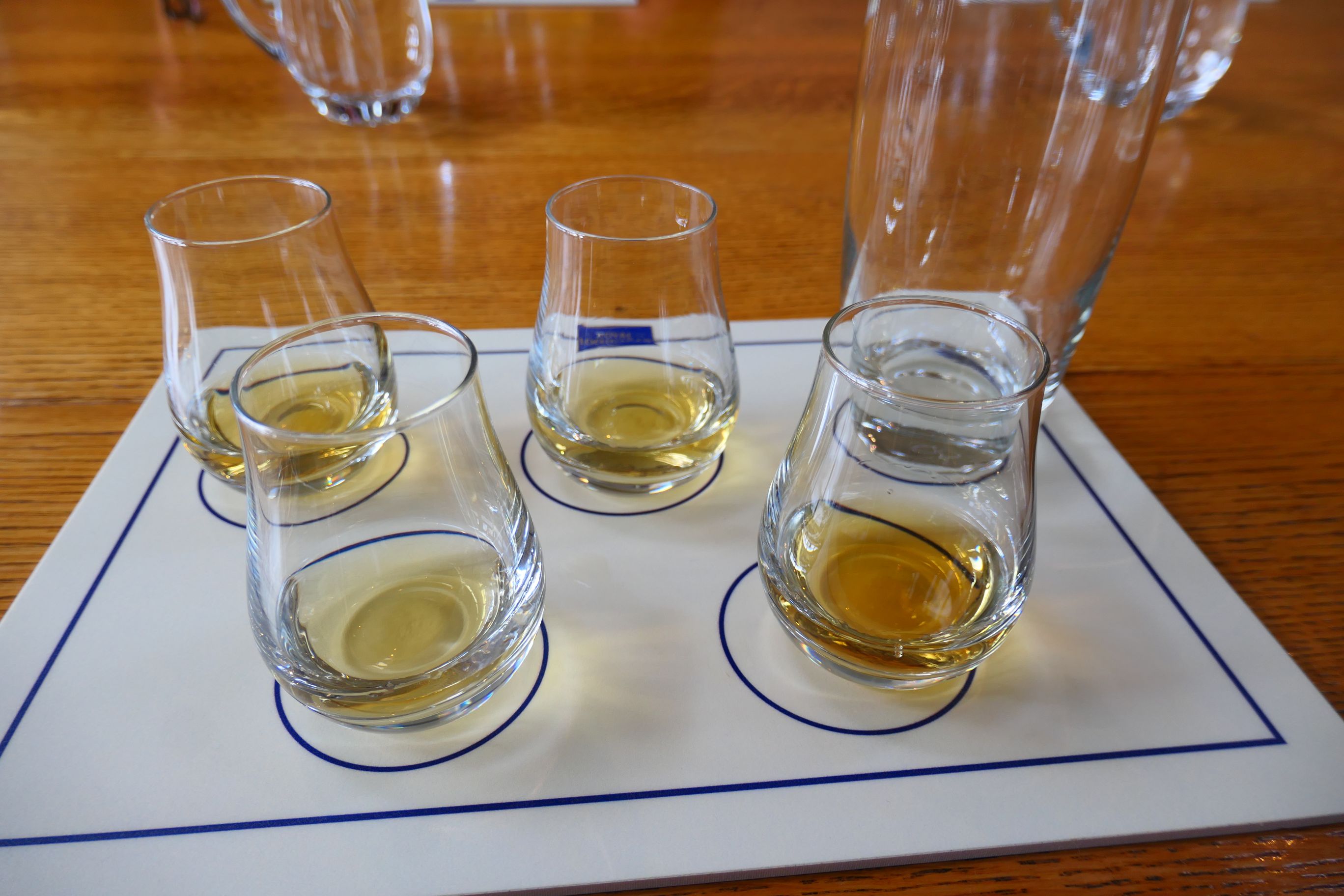
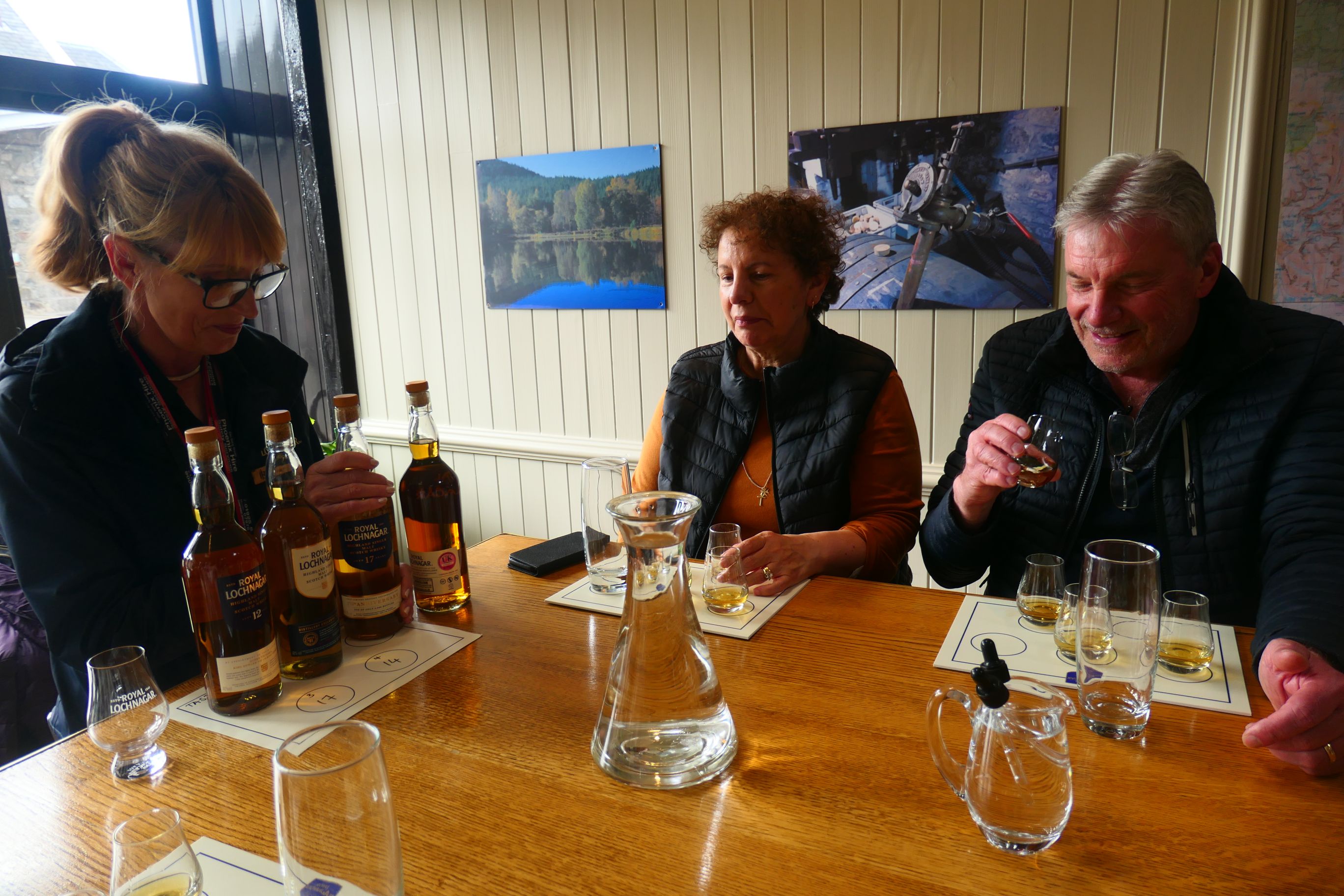
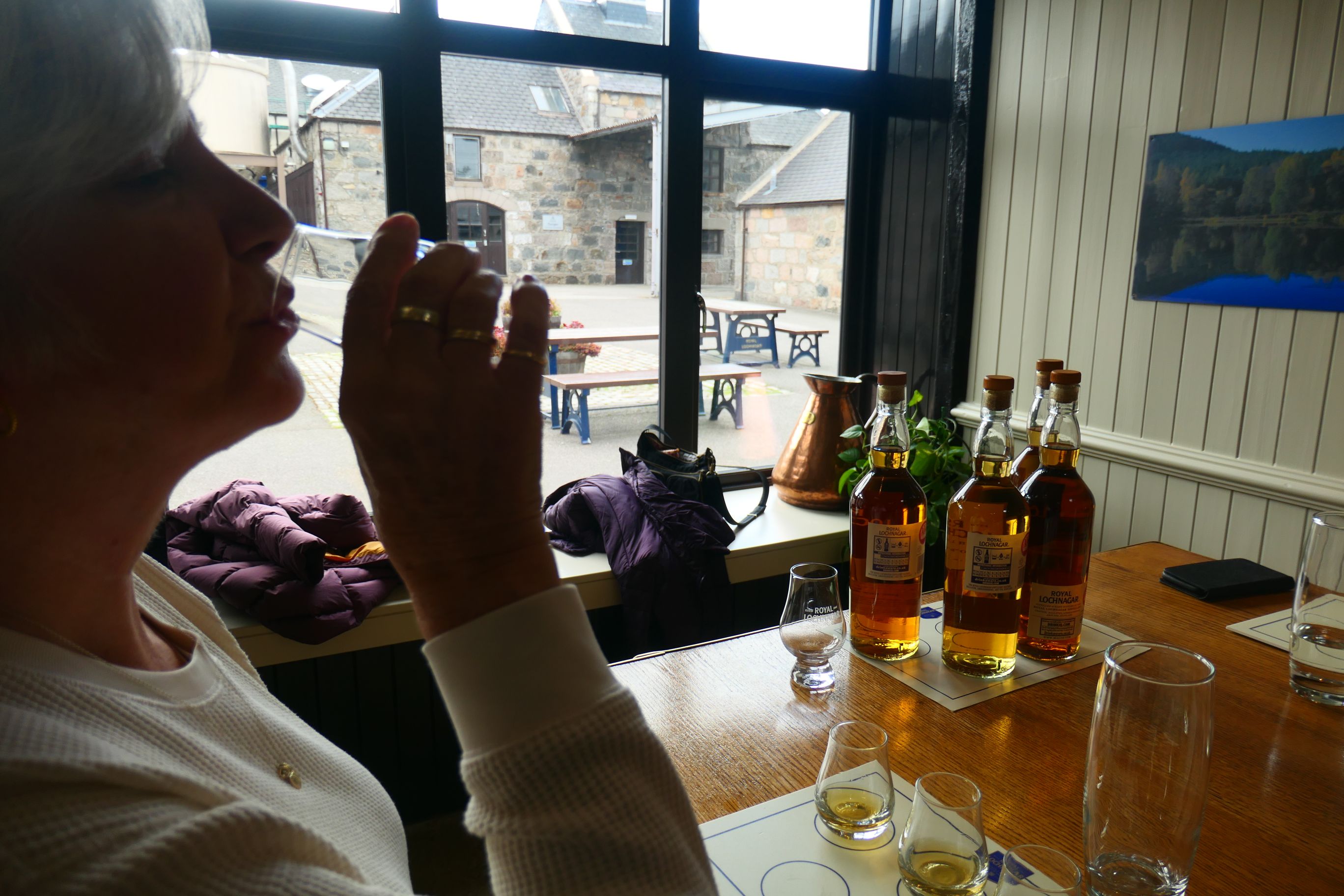
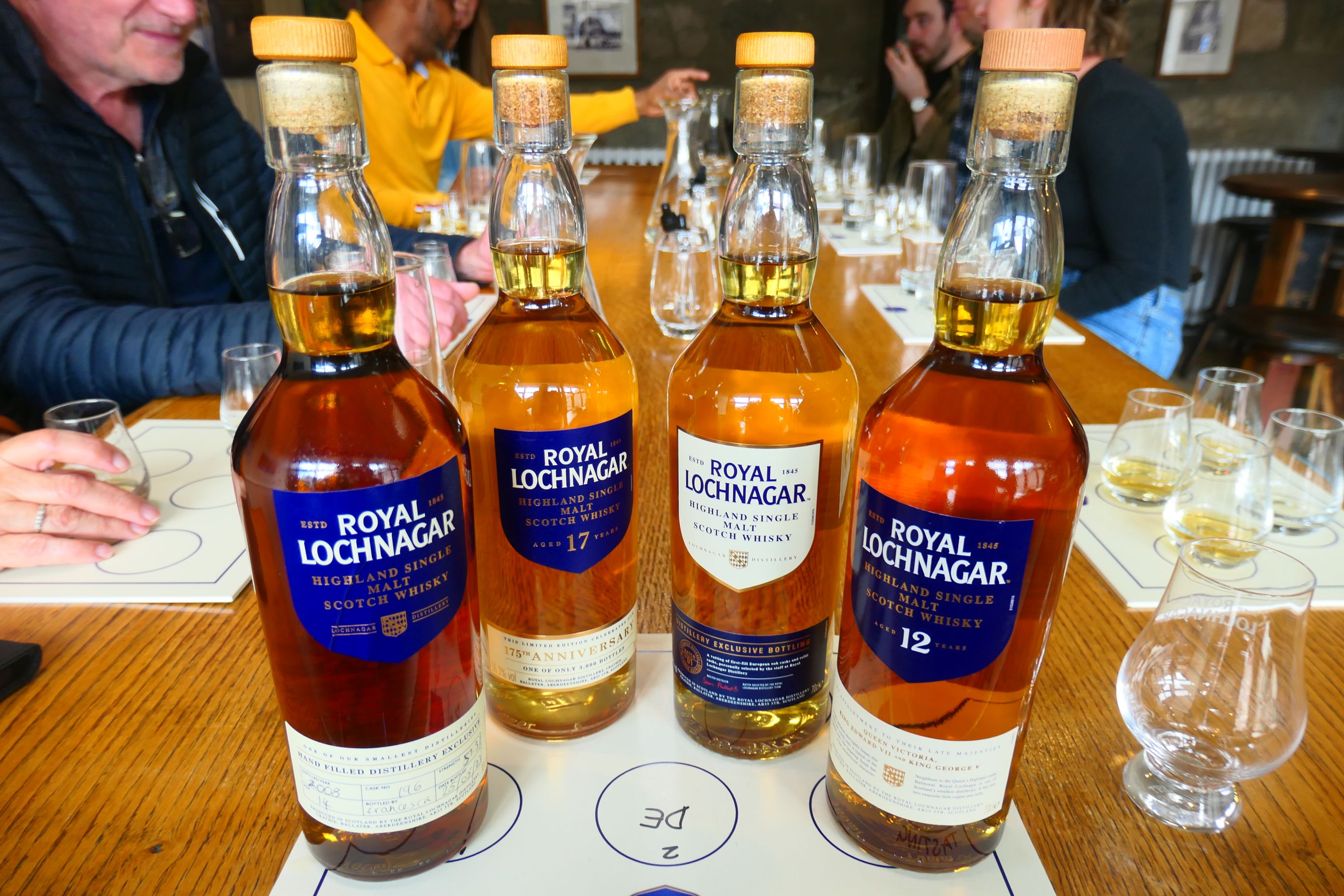
But, for all their differences, the whisky making process was essentially the same in both distilleries, and I found myself knowing what would come next as our tour guide took us through it. We ended our tour in the tasting room. Four drams were in front of us. One man on the tour was driving, so he was given a take home pack. We started with the regular product, the 12 year-old single malt, and finished with the 17-year old. We were encouraged to sample each whisky neat, then add a few drops of water and try it again. There were subtle changes to the flavour. I really enjoyed the tour and the tasting, and I know I’ll feel better informed when I pour a dram or two back home.
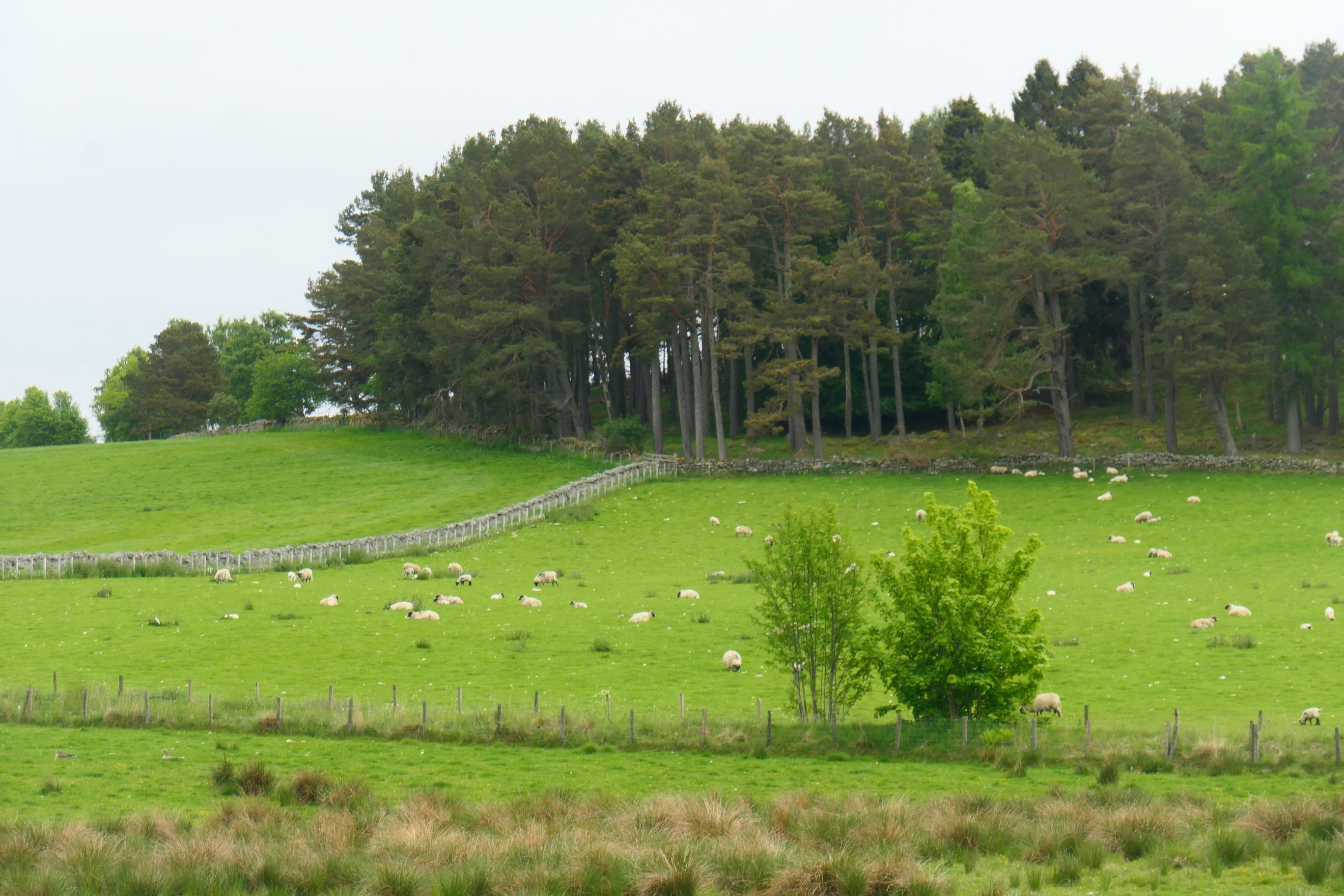
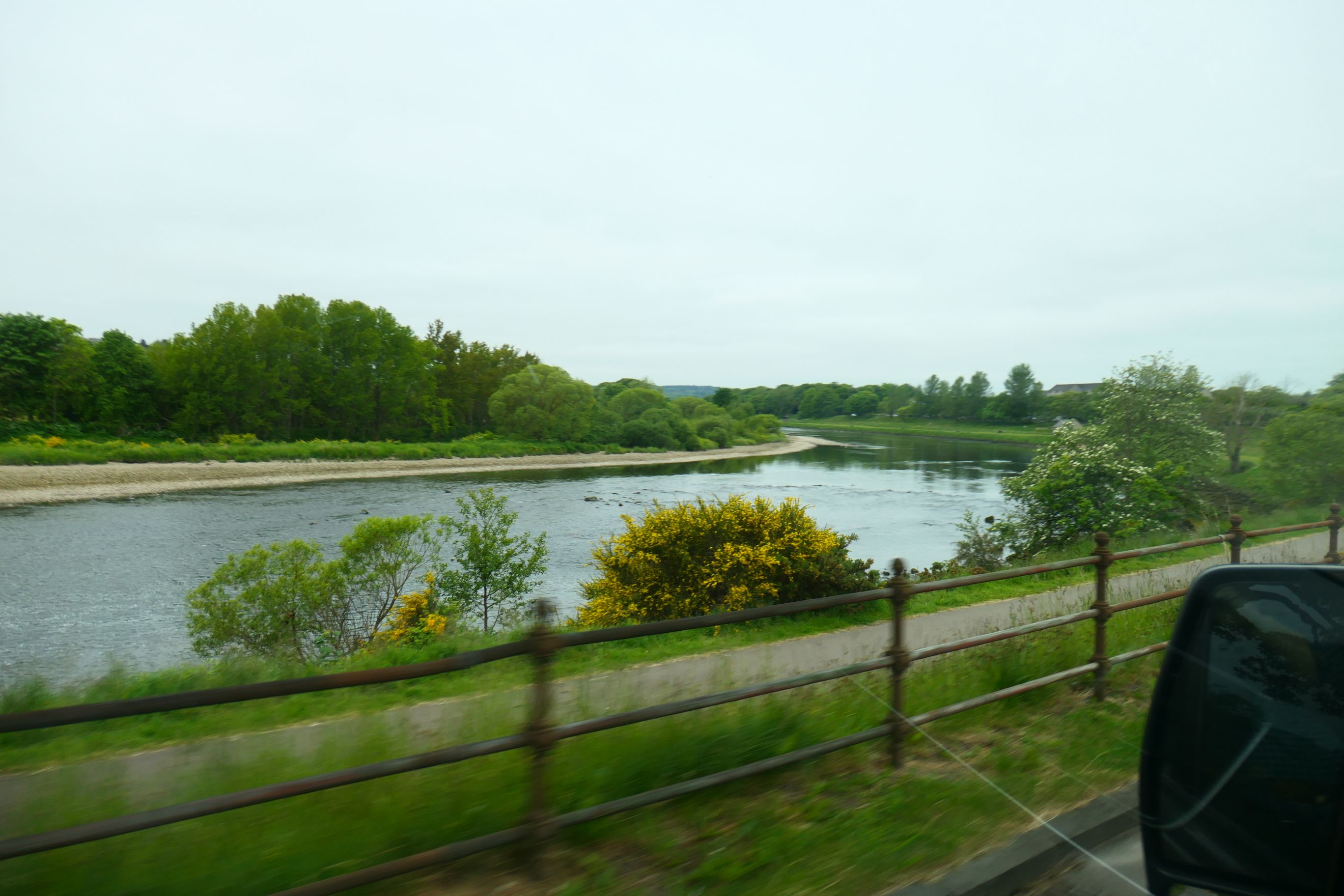
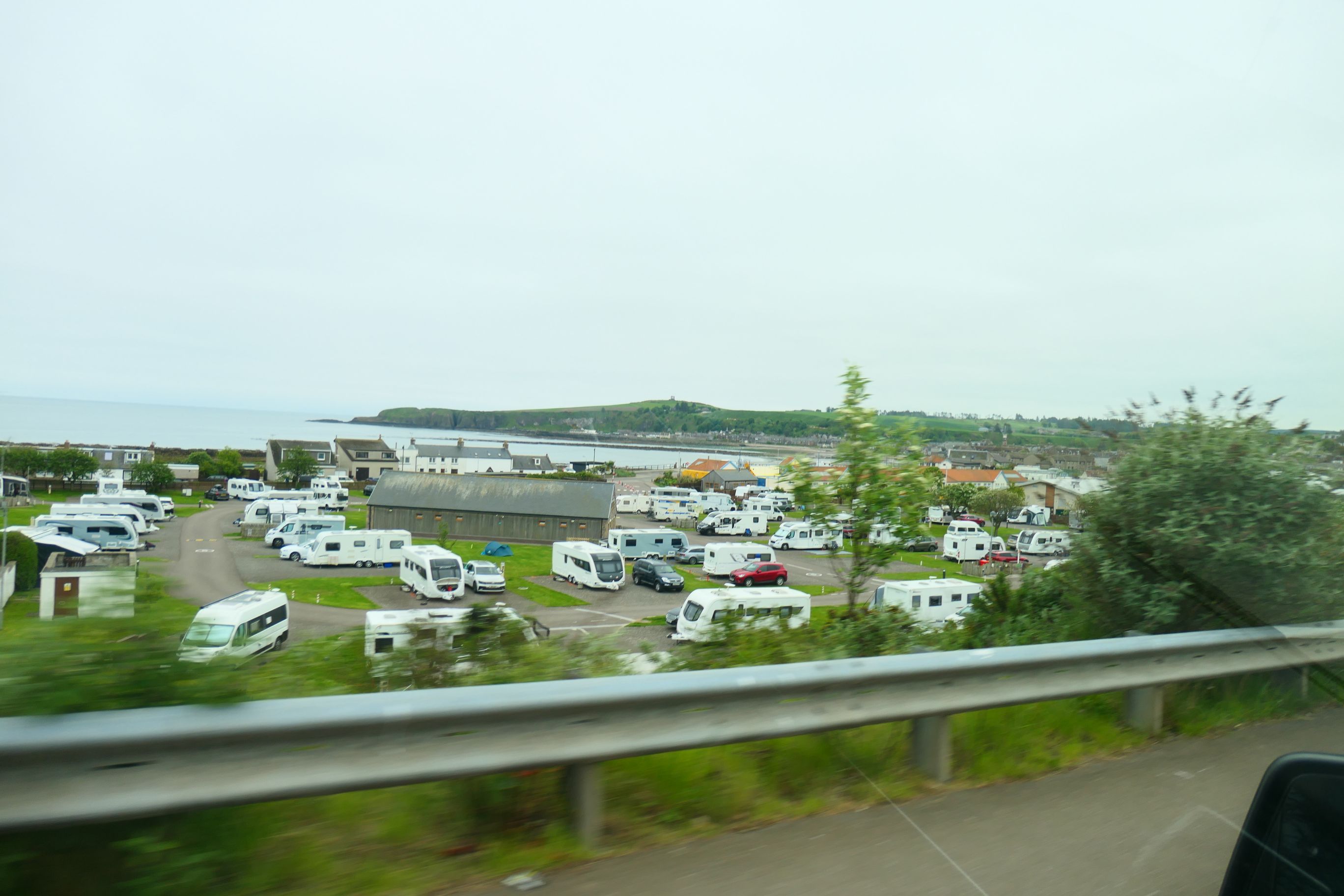
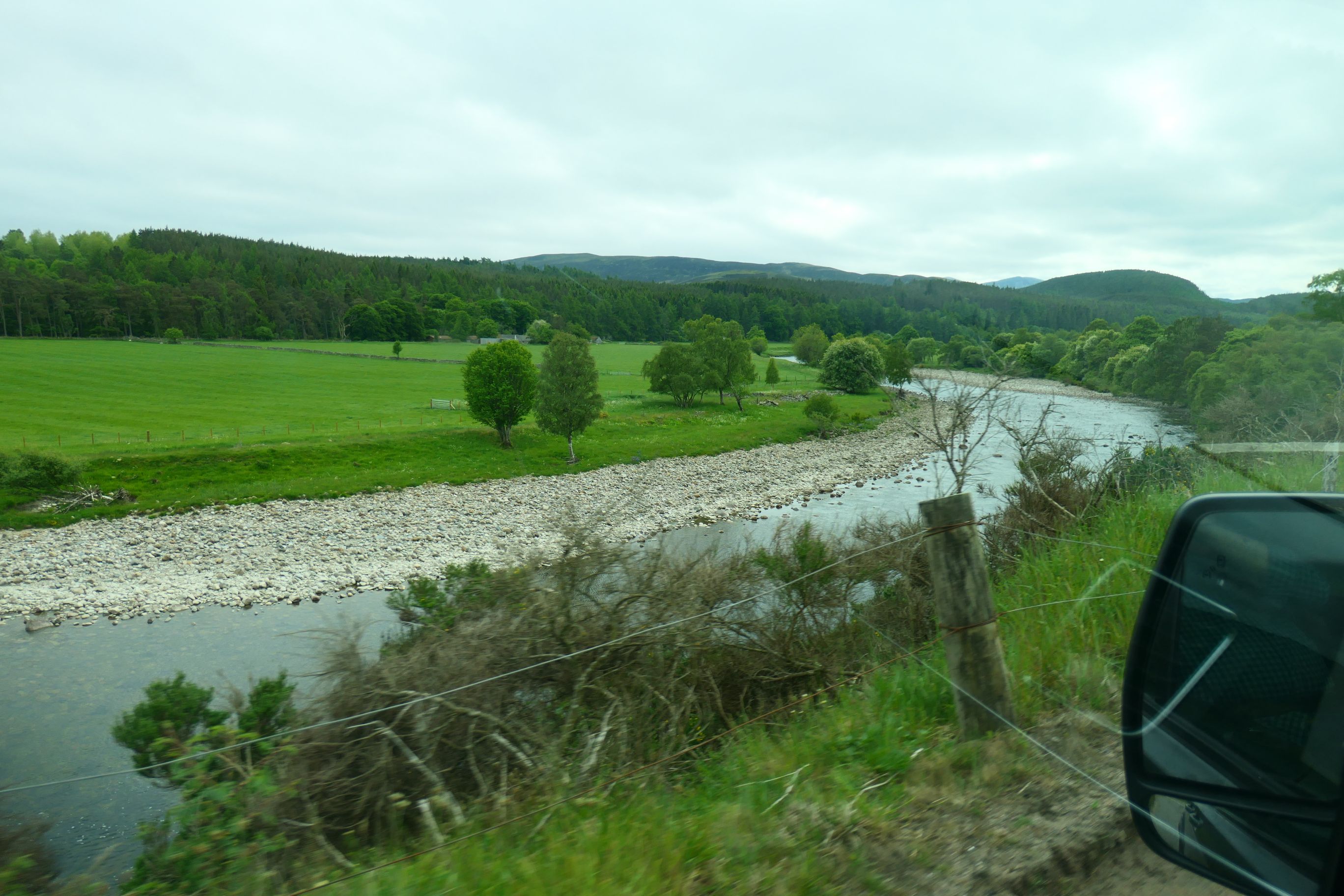
Malcolm took a different route back to Aberdeen, so we got to see a little more of the countryside. Around here, of course, much of the green pasture land is devoted to growing the barley that makes the whisky this country is famous for.
We had two great days, first with Elizabeth and then with Malcolm, and now we feel we’ve seen some of the best of Aberdeenshire. If you’re travelling in this part of the world, private day tours are a great way to see and experience your surroundings.