After struggling with a kidney stone the past couple of days and then having to try to sleep on the floor on a futon in a Japanese style room, I wasn’t feeling too good when I woke up. I felt like I’d hardly slept a wink. I said to Marg that maybe I’d stay back at the hotel today and try to get some rest and that she should do the day tour with Theresa and Ian. But I took some painkillers and soon felt much better. I said to Marg, ‘I think I’ll come with you after all.’ I’m so glad I did. I think today was probably my favourite day in Japan so far. And, as a bonus, I’ve been feeling fine ever since breakfast.
Today we visited two villages in the mountains that have been awarded World Heritage status by UNESCO. Our tour guide, who spoke very good English, gave us a little background on the villages, and gave us a general plan for visiting each one that would make sure we didn’t miss any of the highlights. We travelled to a remote region known as Gokayama in the very beautiful Shogawa River Valley. The villages we were going to visit today are some of the very few still in existence that feature a building style known as ‘gassho-zukuri’ that dates back centuries. When the river was dammed after the conclusion of World War 2, a number of similar villages disappeared and were lost forever.

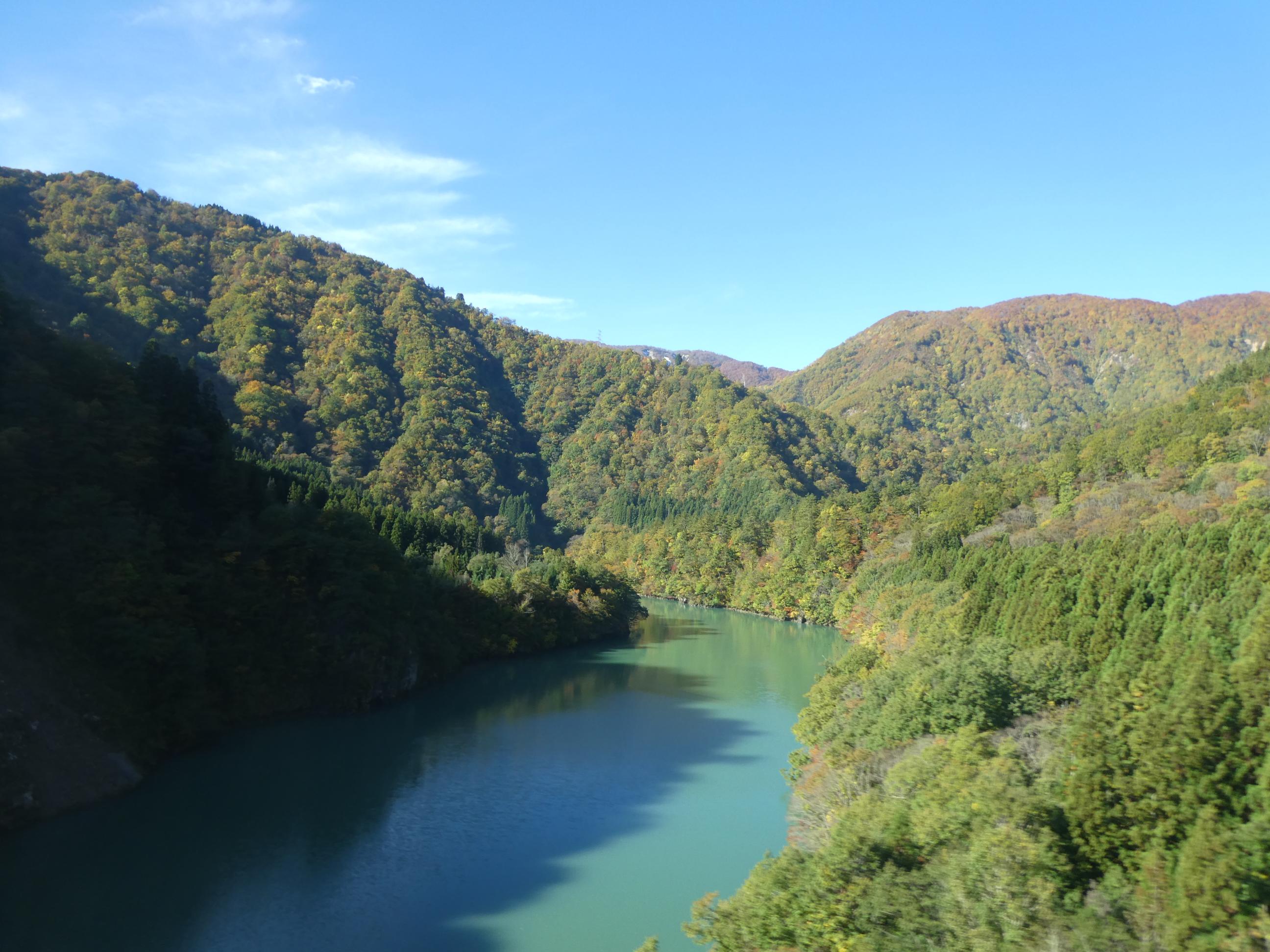

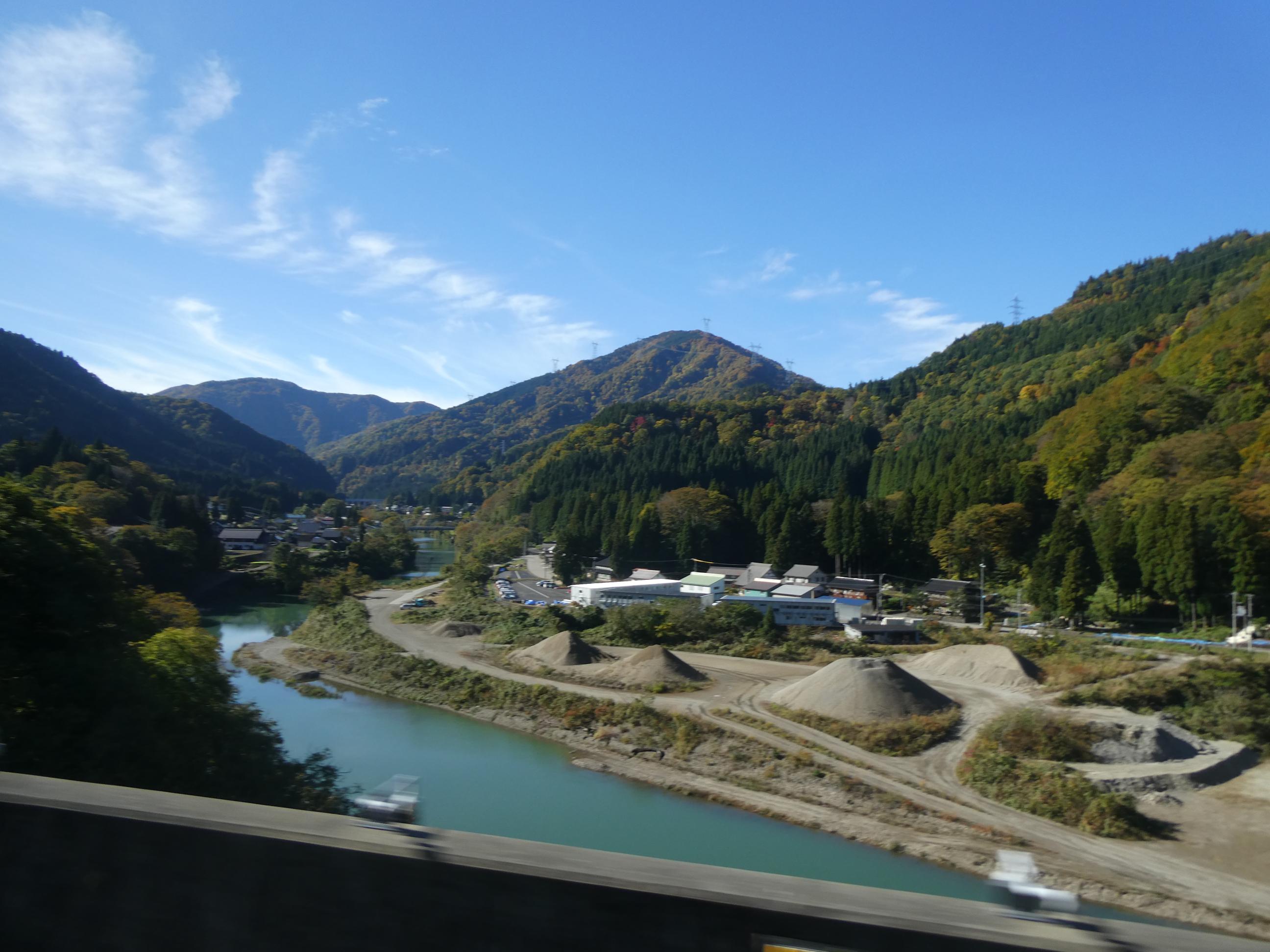
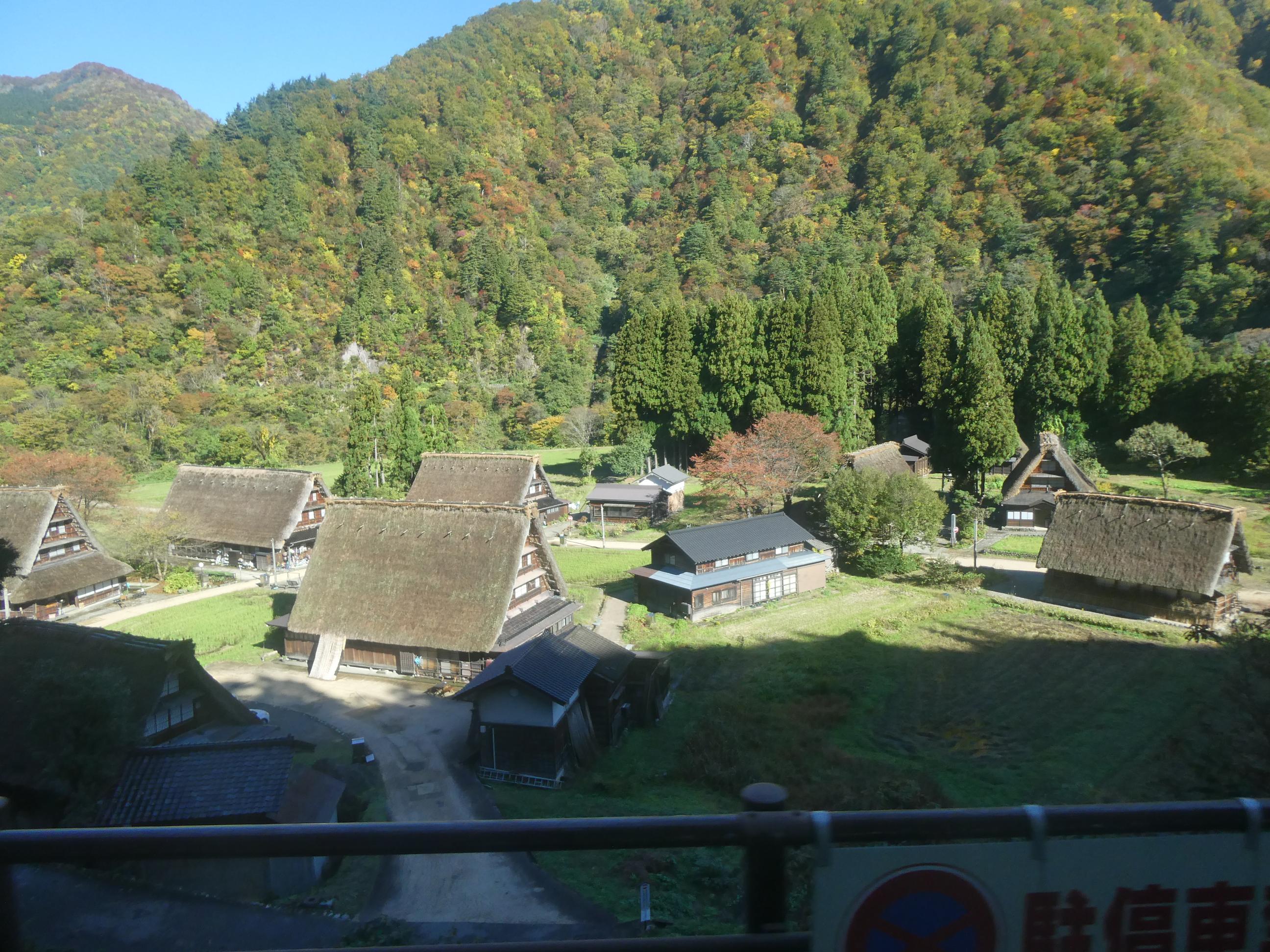
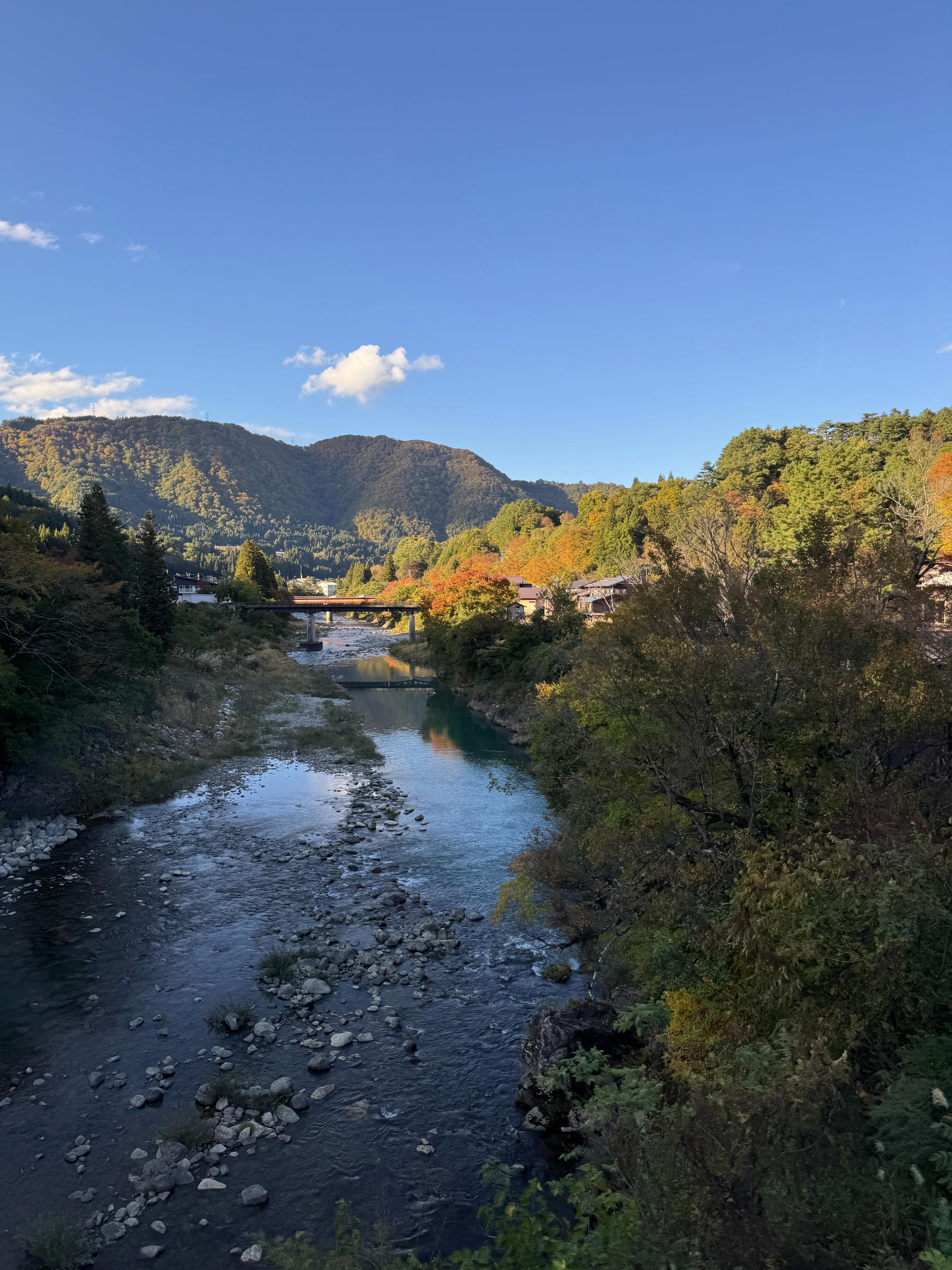
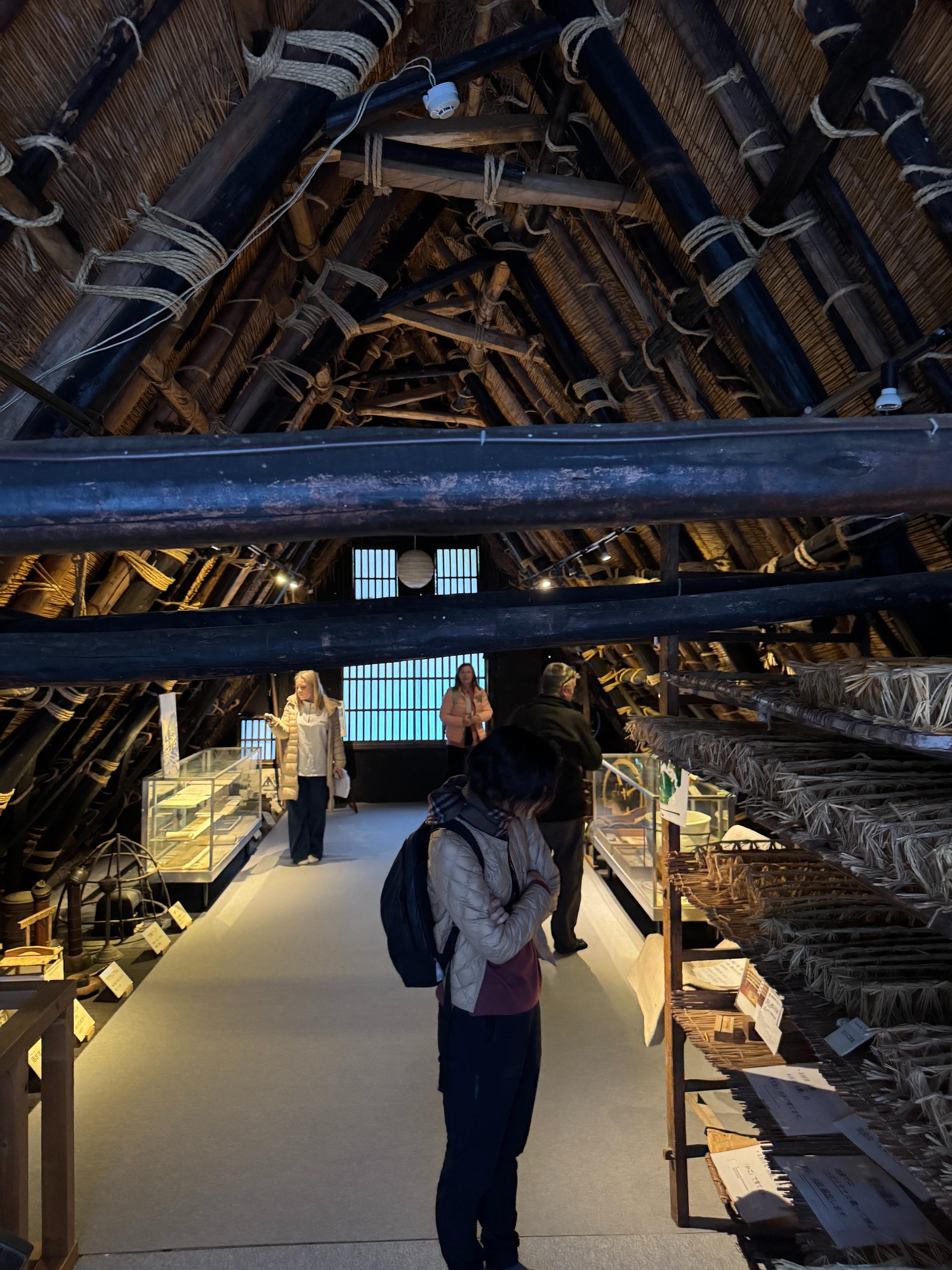
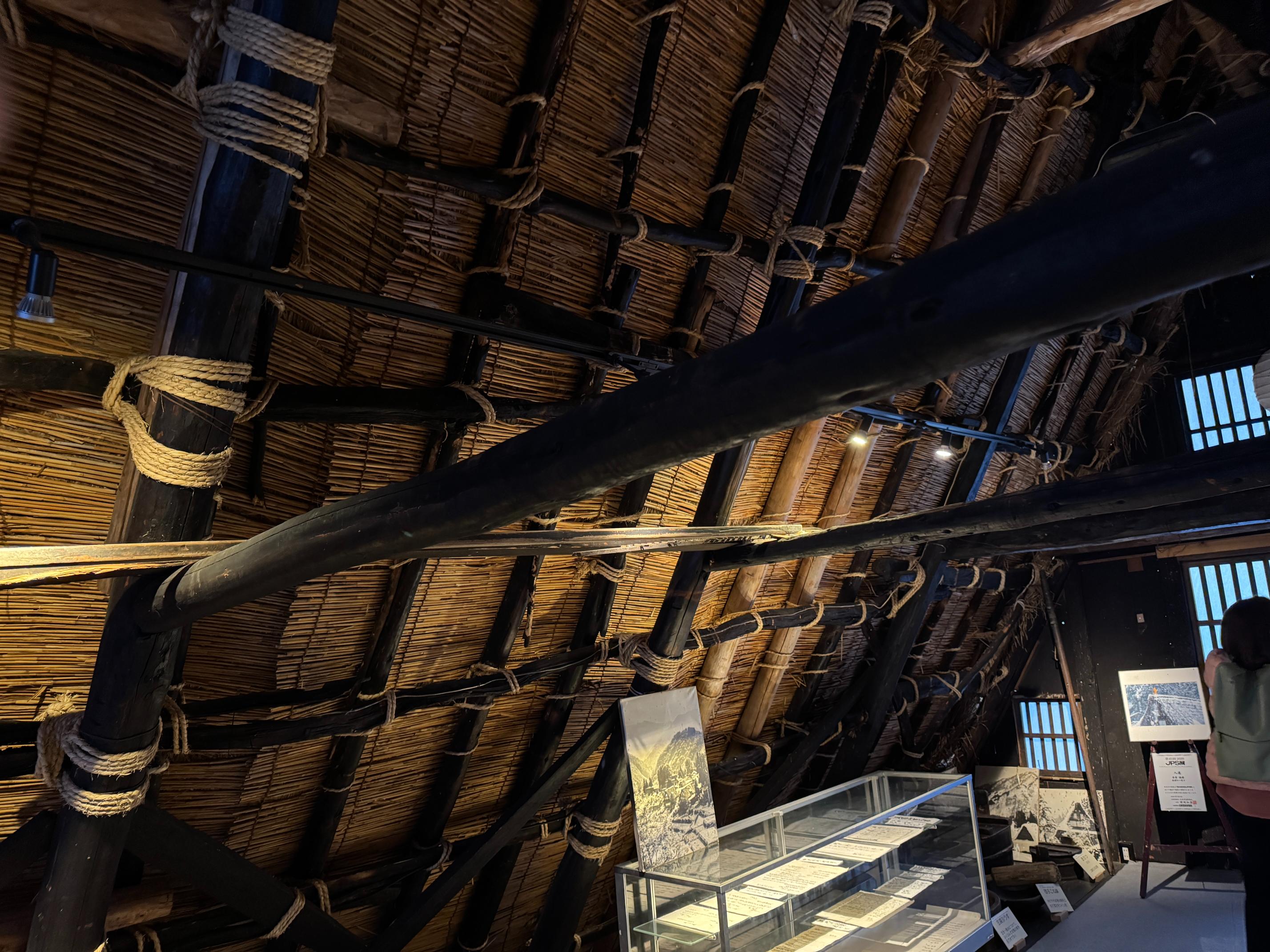
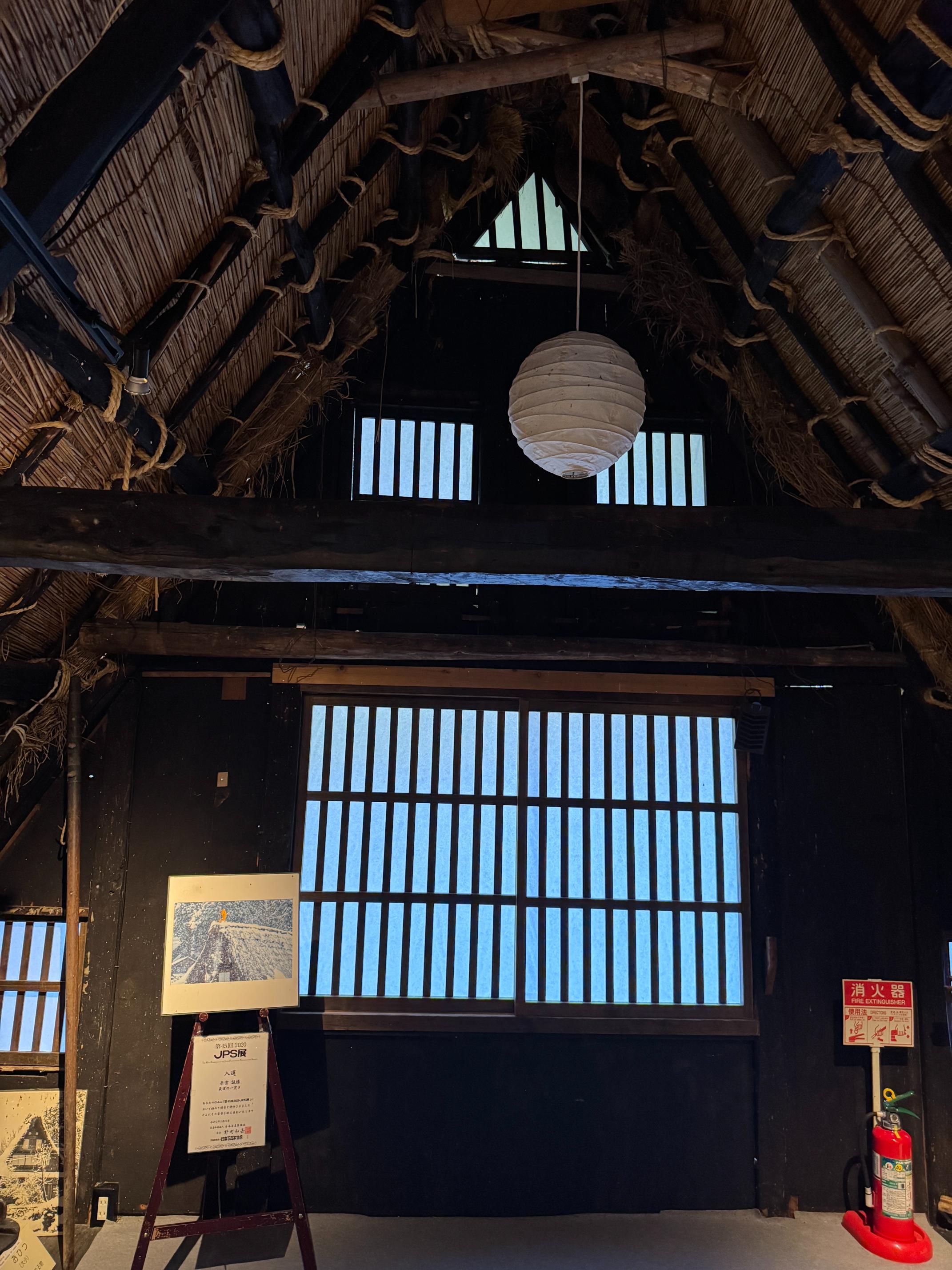
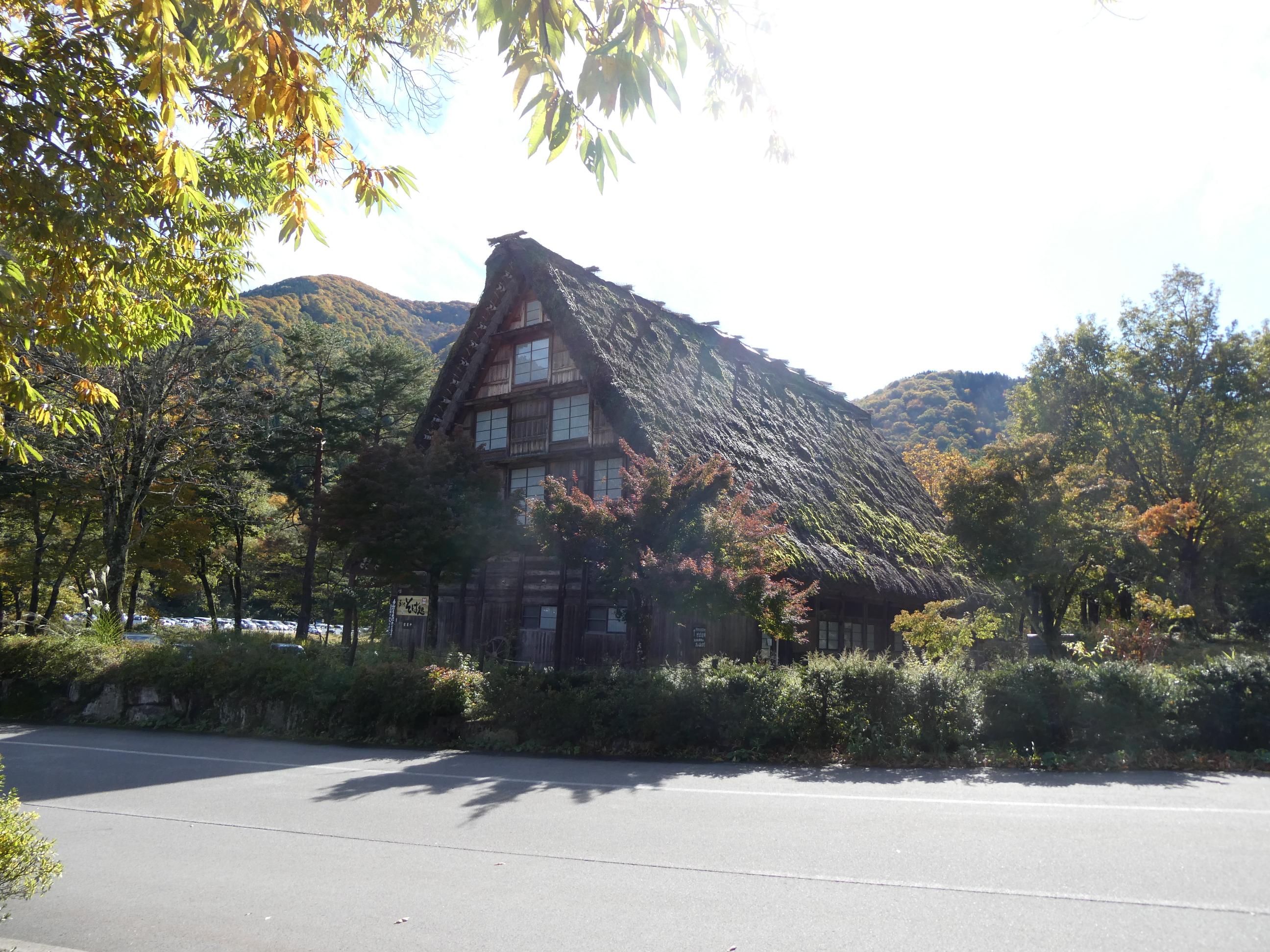
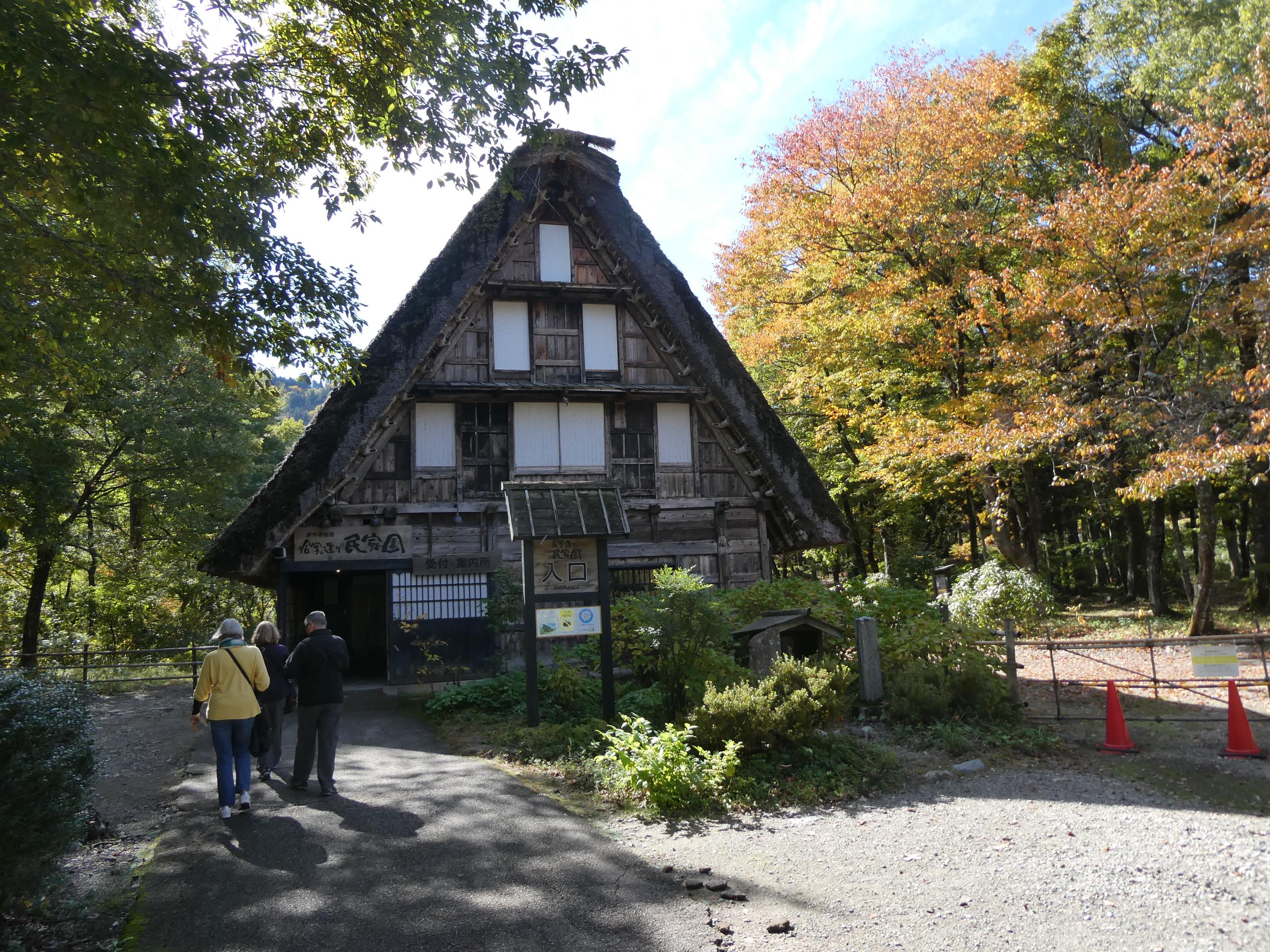
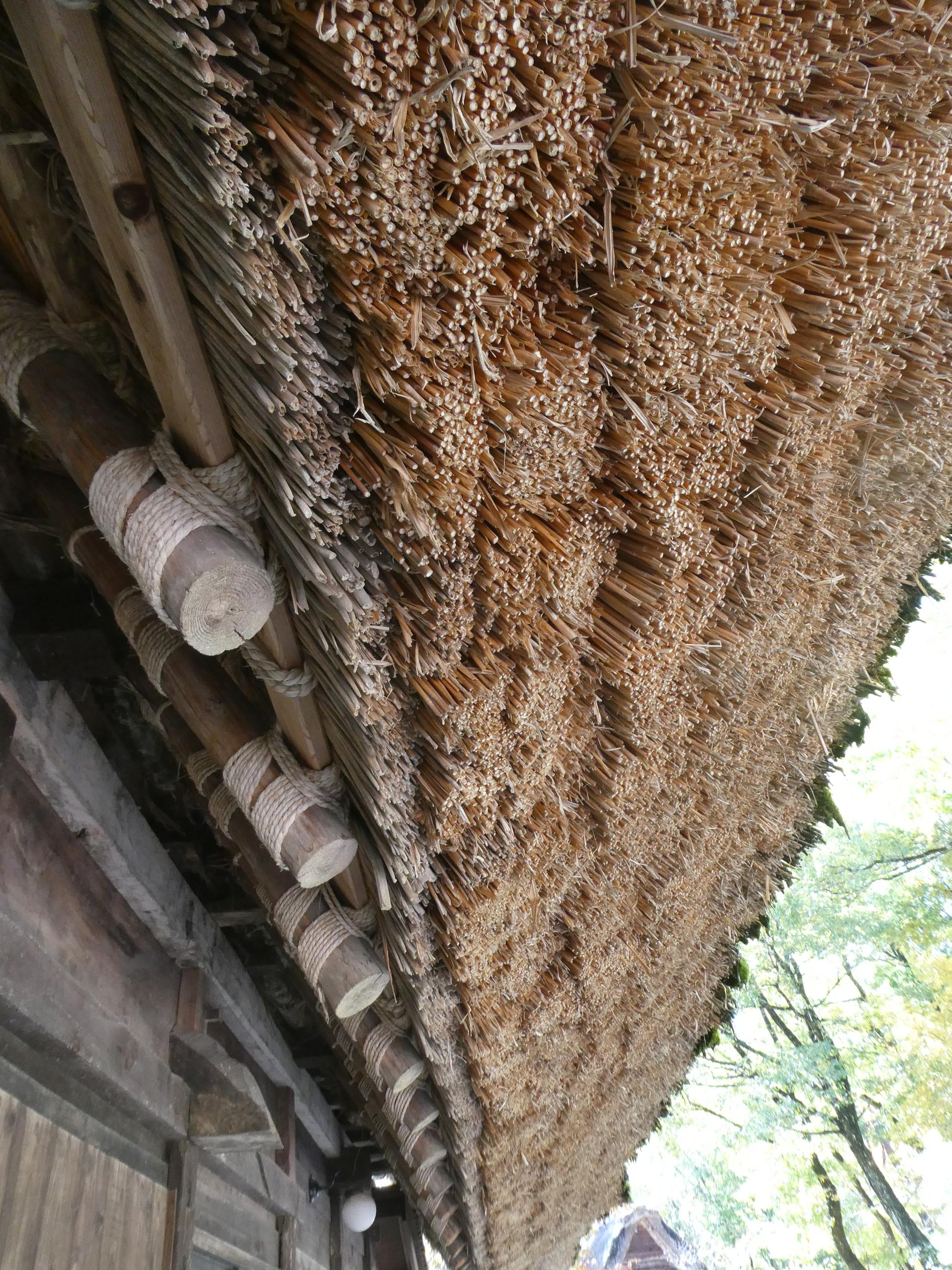
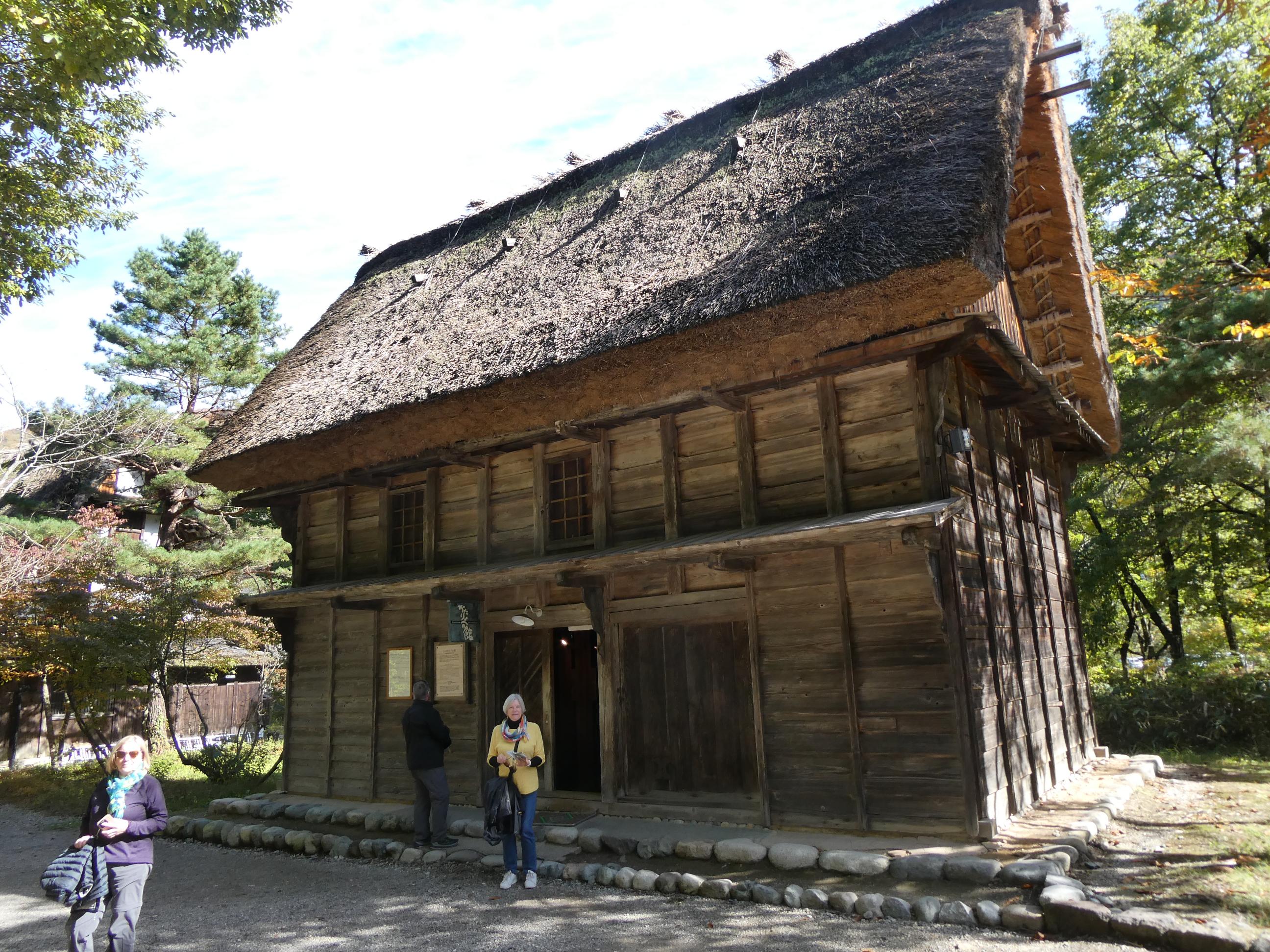
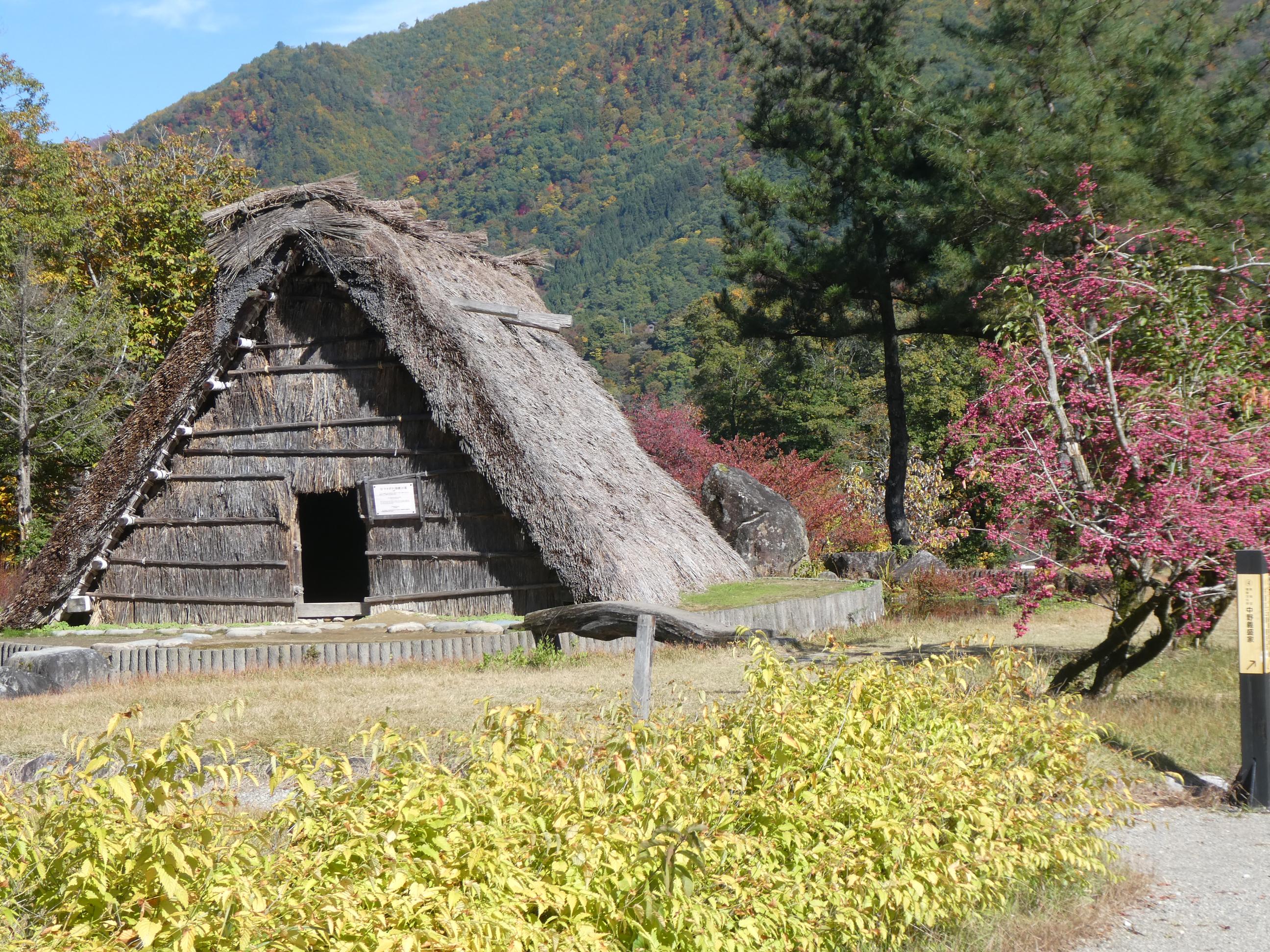
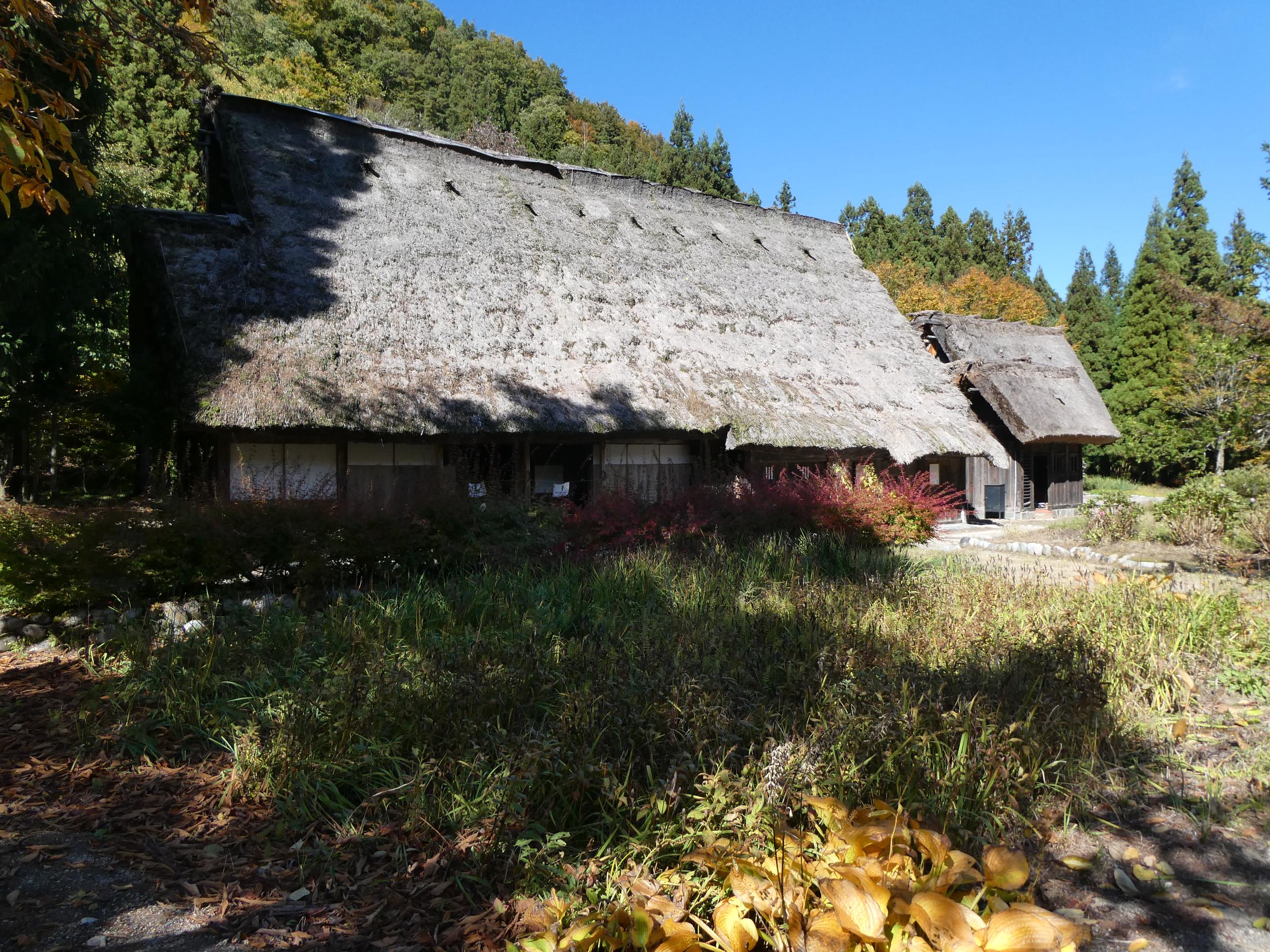
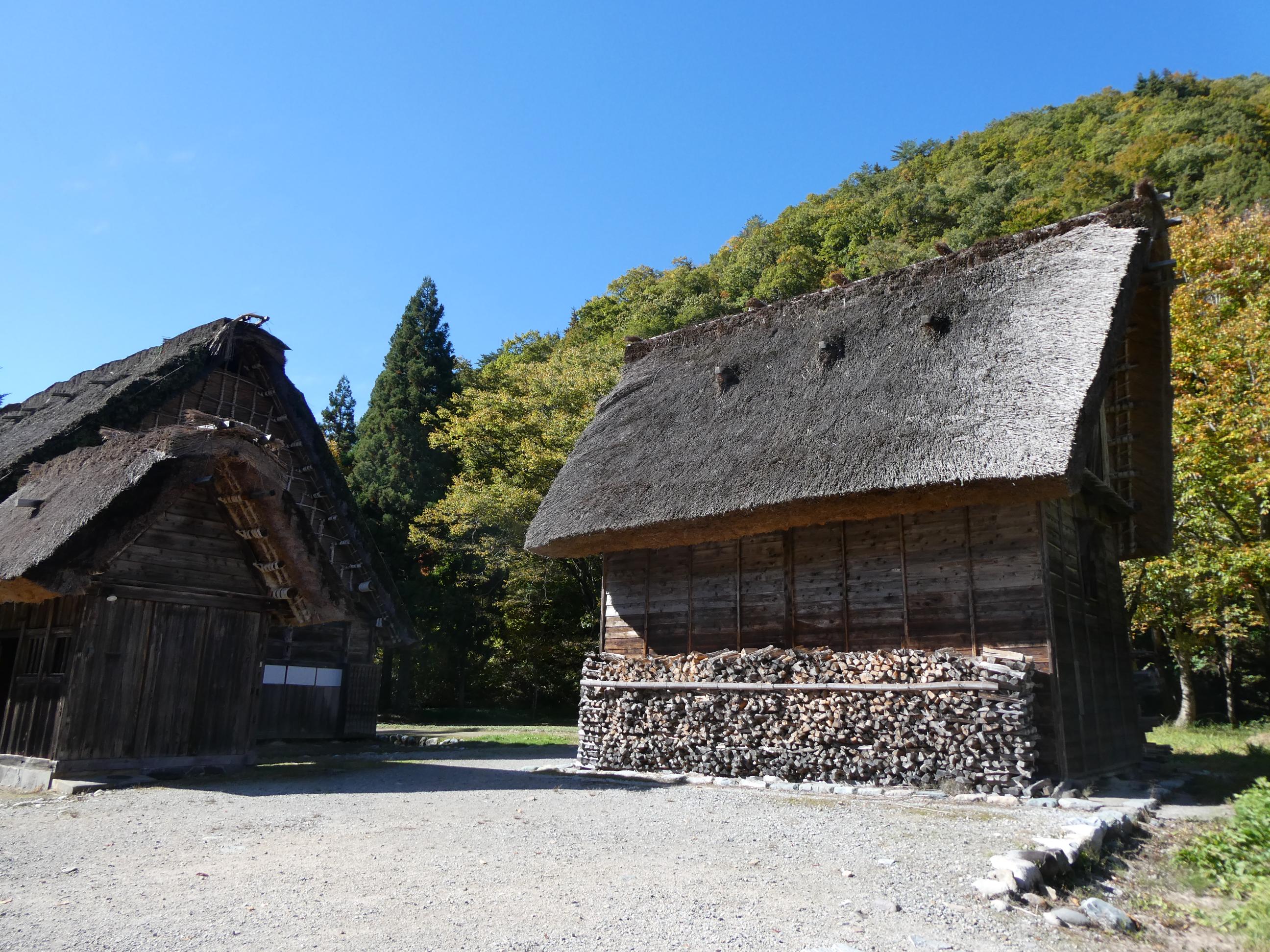
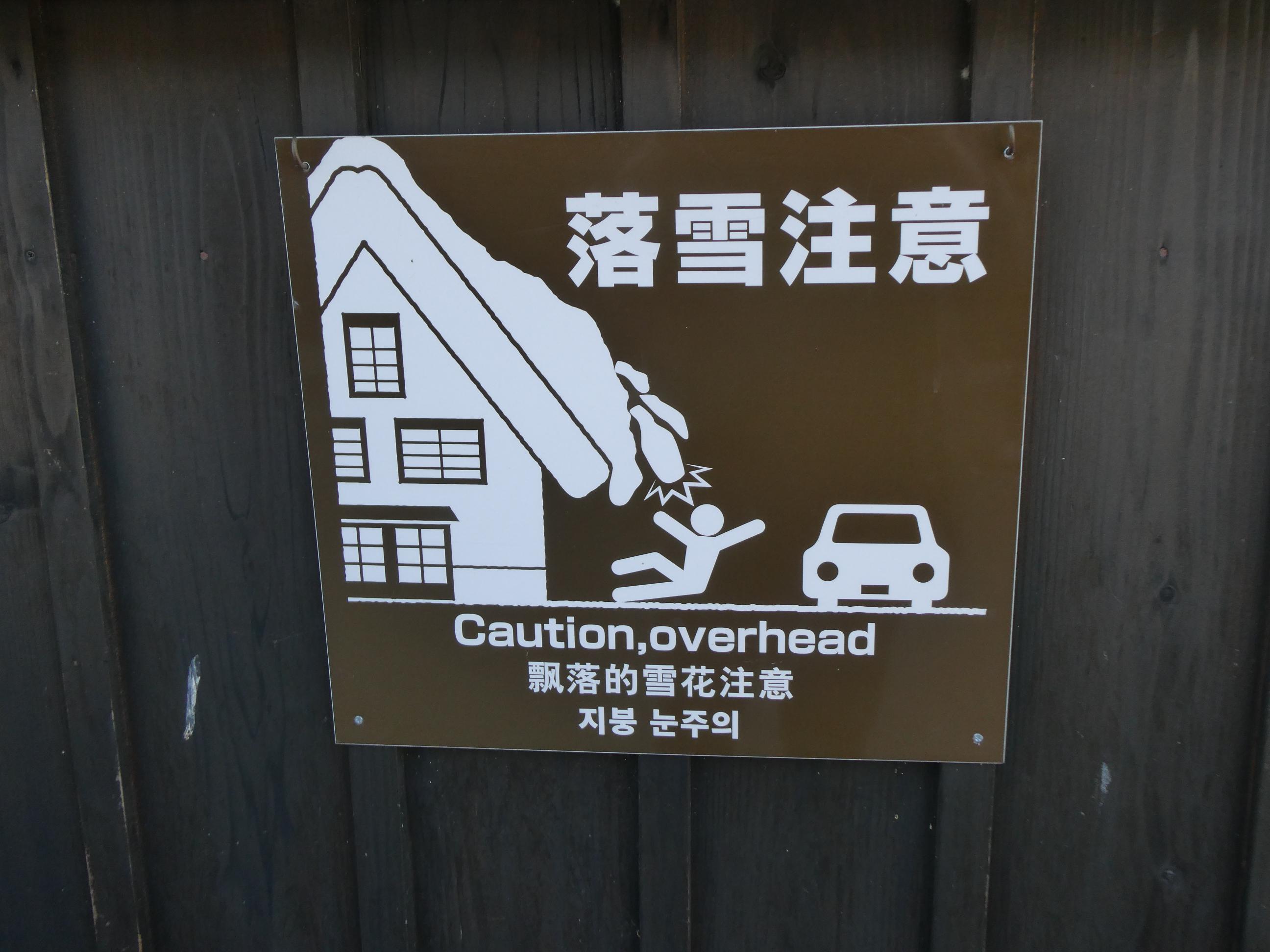
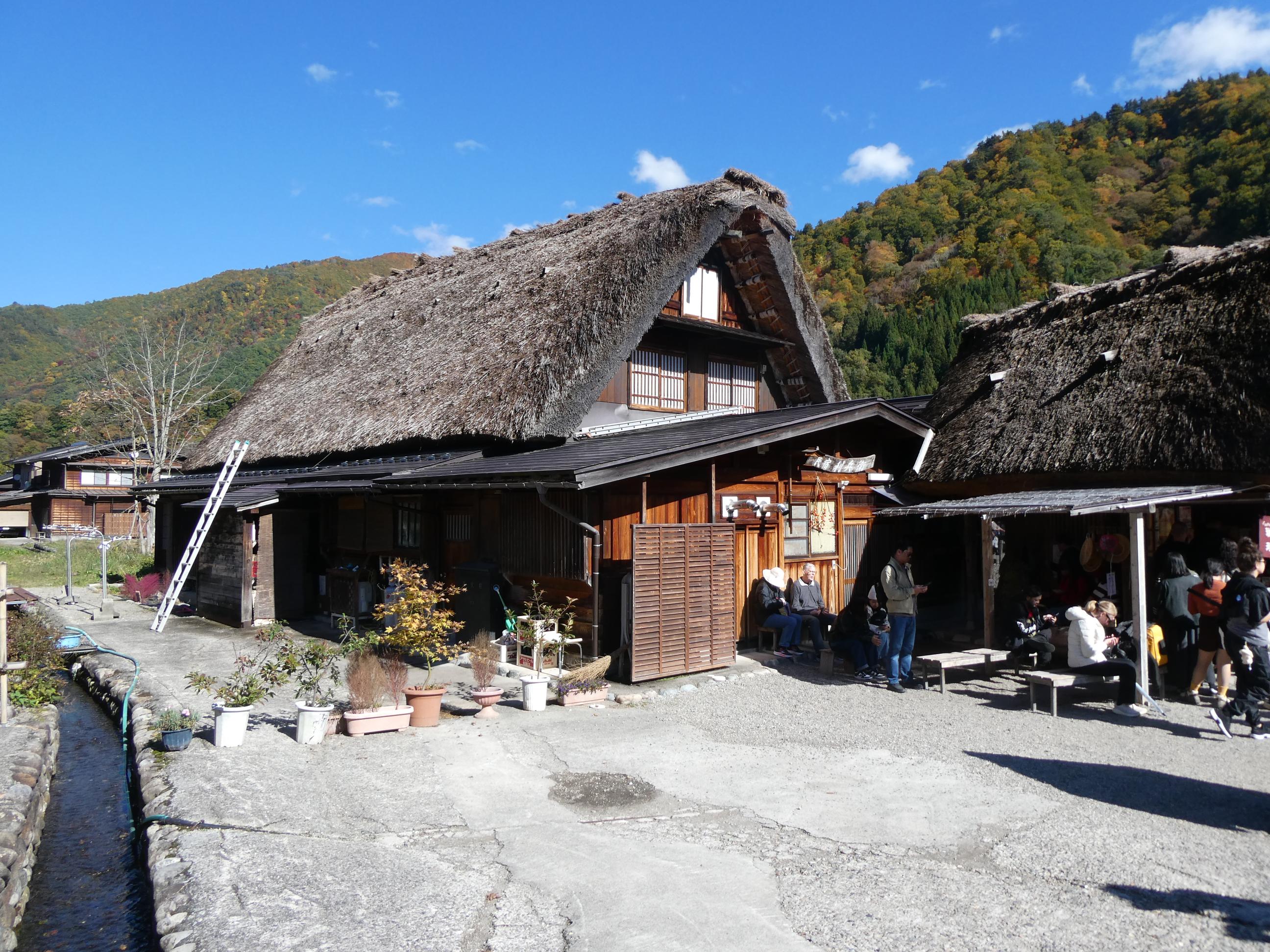
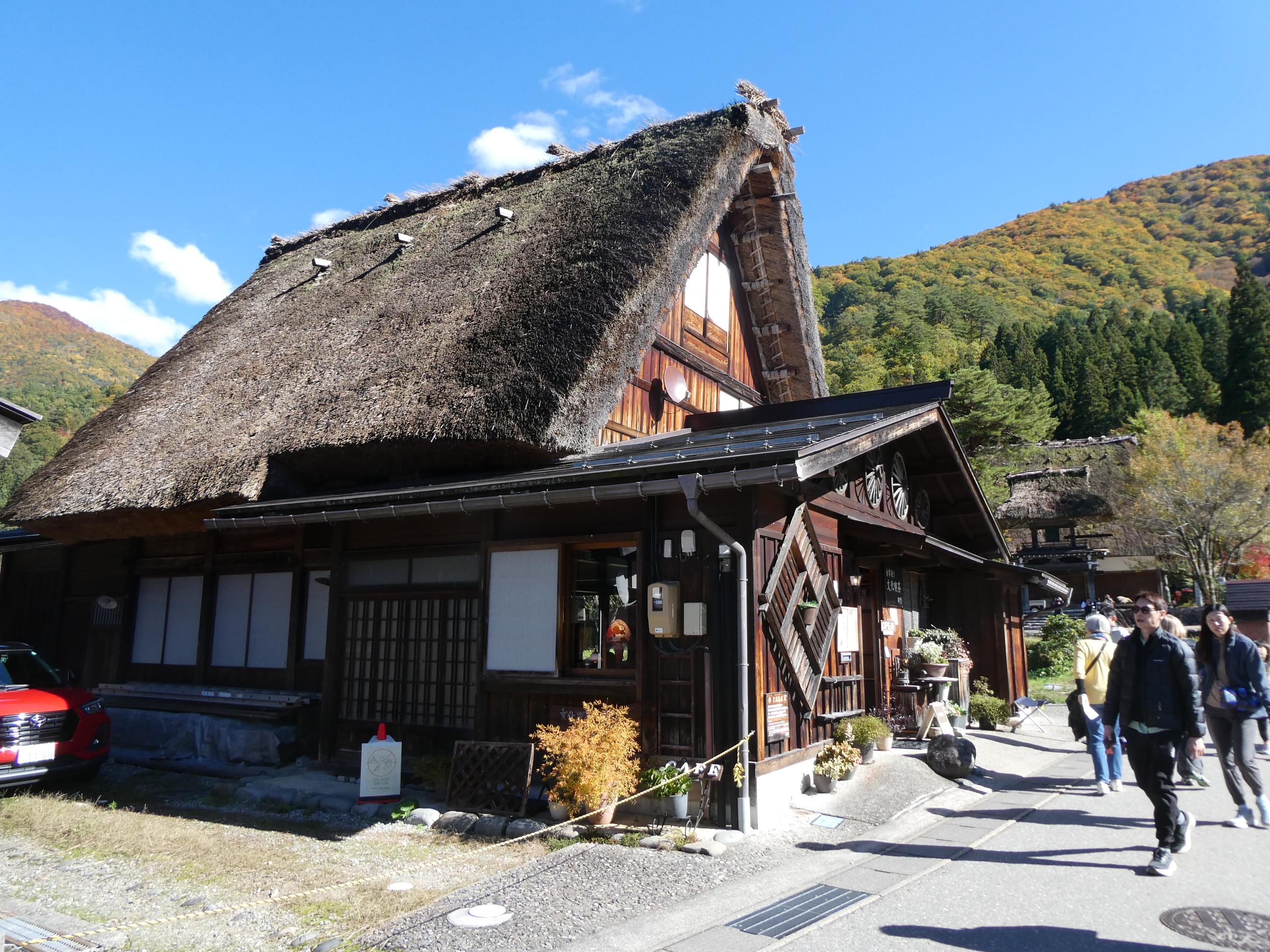
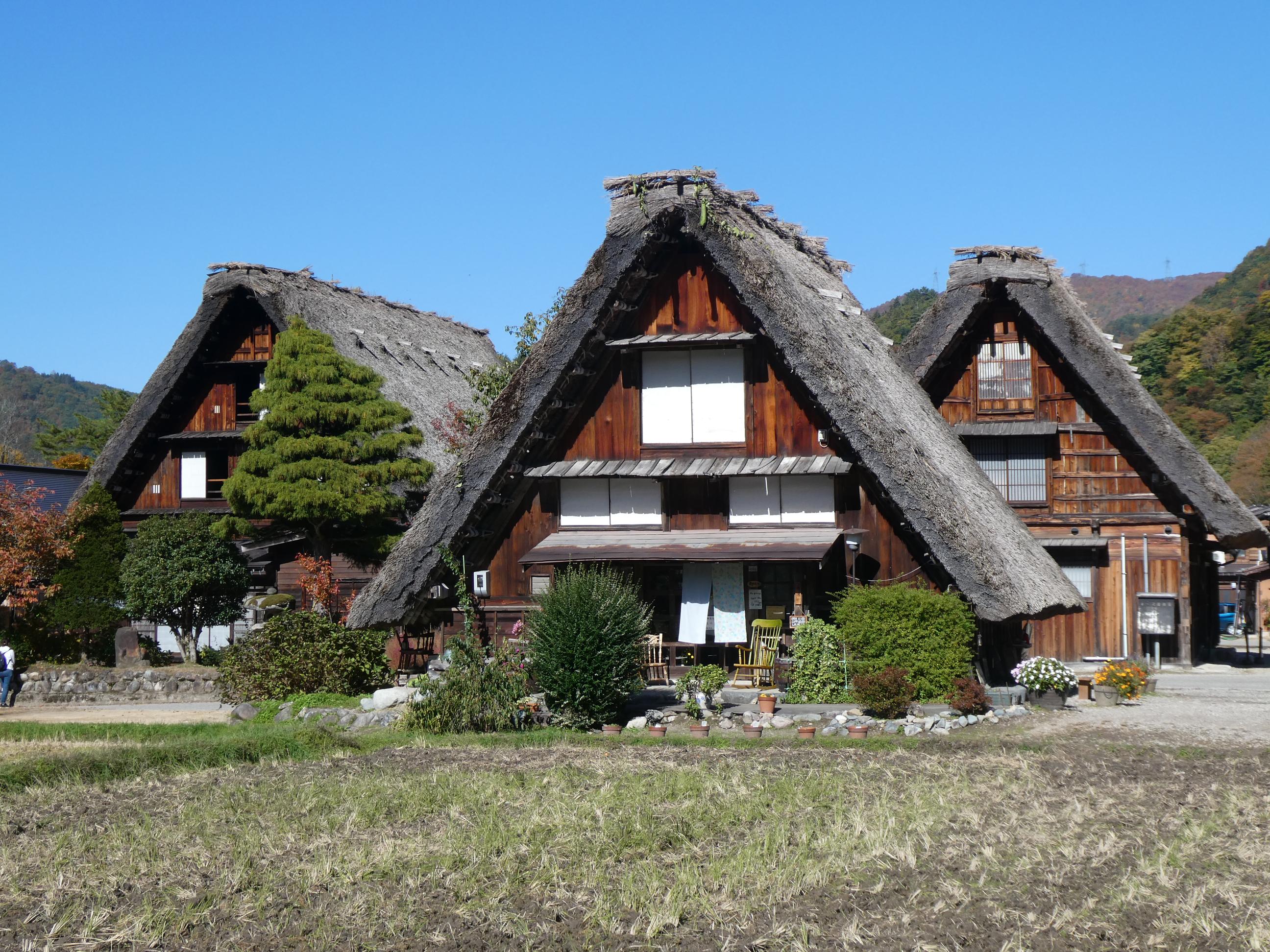
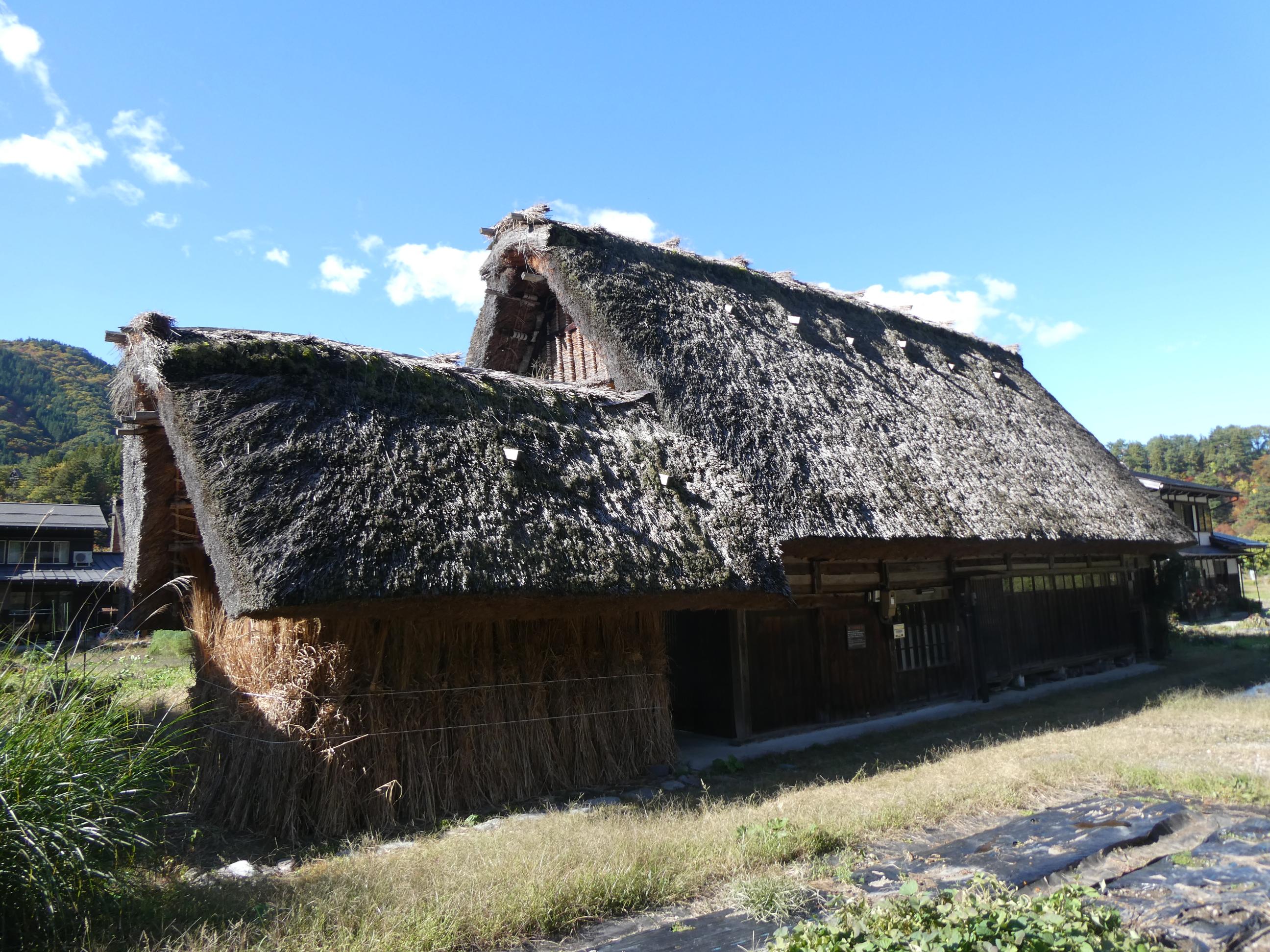
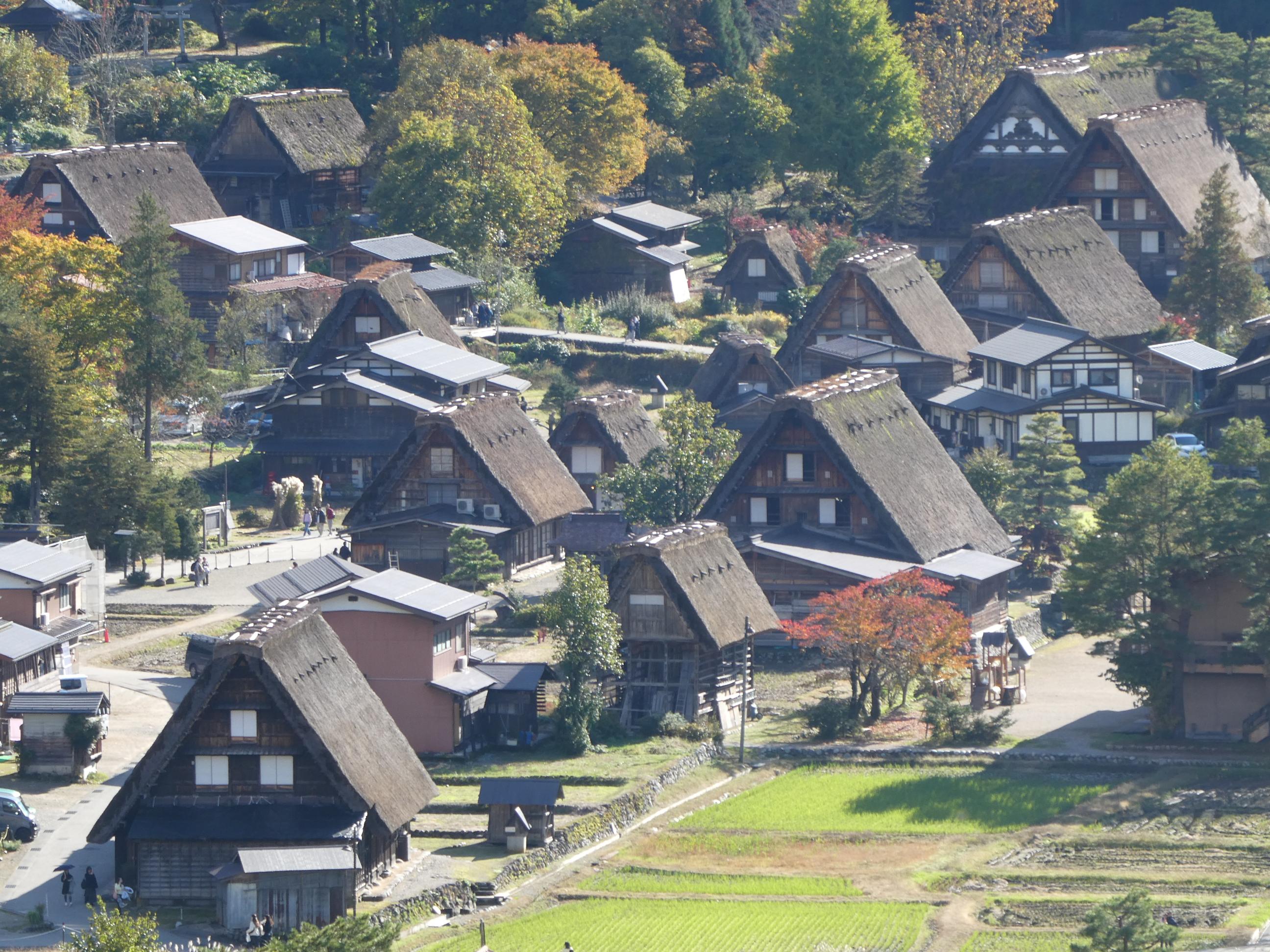
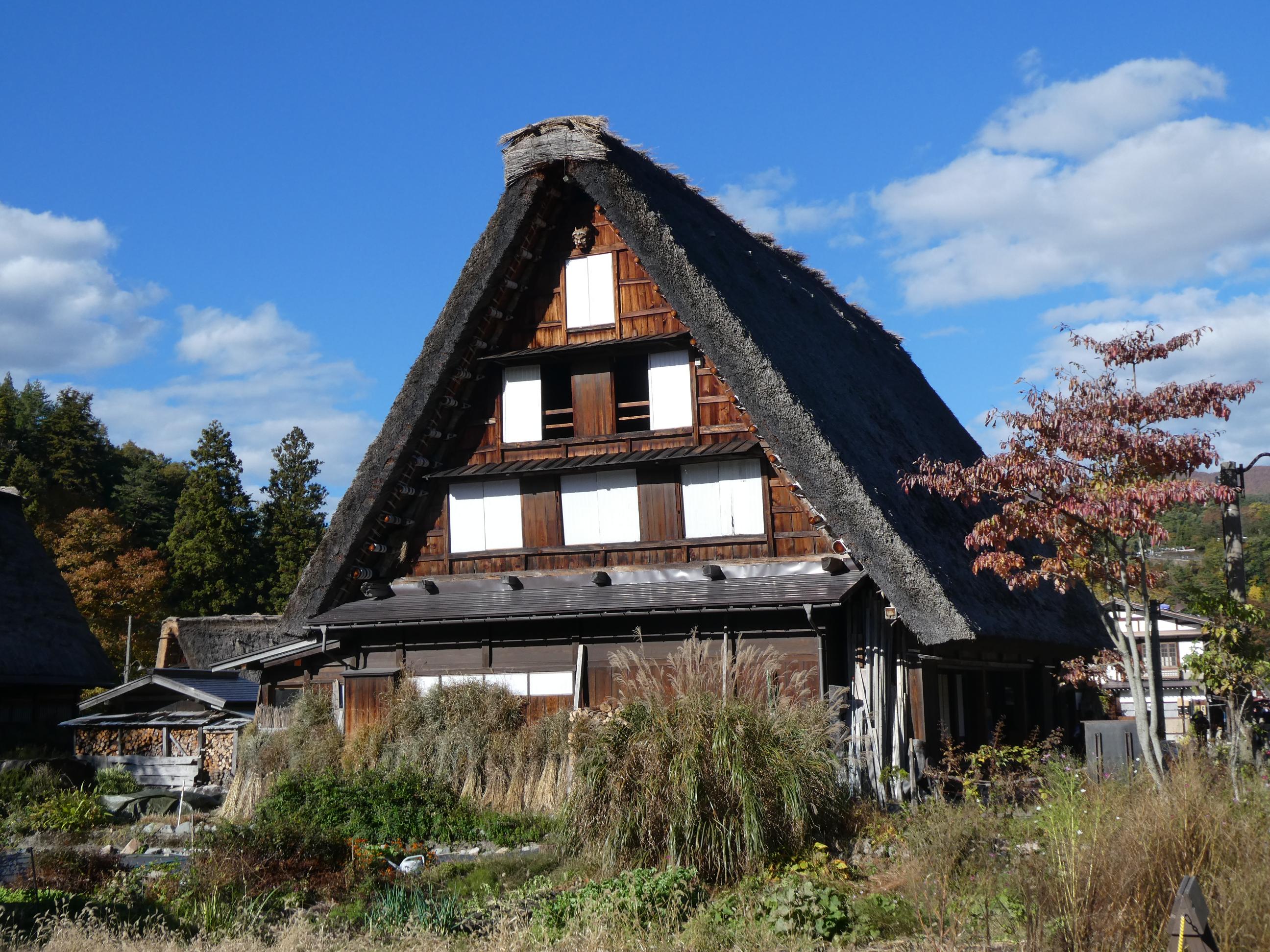
In the Gokayama region, the people of the villages once worked in traditional industries that played an important role in supporting the armies of the local feudal rulers. They produced gunpowder, weaponry, silk, paper and other useful commodities. The rulers closed the villages off to the rest of the country to protect their valuable trade. Shut away from the rest of the country, the villagers developed a unique lifestyle. The harsh mountainous environment they lived in led to them building houses in the ‘gassho-zukuri’ style. Gassho-zukuri means ‘constructed like hands in prayer. The steep thatched roofs could withstand very heavy snowfalls. The families usually lived on the ground level, and the attic space was used for the cultivation of silkworms and weaving cloth or similar forms of cottage industry.
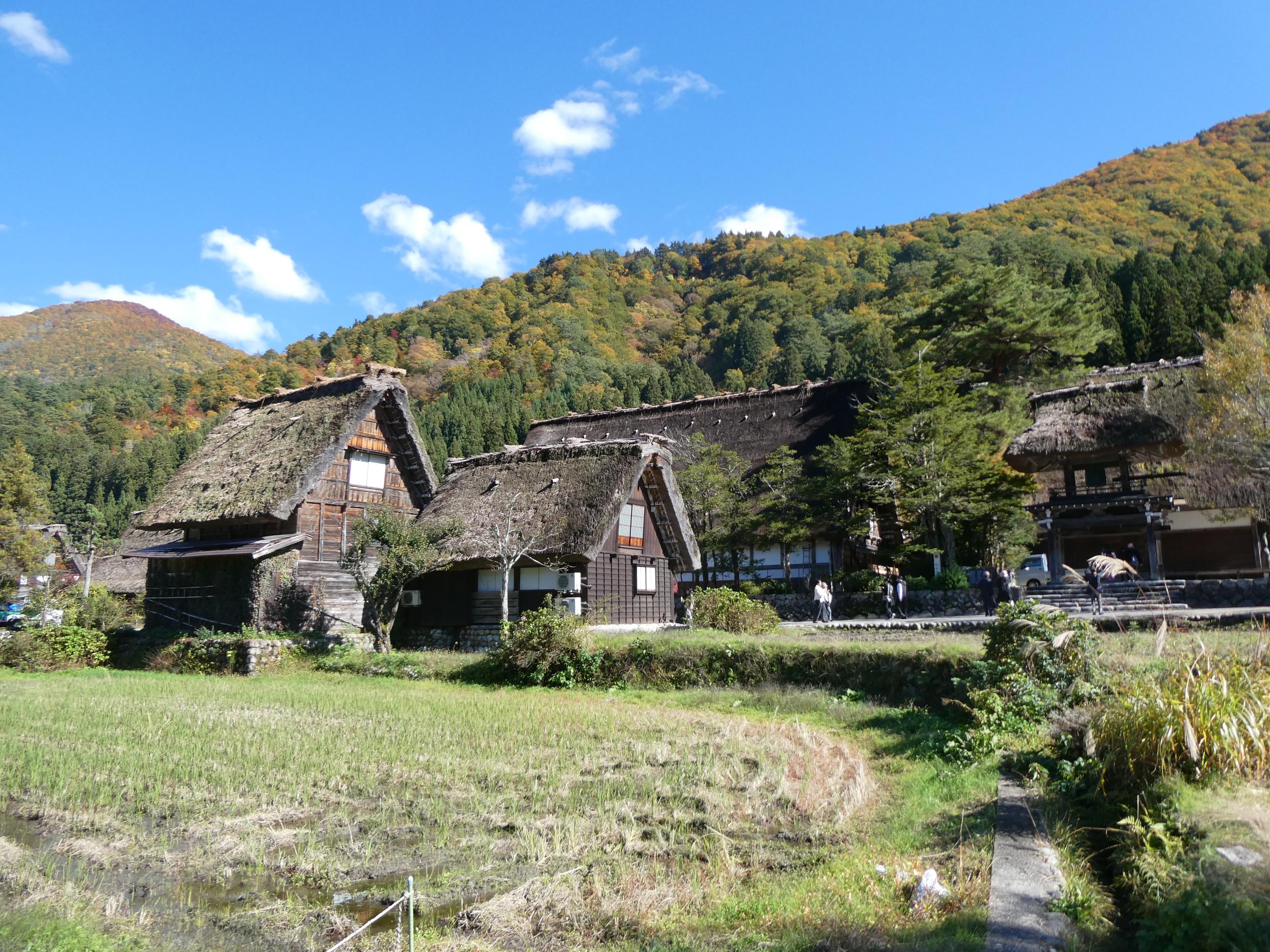
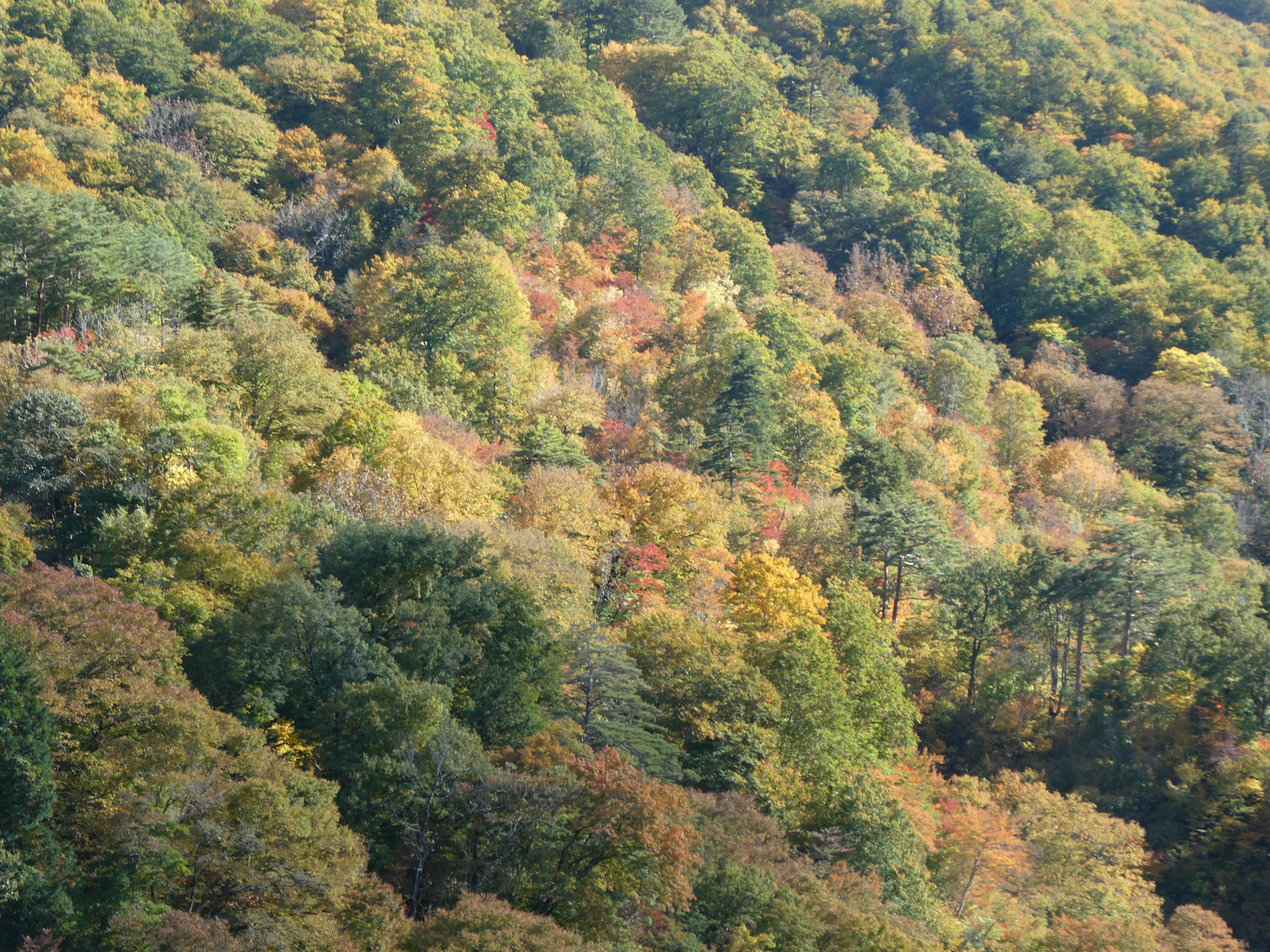
Our first stop was the village of Ainokura. Only about fifty people live here today, and most of them make their living from tourism. They no longer make silk or paper for a living. We were lucky to visit Ainokura on a stunning autumn day. The sun was shining, the sky was blue and the gassho houses looked resplendent against the autumn colours of the forested mountain slopes. We had about an hour to wander through the village. There were a couple of the old houses that are now shops and another that is now a traditional industry museum. Ian and I had a quick look around in that one. There were many artefacts on display, but all the text was in Japanese, so it was often impossible to find out what the tools were or what they were used to make. We were on limited time, so we didn’t bother with Google Translate (which has been very handy at times on this trip.)
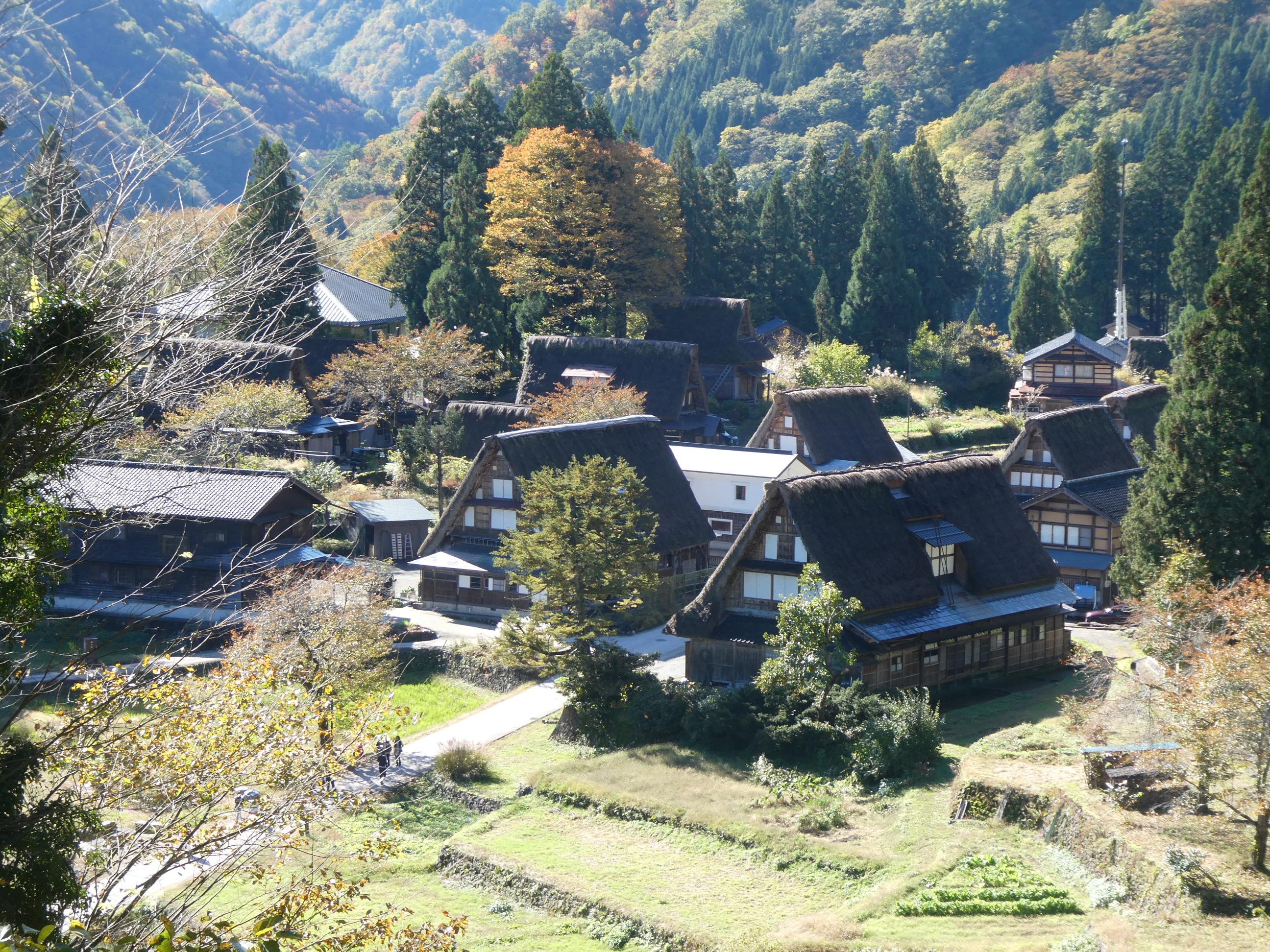
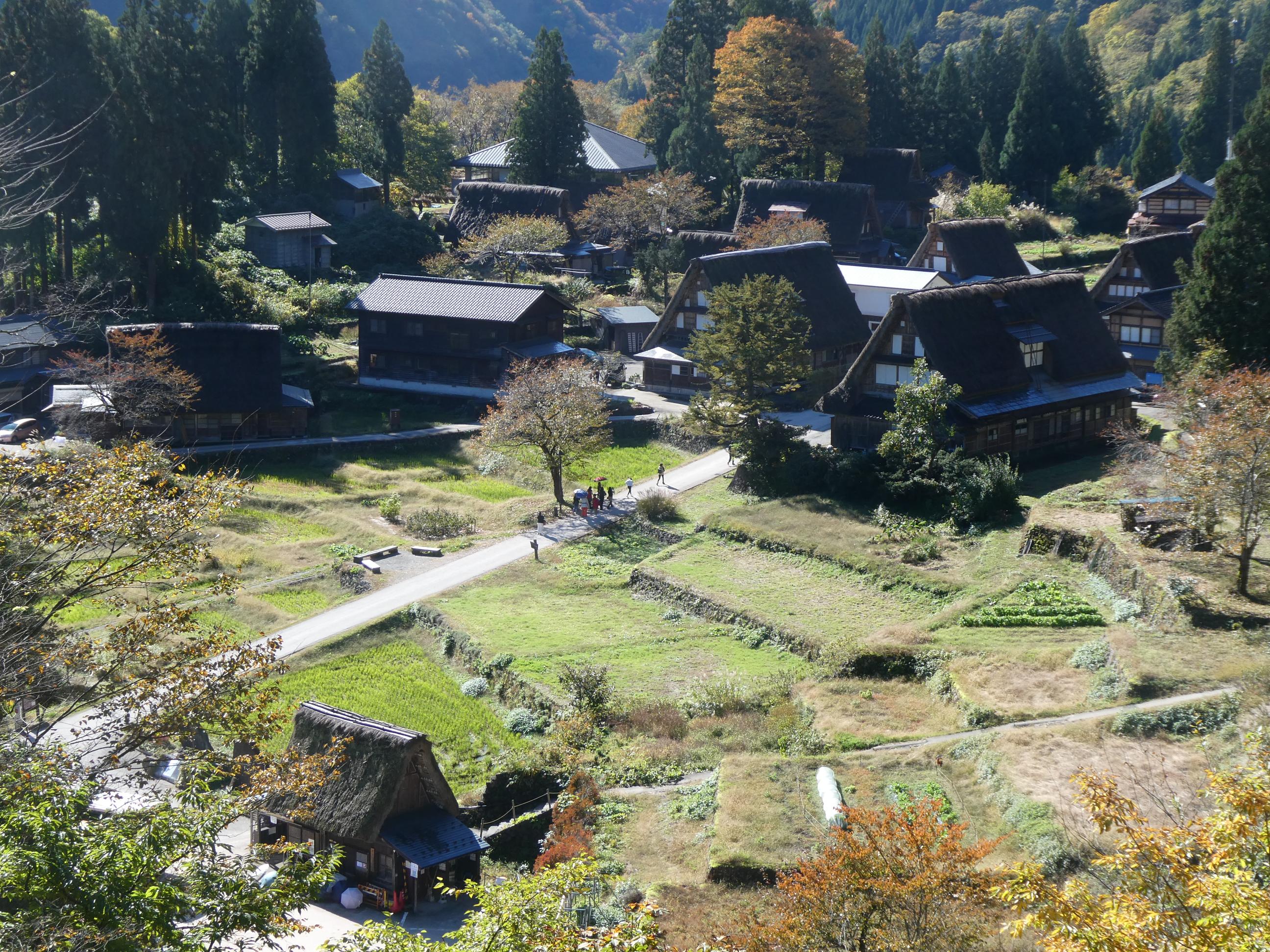
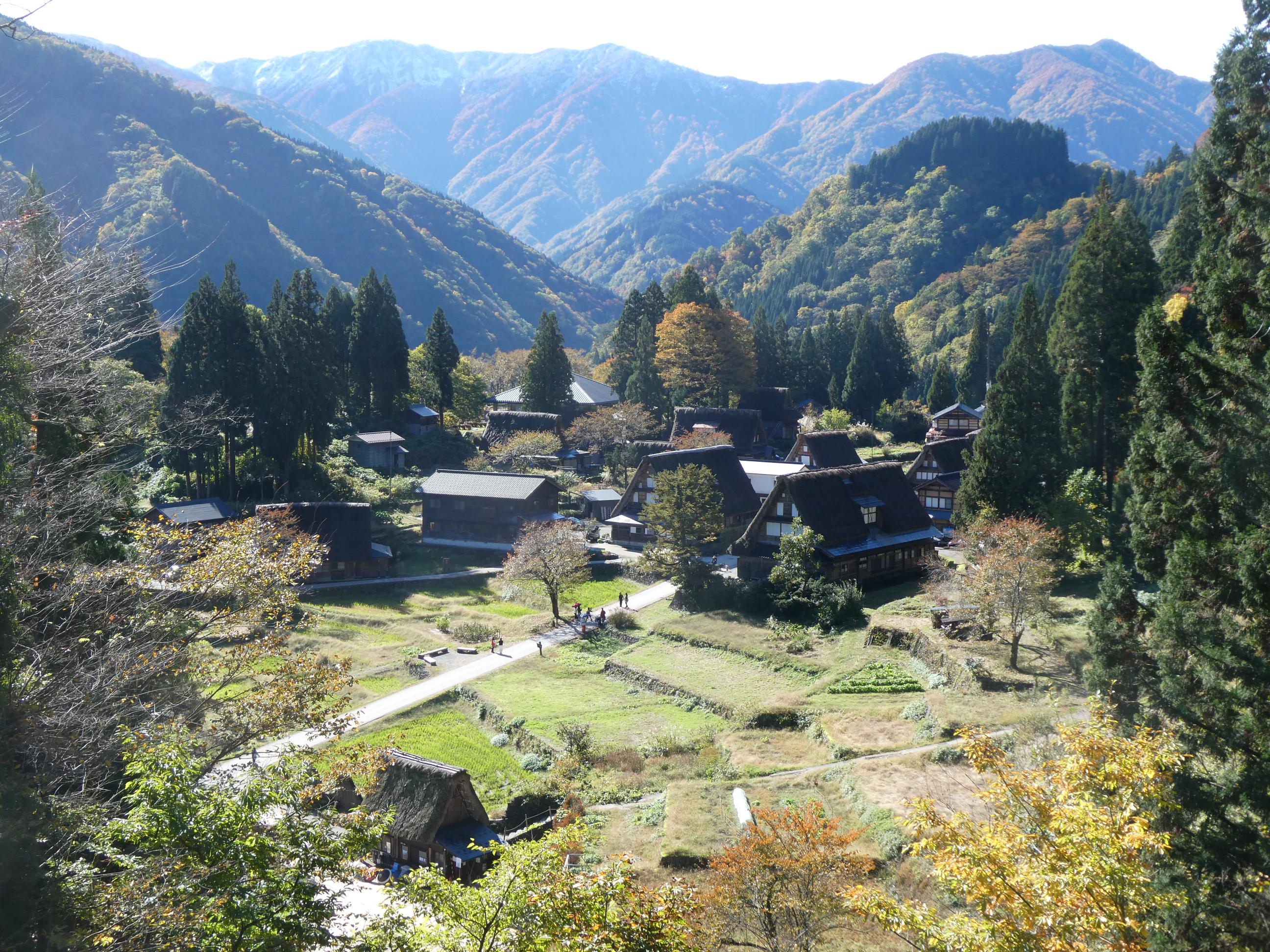
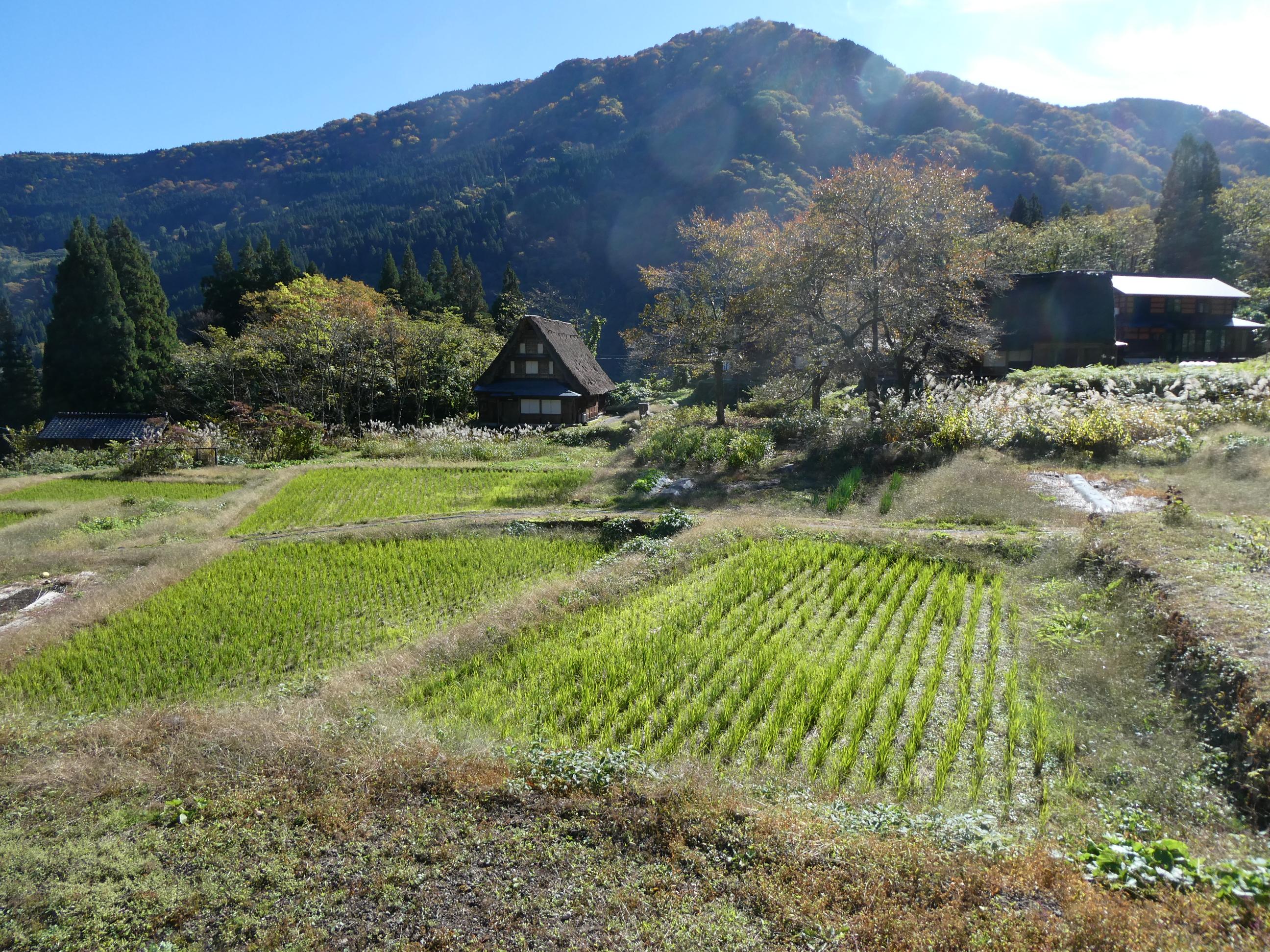

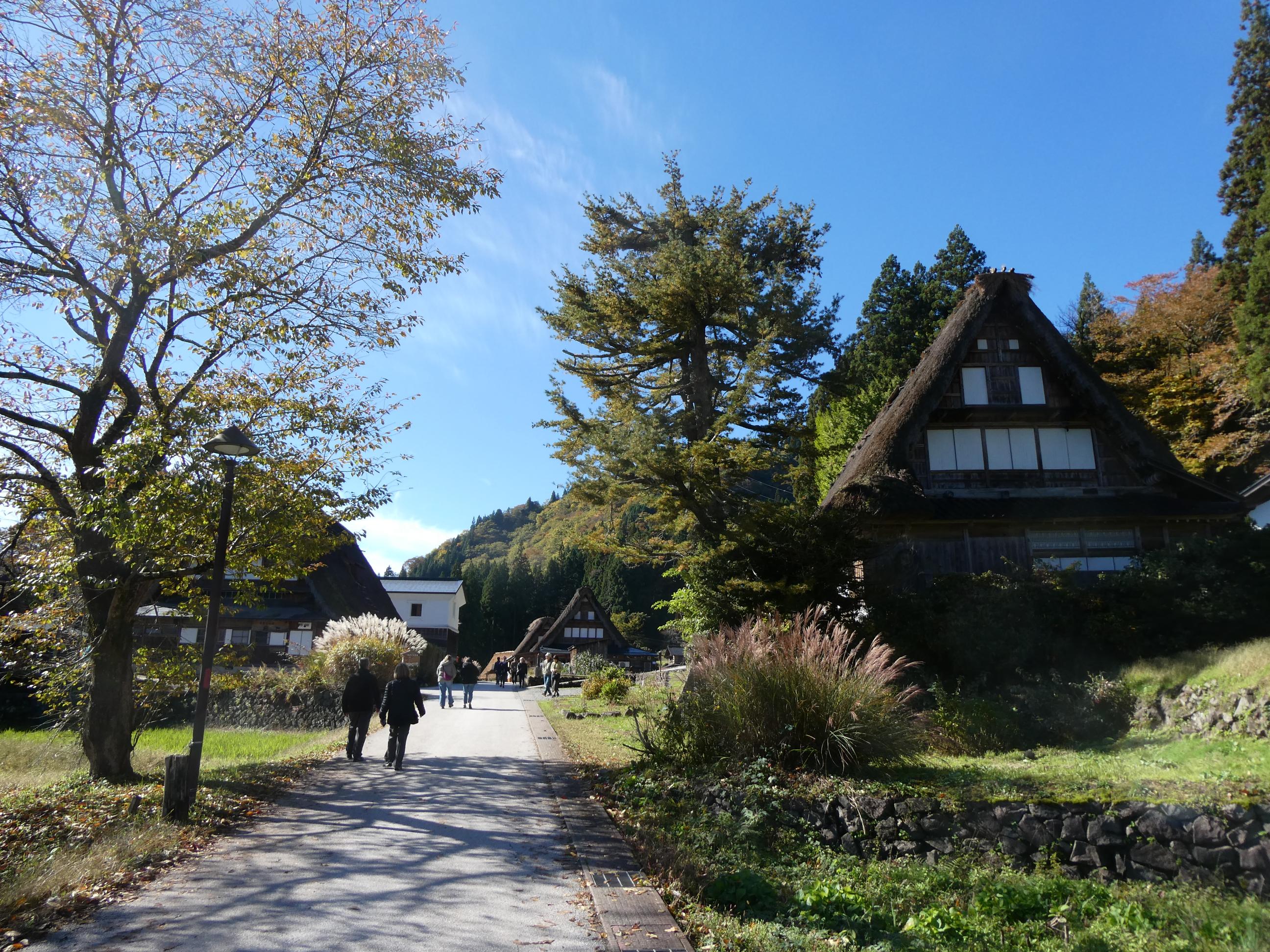

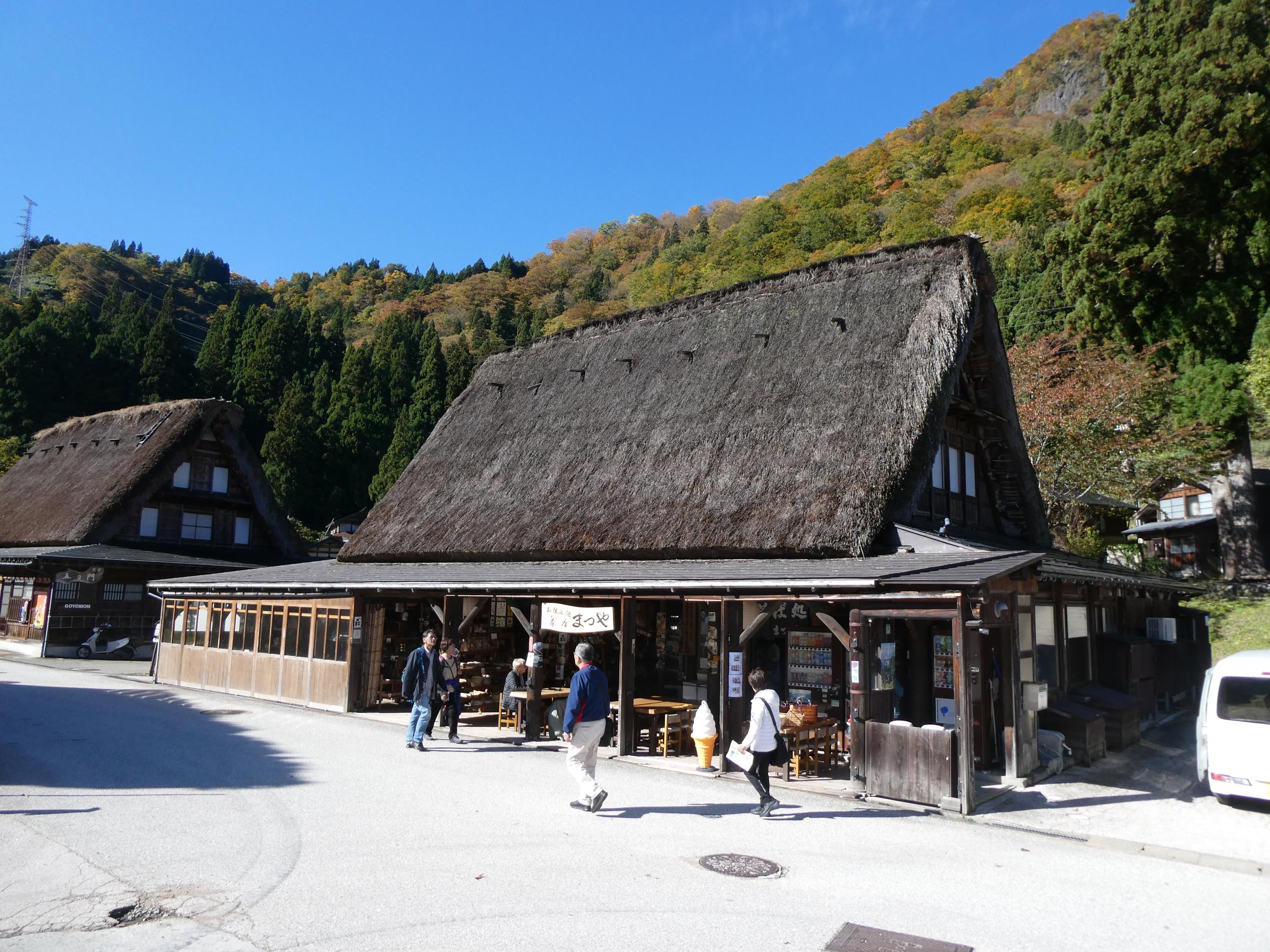
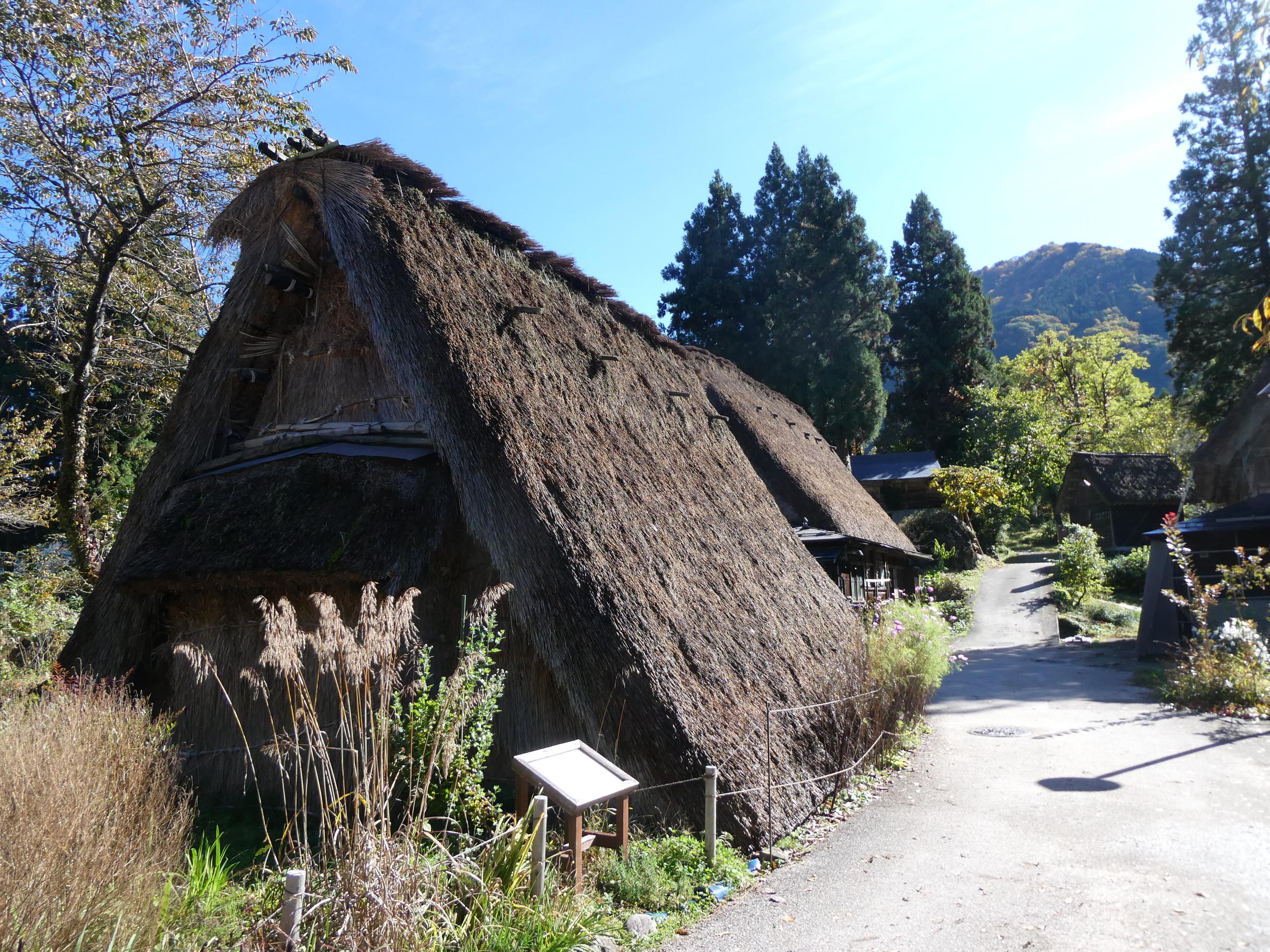
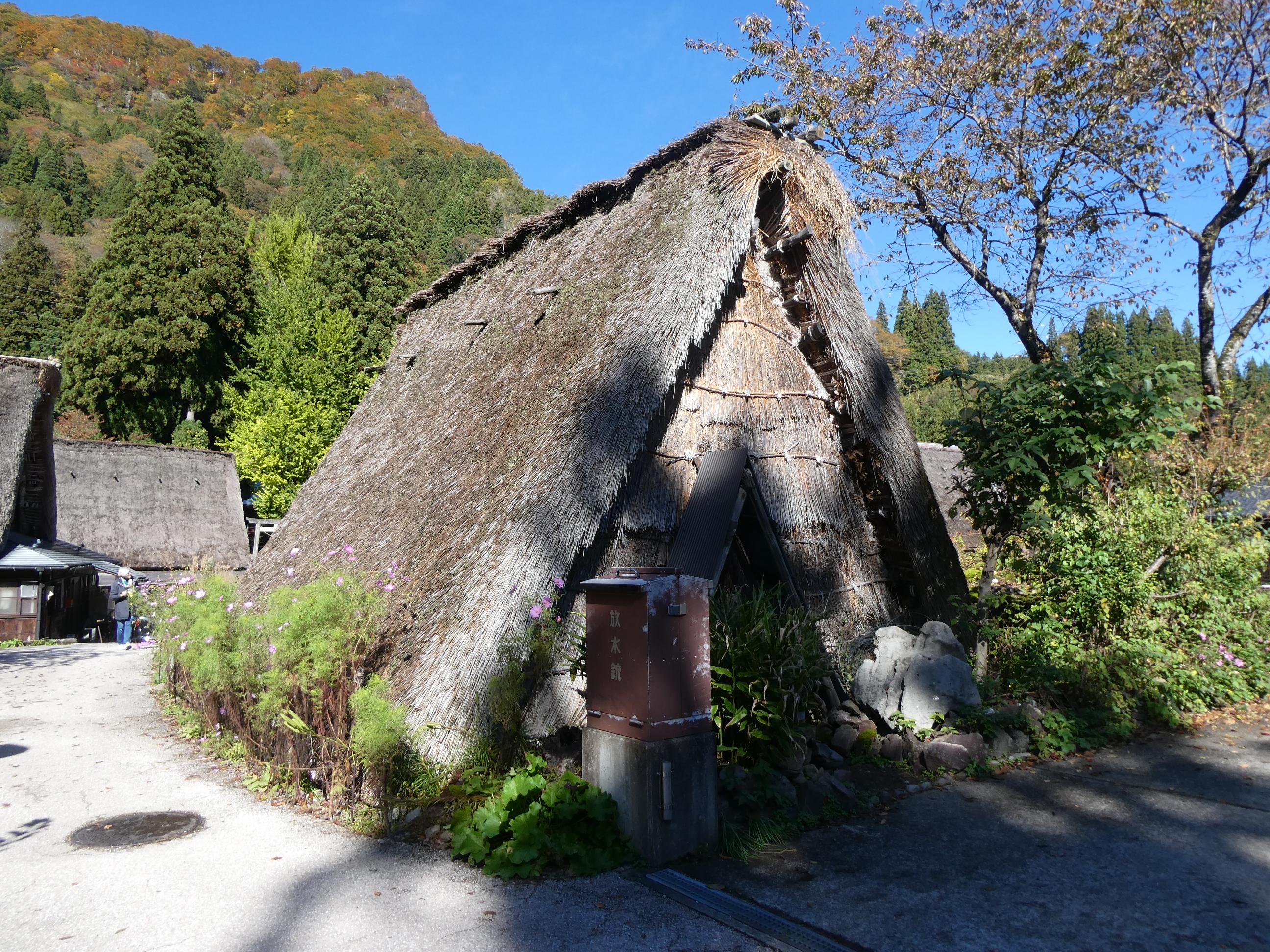
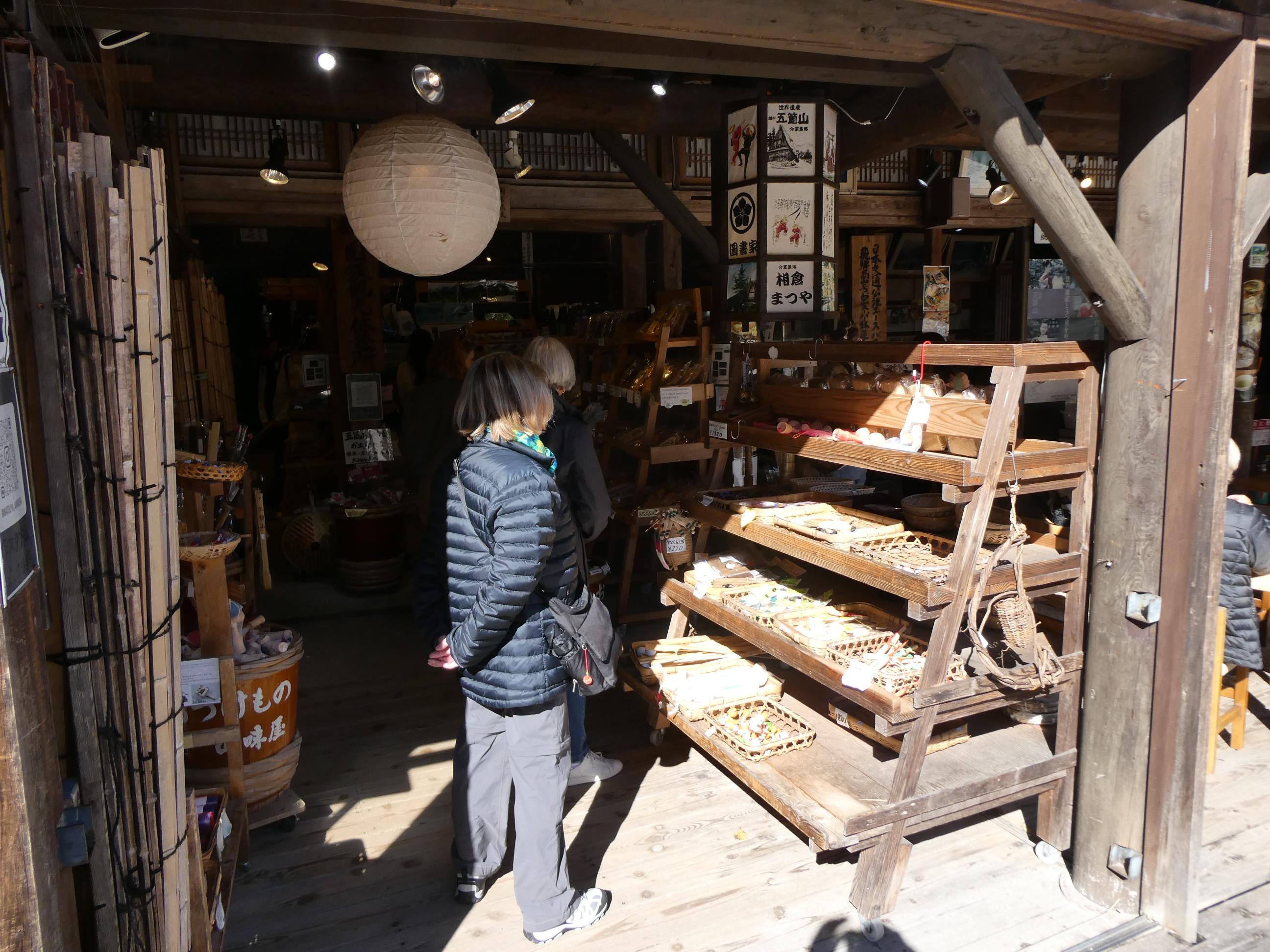
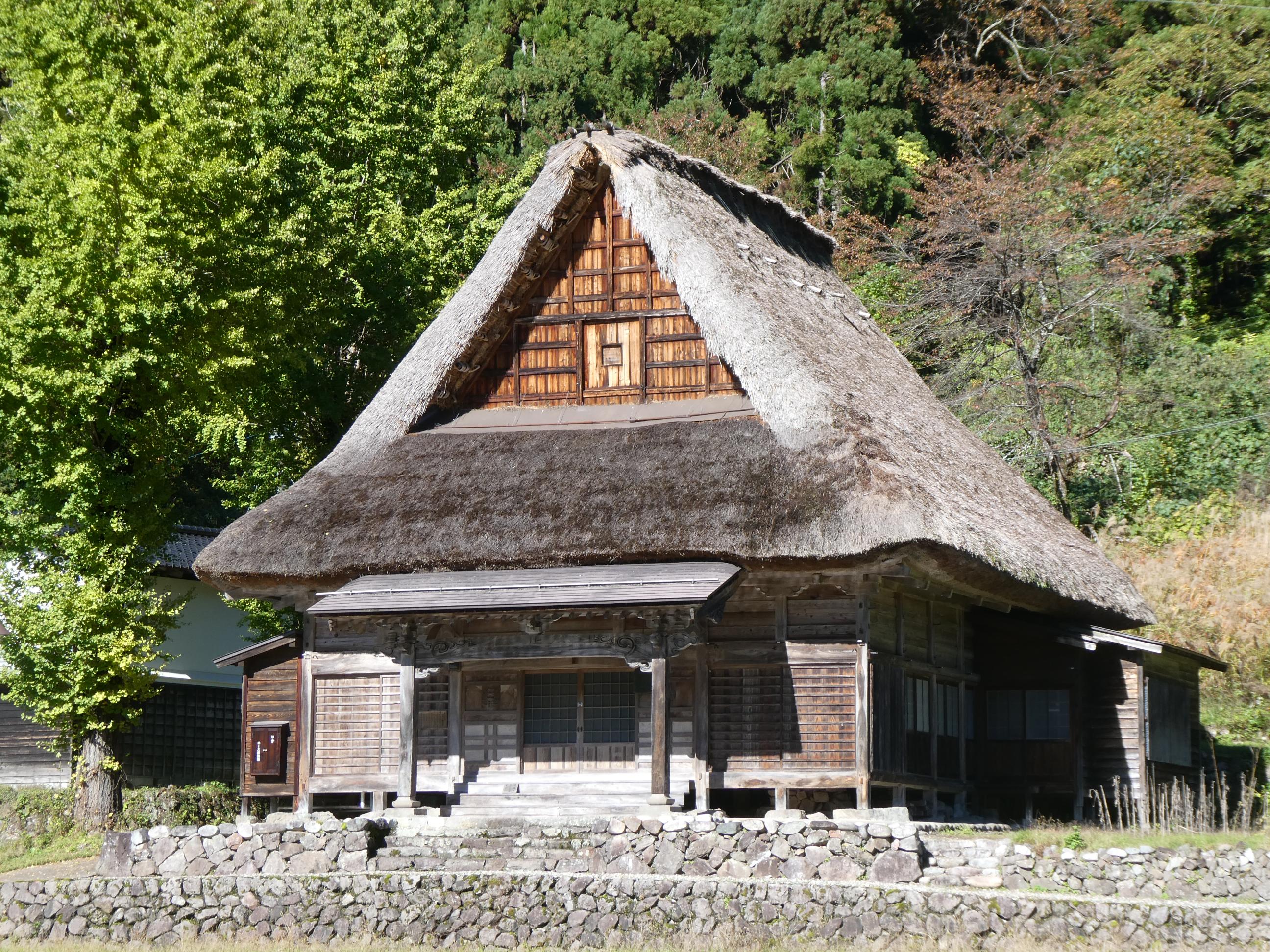
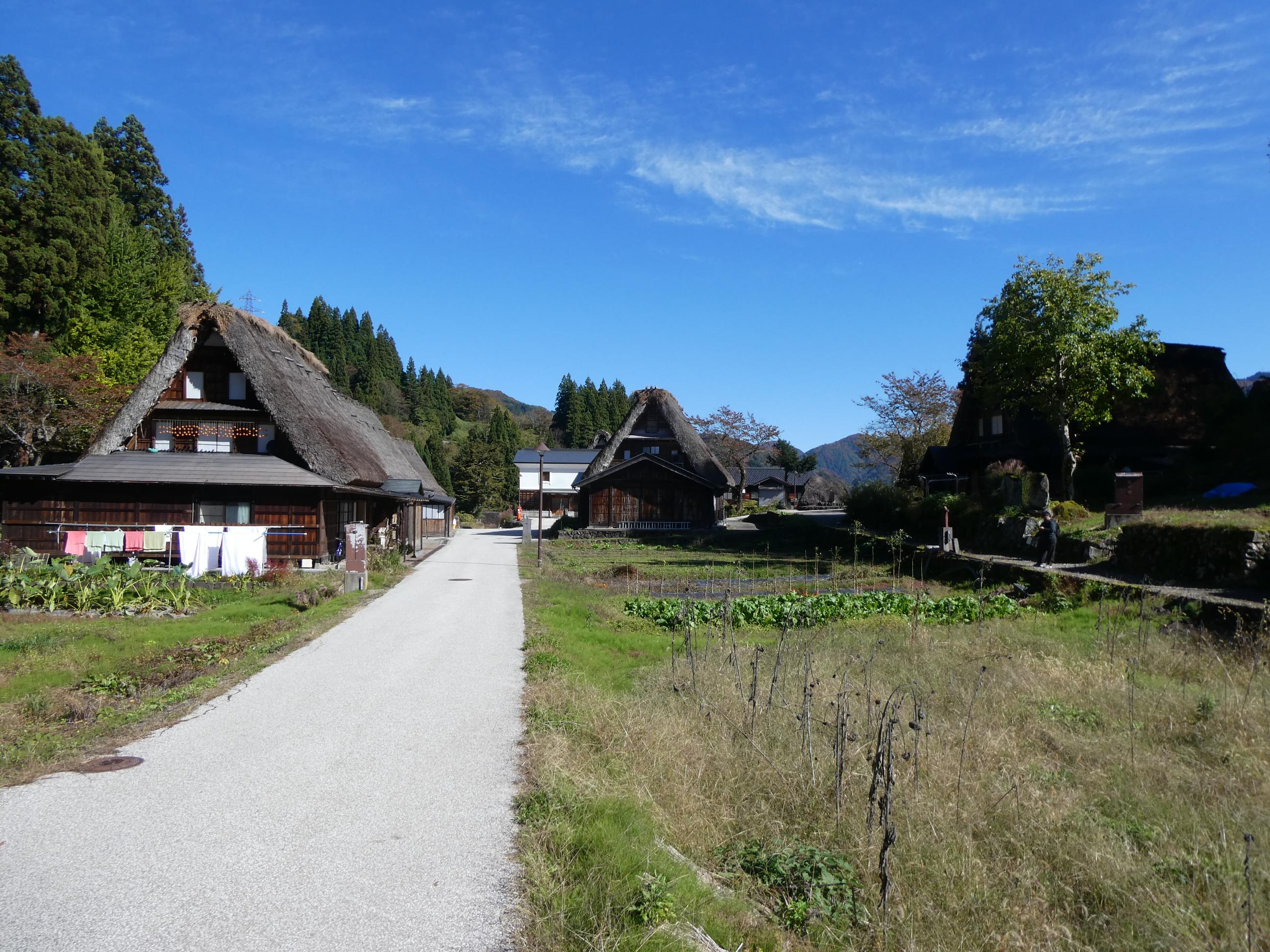
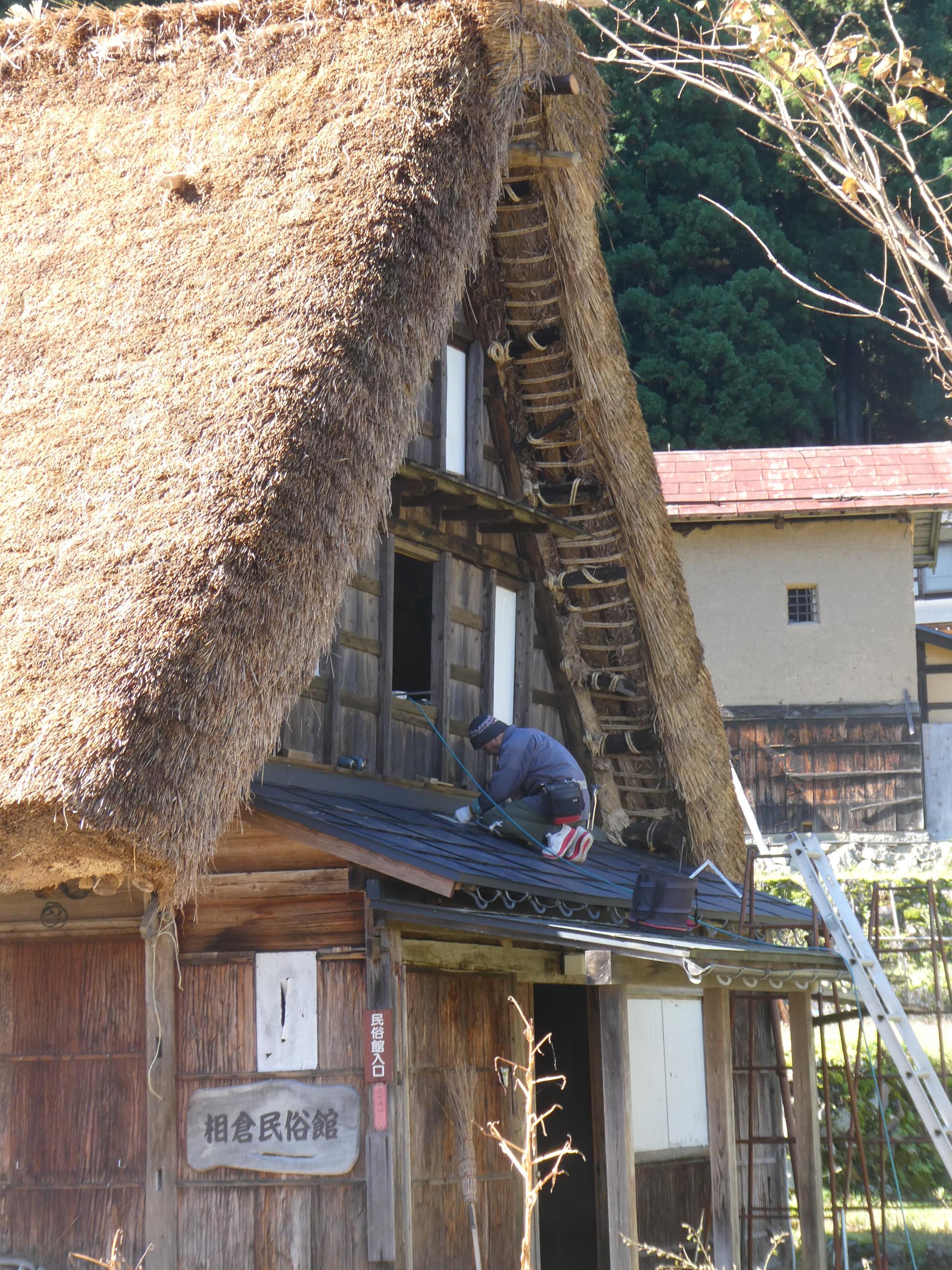
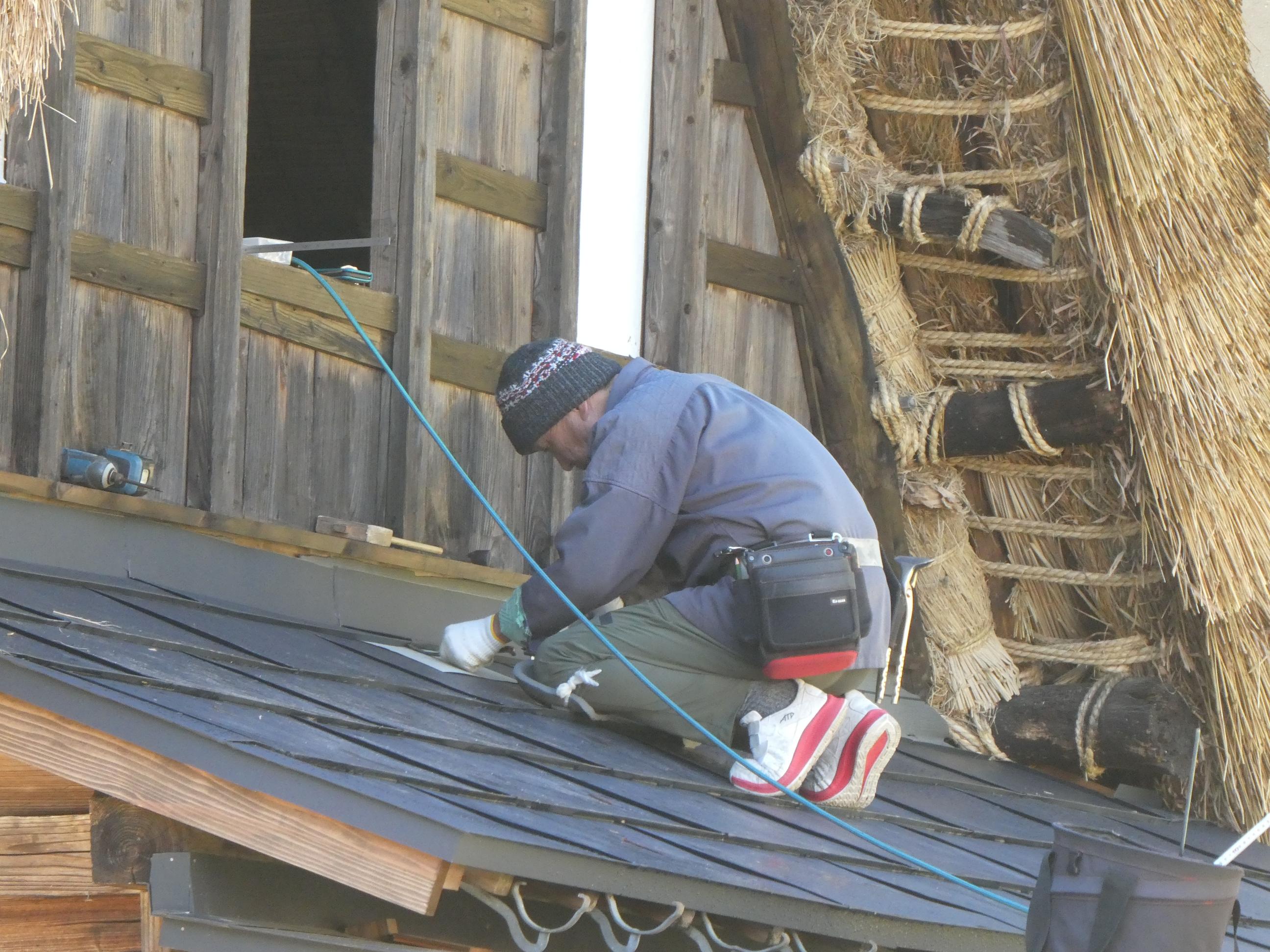
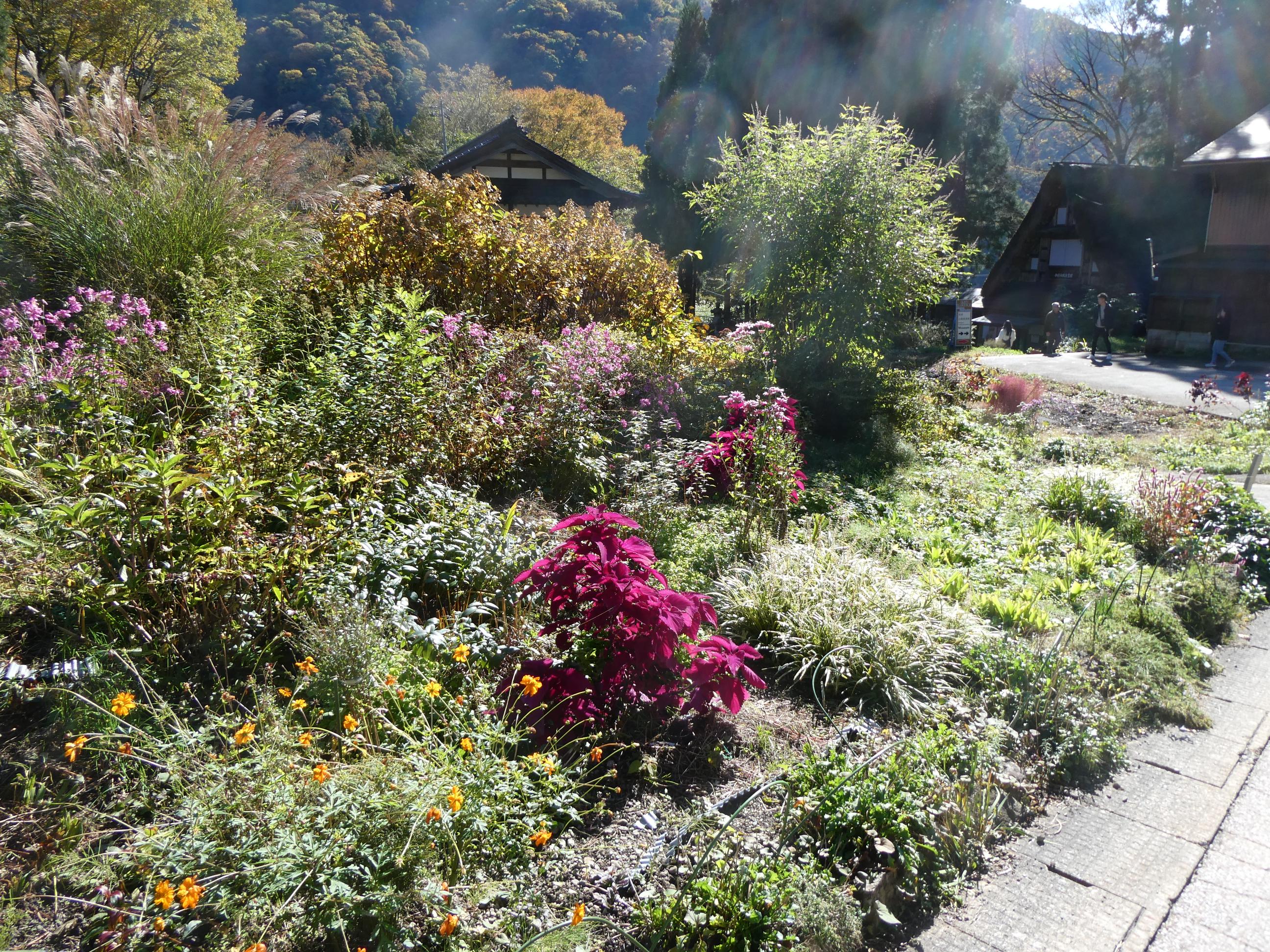
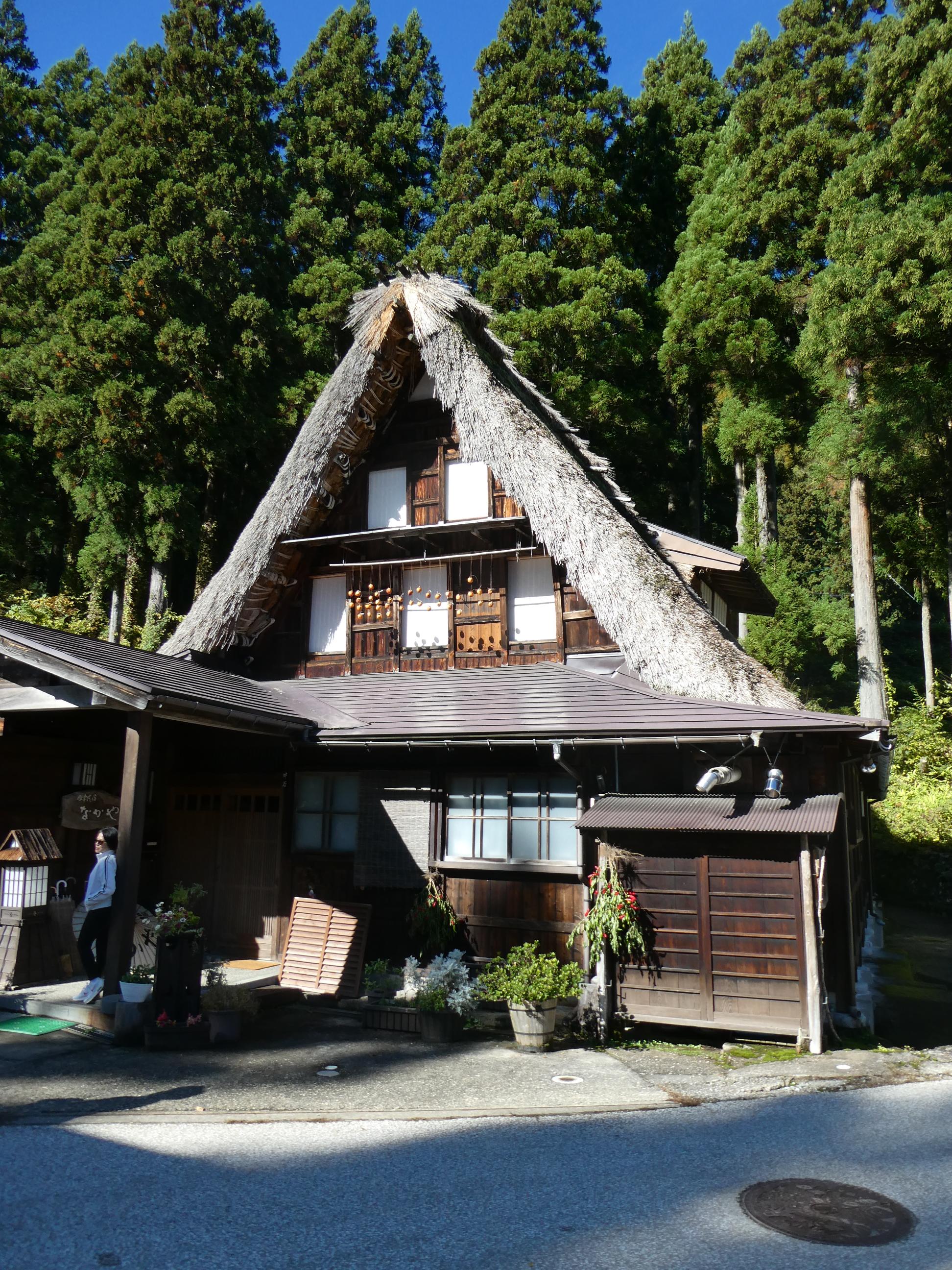
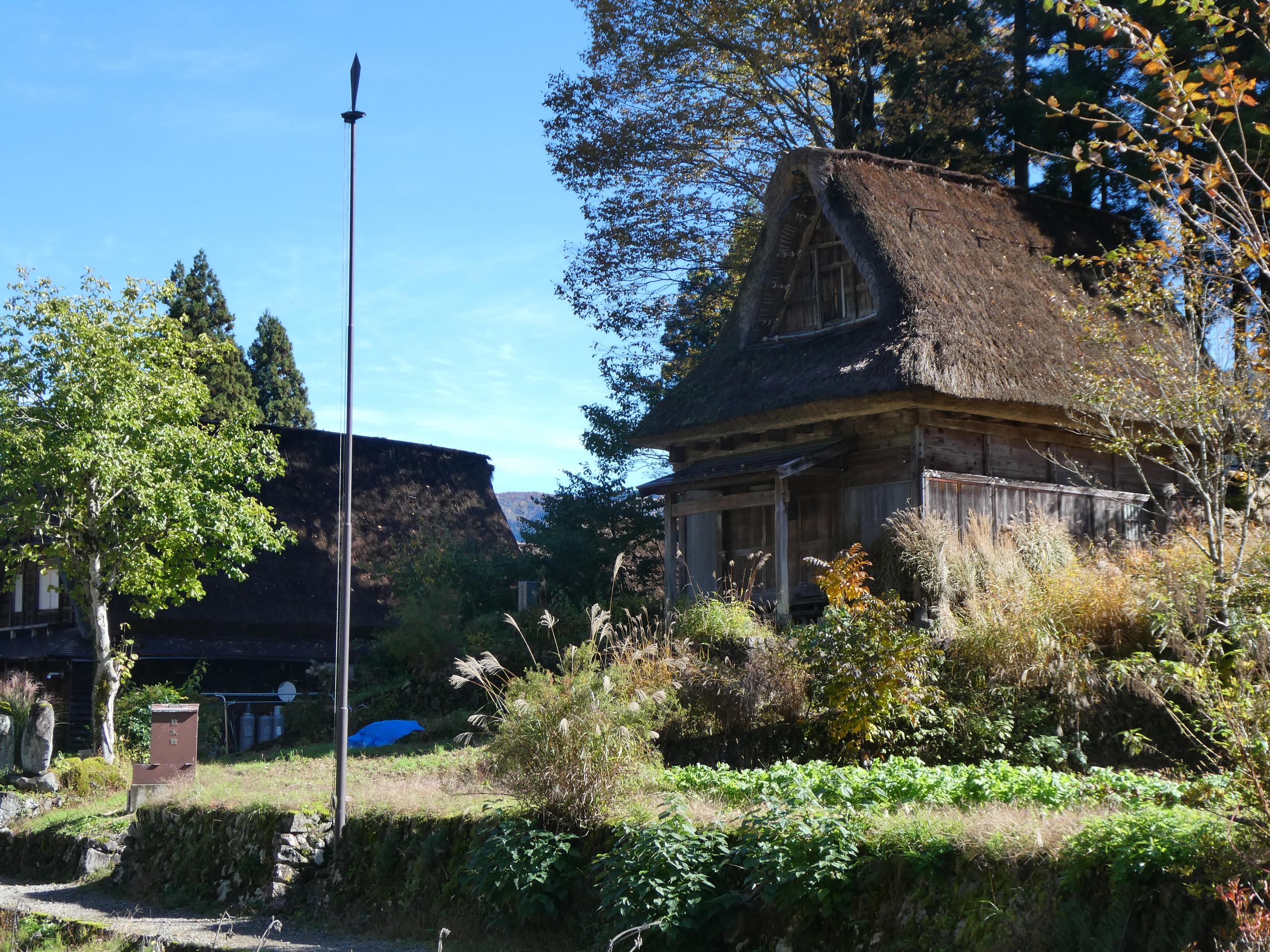
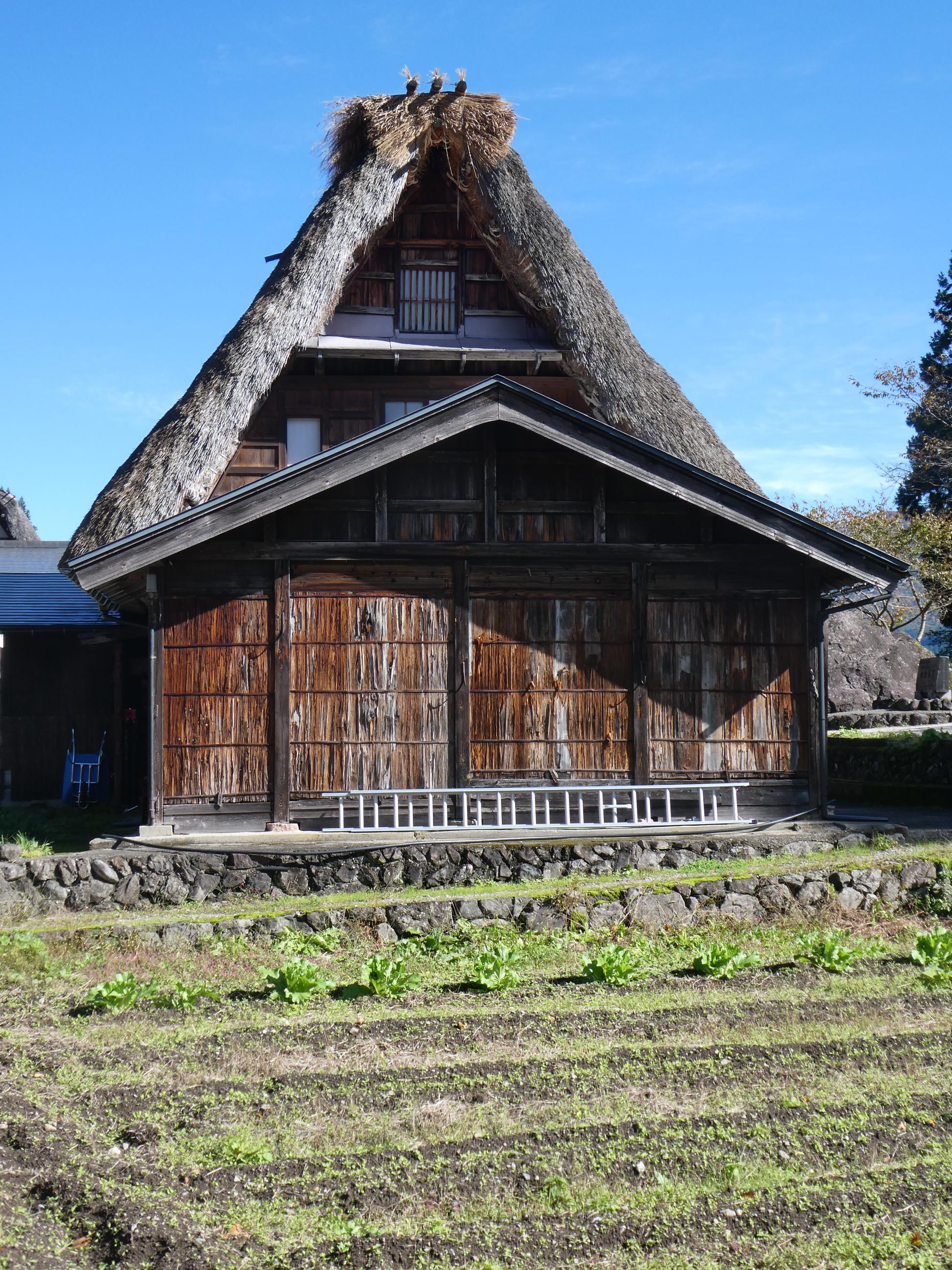
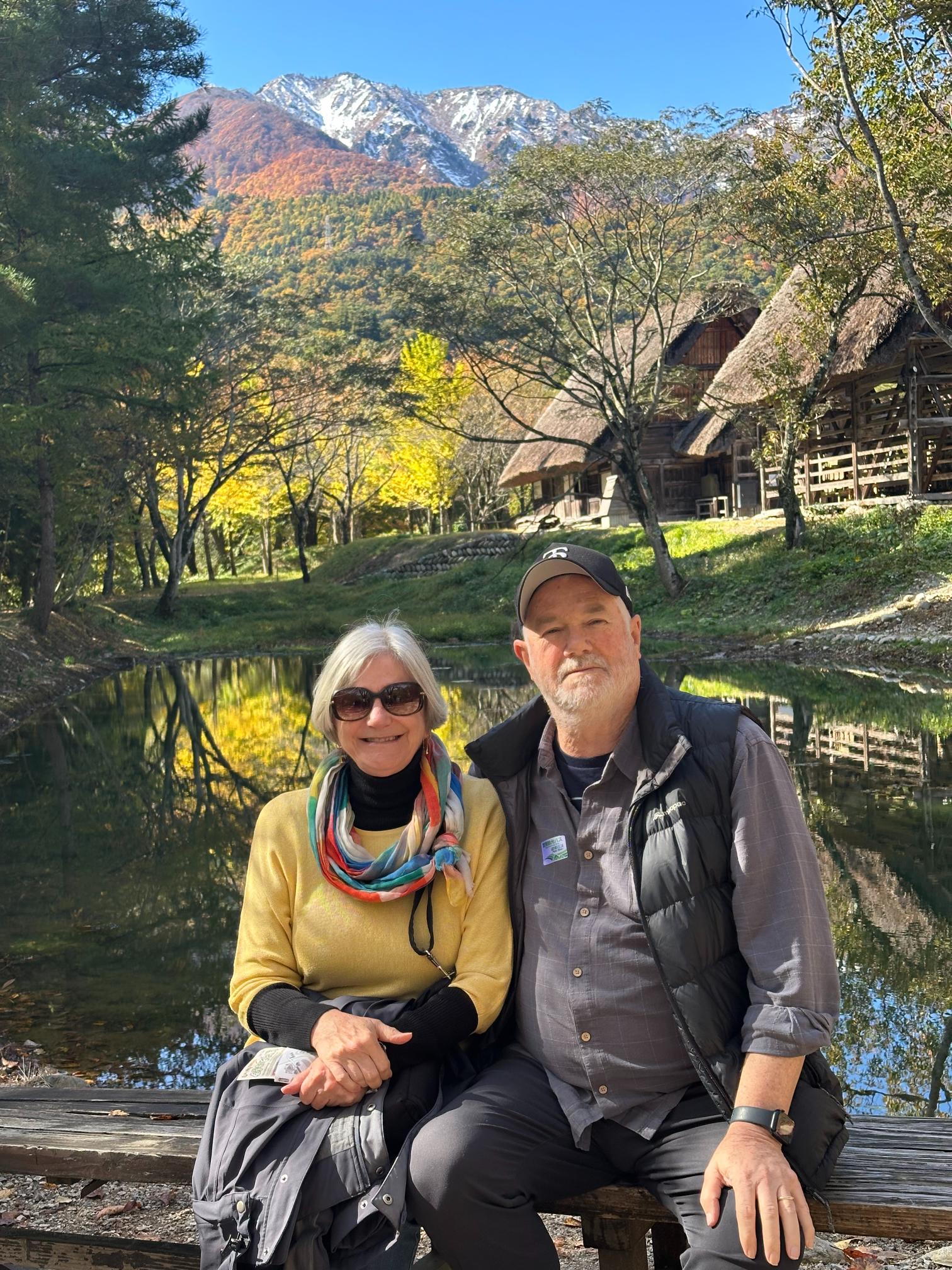
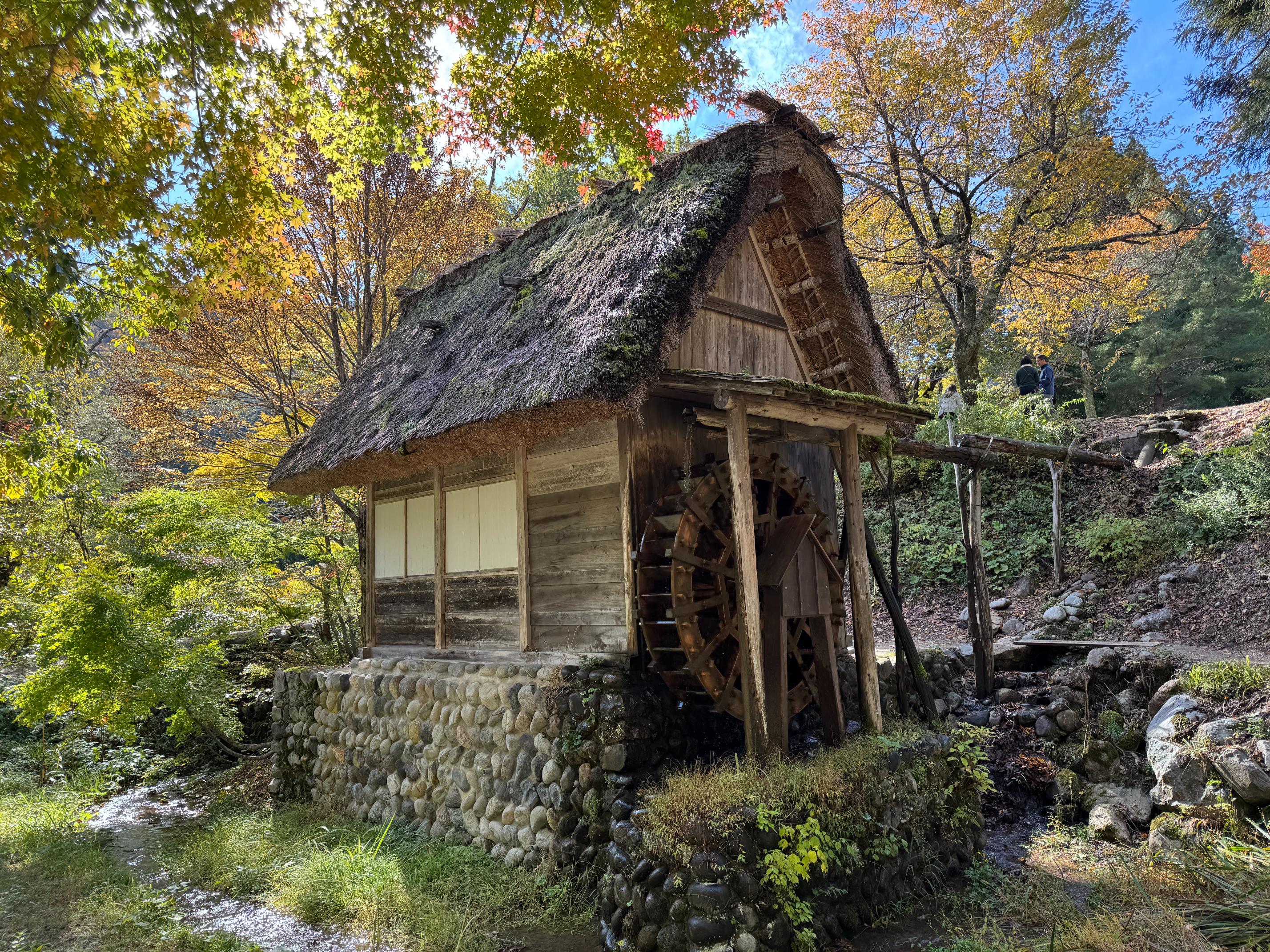
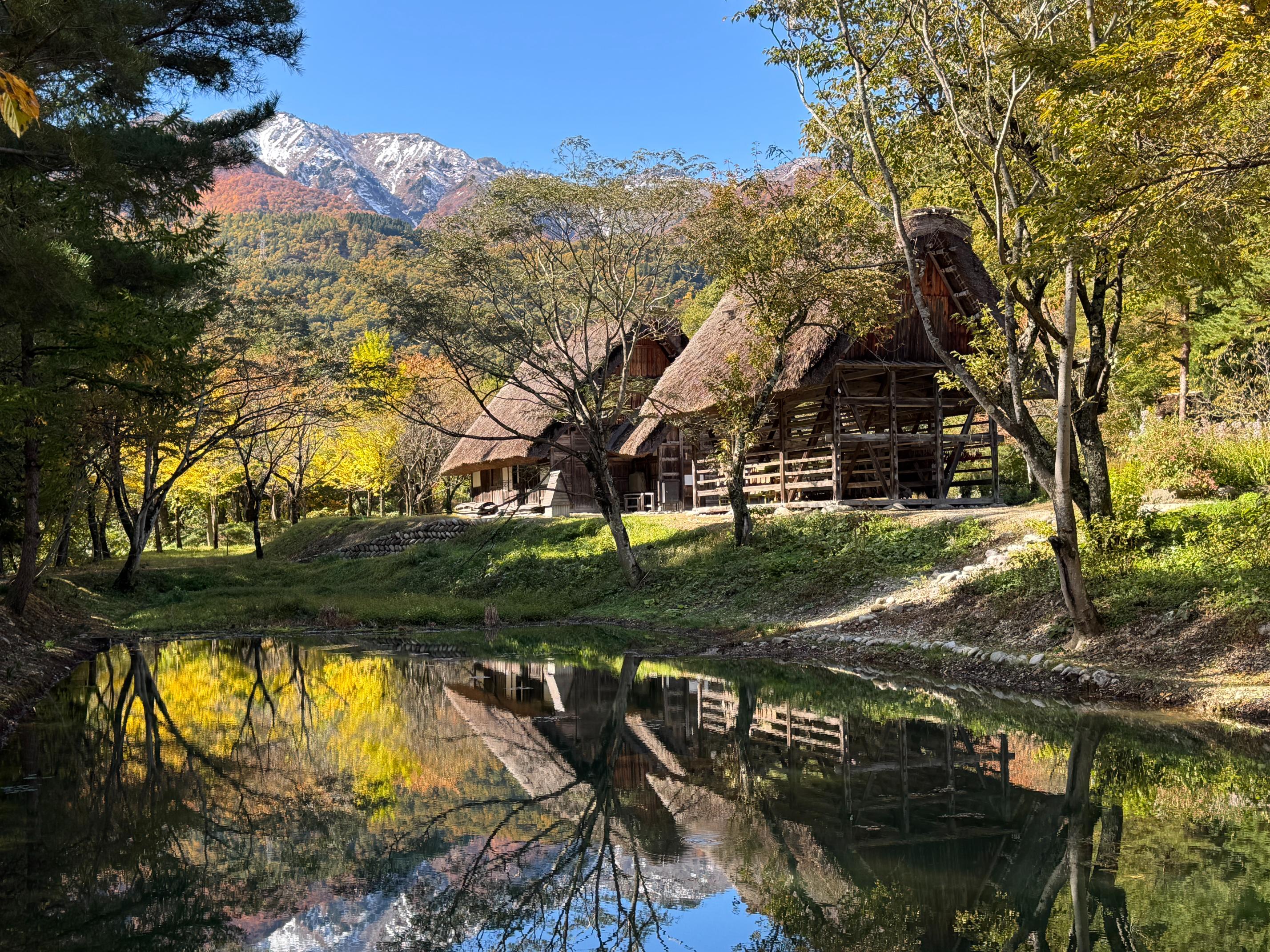
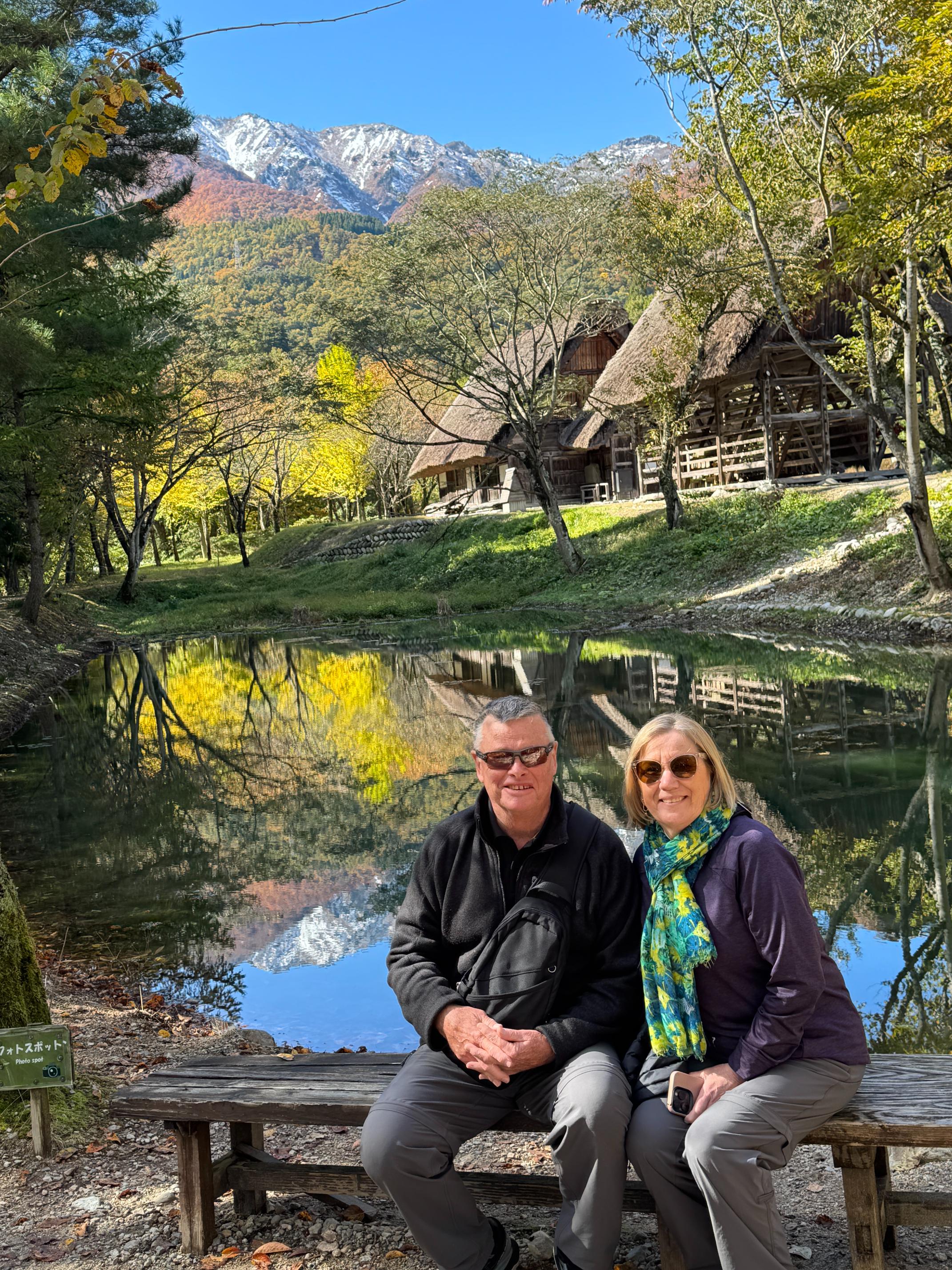
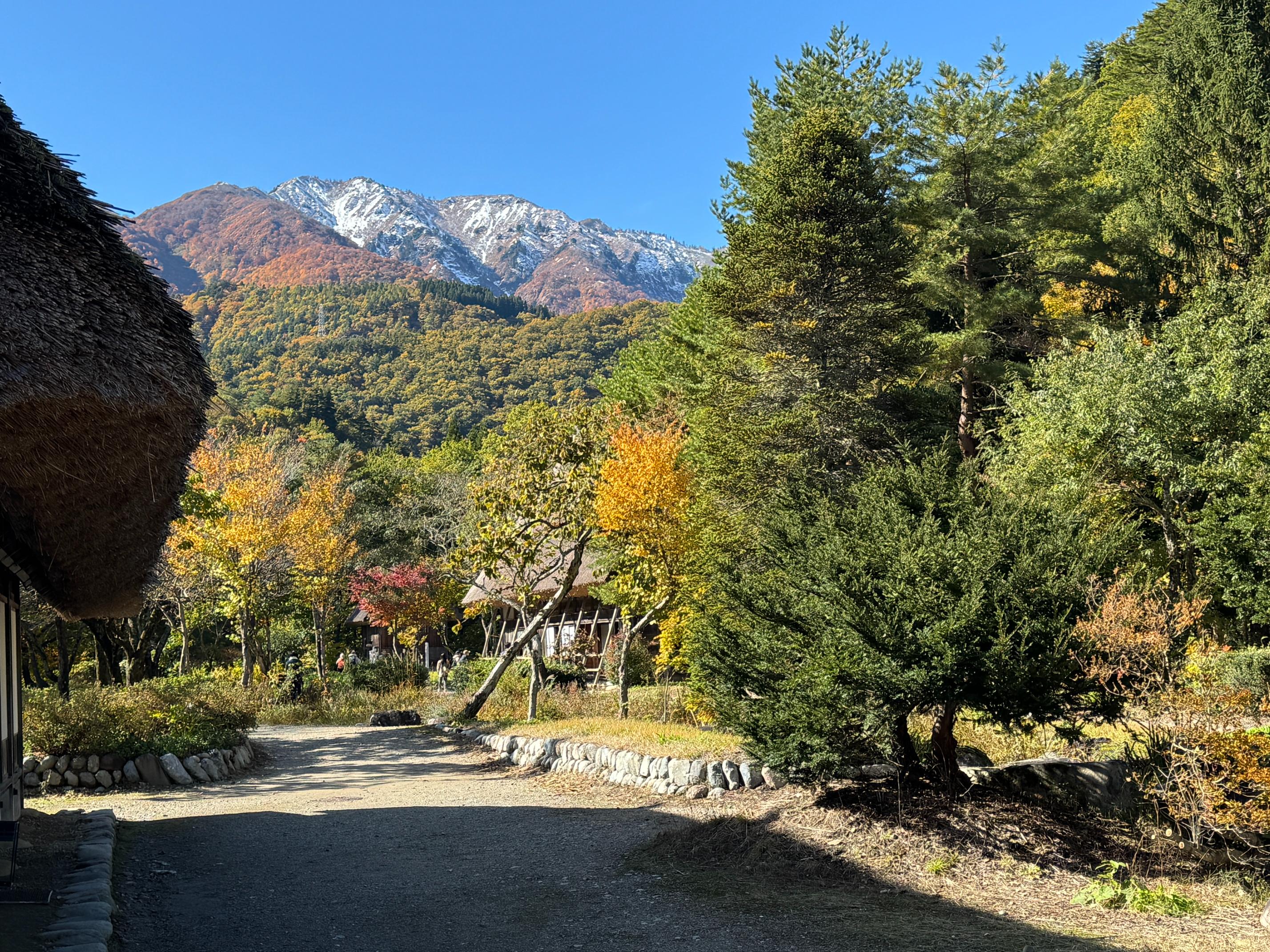
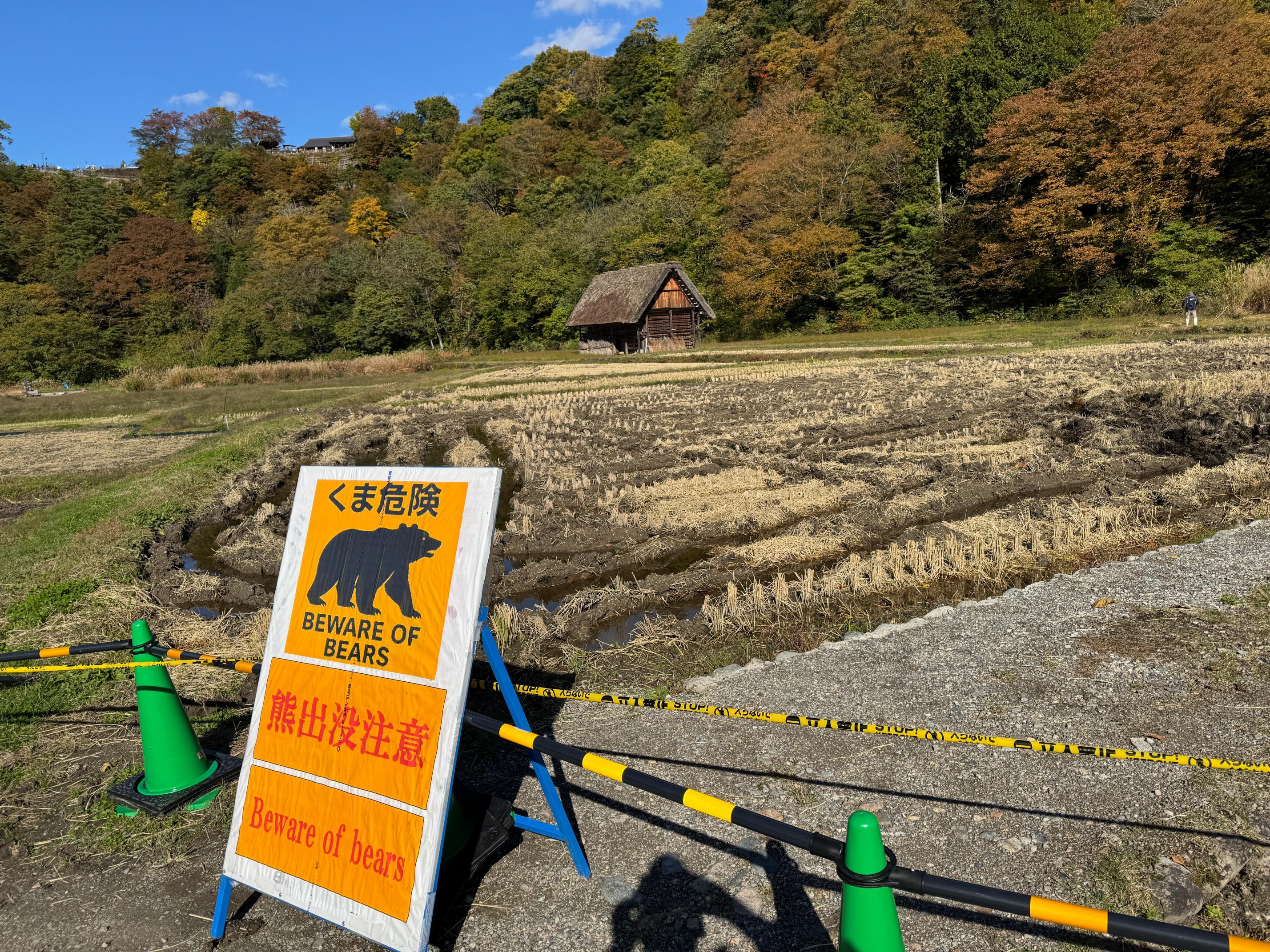
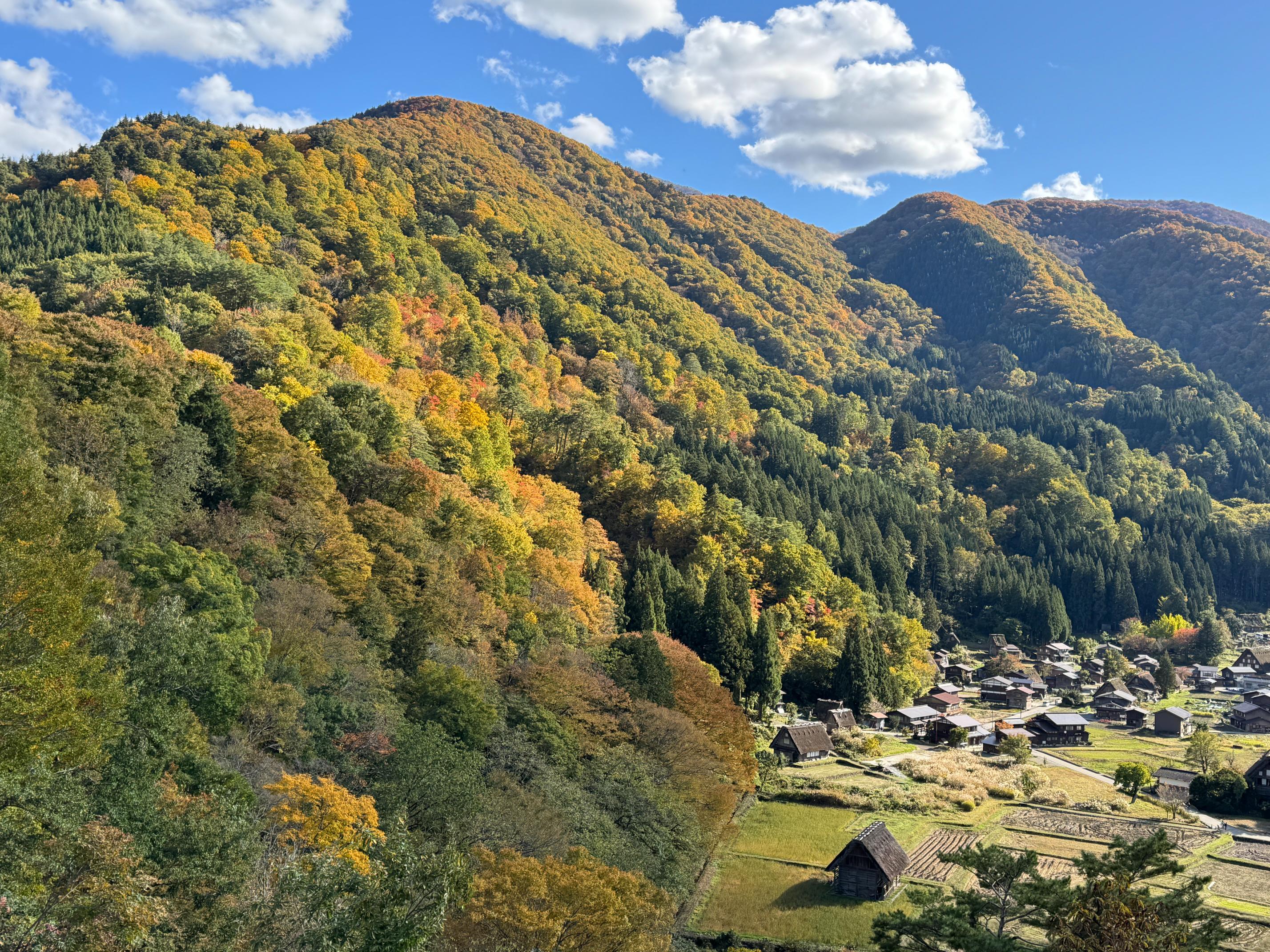
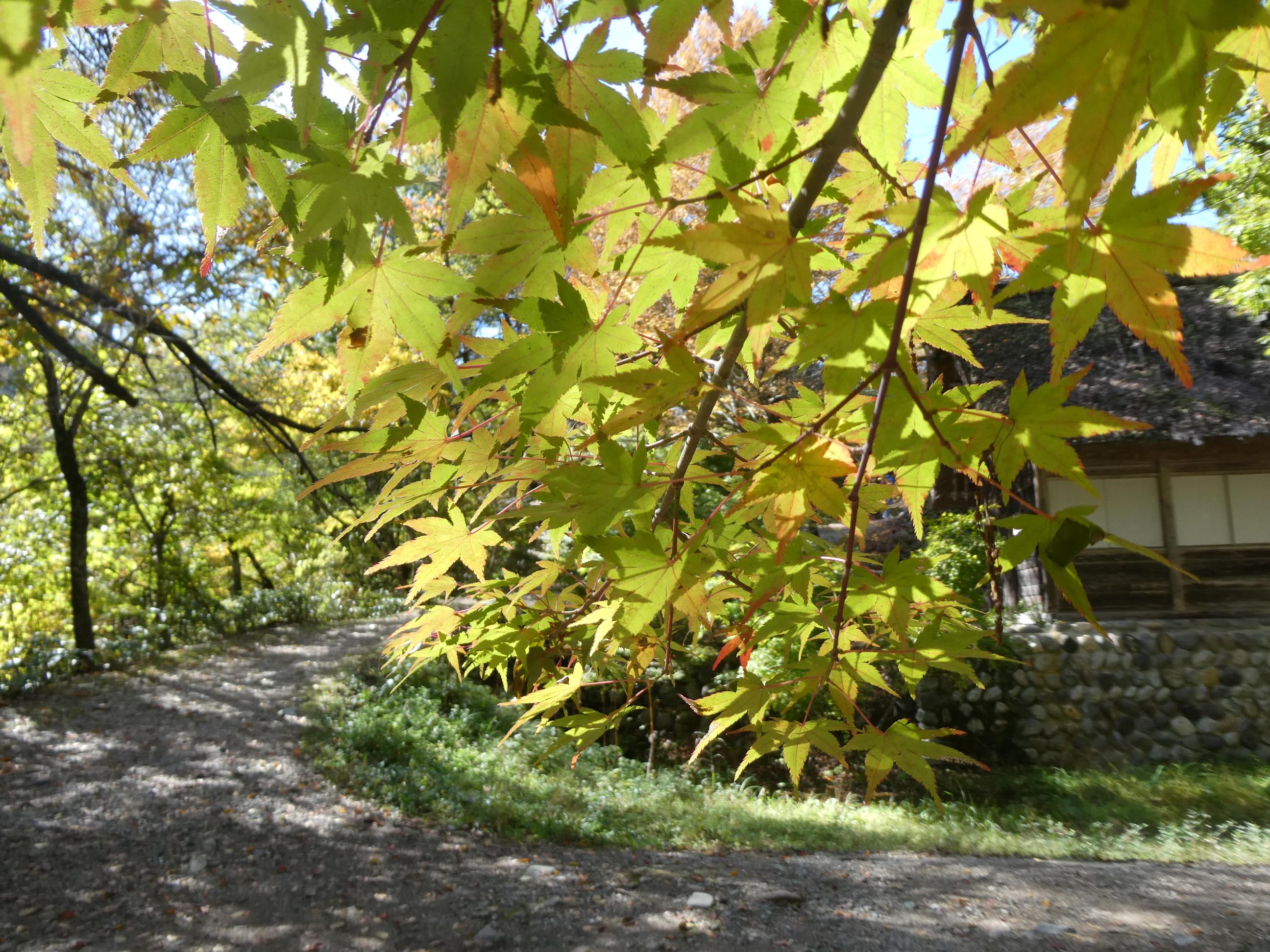
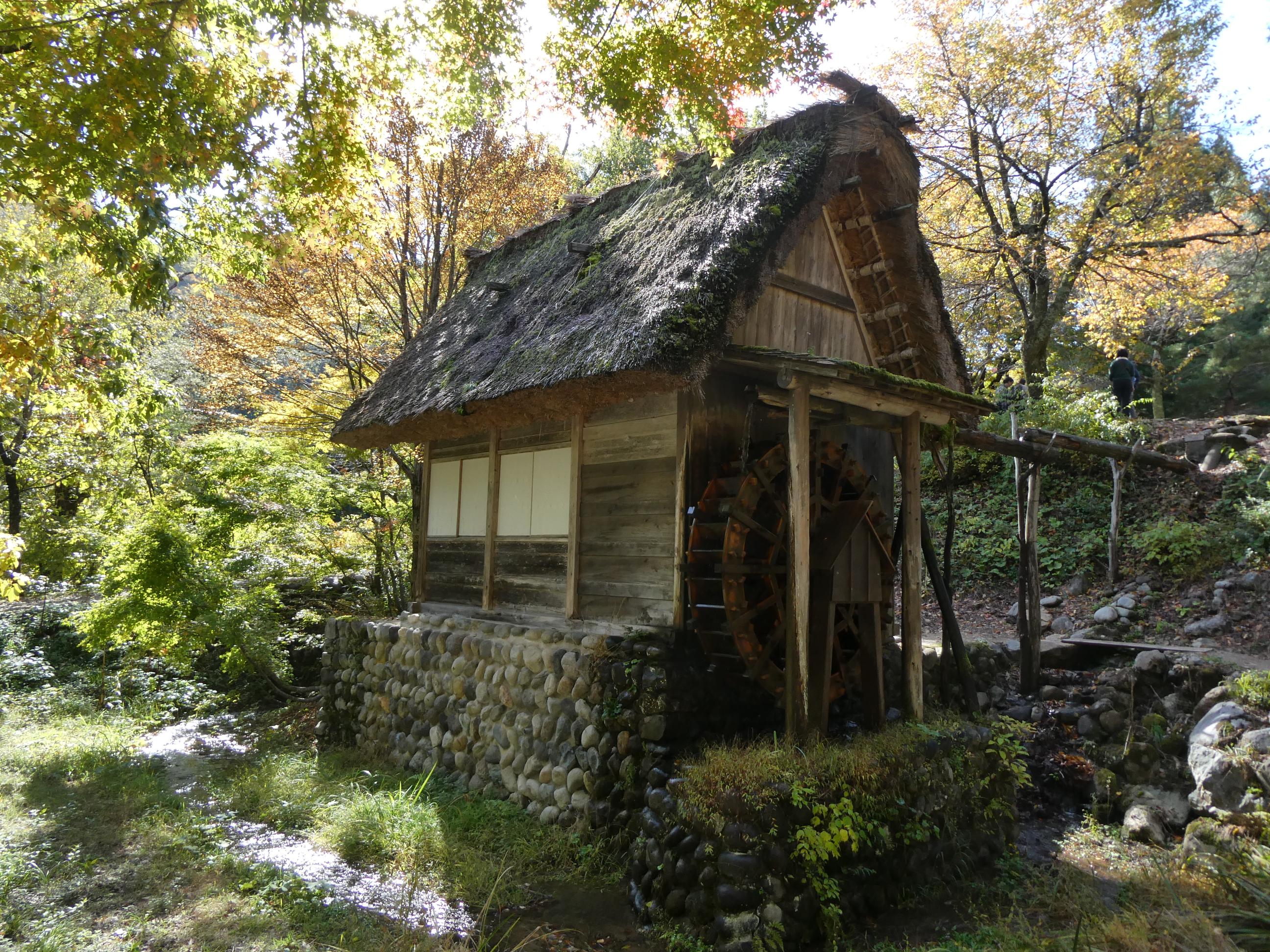
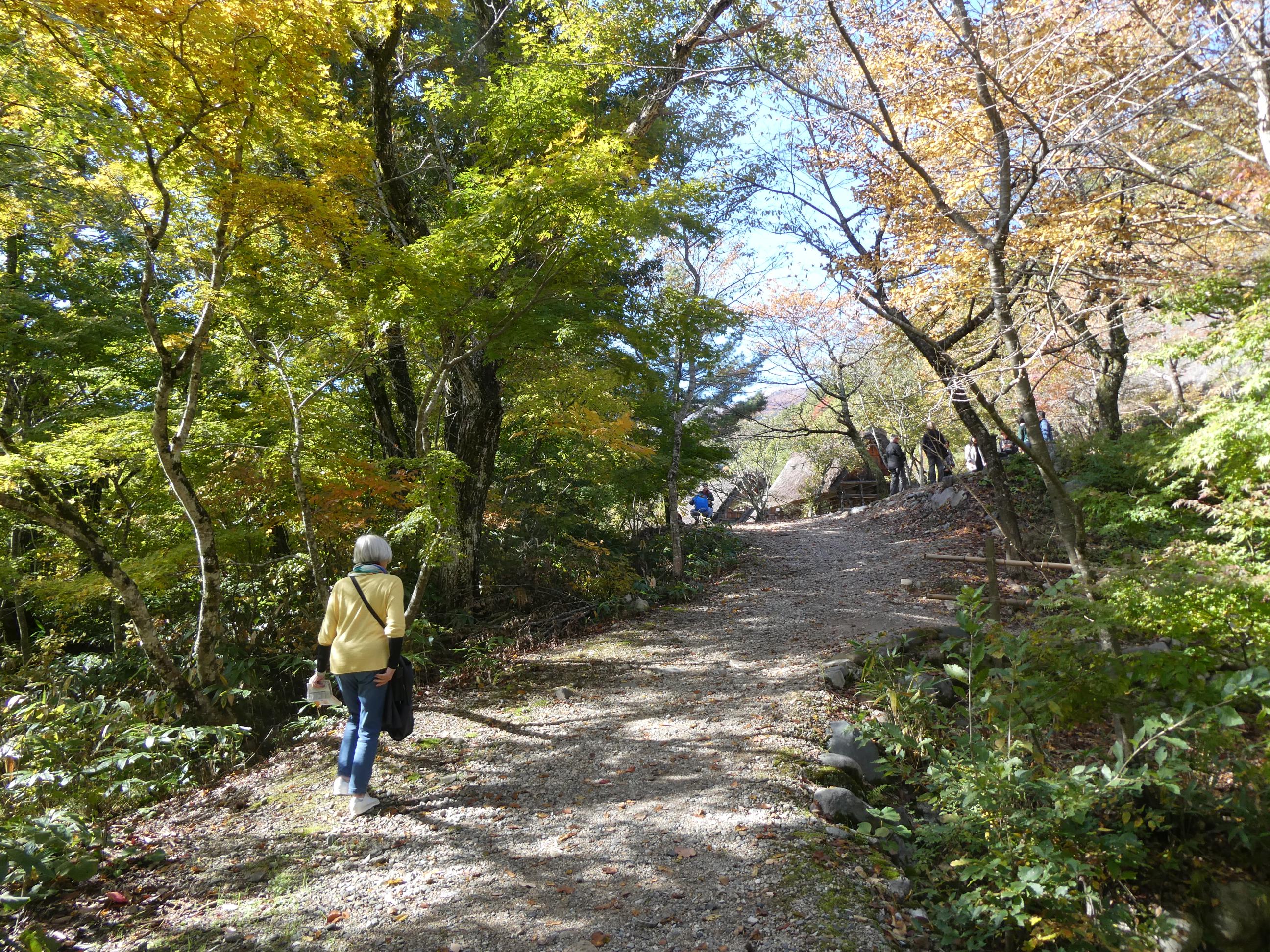
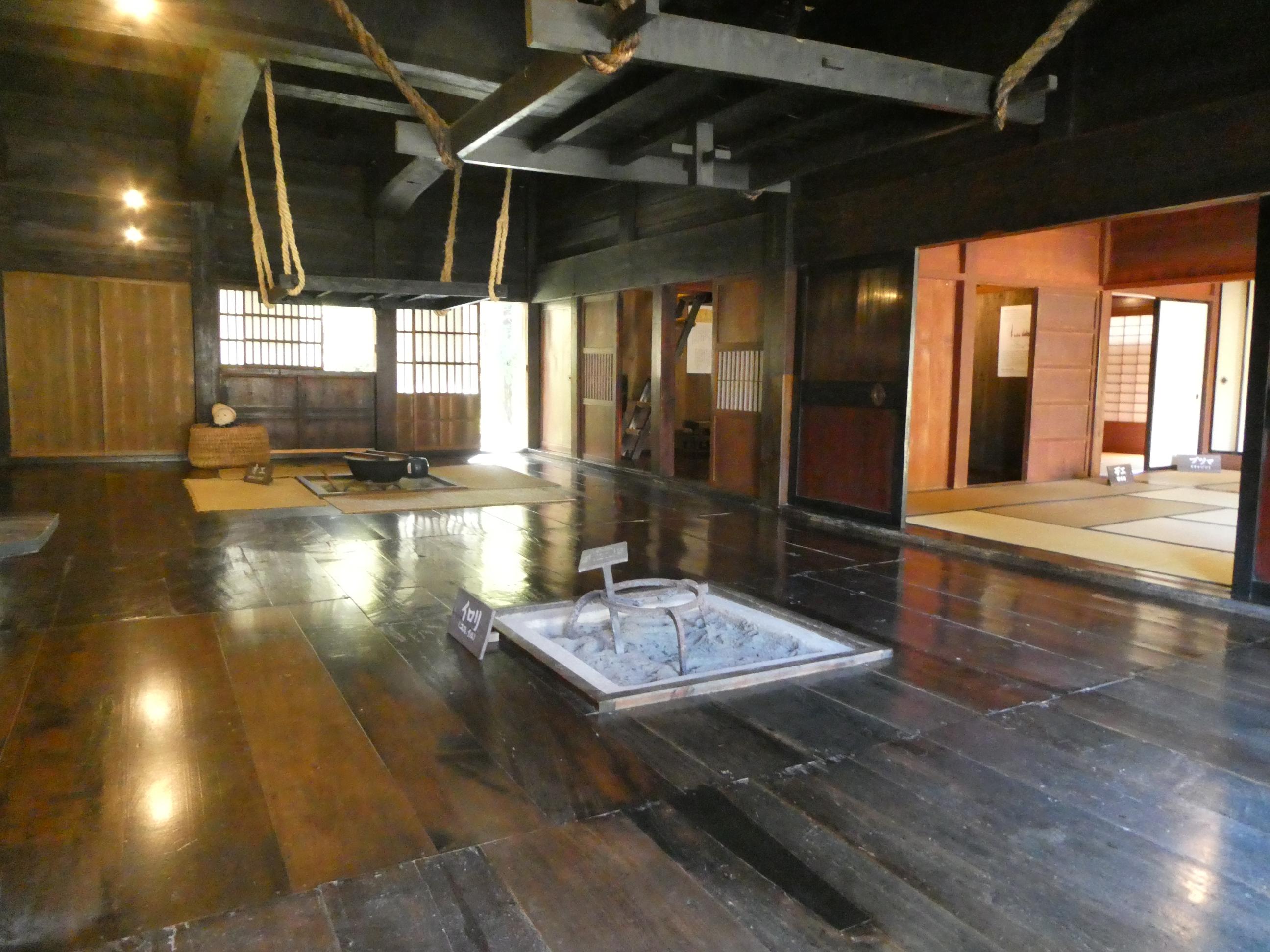
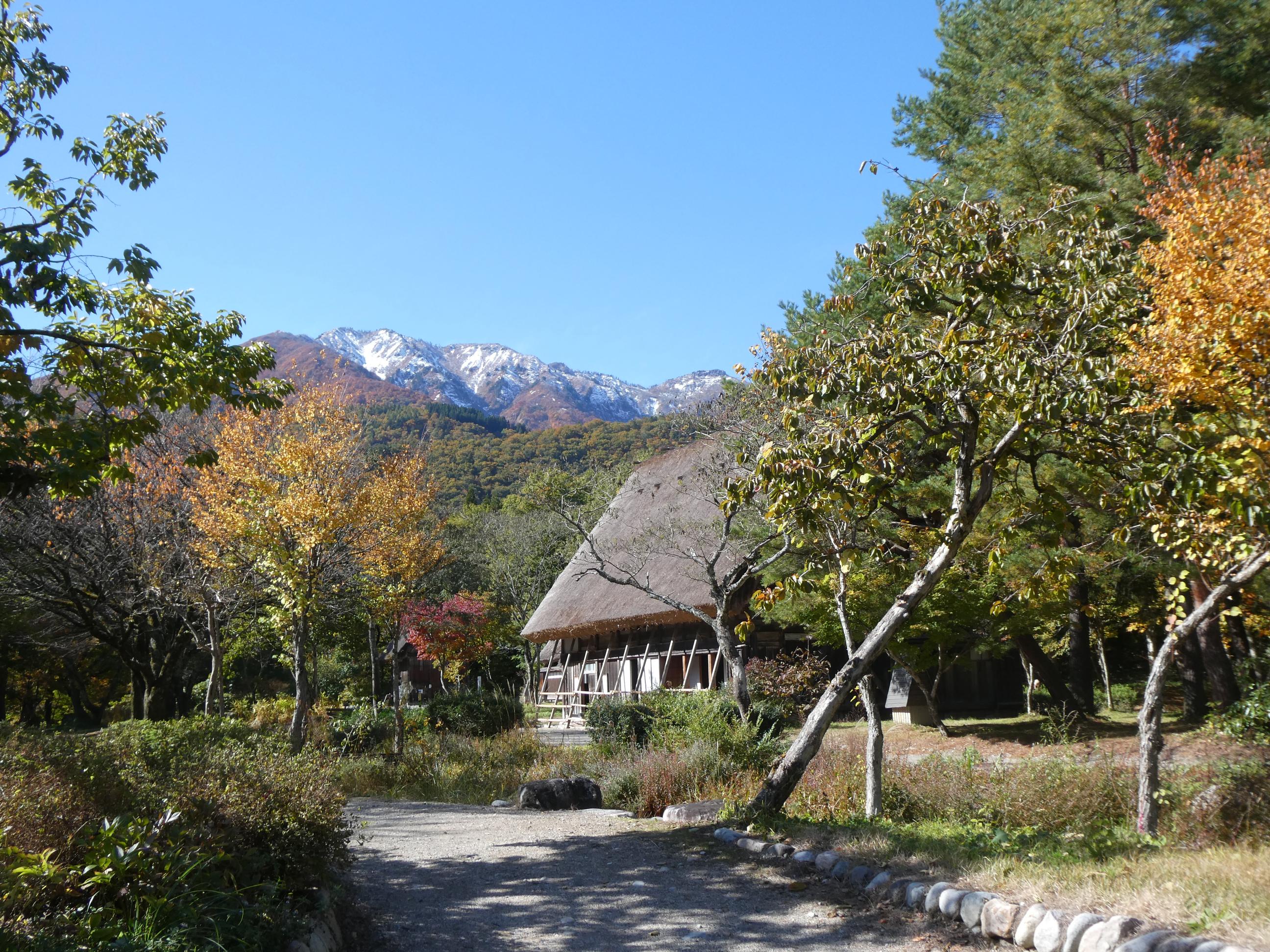
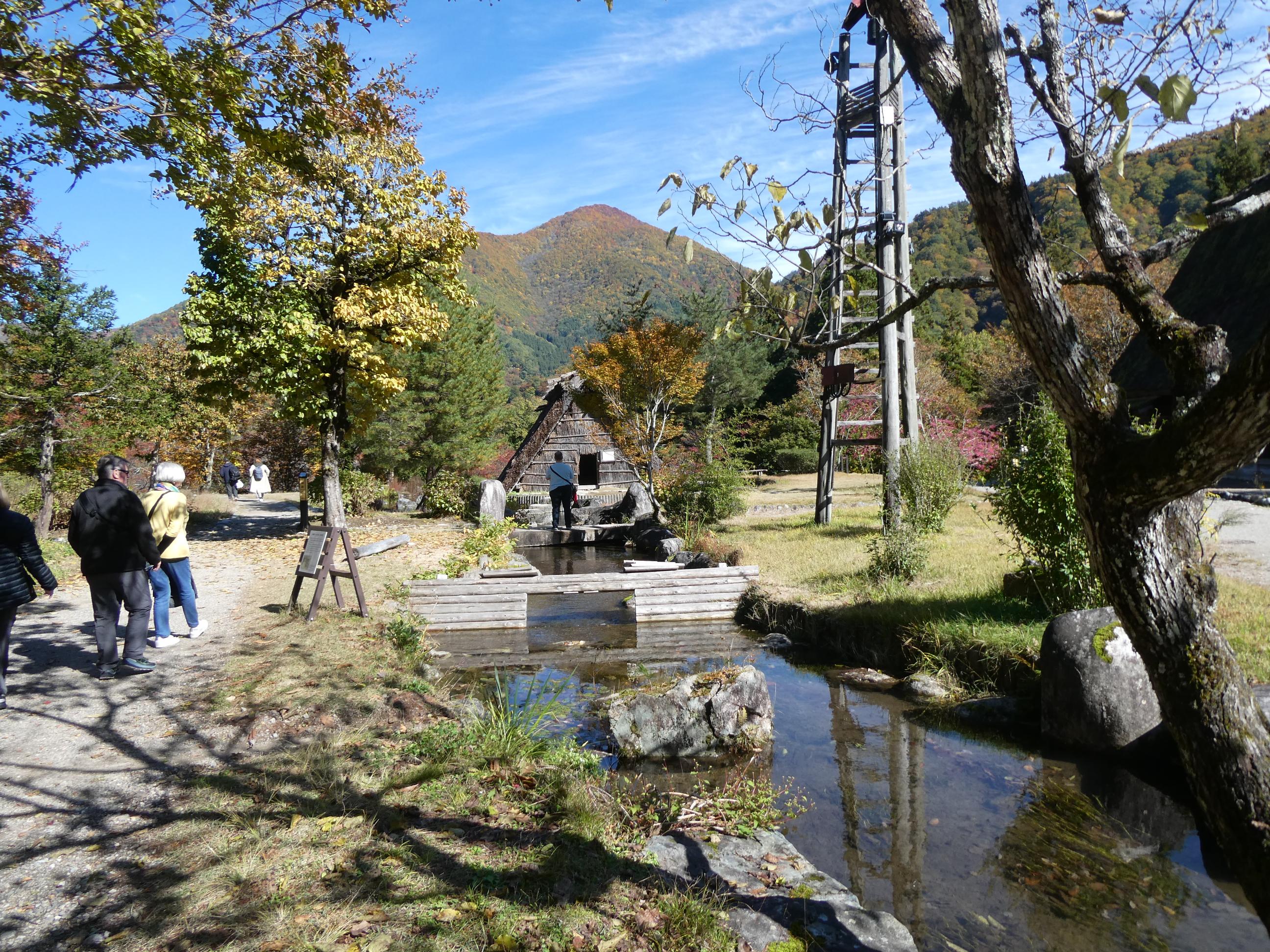
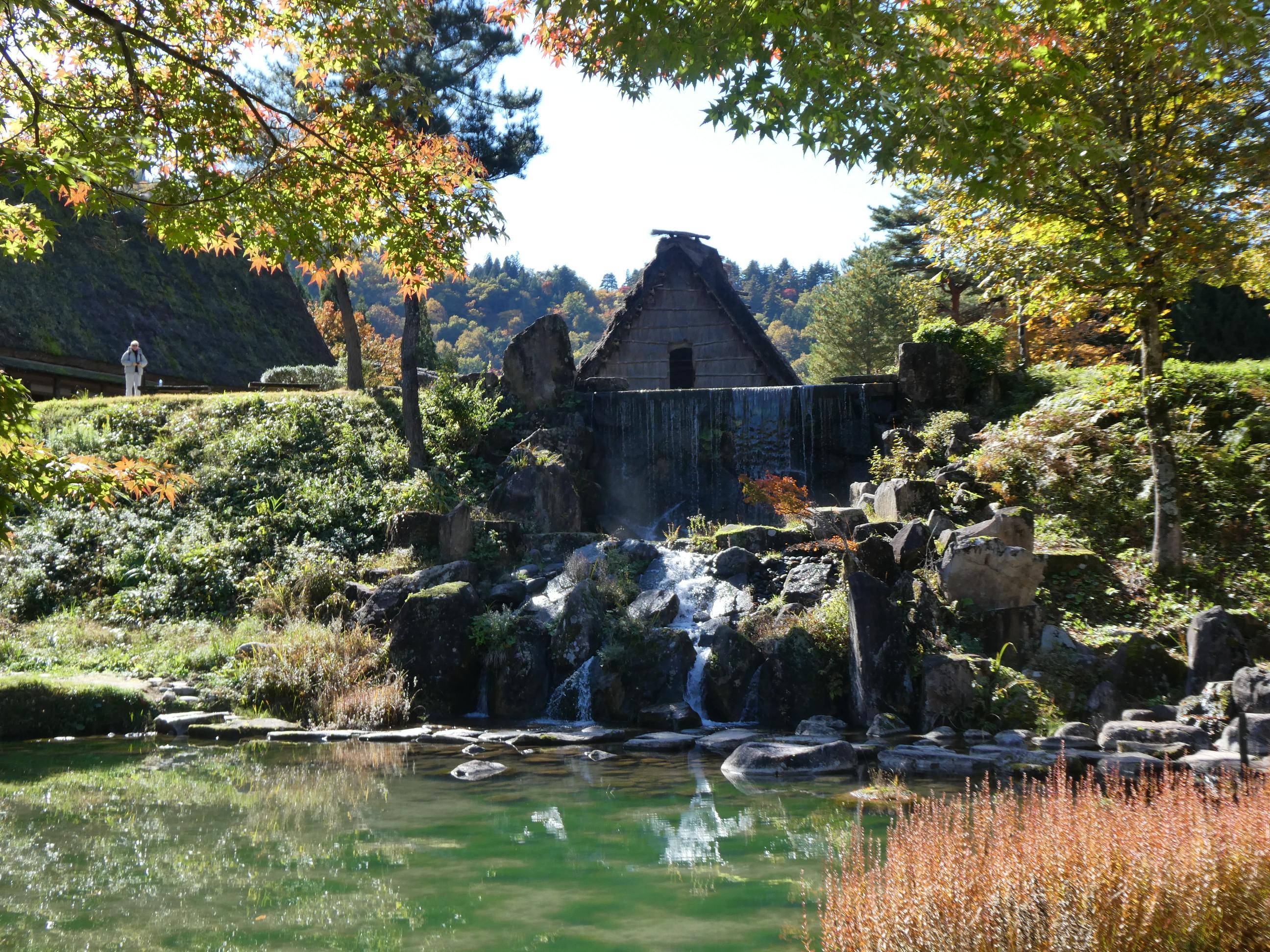
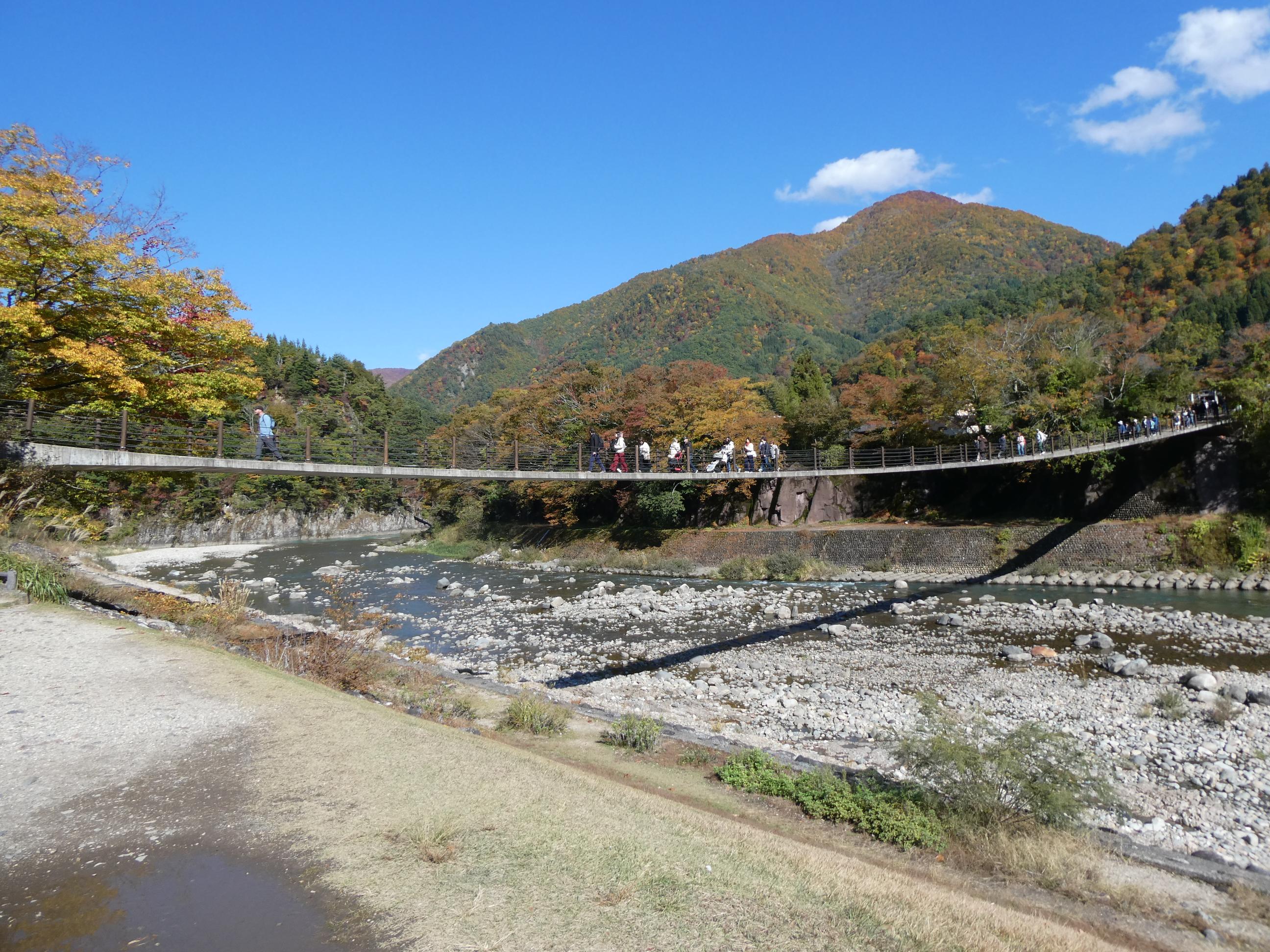
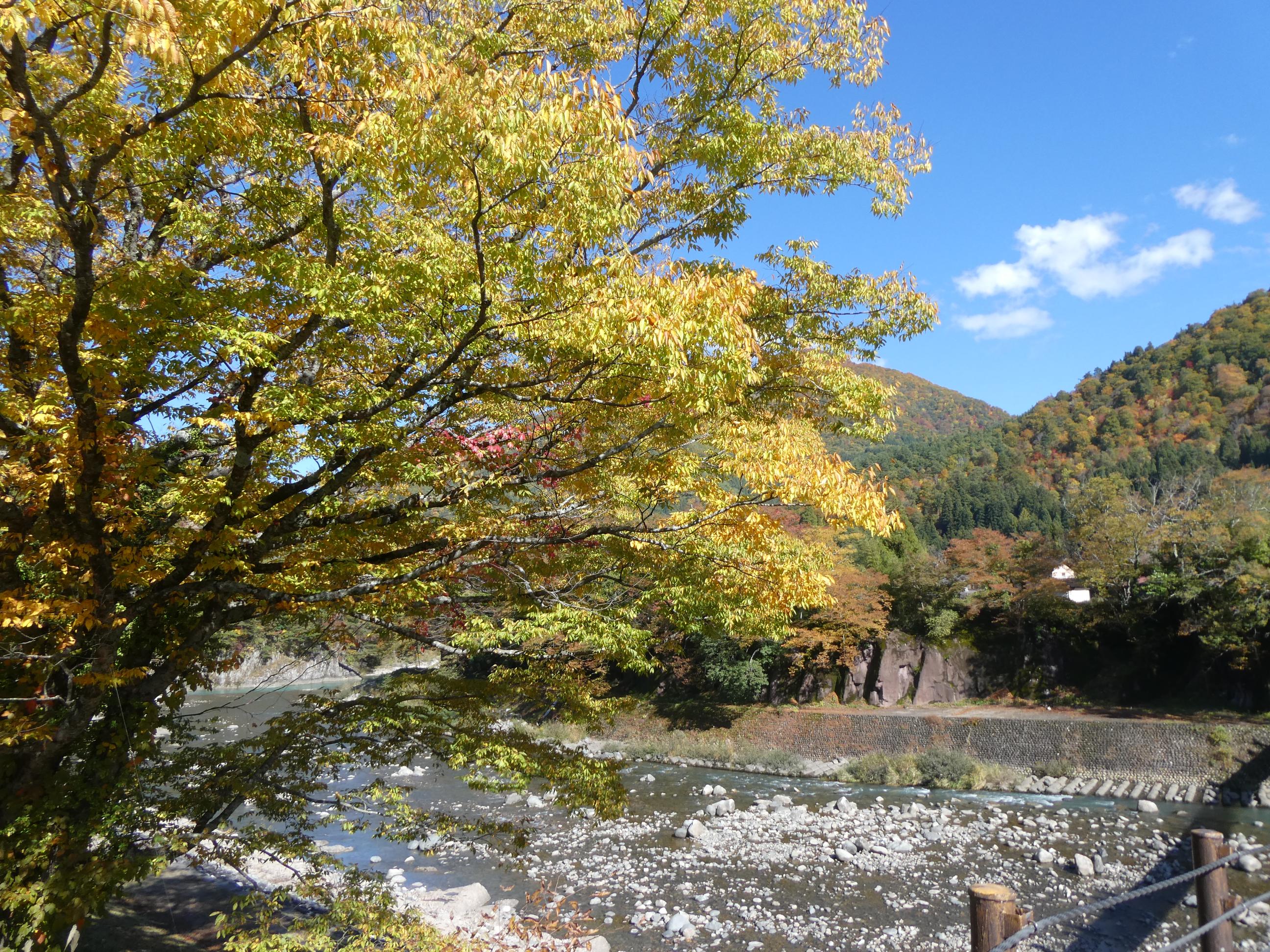
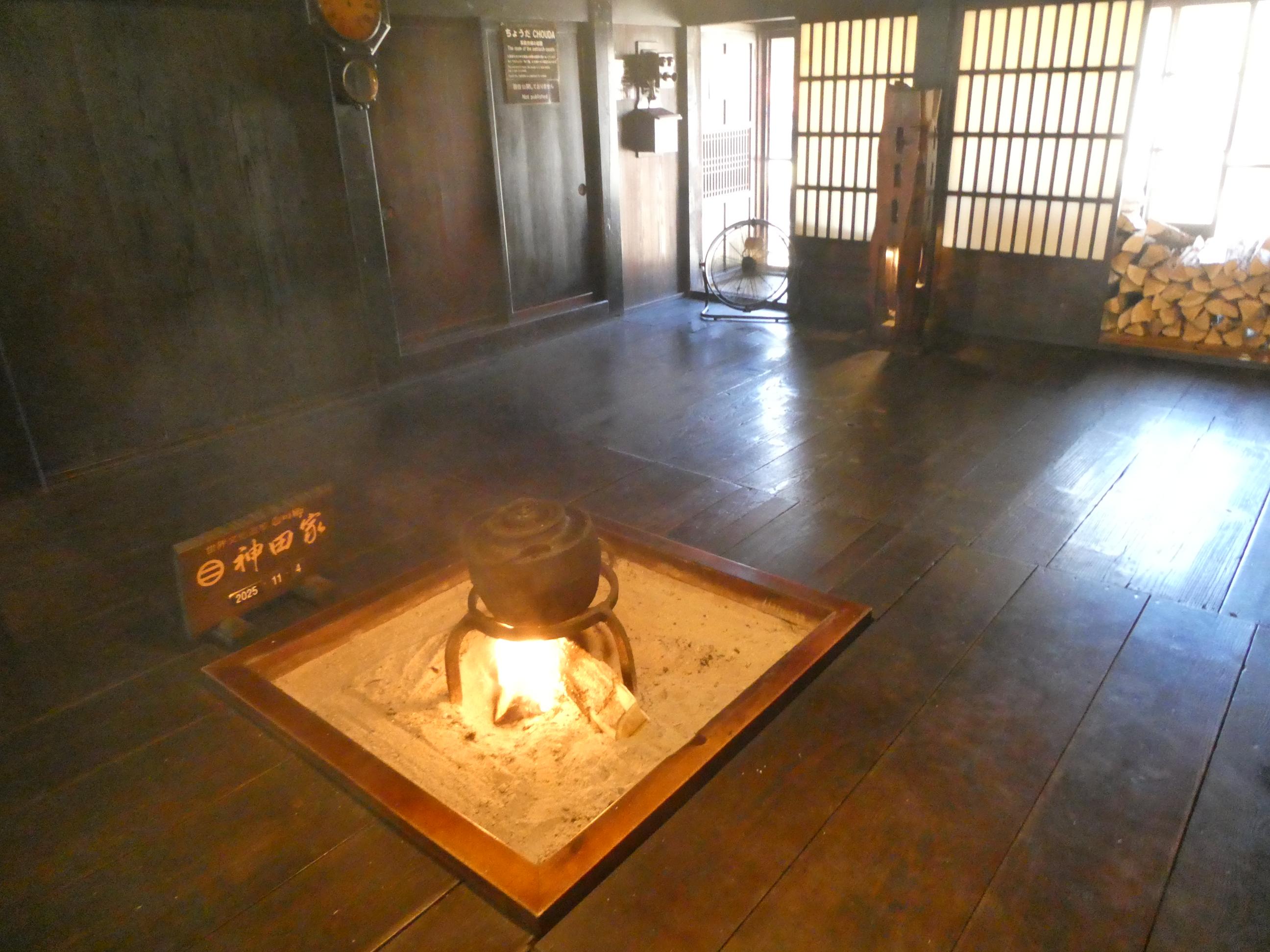
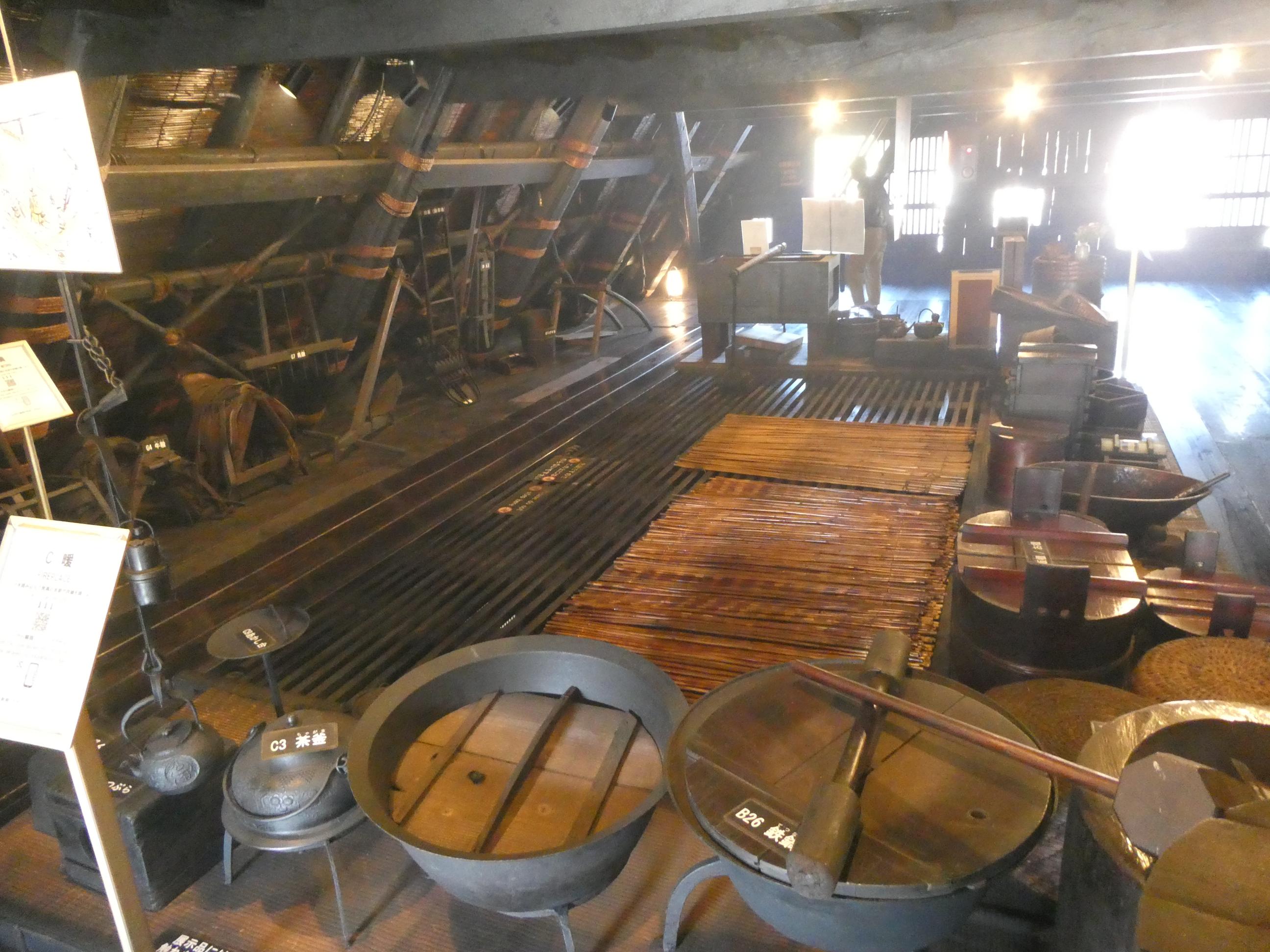
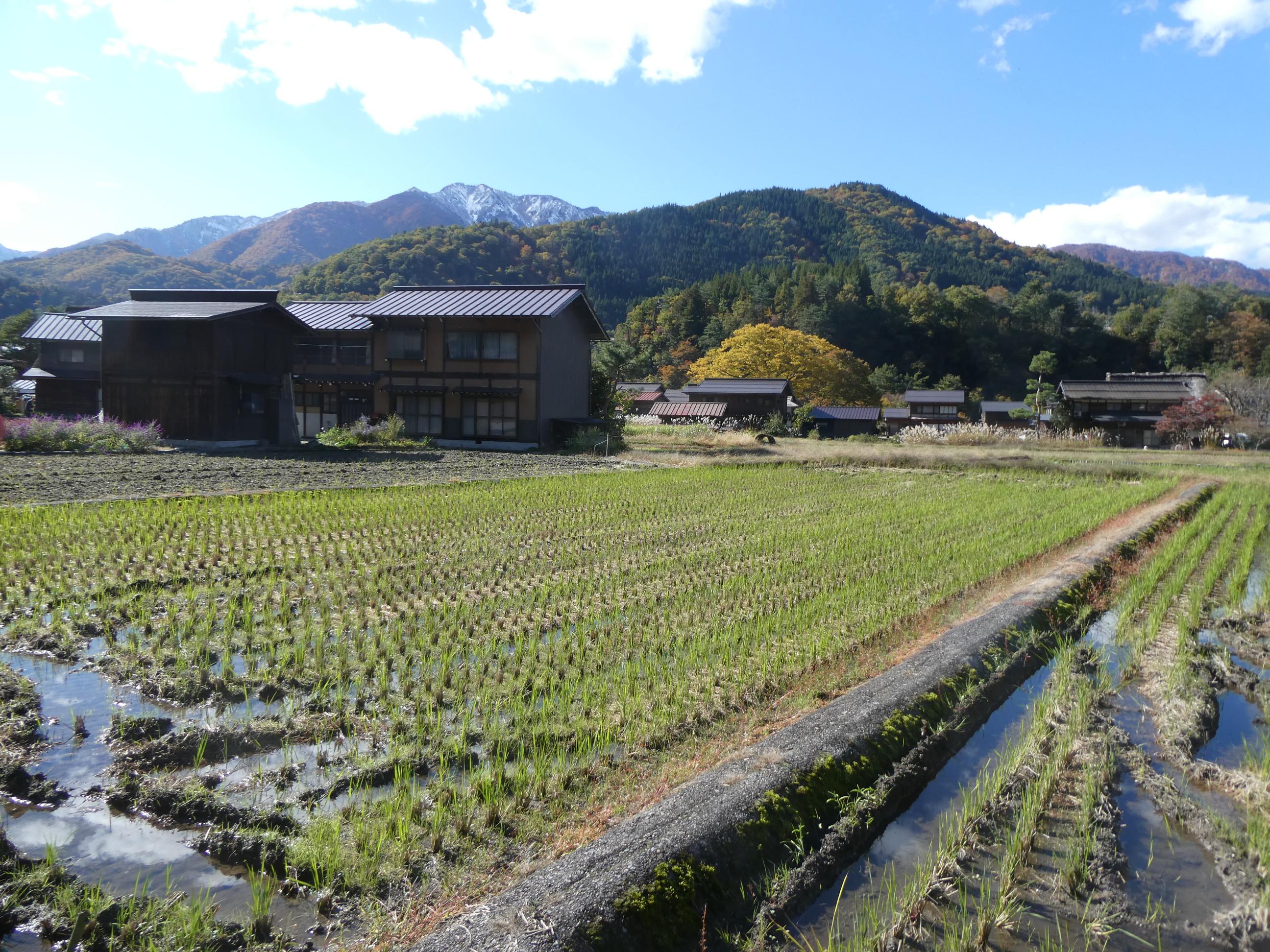
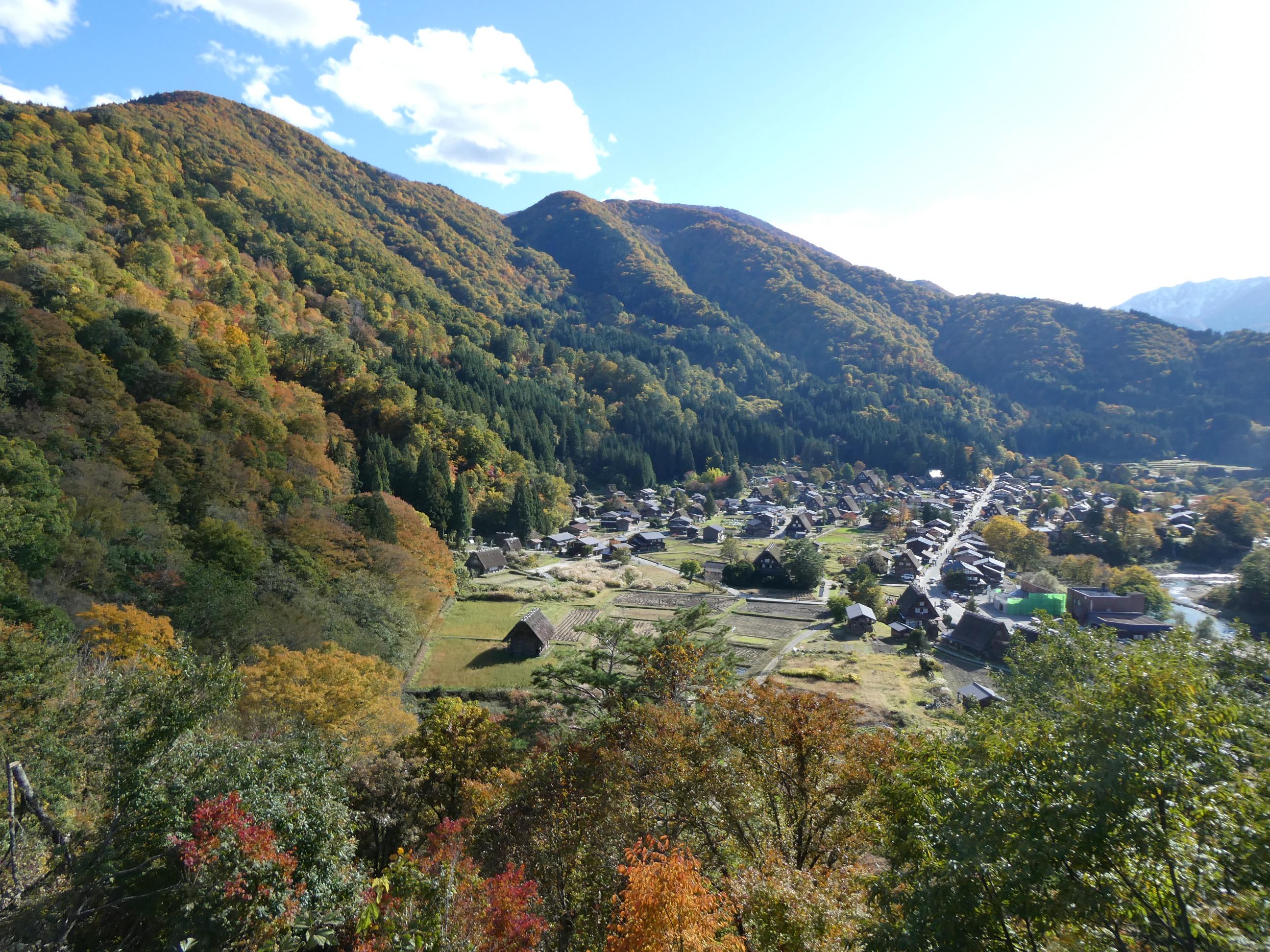
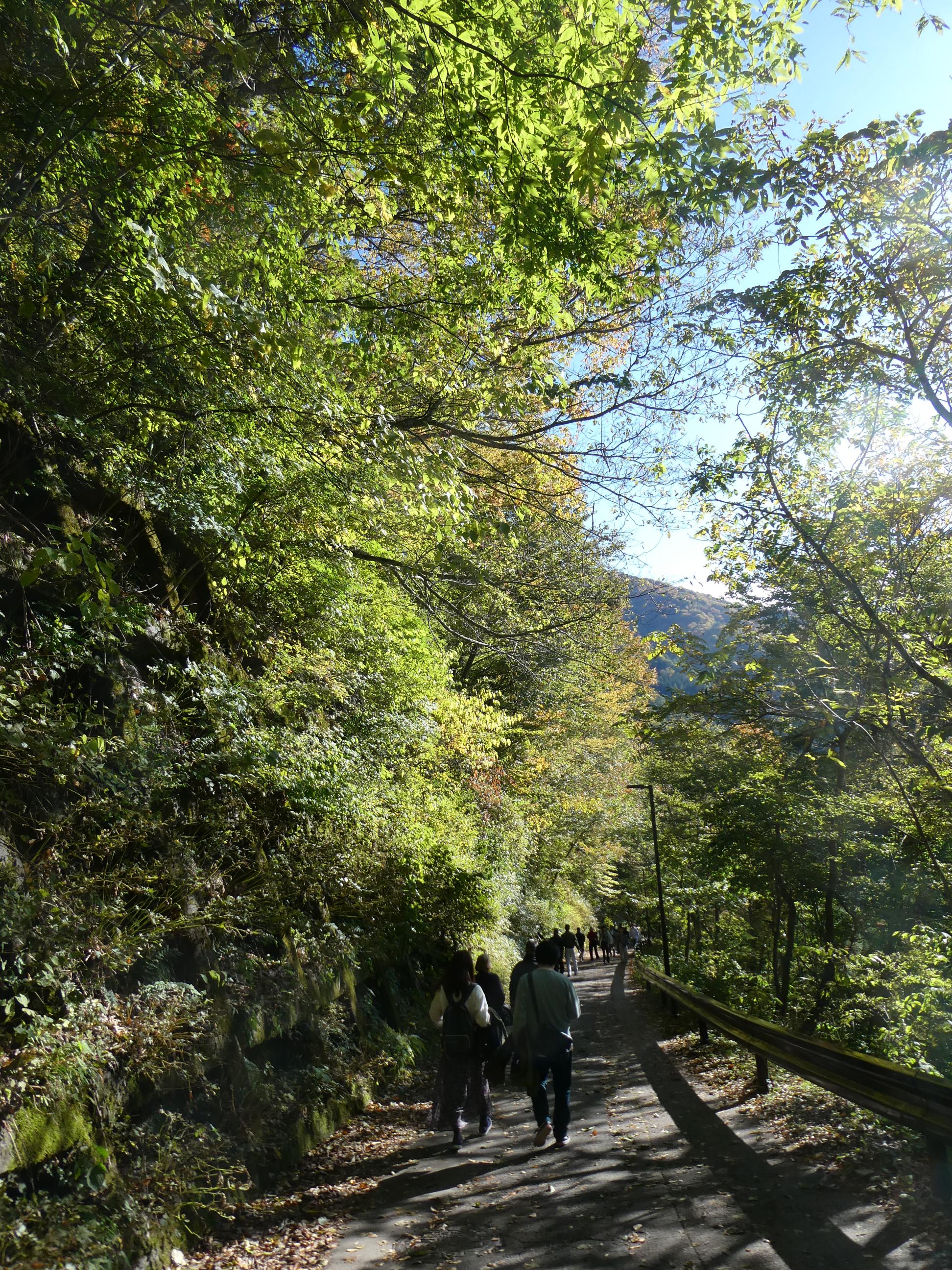
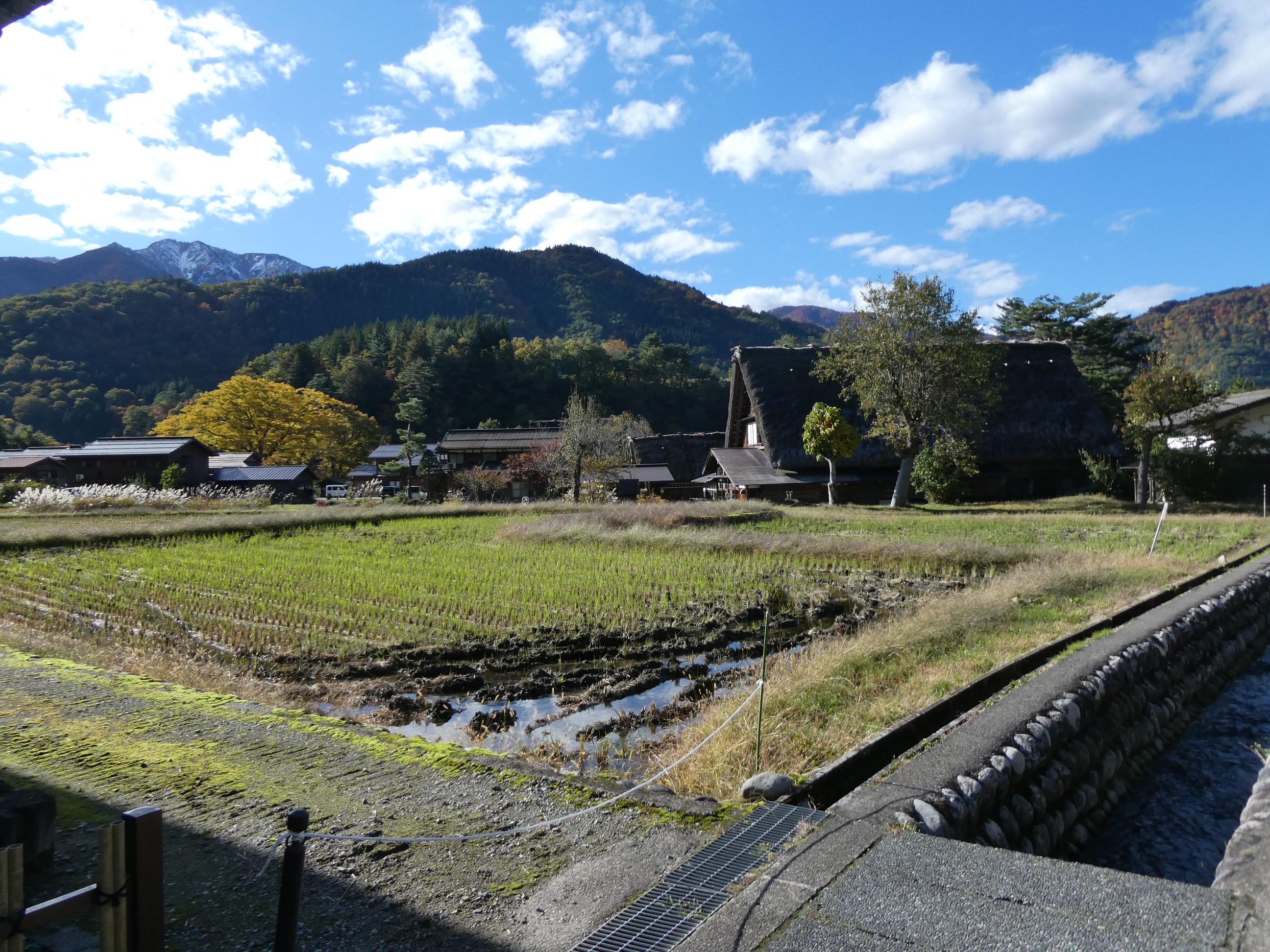
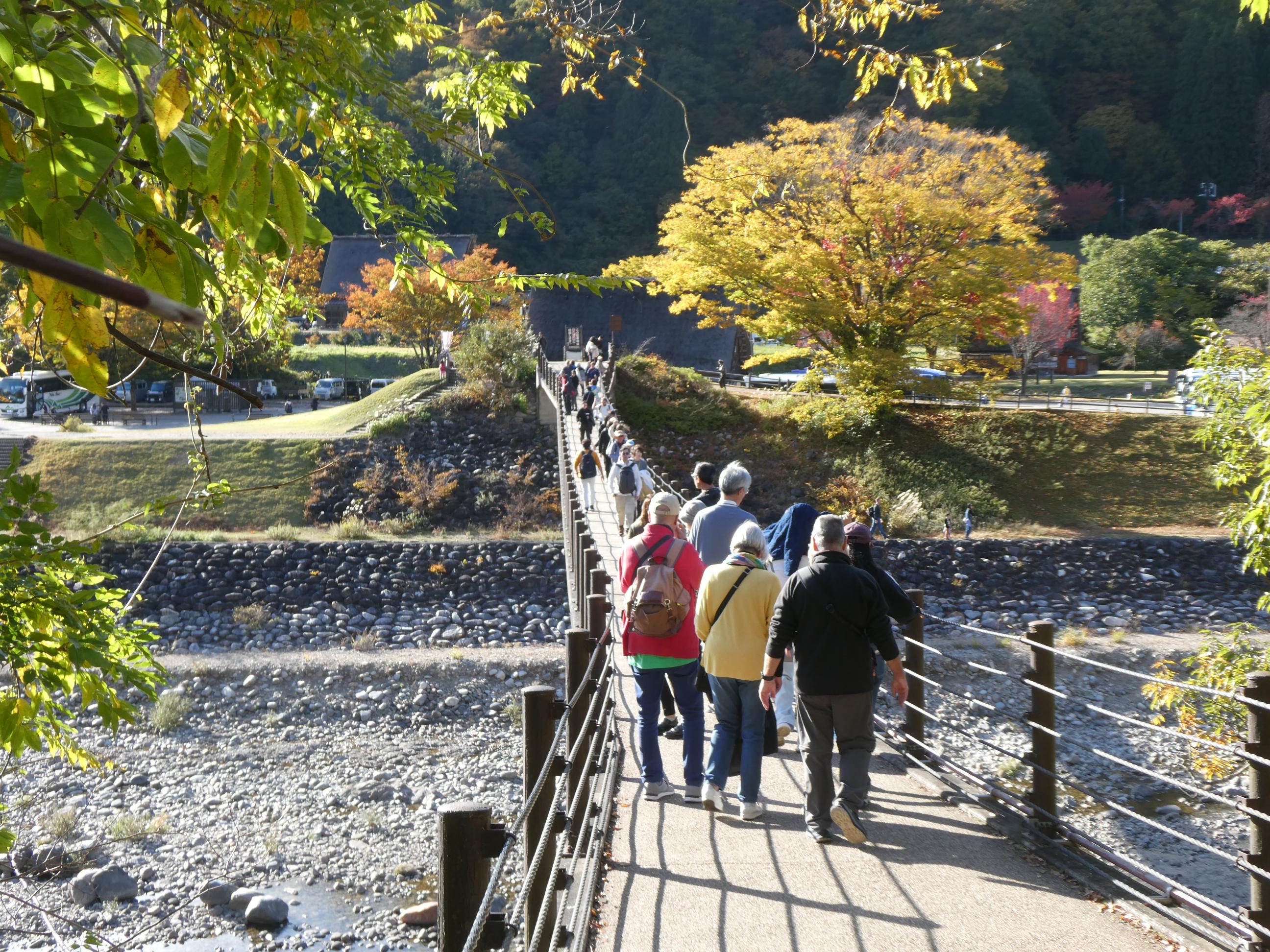
We travelled for another hour on the bus, through beautiful mountainous countryside, to a larger village called Shirakawago. About 500 people live in this village, and we were given three hours to explore it. I don’t have the words to describe the beauty of the setting for the village, but I think you can see from the photos below that it is quite stunning. The sunny blue sky, the autumn foliage and the snow capped mountains provided a memorable backdrop for the wonderful gassho houses, some of which are over 250 years old. The first ones we visited were in the open-air heritage museum on one side of the river. The houses in the heritage museum do not have World Heritage status as they have all been relocated from other villages in the Gokayama region in order to preserve them. We were not able to go inside any of the museum houses, but it was clear that some of them served different purposes from the various shapes and sizes and designs we encountered. We crossed the bridge into the historic village and took our time to wander down the back streets and have a good look around. We visited one of the two houses open to visitors. It was called the Kanda House. It was a very large house with four levels. A fire was burning under a pot on the ground level, and the smoke permeated every level. It made we wonder if they ever thought about chimneys. I also wondered about the fire hazard of an open fire constantly burning in a wooden house. The forest was just a short walk from the village in all directions, and warning signs to beware of bears after dark reminded me that the people of this village still live a lifestyle that must ebb and flow with the patterns of nature. A snake crossed our path too, quite oblivious to our presence. I don’t know if Japan has venomous snakes. I was so glad I decided to do this day tour after waking up feeling unwell and considering giving it a miss. I think it will remain one of my travel highlights for many years.







 On The Road With Garry