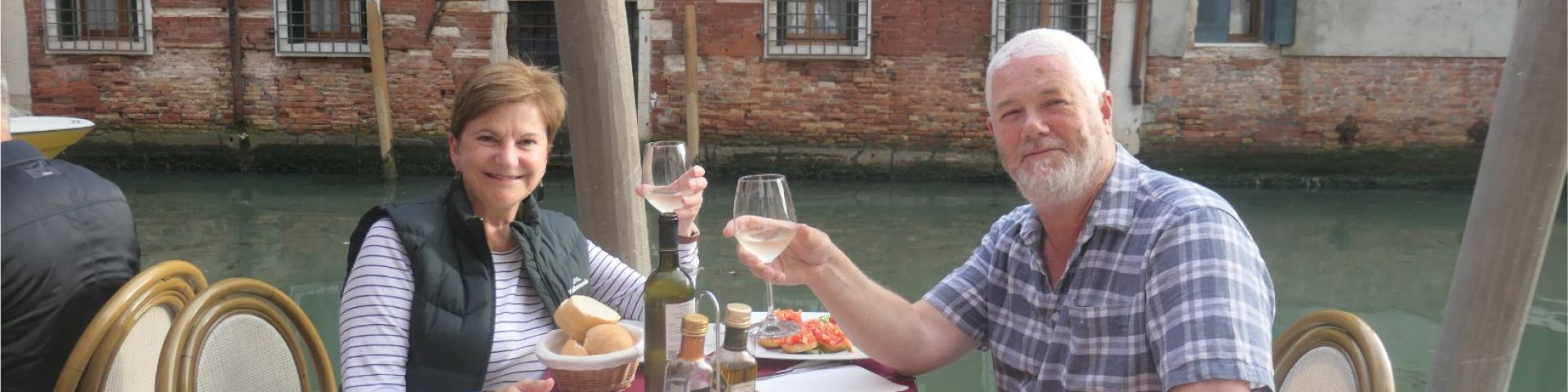
We woke to a beautiful morning in Nikko. The sky was blue and cloudless as we walked down the long hill from our hotel to the bus stop in town. We got some of the first positions in the queue and waited about 30 minutes for the bus to arrive. It was just as well we did, as the buses ran infrequently and it was a very long queue. Our bus filled and left, and there were still many people in the queue. I think another one followed us just a few minutes later, but that would have filled before the last of those queueing and the next one was scheduled for an hour and a half later.
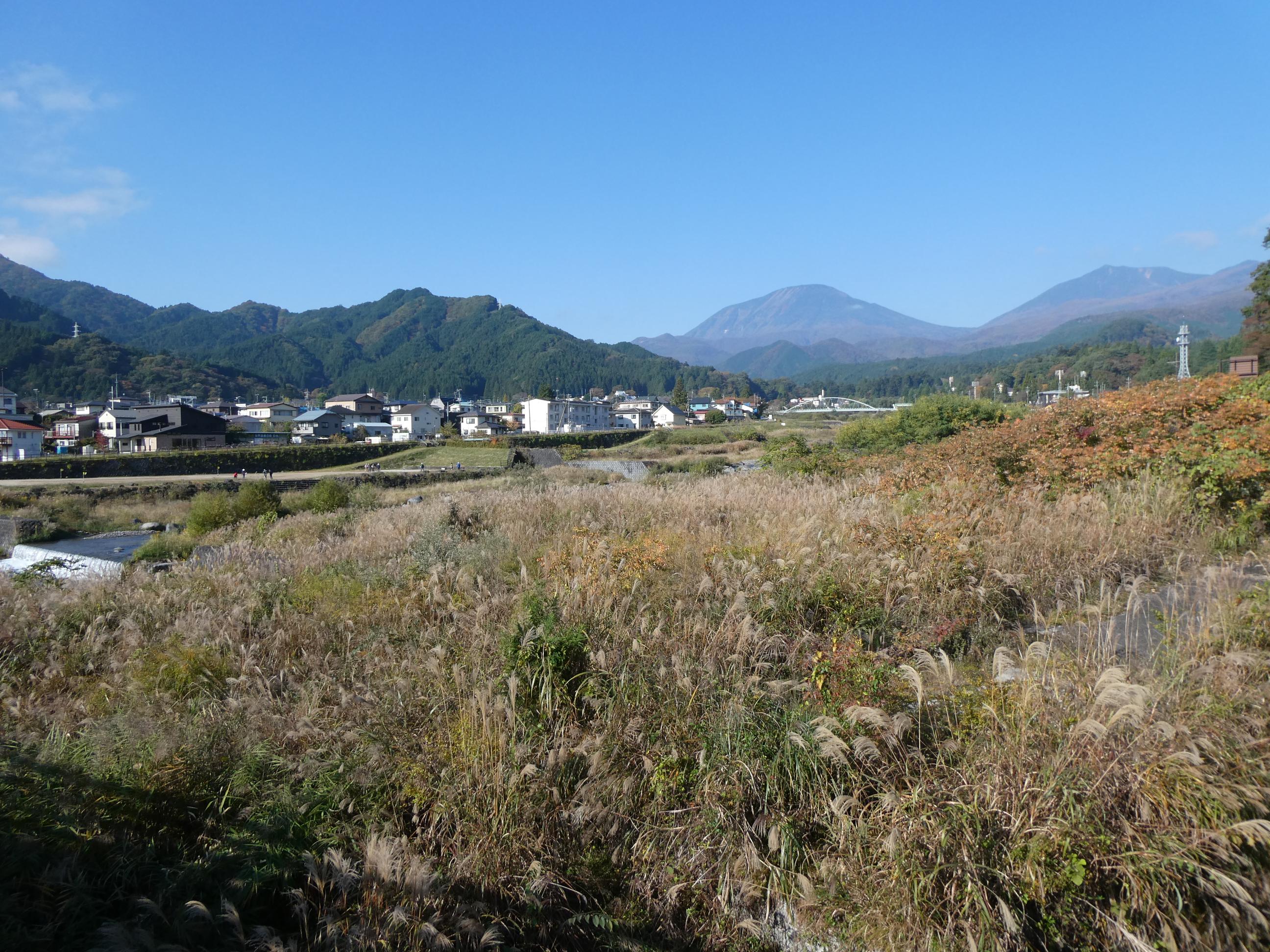
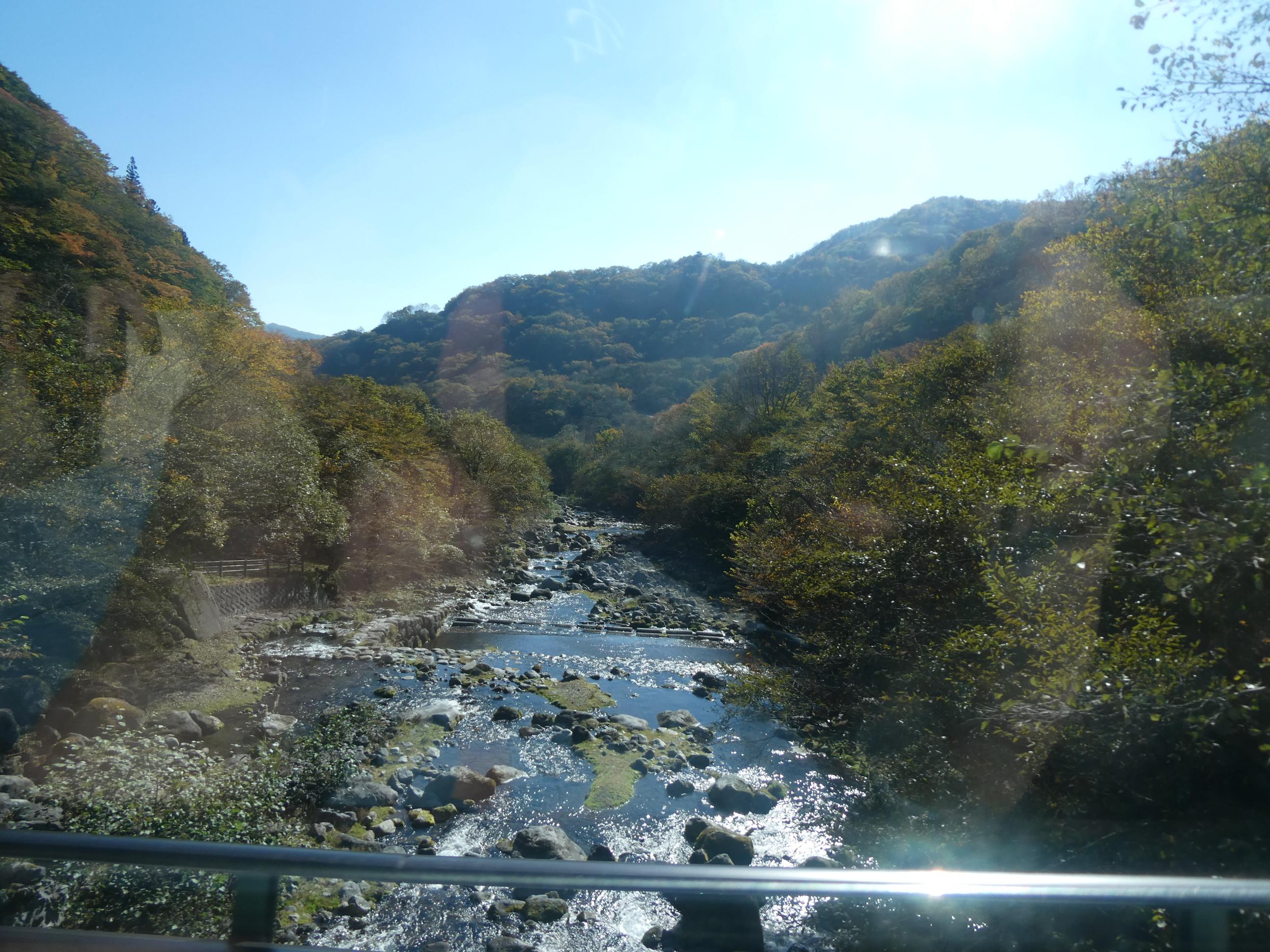
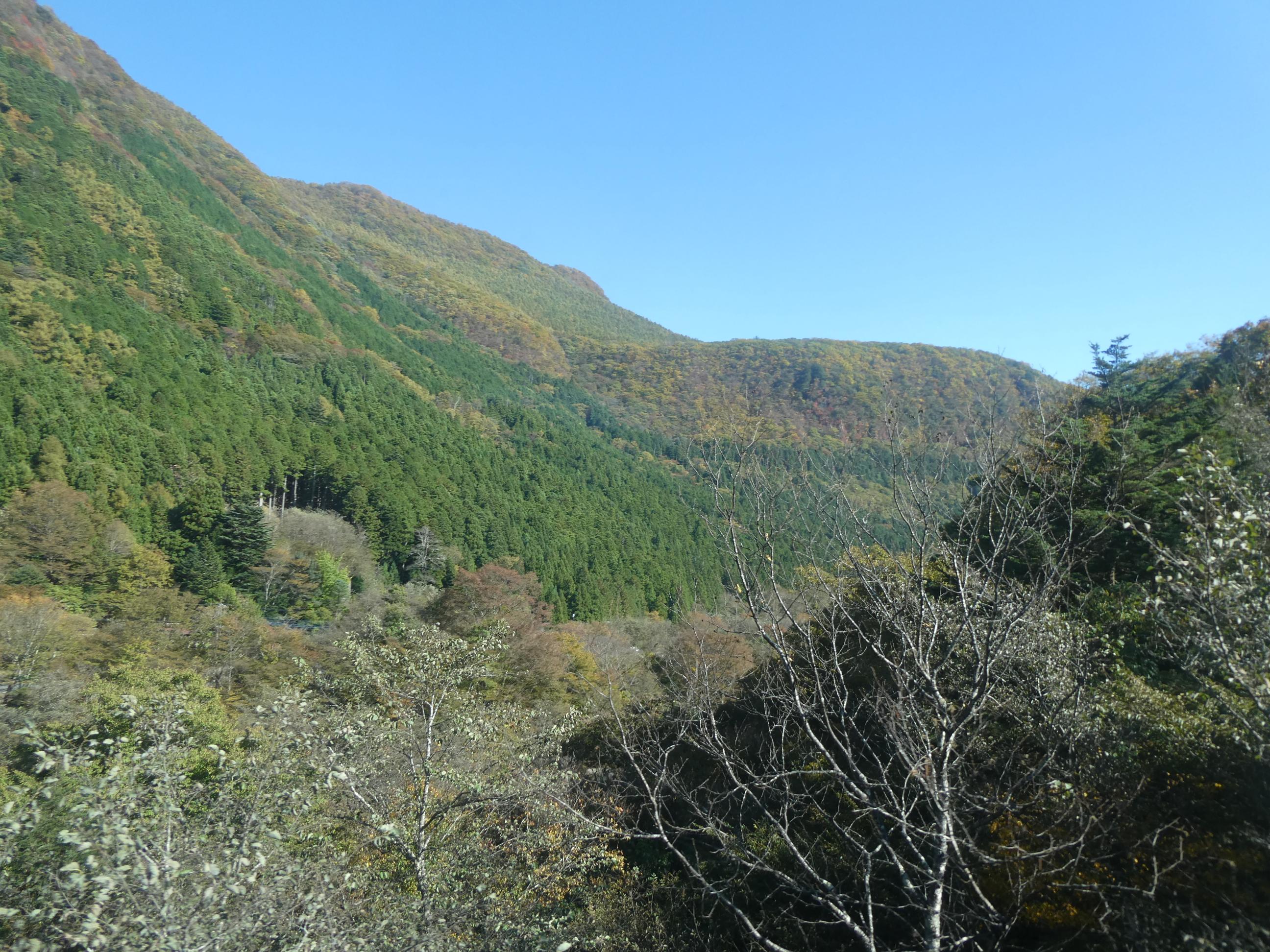
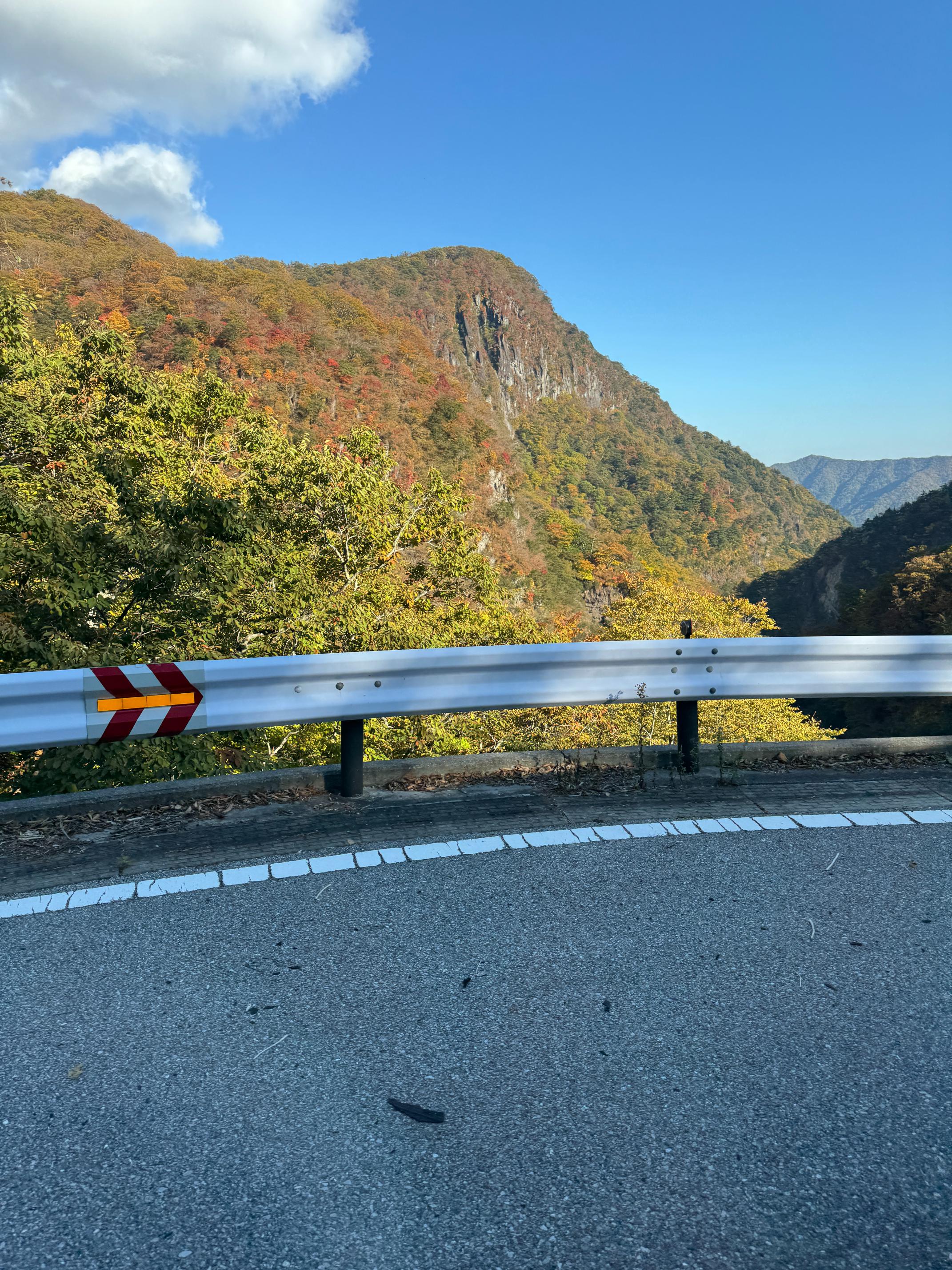
Our bus climbed high into the mountains and through the forests of Nikko National Park. The final section of road was very steep and very windy. The road into Chuzenji Onsen was one way only, but there were two lanes and our bus made really good time.

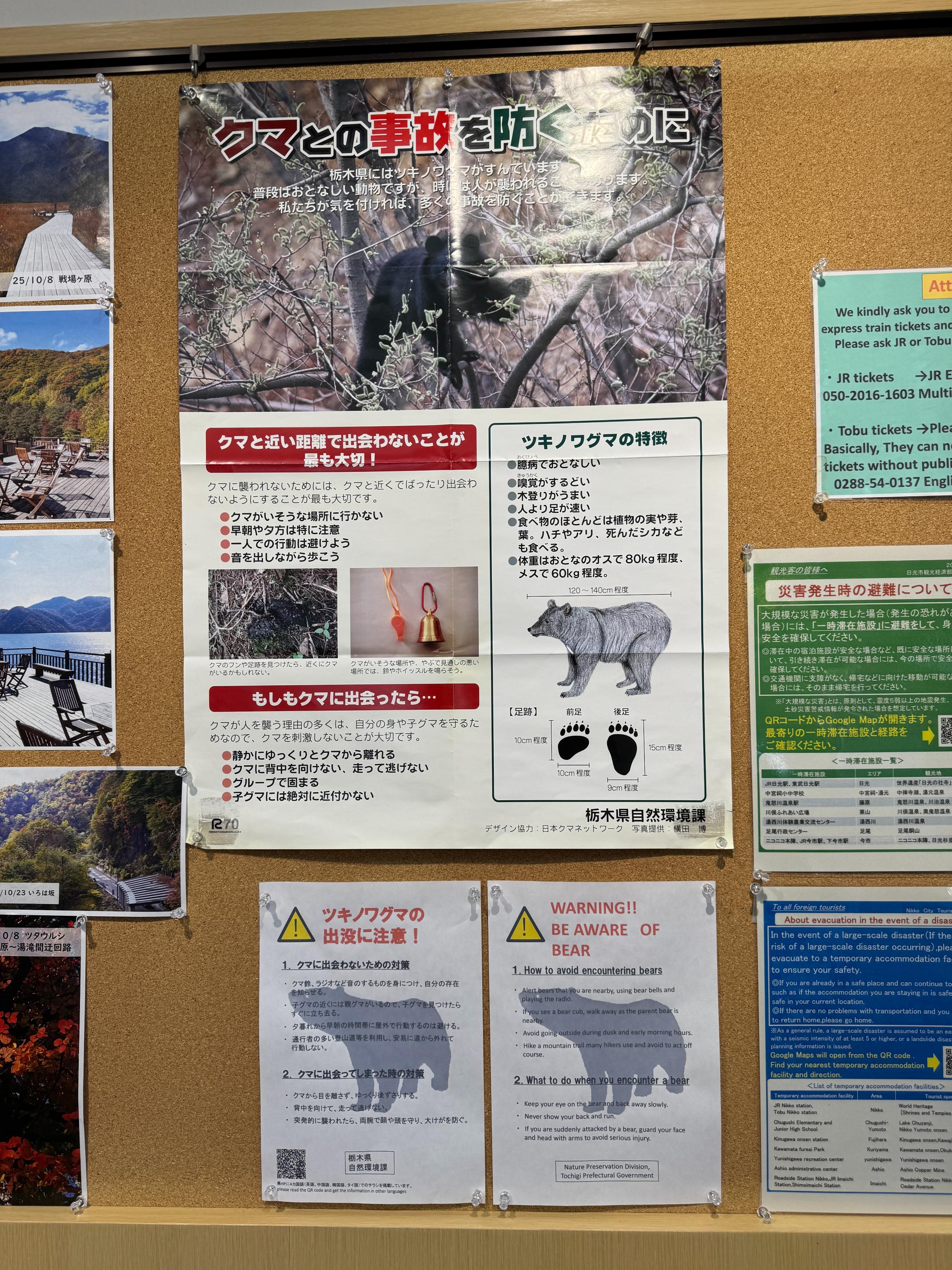
As soon as we arrived in Chuzenji Onsen, we found the Information Centre and went looking for a pamphlet listing tourist activities in and around the town. We couldn’t find one, which was a little weird for an information centre, but we did find warning posters advising us to keep an eye out for bears and giving instructions for how to react if we came across one. I read the final dot point and committed it to memory: ‘If you are suddenly attacked by a bear, guard your face and head with arms to avoid serious injury.’ Thankfully, I never had to test whether or not this strategy worked.
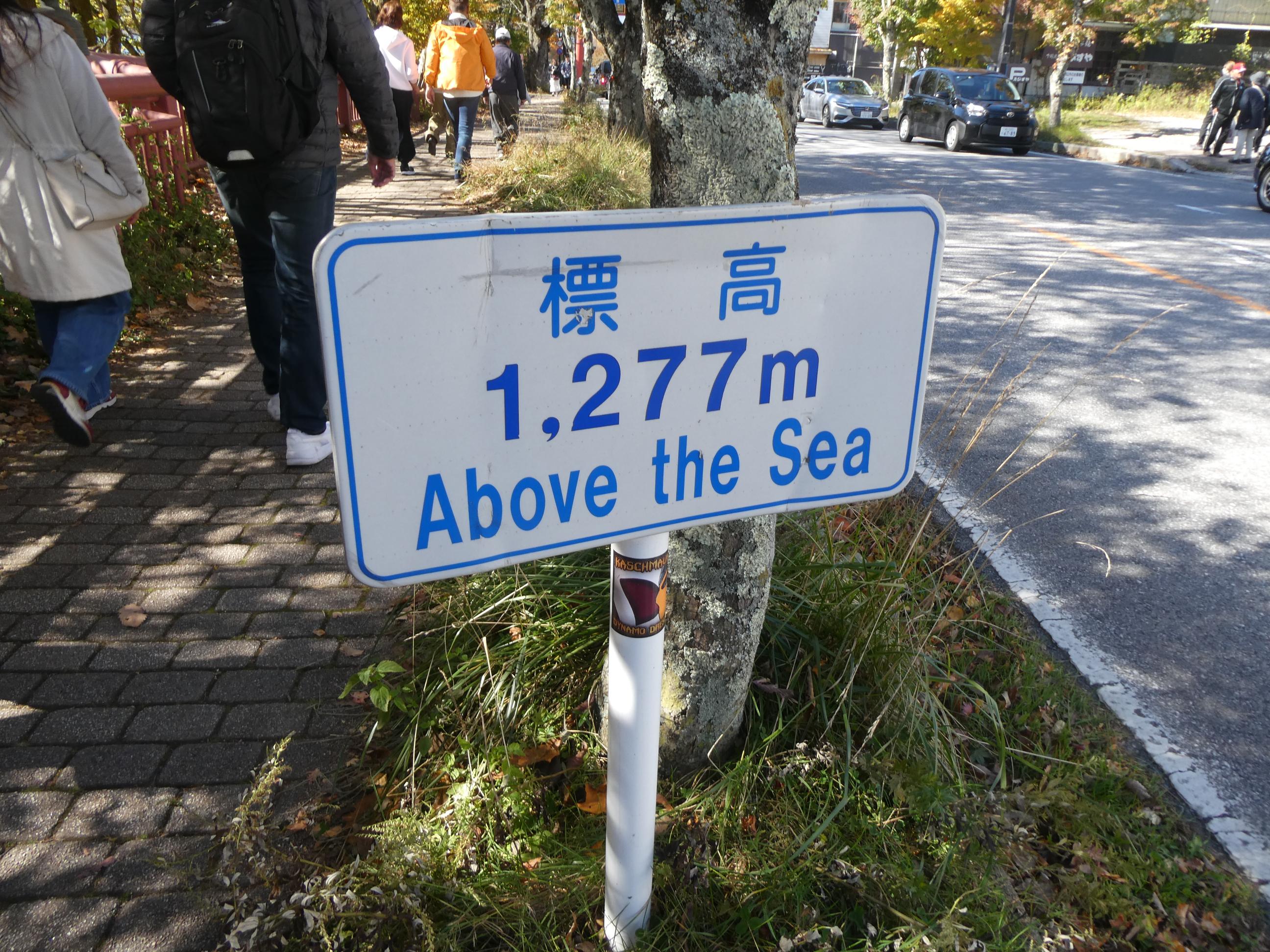
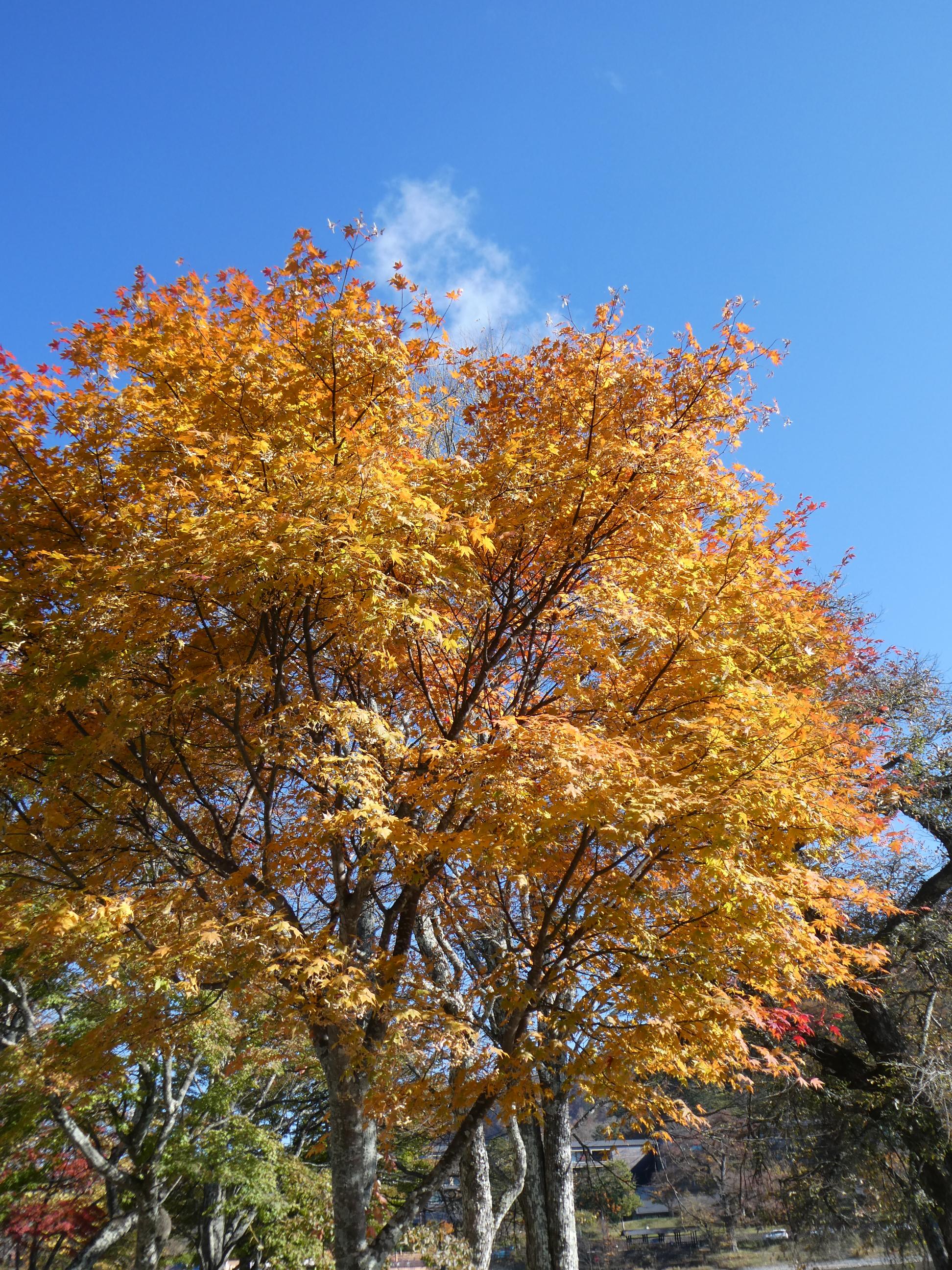
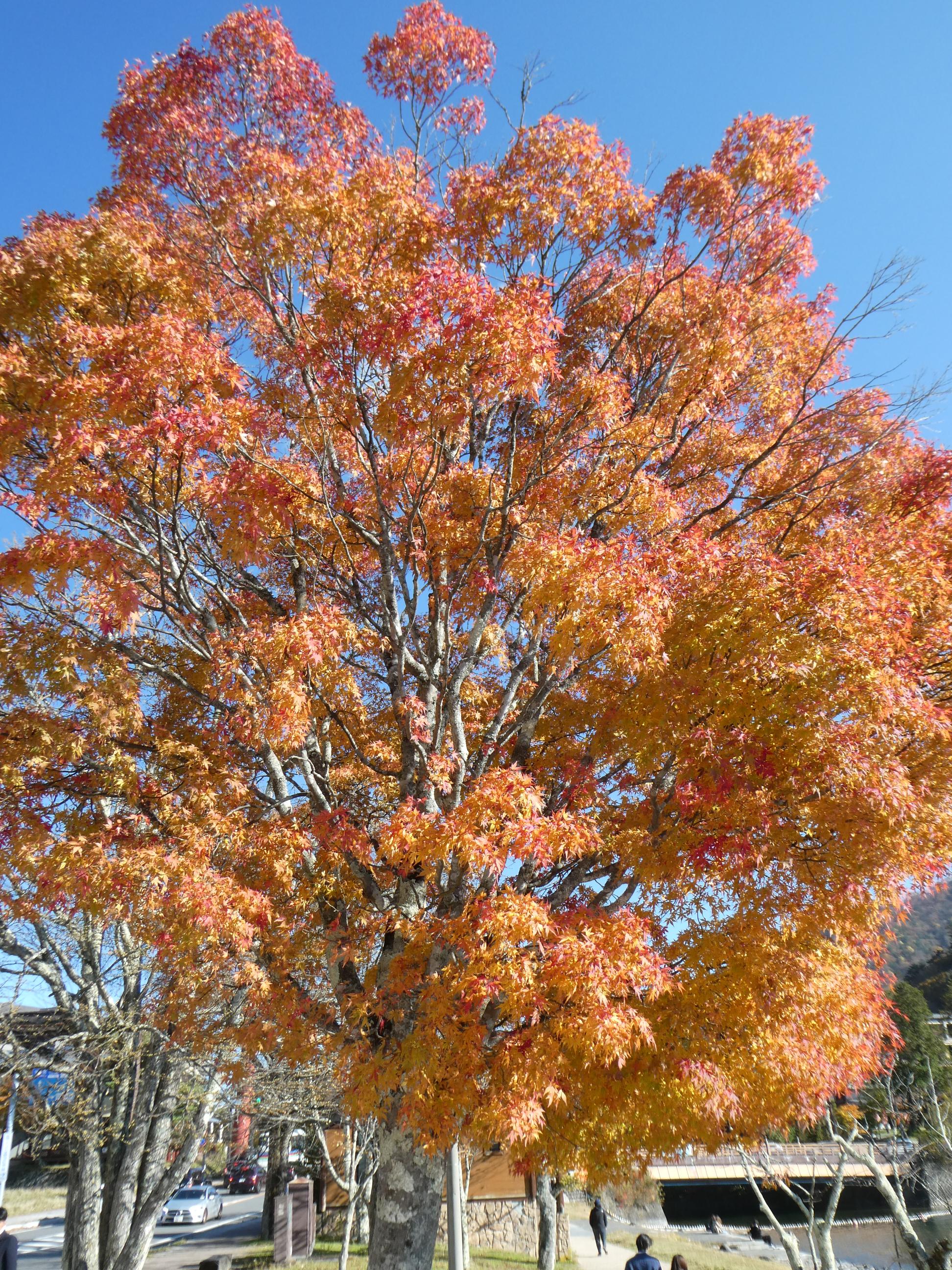
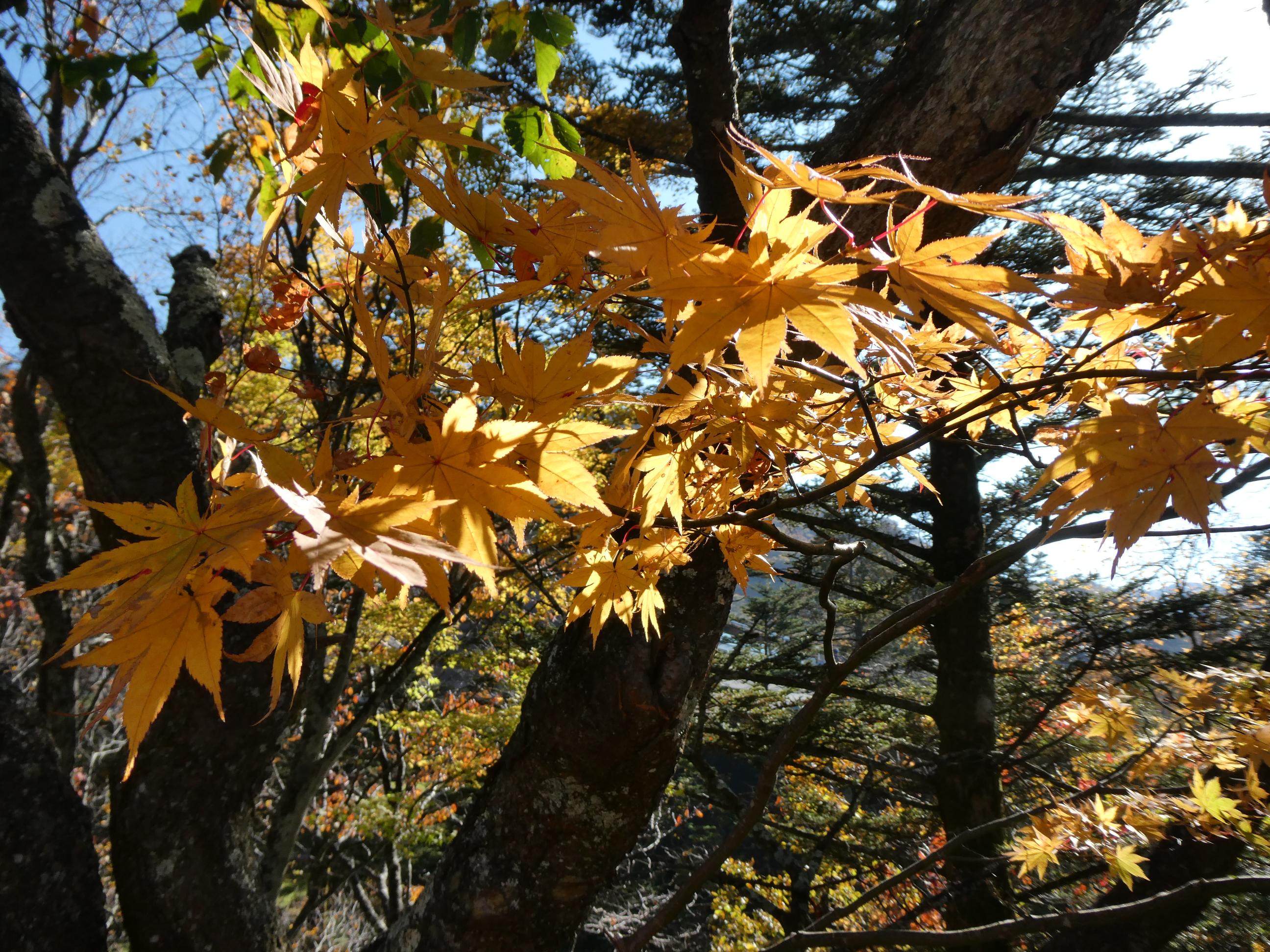
Chuzenji Onsen is a popular tourist town with an elevation of 1277 m above sea level. A steady stream of cars and tourist buses kept us guessing when to cross the road. A rather confusing sign on the tourist car park instructed people to pay in advance after they leave. No wonder there were cars sitting still blocking the entrance while the drivers tried to figure out exactly when to pay. A short walk from the bus stop we passed through a large Torii gate and came to Chuzenji Lake. With the backdrop of the lake surrounded by mountains under a blue sky and the blazing autumn colours of maple and oak trees in the foreground, it was a scene worthy of a picture postcard.


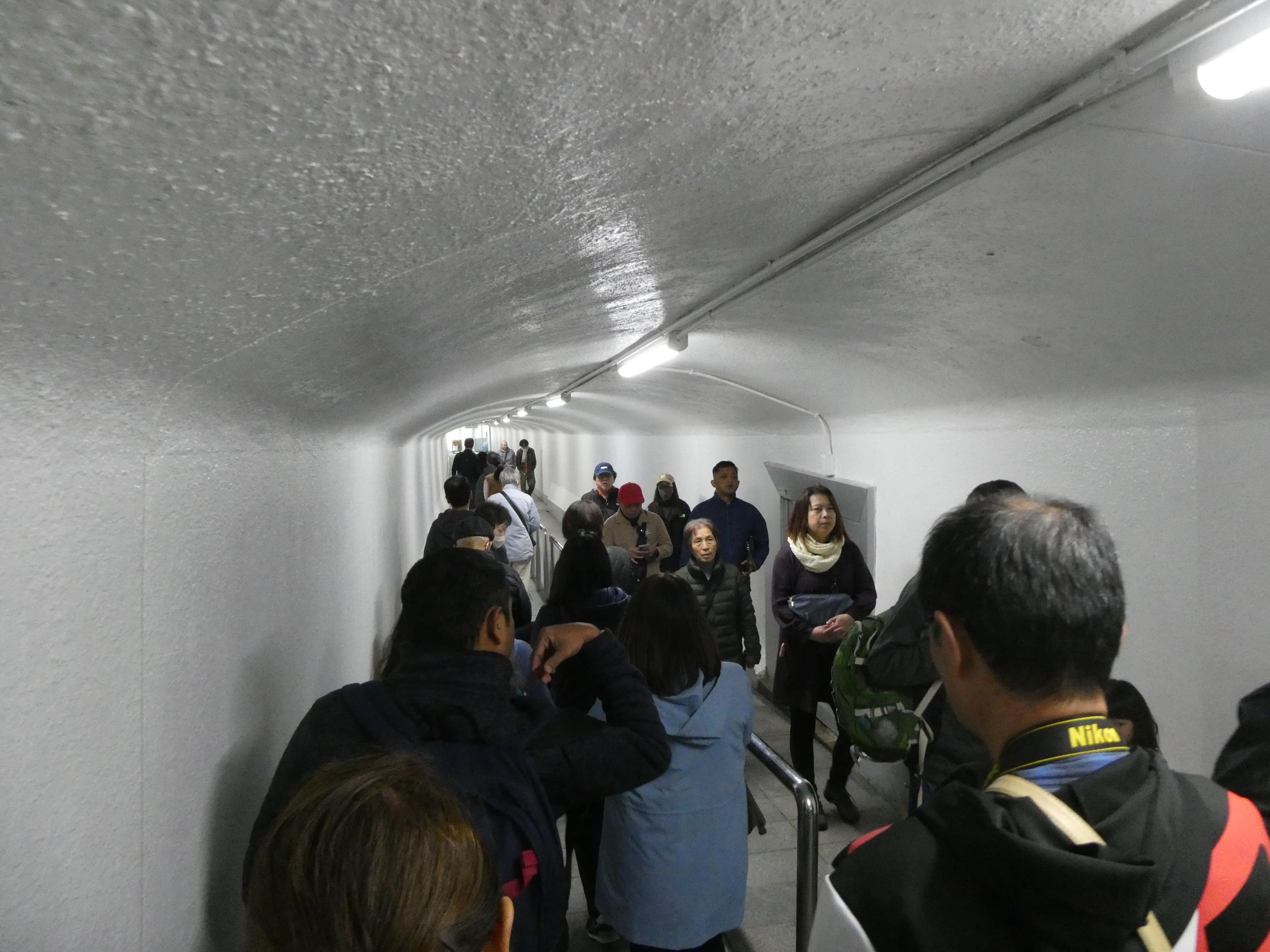
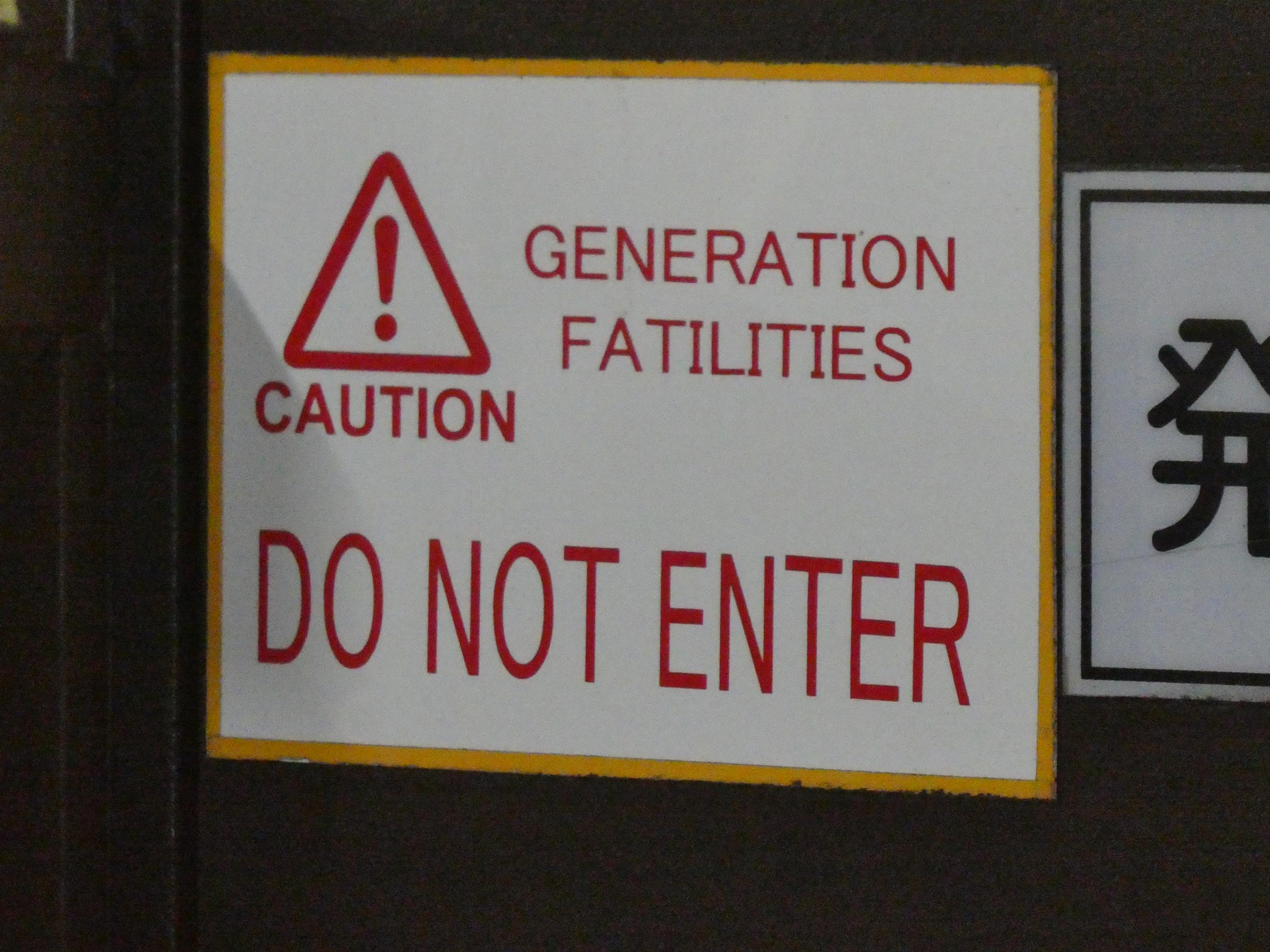
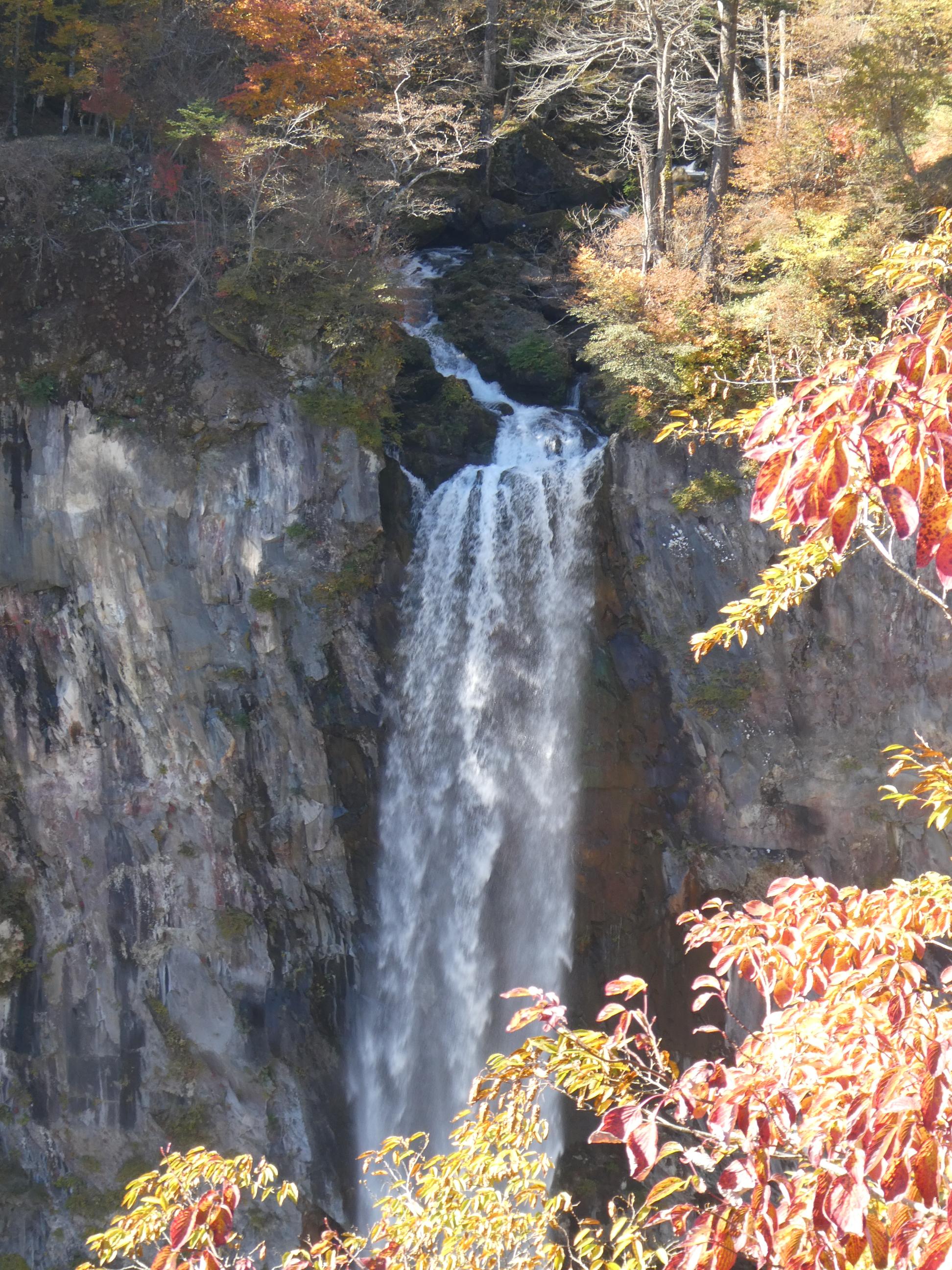
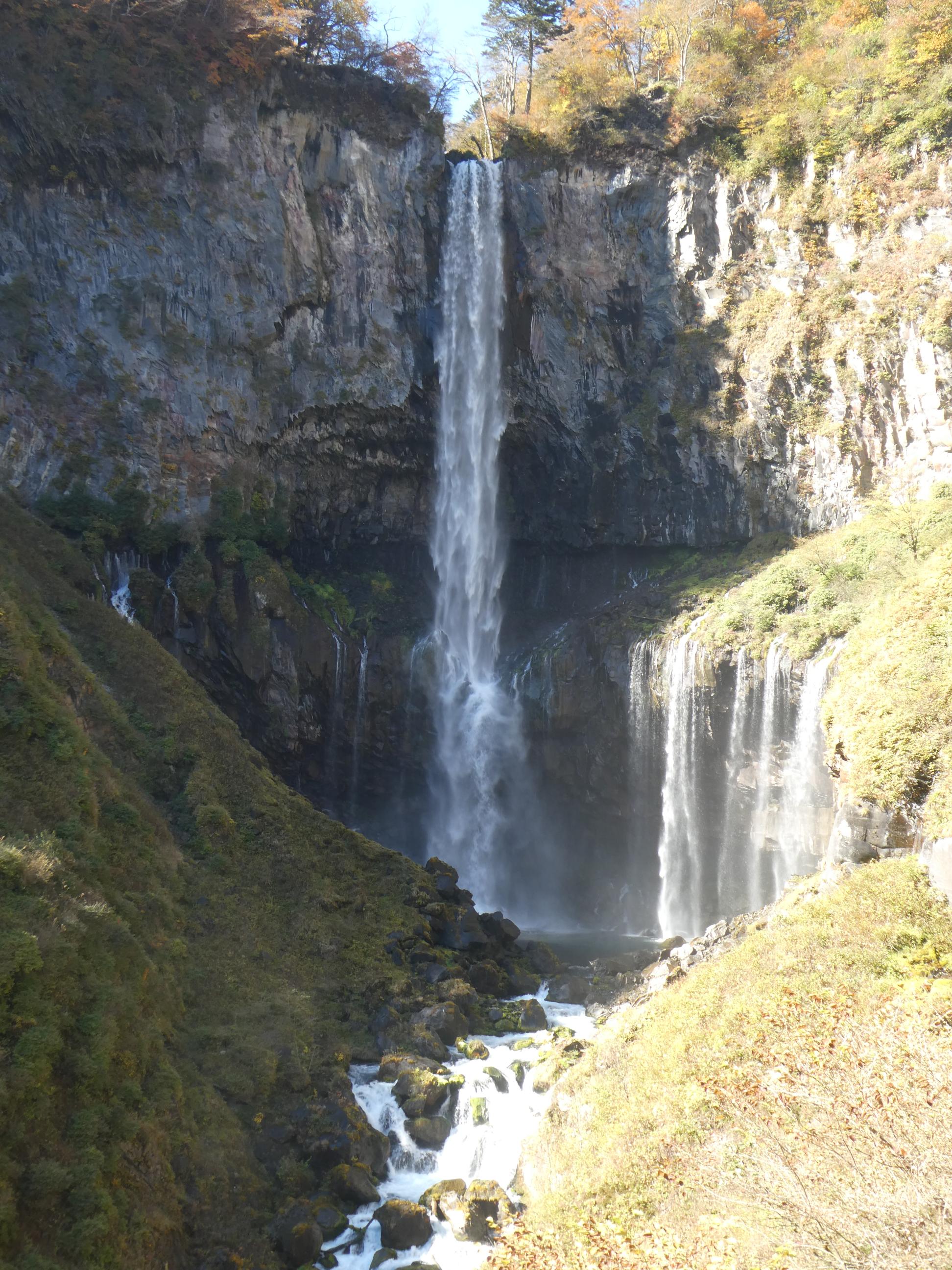
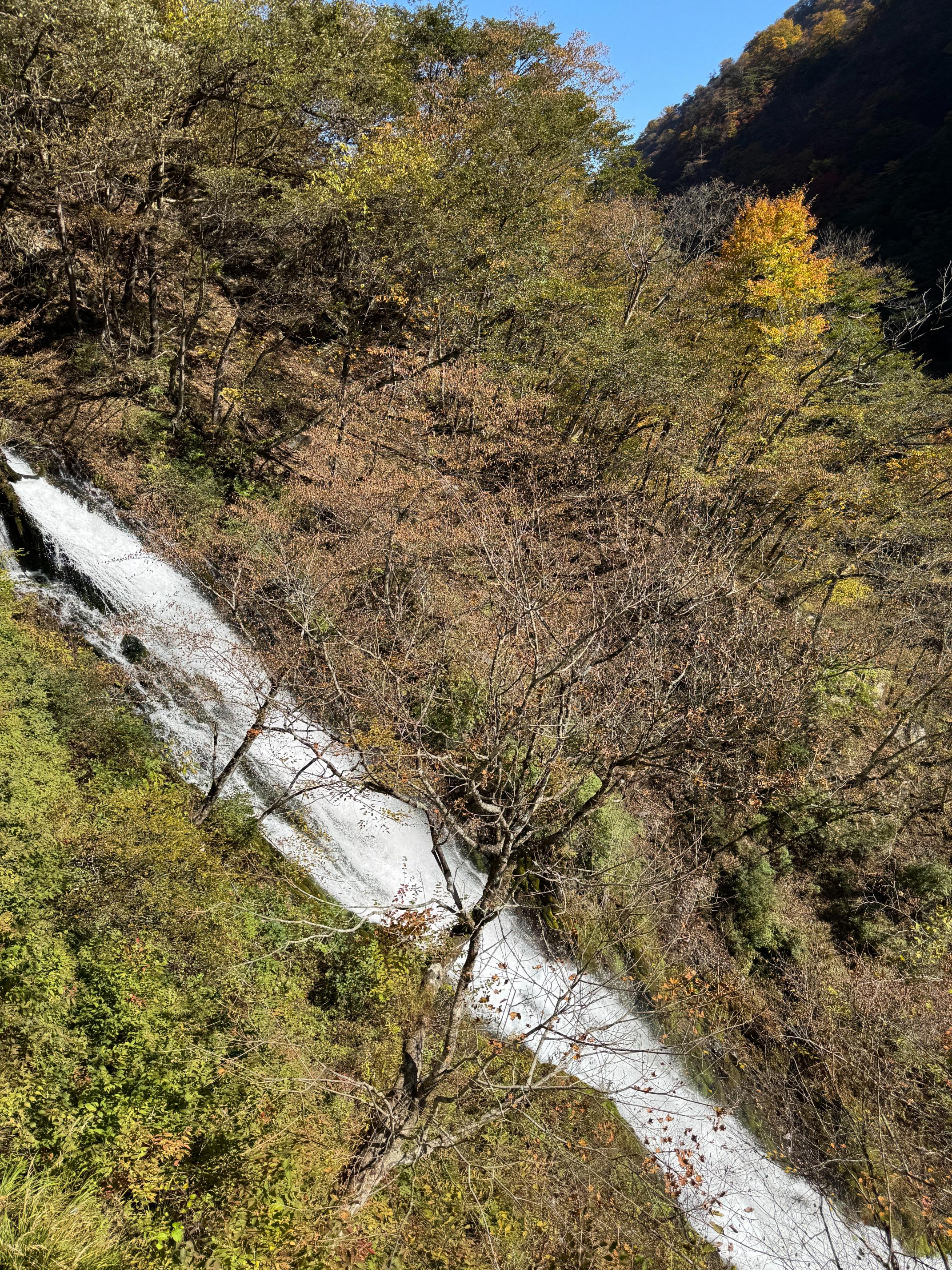
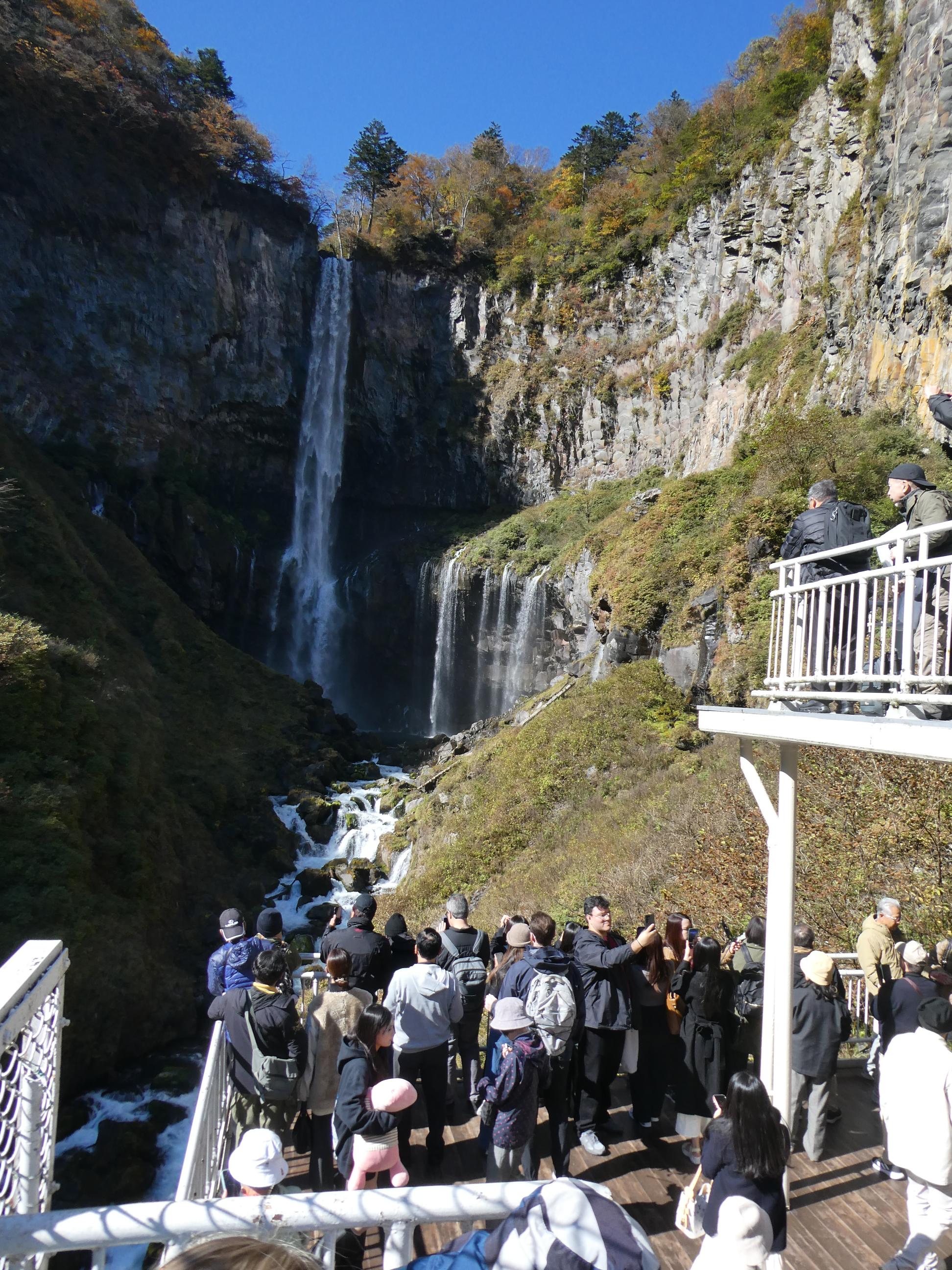
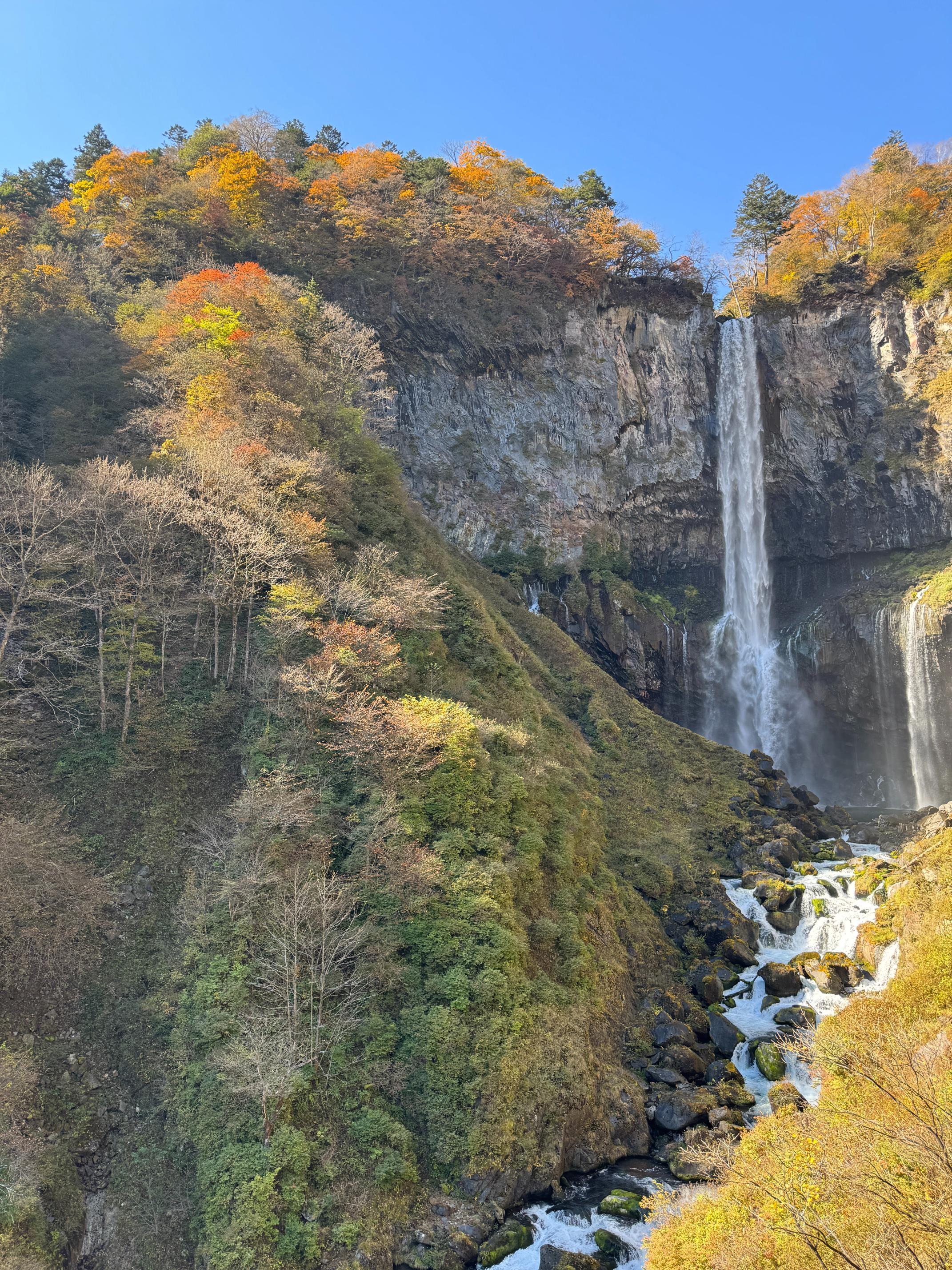
We got on the back of a queue to ride an elevator down to a viewing platform from where we were promised a memorable view of Kegon Falls. The elevator, or what I would call a lift, was built in 1930, which I thought must have been a rather innovative engineering feat for its time. At the bottom of the elevator’s descent 100 metres deep into the ground, we walked out into a long tunnel that eventually brought us to the viewing platform. The view from there was quite a sight to see – much better than the view from the railings near the entrance to the elevator. The forest, resplendent with its stunning autumn foliage, enclosed the rocky falls from each side. Of course, the natural thing to wonder about in a place like this at such a high elevation, is where all this water comes from in the first place. There were surprisingly no signs providing the answer, but I imagine melting snow, natural springs (perhaps those that feed the onsen nearby) and most likely overflow from the lake might be something to do with it.

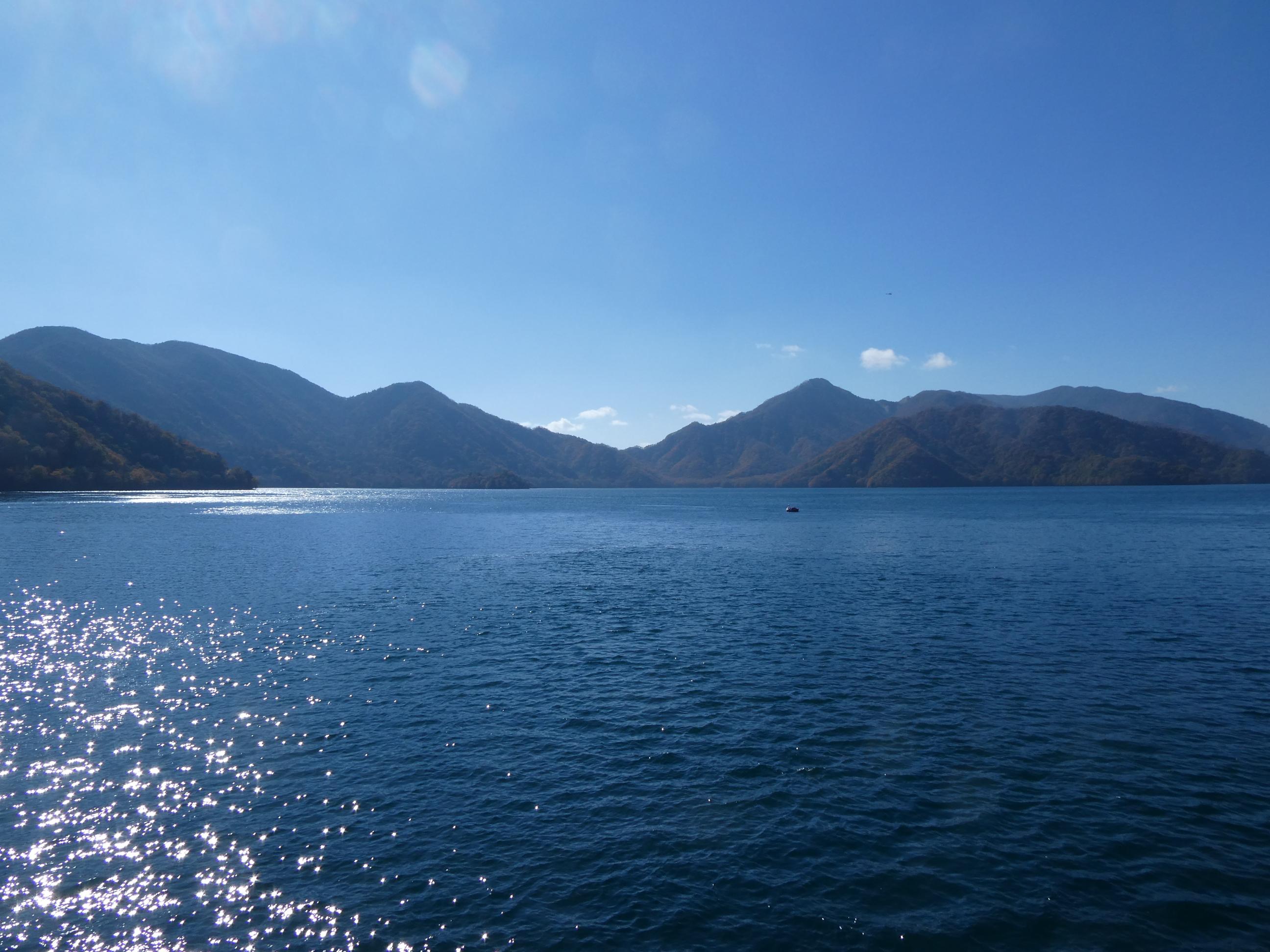
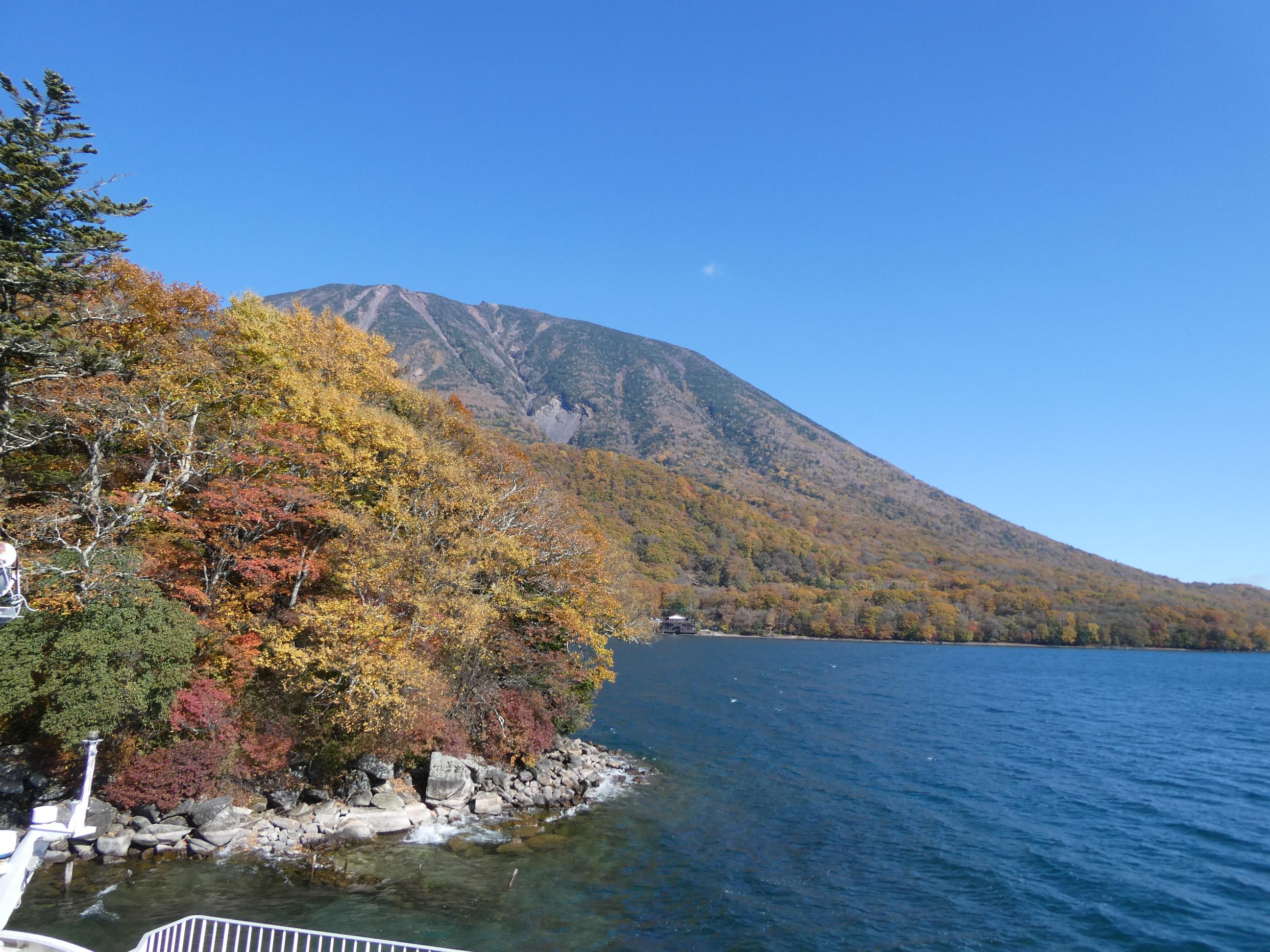
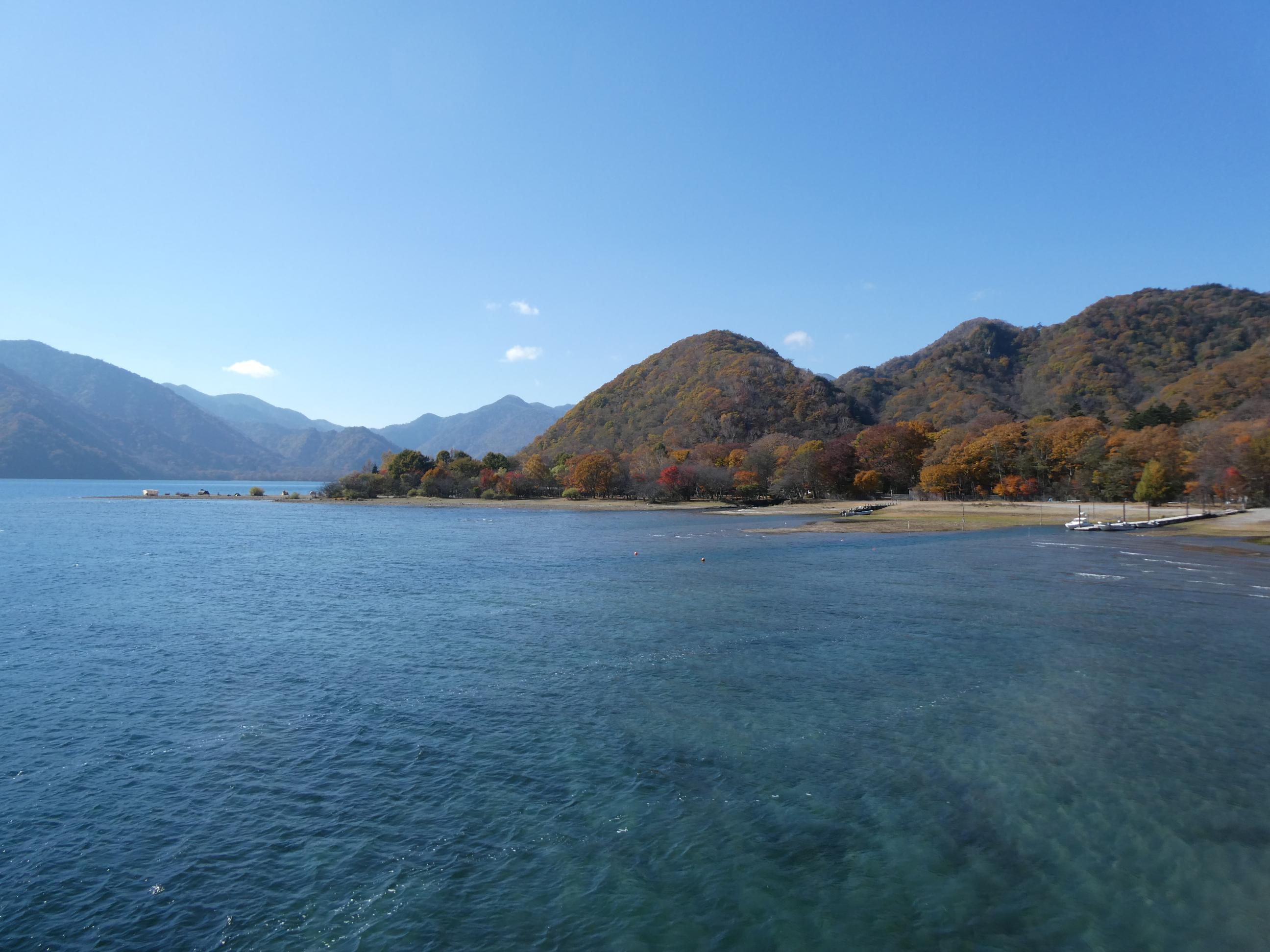
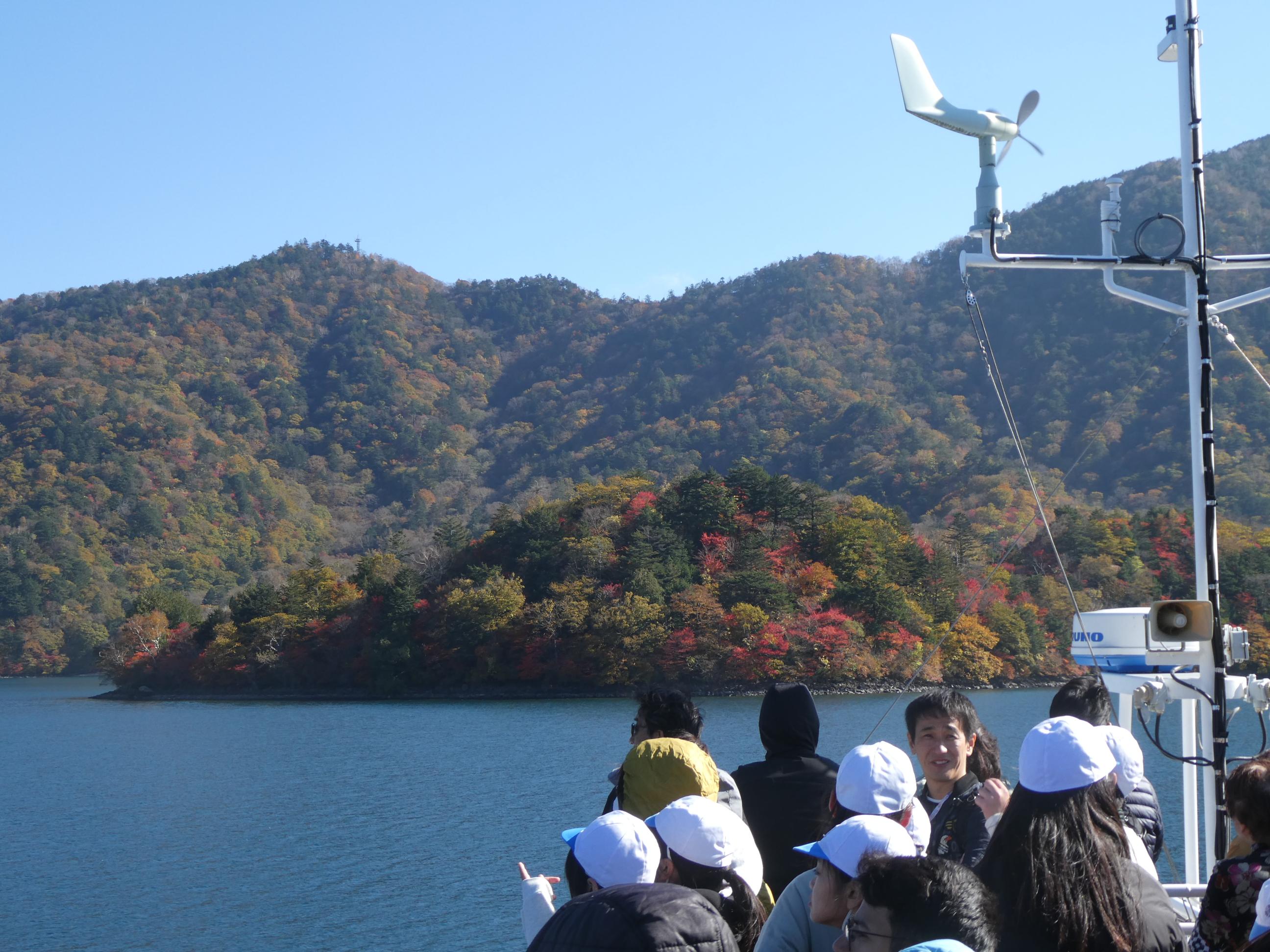
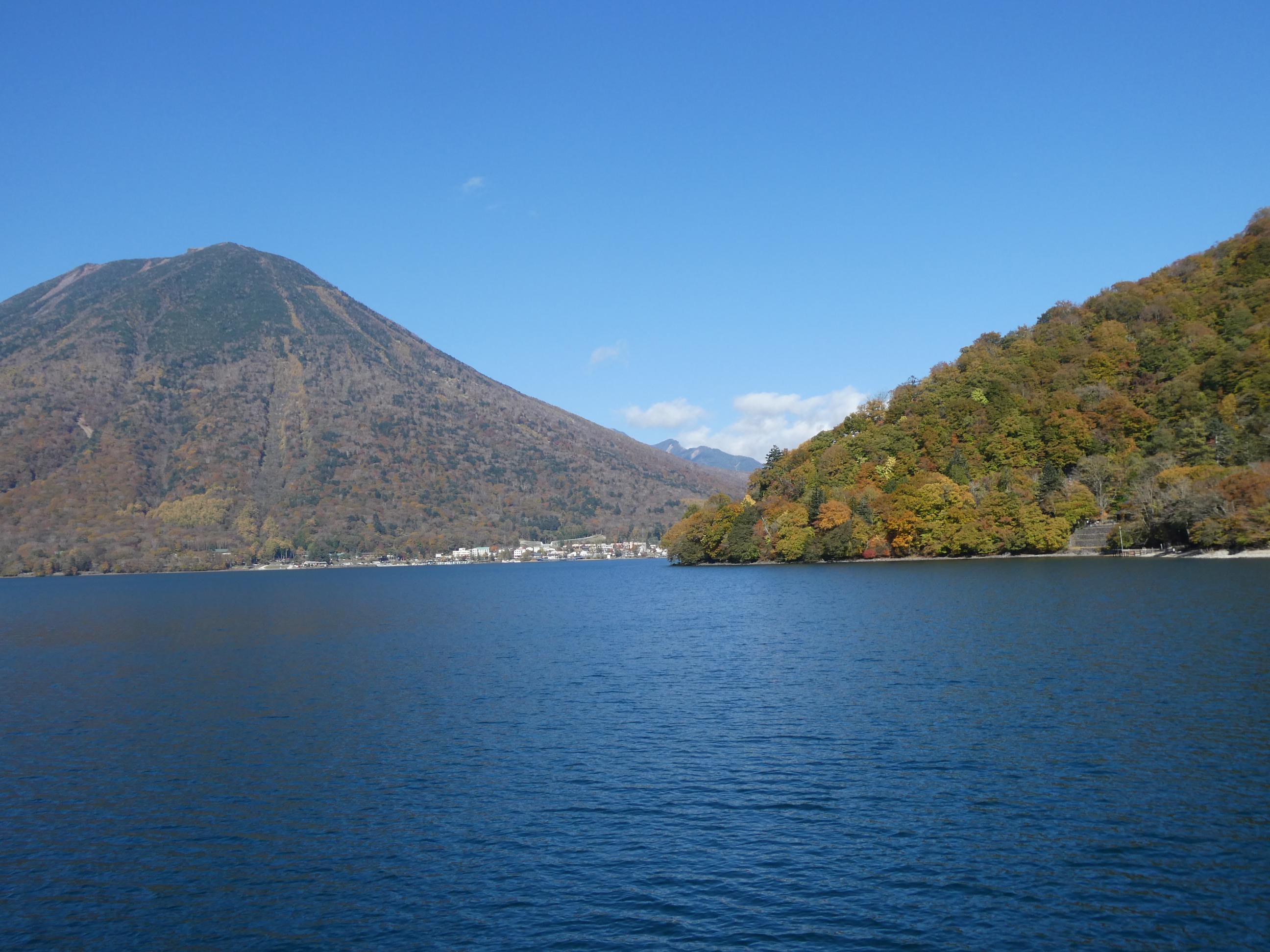
We grabbed a quick bite to eat and a coffee before boarding a boat for a 50-minute sightseeing cruise on Lake Chuzenji. It was sunny, so I went up to the top deck to take some photos. Lake Chuzenji is a naturally formed lake. Twenty thousand years ago it was a river flowing between mountains. A volcanic explosion from Mt Nantai blocked the valley below, forming a lake, the surface of which is now well over a kilometre above sea level. Mt Nantai, formerly an active volcano and now a sacred mountain, dominates the north-eastern side of the lake. It is the highest of the Nikko Mountains, rising to a height of 2486 metres above sea level. In the 8th century, Buddhist monk Shodo Shonin and his companions climbed to the summit and erected a shrine there.
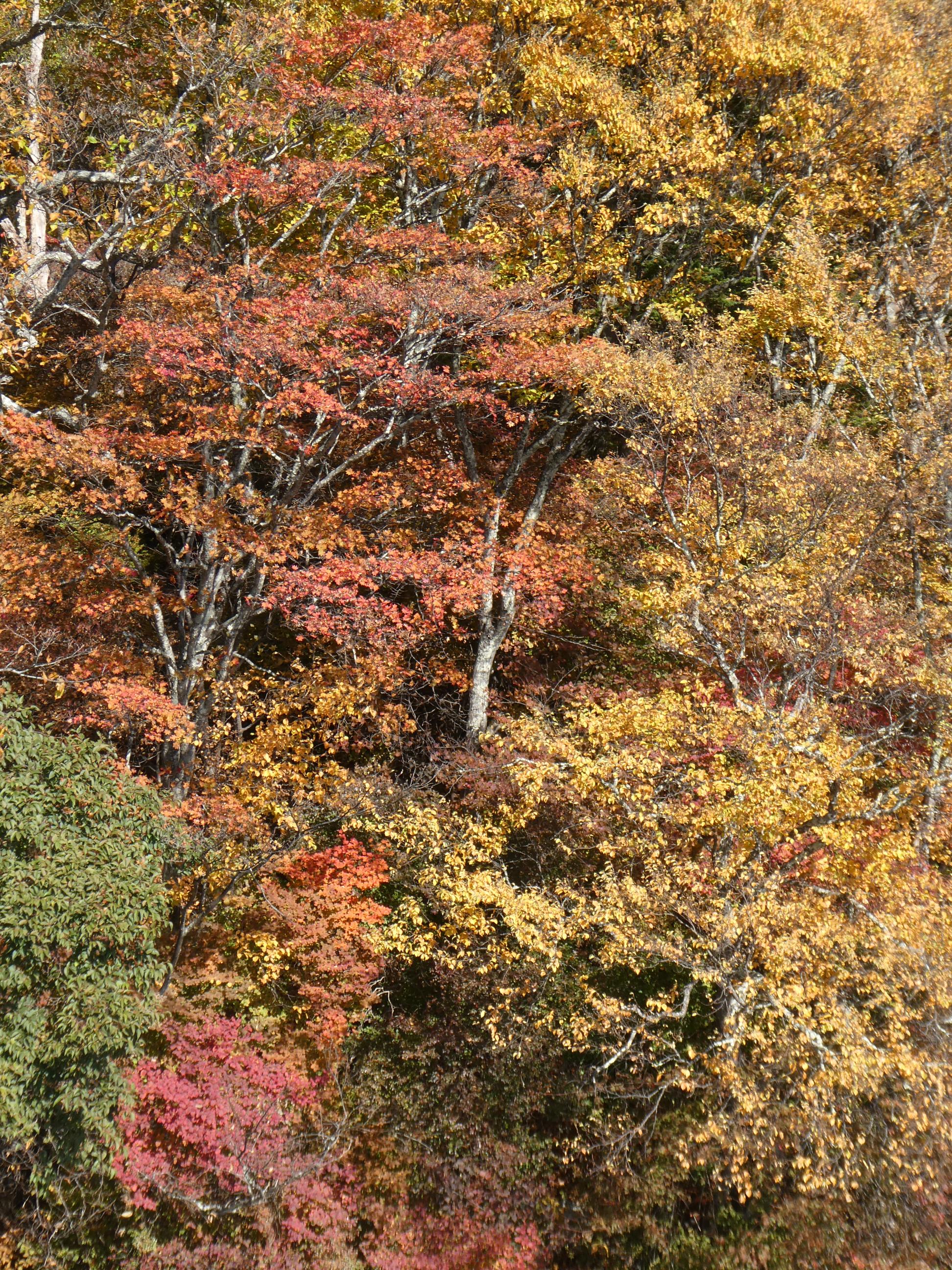
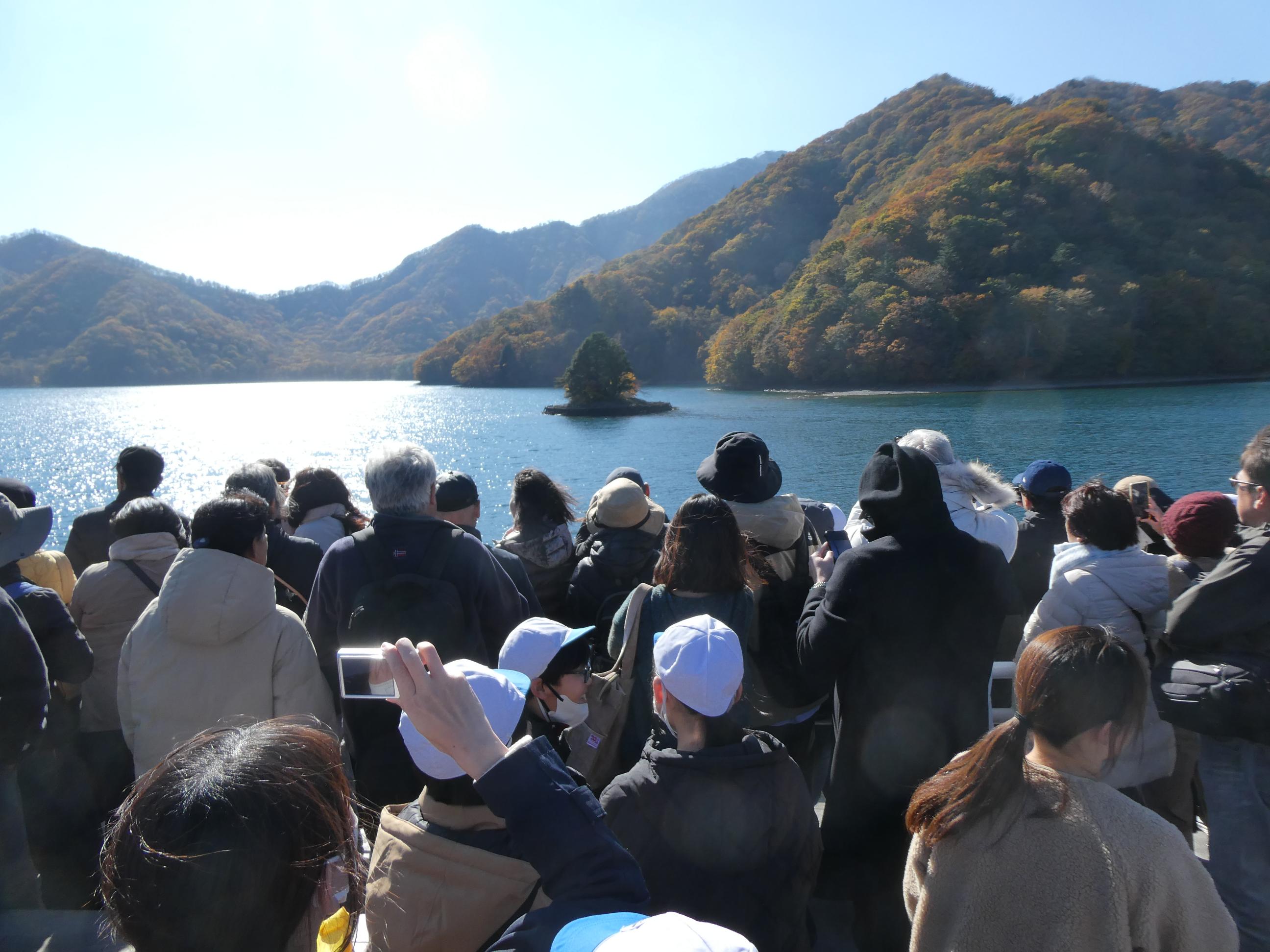
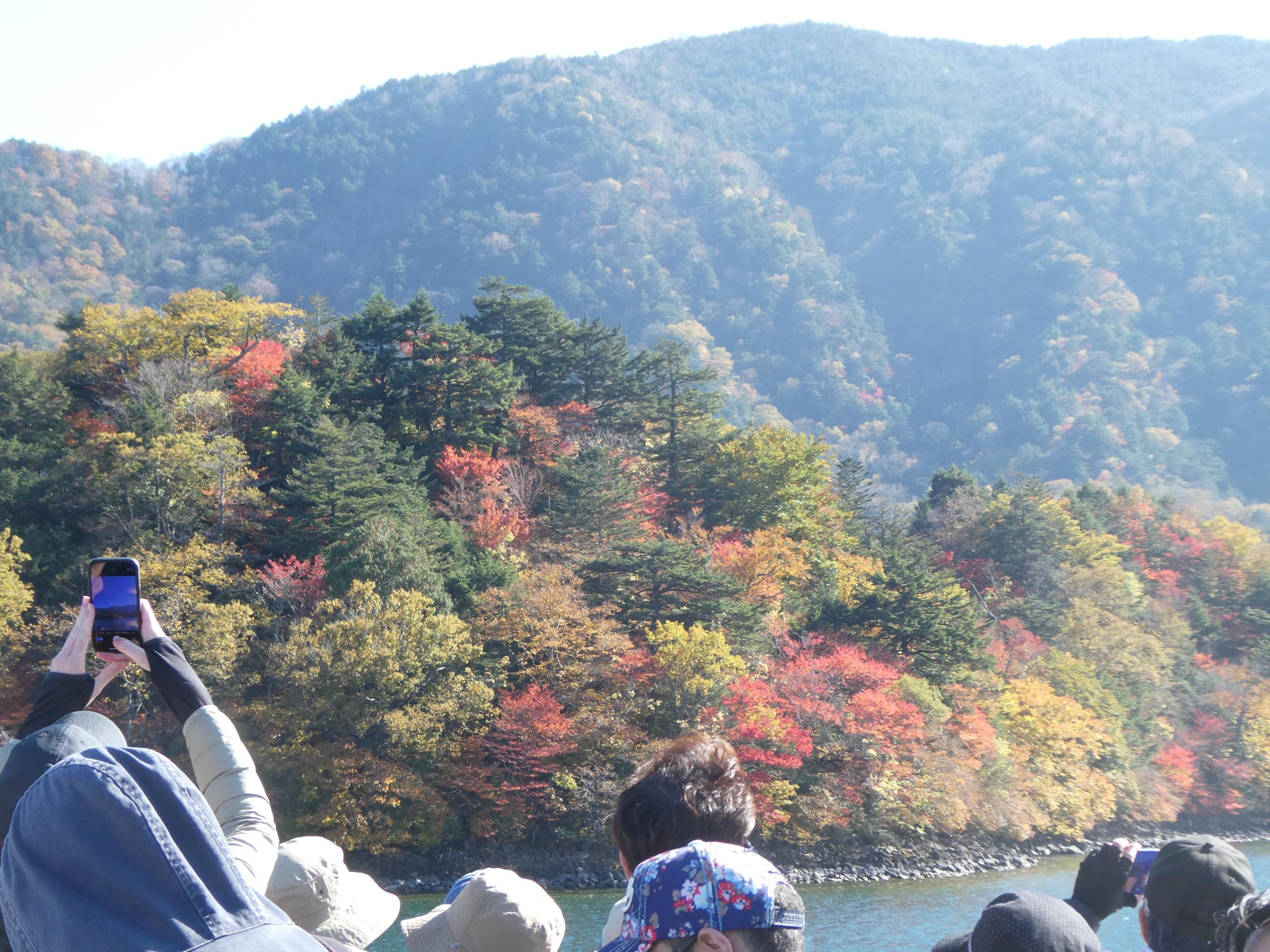
Despite the chill, the upper deck of our cruise boat was crowded with people enjoying the view and taking photos. The autumn colours on display around the lake and on the mountainside were stunning. People were calm and respectful, stepping away from the rails after a time so that others could move in to take a better photo of the autumn hues along the lake shore. Unfortunately, a group of unsupervised school kids suddenly found their way onto the upper deck. They ran between people, shouting, grabbing at each other, bumping elderly patrons, pushing and generally being unruly. It was something I wouldn’t have expected in Japan. I tried to put up with it for a while, but eventually just needed to move to a lower deck to get away from them. I used to be a lot more tolerant of kids’ behaviour when I was teaching, but today I just felt like a grumpy old man.
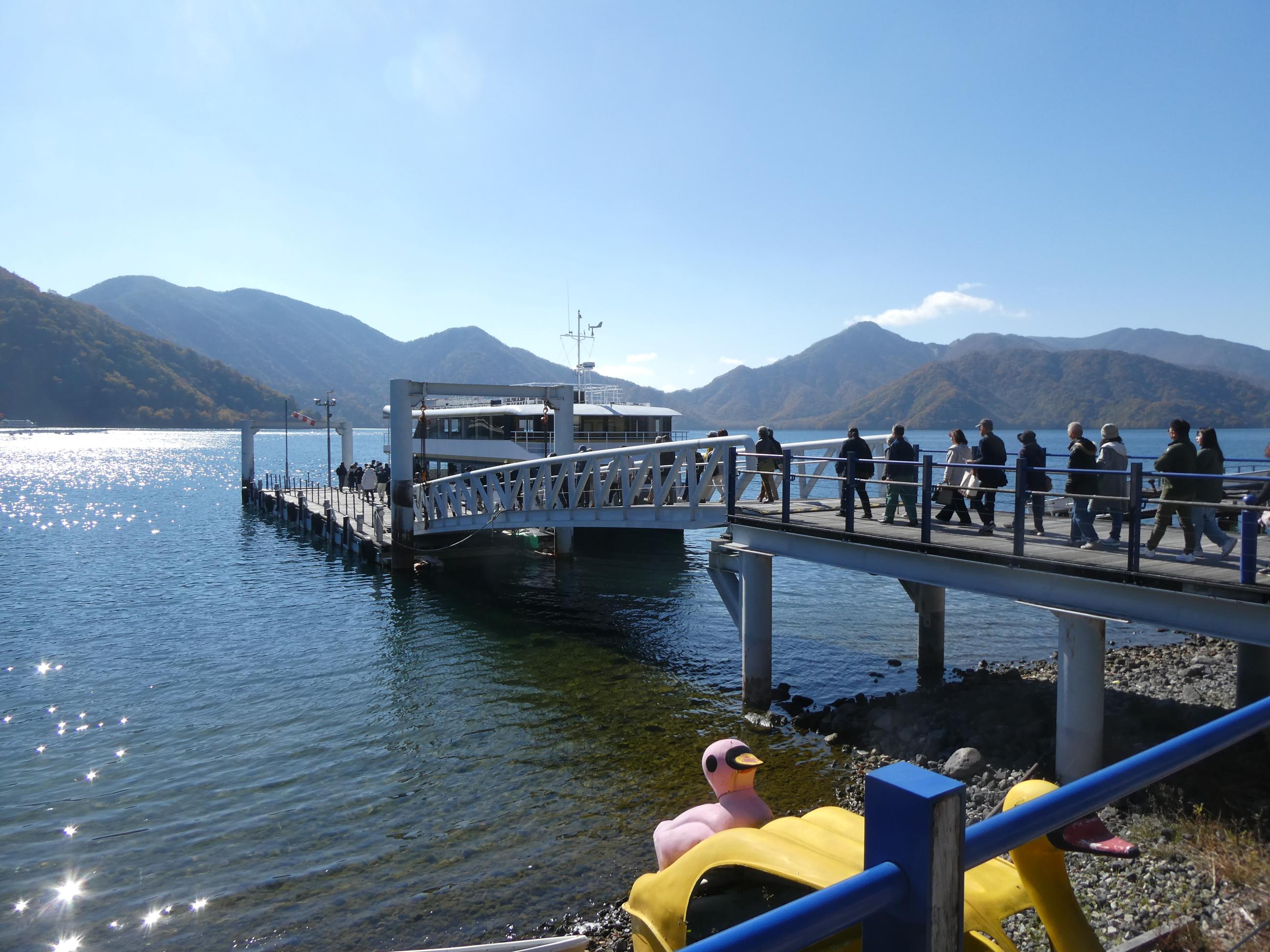

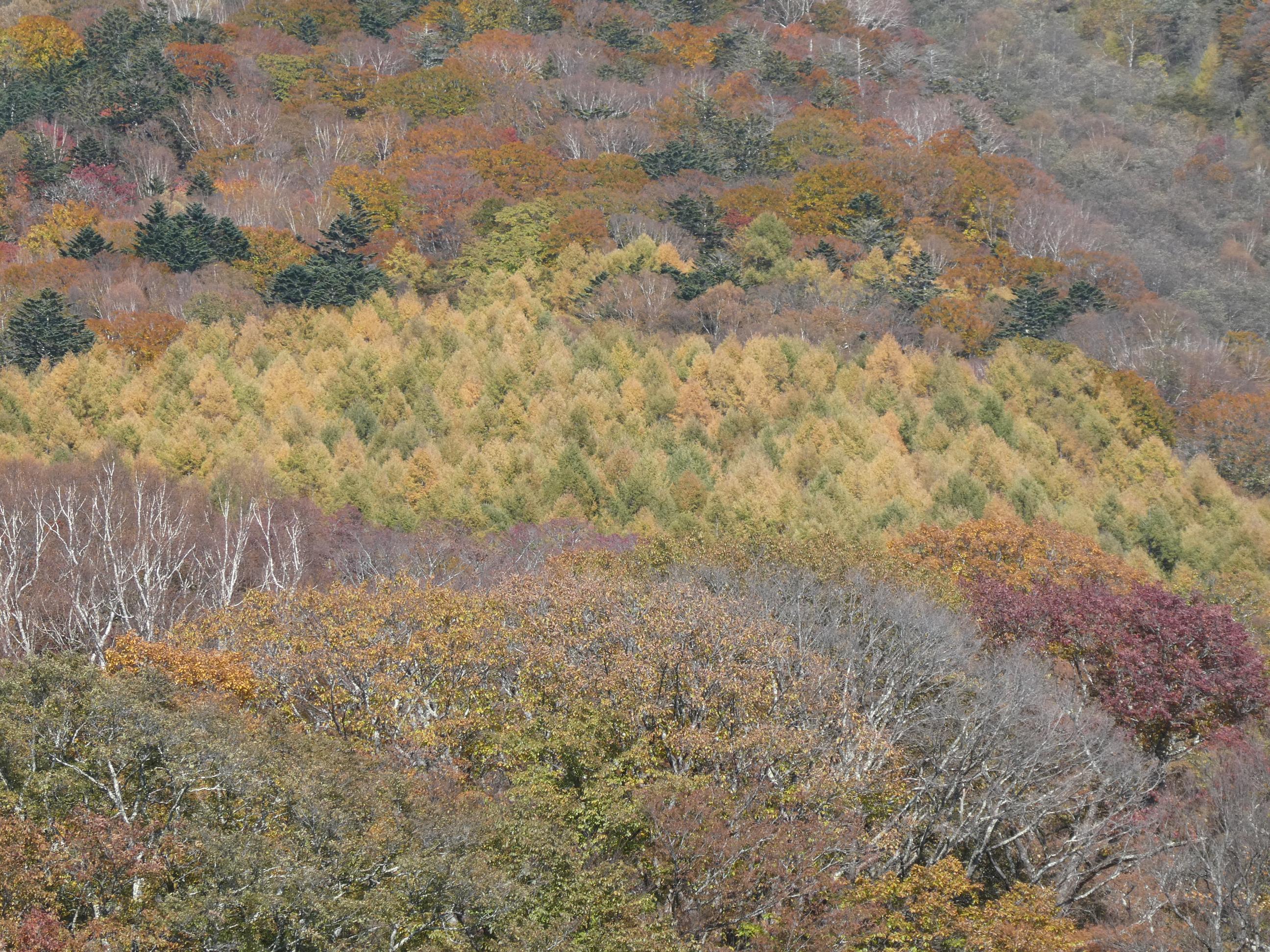
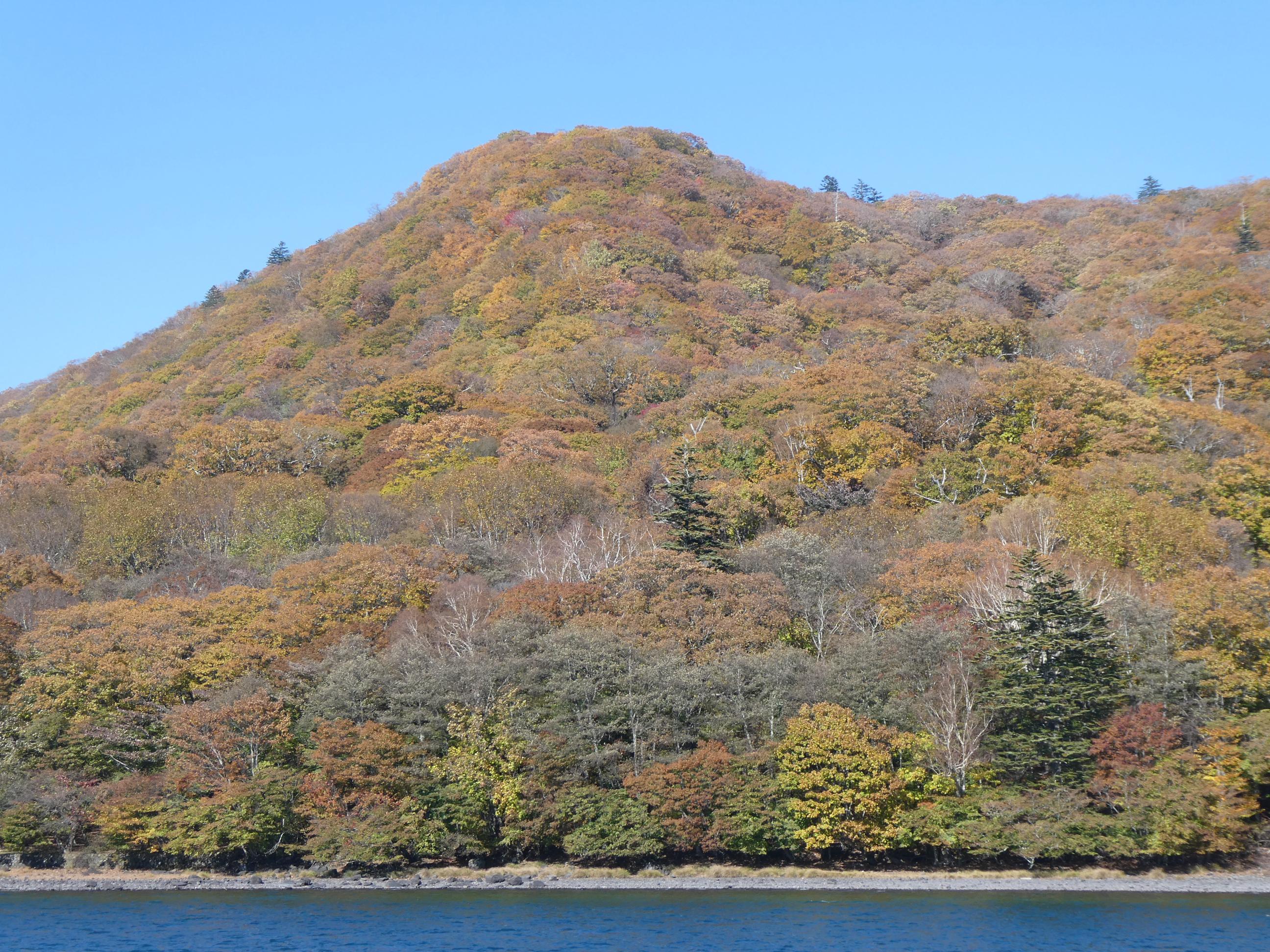

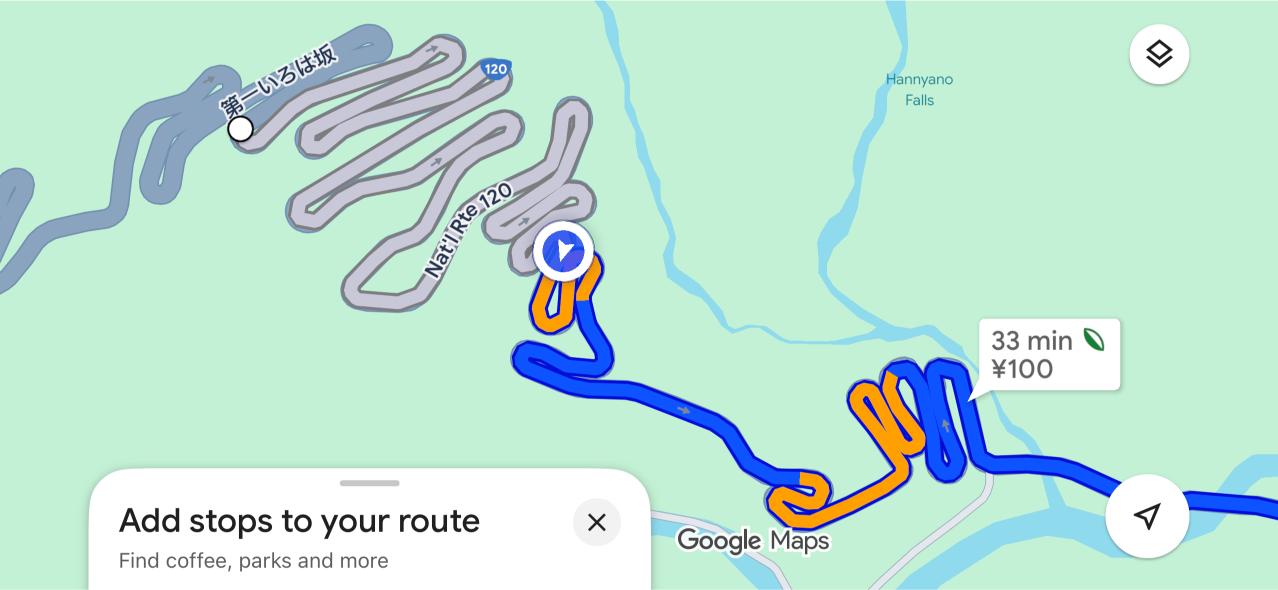
When the cruise boat docked, we decided it would be best to walk to the bus stop and join the queue for a bus back to Nikko. The first bus filled up and left before we got on, but we were first in the queue for the next one, meaning we got seats, which was a bonus because it was an hour-long journey down a very windy, steep mountain road. I imagine it might have been quite uncomfortable for those standing in the aisles during the section where the bus had to negotiate a number of very sharp hairpin bends. You can see them in the map below. Thankfully, this was also a one way road, so our driver never had to share the road with large vehicles coming the other way. It was mid-afternoon, and the sunlight illuminated the forested mountainside as we descended. Bright autumn foliage was our constant companion. We leave the beautiful Nikko region for Nagano in the morning.
 On The Road With Garry