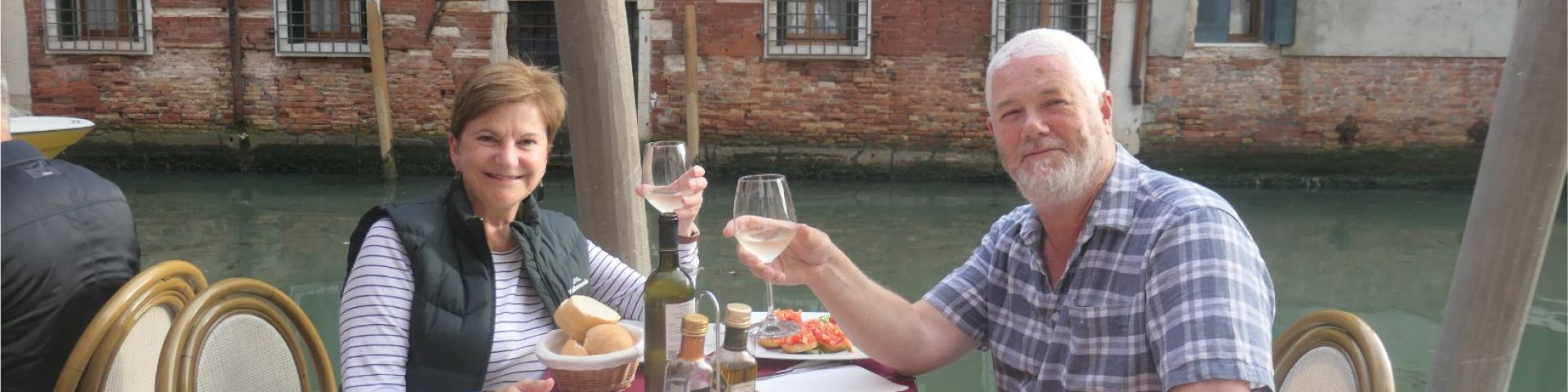
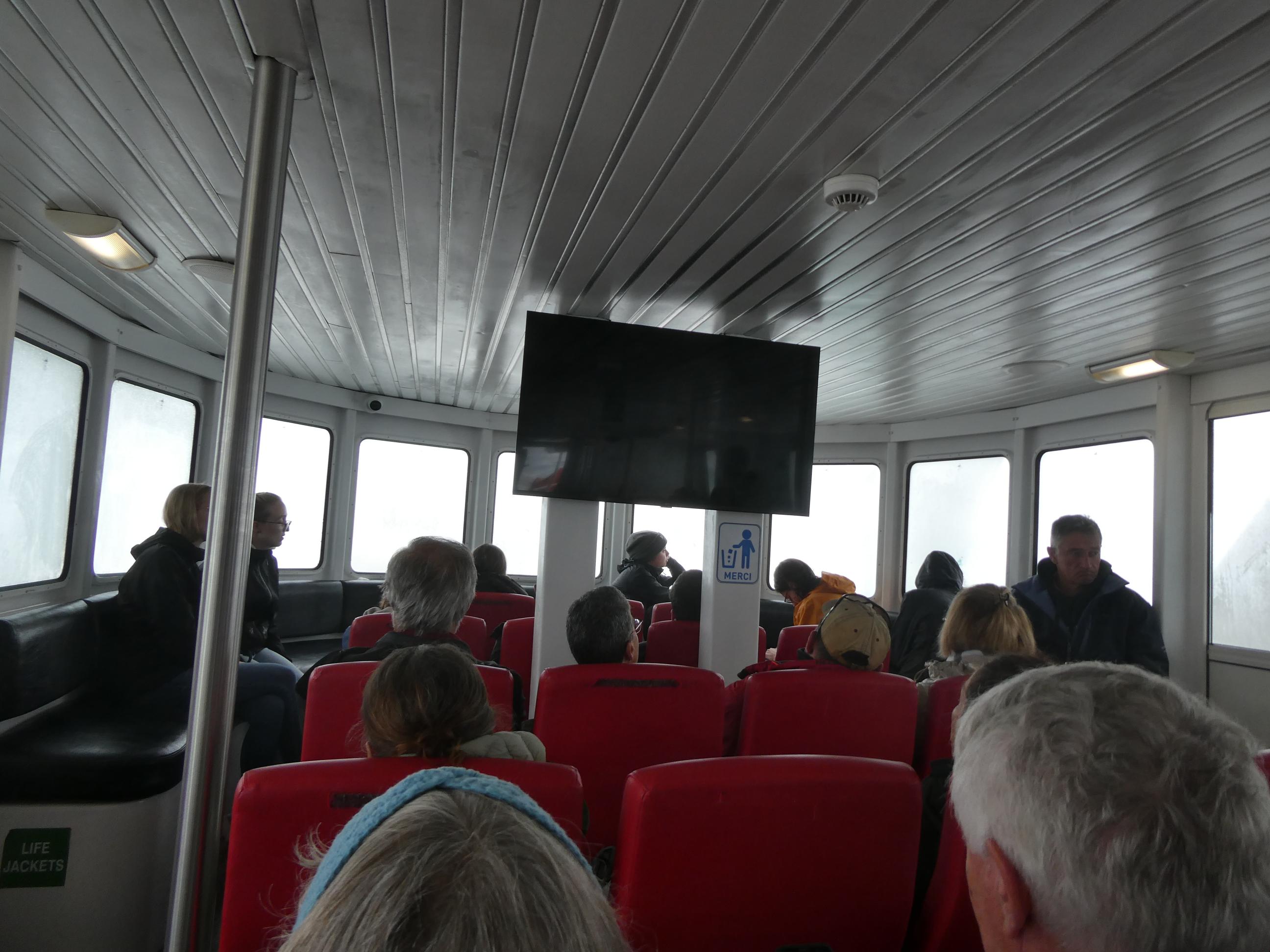
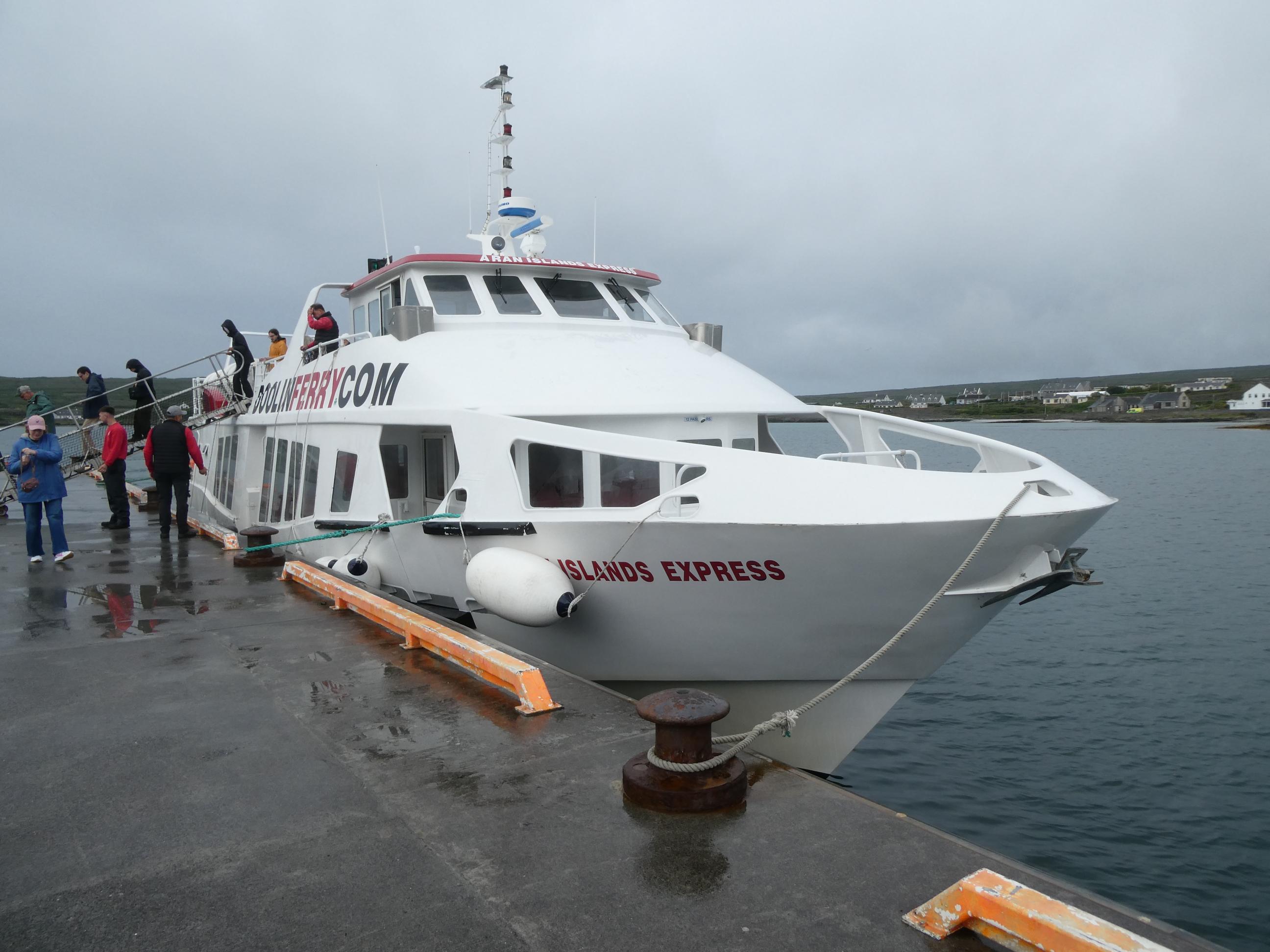
Following the strong winds, choppy seas and heavy fog of yesterday, we were hopeful of a much better day today for our visit to Inis Mór (Inishmore), the largest and outermost of the Aran Islands in Galway Bay. When we arrived at Doolin Pier, it seemed that the strong winds had died, but the skies overhead were still grey and the sea was still quite choppy. We boarded the ferry for the 45-minute trip to Kilronan, the largest village on the island. We decided to sit inside on the bottom deck, as we anticipated a bumpy voyage. It turned out to be quite rough for the first 5 or 10 minutes, but once the boat got out into open waters, and while it was sheltered by the first two of the Aran Islands, the boat ride was pretty smooth. We couldn’t see a thing out of the windows as they were totally fogged up due to the weather conditions. Thankfully, as the ferry drew up to the Kilronan pier, the sea was calm and the weather looked as if it might soon clear.


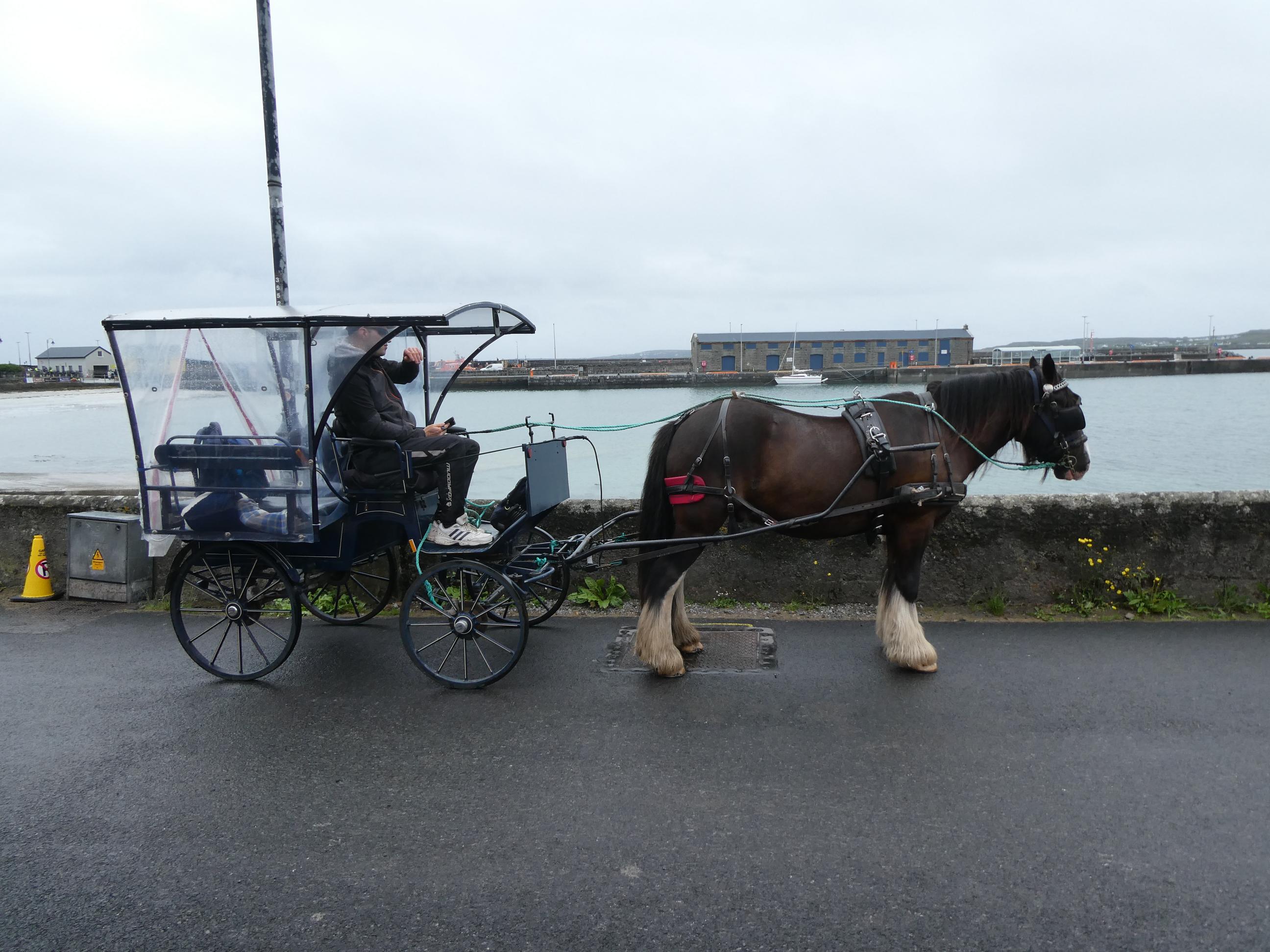
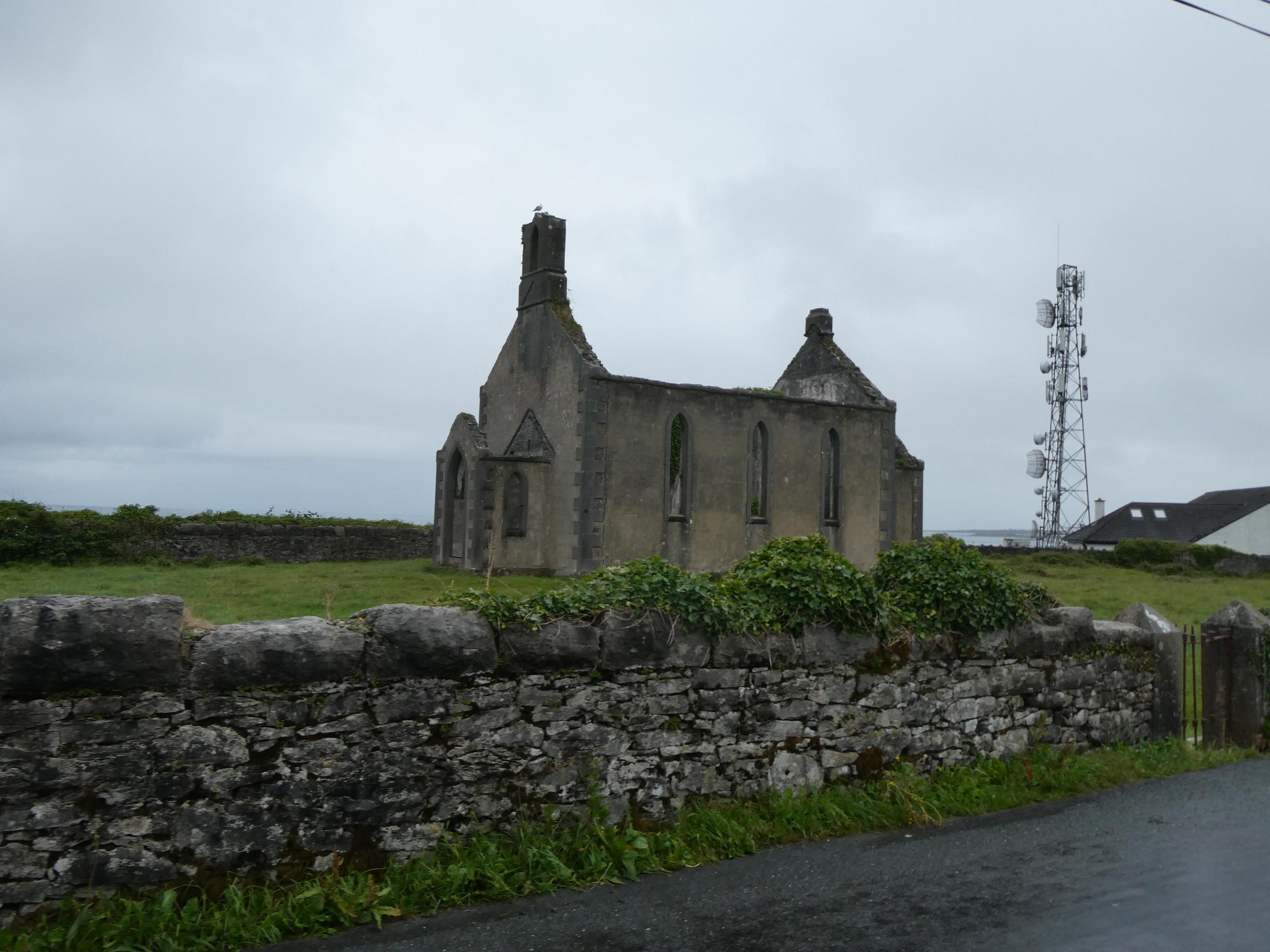
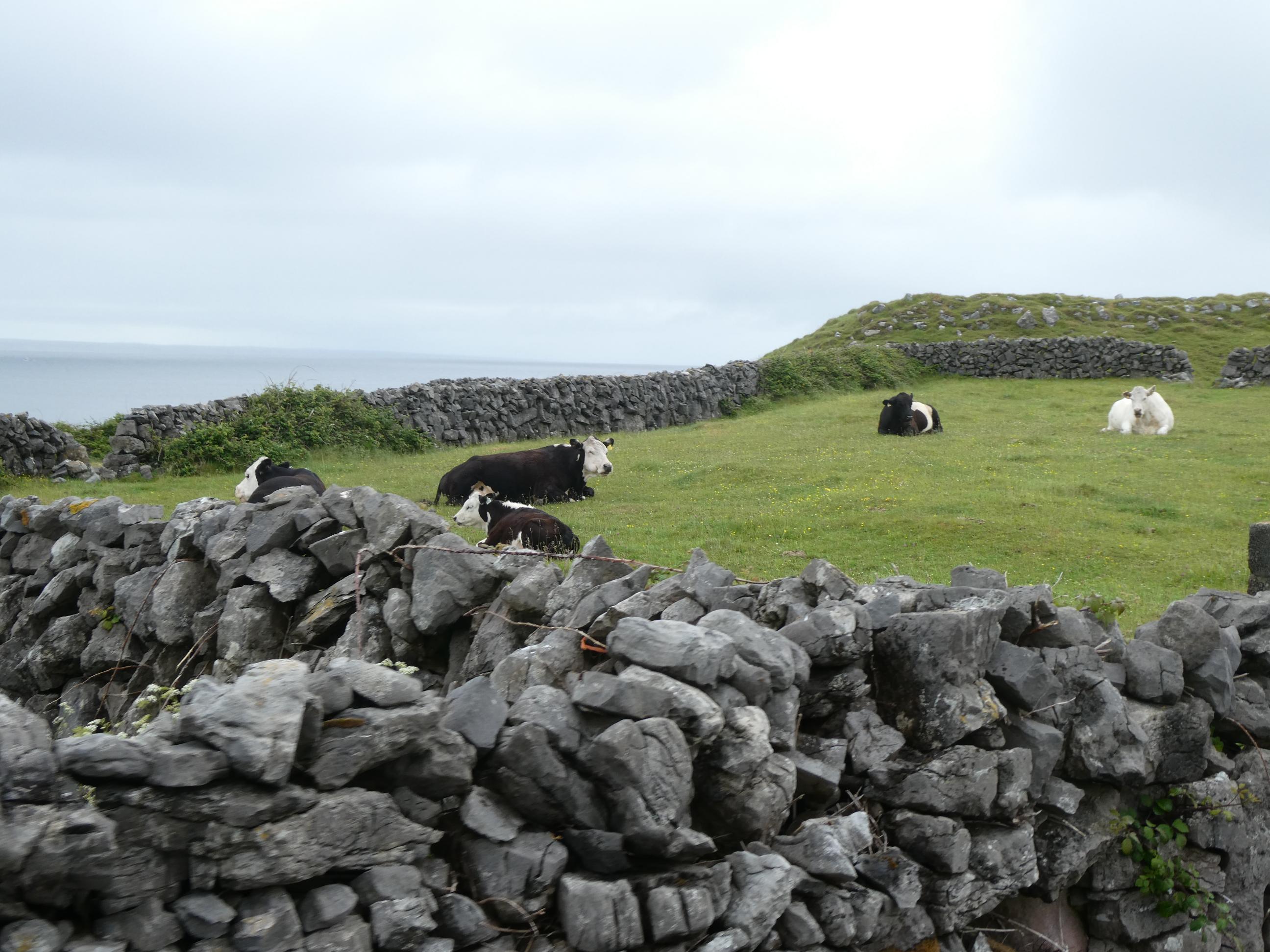
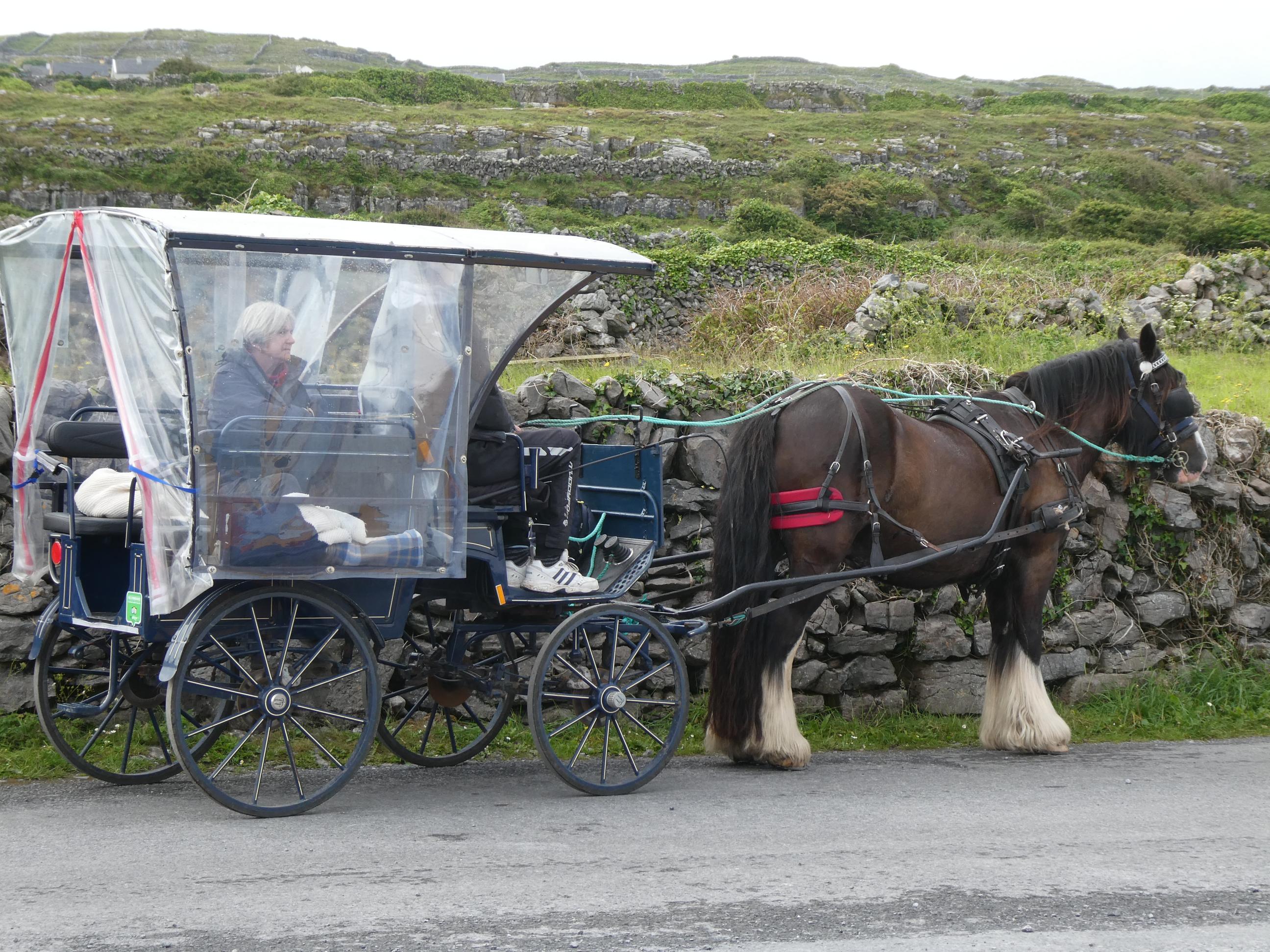
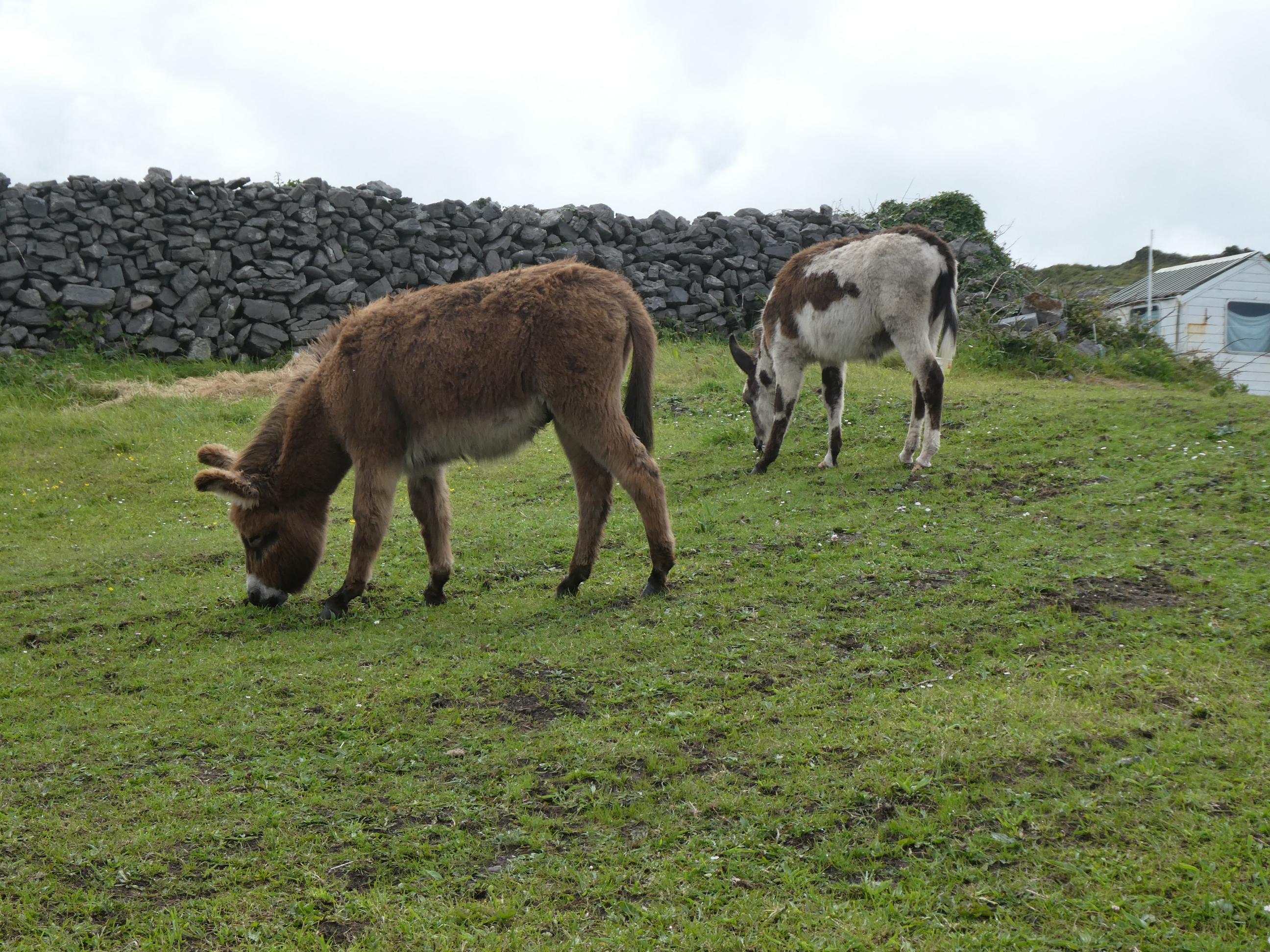
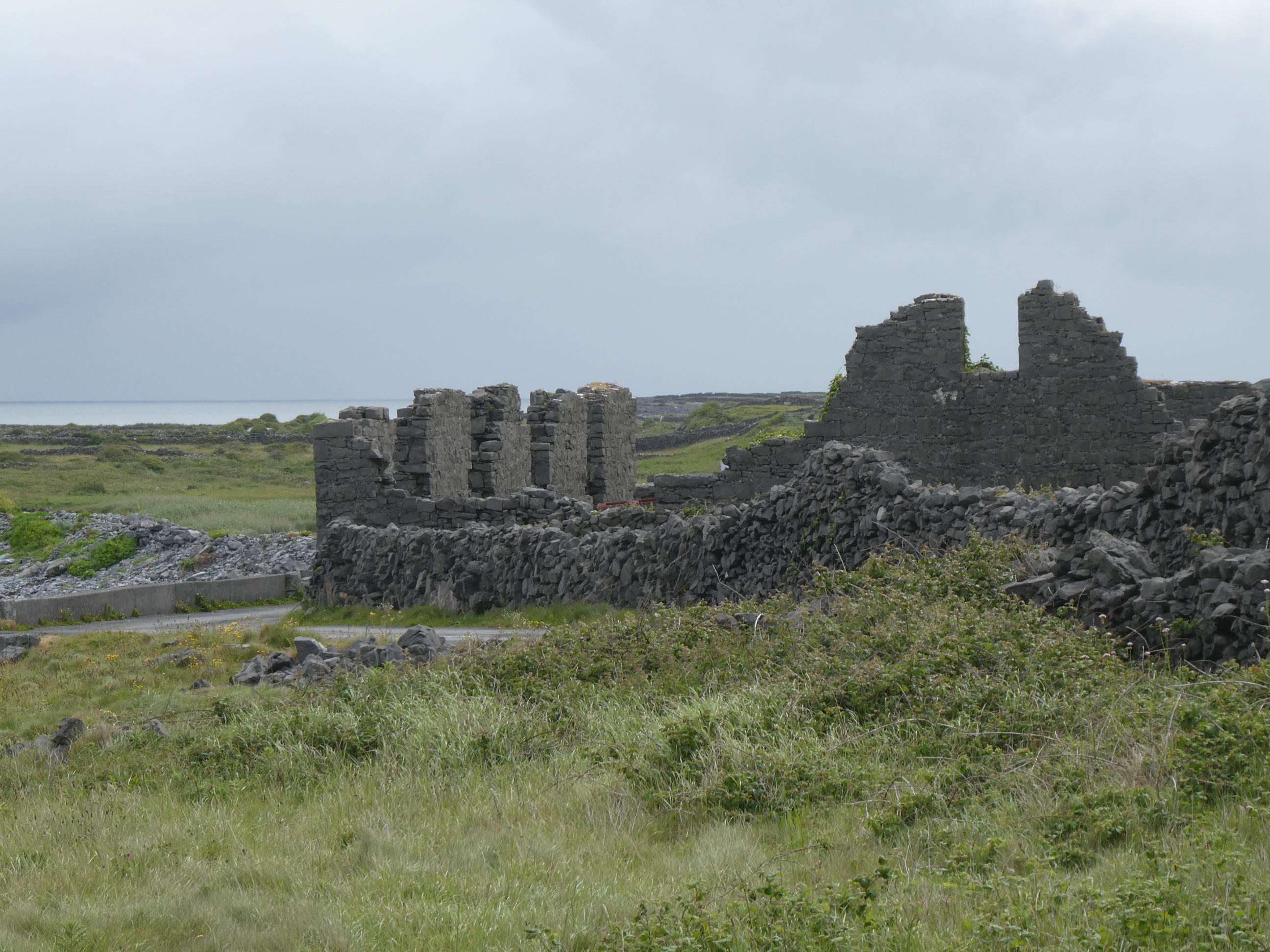
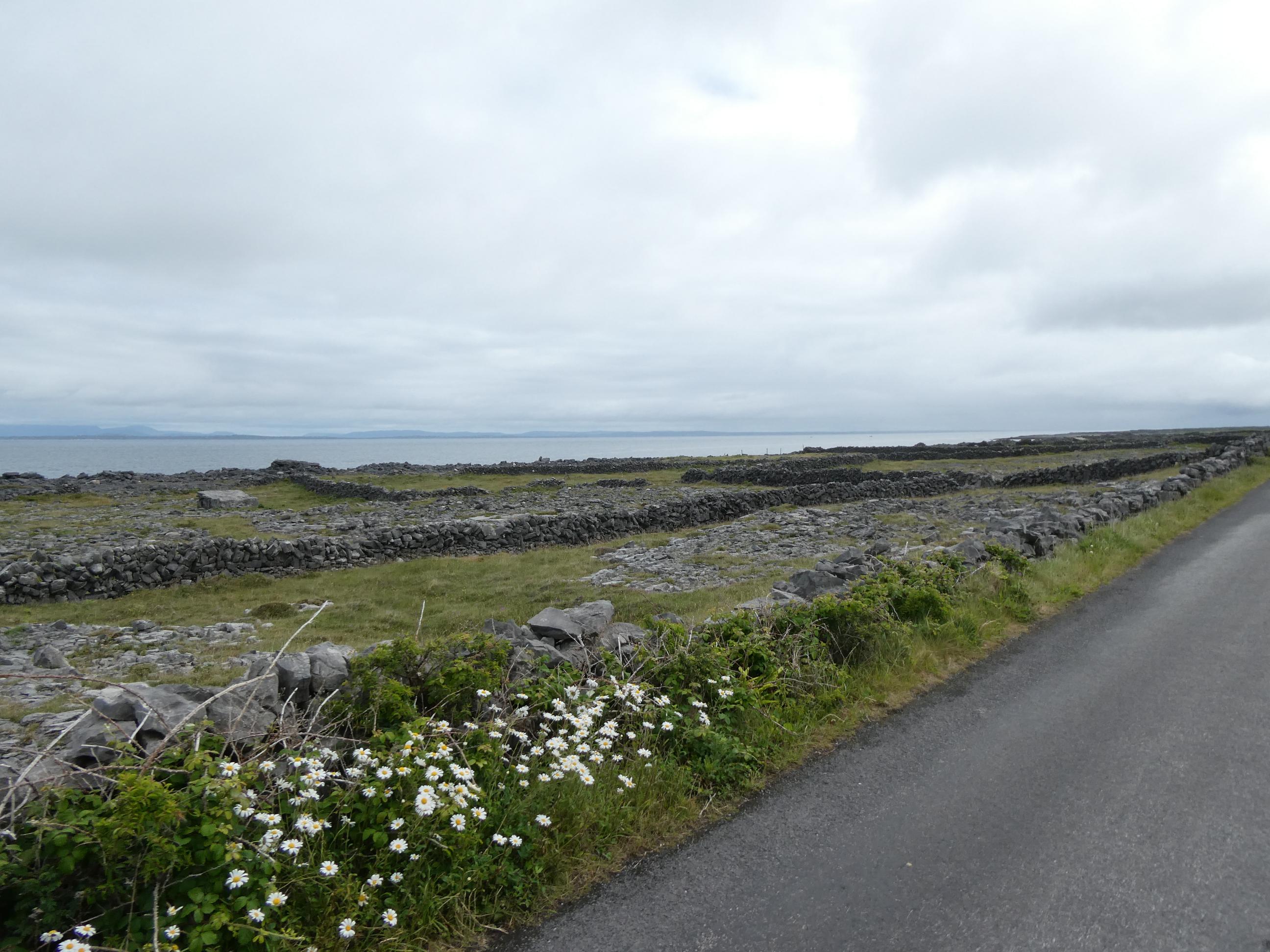
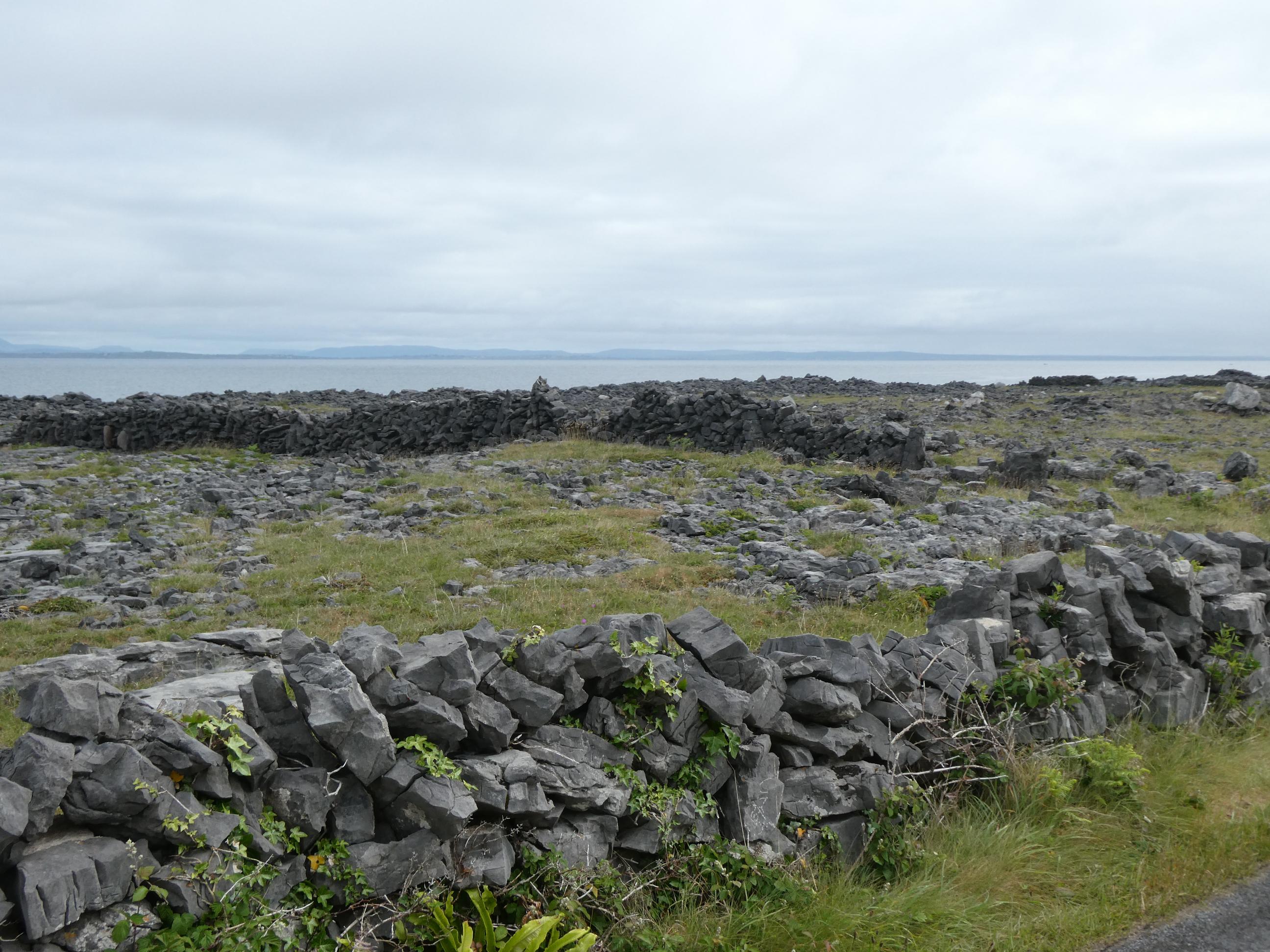
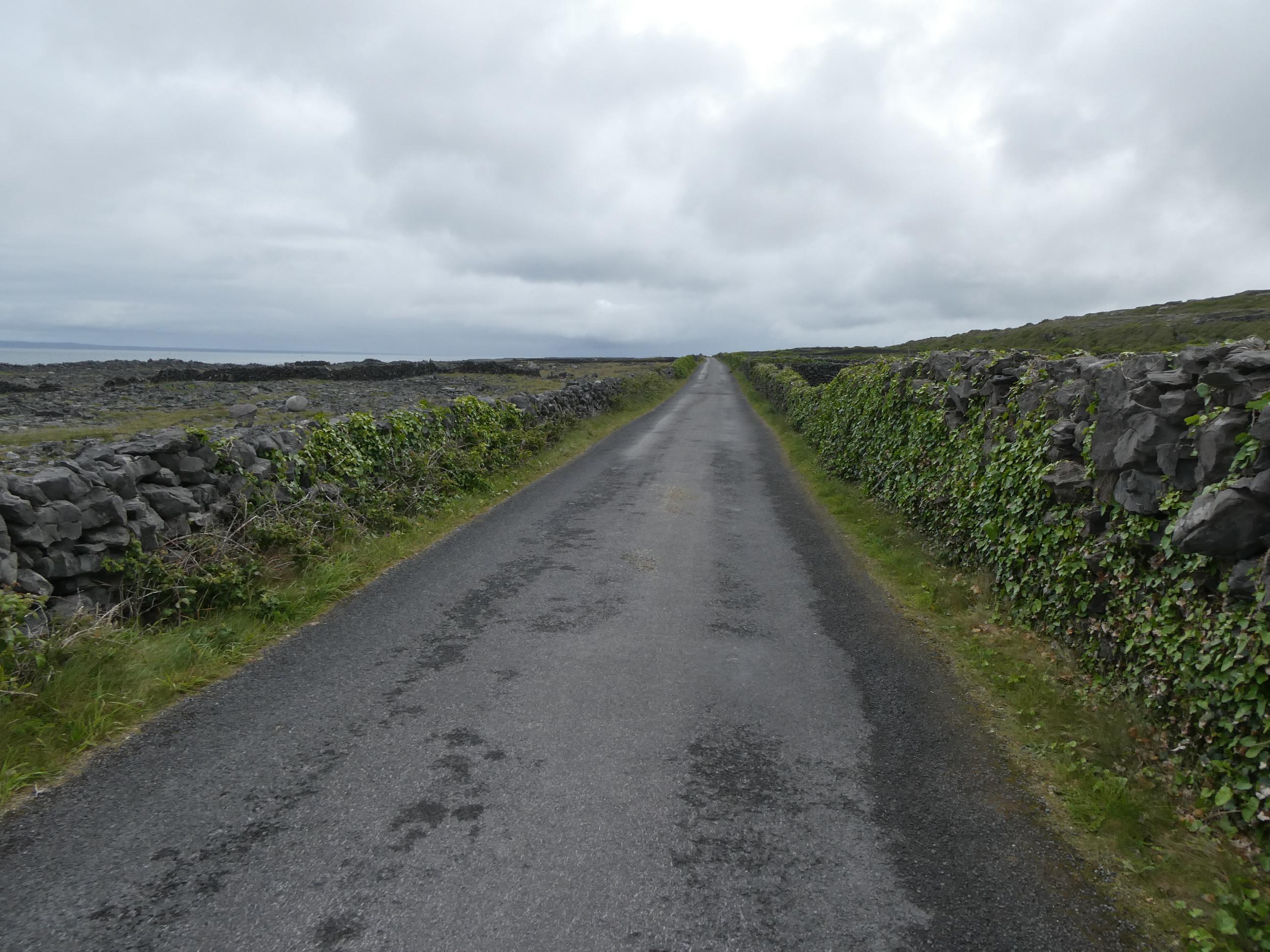
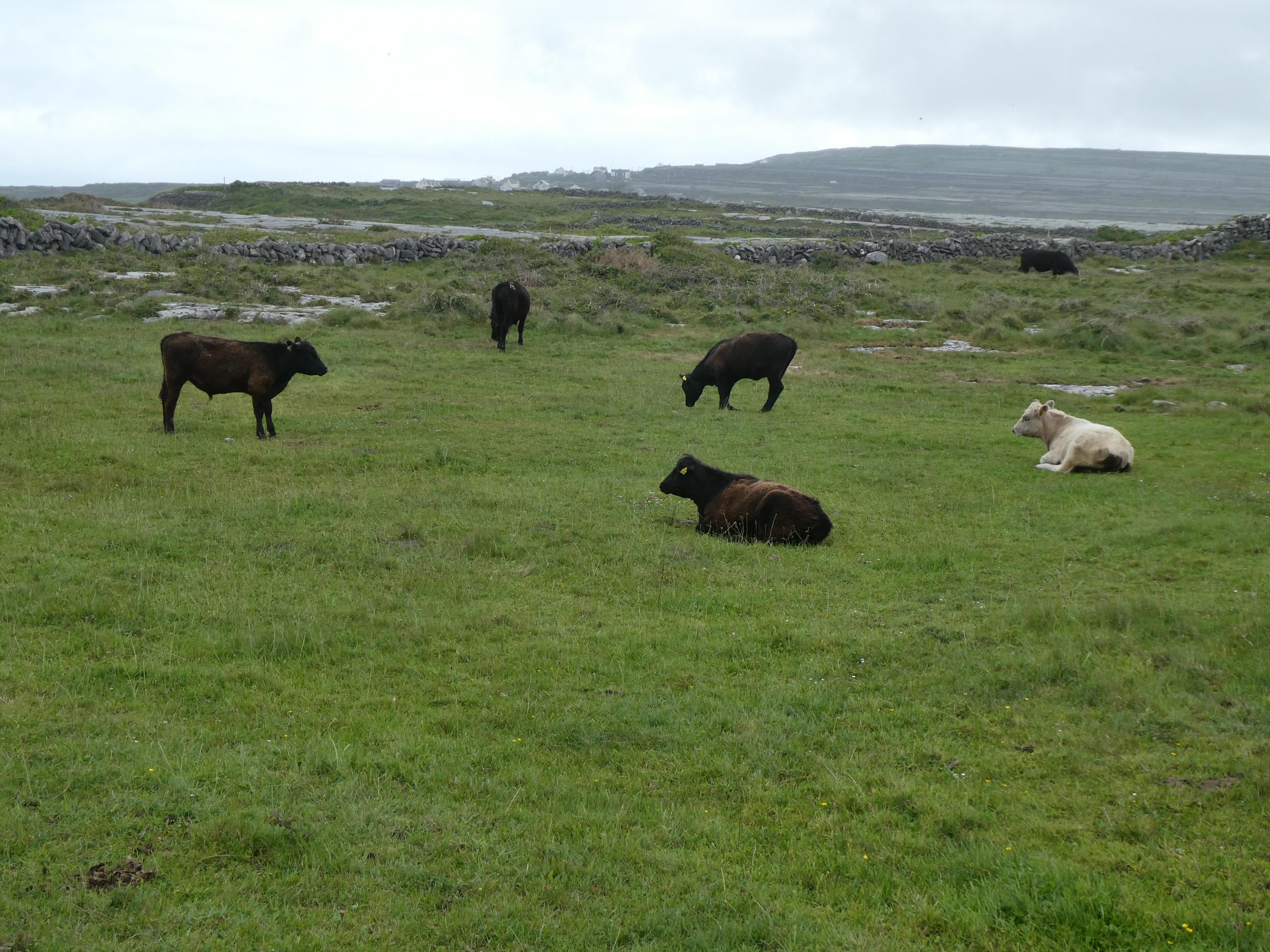
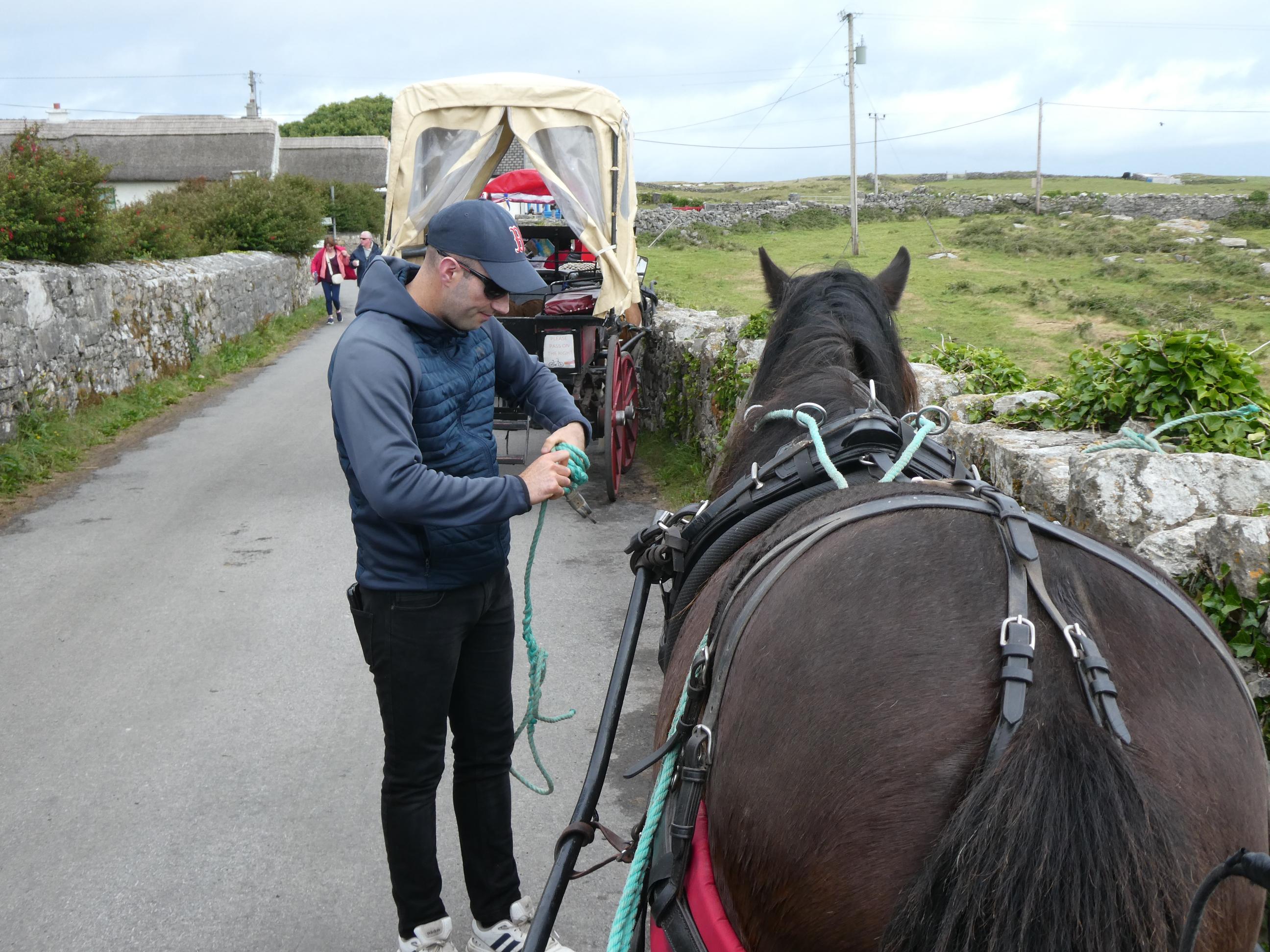
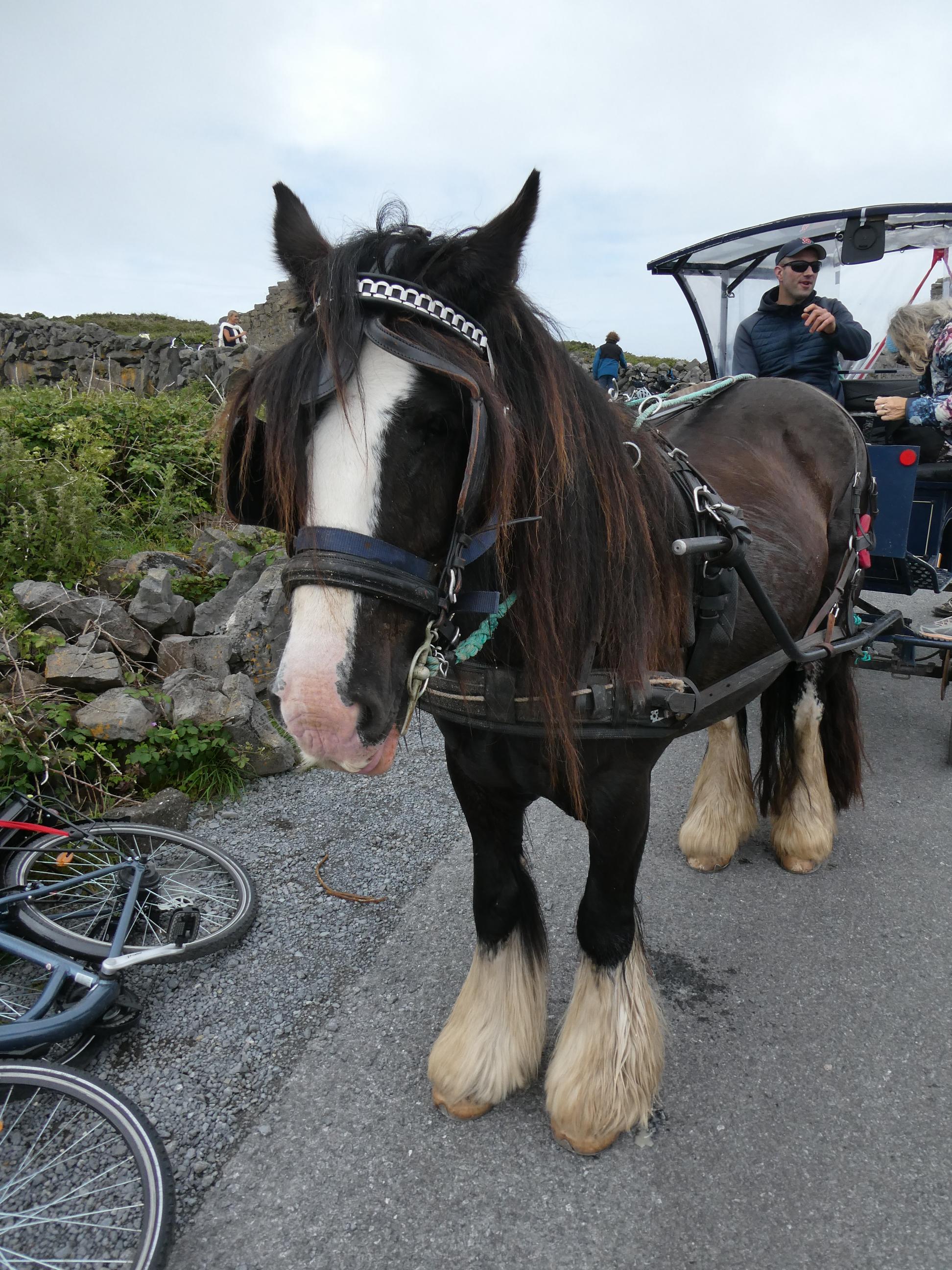
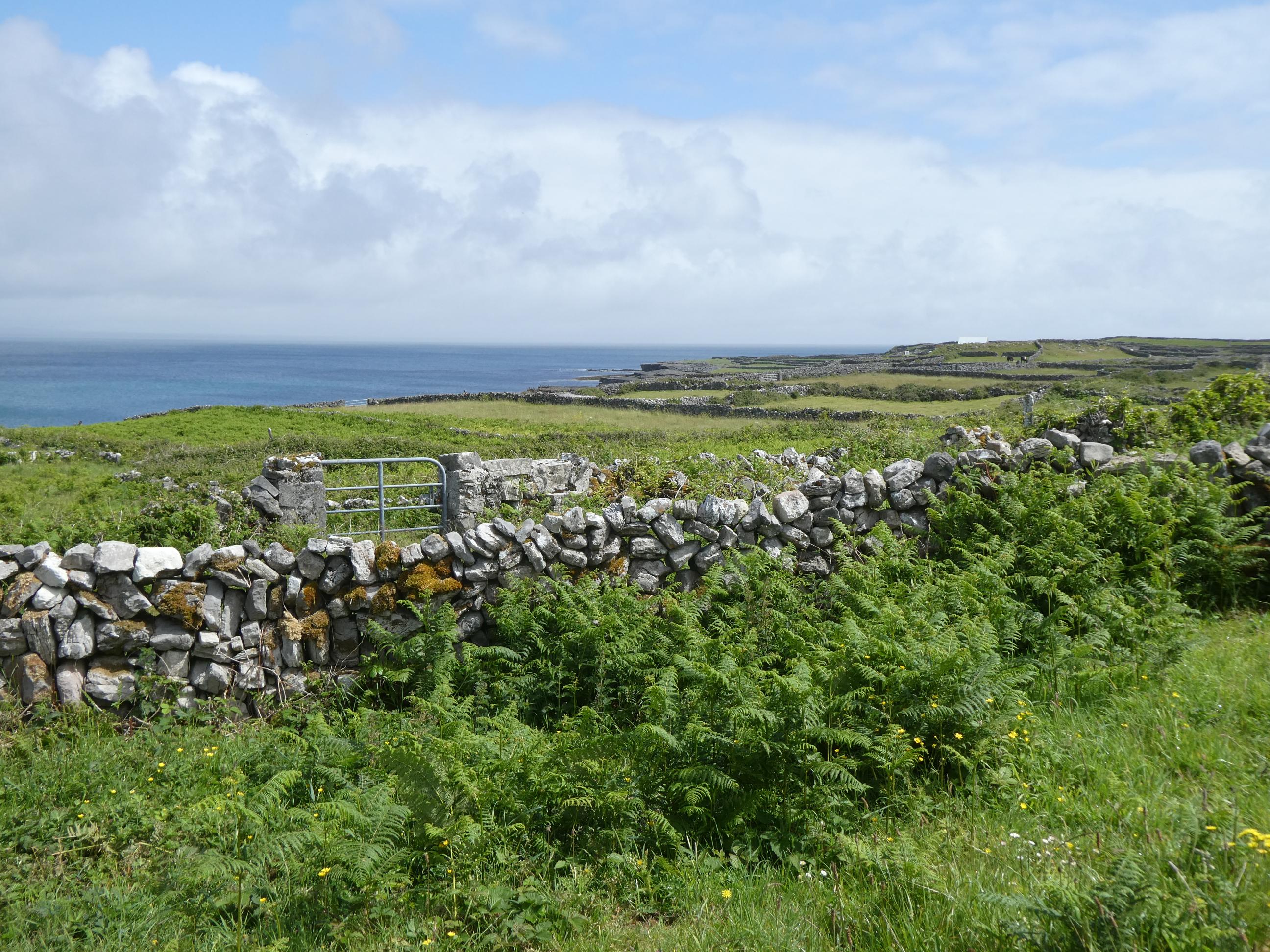
We met our driver, Stephen, who has lived on Inis Mór all his life. He introduced us to his pony (he was just a couple of centimetres short of being called a horse), Bob the Cob. Bob was friendly from the moment we met him, and was happy to stand for us while we made our acquaintances and gave him a pat. I think Bob might be one of Stephen’s stronger ponies, as he was going to take us on the longest of the pony treks across Inis Mór – the six mile journey to the hilltop ruins of Dún Aonghasa and back. Stephen told us he picks out different ponies for each day when he knows what will be required of them in terms of where the tourists want to go and how many of them there are. The four of us climbed up into the back of the carriage while Stephen sat up front with the reins. Stephen was really personable and happy to answer all our questions as Bob headed slowly, but steadily, down the paved road with a walking gait towards the ruined hillfort we wanted to visit. He told us that the island had about 900 permanent residents and that he knew every one of them. He said the worst thing about that was that there was constant gossip on the island, even though much of it wasn’t true. Sometimes Bob the Cob broke into a trot (or maybe a gallop – I don’t know that much about horses to tell the difference). He was always sure-footed, and knew when to move to the side of the road and stop if traffic coming either way was going to cause congestion. He wasn’t at all frightened by the stone walls or by the many cyclists on the road. Stephen just spoke simple commands to him gently whenever he wanted a change of pace. There was beautiful chemistry between Stephen and Bob, and Stephen spoke about his pony with great affection. The farmland was divided up into small lots by hand built stone walls. There were gaps purposefully left between the stones to allow the wind to blow through – otherwise a strong wind could topple the wall. When a farmer owned more than one paddock abutting each other, he left a gap in the wall for his stock to pass through. Just after leaving Kilronan we passed the ruins of an old church. “That one’s Presbyterian,” said Stephen. “We’re all Catholics on the island so there was never much need for it and they just let it go to ruin,” he told us.


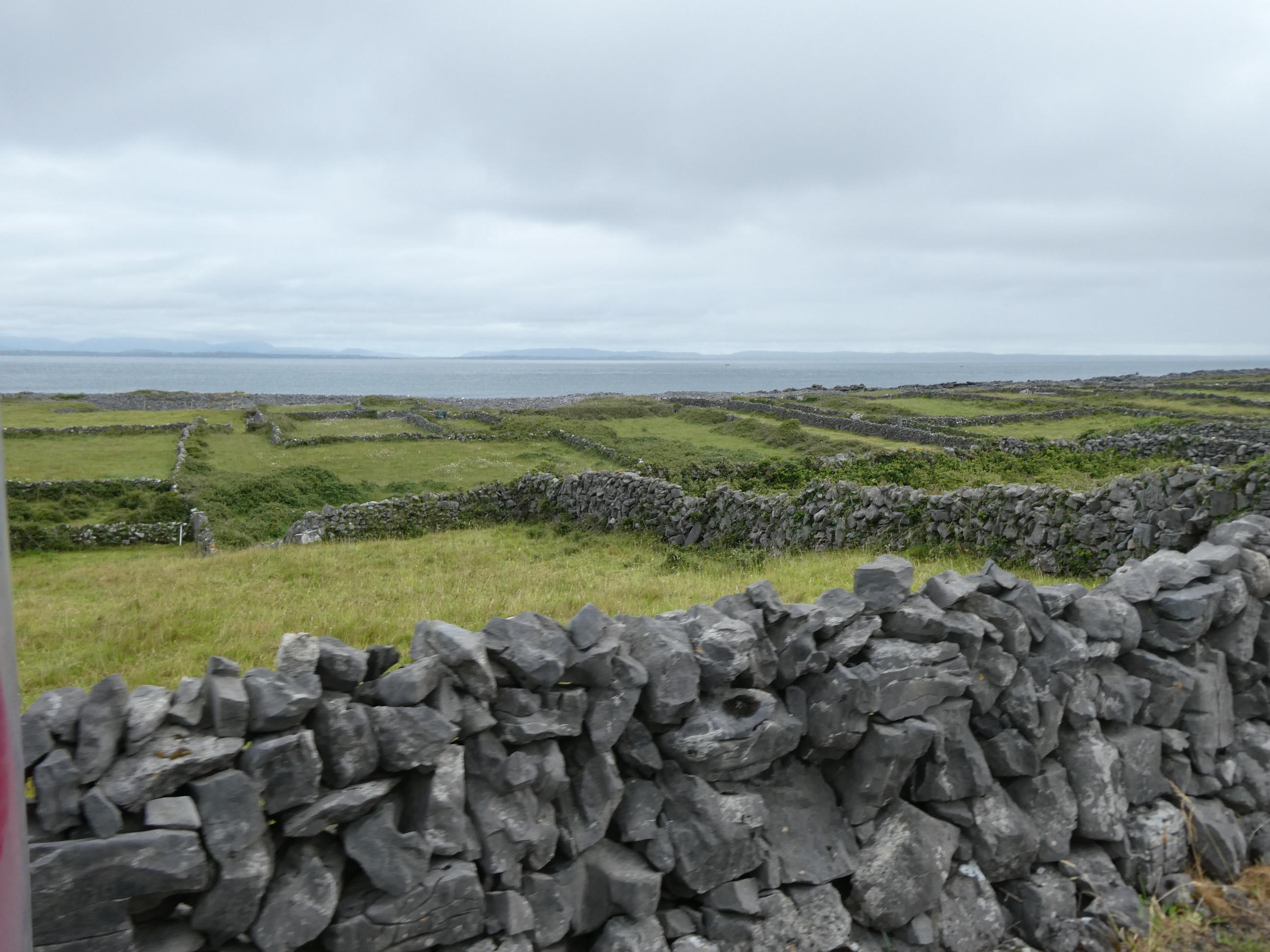
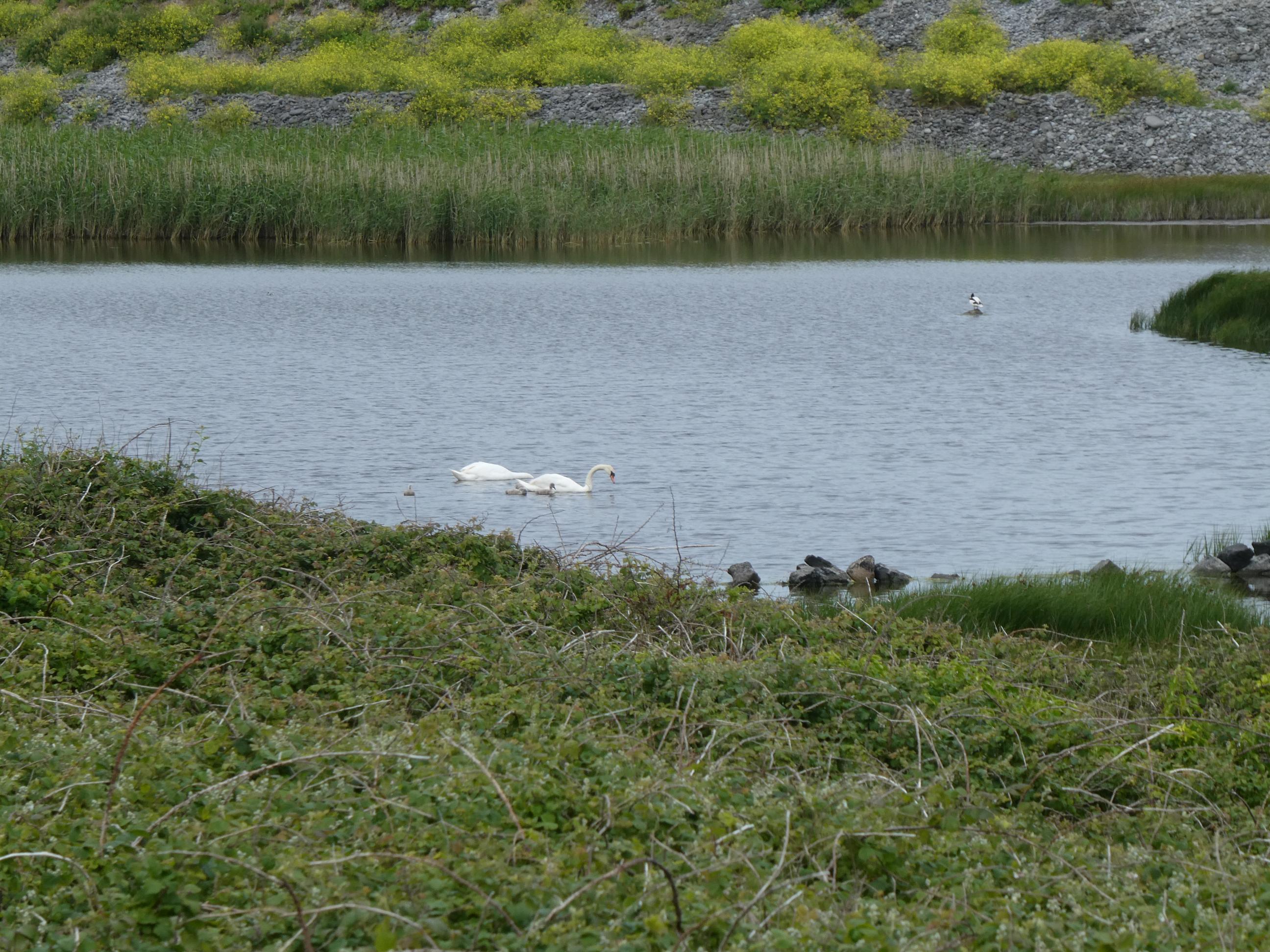
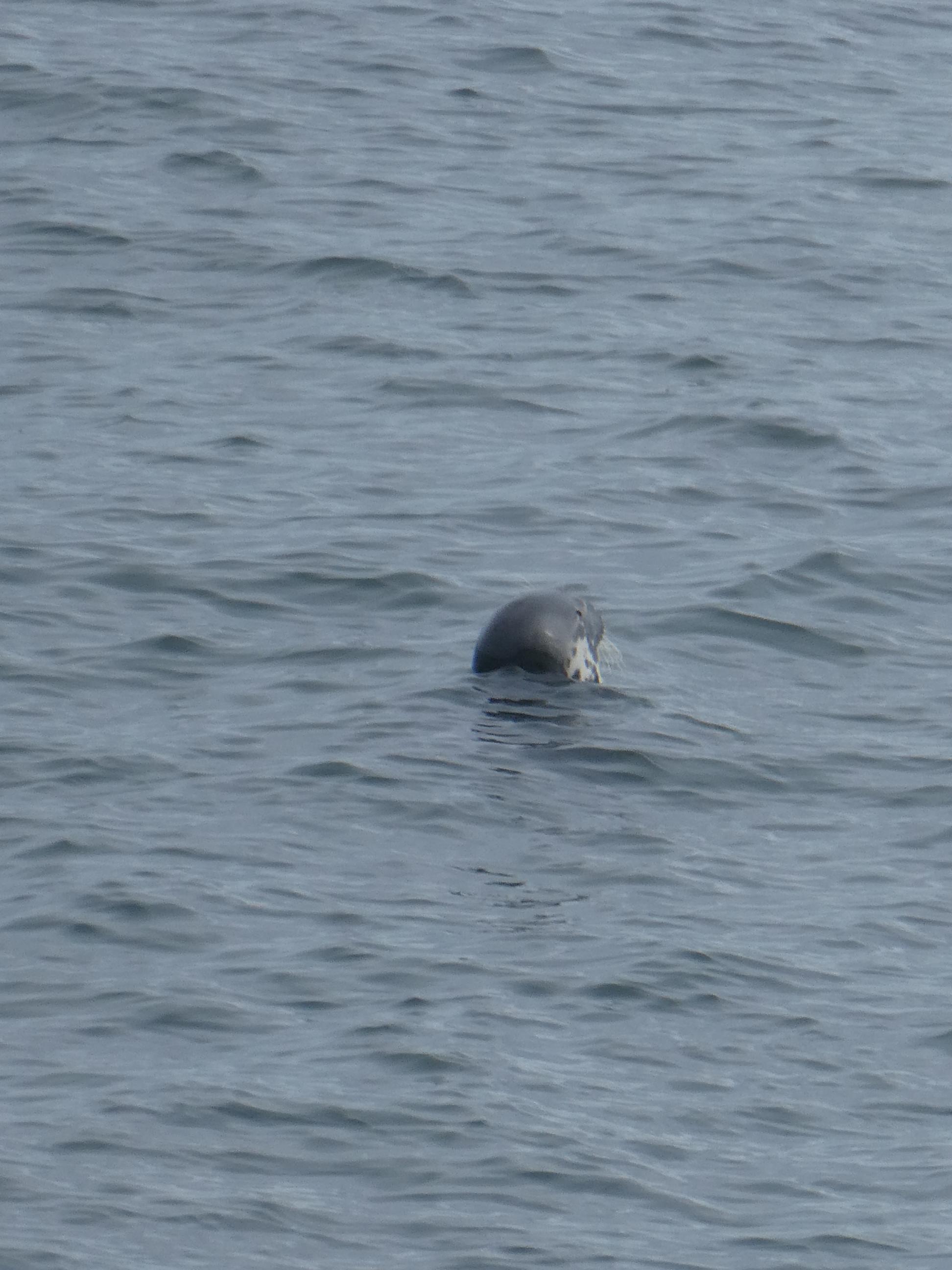
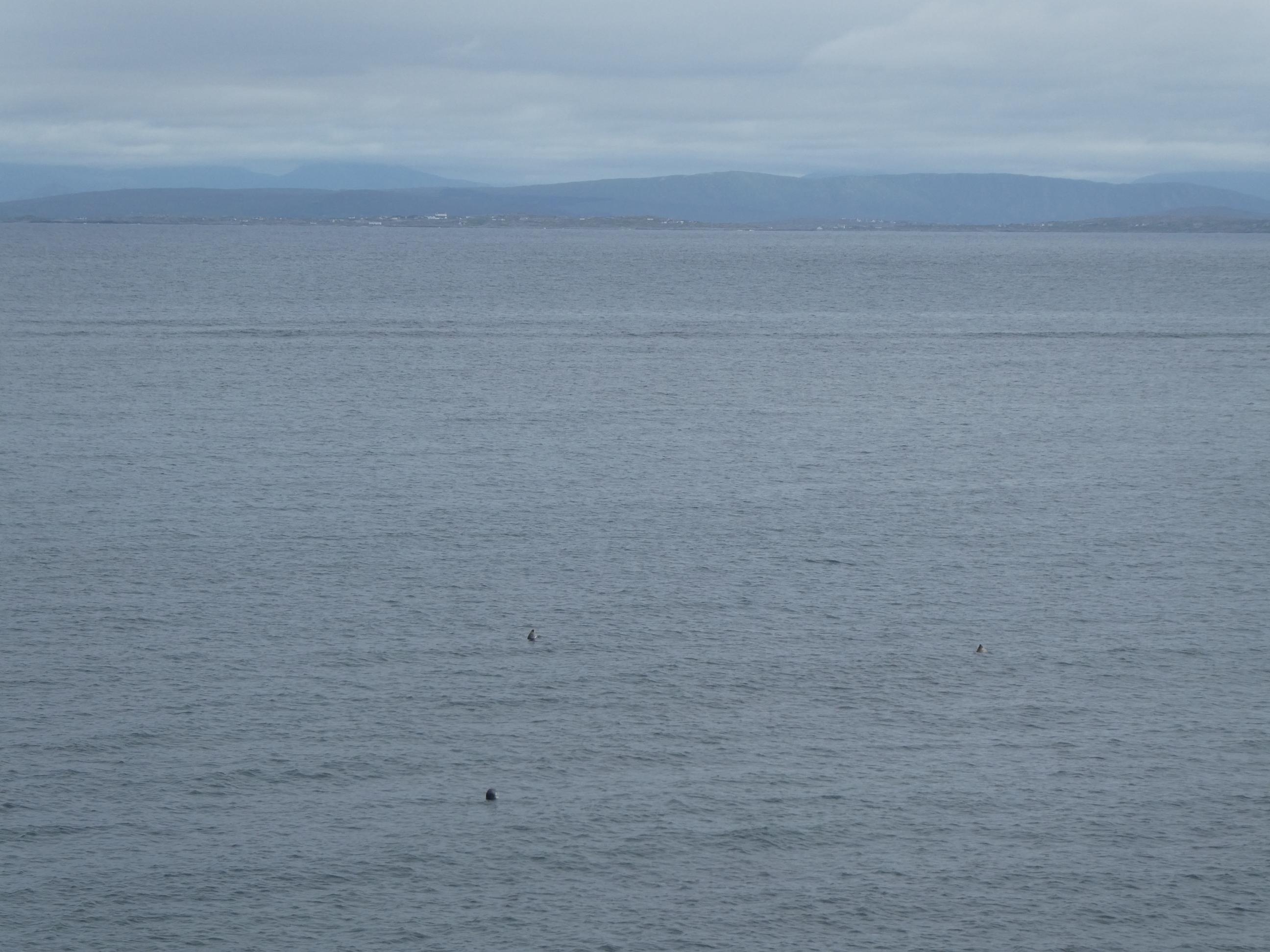
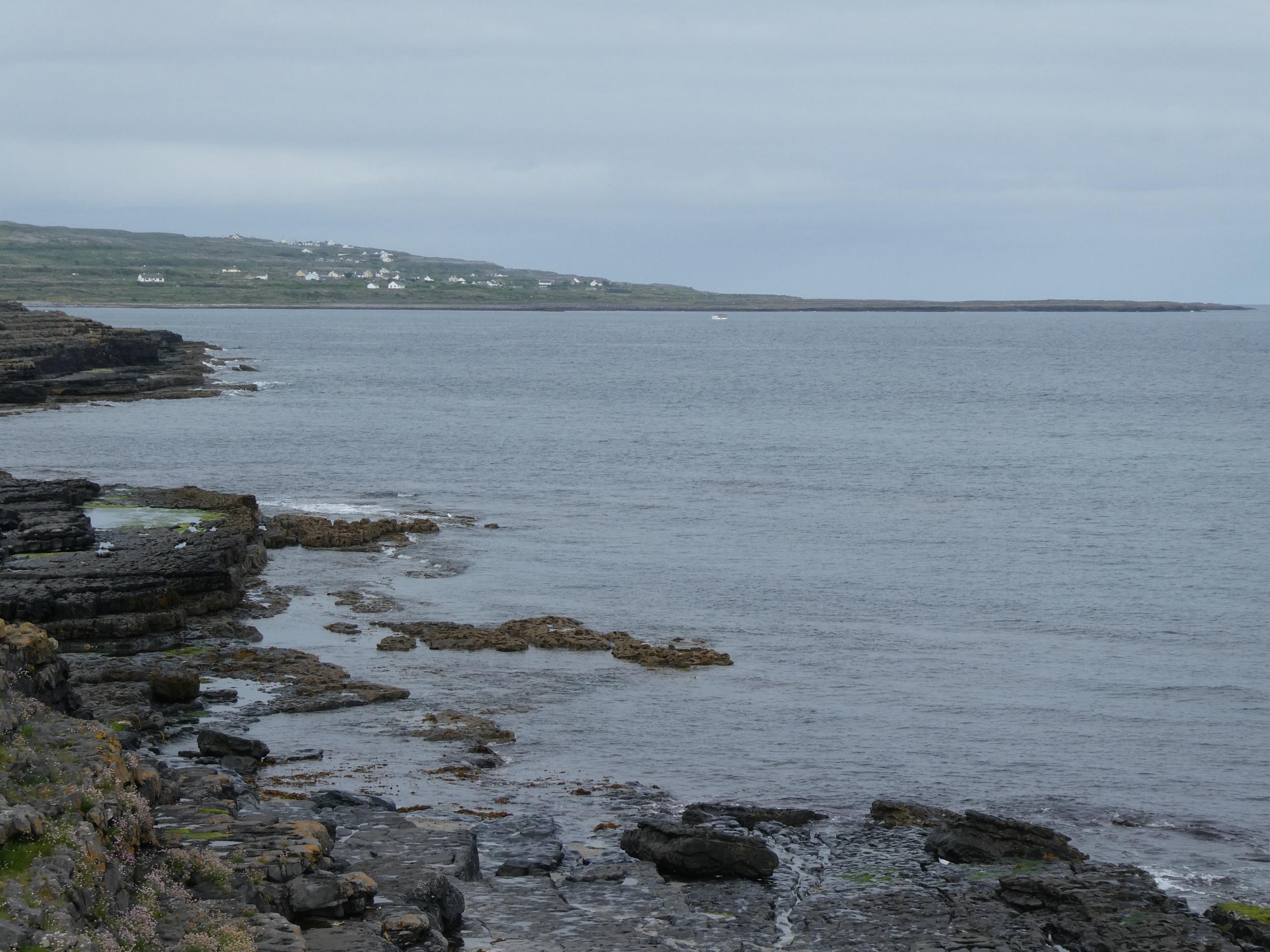
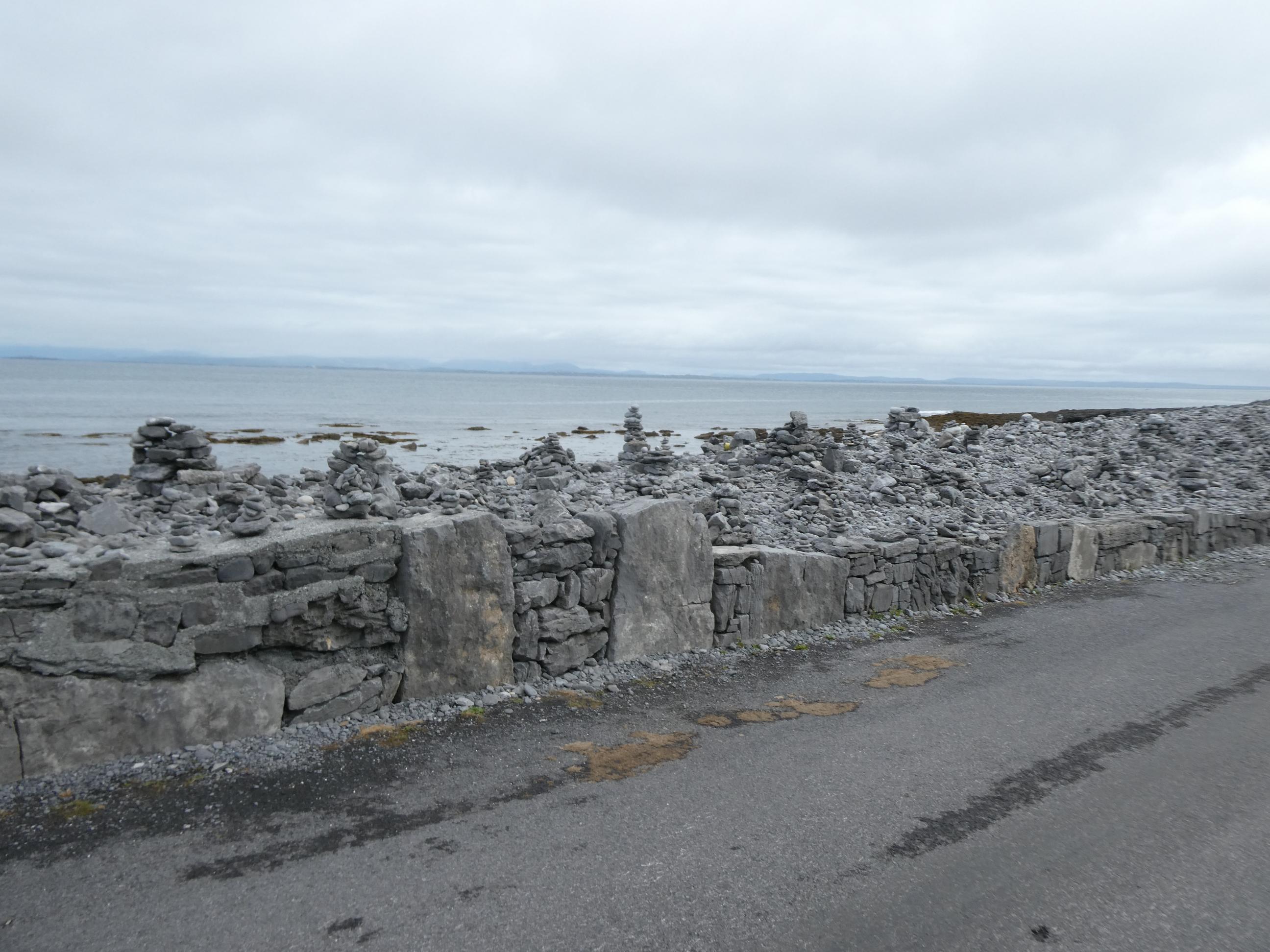
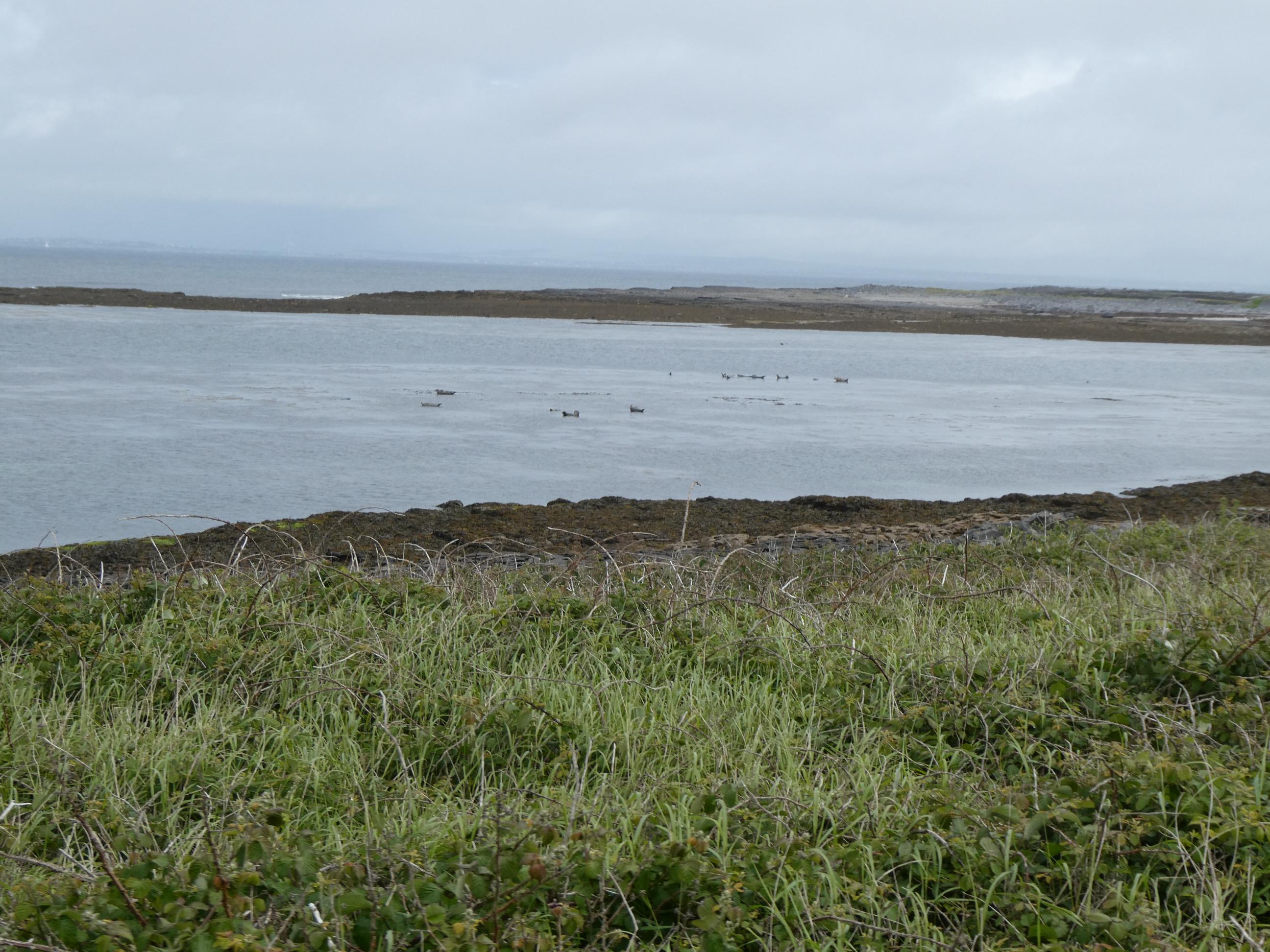
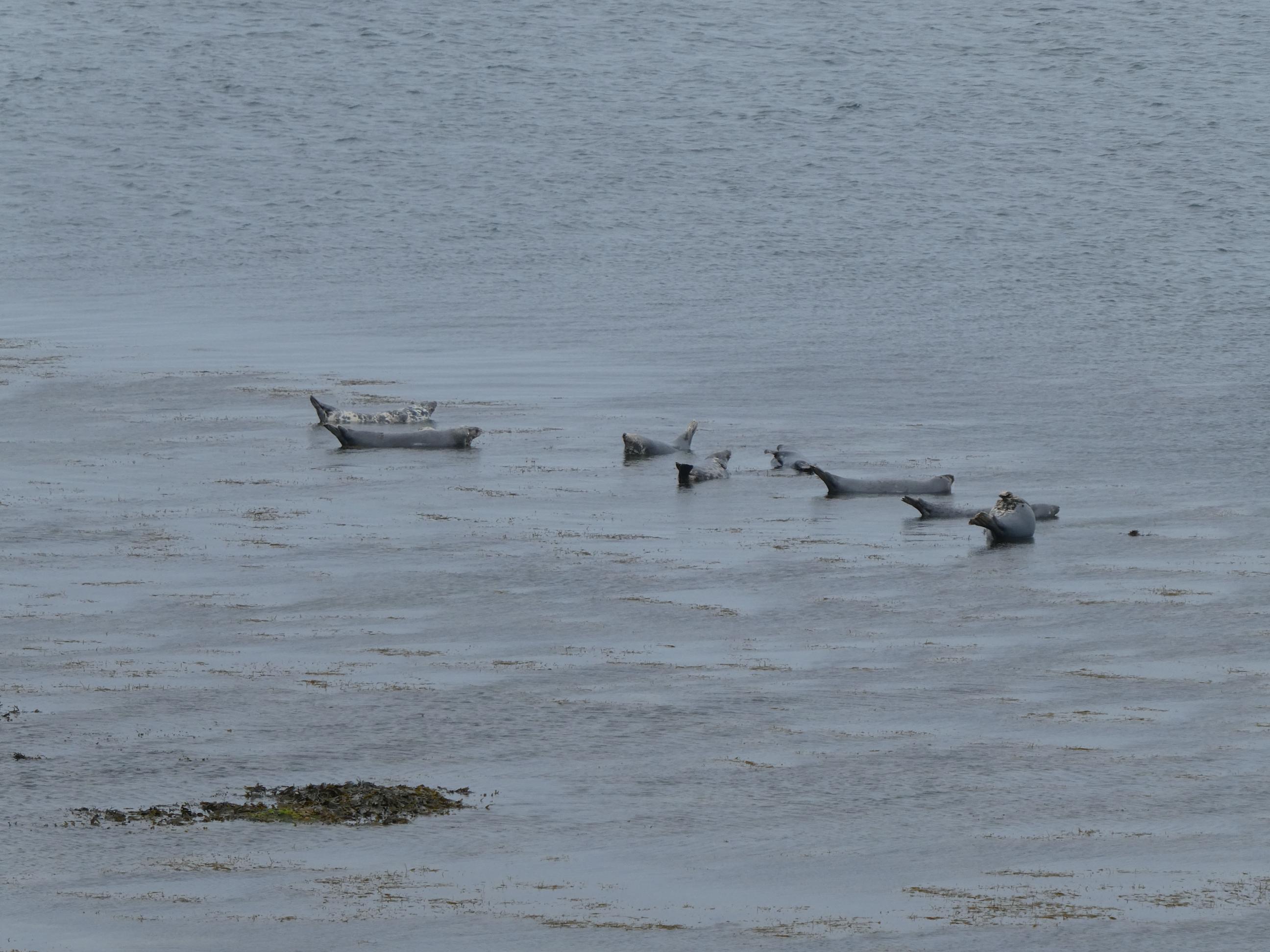
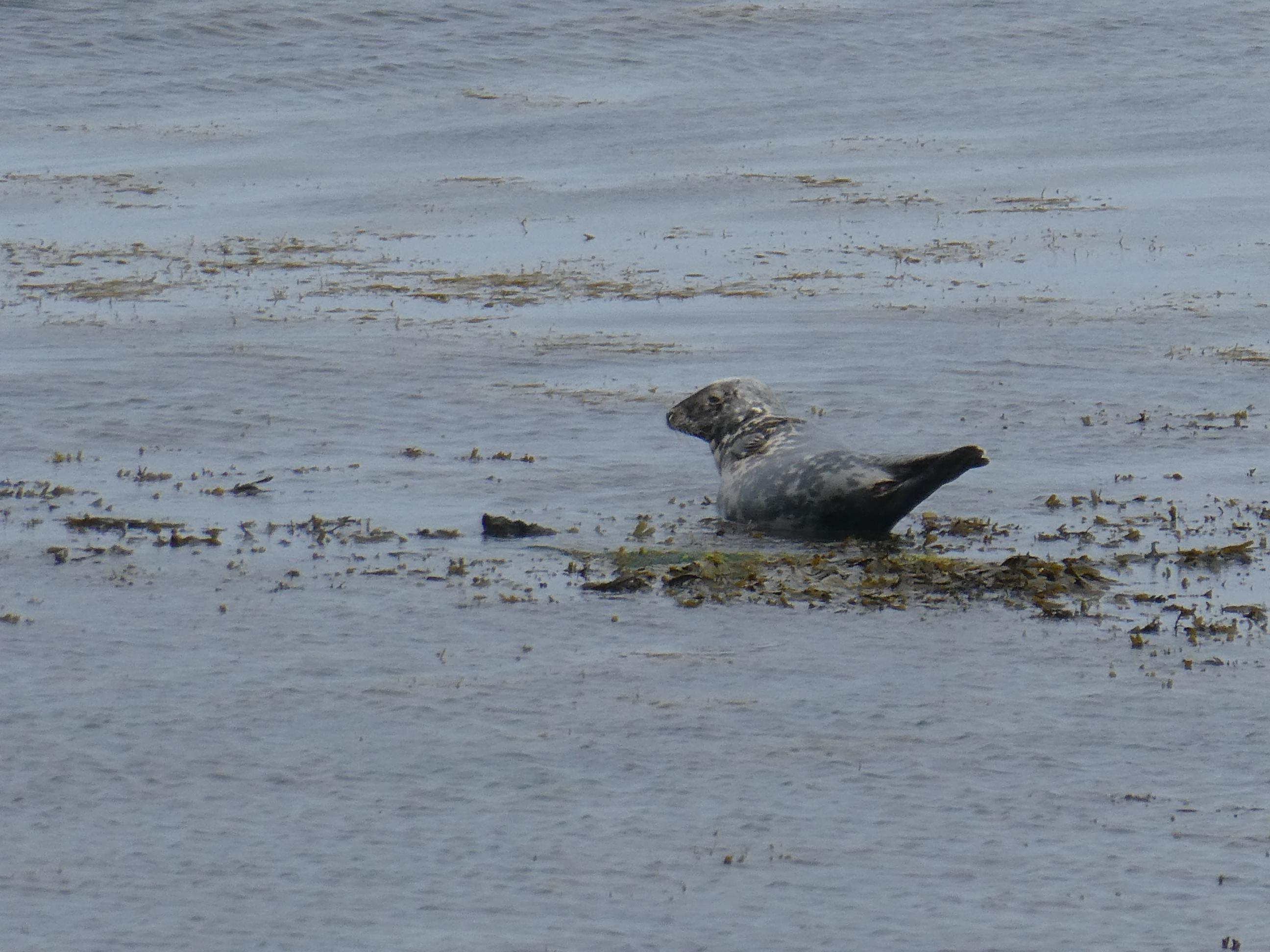
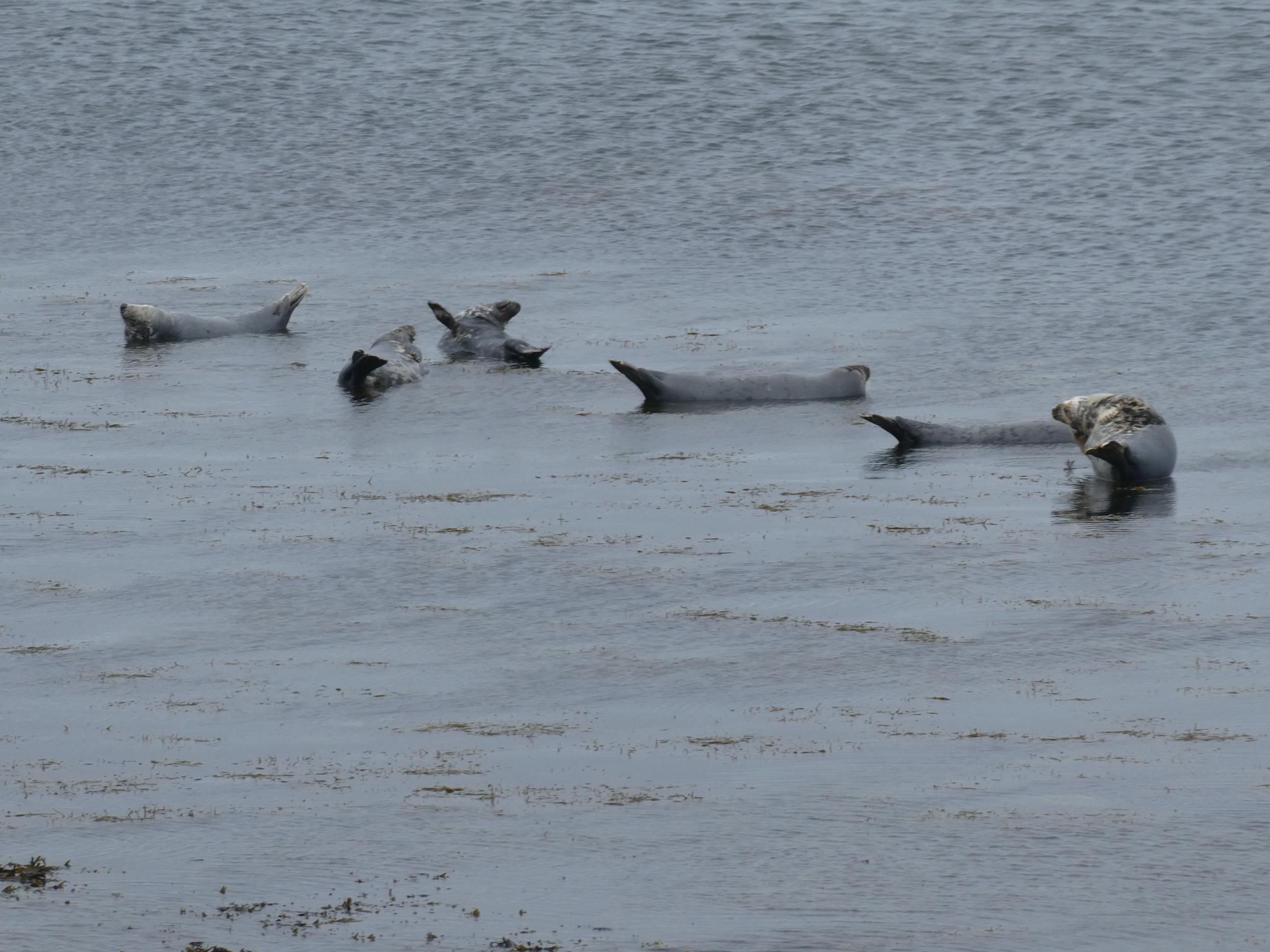
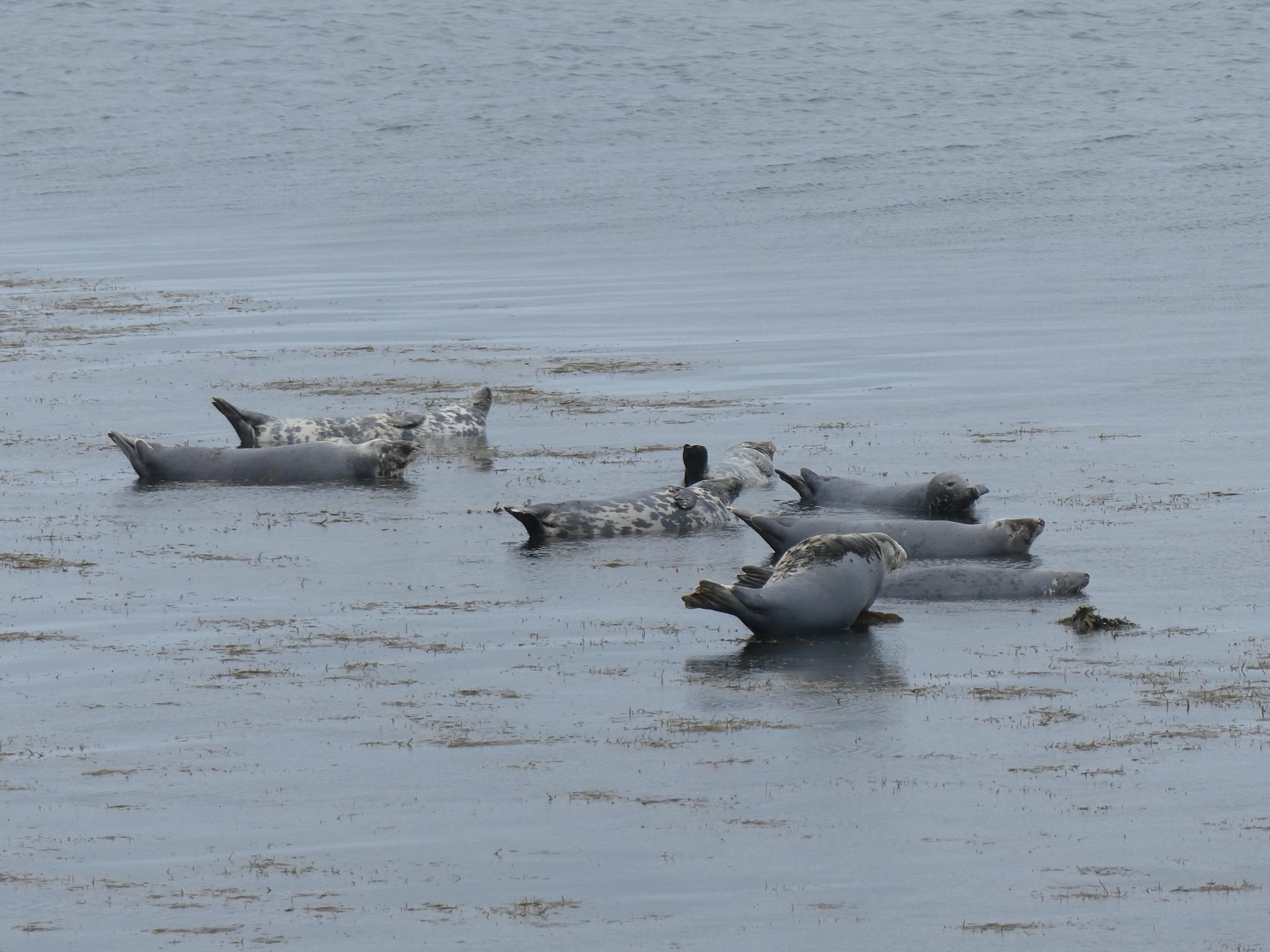
We stopped at the seal colony. The tide was in and the seals were off shore. We could see their heads poking out of the water. None of them ventured close to the shore. In the distance, we could clearly see Connemara. Rod hopped up on the front seat alongside Stephen for the next leg of our trek.

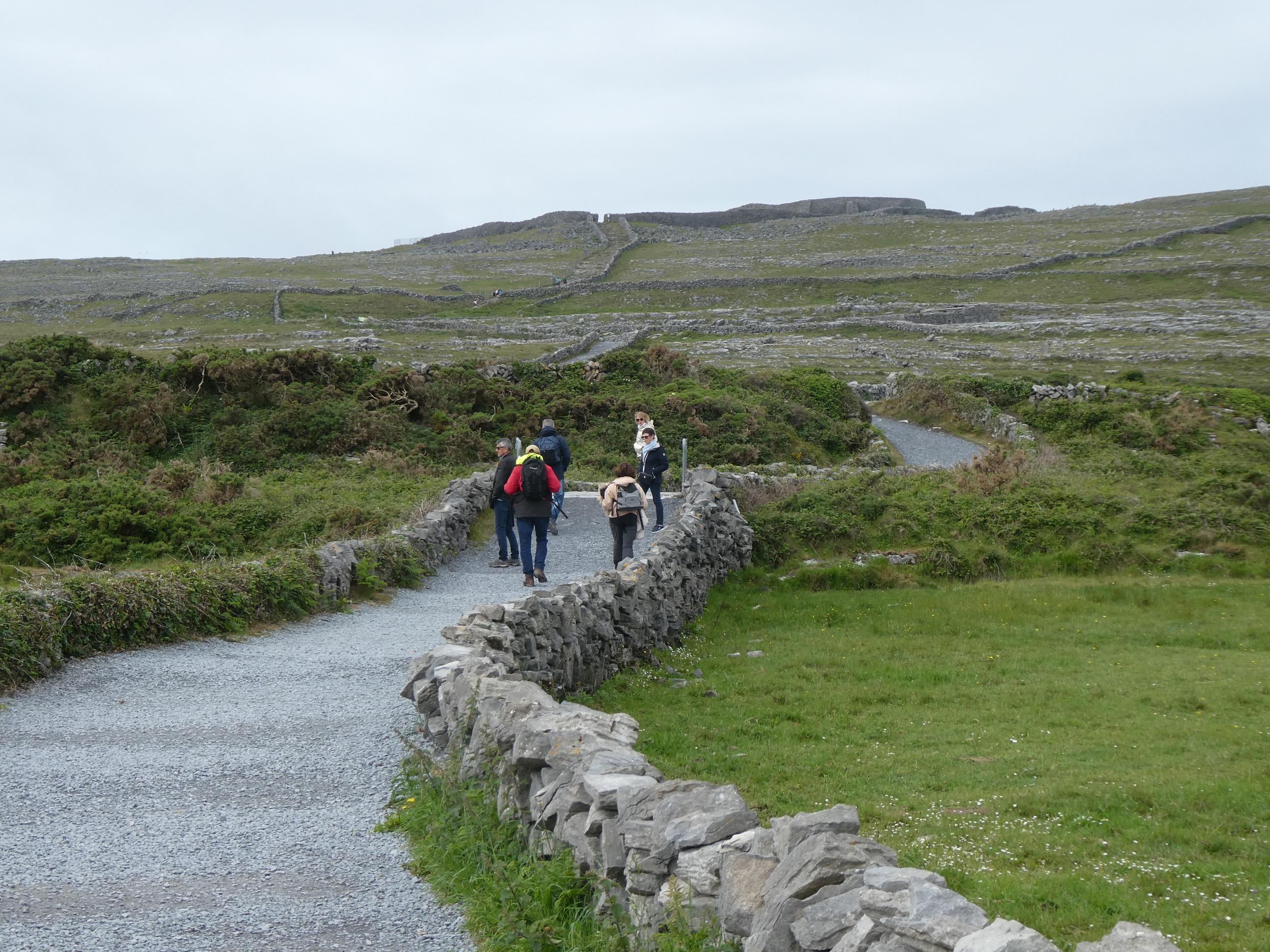
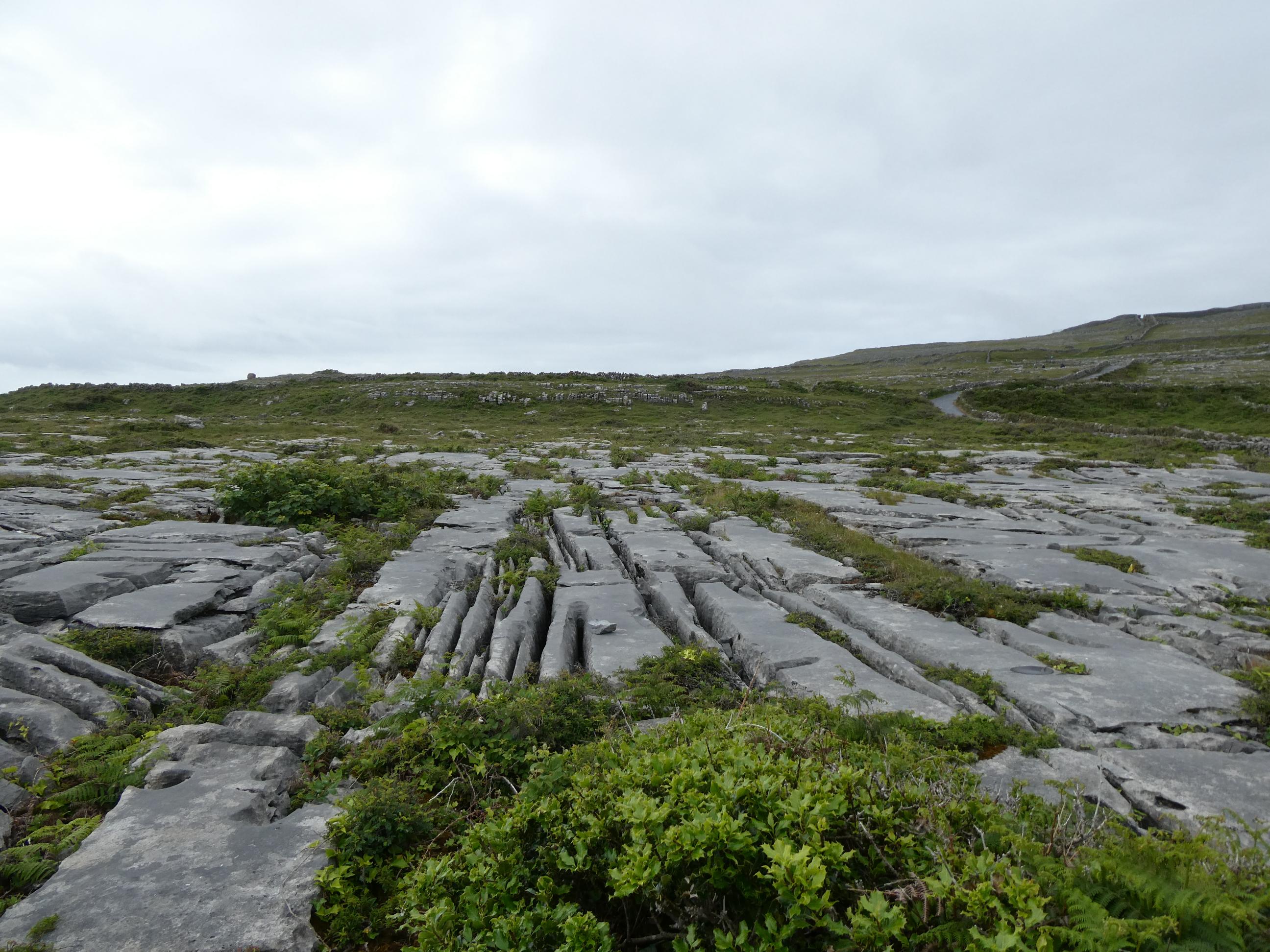
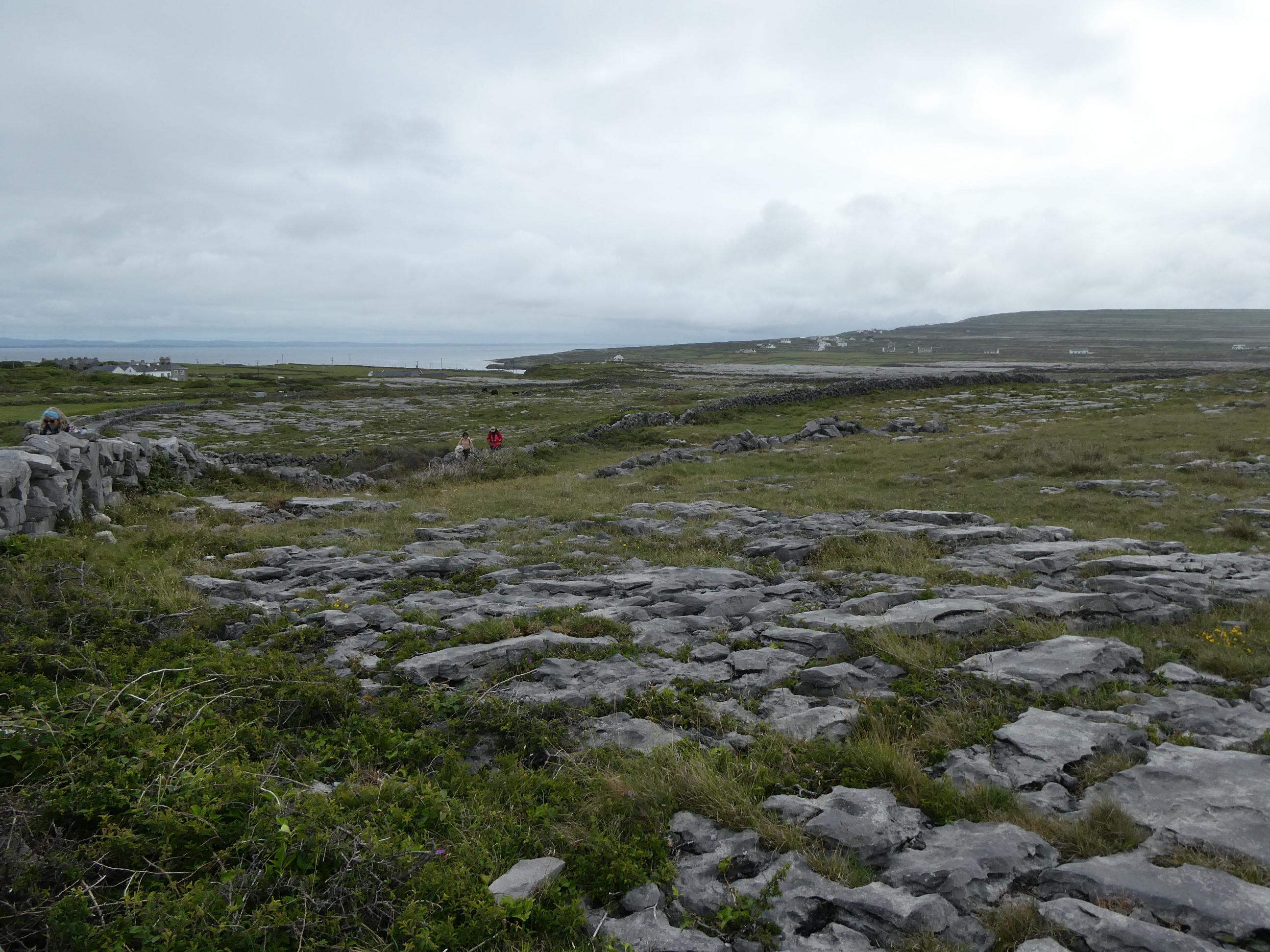
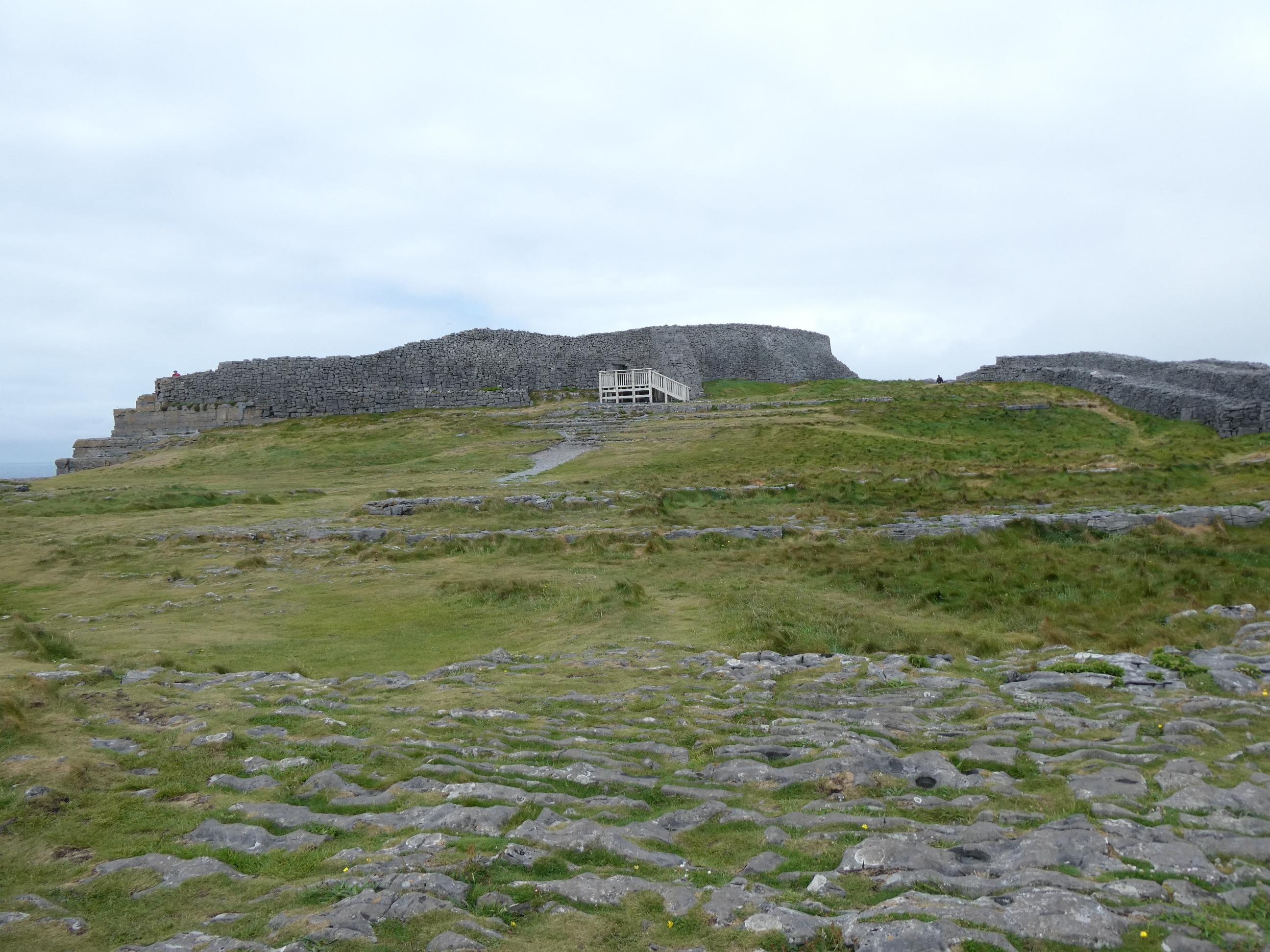
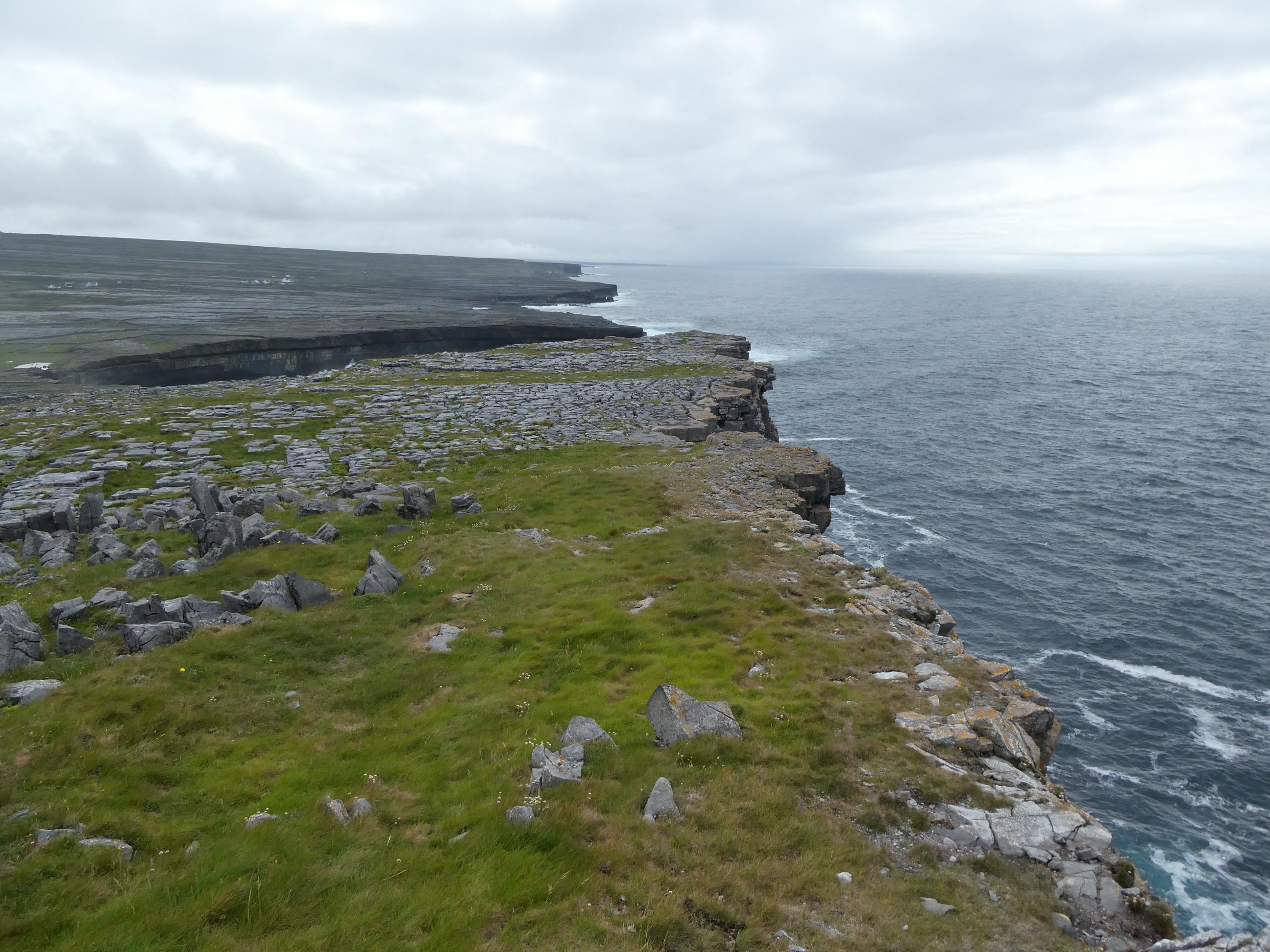
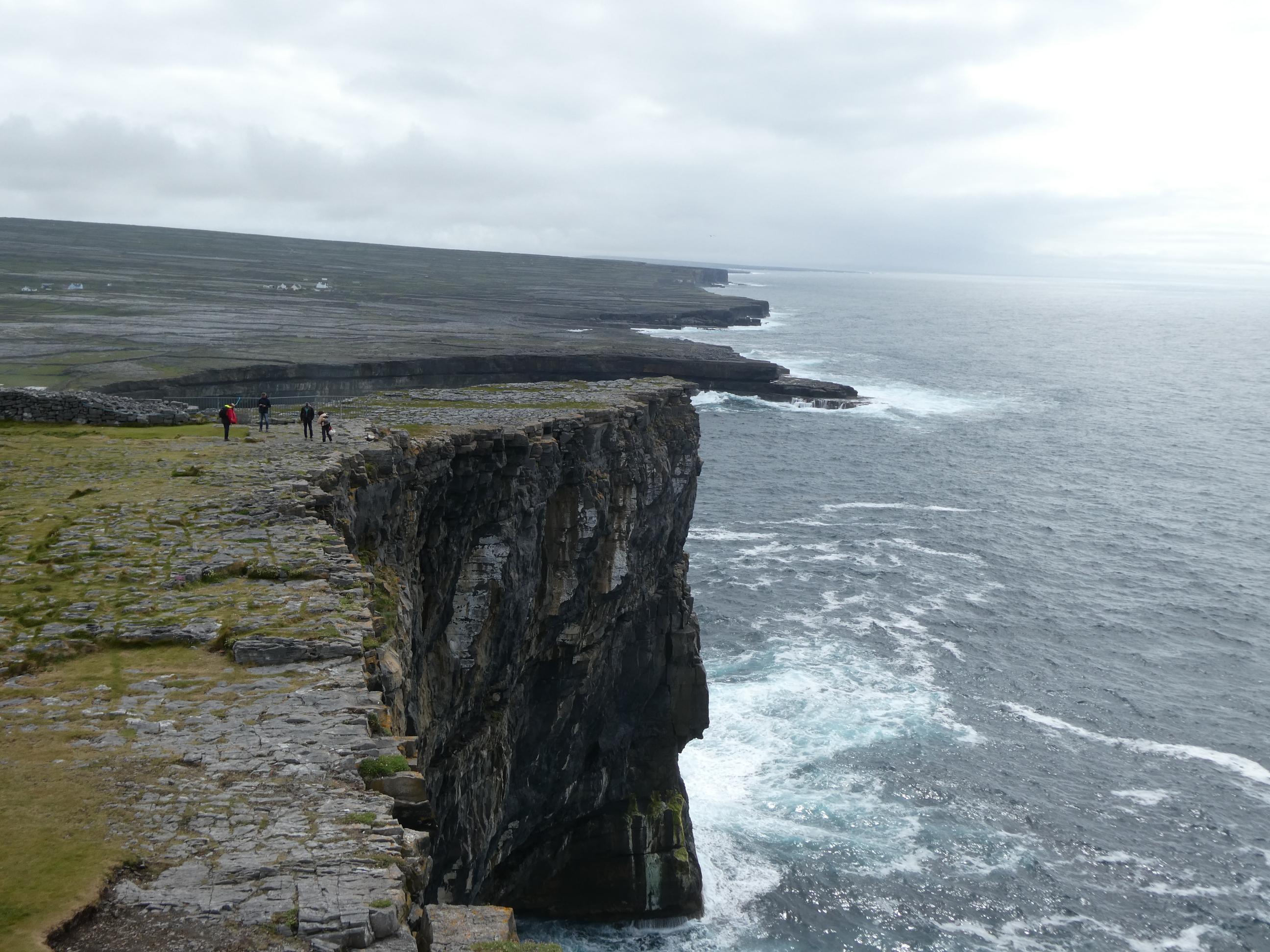
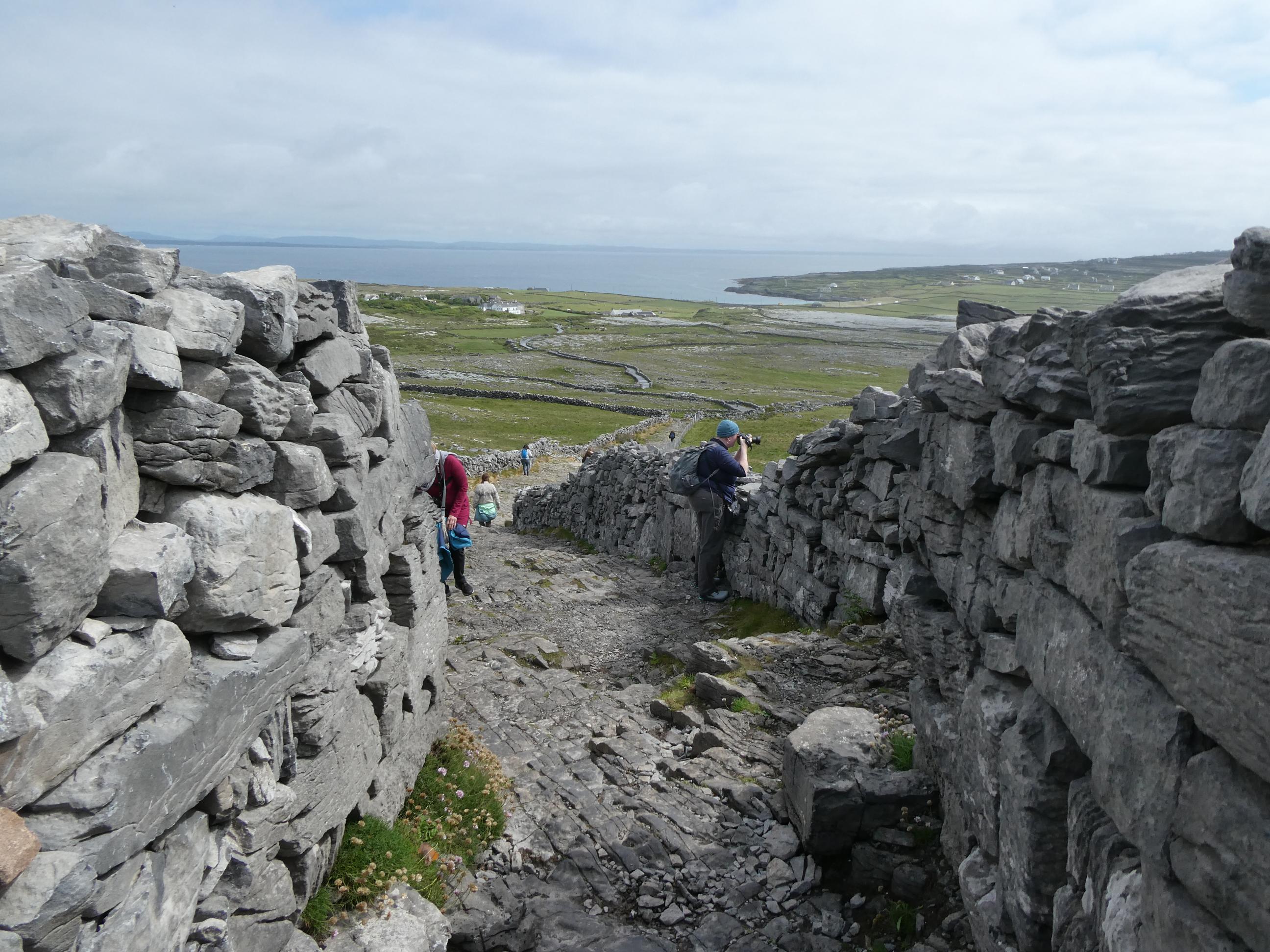
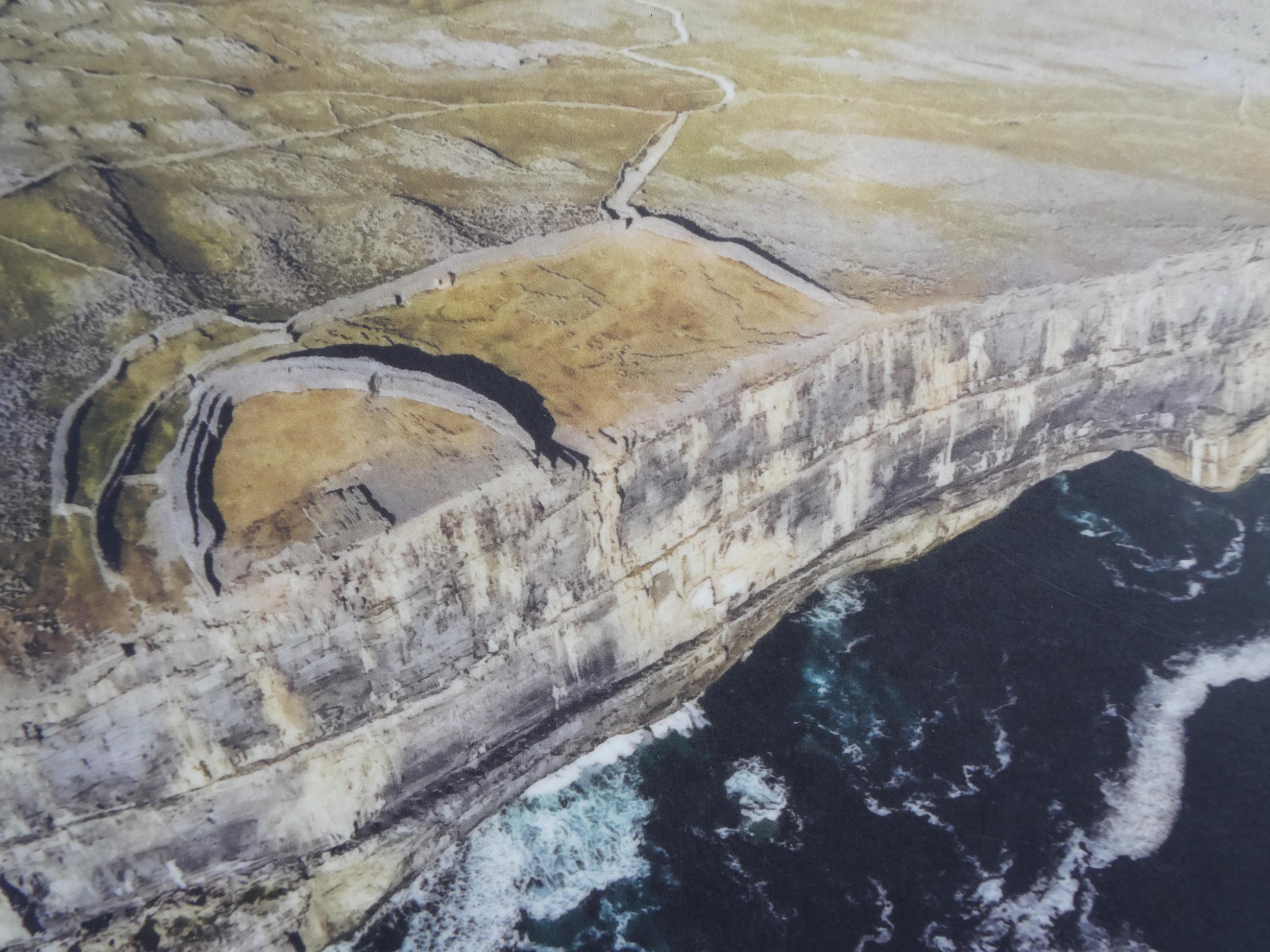
Bob the Cob brought us to the drop off point for Dún Aonghasa, an important Irish archaeological site. From there it was about a ten minute uphill walk along a rough, stony path to the ruins. Much of the stone here is limestone, similar to what we saw at the Burren yesterday. Dún Aonghasa is a prehistoric stone hill fort. It’s perched right on the edge of a very high sea cliff. There are no safety fences, and it’s a sheer drop of about 90 metres into the Atlantic Ocean below. The final photo in this gallery is an aerial shot of Dún Aonghasa that I saw on an information panel. I hope you can see how perilous it is to venture too close to the edge. I got as close as I was prepared to go for the sake of getting a shot or two of the magnificent coastline, but felt better when I took a few steps back from the precipice. The earliest parts of the fort were built over 3000 years ago. There are three main stone defence walls at the fort, though I didn’t find out who the people who lived here needed to defend themselves from. Outside the defence walls is a band consisting of thousands of jagged upright limestone spikes, known as a chevaux-de-frise, that would be almost impossible for an enemy to mount an attack through. Some of the inner defence walls were rebuilt during the Victorian era. A scene from “Banshees of Inisherin” was filmed here.

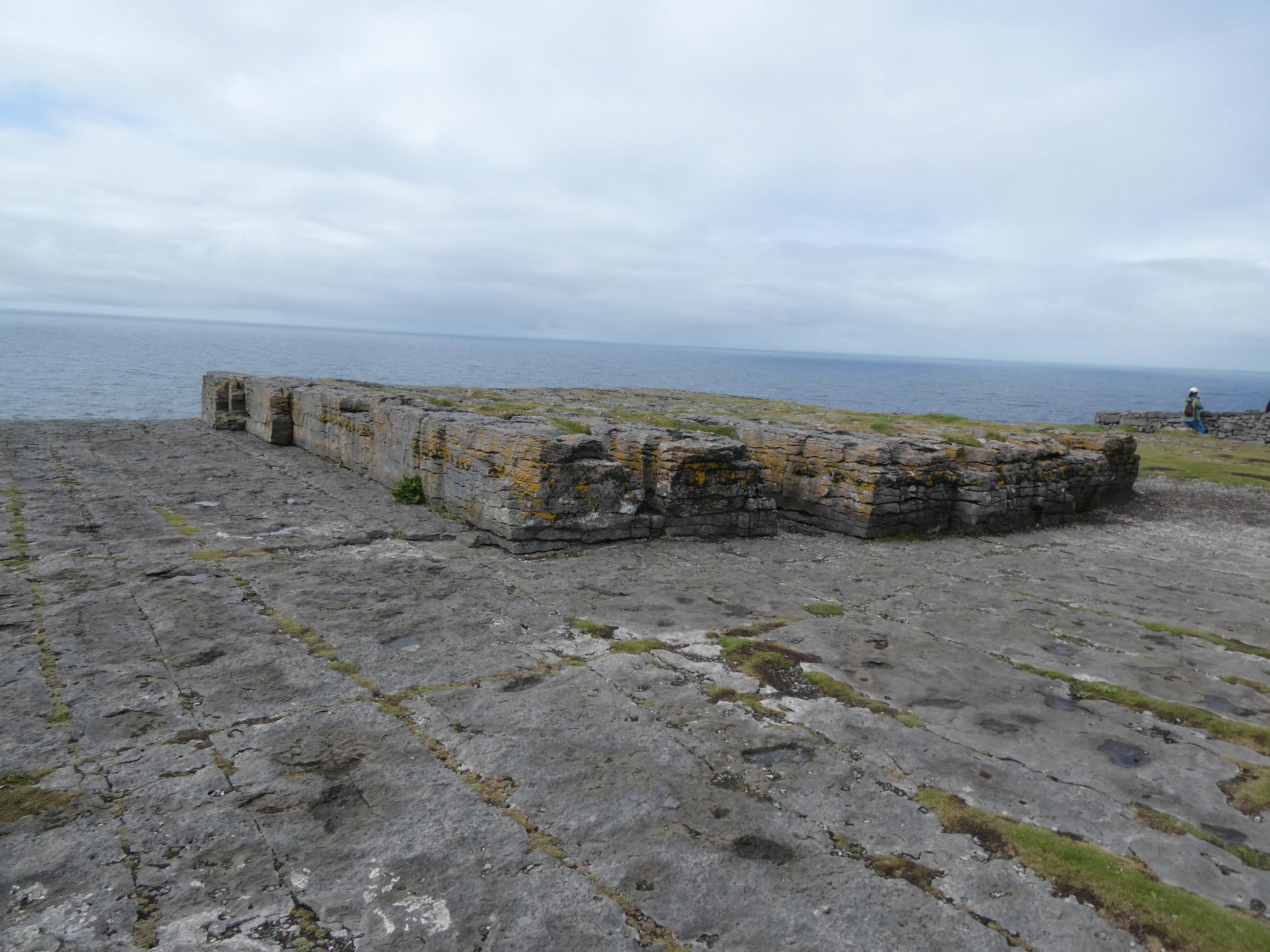
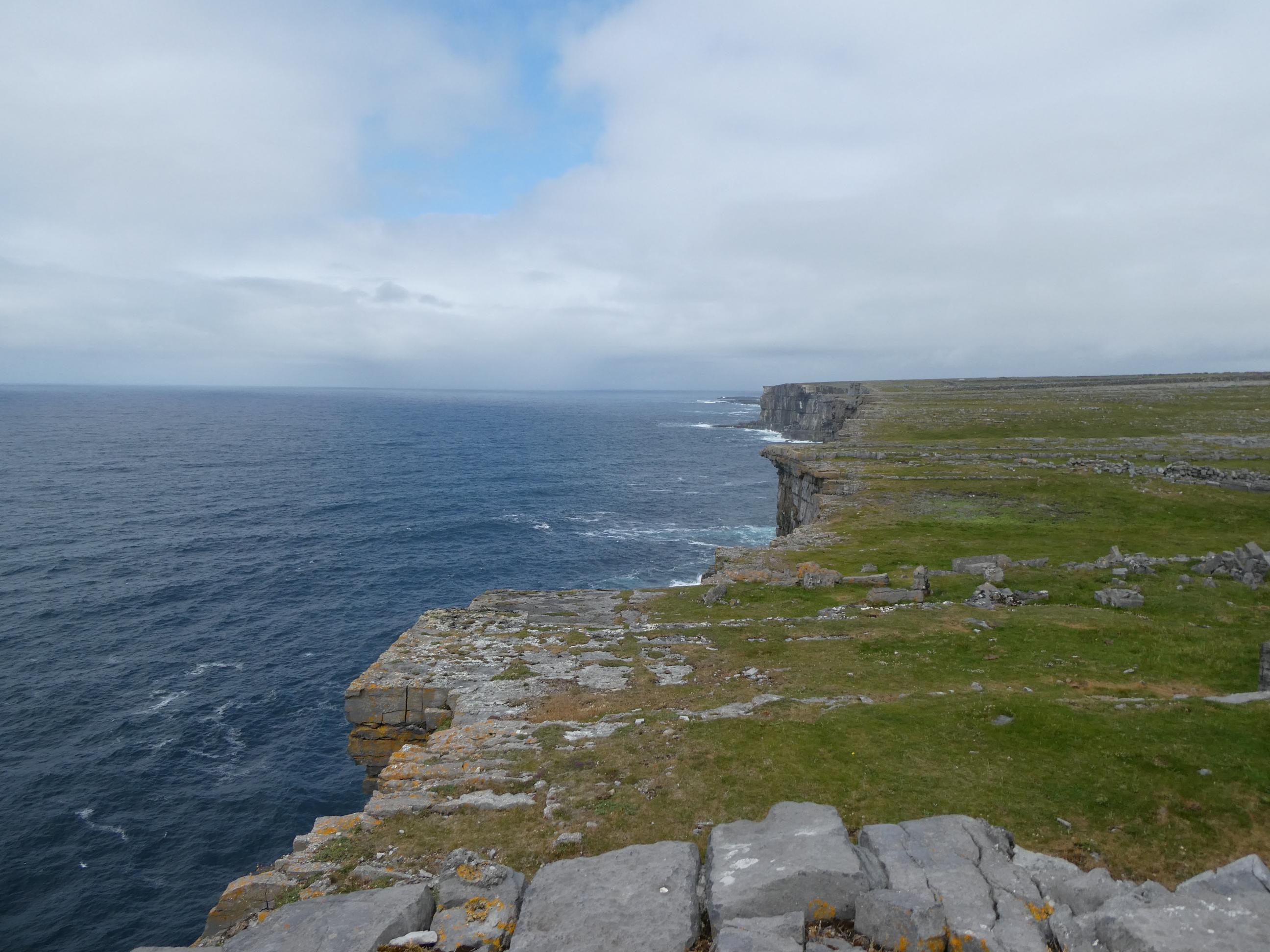
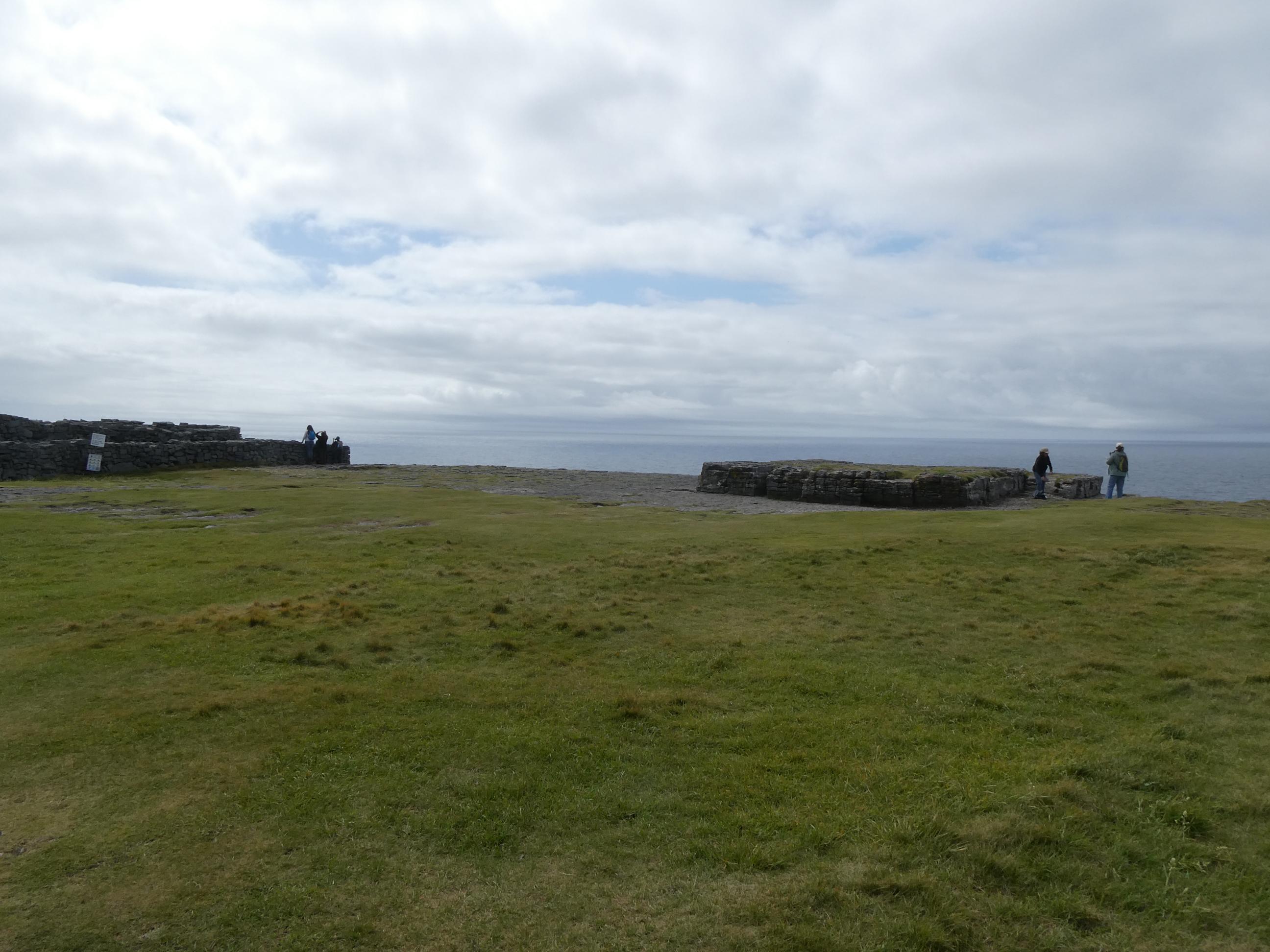
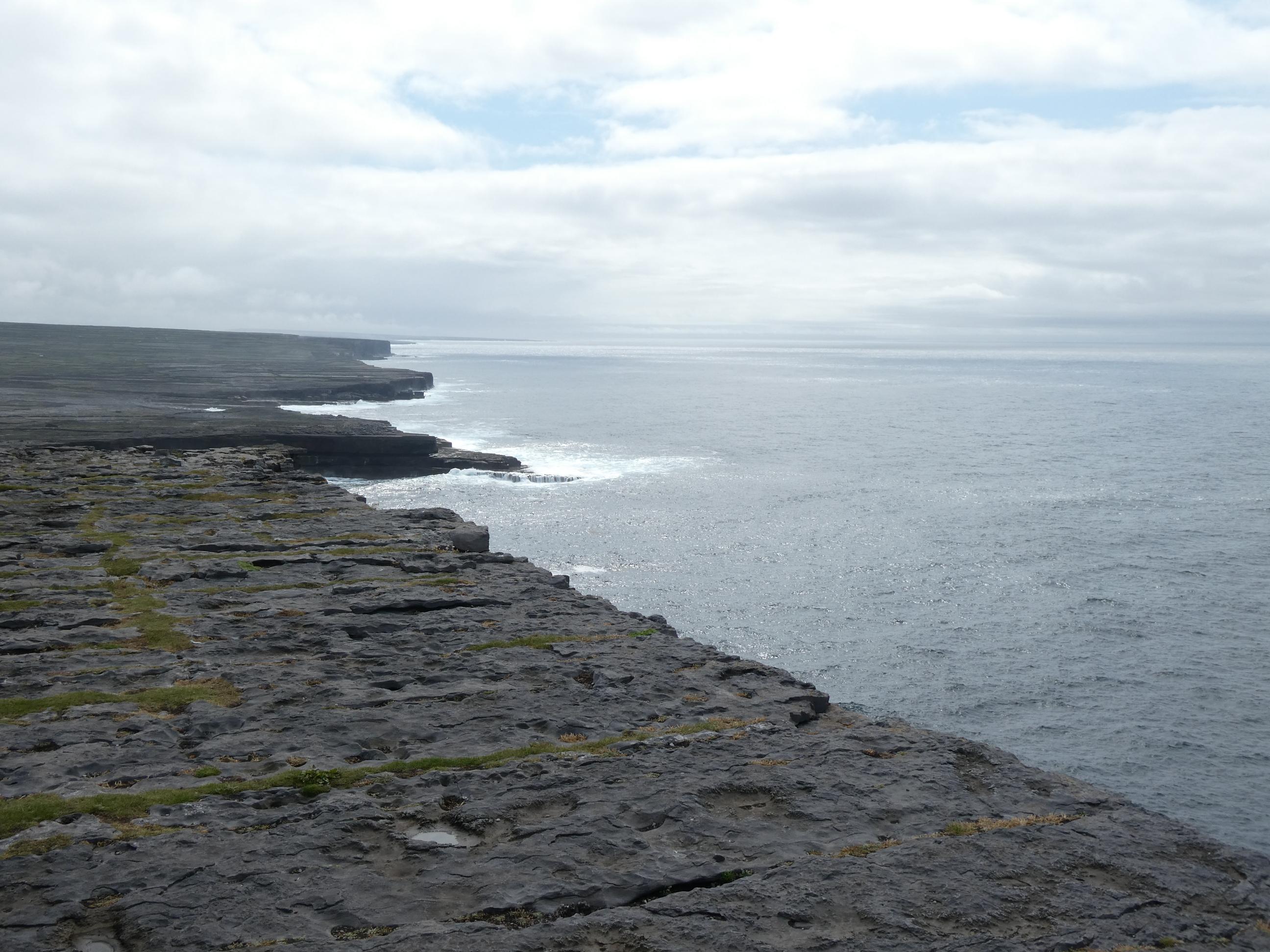


After we carefully made our way back down the stony path from Dún Aonghasa, we stopped for a look in a couple of shops there. Most of the shops in this part of Ireland sell identical goods, which can be divided into two groups – souvenirs of Ireland and its culture, and Aran knitwear. Most of the knitwear is beautifully done, but machine knitted. Stephen pointed out one small shop and told us it was the place to go if we wanted hand knitted goods. There was a little old lady at the counter, about 80 years old and partially deaf. “Can I help you?” she asked me. “I’m just looking,” I replied. “Well, yer hands should be in yer pockets!” she snapped. Ouch! Then she turned to Marg, who was looking at a tea towel featuring Aran knitting stitches. “Don’t touch that if yer not buying! Put it back,” she barked. I hadn’t been spoken to like that by a shop assistant since I encountered the grumpy postmaster in Shetland, and now I think I’ve met his mother. She made Basil Fawlty look like the Dalai Lama. I swapped places with my brother in the front seat for the journey back to the seal colony. I’m not a horse person, but I really enjoyed sitting up there behind Bob the Cob and watching him as he worked while I chatted with Stephen.

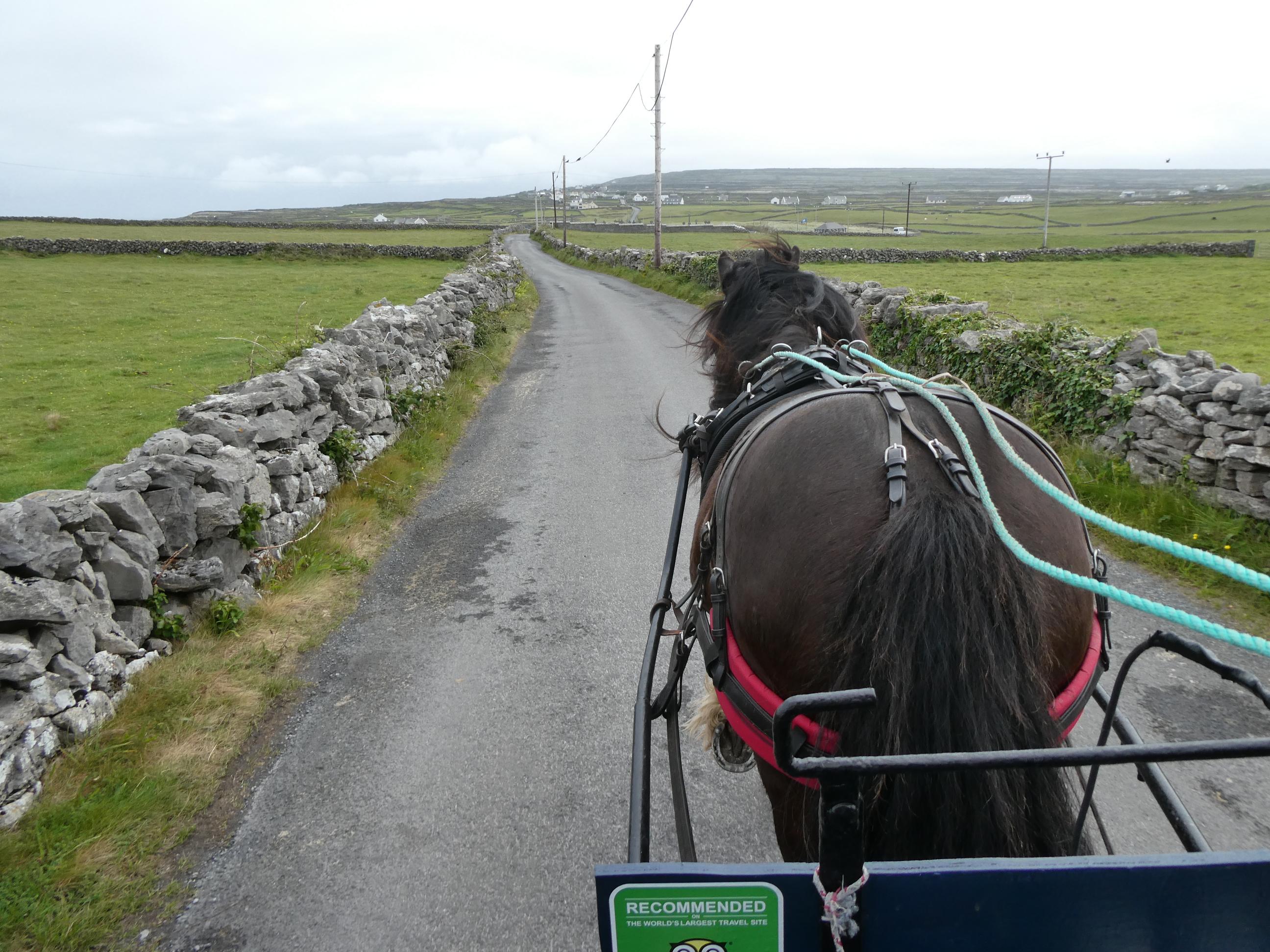

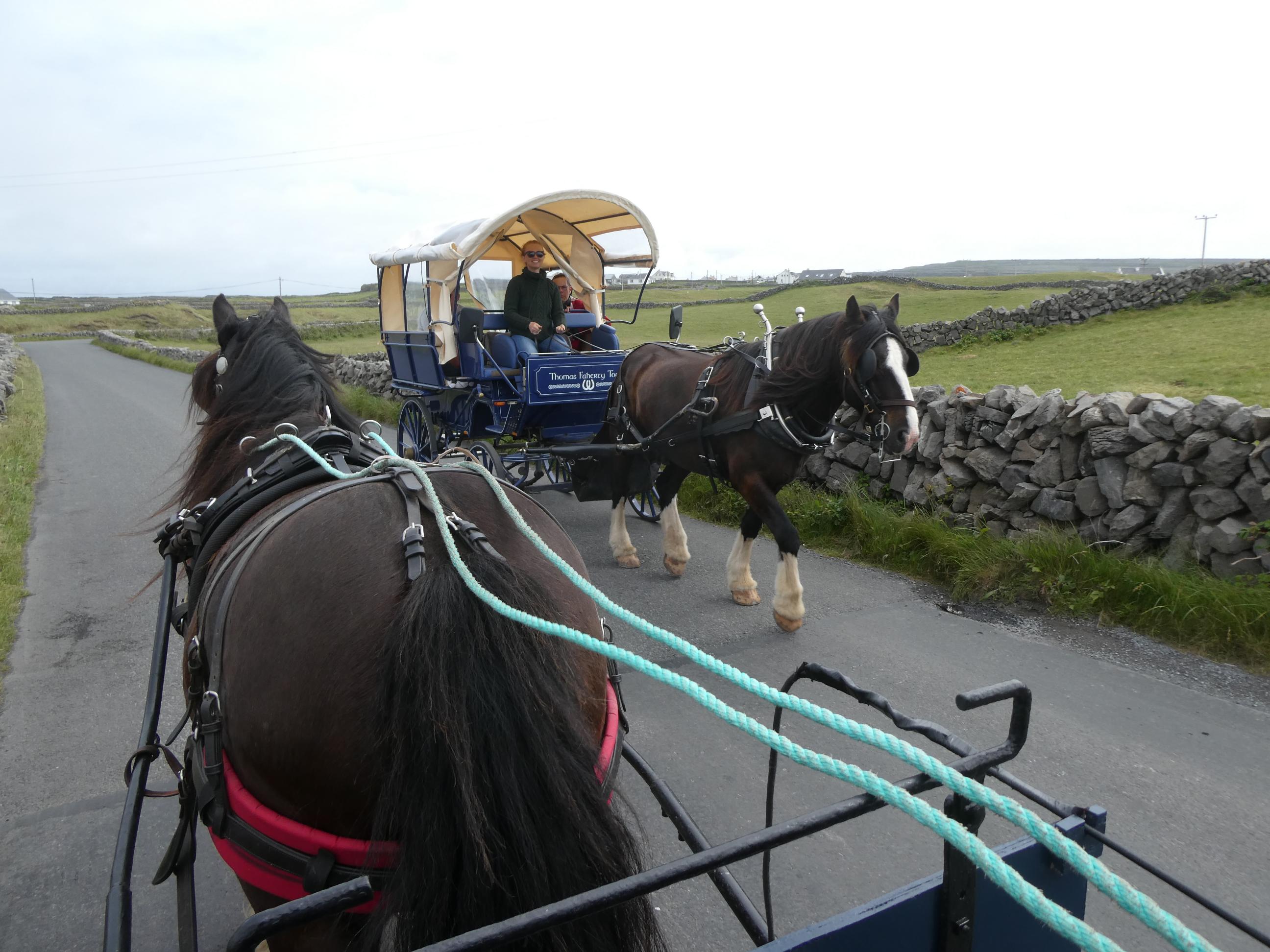


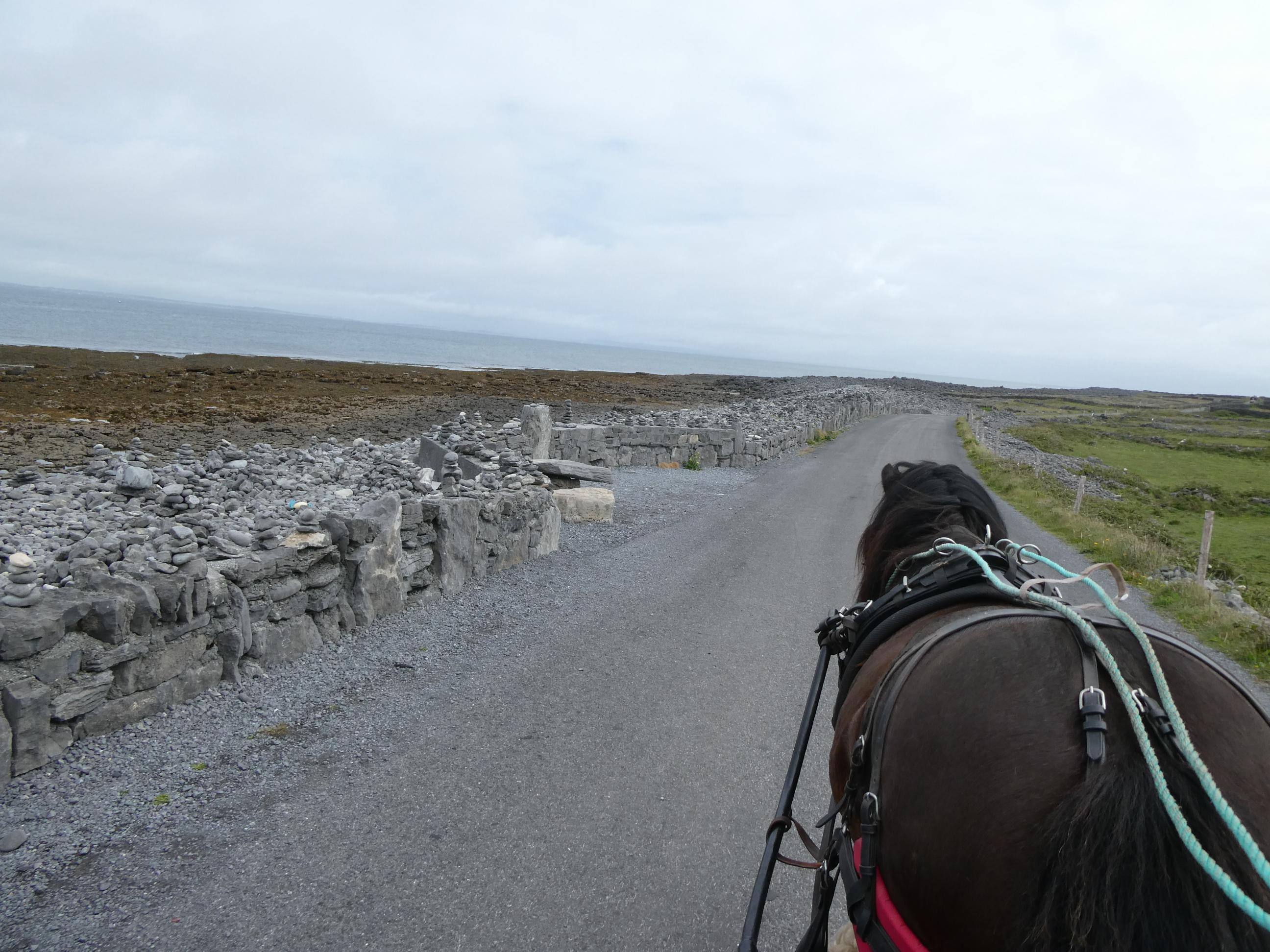
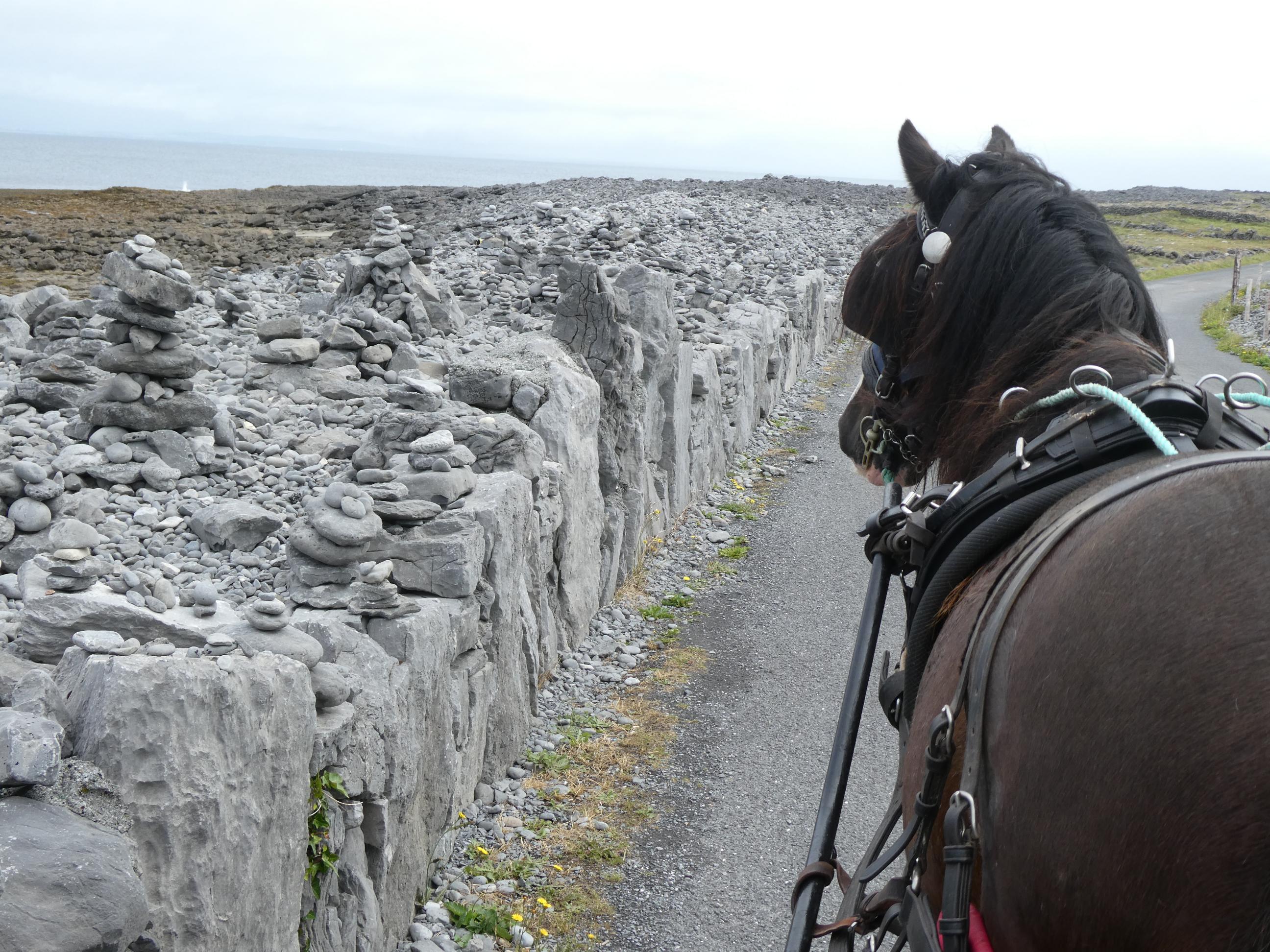
The tide was out when we returned to the seal colony. The seals hadn’t moved from where we last saw them, but this time they were resting on the exposed sandy sea floor of the bay. I guess they understand that if they stay there long enough, the tide will come back in again soon enough, and it seems they’re happy to just lie around and wait for that to happen.
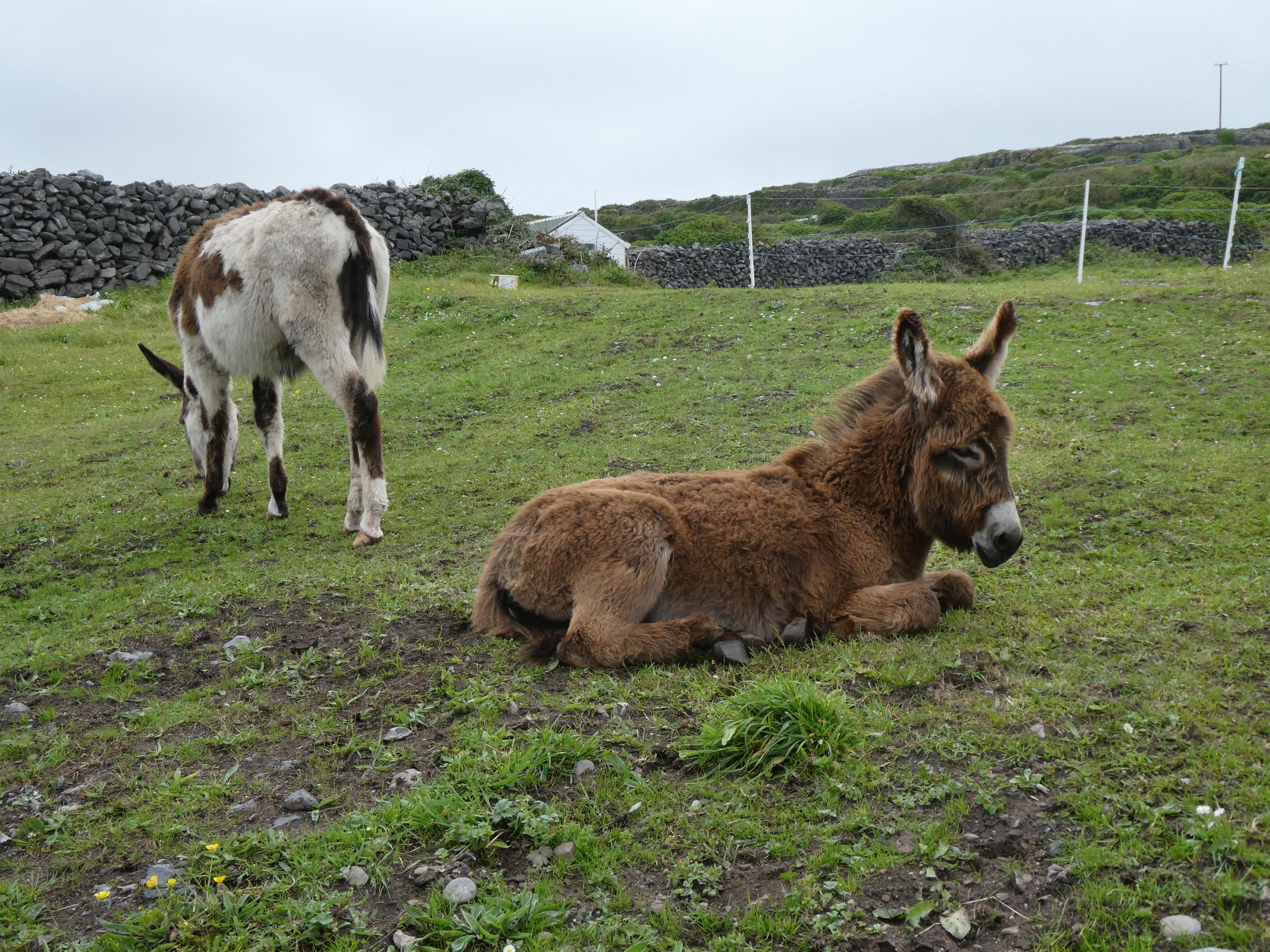
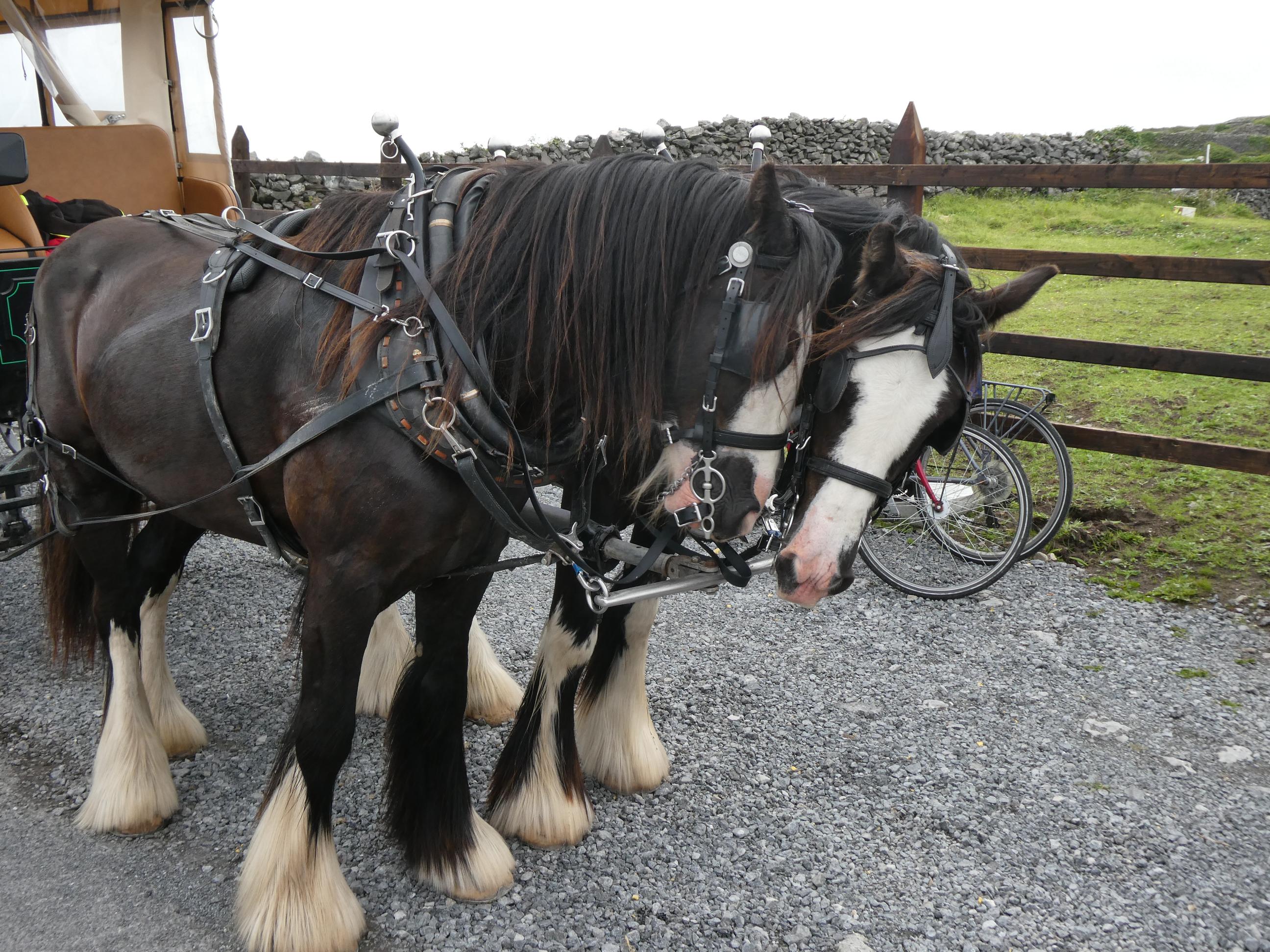

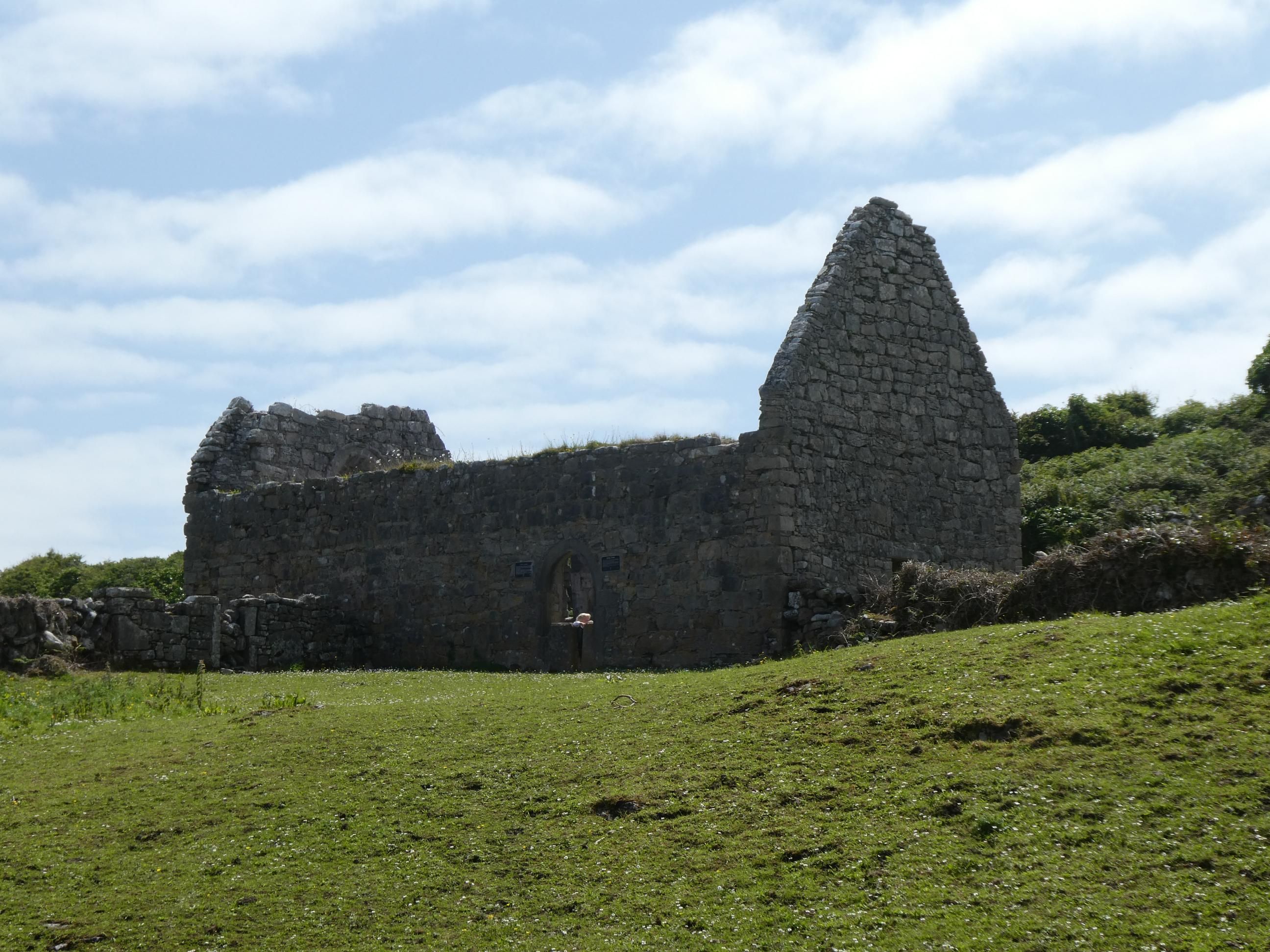
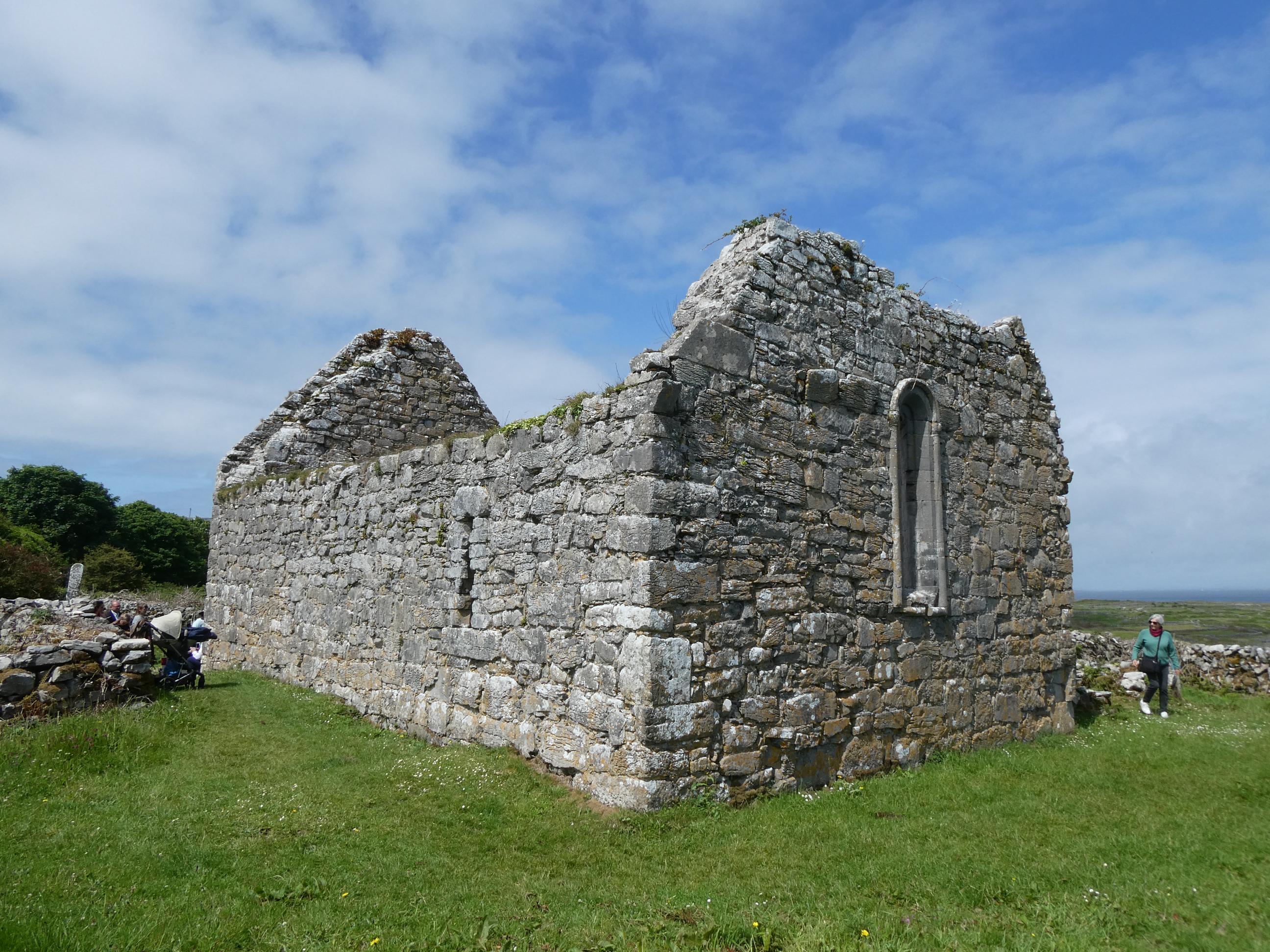
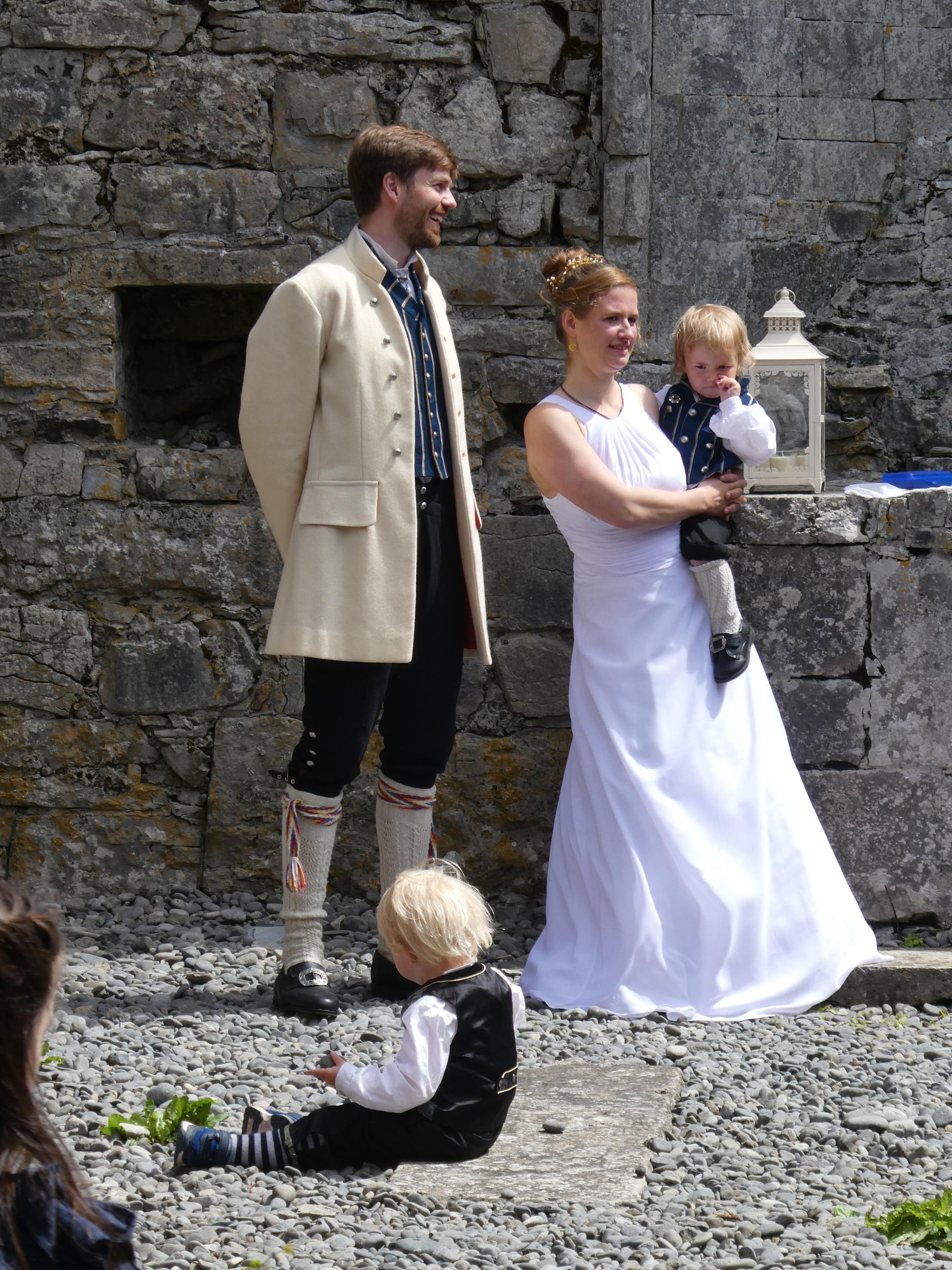
I swapped the front seat with Cornelia and hopped into the back of the carriage for the ride to St Ciaran’s Church. Bob the Cob moved off the road for us to alight without being collected by one of the numerous cyclists now riding past on their way to Dún Aonghasa. We walked up a winding path to the ruins of St Ciaran’s. We could see that only the four stone walls were all that was left standing of the church. When we got close to the old stone structure, we saw there were well-dressed people inside and could hear someone plucking on a harp. There was a wedding taking place inside the ruined church, and we had stumbled across it. Thankfully, the miserable grey skies of earlier in the day had gone by now, to be replaced by the first sunny blue skies we’d seen in about a week. What a lucky break (and perfect timing) for the happy couple. We snuck away so as not to disturb their ceremony. Rod hopped up in the front seat for the final leg. We thanked Stephen and gave Bob the Cob a friendly pat. That had been a different sort of tourist experience for us all on this trip and we enjoyed every minute.


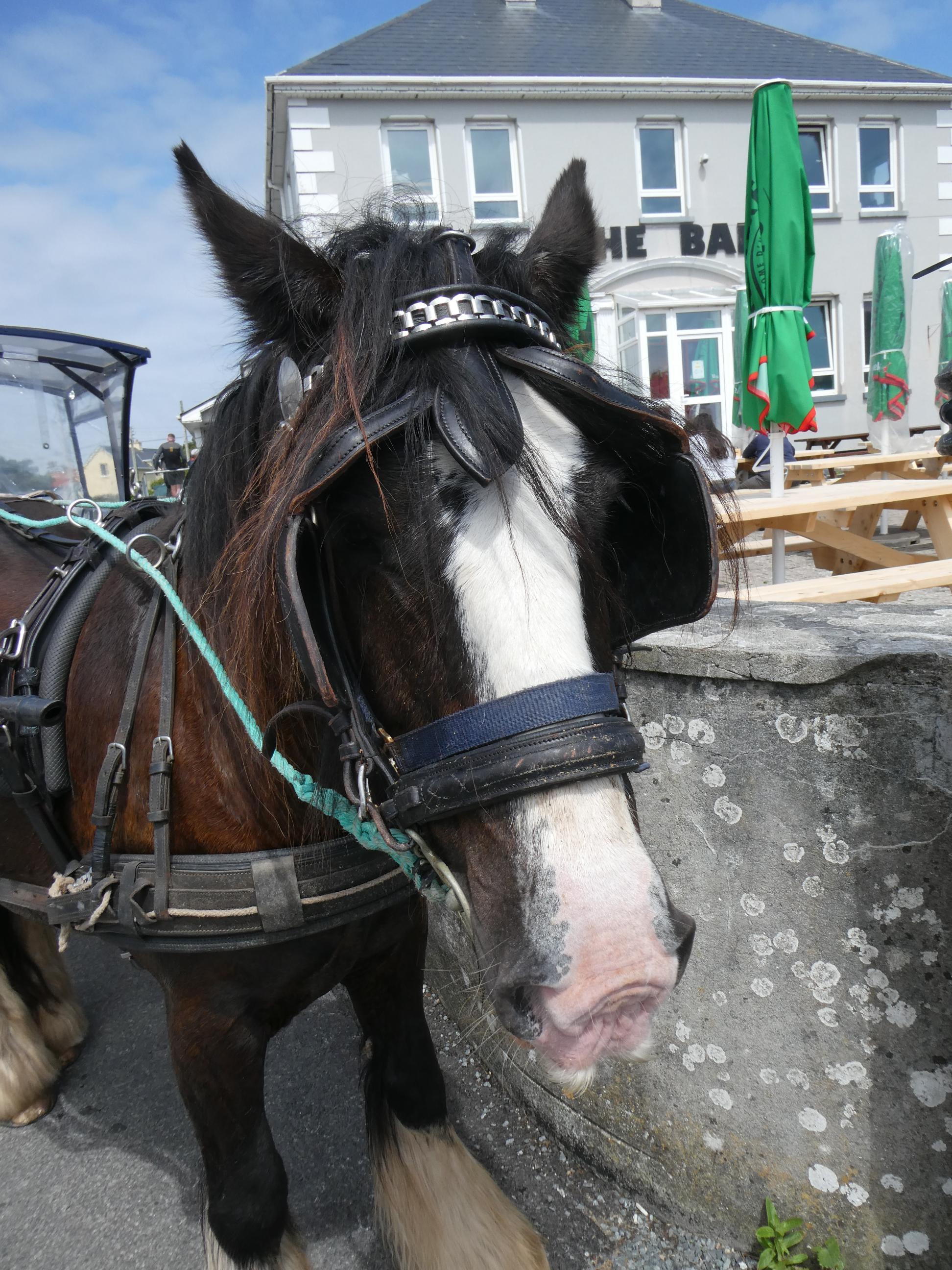
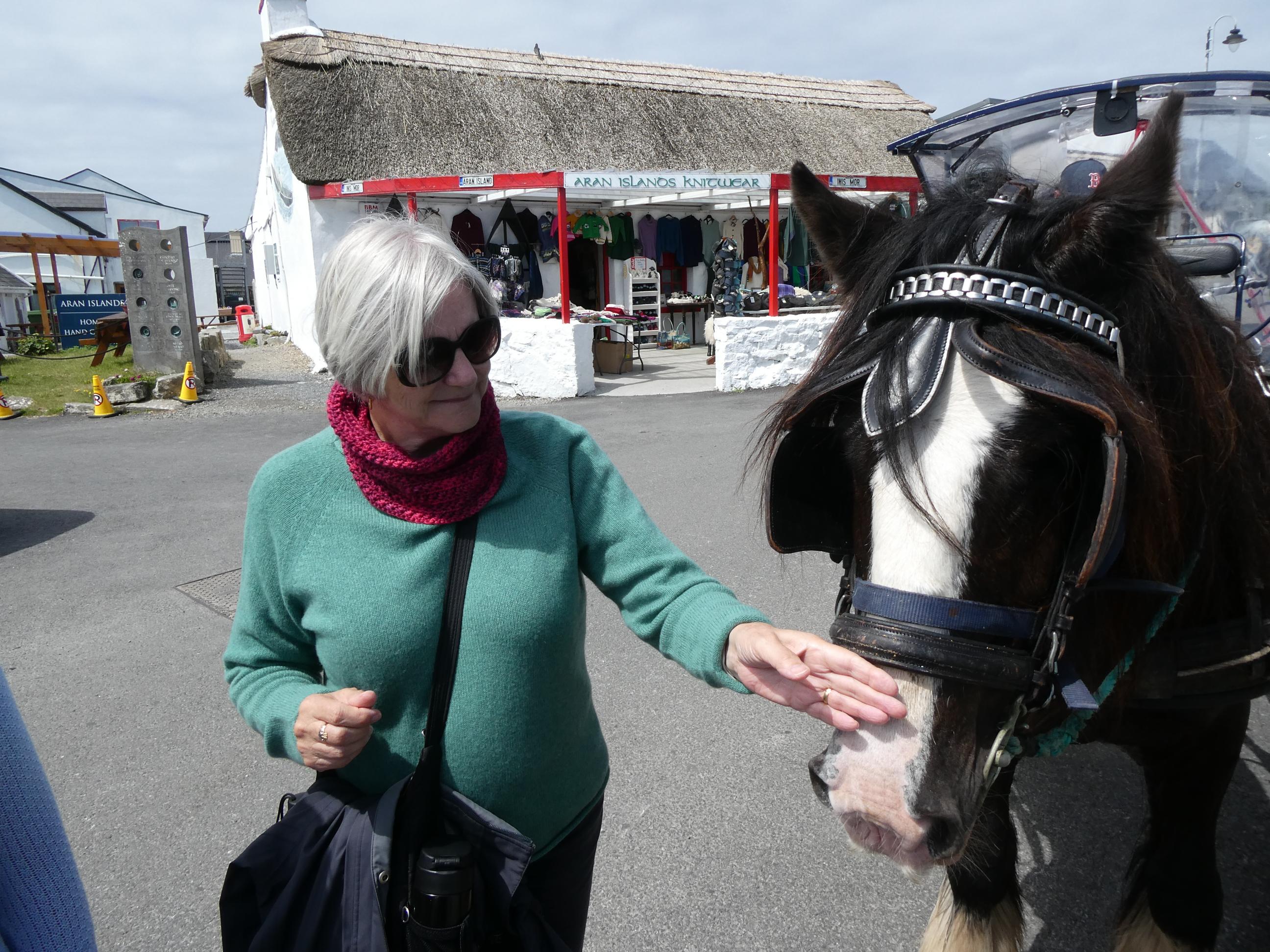
We still had a couple of hours on the island to fill in before our ferry was due to carry us back to Doolin. We found a great little sandwich caravan and an outdoor table. Rod and I had been following Collingwood’s victory over Hawthorn on our phones while we were on the pony trek, so the lunch break gave us a good chance to catch up on the match reports and view some of the video clips from the game. Rod and Cornelia headed off for a beach walk, while Marg and I visited the shops. Almost every one of them seemed to carry the same stock, though the prices varied a little from one to the next. Our ferry was late arriving, so we chatted to an American couple while we waited in the queue. Eventually it arrived with what appeared to be a tour group and a massive pile of luggage. Once that was cleared, we climbed on board for an uneventful trip all the way back to Doolin. The sea had calmed and the sky was blue again.
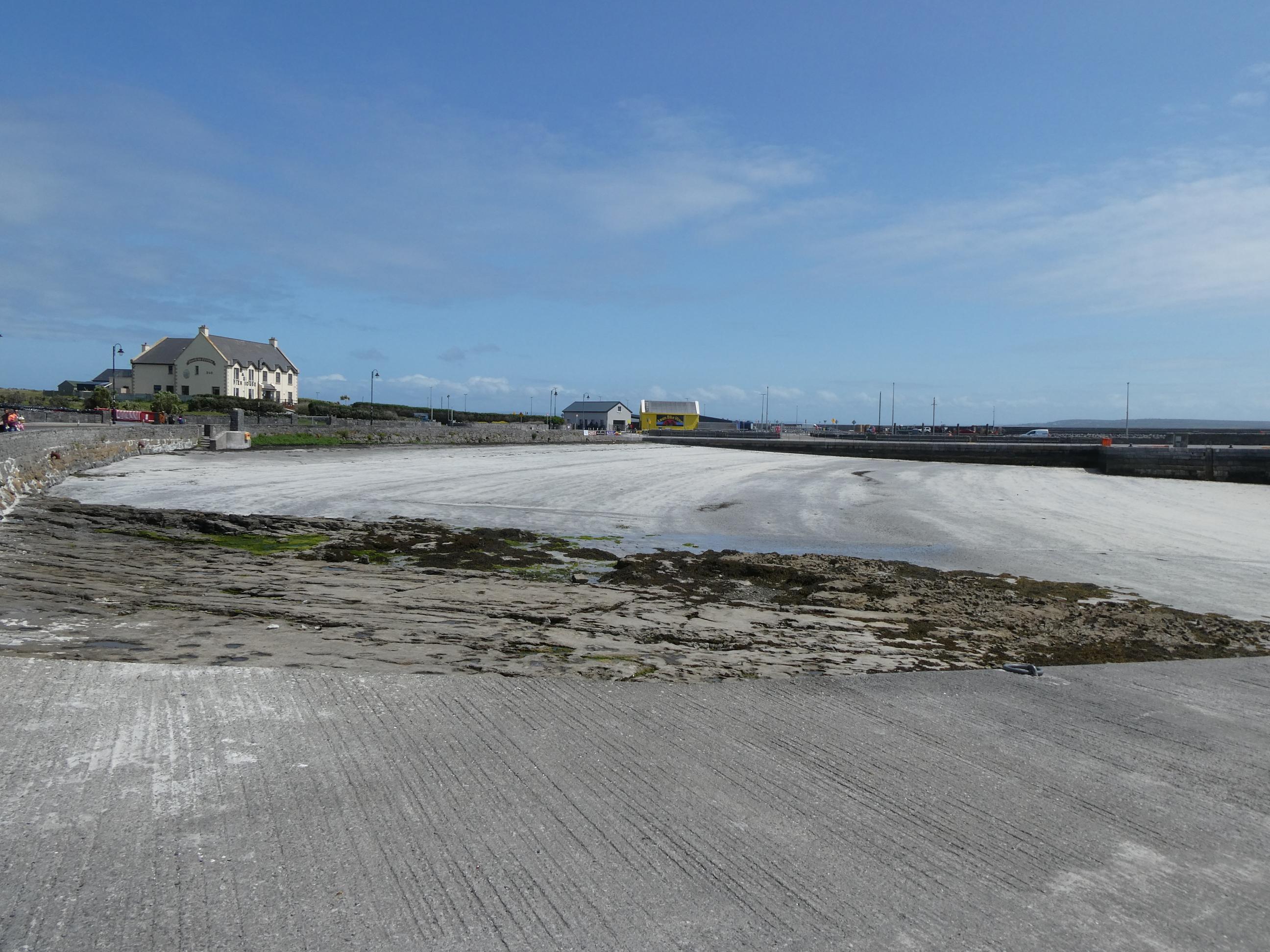
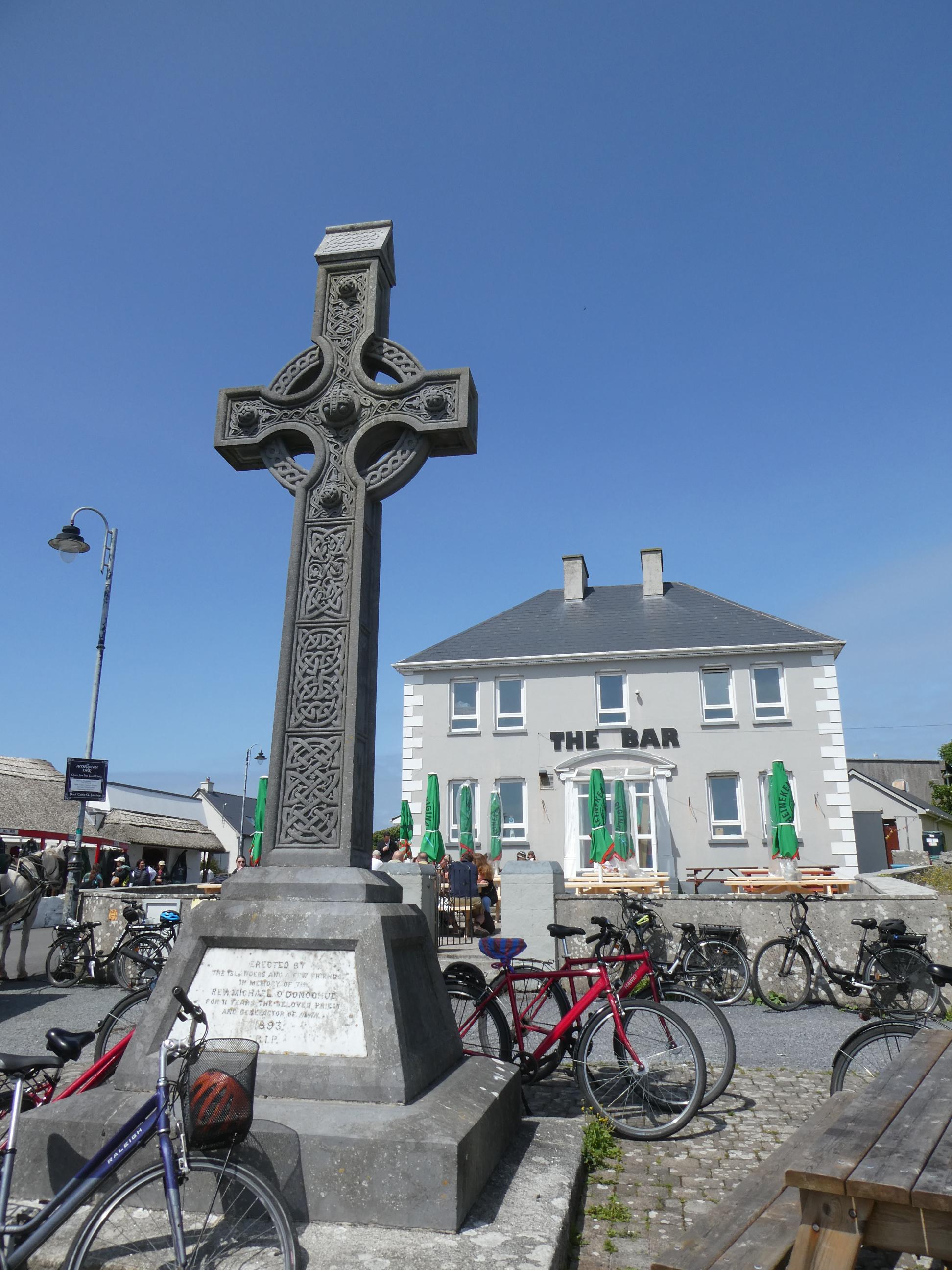
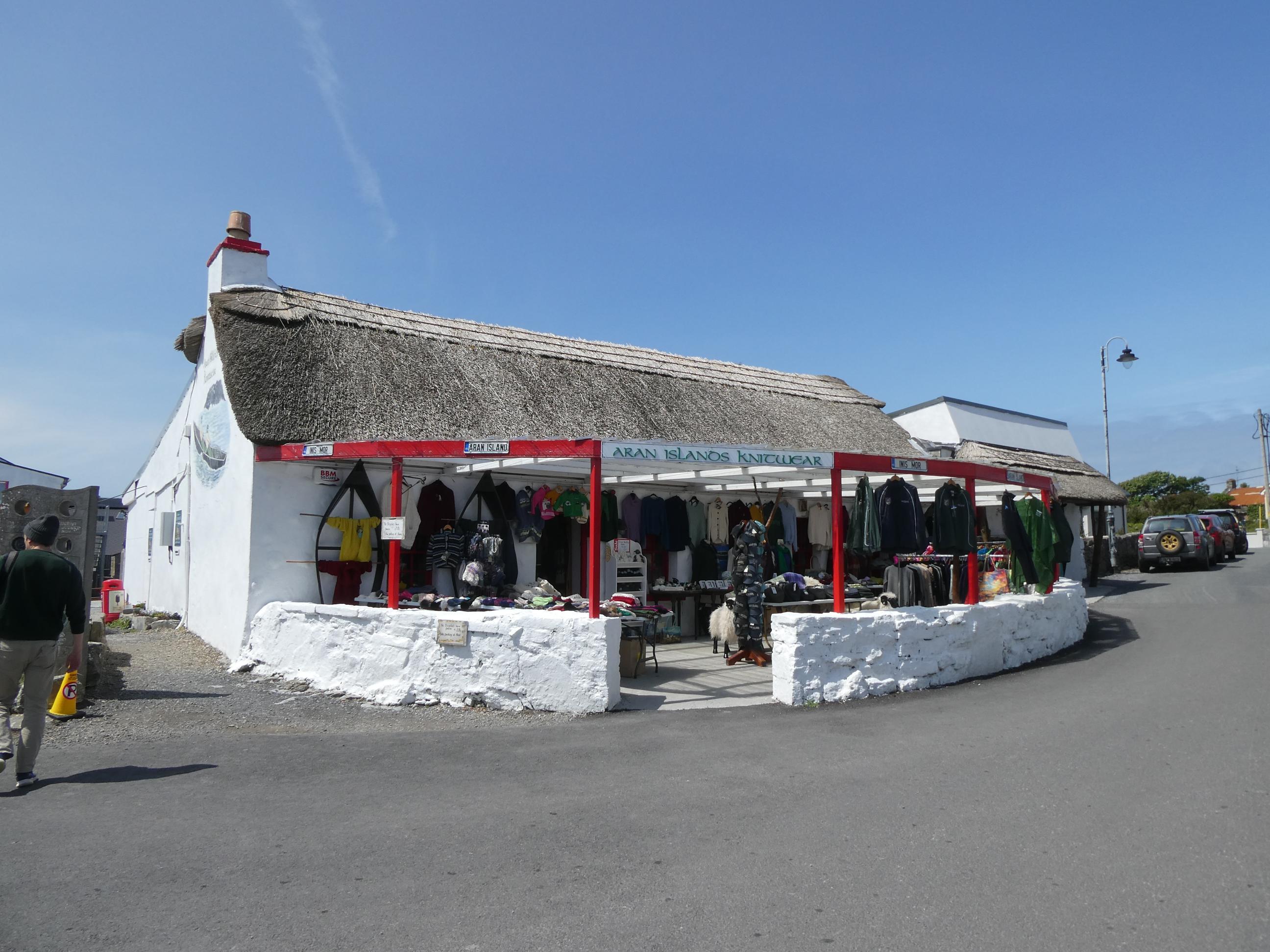
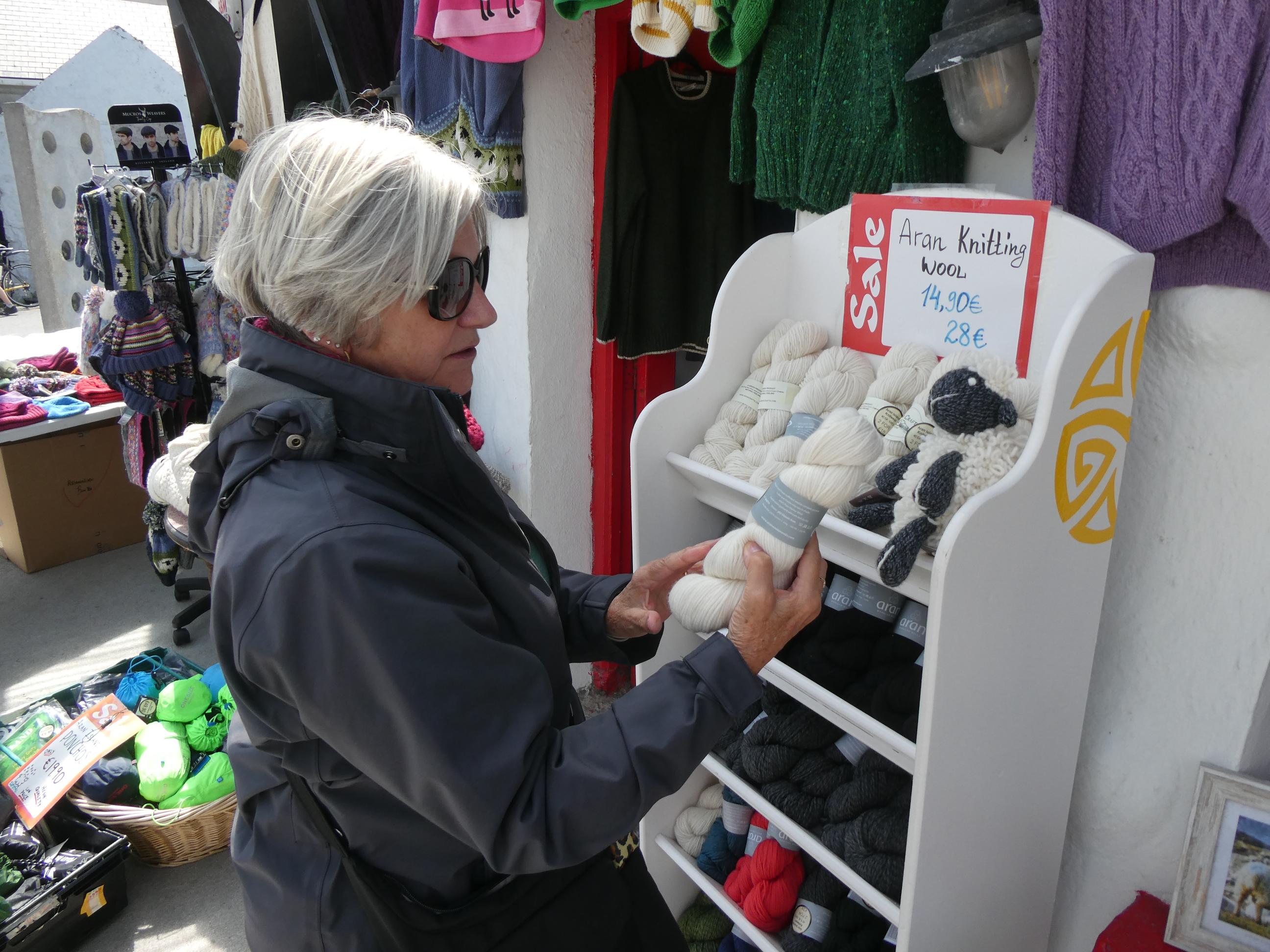
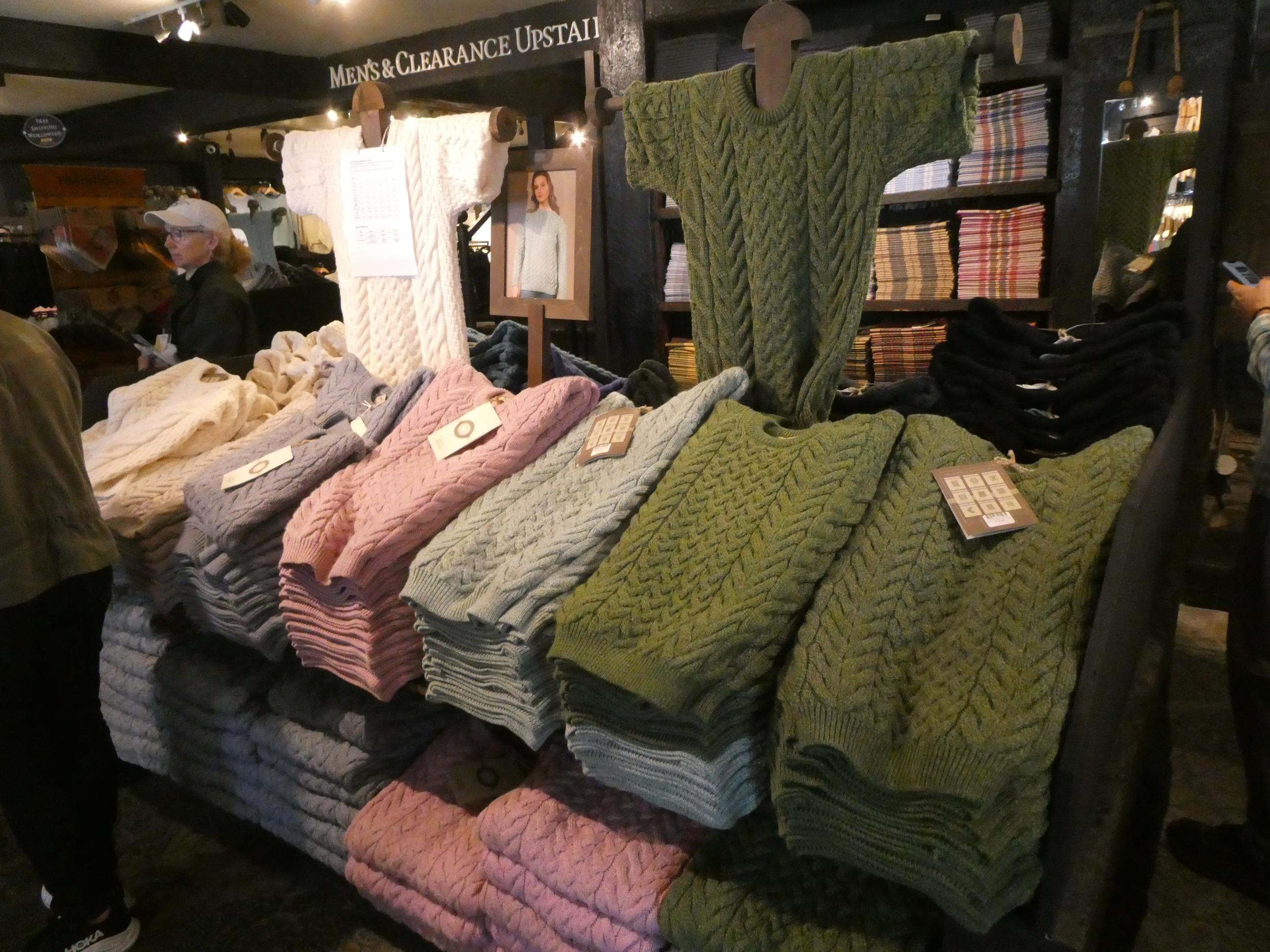

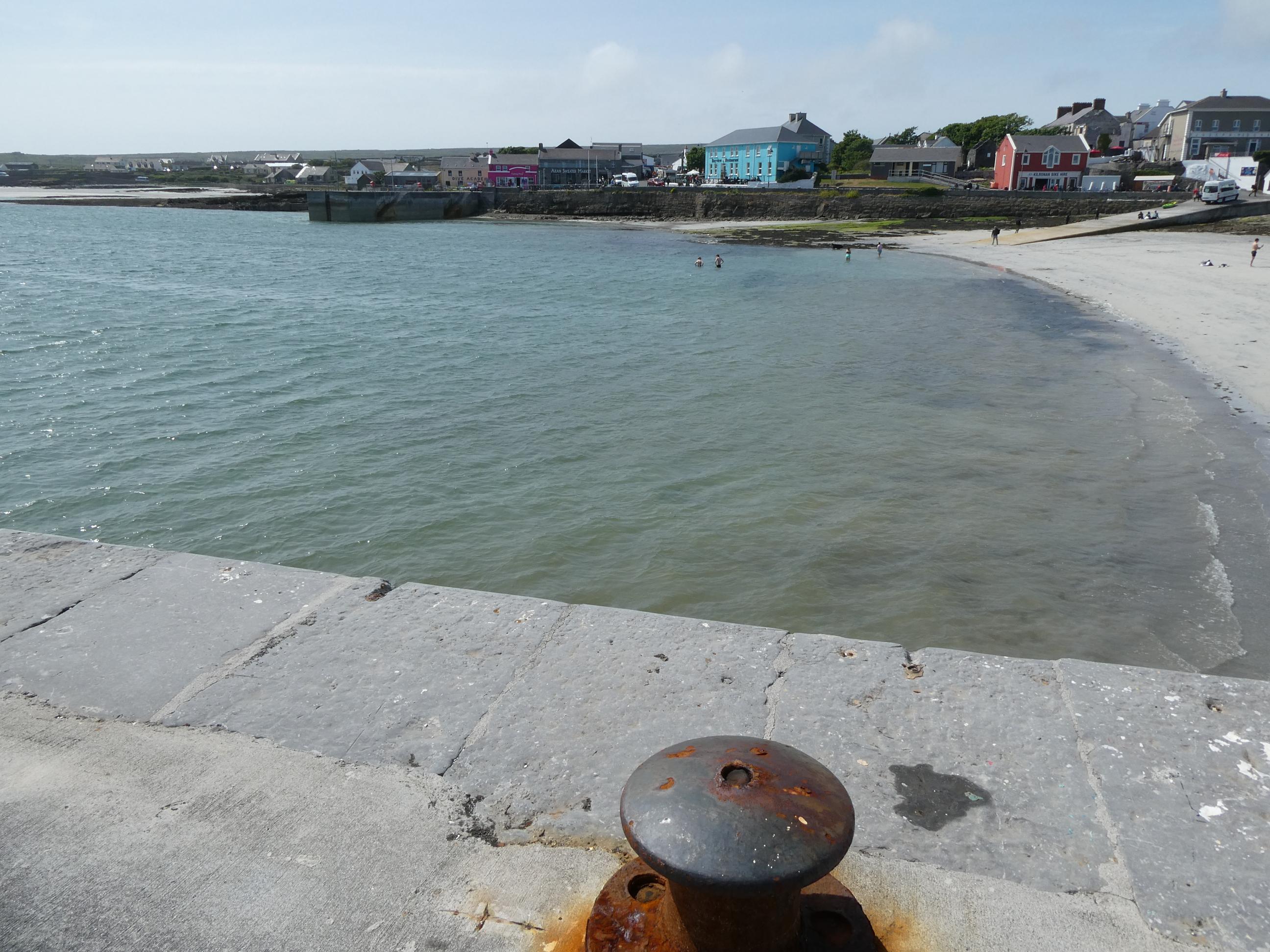
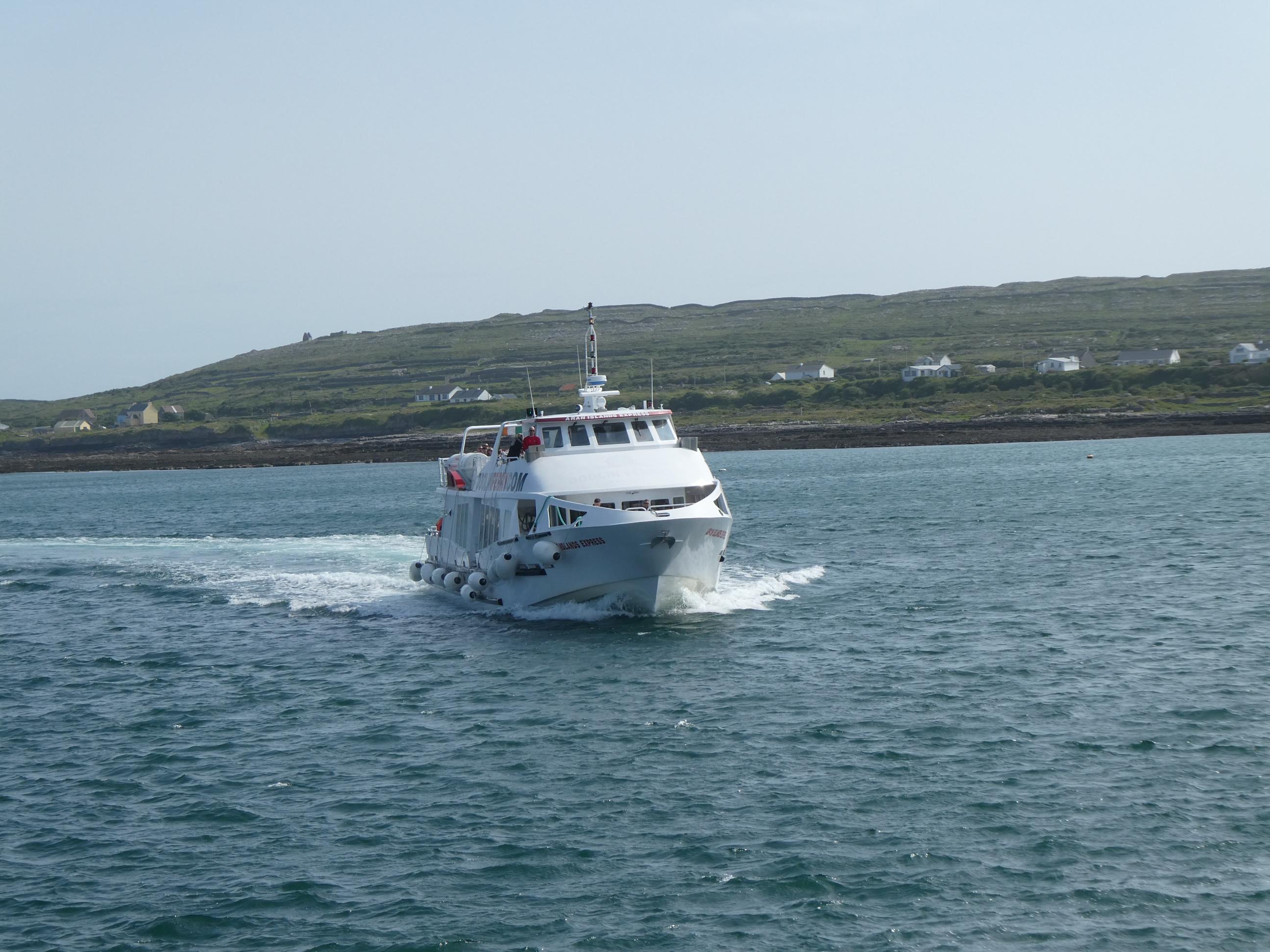
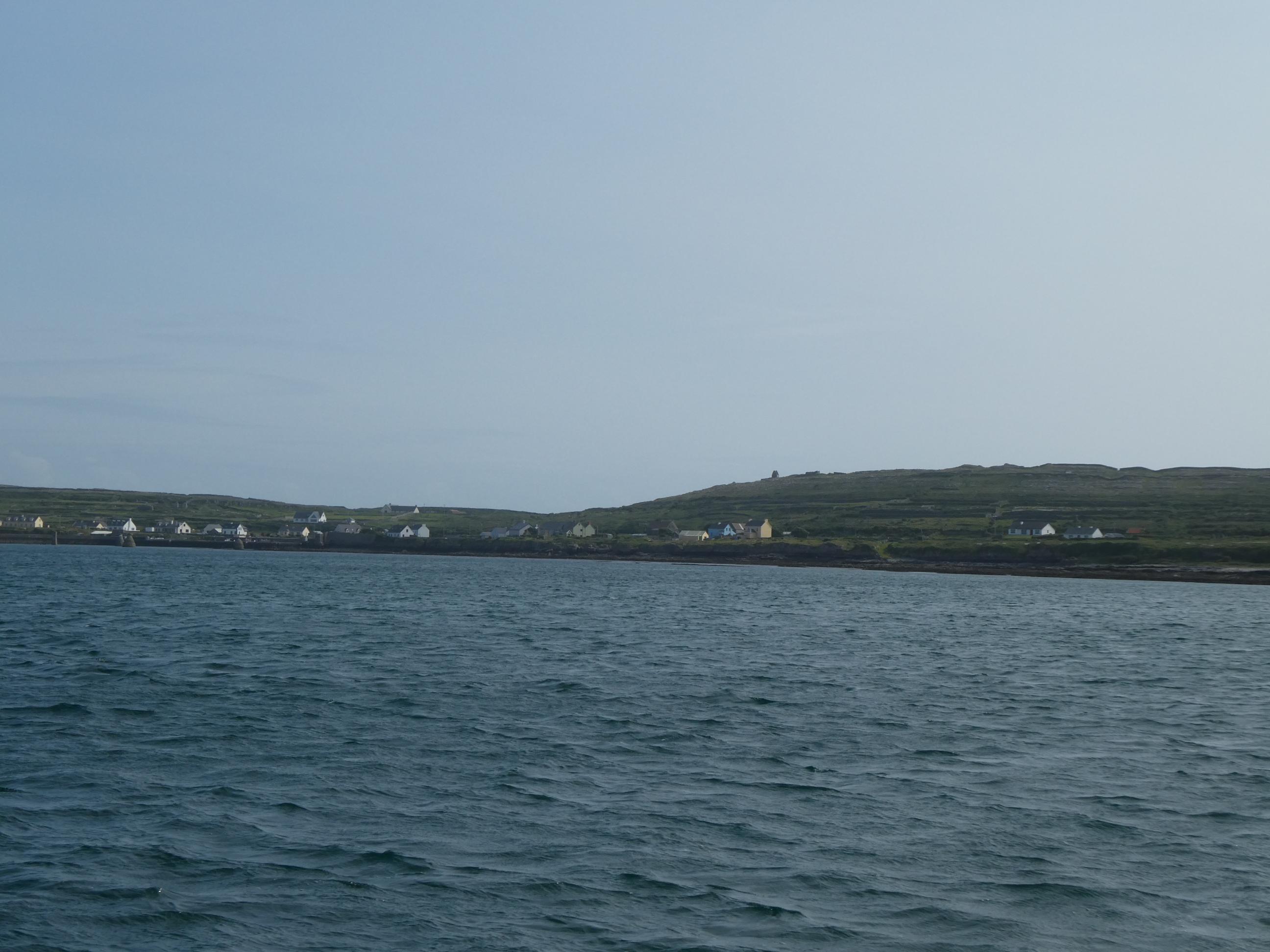
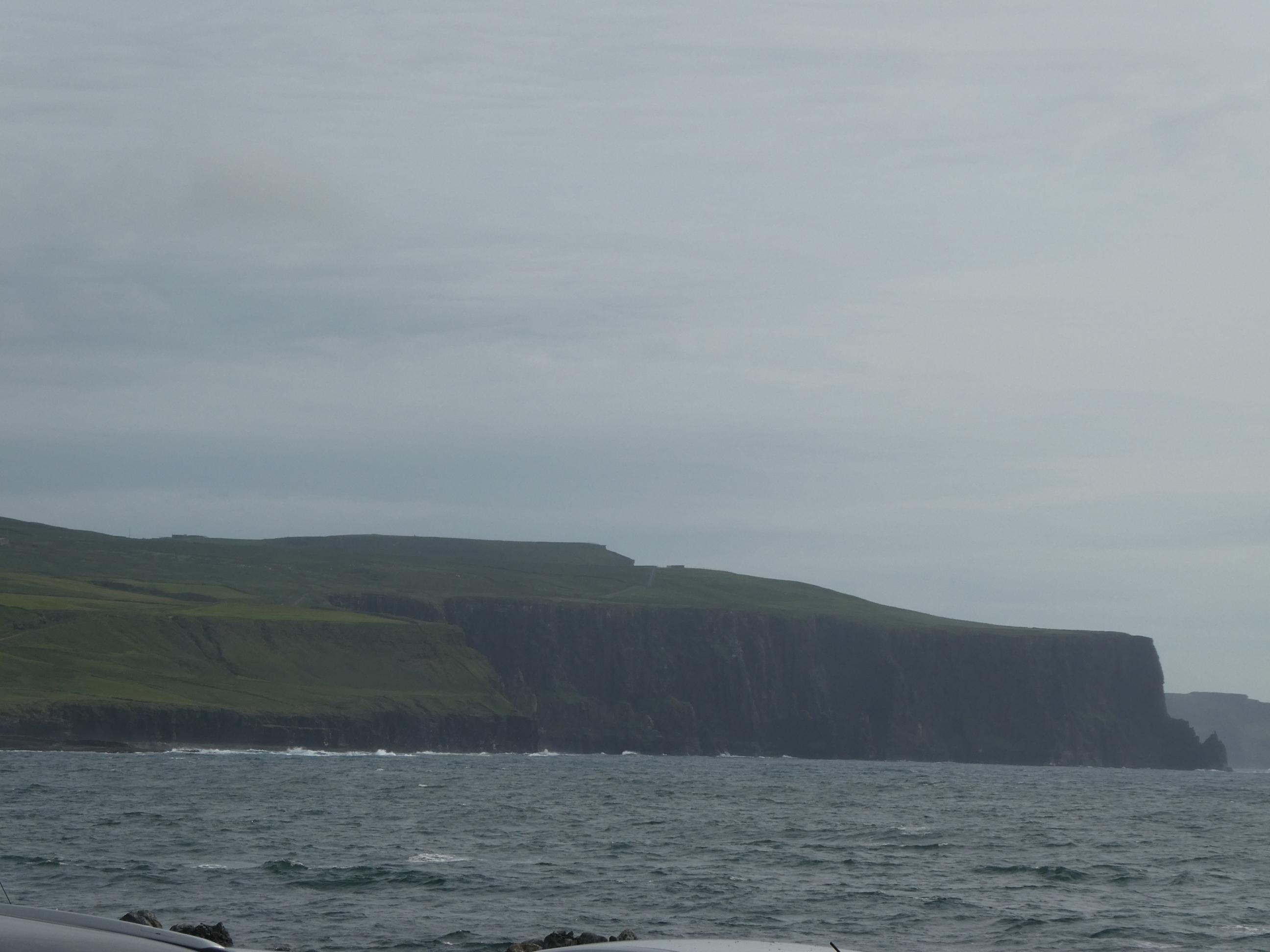
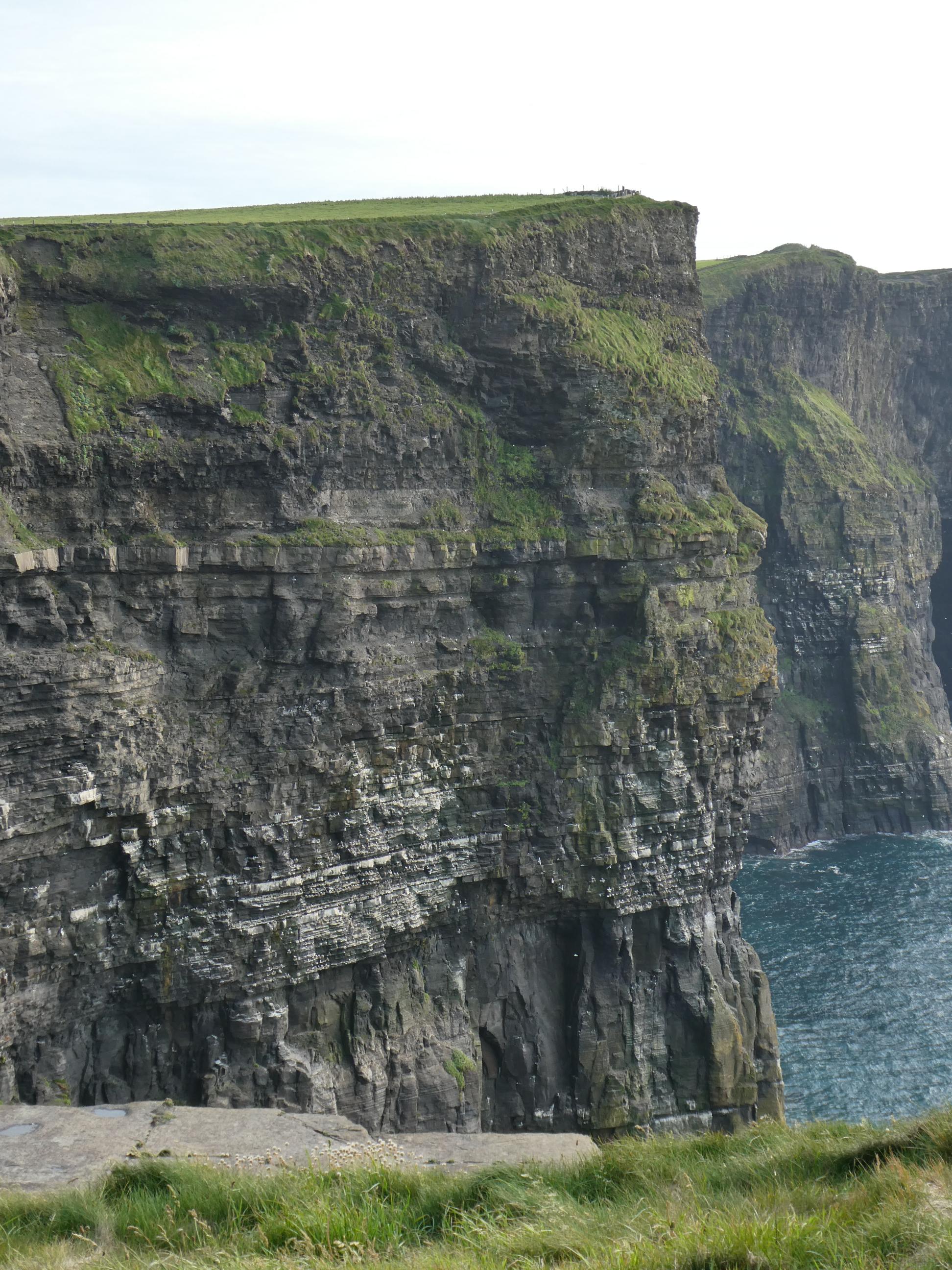
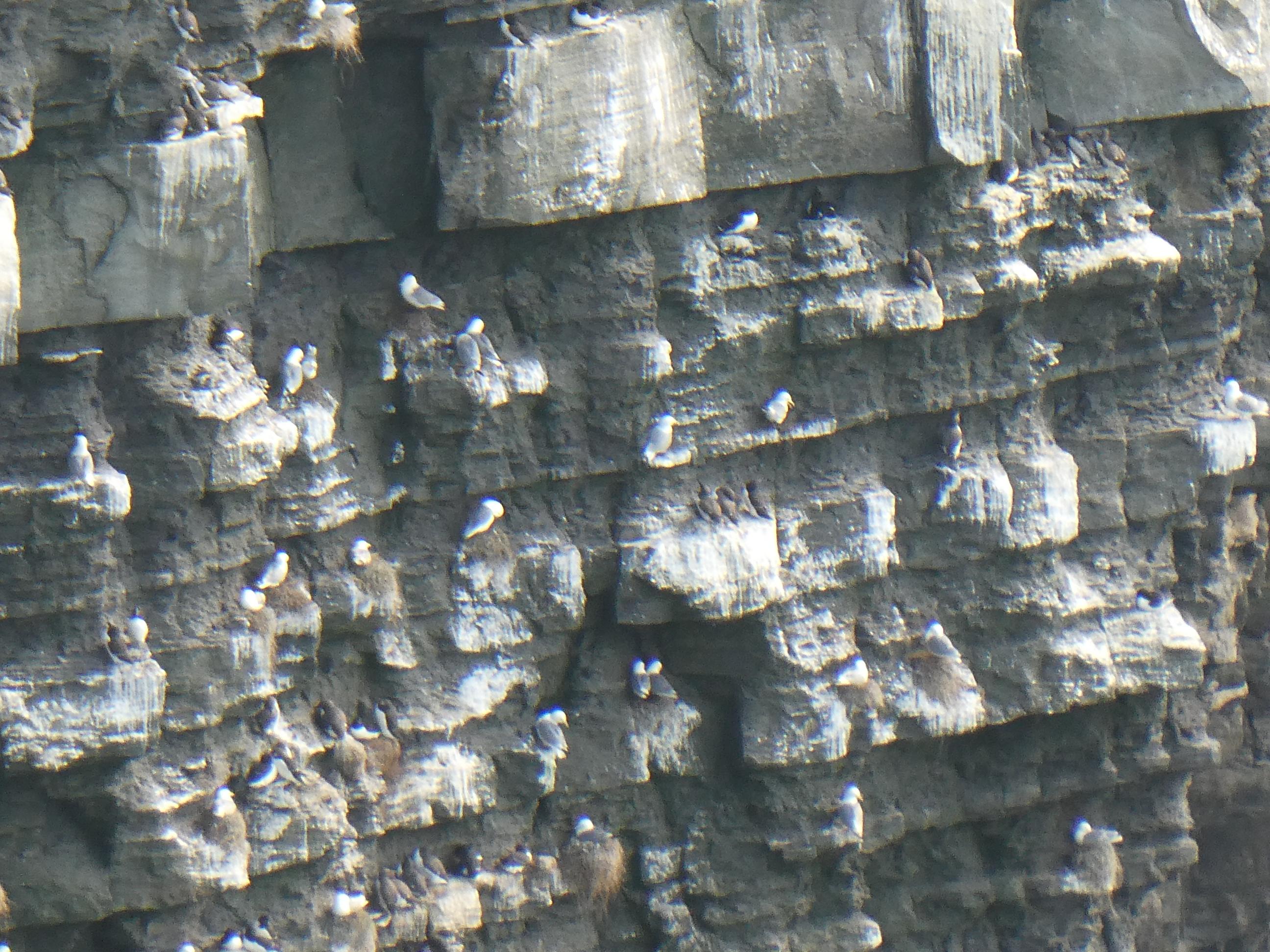
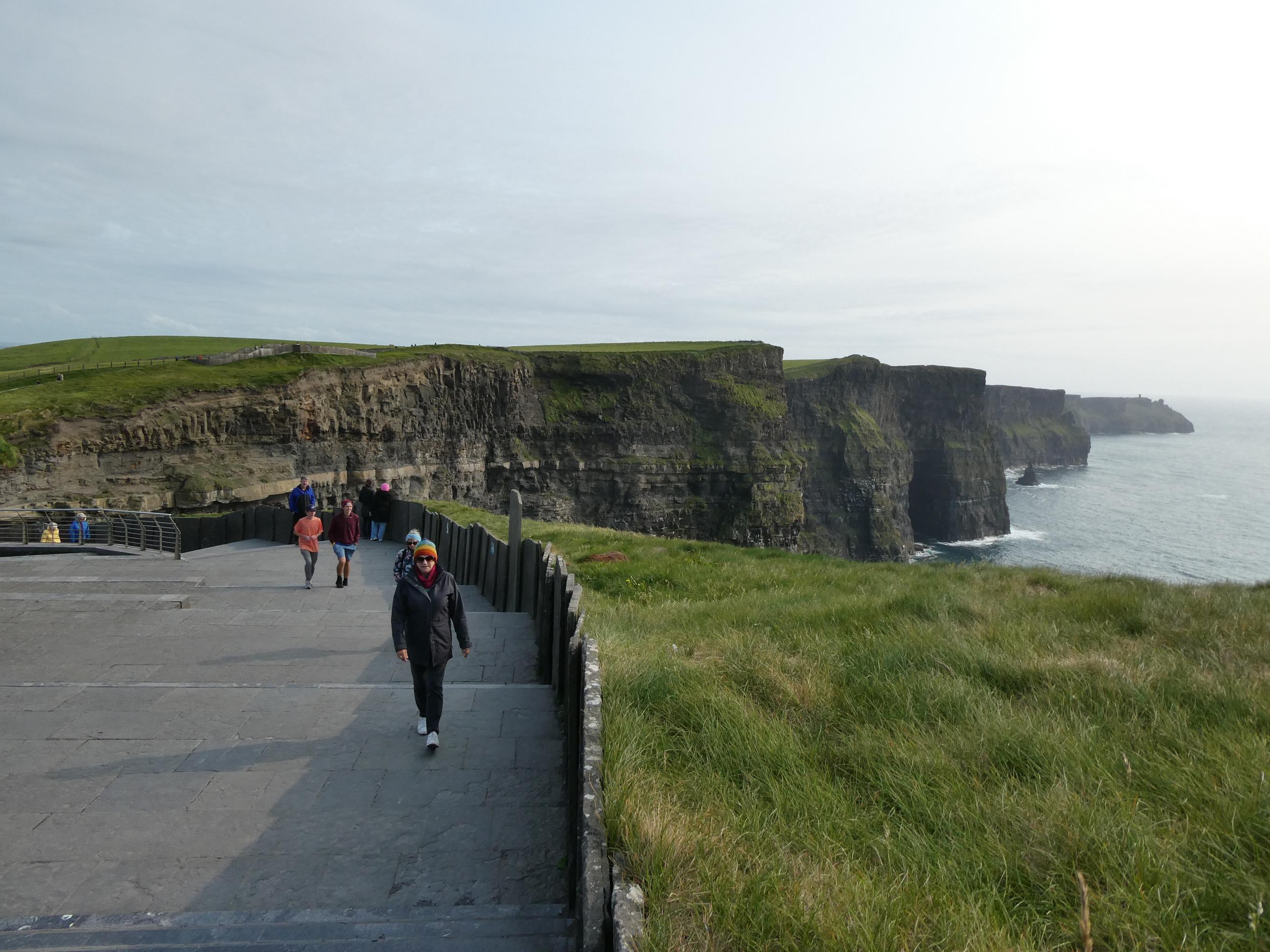
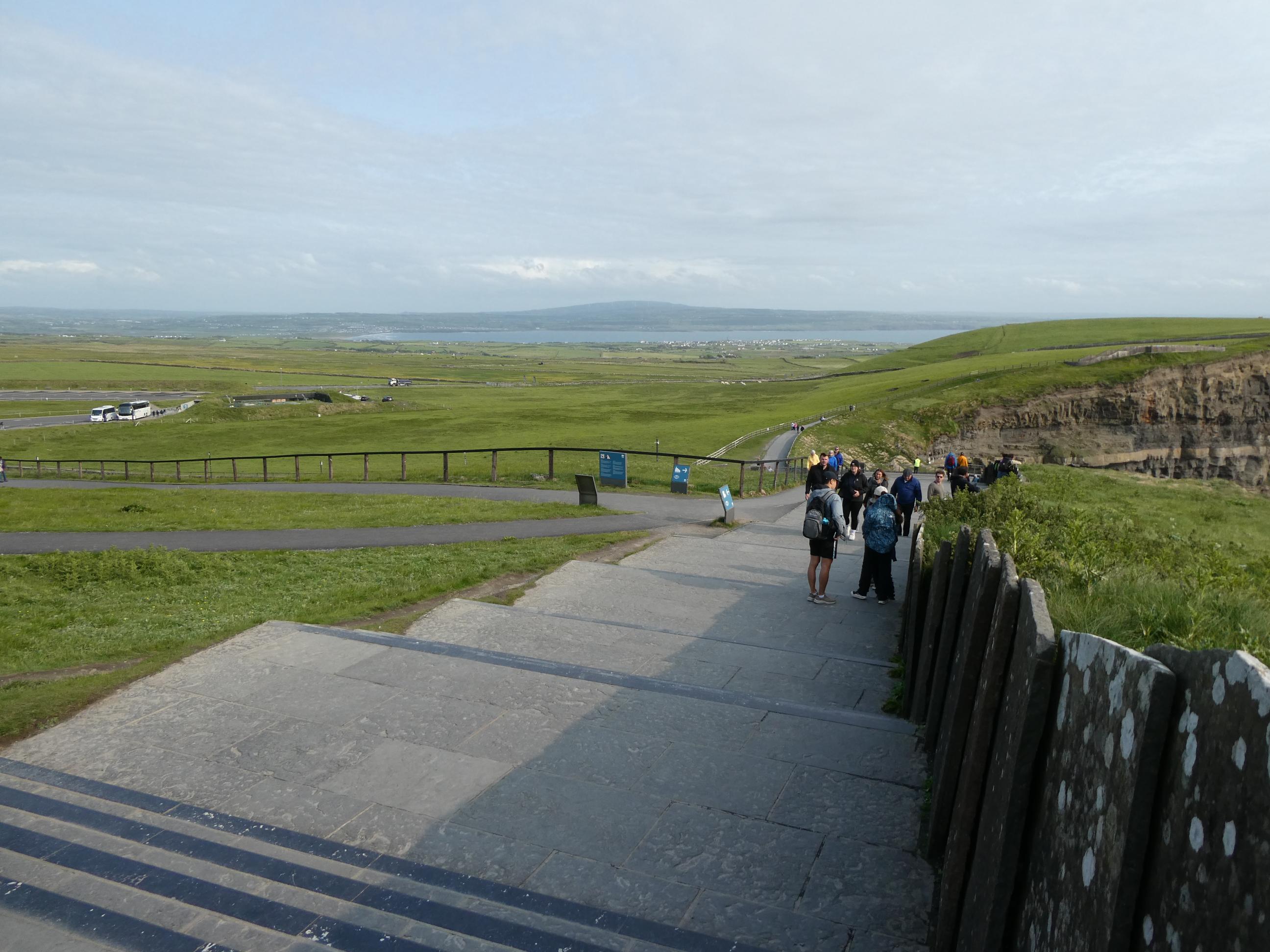
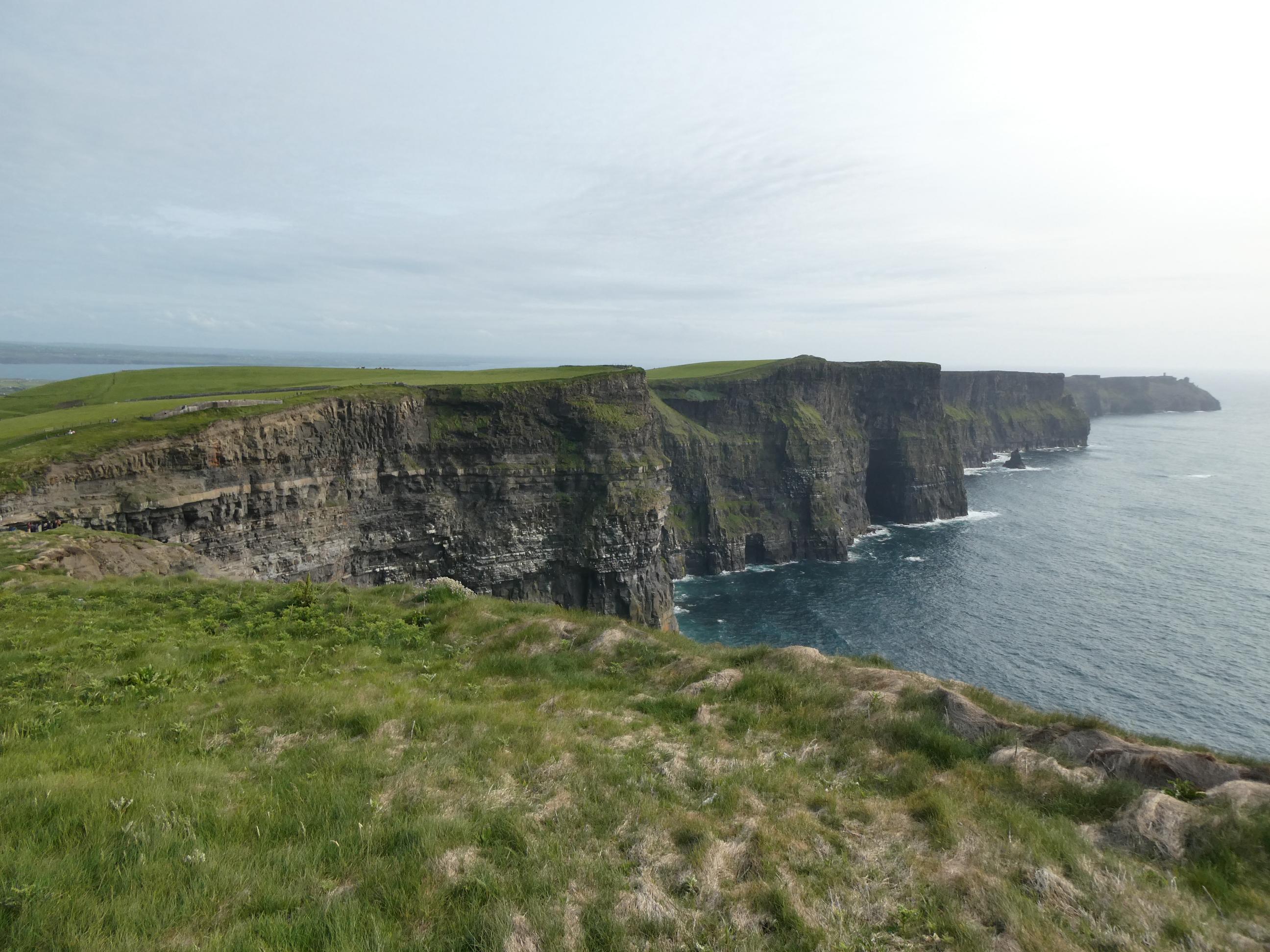
When the ferry got in about 5.30pm, we headed back to the Cliffs of Moher for a second look. Yesterday, with the poor visibility, we weren’t really satisfied with our visit. We’d been told to hang onto our tickets and they would admit us again today. I’m glad we went back. The sky was clear and the cliffs looked spectacular. It was such a contrast to how they looked only a day earlier. We took some photos, then returned to our accommodation to get ready for dinner. This time we ate at McDermott’s, the pub across the road from where we ate at McGann’s last night. We’ve found the pub food here is consistently good, and noticed that the different pub food menus are almost interchangeable. There’s very little variation between them. Tonight’s food was great – once again. Back at our accommodation, I took a moment to watch the sun going down over the Aran Islands in the distance. I really enjoyed my time out there today.



 On The Road With Garry