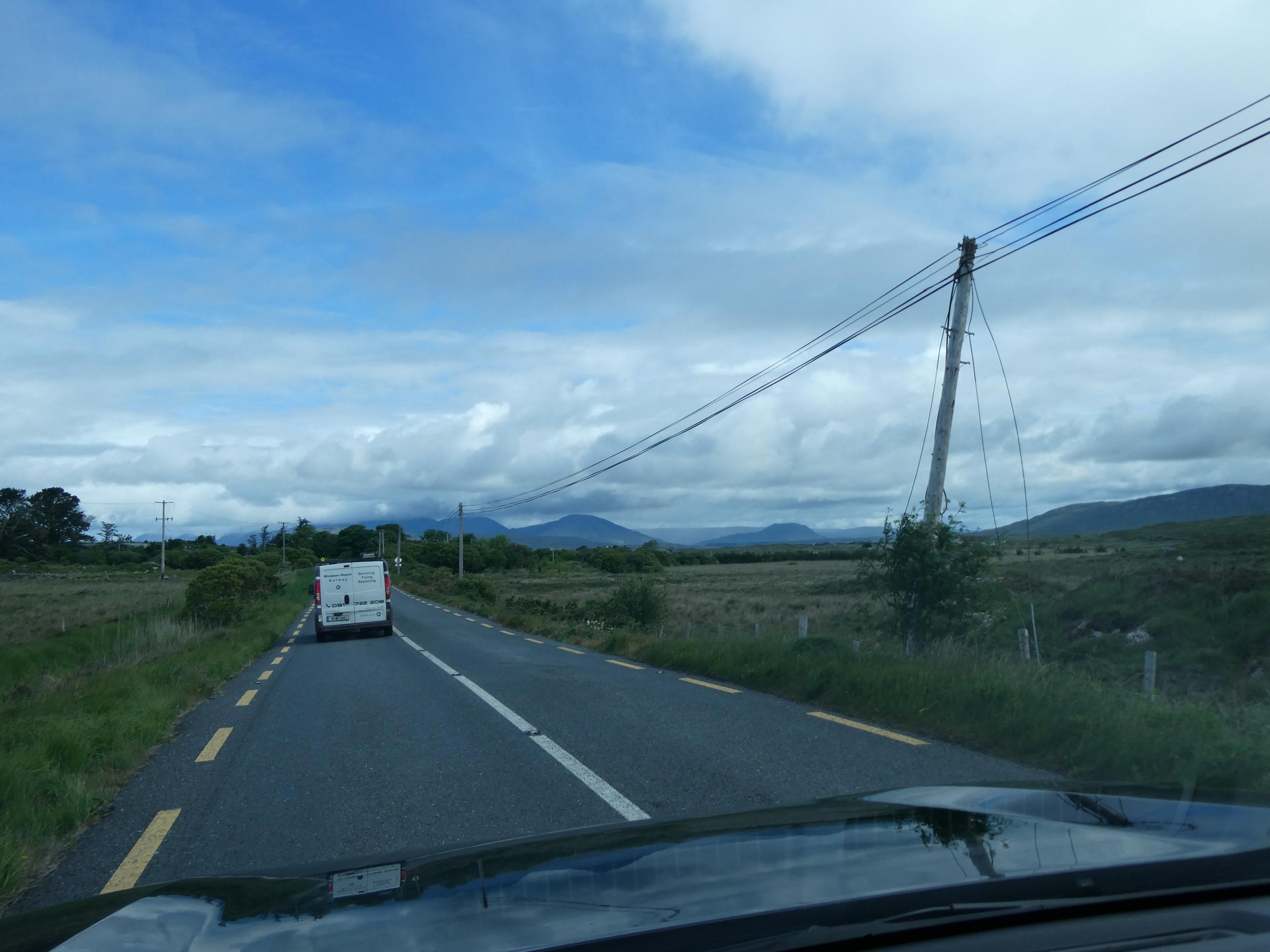
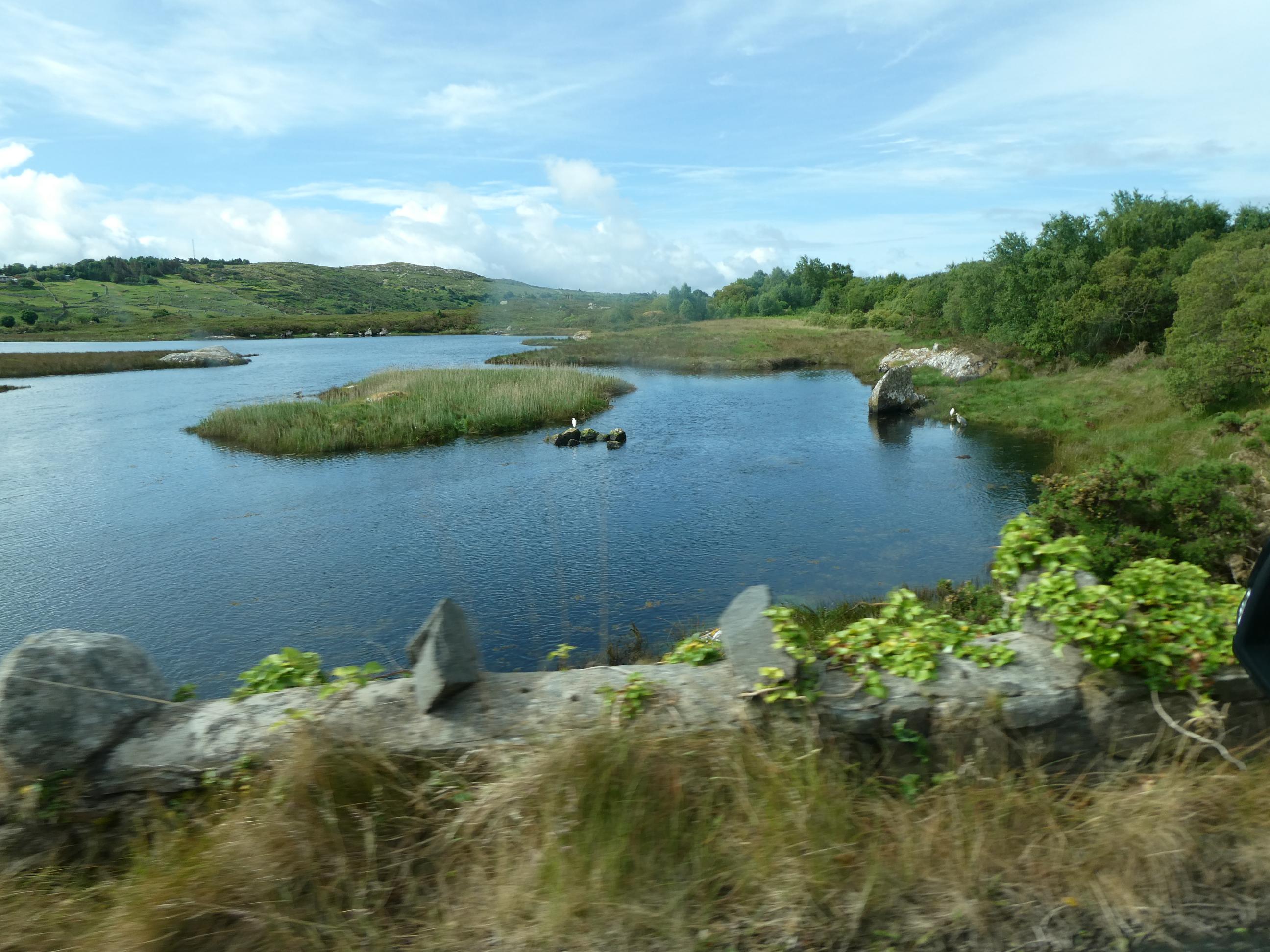
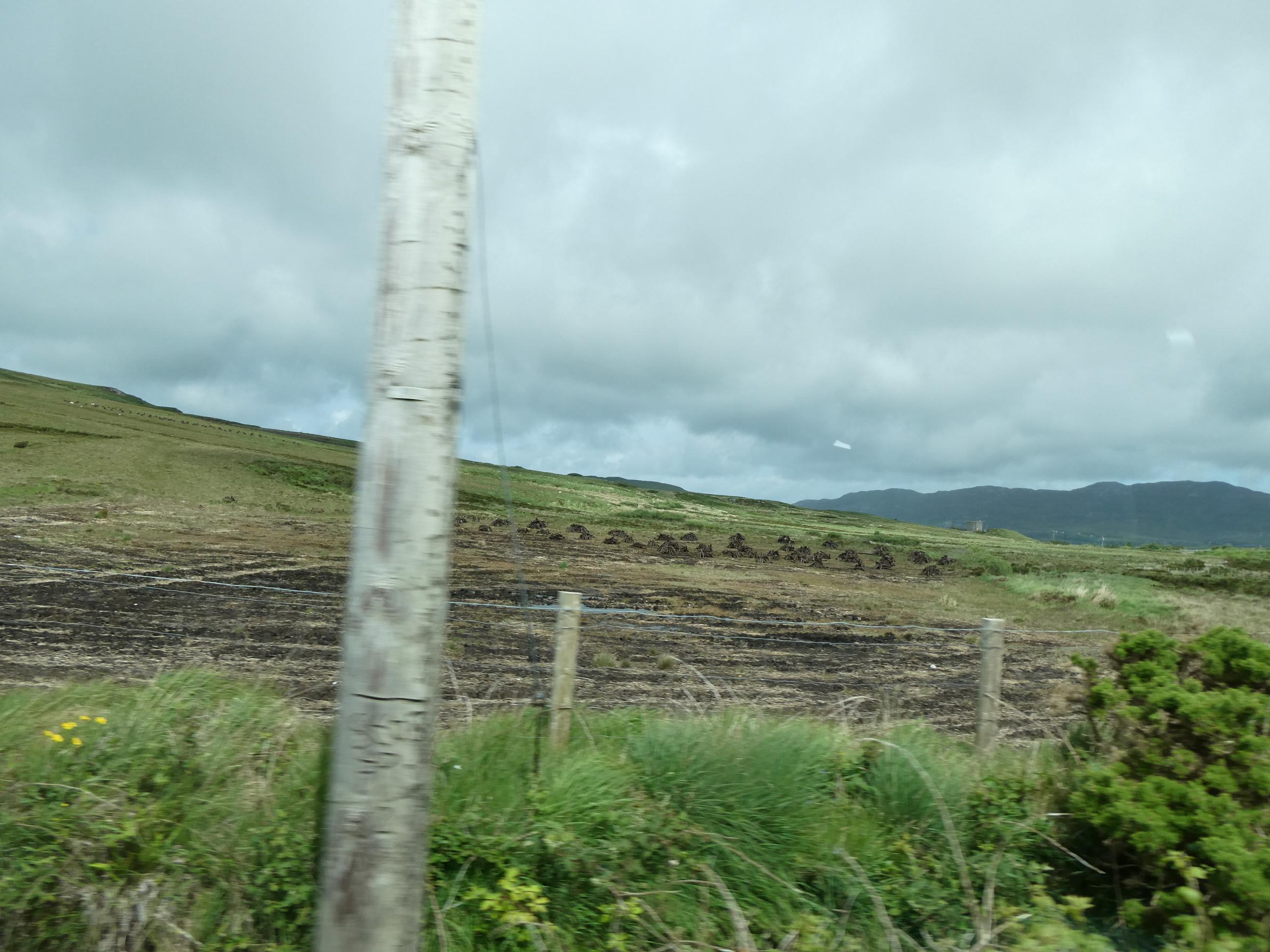
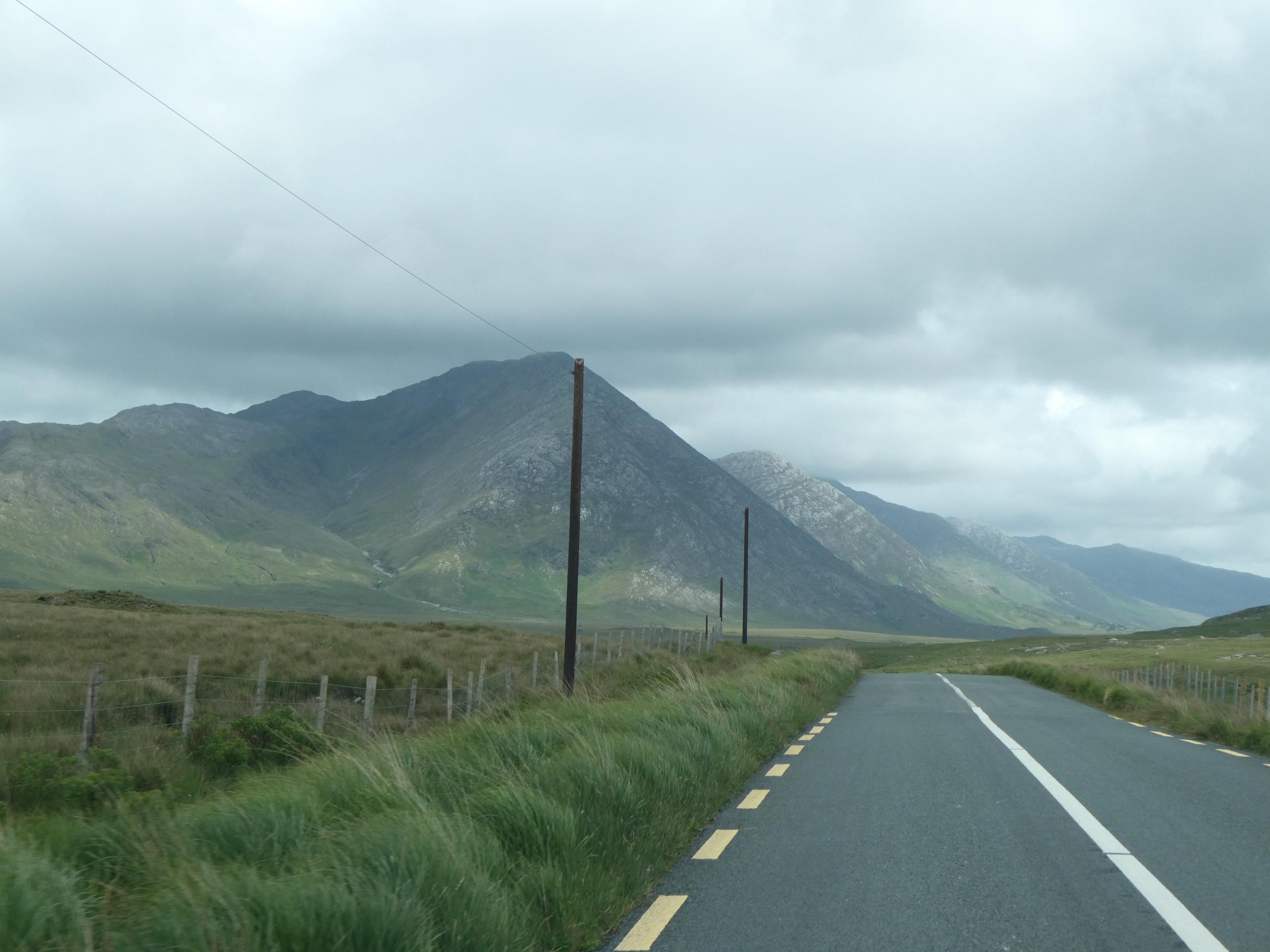
Today we drove north west of Galway into one of the most beautiful regions I’ve seen in Ireland – Connemara. Much of Connemara is wild. Rugged mountains (The Twelve Bens) dominate the landscape, much of which appears to be peat bog carpeted with heather and strewn with volcanic rock. Small lakes are common, and at times the road (known as The Wild Atlantic Way) hugs the coastline. There are isolated cottages, a few small villages and one larger town, Cliffden, but much of our journey through Connemara today was devoid of people. Unsurprisingly, a good deal of this jewel of West Ireland lies inside a national park. Scattered sheep graze in the fields and occasionally along the roadside. I’m led to believe Connemara has provided the inspiration for some of Ireland’s best loved songs, poems, stories and paintings. I also learned today that it is a region where the native Irish tongue is still spoken in some communities.


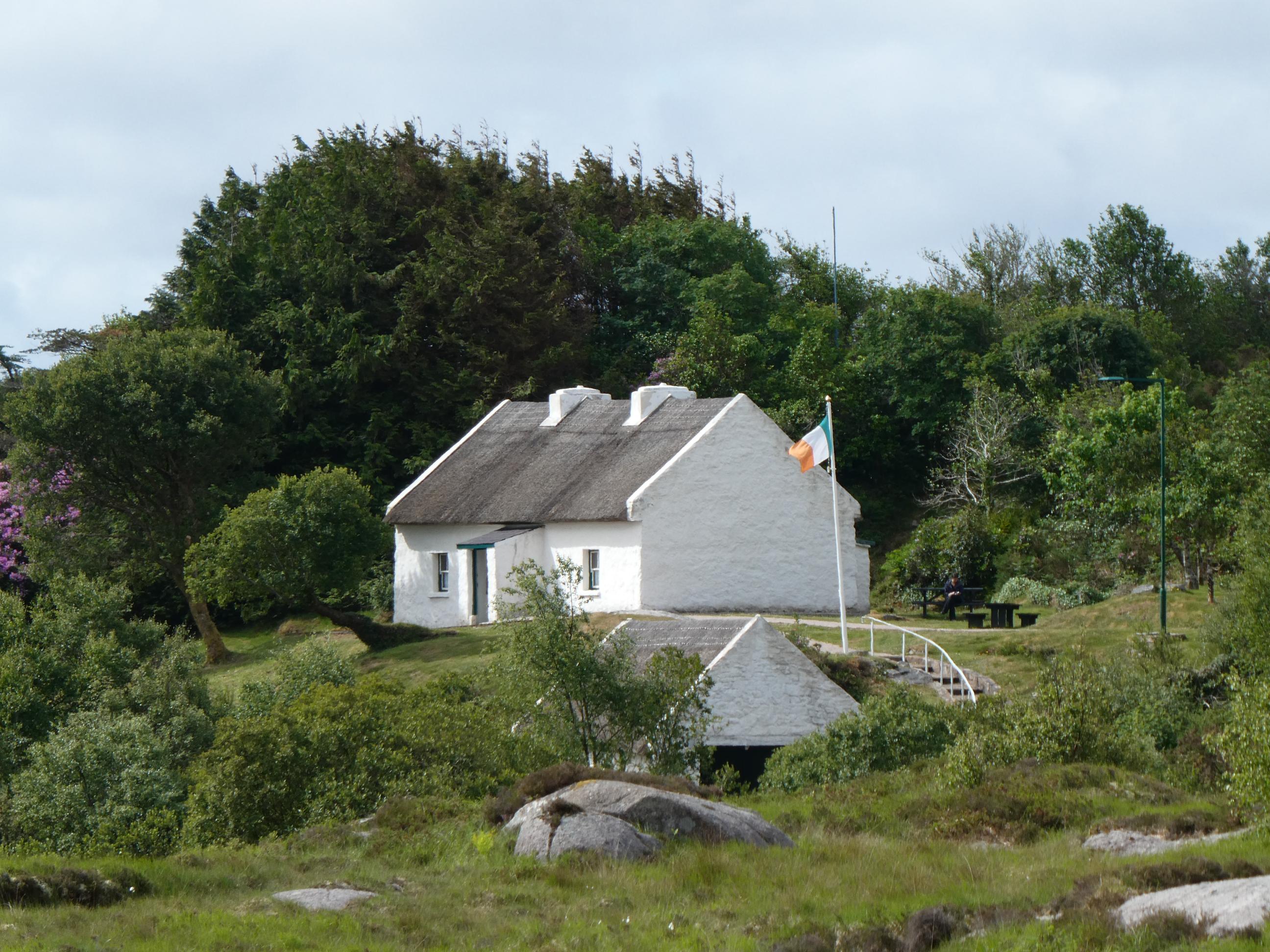
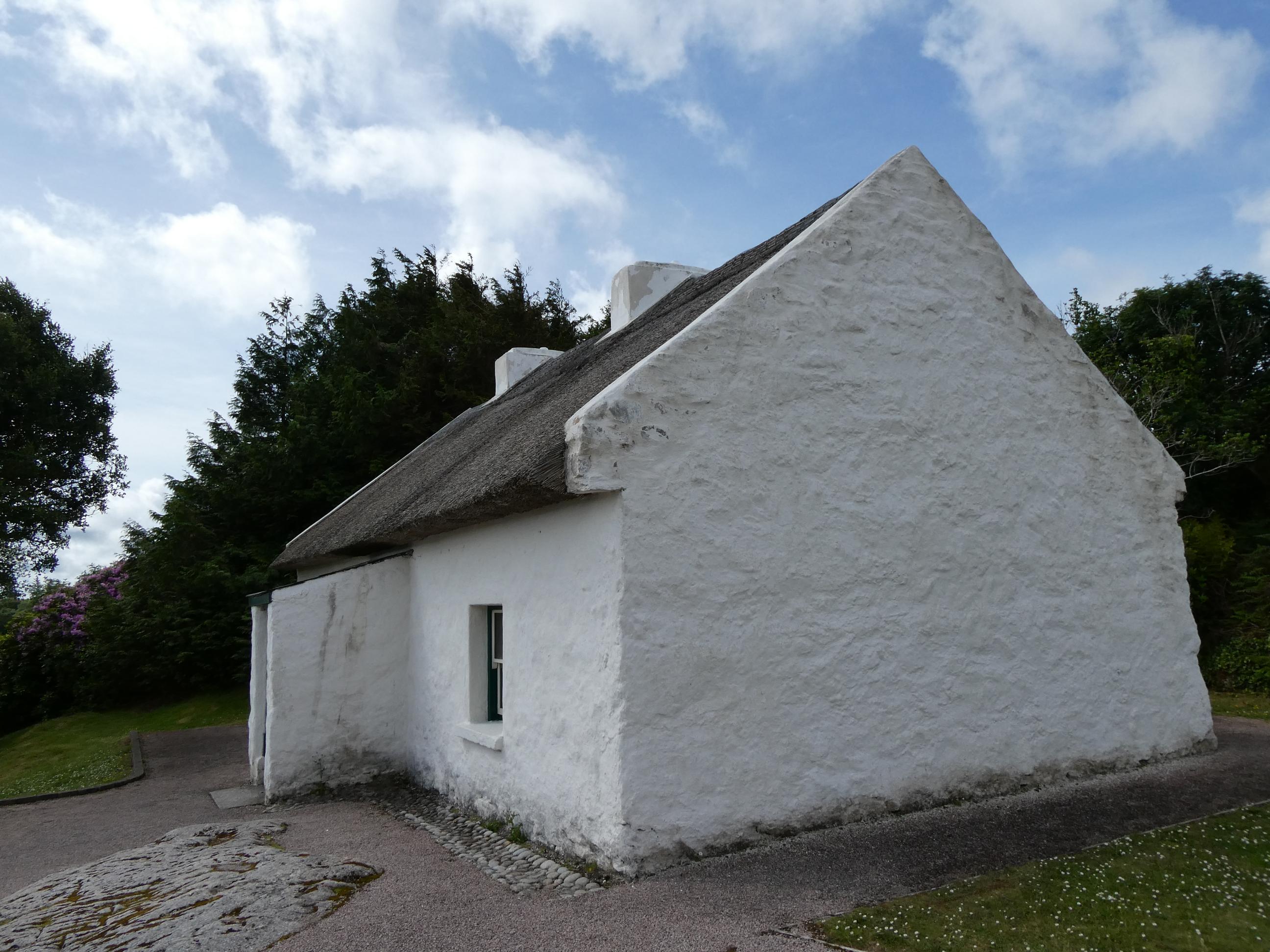
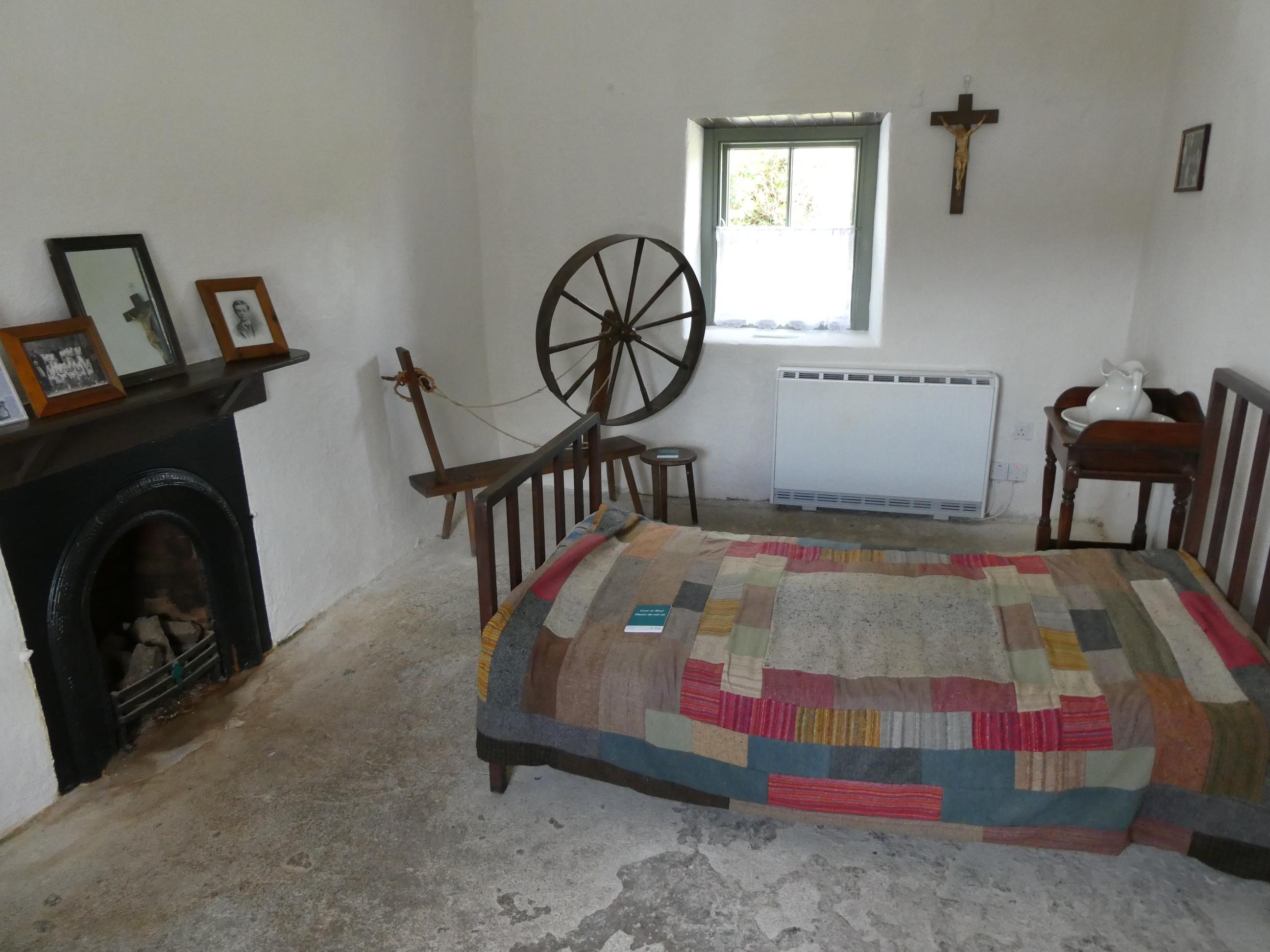
We stopped in Ros Muc to visit the summer holiday cottage of Irish writer, educator and freedom fighter Patrick Pearse. He fell in love with Connemara, its landscape, wildlife, culture, traditions and language when he first visited here, and in 1903 he built a charming thatch-roofed stone cottage on a rise overlooking a lake. As an educator and a writer, Pearse was committed to the preservation of everything he found beautiful about the Irish identity and the ways in which it was expressed through culture and language. When he felt that it was under threat from British exploitation of his native land, he became a fierce nationalist and political activist. Pearse was one of the leaders of the 1916 Easter Rising in Dublin. On Easter Monday, he famously read aloud the proclamation of the Irish Republic from outside the General Post Office. After six days of fighting, Pearse surrendered to British troops. He was quickly tried and executed by firing squad at Kilmainham Gaol. Everything I read about him at Ros Muc today focused on his influence as a teacher, a writer and a defender of the Irish language, rather than simply as a revolutionary fighter. I admire what he was able to achieve and am saddened by the way his life was so brutally ended.







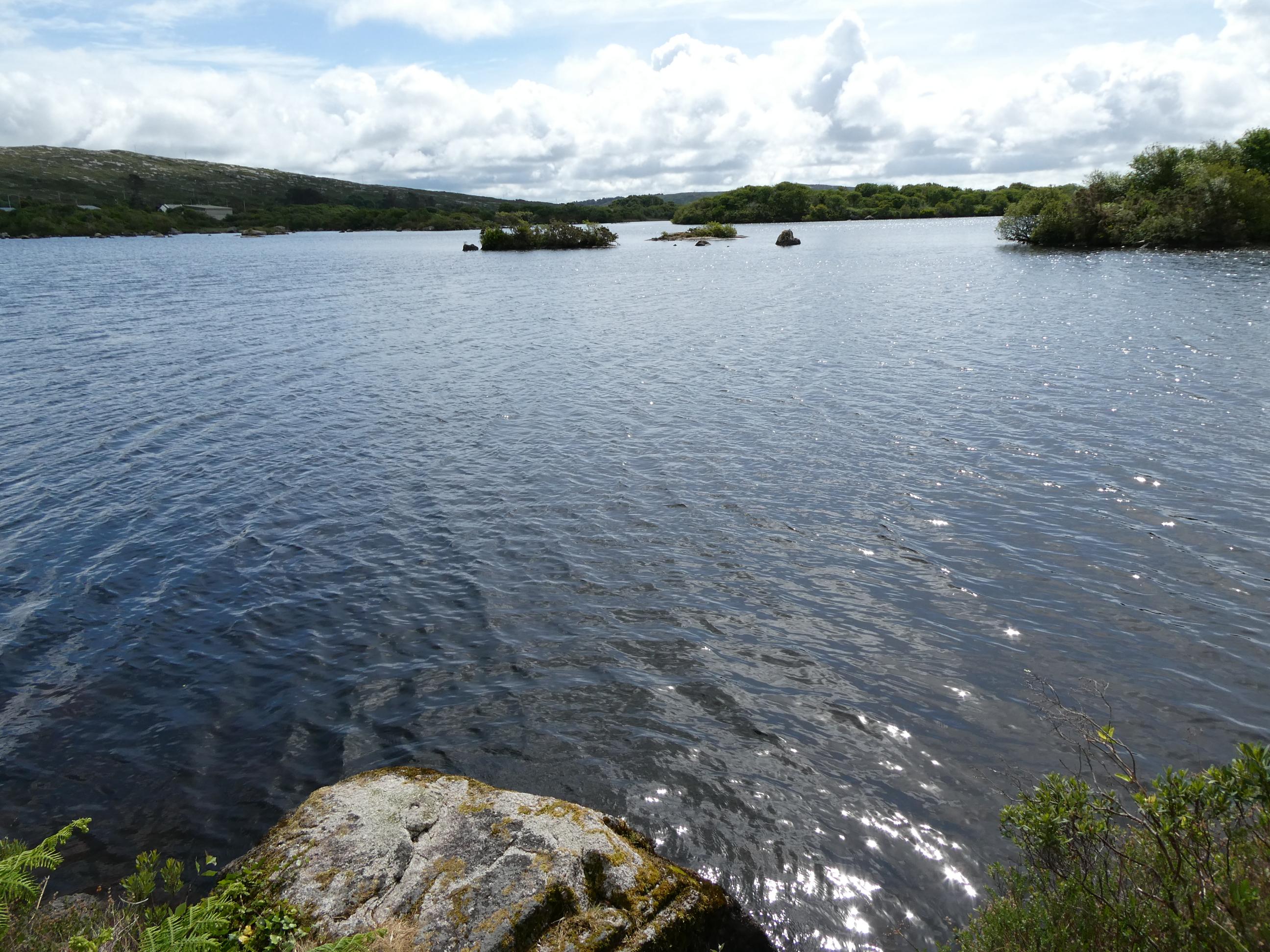

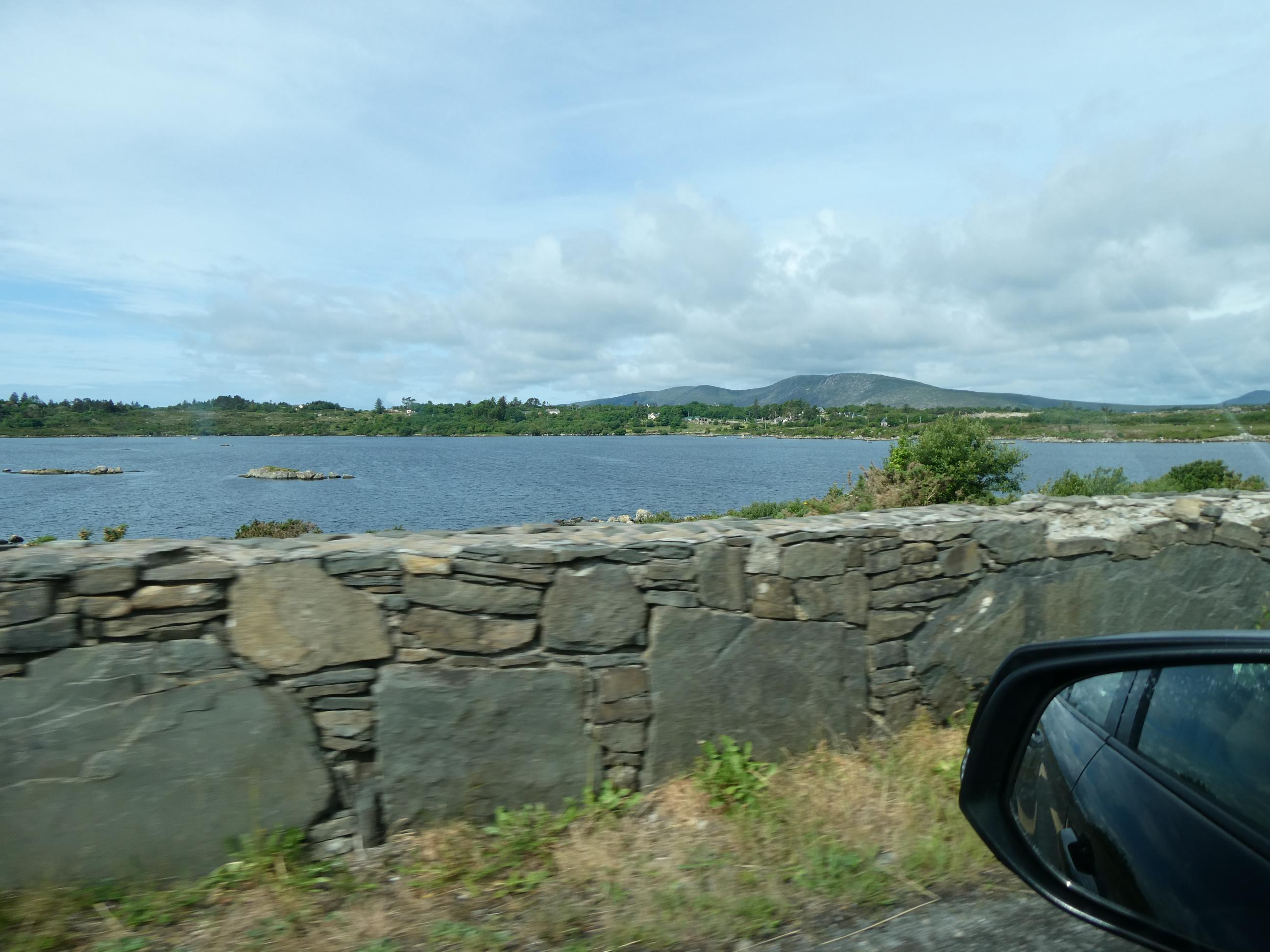
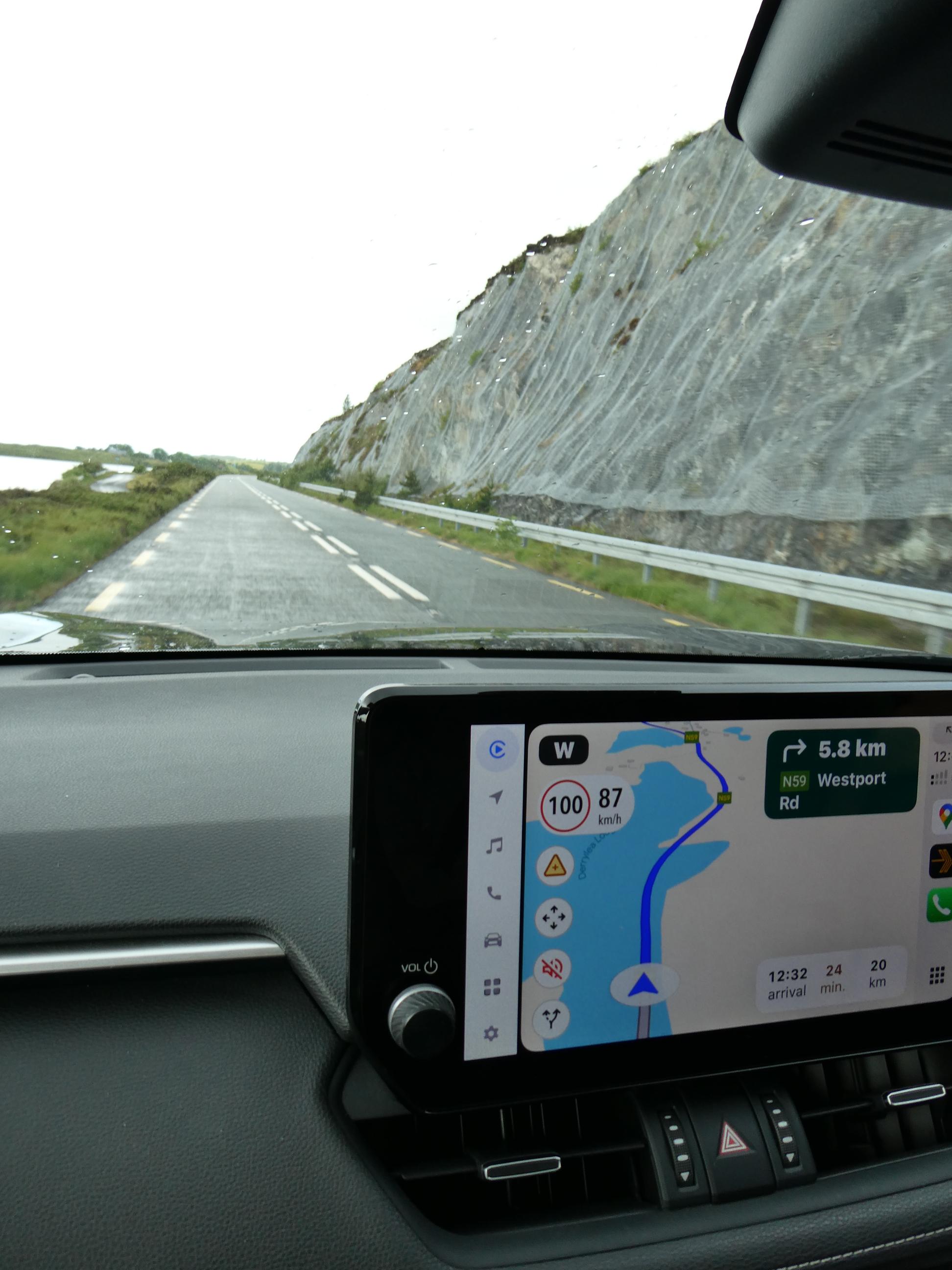
Our journey along the Wild Atlantic Way through Connemara continued. I particularly loved the high mountains, The Twelve Bens, in the distance. They reminded me of the Black Cuillin Hills on Skye in Scotland. Come to think of it, the peaty landscape and the small lakes also brought some of the wild parts of Scotland to mind. Strangely, our Google Maps navigation twice showed us driving through those lakes rather than around them. I have no idea why. We had a few patches of heavy rain, then it would disappear for a while, then start up again. Blue sky would come and go. One time we turned a corner and discovered that the rain had not only stopped, but also that the road was completely dry ahead of us as if it hadn’t rained there for days.





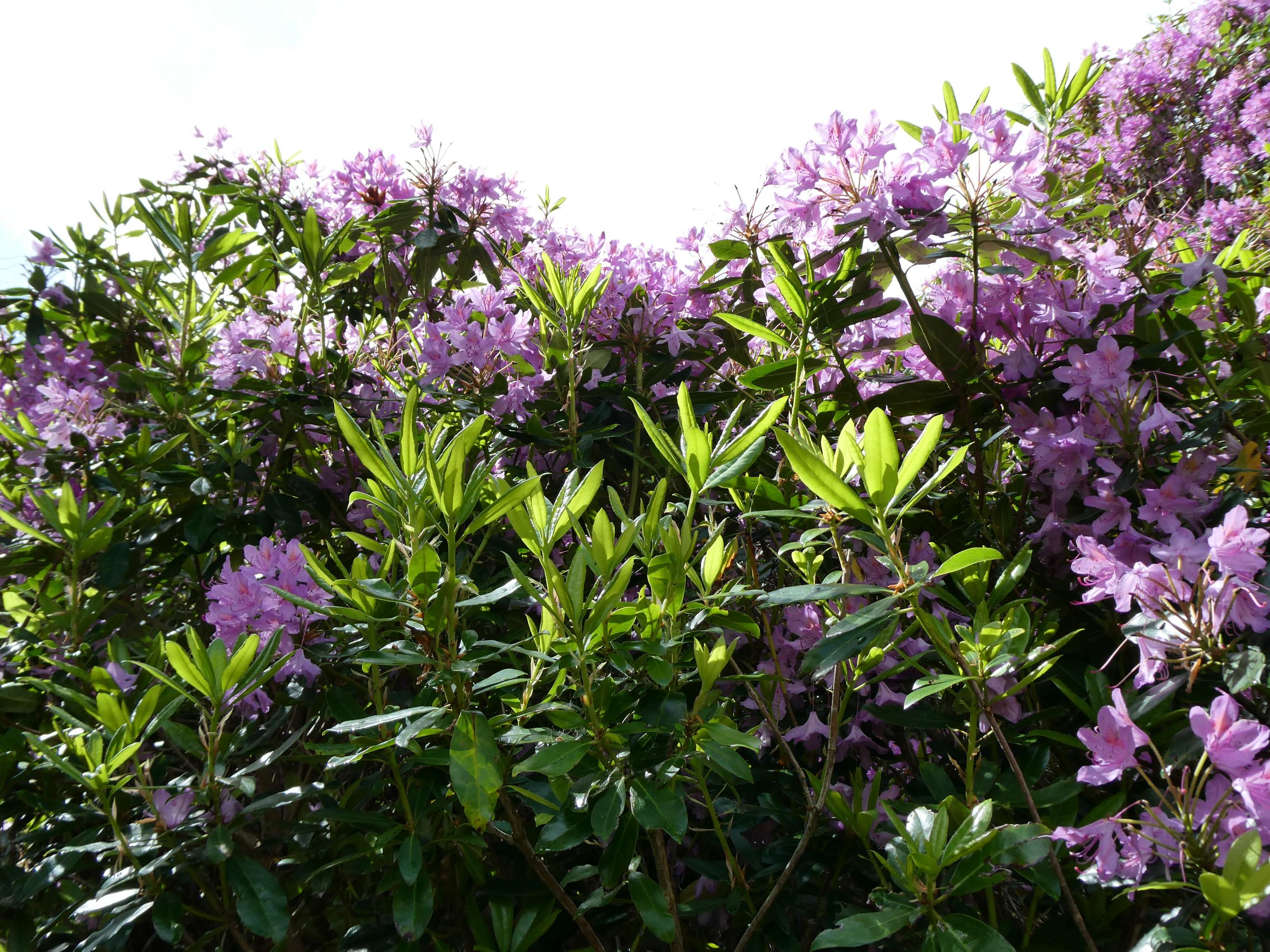
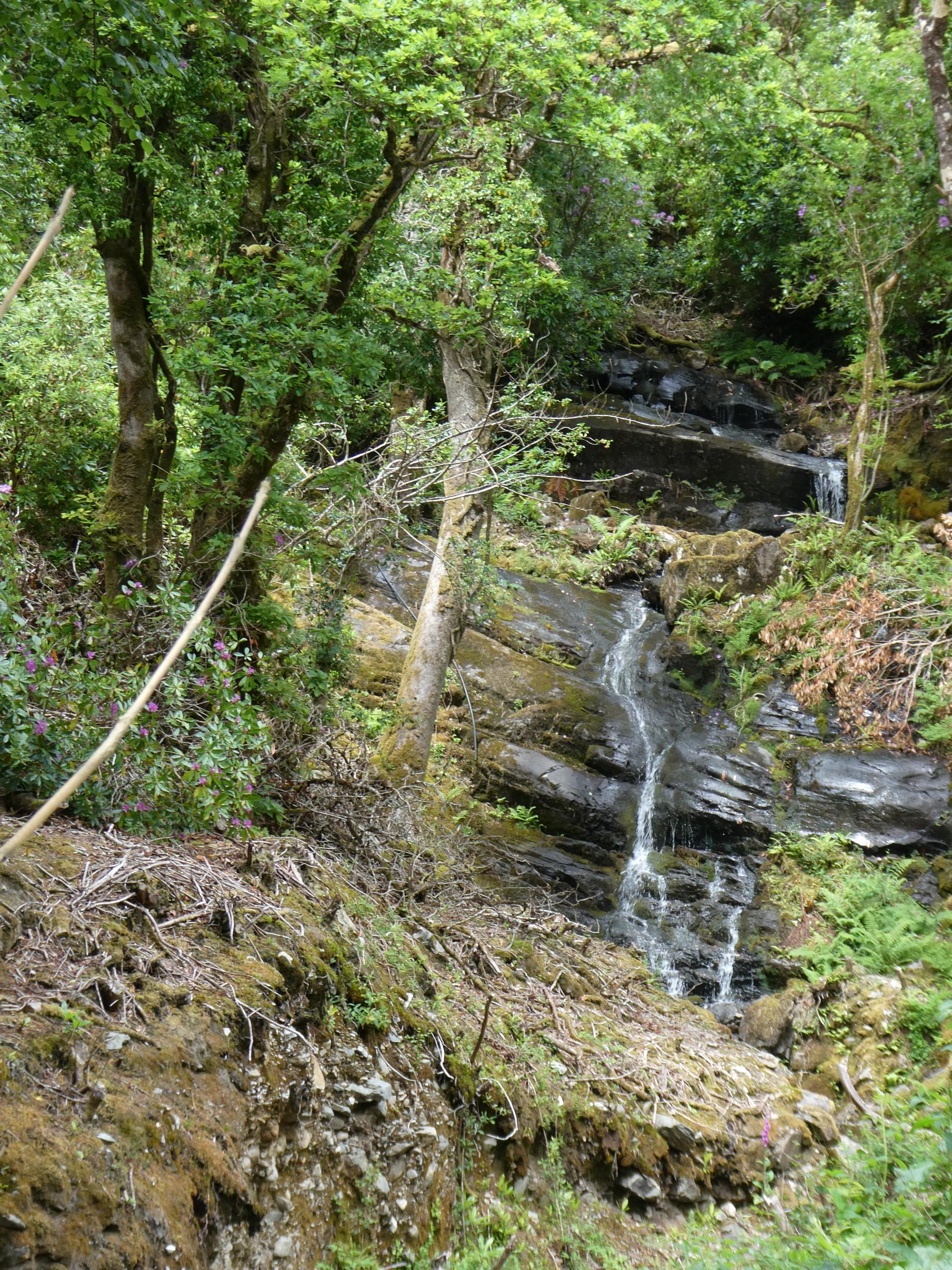
We stopped in at Kylemore Abbey for lunch and a visit to the abbey, which has been run by Benedictine nuns since 1920, when they took ownership of what was previously known as Kylemore Castle. It’s location is quite breathtaking, sitting at the foot of a mountain looking over a lake, surrounded by ferny forests featuring rhododendrons in bloom. We didn’t see any nuns, but we saw plenty of tourists. We learned a little about Mitchell Henry, the man who built Kylemore, and his wife Margaret. Henry was Galway’s representative in the House of Commons of the British parliament, and he used his position to improve the lives of the people of West Ireland and create economic growth and employment for the region. Margaret also felt empathy for the local people and introduced changes that would help to make their lives better. Sadly she died at a relatively young age. Mitchell Henry never married again, and in time the castle was sold to new owners, the Duke and Duchess of Manchester. The nuns became the third group to own the castle, which became the abbey. For almost 90 years, they operated a school for girls on the property. No doubt the income made from tourist fees helps to pay for the upkeep of this beautiful property.
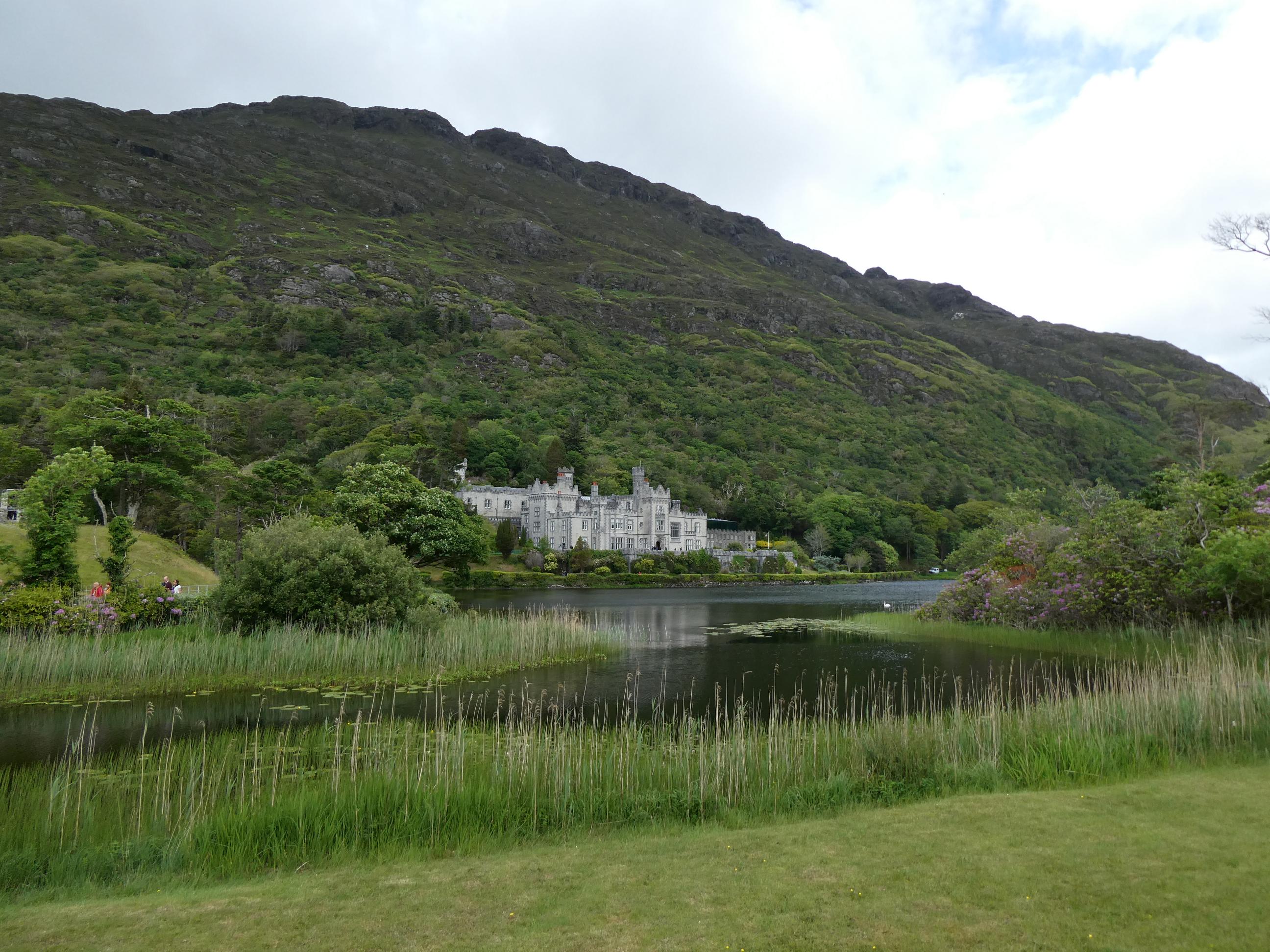

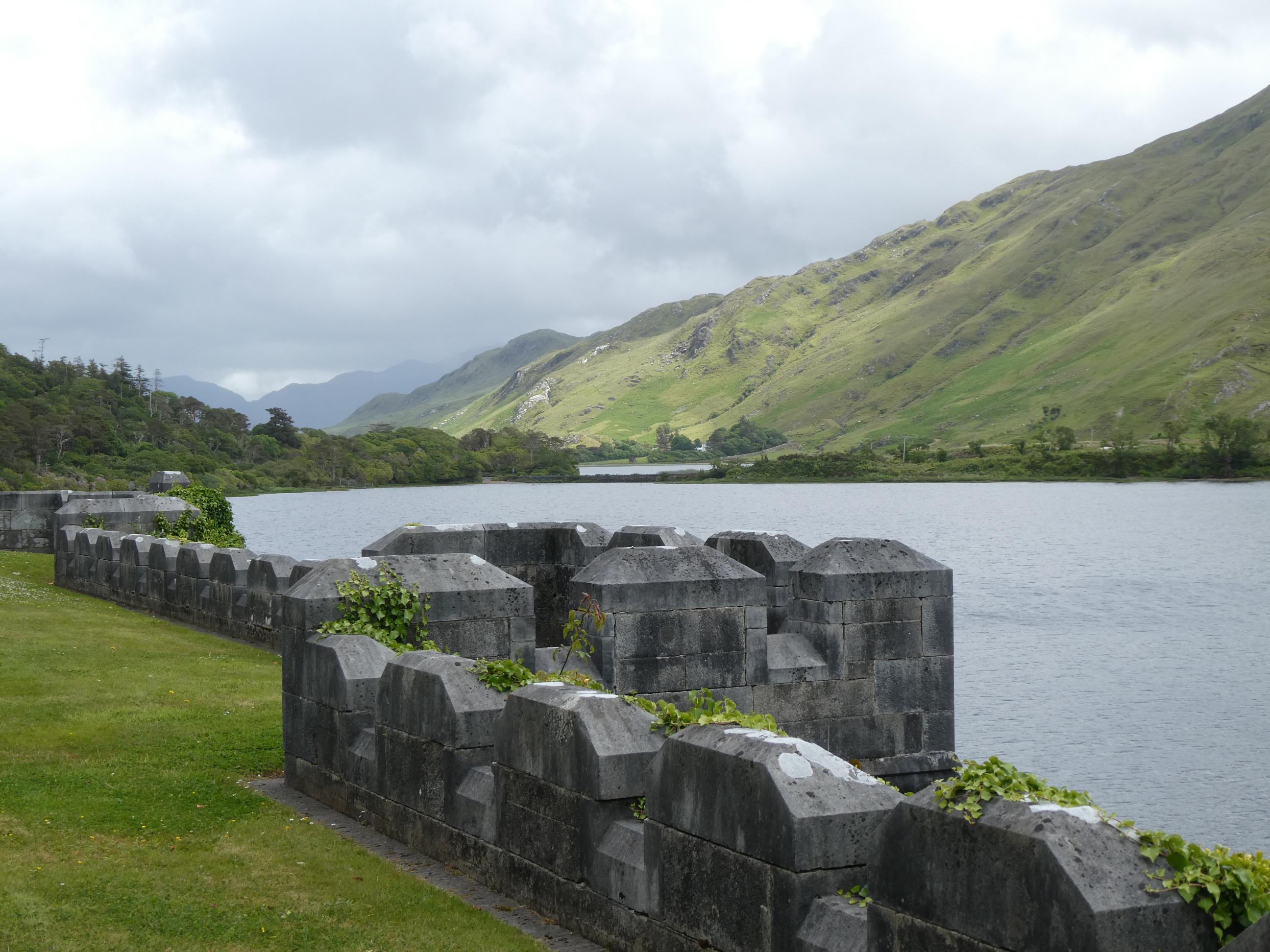

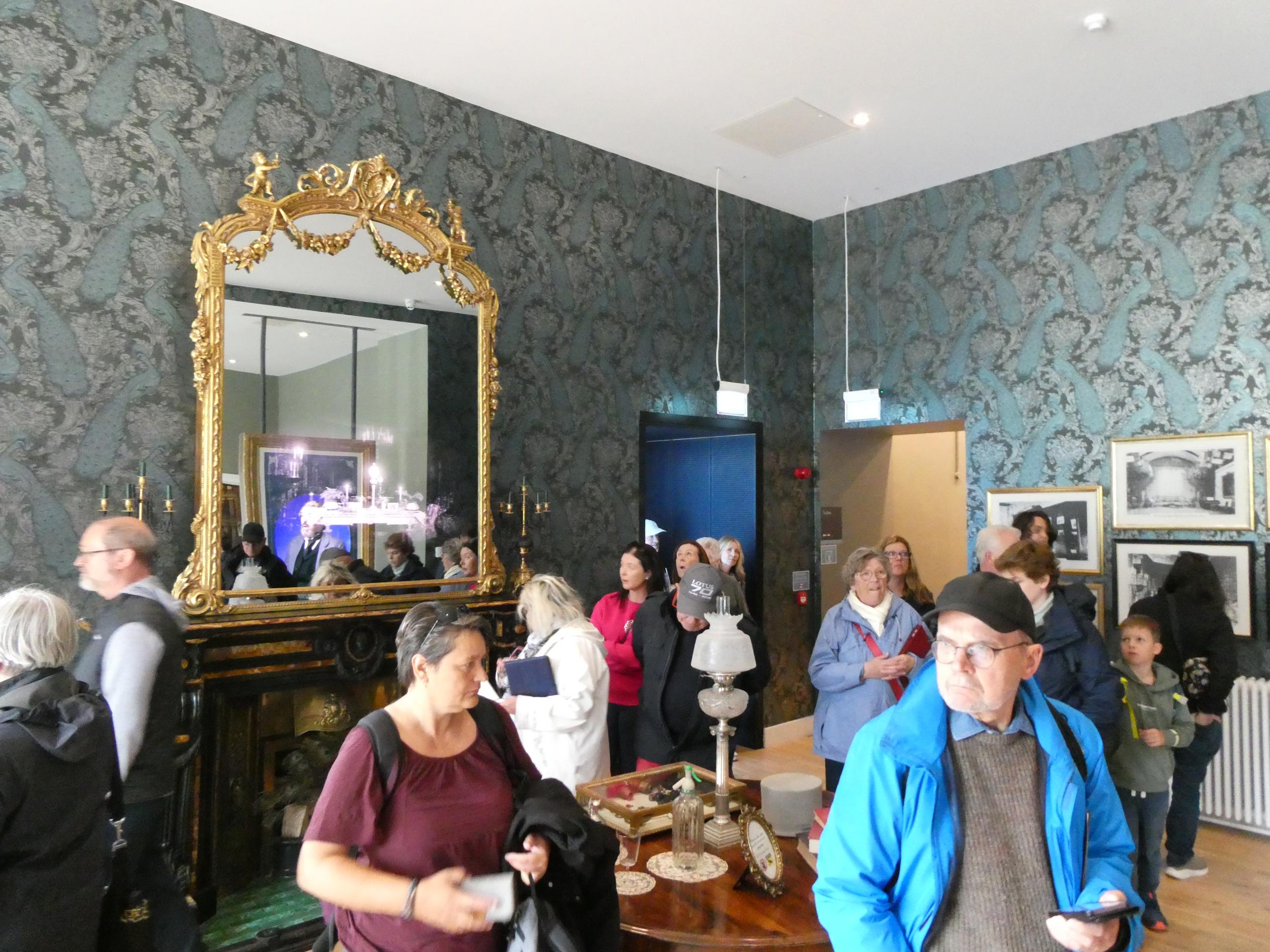
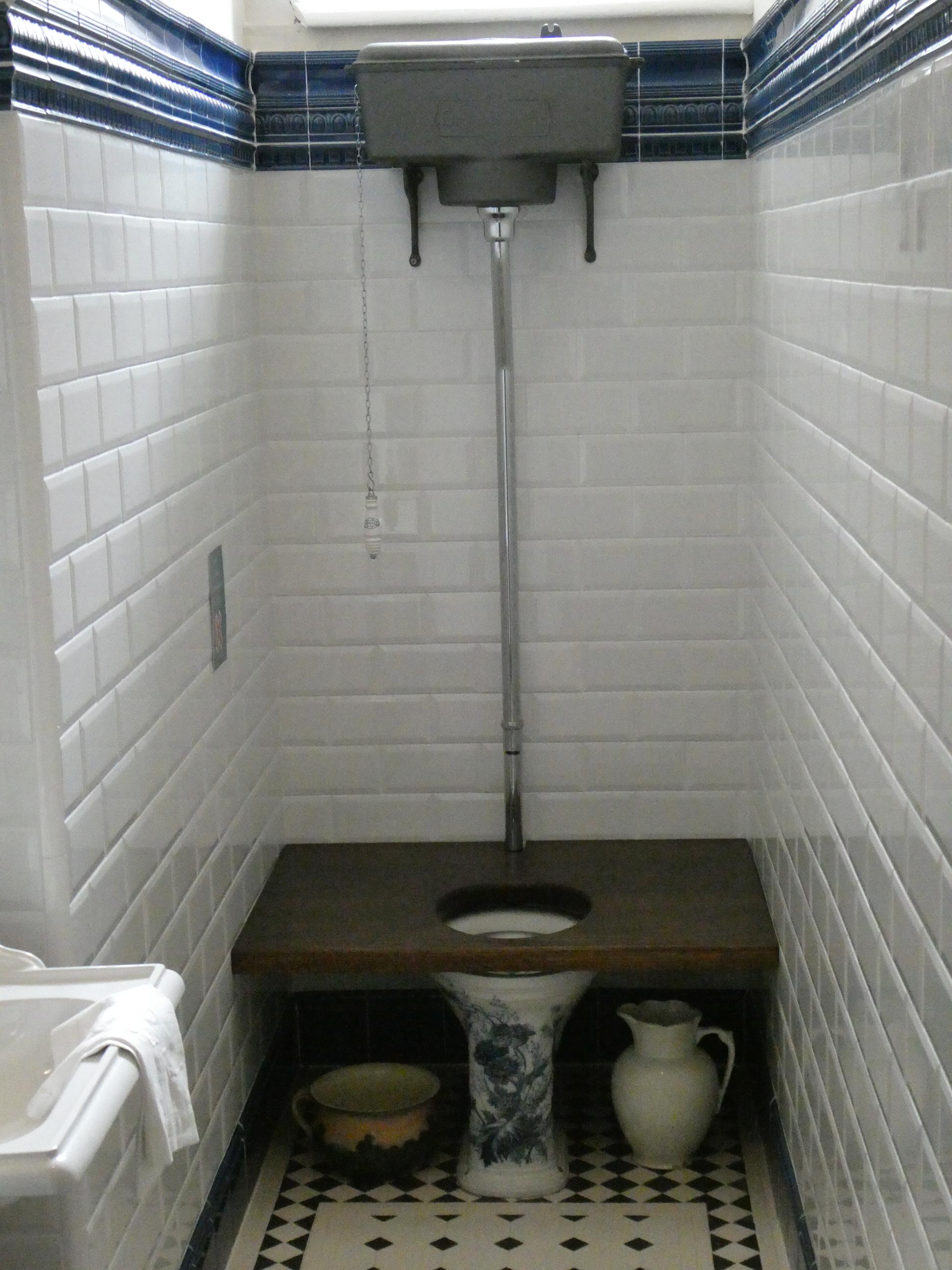
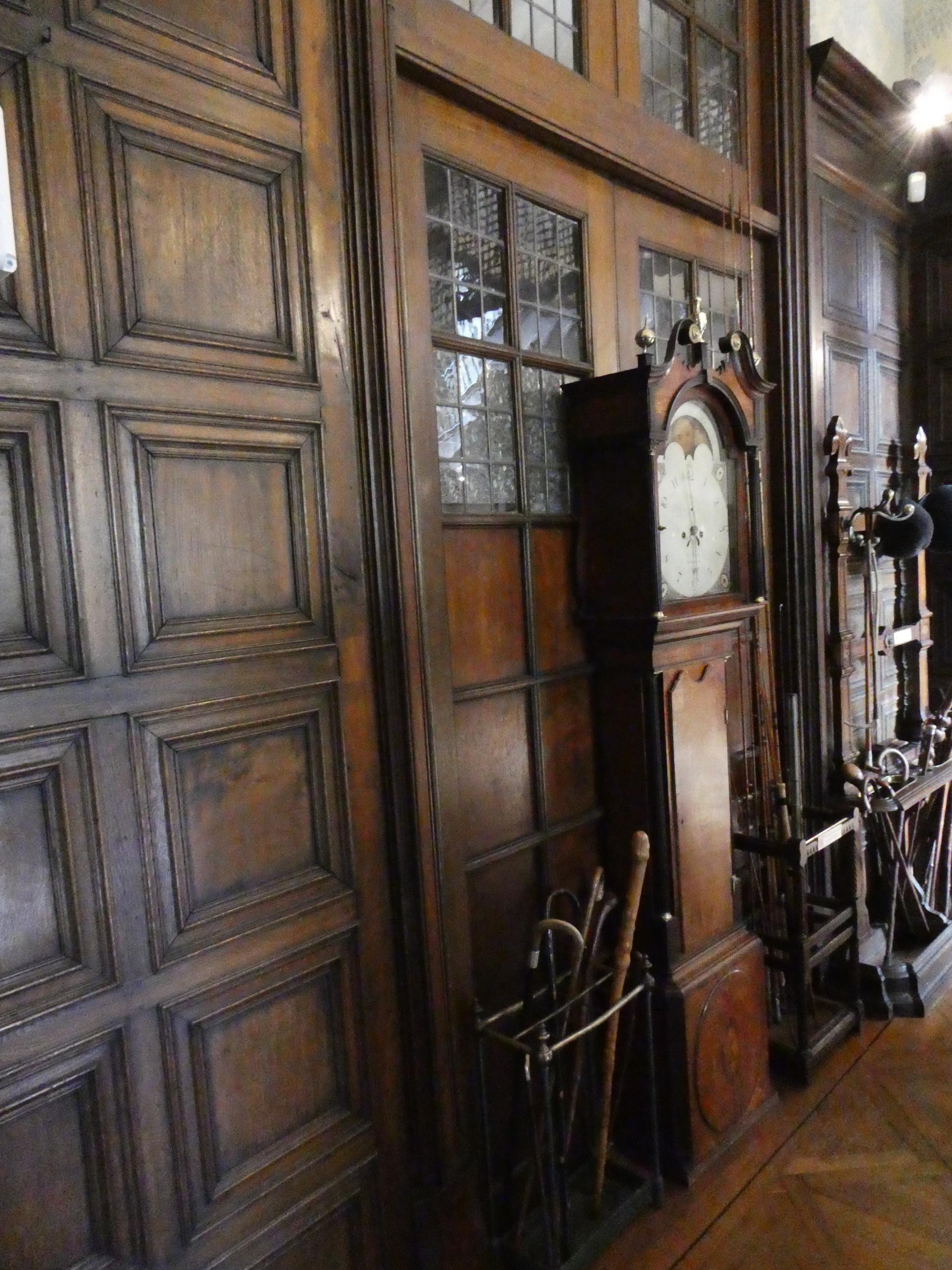


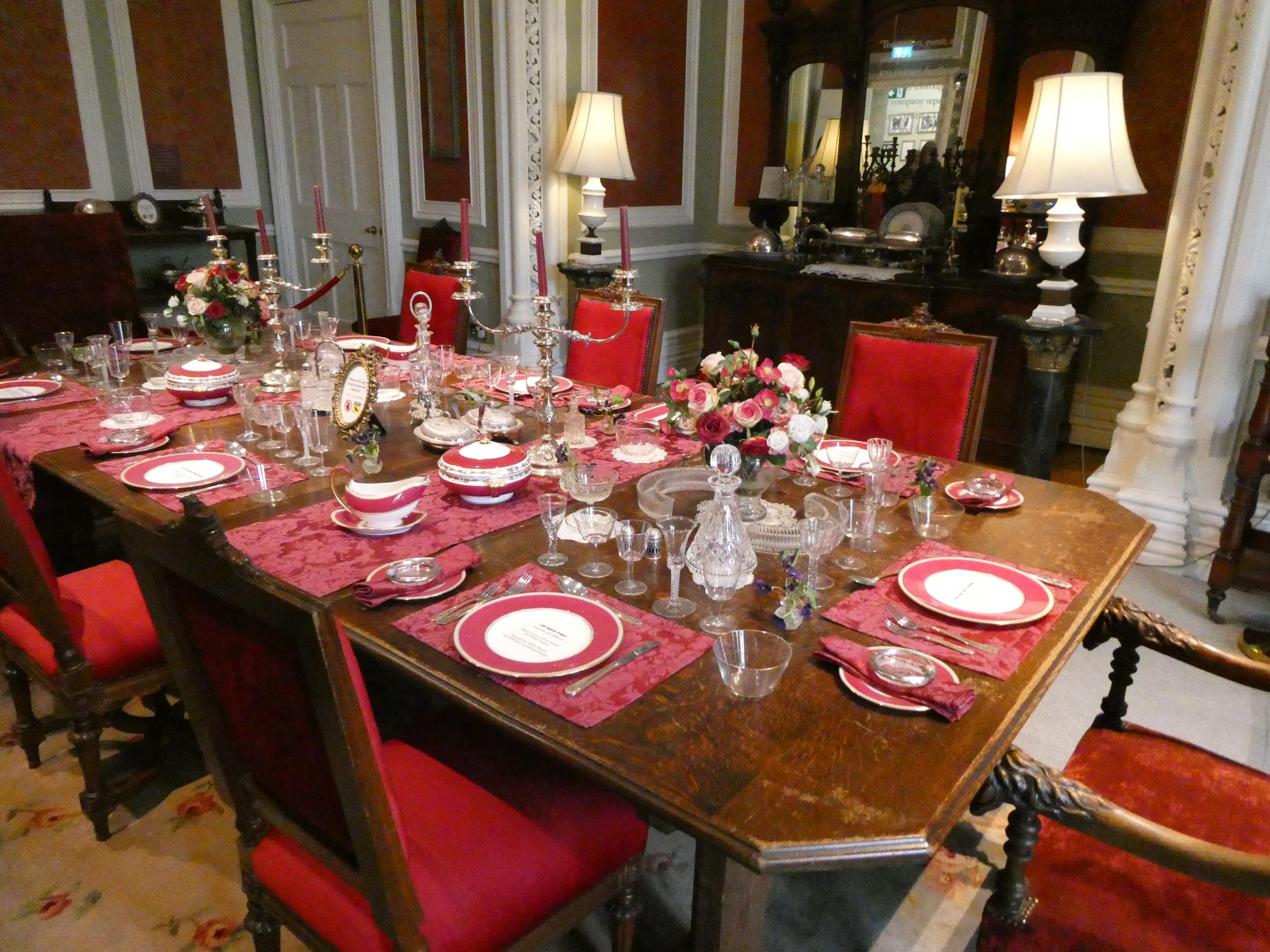
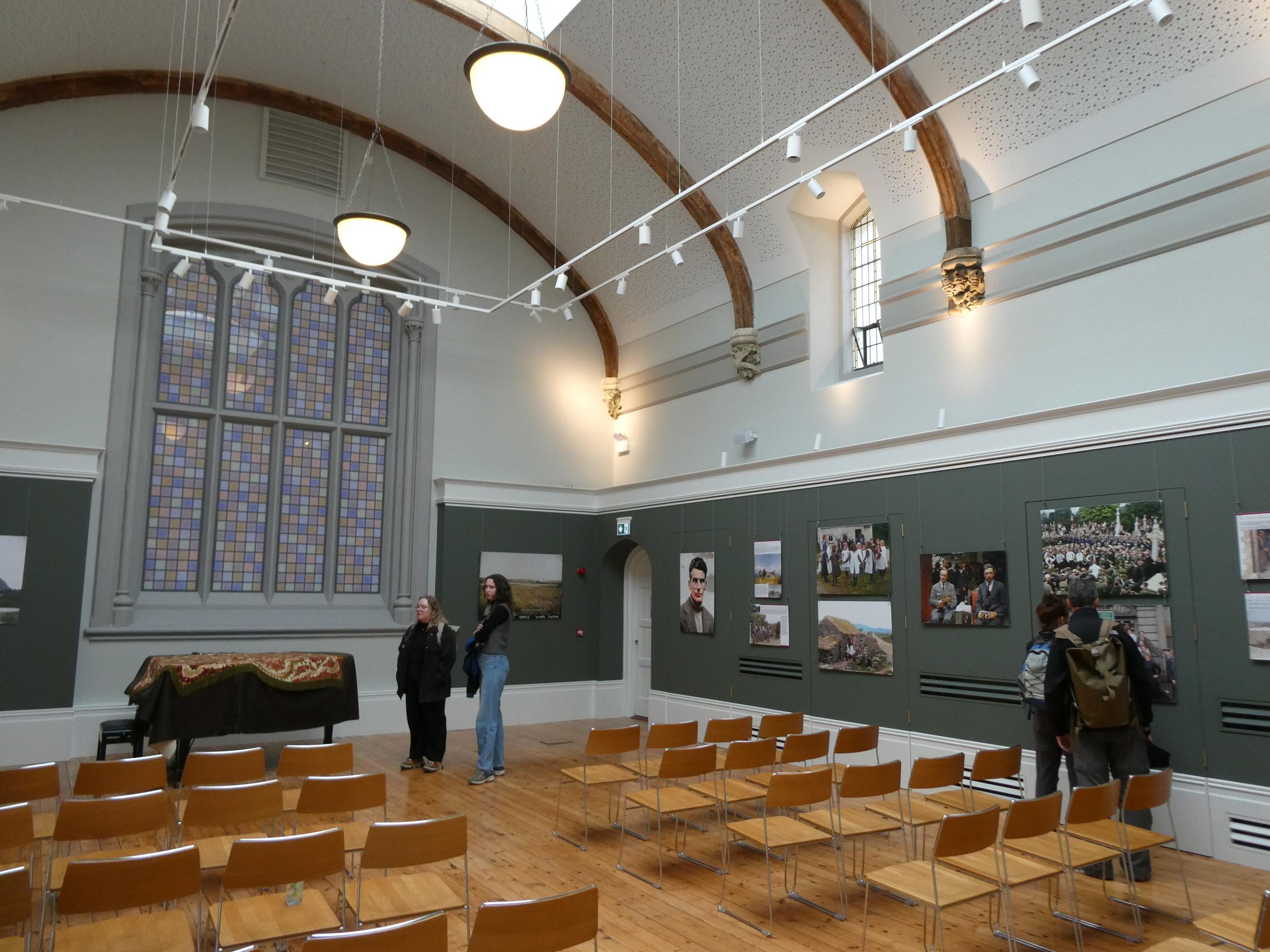
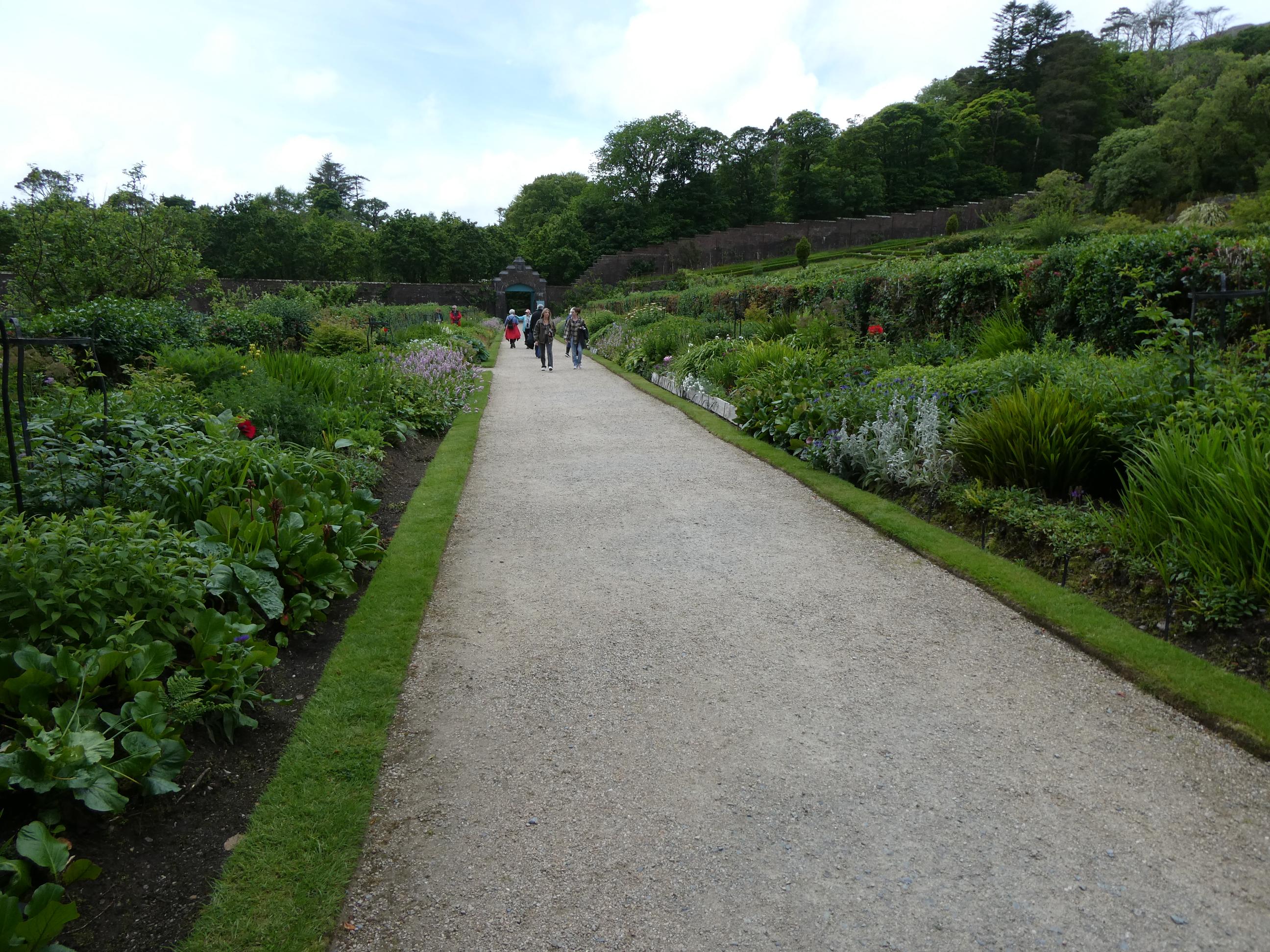
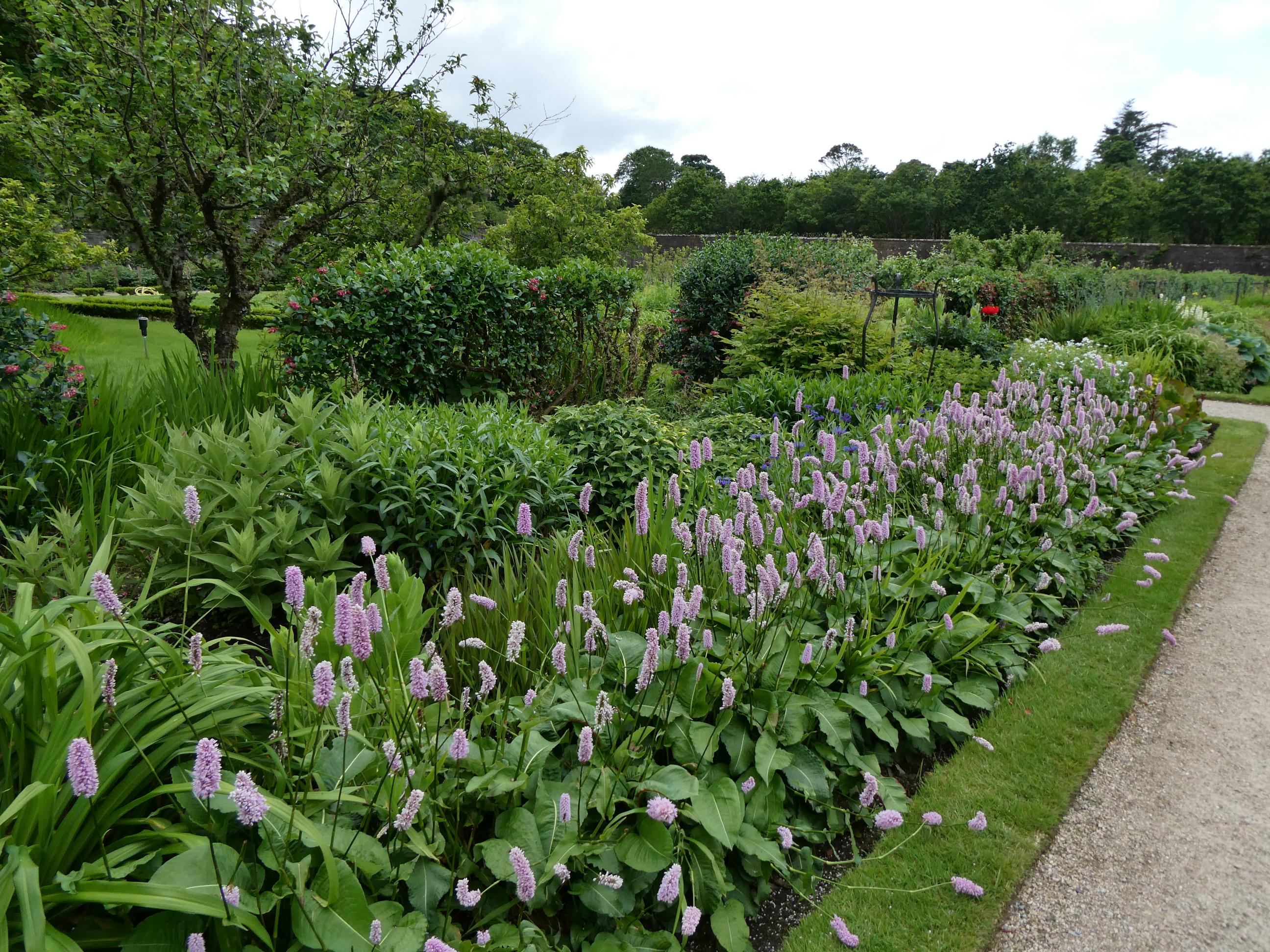
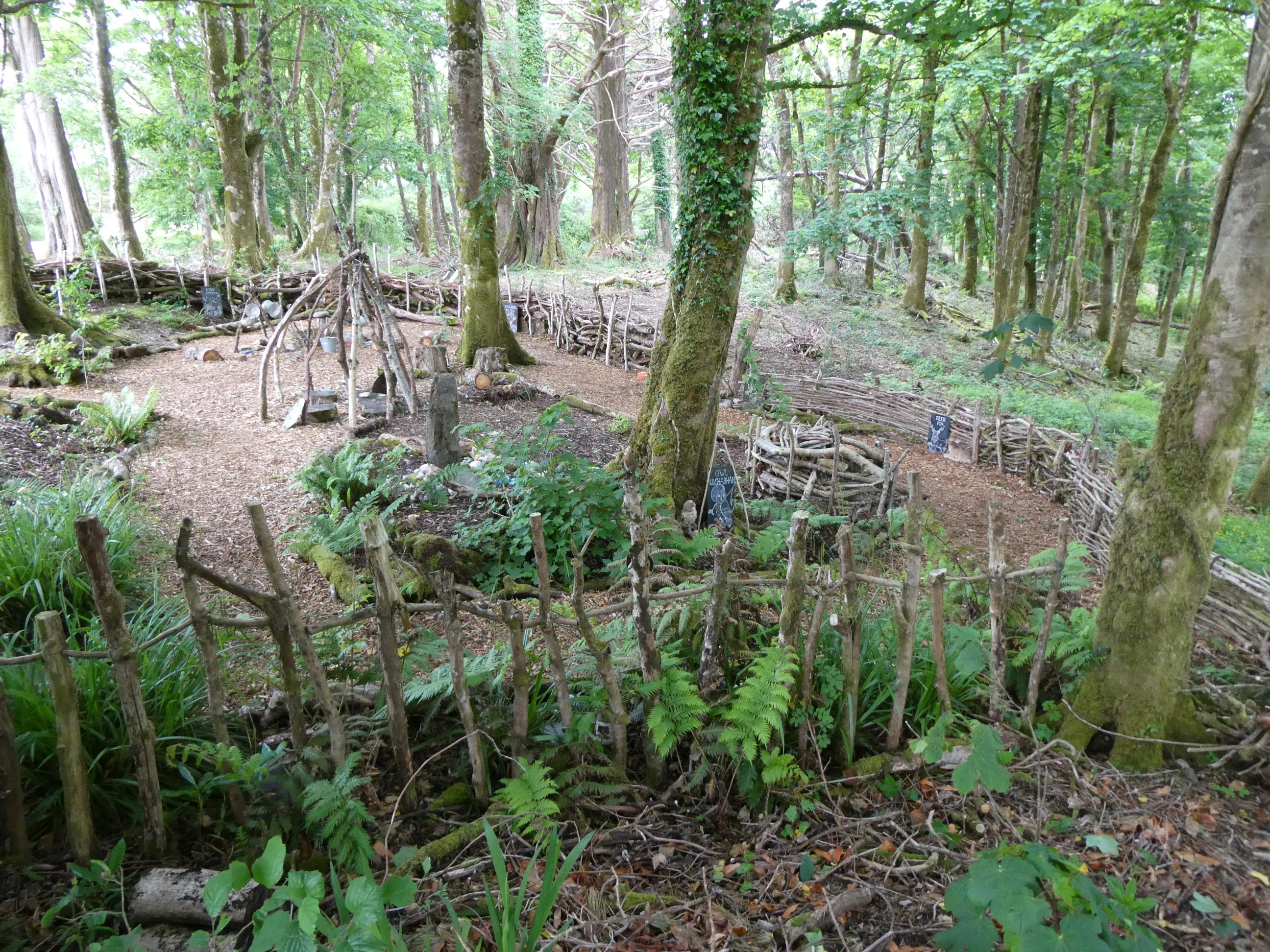
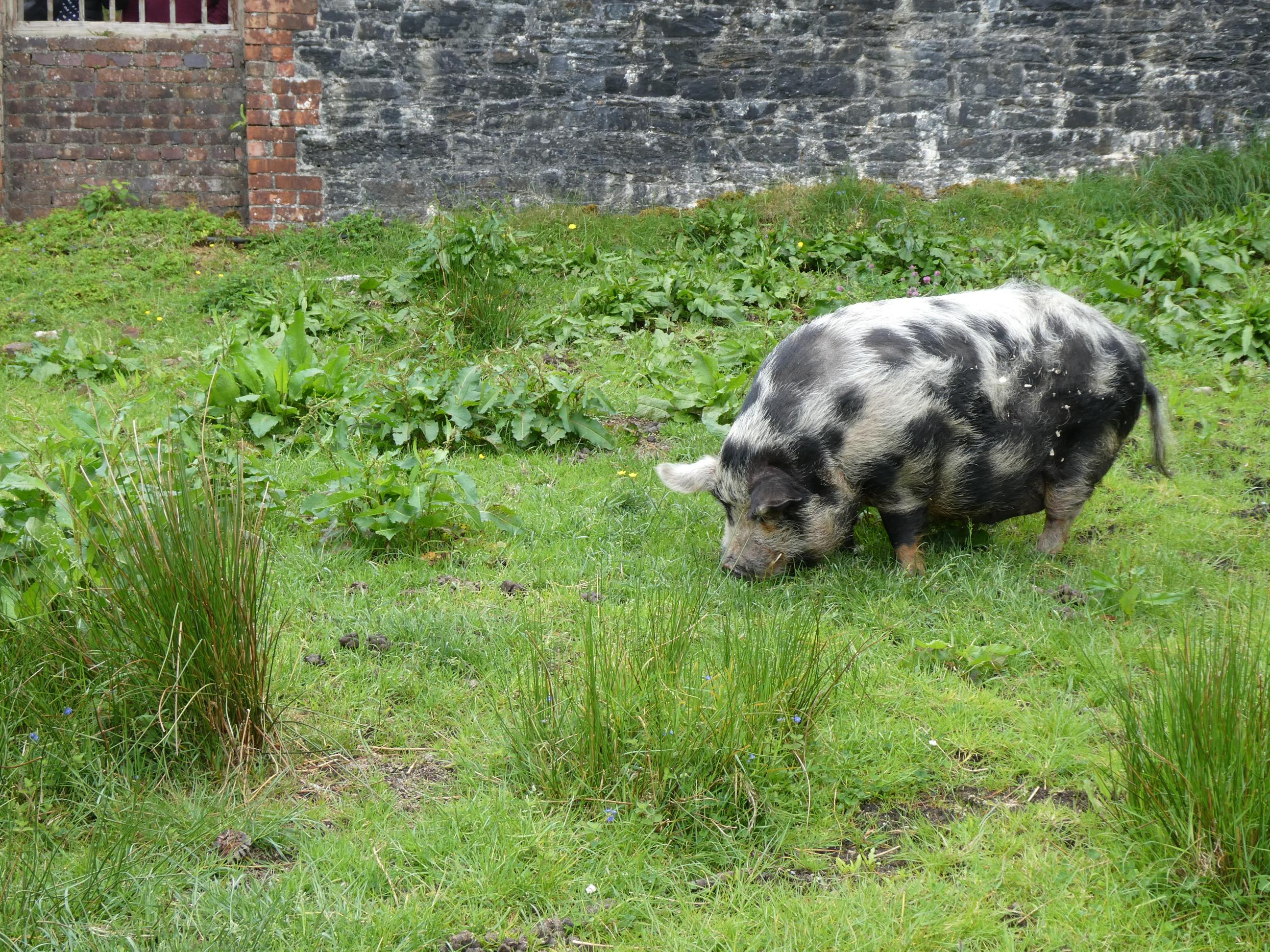
It was an 18-minute walk each way to the walled garden. Over the years it was abandoned, but now the nuns have restored it, and use it to grow fresh produce. It’s also a place for quiet reflection for them. It even has a special children’s adventure playground and a couple of very popular pigs. The rain was long gone by the time we walked to the garden and the sun was out and quite warm. It was the first time I’d taken my jacket off for a few days.

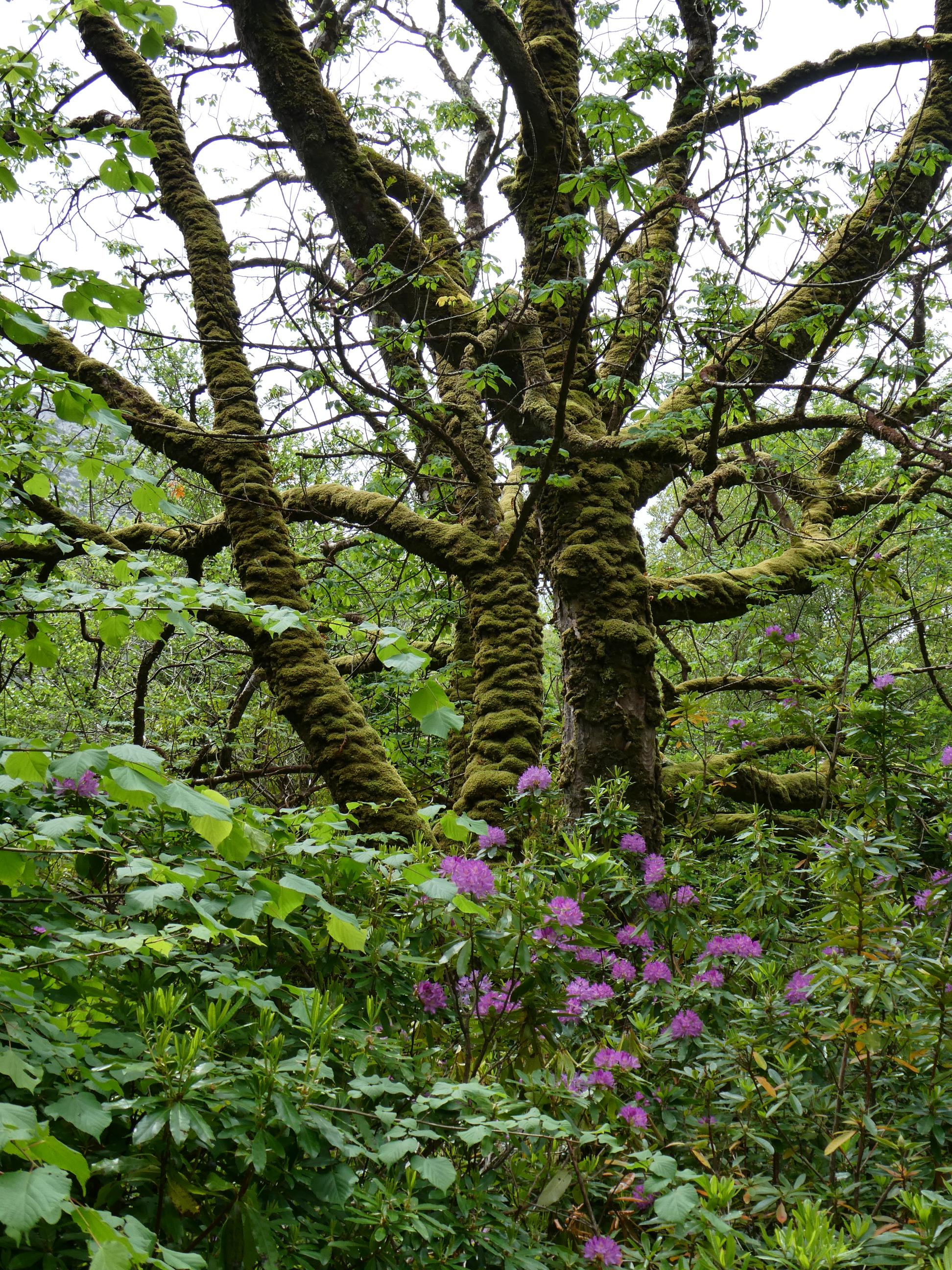
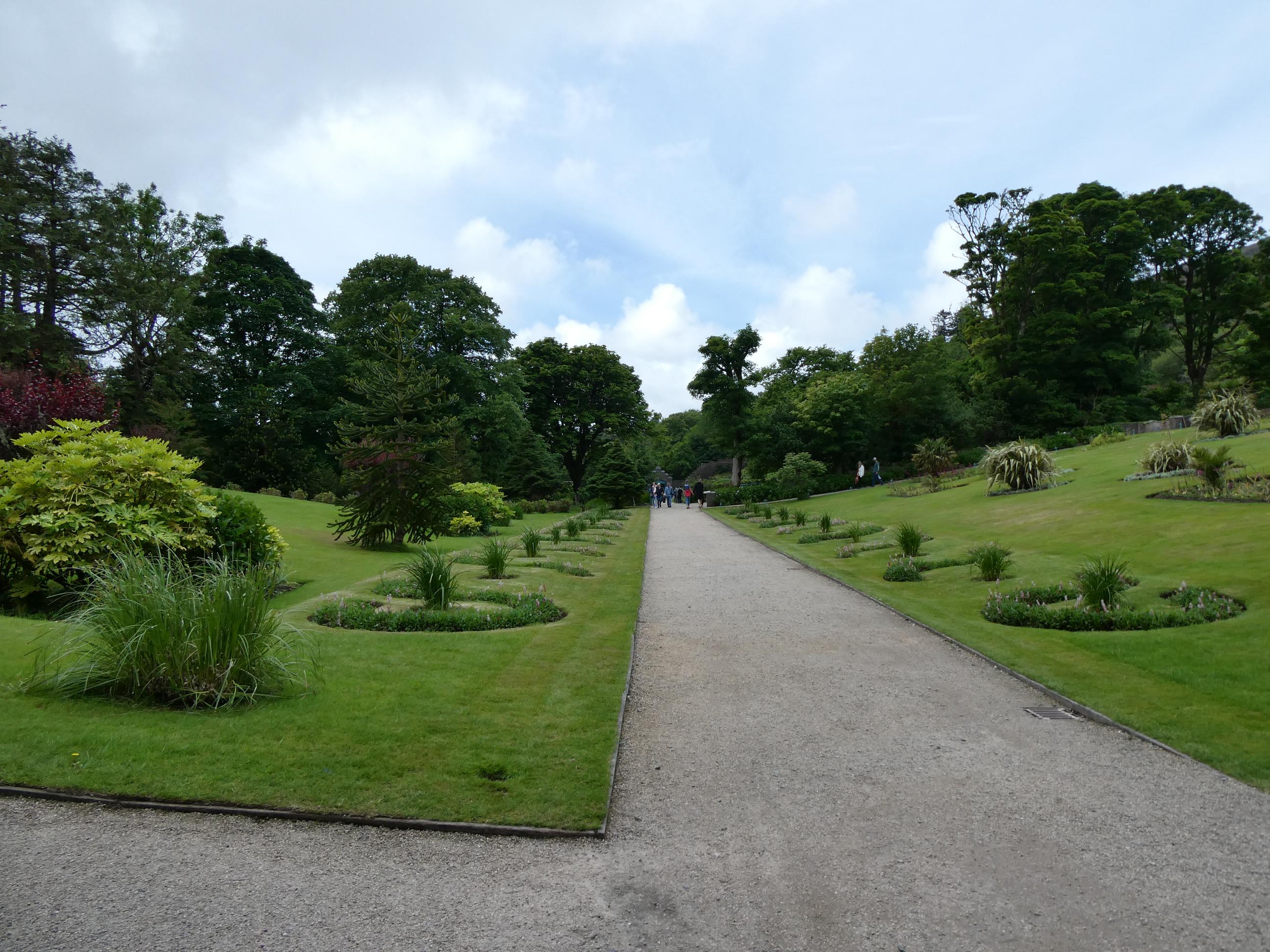
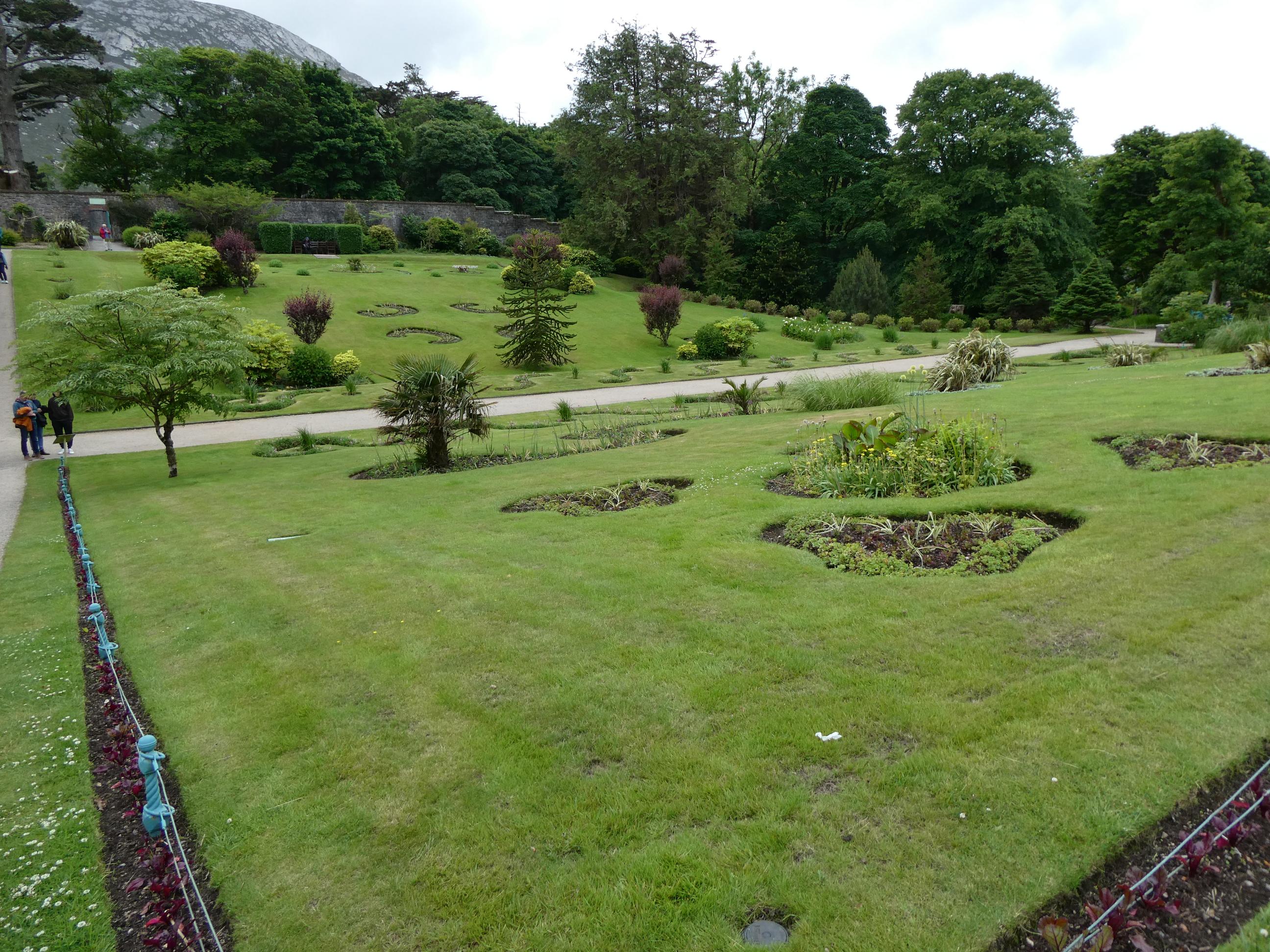
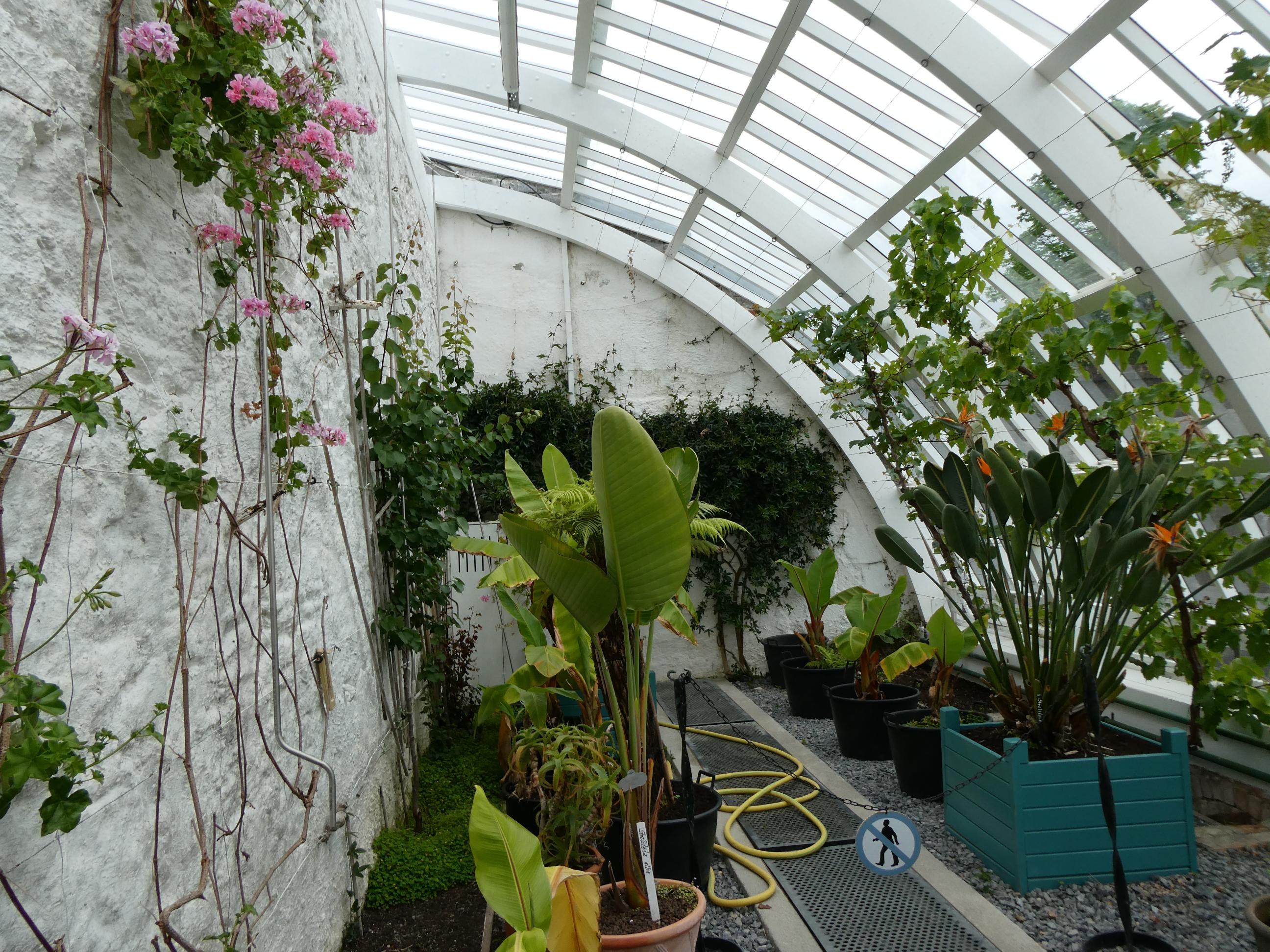

We headed back to Galway, retracing some of the route we came in on. I don’t think I’ll ever come back to Connemara, so I tried to take it all in. I really enjoyed the drive through this stunning part of Ireland. I’m very grateful to my brother Rod for taking on the driving on this trip. He’s done a great job, and while he has to keep his eyes on the road, I’m able to look all around and take lots of photos on each journey.


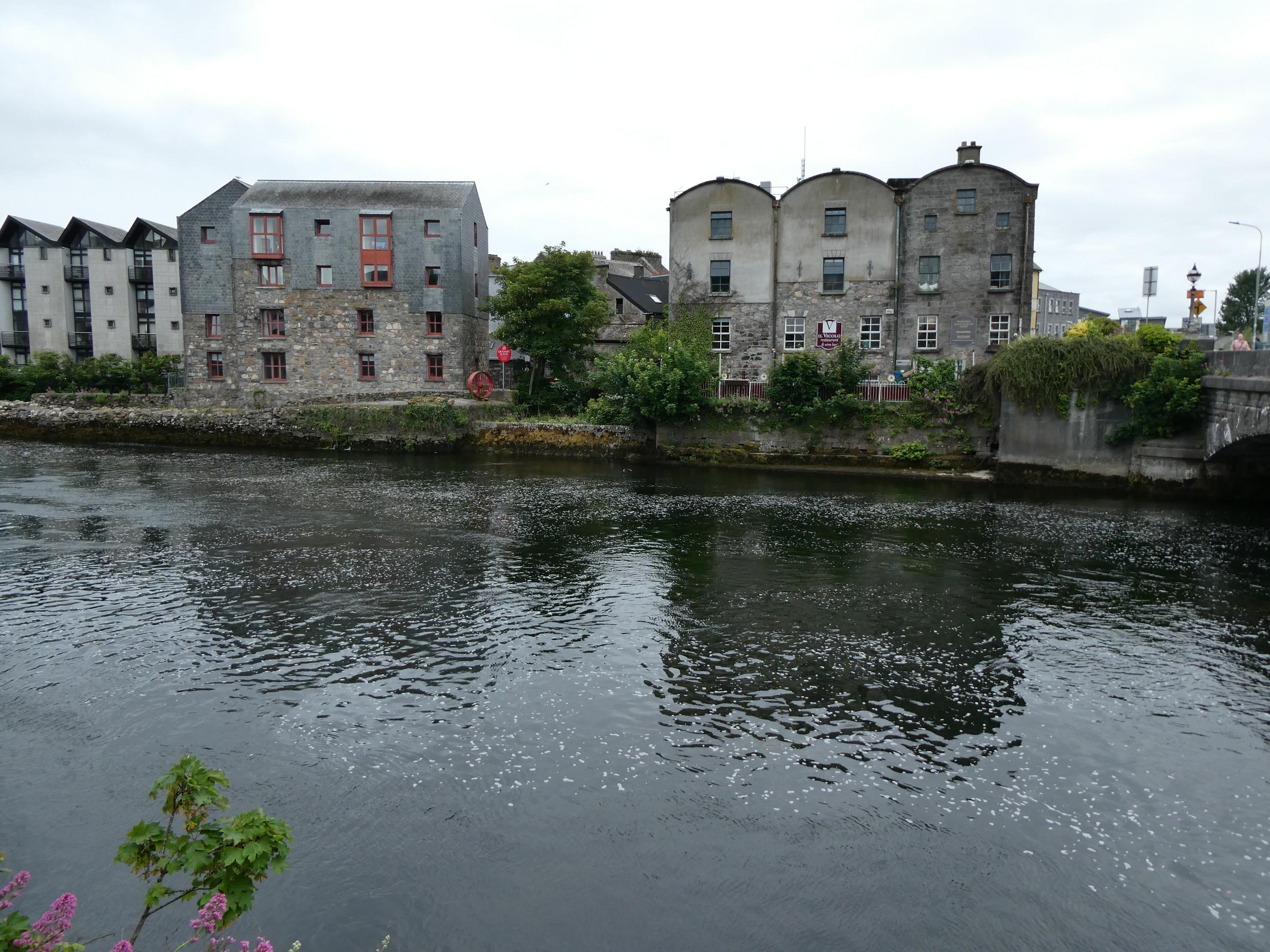
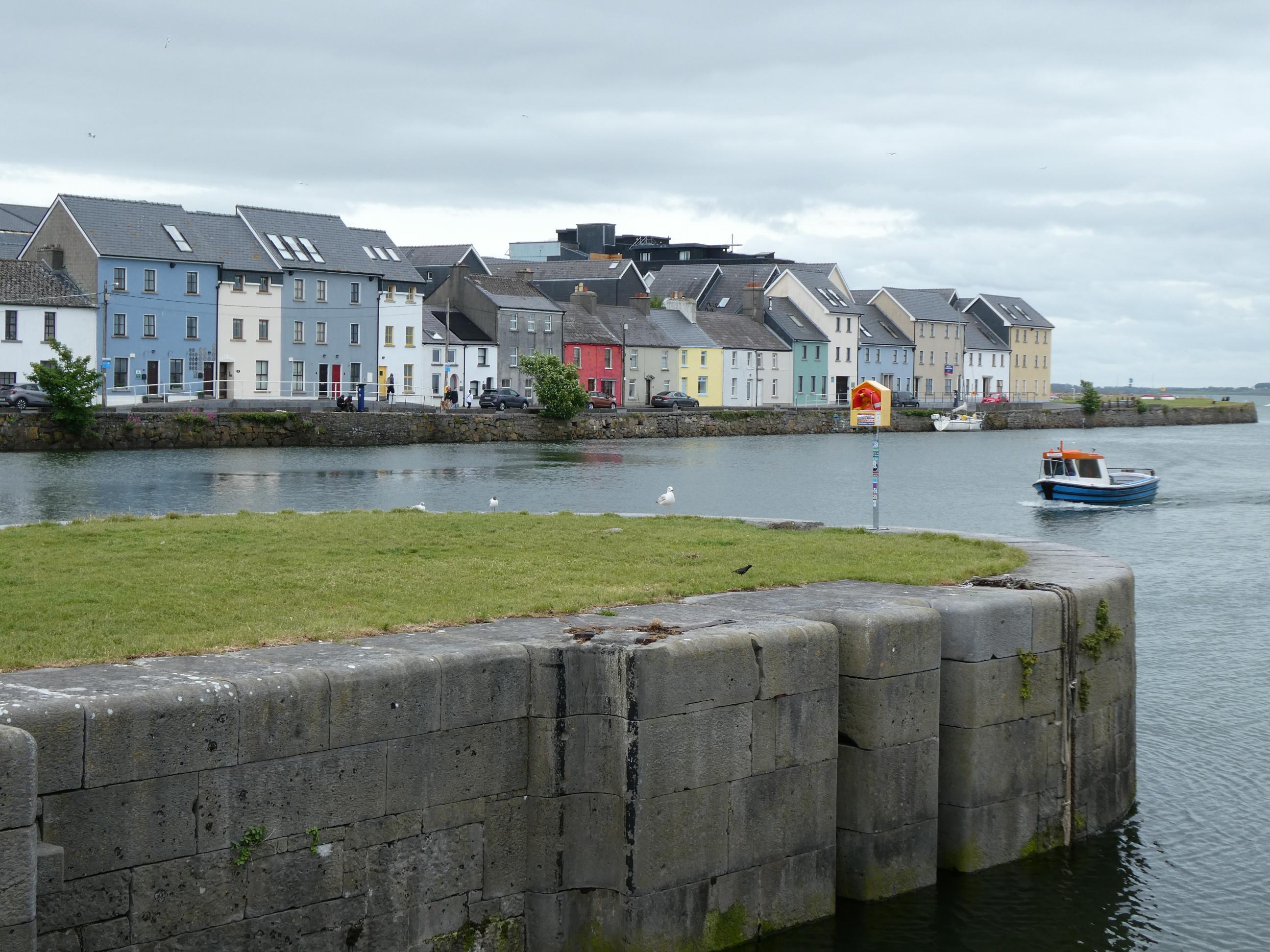
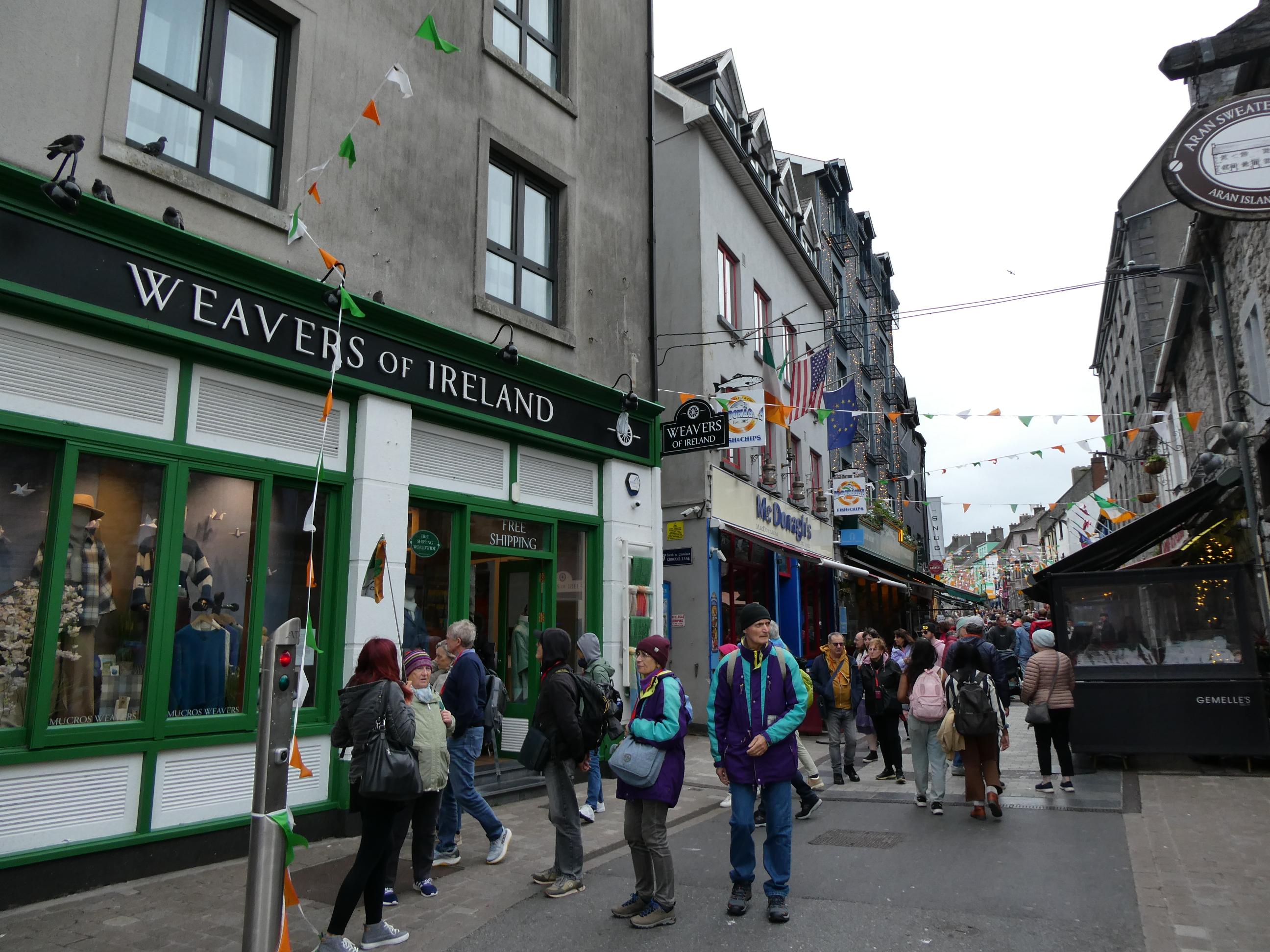
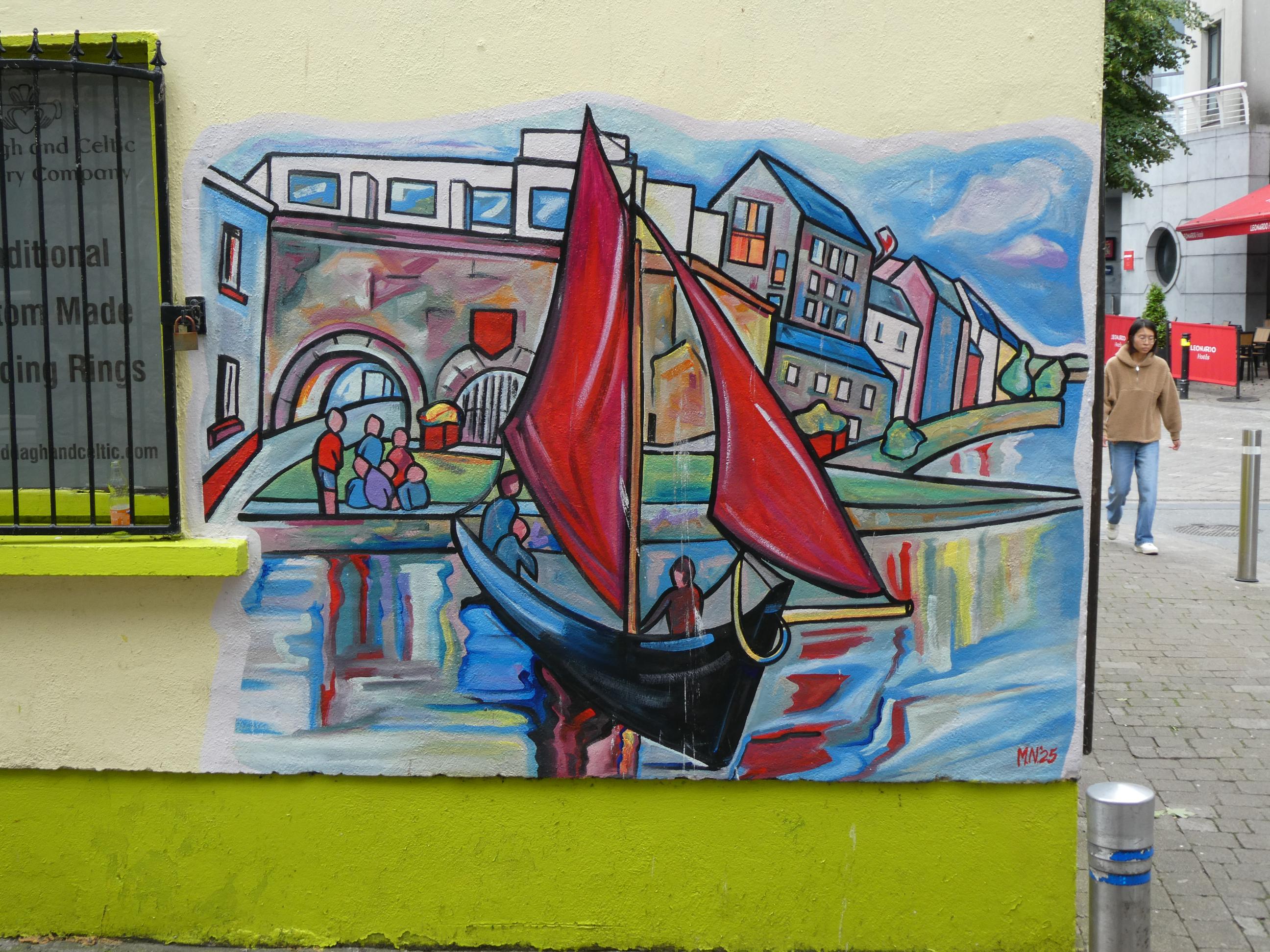
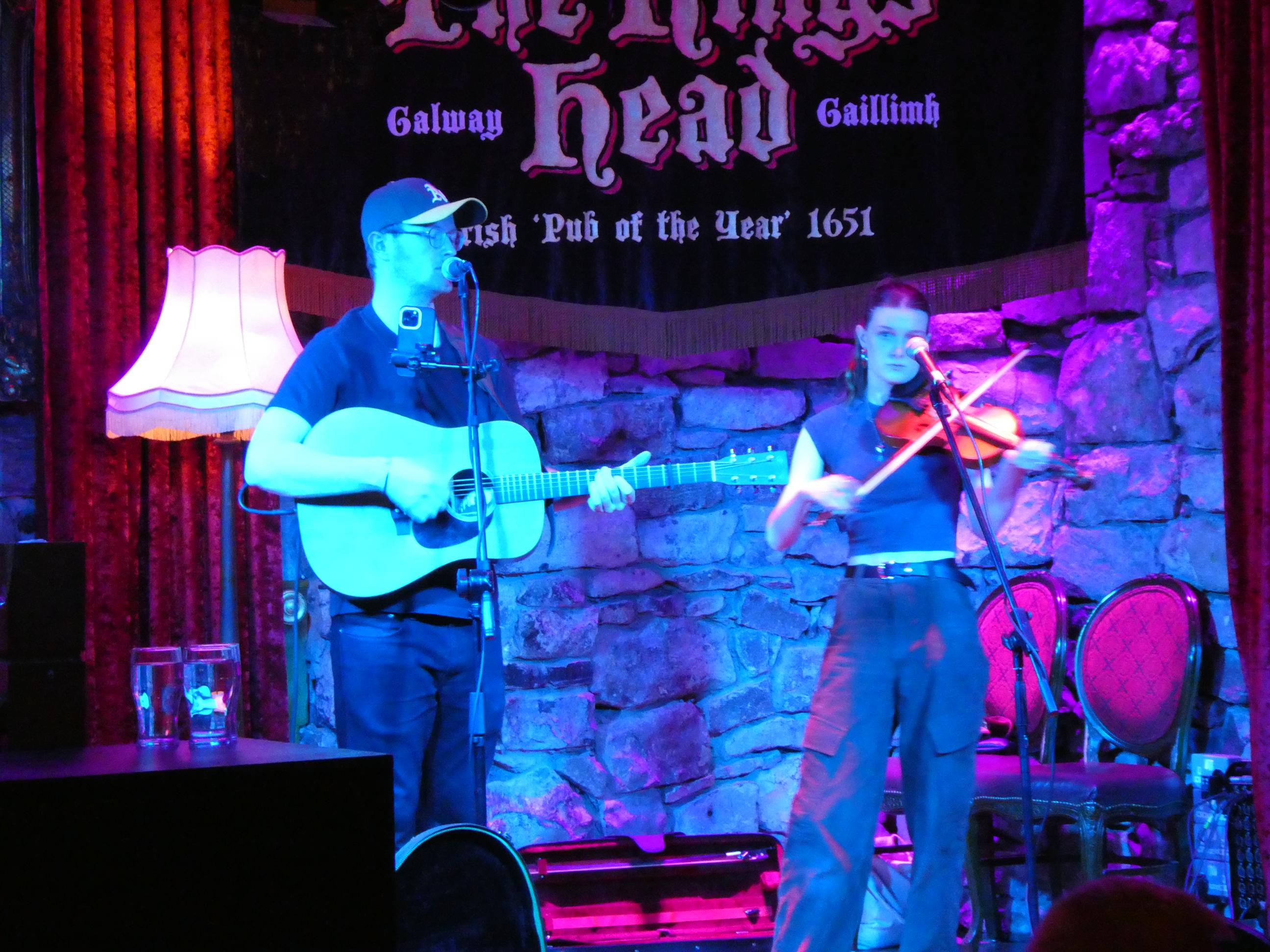
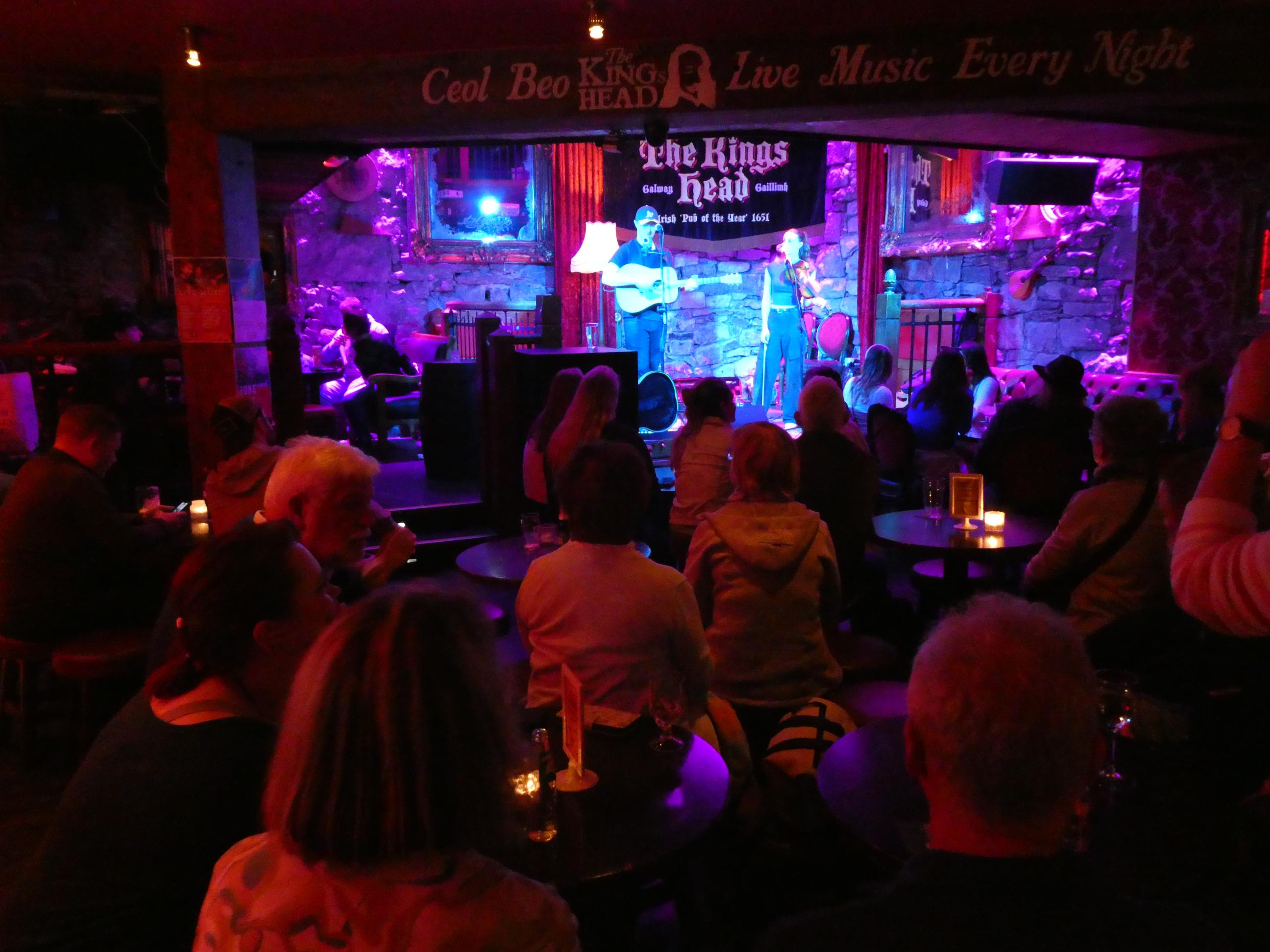
Back in Galway, Marg and I didn’t waste any time. We headed back to the jewellery store to pick up the new Claddagh ring she ordered yesterday, then down to the river so I could grab a photo of the coloured houses. Then we made our way back to the pub we visited on our previous visit to Galway, the King’s Head. It’s a very old pub, which claims to have a connection to the execution of King Charles I, hence the name of the establishment. It has it’s own beer that I like, with the curious name of the Galway Hooker. In truth, the beer takes its name from the local fishermen’s small boats, which are known as Galway Hookers. And, most important of all for me, the pub has a great sound system and awesome live music. Marg and I spent an hour there enjoying the craic before it was time to meet up with Rod and Cornelia for dinner. We’re hoping to catch some more live pub music once we reach Doolin.






 On The Road With Garry