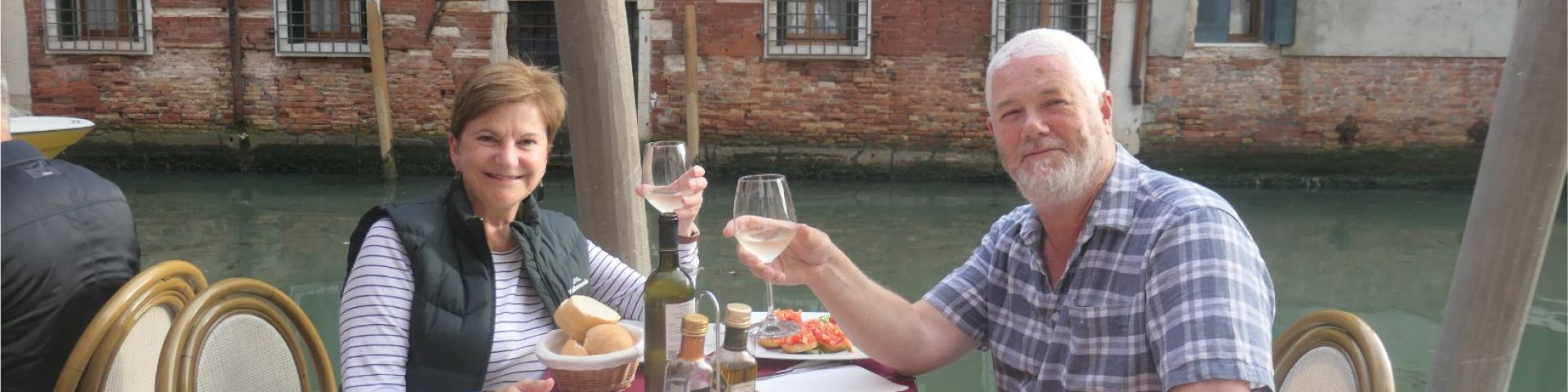
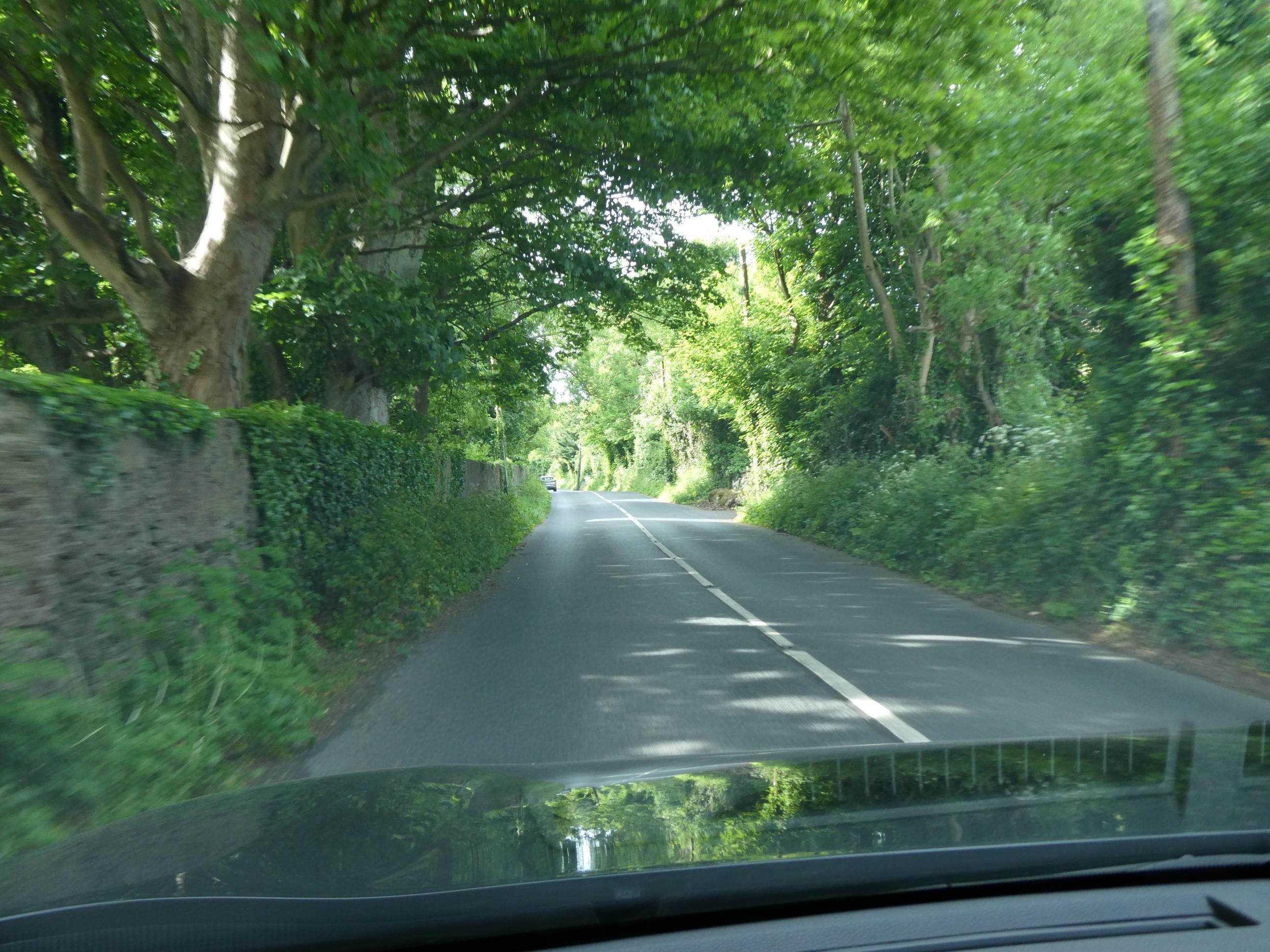
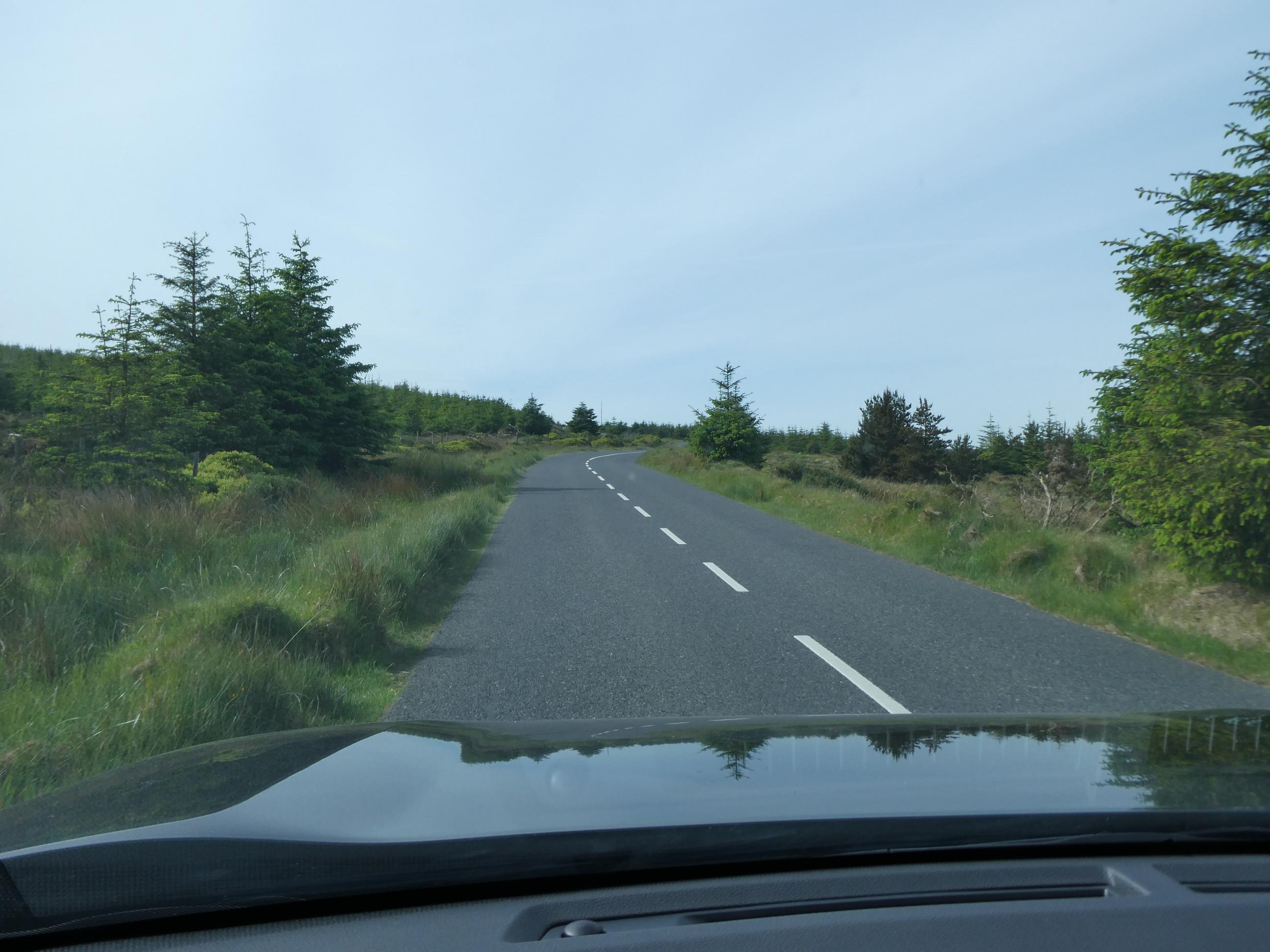
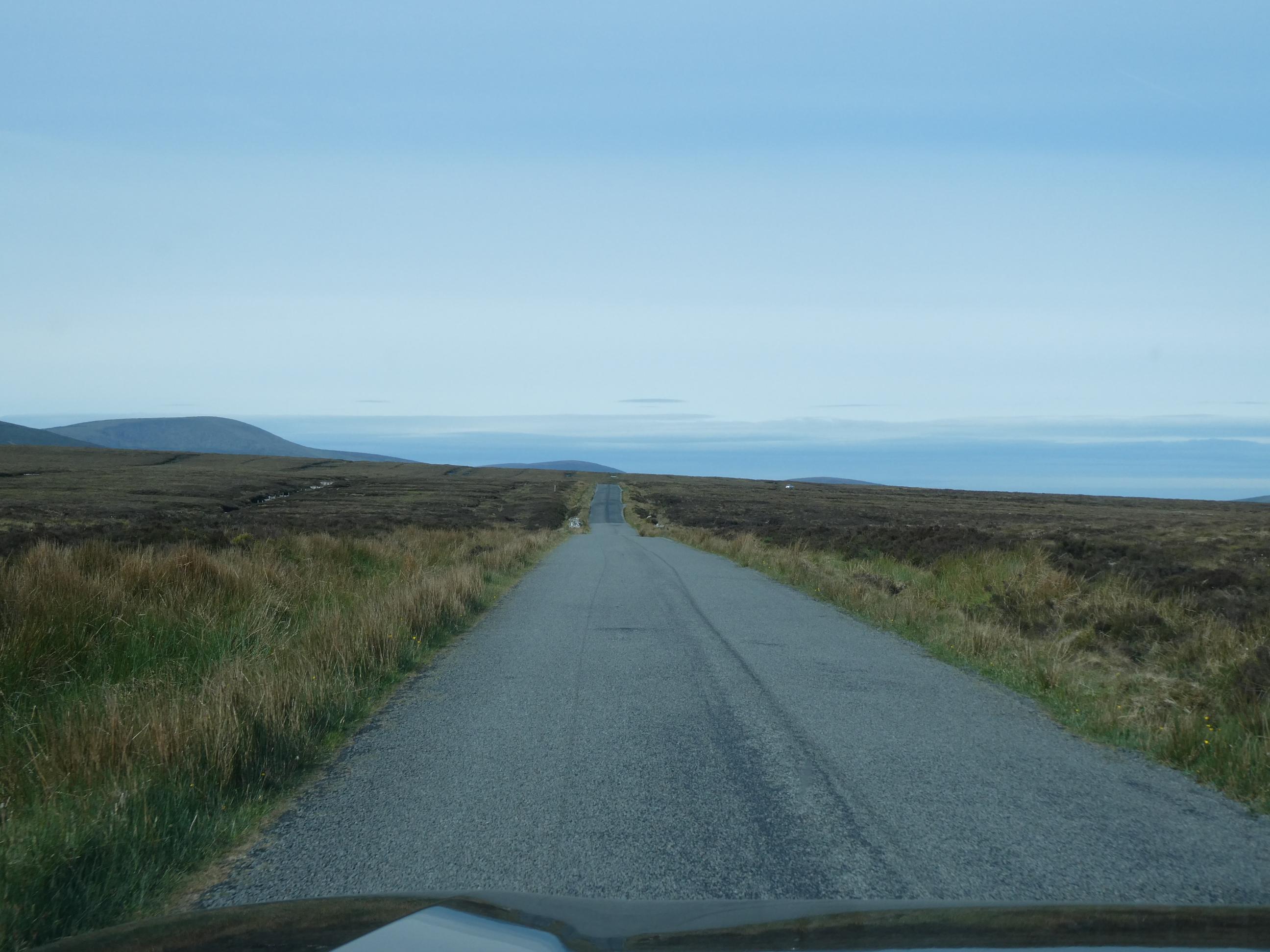
Today we picked up the hire car that will take us all around Ireland over the next couple of weeks. We were lucky enough to be upgraded to a Toyota RAV4, which has enough room in the back to fit our four suitcases. It took some time to put the city and its outer suburbs behind us. Heading south, we entered County Wicklow and began to climb as the narrow, winding road took us higher into the Wicklow Mountains National Park. The trees grew sparser as our elevation increased. When we reached the Lough Tay Lookout, we pulled into a small parking bay and took a five minute stop for a photo. It reminded me of the small lochs we had seen from the train on our recent trip to Scotland. We continued on to Sally Gap, but did not stop as there was really nothing there to stop for. Instead, we had good views from there over the Wicklow Mountains. All around us, the hillsides were covered in a form of peatland known as blanket bogs. Large patches of heather also grew there. It was a desolate landscape. Scotland came to mind again, as this countryside reminded me of Rannoch Moor.


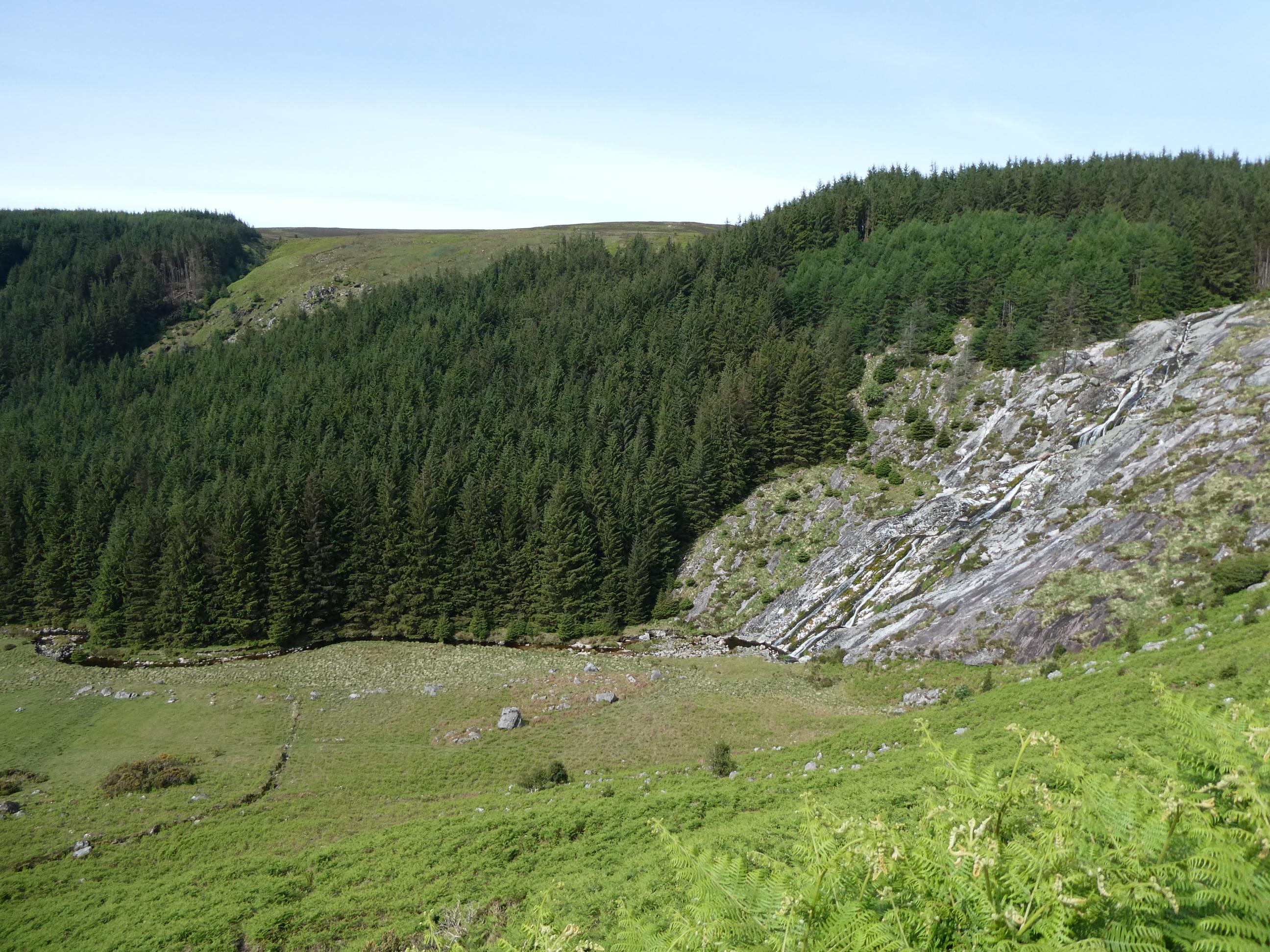
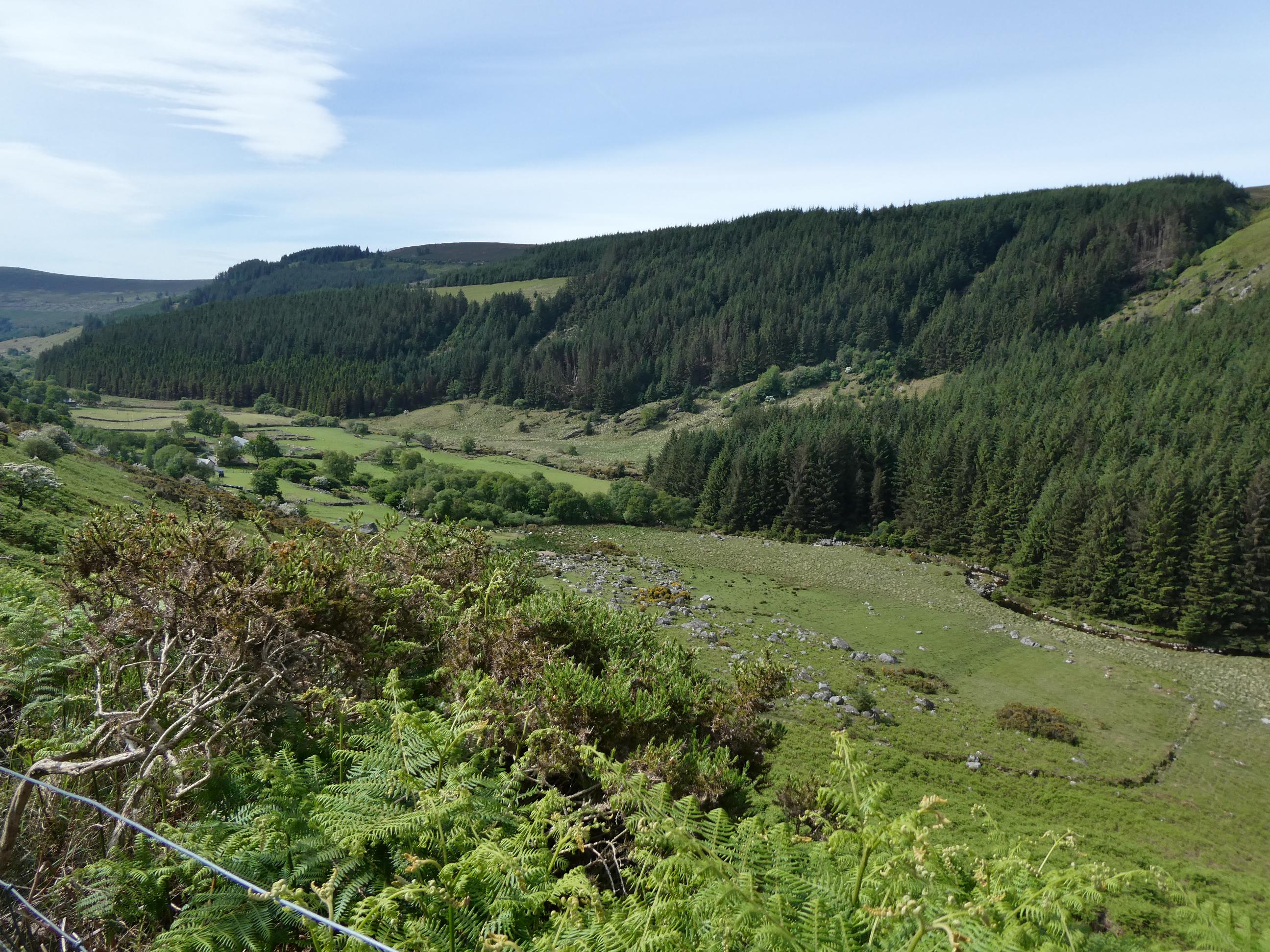
When we reached a place from where we could view Glenmacnass Waterfall as it tumbled down the rocky mountainside, we had to pull in very close to the rock wall and keep an eye out for passing traffic. There was very little room on this narrow section of the road for cars to squeeze past us. The stream at the base of the waterfall flowed through a picturesque green valley. Not surprisingly, we spotted some campers who’d pitched a tent by the stream. A number of hikers were walking a trail that snaked its way down the valley.

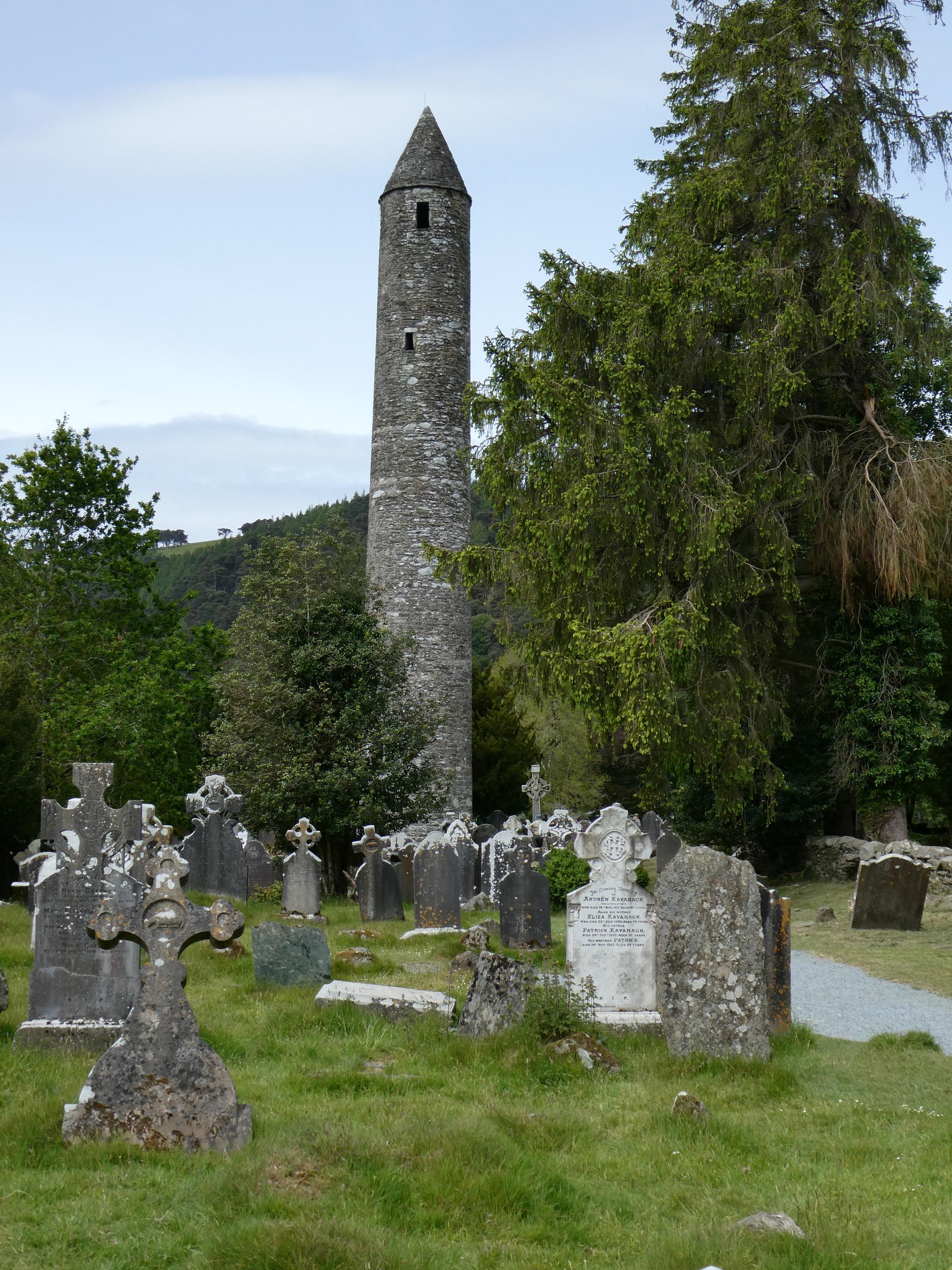
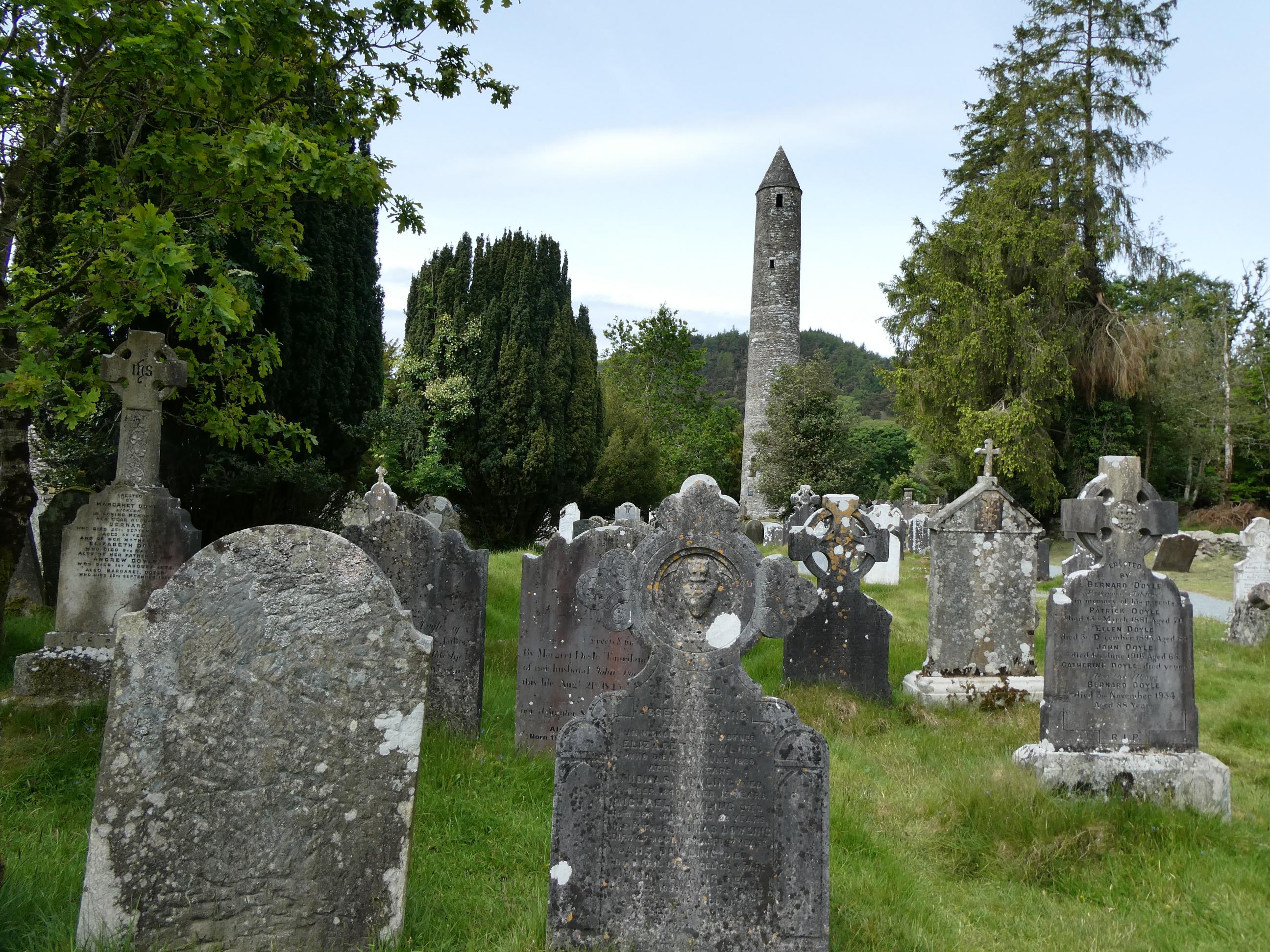
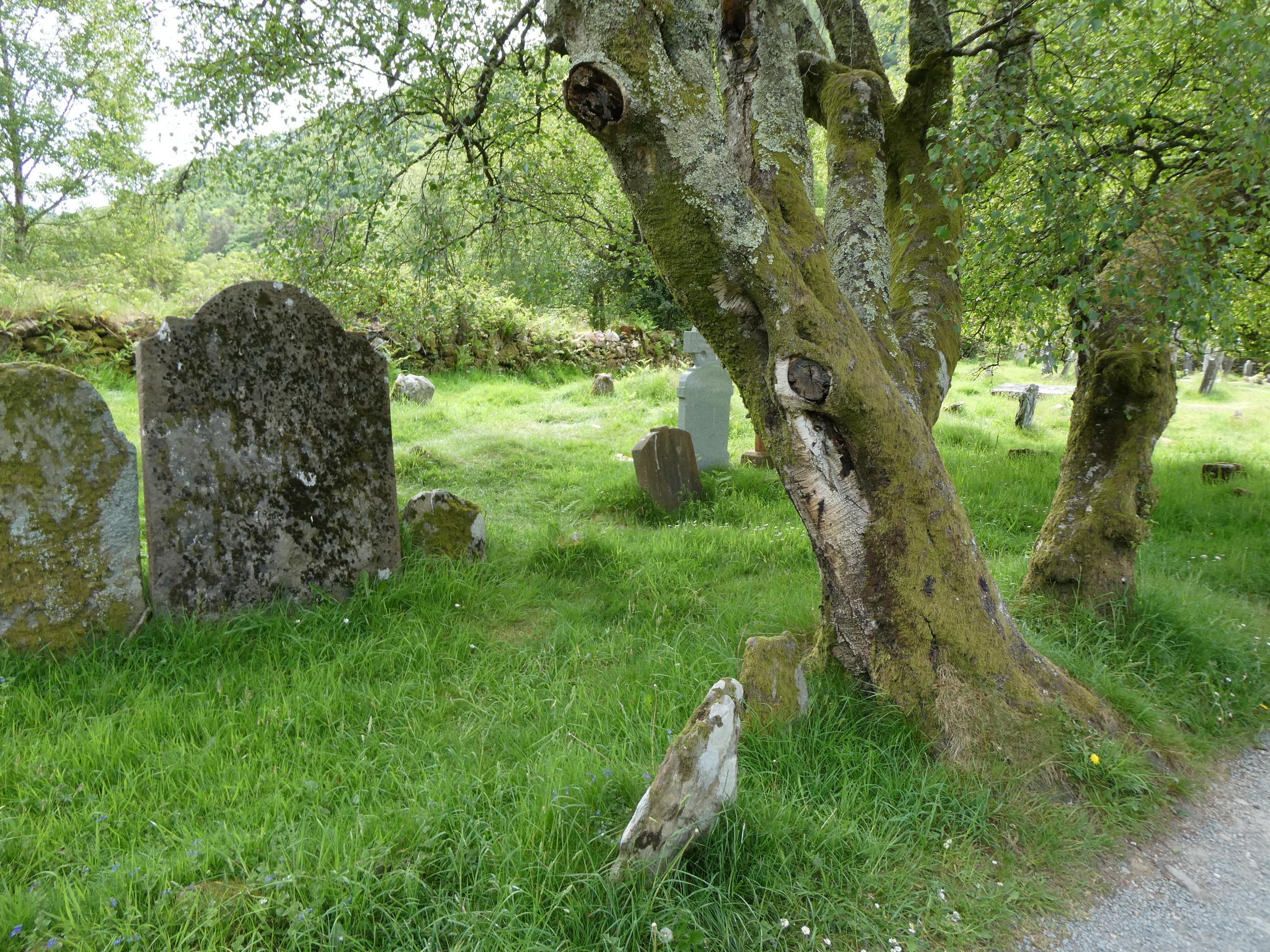
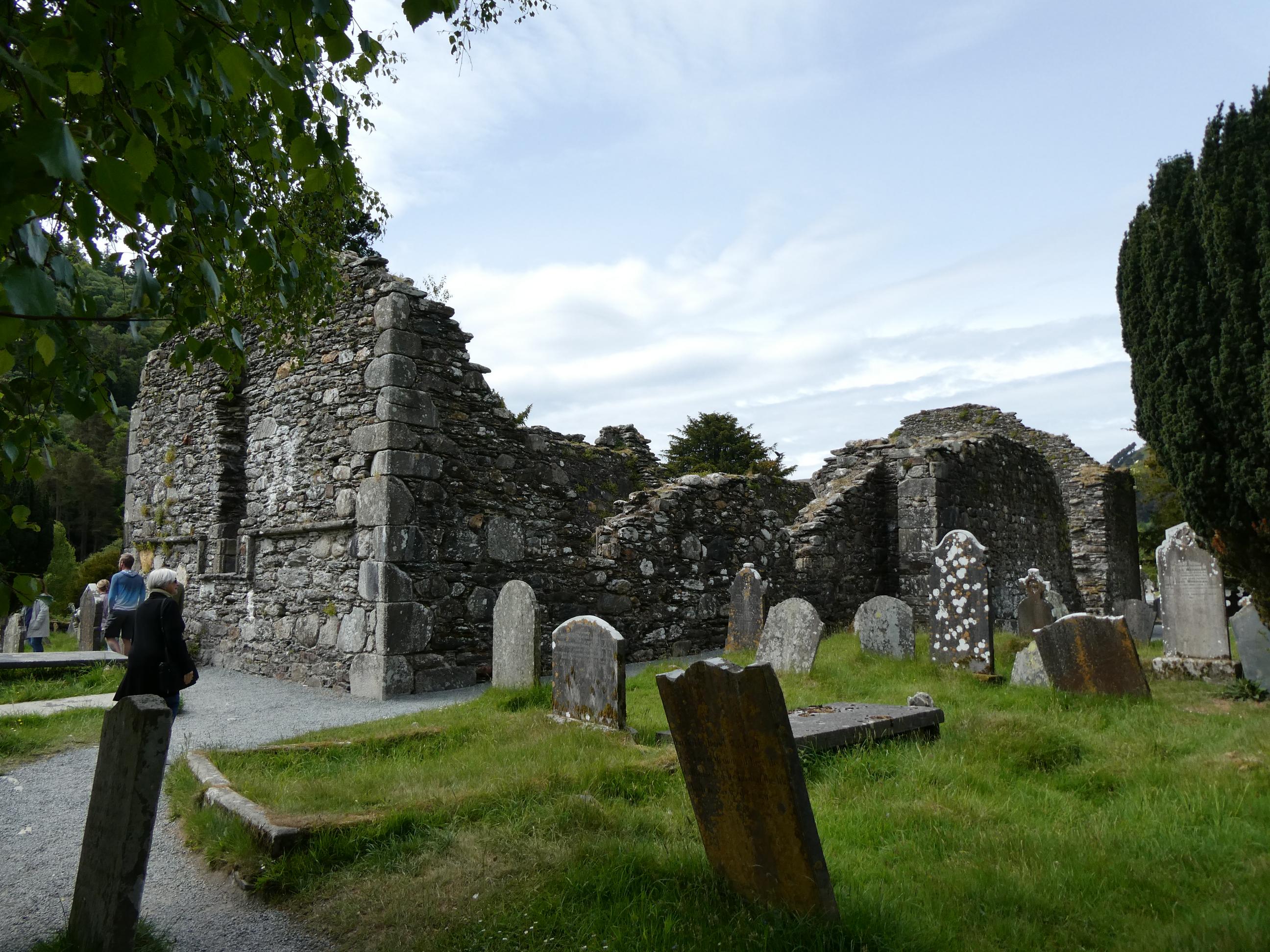
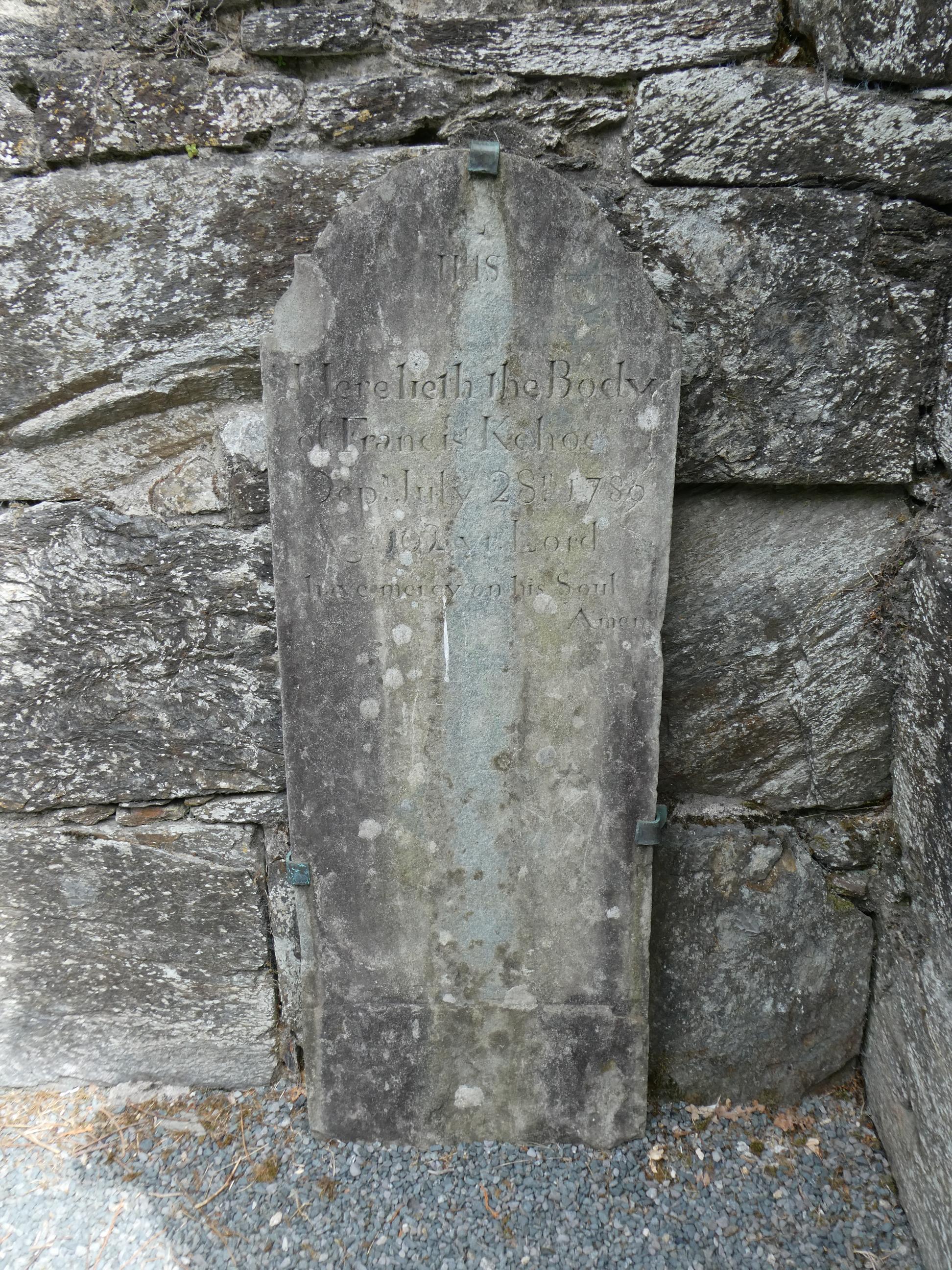
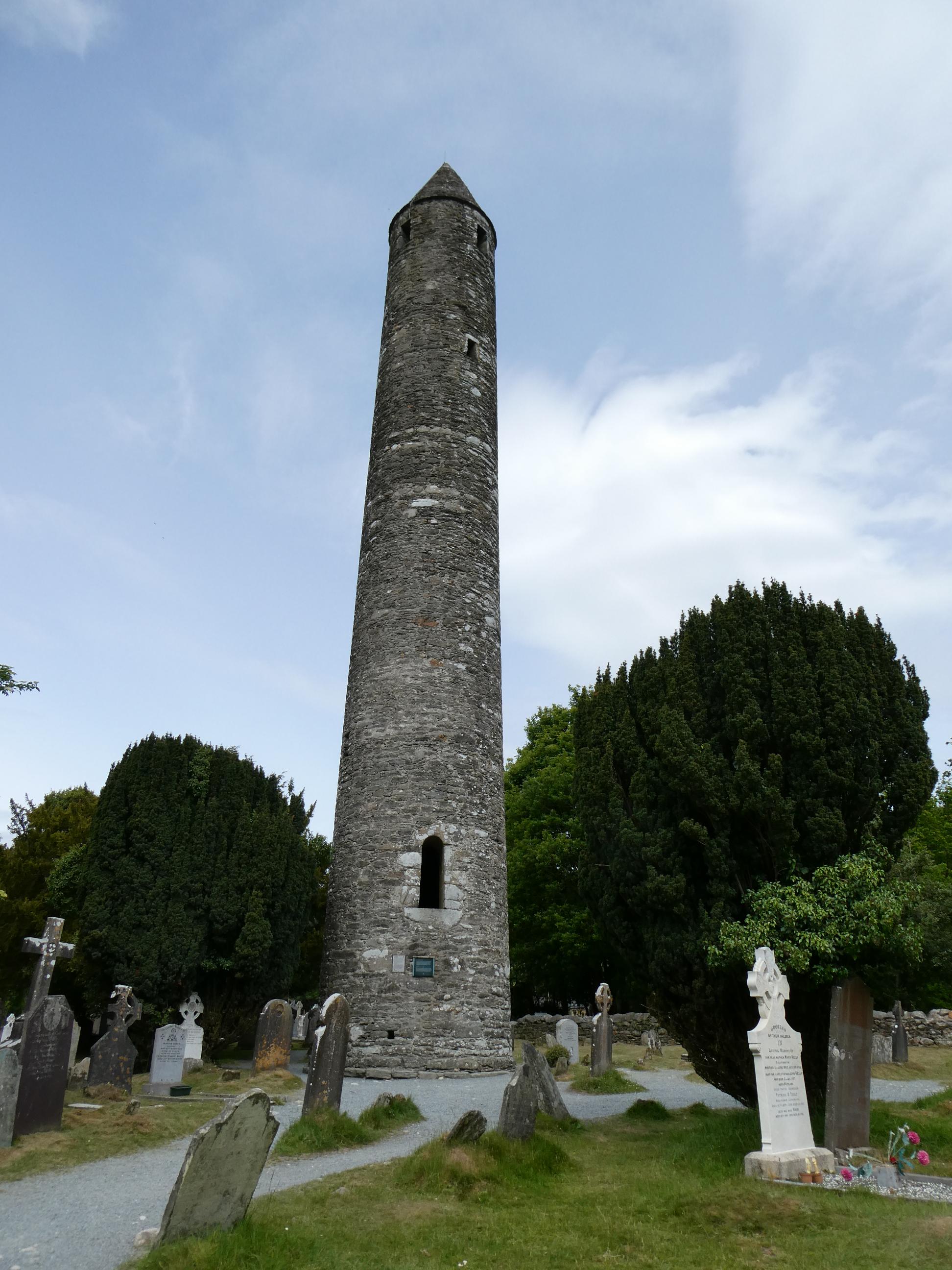
At Glendalough, which derives its name from the Gaelic words meaning ‘valley with two lakes’, there is an ancient monastic site that dates back to the sixth century. Marg and I visited Glendalough six years ago. Midway through that visit, the heavens opened and the rain bucketed down. Thankfully, today’s weather was much more agreeable (in the middle of the day, that is). We watched a short film in the information centre, which told the story of Saint Kevin, a devout Christian monk, who arrived in this beautiful valley (once formed by a glacier) and founded the Glendalough ‘Monastic City’. For a time he lived as a hermit in a cave by the Upper Lake. Legend has it that one time he prayed, while standing in the freezing waters of the lake, for such a long time that birds built nests on his outstretched hands. When other Christians heard of the example of Saint Kevin, they too came to Glendalough to study and pray. The monastic city grew. Not all buildings survived, but those we saw today were probably constructed between the 10th and 12th centuries. Several of the buildings (or large parts thereof), constructed of granite and slate, have survived the passage of centuries, including the 30-metre high round tower, which served as a bell tower, Saint Kevin’s church, and the cathedral. Over time, the Glendalough monastic site became a very important centre of learning and pilgrimage site for all of Ireland. The monastic city was fortunate to survive a number of Viking raids, but not so lucky when the Normans attacked and destroyed the monastery in 1214. The Glendalough monastic site also has served as a burial ground for a very long time. I saw graves dating back to the 1600s, and one, in the cathedral, of a man who died at the age of 106. I also saw a grave dated as recently as 2021. Those of you who note that the entrance to the round tower is over three metres above ground level may be wondering why that was. So am I. Sorry, but I can’t explain that one for you.







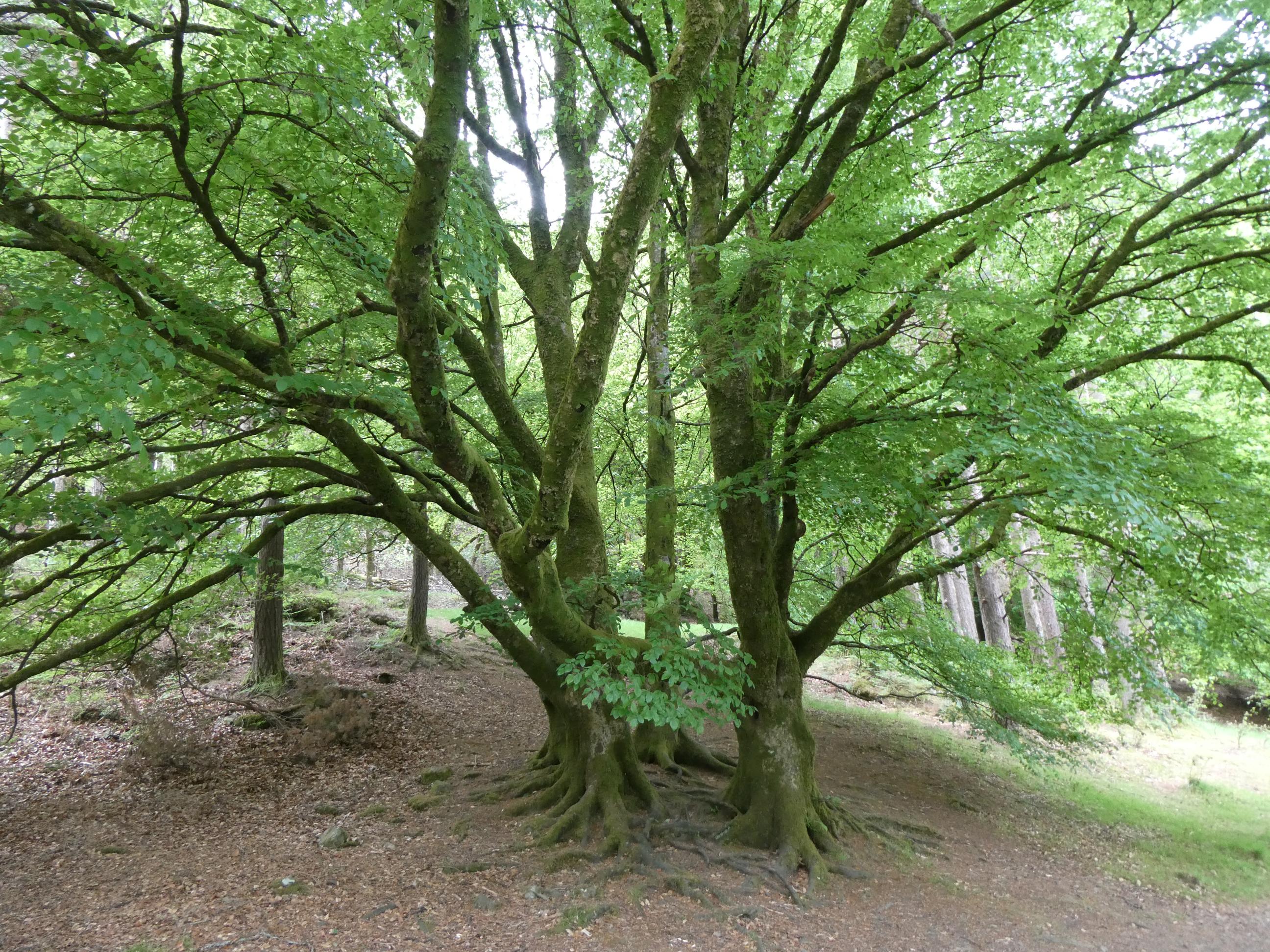
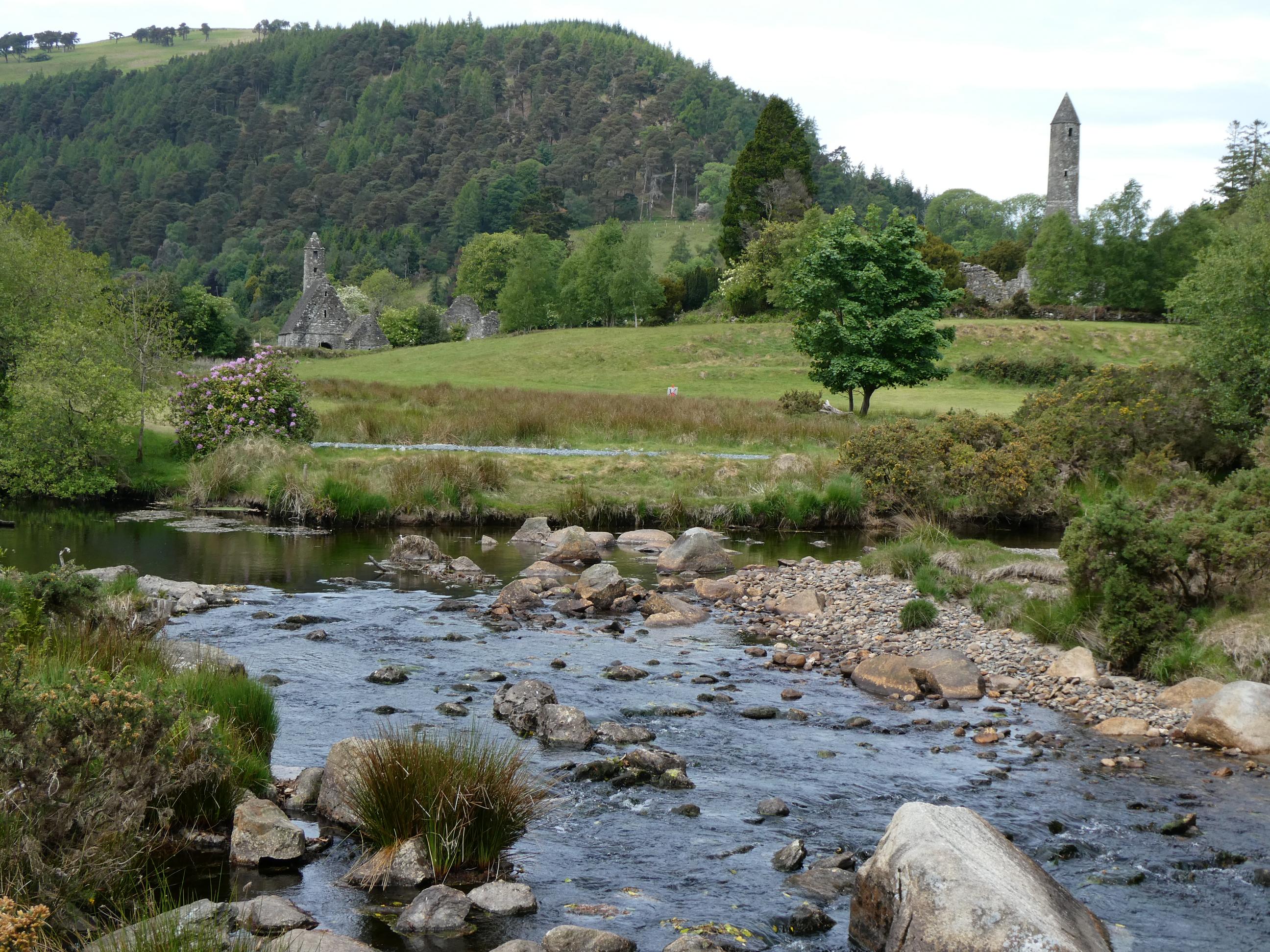
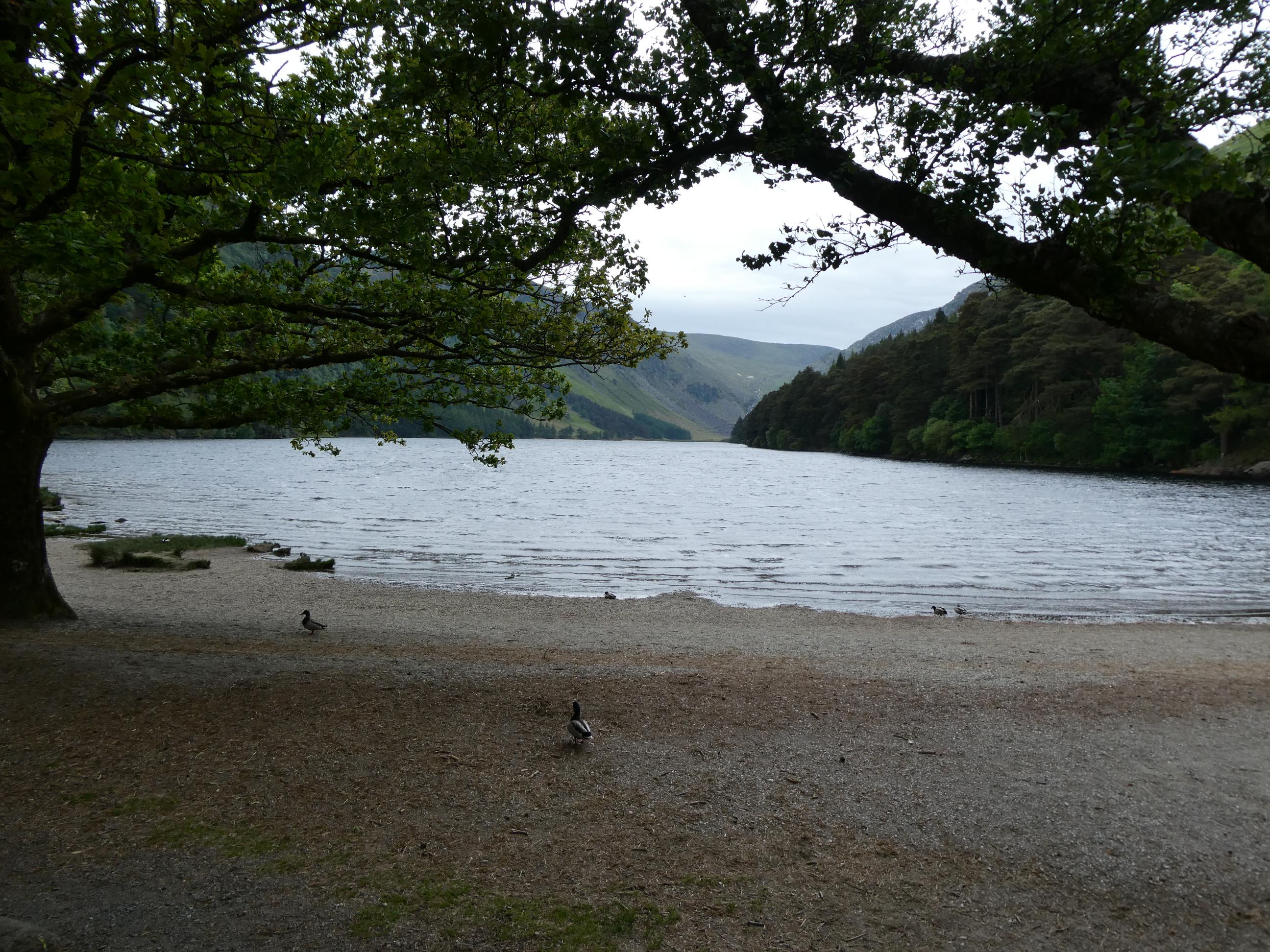
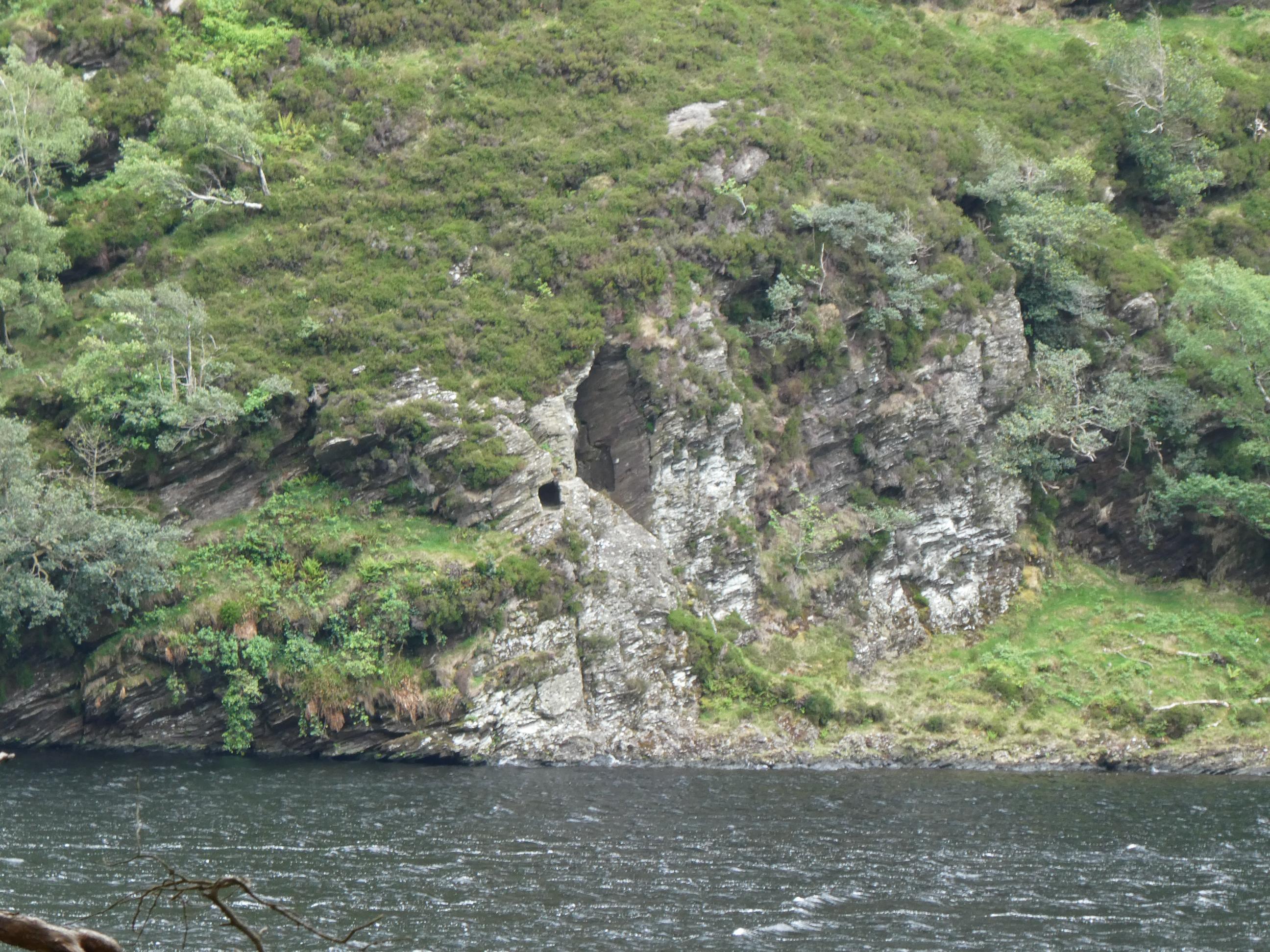
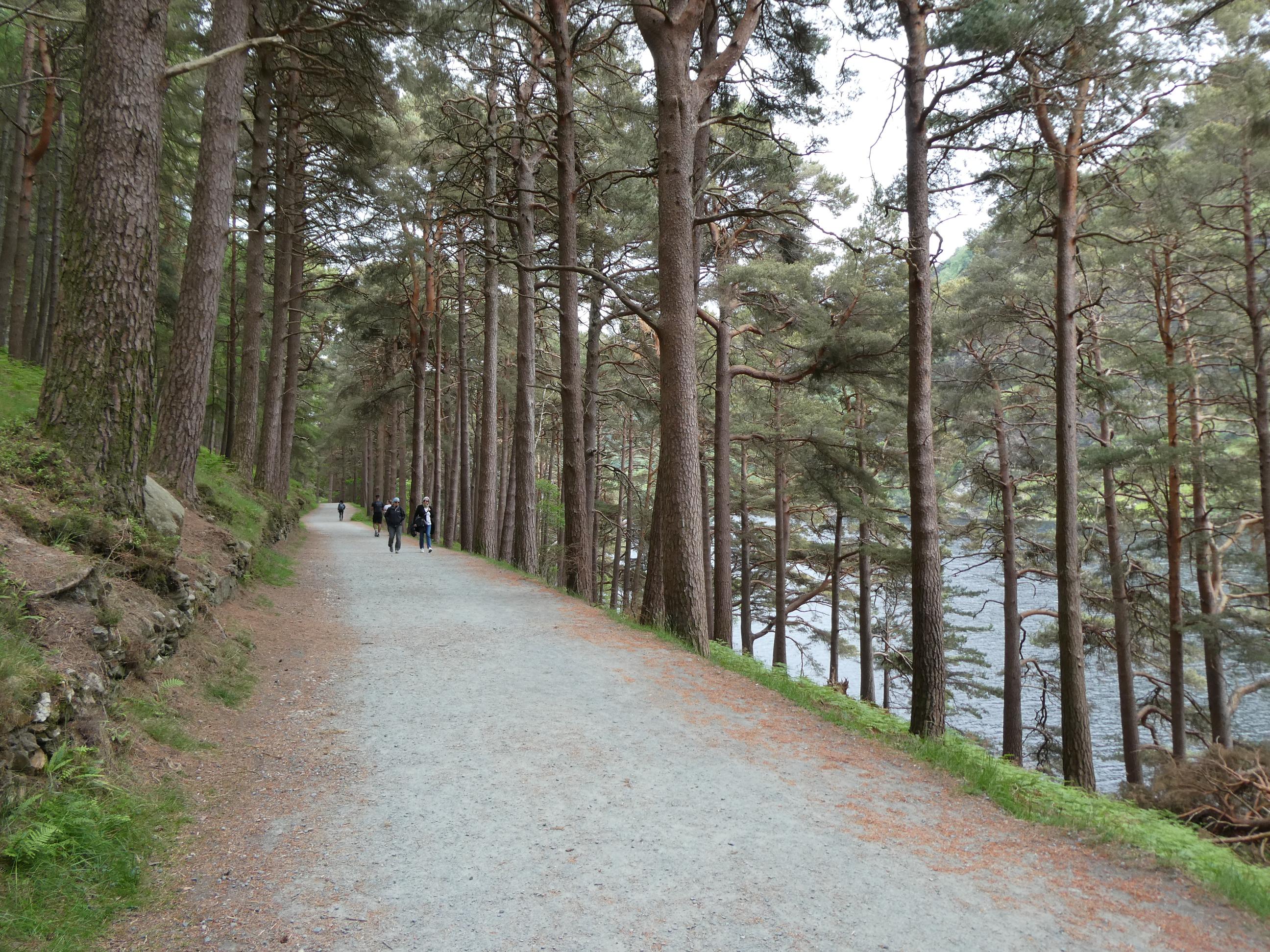
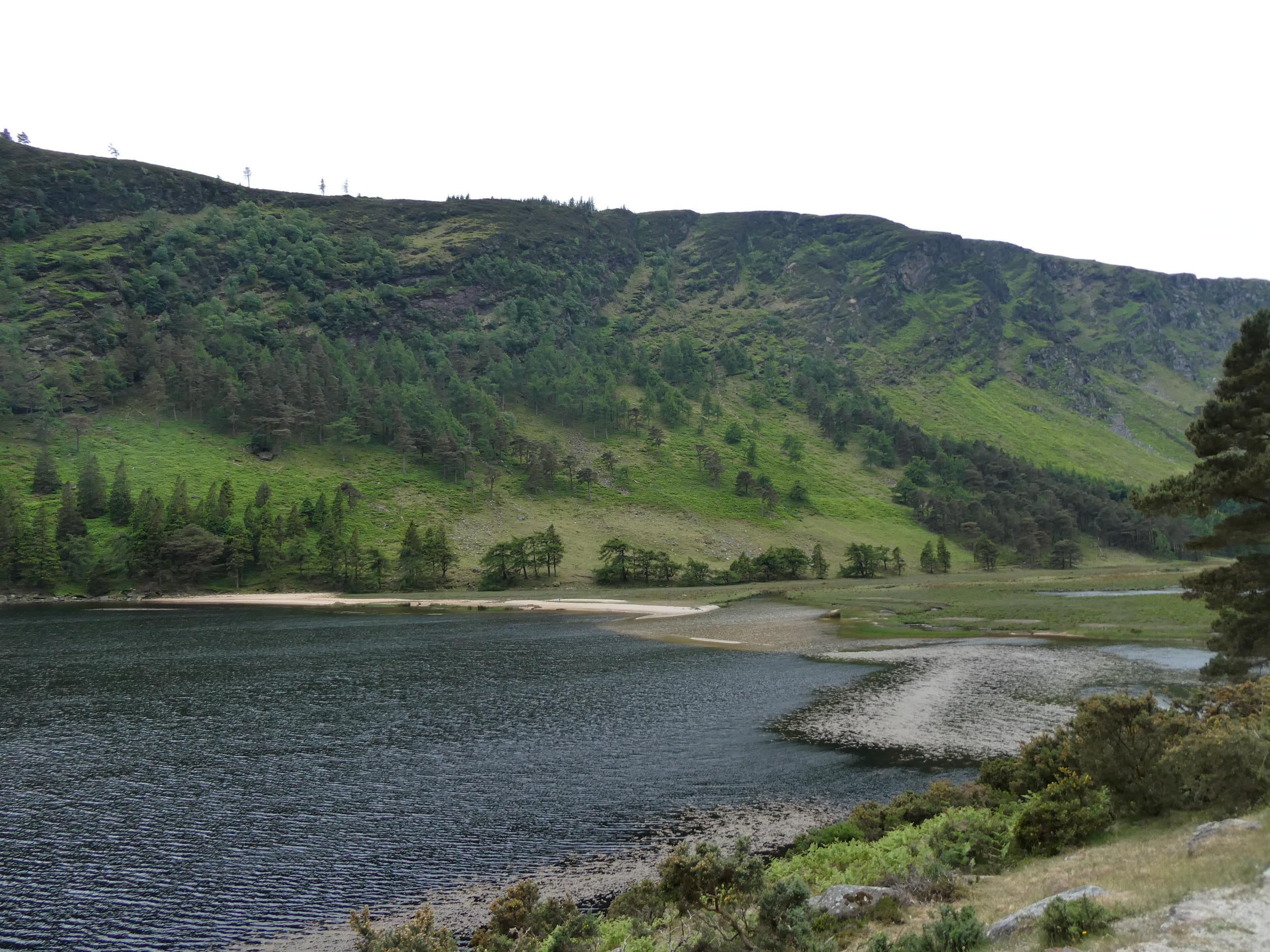
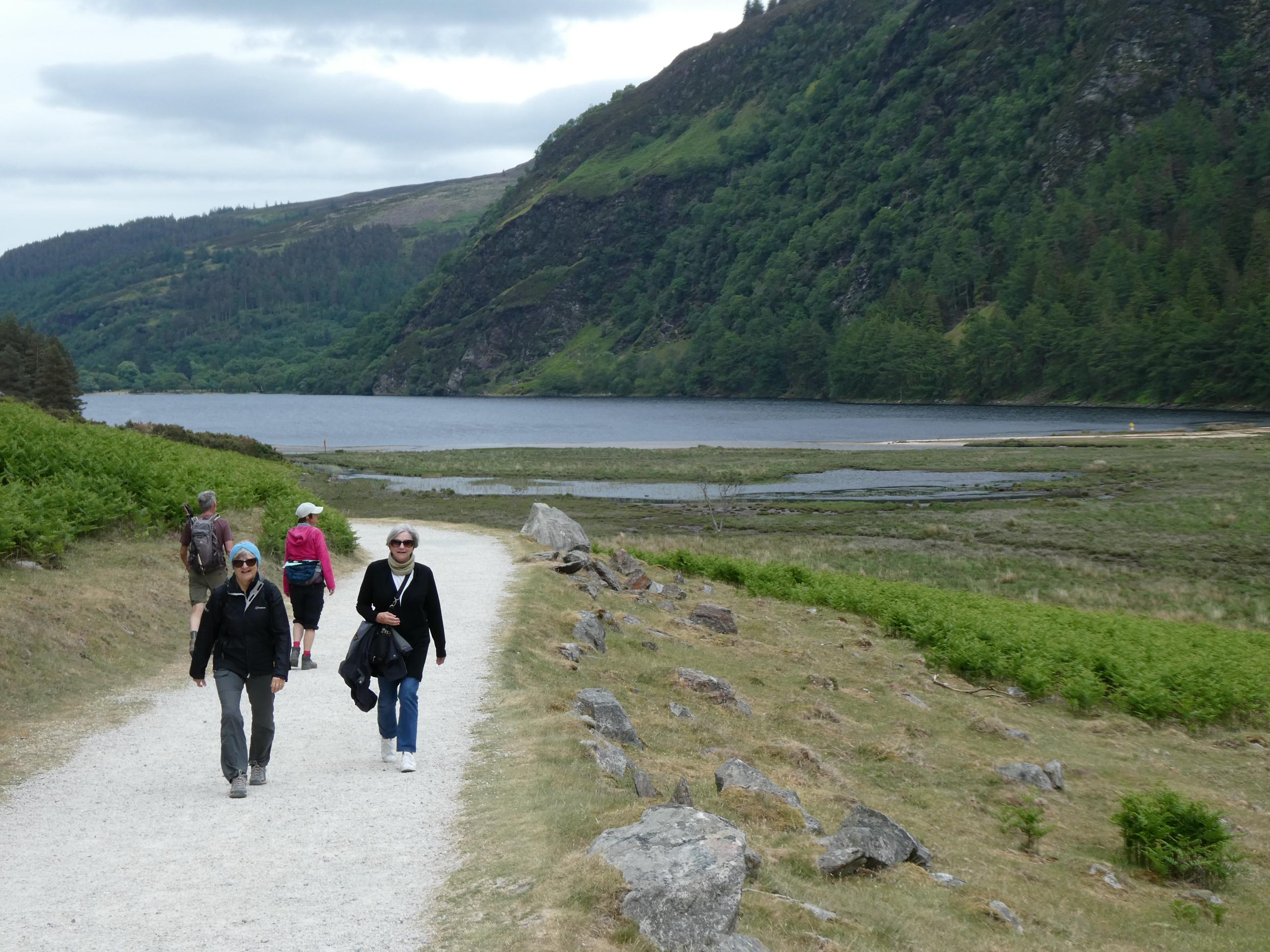
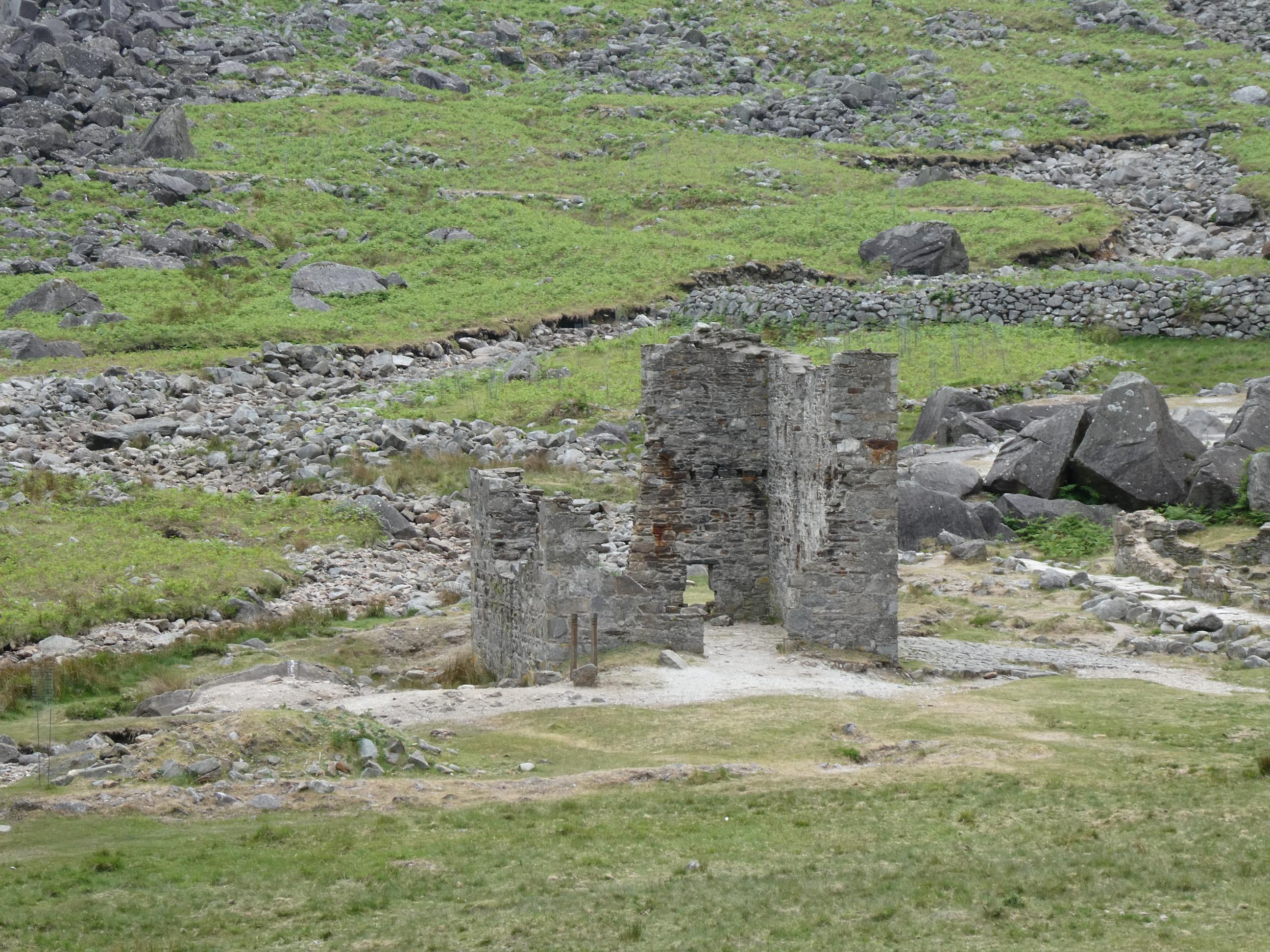
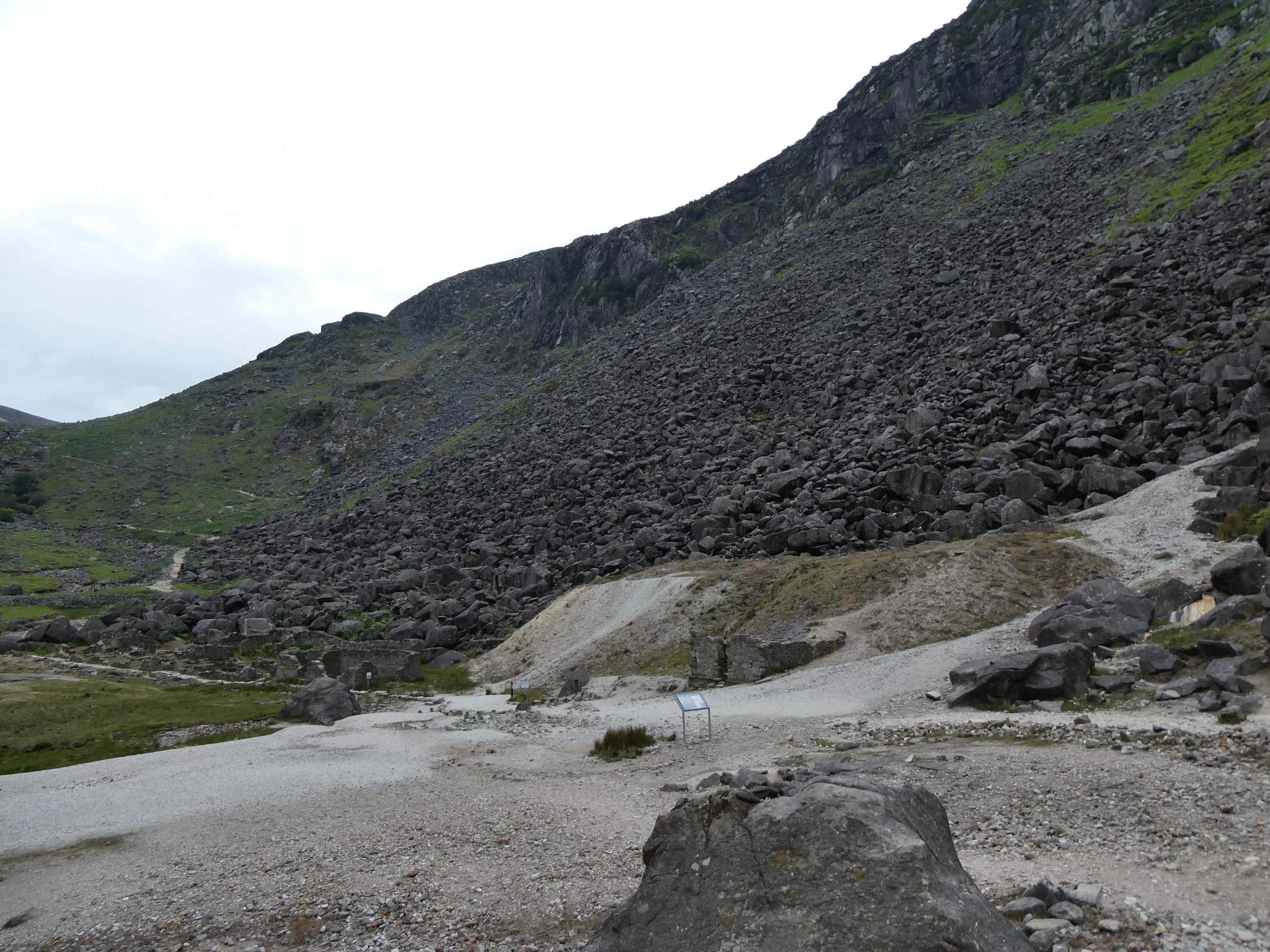
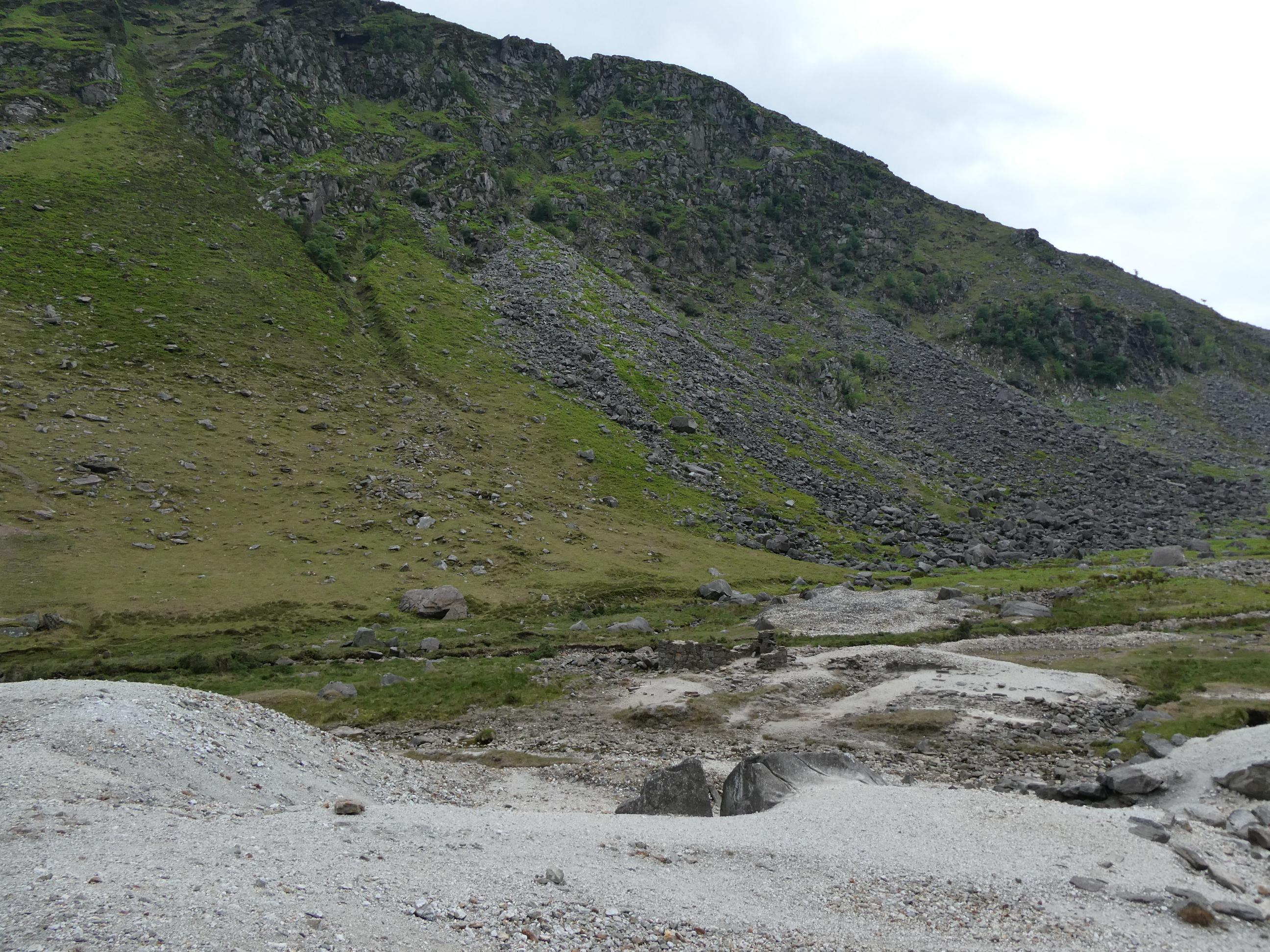
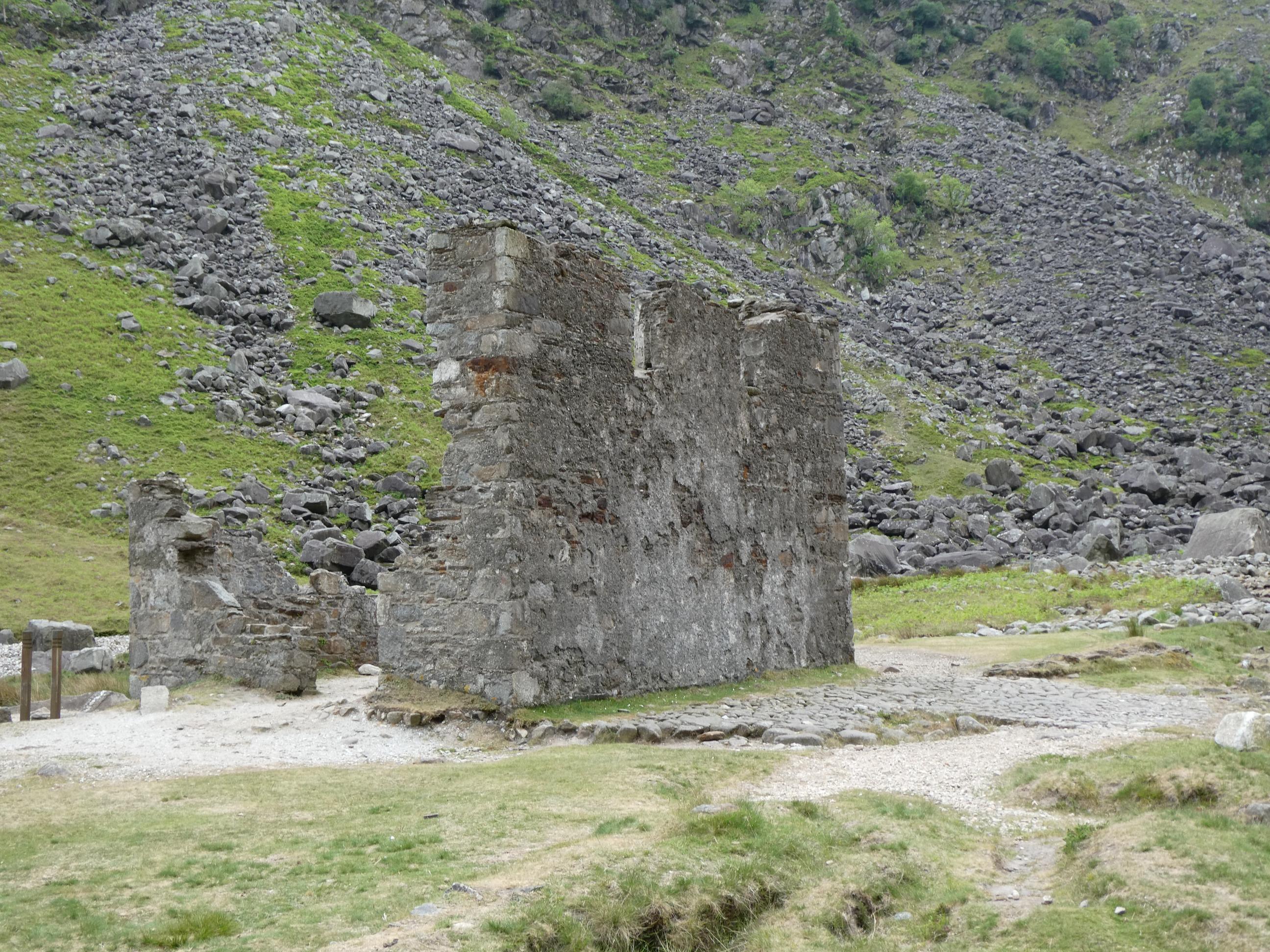
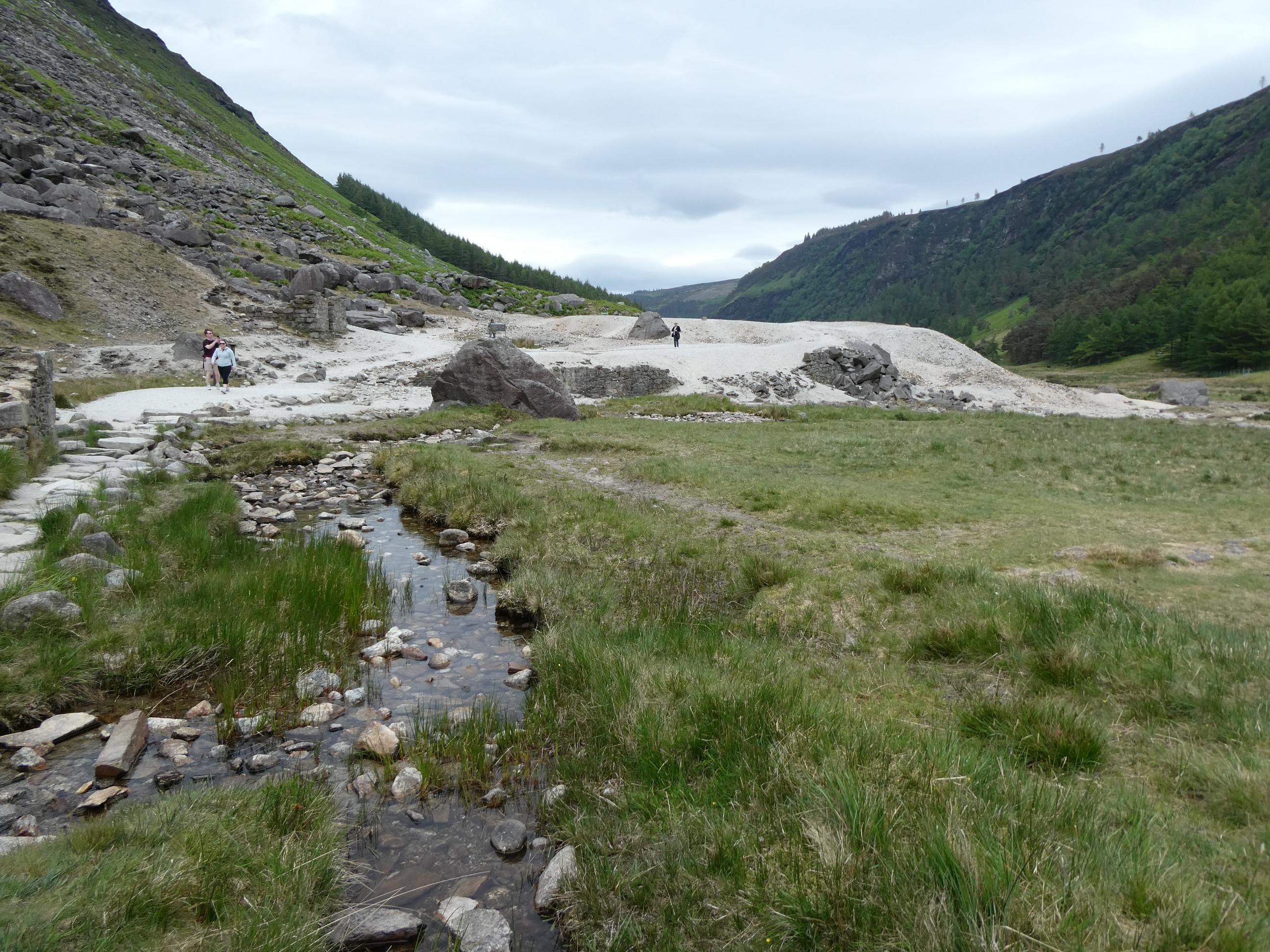
We had a quick bite for lunch, then drove around to the carpark for the Upper Lake. Under greying skies and with the chill wind blowing off the lake, we set off on the 70-minute walk along the trail around the lake that leads to the ruins of the abandoned Miners’ Village. Along the way, we passed, on the far side of the lake, Saint Kevin’s Bed, the tiny cave where he supposedly lived as a hermit for a time. Apparently, St Laurence O’Toole, Archbishop of Dublin in the 1100s, also lived there for a time. I wrote about St Laurence’s mummified heart in my post about Christ Church Cathedral. As I mentioned earlier, this valley was carved out by a glacier. Sections of forest are dominated by large conifers. Some parts of the hillside on either side of the valley are covered in large granite boulders that have tumbled down over time. We came upon the Miners’ Village shortly after passing the far end of the lake. It consisted of the tumbled down ruins of a number of stone buildings, the rusted relic of an ore crusher, and what remains of the piles of crushed galena (lead ore) left over from over a century of mining that took place here. The last mine closed in the 1950s. We turned and headed back to our car, following the same path along the lake that we walked in on.






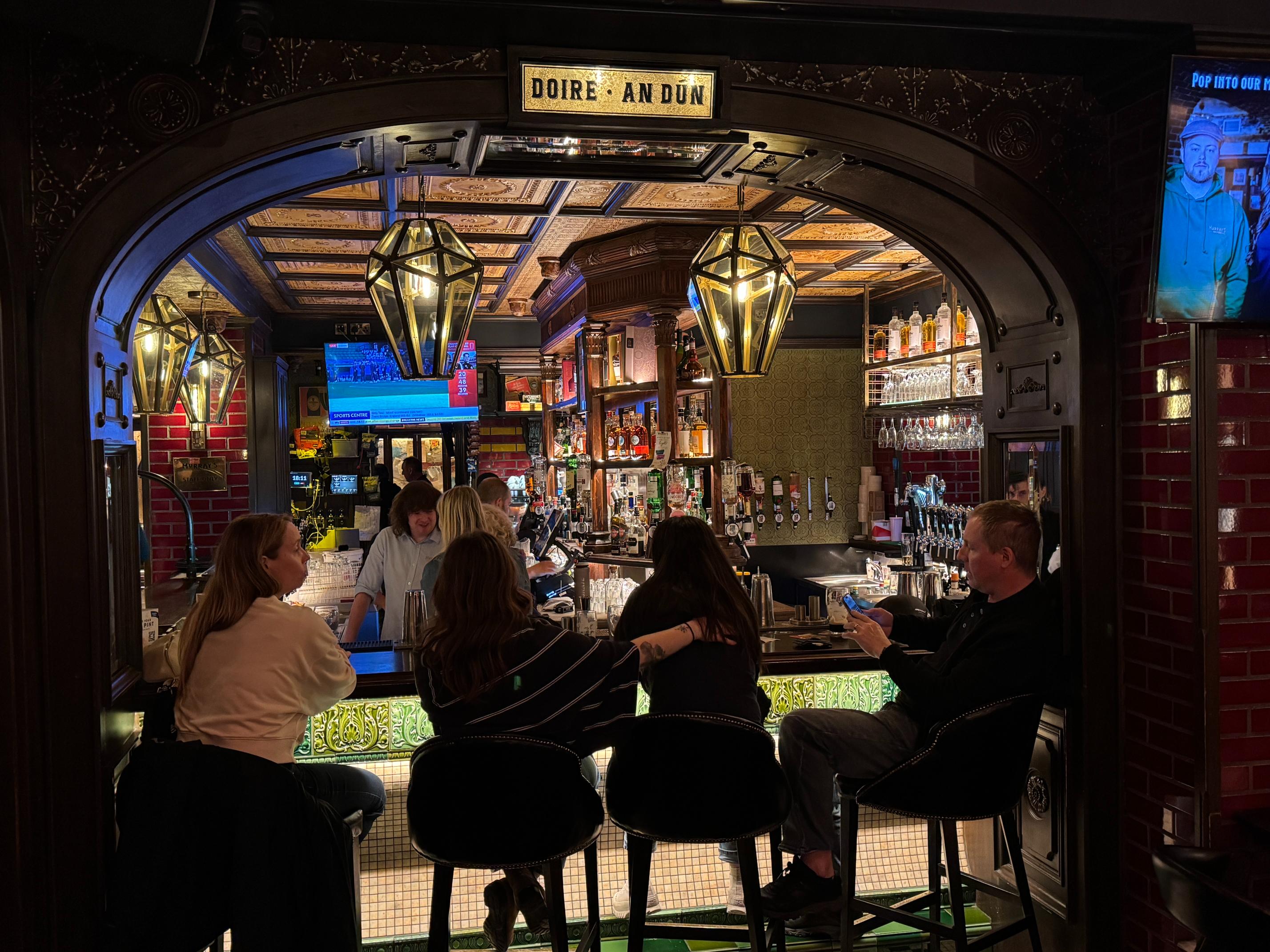
The weather was beginning to look dismal as we drove away from Glendalough, on our way to see another waterfall. When we reached the gates that led to the Powerscourt Waterfall, we were a bit surprised (and a bit miffed) to see that someone wanted us to pay almost 8 euros a head to enter. We all agreed that we didn’t want to see the waterfall so badly that we would be prepared to pay for that privilege, so Rod turned the car around and we headed in the direction of Bray, which we’d read was a lovely seaside town. By now the sky was grey and the rain was moderately heavy. When we arrived at the Bray seaside carpark, we agreed that we’d get out of the car to take a quick look at the beach, then get back in the car quickly before we got soaked. One look at the beach convinced us that that was a really good plan. It was desolate and bleak – ‘just like a European beach’ was one comment. We drove back to Dublin in the rain. Marg and I met an Irish guy in the hotel lift and he gave us a tip for dinner. It sounded good, so we walked out of the hotel, turned right, then right again into O’Connell Street and found Murray’s Bar, established in the late 1700s. We enjoyed the dinner, but didn’t stick around for the live music and Irish dancing later in the evening. We’ll be back in Dublin in a couple of weeks from now, so we’ll keep Murray’s in mind.


 On The Road With Garry