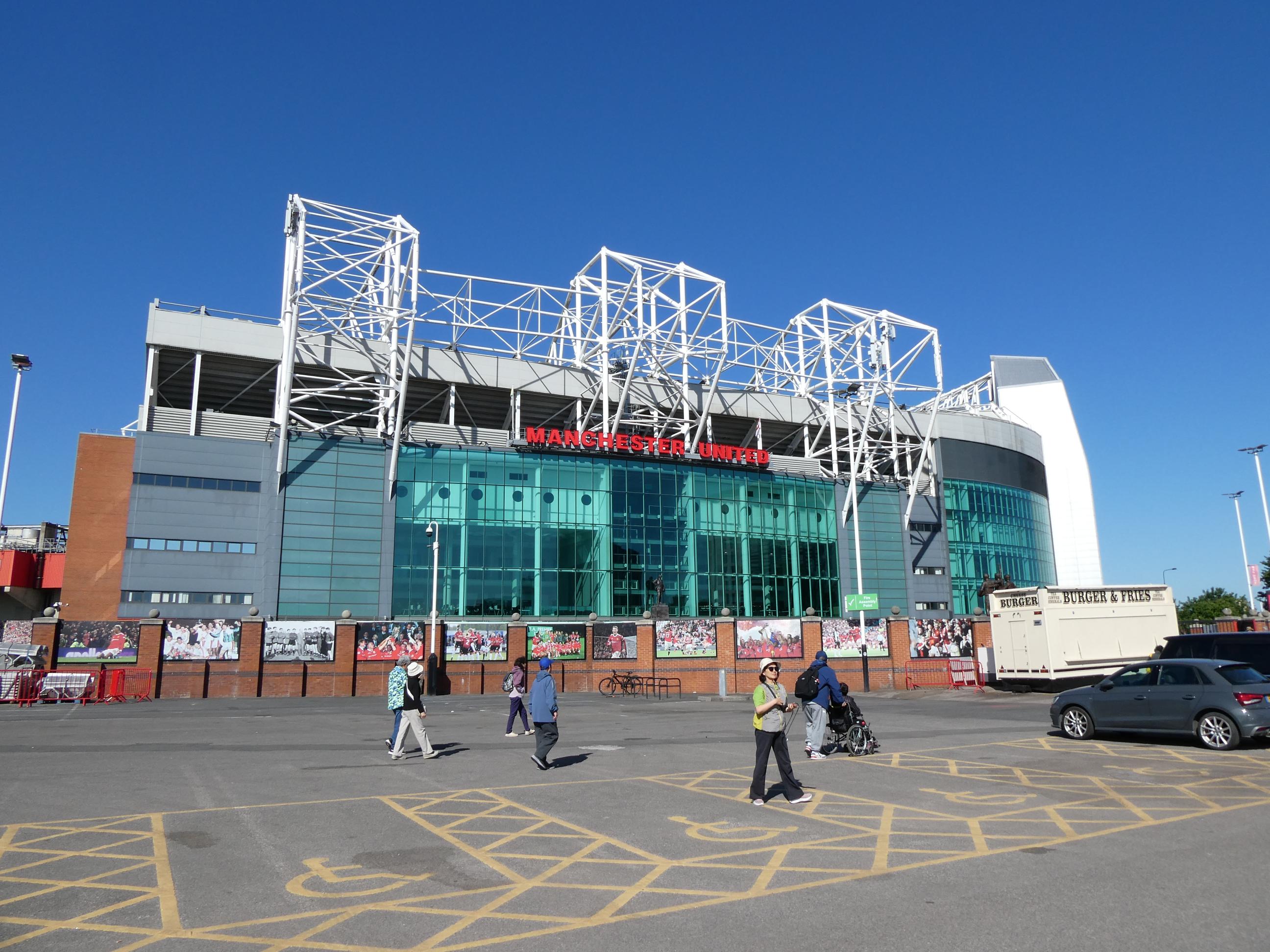
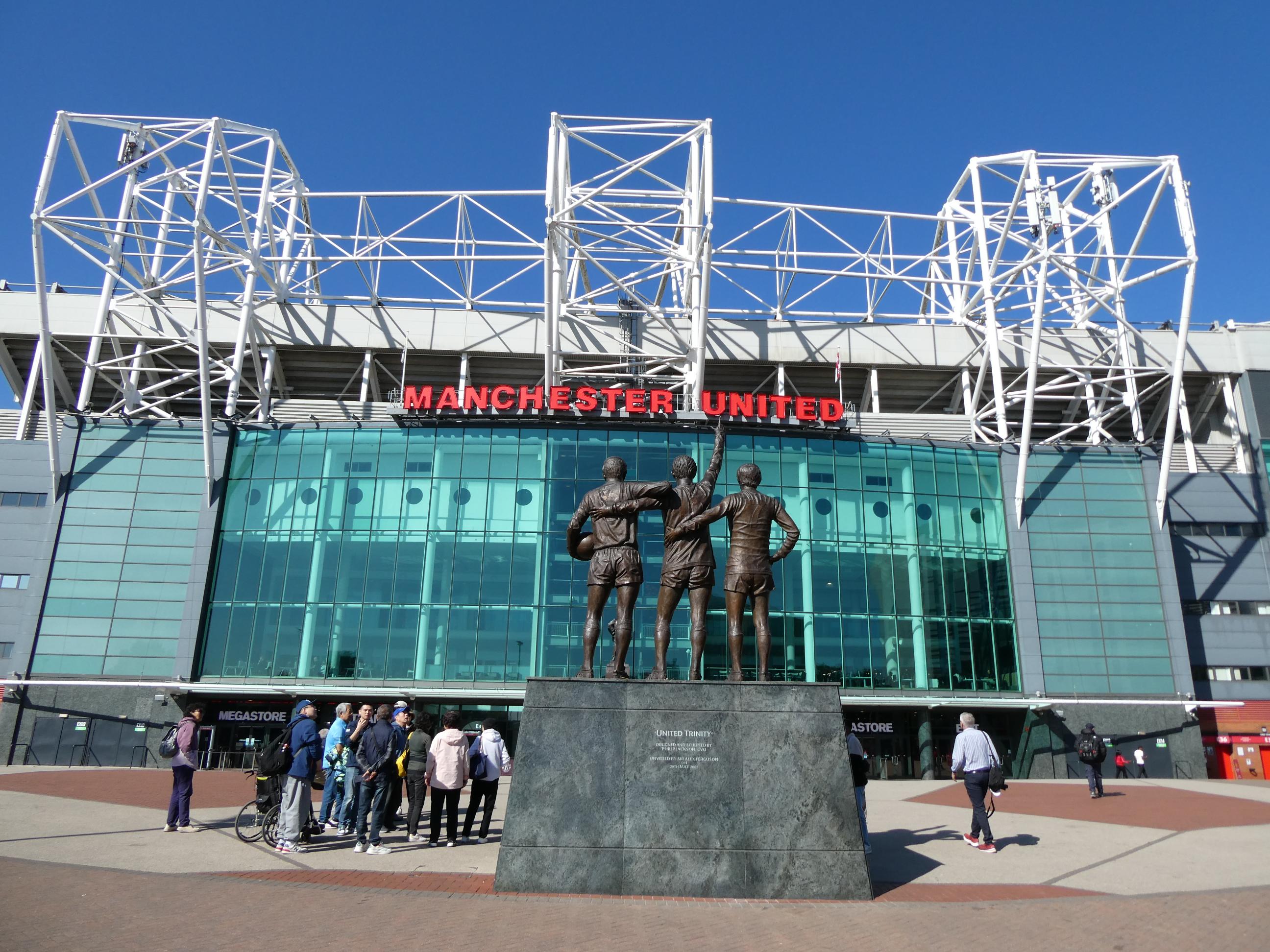
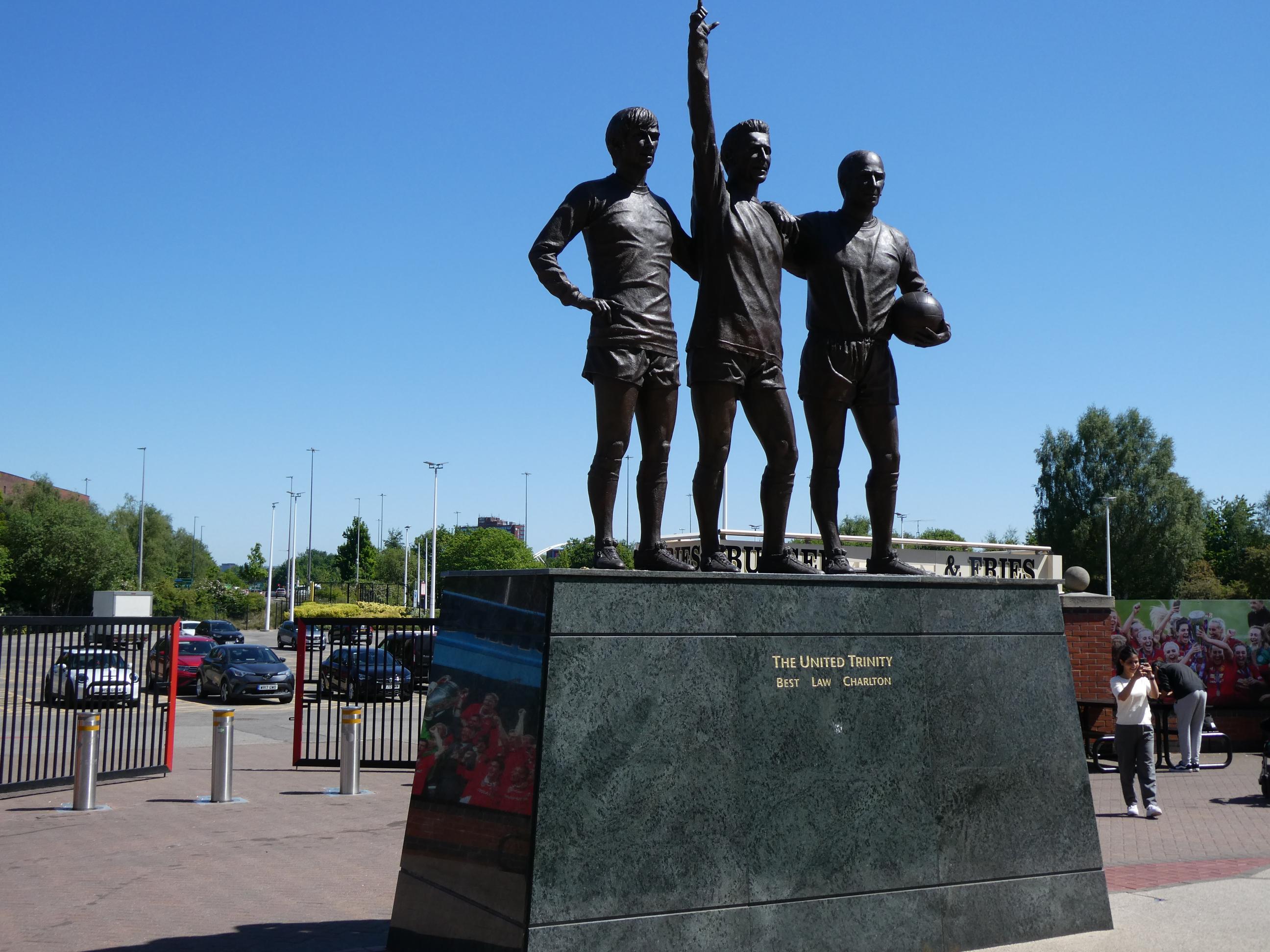
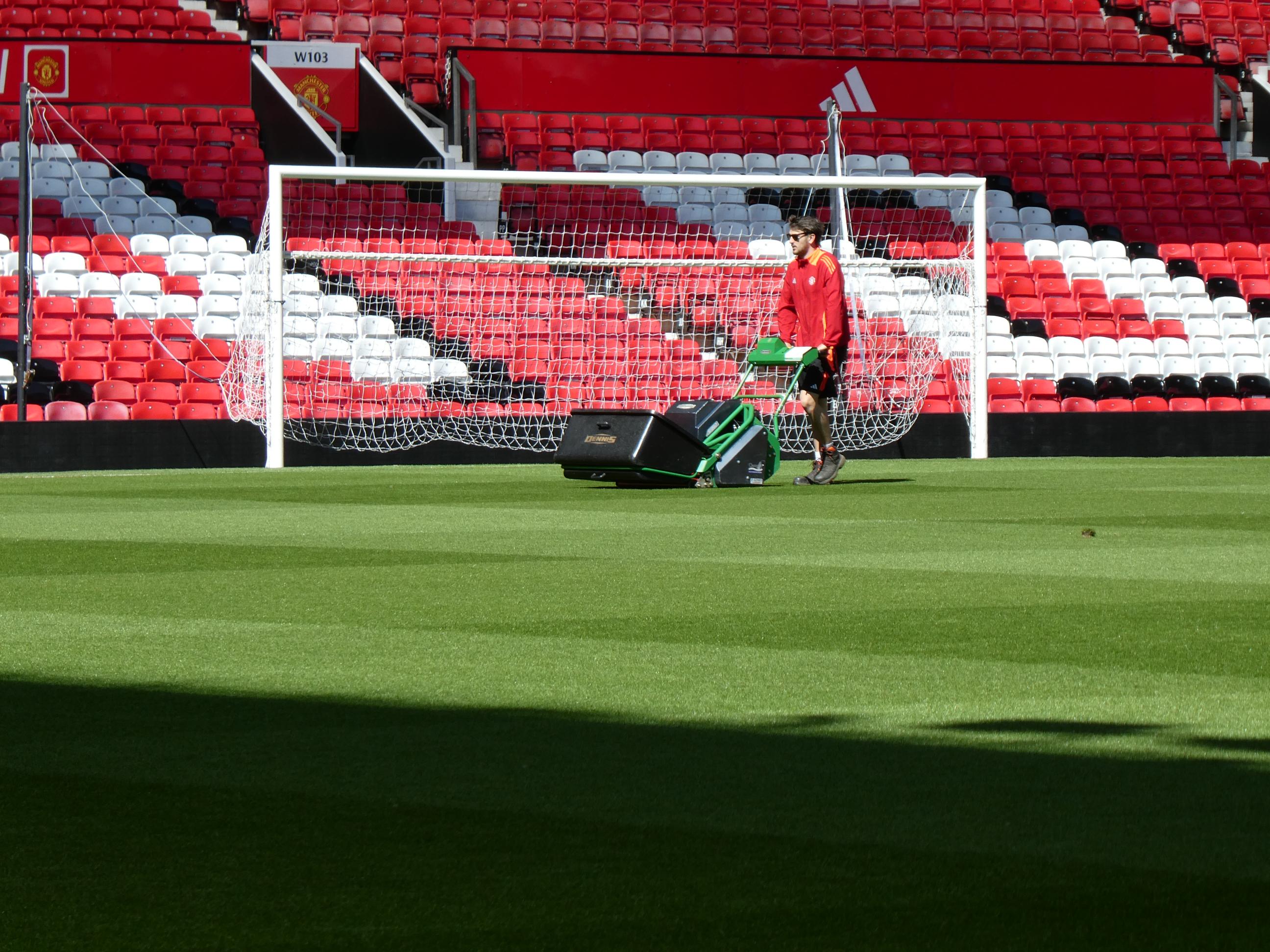
After breakfast we took a ten-minute stroll to where our car was parked and drove the short distance to the Old Trafford football ground, home of Manchester United Football Club, the ‘Red Devils’. We’ve been blessed with good weather so far on this trip, and today was no exception. The stadium is smaller than the mighty MCG back home, but has an imposing presence nonetheless. There were some very fine statues at the front of the stadium. Near the car park entrance stood the United Trinity, three Man U greats who played in the same era under manager Sir Alex Ferguson – George Best, Denis Law and Bobby Charlton. Standing proudly in front of the stadiums that bore their names were Sir Matt Busby and Sir Alex Ferguson, legendary managers of this famous football club.


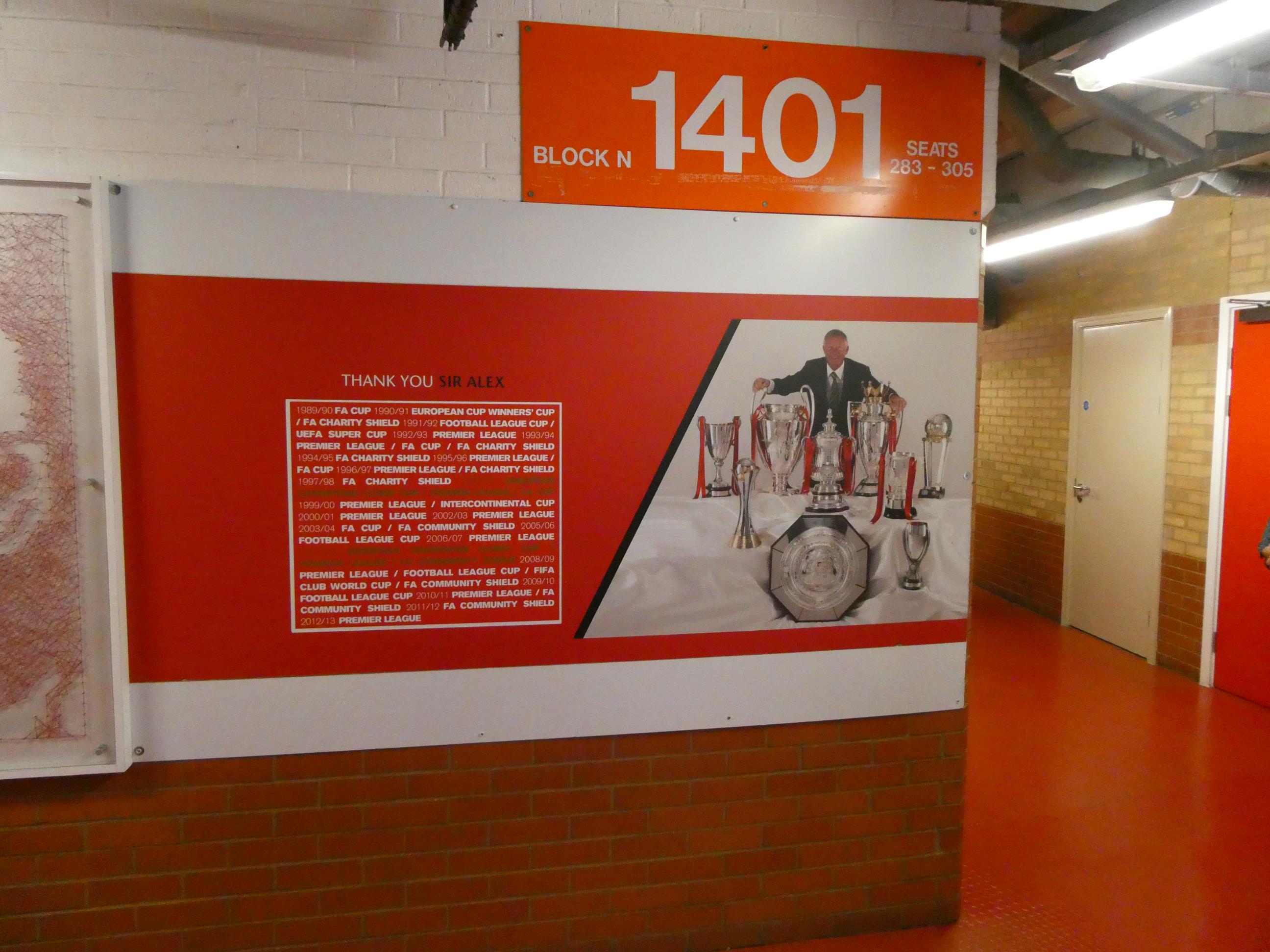
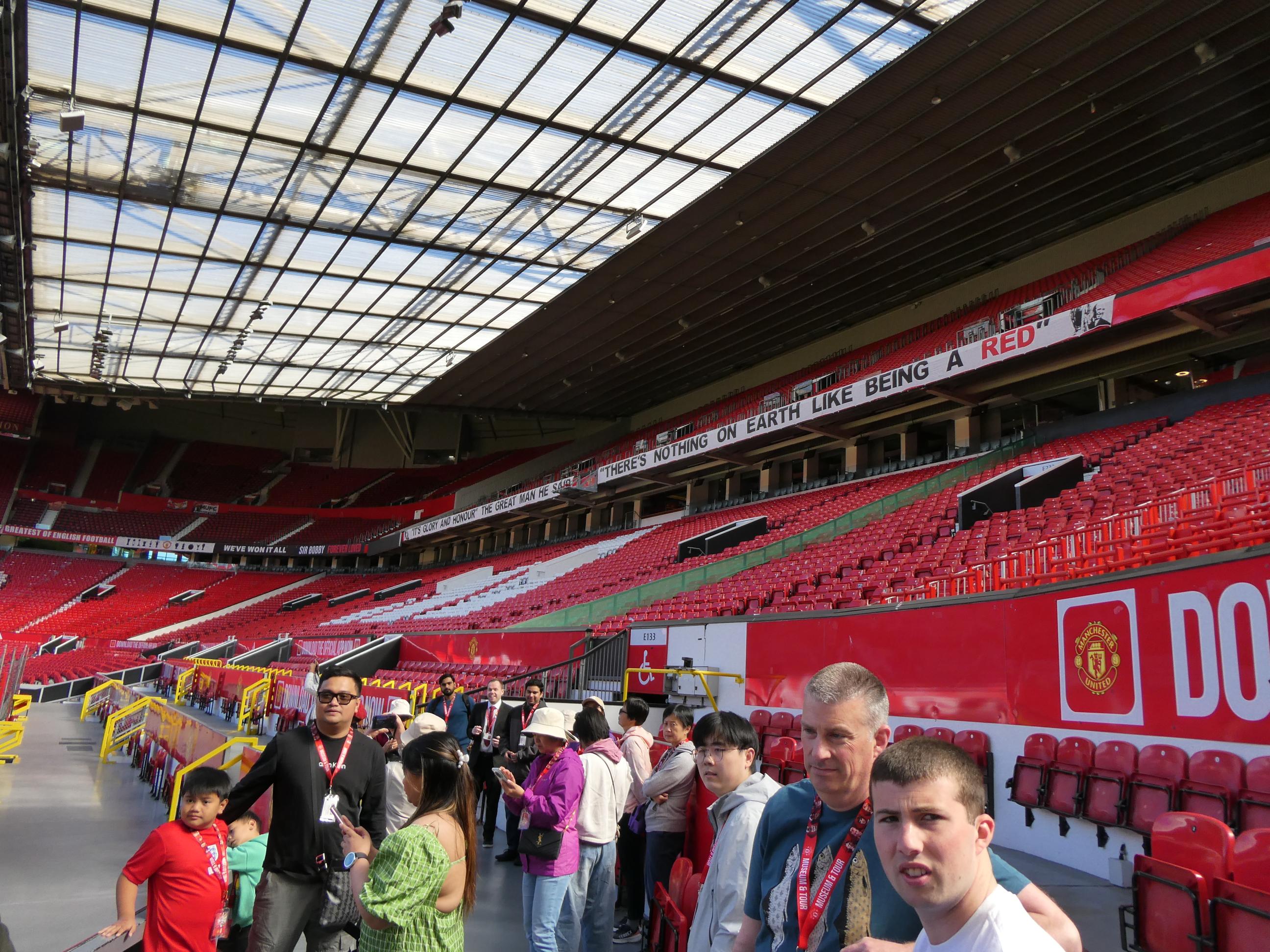
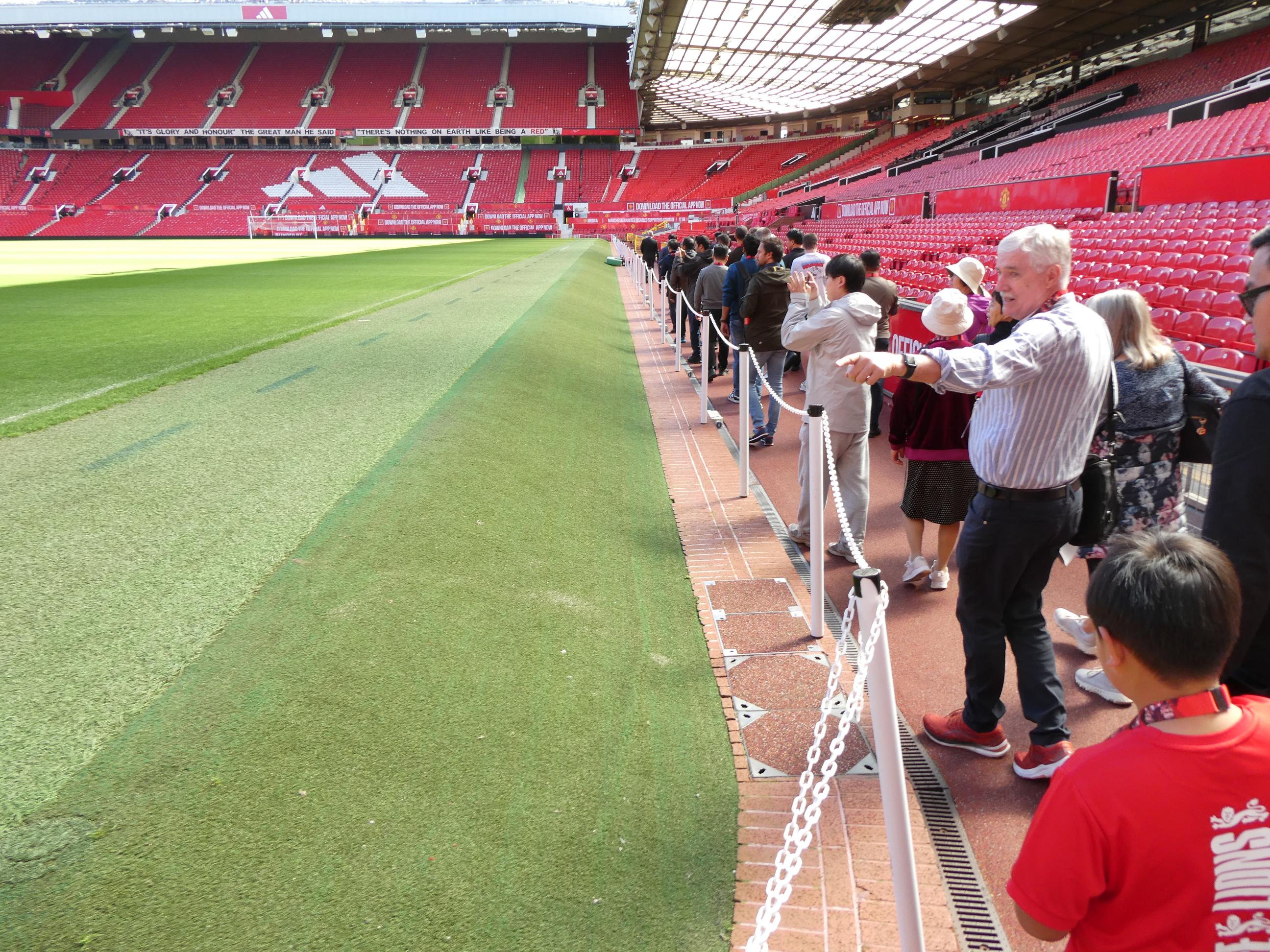
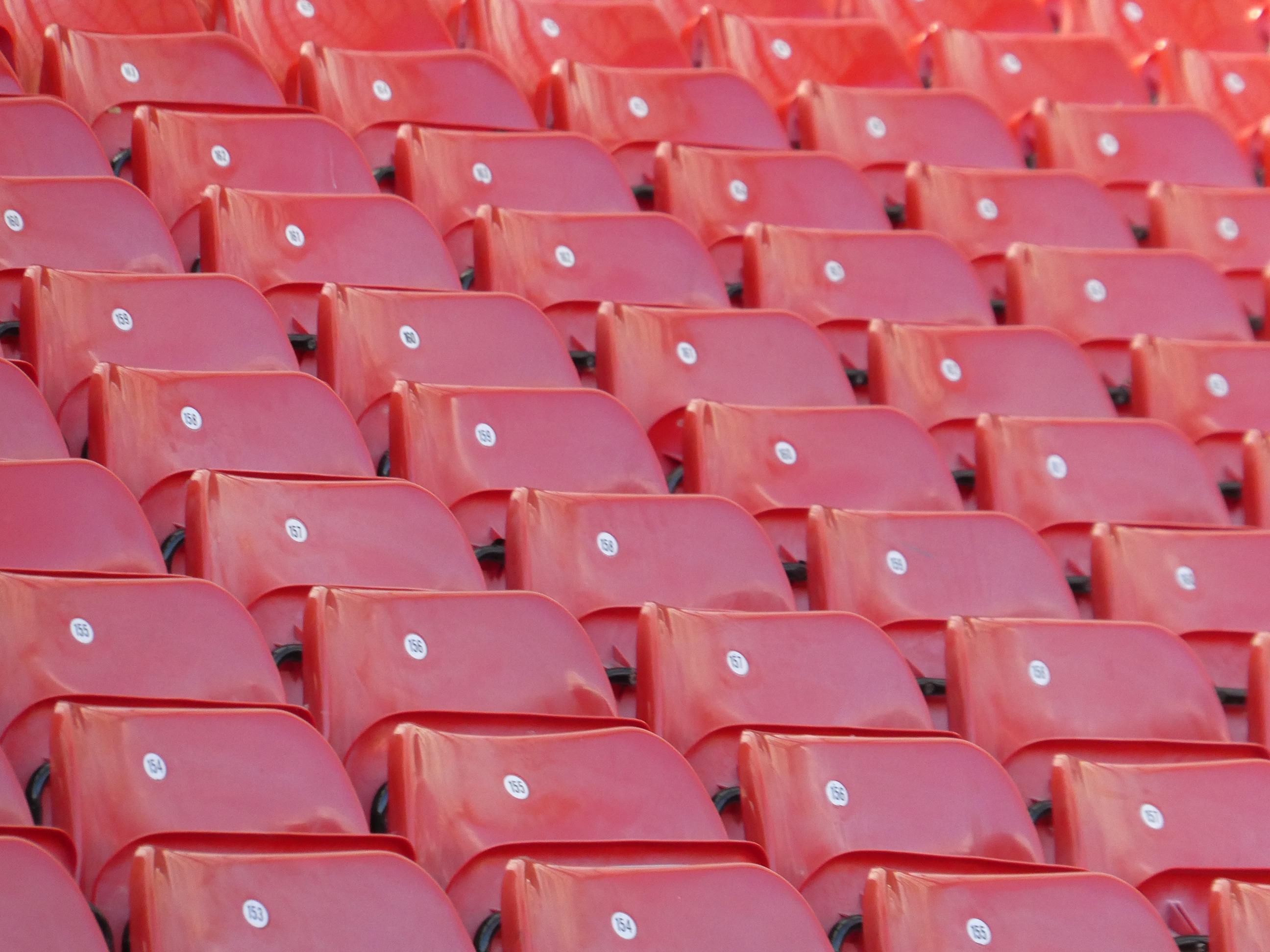
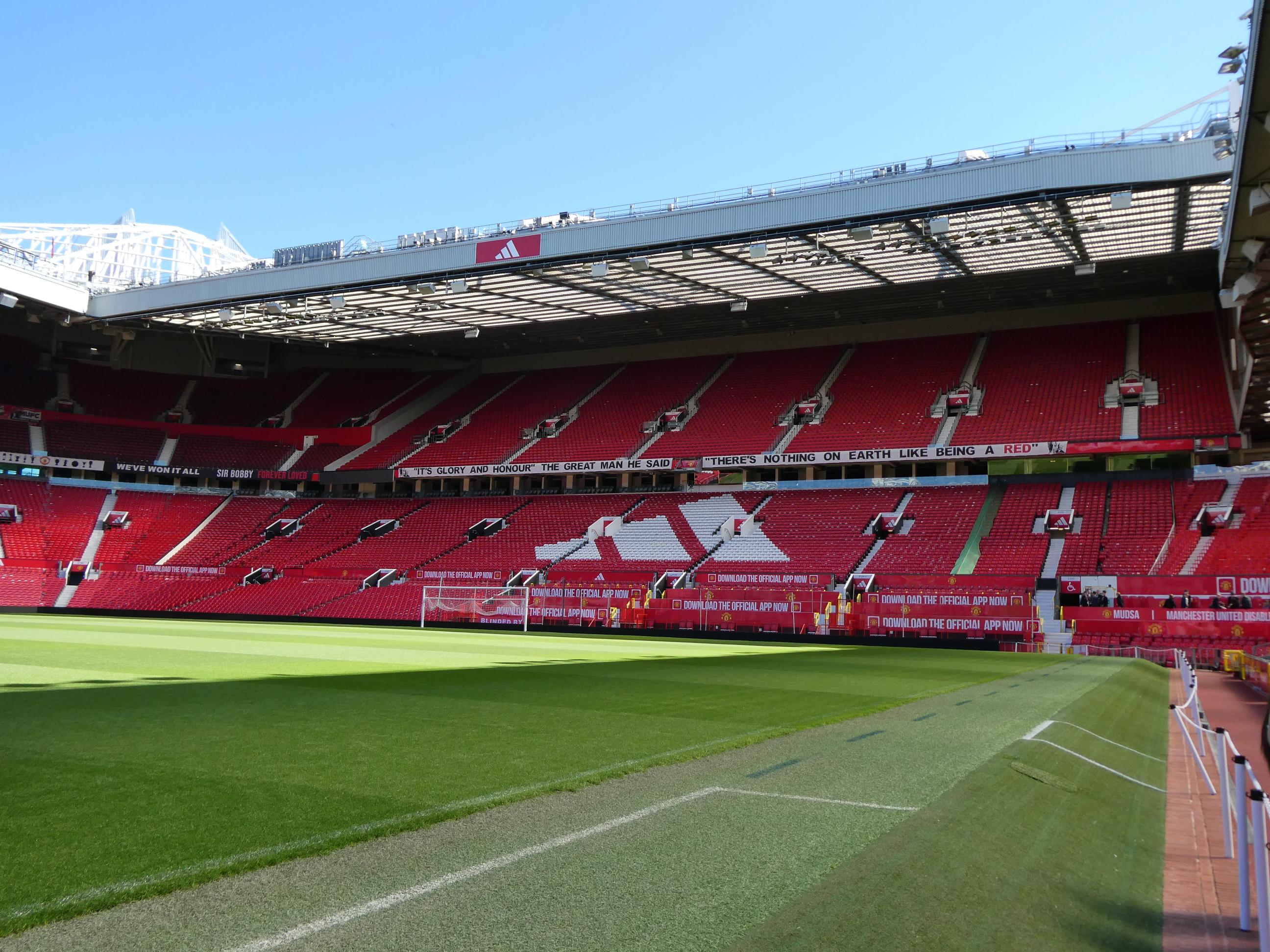
We joined a large tour group of 45 people. Our two guides, Dave and Ian, were both knowledgeable and passionate about their football club and its people. Dave spoke proudly about the great man, Alex Ferguson, and reeled off the the names and numbers of trophies won by the team during the 26 and a half years he was manager. Dave led us to the seating in the Sir Alex Ferguson Stand and pointed out some of the different features of the famous football ground. It holds 74,000 fans, of which 3000 will be away team ticket holders – all the rest will be screaming for the Red Devils. Under perfect blue skies, the green pitch and the red seating made it a sight to behold. I imagine those stands would be pulsing with the excitement of the fans in a close finish on match day. Beneath his own stand, there were tributes to Sir Alex everywhere we looked.


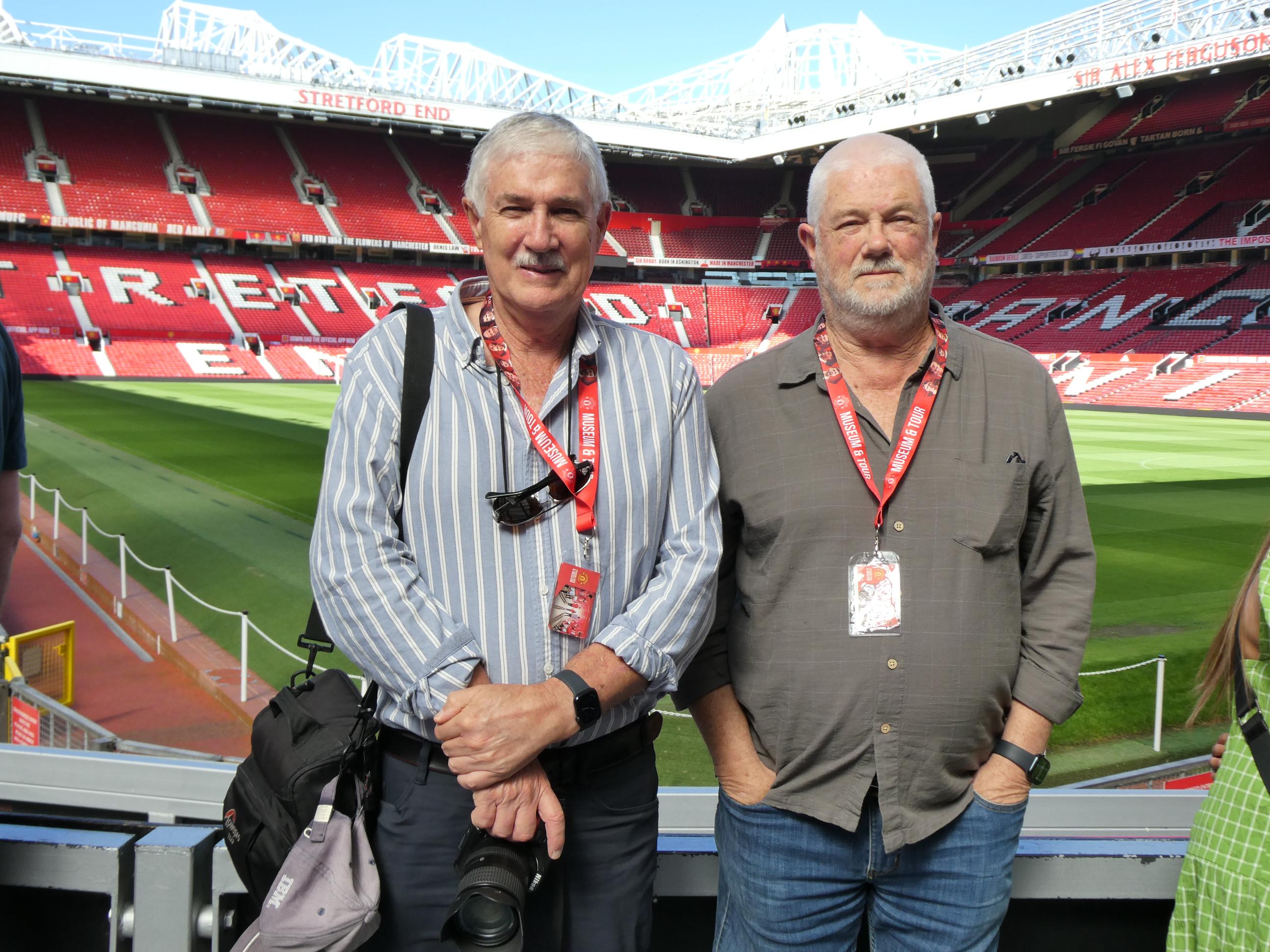
Dave took us around to the section reserved for disabled patrons, which he is actually responsible for on match days. He told us this spot provided the best view from anywhere in the stadium. Rod pointed out how close the side lines of the pitch were to the bricks around the perimeter, but Dave assured us very few players ever get injured because of this. Marg doesn’t often come to the football with me in Melbourne, but when I saw her asking Dave questions, I knew she was enjoying the tour as much as I was.


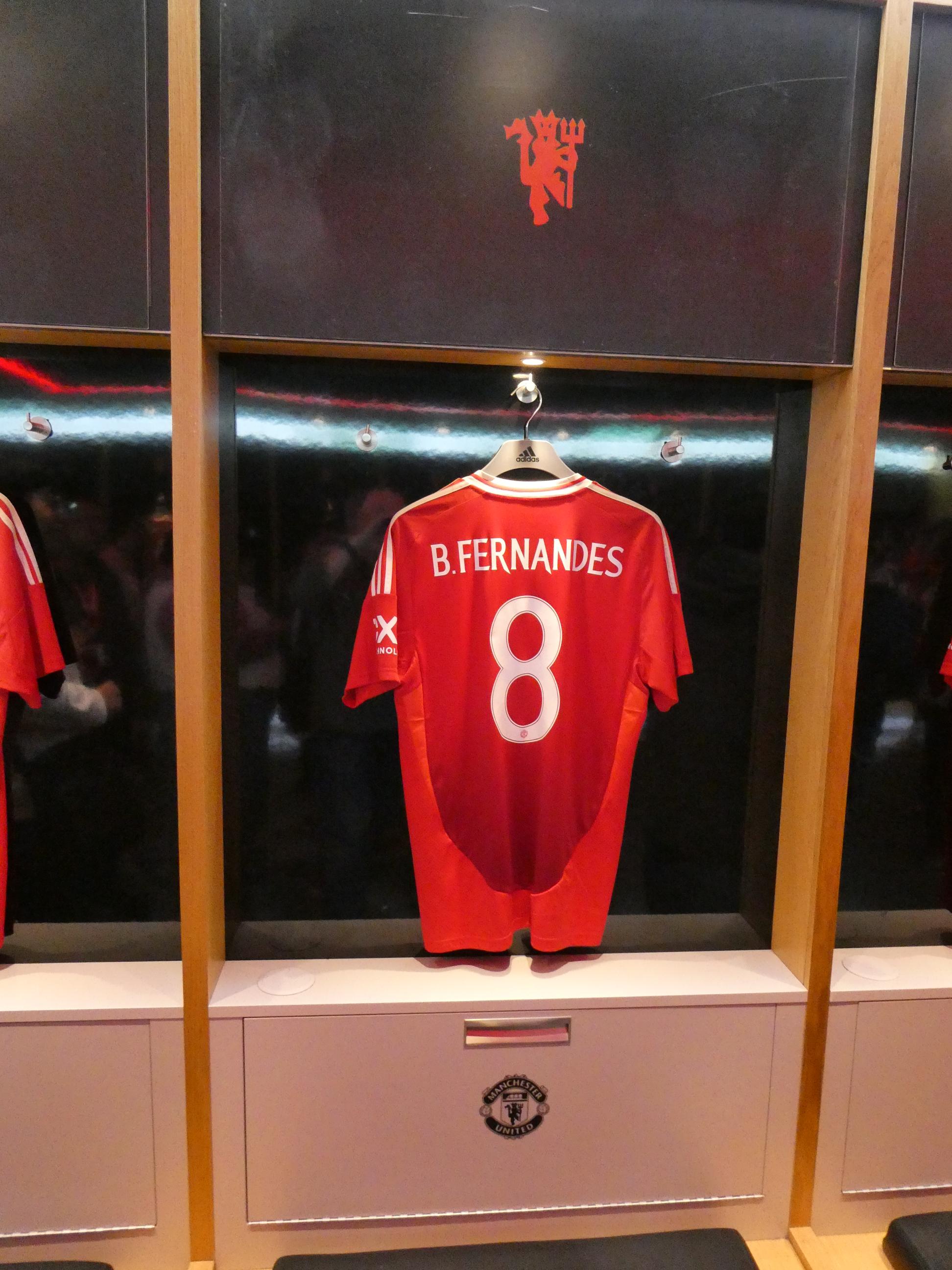
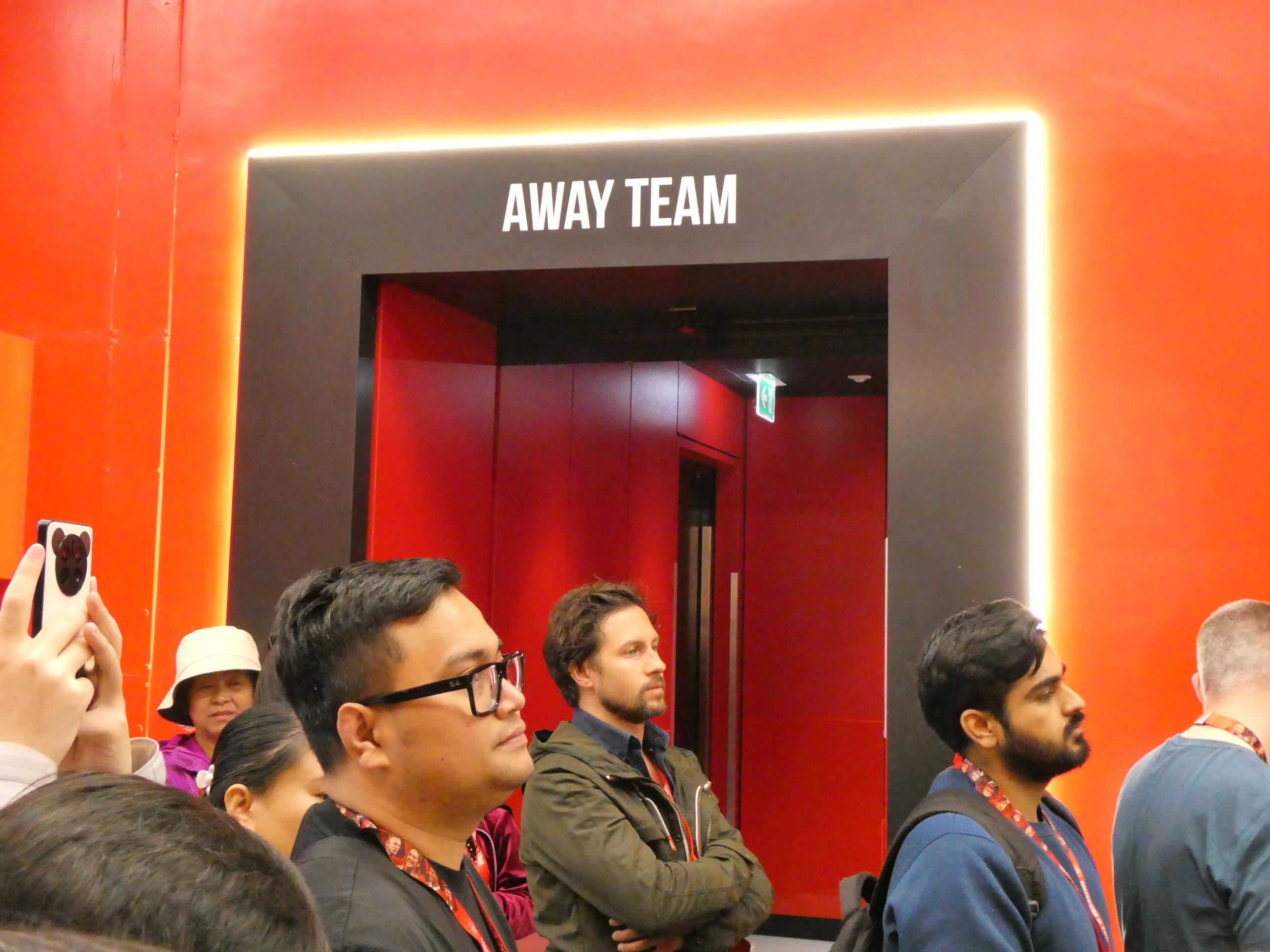
Our next stop was the Manchester United team’s dressing room. All of the players’ shirts were hanging up in front of their lockers. There were some shirts from the women’s team, as well as all the shirts from the men’s team. Dave listed all the great facilities available to the players in this room and rooms adjacent to it. Rod and I raised our eyebrows when we compared this to the seemingly very basic facilities available to the Test cricketers we had recently seen at Lord’s. Dave then told us what was made available to the away team. Not all of the things made available to the home team were also on offer for the visitors. We didn’t go into their dressing room, but apparently it was much more basic than the Man U dressing room.




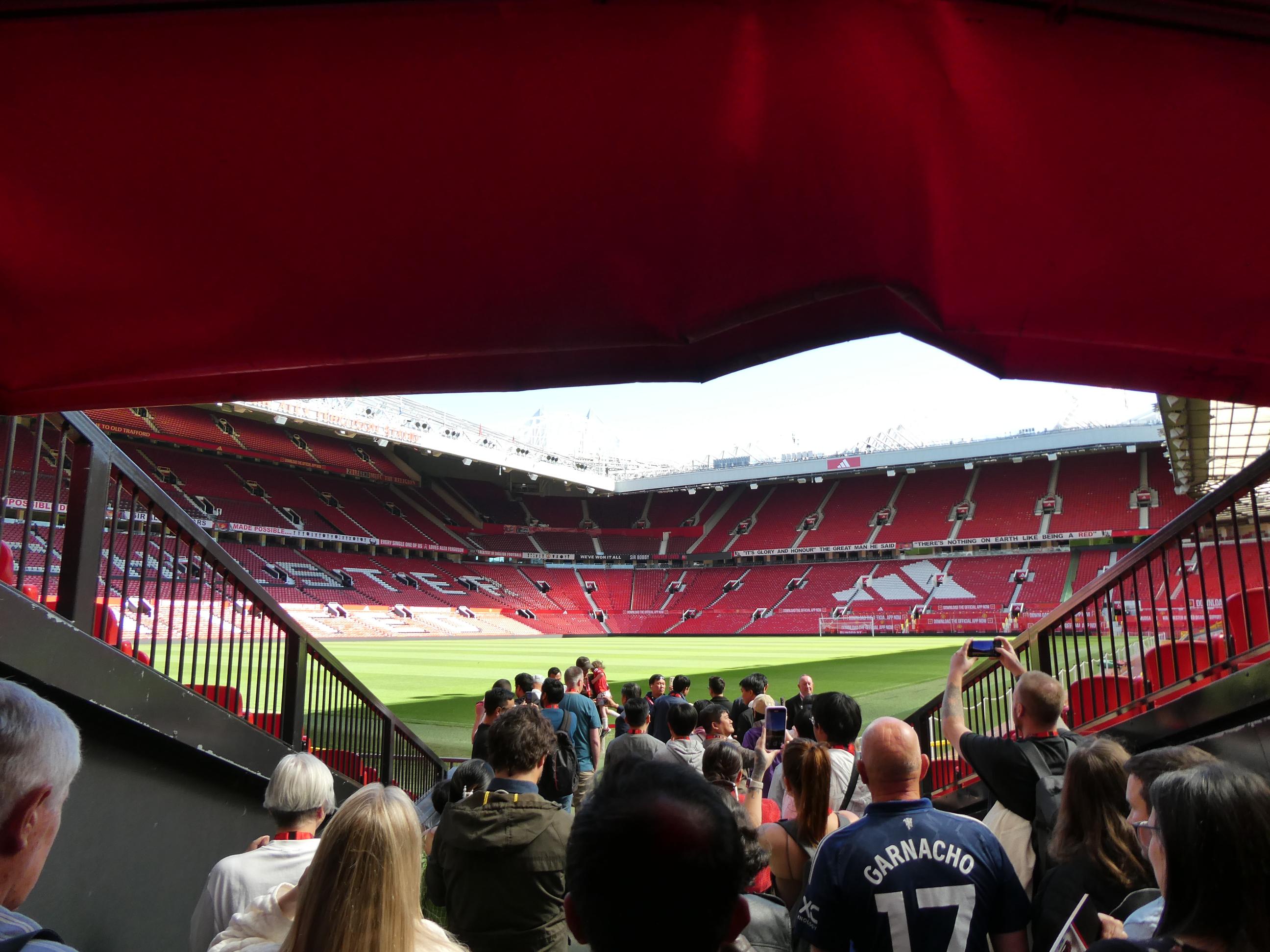
Dave asked the tour group to form two equal lines and walk down the players’ tunnel side by side, just as the actual teams do when they enter the pitch on match day. I found it interesting that there is no attempt to keep the teams separate, when outside in the stadium they do everything possible to keep opposing fans apart. Walking along the side of the pitch up close we could clearly see how the ground falls away sharply immediately past the sidelines and endlines. Dave said this configuration aided drainage, which was necessary due to Manchester’s high rainfall levels.



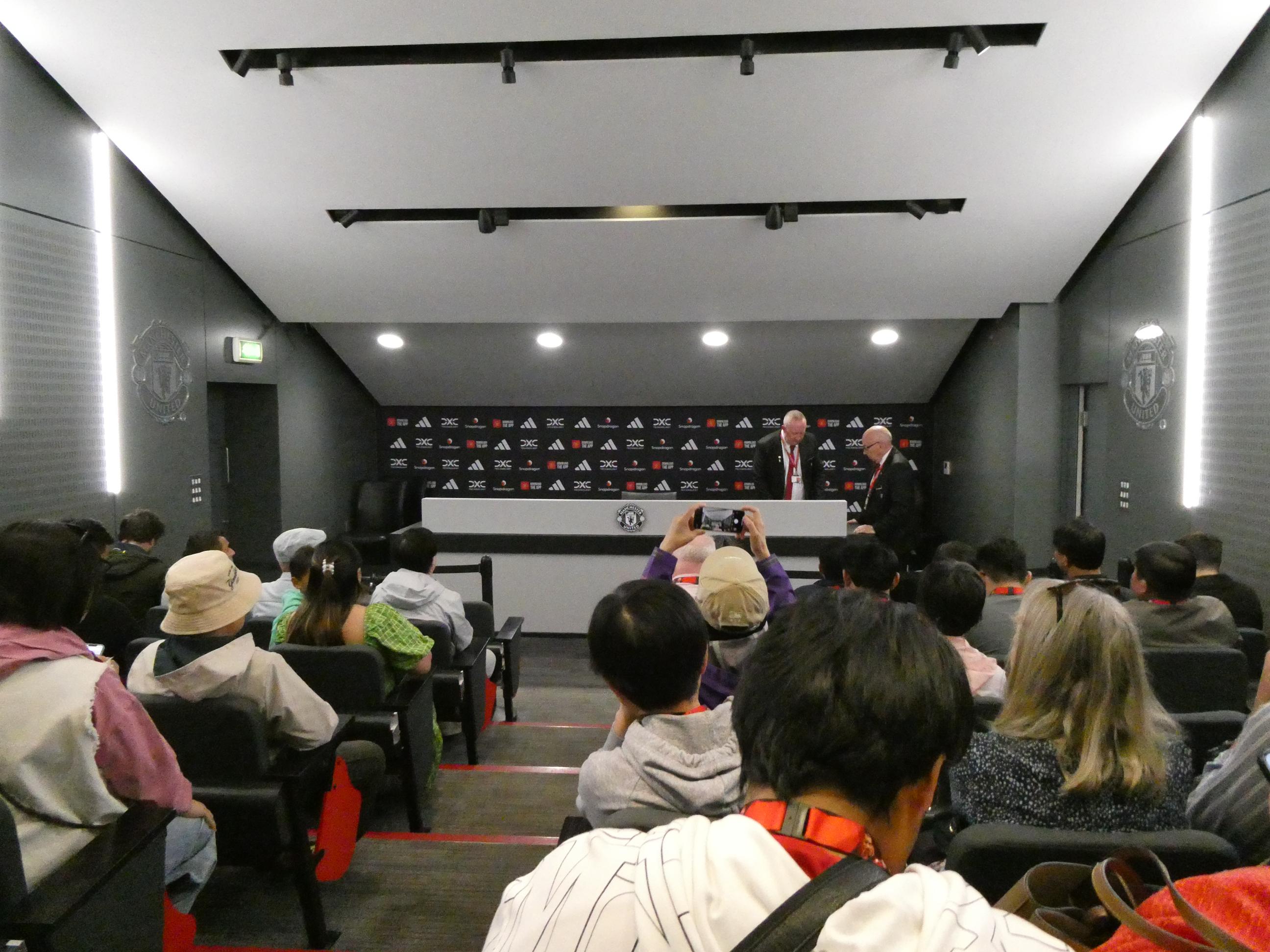
We also visited the managers’ boxes, which, also surprisingly, were situated right alongside each other with just a few metres between them. There didn’t seem to be any facilities in there for laptops, screens, phones, televisions, whiteboards and the other items that all seem to have a place in an AFL coach’s box on match day. Dave told us all the seats in the Man U manager’s box were heated, whereas those in the opposing team’s manager’s box were not. I was impressed to see that all club members with 25 years membership or more were given a named seat in the stadium. Tess, Casey and I would all have named seats if the same deal was offered at the MCG. We finished our tour in the post-match press conference room – the sort of place where we often see a frustrated Ange Postecoglou in the evening sports bulletins, fending off questions about whether he should be sacked after another Tottenham Hotspurs loss.



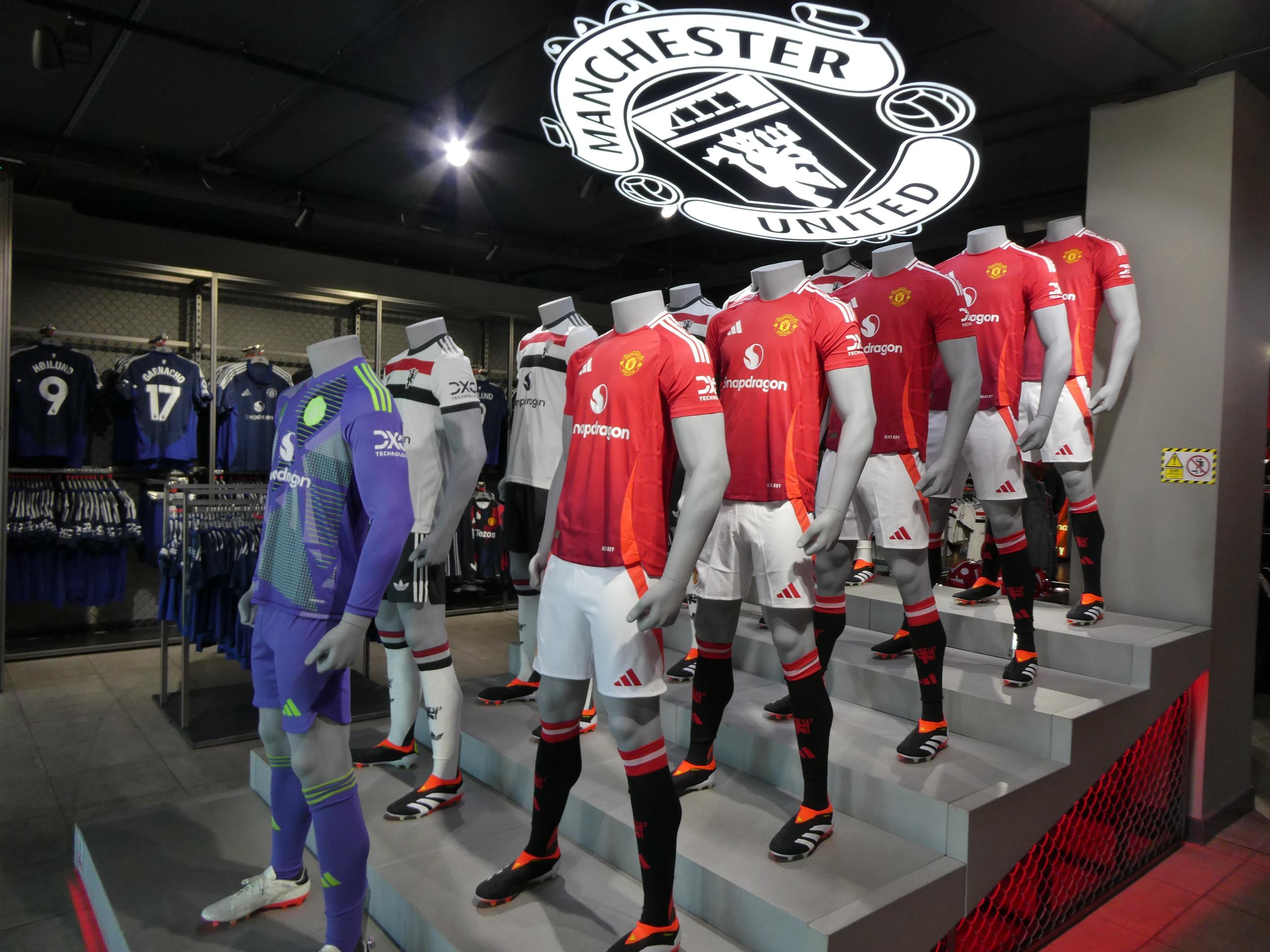
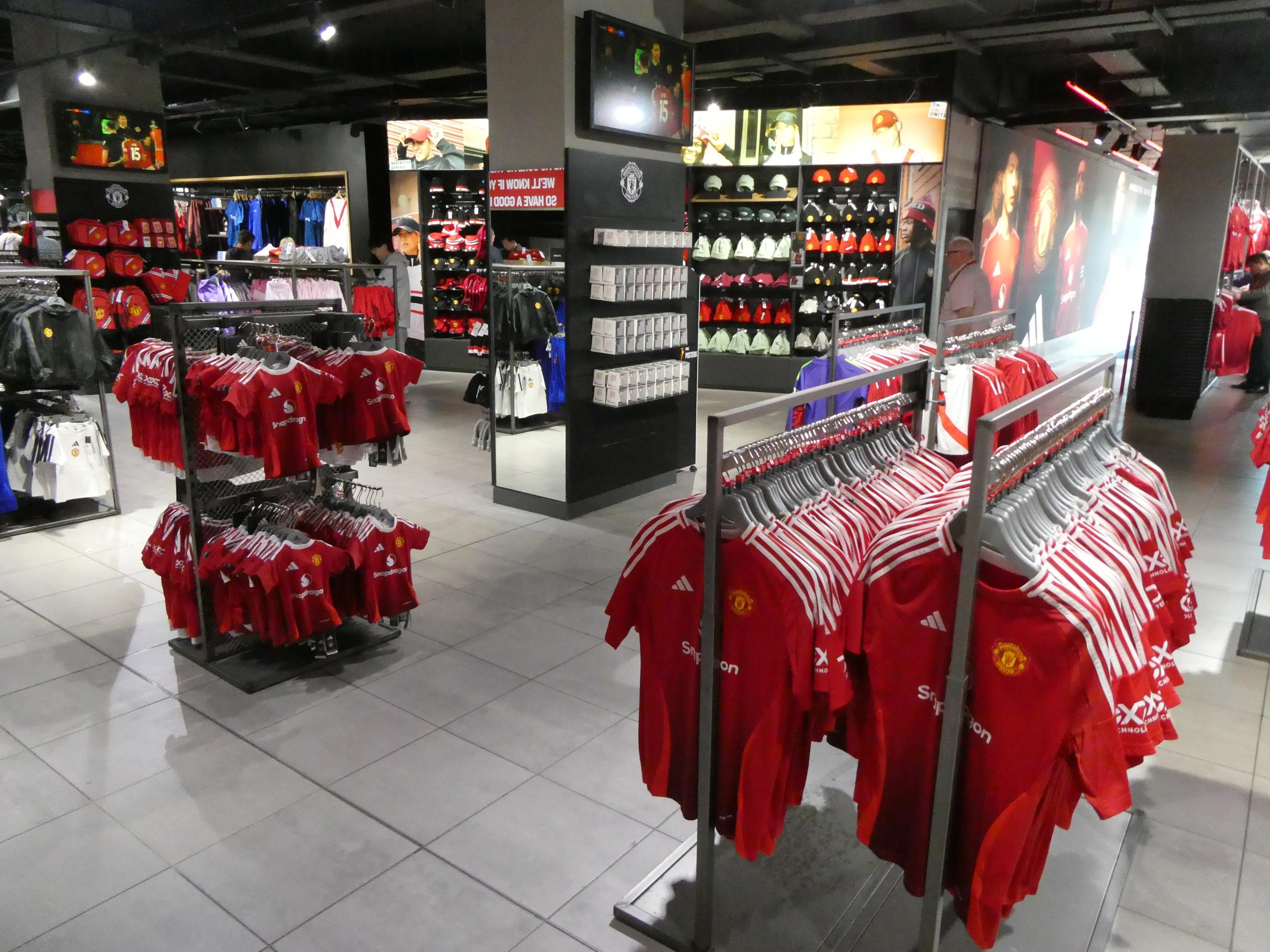
Like any good tourist attraction, the next stop after the tour ends is the gift shop. The Man U shop was a sea of red football kits and other MUFC paraphernalia. I imagine the fans must flock there at the start of a new season to buy the new team shirt and treat themselves to other merchandise bearing the name and colours of the football team they dearly love. On match days this place must be packed, and the evidence for this is the huge number of checkouts near the exit.


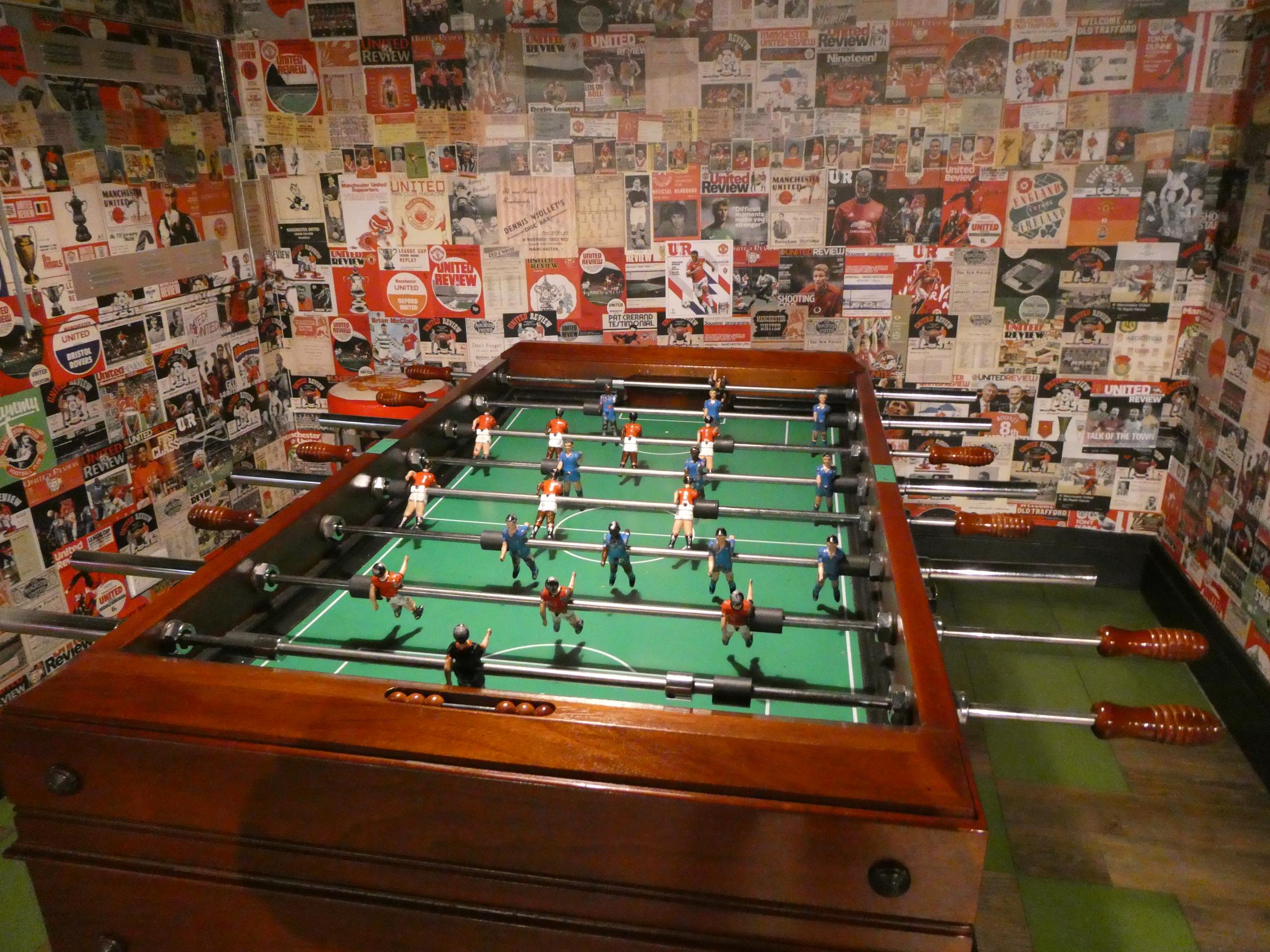
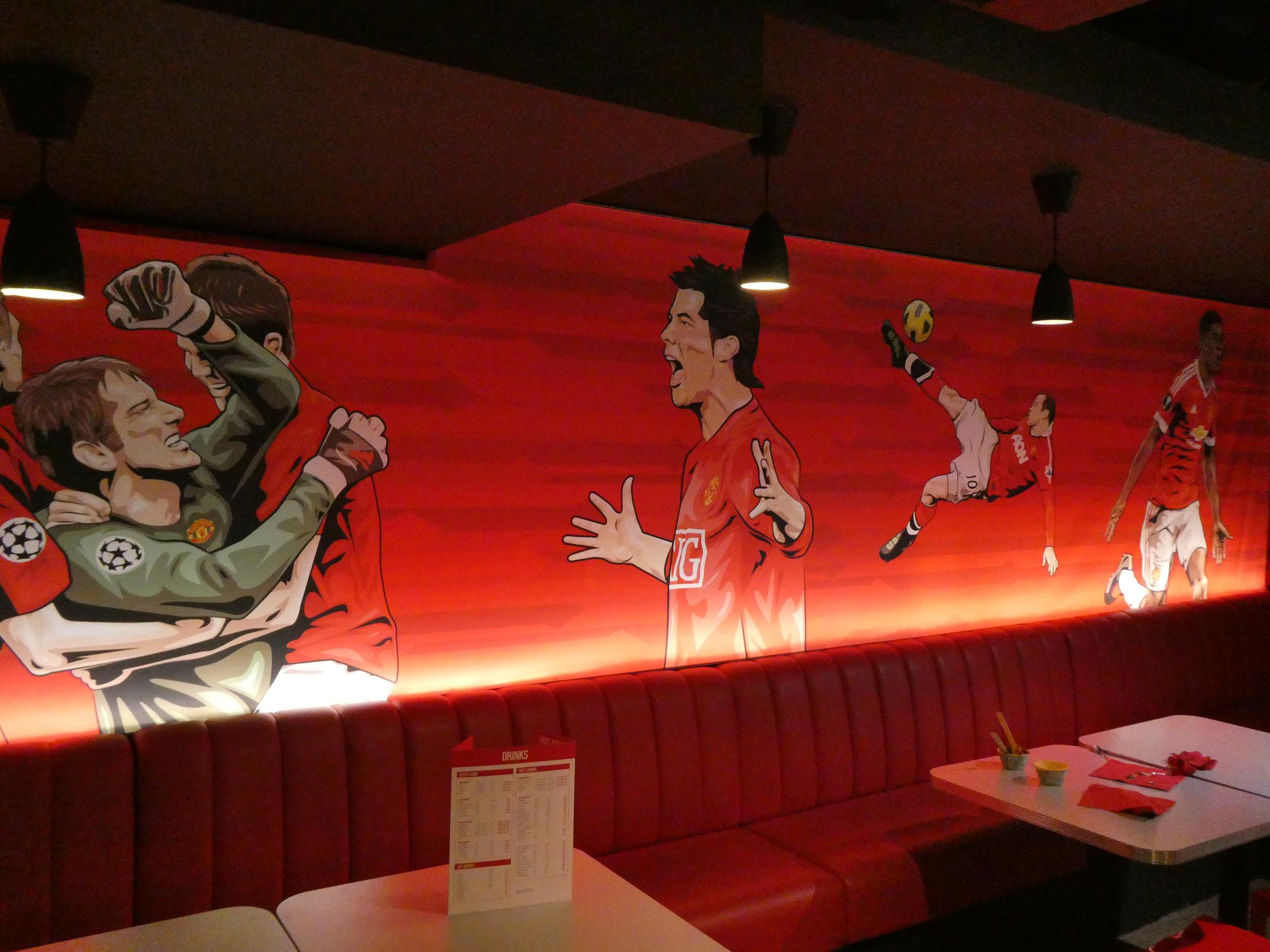
As it was close to midday, we stopped in at the cafe for lunch. There was a TV screen right next to our table showing a live broadcast of the Sydney vs Carlton AFL game. Most of the other screens in there were showing highlights from Man U’s season, so we were lucky to get the right table. Even the decor of the cafe was heavily influenced by the exploits of the football team and its players.



My favourite room in the museum was the trophy room. I don’t think I’ve ever a more impressive array of silverware. Manchester United is going through a tough time at present, but in recent times it was on the crest of a wave under Sir Alex Ferguson, and enjoyed a great deal of success in games that decided championships. In the centre of the room was the 2024 FA Cup Trophy.
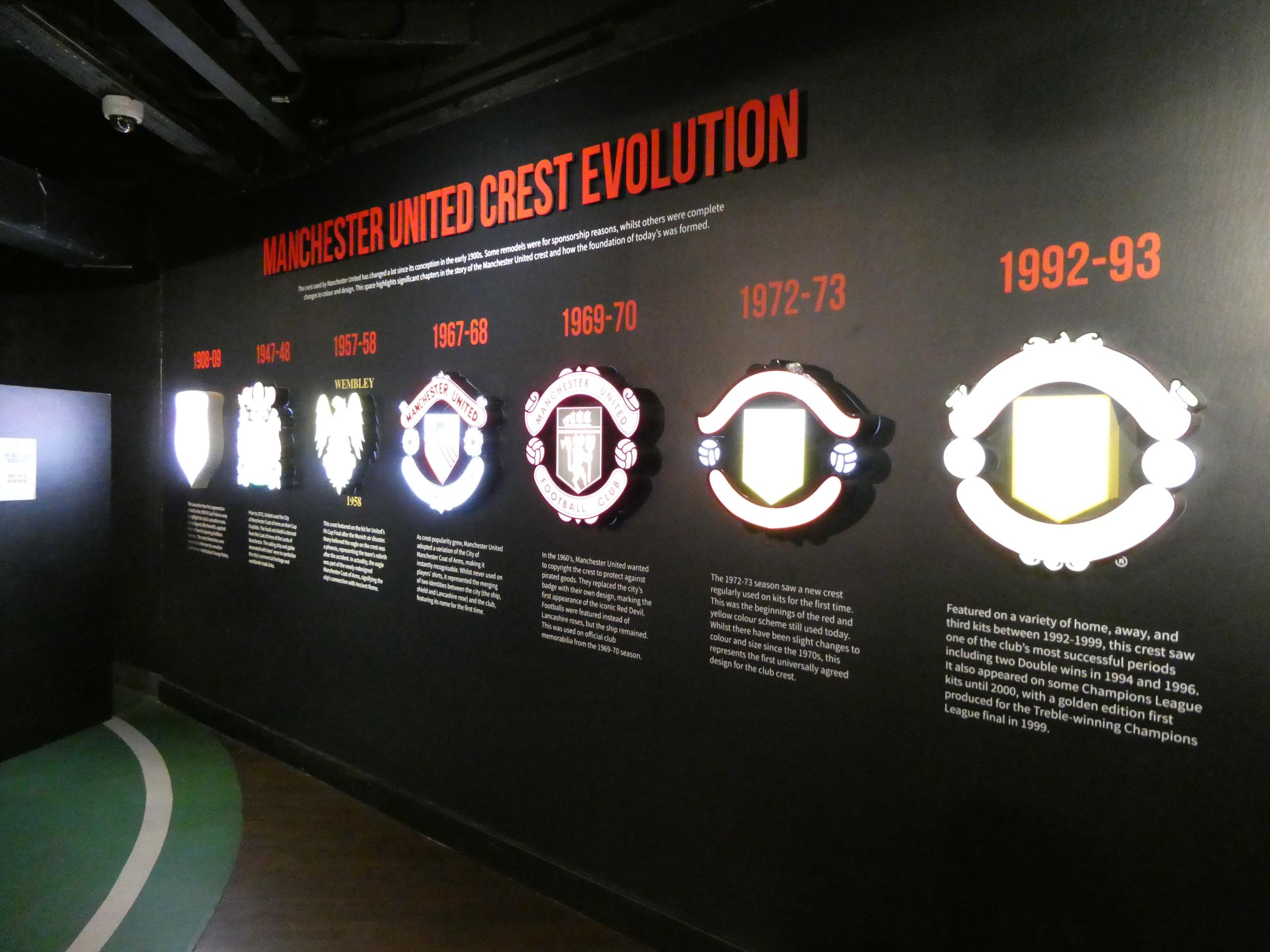
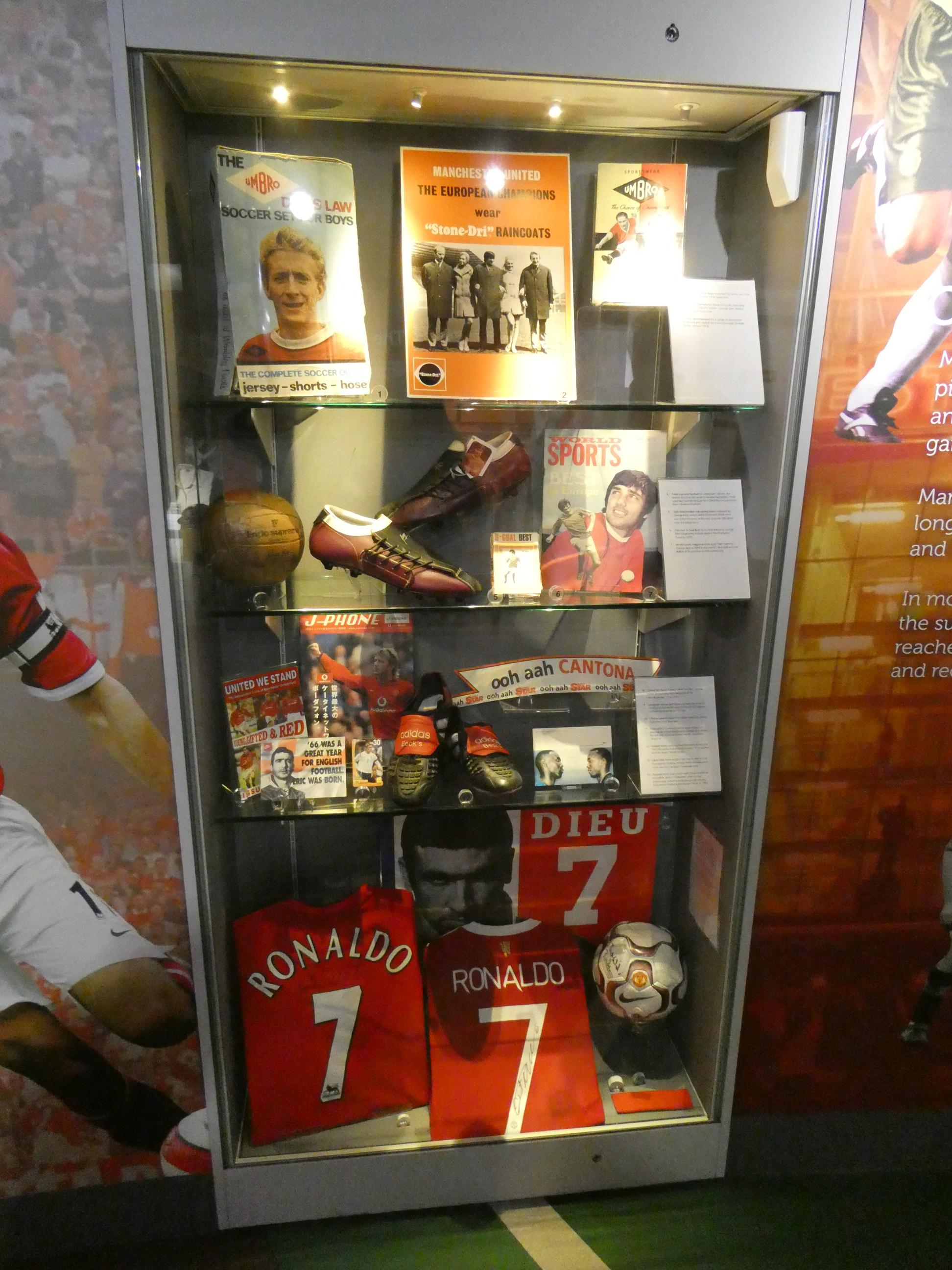


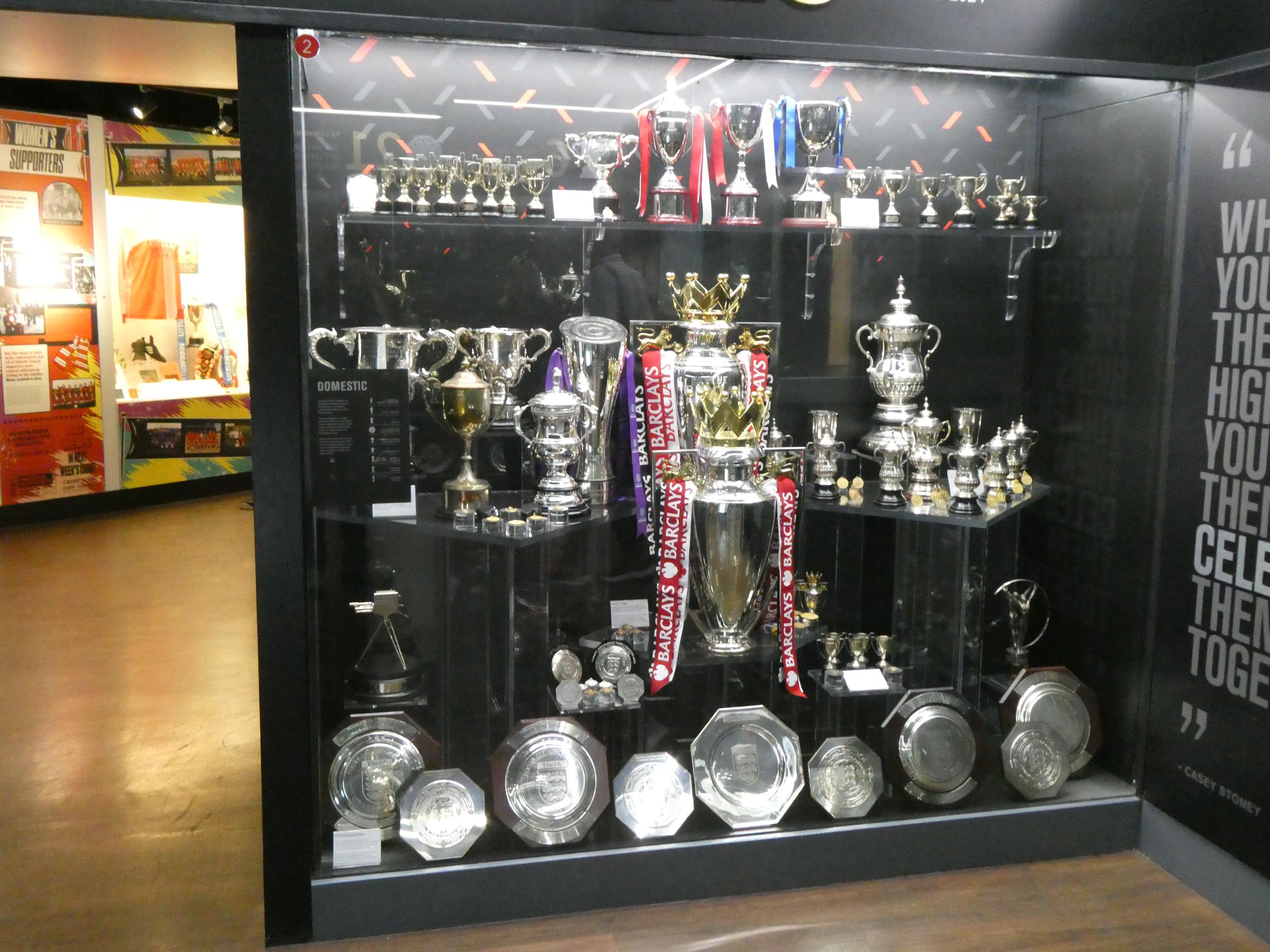

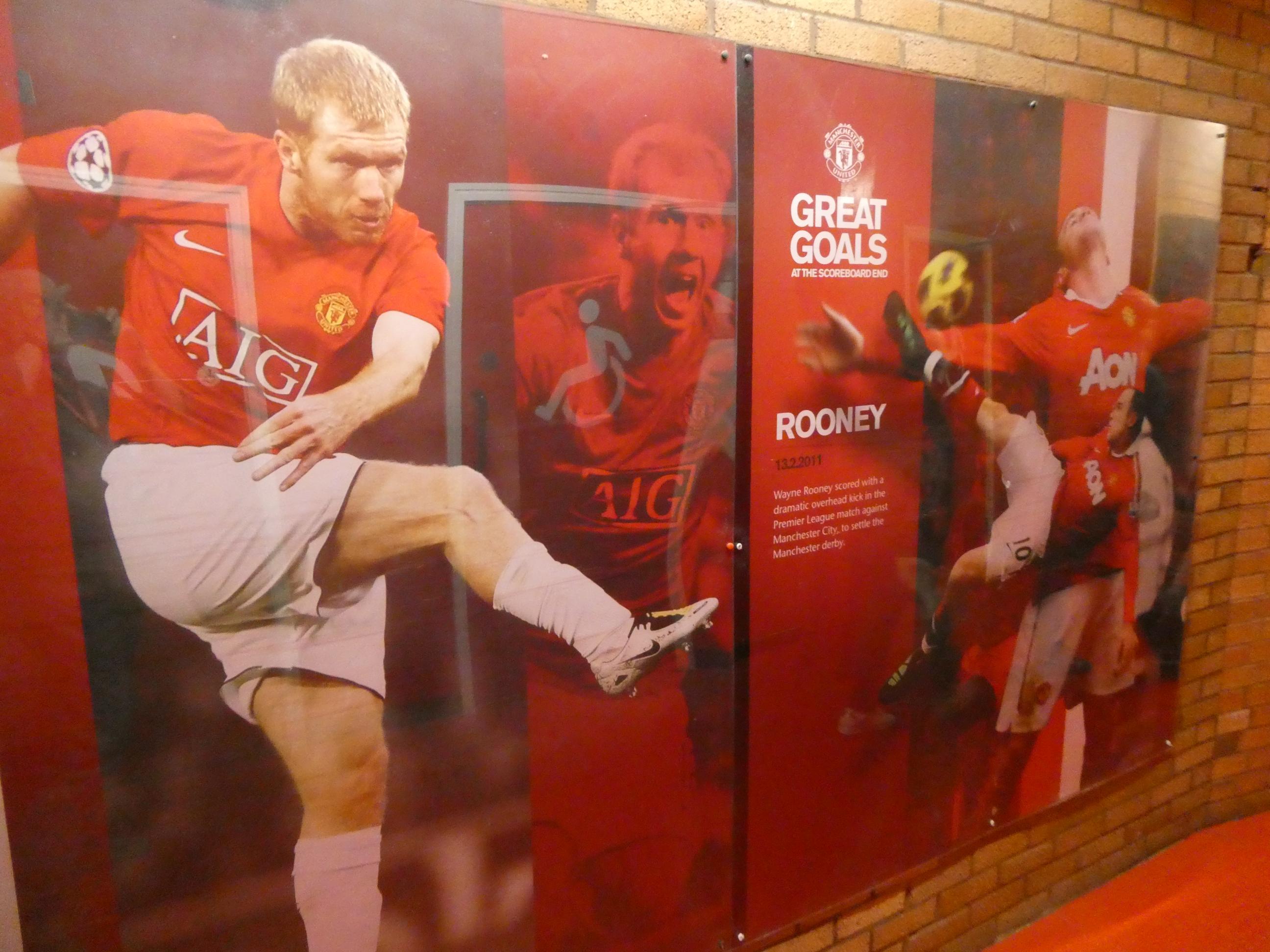
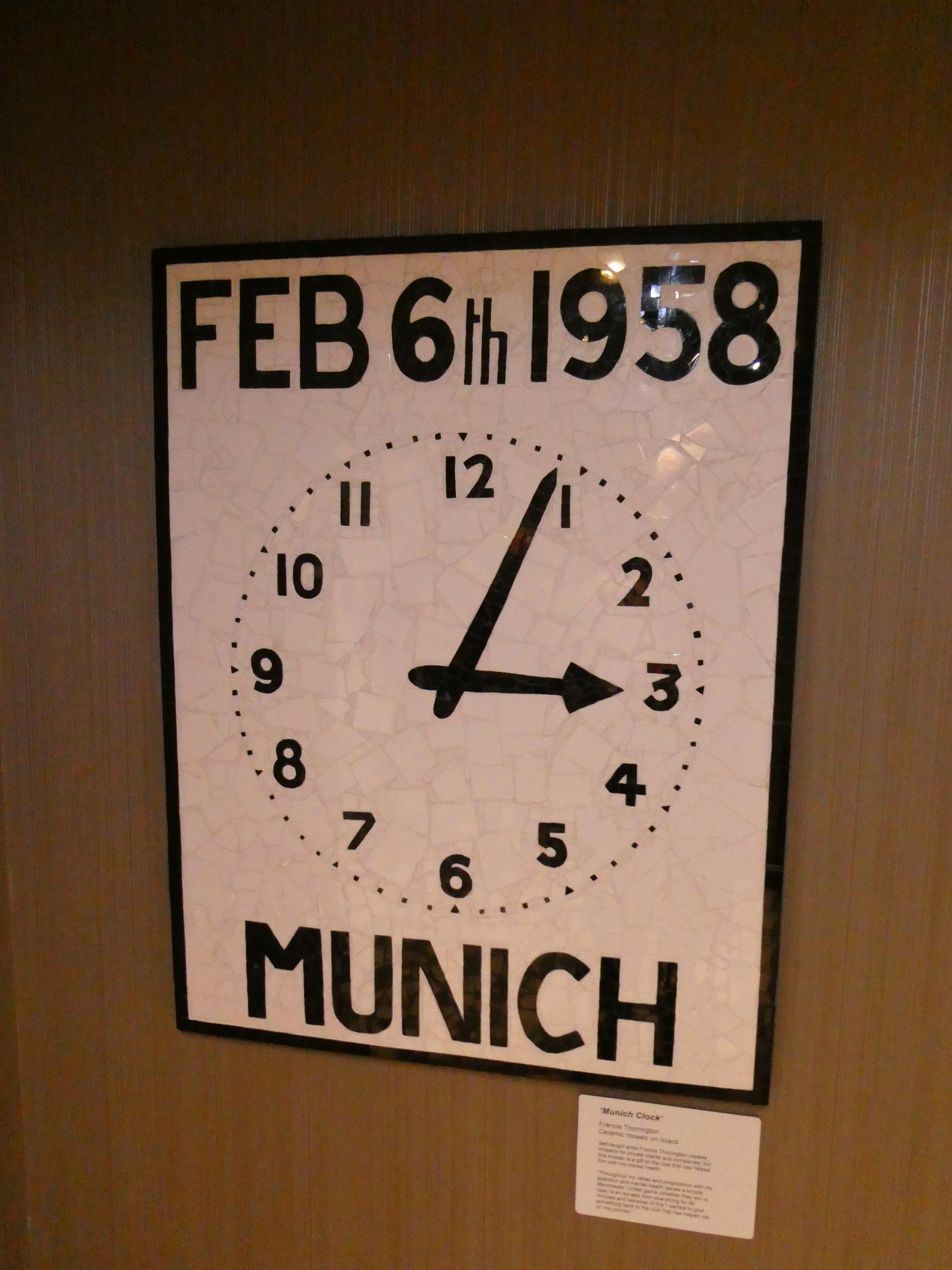
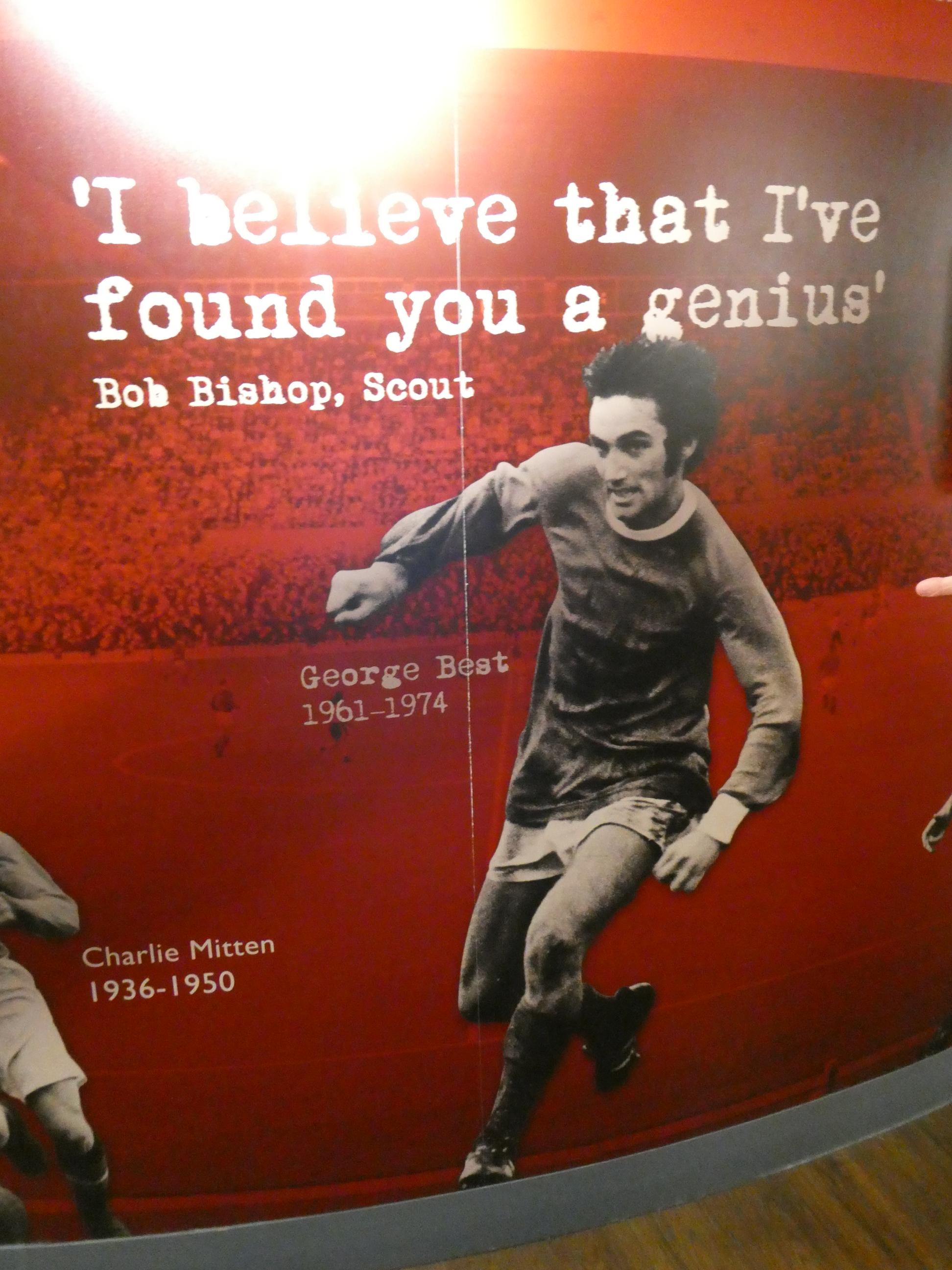
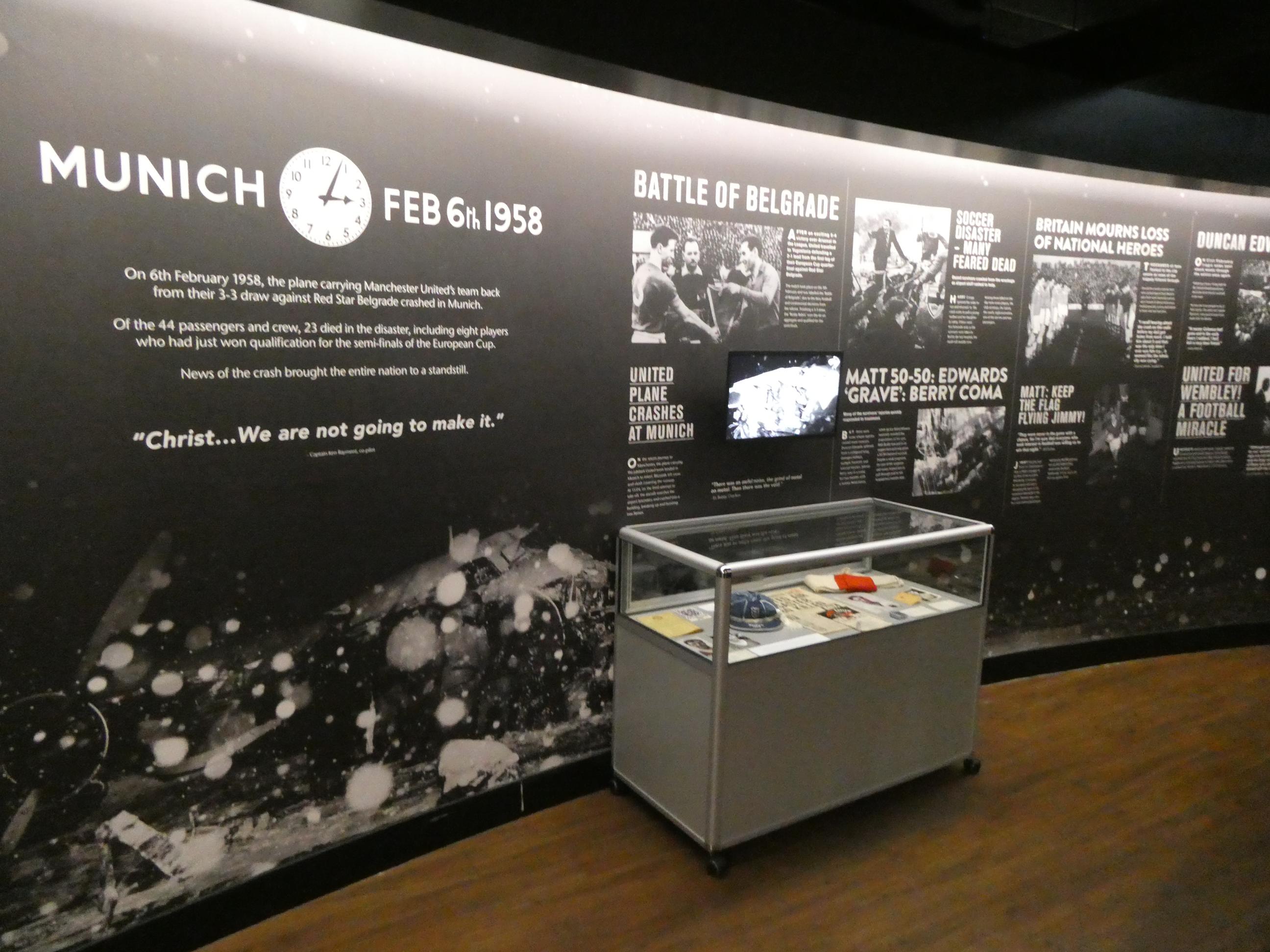
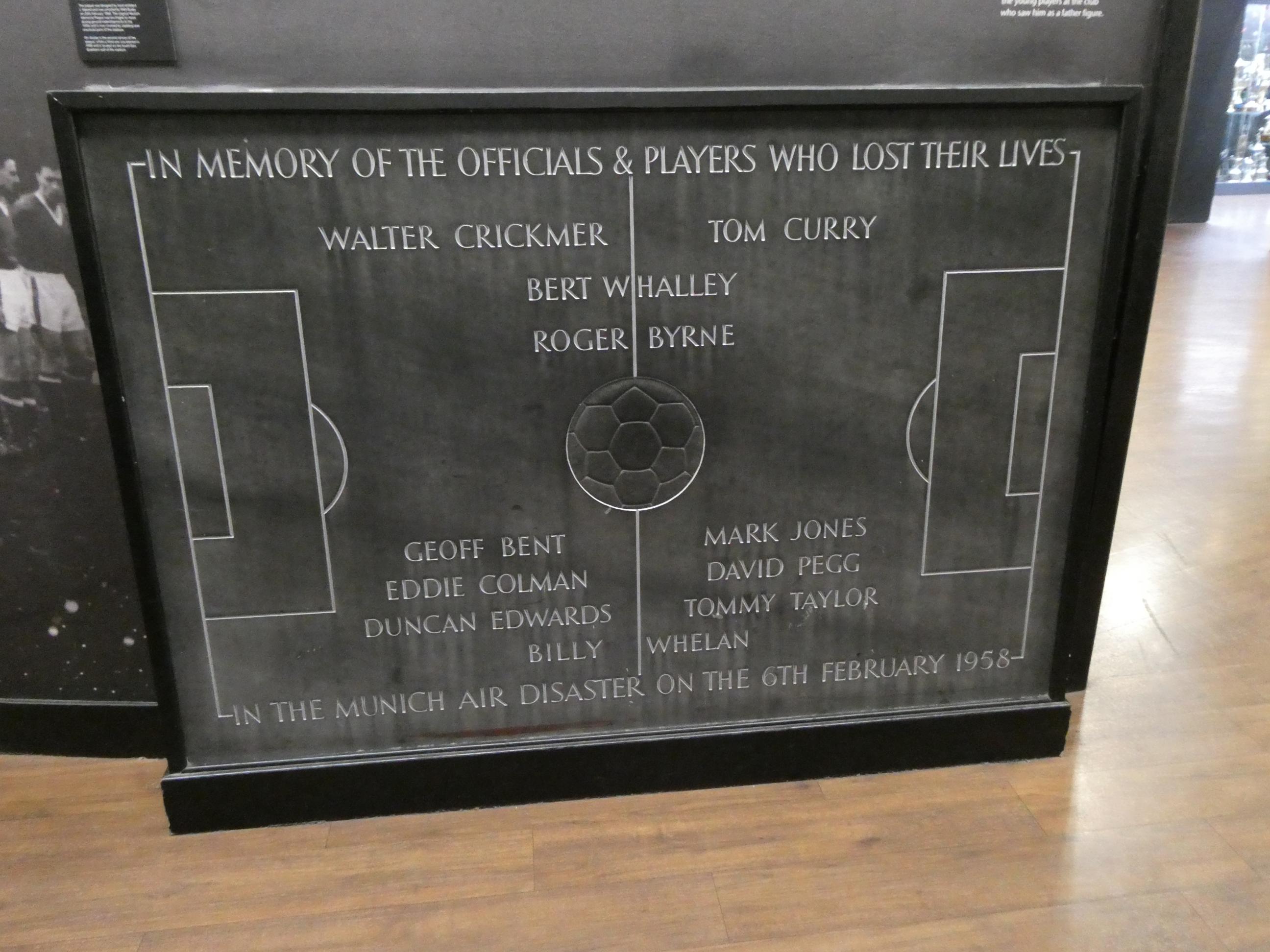
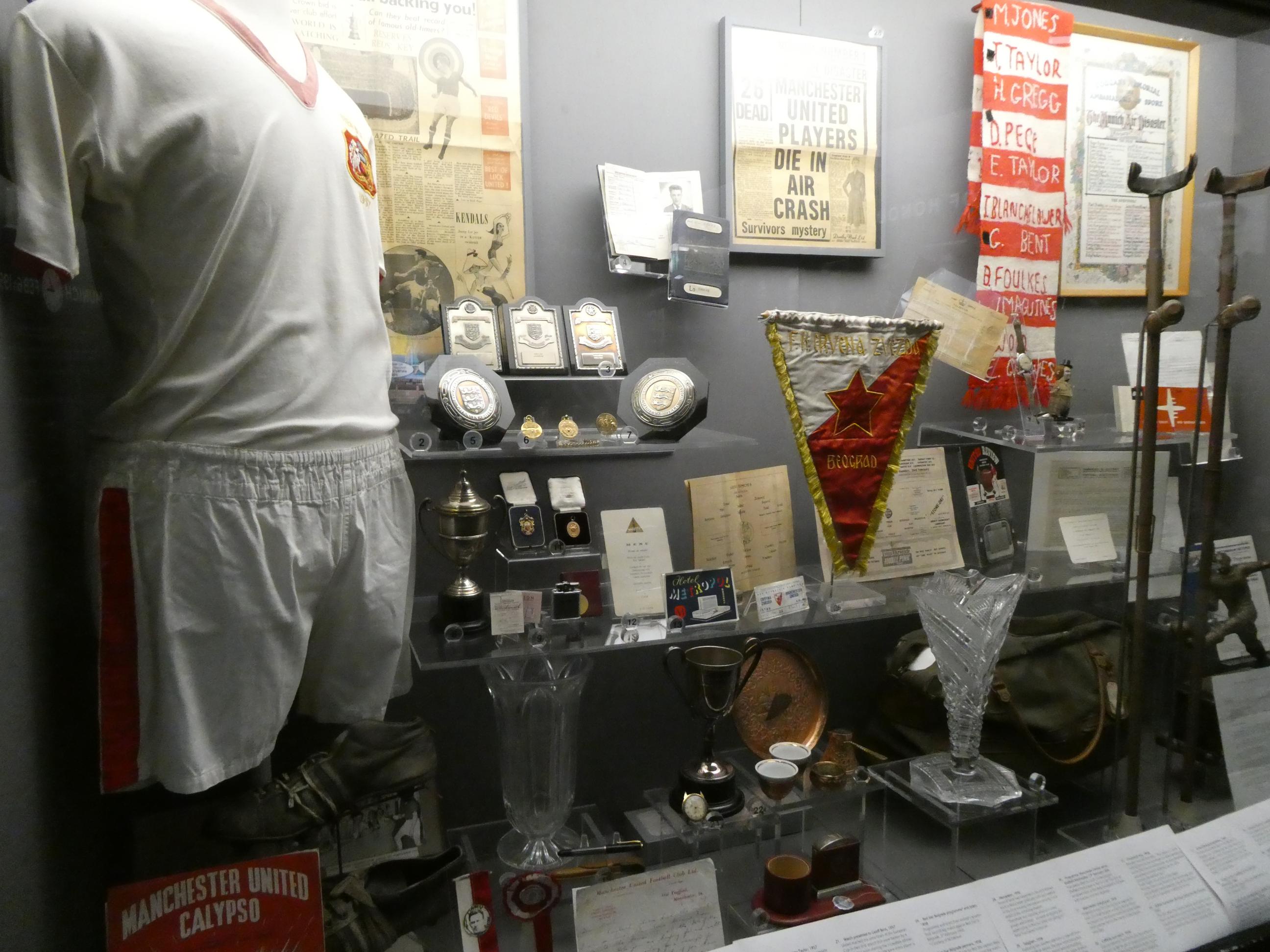
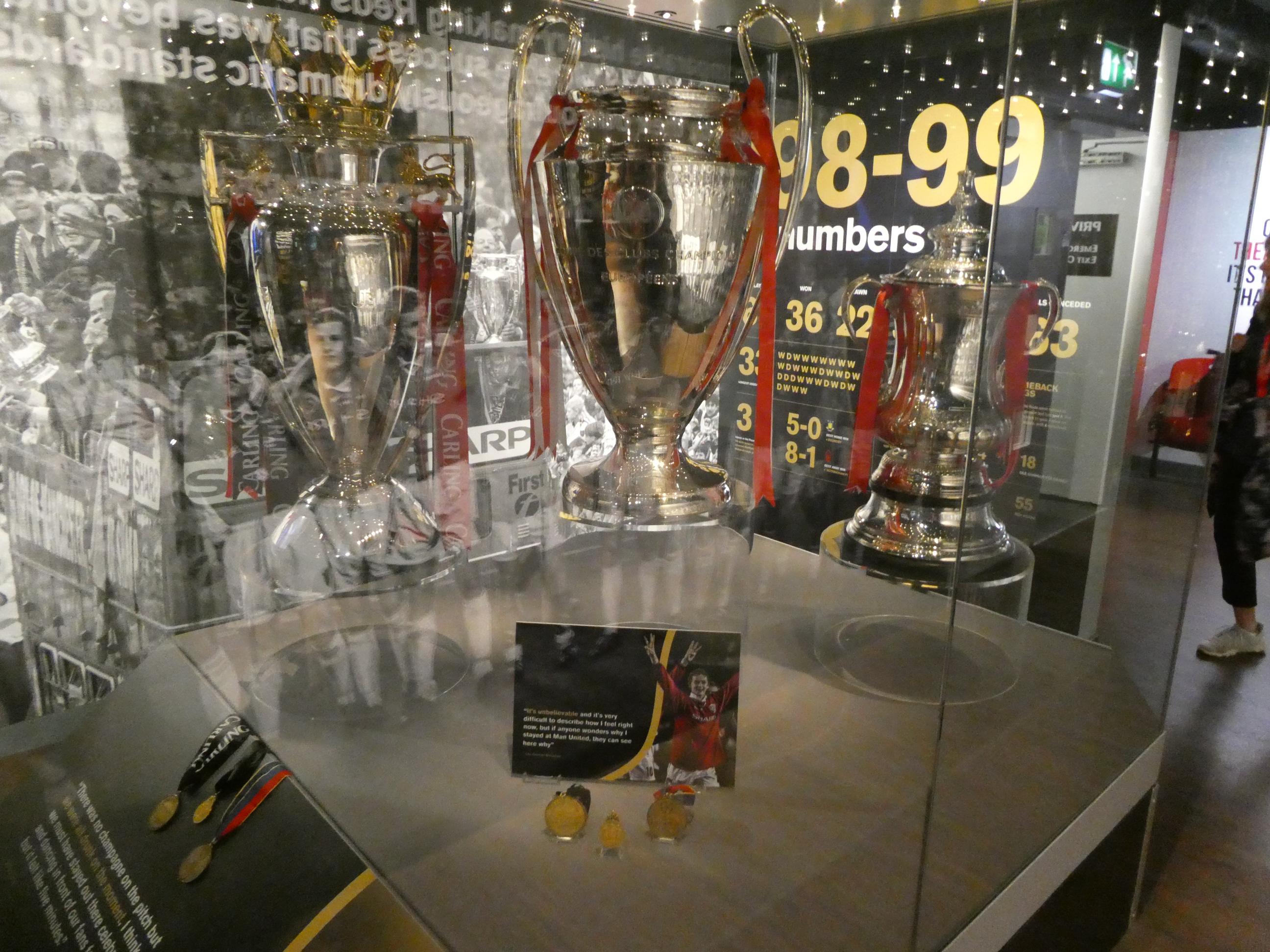
Another section of the museum celebrated the exploits of the players and the team on the field. Famous names like Best, Charlton, Beckham, Keane, Ronaldo, Rooney and Giggs were on display. Many of the cabinets featured memorabilia from these legends’ playing days – shirts, boots, photos and so on. In one room, there was a sombre gallery telling the story of the tragic plane crash in Munich in 1958 that cost eight players and several team officials their lives. Others travelling with the team also died. It was a tragedy that brought Britain to a standstill for a short period of time. Another gallery celebrated the achievements of 1999, when the team won the Premier League Trophy, FA Cup and UEFA Champions’ Trophy all in the one year, in a season now referred to as ‘The Treble’.




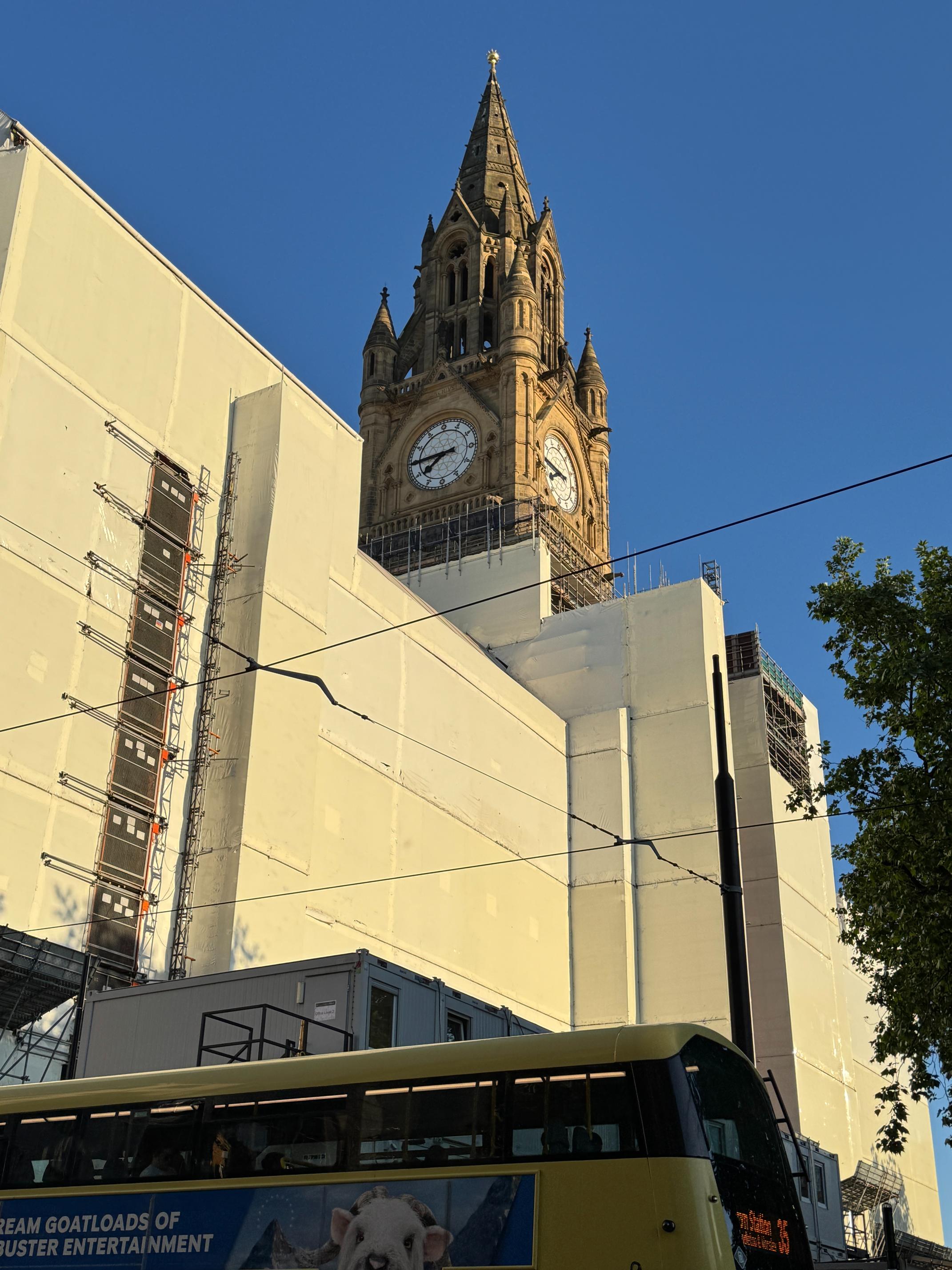
We walked back to our hotel from the car park, passing through an area contrasting the city’s past with its present. Canals and locks, buildings that once housed factories, and pubs from yesteryear inhabit the same city blocks as innovative glass towers and hi-tech tramway systems.
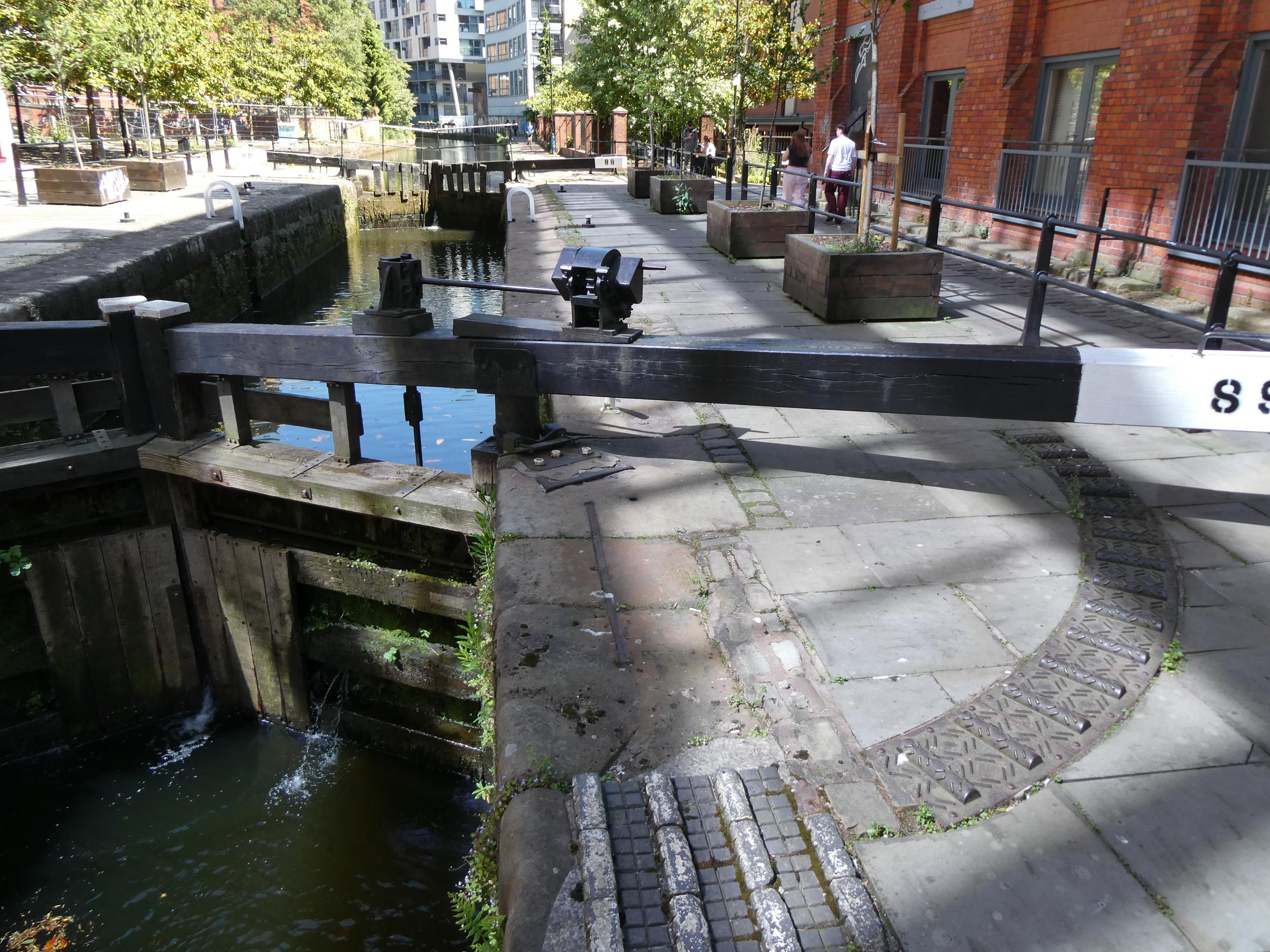
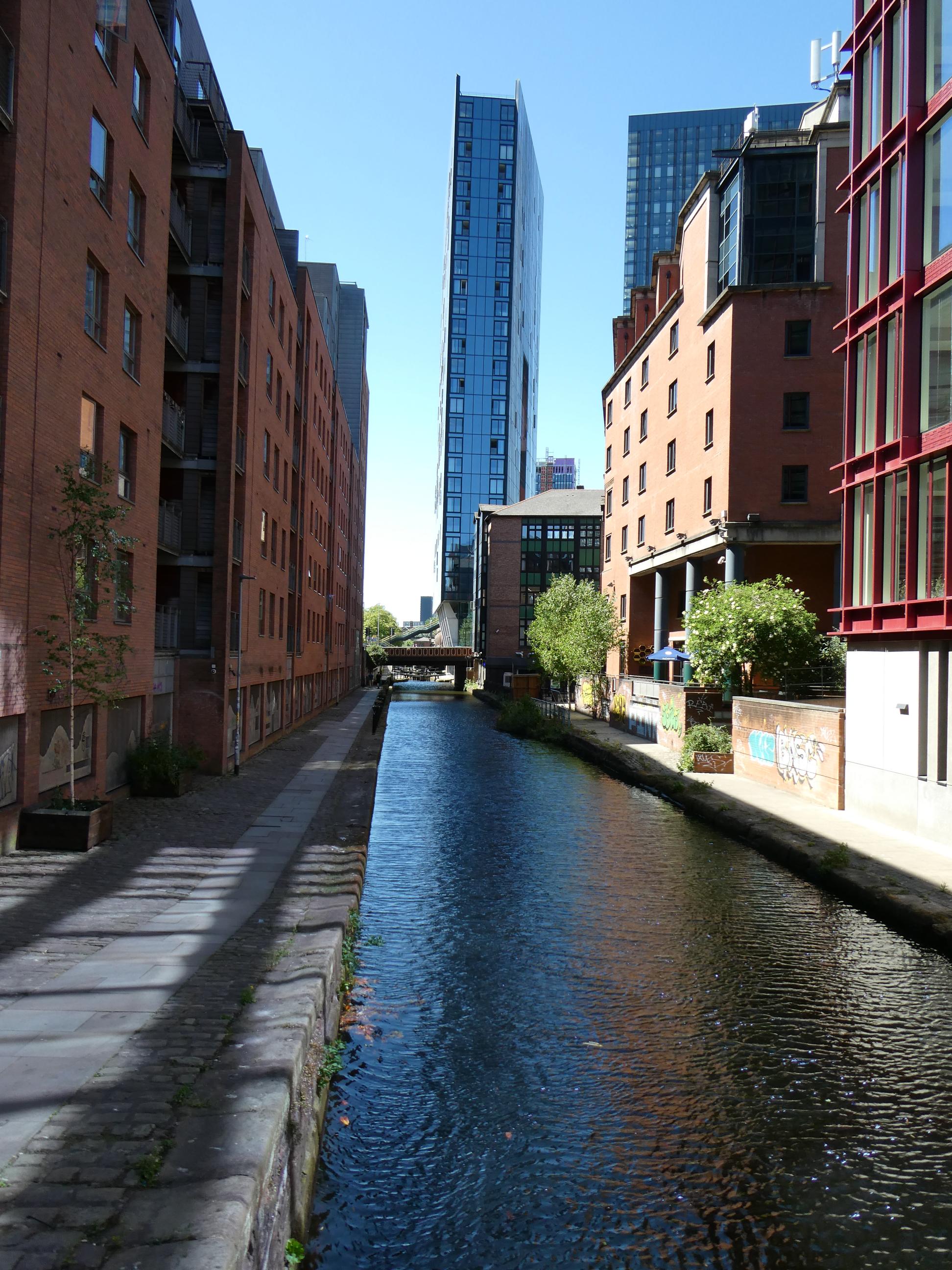
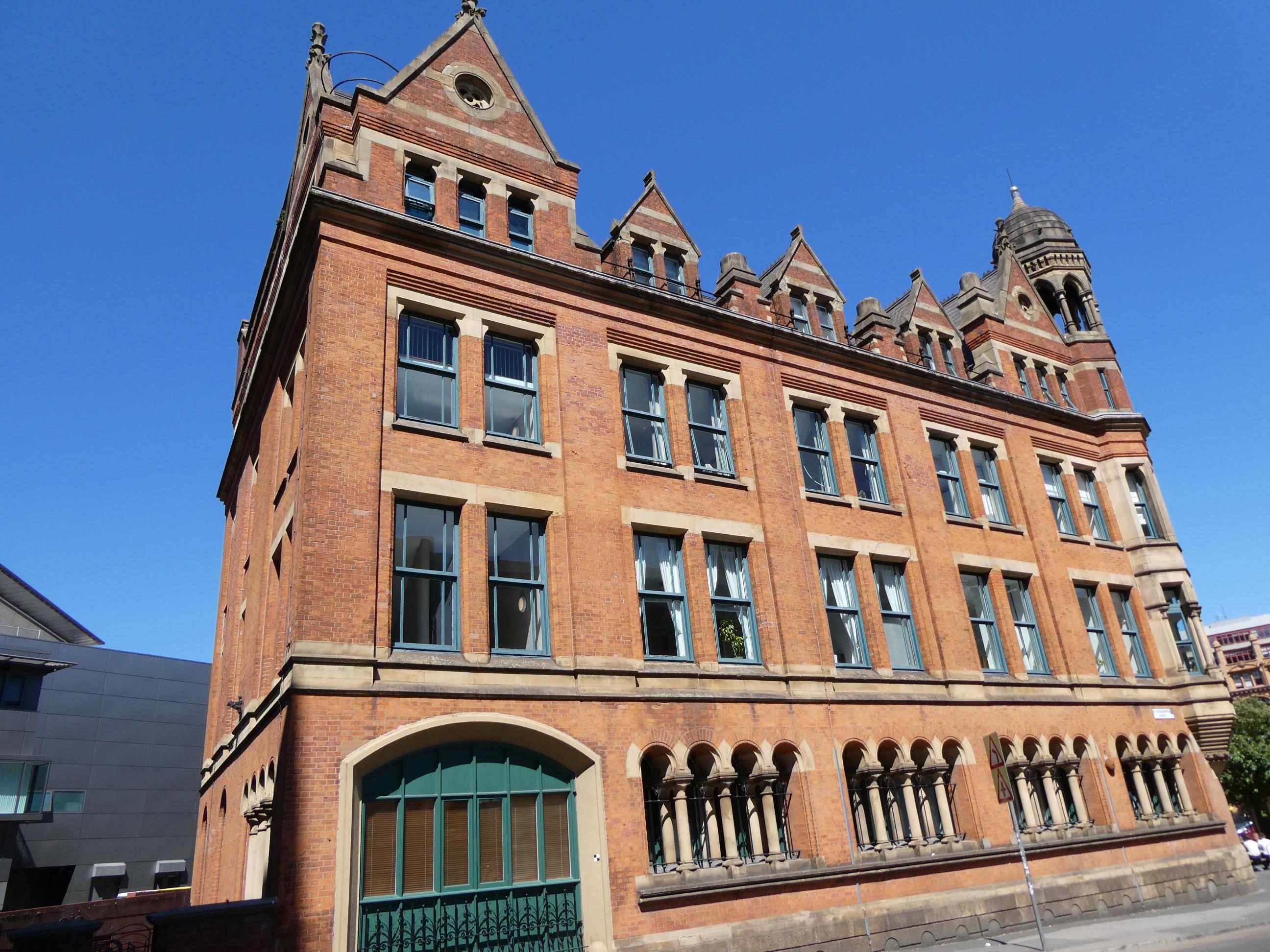

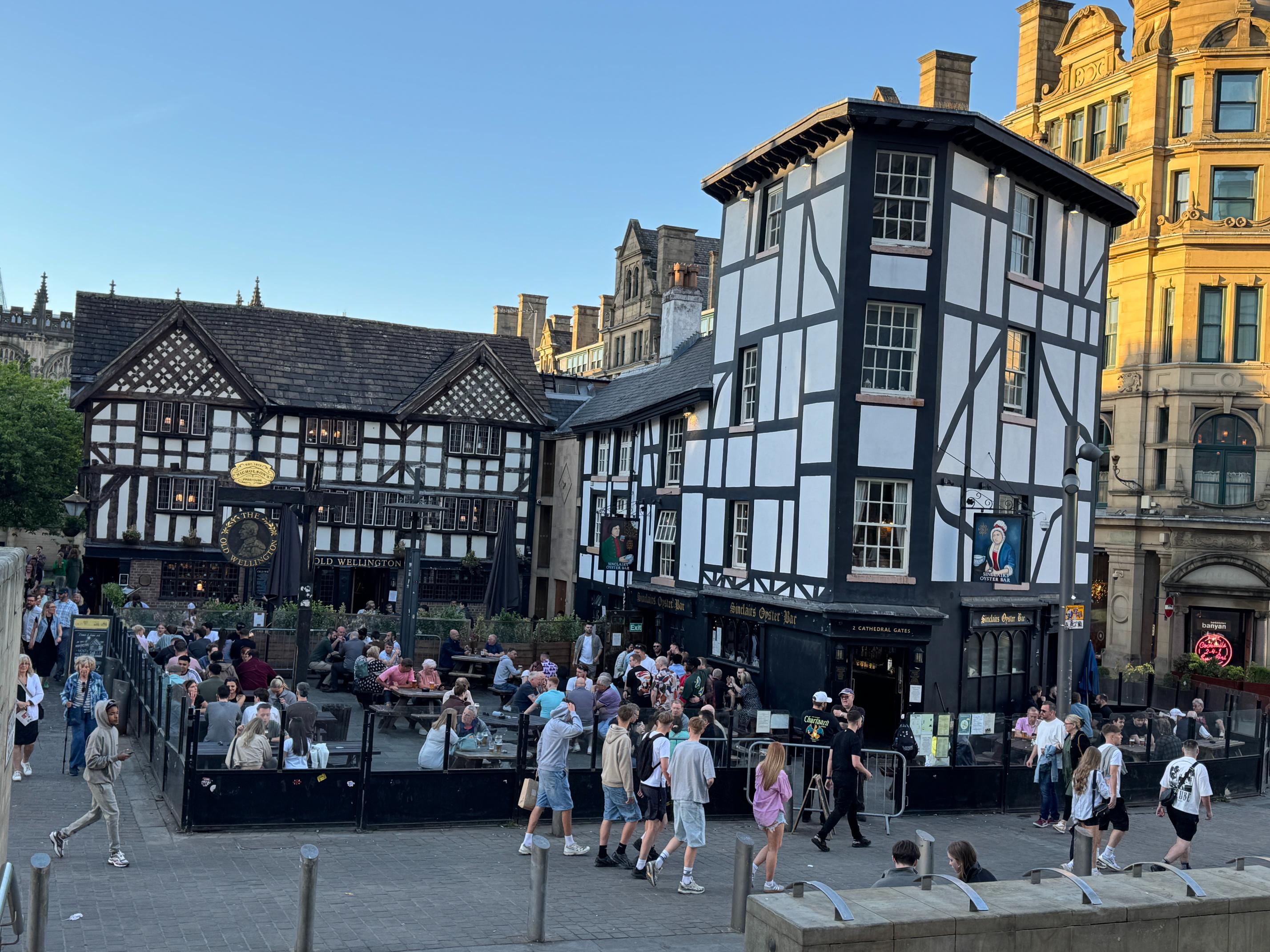
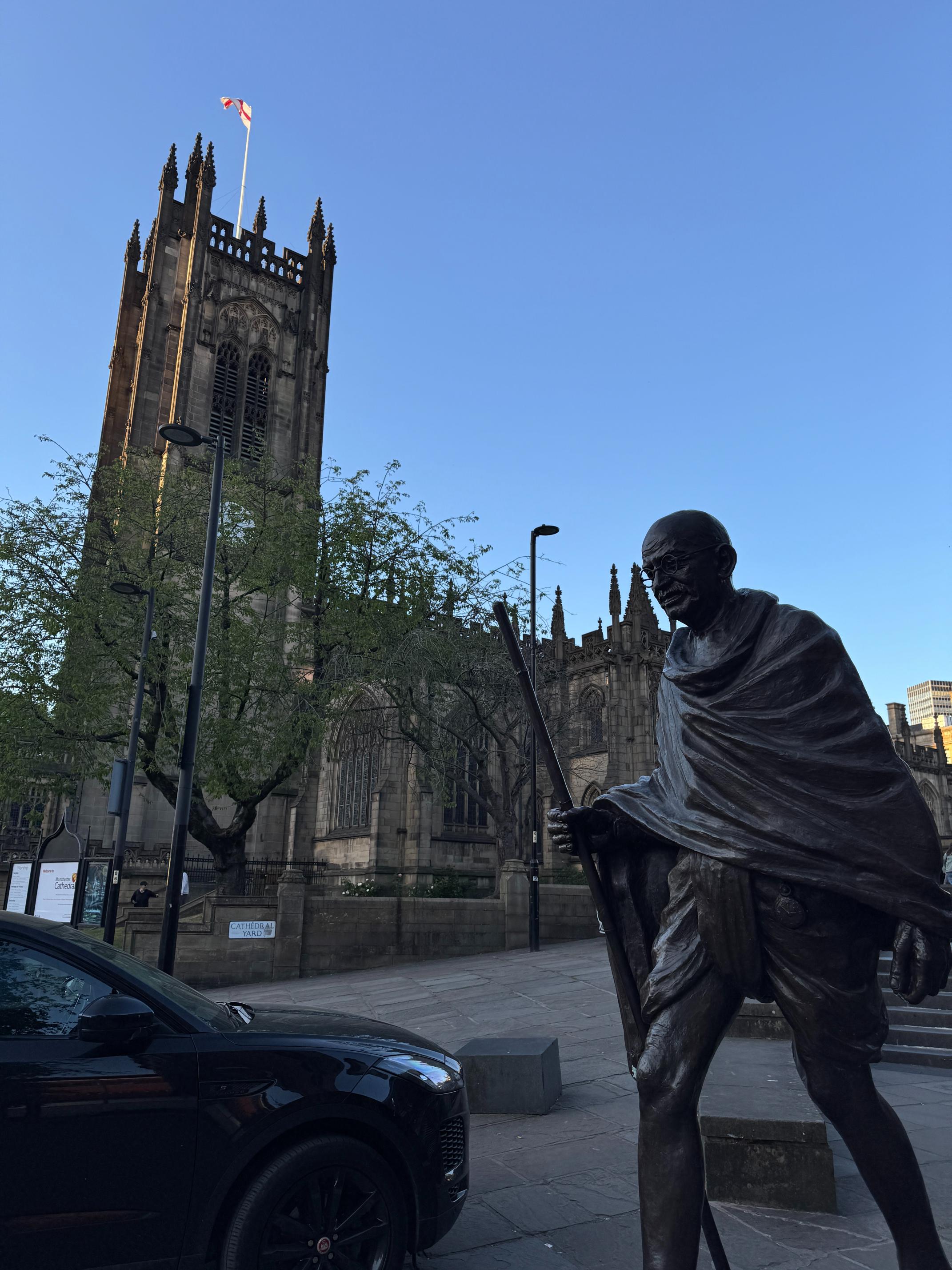
After dinner at a nearby curry house, we walked in another direction, passing a pub that has stood since 1552. The sun was going down at the end of another beautiful day, but its rays sometimes lit up individual structures while all around was in shadow. I didn’t have my pocket camera with me, so I got out my phone and grabbed some of the shots you can see below.





 On The Road With Garry