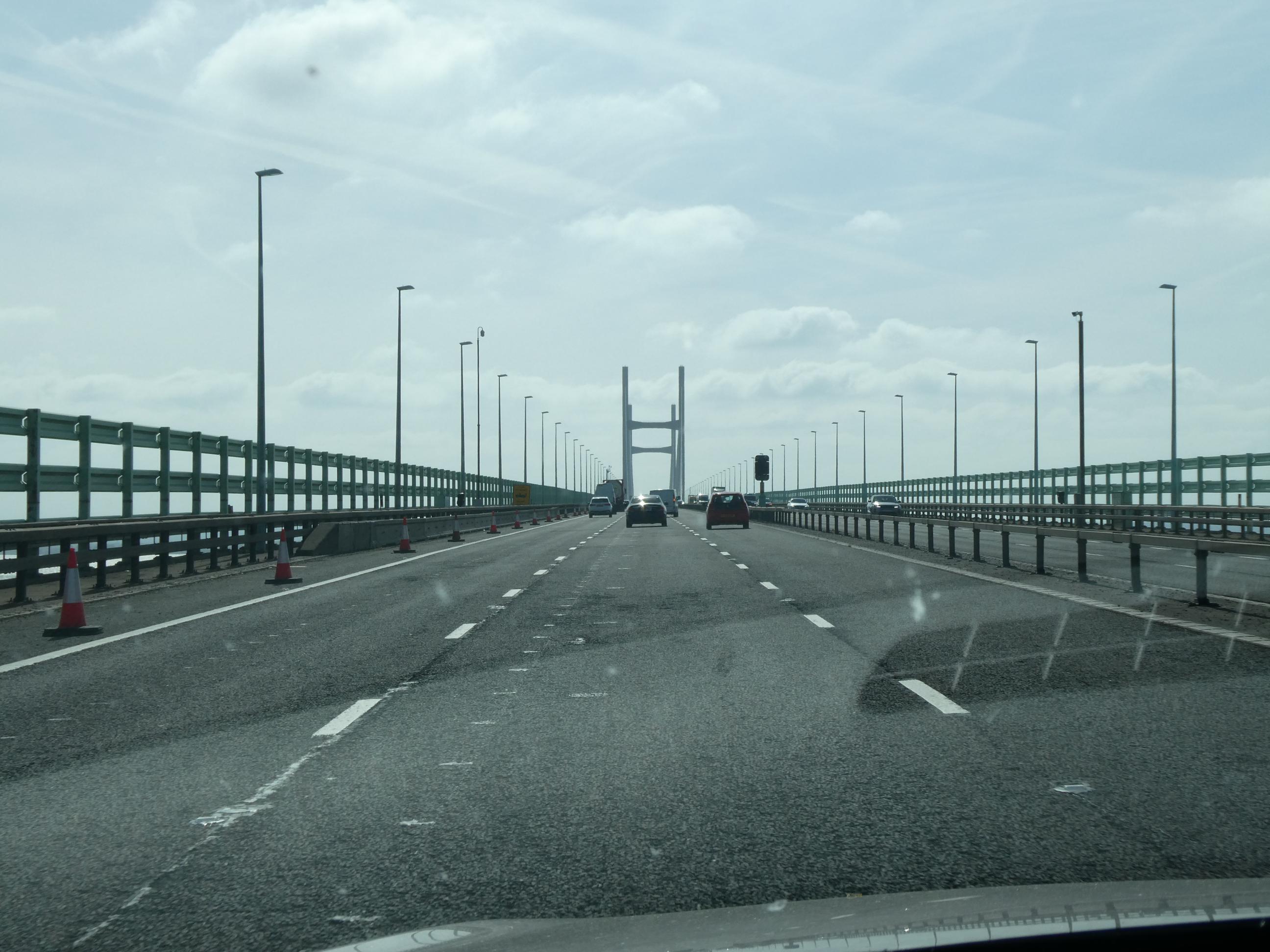
We left Cardiff after breakfast and returned to England along the same roads we had used when we first entered Wales. Once we crossed the Prince of Wales Bridge over the River Severn the very long, strange words no longer appeared on the road signs, so we knew we were no longer in Wales. After a couple of hours driving, we entered Stratford-Upon-Avon, a town in the West Midlands.


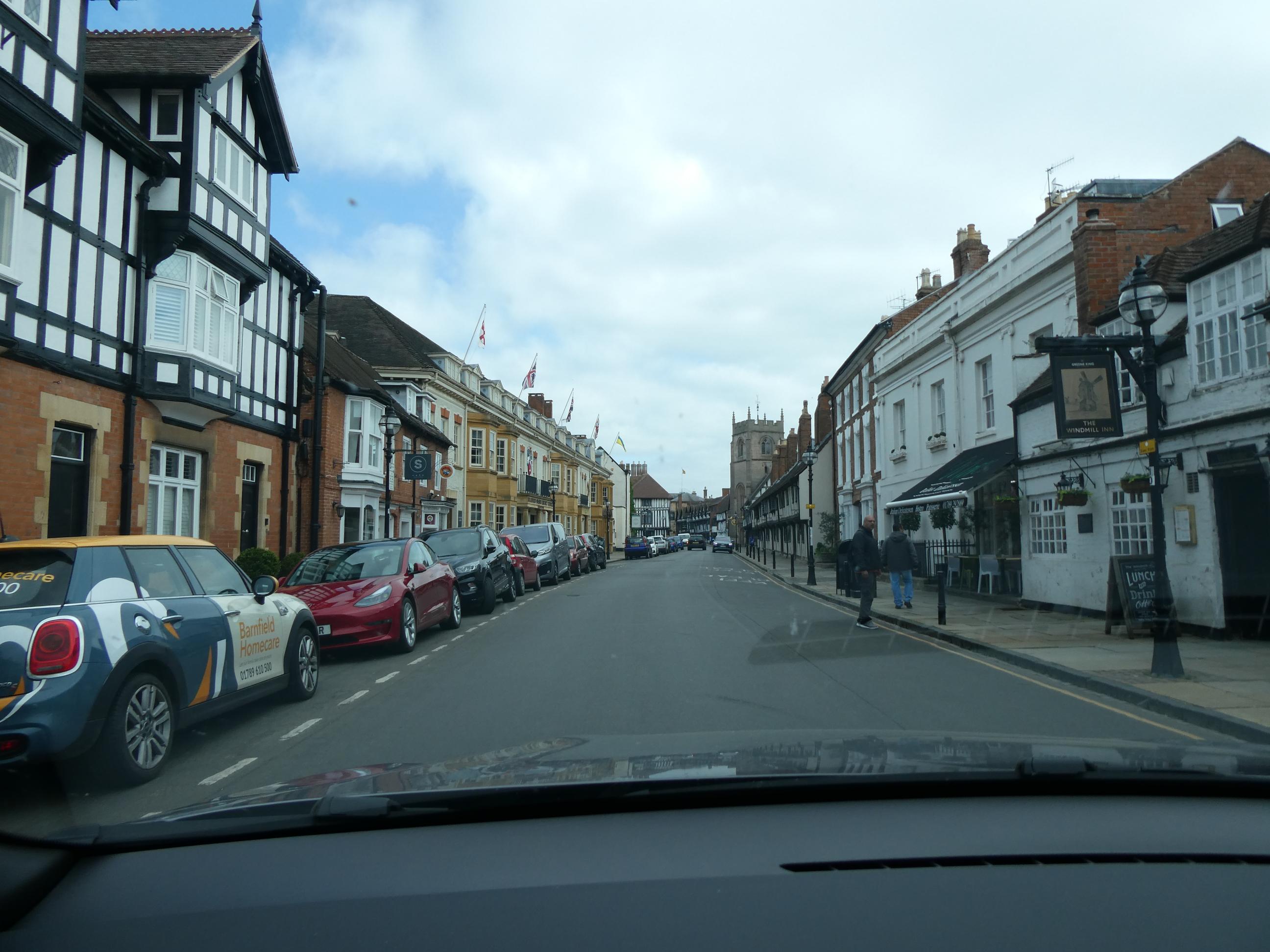
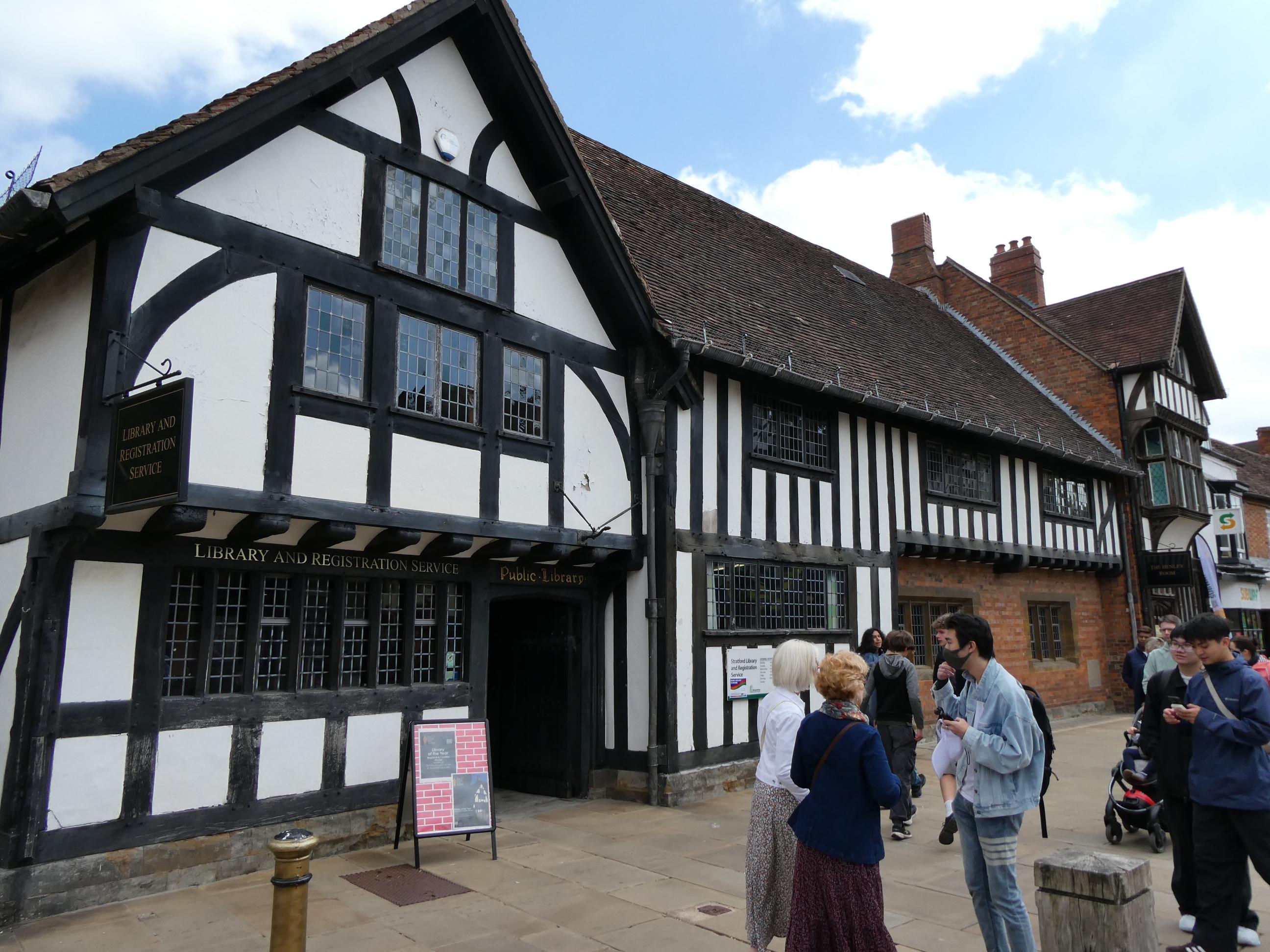
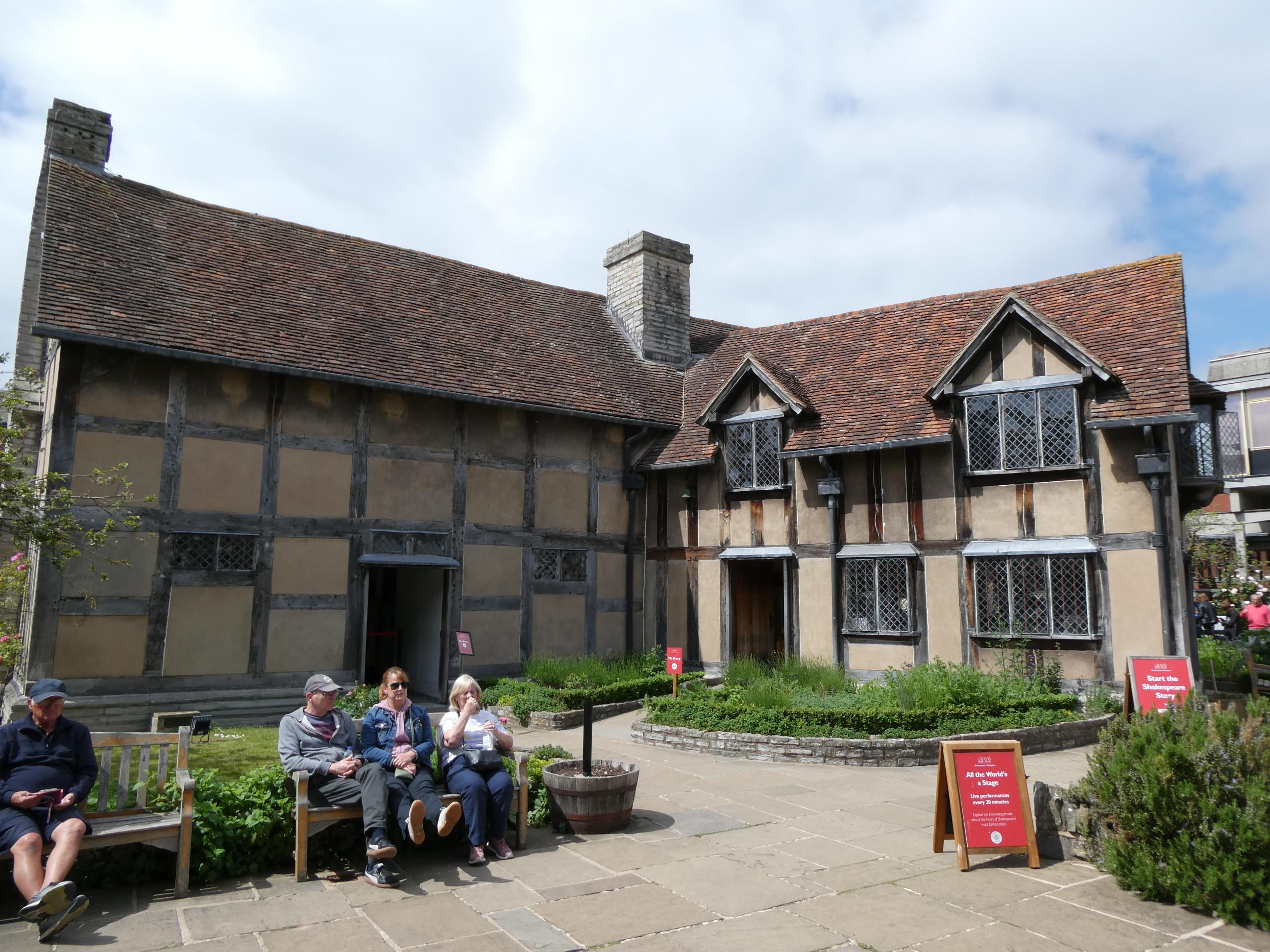
Thankfully we found a parking spot quite easily. Finding spaces to park the car has been quite a challenge in some of the places we’ve visited so far. In Stroud a few days ago, we eventually gave up looking for one and kept on going. Stratford is a really interesting place to visit. It’s a former market town, dating back over 800 years. I loved the Tudor houses with their hand-cut exposed black timber beams and whitewashed wattle and daub walls. Some walls even appear to bulge a little, or have a slight lean. They often have fairly steep gable roofs. They have great character, and provide a glimpse of the way Stratford might have looked if you were a fly on the wall during the 1500s, when Shakespeare lived here.



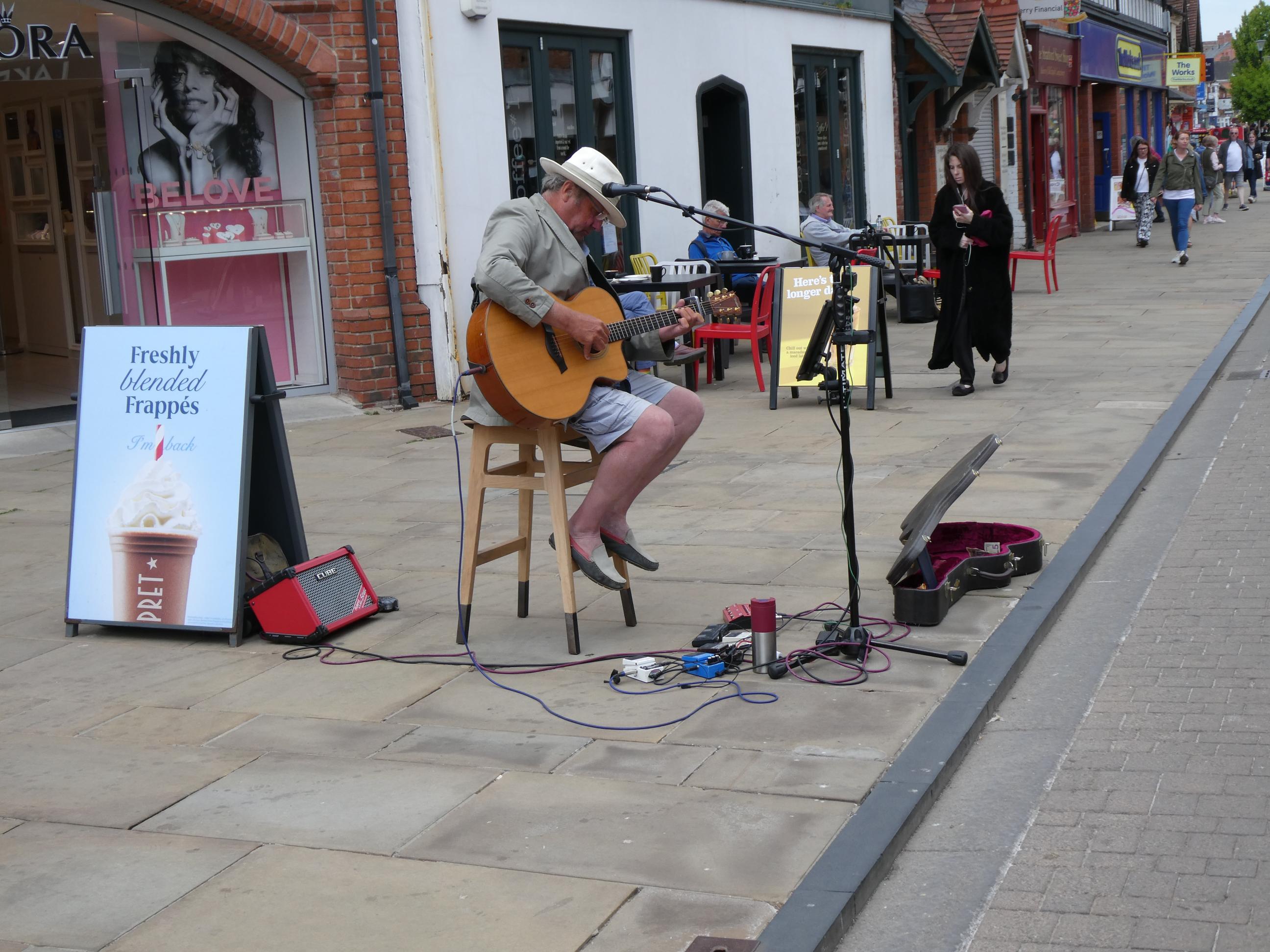
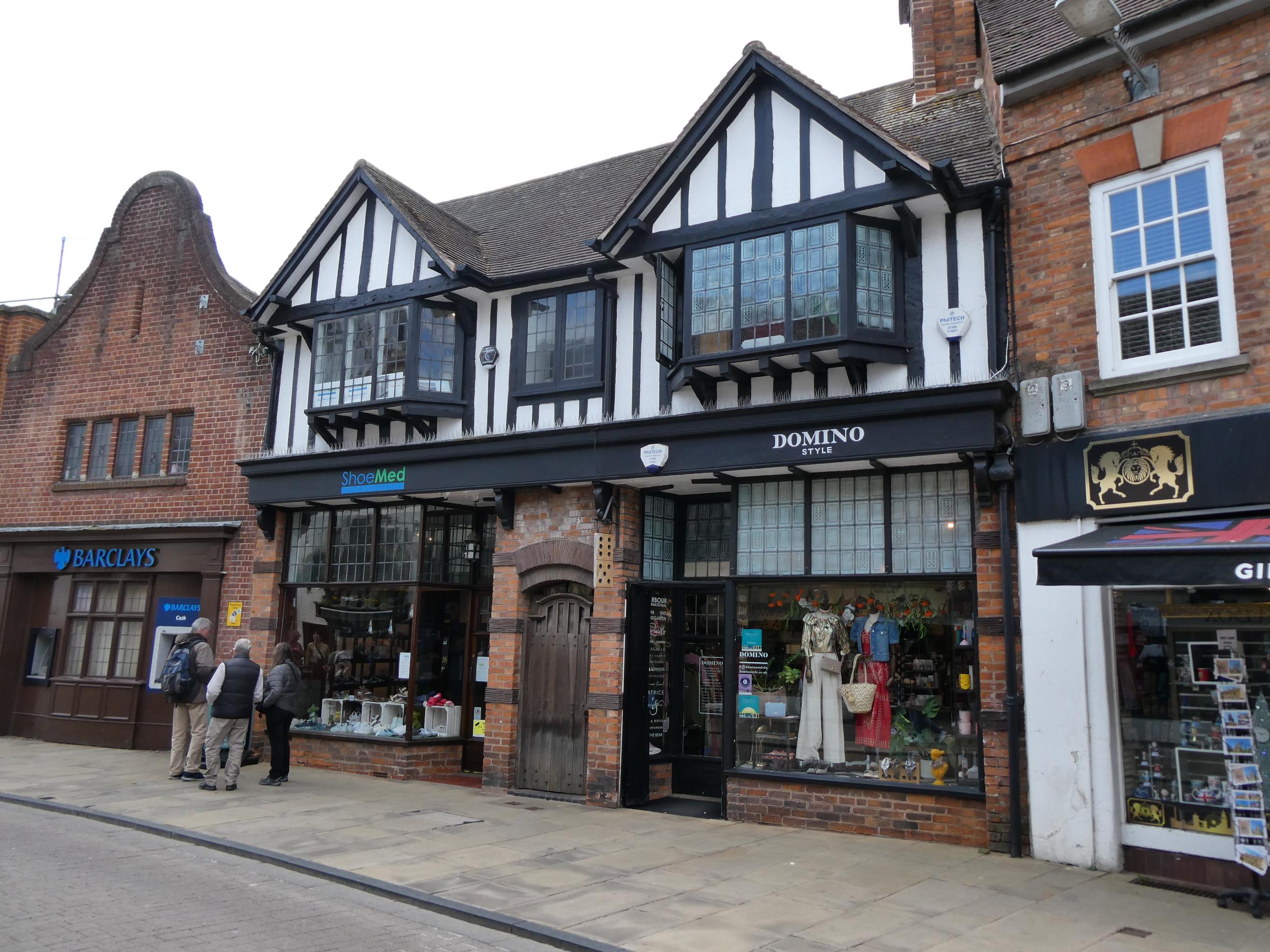

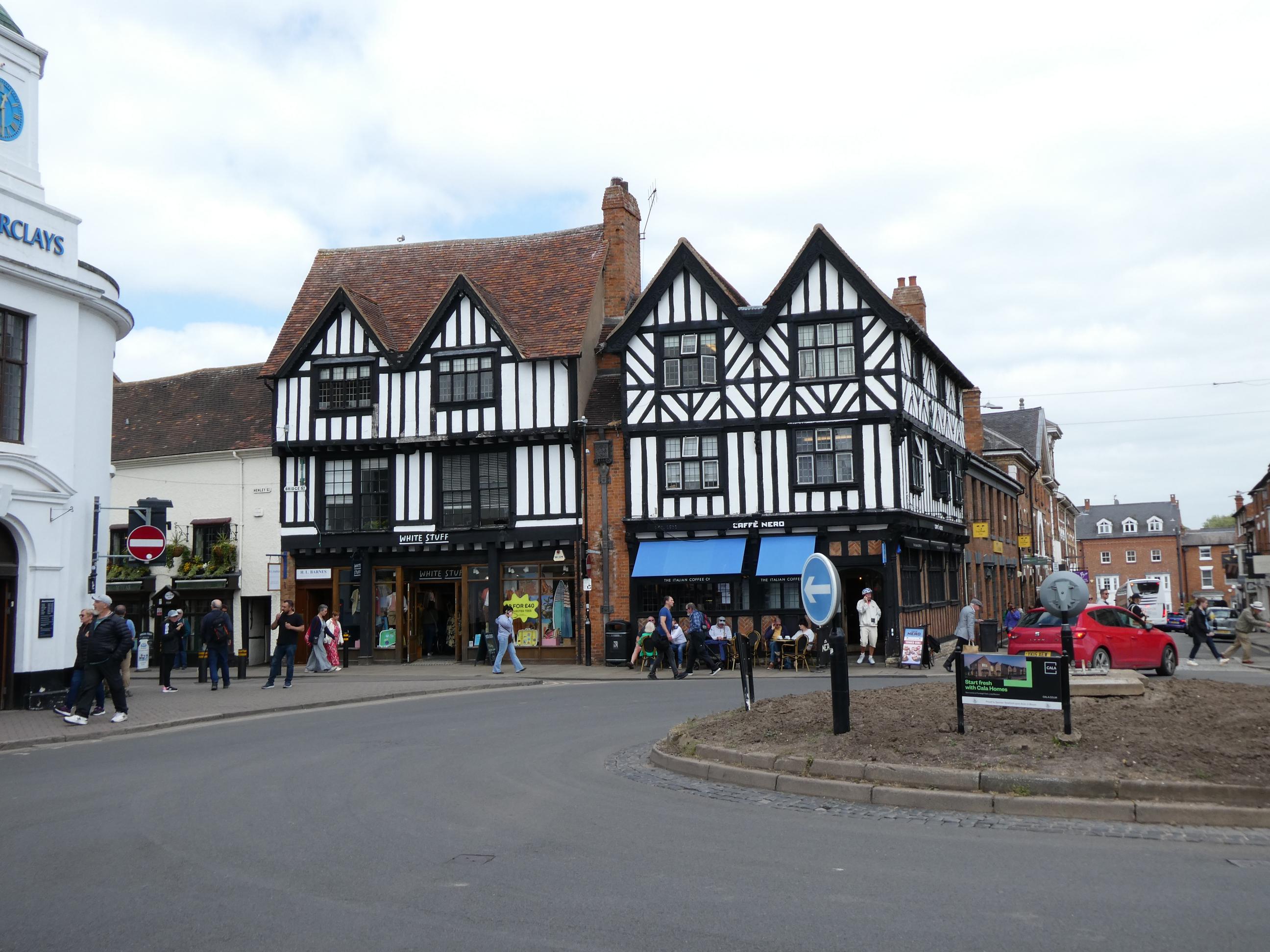
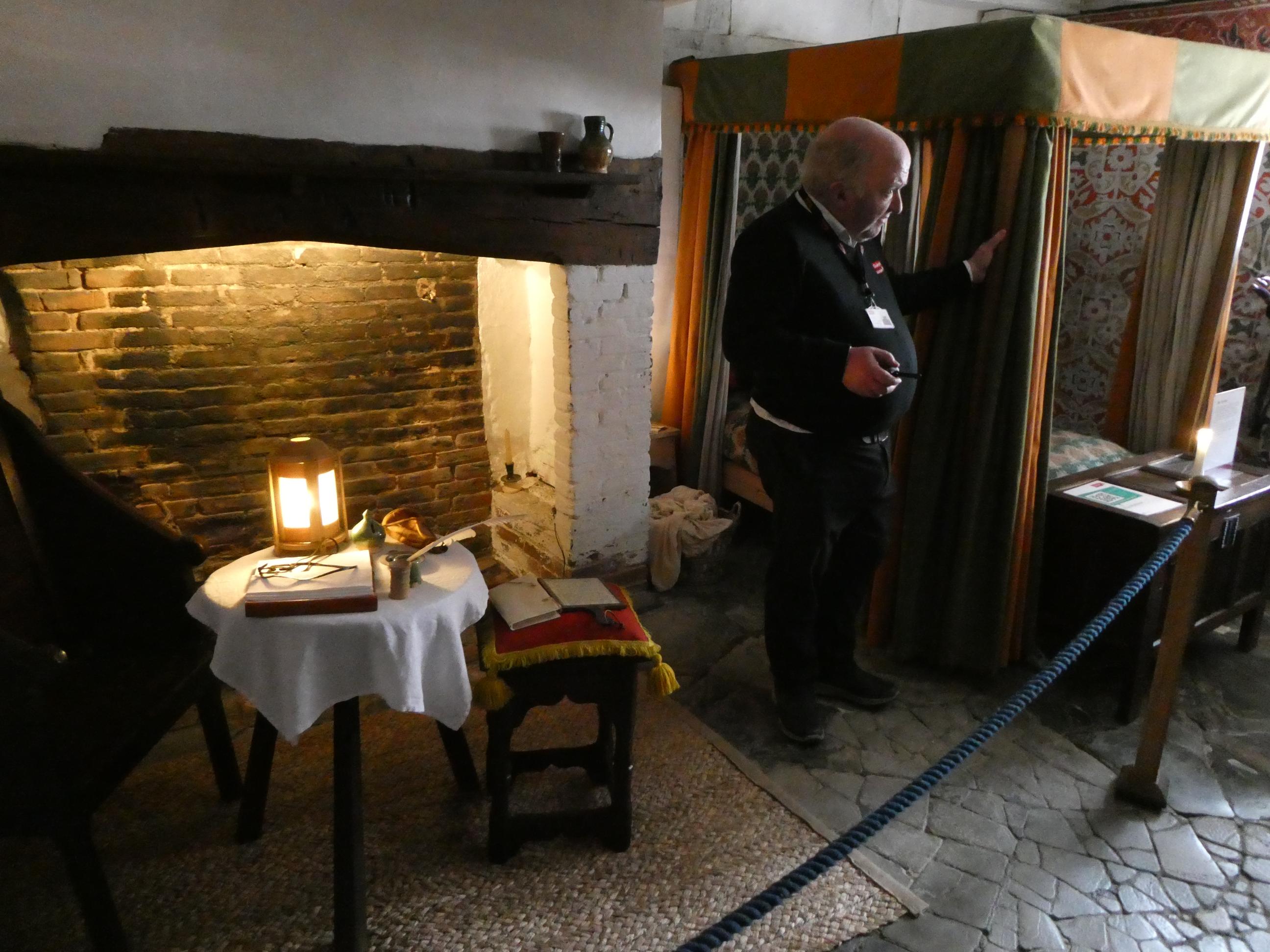
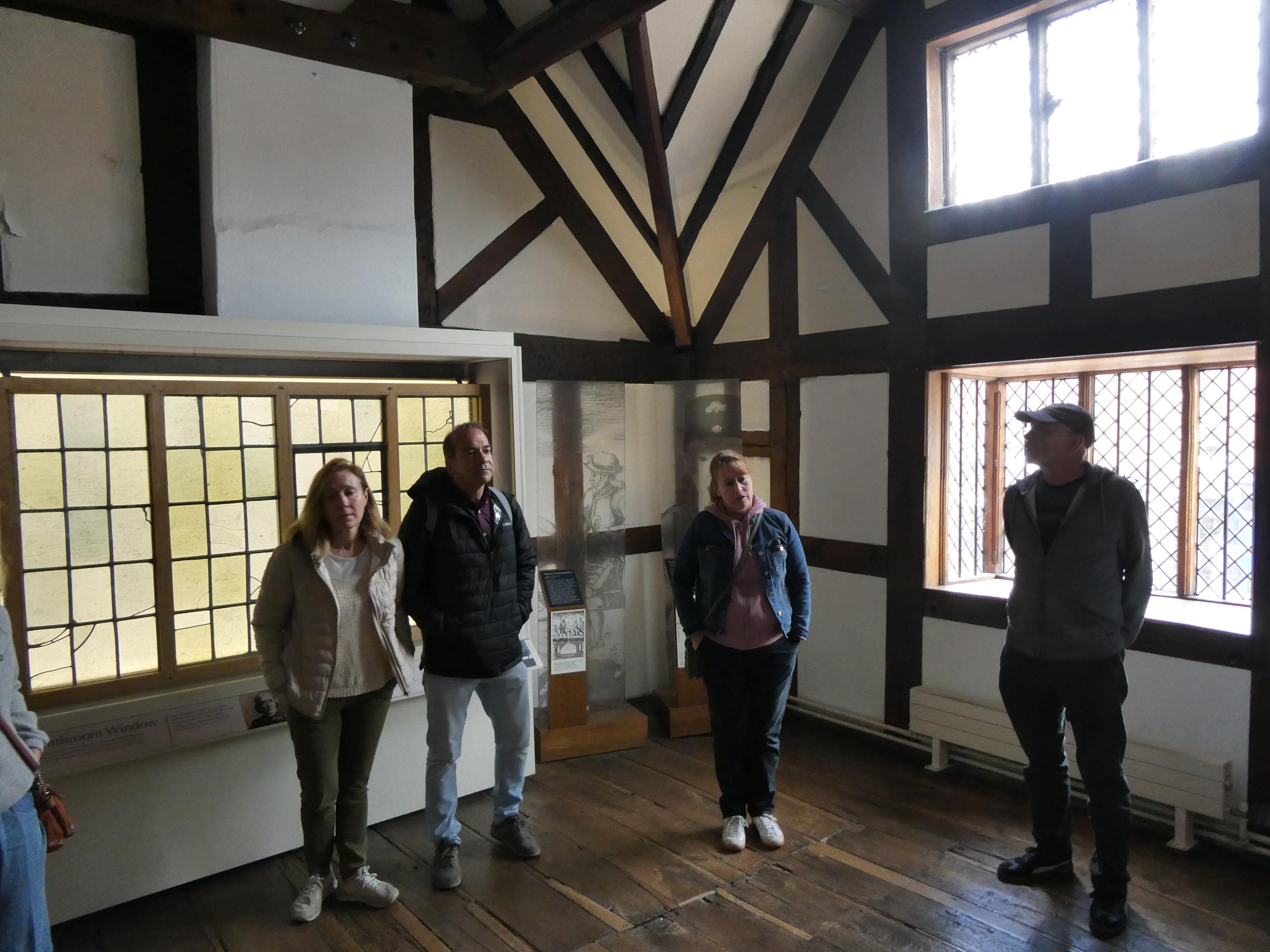
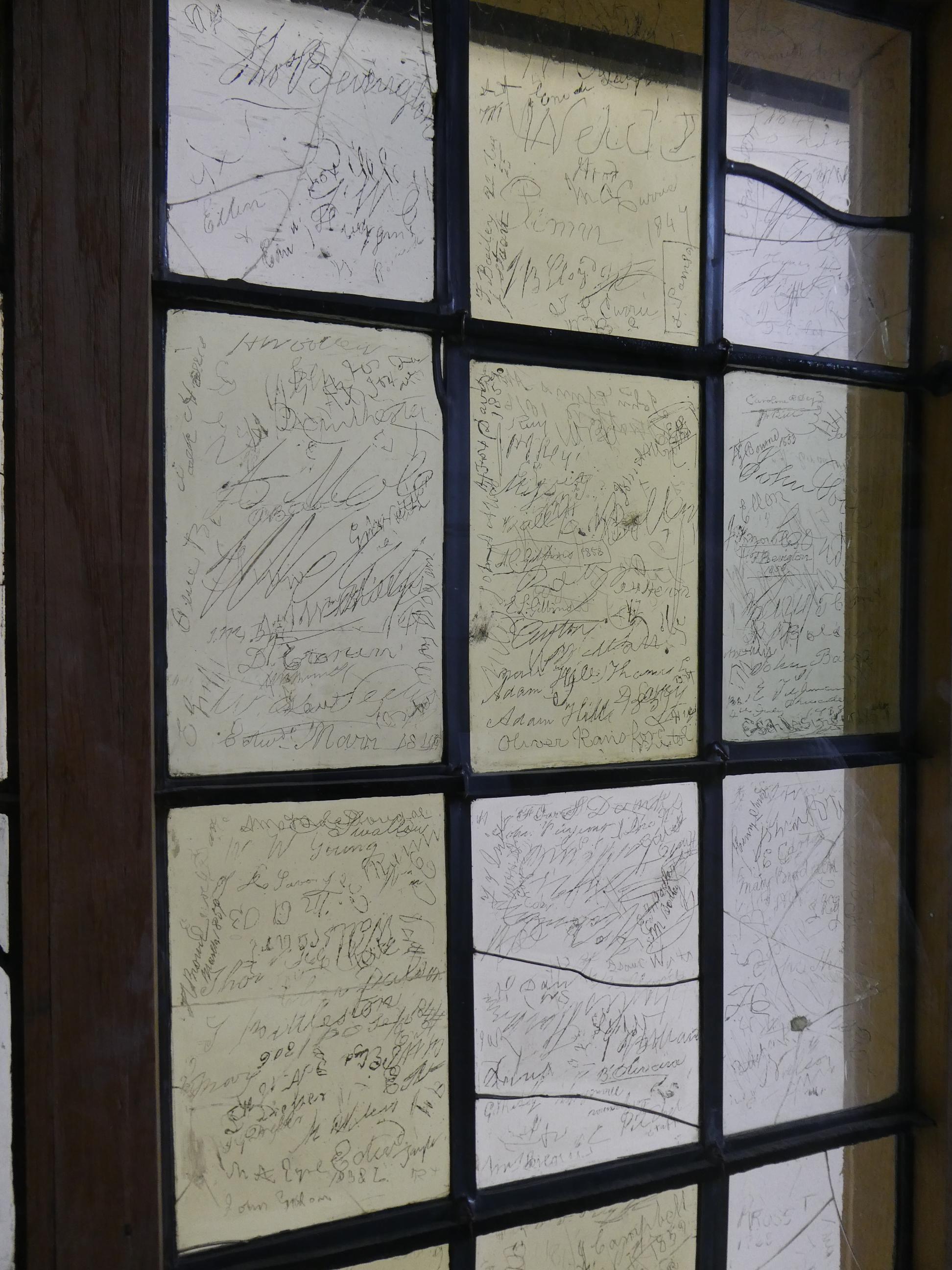
It was just a short walk from the car park to William Shakespeare’s birthplace. Marg and I were here six years ago, and little has changed, with the exception of the new statue of the Bard in the main street in front of his childhood home. Even the same two actors we had seen performing scenes from Shakespeare’s plays in 2019 were here again today, one to perform for us and the other to welcome us into the house. The house today is not exactly as it was when Shakespeare and his family lived here, as several changes have been made to it over the years. His sister Joan’s humble home, once separate, is now the first room you enter when visiting the Shakespeare house. An extension was added in the 1700s and was used as a pub for a time. The rooms are small and group sizes are limited, so if you’re at the back of the group like I was today, you might not even be able to squeeze into the next room to hear the guide’s commentary. It didn’t really matter today because I’d heard it all before and remembered a lot of it. I spent more time marvelling at the construction, especially the solid oak timber floors that have withstood foot traffic for the past 500 years and the strong rough hewn wooden beams that give the rooms their uneven angles and distinctive shapes. I also like the graffiti that was scratched into the window panes by visitors in the Victorian era. What a strange thing to do.




Upon leaving the house, James, an actor, invited us to take a seat in the performance space in a corner of the garden. He entertained us with a selection of scenes from Shakespeare’s best known plays. His ‘setlist’ included a range of different types of plays from histories and comedies to tragedies and romances. He was very good.
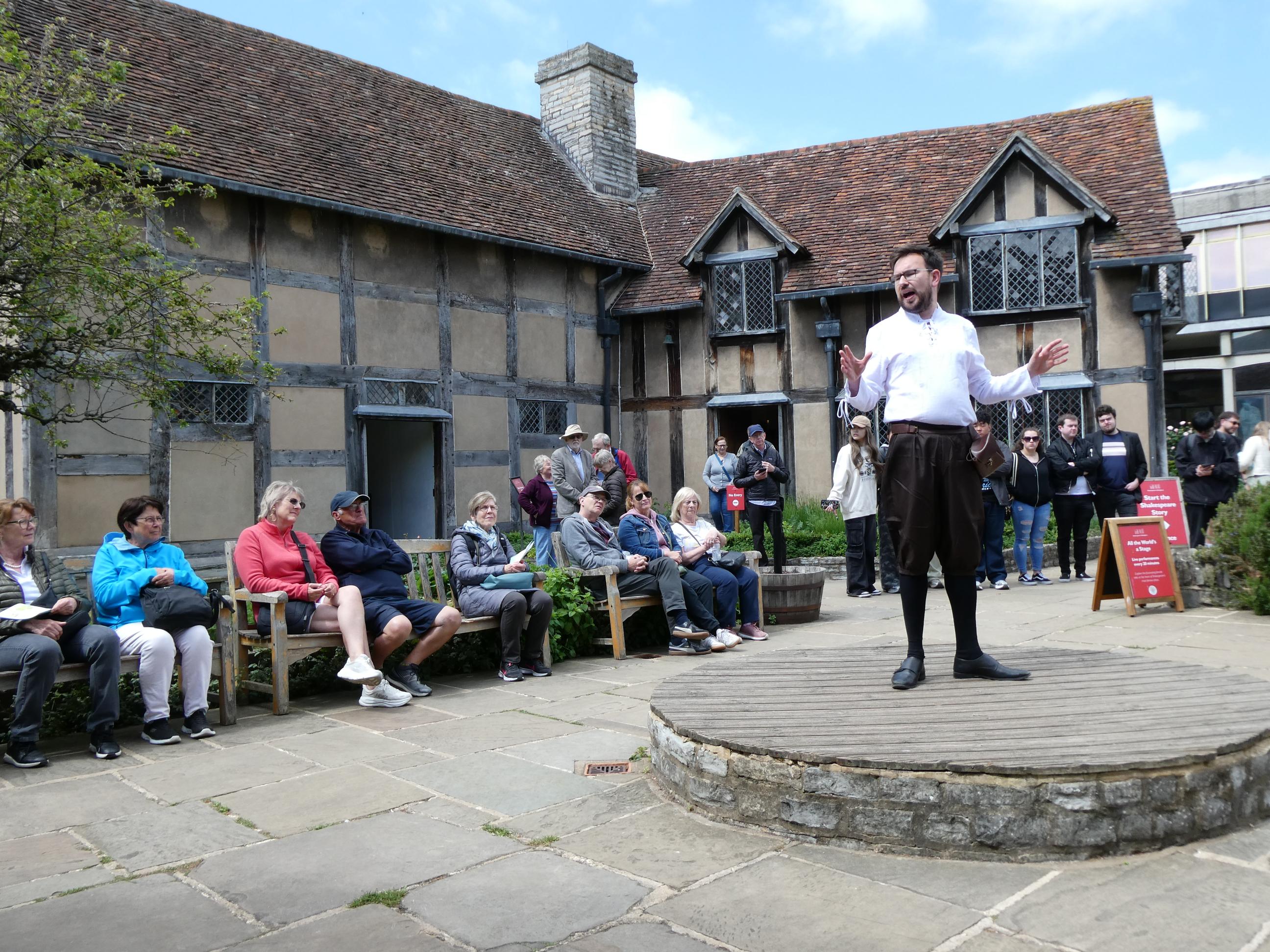
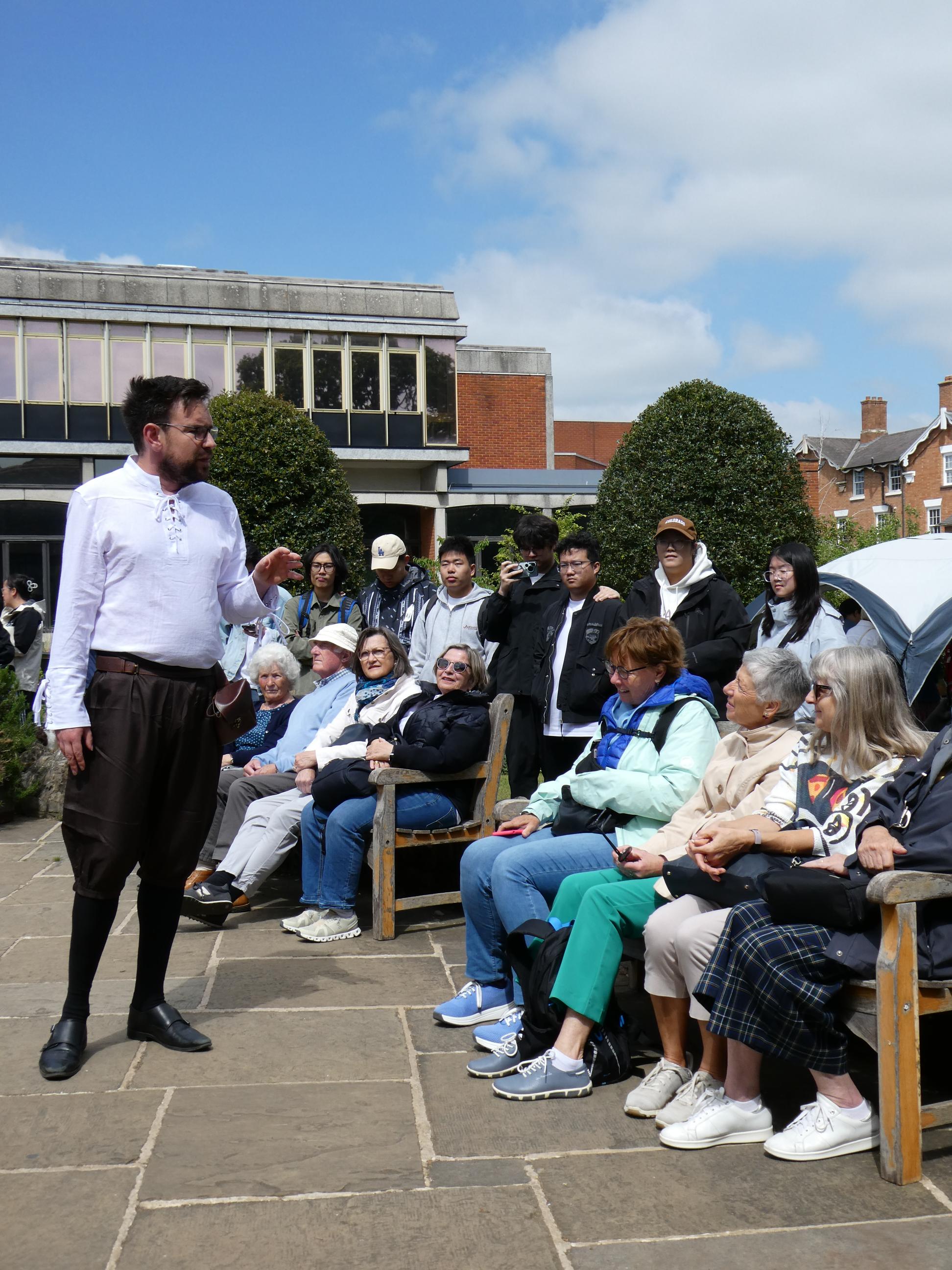


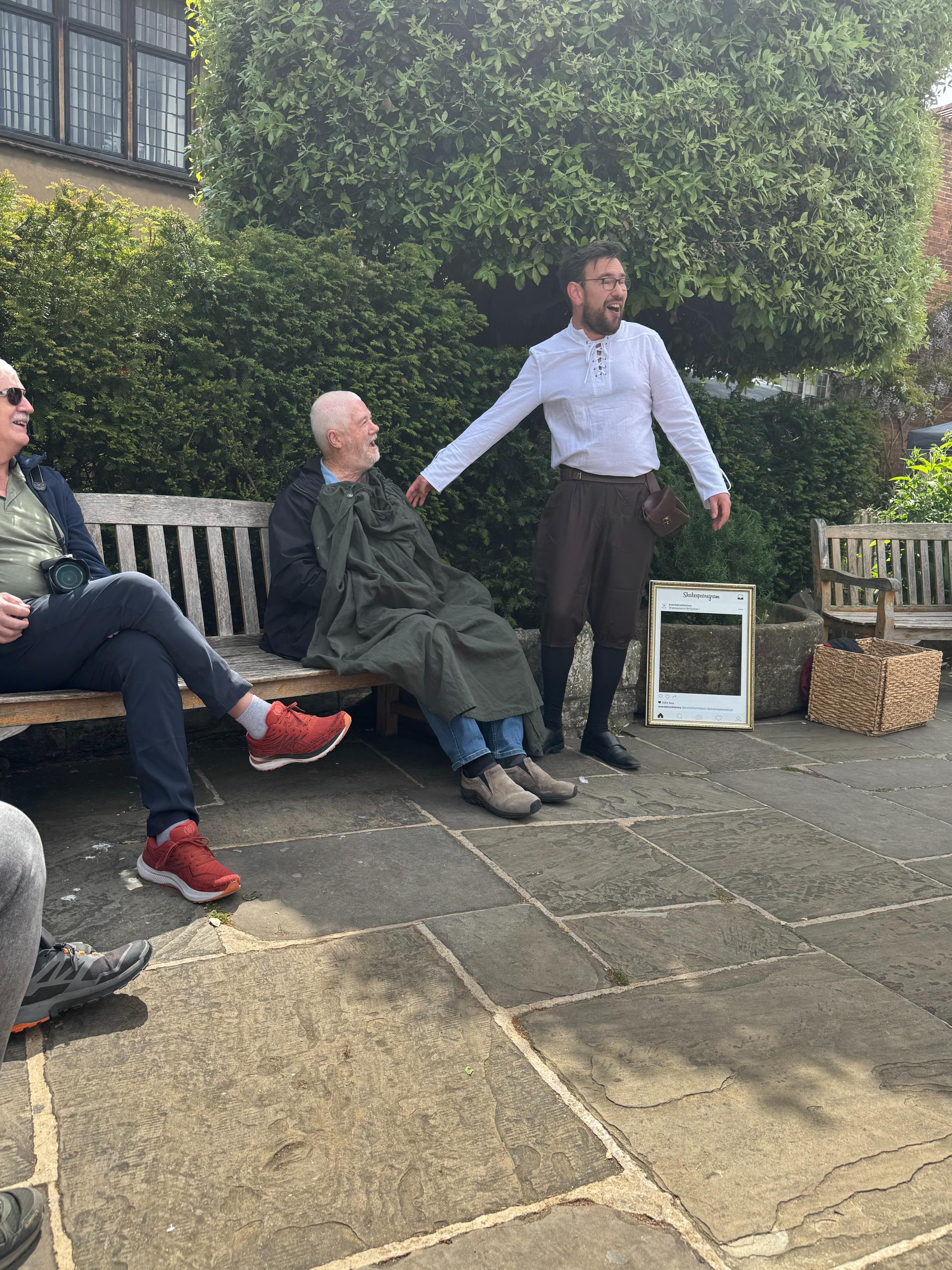
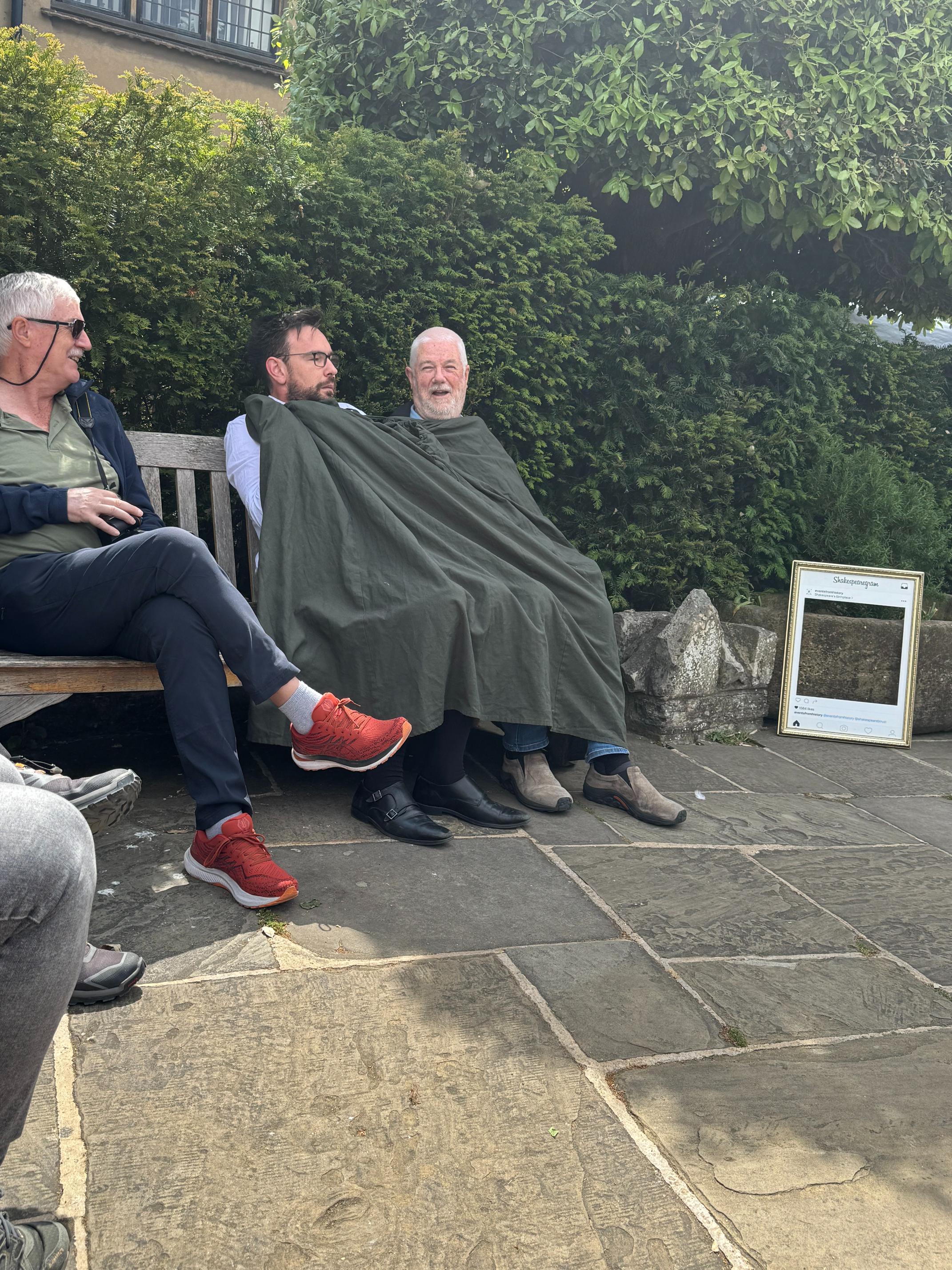
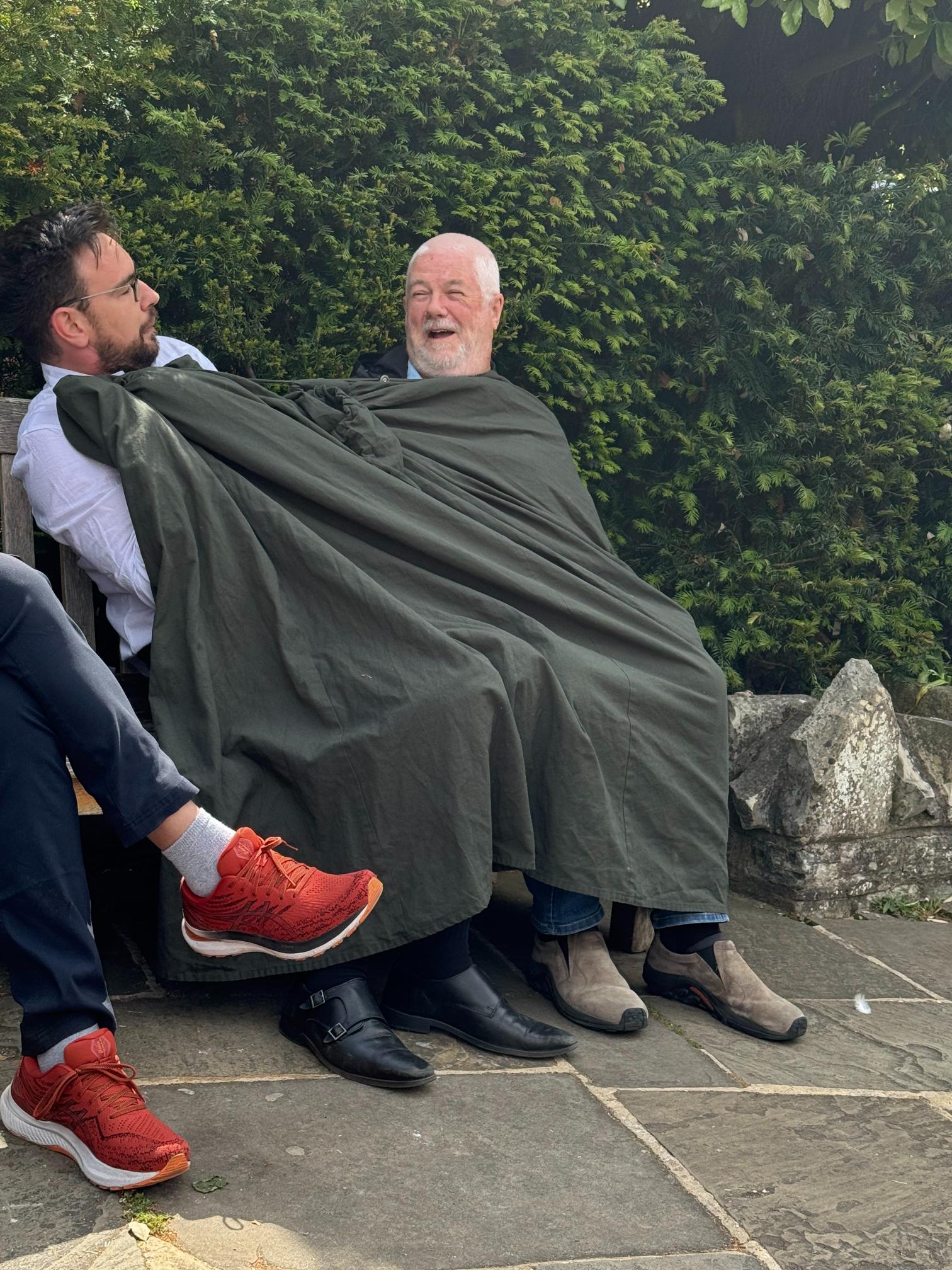
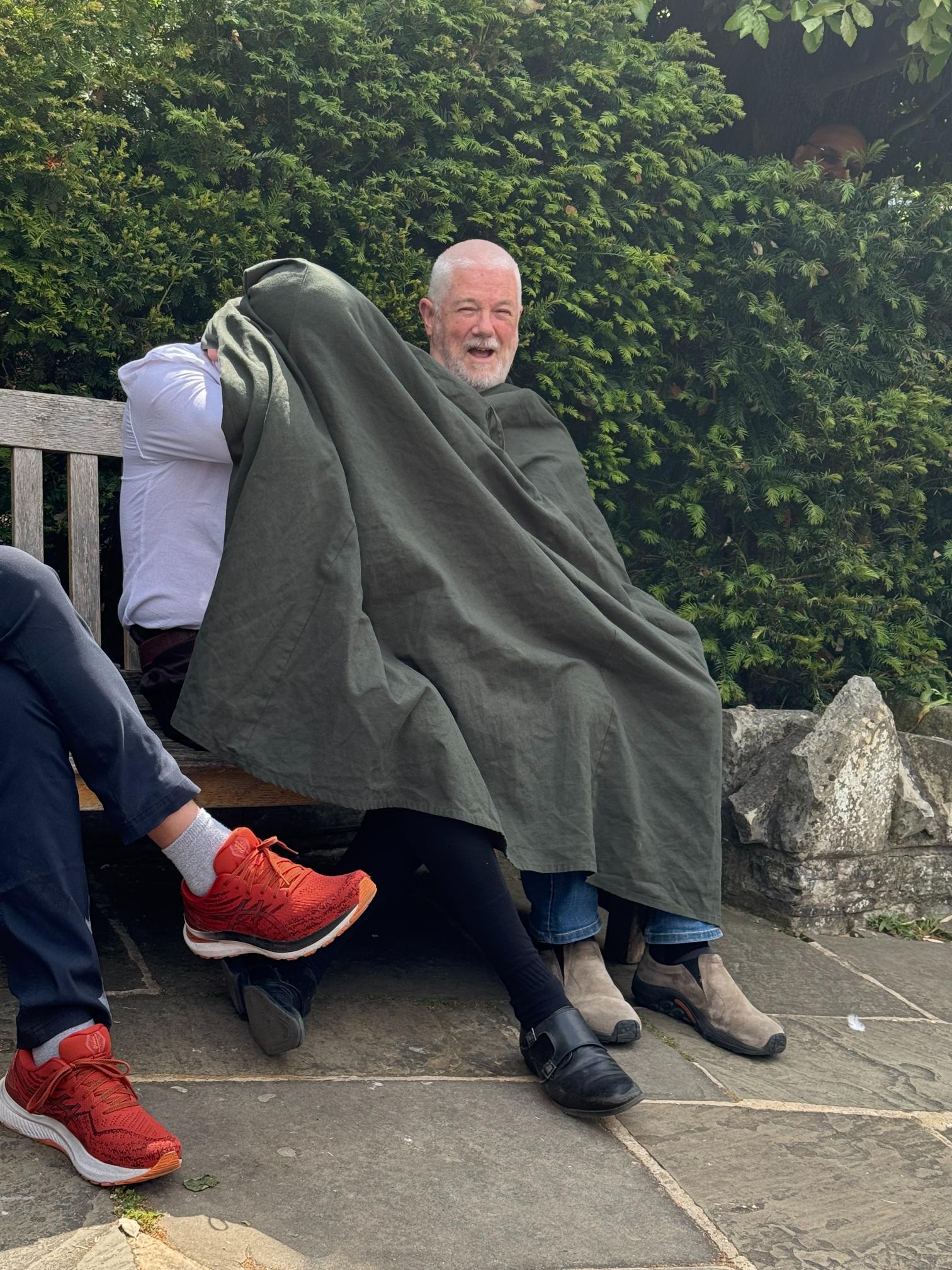
I really enjoyed watching James, but I didn’t expect to be part of his act. Suddenly he threw a cloak over me and launched into a scene from ‘The Tempest’, where Trinculo notices Caliban and says:
“What have we here, a man or a fish? Dead or alive? A fish, he smells like a fish—a very ancient and fishlike smell, a kind of not-of-the-newest poor-John.
A strange fish. Were I in England now, as once I was, and had but this fish painted, not a holiday fool there but would give a piece of silver. There would this monster make a man. Any strange beast there makes a man.
When they will not give a doit to relieve a lame beggar, they will lay out ten to see a dead Indian. Legged like a man, and his fins like arms! Warm, o’ my troth! I do now let loose my opinion, hold it no longer: this is no fish, but an islander that hath lately suffered by a thunderbolt.
⌜Thunder.⌝
Alas, the storm is come again. My best way is to creep under his gaberdine. There is no other shelter hereabout. Misery acquaints a man with strange bedfellows. I will here shroud till the dregs of the storm be past.”
⌜He crawls under Caliban’s cloak.⌝

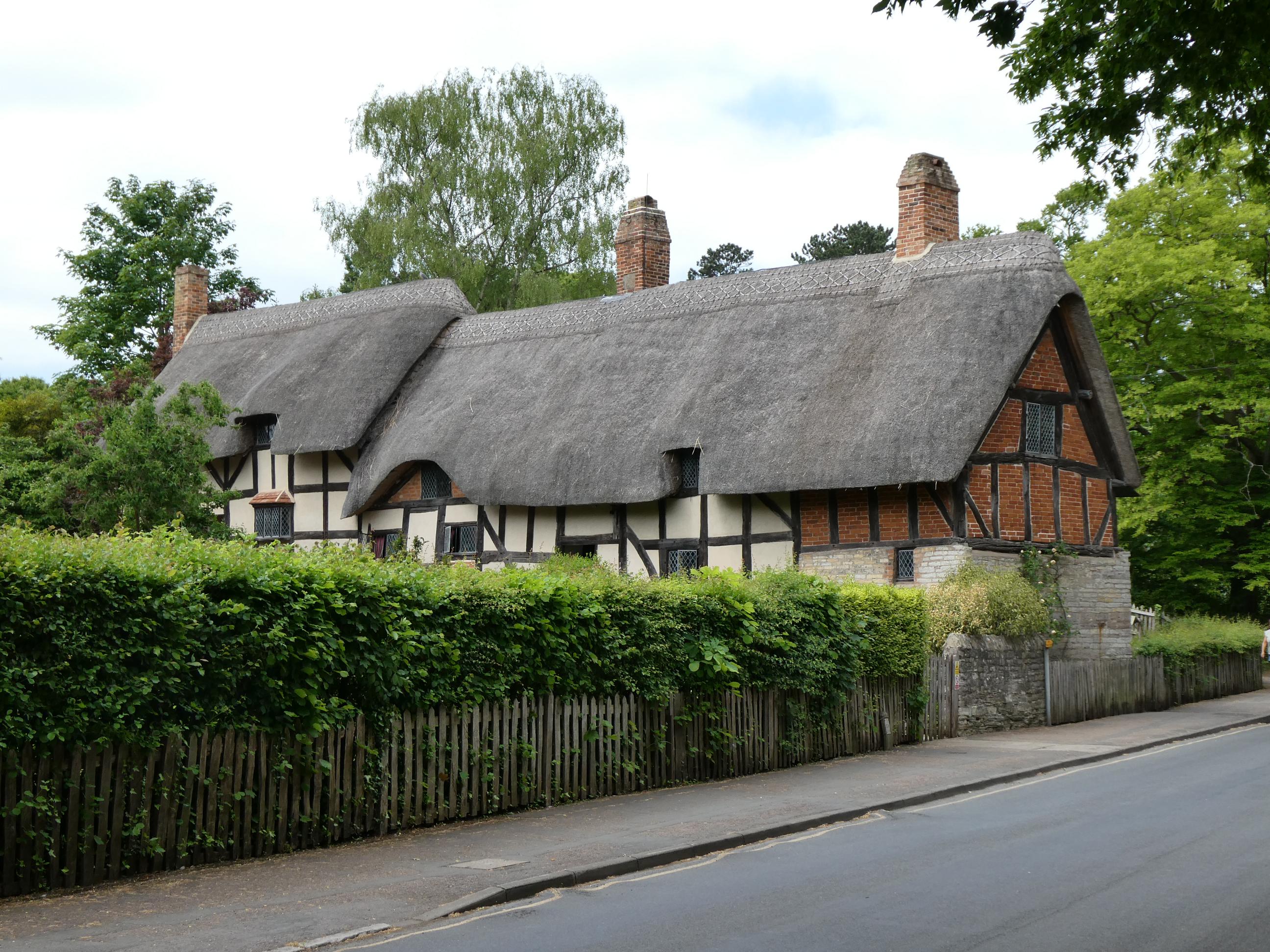
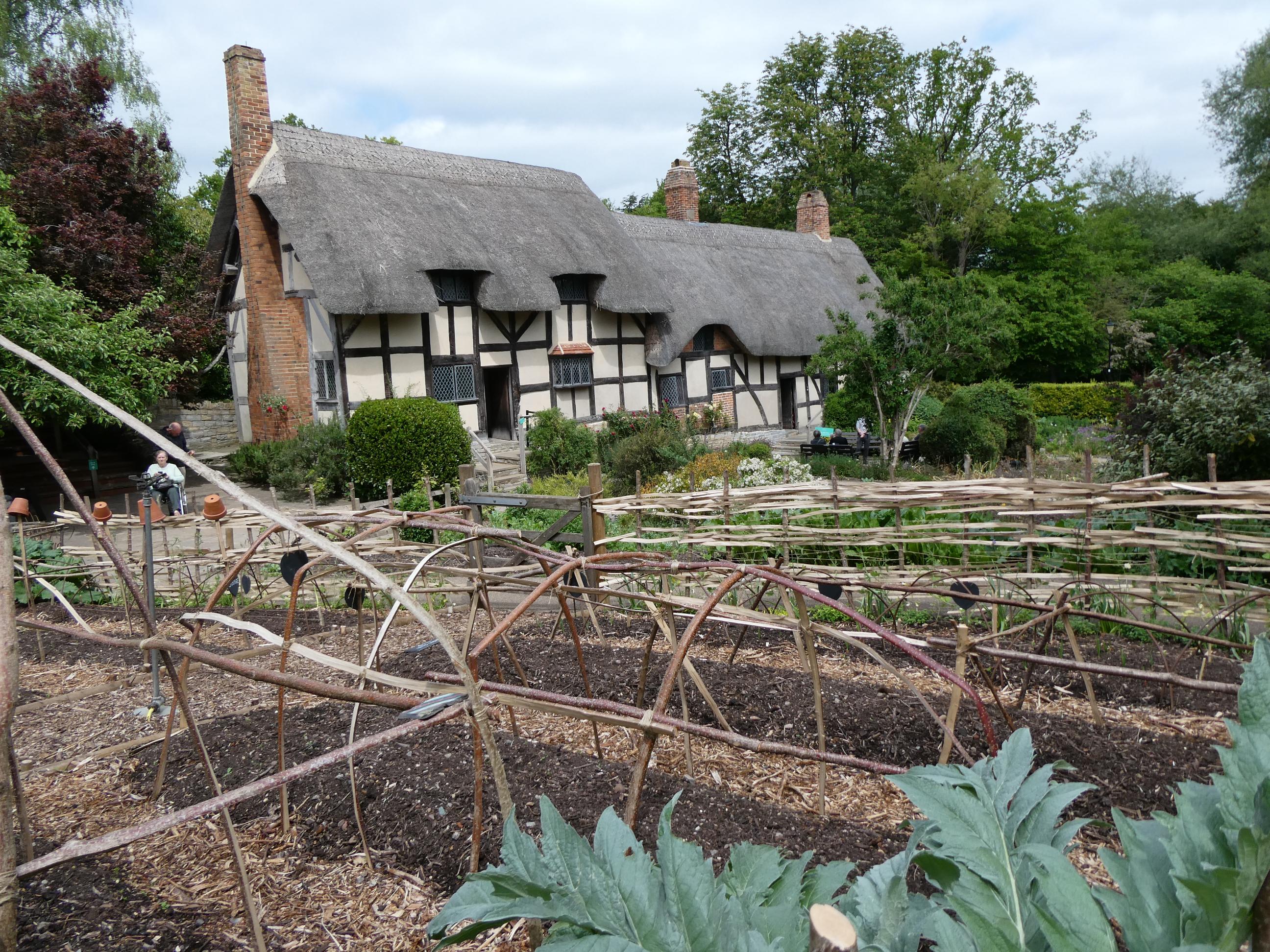
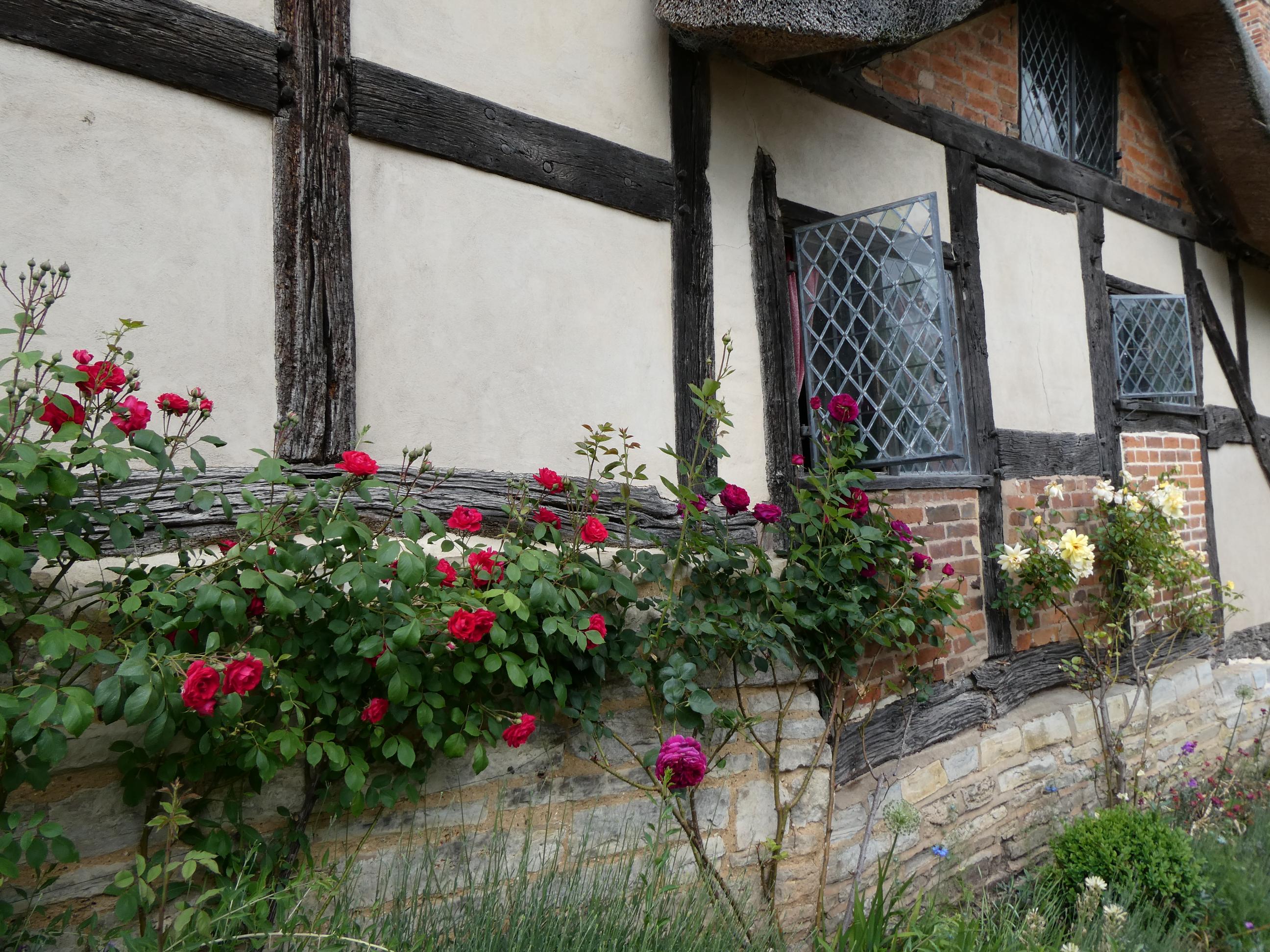
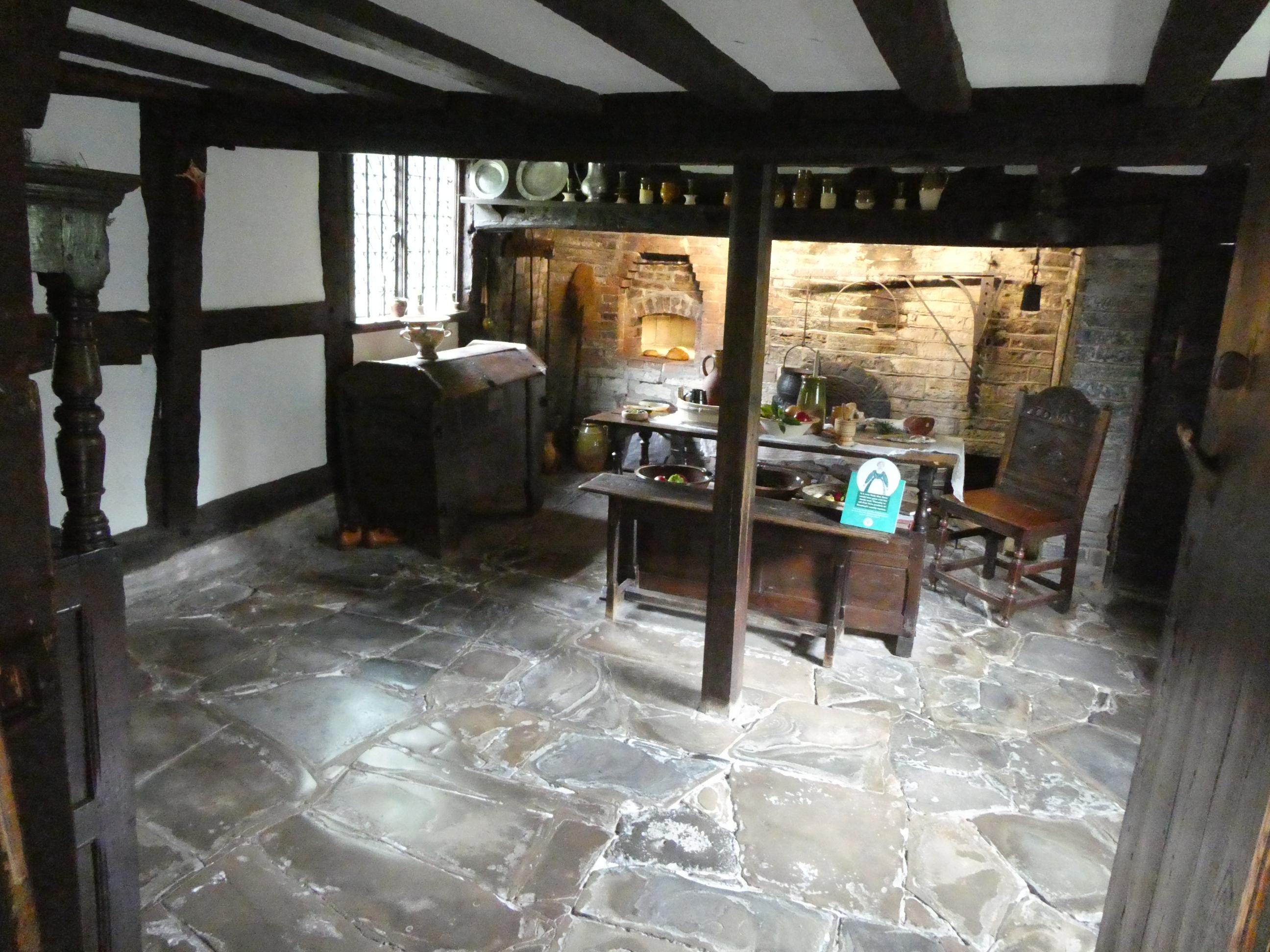
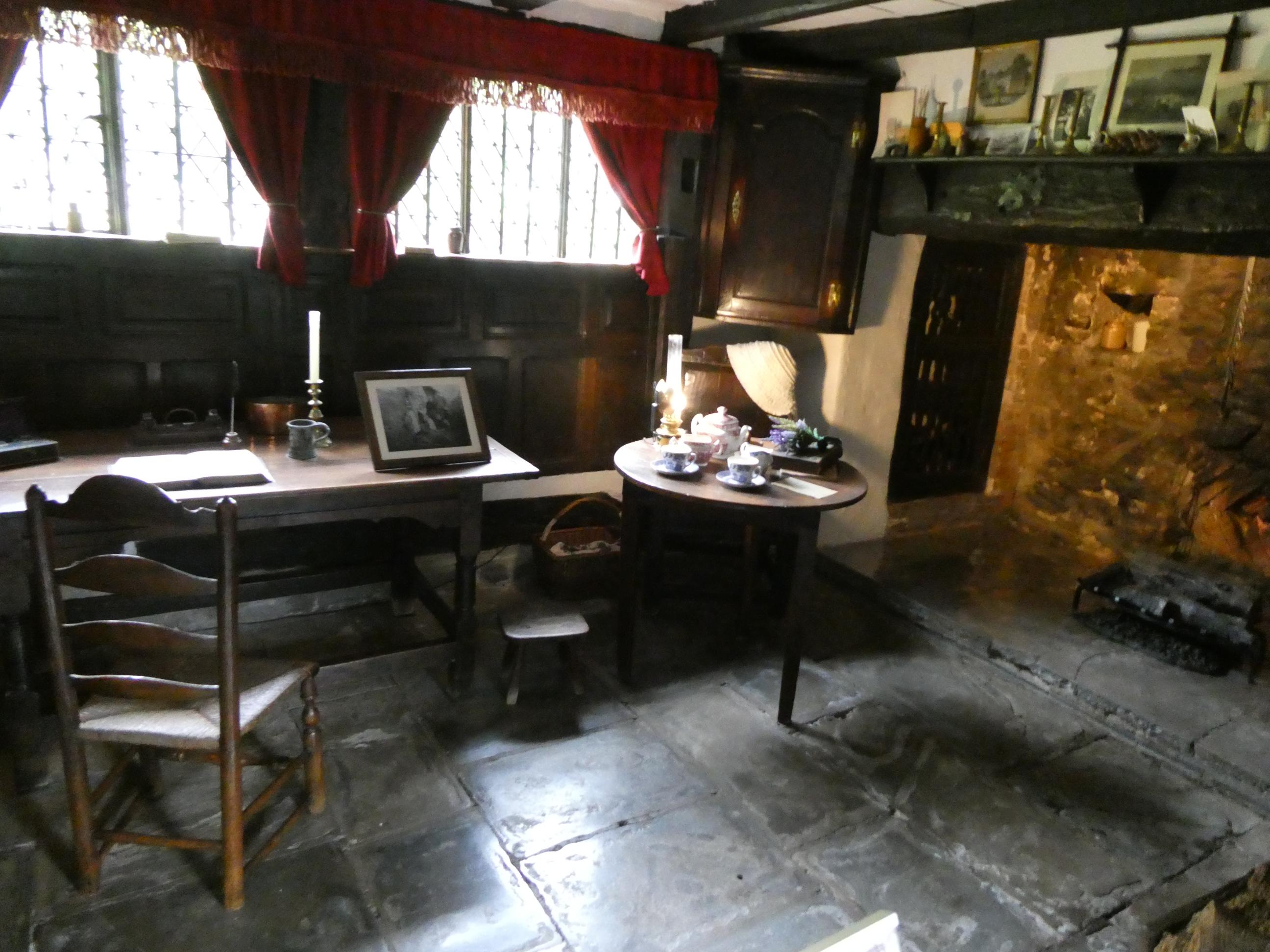
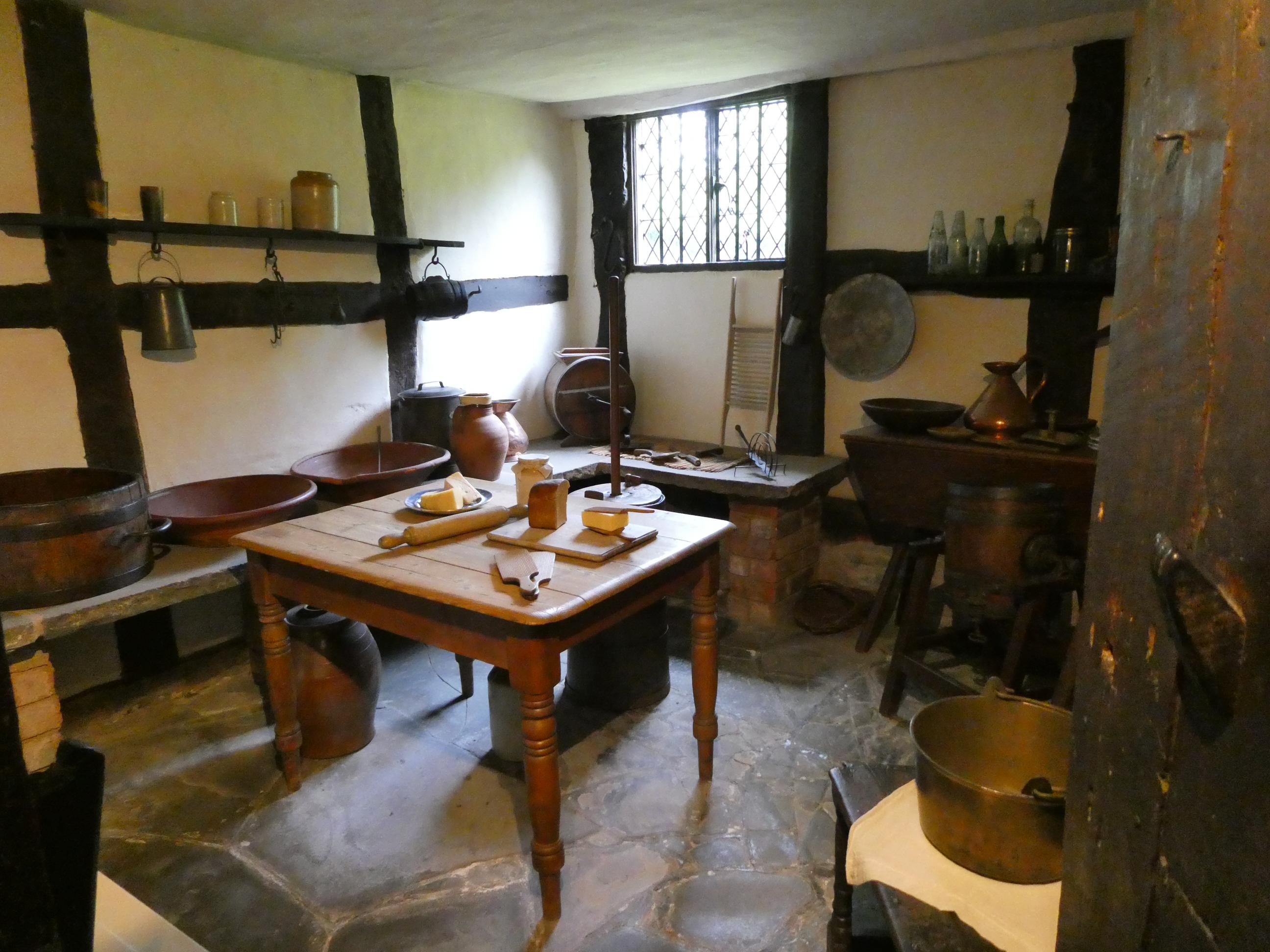
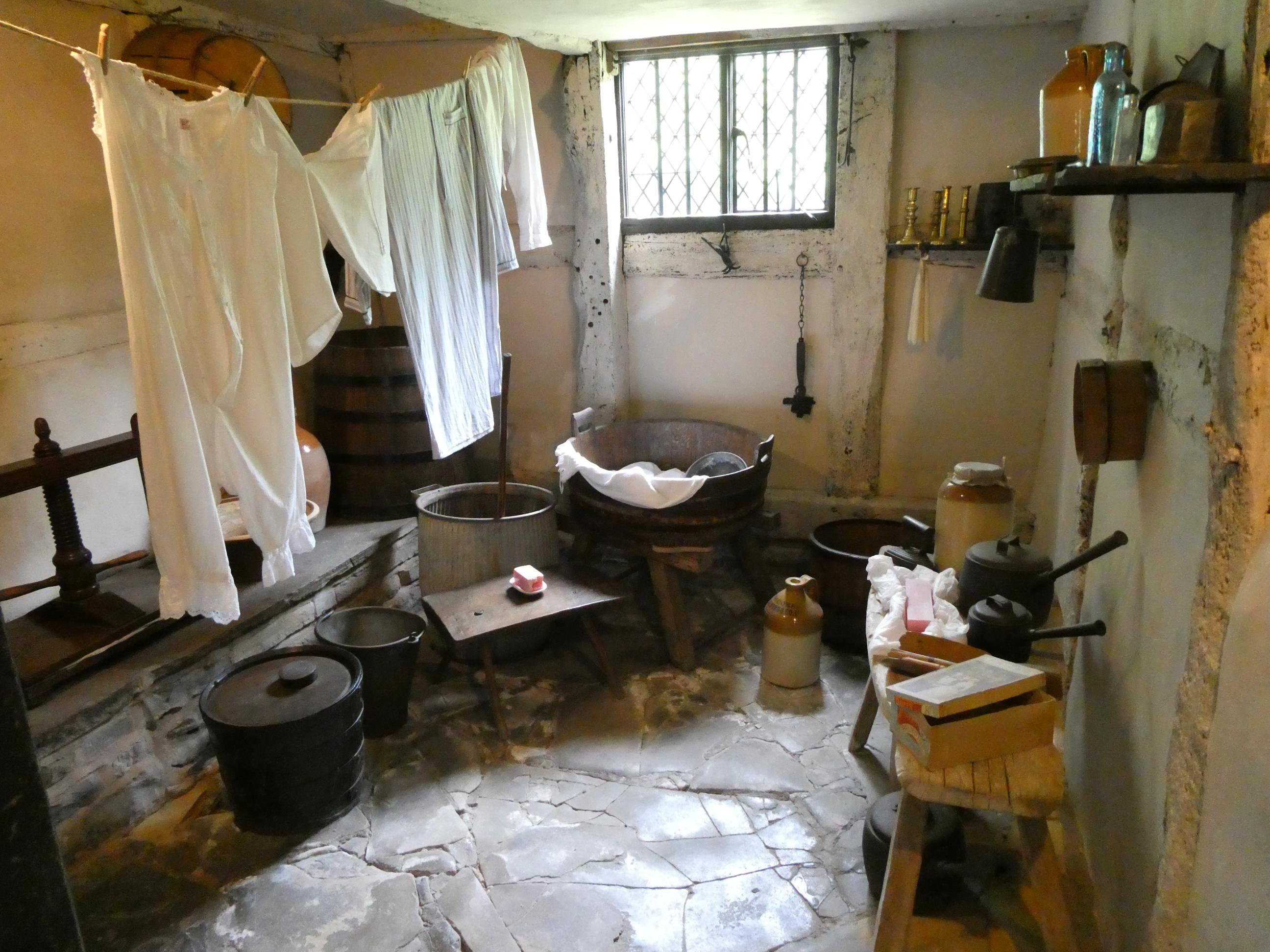
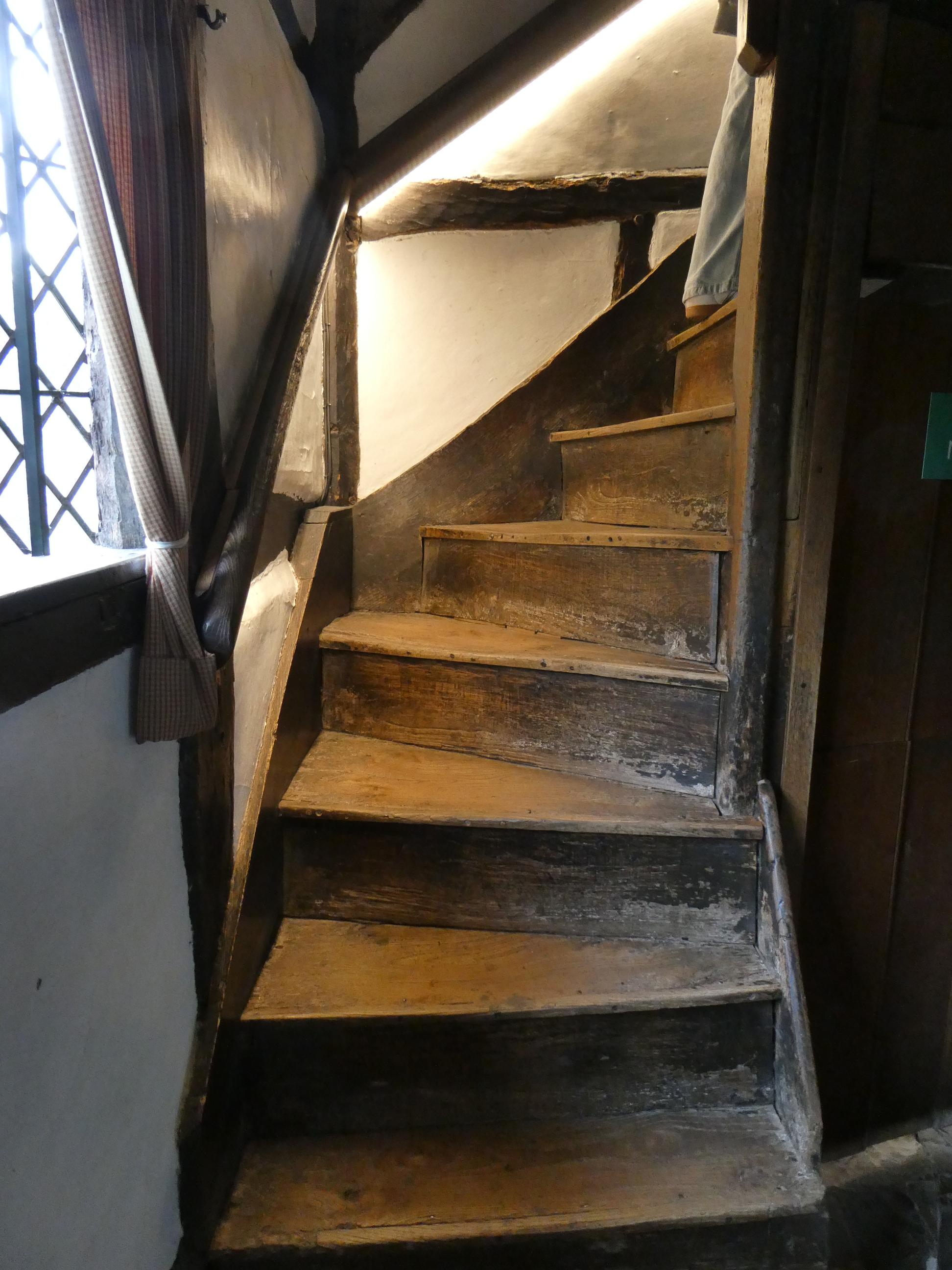
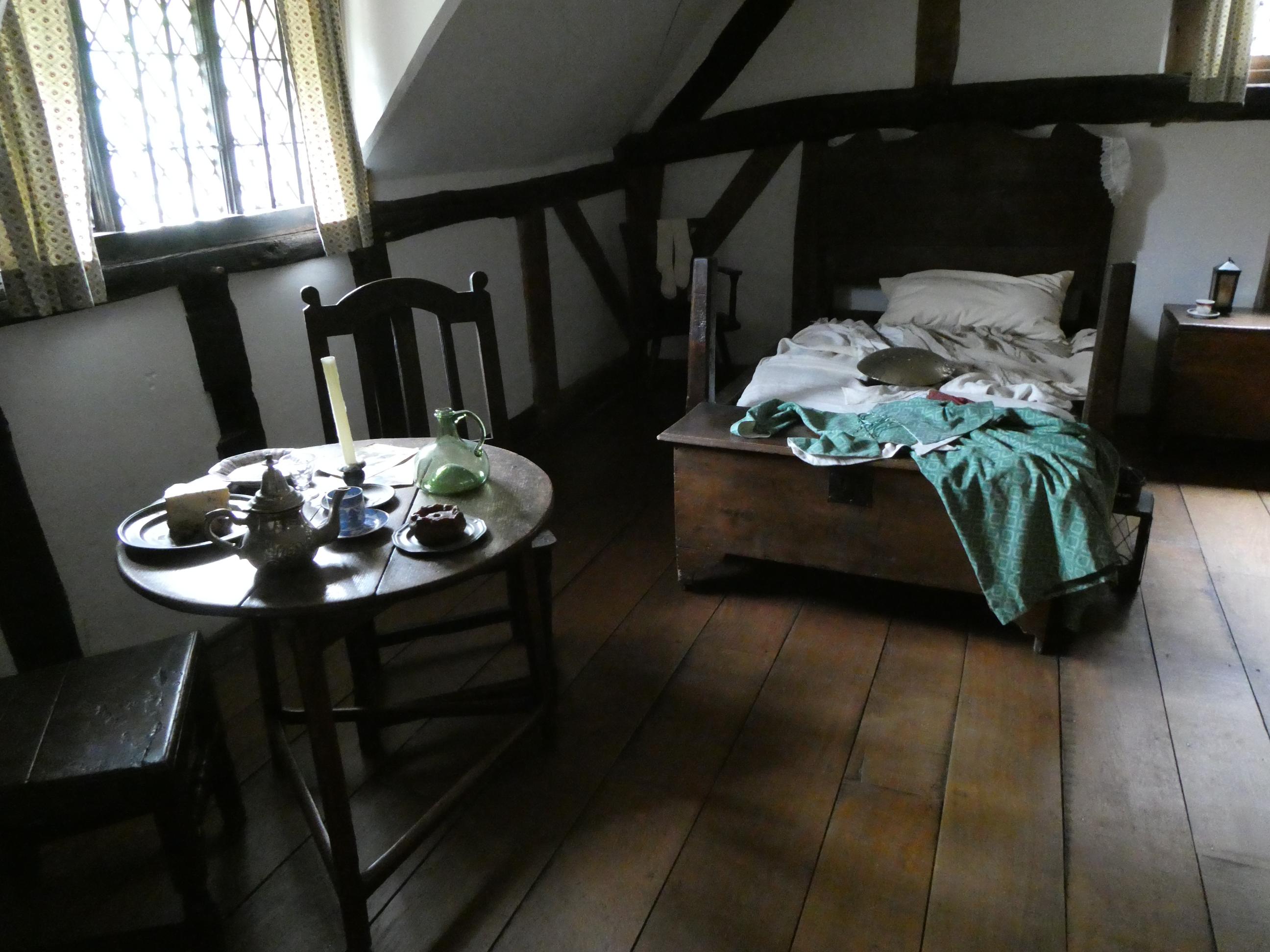
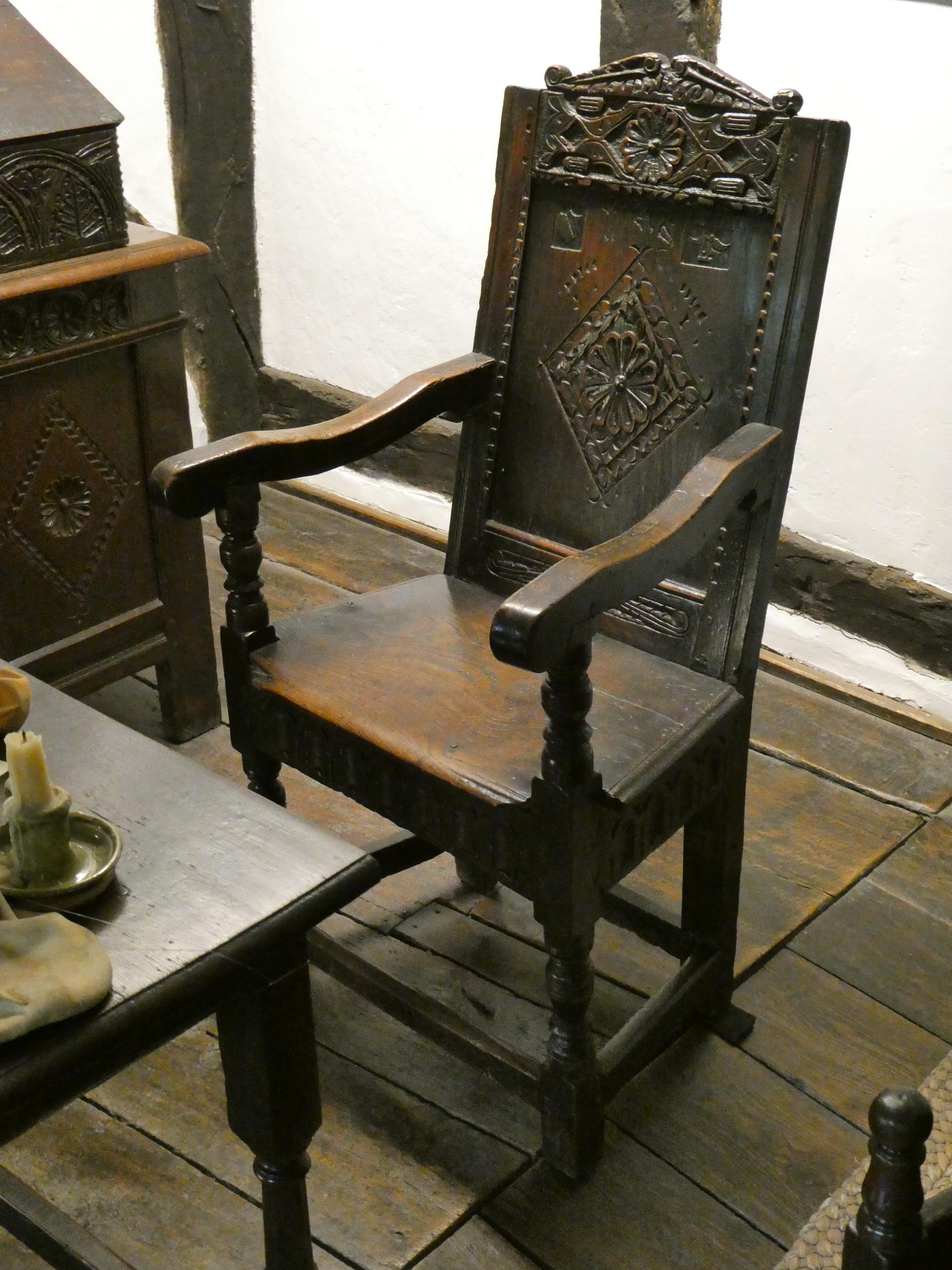
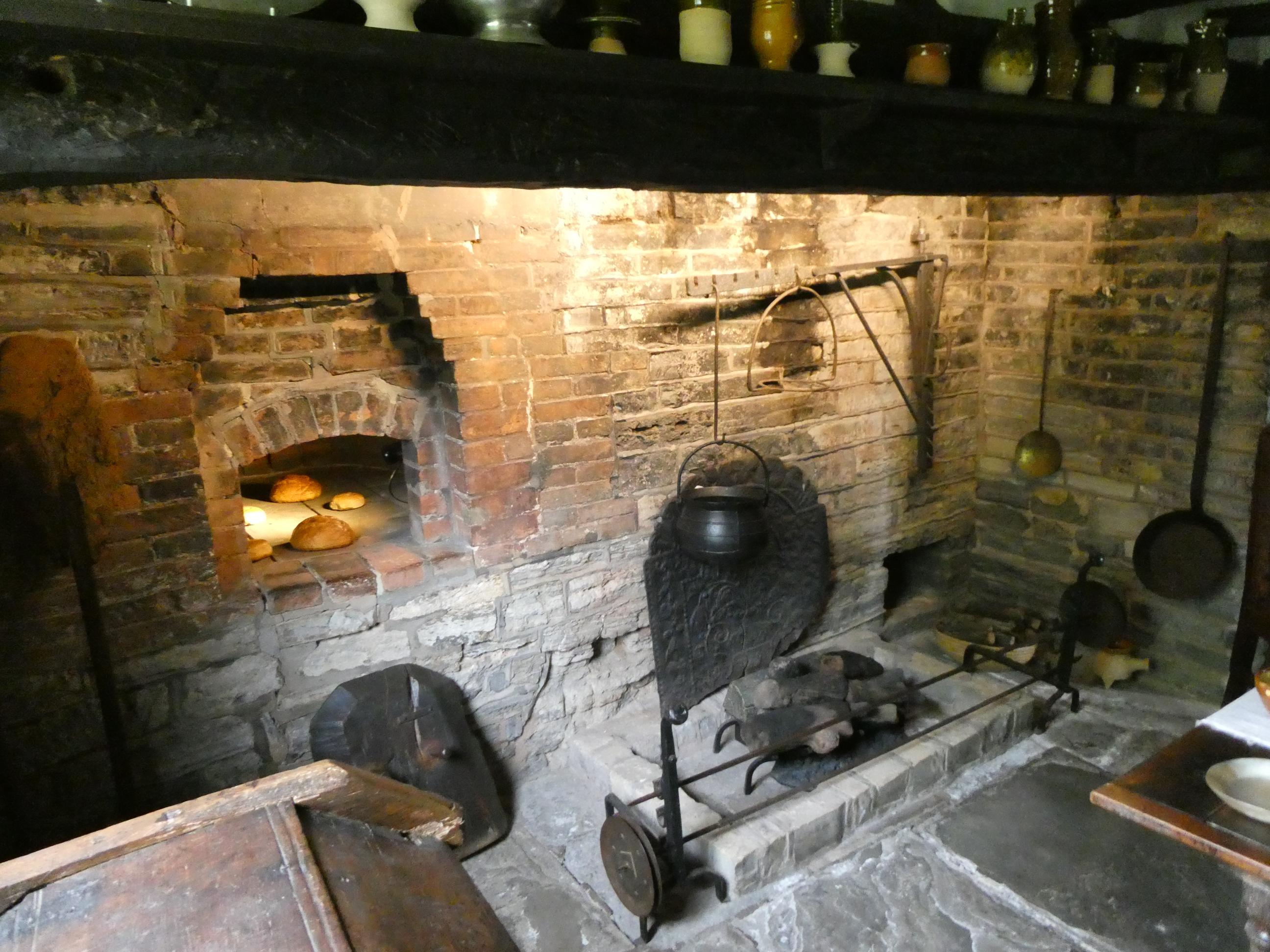
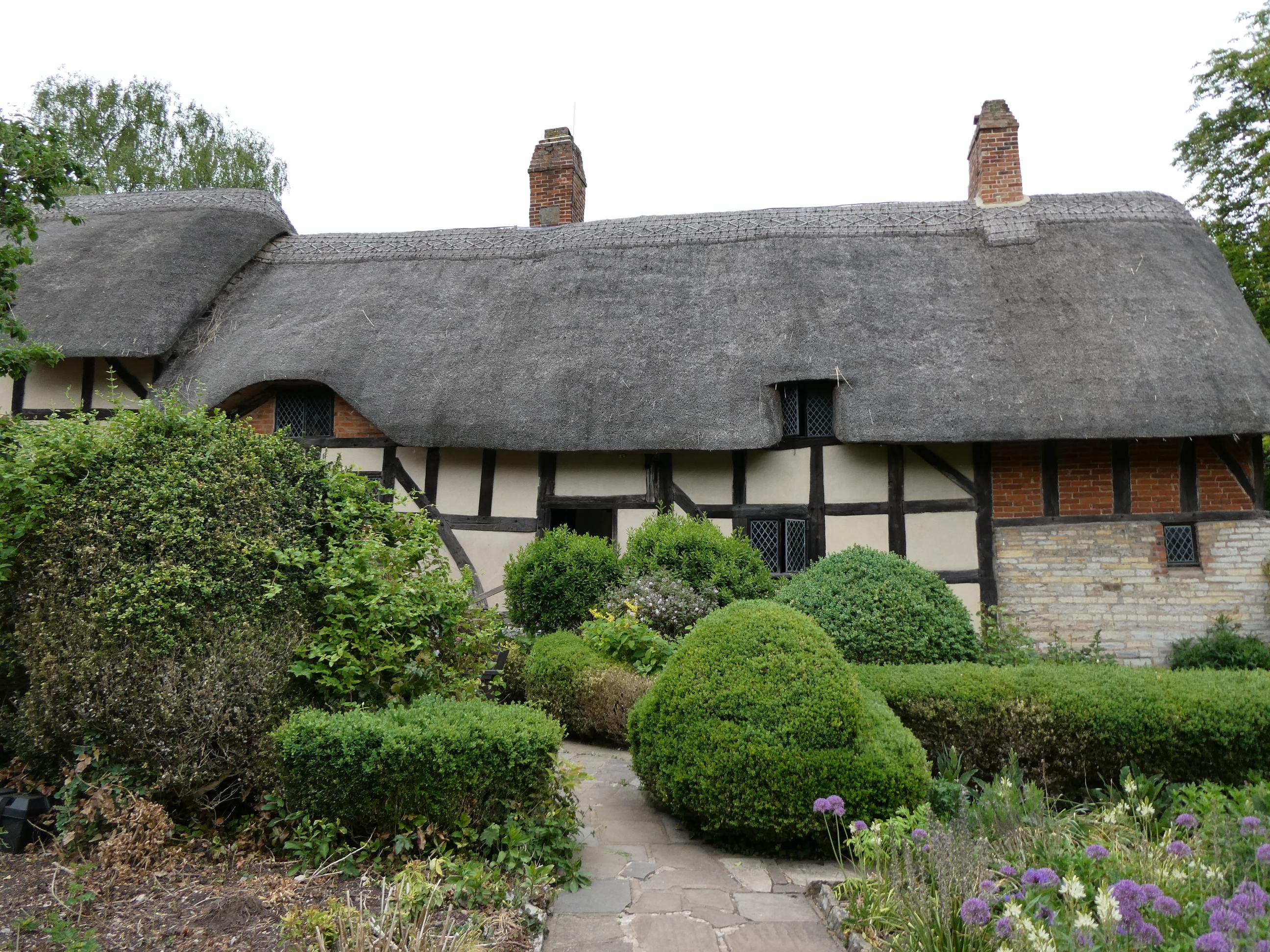
We found a place for a quick bite to eat. Just a short time later we stopped at Anne Hathaway’s Cottage. Anne lived here with her parents until she married William Shakespeare and went to live with his family. Like Will’s birthplace, Anne’s cottage has undergone multiple changes since she lived here. The house, however, continued to be occupied by members of the Hathaway family until 1911. I liked this place more than Will’s birthplace. I loved its uneven floor, narrow stairs and low roof beams. It looked and felt ‘lived in’. I liked the garden here too. In 2019, Marg and I had stopped here for a photo shoot with the bus tour group on the footpath out the front of the house, but once the photo was taken we had to get back on the bus. We would have been here no longer than five minutes, and all we saw of the house on that occasion was the backdrop in our tour group photo. It was good to finally step inside and learn that there is much more to Anne’s cottage than just an appealing backdrop for a group photo.


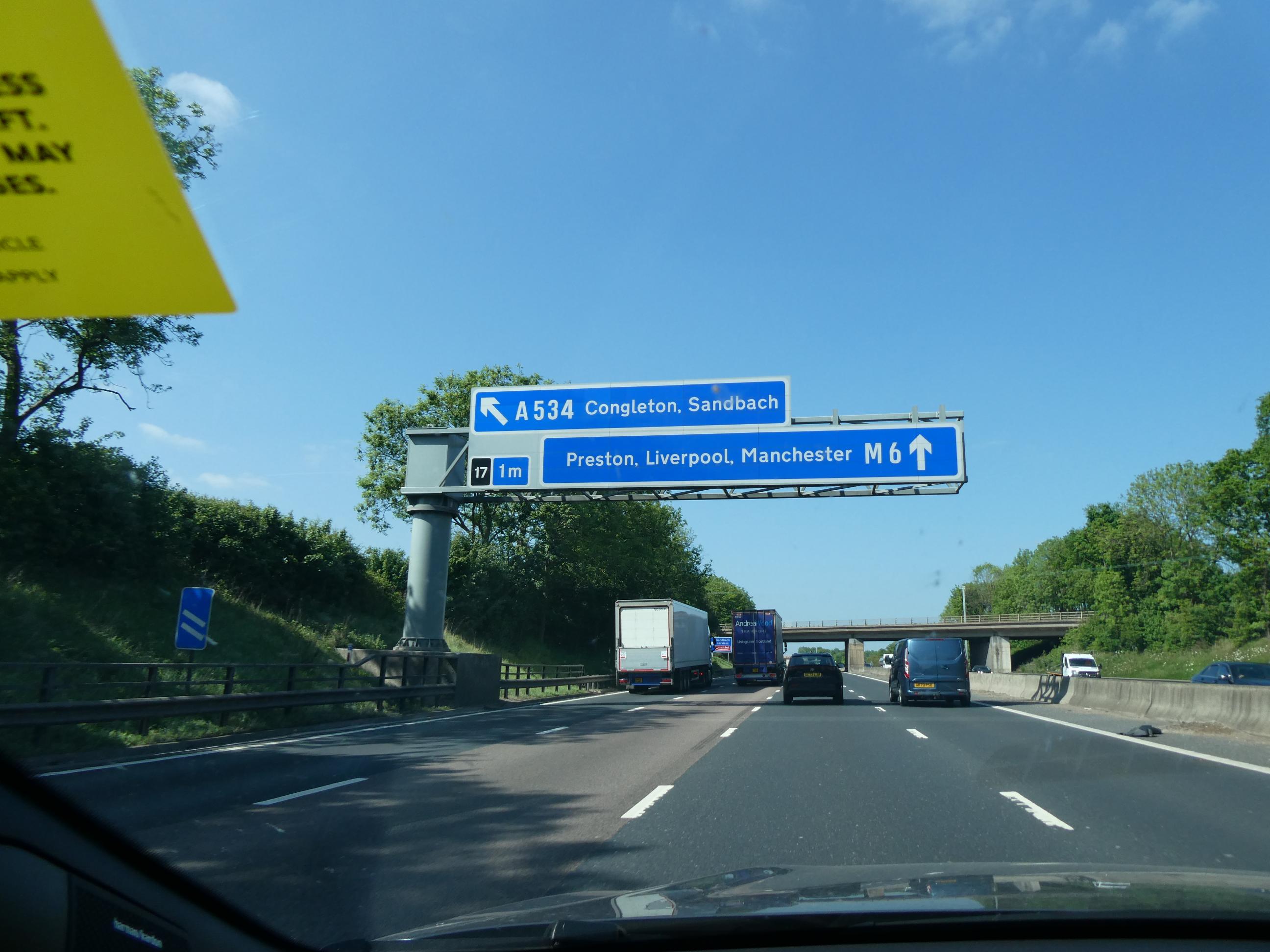
Back on the road, we faced a drive of about 120 miles north to Manchester. It would take us just under two and a half hours. We travelled for about 70 miles on the M6, a very good toll road. In places, traffic was quite heavy. There were a lot of trucks on the road, although, thankfully, none of them drove in the outside lane like they often do back home, and all appeared to be staying within the speed limit. There were plenty of speeding car drivers though. I think Rod did a great job driving today. It was probably one of the longest driving days we’ll have on this trip.
We’re staying in a busy part of Manchester very close to Chinatown. We walked over there to a Chinese restaurant that was recommended to us. The decor was drab and the food was okay, but I don’t think I would recommend it to anyone. I’ve had better. Maybe I’m not a great judge though, because there were queues outside the door of people waiting to get a table. Marg and I walked a few blocks after dinner. I enjoyed what I saw. I’m looking forward to having a better look at Manchester tomorrow.



 On The Road With Garry