This morning after breakfast Rod walked a few blocks to pick up the hire car while the rest of us got our gear ready and waited by the kerbside for him to return with the car. He took longer than we expected, apparently because the Spanish family in the queue in front of him needed about half an hour to have all their questions answered and fill in all the paperwork. Eventually he arrived with a brand new Hyundai. We spent a good ten minutes trying to fit our four suitcases in. We put the first three in, but could not get the boot closed. Finally we found the right angle to align the three suitcases with in the boot and we were able to get the boot to close – just! There was little choice but to sit the other suitcase on the back seat between Marg and Cornelia. That left them with a very tight squeeze after all the backpacks and cabin luggage was loaded in to the back seat with them. It would be impossible to travel around England squashed up like this. We drove back to the hire car place and explained our dilemma, which they could plainly see with their own eyes, Four people and four suitcases were never going to fit. Thankfully, they had no issue with swapping us to a different vehicle with more room for our luggage. They gave us a Renault. It had more boot space but less leg room. We still spent a few minutes rearranging the first three cases to fit them in, before sitting the fourth one on top. We took the backpacks and cabin luggage in with us. The boot closed. We all breathed a sigh of relief. Rod assured us he’d be able to drive around England with the car packed like this, though we knew it might get a little cramped from time to time.
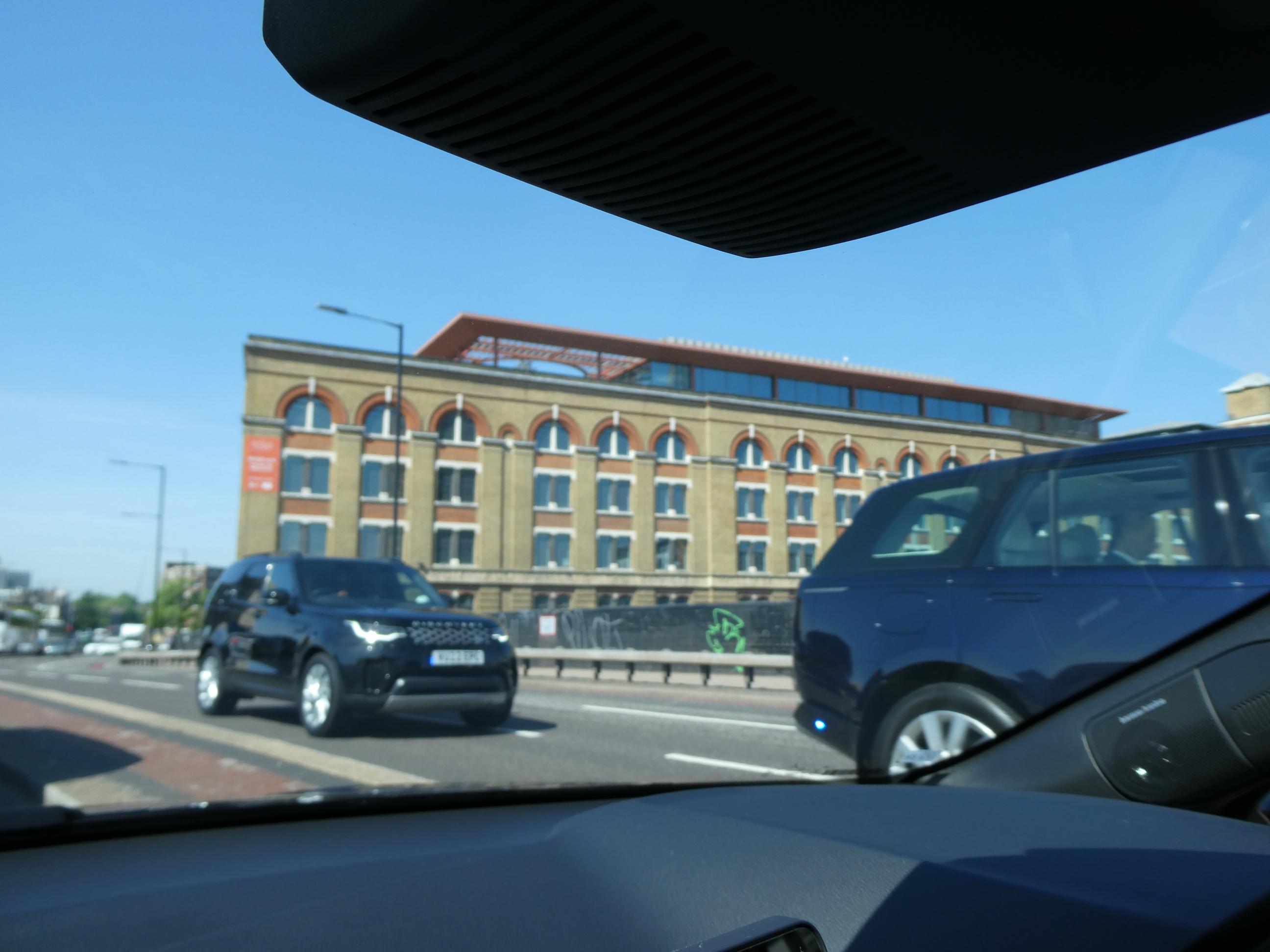
We loaded up the navigation and headed out of London. Two important looking black cars with a police motorcycle escort whizzed past us heading in the opposite direction. I pulled my camera up and focused, then clicked. Rod and Cornelia, both on the driver’s side, looked across to the first of the black cars just metres away and exclaimed, almost simultaneously, ‘That’s Will!’ Prince William was the sole occupant of the back seat. He had his eyes down as we passed, as if he might have been looking at his phone. It’s very hard to see a blurry photo of him in the second photo below. Once we left London, the countryside opened up to green fields on both sides of the road. It was a pleasant sight on another day of sunny blue skies. We were running a little late for our 12pm booking at Stonehenge because of the mix-up with the hire cars, but we had a good run and arrived at the turnoff only about 30 minutes late. But we couldn’t turn off towards Stonehenge because the turnoff was blocked by large cones and there was a ‘Diverted Route’ sign pointing us in a new direction. Another sign said POLICE ACCIDENT. We never found out what happened, but were forced to take a detour. For a while we were stuck in bumper to bumper traffic. Eventually we got off the main road and were diverted through a lovely rural village called Shrewton. We arrived at Stonehenge by the alternate route – about 40 minutes late.


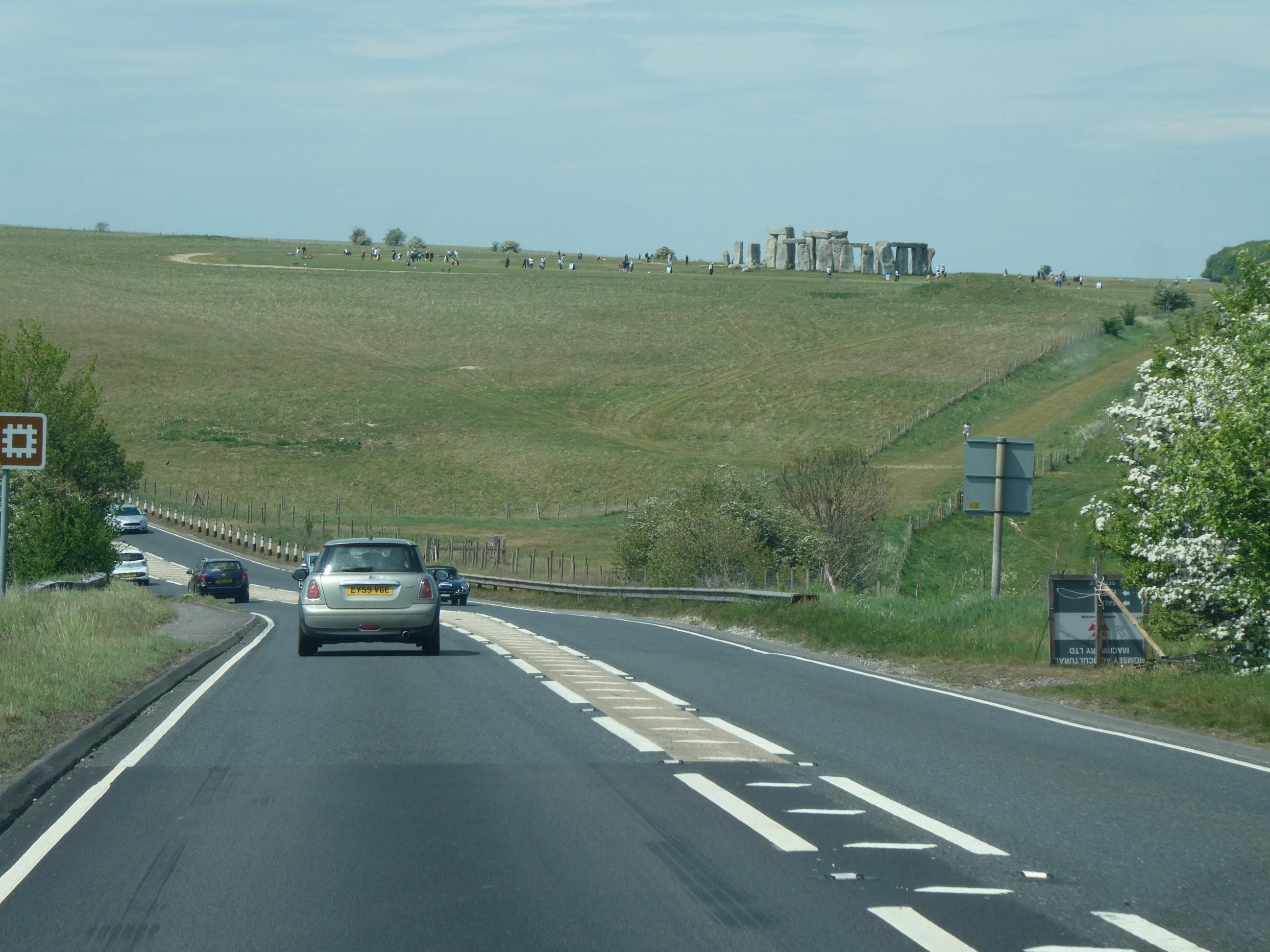
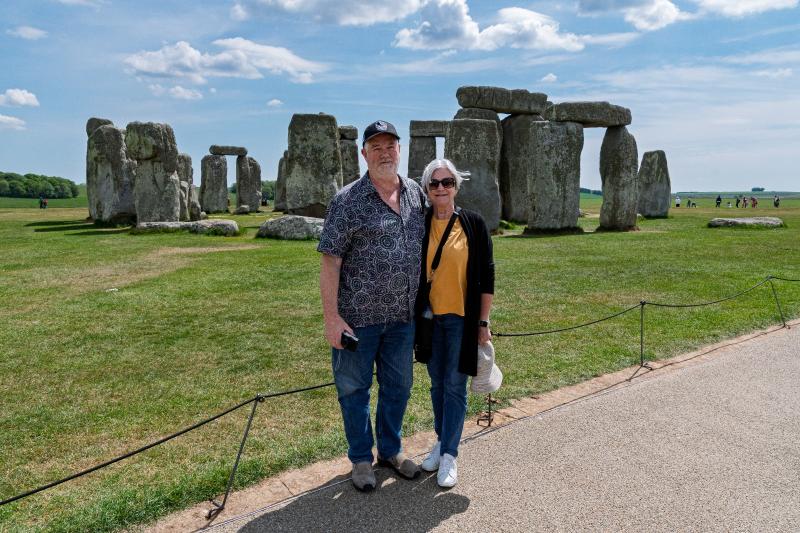
Cornelia visited Stonehenge with her family when she was a young girl. Marg and I were here in 2019. It was Rod’s first visit. It was sunny and warm, around 25 degrees, a perfect day for an open air visit. We took the shuttle bus down to the stones. I like the way Stonehenge is set up for visitors these days. You are no longer permitted to walk among the stones, or, in fact, get anywhere near them like Cornelia once did as a youngster. Today there is a broad path circling the stones. Visitors must keep behind a low fence, quite a distance from the stones, but near enough to get a good view. The path is set up to allow plenty of room for everyone to view the stones well from every side without ever getting in anyone else’s way. Because the stones sit on slightly raised ground, visitors on the opposite side are often hidden from view, which makes for better photos. I’m not going to attempt to give a history lesson here about the origin of the massive stone monument or the people who put it here. There are plenty of other sites you might try for that. And besides, I’ve already posted on this blog about an earlier visit to Stonehenge, so you can look back and see what I’ve written there. On this visit, I just marvelled at the sheer spectacle of it, situated alone out here on Salisbury Plain. It brought to mind a book that Marg and I both loved in our final years of high school – Thomas Hardy’s ‘Tess of the d’Urbervilles’ – where Angel finds Tess asleep on the stones, and she wakes to find they are surrounded by the lawmen seeking to bring her to justice. I think of that book every time I hear mention of Stonehenge. An eerie darkness momentarily blanketed the stones as the sun went behind a large cloud and a large rook hopped up onto a fencepost alongside me. It was as if the spirit of Tess Derbyfield was somehow in my presence. Spooky!
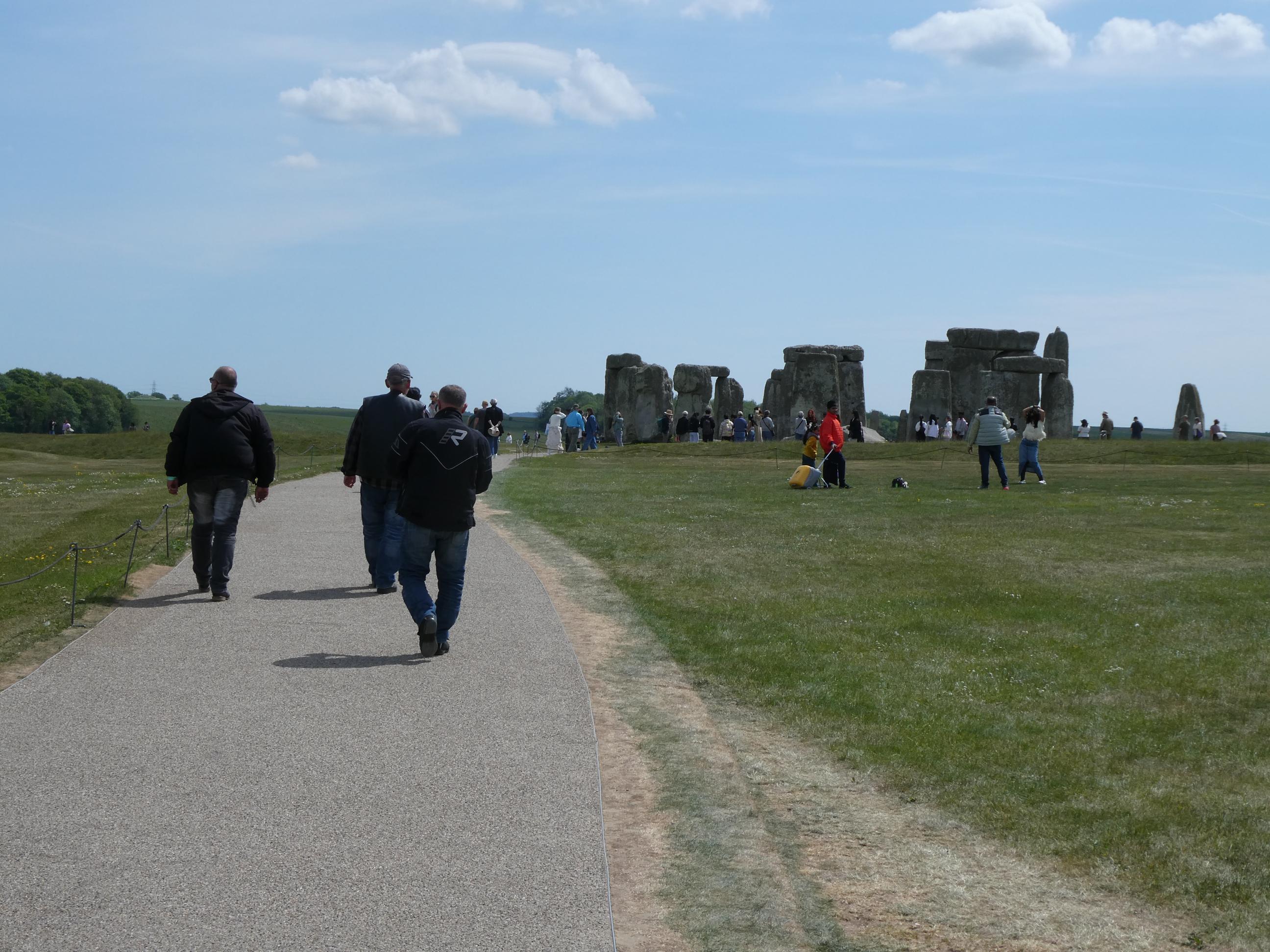

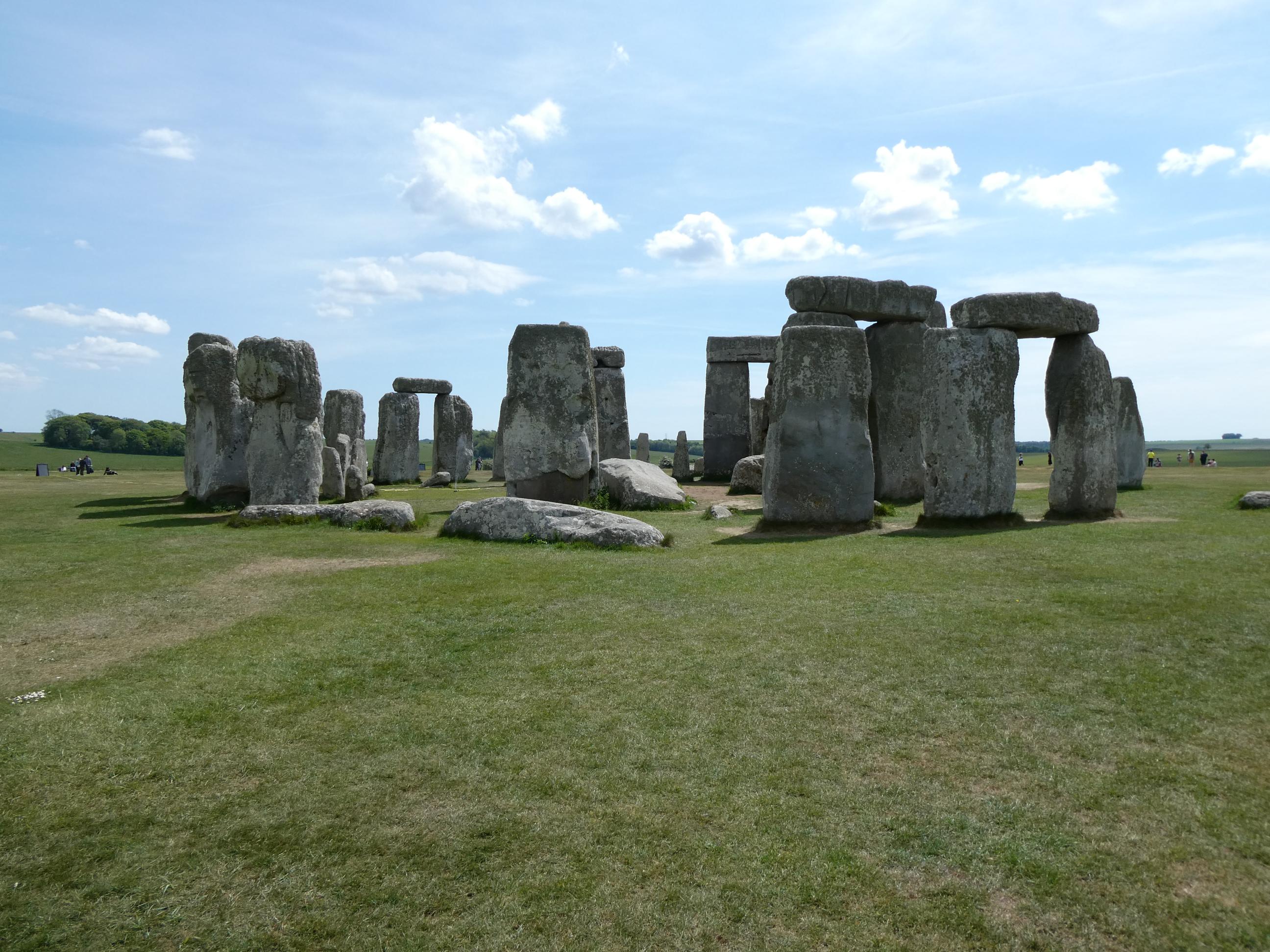
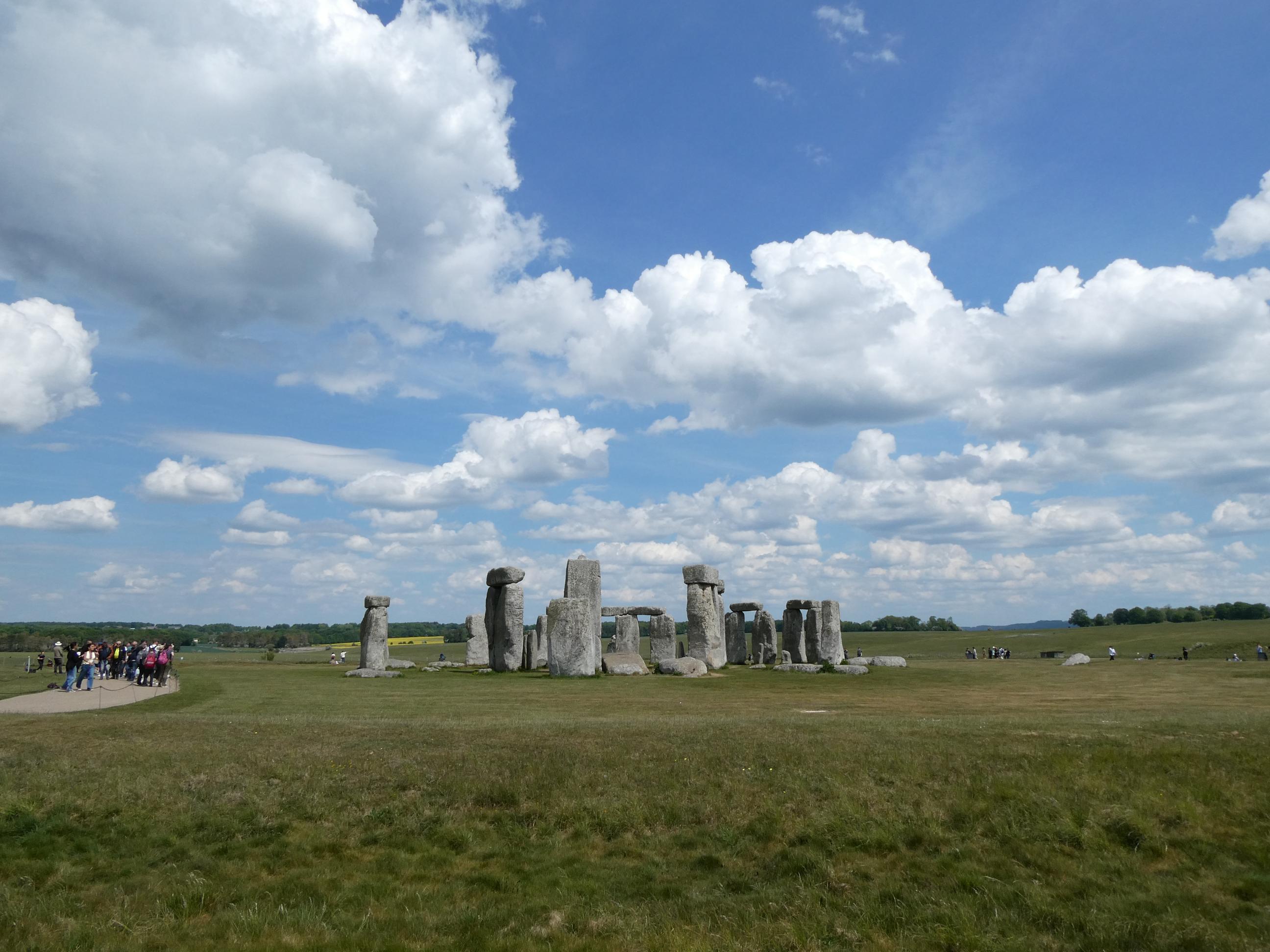


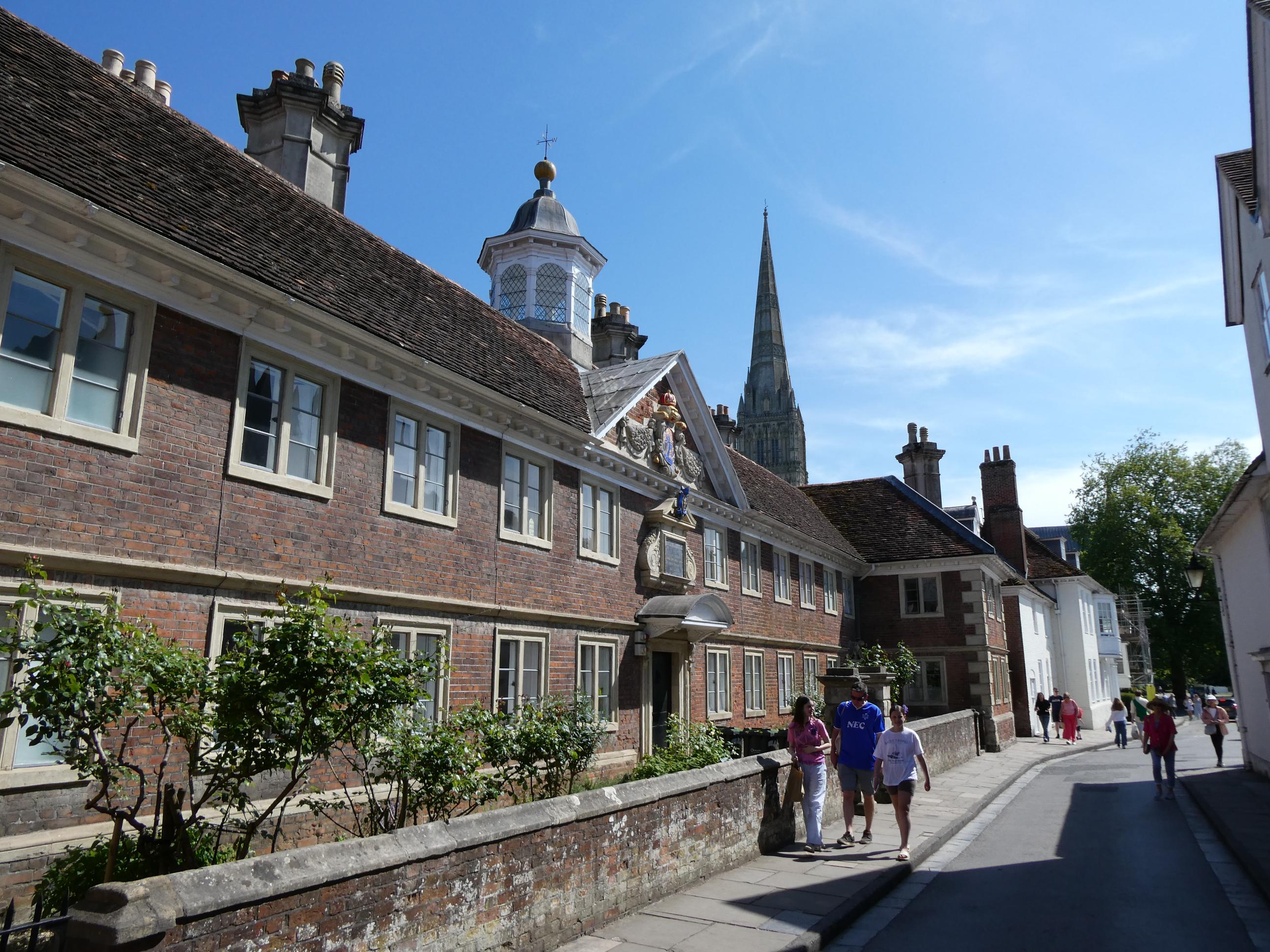
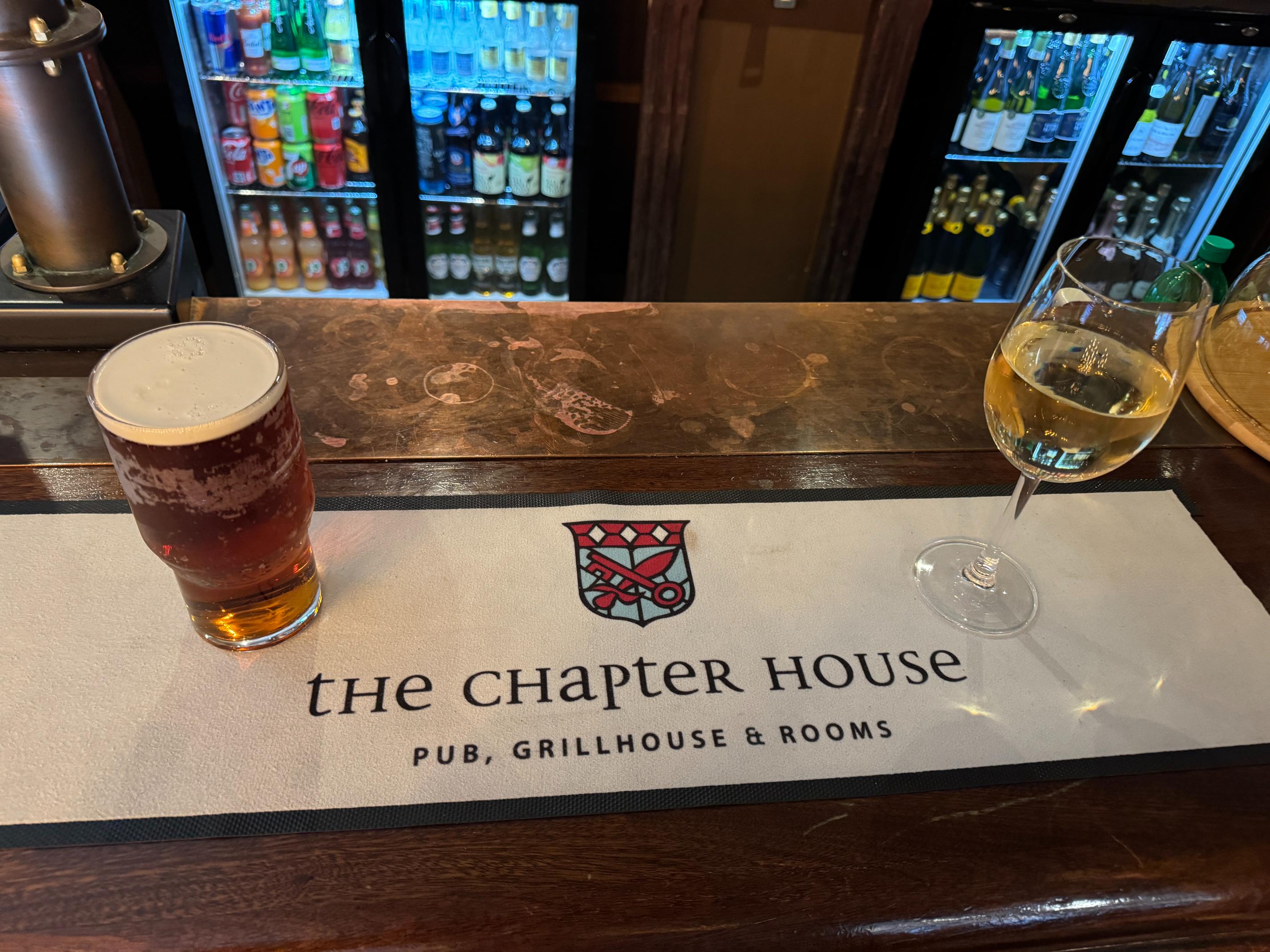
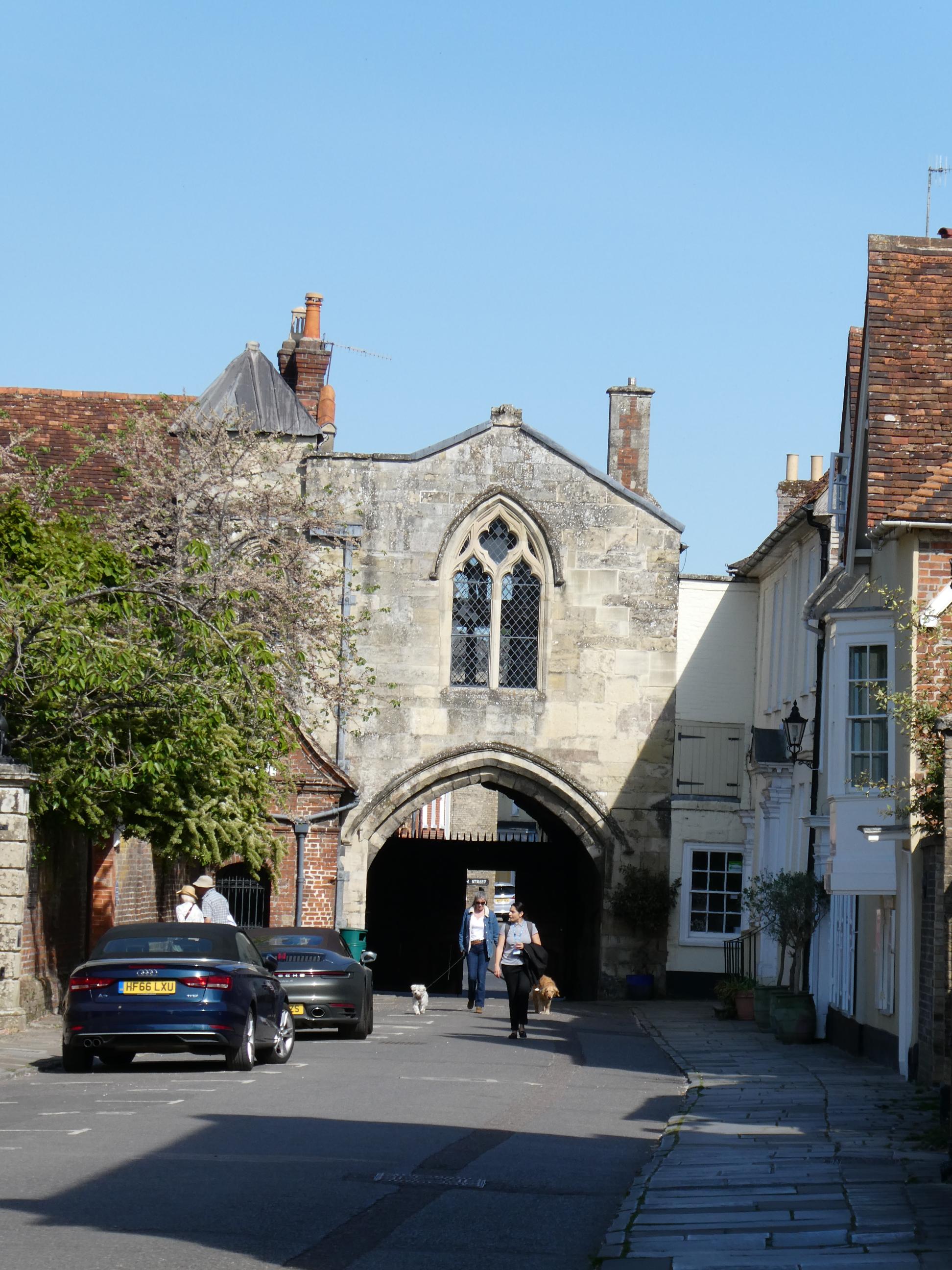
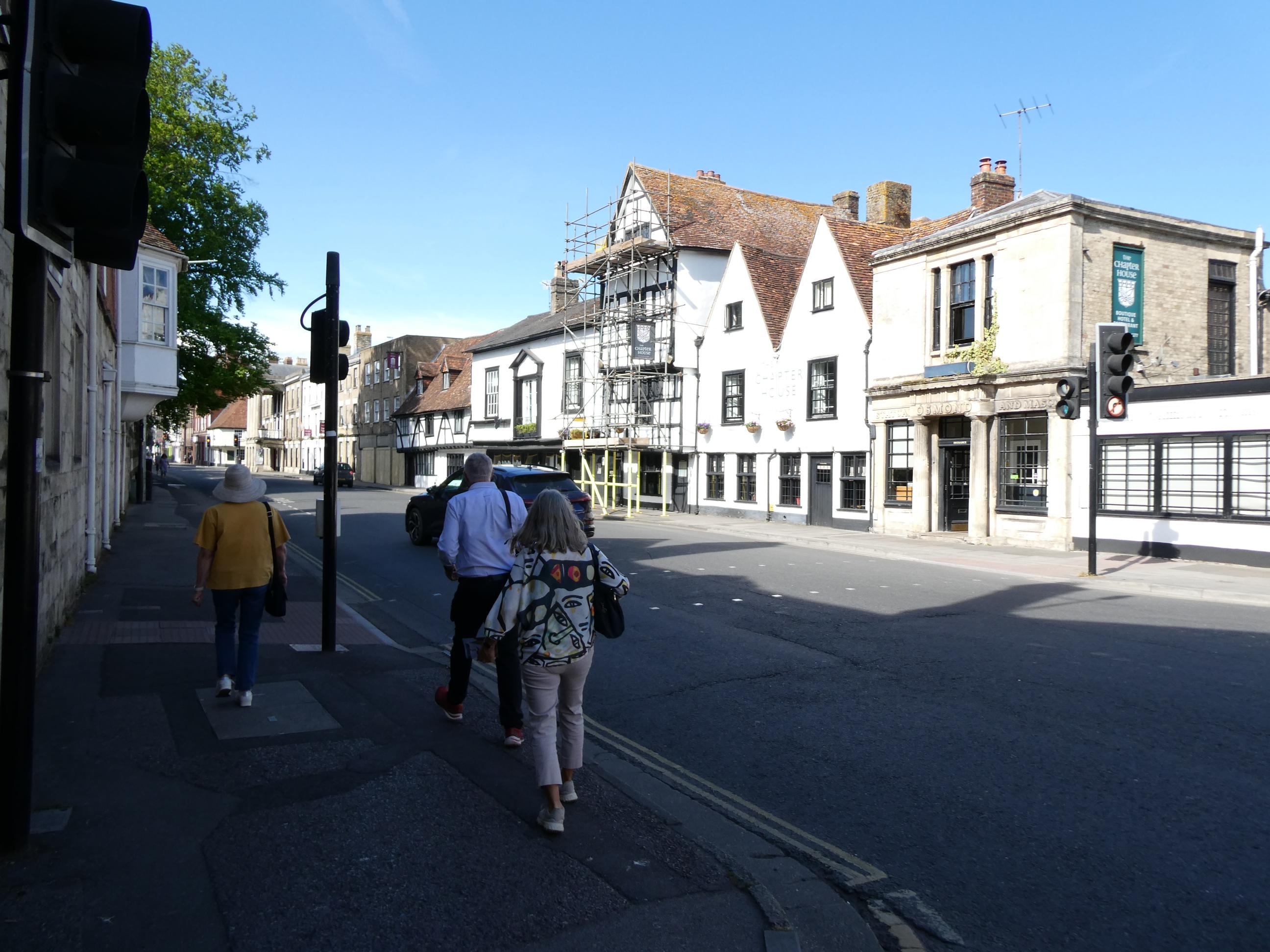
We ate lunch in the Stonehenge cafe, then took the short drive to Salisbury. The main entrance road was still closed due to the accident, so once more we took the diversion through Shrewton. We were struck immediately by the charm of Salisbury, especially when viewed under blue skies like we were enjoying today. There are many historic buildings lining the narrow streets, where its almost impossible to find anywhere to park. There is an ancient city wall that still stands and has been integrated into the modern streetscape. Directly opposite a gate in that city wall is our hotel, Chapter House. The building itself is very old, dating back to 16th century Tudor times, with unconventional rooms and corridors that make it challenging to find your way through, but give the building much character. It’s been registered as an inn since 1560. Some of the stairs, beams and corridors are original. Eight centuries ago, stone was hewn on this site to build the cathedral, particularly the Chapter House, one of its most historic rooms. The hotel manager helped us find a place to park our car for the night, and we walked across from there to the cathedral.

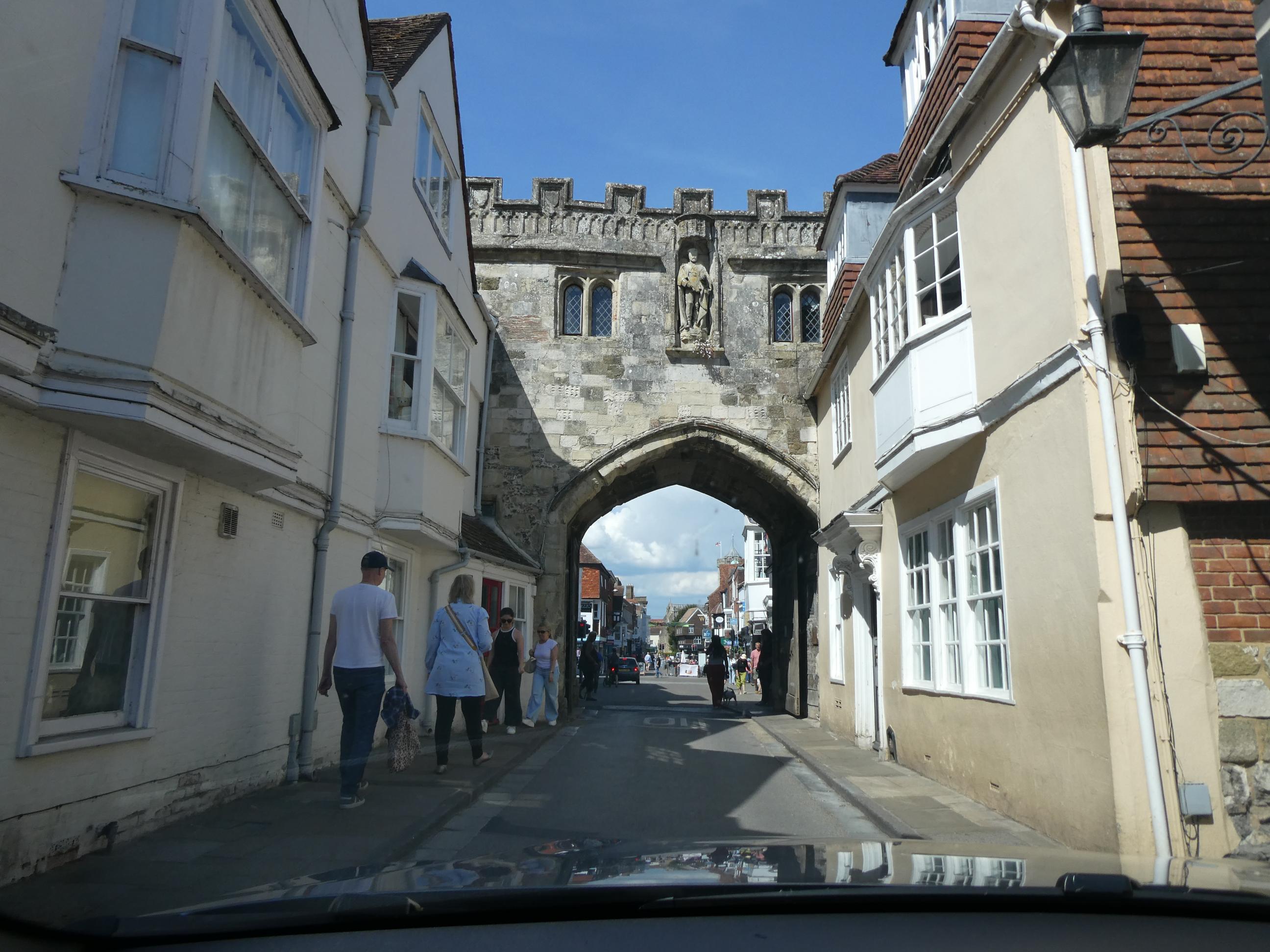
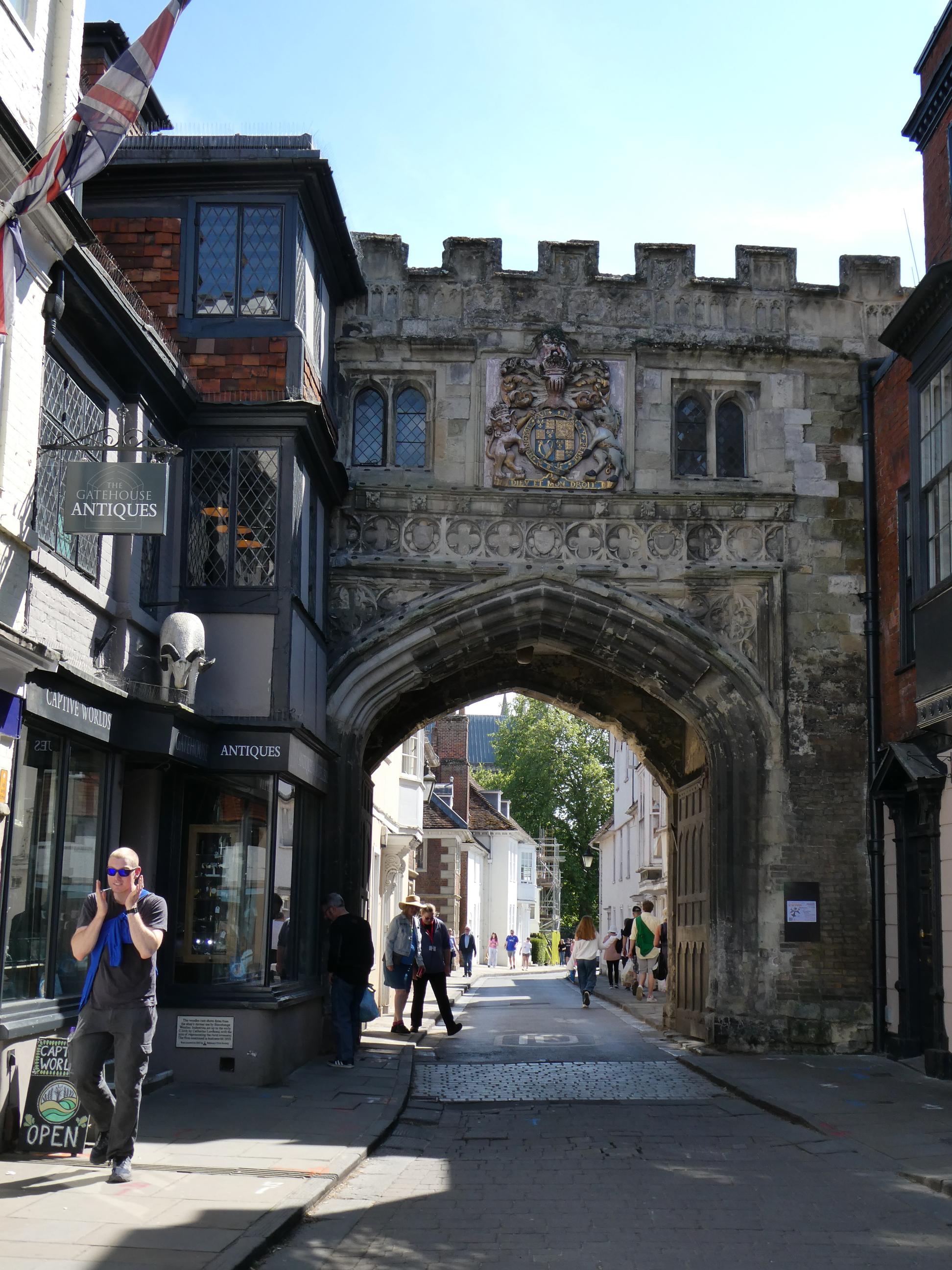
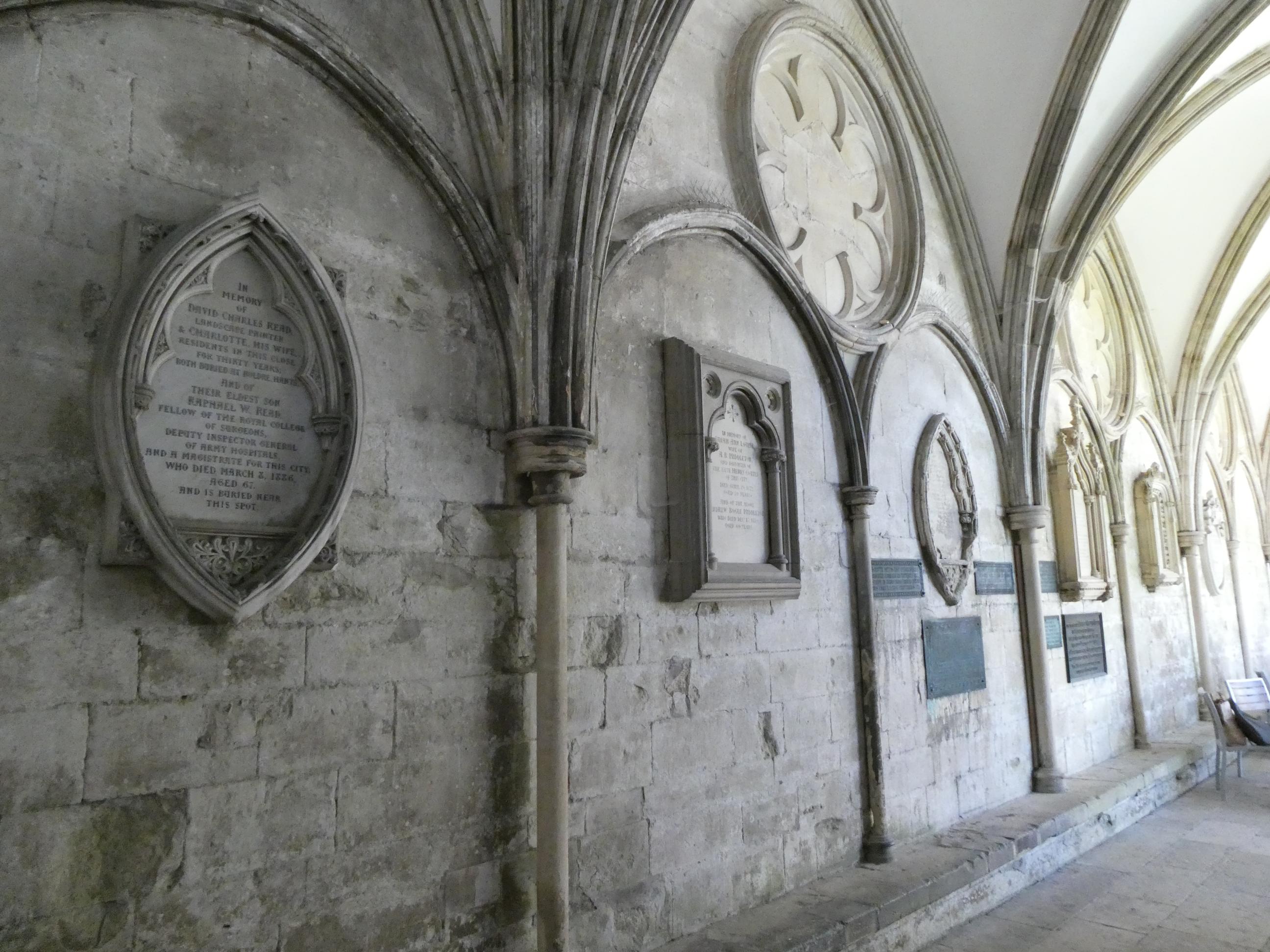
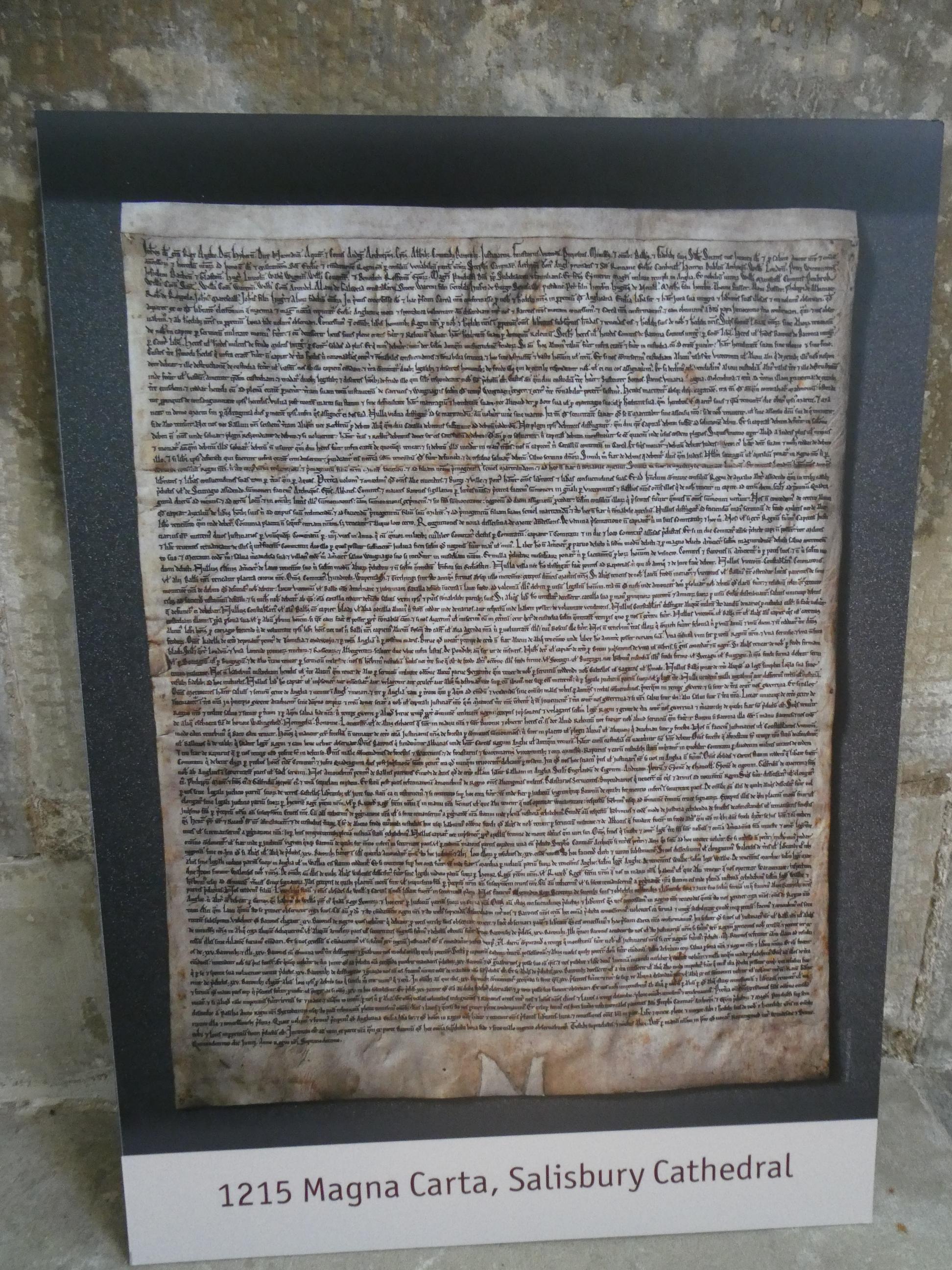
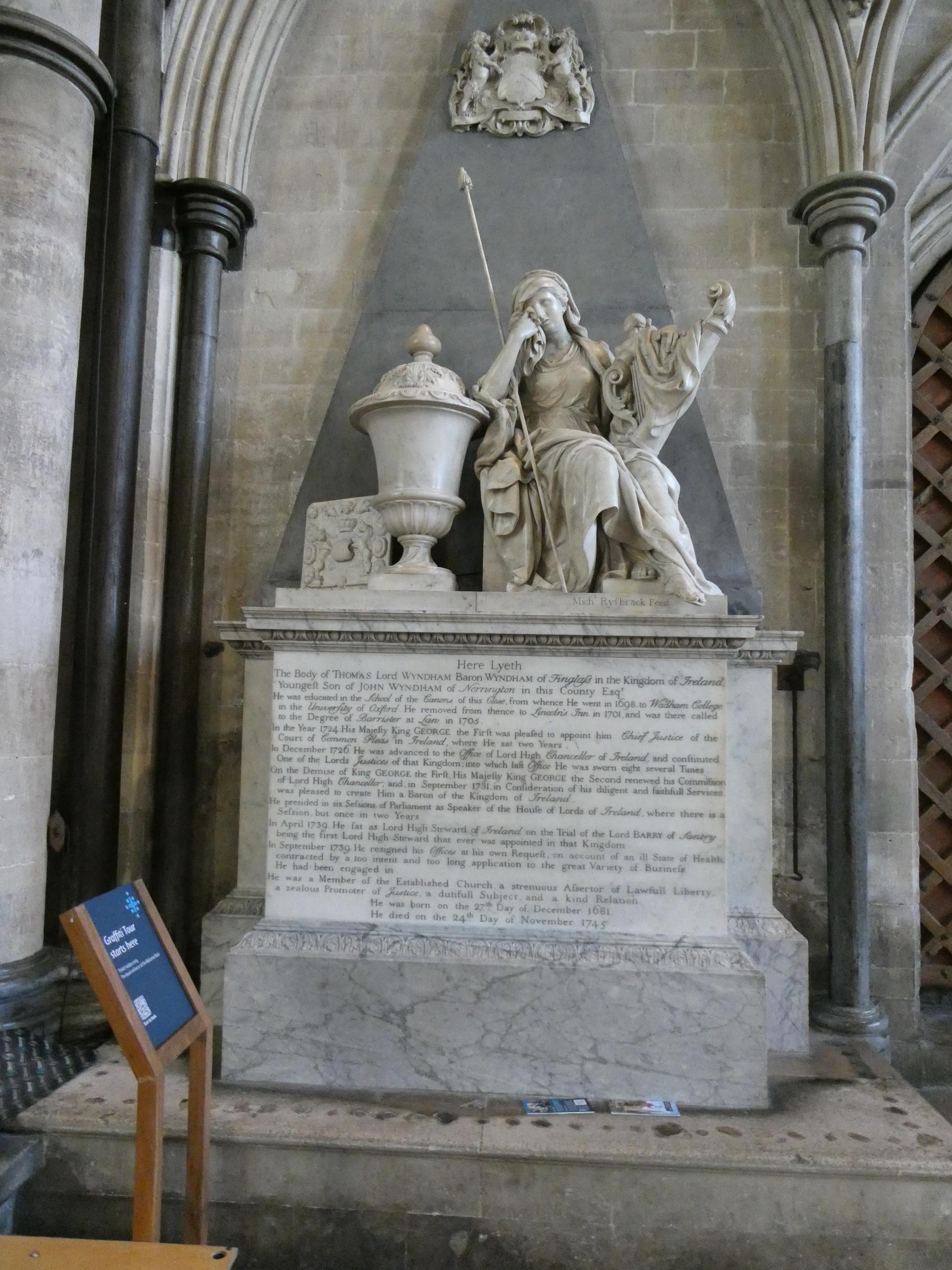
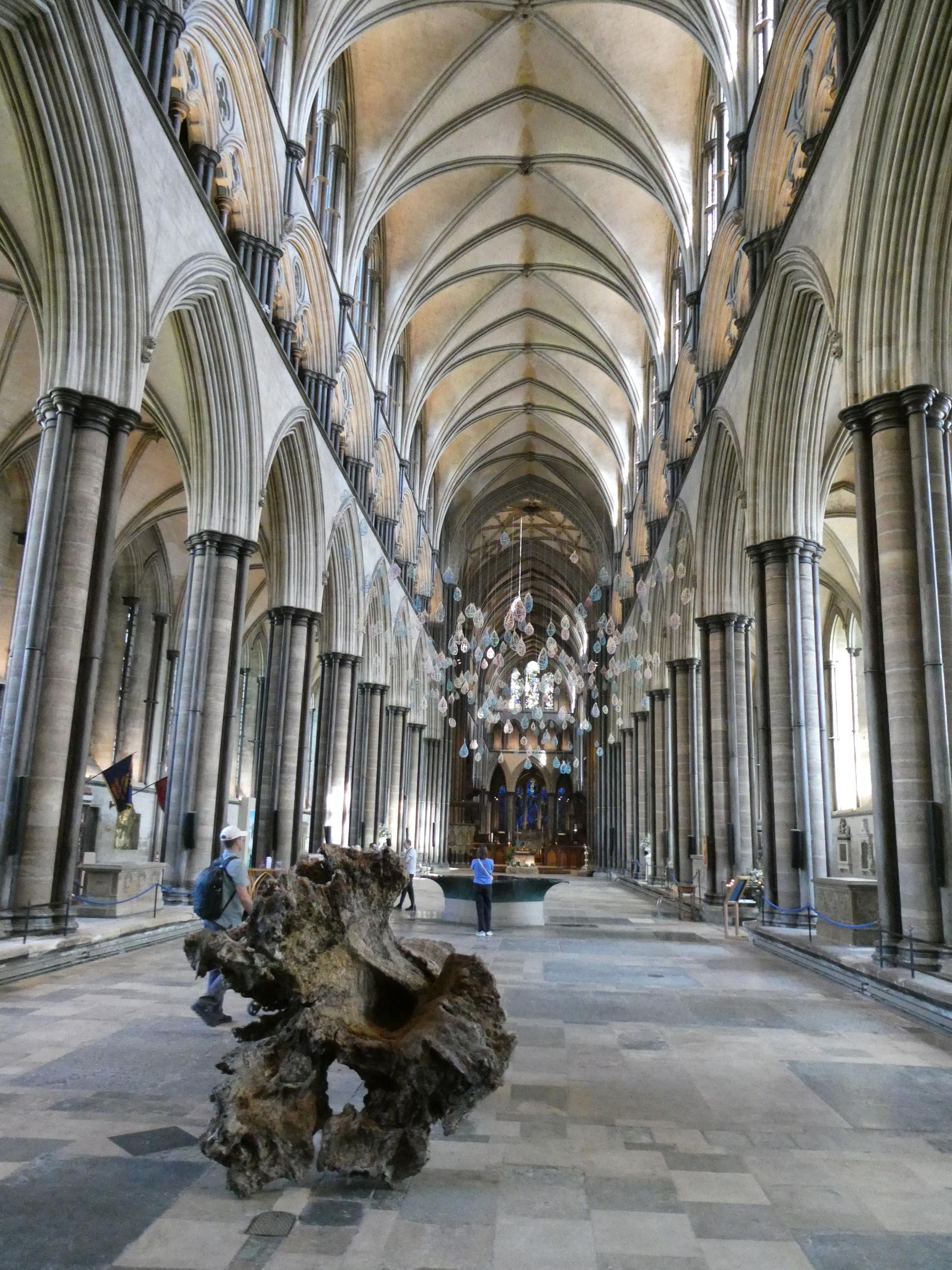
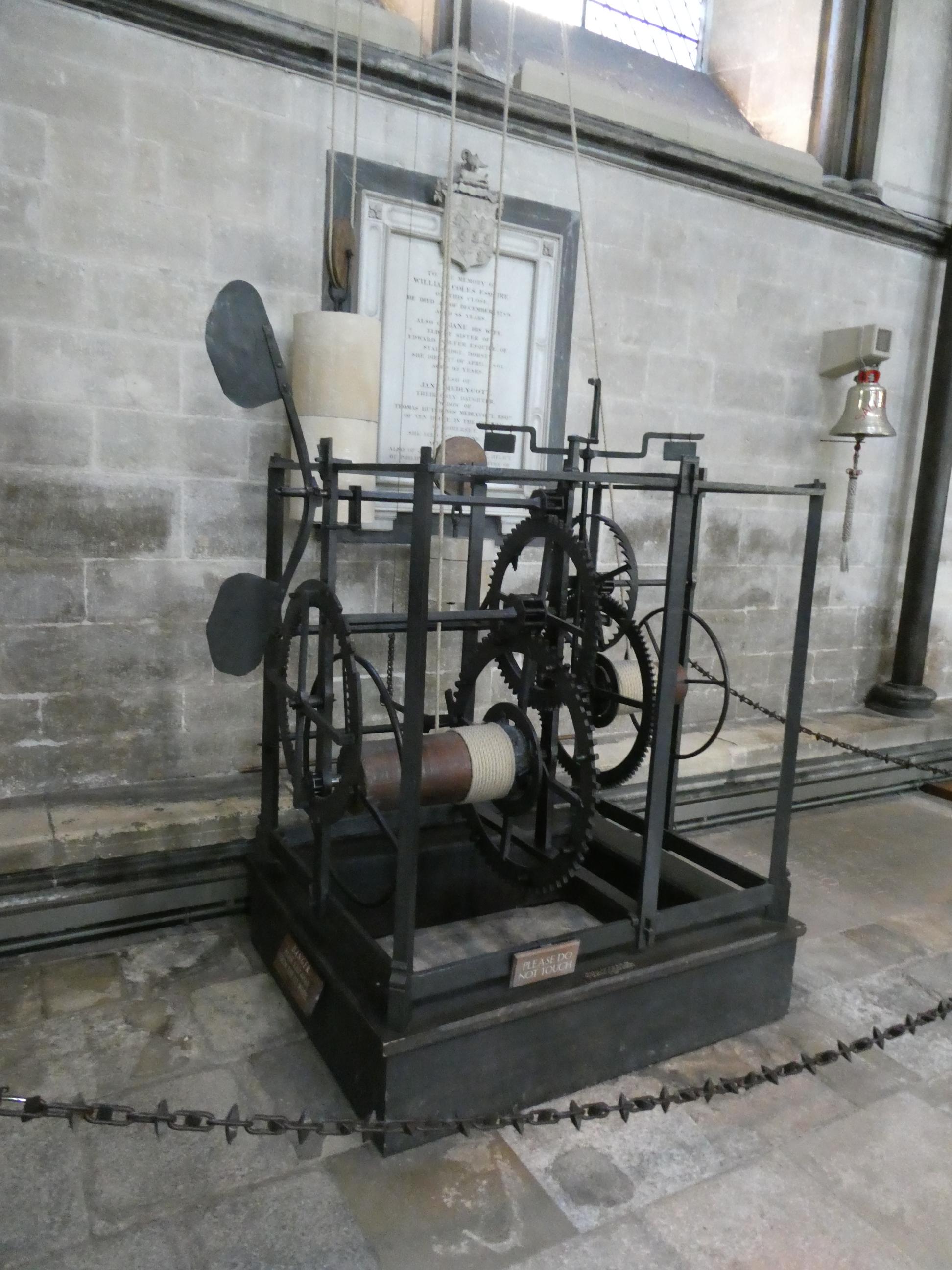
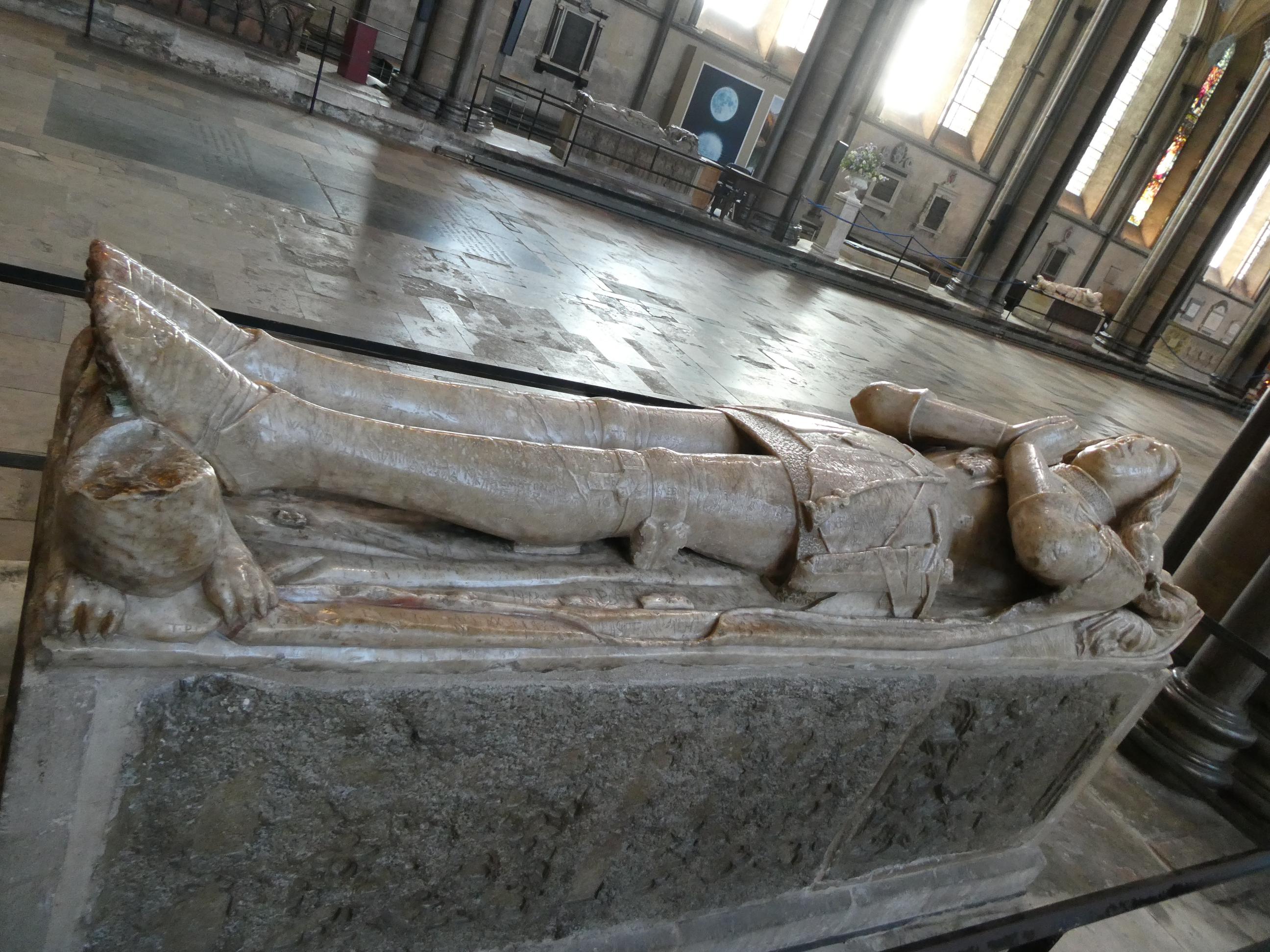
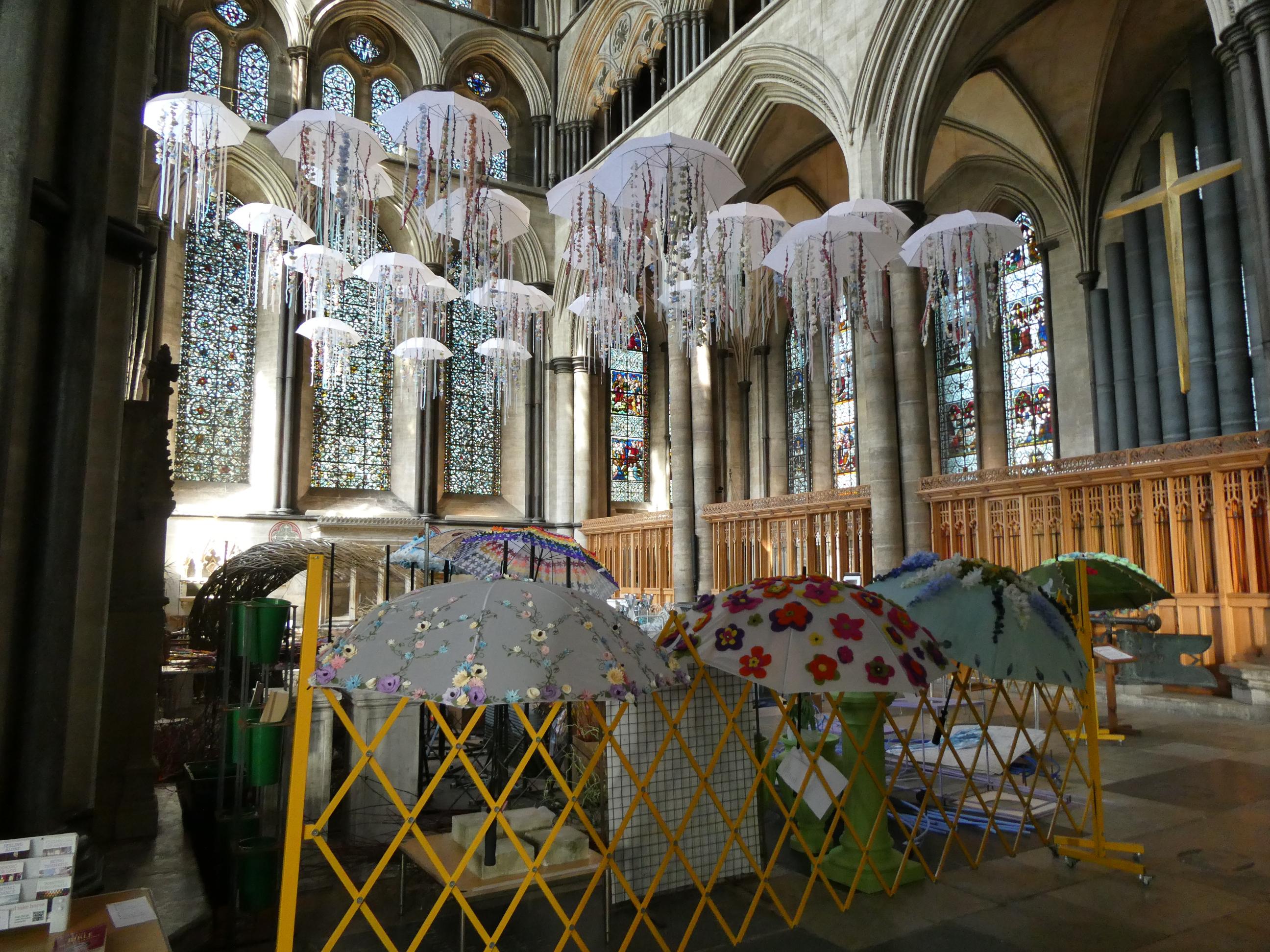
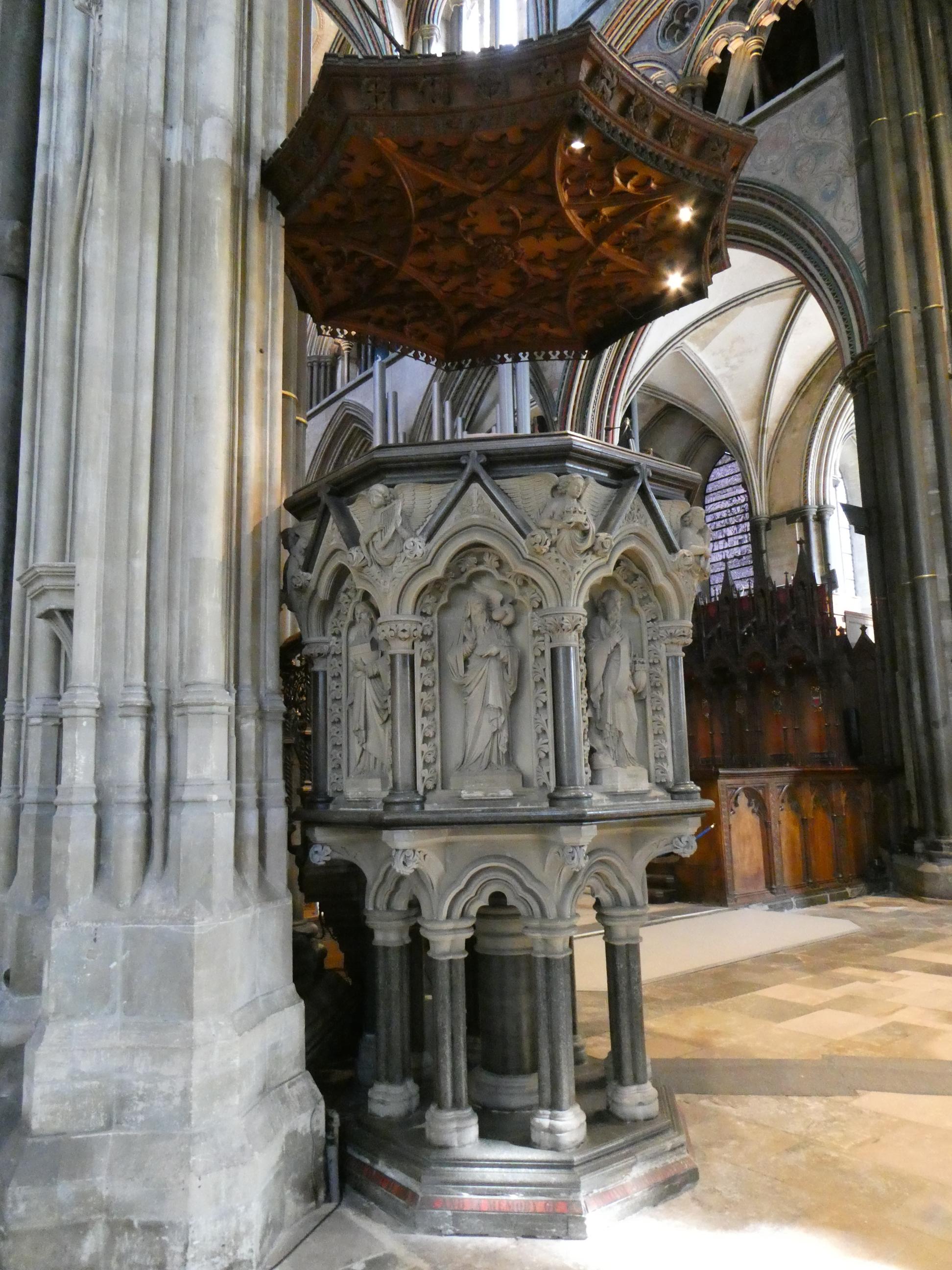
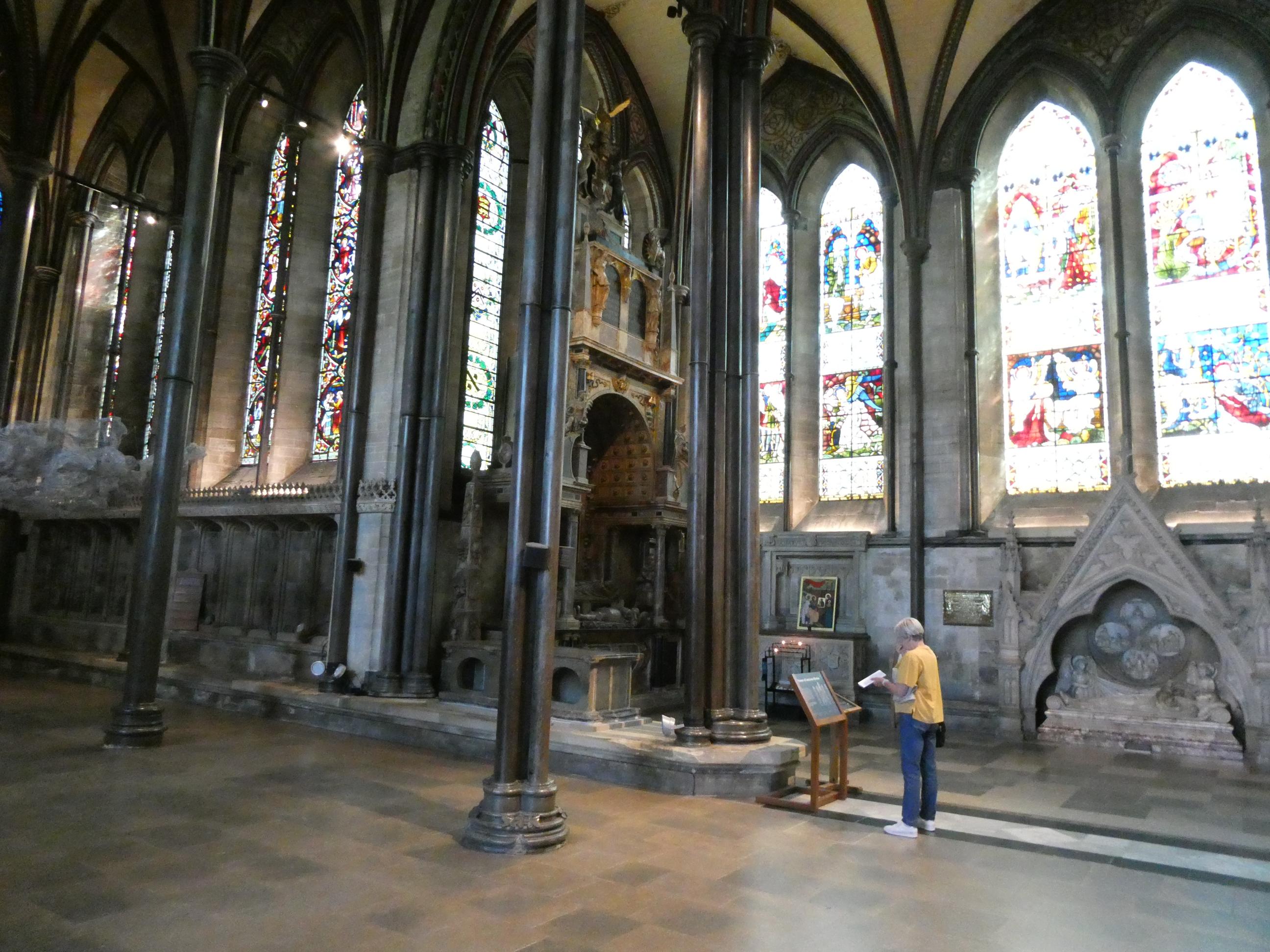
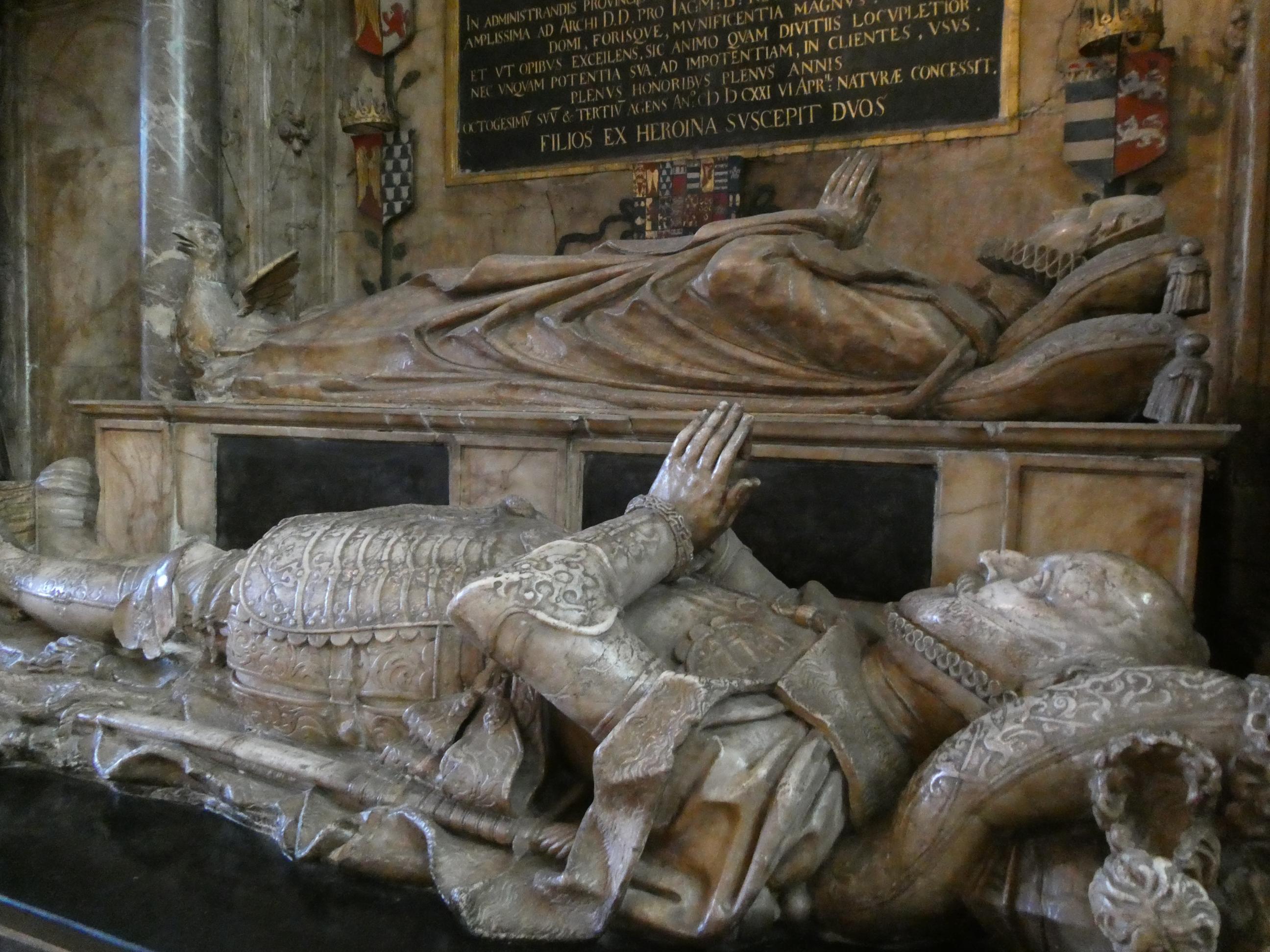
We arrived just after 3pm, and the cathedral was due to close to visitors (with the exception of those wishing to stay on for Sunday’s Evensong) at 4pm. To make the best use of our time we headed straight for the Chapter House, where one of very few existing copies of the Magna Carta is housed. The Magna Carta was a document, inscribed on parchment in 1215, that was signed by King John. Essentially, the document he signed was a charter stating that the ruling monarch was not above the law, and was there to protect and serve the people and particularly preserve their freedom. It’s like a forerunner to the Constitution, and has influenced the way many countries are now democratically governed, including the one I call my home, Australia. I could not believe how tiny the lettering on the original document is. It must have provided the scribes who produced it with great challenge. The original document held at Salisbury Cathedral sits in a controlled environment with low lighting. Only one person at a time can view it, although there are replicas provided nearby which afford people a longer look. Photographing the original document is not permitted, for obvious reasons of preserving the fragile and light sensitive parchment and oak gall ink. We had just 30 more minutes to view the cathedral before it closed to prepare for evensong. As you might expect, it is beautiful inside – perhaps majestic is a more apt way of describing it. My favourite feature was the baptismal font, a very still pool of water that acted as a mirror to perfectly reflect the stained glass windows and objects attached to the walls adjacent to it. There is also a working clock that dates back to the 1300s. It was formerly housed in a tower, though it never had a face or hands. Some claim it is the world’s oldest working clock. Unfortunately our visit was cut short by time pressure, but I really enjoyed what I saw. I’d love to be there next week when it hosts a flower festival. We returned to the beautiful sunshine and walked across the cathedral lawns. From a short distance, it made a very impressive sight. Its spire is the tallest in England






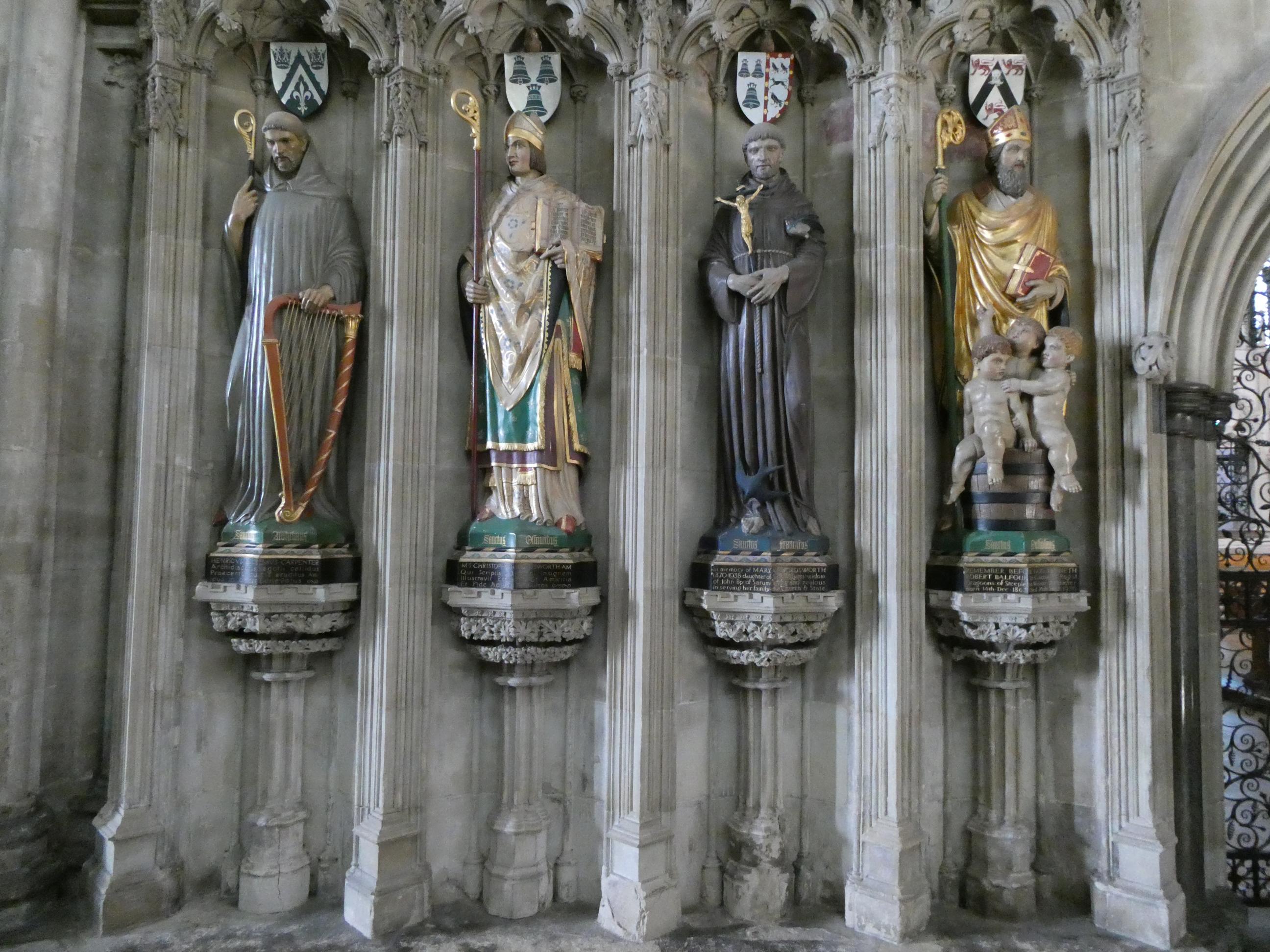
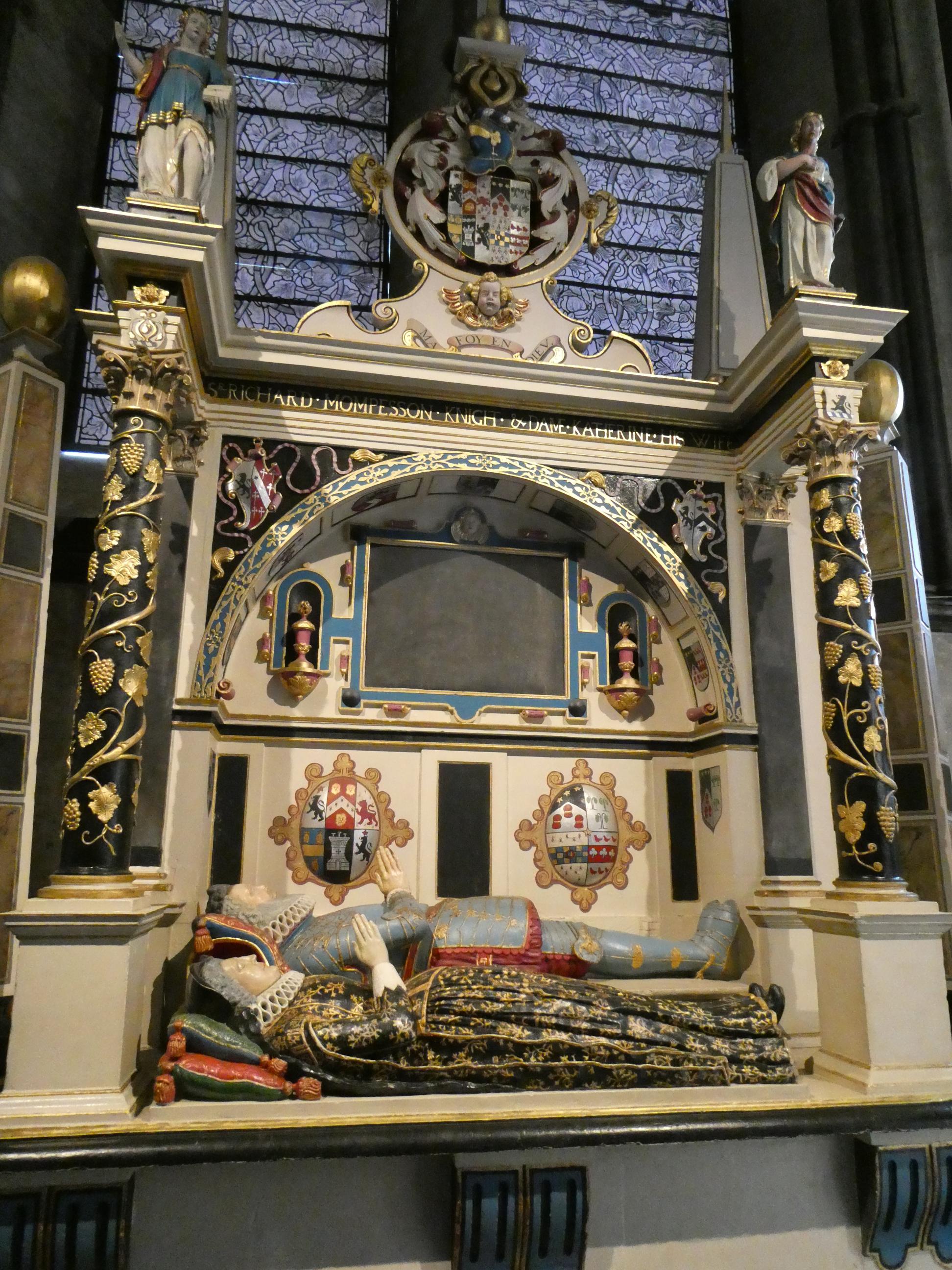

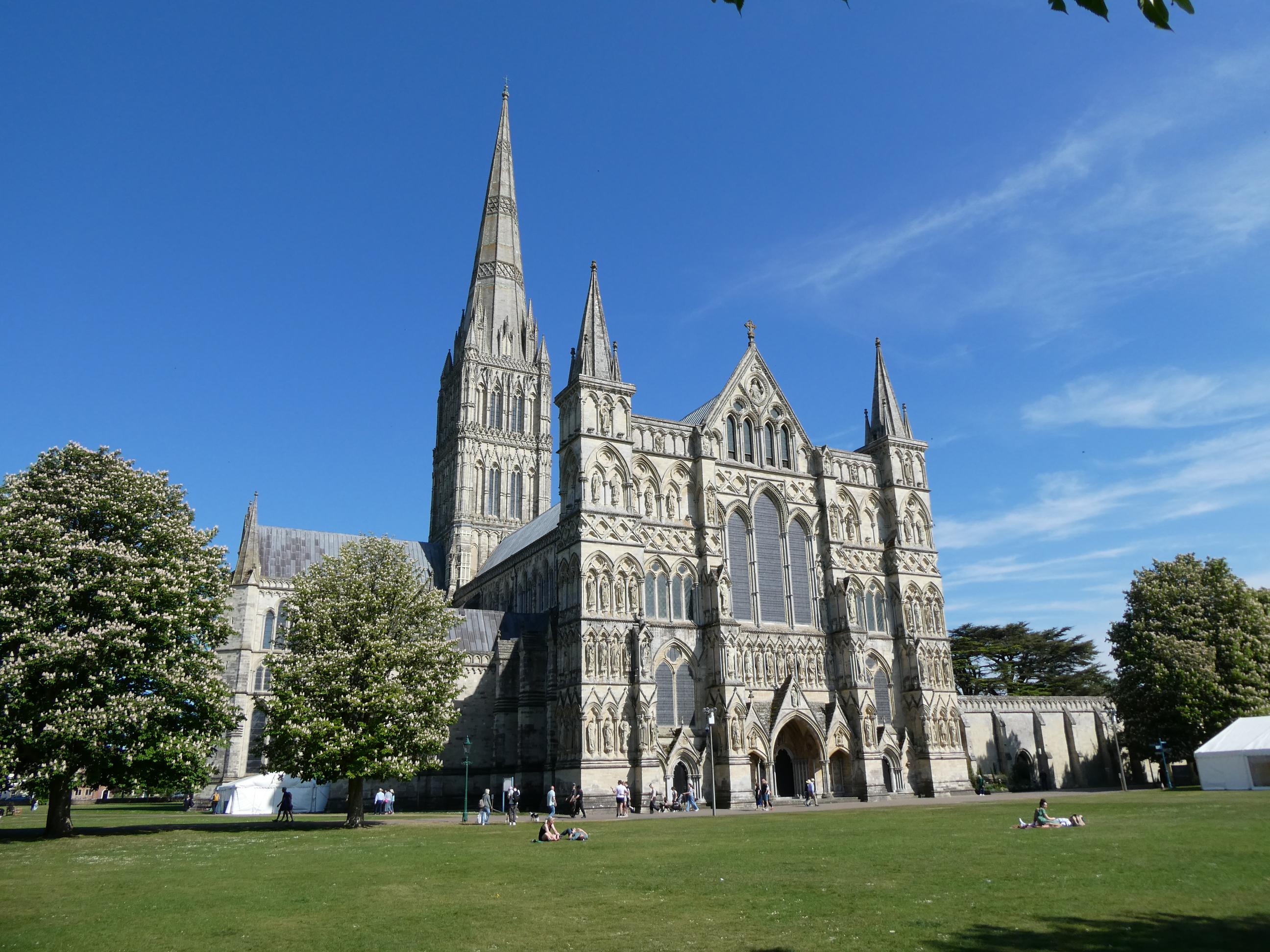
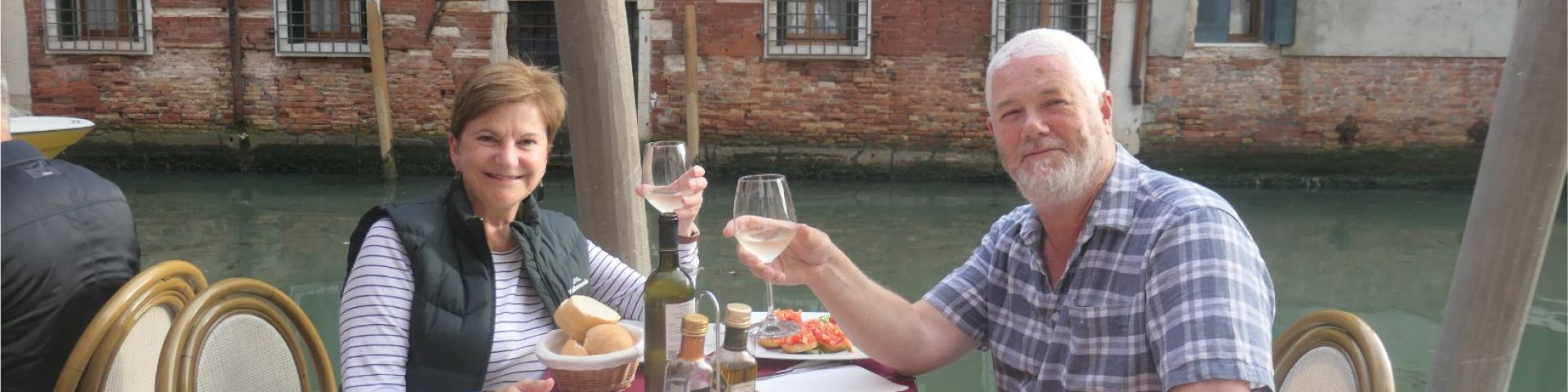
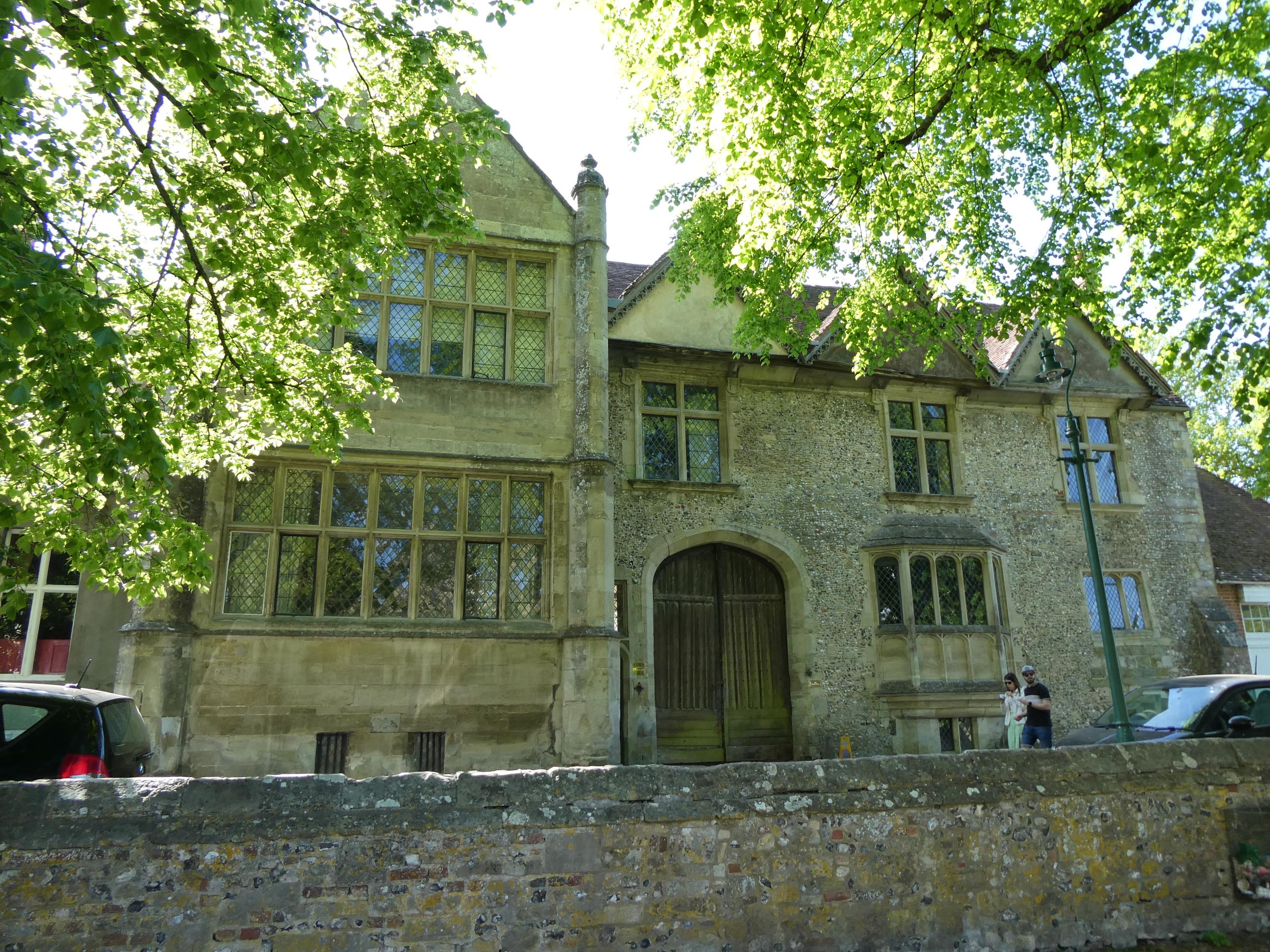
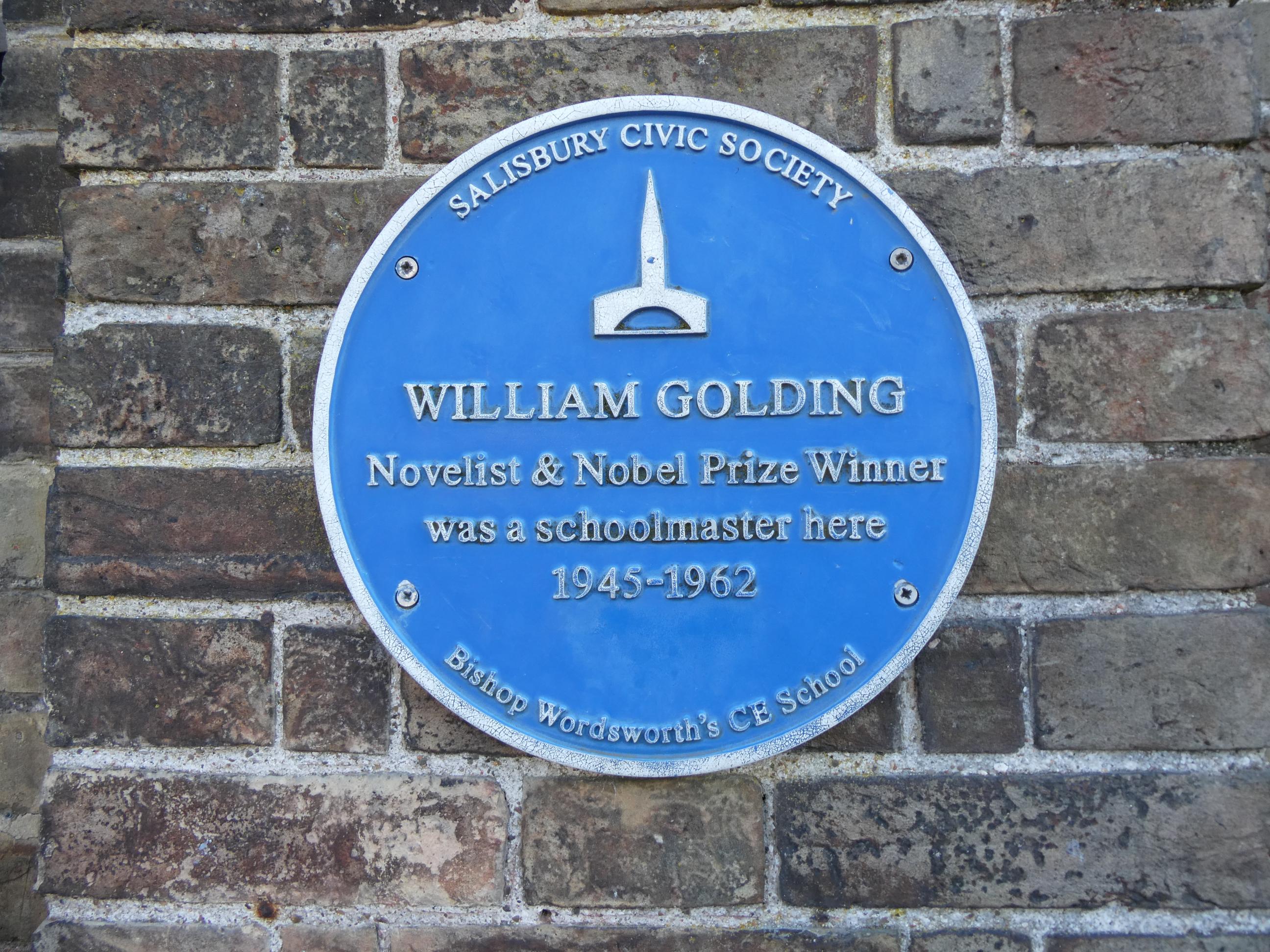
It was only a short walk from the cathedral back to our hotel. Despite that, we passed some wonderful old houses, all of which now appear to be lovingly cared for. We passed a school with a blue plaque, informing us that William Golding once taught there. Golding wrote ‘Lord of the Flies,’ which was yet another book I studied in high school. At the cathedral we’d been told that the best eating in town was at a place called Chapter House. That, of course, is where we were staying, so it was a no brainer to book a table for dinner. Marg and I went down to the bar early for a drink. After dinner, Rod and Cornelia set off for a walk around town. Marg and I went up to our room to rest our weary (or, in my case, blistered) feet. An early finish has also given me a chance to get this blog entry written and posted in good time.



 On The Road With Garry