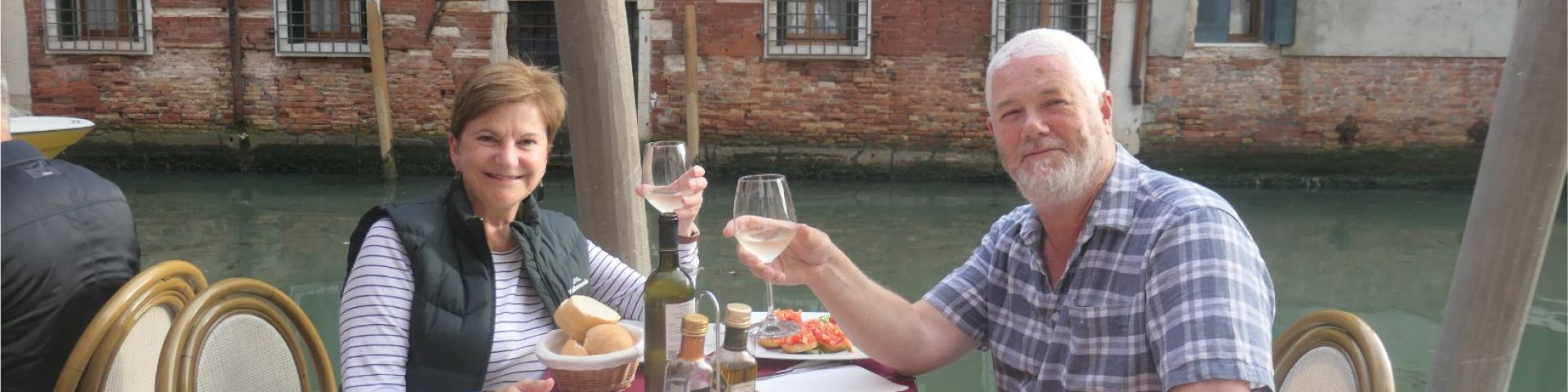
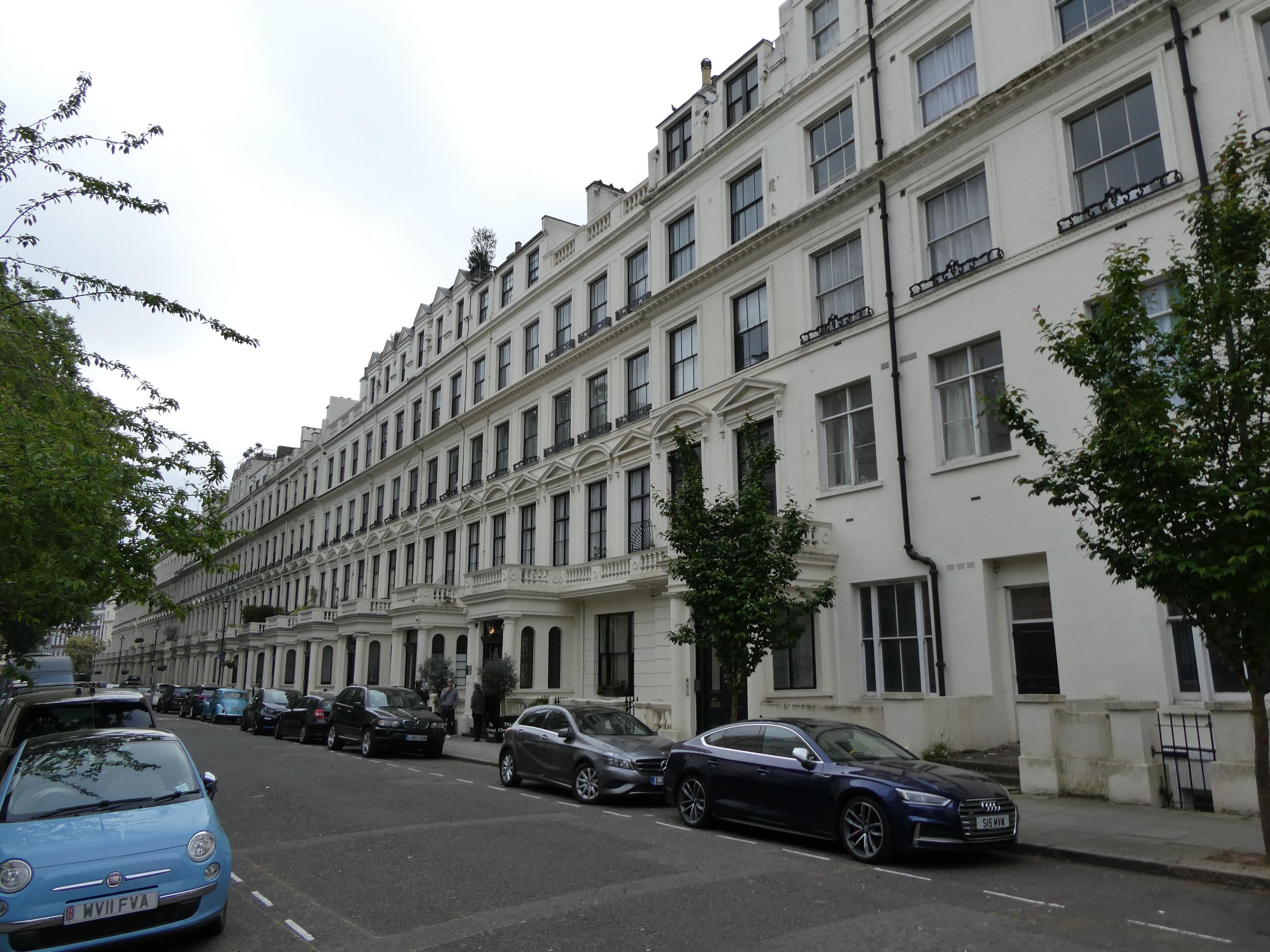
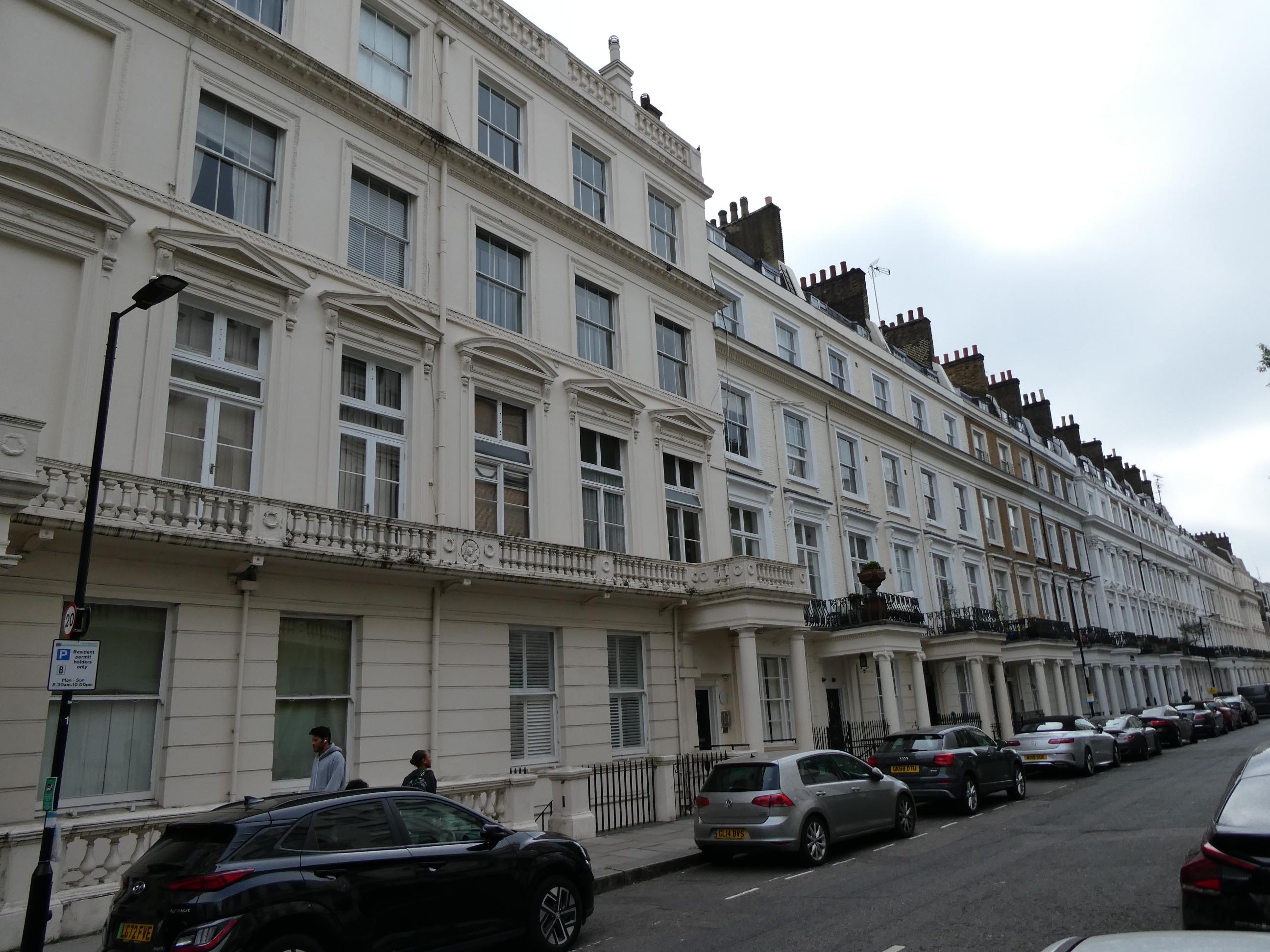
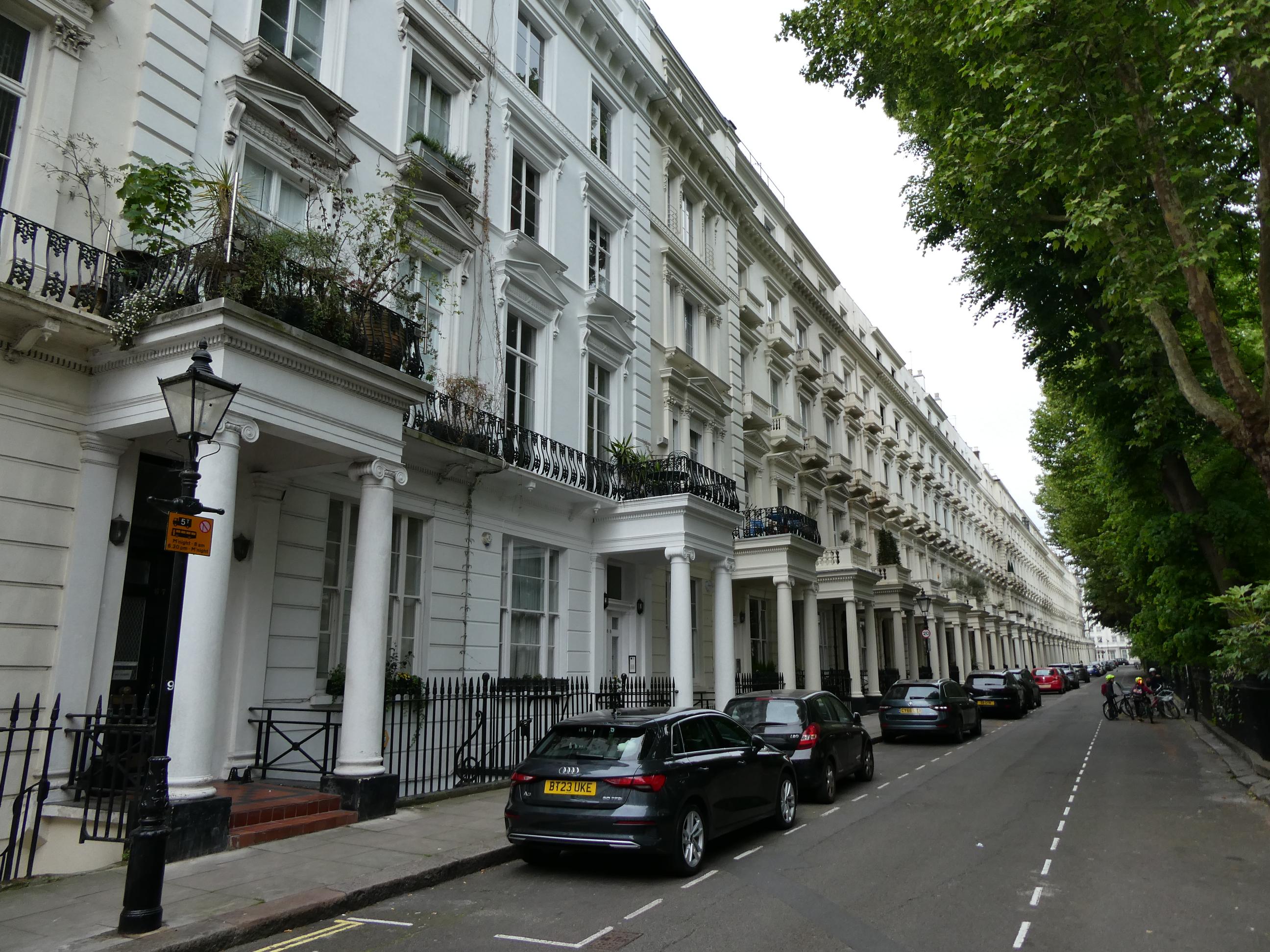
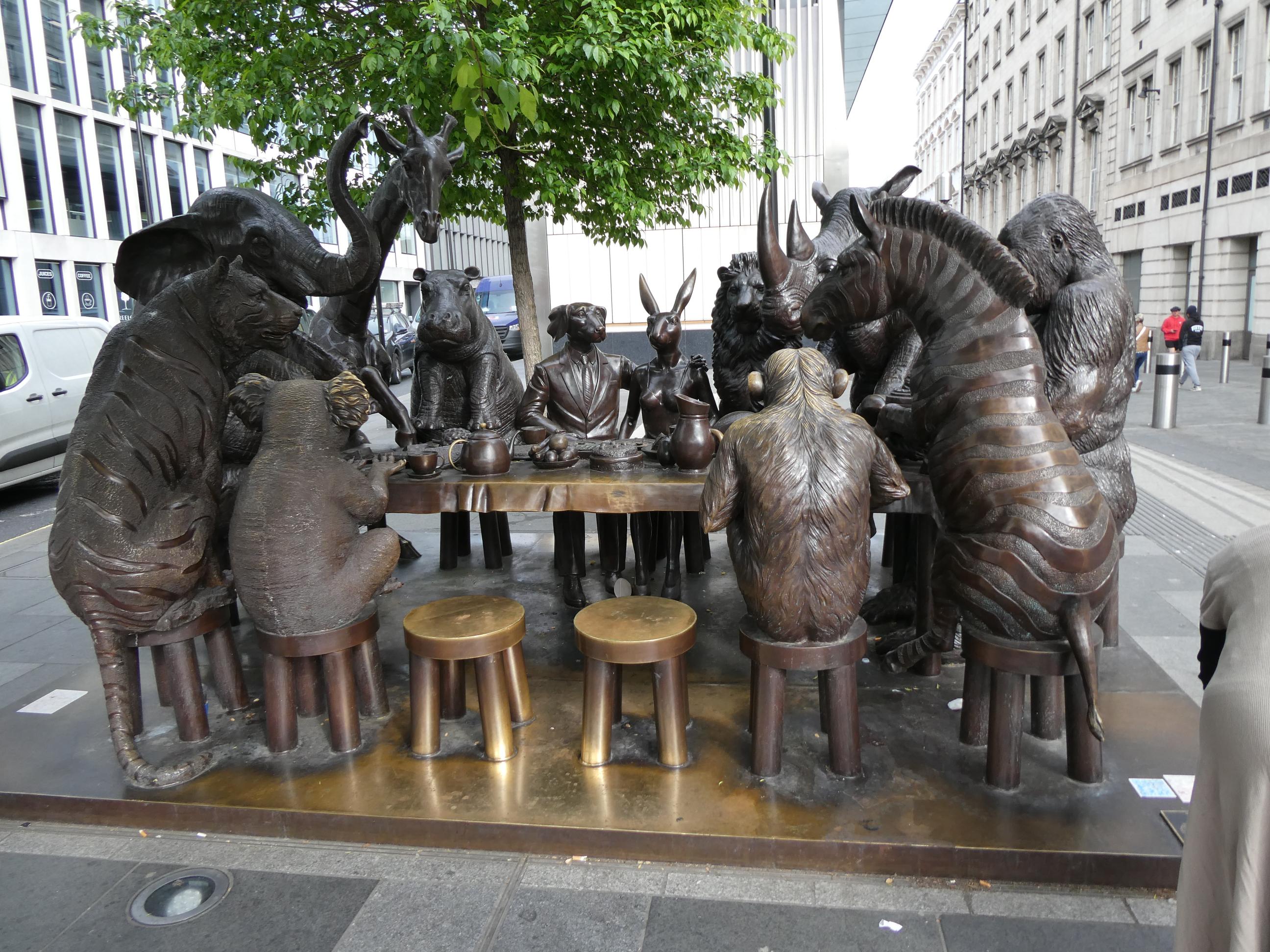
This morning we left the hotel early and headed for Paddington station. We passed some very impressive Victorian era terraced housing on the way. There’s a wonderful bronze sculpture near the station entrance called Wild Table of Love. If we didn’t have a train to catch, I would have liked to stop for a longer look.

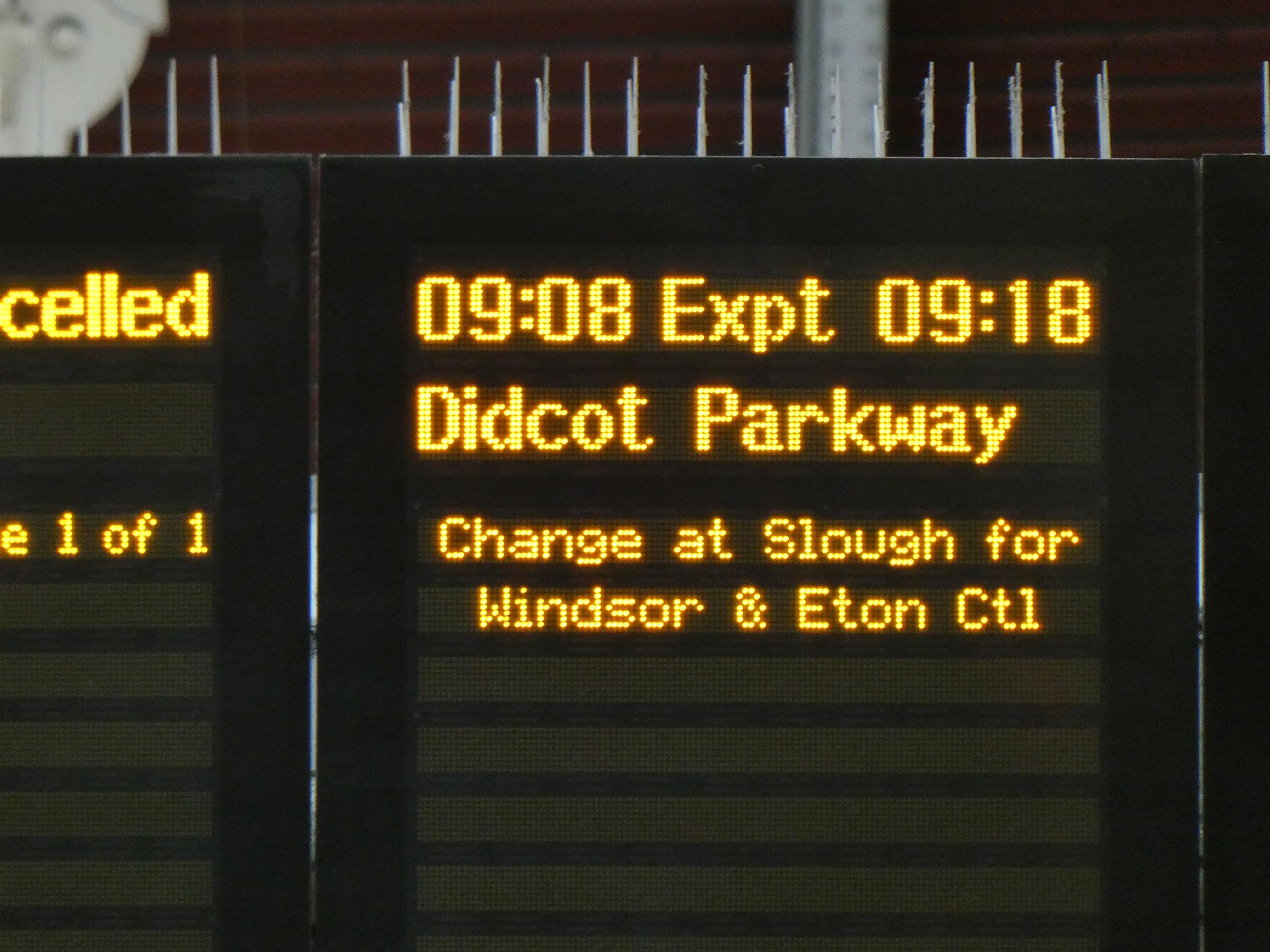
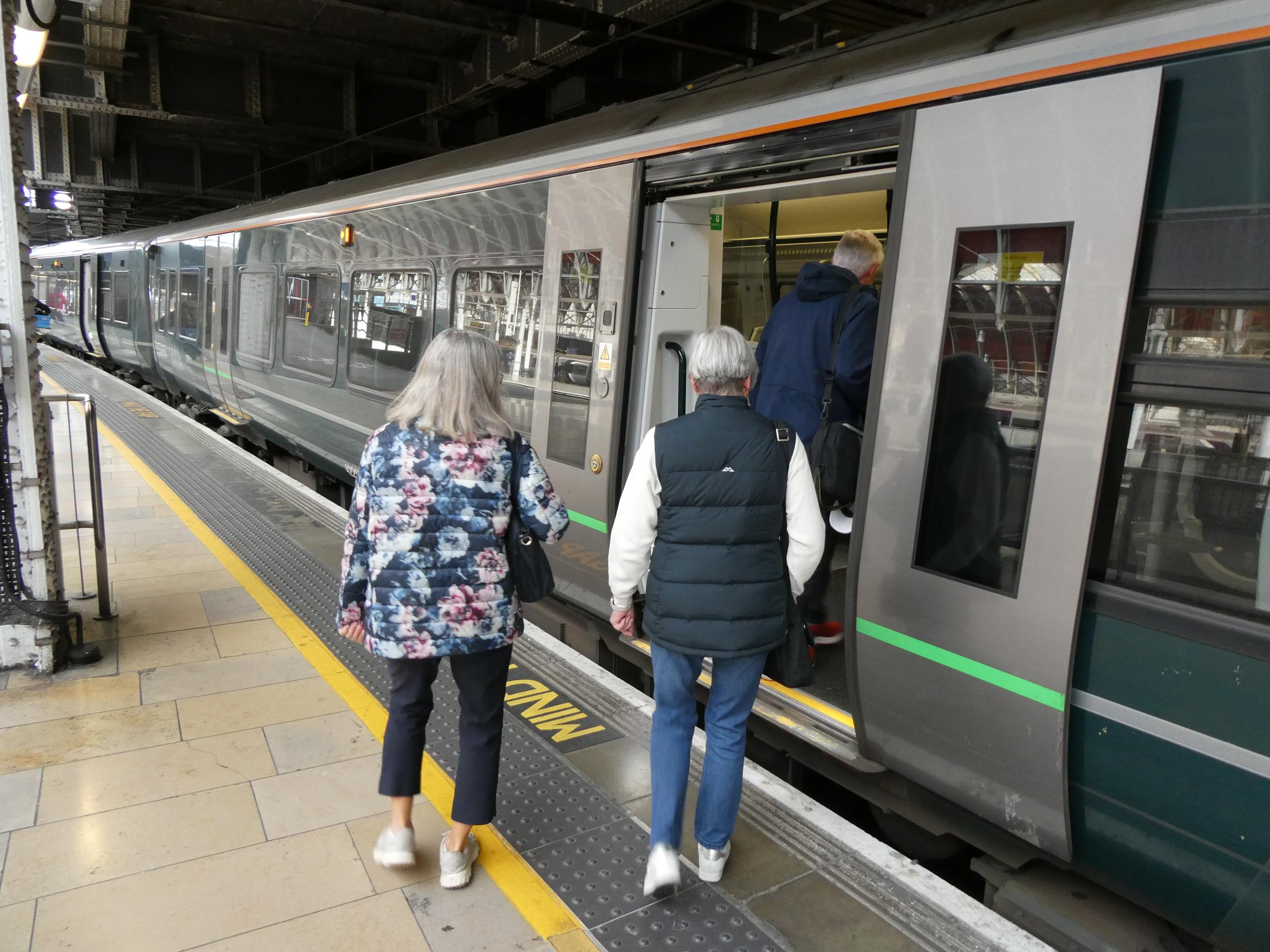
We knew we had to catch the 9.08 train from Paddington to Slough in order to get the connecting train on another line that would take us out to Windsor. We planned to spend two hours there, visit the neigbouring town and eat lunch, then take a couple more trains from Windsor that would eventually bring us to Westminster in time for a 2.30pm visit to the Abbey. When we arrived at Paddington station, however, our plans were thrown into disarray when the noticeboard informed us our train was delayed, then cancelled. Scrolling across the bottom of the display was a message saying the was a broken rail somewhere between Paddington and Reading. We sought assistance from rail staff and were in the midst of making plans to change our route, when suddenly the noticeboard changed us from cancelled to delayed. That sounded promising. We waited patiently. A new notice informed us that the train was now expected to depart 10 minutes than originally planned. We got on, and immediately the doors closed and the train pulled away. It was right on 9.08am. We hadn’t lost a minute. We were lucky. Trains on other lines were simply cancelled. We changed at Slough to a much smaller train that took us to Windsor.

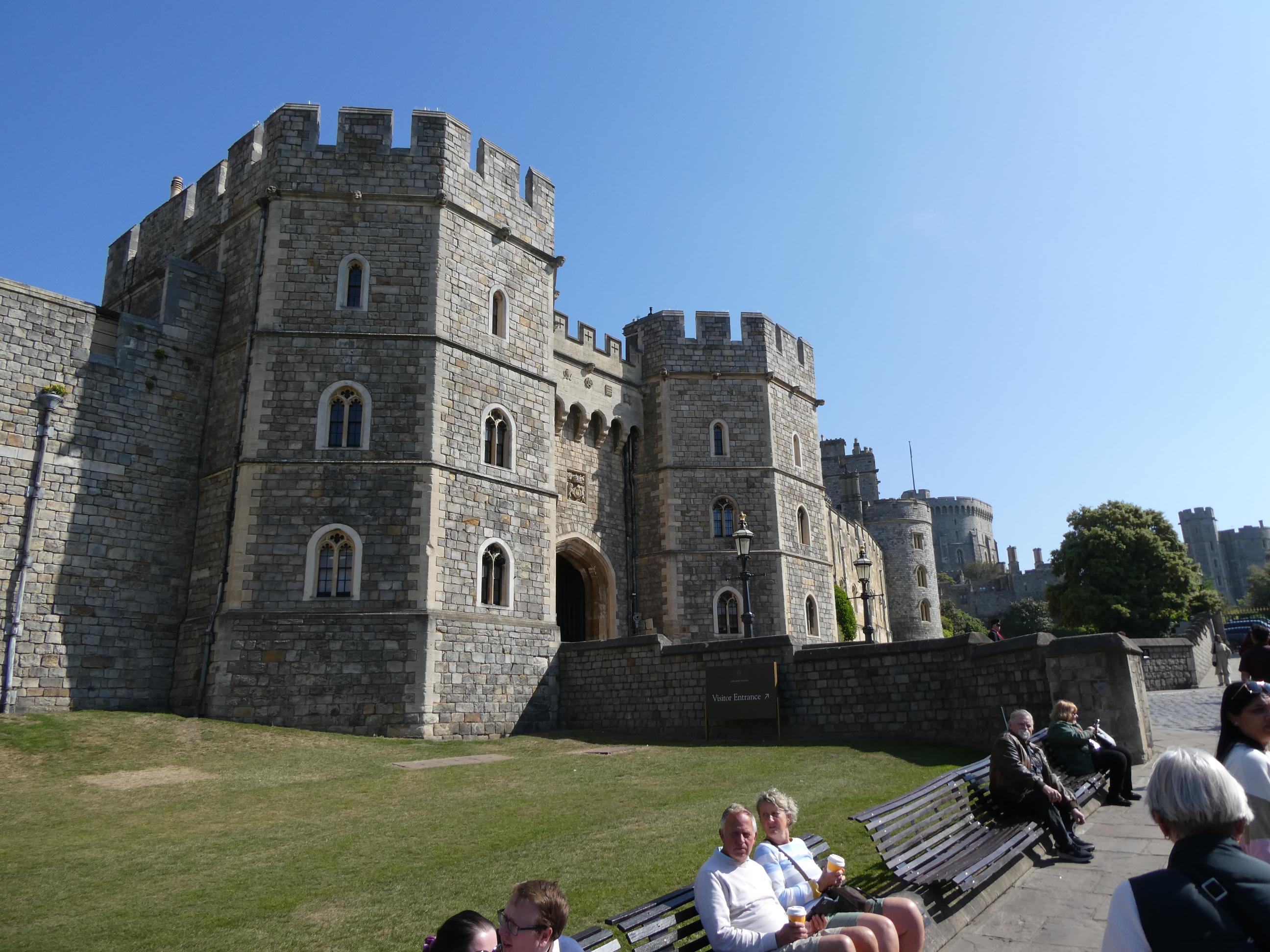
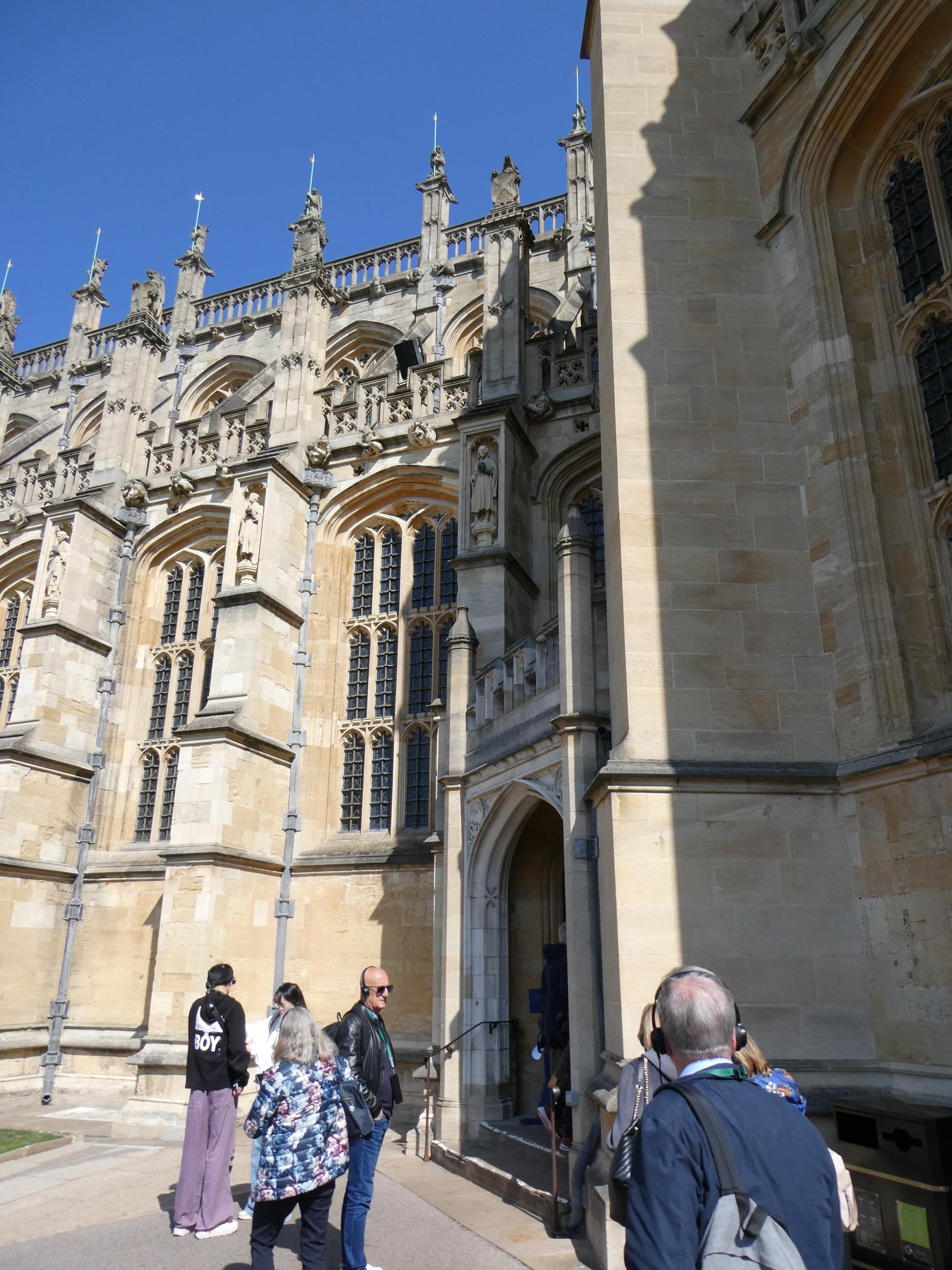
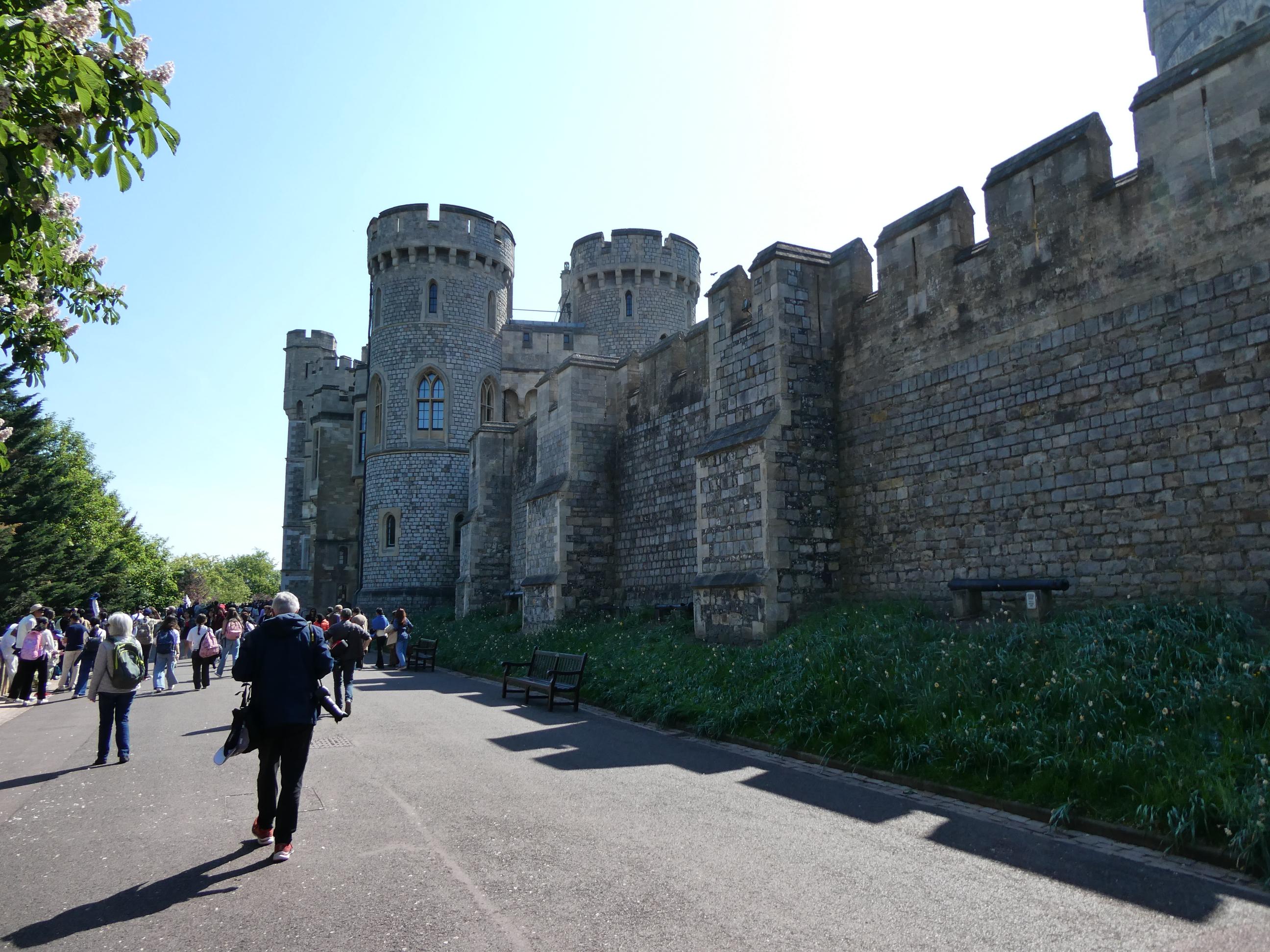
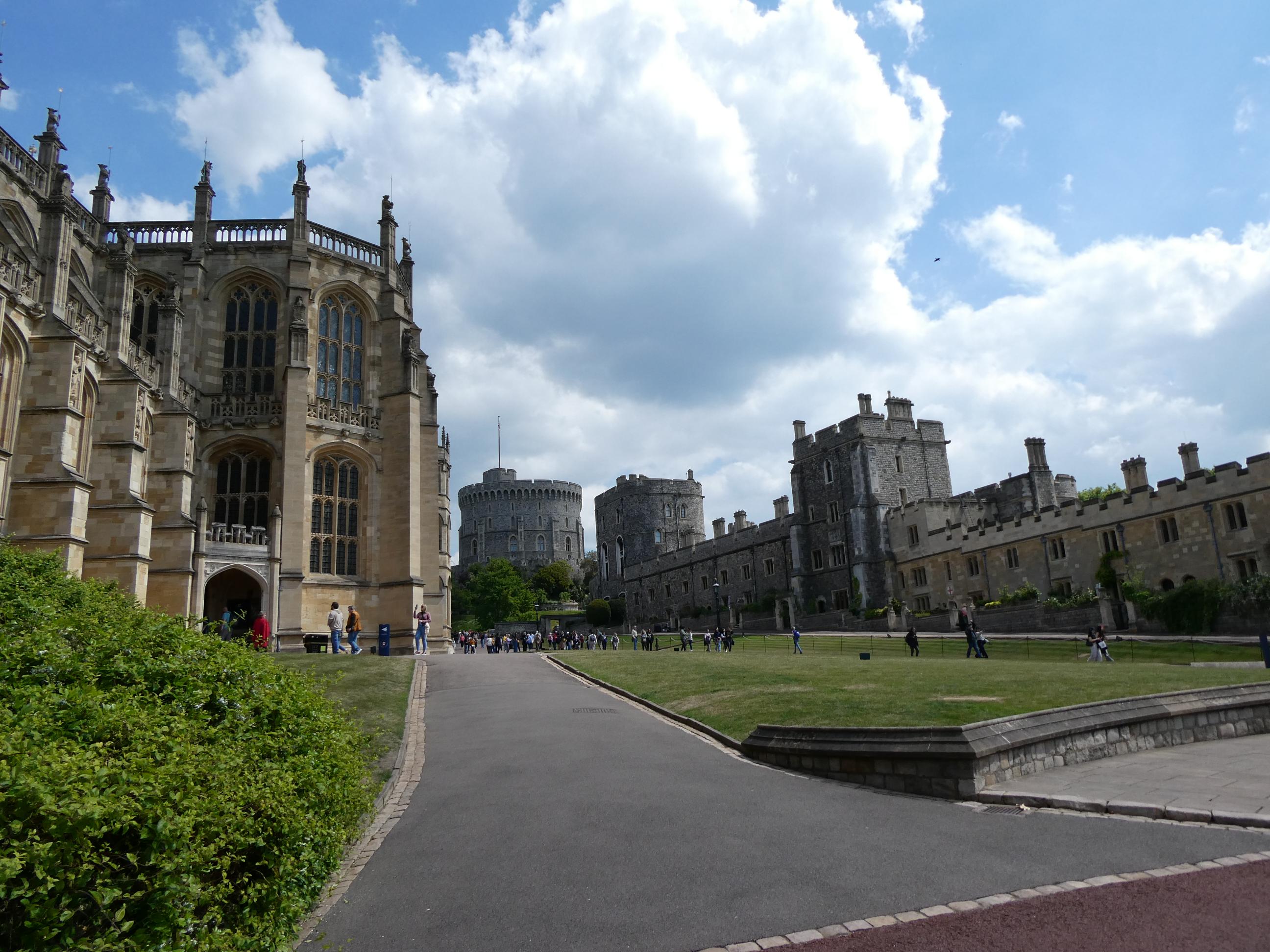
I don’t think we could have picked a better day to visit the castle. The skies were blue and the sun was warm when we left the train and walked across to the castle gate. We had to pass through airport style security before we entered. Windsor seemed instantly familiar, I guess because the Queen’s funeral was here, including the much-discussed walk that Harry and Will took when they came out to view the floral tributes and speak with the public. I also remembered the news footage of the Queen bestowing a knighthood on Captain Tom Moore here after his heroic effort of walking 100 laps of his garden to raise millions for Britain’s National Health Service during the Covid pandemic.
The grandeur of Windsor seems befitting for a person of the eminence and the grace of a Queen like Elizabeth. Although I’m a republican in my views about Australia’s status in the Commonwealth, I always liked the Queen much more than I liked other members of her family. She was the reigning monarch throughout my entire life until recently, and I think watching ‘The Crown’ (I’m aware some parts of it are fictitious) made me appreciate what a wise, and sometimes courageous, woman she was. I can’t even imagine what it must be like to be born into a family like hers and have such responsibility thrust upon your shoulders at such a young age. As I walked around Windsor today, she came to mind often. I think I probably associate the Queen with Windsor even more than I do with Buckingham Palace.
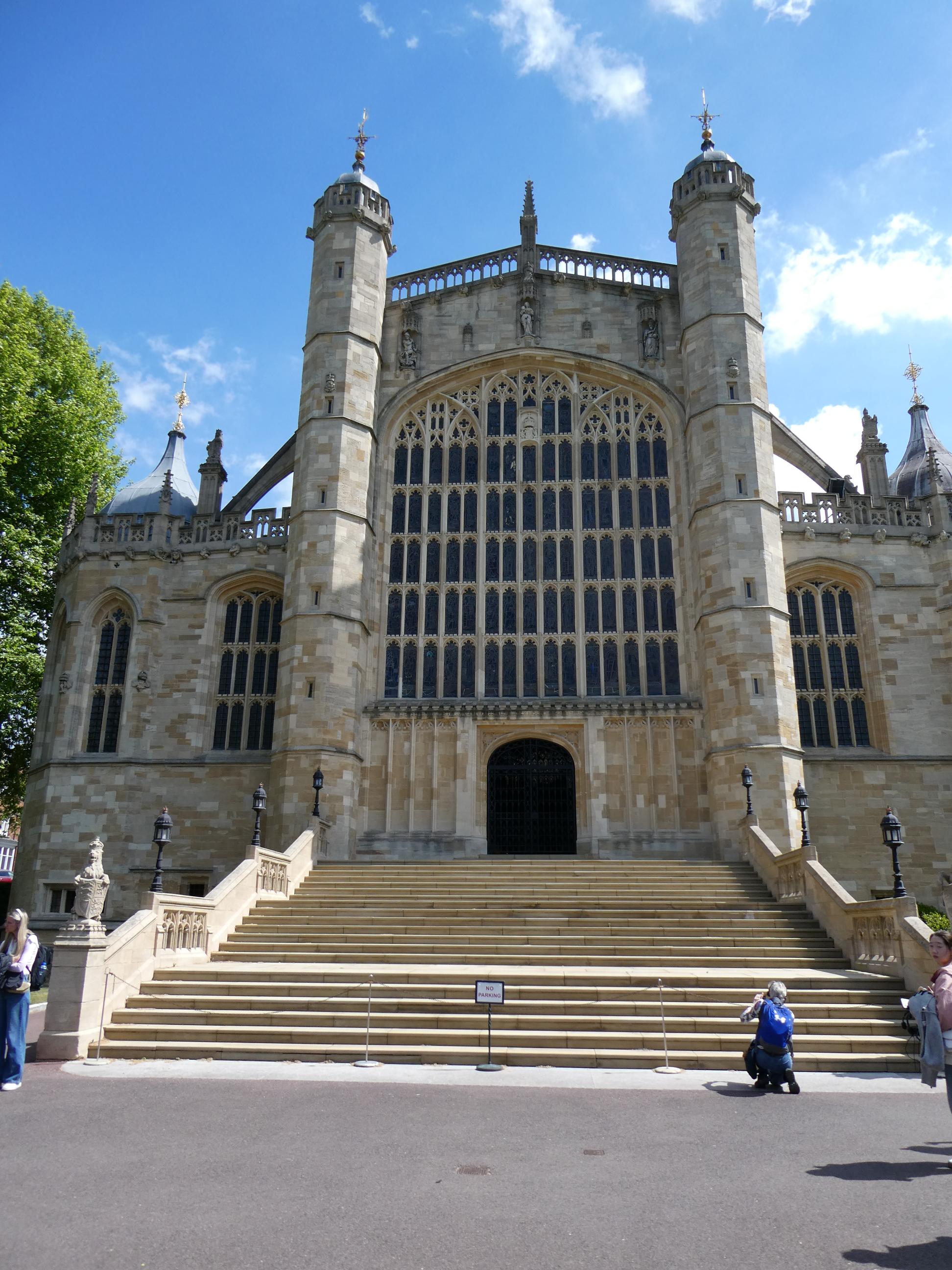
Despite being reminded of the Queen a number of times on my visit, it was still a surprise to come upon her final resting place in a small annex within St George’s Chapel. A large black marble slab was engraved with the names of Elizabeth and Philip. The names of her father, King George, and her mother Elizabeth were also engraved on the same slab. Another stone in this vault bore the name of the Queen’s sister, Princess Margaret. Essentially this was the burial vault of the House of Windsor. Just a few steps away we came upon the burial vault of King Henry VIII, Jane Seymour and Charles I. Jane was reputedly Henry’s favourite wife because she bore him a son and heir. Charles was the king who lost his head after being found guilty of high treason when he went to war against Parliament. He lost, and, for a short time, the monarchy came to an end. Eventually his son Charles II was restored to the throne, but from here on no monarch could put themselves above the will of the parliament. Walking through St George’s Chapel, where eleven English monarchs are buried, was like walking through the pages of a history book. It’s a beautiful chapel, befitting the importance of its place in the story of England. It’s disappointing that I was not able to take photos inside, but completely understandable that they don’t want tourists stopping for selfies in front of the Queen’s tomb or blocking the flow of foot traffic in tight spaces.
We stood in a queue to view Queen Mary’s dolls’ house, perhaps the largest of its kind anywhere. It is a lifelike model, built to one twelfth scale, with multiple rooms all filled with perfect miniatures of every imaginable object you might have found in a real house (mansion, actually) at the beginning of the twentieth century. The miniatures were intended to display British craftsmanship at its finest. The long queues to enter put some pressure on us to move through quickly, but it’s the sort of display you want to take your time with examining the intricate detail of the tiny objects it contains. From there, we visited the state apartments. No photos were allowed in there either for the same reasons as the chapel restrictions. The apartments were grand in every sense, from the furniture in each room to the artworks on the walls and the magnificent ceilings. Some rooms were reserved for the privacy of the royals, whereas others were used for banquets and large assemblies of guests. It reminded me very much of Versailles, near Paris, and Schönbrunn Palace, in Vienna, that we had visited on our first trip to Europe. When Windsor had its terrible fire in 1992, 115 rooms were destroyed, including nine of the magnificent state apartments. Thankfully some art works had been previously removed for restoration and were saved. It took five years to restore these rooms to their former glory, and the craftsmanship is exemplary, especially in St George’s Hall and the Grand Reception Room.
The skies were still blue when we left the state apartments, but every two or three minutes a large passenger plane on its final descent into Heathrow would pass just overhead. It seemed to be an endless procession. I imagine when the flights stopped during the pandemic, the people of Windsor must have found the silence unsettling.







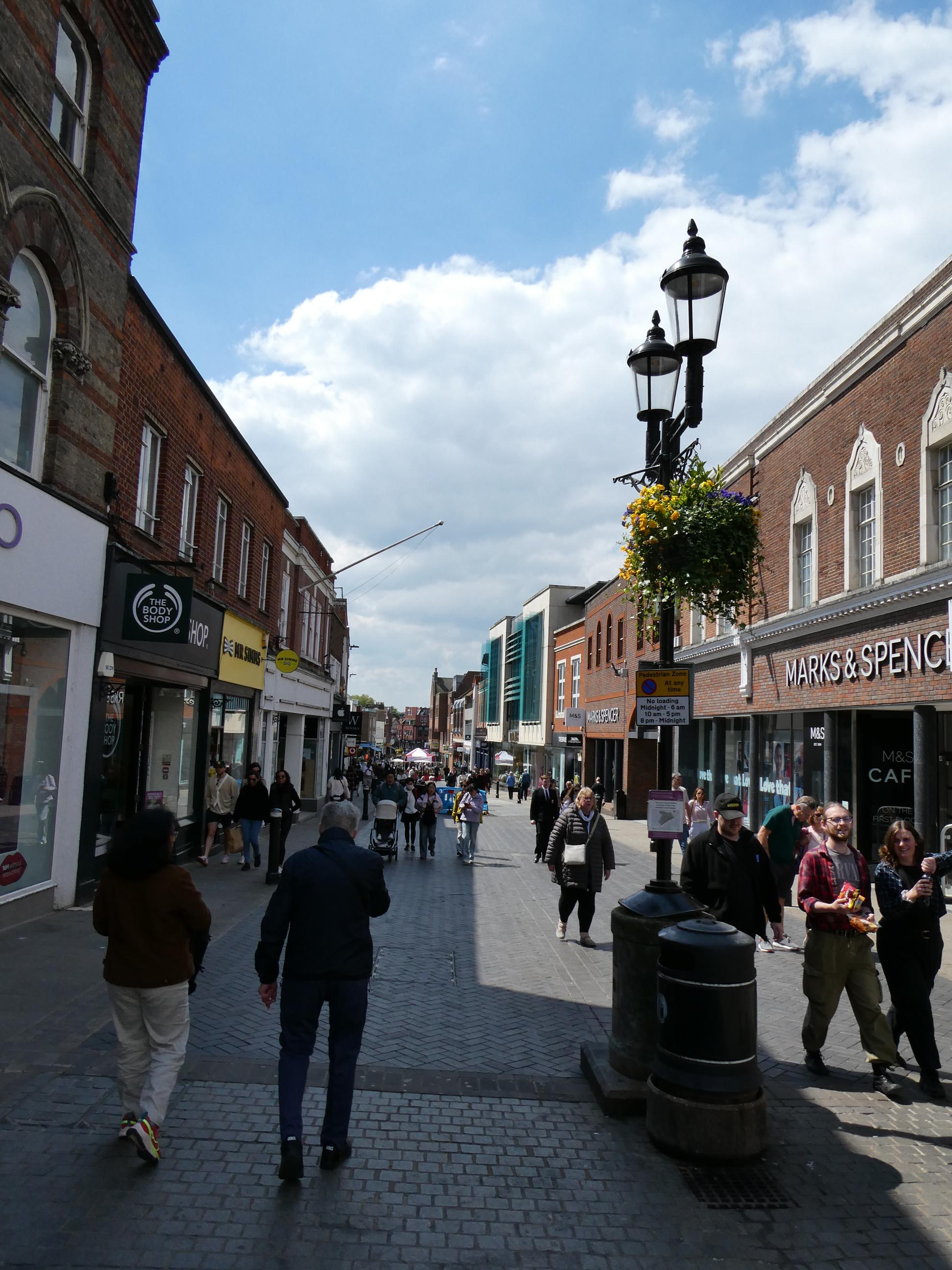
We found a place in Windsor to eat, then took a short stroll through the town. It seemed a friendly place, reliant on tourism. We caught the train back to Slough, but when we got there the boards were full of notices of train cancellations due to the same broken rail issue we had encountered at the start of the day. Our scheduled train was one of those, which was annoying as we were on a fairly tight schedule, and had a timed ticket for Westminster Abbey later in the afternoon. Thankfully we were only delayed by 20 minutes before a train came through that could get us back to Paddington.



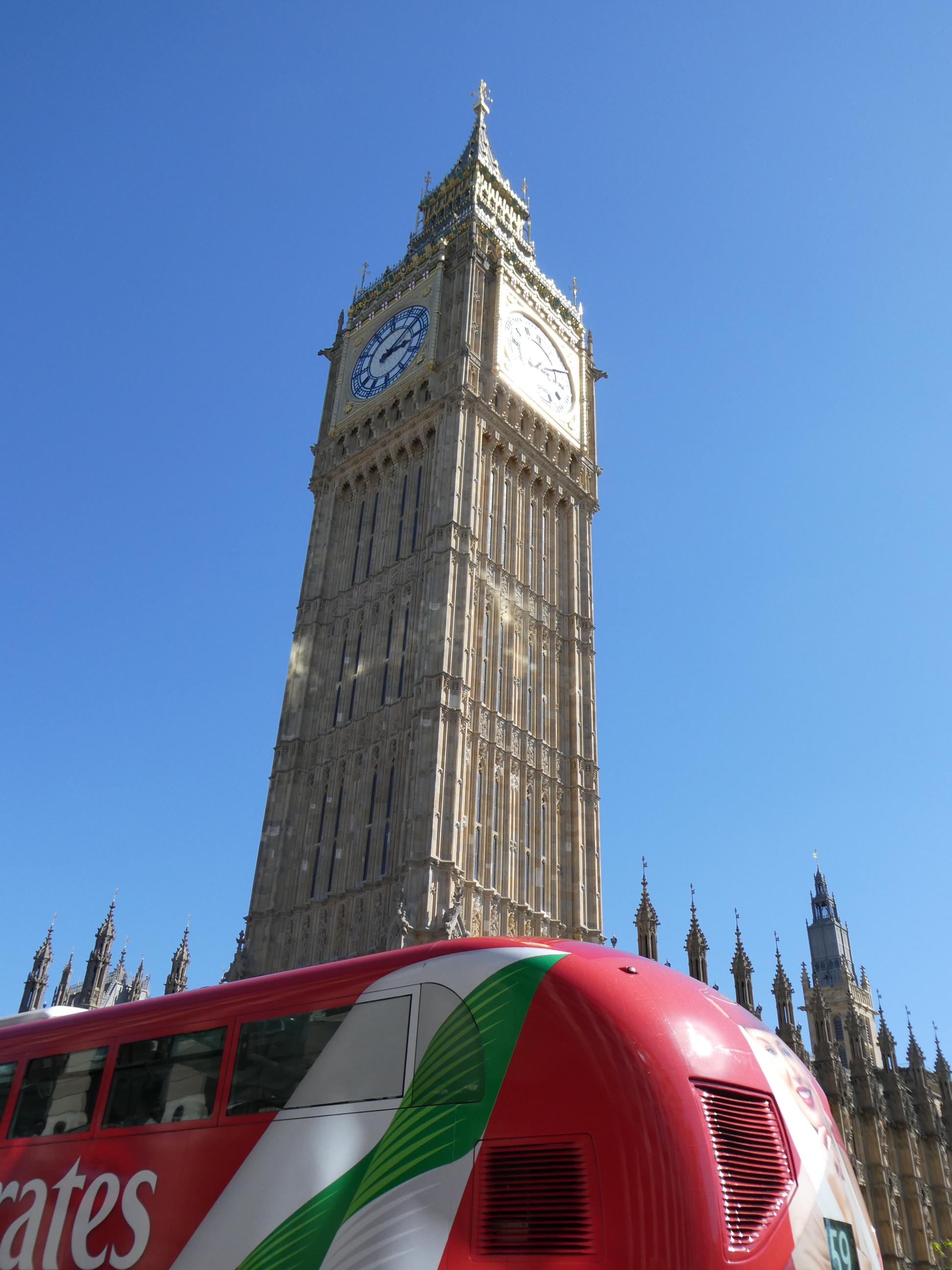
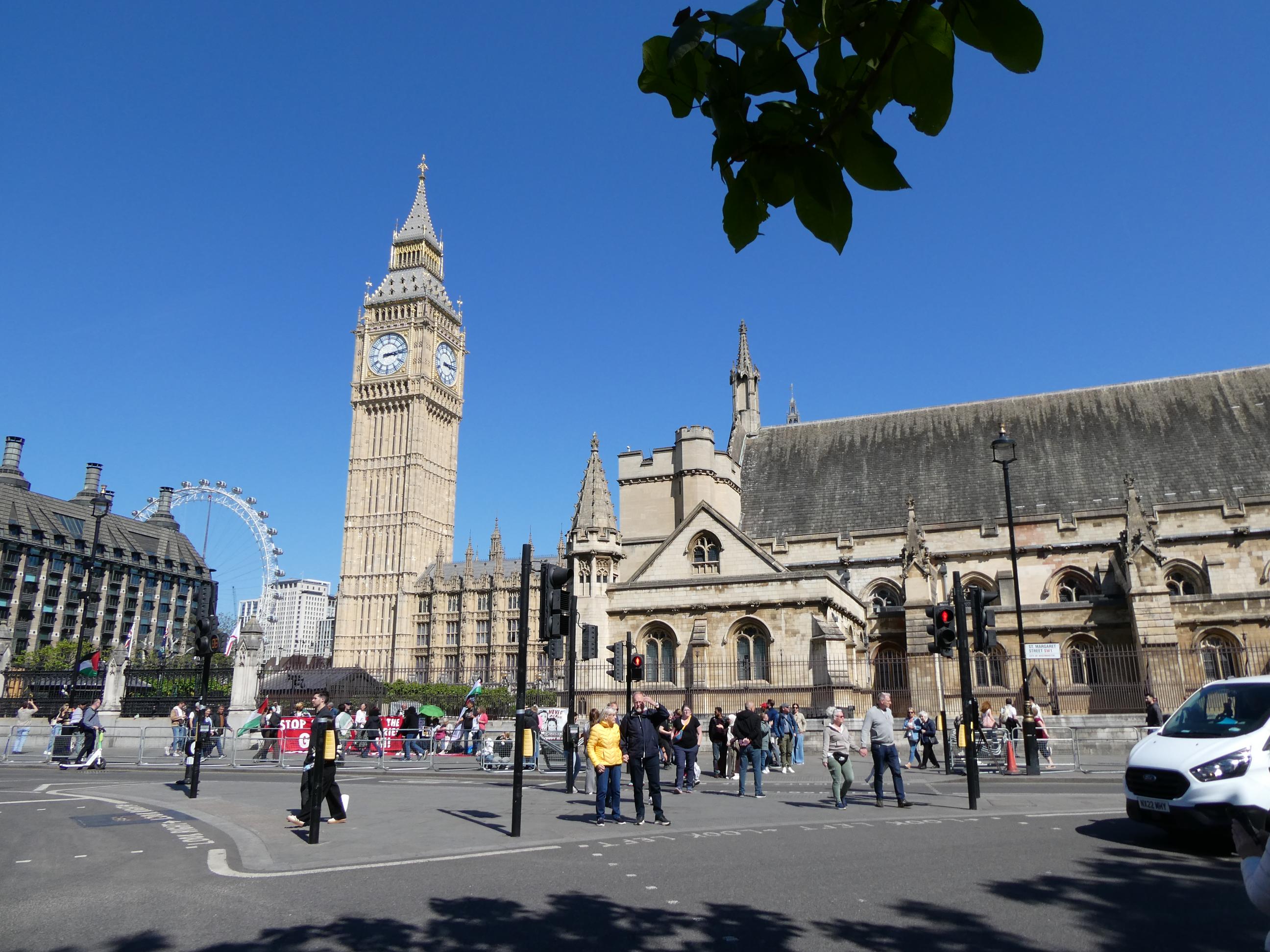
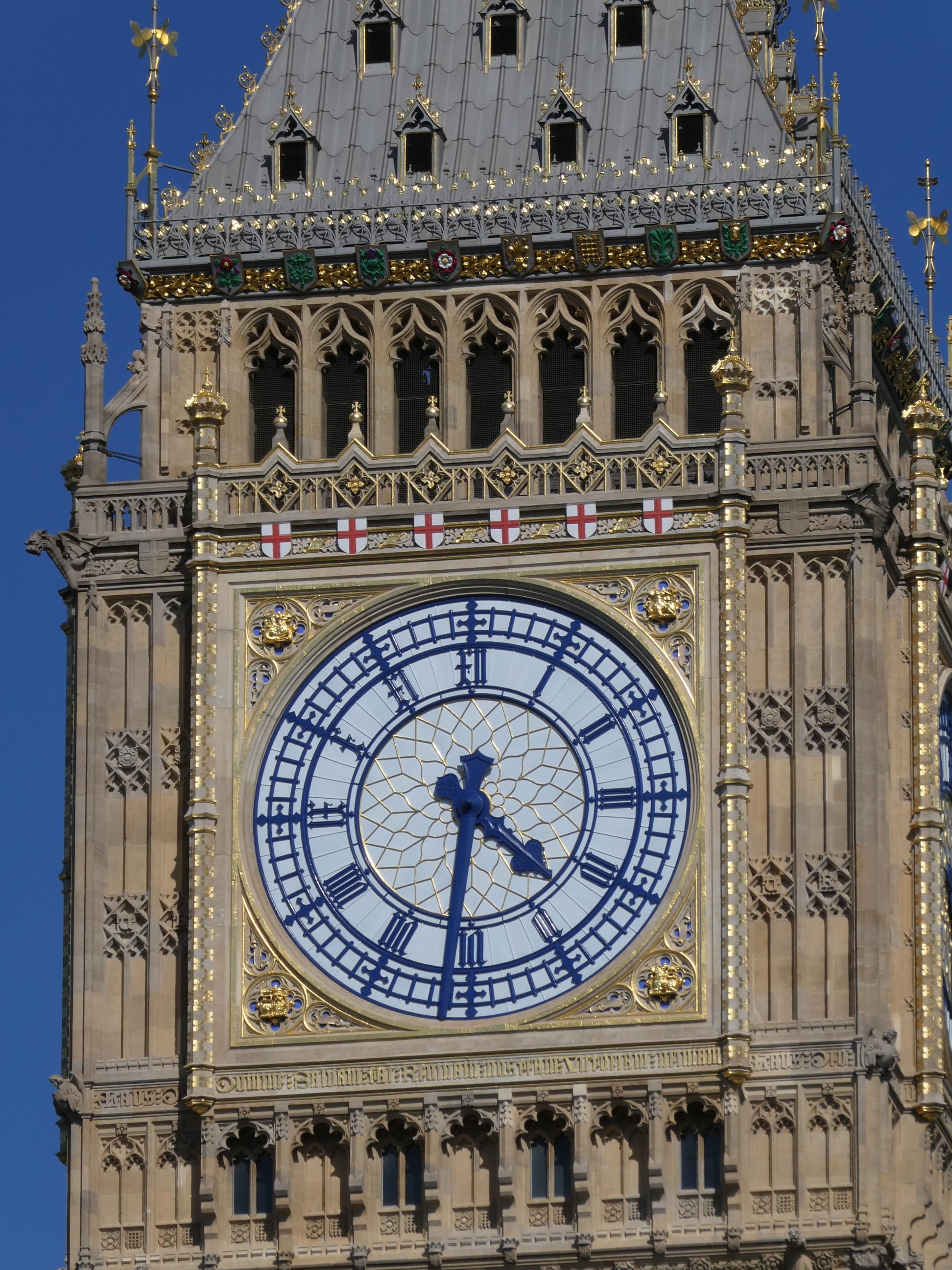
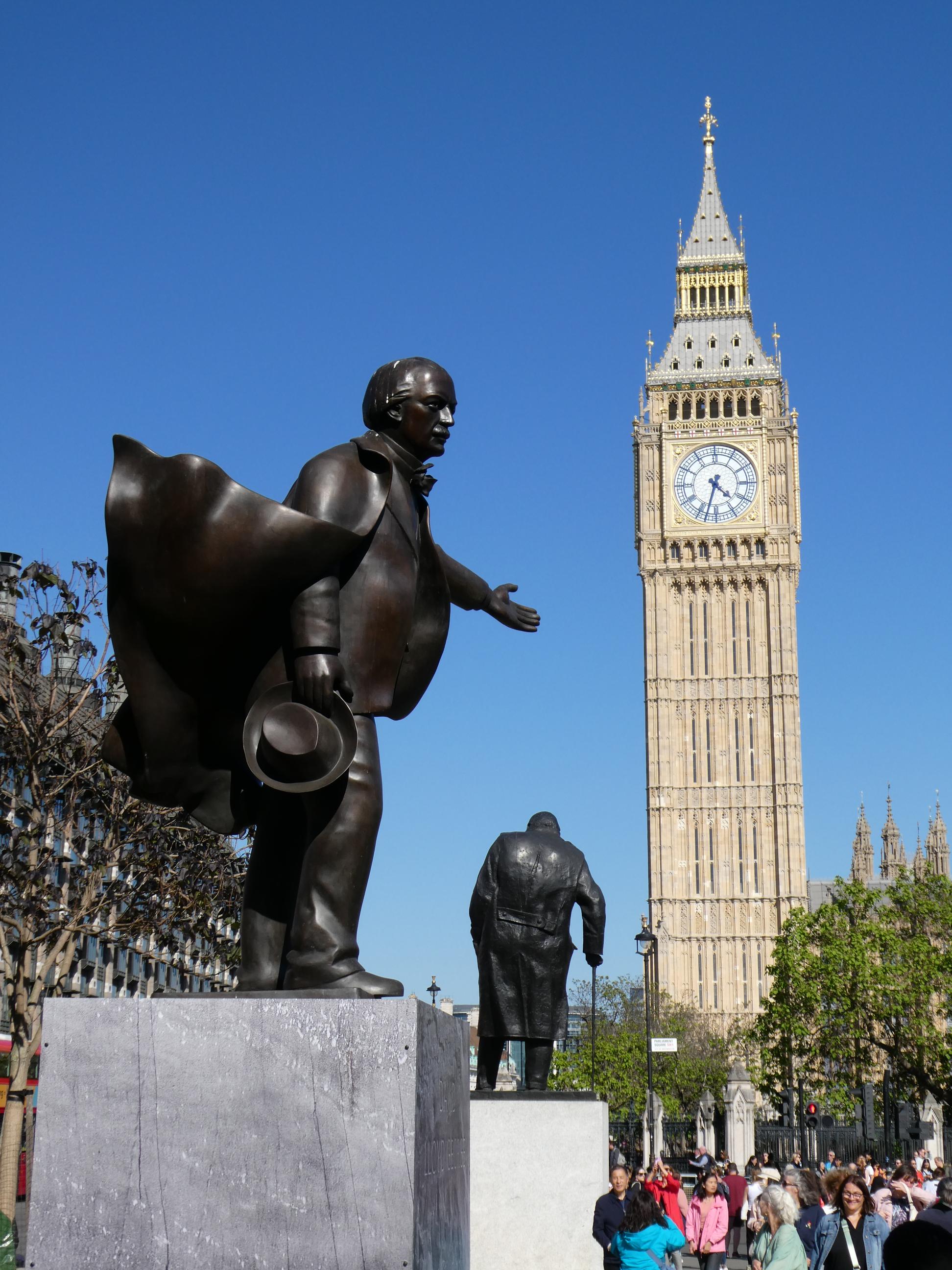
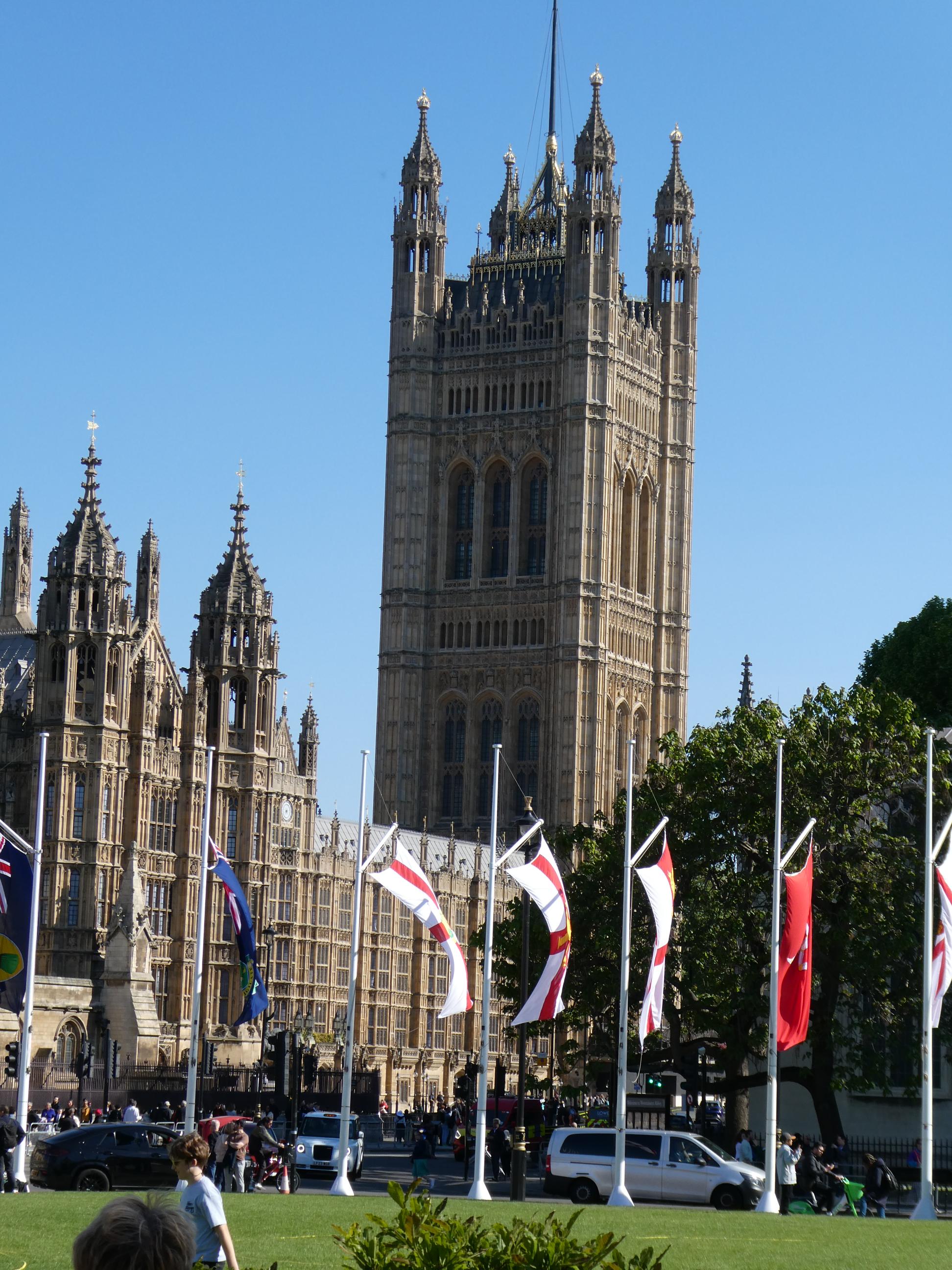
From Paddington, we took the Tube to Westminster. Upon leaving the Underground, we were greeted by the iconic sight of Big Ben, looking resplendent after its recent restoration. When Marg and I were last in London six years ago, it was covered in scaffolding. It looked so good against the perfect blue sky. London was putting on its best clothes for us today.
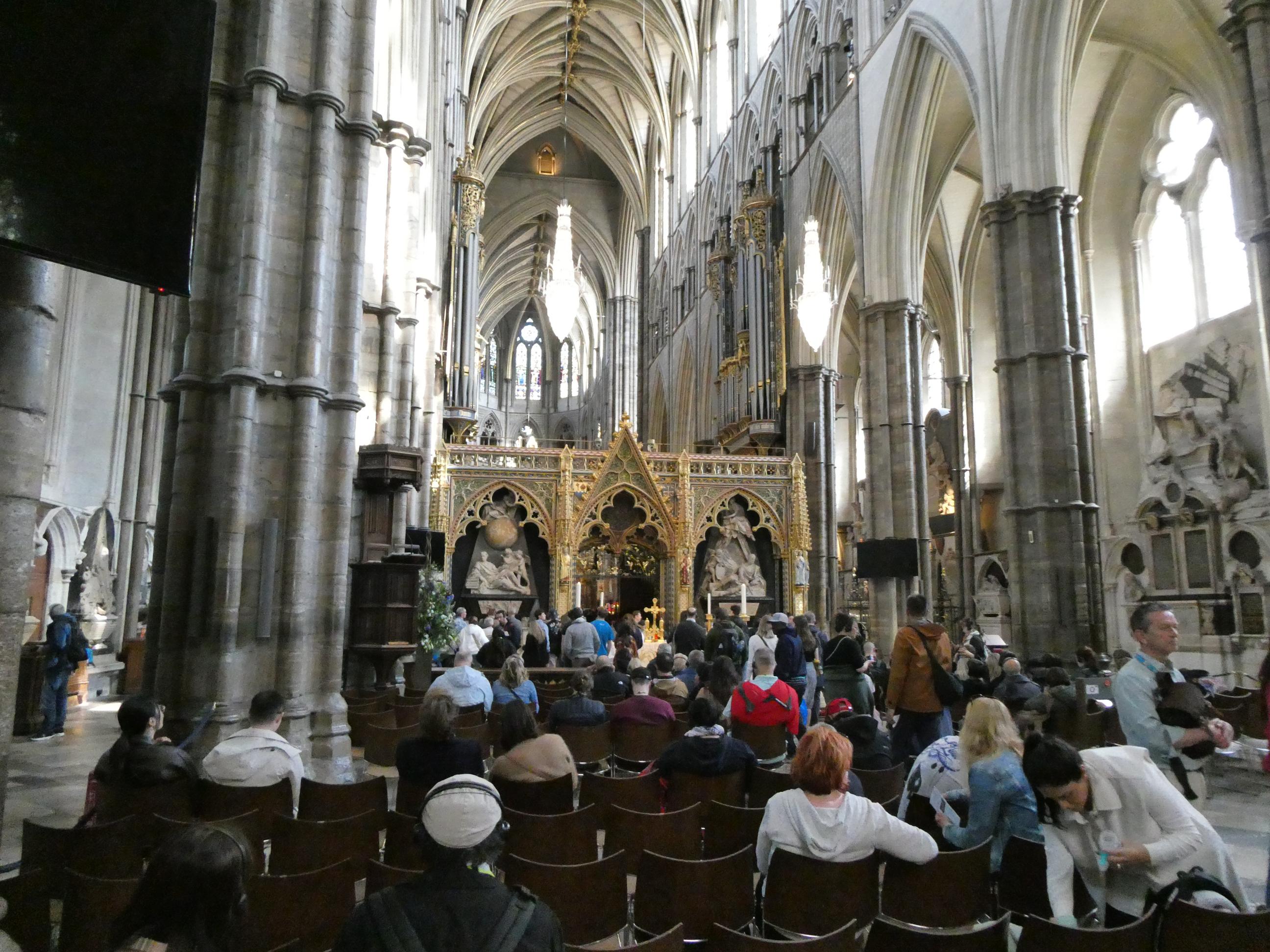
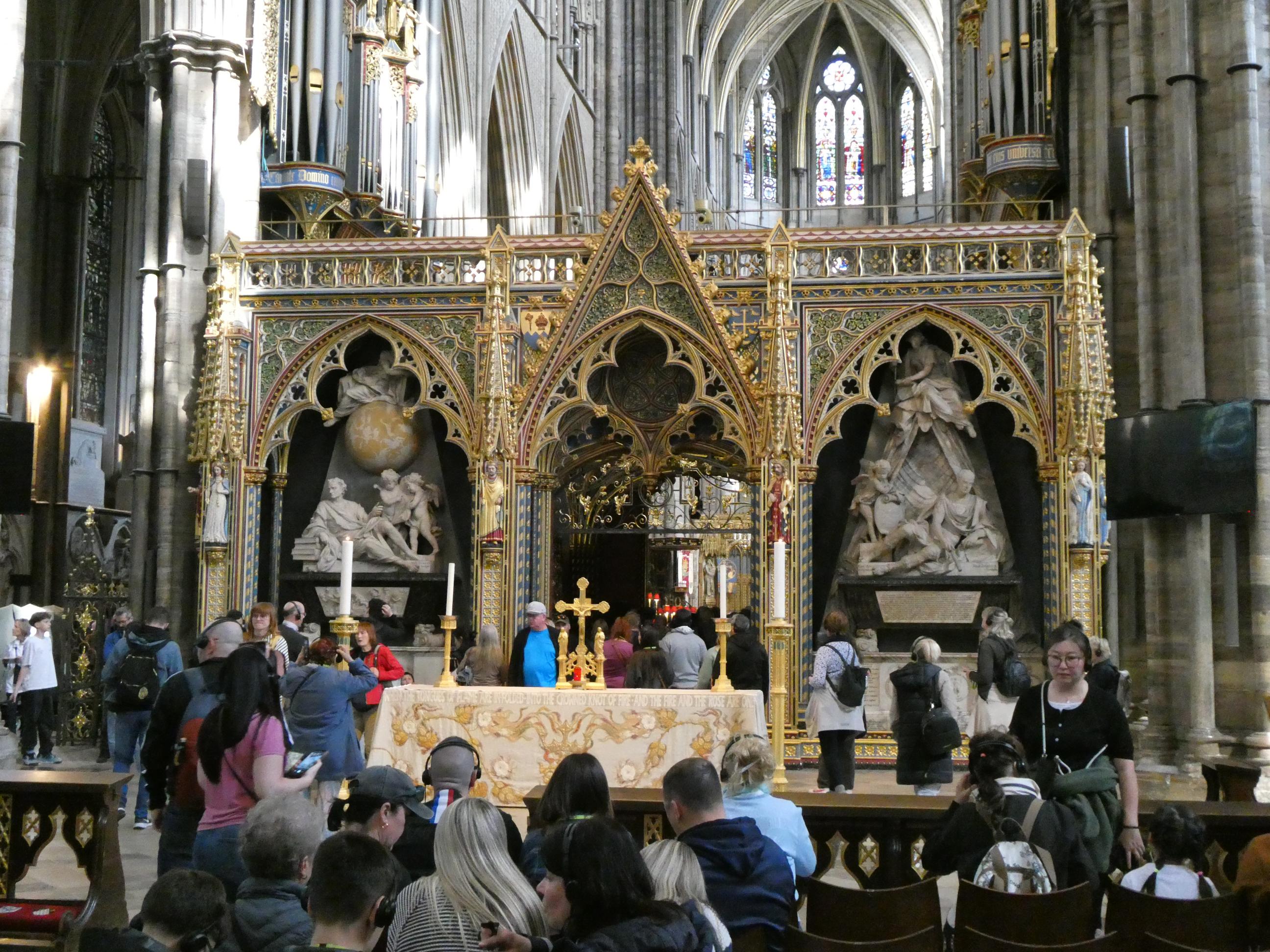
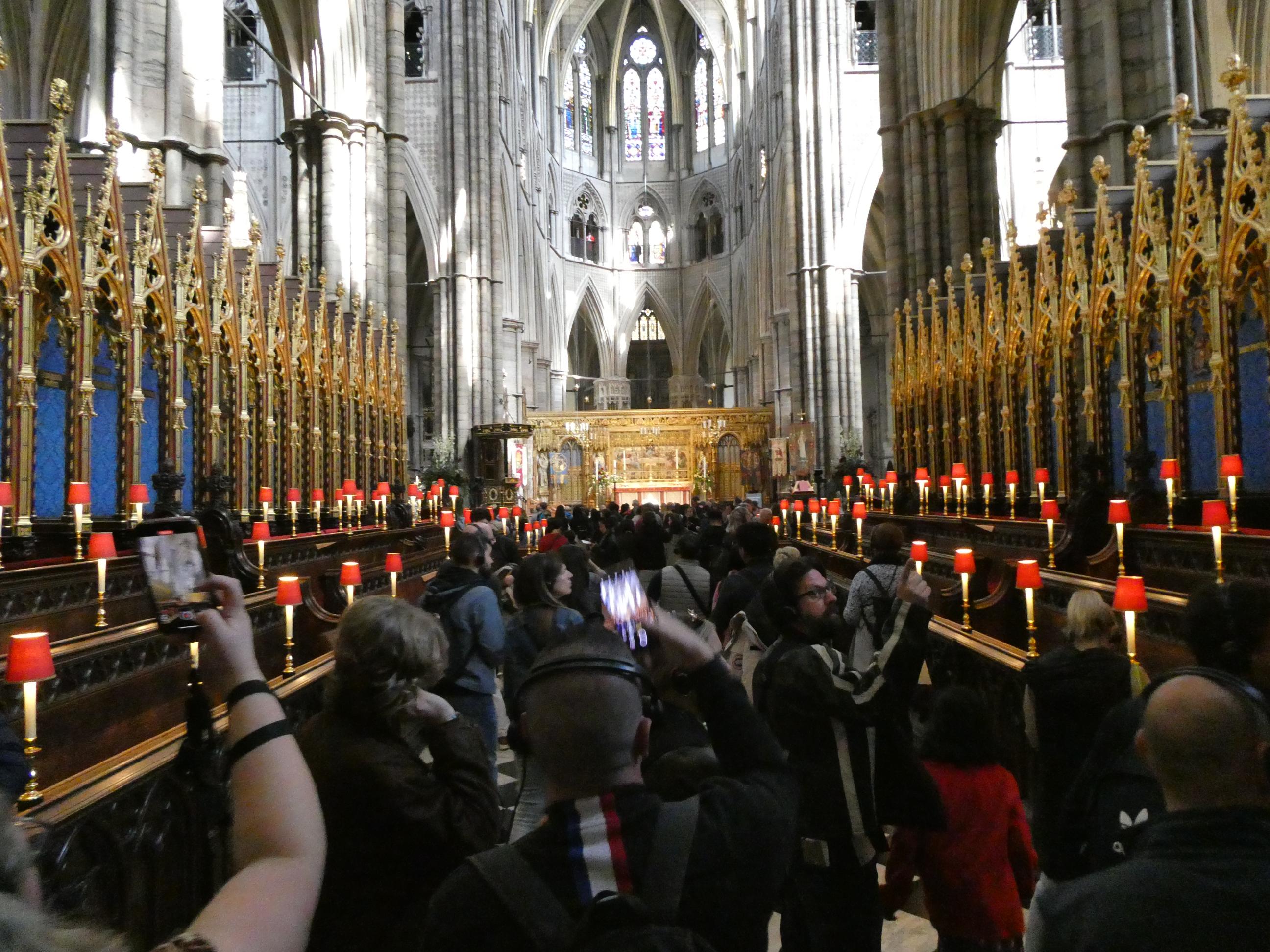
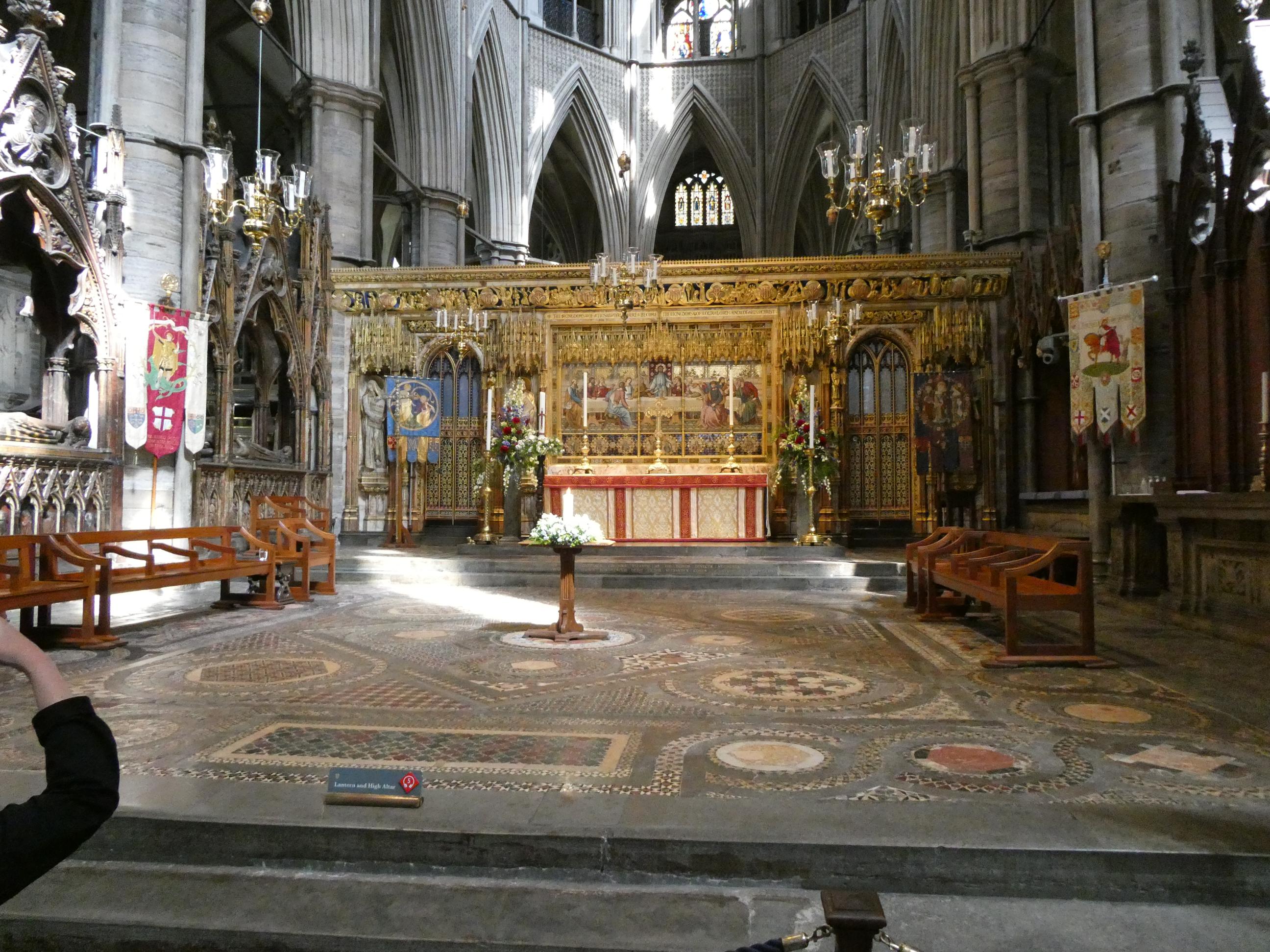
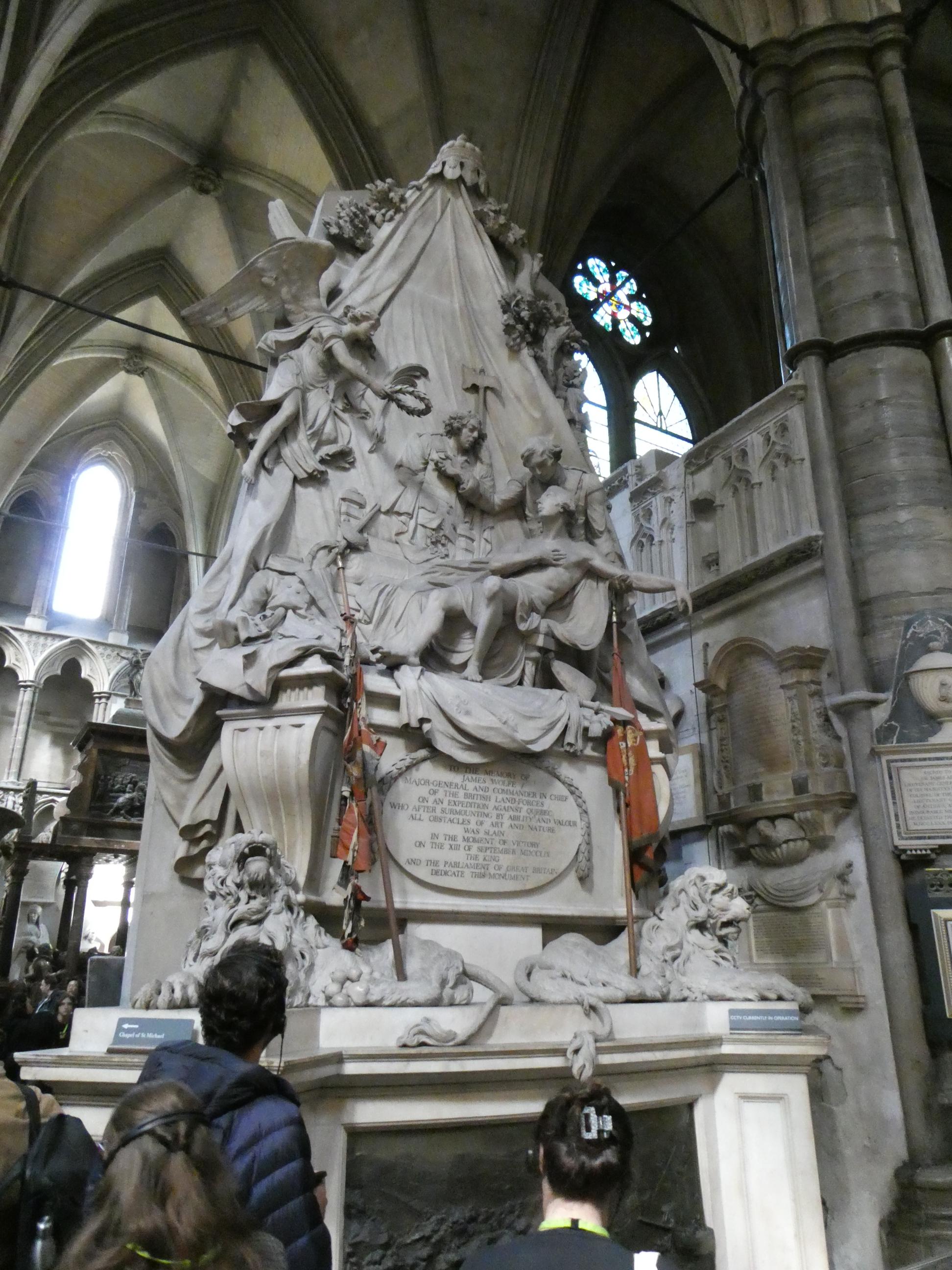
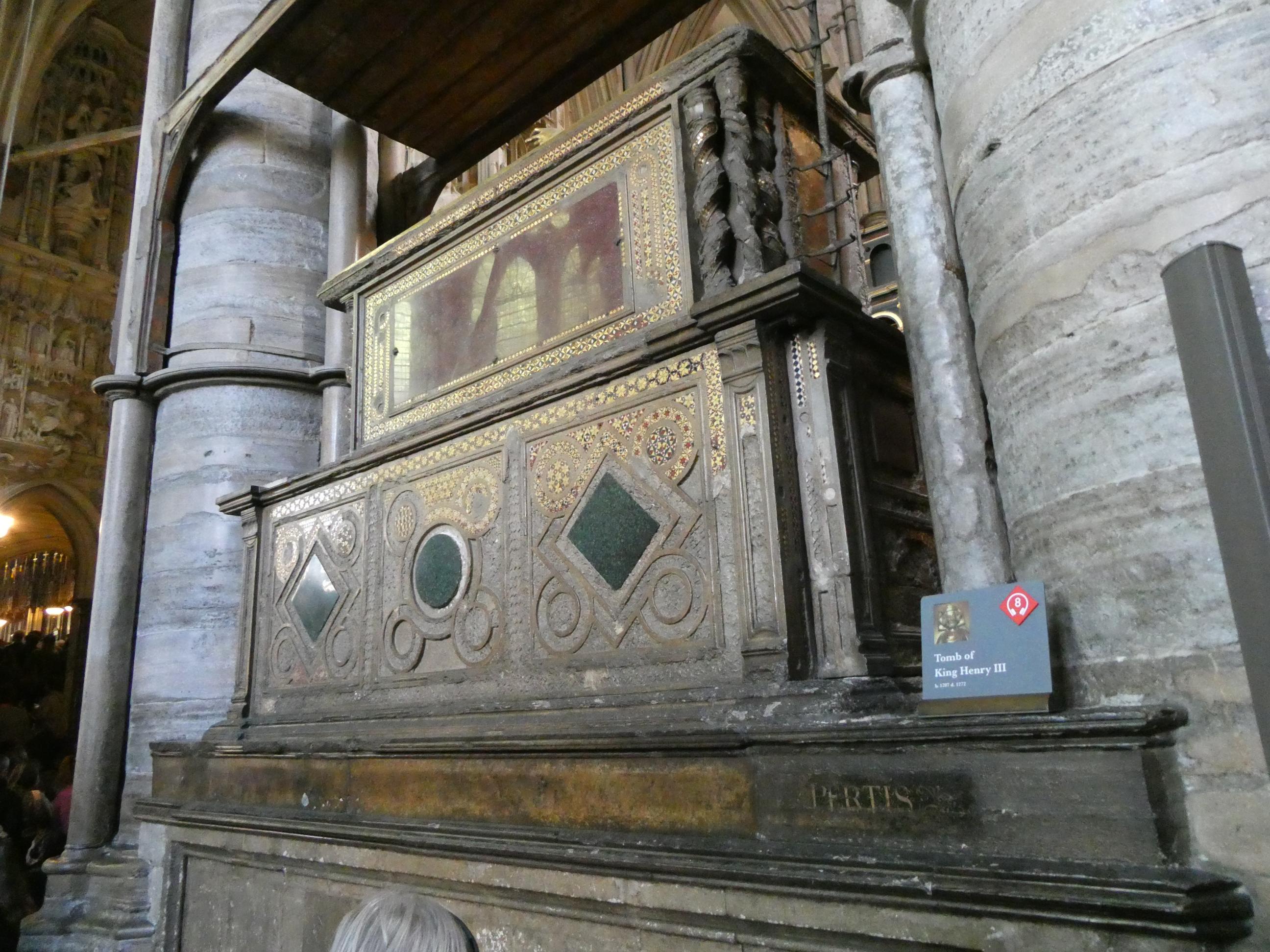
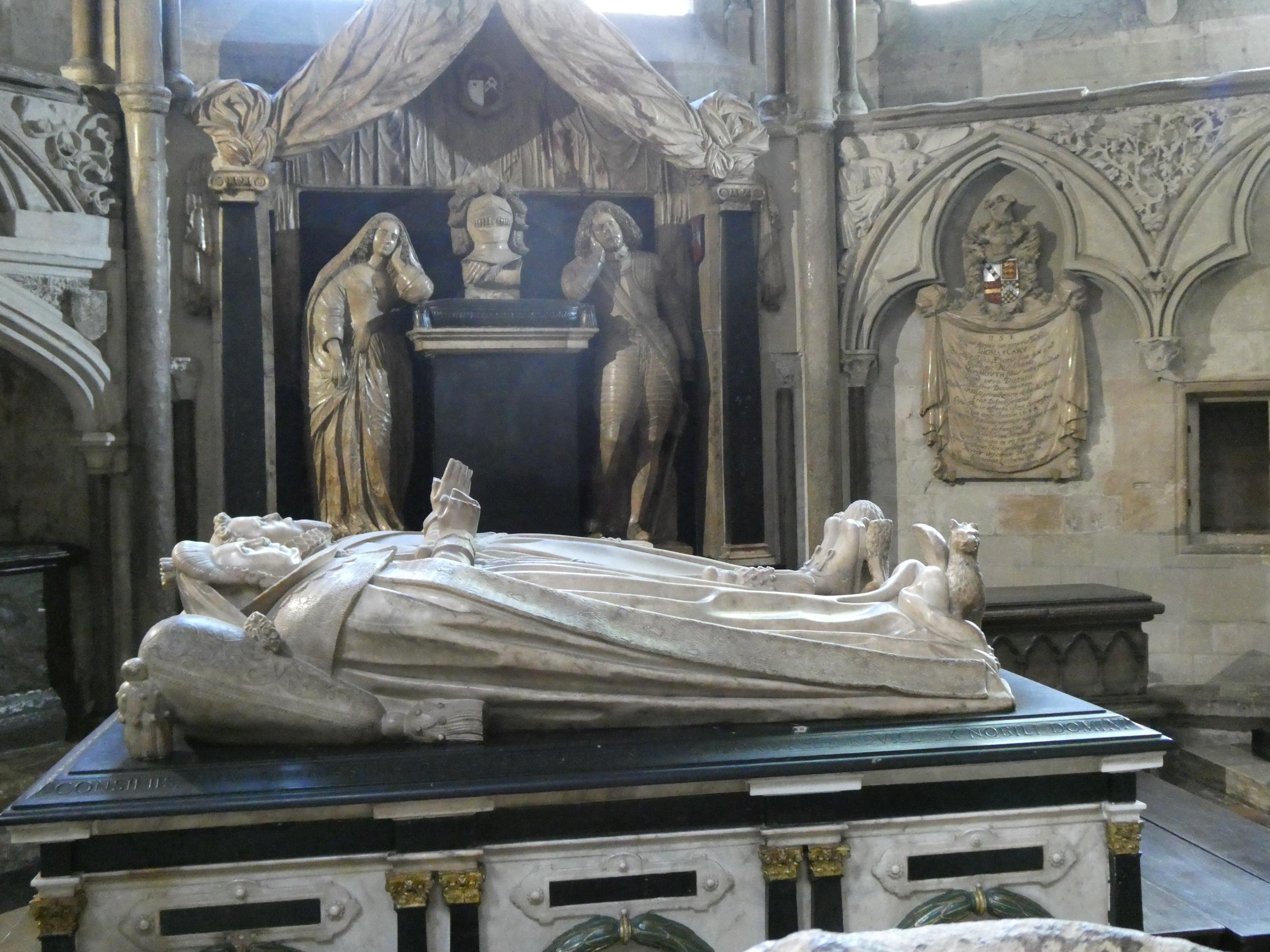
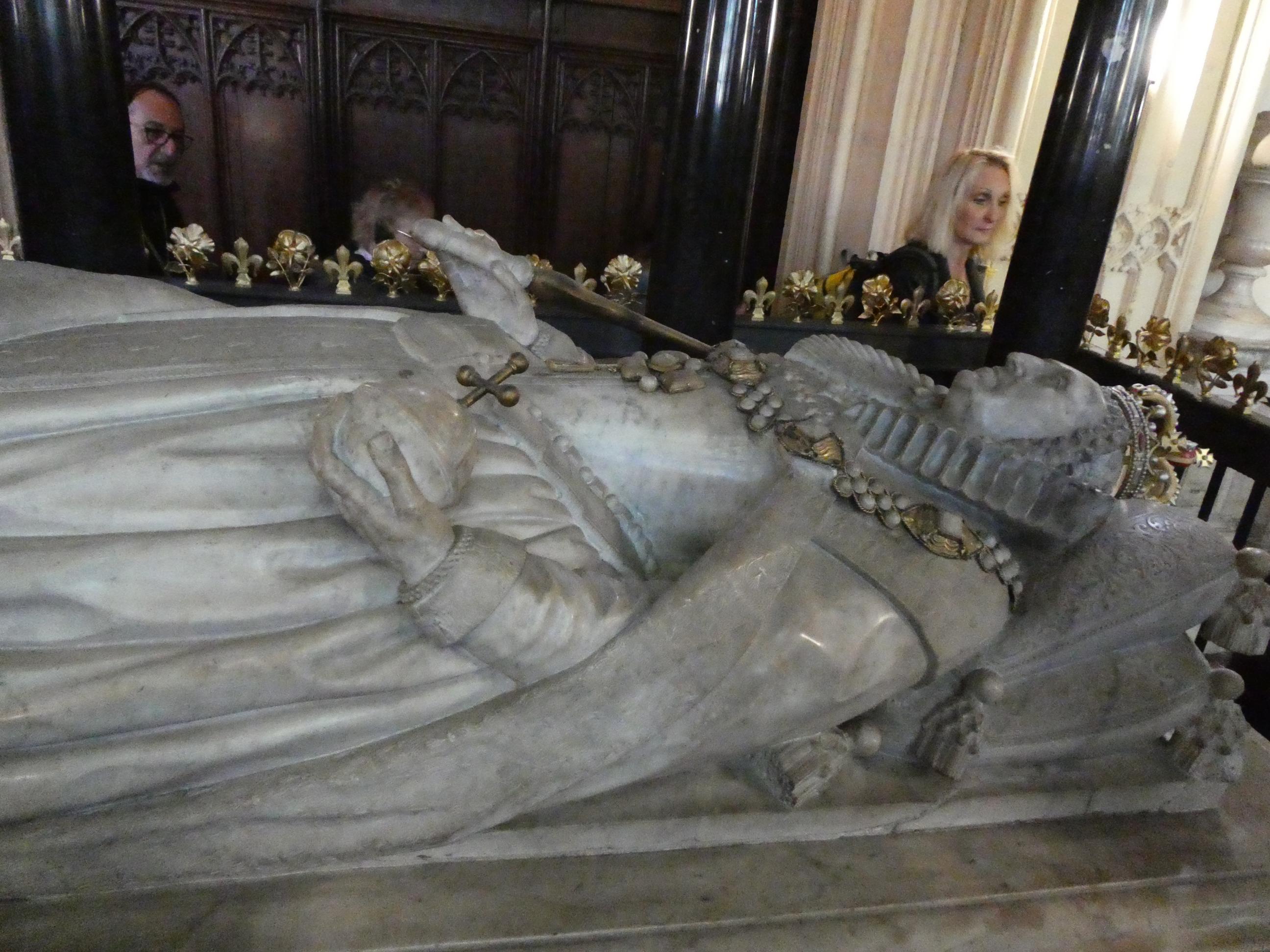
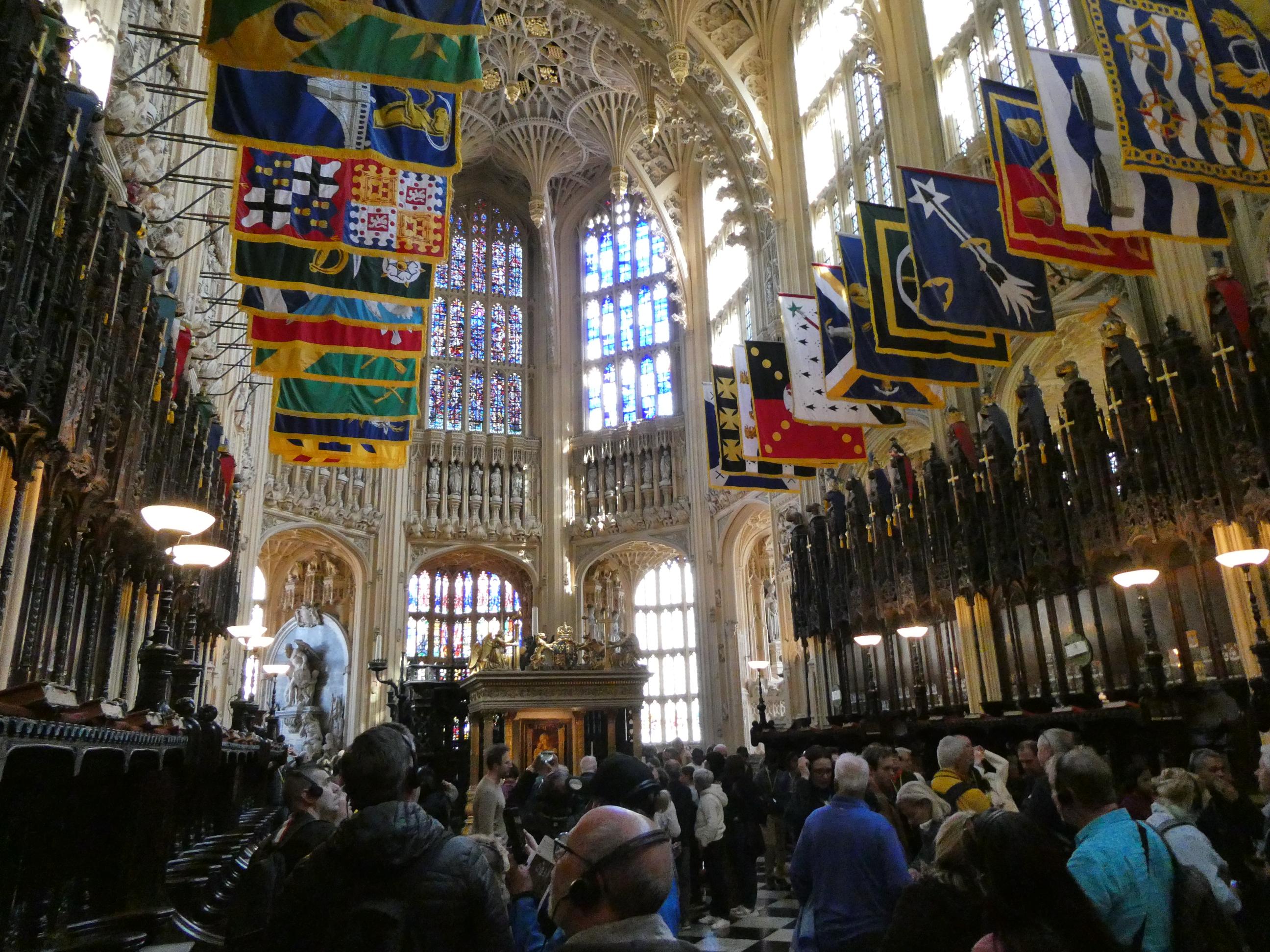
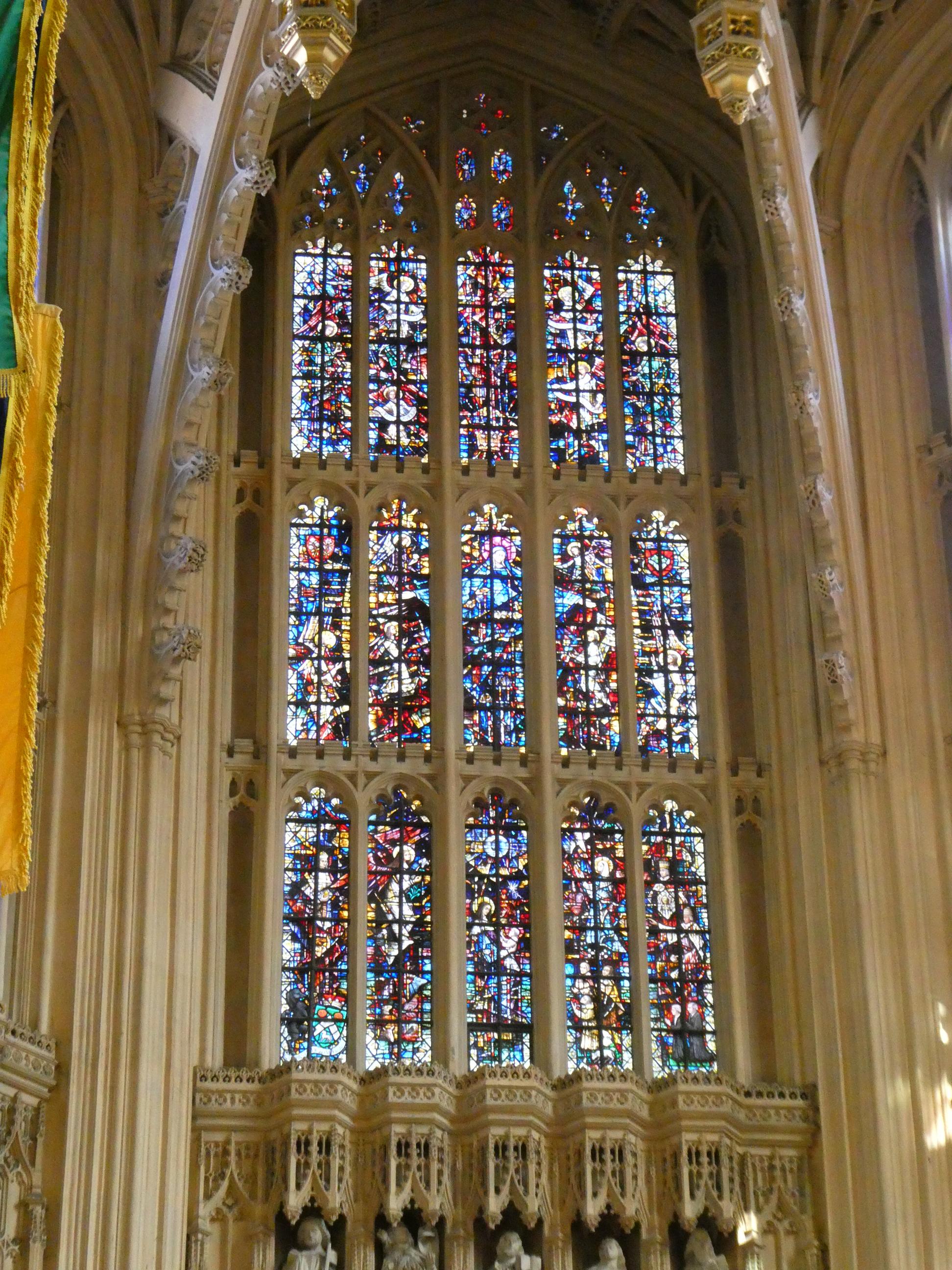
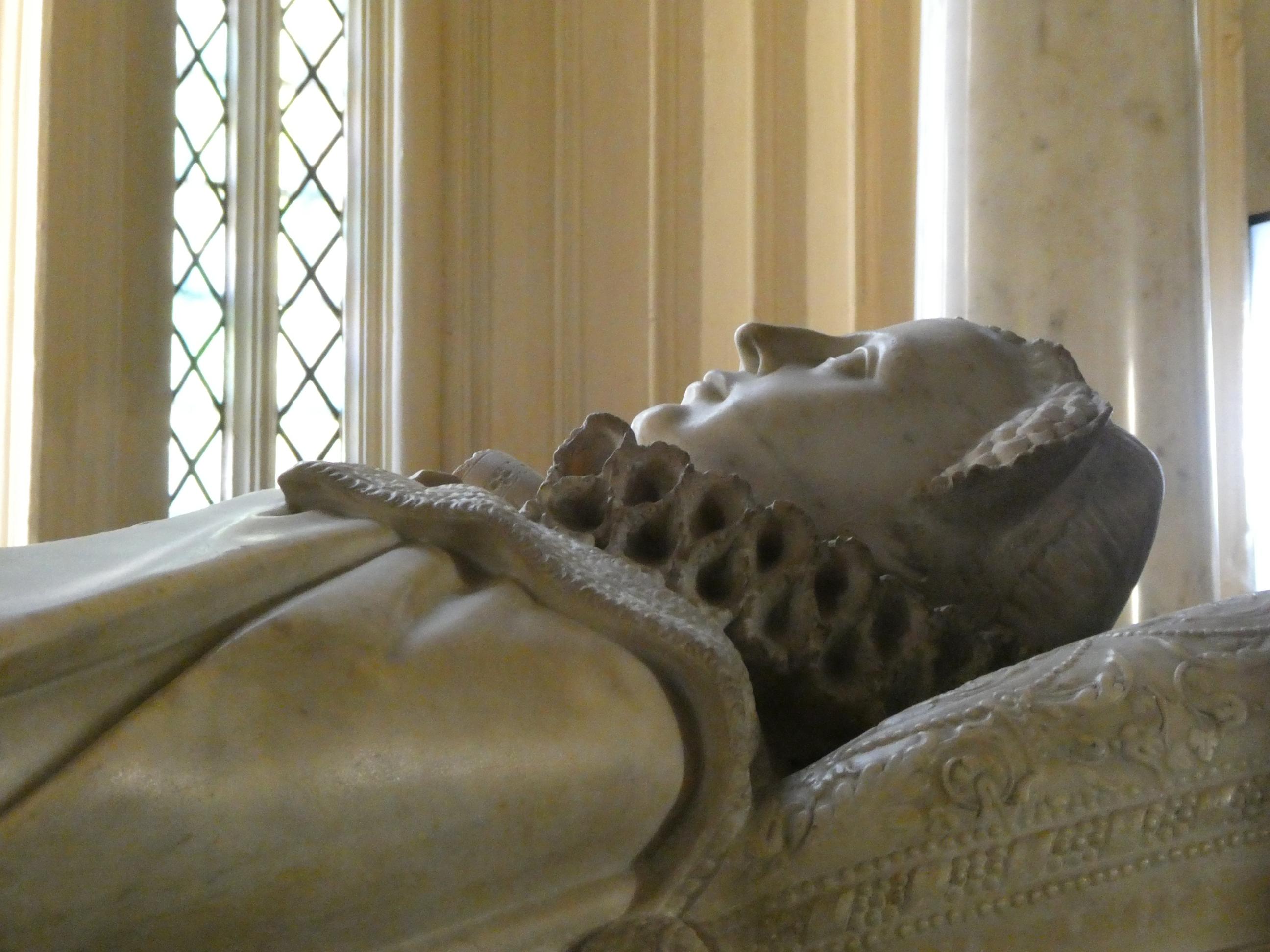
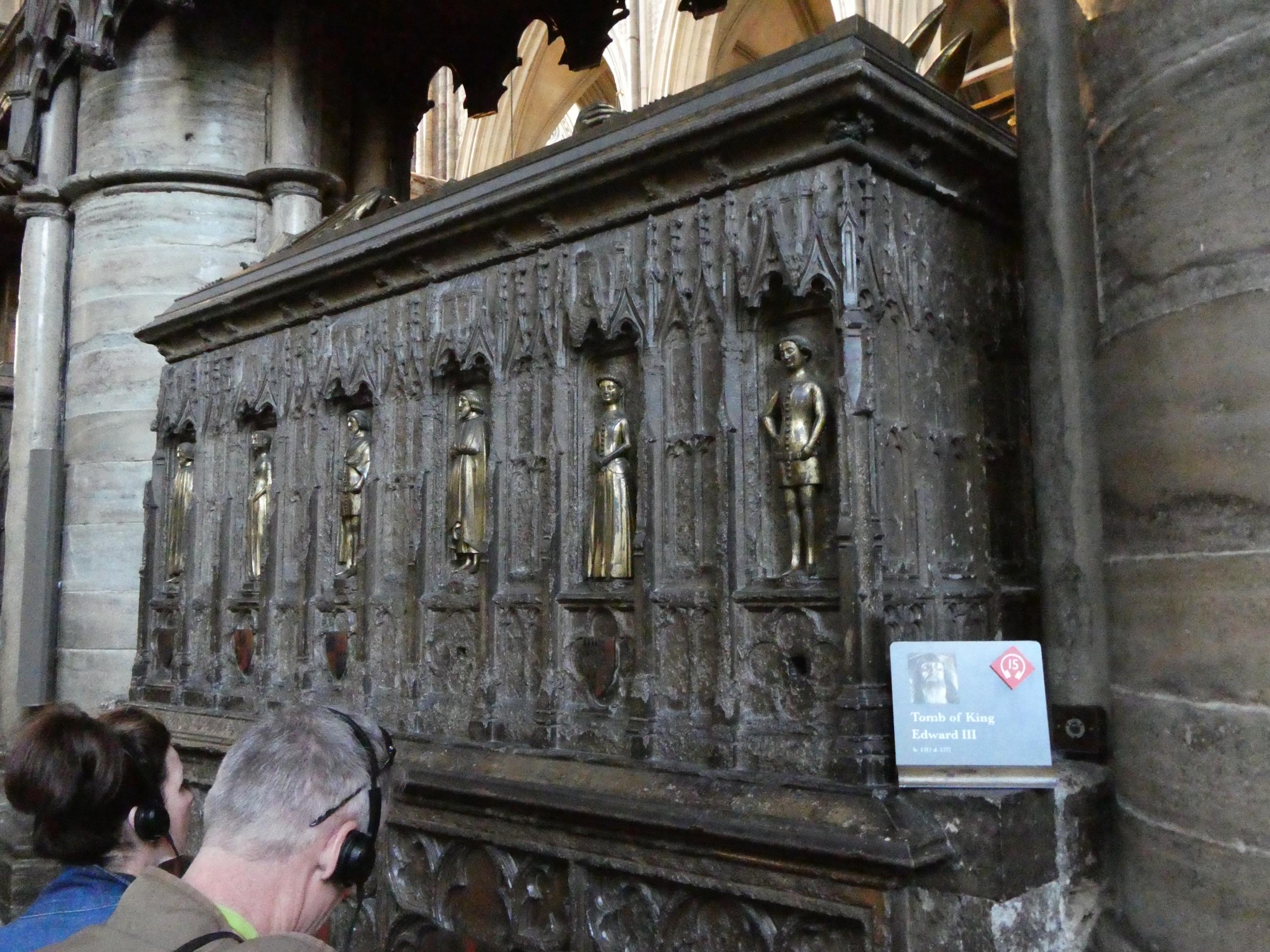
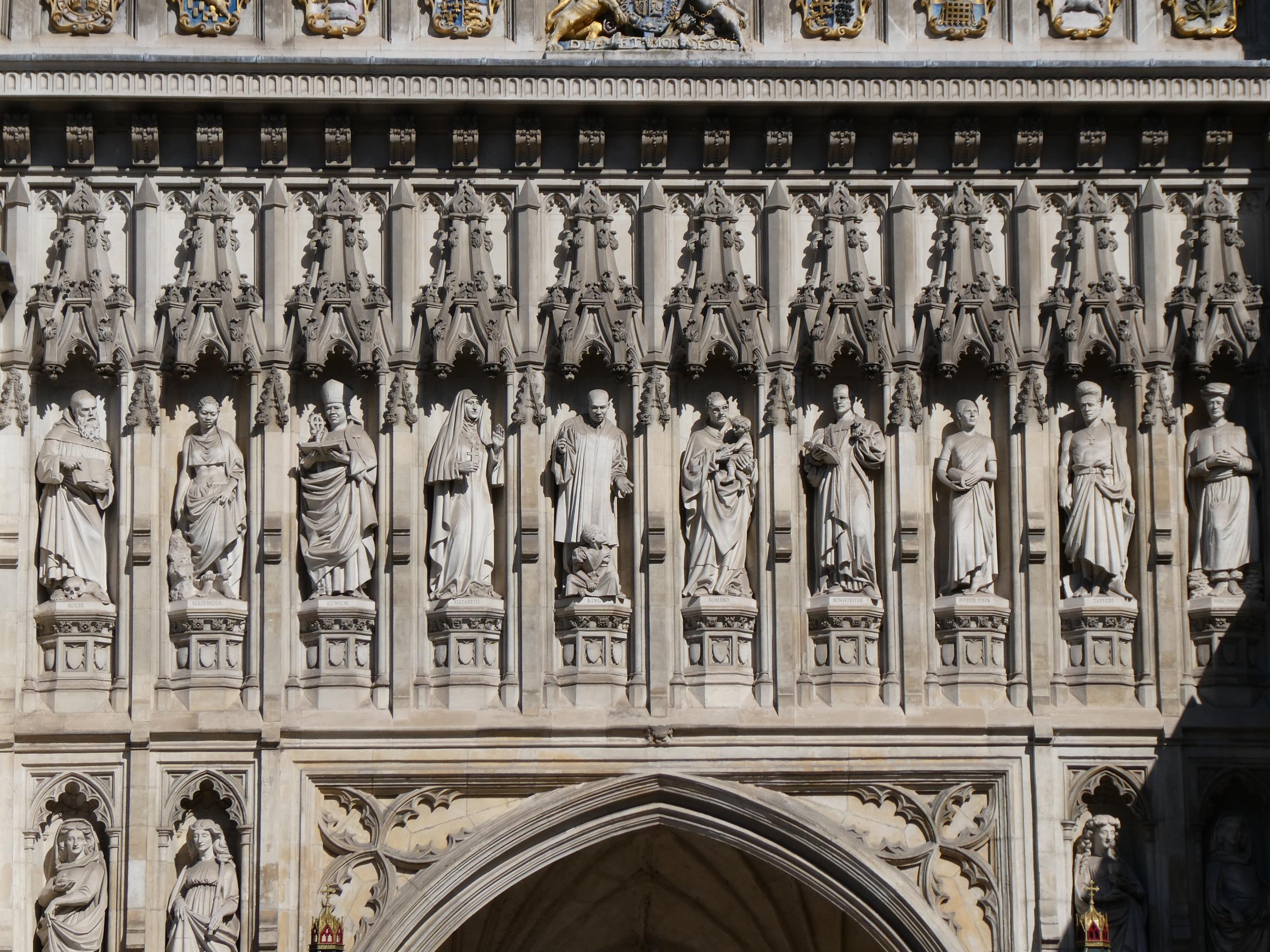
We eventually arrived at the Abbey at 3.20pm. The last guests were to be out by 4.30pm. Thankfully all of us had been here and seen it all before, but it still put us under some pressure to move through quickly. There’s so much to see in this wonderful place. It was my favourite single location of our entire 13-week, 15-country European tour in 2019. Just as we had done earlier at Windsor, we accepted the offer of a free audio guide and headphones to guide us through the abbey. On my last visit here we were forbidden to take photos, which was disappointing because the sights were so memorable. Today I was very pleased to know that restriction had been lifted, and I was able to get some shots which might hopefully give you an idea of what to expect if you are ever fortunate enough to visit this amazing place.
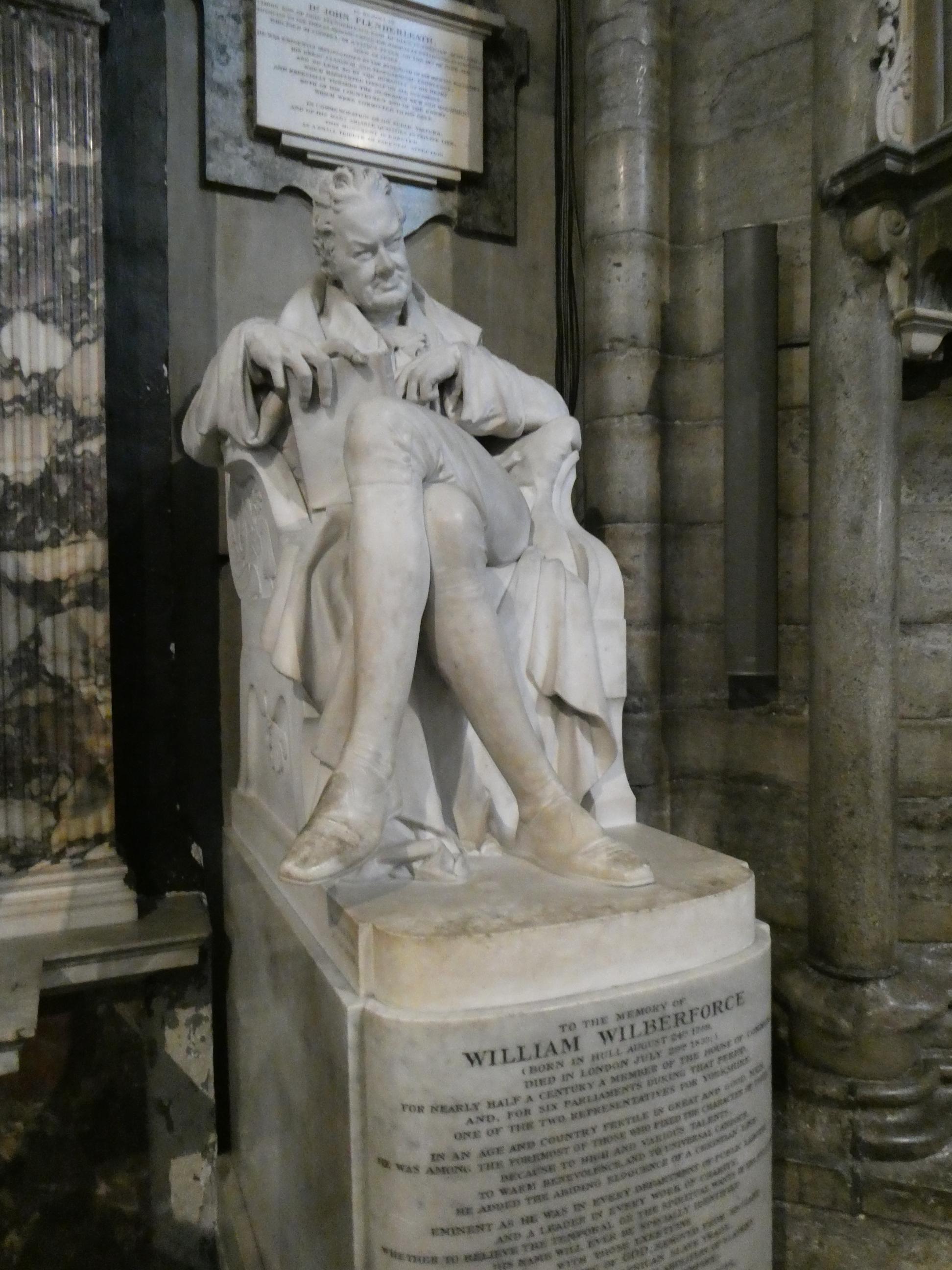
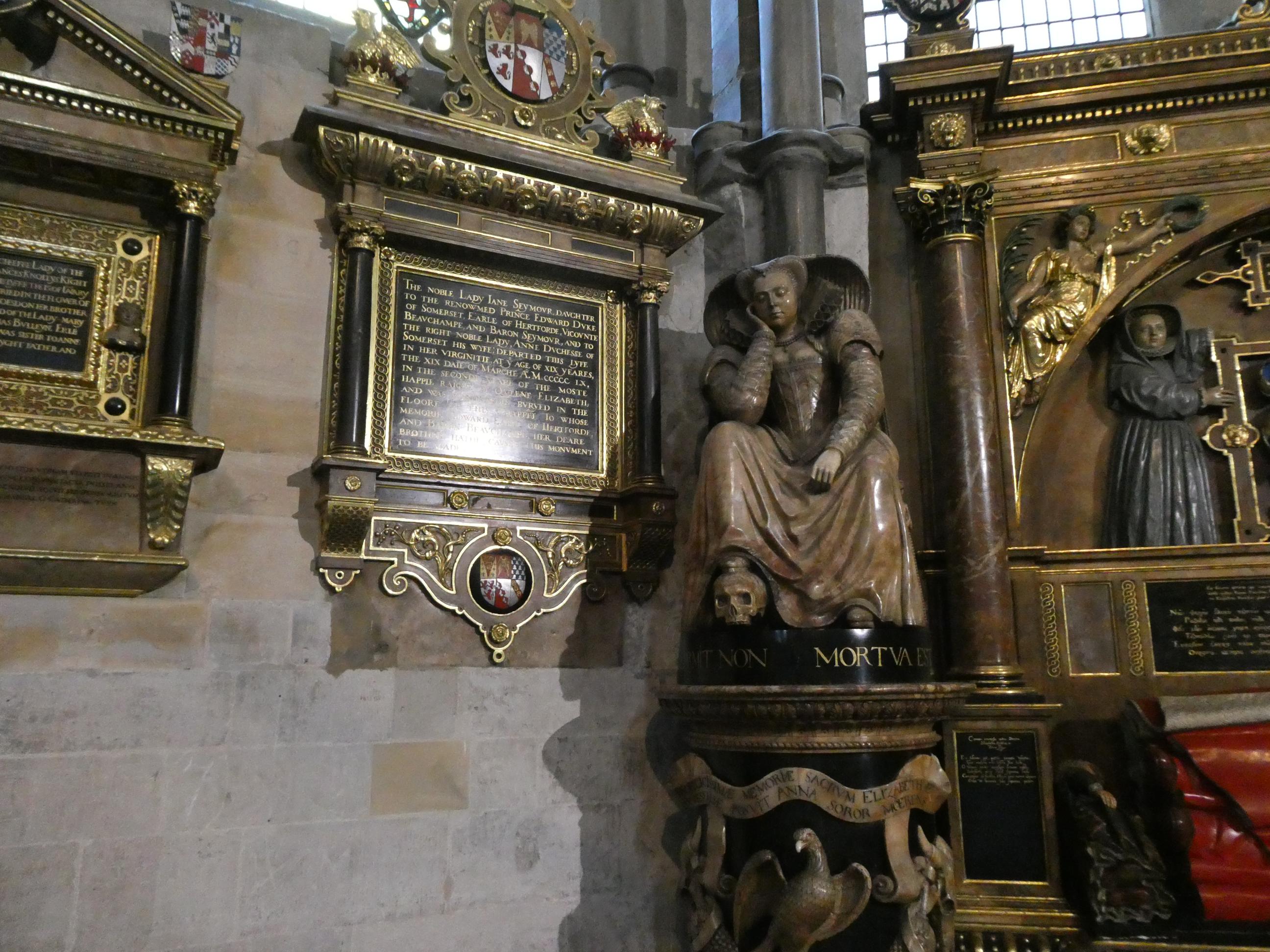
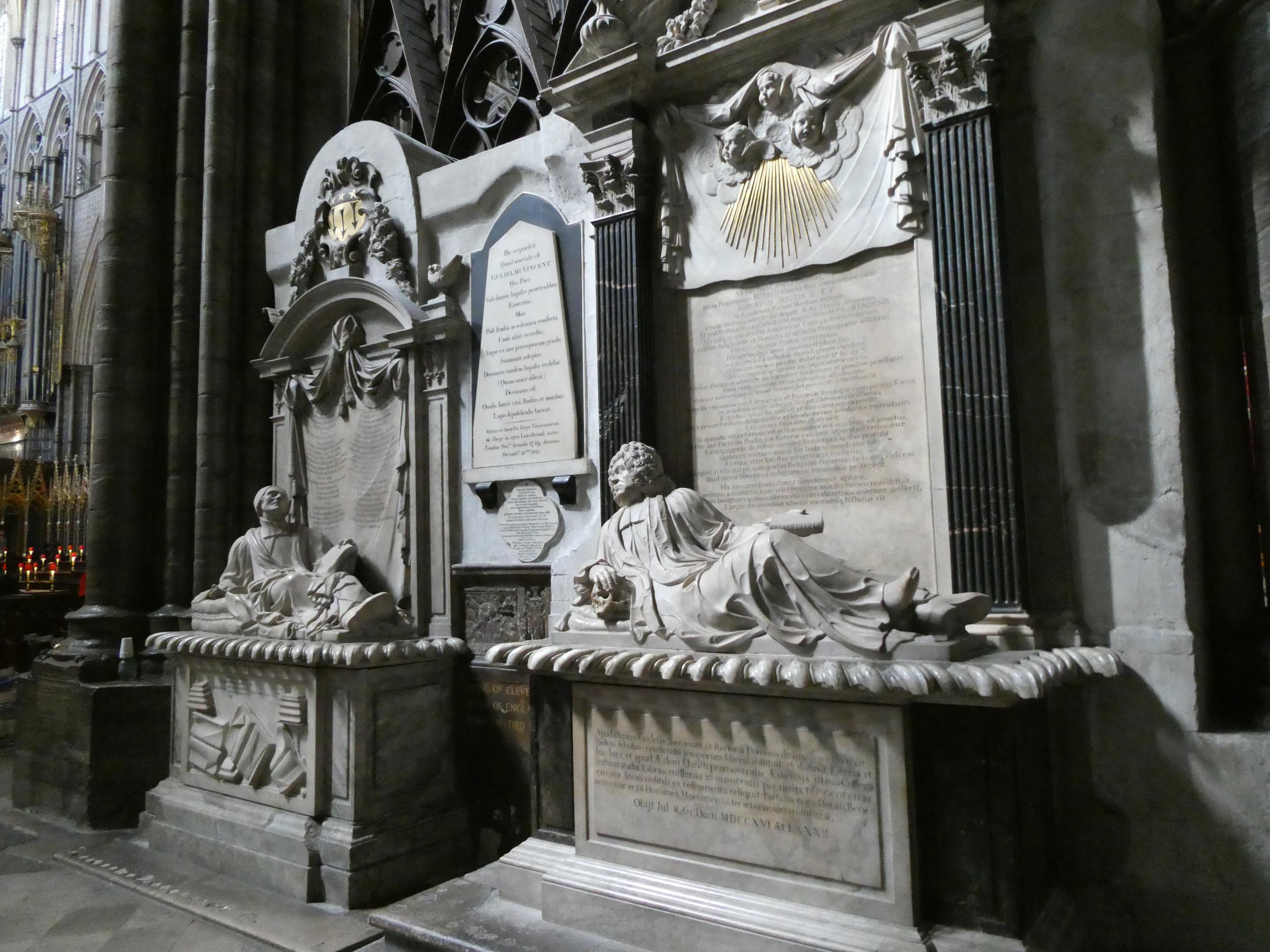
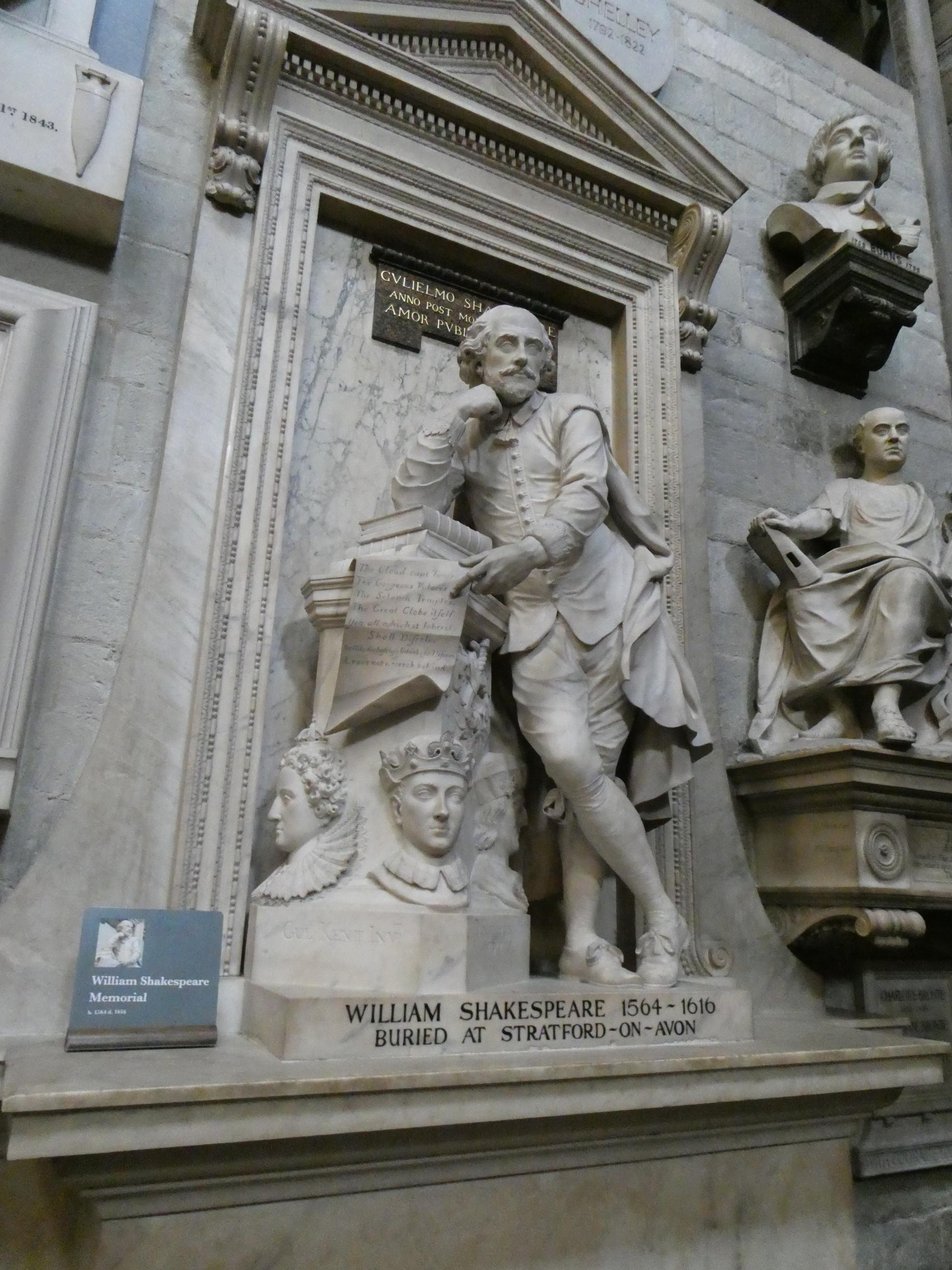
Of course, Westminster Abbey is a holy place. Initially it was a Catholic church, but now it is Church of England. It actually belongs to the Royal Family, and is used for many sacred special occasions, such as royal weddings, funerals and commemorations. It is also the final resting place of many prominent Britons, and a walk through its chambers and halls is really a walk through the pages of British history. It is the final resting place for many, and the commemorative place for others. You pass kings and queens, including Elizabeth I and Mary, Queen of Scots just a short distance from each other, explorers, soldiers, artists, writers, scientists, humanitarians and politicians. Many of them are notables you might have learned about in school. They made discoveries or participated in events that changed the world or the way we view it. Charles Darwin, Isaac Newton and William Shakespeare are there, to name just three. You get the idea? I was please to see William Wilberforce, the man who fought so hard to bring an end to slavery. In Poets’ Corner, some of the greats of English literature can be found. I was so pleased to have this chance to visit Westminster Abbey again and I soaked it all in. We were among the last few to leave, just as attendants were closing the gates. Stepping outside, the sky was still blue. What a day!













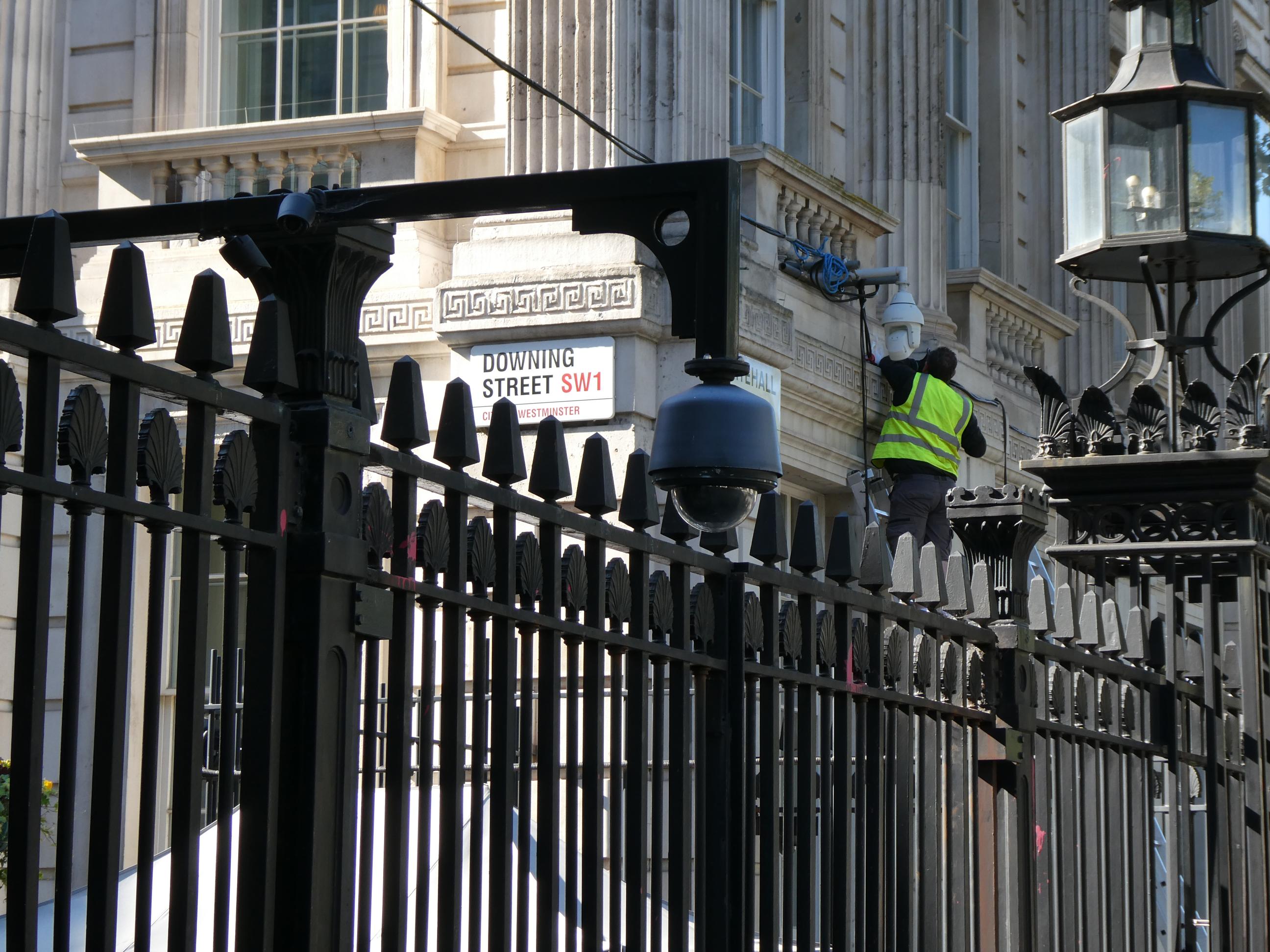
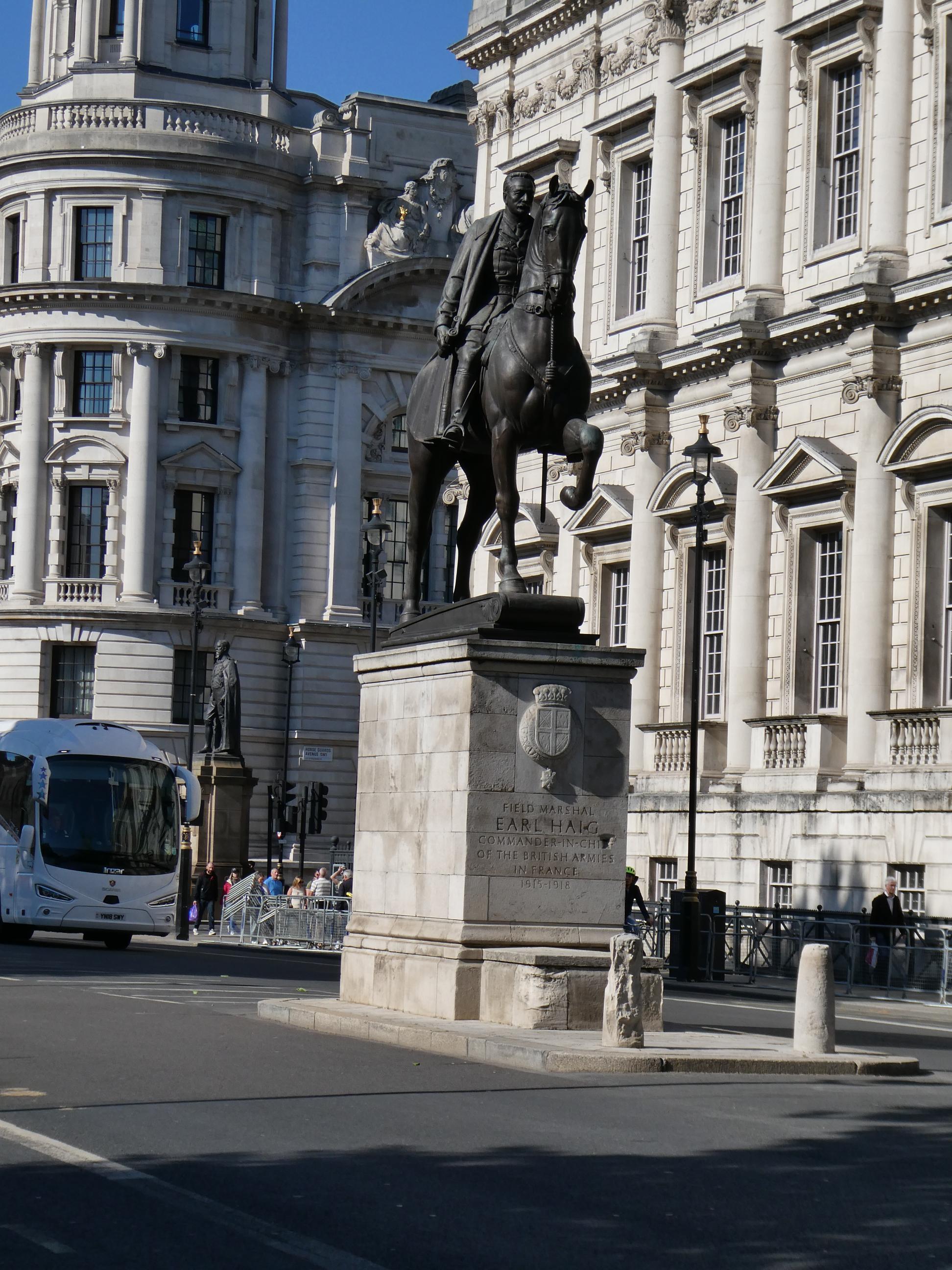
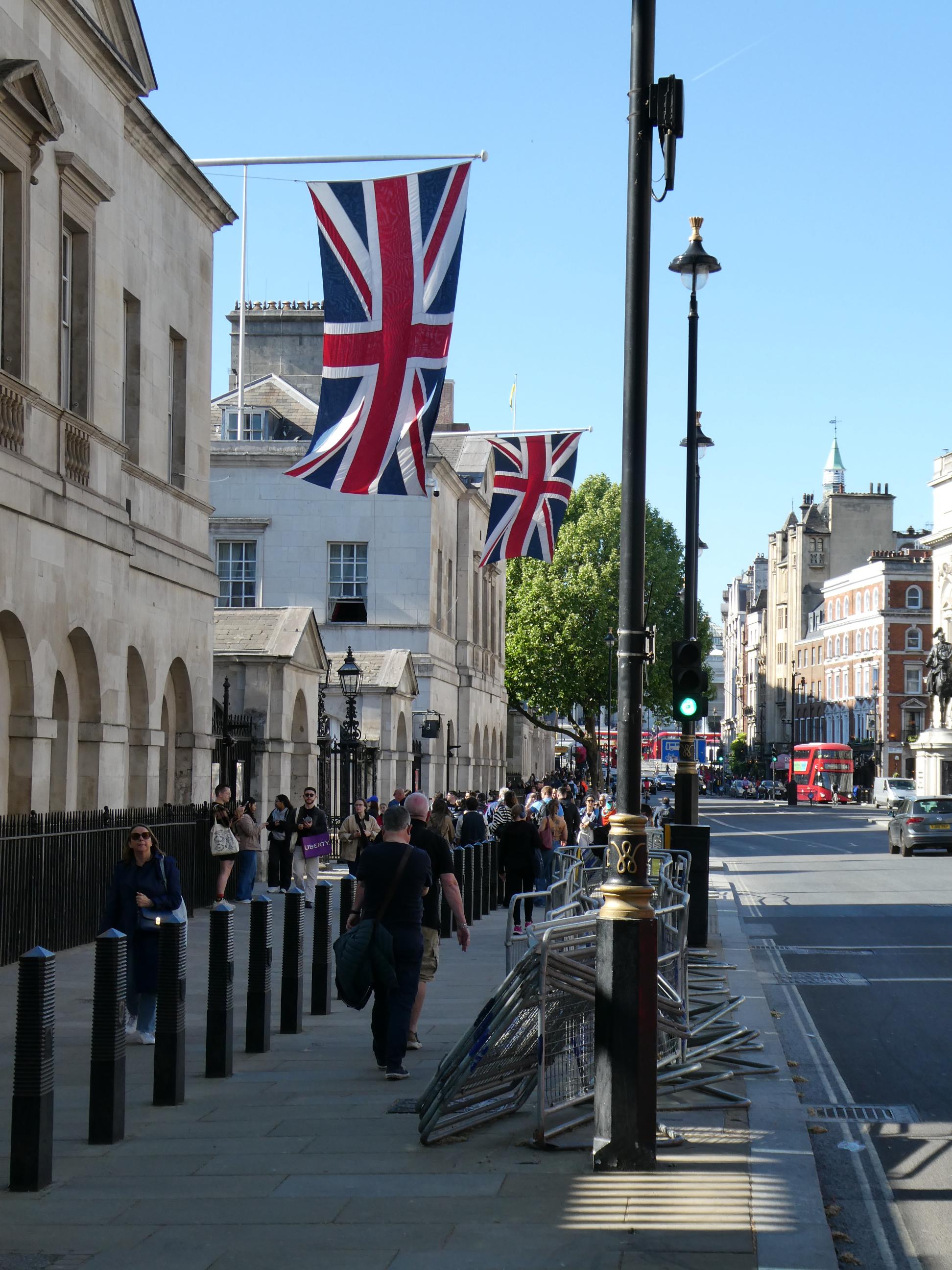
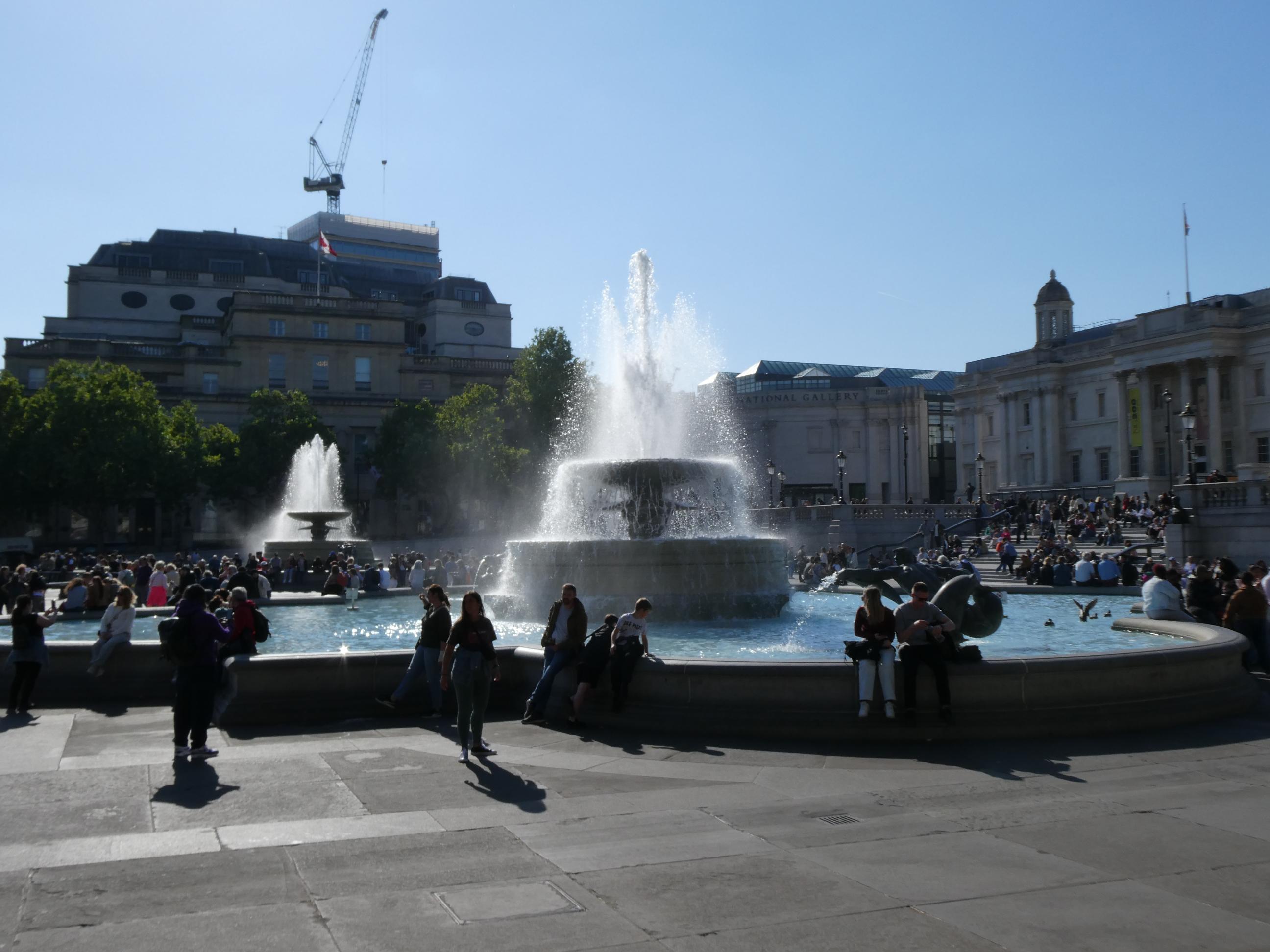
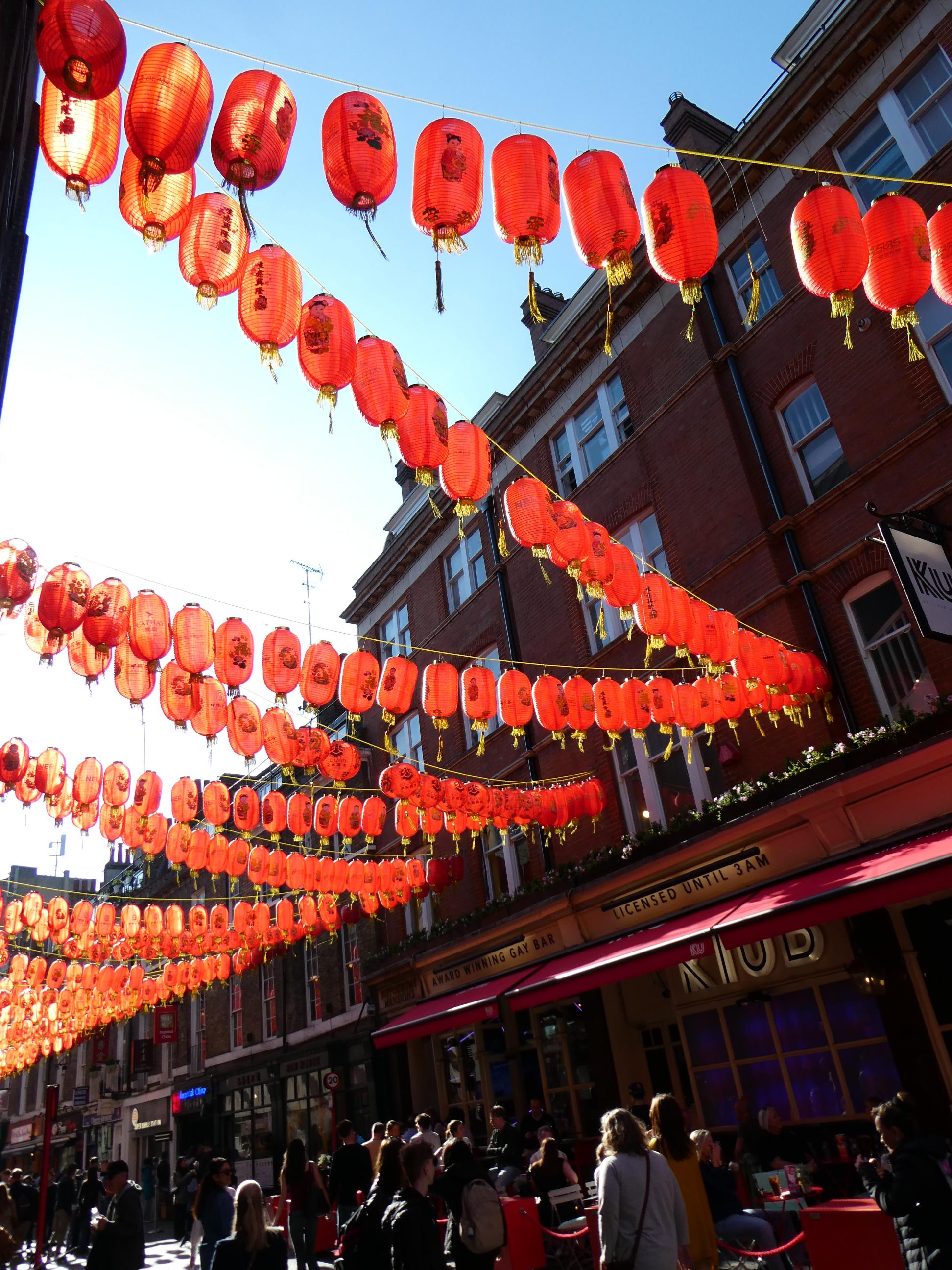
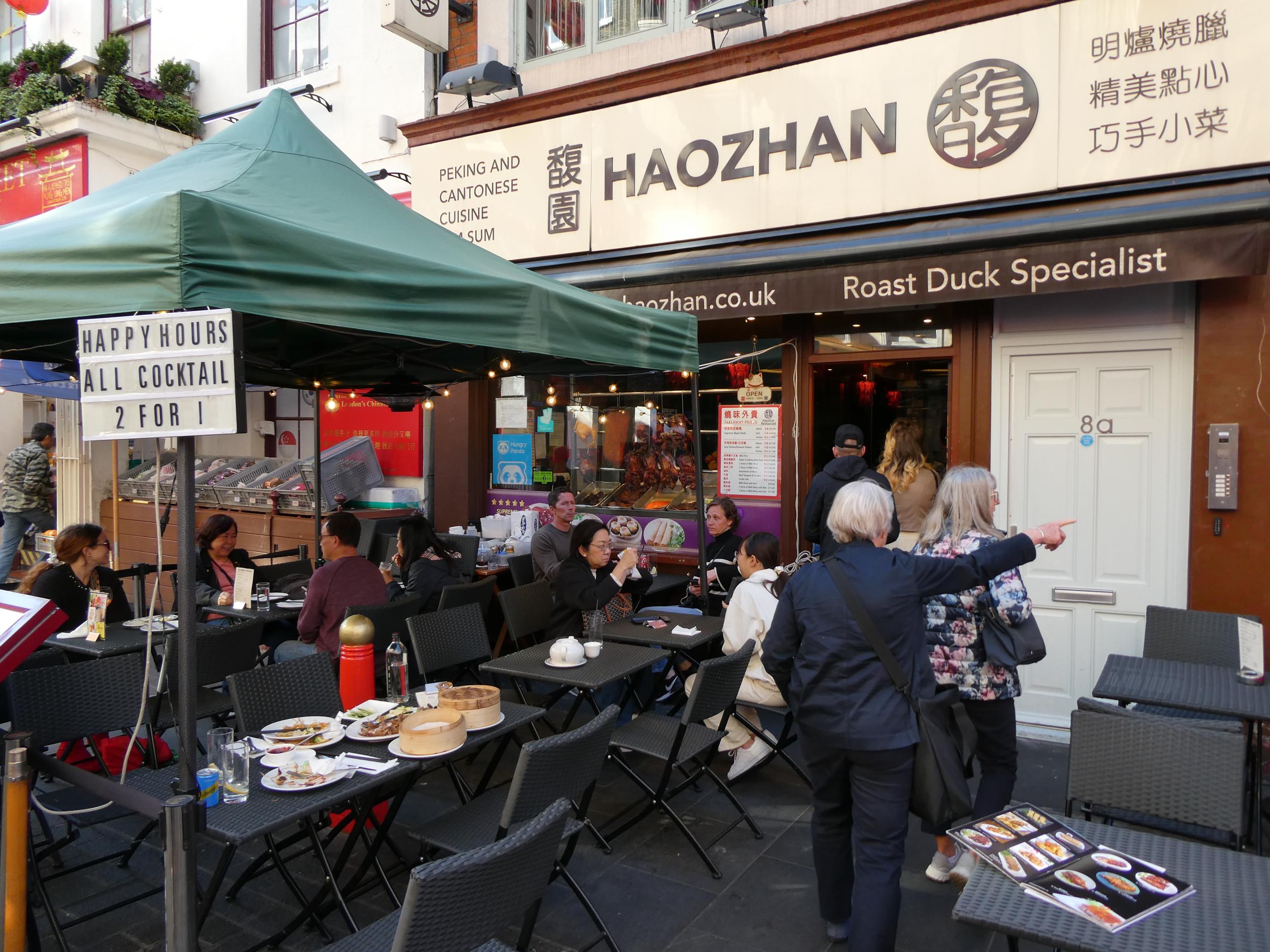
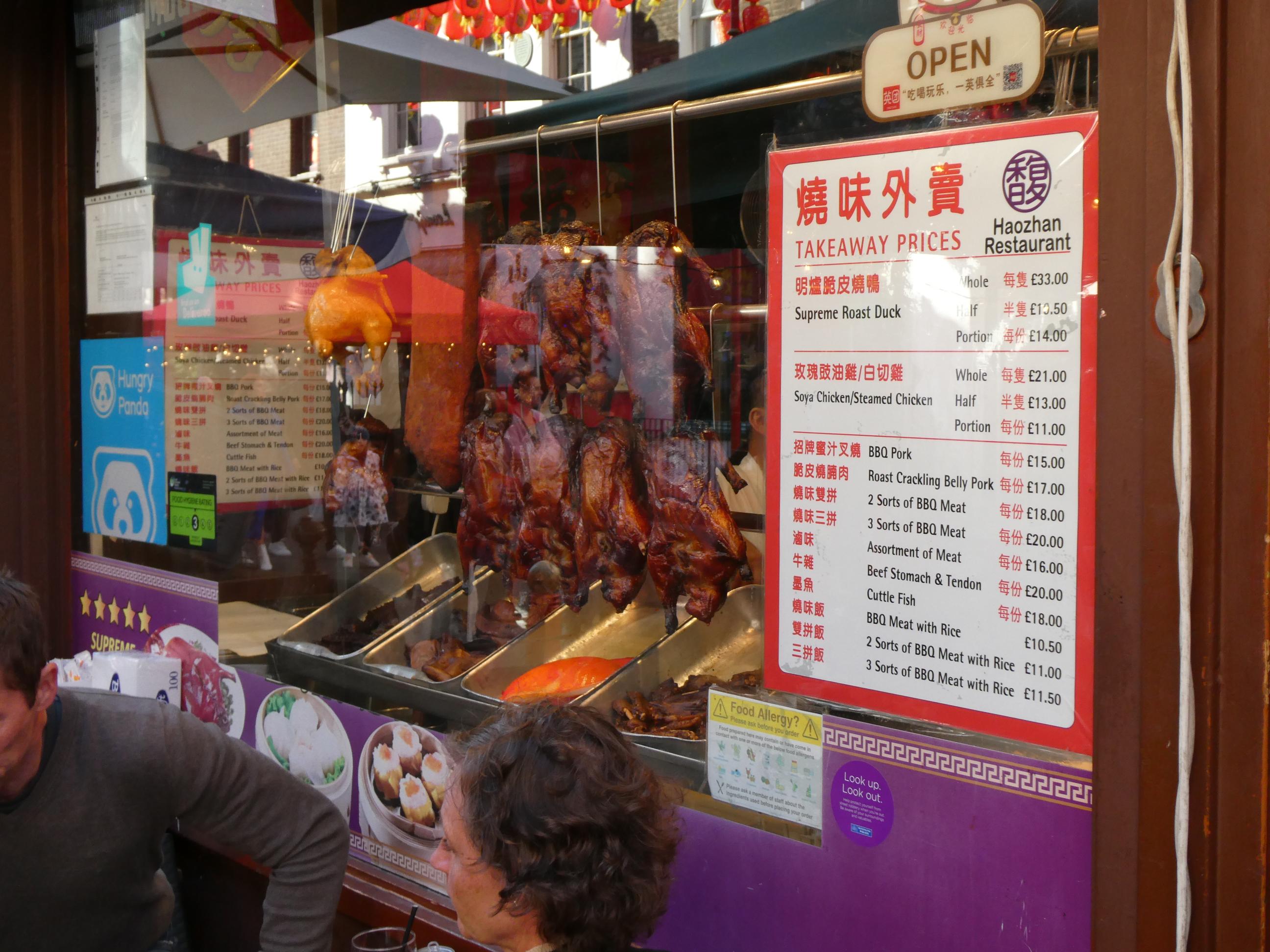
We met up with Cornelia’s sister Ursula once again and walked through Whitehall, up through Trafalgar Square and Chinatown to Soho. We found a place there for a drink, then returned to Chinatown for dinner. We farewelled Ursula at the Tube station and made our way home. It was another memorable day.






 On The Road With Garry