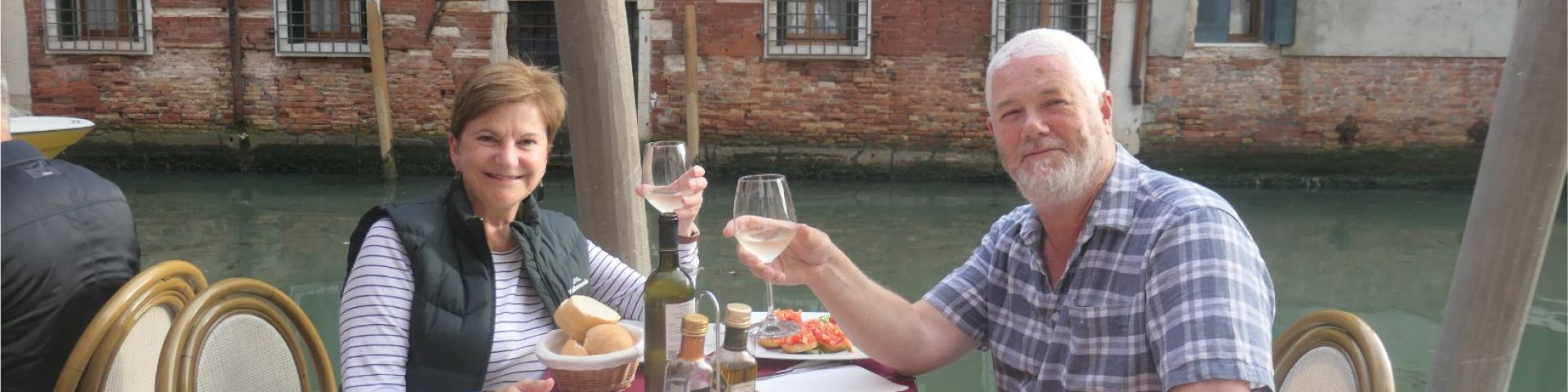
Having come over to Perth to watch a Friday night football game, we’d decided to stay in the city over the weekend and have a look around. A Google search of things to do in Perth comes up with Rottnest Island, Fremantle, the beaches, and King’s Park among its top results. Rod, Cornelia and Marg had all been to Rottnest Island on past visits and I wasn’t too fussed about spending the whole day out there either. Two years ago, when the four of us visited Perth, we drove down to Fremantle and spent the afternoon and evening there. None of us had brought our swimming gear, so the beach was not really an option. That left us with King’s Park as the best option for today.
We are staying in East Perth, so it was only about a 5km drive to King’s Park. We entered the park via a beautiful Avenue of Honour, where small plaques at the base of every towering eucalypt honoured the memories of Western Australian soldiers who had lost their lives in war. It was early in the day, but the first two car parks were already full. Clearly, King’s Park was a popular place to visit on a Saturday morning.
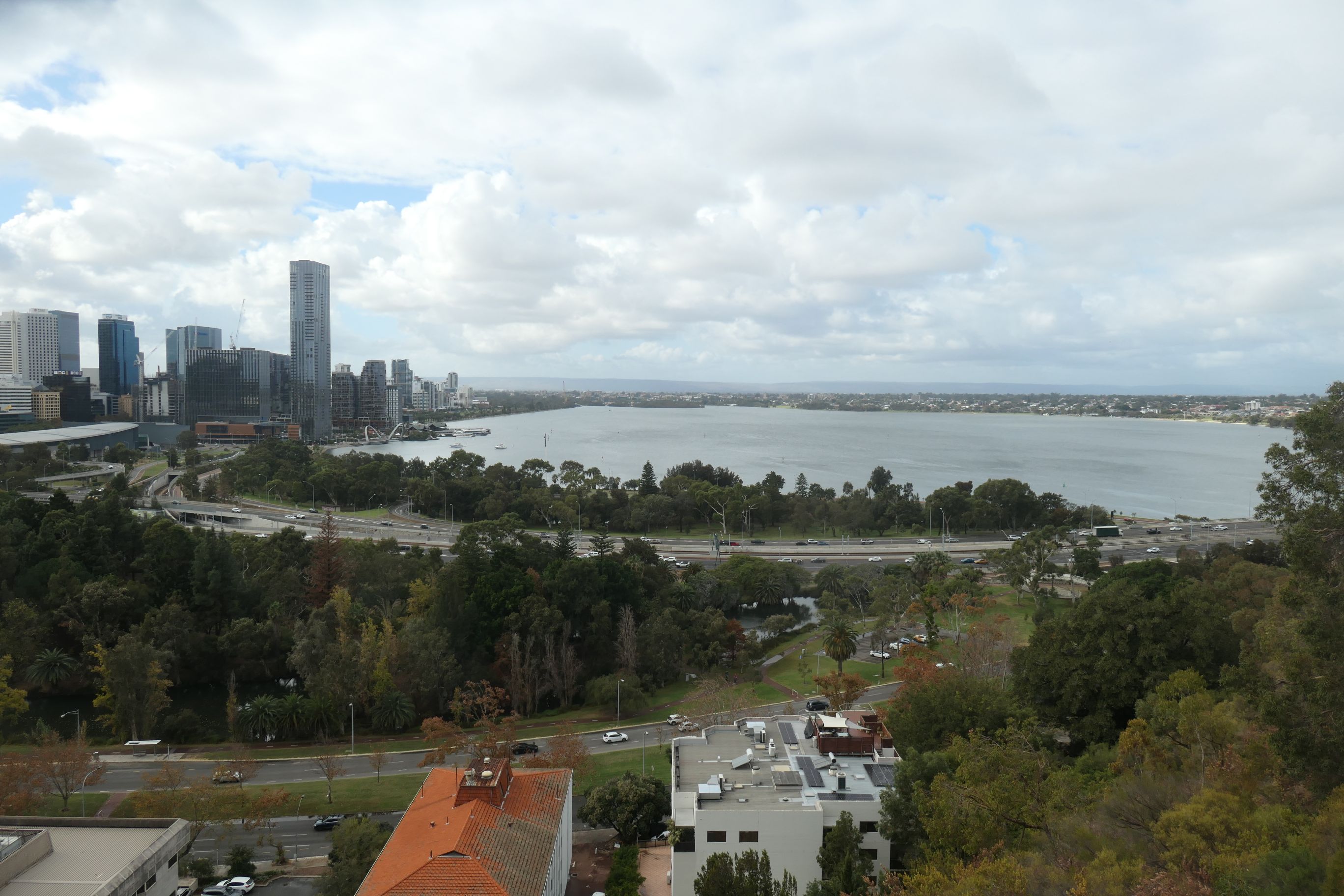
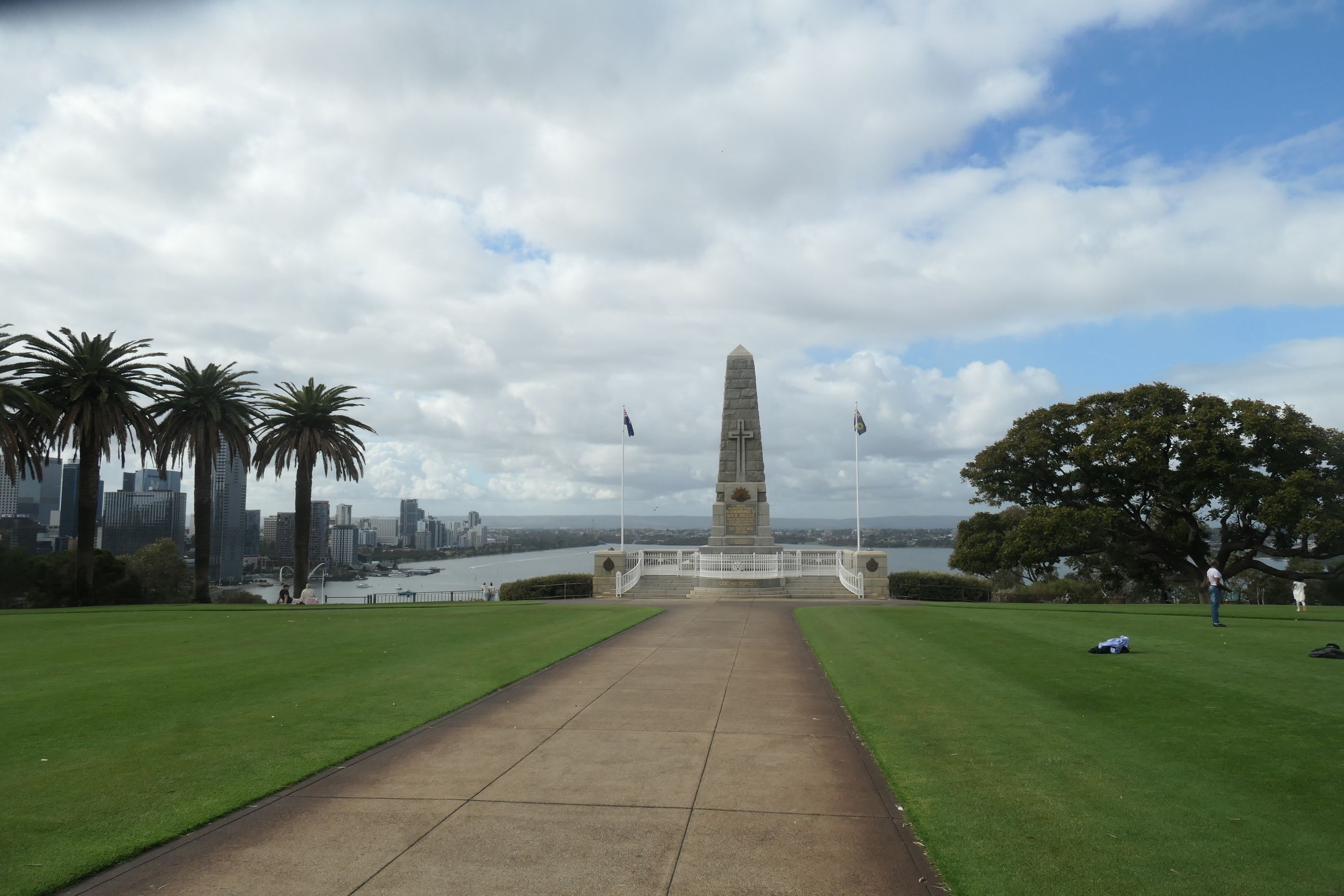
The location and layout of the park is fantastic. It covers a vast area for a city park and is perched on an elevated piece of land overlooking the city of Perth and the Swan River. The War Memorial is in the most prominent position in the entire park. It commemorates the sacrifice of Western Australia’s brave men and women who served in the the First and Second World Wars and subsequent conflicts. Nearby, the eternal flame burns brightly in their memory. A number of different trails, beginning and ending near the visitors’ centre, allow you to explore the many features of the park in different ways. Rod and Cornelia went off for a longer walk than Marg and I opted for – no surprises there!
Marg and I spent some time at the memorial, taking a few moments to read the names of the fallen. We were just setting off to venture down one of the trails when it began to rain – rather heavily at first. We abandoned our walk and hurried to shelter in the guest shop. The rain soon stopped, but Marg took some additional time to emerge from the shop, looking quite pleased with her purchases. The skies were soon clear again, and we set off once more to explore the winding paths of the Botanic Garden, which features over 3000 different varieties of plants native to Western Australia, arranged into a number of smaller feature gardens such as the desert garden, the banksia garden, etc. Every so often a gap through the trees would reveal a stunning view of Perth and the Swan River. The lawns were broad and immaculately maintained. The plants varied from the smallest ground covers to the forest giants and everything in between. They’d been allowed to grow as they would do in the wilderness – all sorts of shapes and sizes, some full and bushy, others straggly and growing out over the paths. Every plant was accompanied by a small information panel identifying it. The centrepiece of the botanic garden was surely the 750-year old boab tree, carefully transported from the Pilbara in 2009 when it had to be removed for a road to be constructed and was gifted to the trustees of the garden by the Pilabara indigenous community.




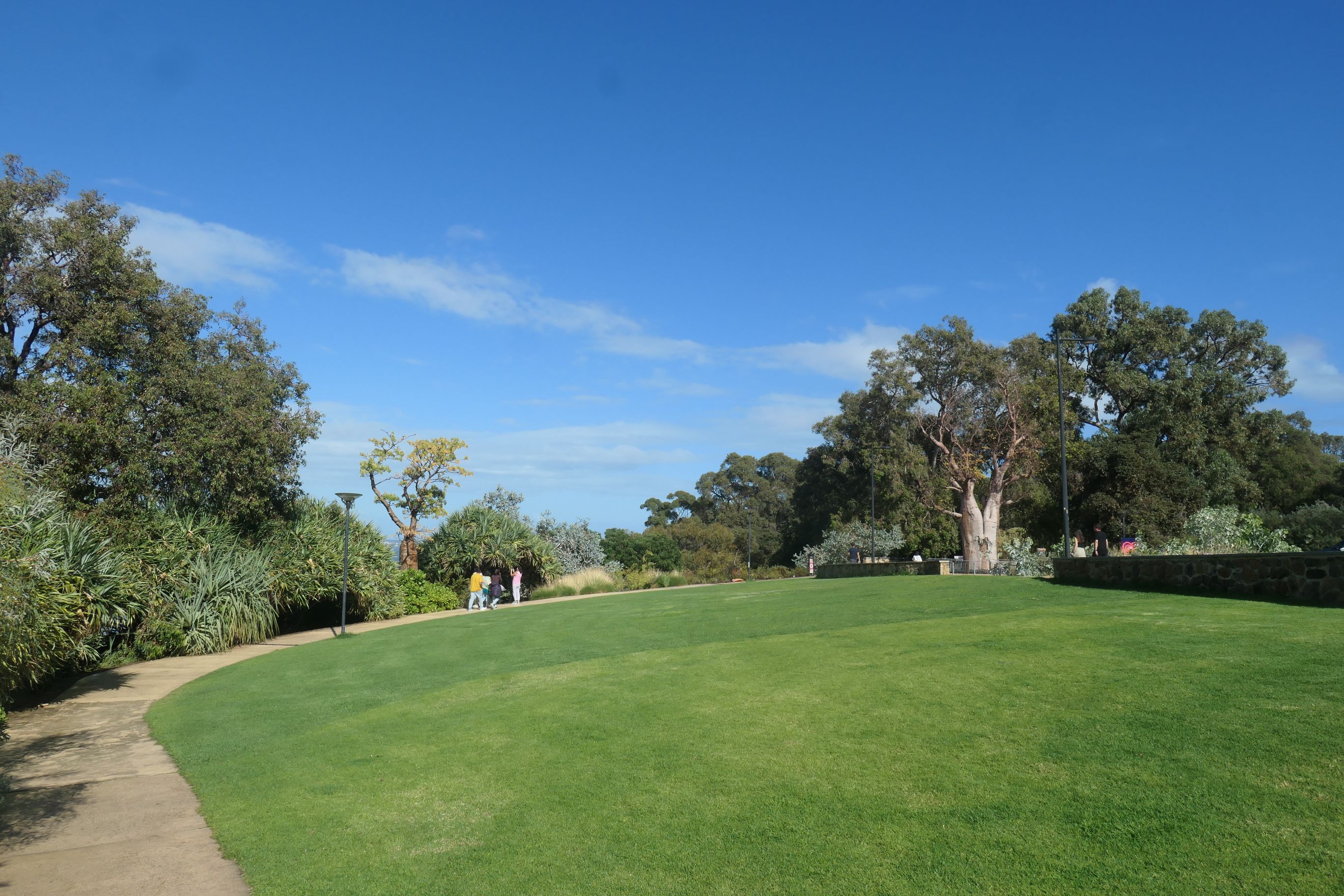


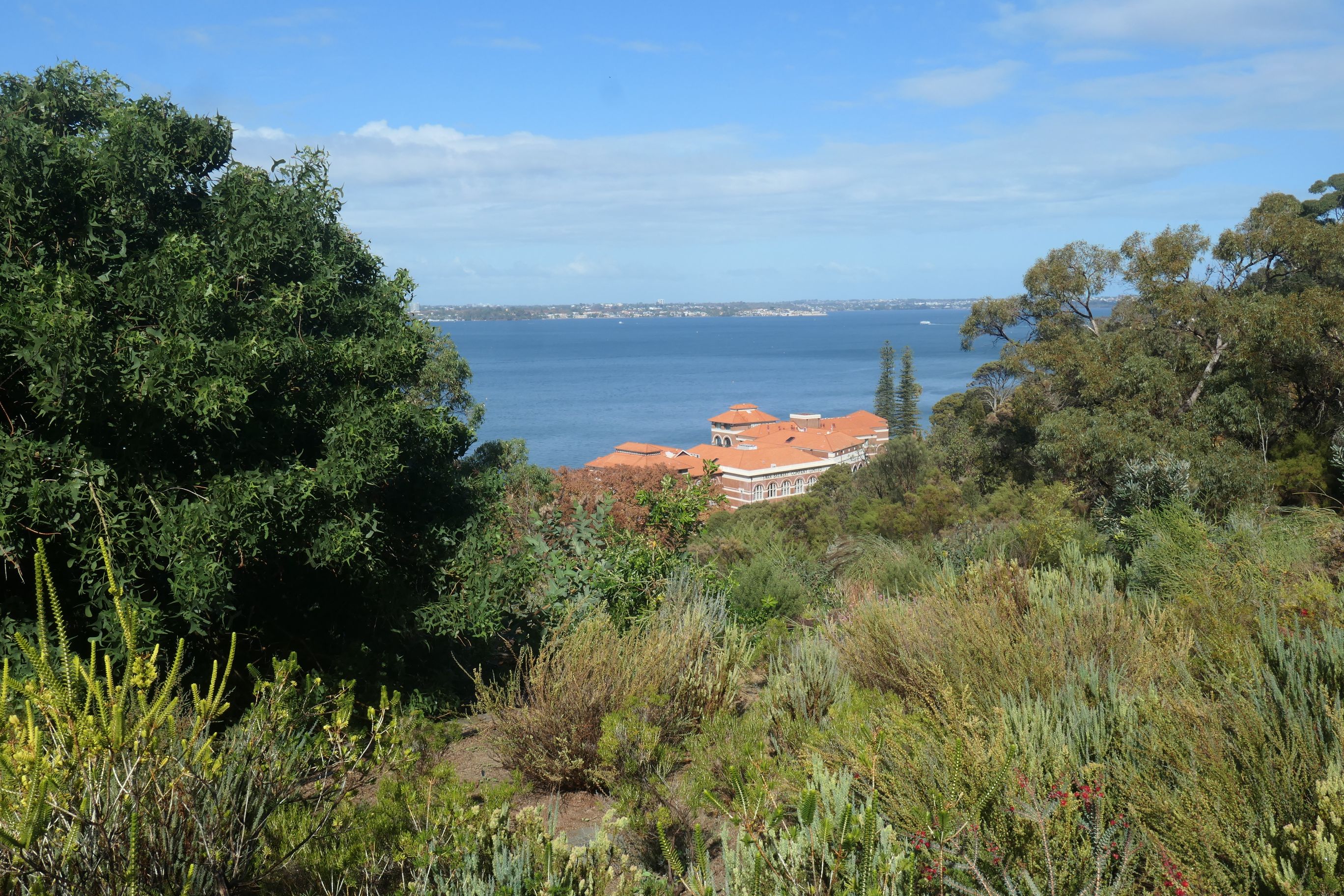

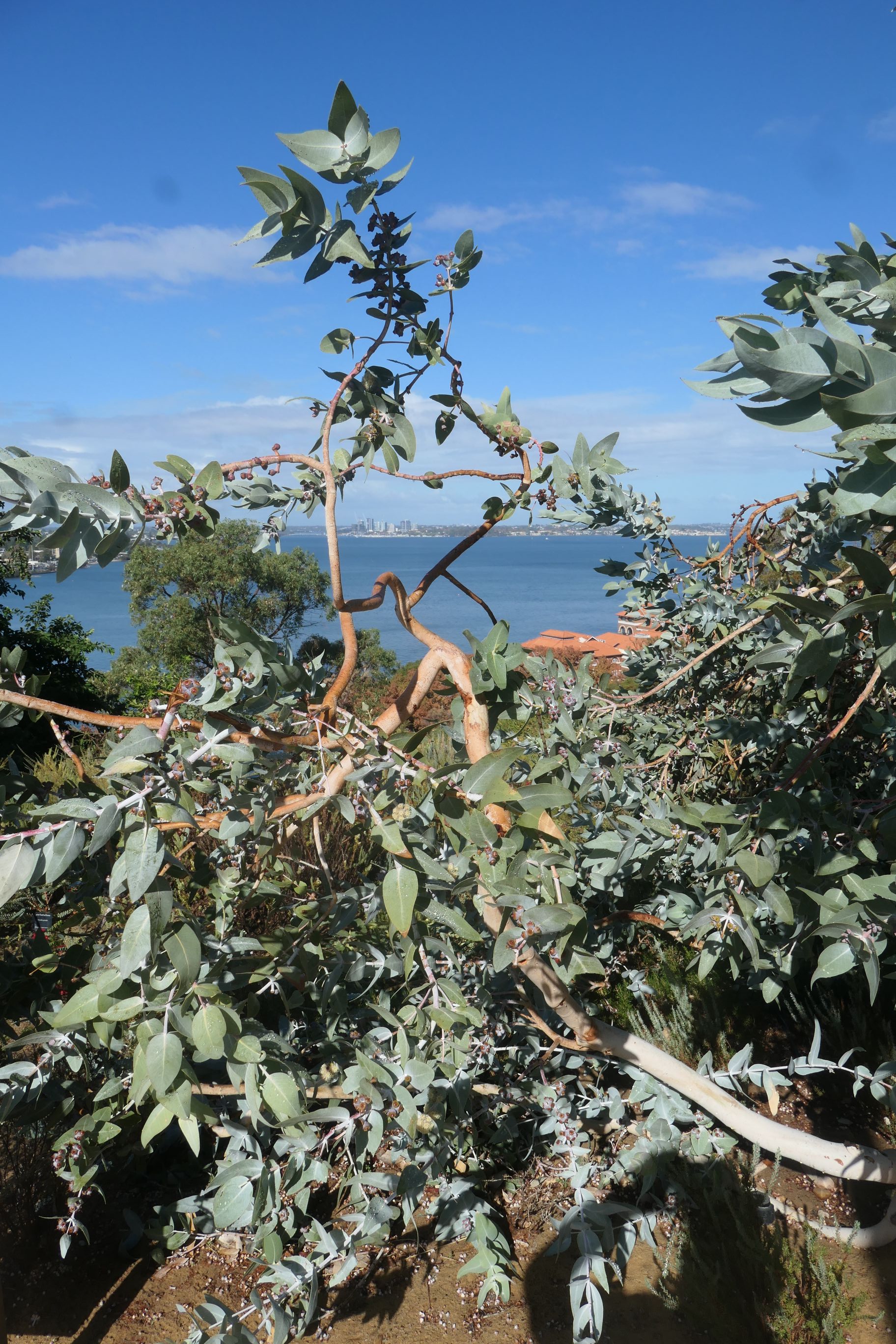
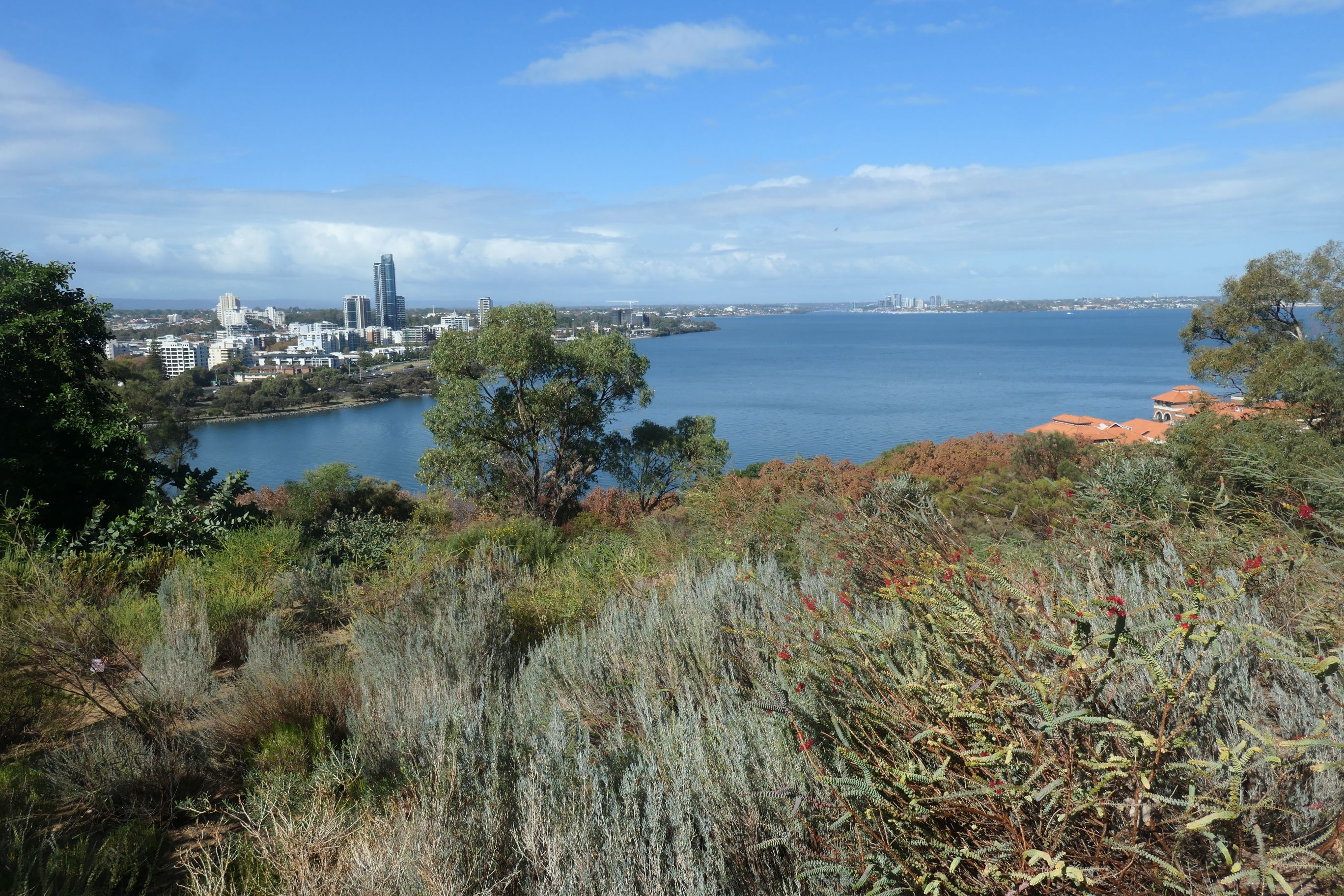


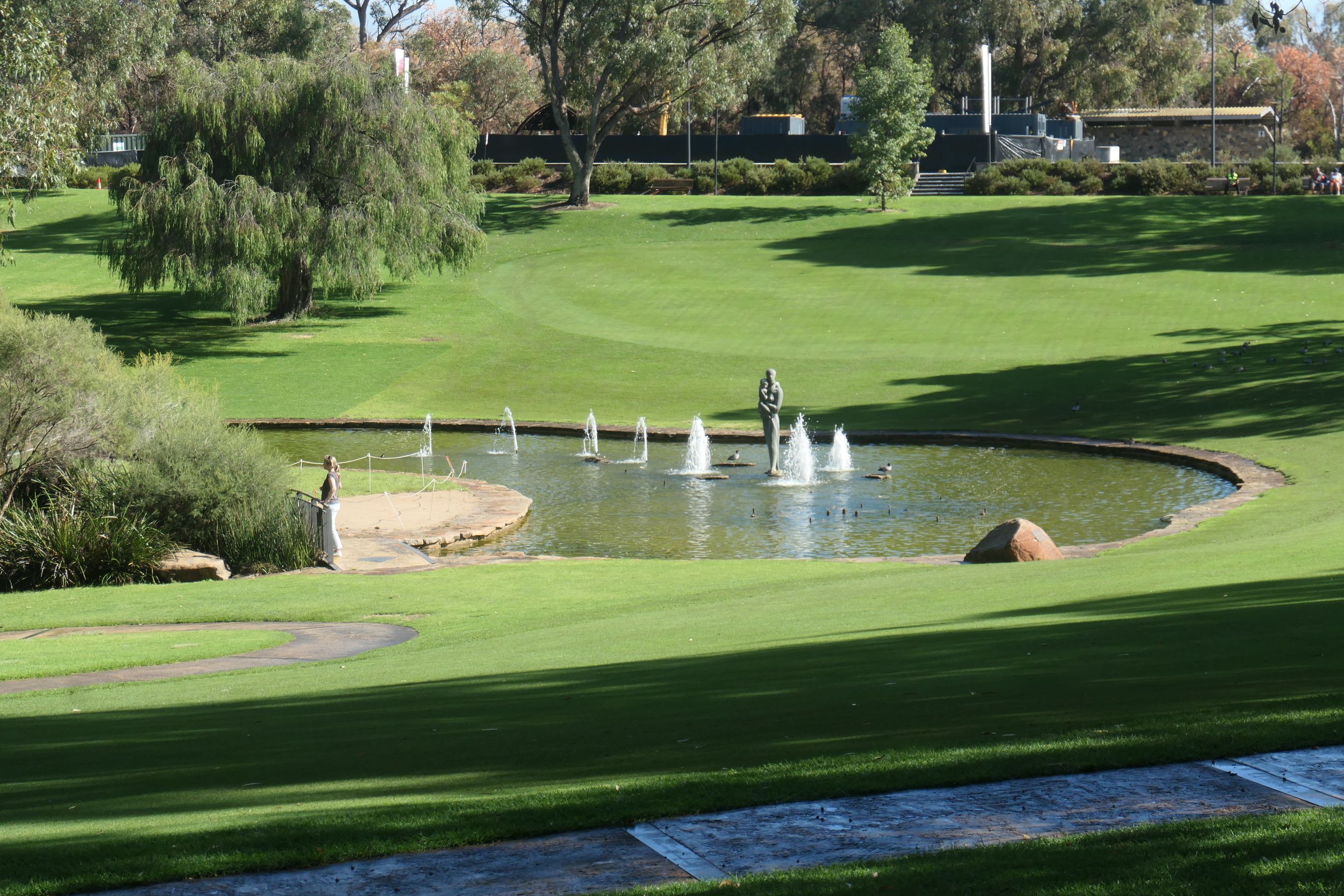
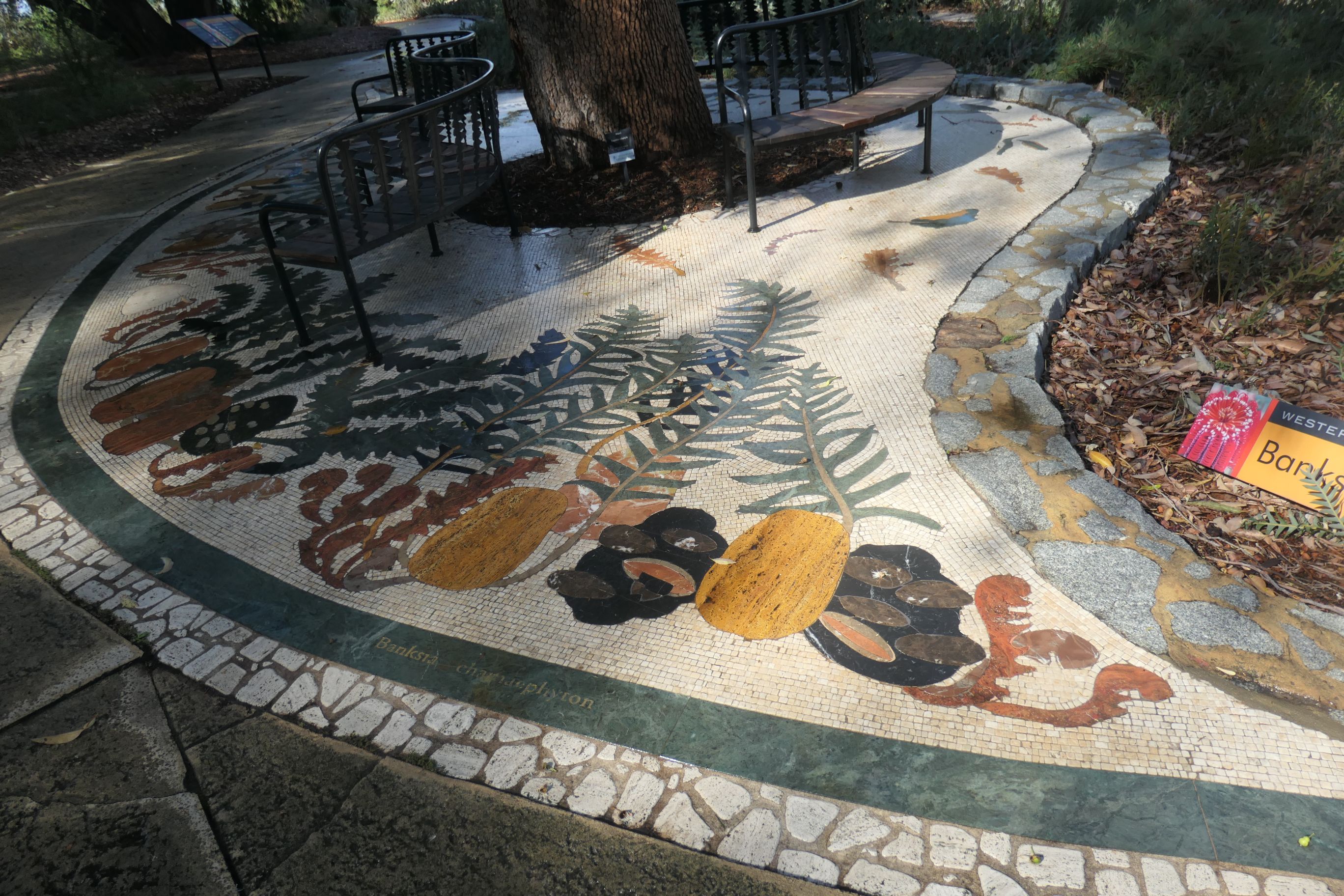
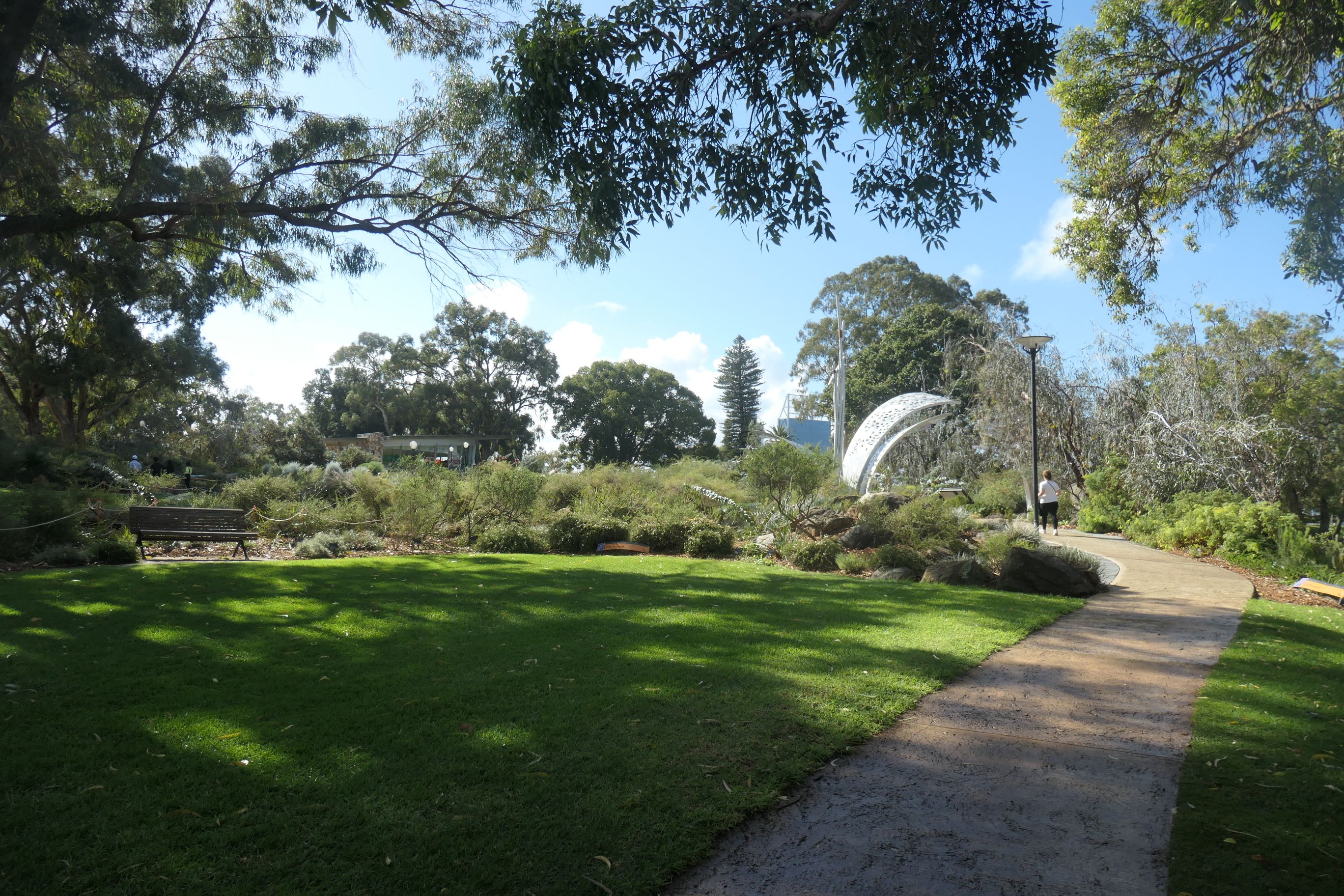
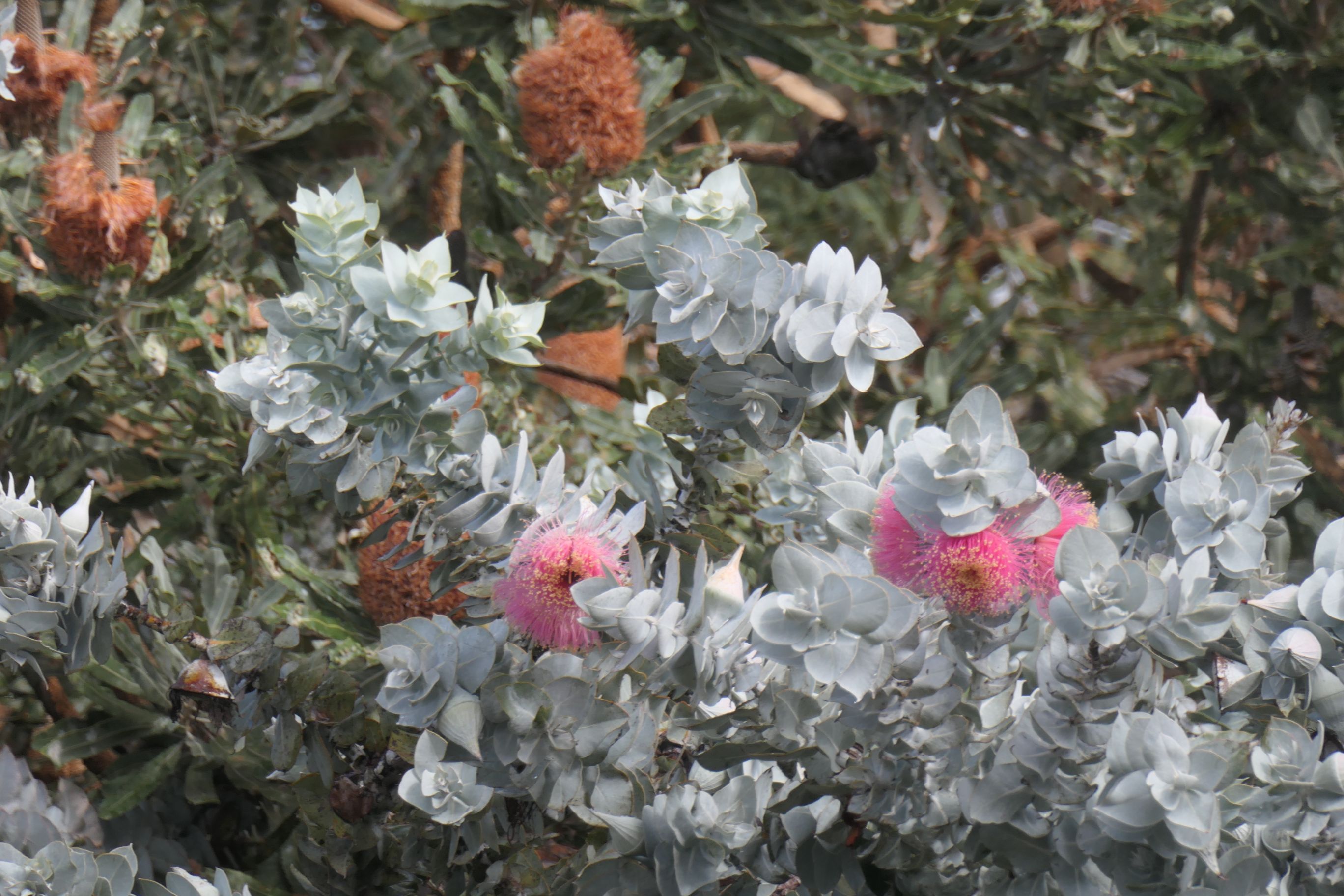
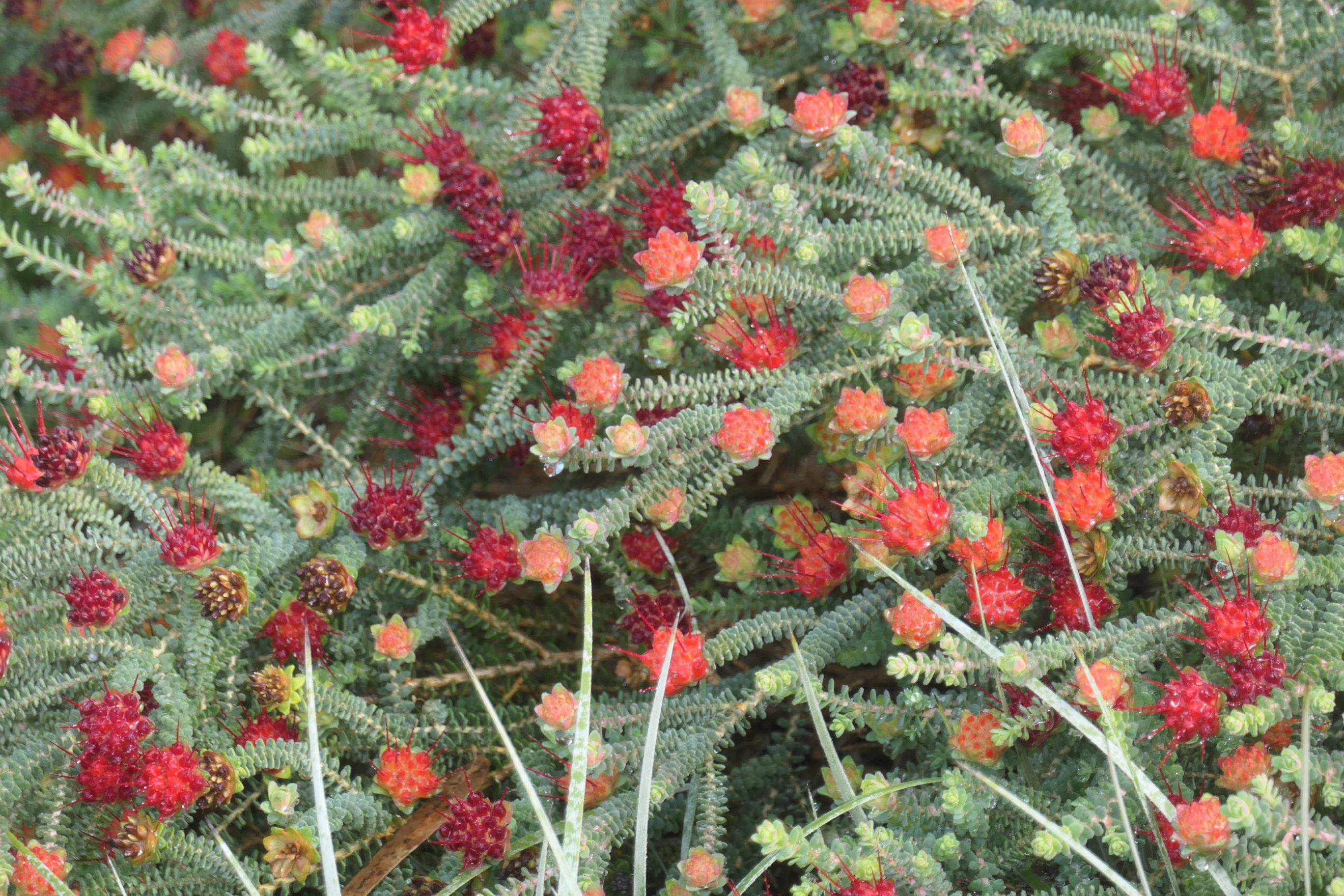
I was so impressed by the park and the way it had been created and maintained. It was clear that it served multiple purposes for the citizens of Perth and those who were visiting. For some it was a place for leisure and exercise, for others a place to socialise. It was a place containing much knowledge that served to educate people about care for the environment, and it was clearly a place that played a key role in the conservation of vulnerable plant species. If you looked closely you could see all sorts of insect and bird life in and around the plants. Here are some photos from the botanic garden.

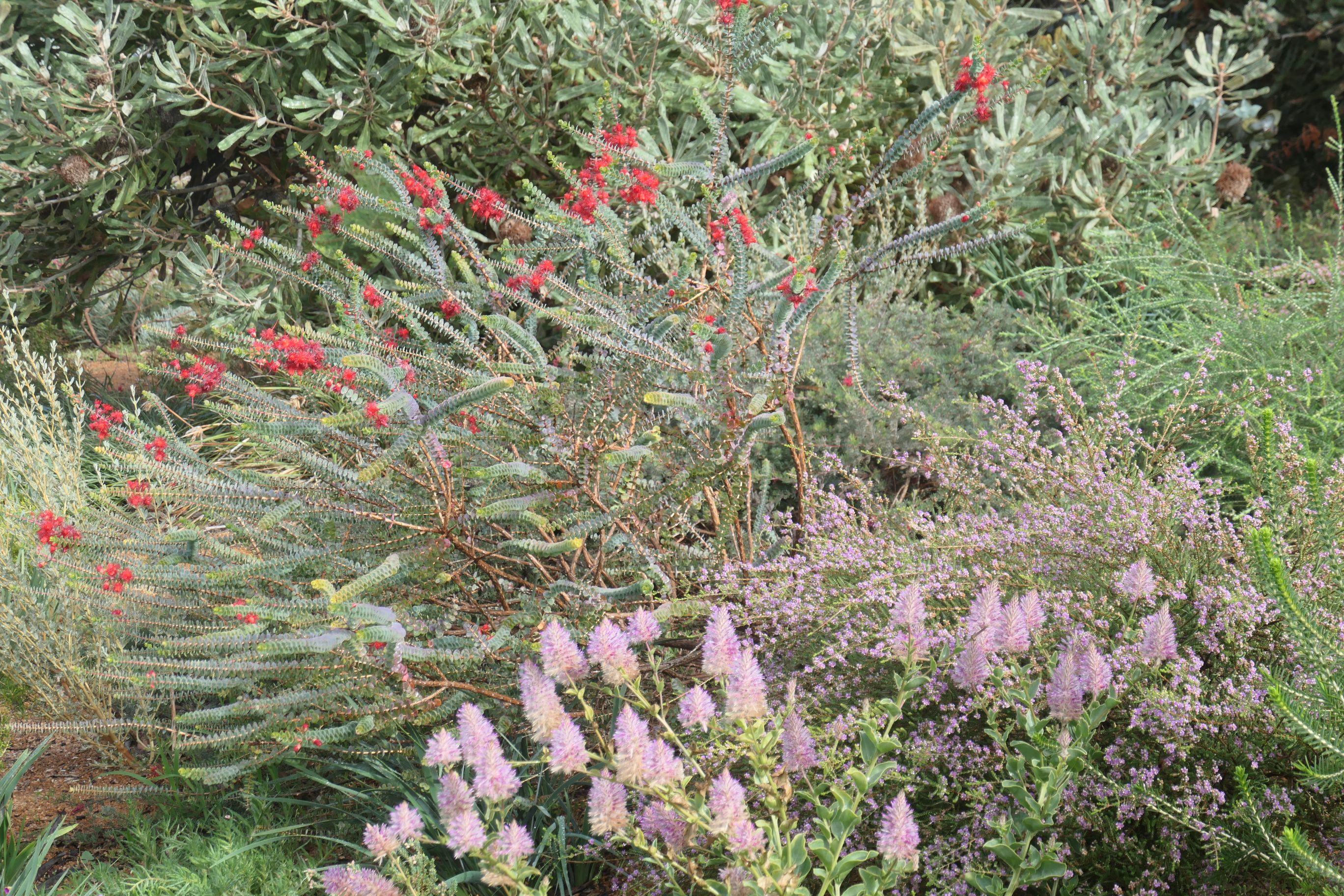
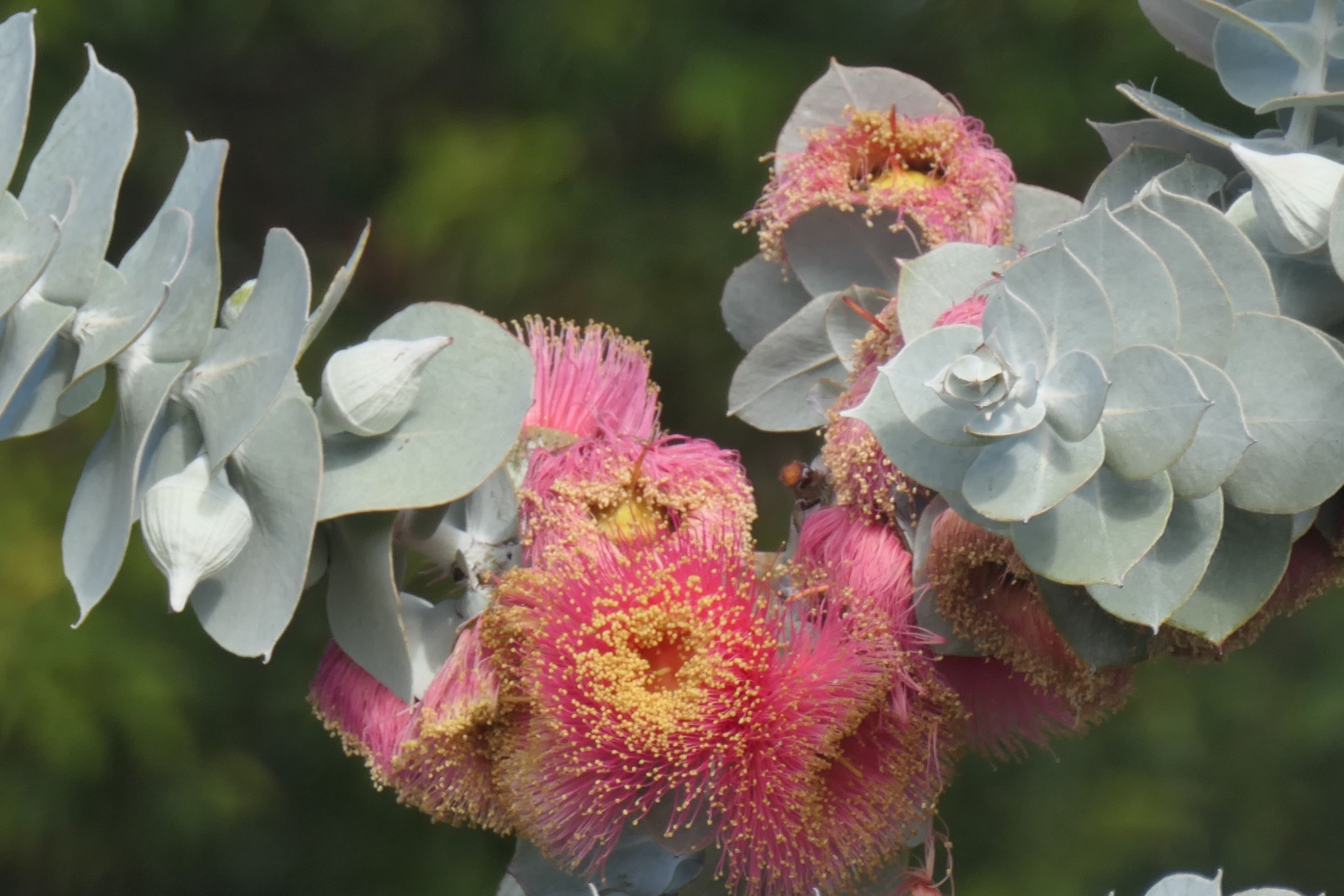
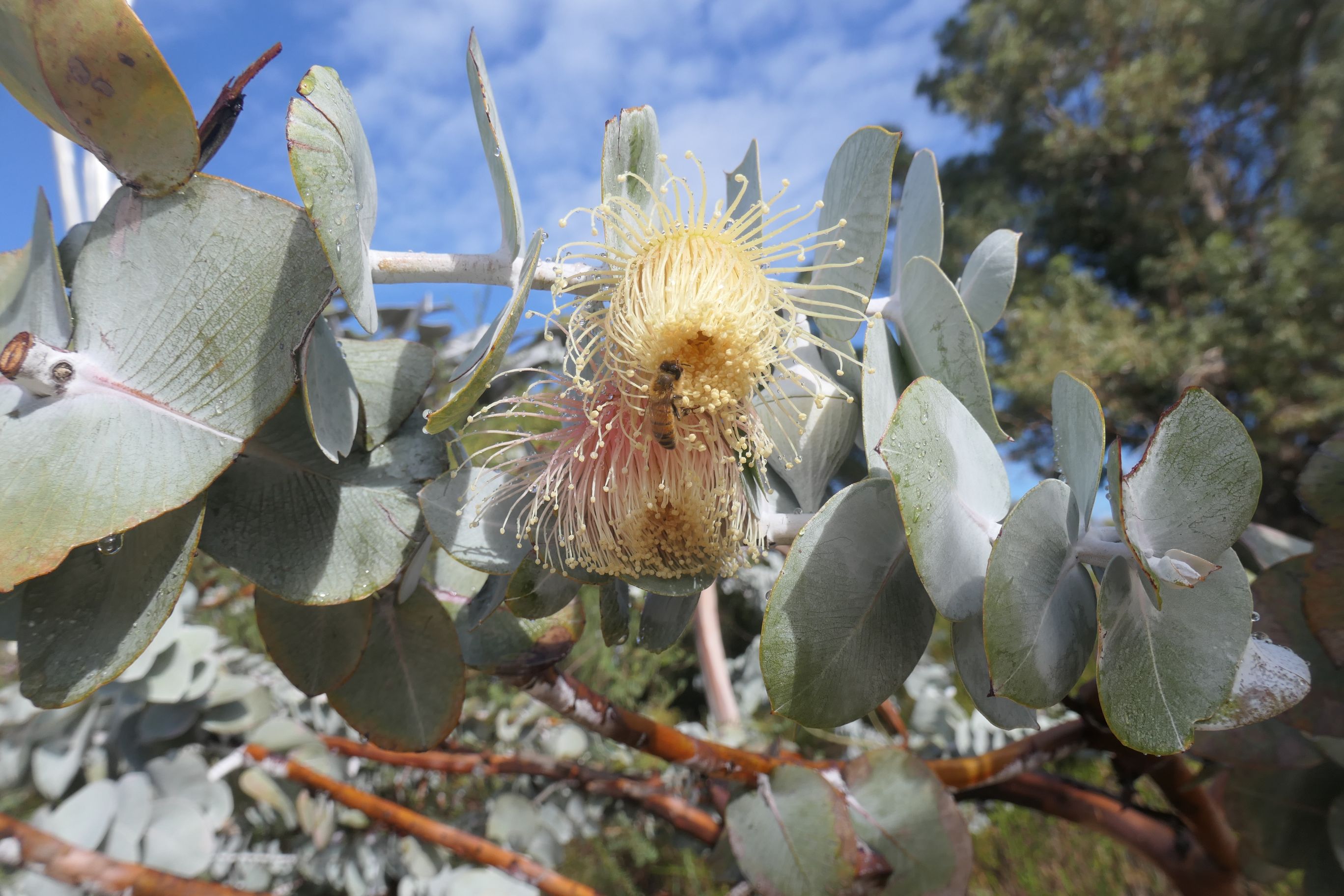
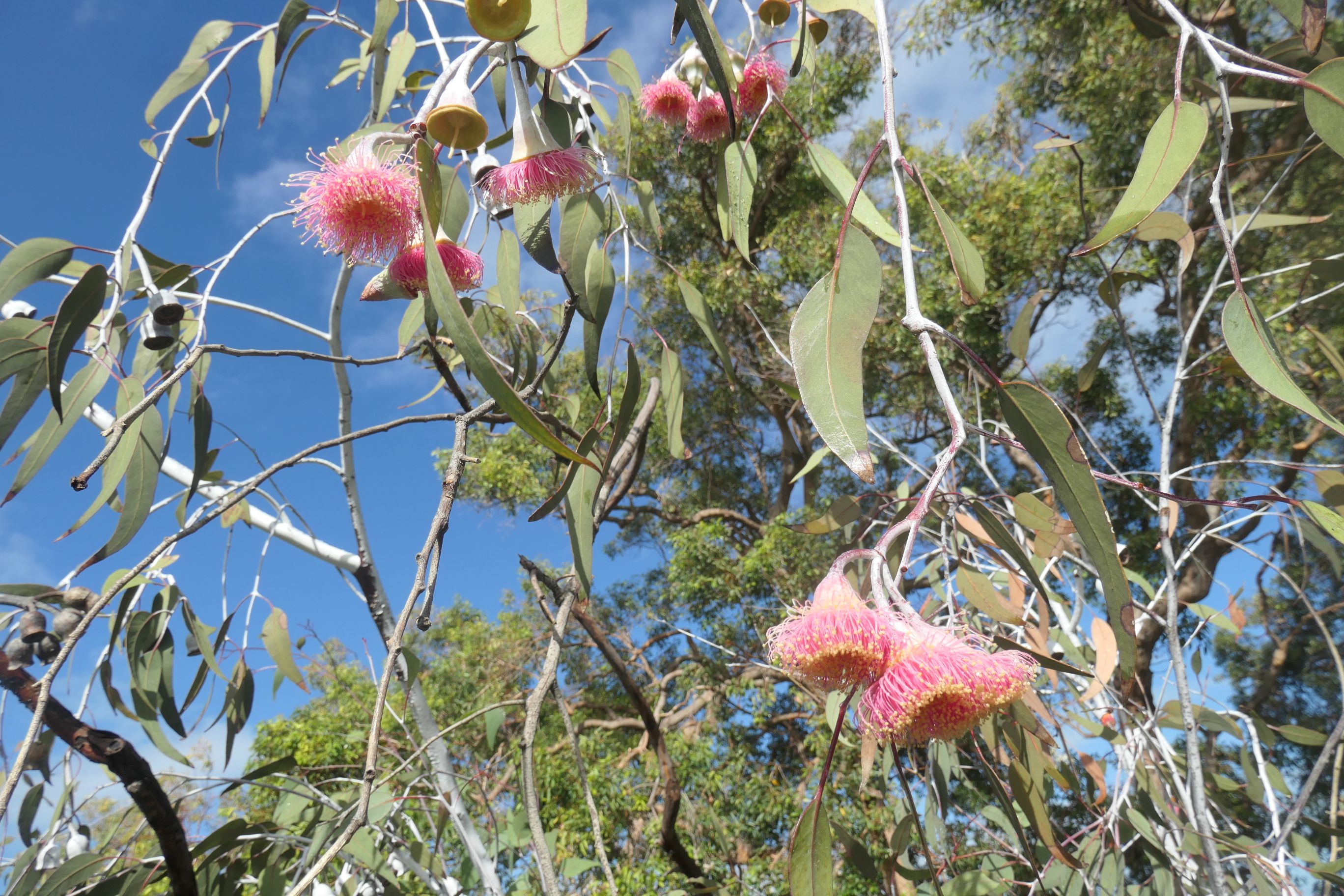


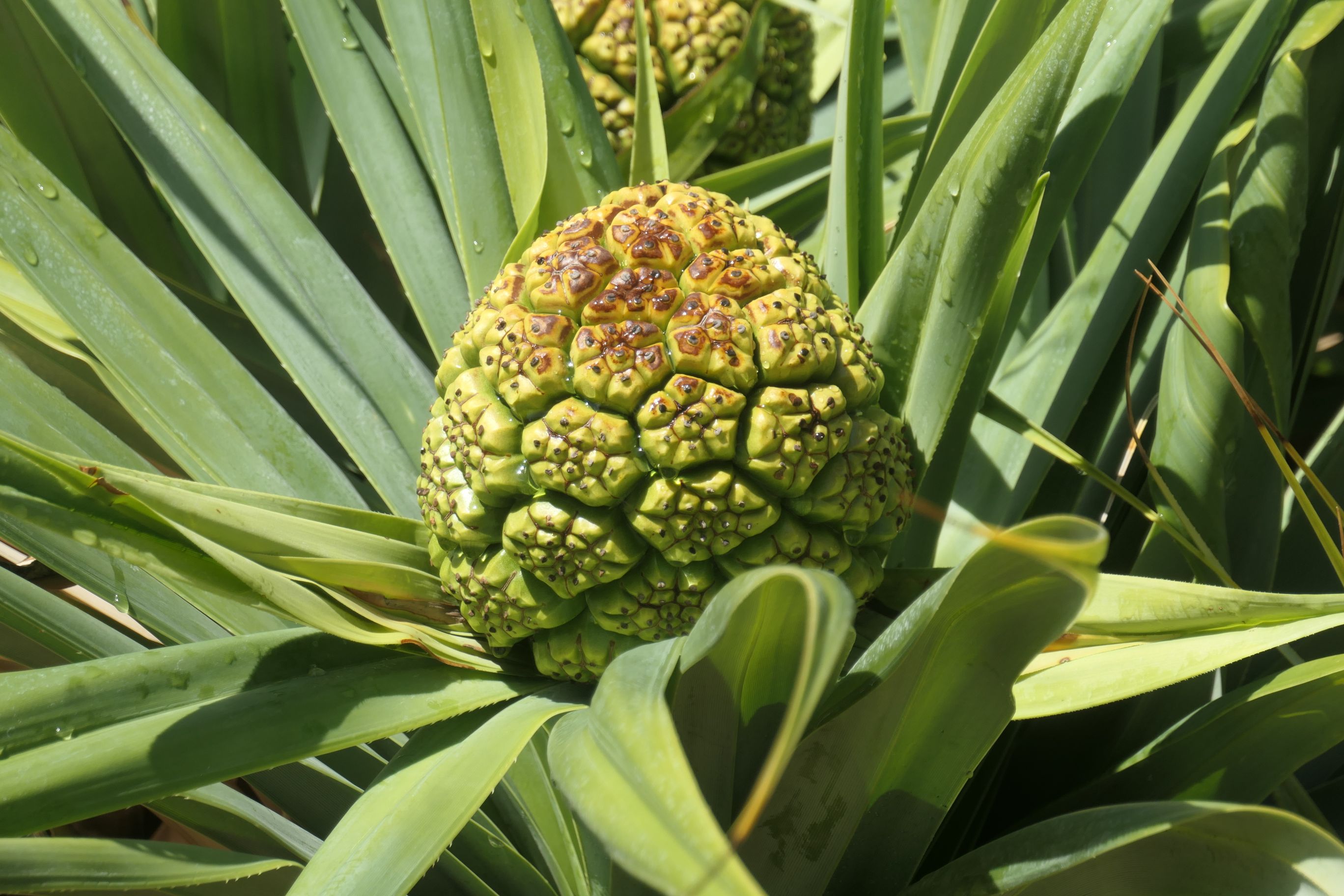


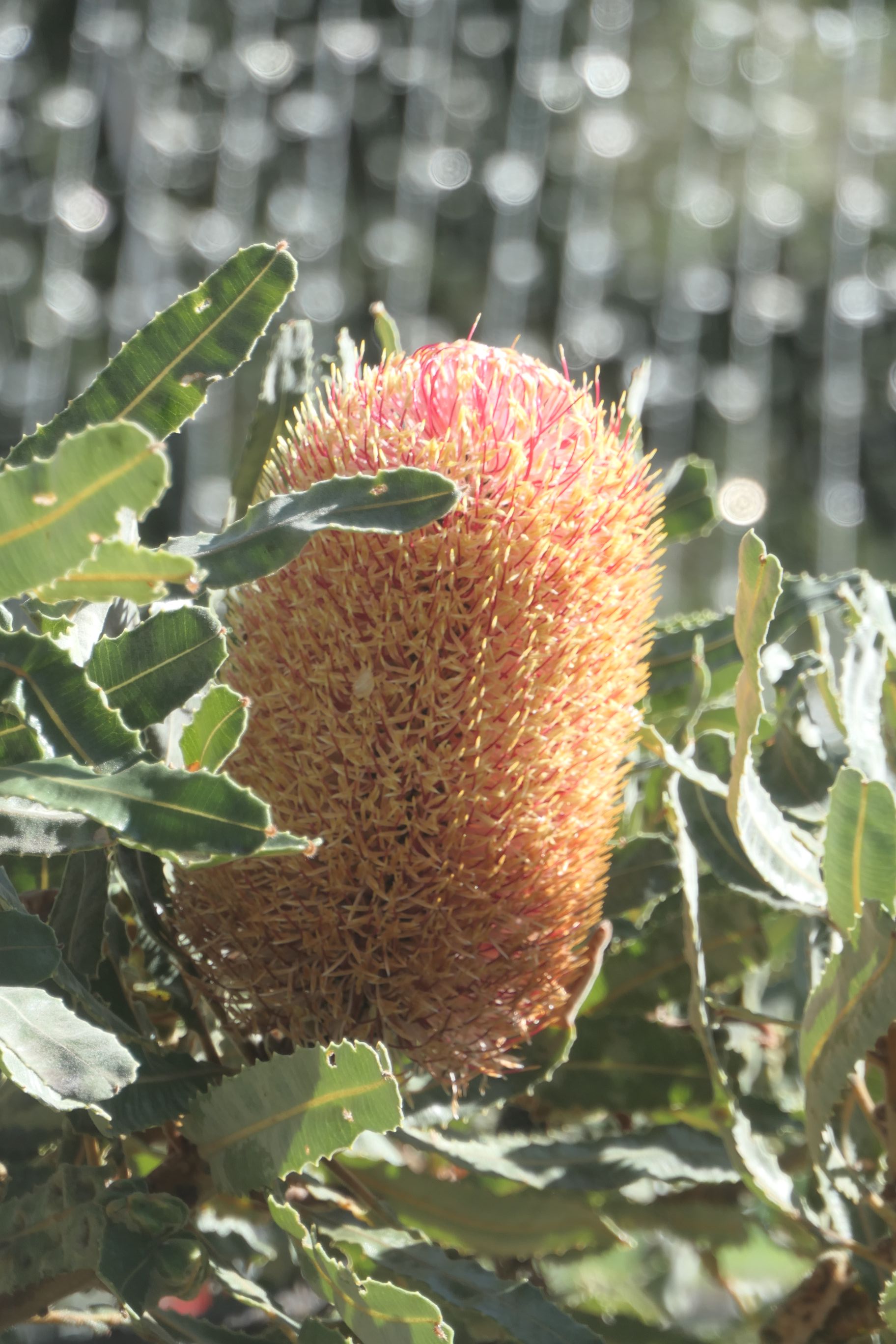
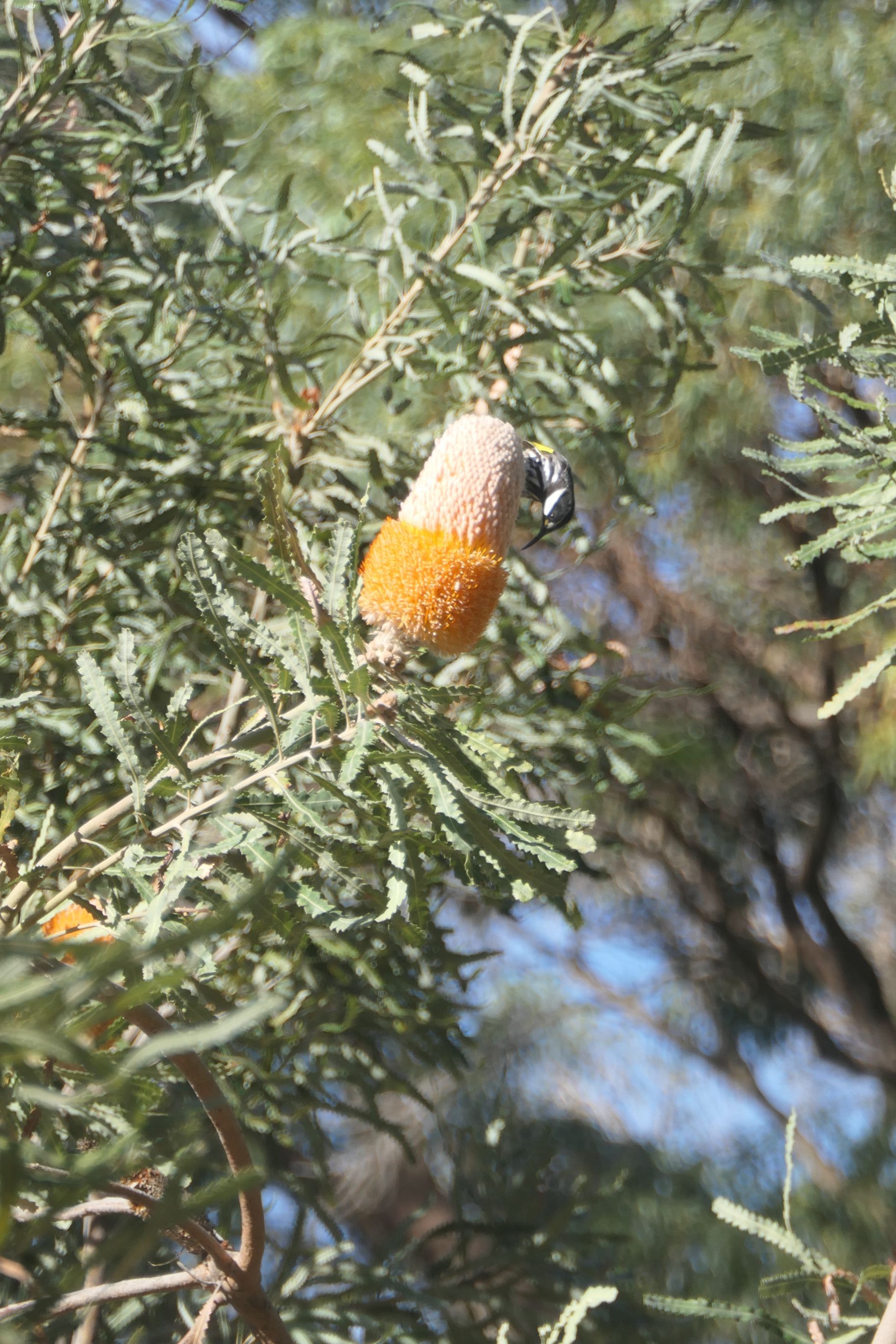
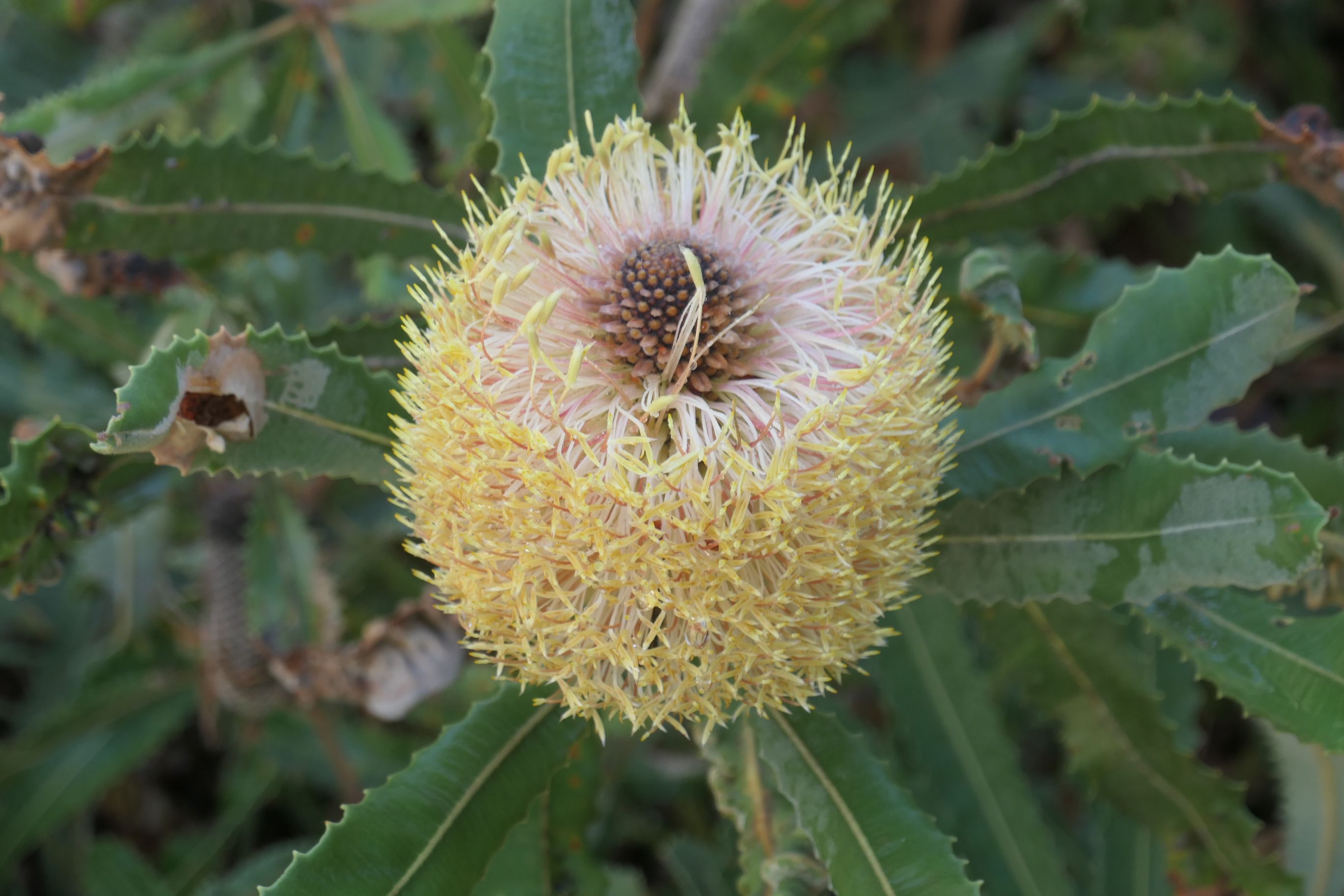

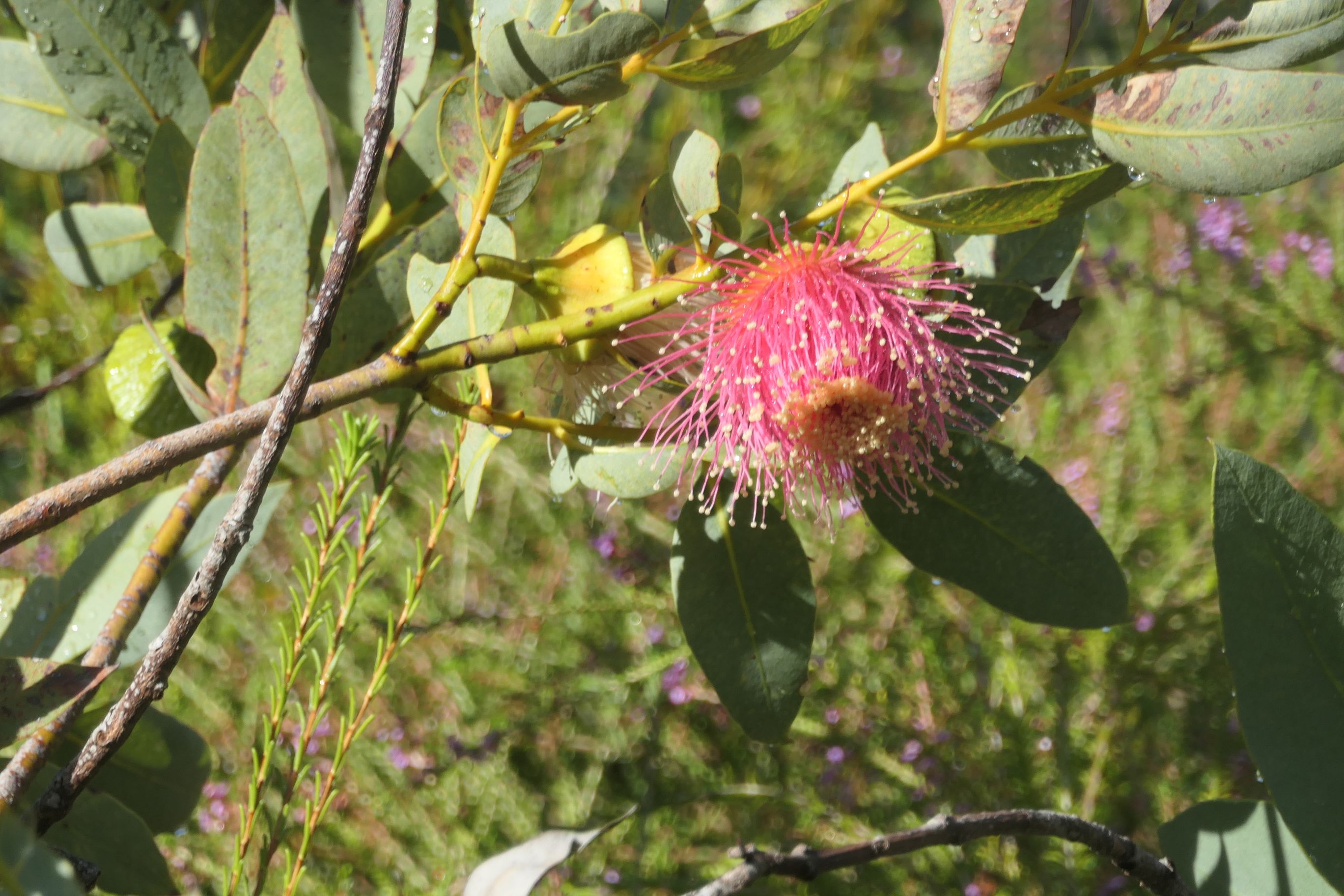
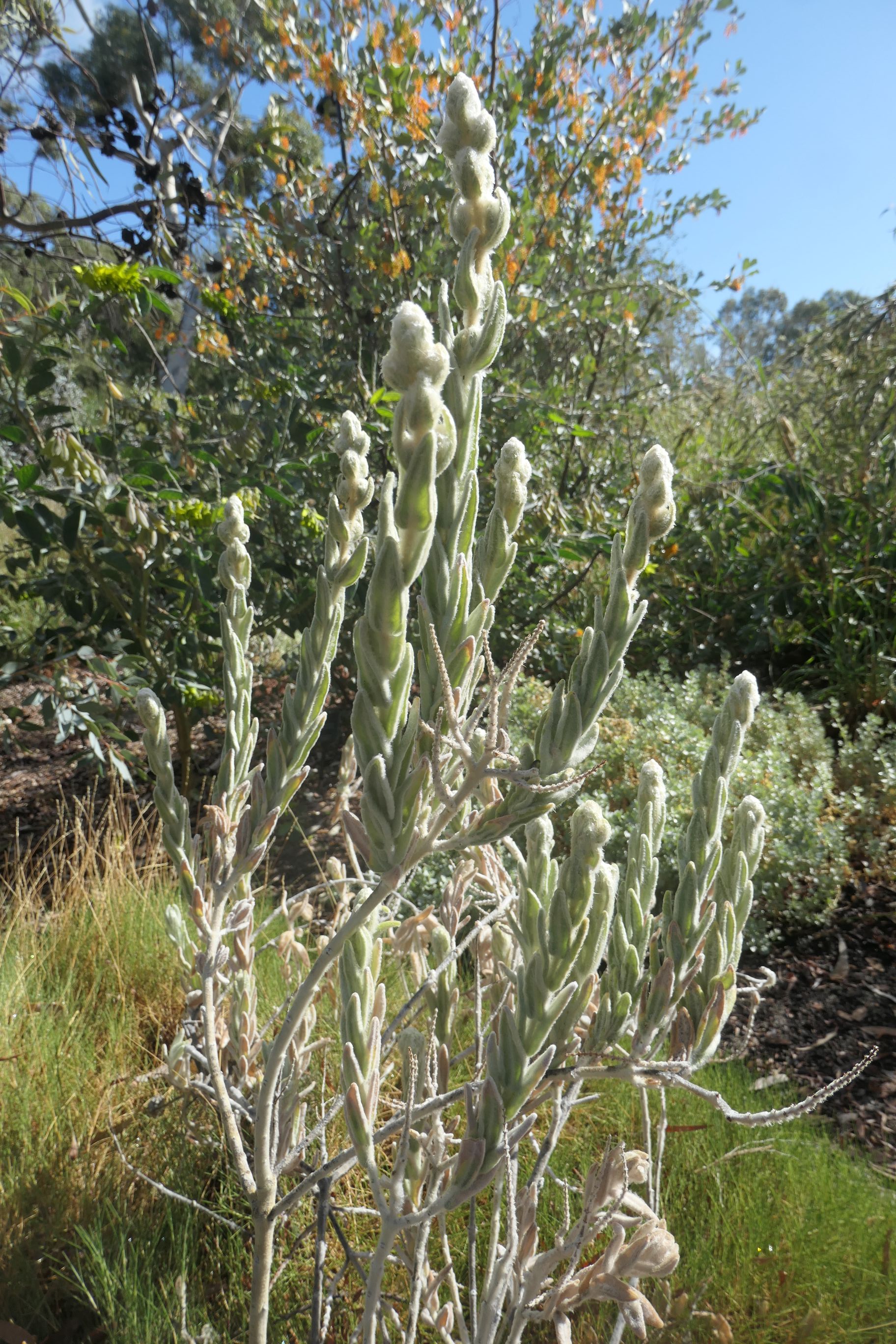
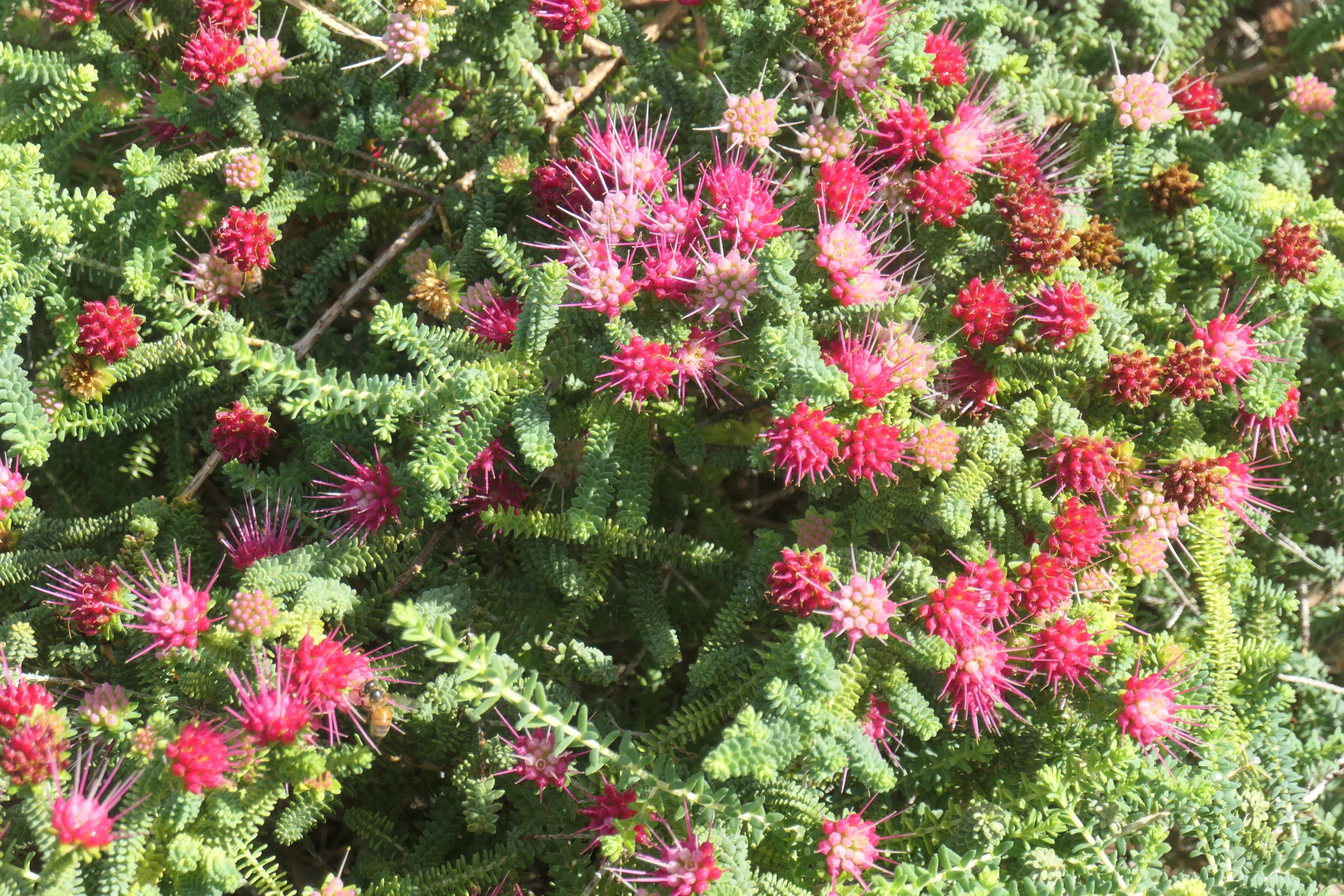
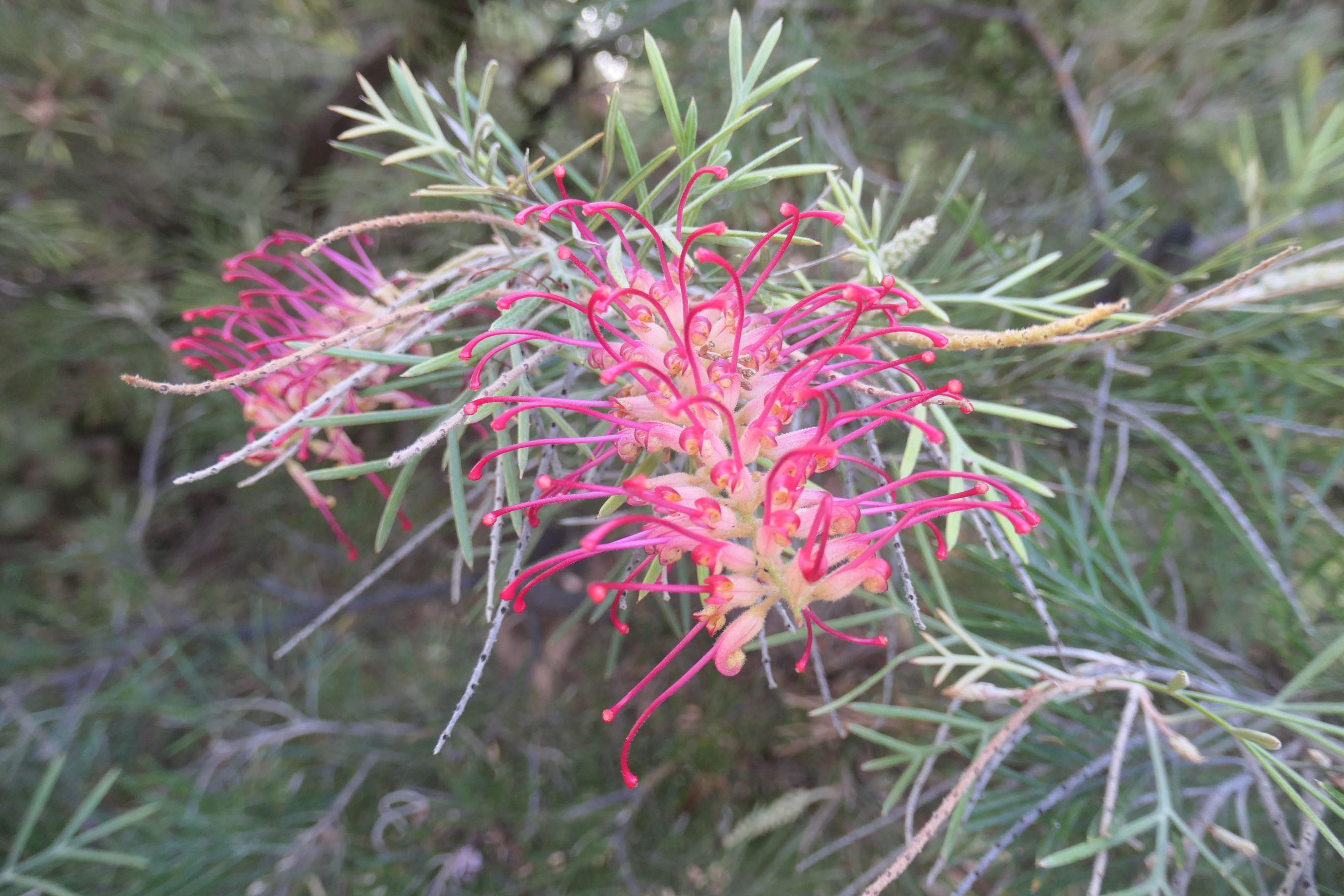

We met up again with Rod and Cornelia and ate lunch at the park kiosk. We sat at an outdoor table because the sky was blue again and the sun was shining. Walking back to the car, seemingly with no warning, the skies opened up and the rain fell heavily. We dived under the shelter of a huge eucalypt, but it provided minimal protection and we got soaked anyway. It didn’t really matter. We’d had a really enjoyable morning. If we ever return to Perth, I’m sure we’ll visit King’s Park again.
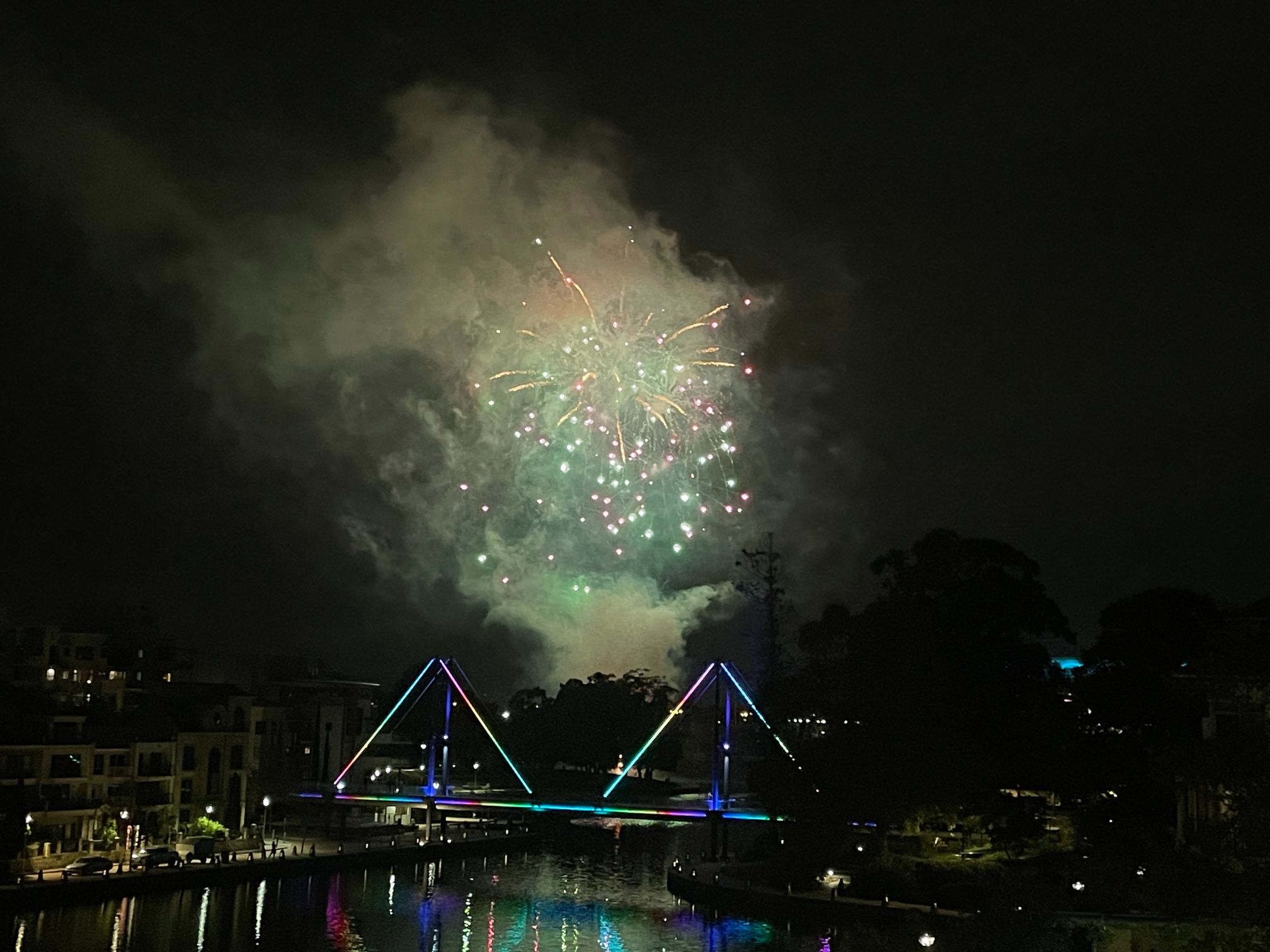
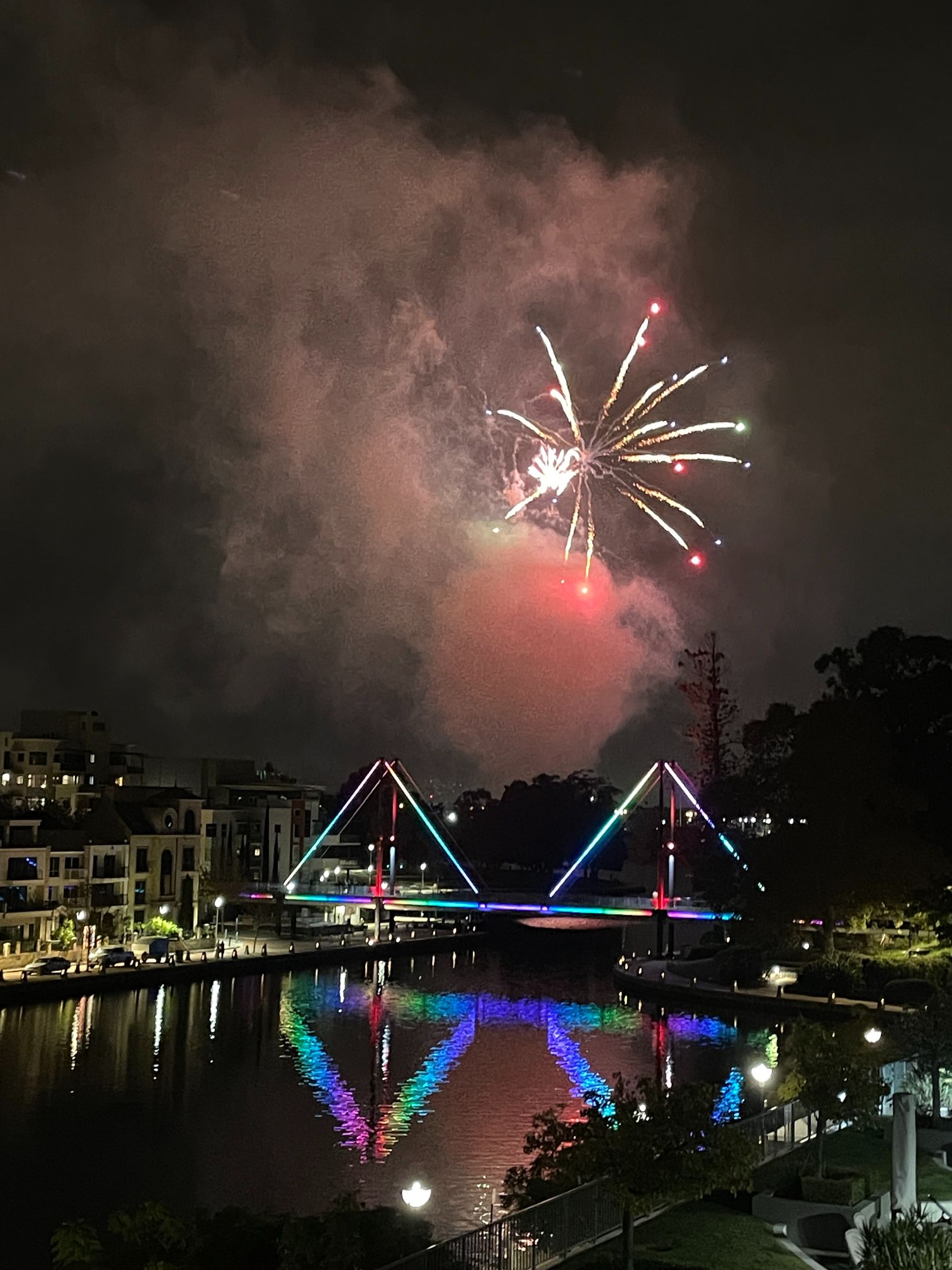
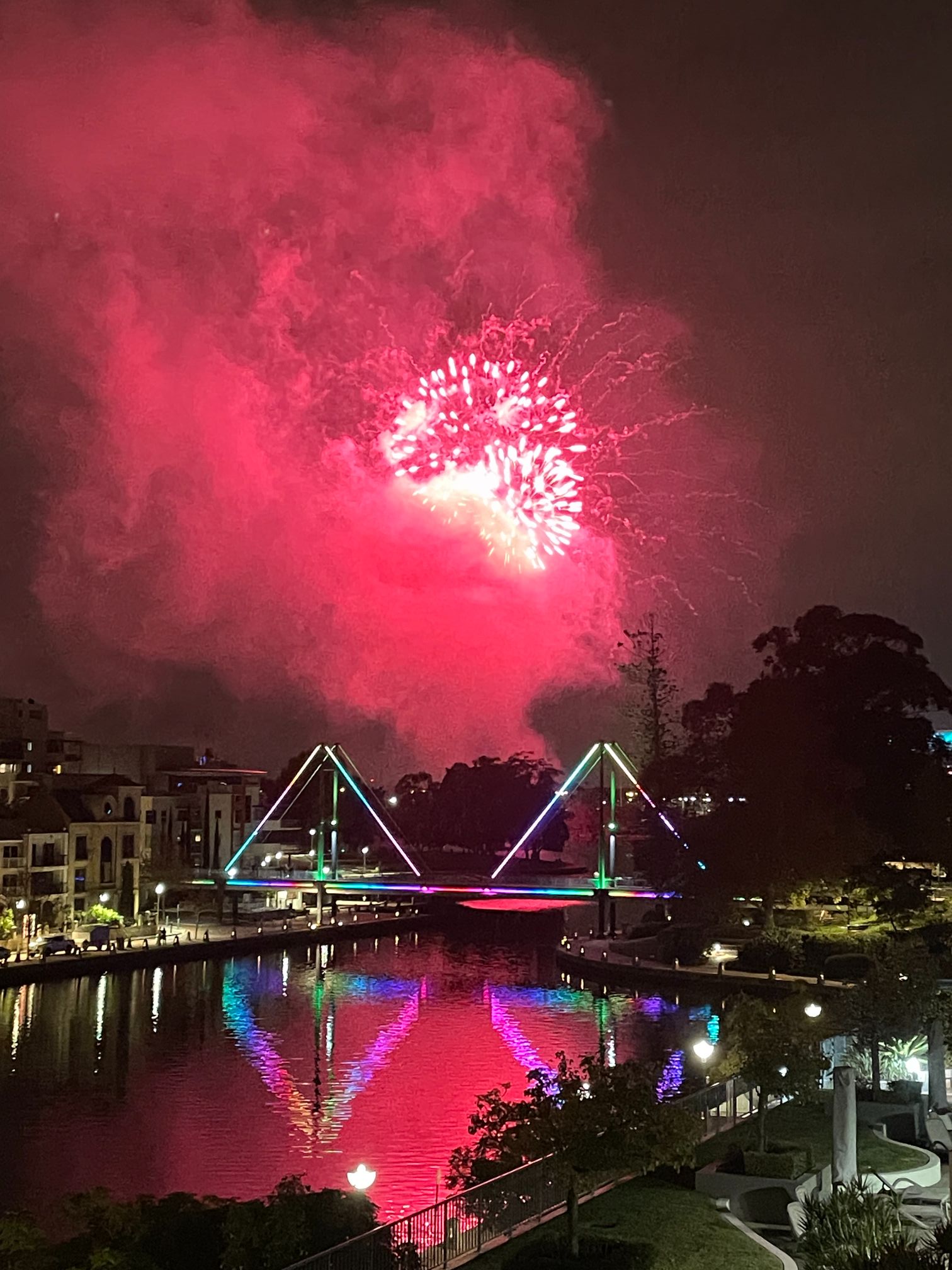
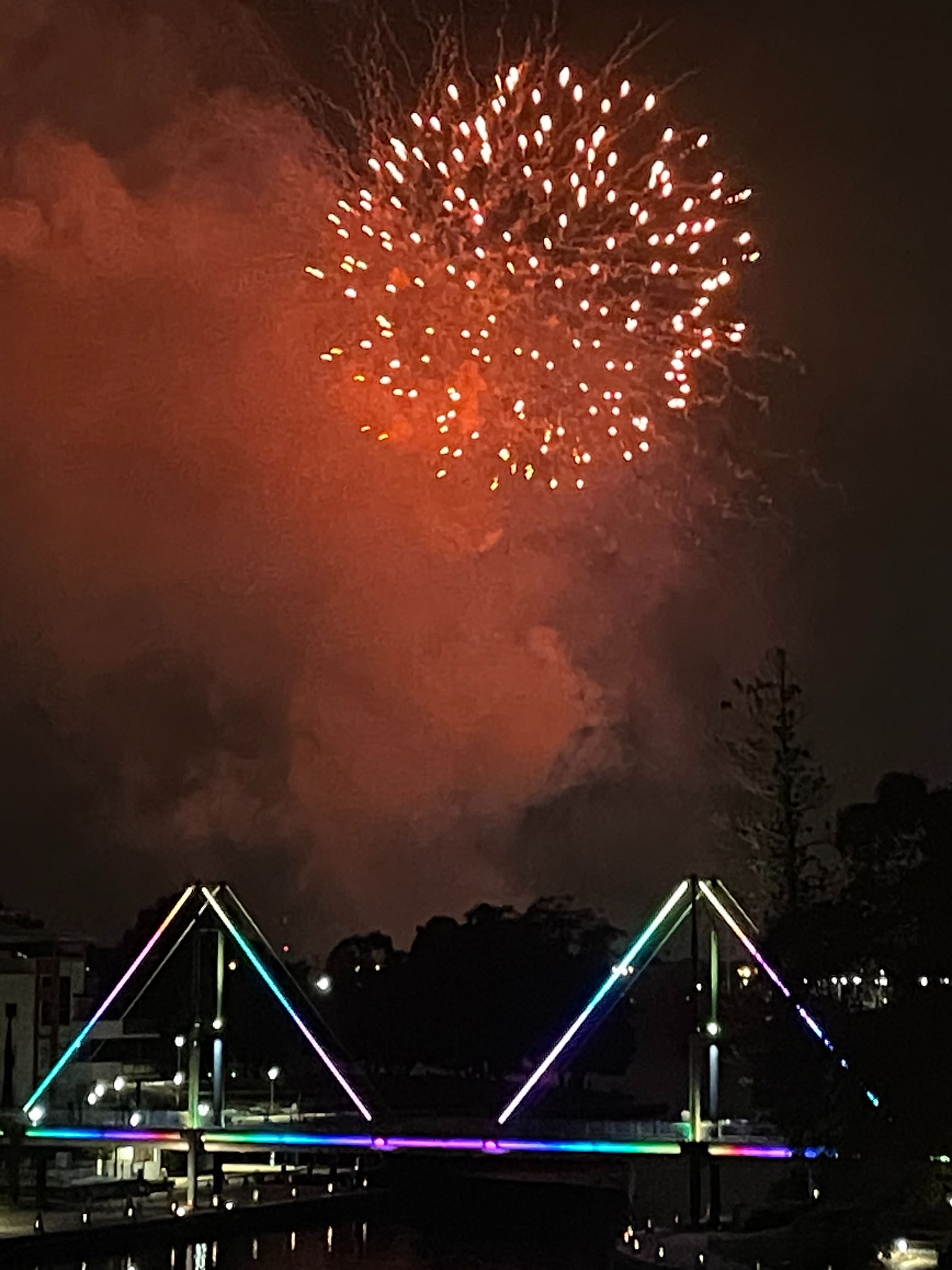
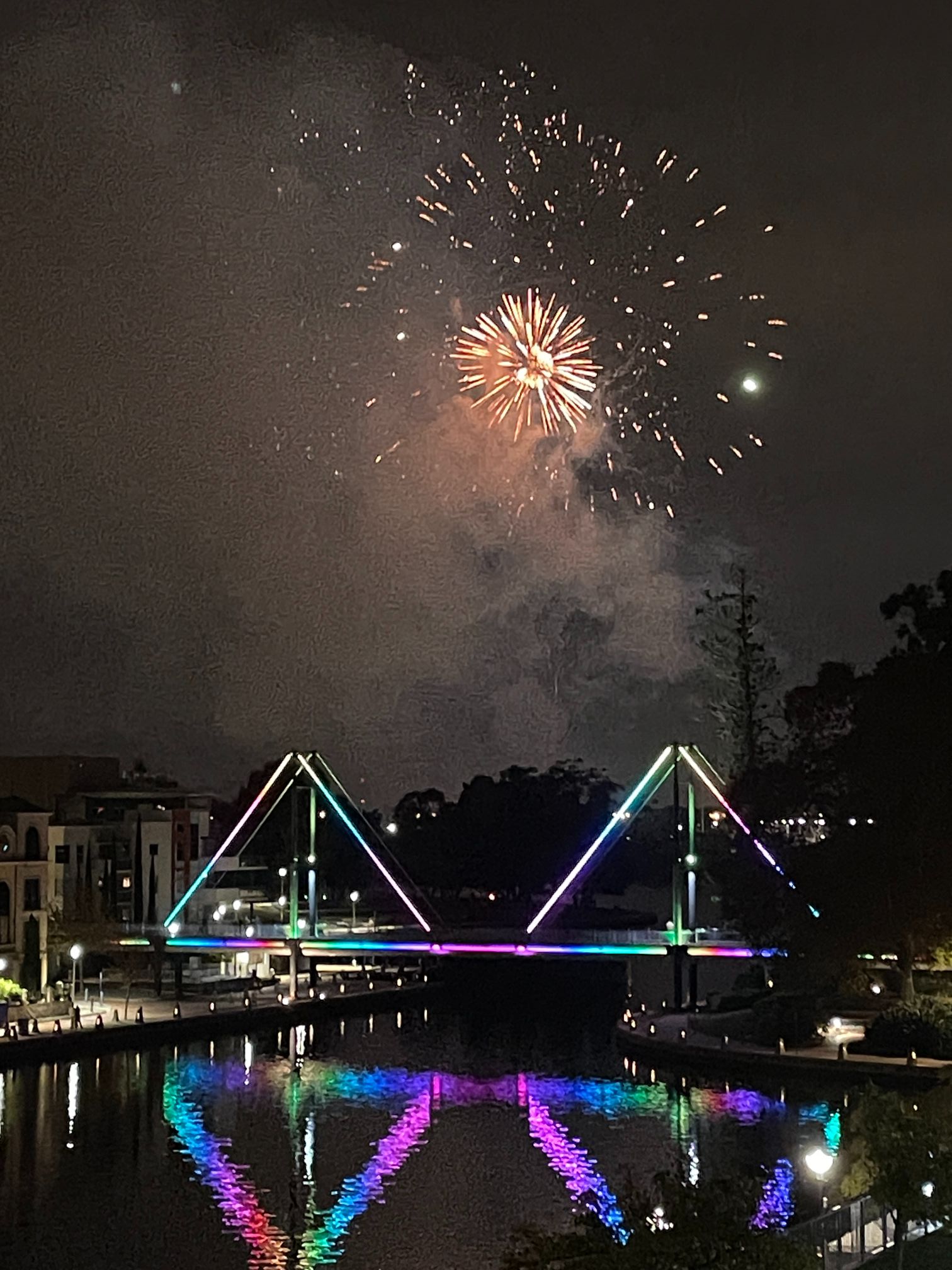
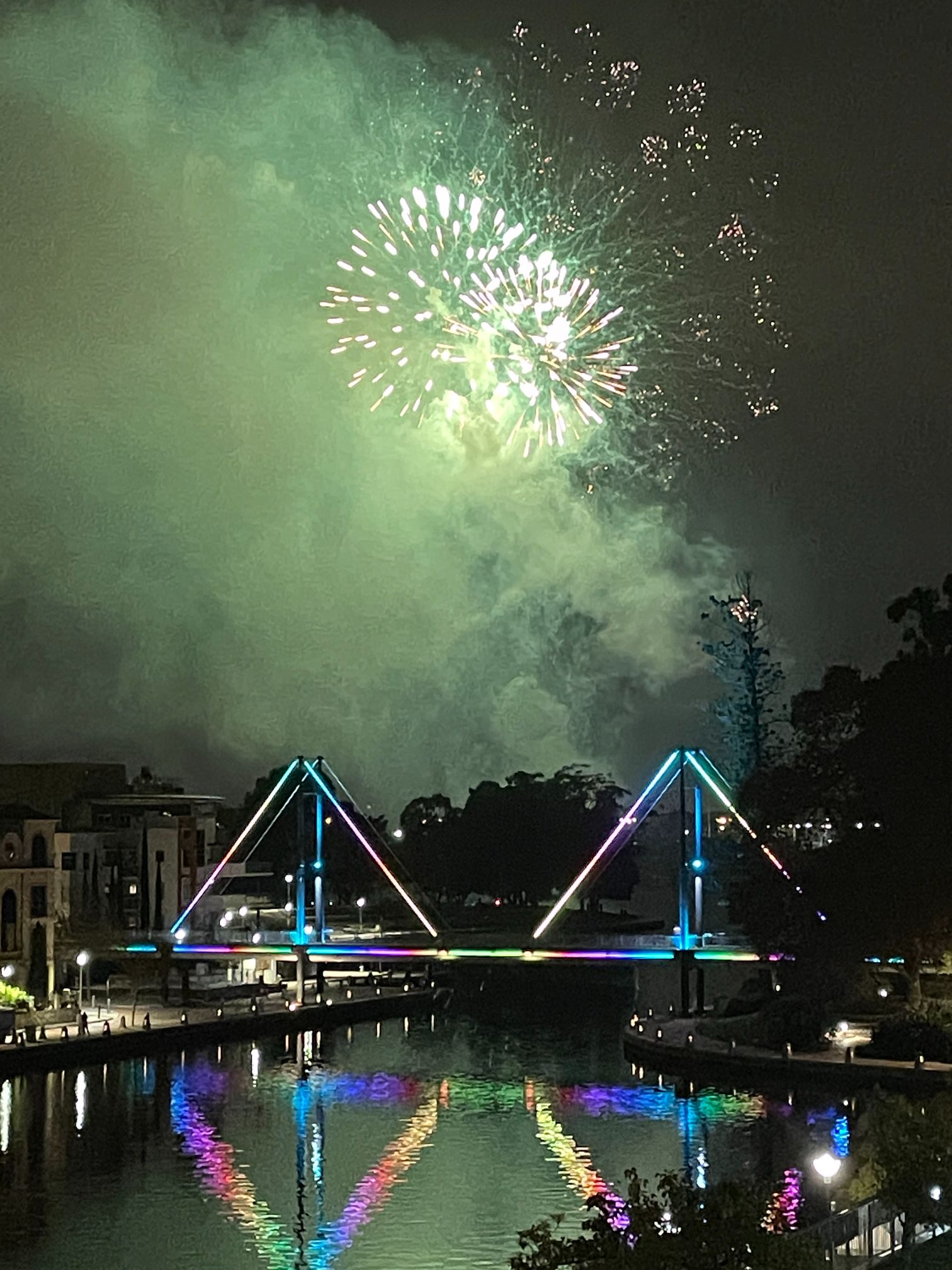
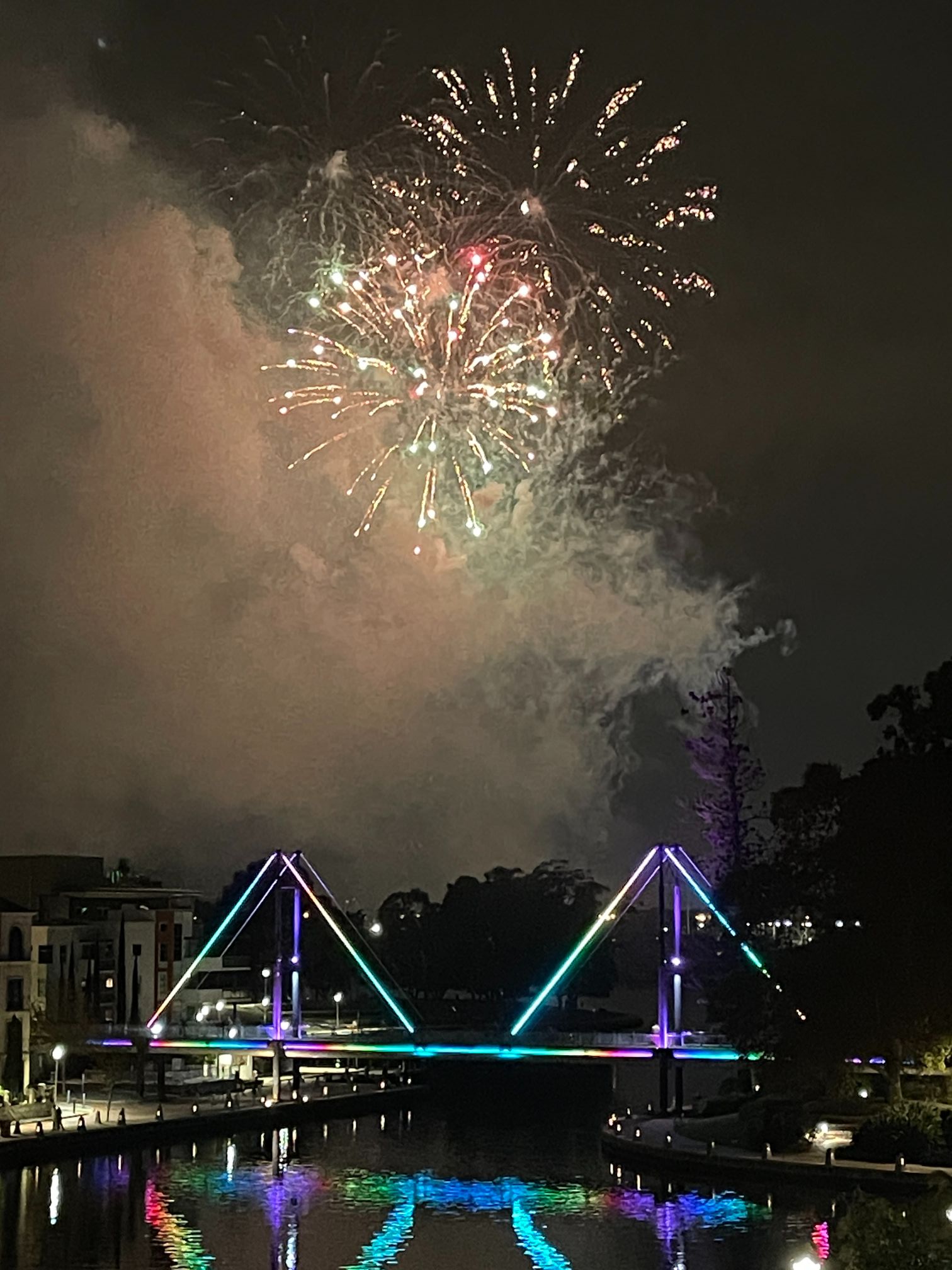
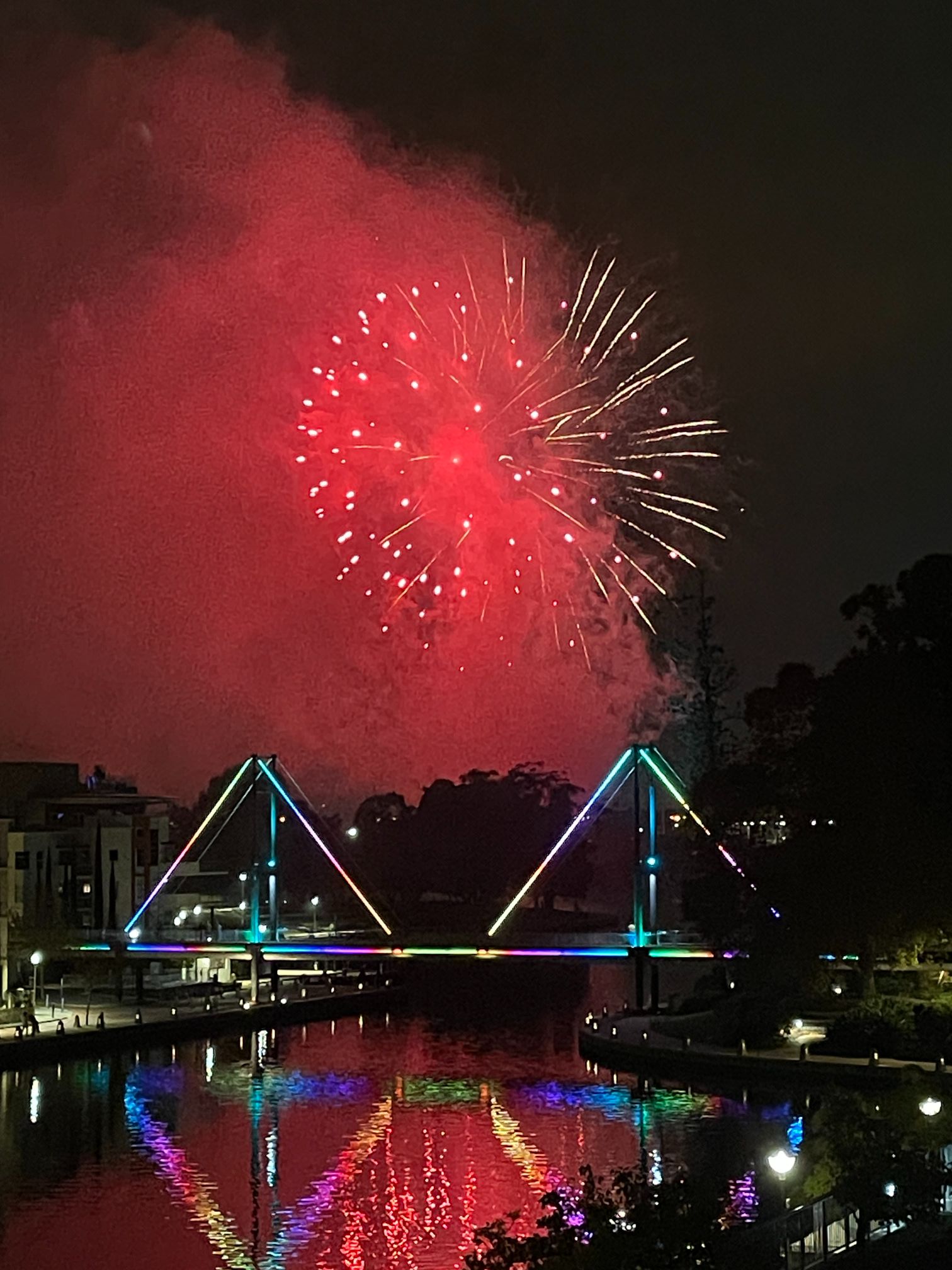
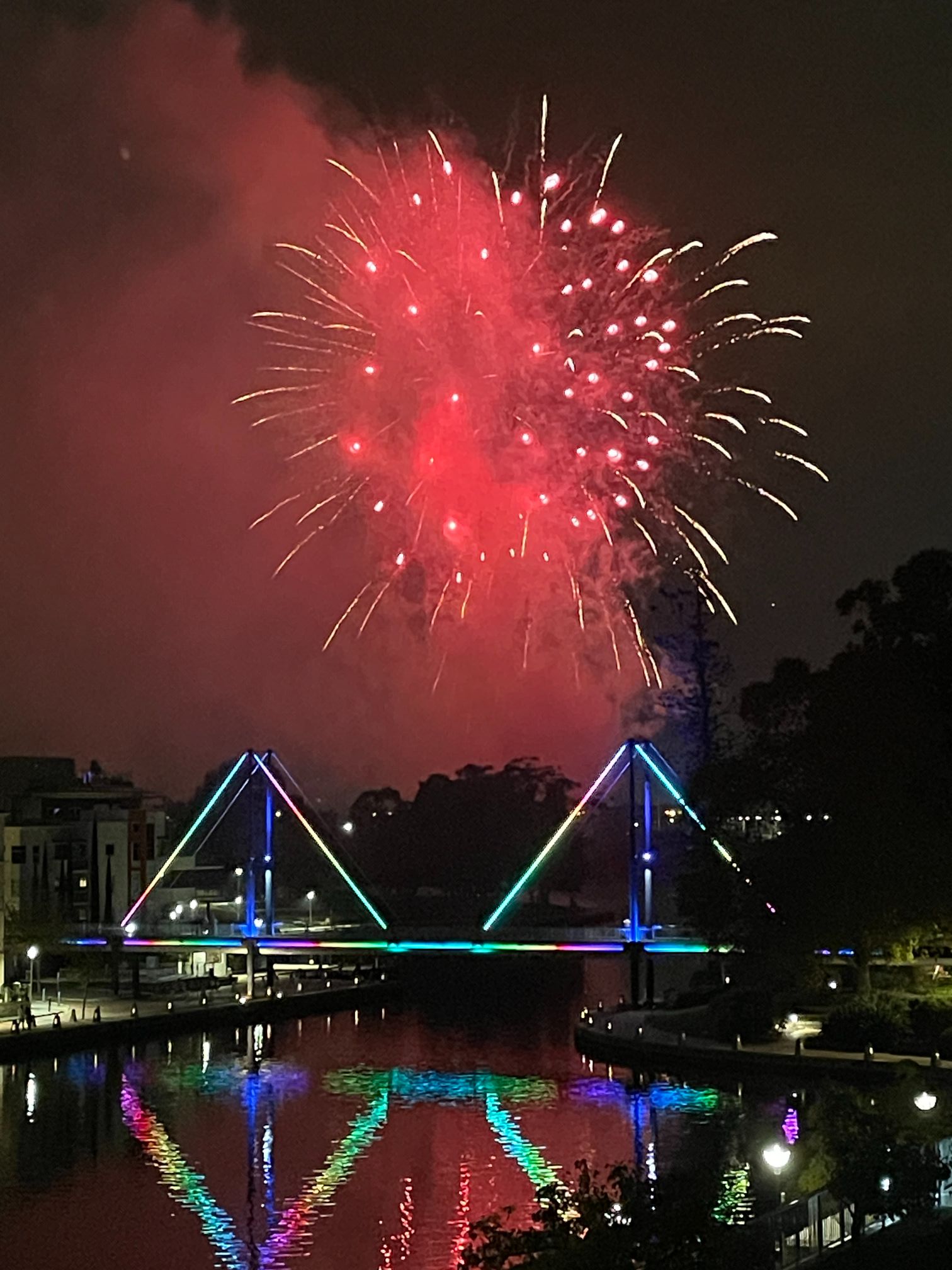
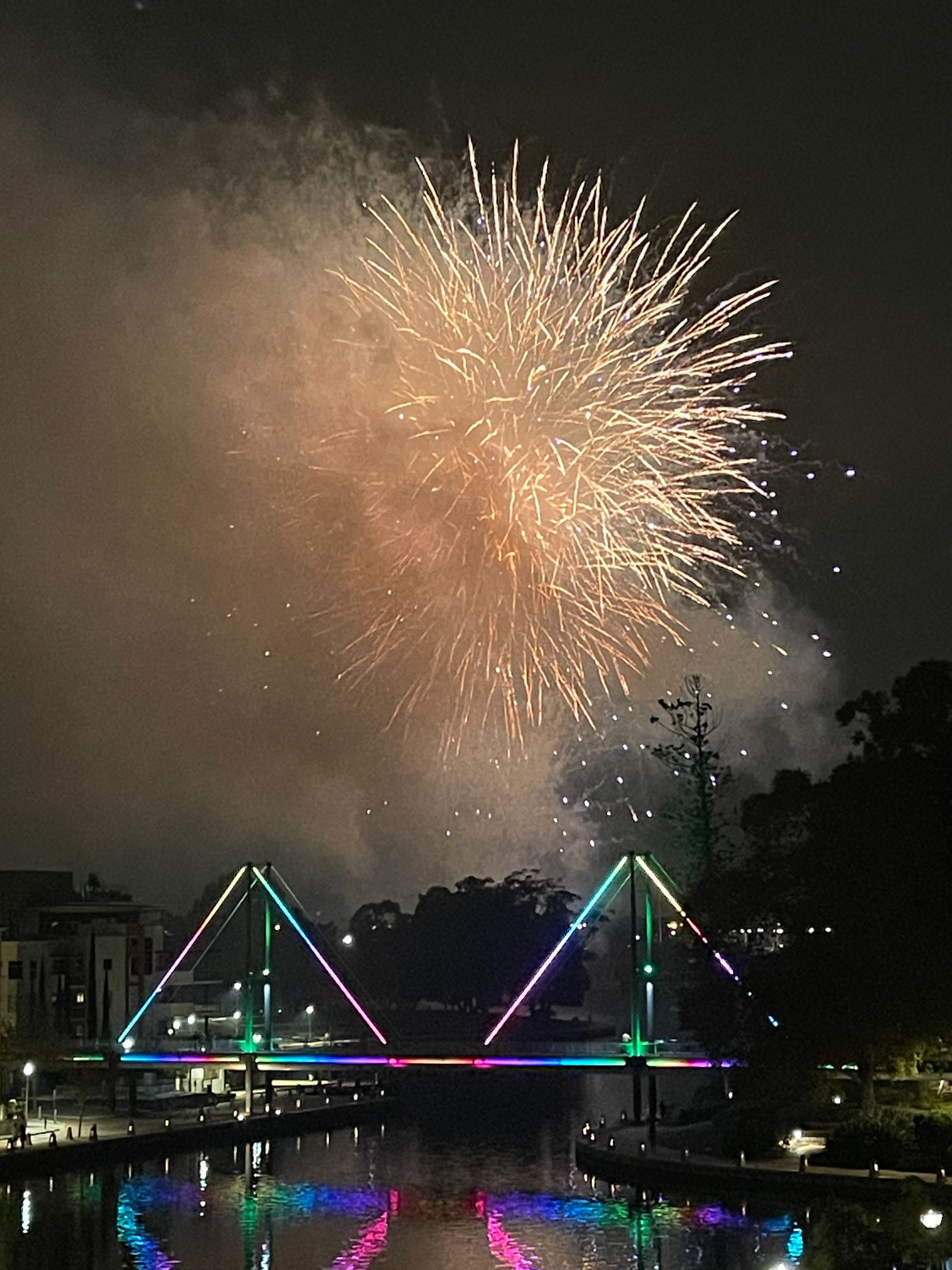
At 8.30pm, we’d just returned to our hotel room after dinner when the unmistakable, and very loud, sound of fireworks started up. We stepped out onto the balcony to watch. For the next eight minutes the display continued. It was coming from Optus Stadium, where we’d attended the footy game last night. I googled the reason for the fireworks. Believe it or not, they were part of an event listed as the WAIDA Gala. What’s WAIDA? The Western Australian Indian Dental Association. Who ever knew dentists could be so much fun!







 On The Road With Garry
Hi Garry
I’m so glad I’m on your list and have been able to travel around the west with you and your party.
My husband and I witnessed that boab tree being transported from the Pilbara in July 2008. I was driving our hired motor home and the advance vehicle told me, in no uncertain terms, to get off the road. We had advance warning that it was travelling west towards Broome on the day we were travelling east fromBroome and I was thrilled to see this amazing tree and huge truck ‘in the flesh’.
I trust you’re home safely after your trip to the west.
Denise Tannock ________________________________
LikeLike
Hi Denise.
Thanks for reading my blog and especially thanks for your comment on this post. You’ll be pleased to know that there is a large information panel next to the boab telling the story of its journey with a map and photos, including one of it on the truck. There are large ‘injuries’ on one side of the tree that resulted from its transportation, but there is new evidence that the tree is self-healing and looking towards a healthier future.
Garry 🙂
LikeLike