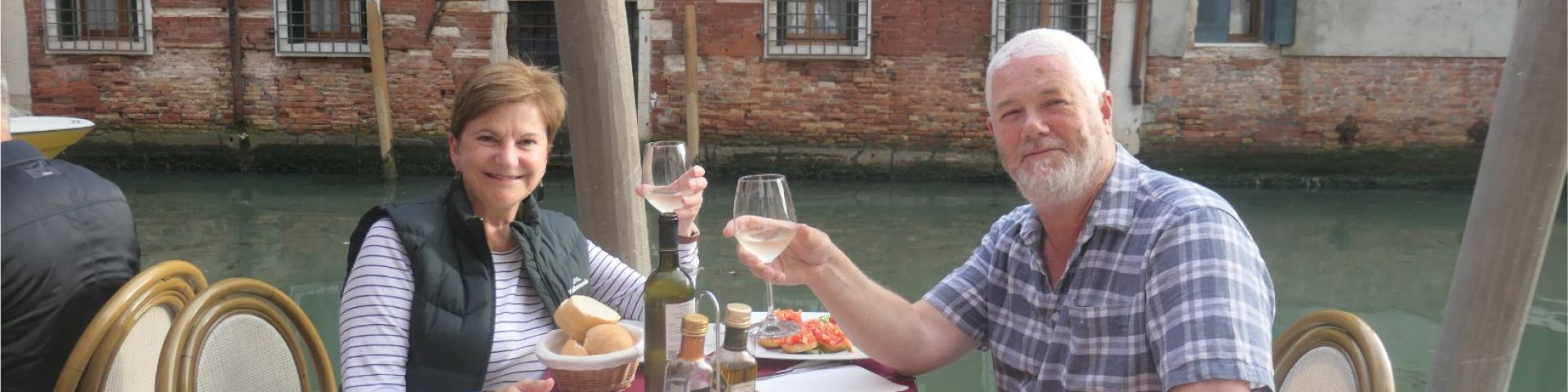
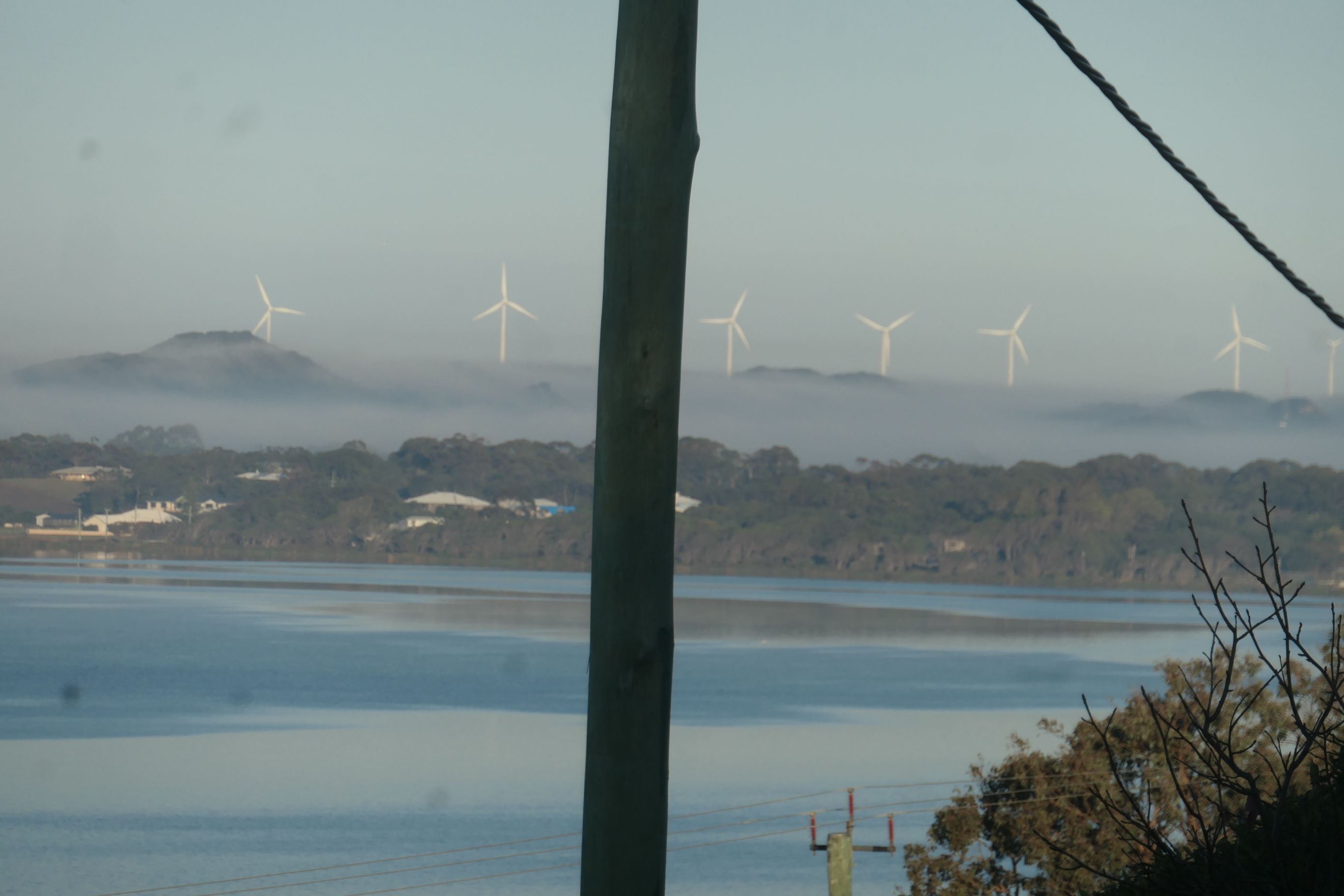
We woke to a beautiful sunny day. We’re staying in a house on Vancouver St. Its elevated position affords us scenic views across Princess Royal Harbour and Shoal Bay from our front doorstep. The shallow harbour, which is a part of King George Sound, is sheltered from the currents of the Southern Ocean a little further to the south. Just down the street we discovered the perfect spot for breakfast at the Vancouver Street Cafe.


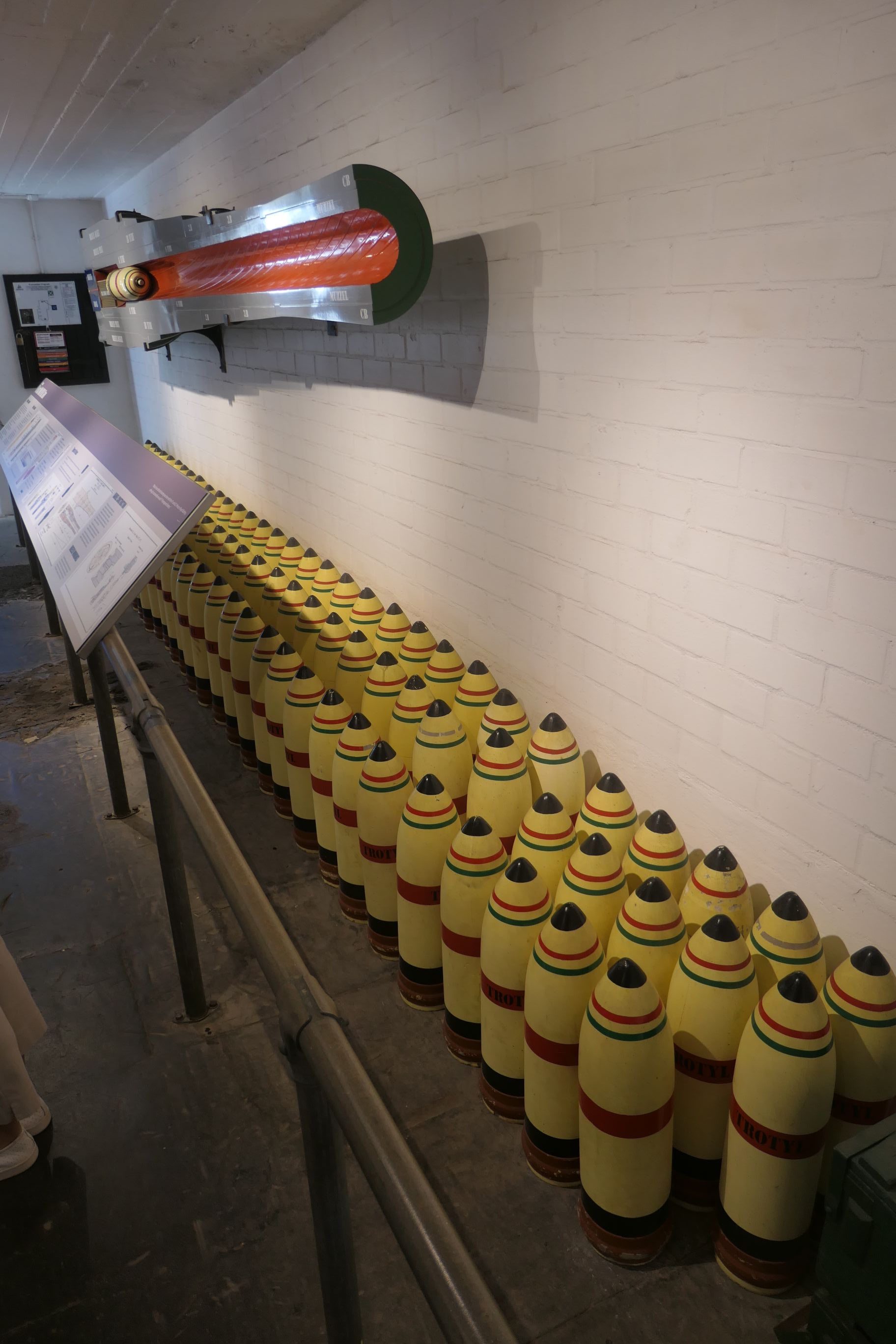
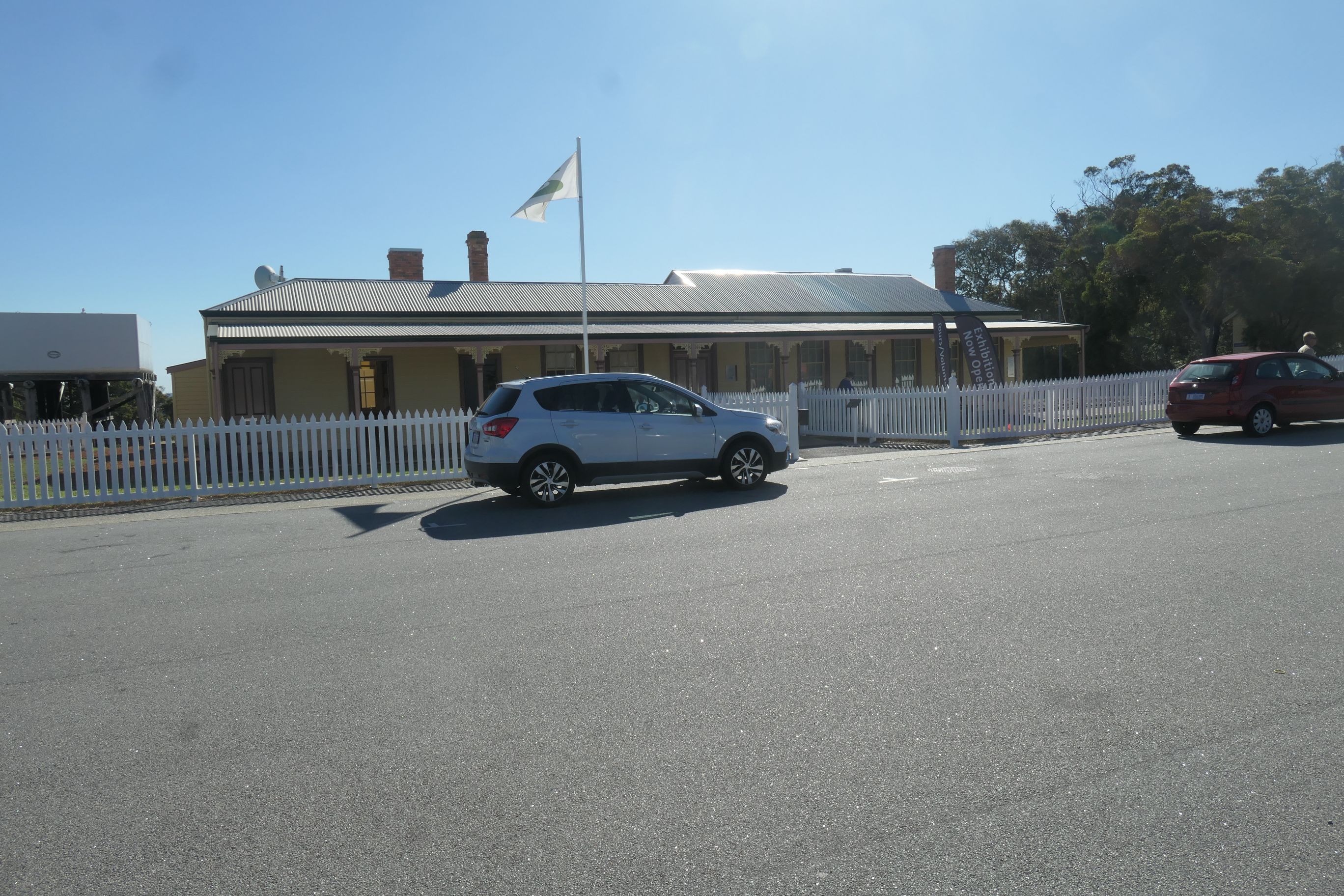
After breakfast we drove the short distance to the National Anzac Centre. Albany was the port where the first two convoys of Australian and New Zealand troops gathered late in 1914 before leaving Australia bound for the Middle East. From there, after a short period of training, they made their way to Gallipoli and other battle zones. Many of these young men had enlisted to defend Britain and her empire on foreign soil in the Great War out of both a sense of duty and a sense of adventure. Unfortunately, thousands of the men who sailed out of Albany in the convoys never saw home soil again.
The National Anzac Centre is now based on the grounds where a defence fort was originally established in 1893, when it was felt necessary to provide some form of protection against a possible Russian invasion. The British government, sensing that its investment in its colonies was of critical importance, funded 50% of the cost of establishing the fort and provided the weaponry. The Australian colonies, also aware that any threat to them must likely come from a foreign power’s navy, likely to pass by our shores close to Albany, contributed the remainder of the costs. So, despite the fact that Federation was still another eight years away, the establishment of the Albany fort was an Australia-wide effort. The Russian invasion never happened, but the gunners based here became well drilled in the use of the heavy artillery they aimed out across King George Sound. The range of these weapons was around 4km. The first soldiers based at Albany to see battle action were engaged in the Boer War in South Africa.
In August 1914, when Australia committed to supporting England in the Great War, each Australian colony began marshalling and training volunteer troops. The numbers swelled and soon ships ferried troops around the coastline to Albany, where the ships gathered in King George Sound and waited for others to arrive. New Zealand’s ships arrived here too. The Anzac legend was born here. In November 1914 the first convoy of Anzacs sailed away to join the fighting. In December that year, a second convoy followed them.
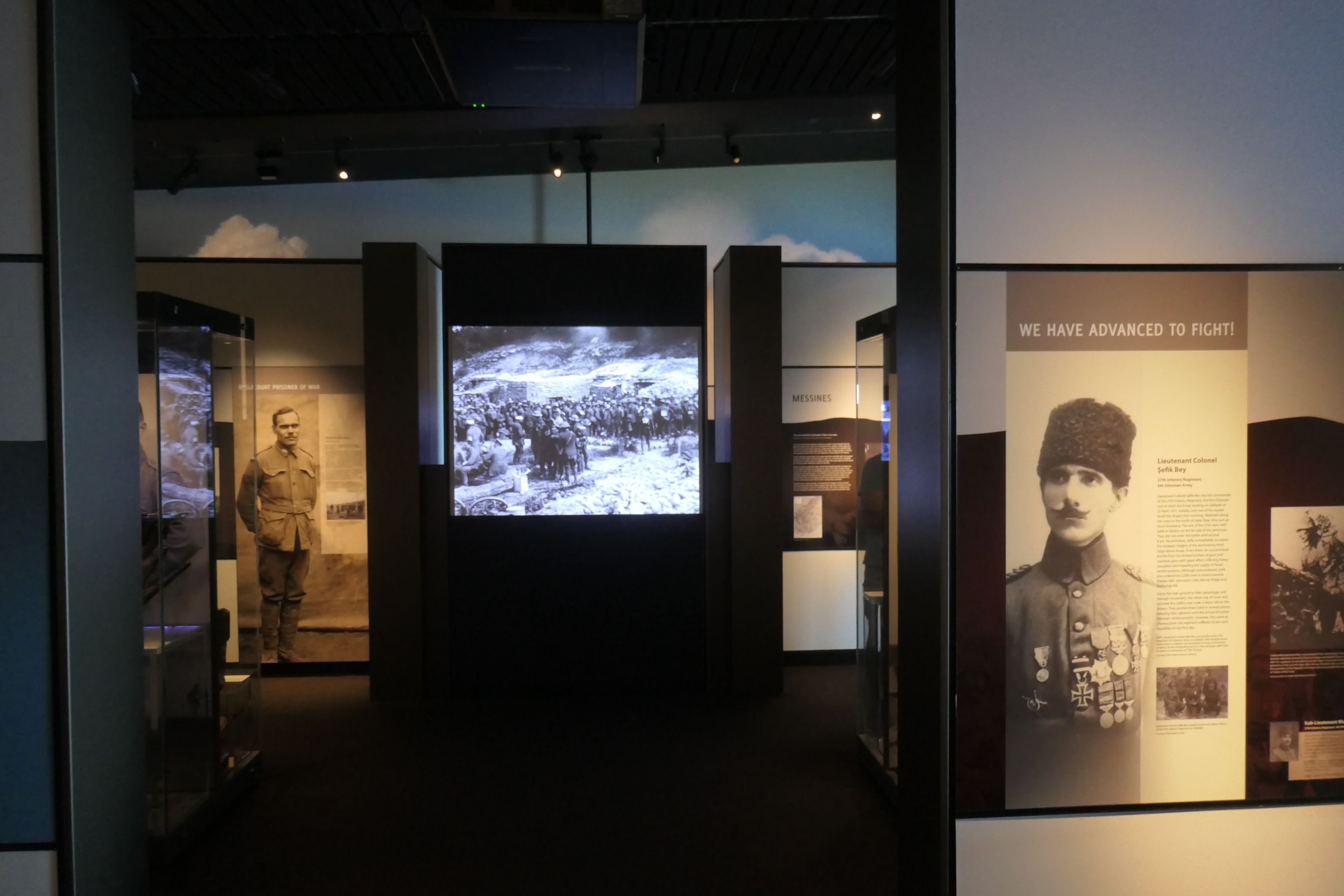
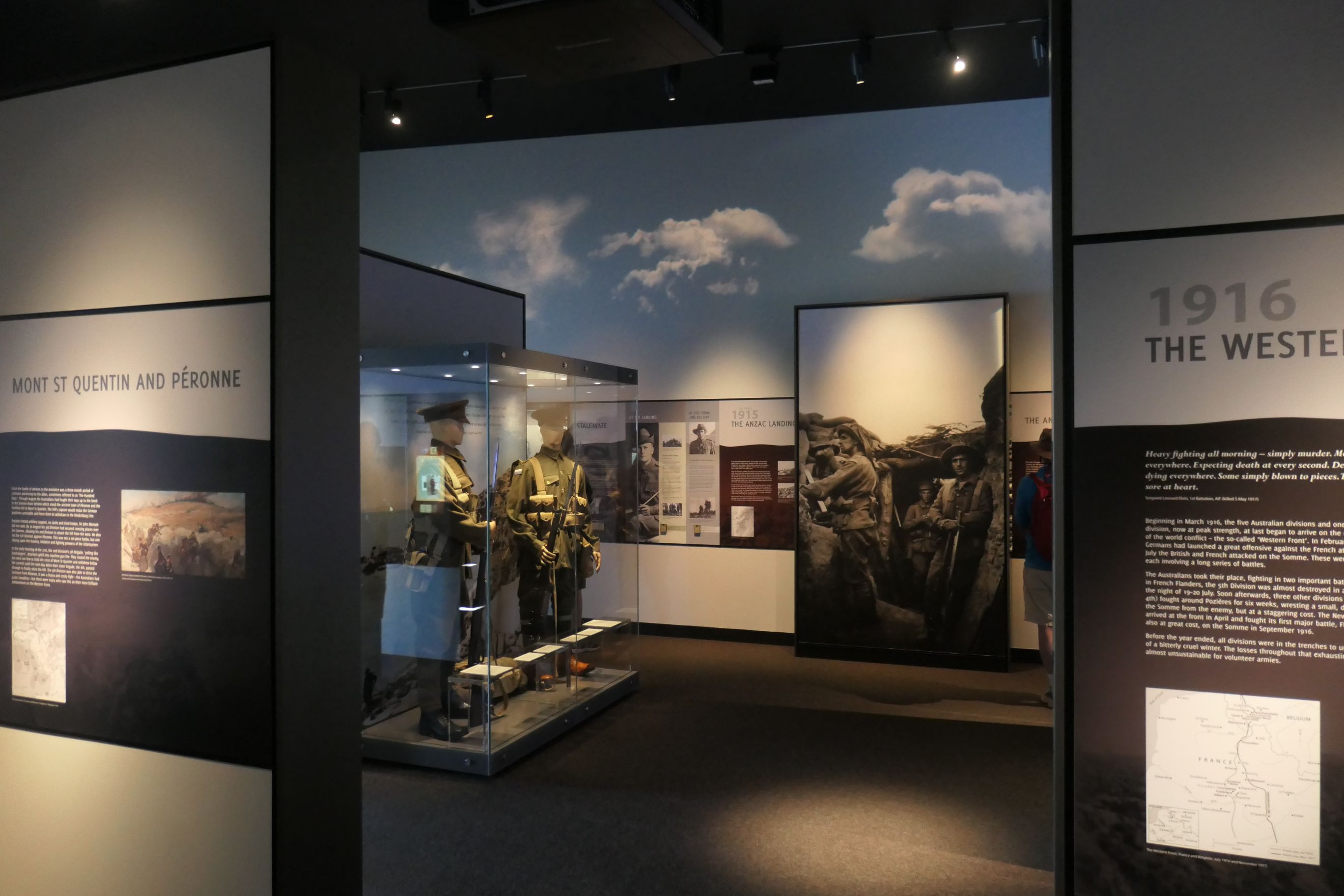
The original barracks and other buildings of the fort fell into disrepair after they were decommissioned in 1956, but the complex has undergone an extensive restoration in recent times, culminating in the opening of an impressive interactive museum in time for the centenary of the Albany Anzac event in 2014. The guard house and the gunners’ barracks also host displays. One of the guides addressed us on the history of the fort and then we were free to explore the display centres, gun placements and magazine in our own good time. We were quite surprised when we realised that four hours had passed, much longer than we’d expected to stay there, so I guess that’s an indication of how impressive the centre was. I’d highly recommend a visit if you’re ever in Albany.





After lunch, Rod and Cornelia drove off to a nearby national park, where they were keen to do some trail walking and climbing. They were able to reach the top of a massive boulder, where a secure pathway fixed to the side of the rock provided views over the surrounding countryside. Marg and I weren’t so keen on that. I wanted to give my blistered feet a break and Marg had found a wool store that she wanted to visit. Our walk to the wool shop turned out to be a good deal further than we initially thought, which wasn’t great for my feet, and much of it was up a very steep hill, which really stretched my lungs as I was puffing and panting for a good deal of the way. But we made it eventually and Marg found some wool that she liked, so it was probably worth the exercise. The walk home seemed slightly easier – perhaps because we knew what was ahead of us.


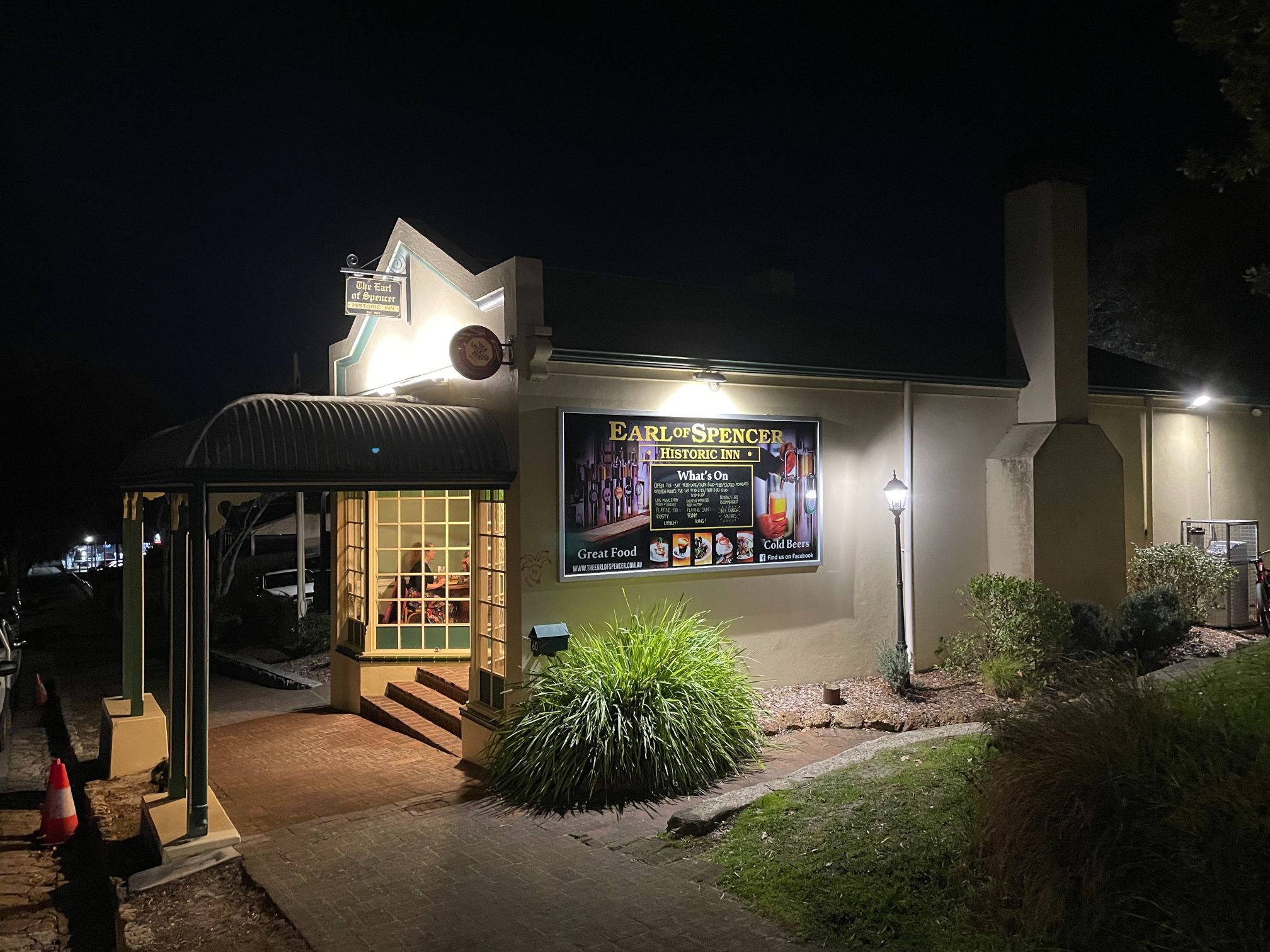
This evening we had dinner at the Earl of Spencer historic pub, established in 1884. It serves classic pub food and has the feel of a British pub about it. In the morning, we’ll begin our long drive back to Perth straight after breakfast. The footy game we’re attending starts just after 6pm.

 On The Road With Garry