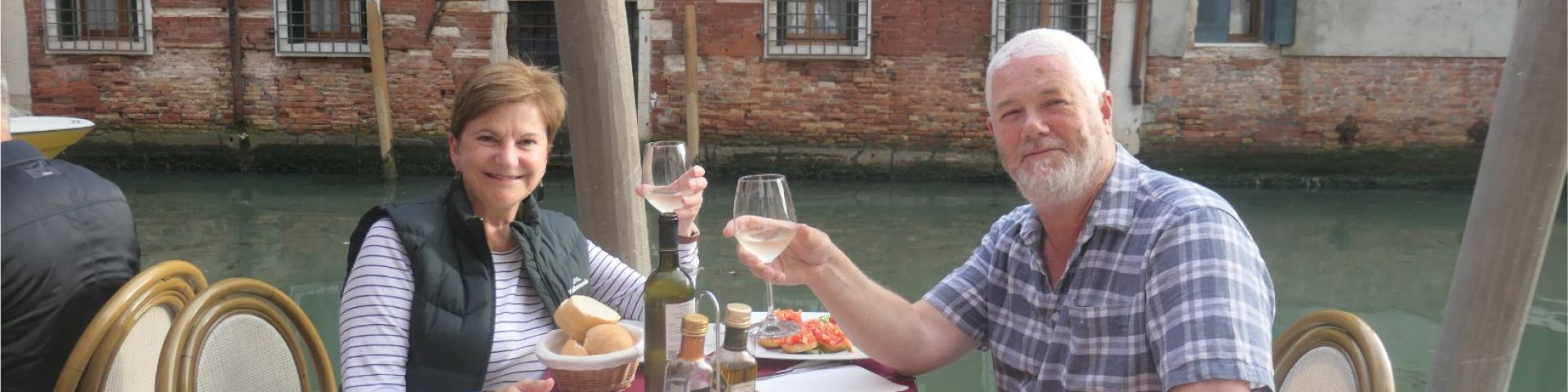
Today is a free day to explore Inverness and its surroundings. It’s a Sunday, so that limits some of the things on offer, but there are still plenty of options to choose. For example, there are boat tours on Loch Ness or you might catch a bus to local towns like Nairn or Fort George where there are places of historic interest. Marg wanted a restful morning, and Neil and Janie wanted to take a walk around Inverness. I was keen to go back to the Culloden Battlefield, which I had visited four years ago.
I had a few reasons for going back to Culloden. One was that last time we visited, we were on a bus tour and our time there was limited. Although we walked the battlefield, we did not have time for the visitors’ centre, which I was really hoping to see. And secondly, after previously visiting Culloden, I’d done a fair bit of reading about the events leading up to it and its terrible aftermath. So, armed with this knowledge, I figured I should go back for a second look.
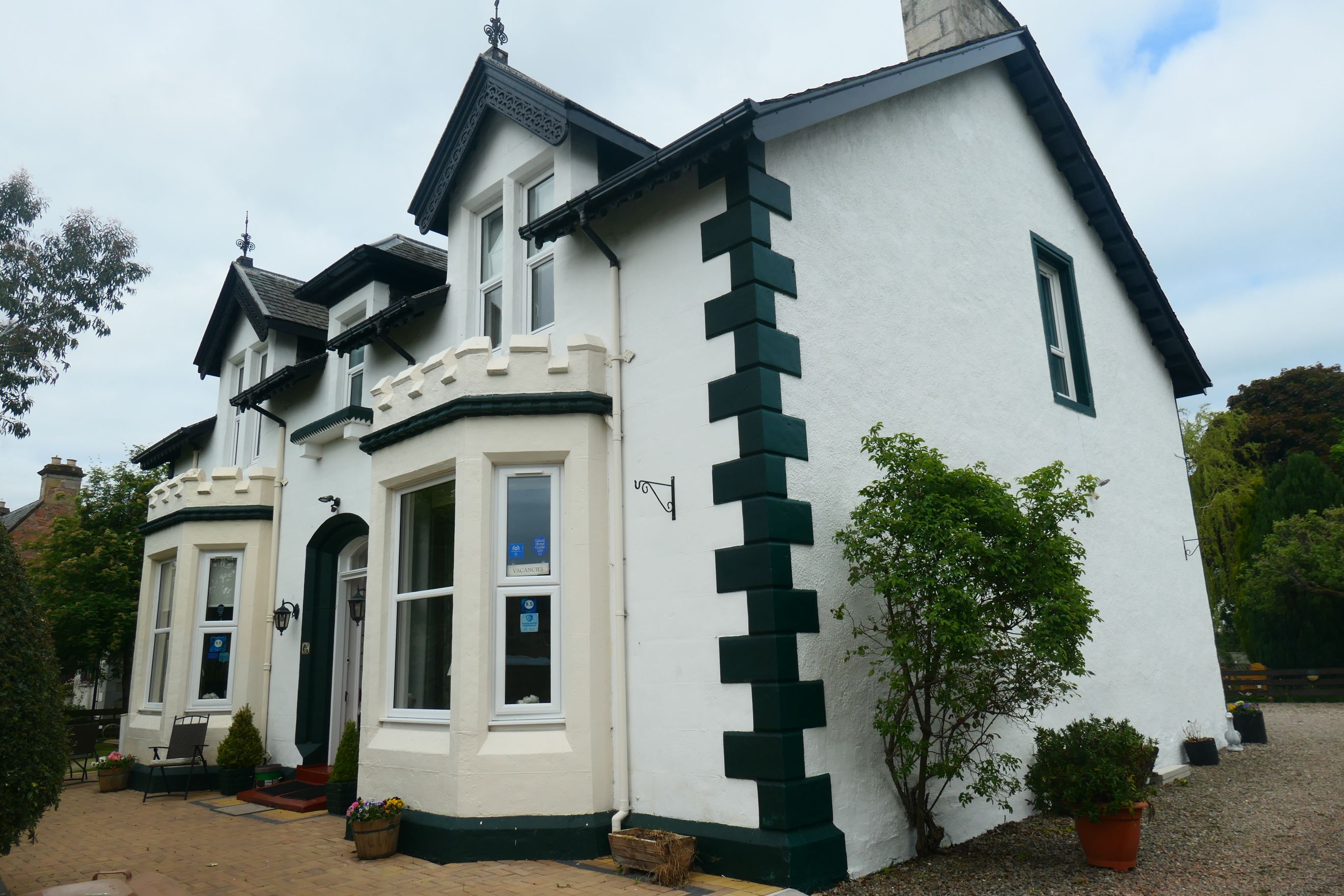
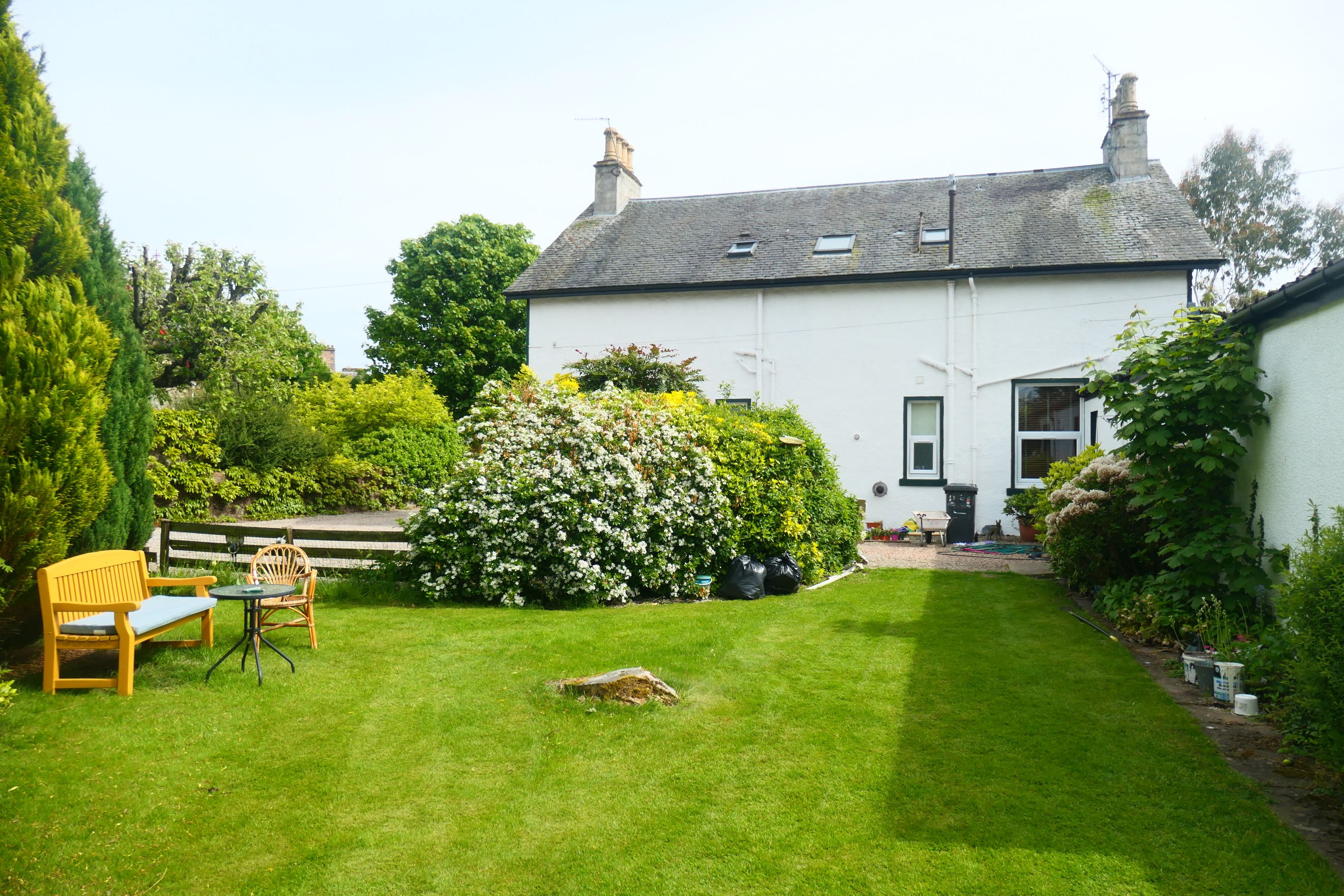
We’re staying in a beautifully restored Victorian era guest house called Moyness House, just a short walk from the centre of Inverness. It was once home to a Scottish writer named Neil M. Gunn, whose novels were popular here in the first half of the twentieth century. The easiest way to get to Culloden from the guest house was to take a ten minute walk into town to the railway station, and catch a taxi from there. The battlefield is just out of town, so it was a relatively short ride.
The Battle of Culloden was fought on April 16, 1746, between the British government troops led by the Duke of Cumberland, son of Hanoverian King George II and the Jacobites, led by Prince Charles Edward Stuart, better known as ‘Bonnie Prince Charlie’. Charlie was descended from the Stuart kings. His father, who was the son of King James II and VII of England, Ireland and Scotland, had been exiled in France.
Bonnie Prince Charlie believed it was his birthright to be king. He secretly sailed to Scotland and set about gathering a Jacobite army with which he aimed to march on London and defeat the British.
The Jacobites believed that Charlie had arranged for a French invasion to support them, but it never arrived. Despite several decisive victories over the British, their troop numbers were dwindling, supplies were running out and morale was low. On April 15, the Jacobites were gathered on high ground near Culloden House. The high ground would allow them to launch a highland charge at the British lines, should they choose to engage the Jacobites. But April 15 was also the Duke of Cumberland’s birthday. Rather than go to war, he allowed his troops additional wine and cheese rations and there was a festive atmosphere in their camp at nearby Nairn. The Jacobites decided to take a chance and take the British by surprise in the dark of night, so they ordered a night march. In the darkness, walking through unfamiliar and challenging terrain, their troops became separated. Some became lost, others bogged down in the peaty soil. They abandoned their plans and arrived back at Culloden exhausted and demoralised by morning. In the meantime, the British troops faced the new day in good shape after the previous day’s festivities.
The government troops assembled in three lines across a field some distance away from the high ground the Jacobites had initially claimed. The Jacobite army was forced to move to a new position. Those on the left flank were faced with boggy moorland, which slowed them down and made them sitting ducks. The Jacobites, many of whom were highlanders, launched their charge at one section of the British line. Some made it past the initial volleys of gunfire and charged into the British lines wielding their broadswords, but many were cut down by the rifle fire and fell, dead or injured on the battlefield. One British commander took his troops out wide to the left. They broke through a gap in a stone wall and circled around to the rear of the retreating Jacobites. From this point on, the battle was essentially over. It had taken less than an hour. 1600 men, women and children lay dead on the battlefield. 1500 of them were Jacobites. They had suffered a crushing defeat.
The dead from both sides were buried in mass graves on the battlefield. The graves can be observed today as small mounds, often accompanied by a memorial stone. Bonnie Prince Charlie fled, assisted by his followers. He made his way to the Hebrides, and eventually escaped back to Europe. The British established a number of forts in the region to quash any further rebellion from Jacobite supporters. They banned the wearing of clan tartans, forbade the use of the Gaelic language, and made the carrying of highlanders’ weapons a crime. Over three thousand Jacobites were taken prisoner. Some were executed, some imprisoned, and some sent to British colonies in the Americas as slaves. Culloden was the final battle fought on British soil.
I spent a couple of hours in the visitors’ centre at the entrance to the battlefield. The centre is arranged really well. As you walk down each narrow gallery, you can follow the progress of King George II’s government army by reading the text and viewing the artefacts on the left hand wall. And, directly opposite on the right hand wall, in the same chronological time sequence, you could learn about what the Jacobites were doing. There were weapons and pieces of shot recovered from the battlefield, maps and illustrations, original documents and items of clothing. There was an immersive theatre experience, where visitors stood in the centre of a room while vision of the combatants clashing was projected on all four walls surrounding them, accompanied by the sounds of battle.
I found the visitors’ centre really informative, and the ideal preparation for exploring the land where the battle had taken place. They asked us not to take any photos of the displays in the visitors’ centre, so there are none here.
The photos immediately below are of Leanach Cottage, which was behind British lines and was probably used as a field hospital for wounded British soldiers.


In the next set of photos you might be able to make out the mounds over the mass graves. The bodies in these burial sites do not necessarily match the clan names on the memorial stones that accompany them.
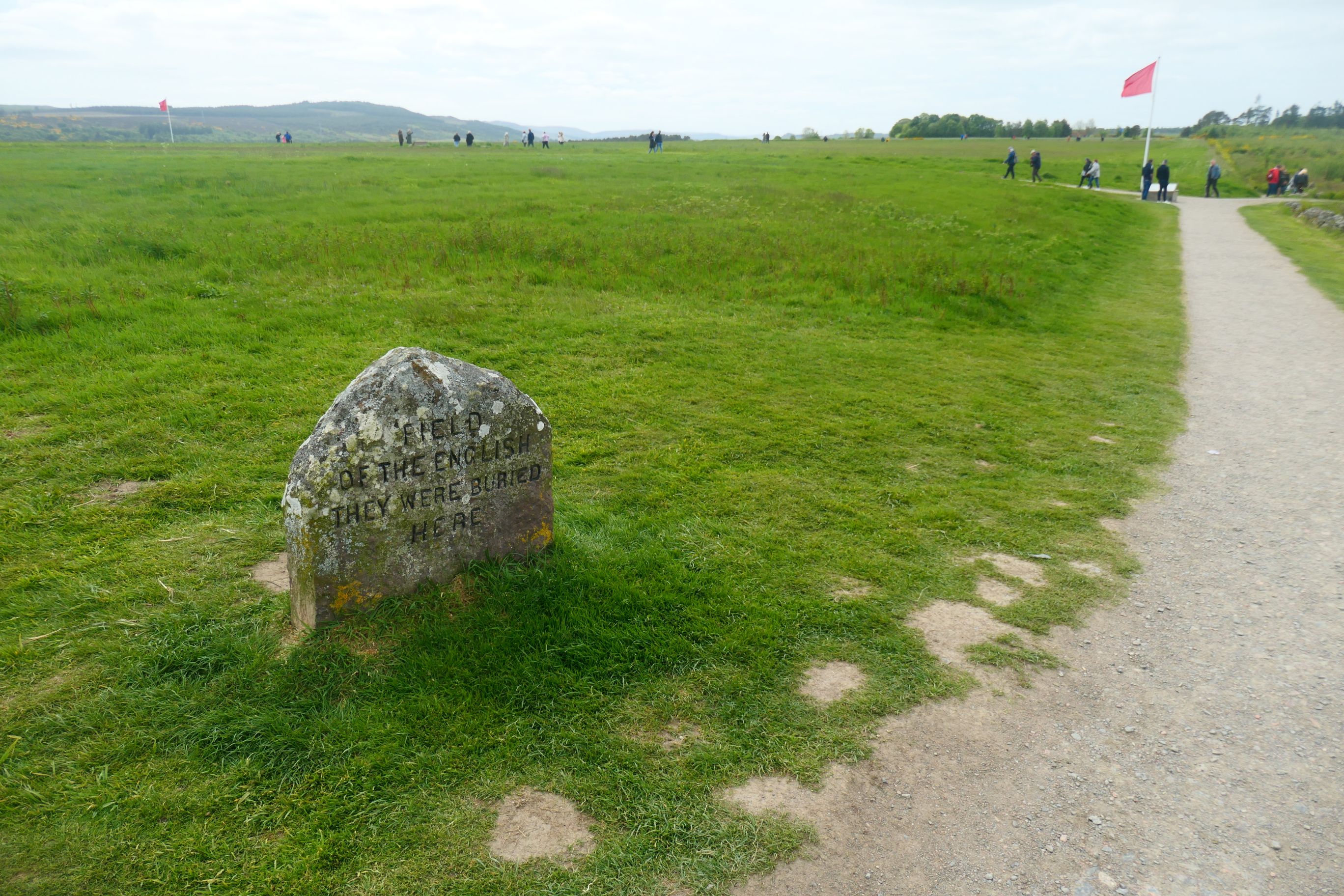
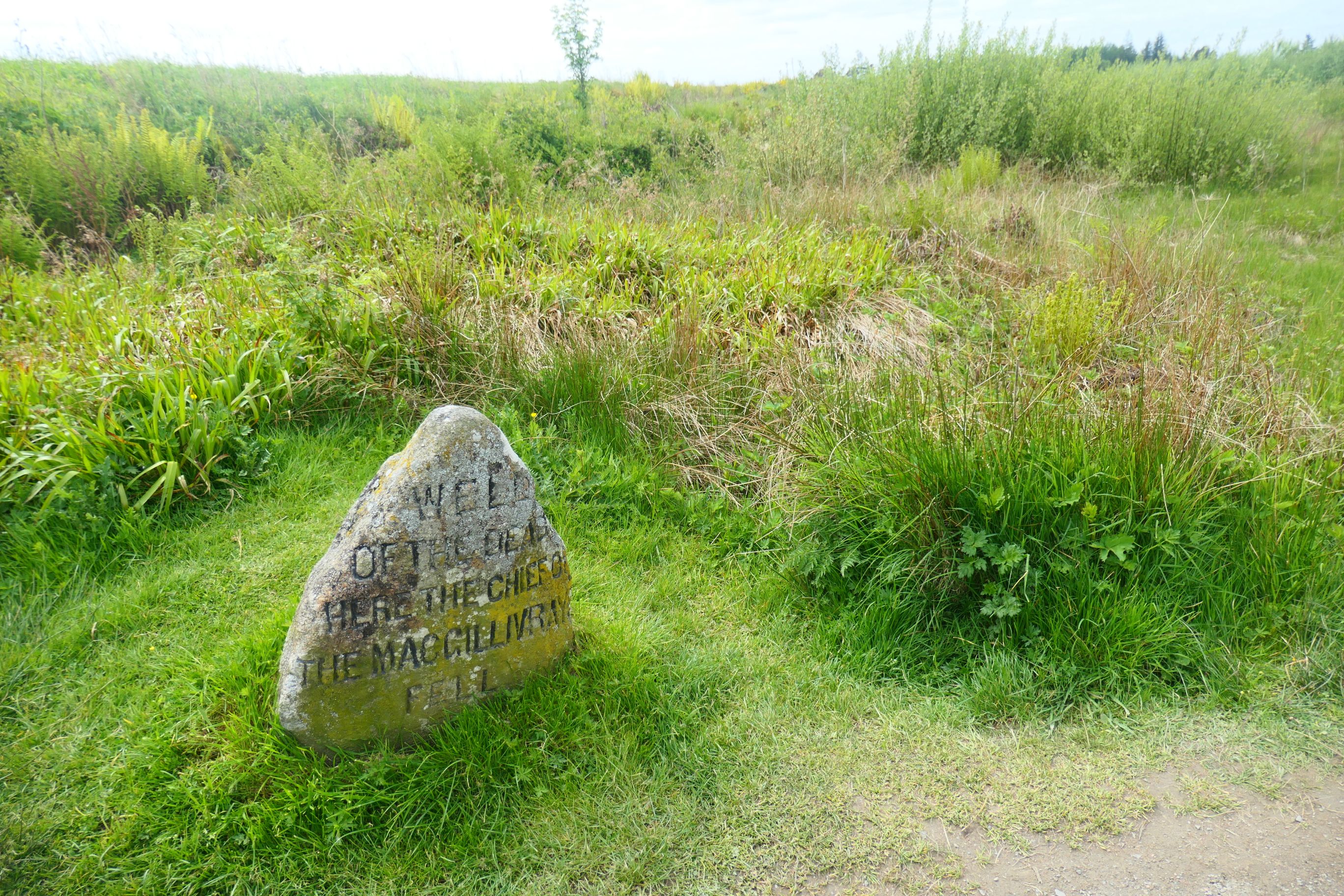
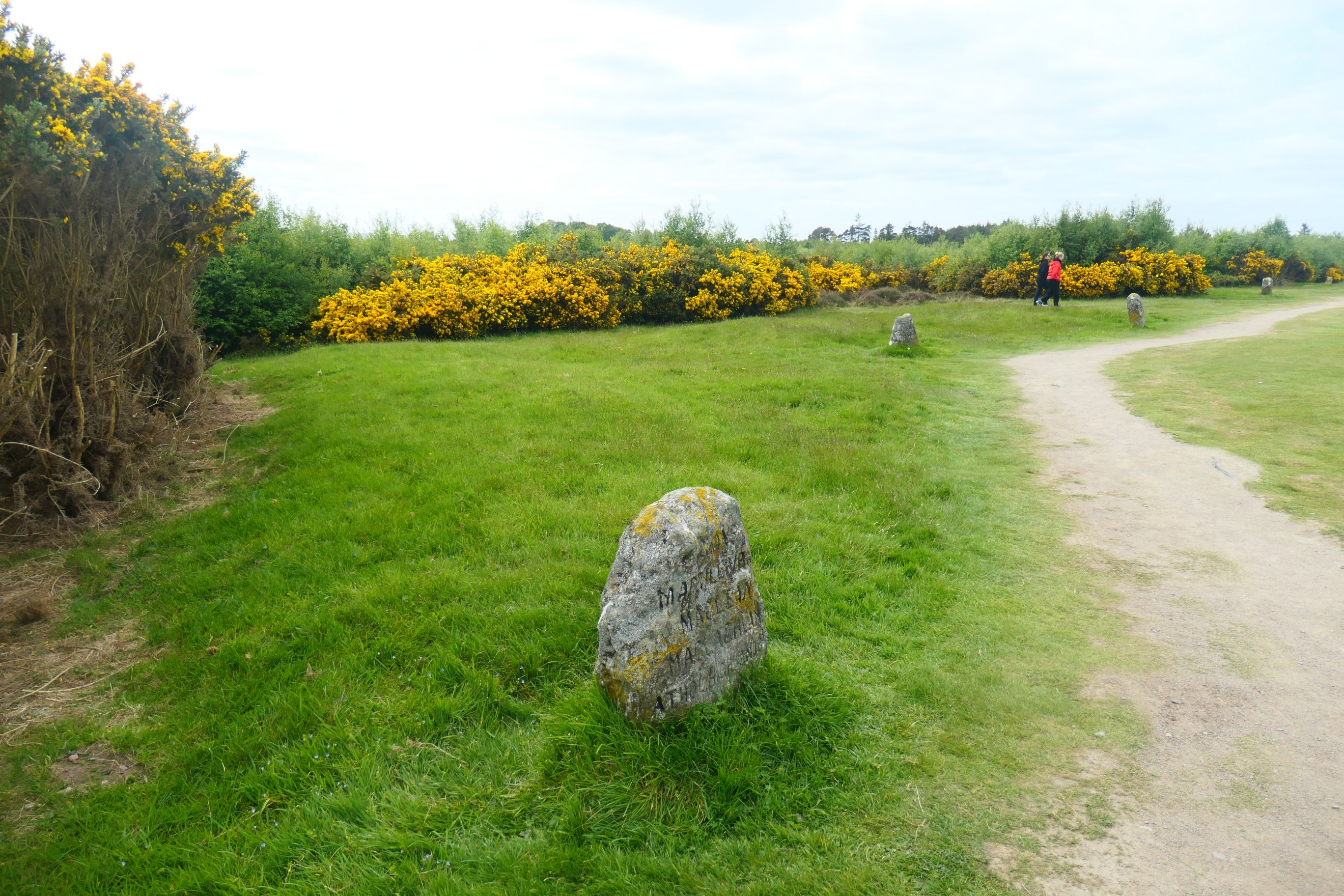


I walked around the perimeter of the battlefield, past the mass graves and the memorial cairn. The moorland that had given the left flank of the Jacobites so much difficulty during the skirmish is still there today. The ground is uneven and often muddy or soft and damp. The Jacobites forced to charge at the British lines through this terrain were slowed down or forced to change course. The charge at this point of the line soon lost its formation and became ineffective. The last photo in this set is of the more even ground which allowed Jacobites to the right of the moorland to hold the formation of their lines much longer as they charged at the redcoats.
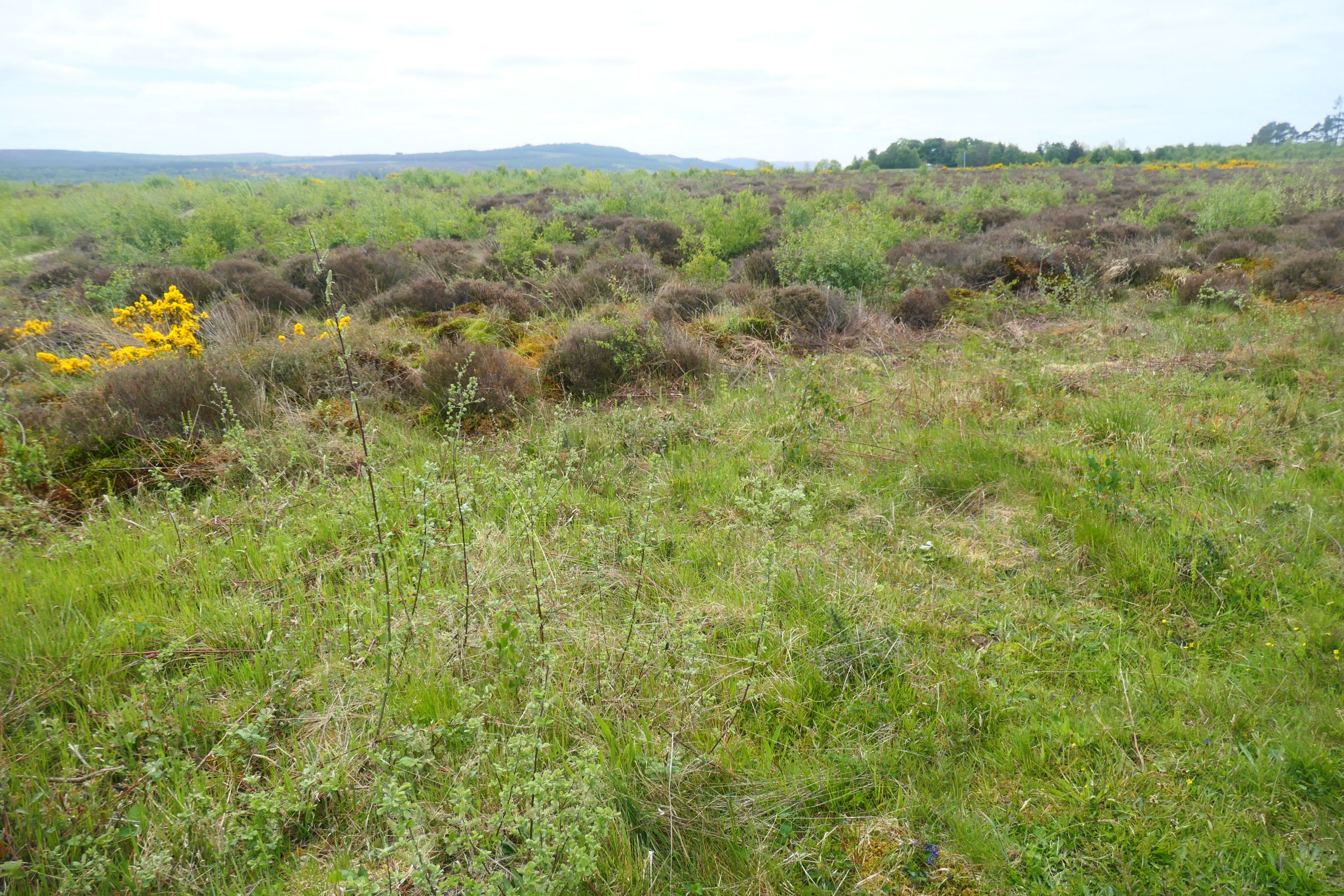

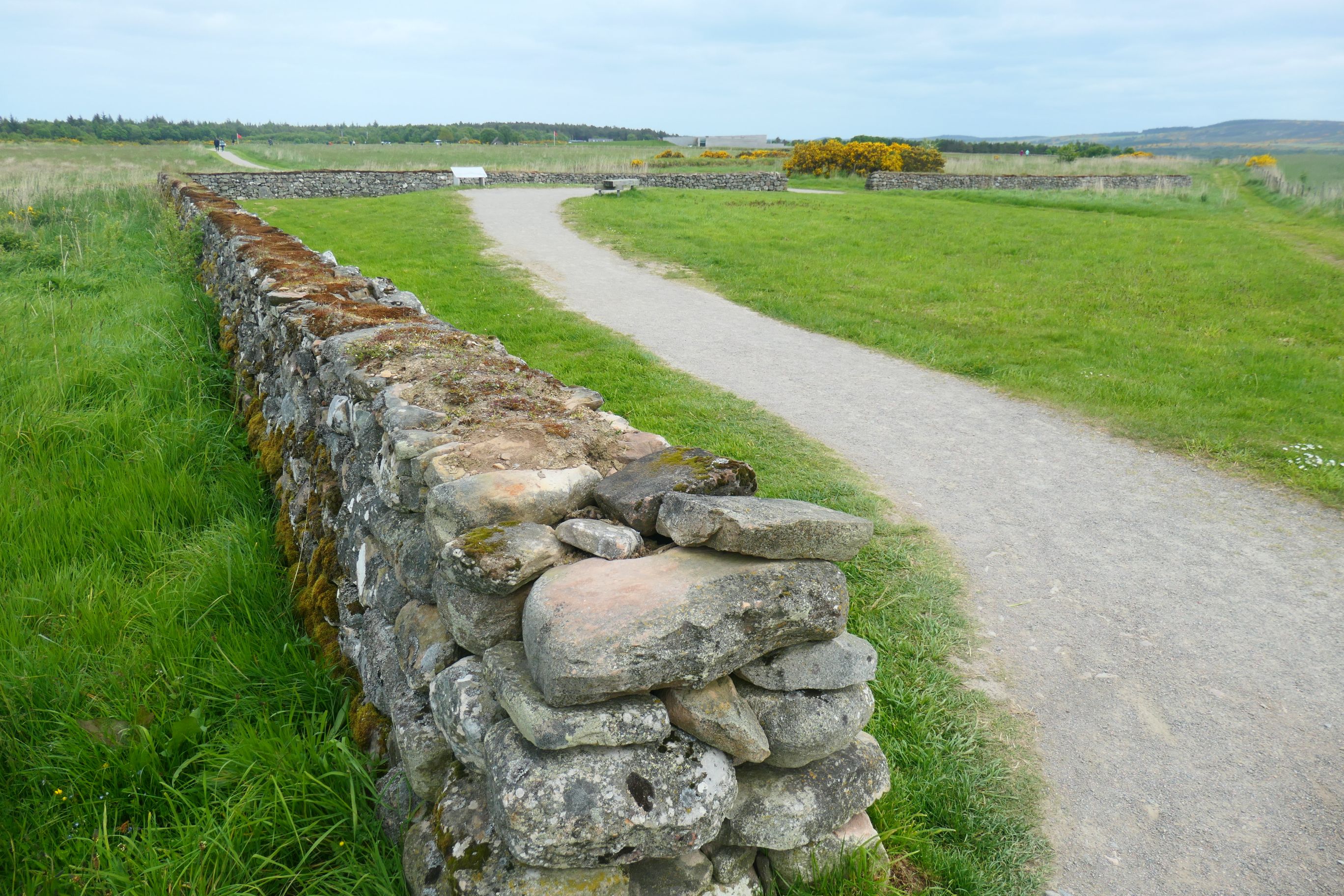
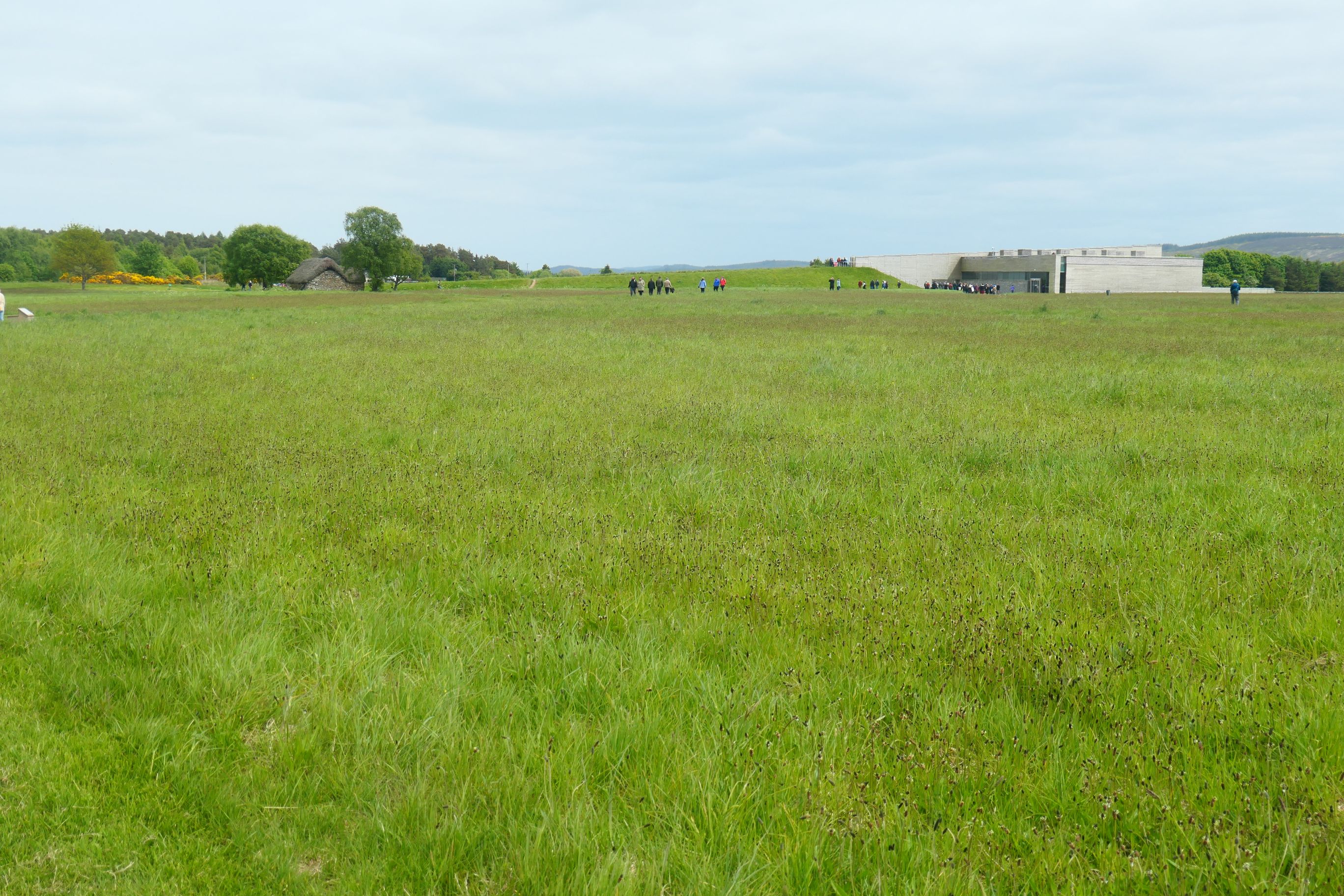
It’s a sobering experience walking over the battlefield, thinking about the people who died here. The entire battlefield is considered a war grave, and visitors are requested to keep this in mind when they visit the site.
I caught a taxi back to the guest house, met up with the others and we walked down to the Ness Bridge to find a place for lunch. Marg found a wool shop on the way. She was a little disappointed to discover it is closed on Sundays, but I’m sure it won’t be long before she finds another one that is open.

 On The Road With Garry